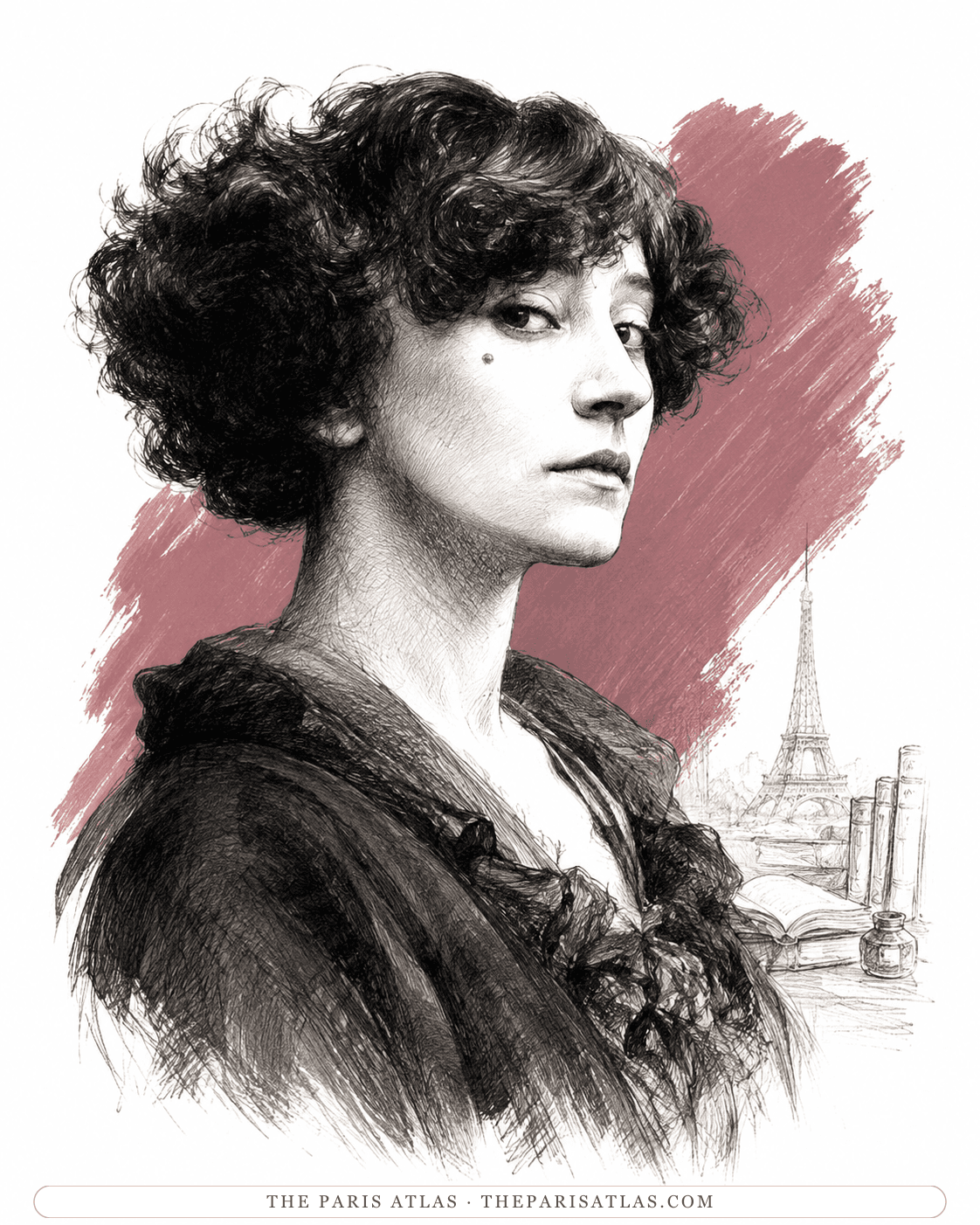
Colette
Lived here · 1916–1926
Colette's Auteuil home for a decade, through the end of her marriage to Henry de Jouvenel (divorced 1924); she left in 1926 for the rue de Beaujolais.
Colette's long Auteuil home through the end of her second marriage — the address just before the Palais-Royal.
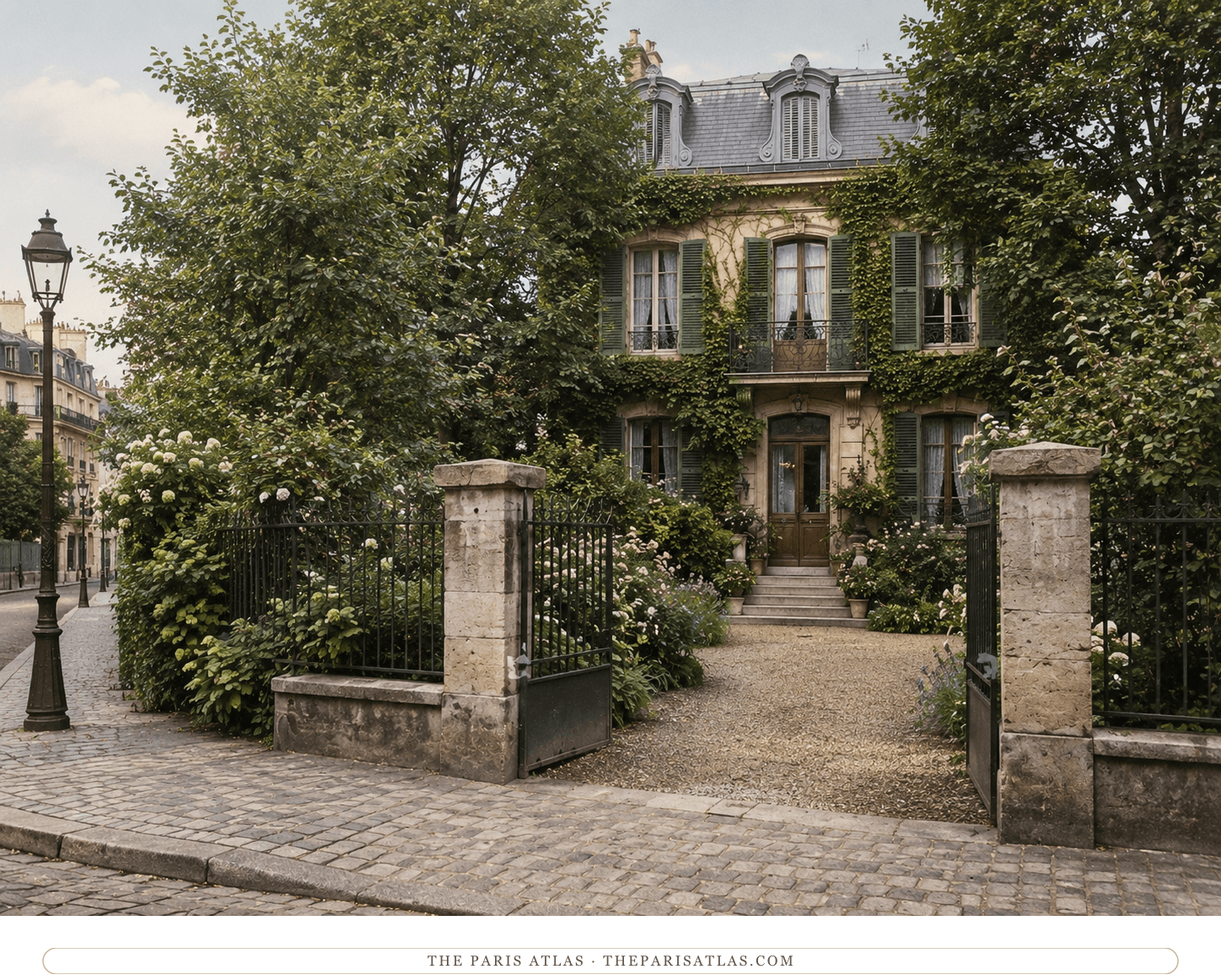
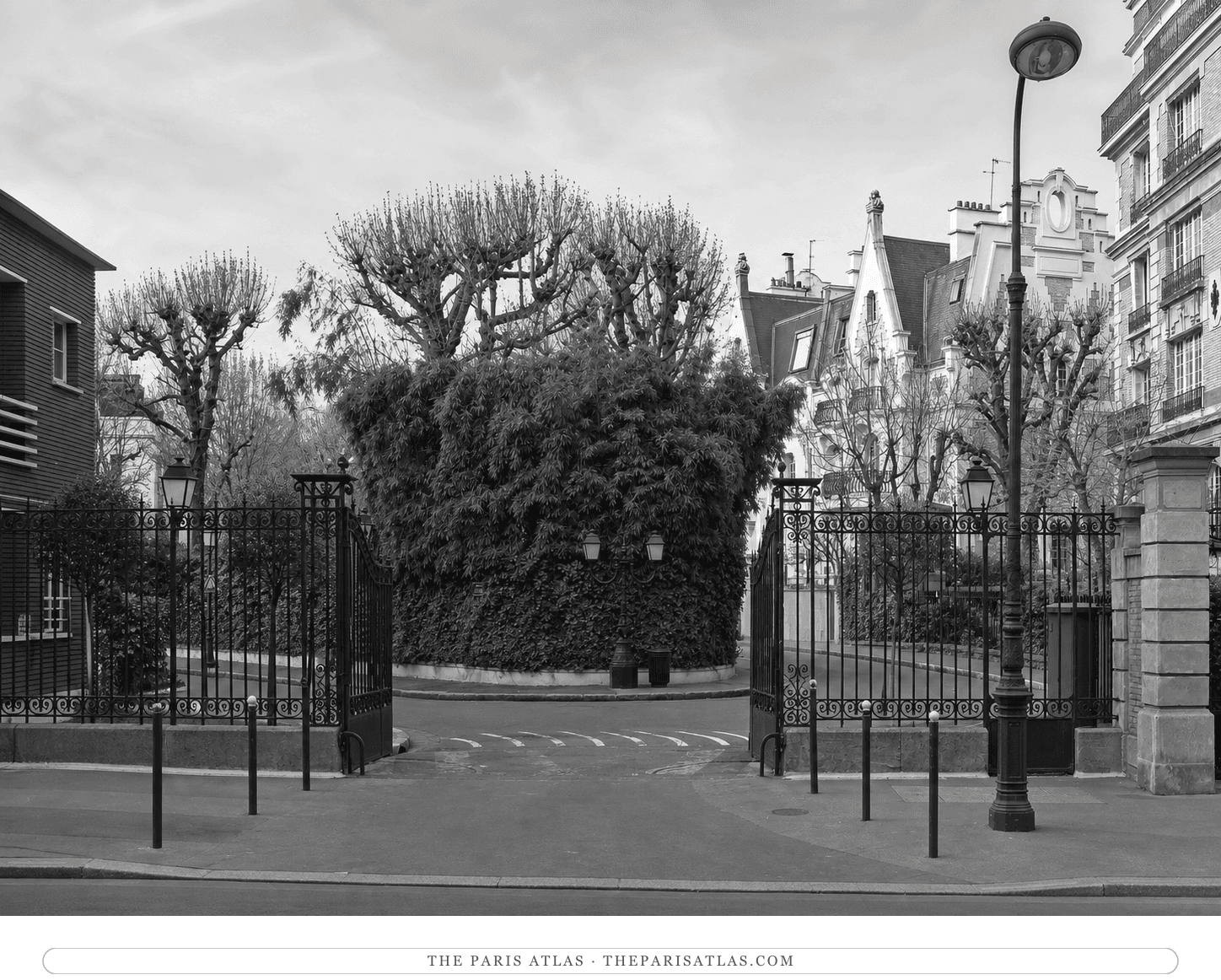
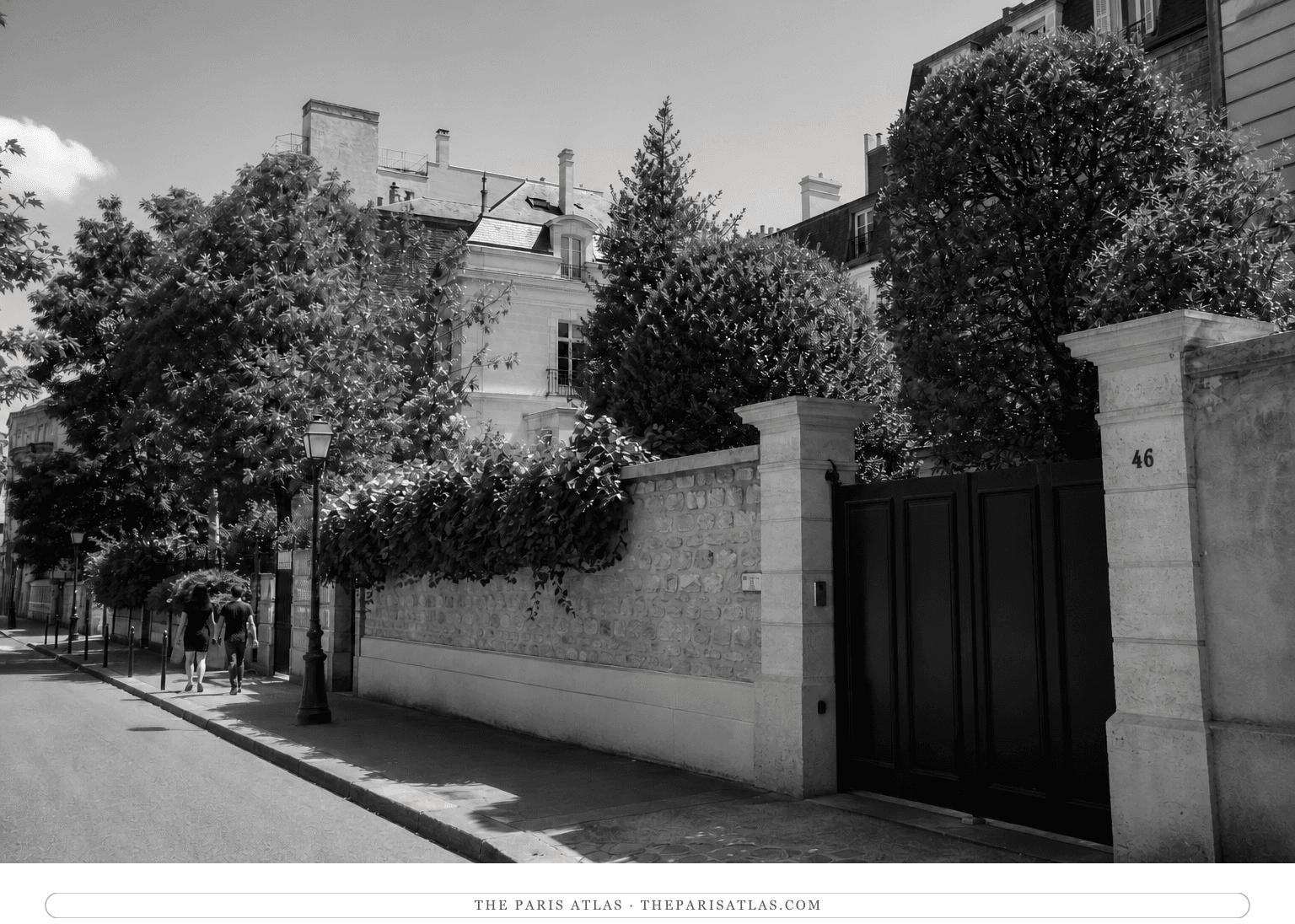
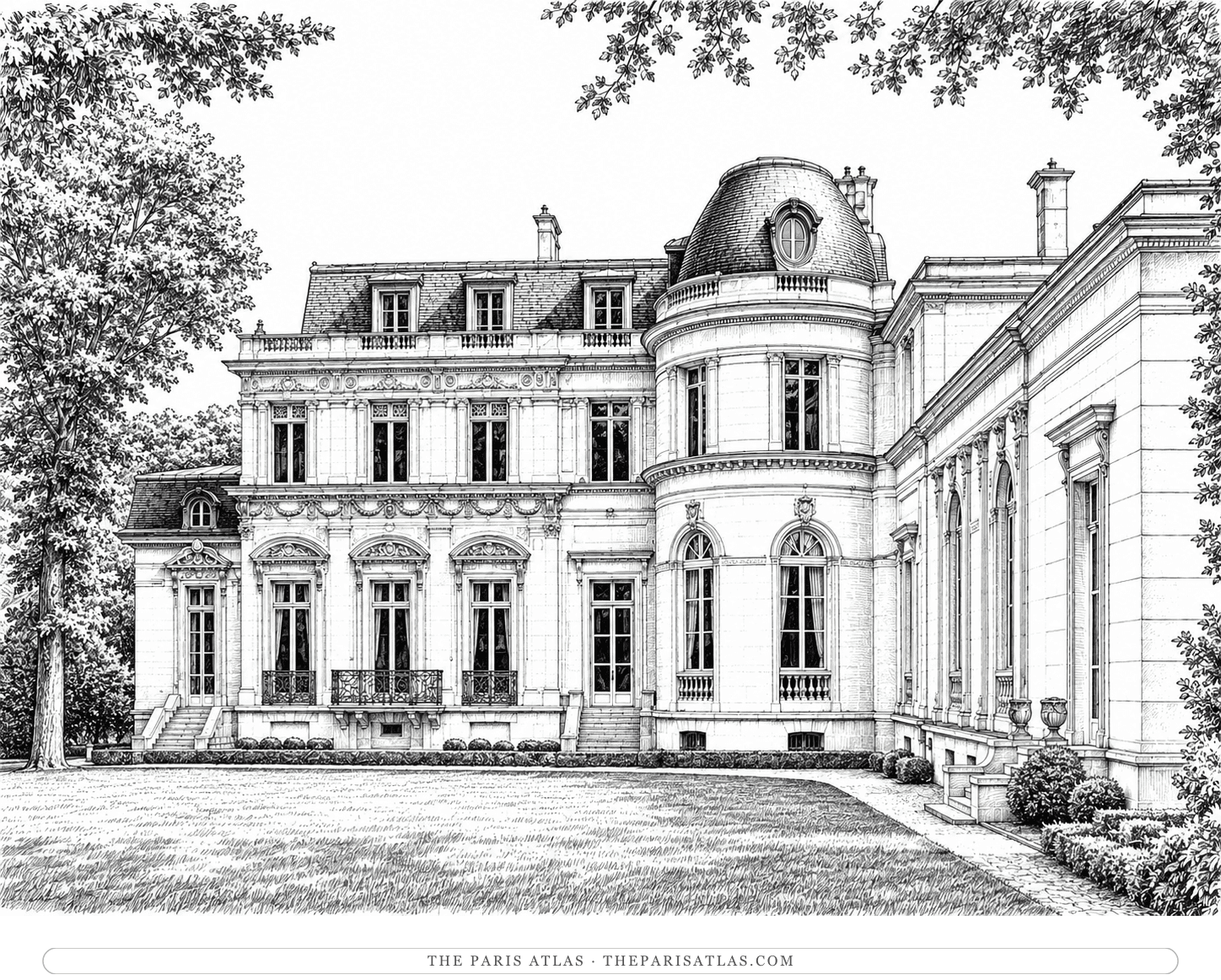
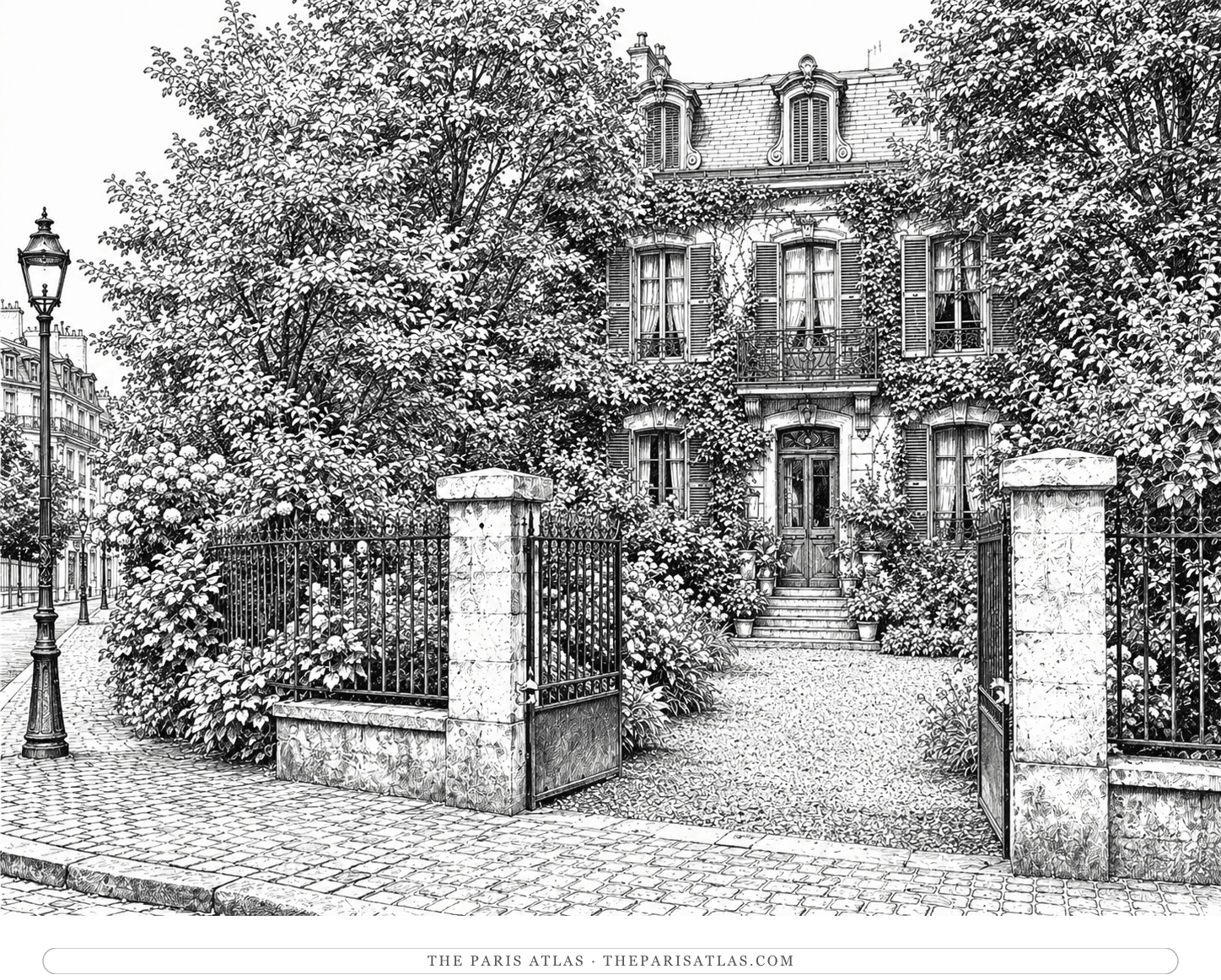
Colette and Henry de Jouvenel moved into a private mansion at 69 boulevard Suchet, in Auteuil, in November 1916. She kept it for ten years, her longest and most settled Paris home before the Palais-Royal. Here she wrote Chéri, her novel of an aging courtesan and a much younger man, published in 1920.
These were also the years her second marriage came apart. Around 1920 Colette, then in her late forties, began a relationship with her stepson Bertrand de Jouvenel — Henry's son from an earlier relationship, about sixteen at the time. Henry de Jouvenel left the house in 1923, and the couple divorced the following year. Colette stayed on alone, paying for the house with her writing and her stage work, until 1926.
Her daughter, Bel-Gazou, spent these years largely in the care of a governess and at the family's country house in Corrèze. In 1926 Colette gave up the boulevard Suchet mansion for a small apartment in the Palais-Royal, on the rue de Beaujolais — low, dark rooms she called her "lair," in the neighbourhood she would keep for the rest of her life.
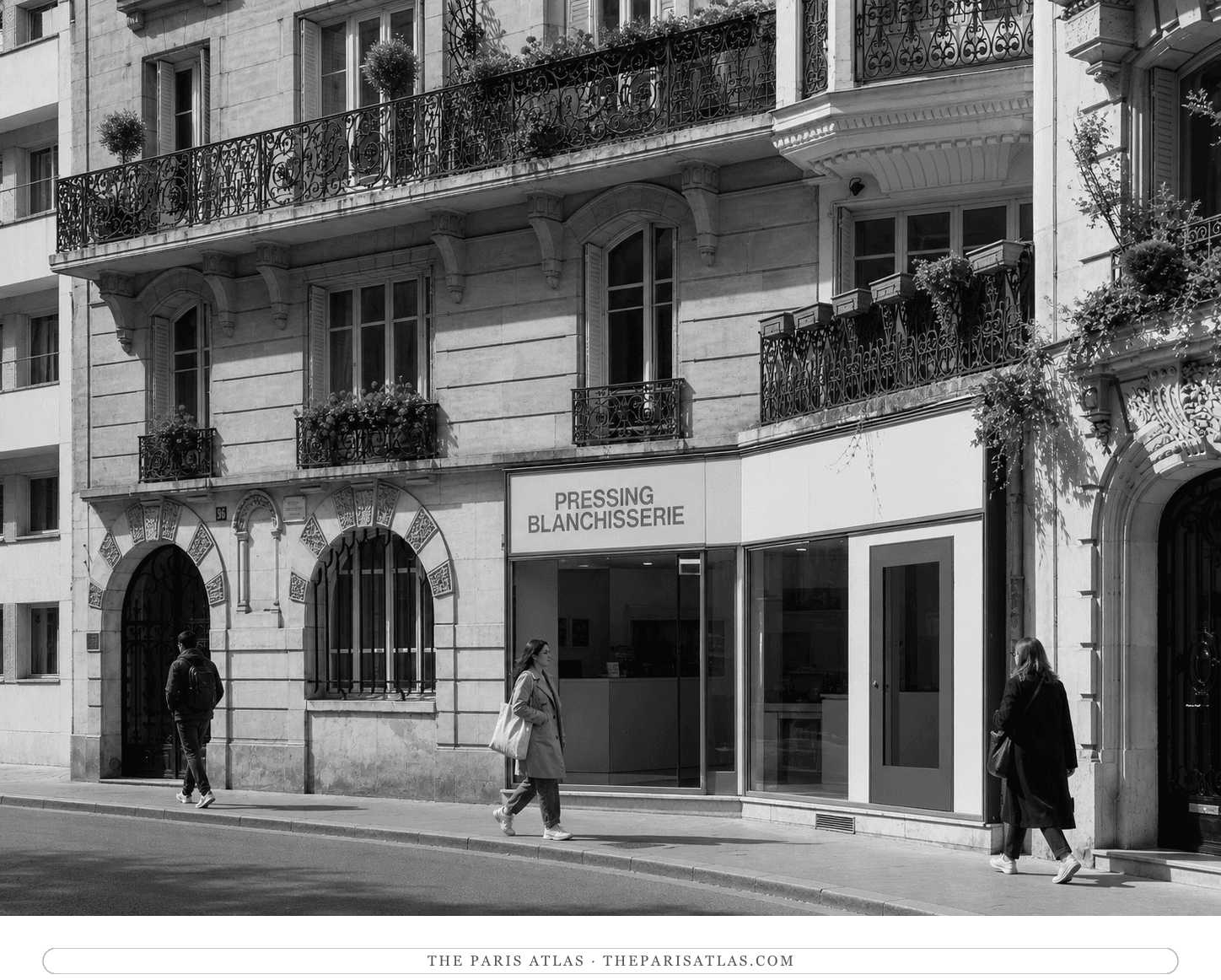
The mansion no longer stands. A modern apartment building, numbered 69–75, occupies the site today.
Colette and Henry de Jouvenel move into the mansion on the boulevard Suchet in November.
Chéri is published; around this time Colette begins a relationship with her stepson Bertrand de Jouvenel.
Henry de Jouvenel leaves the house.
Colette and Jouvenel divorce.
Colette gives up the mansion and moves to her first apartment at 9 rue de Beaujolais, in the Palais-Royal.
Lived here · 1916–1926
Colette's Auteuil home for a decade, through the end of her marriage to Henry de Jouvenel (divorced 1924); she left in 1926 for the rue de Beaujolais.
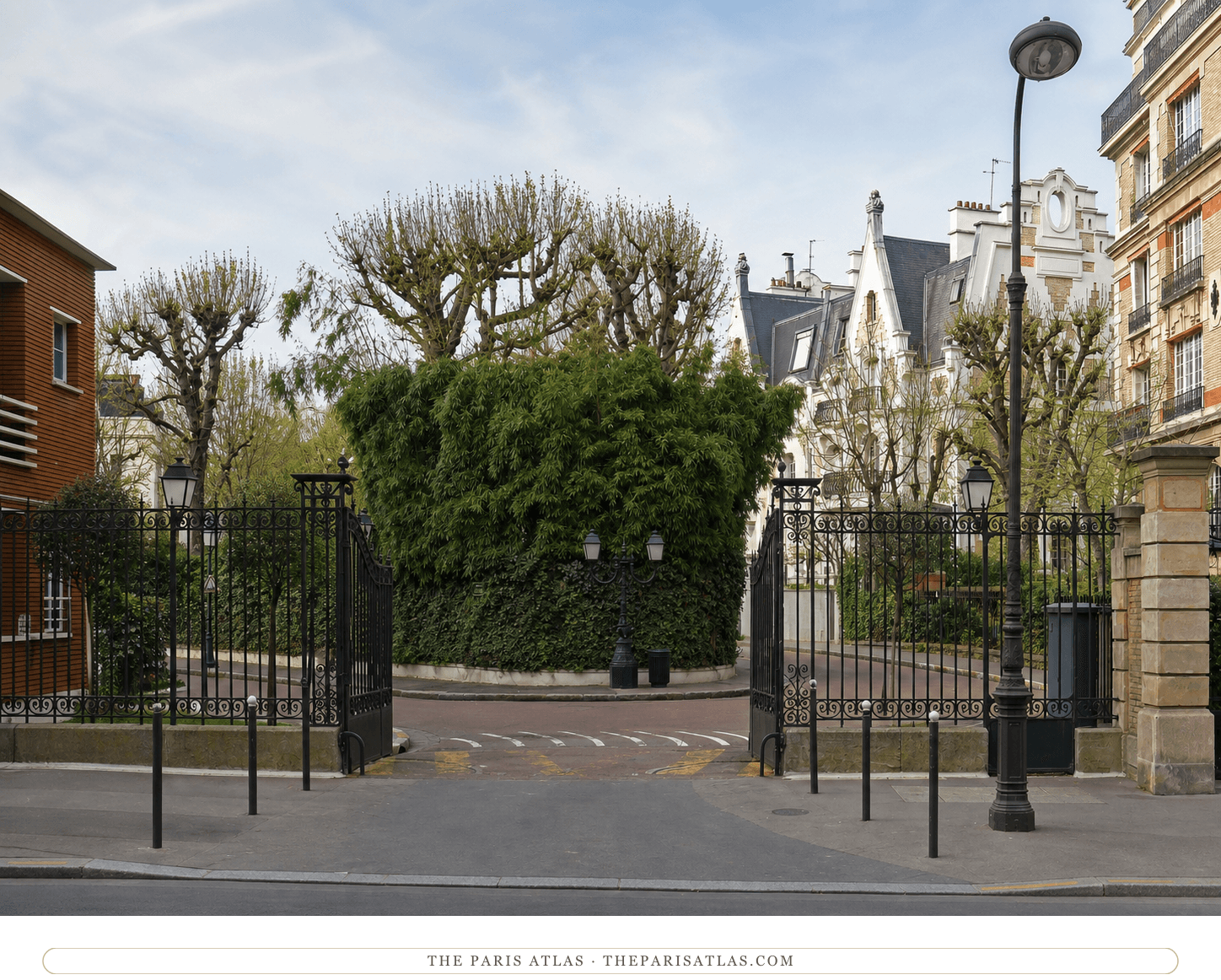
The private gated estate in Auteuil, laid out on the grounds of an eighteenth-century château, where Marc Chagall kept a studio in the mid-1930s before the war forced him out of France.
Visit the place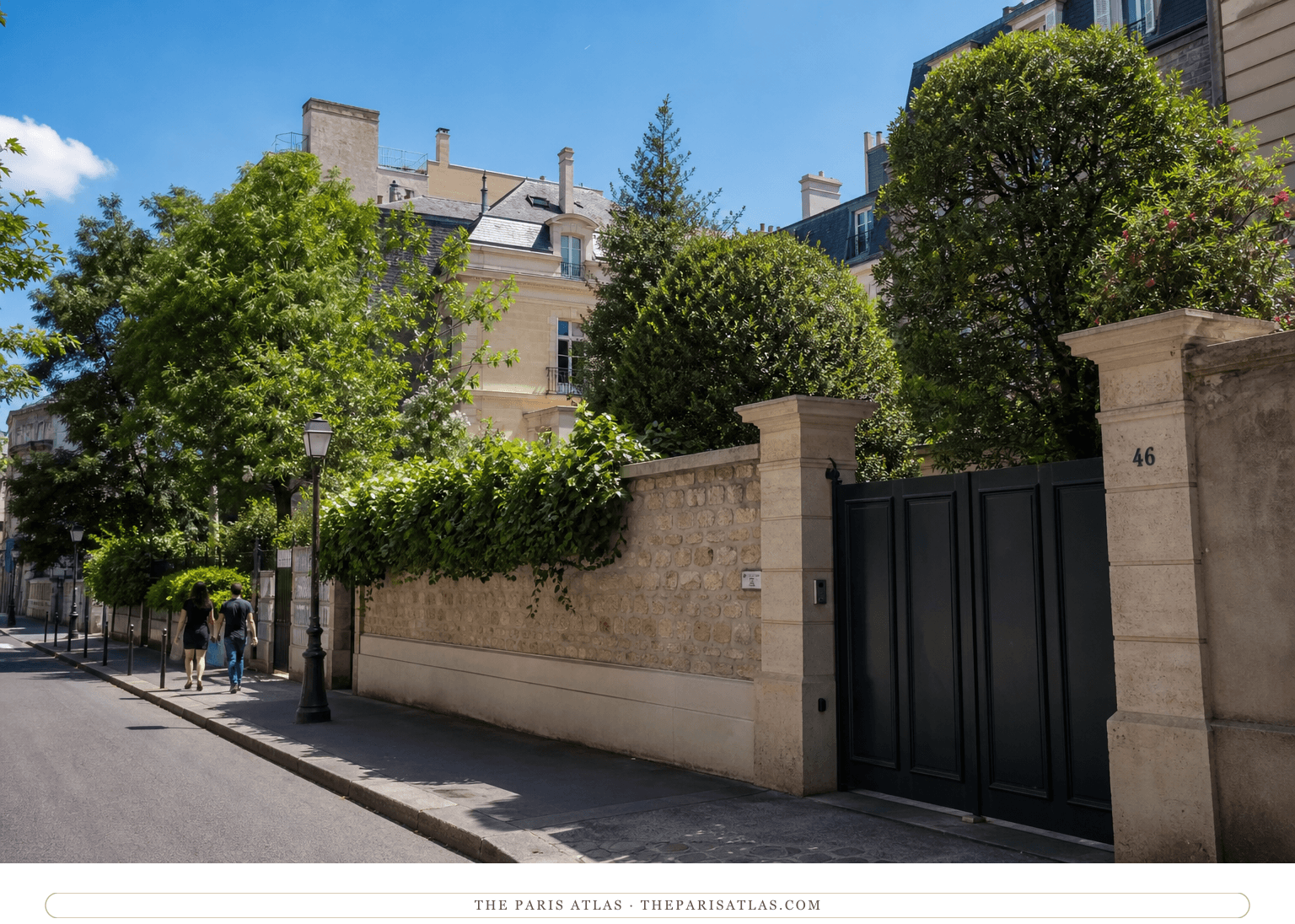
A rest house of the American Hostels for Refugees, the organisation Edith Wharton ran with Royall Tyler for civilians displaced by the German advance into Belgium and northern France.
Visit the place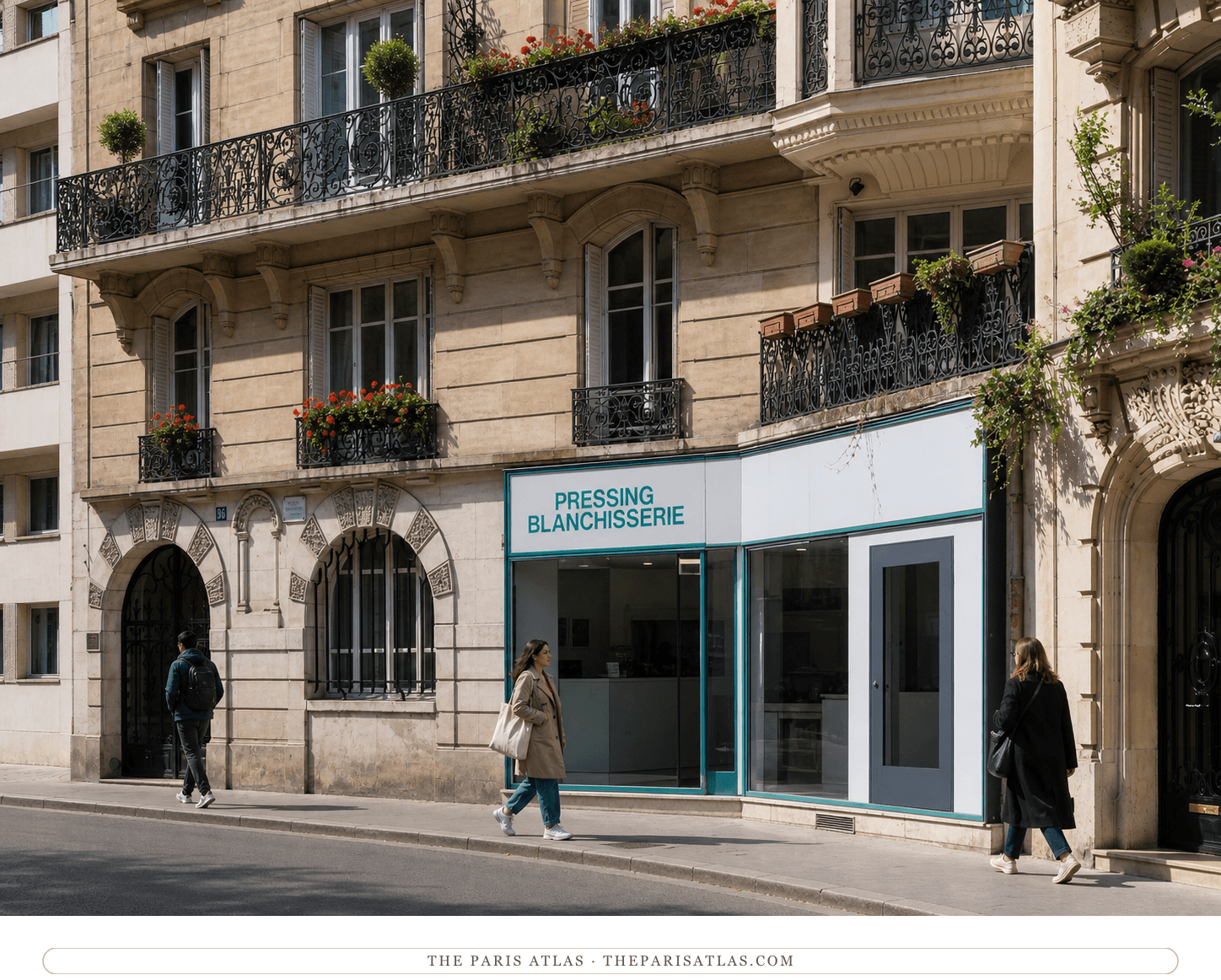
The house in Auteuil where Marcel Proust was born on 10 July 1871 — at the time a village on the western edge of Paris rather than a city street, and the address his family had retreated to during the upheaval of the Commune.
Visit the place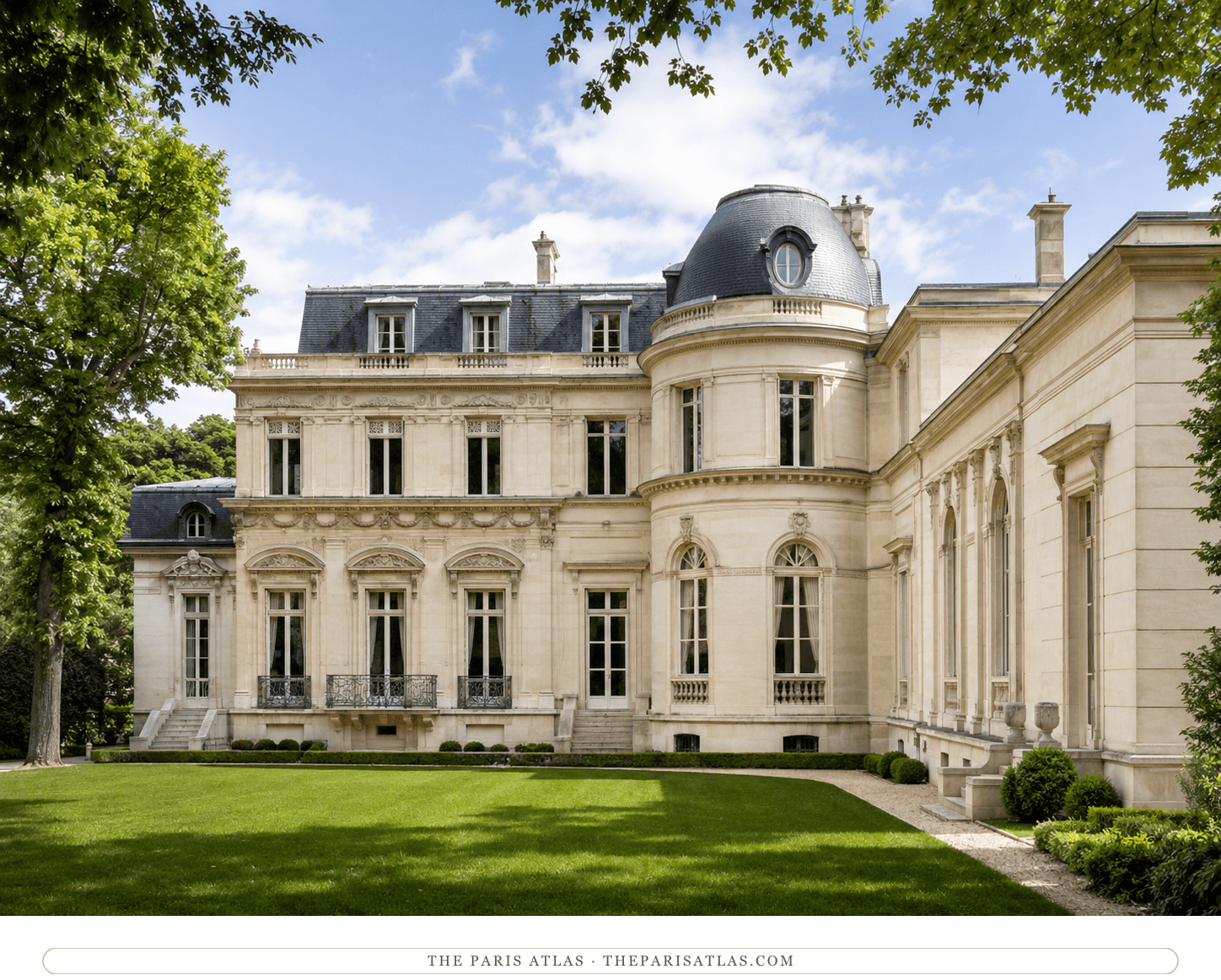
The former townhouse of the Duc de Valmy at the edge of the Ranelagh gardens, bought by Jules Marmottan in 1882 and opened as a museum in 1934.
Visit the placeThe sources below include histories, archival materials, scholarly research, and official records that informed this page. They document 69 boulevard Suchet, the people connected to it, and its place in Paris.

Web source consulted for documented facts and historical context presented on the 69 boulevard Suchet page.
Web source consulted for documented facts and historical context presented on the 69 boulevard Suchet page.

Map data used to verify addresses, geographic coordinates, and the placement associated with 69 boulevard Suchet.
Web source consulted for documented facts and historical context presented on the 69 boulevard Suchet page.
These references provide the documented foundation for this page's history and context. Claim-level citations remain attached to the specific claims they support.
 Explore more resources
Newsletter
The cafés, studios, and walk-up flats where the work was made — one story from the map in every letter.