Paris becomes home
From 1924 until 1929, Paris served as Crowley's principal base.
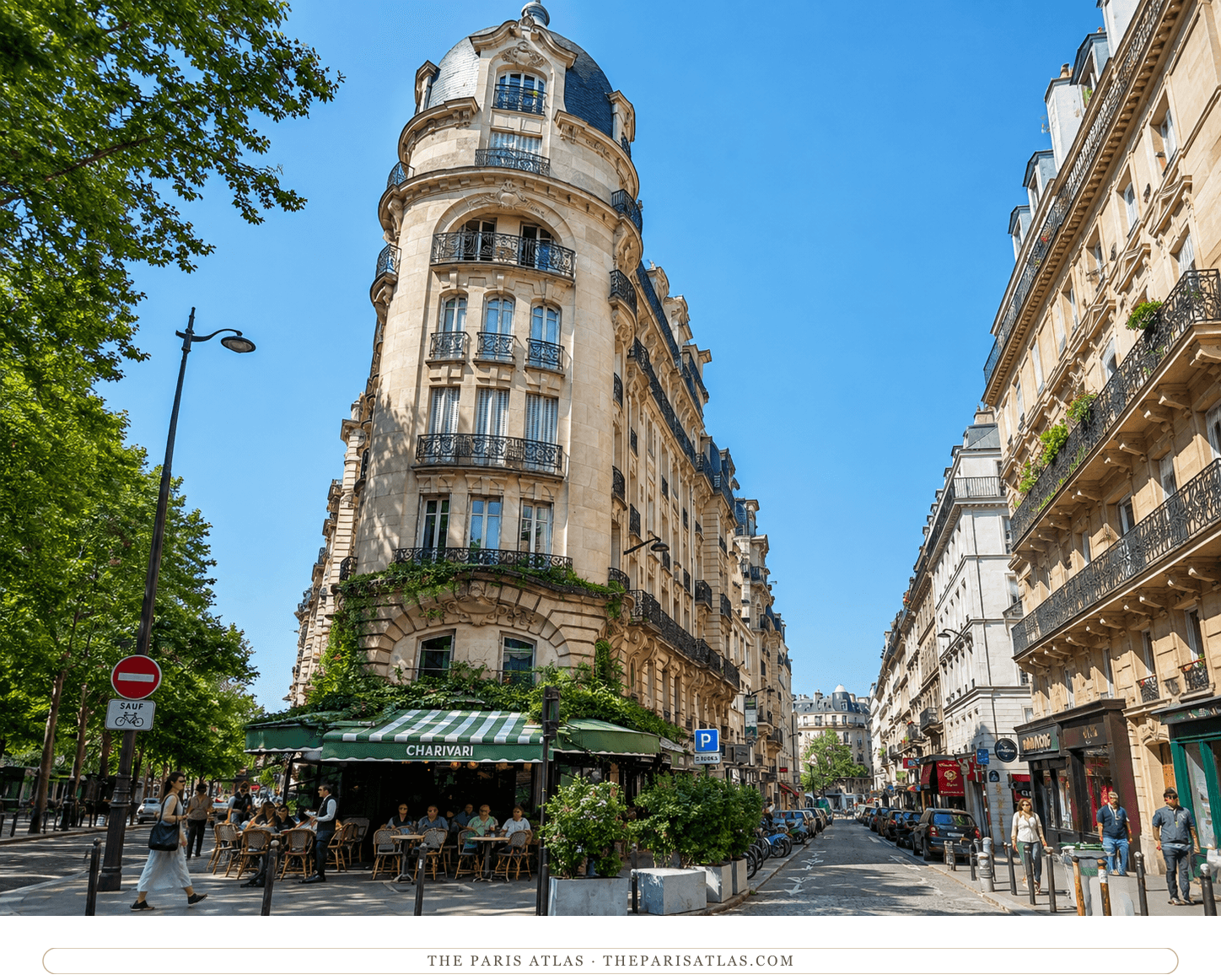
This was not the Paris of a secret magician hiding in a cellar. Crowley was a recognizable figure in the international artistic world of Montparnasse, which by the 1920s was filled with expatriate writers, painters, photographers, musicians and models.
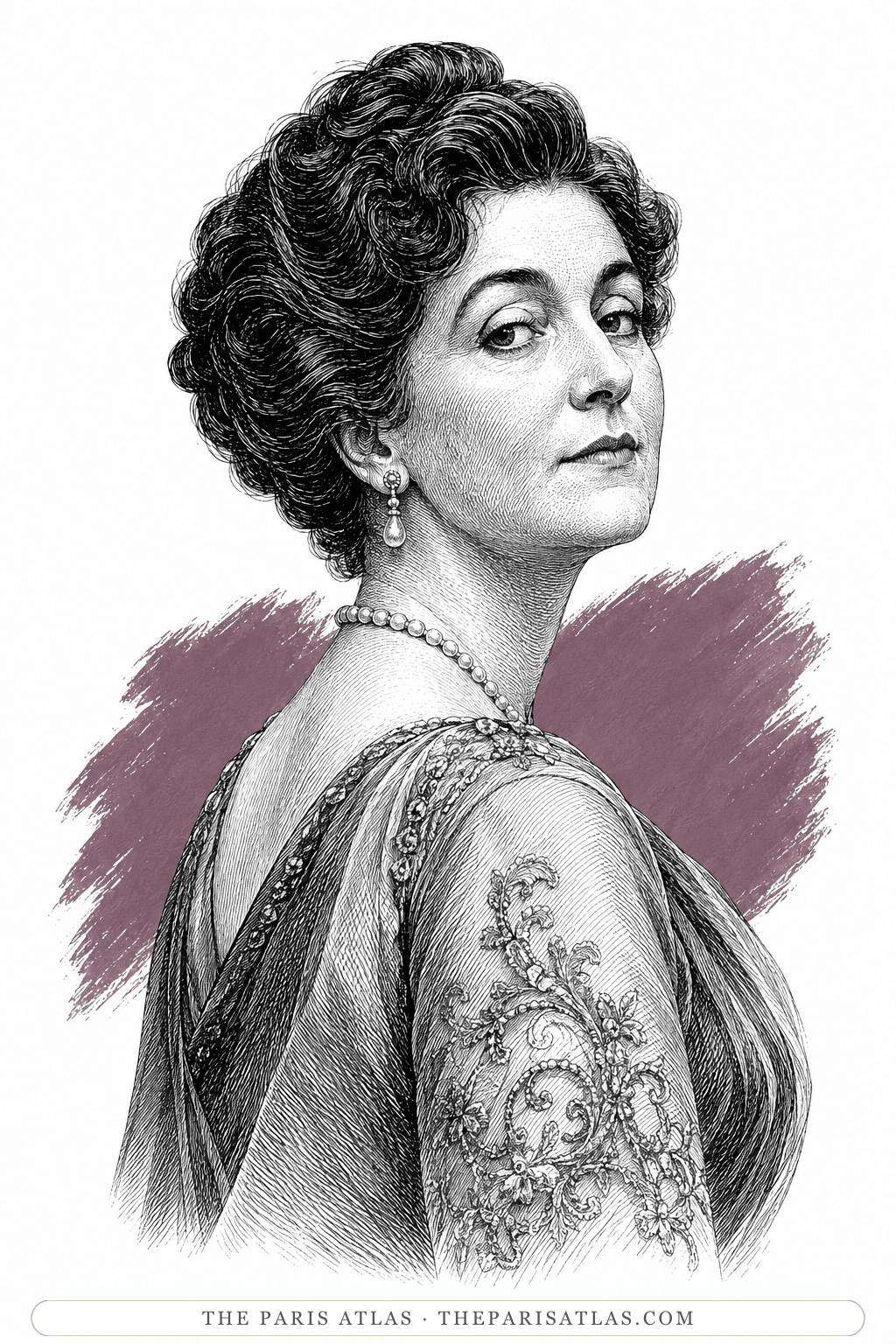
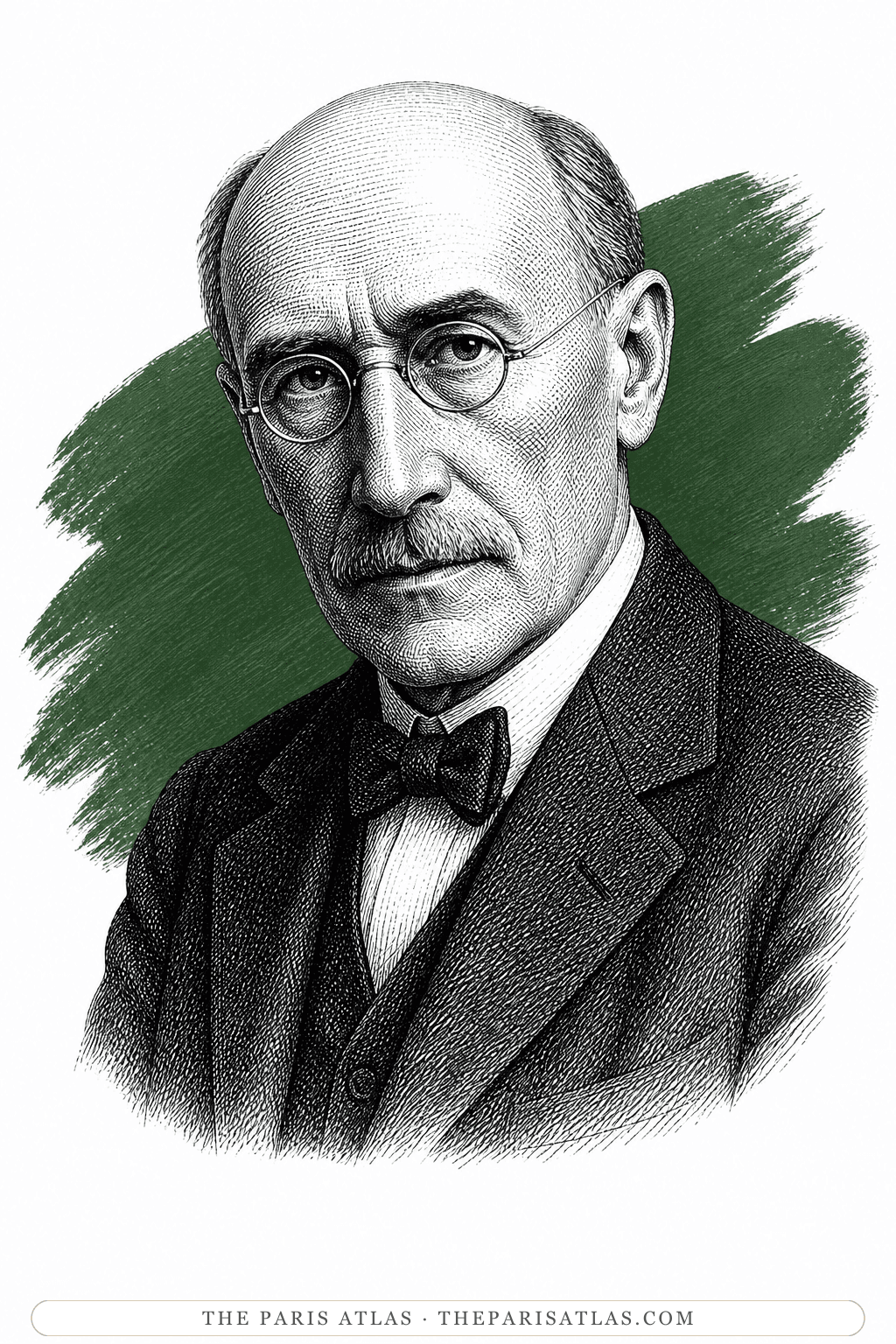
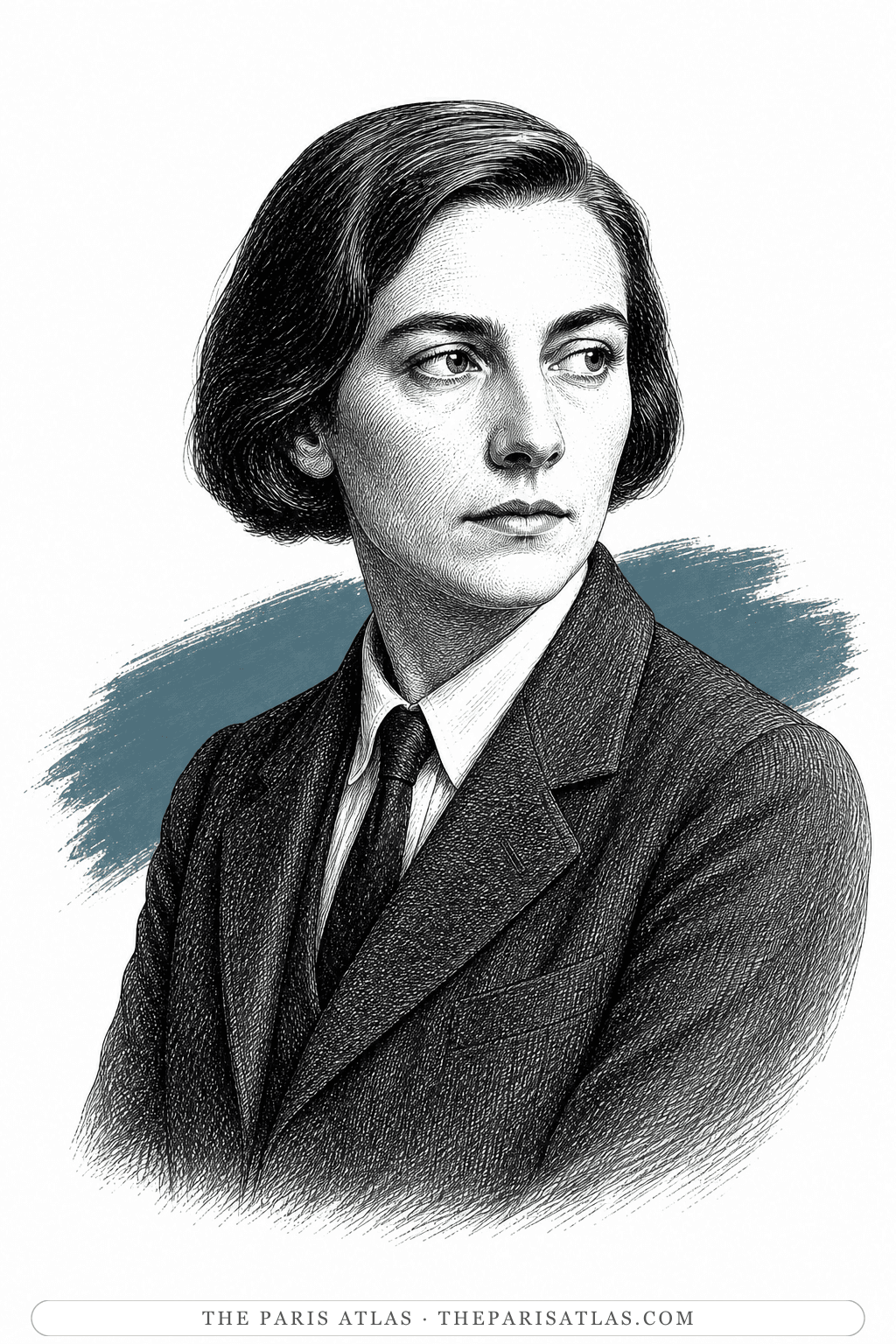
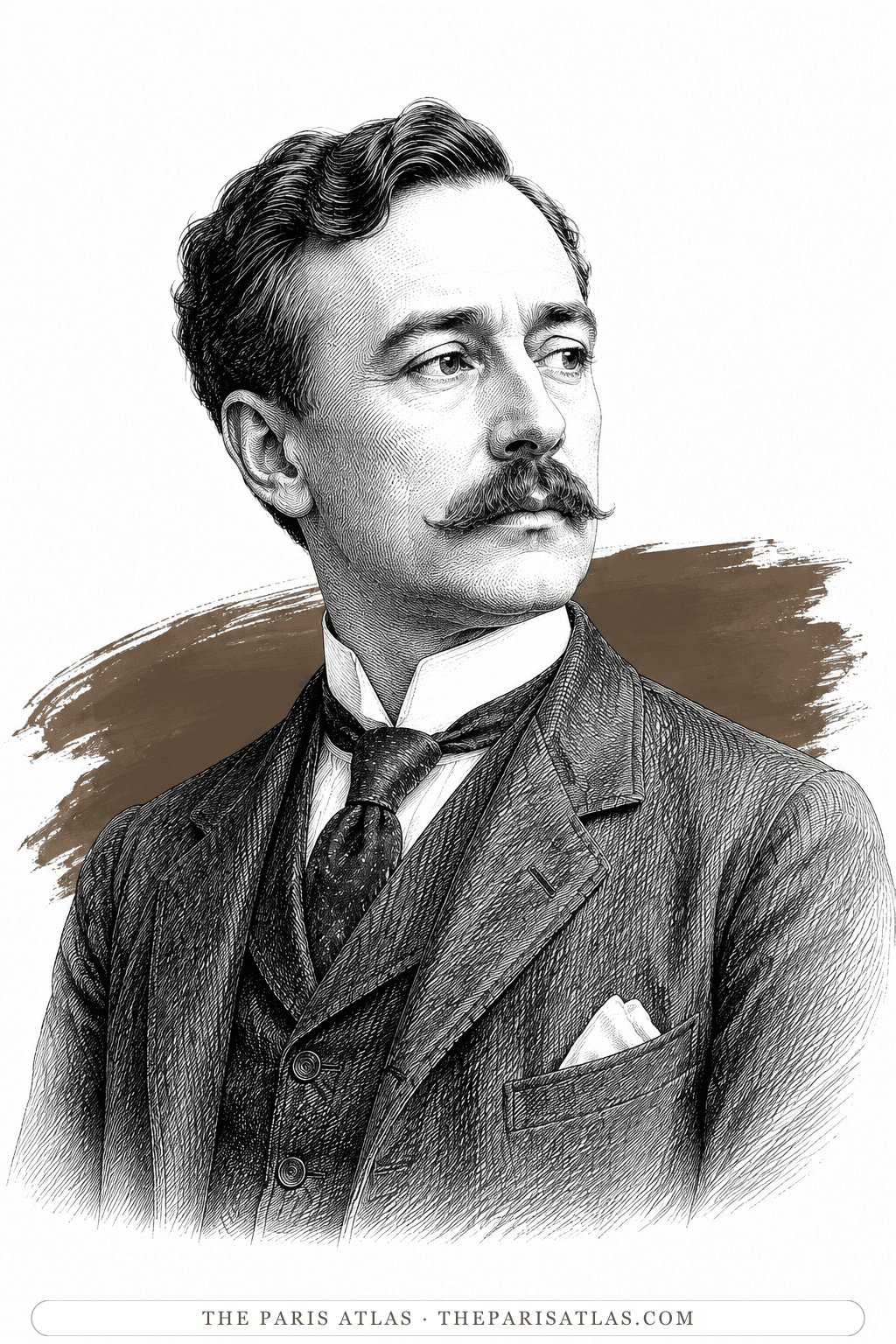
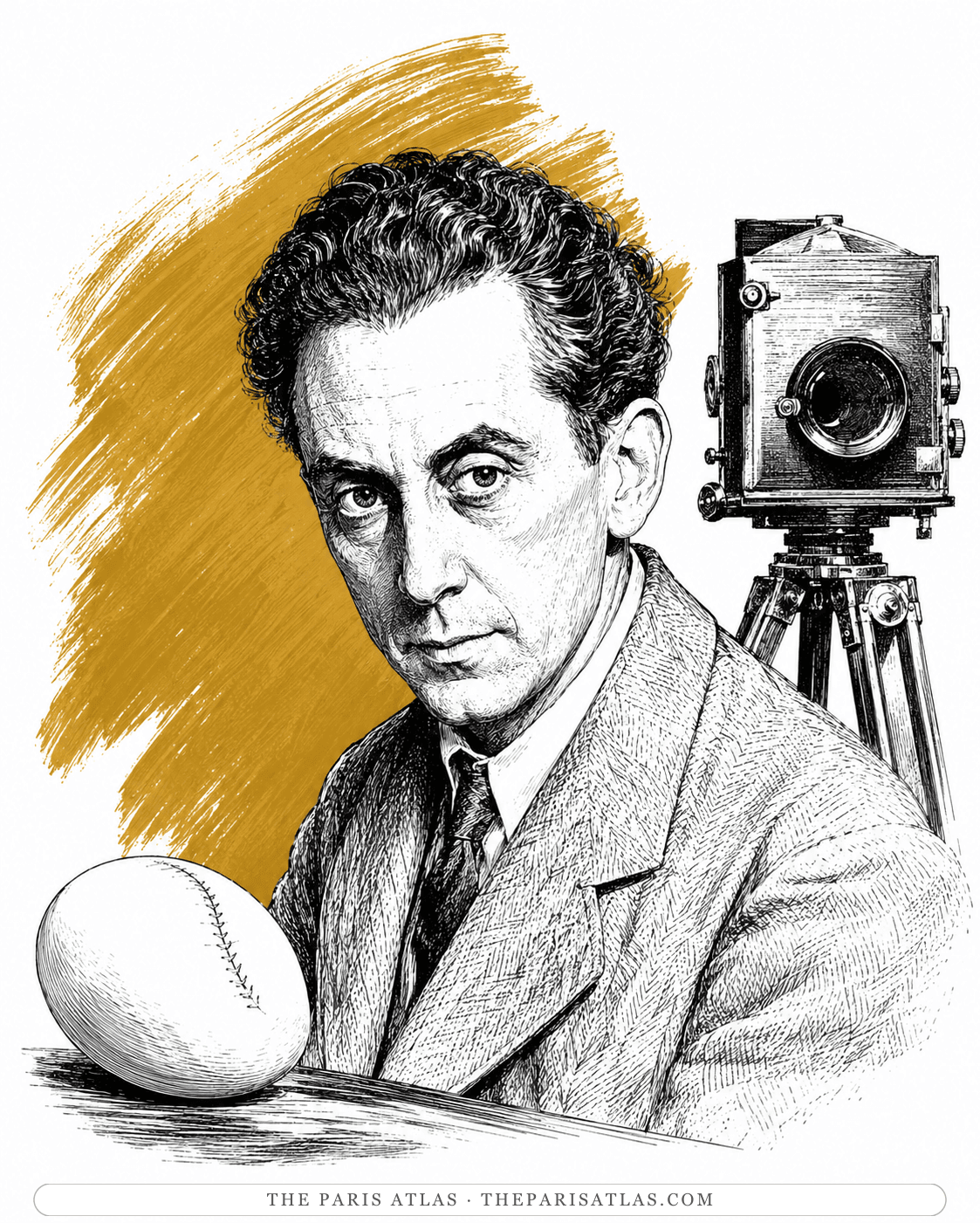
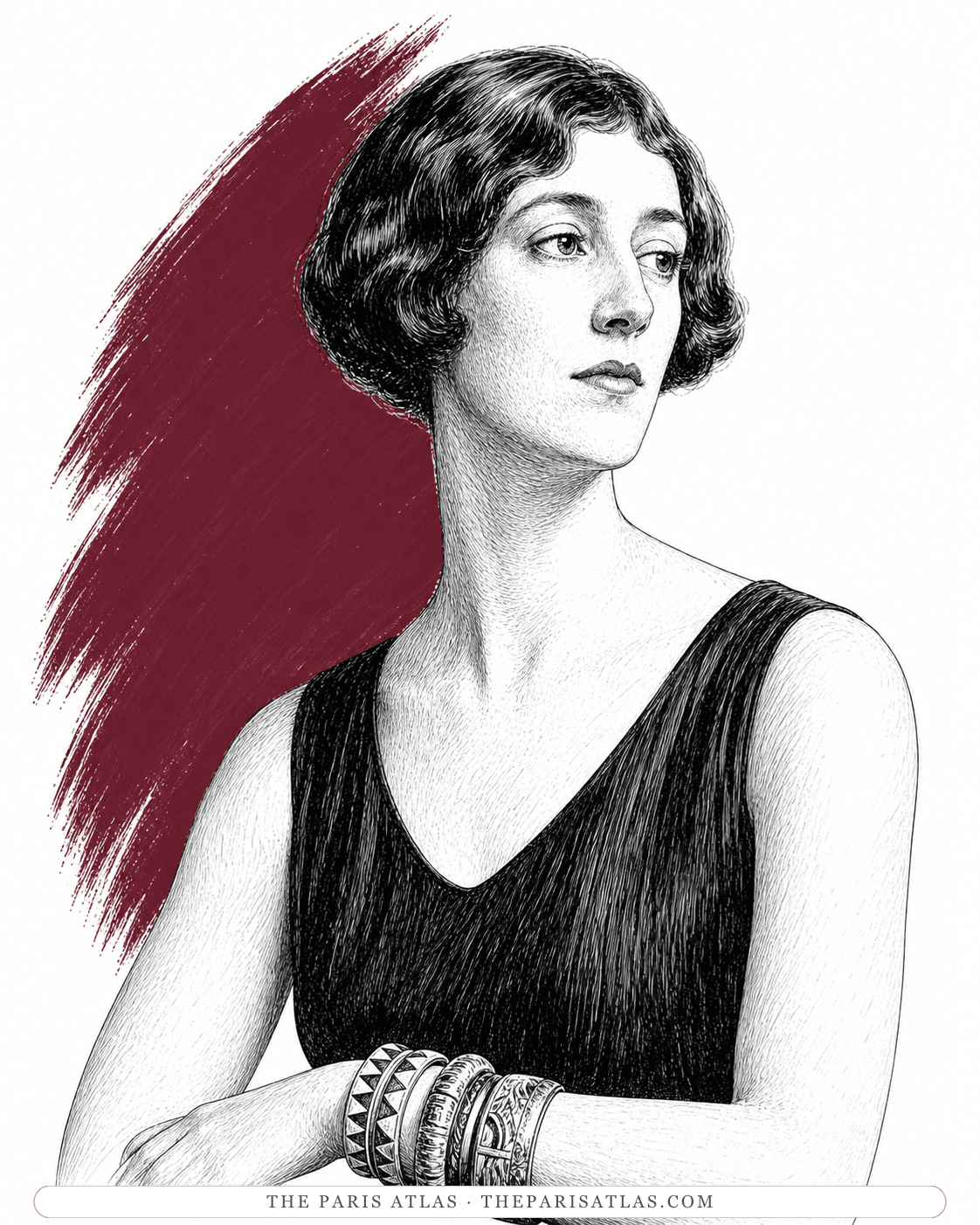
Churton's detailed reconstruction of these years places Crowley among people including photographer Berenice Abbott, Man Ray, poet and publisher Nancy Cunard, writer André Gide and American adventurer Aimée Crocker.
Abbott is particularly interesting because she is usually remembered through the worlds of Man Ray and modern photography rather than occultism. Her connection with Crowley demonstrates how porous the boundaries of Montparnasse could be. A photographer, poet, occultist, aristocrat and modernist writer might share acquaintances without belonging to the same formal movement.
Crowley's Paris life therefore makes more sense if he is understood as part of a wider bohemian network rather than as the leader of an isolated occult sect.
He wrote, painted, practiced magic, played chess and sought publishers and patrons. His money was increasingly unreliable, and the substantial inherited fortune of his youth had largely disappeared. Paris also coincided with his long struggle with heroin dependency, which had developed after medical use of the drug and became a serious problem during the 1920s.
Yet he continued publishing.
Among the most important works associated with this broader period were The Diary of a Drug Fiend, The Confessions of Aleister Crowley, and the material eventually gathered as Magick in Theory and Practice.
Death of Aleister Crowley
Aleister Crowley died on 1 December 1947 at Netherwood, a large boarding house on The Ridge in Hastings, Sussex. He was seventy-two years old. He had moved to Netherwood during the final years of the Second World War and remained there as his health steadily deteriorated. Although his money and physical strength were largely gone, he continued to write, correspond with followers and receive visitors, among them Kenneth Grant and Gerald Gardner, both of whom would become important figures in later British occultism.
Crowley had suffered from serious respiratory problems for years and was also dependent on heroin, which he had originally taken medicinally and continued using into old age. His official death certificate gives the immediate cause of death as myocardial degeneration, a deterioration of the heart muscle. It also records chronic bronchitis and describes him as a chronic heroin addict. Some later biographies add pleurisy when describing his declining health, but those words do not appear among the causes recorded on the death certificate itself.
Stories quickly accumulated around Crowley's final moments, just as they had around the rest of his life. Various supposed last words have been attributed to him, and later accounts have described storms, sudden gusts of wind and other dramatic signs accompanying his death. None of these stories can be established securely enough to present as fact. There is no reliable evidence that Crowley underwent a deathbed religious conversion or repudiated Thelema.
His body was taken to Woodvale Crematorium in Brighton, where he was cremated on 5 December 1947. The gathering was small. His friend Louis Wilkinson read passages from Crowley's writings, including material from the Gnostic Mass, The Book of the Law and his poem Hymn to Pan. British newspapers predictably turned the unconventional ceremony into another Crowley scandal, describing it as a “Black Mass.” It was not a Black Mass in the historical Christian sense; it was a Thelemic funeral incorporating Crowley's own texts.
Crowley's ashes were eventually sent to his close associate and successor Karl Germer in the United States. Germer reportedly buried them on his property in Hampton, New Jersey. There is therefore no conventional Crowley grave in England to visit.
The contrast between Crowley's death and his later reputation is striking. He died in declining health and with little of the inherited wealth that had financed his youthful travels, publications and magical experiments. Within two decades, however, the occult revival and counterculture had begun transforming him into a far more influential figure after death than he had been during his lifetime.
Why Aleister Crowley matters
Crowley was not nearly as influential during his lifetime as his self-presentation might suggest.
The organizations he led were generally small. His books often circulated in limited editions. Thelema remained a marginal religious movement, and his public fame depended heavily on scandal rather than widespread acceptance of his ideas. Scholarly research notes that both A∴A∴ and O.T.O. had relatively few members during his lifetime.
Then, after his death, something unexpected happened.
Crowley's influence grew.
The occult revival and counterculture of the 1960s and 1970s rediscovered him. His ideas influenced new magical movements and figures associated with modern witchcraft, alternative spirituality, experimental cinema and countercultural religion. Academic scholarship now treats him as an important figure in the history of Western esotericism, sexuality, yoga's reception in the West and new religious movements rather than merely as a tabloid eccentric.
Thelema itself survived him and continues to be practiced as a religion, philosophy and magical system.
His literary quality remains uneven. His treatment of other people could be appalling. His self-mythology makes almost every part of his biography harder to separate from exaggeration.
But he understood something about the modern age unusually well: a person could turn identity itself into a work of art, propaganda and myth.
Edward Alexander Crowley, respectable brewer's son, largely disappeared.
Aleister Crowley—the Beast, magician, poet, mountaineer, prophet and scandal—survived him.




 View source