The Paris AtlasCharting the artists, works, and places worth returning to.
  • Photographer
· American · 1898–1991

Berenice Abbott

American photographer who worked in Man Ray's Paris studio, made portraits of the interwar avant-garde and later documented New York in Changing New York.

Details

Lived
1898–1991
Born
17 July 1898
Birthplace
Springfield, Ohio
Birth name
Berenice Alice Abbott
Died
9 December 1991 · aged 93
Place of death
Monson, Maine
Nationality
American
Profession
Photographer
Major works
Changing New York (1935–1939), the Paris portraits of the 1920s, the rescued Eugène Atget archive, and the physics photographs of 1958–1961
Partner
Elizabeth McCausland · 1935–1965
Roles
Photographer

About Berenice Abbott

American photographer who learned the craft in Man Ray's darkroom, saved Eugène Atget's archive, and documented New York as it turned into a modern city

Berenice Abbott was an American photographer, born in Springfield, Ohio, on 17 July 1898. Her work falls into three parts. First the portraits of writers and artists she made in Paris in the 1920s. Then the photographs of New York City she took through the 1930s and published as Changing New York. Last the physics photographs she made from the late 1950s to illustrate scientific principles.

She went to Paris in 1921 to study sculpture and became Man Ray's darkroom assistant in 1923, hired precisely because she knew nothing about photography. Within a few years she had her own studio and her own sitters. Sylvia Beach's summary of the period was that to be done by Man Ray or Berenice Abbott meant you rated as somebody.

She also rescued the work of Eugène Atget, the elderly photographer of old Paris. Abbott photographed him in 1927 shortly before he died, bought what remained of his studio, brought it to New York, and spent forty years getting him recognised, selling the archive to the Museum of Modern Art in 1968. She died in Monson, Maine, on 9 December 1991, aged 93.

Ohio, New York, and the move to Paris, 1898–1923

Berenice Alice Abbott was born on 17 July 1898 in Springfield, Ohio, and raised by her mother after her parents divorced. She spent two semesters at Ohio State University and left in early 1918 when a professor was dismissed for being a German teaching an English class. She moved to New York and studied sculpture and painting, then went to Paris in 1921 to study sculpture with Émile-Antoine Bourdelle, and afterwards at the Académie de la Grande Chaumière and the Prussian Academy of Arts in Berlin.

It was in this period that she changed the spelling of her name. She had been Bernice; Djuna Barnes suggested the French form Berenice, and it stuck. She also published poetry in transition, the experimental literary magazine, before photography took over.

Man Ray's darkroom and the Paris portraits, 1923–1929

In 1923 Man Ray hired Abbott as a darkroom assistant at his portrait studio in Montparnasse. He wanted someone with no previous knowledge of photography, which she was. Her own account of what followed is plain: she took to photography like a duck to water and never wanted to do anything else. Man Ray was impressed enough by her printing to let her use the studio for her own pictures.

She opened her own studio in 1926 and a second on the rue Servandoni in 1927, and photographed the writers and artists then in Paris: James Joyce, Jean Cocteau, Janet Flanner, Djuna Barnes, Margarett Sargent and many others passing through. Sylvia Beach, who ran the Shakespeare and Company bookshop, put the position bluntly: to be done by Man Ray or Berenice Abbott meant you rated as somebody.

Her portraits are frontal, plainly lit and unposed by the standards of the period, which set them apart in the modernist photography exhibitions of 1928 and 1929 in Brussels and Germany. She showed alongside Man Ray and André Kertész in Paris at the Salon de l'Escalier, formally the Premier Salon Indépendant de la Photographie, hung on the staircase of the Théâtre des Champs-Élysées.

Saving Eugène Atget, 1925–1968

In 1925 Man Ray showed Abbott photographs by Eugène Atget, an old man who had spent decades photographing the streets, shopfronts and doorways of Paris and who did not call himself a photographer. She persuaded him to sit for a portrait in 1927. He died shortly afterwards.

The French state and Atget's executor had already taken most of the archive, but Abbott bought what was left of the studio in June 1928, thousands of prints and more than a thousand negatives. She could not afford it alone and sold a half interest to the dealer Julien Levy for a thousand dollars. She then spent forty years making Atget known. It began with the 1930 book Atget, photographe de Paris, on which she is credited as photo editor, and continued through A Vision of Paris in 1963 and The World of Atget in 1964. She sold the archive to the Museum of Modern Art in 1968.

Atget's standing as a founder of documentary photography rests substantially on that work. Abbott took his idea of the city recorded without decoration, what she called realism unadorned, and applied it to New York.

Changing New York, 1929–1939

Abbott went to New York early in 1929 to find an American publisher for Atget. Seeing the city again changed her plans. She returned to Paris, closed her studio, and moved back to New York that September to photograph a city in the middle of turning into a modern one.

She began with a hand-held camera and soon moved to a Century Universal that made eight-by-ten-inch negatives, working with the deliberateness she admired in Atget. For six years she paid for it herself with commercial jobs and teaching at the New School for Social Research, having been turned down by the Museum of the City of New York and the Guggenheim Foundation among others. In 1935 the Federal Art Project took her on as a project supervisor, which let her hire assistants and work full time on photographing, printing and exhibiting. By the time she resigned in 1939 she had produced 305 photographs, deposited at the Museum of the City of New York.

The first exhibition, Changing New York, opened at the Museum of the City of New York in 1937, and the book followed in 1939 with captions by the art critic Elizabeth McCausland. Abbott was after the contrasts between the old city and the new rather than the picturesque, and chose angles and lenses that made a building look either settled or precarious depending on what she thought of it. Her reading of the city came partly from the historian Lewis Mumford, who divided American development into technological eras and hoped planning could produce a more human-scaled one. The result is now the record of a great deal of Manhattan that no longer exists.

How Abbott worked

Abbott belonged to straight photography, the position that a photograph should not be manipulated either in the subject or in the developing. She used natural light, sharp focus and careful composition, and disliked the soft-focus pictorialists who were popular for much of her career, which cost her their support. She thought the camera was an invention of the twentieth century and owed the twentieth century a record of itself.

She also built equipment. Between 1947 and 1959 she co-founded and ran a company called the House of Photography, which made and sold her inventions. Among them were a distortion enlarging easel and a telescopic lighting pole that studio photographers still use under the name autopole. The company sold badly, two of its designers died, and it closed.

Photographing physics, 1958–1961

Abbott spent the last stretch of her working life photographing scientific phenomena, which she considered the natural extension of everything before it. Her argument for it was direct: we live in a world made by science, it needs a friendly interpreter between the science and the layman, and photography can do that as no other form can.

From 1958 to 1960 she made photographs for a high-school physics textbook produced by the Physical Science Study Committee at the Massachusetts Institute of Technology, which was trying to improve how physics was taught in schools. She photographed wave patterns in water and used stroboscopic exposures to show objects in motion, including Bouncing Ball in Diminishing Arcs, which went on the textbook cover. A related series for Educational Services Inc. between 1958 and 1961 was later shown by the Smithsonian Institution as Image of Physics.

Maine, death, and reputation

In 1935 Abbott moved into a Greenwich Village loft with Elizabeth McCausland, the art critic who wrote the Changing New York captions and championed her work in print. They lived together until McCausland's death in 1965. Abbott was a lesbian and largely kept it private, particularly in later life, preferring to be known simply as a photographer.

In the 1950s the two of them drove US Route 1 from Florida to Maine, Abbott photographing small towns and the new architecture that the automobile was producing, and came back with more than 2,500 negatives. Soon after the trip Abbott had a lung operation and was told to leave New York because of the air. She bought a run-down house in Blanchard, Maine, on the Piscataquis River for a thousand dollars, later moved to nearby Monson, and stayed in Maine for the rest of her life. Her last book was A Portrait of Maine in 1968.

Berenice Abbott died in Monson on 9 December 1991, aged 93, and is buried at New Blanchard Cemetery in Blanchard, Maine. On the subject of her own position she was unbothered: the world does not like independent women, she said, and she did not know why, and did not care. Julia Van Haaften published the first full biography in 2018.

Life events

  1. 1898

    Born Berenice Alice Abbott in Springfield, Ohio, on 17 July.

    Berenice Abbott

  2. 1921

    Moves to Paris to study sculpture with Émile-Antoine Bourdelle.

    Berenice Abbott

  3. 1923

    Man Ray hires her as darkroom assistant at his Montparnasse studio, wanting someone who knew nothing about photography.

    Berenice Abbott

  4. 1925

    Man Ray shows her Eugène Atget's photographs of Paris; she photographs Djuna Barnes the same year.

    Berenice Abbott, Djuna Barnes (1925)

  5. 1926

    Opens her own Paris studio and begins photographing James Joyce, Jean Cocteau and Janet Flanner.

    Berenice Abbott

  6. 1927

    Persuades Eugène Atget to sit for a portrait shortly before his death.

    Berenice Abbott

  7. 1928

    Buys what remains of Atget's studio in June, selling a half interest to the dealer Julien Levy to afford it.

    Berenice Abbott

  8. 1929

    Closes the Paris studio and settles in New York in September to photograph the city.

    Berenice Abbott

  9. 1935

    The Federal Art Project takes on Changing New York; she moves into a Greenwich Village loft with Elizabeth McCausland.

    Berenice Abbott

  10. 1939

    Publishes Changing New York with McCausland's captions, having produced 305 photographs for the project.

    Berenice Abbott

  11. 1958

    Begins photographing physics for a school textbook produced at the Massachusetts Institute of Technology.

    Berenice Abbott

  12. 1968

    Sells the Atget archive to the Museum of Modern Art and publishes A Portrait of Maine.

    Berenice Abbott

  13. 1991

    Dies at Monson, Maine, on 9 December, aged 93.

    Berenice Abbott

People they knew

Documented connections — every one carries its source.

Eugène Atget

  • Photographer

Met · 1925–1927

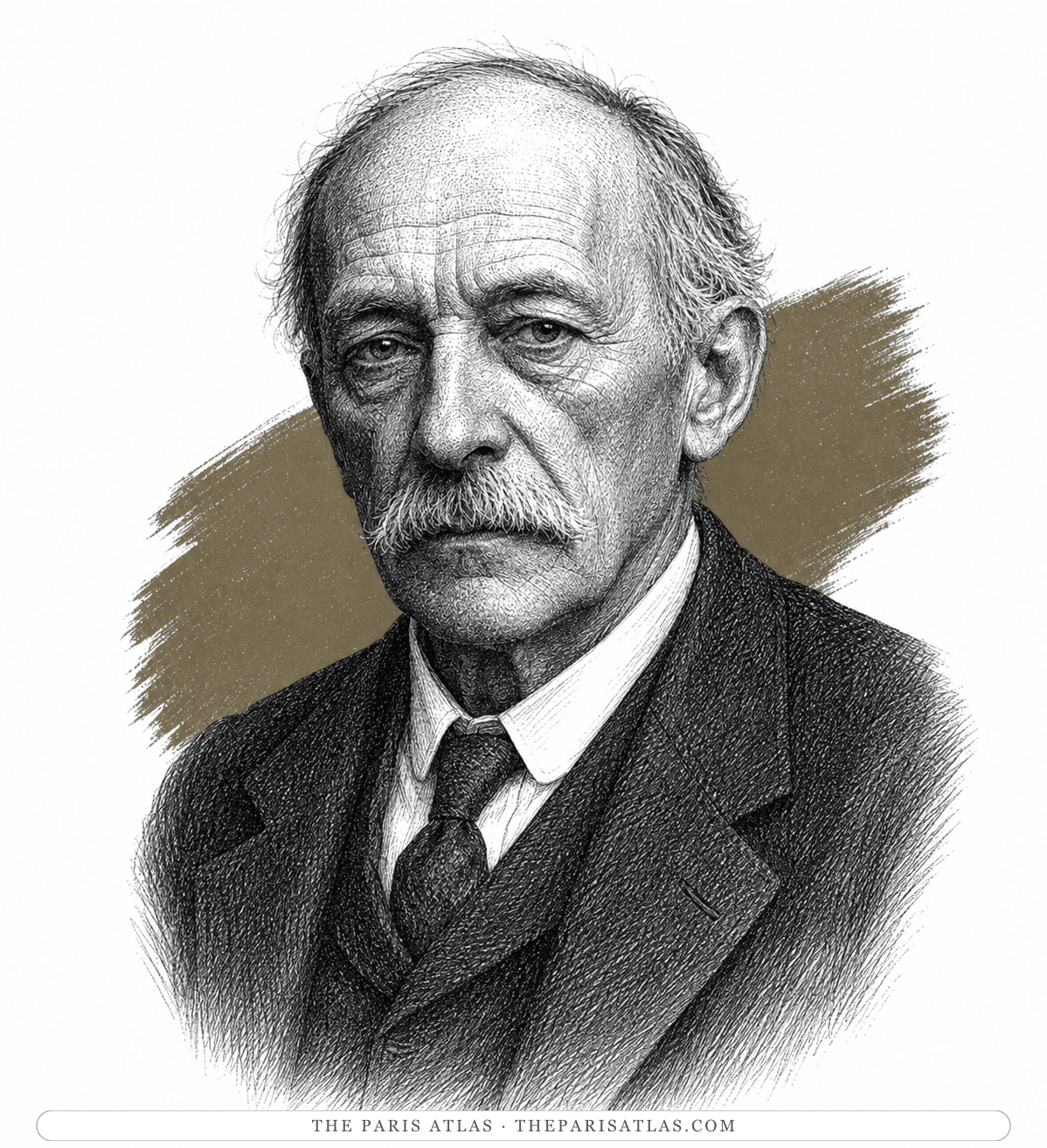
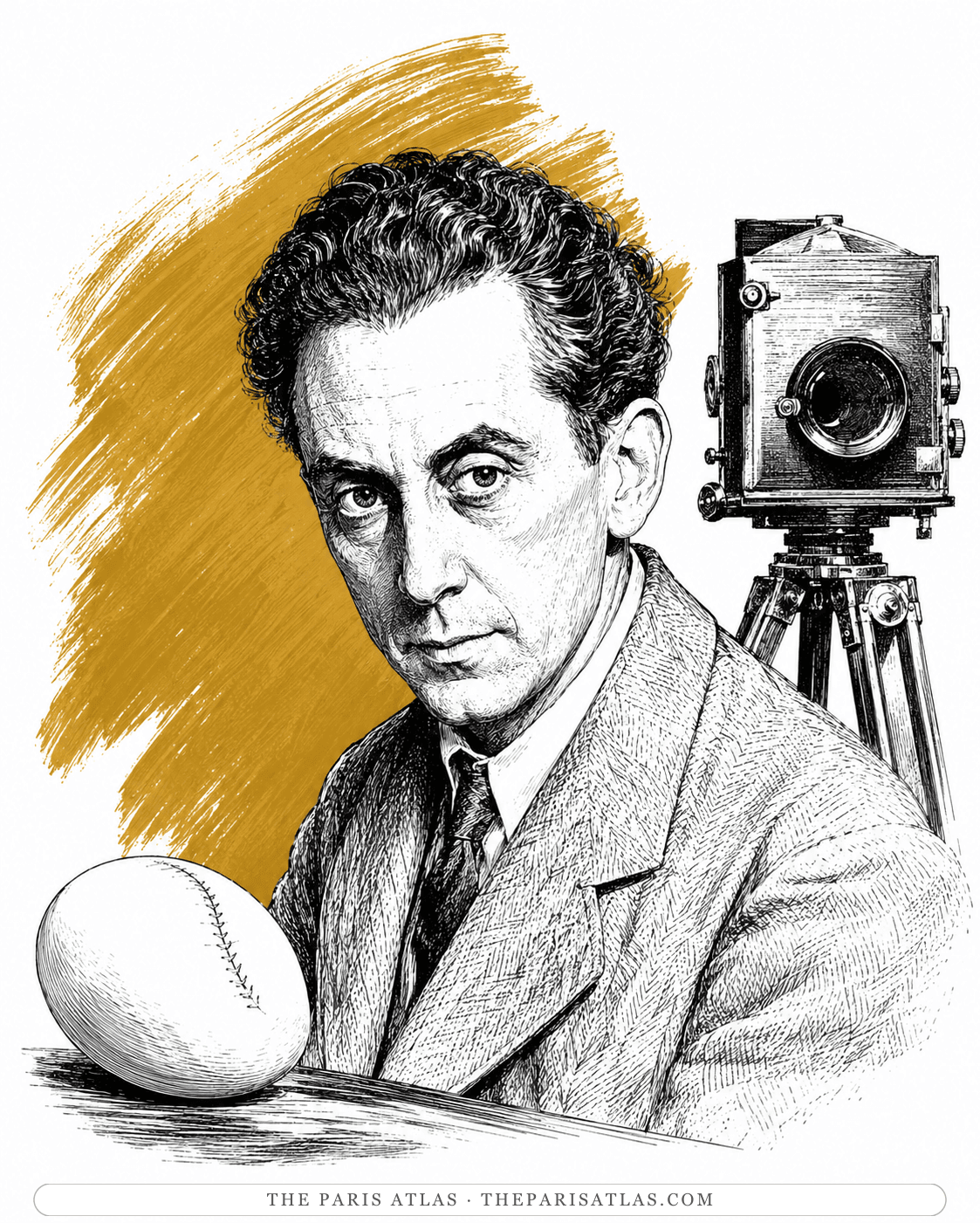
Abbott sought Atget out in 1925 after Man Ray showed her his work, bought prints from him, and persuaded him to sit for a portrait in 1927. He died on 4 August that year without seeing the two photographs she made of him.
Eugène Atget

Illustrated portrait of Djuna Barnes

Djuna Barnes

  • Journalist
  • Illustrator
  • Author
  • +2

Met

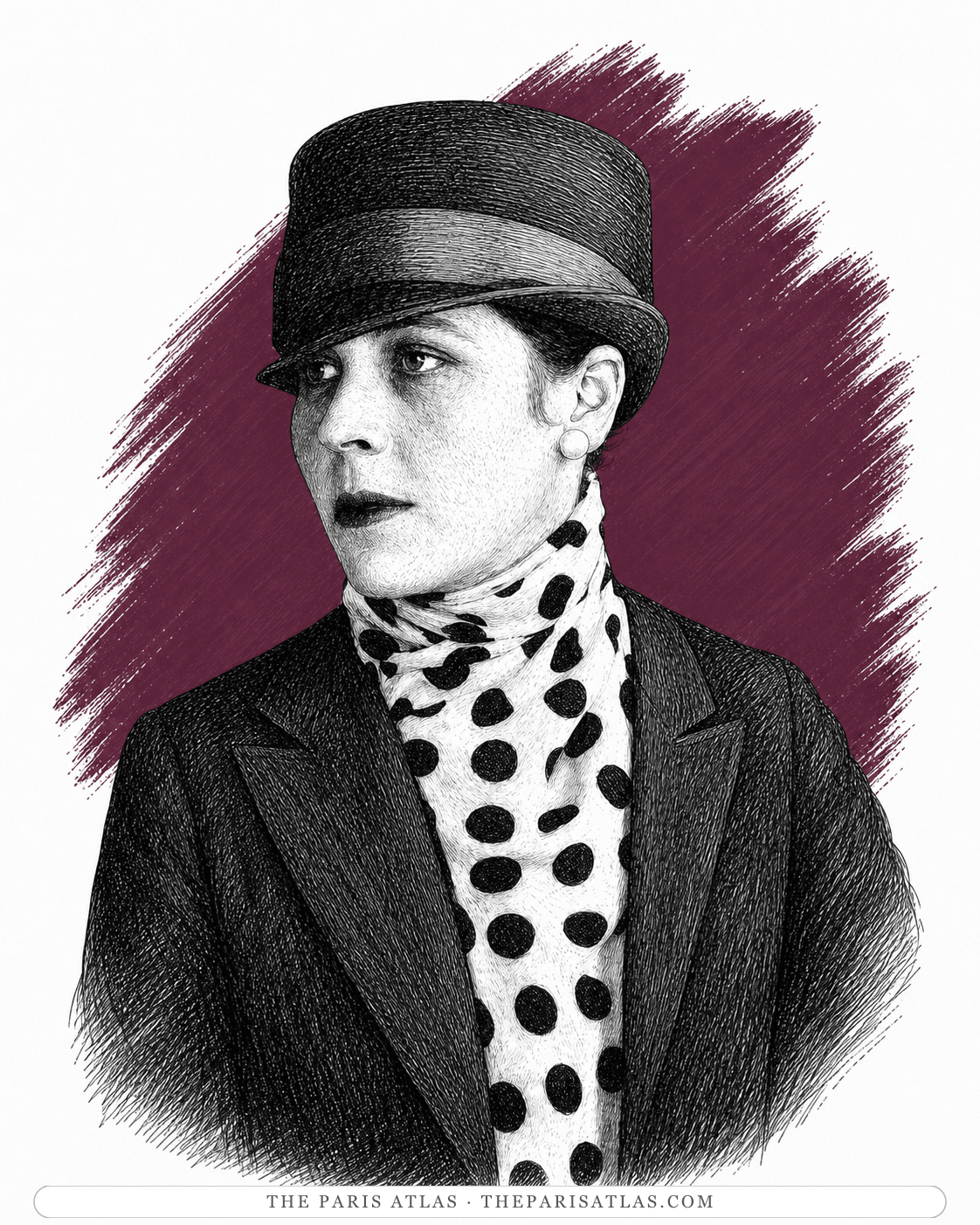
Abbott was born Berenice Alice Abbott and spelled her first name Bernice until Djuna Barnes suggested the French form, which she kept for the rest of her life. Abbott photographed Barnes in 1925 in Man Ray's studio, and the Metropolitan Museum of Art holds a print.

Berenice Abbott, Djuna Barnes (1925); Berenice Abbott

Illustrated portrait of Aleister Crowley

Aleister Crowley

  • Author
  • Poet
  • Religious leader

Met · 1924–1929

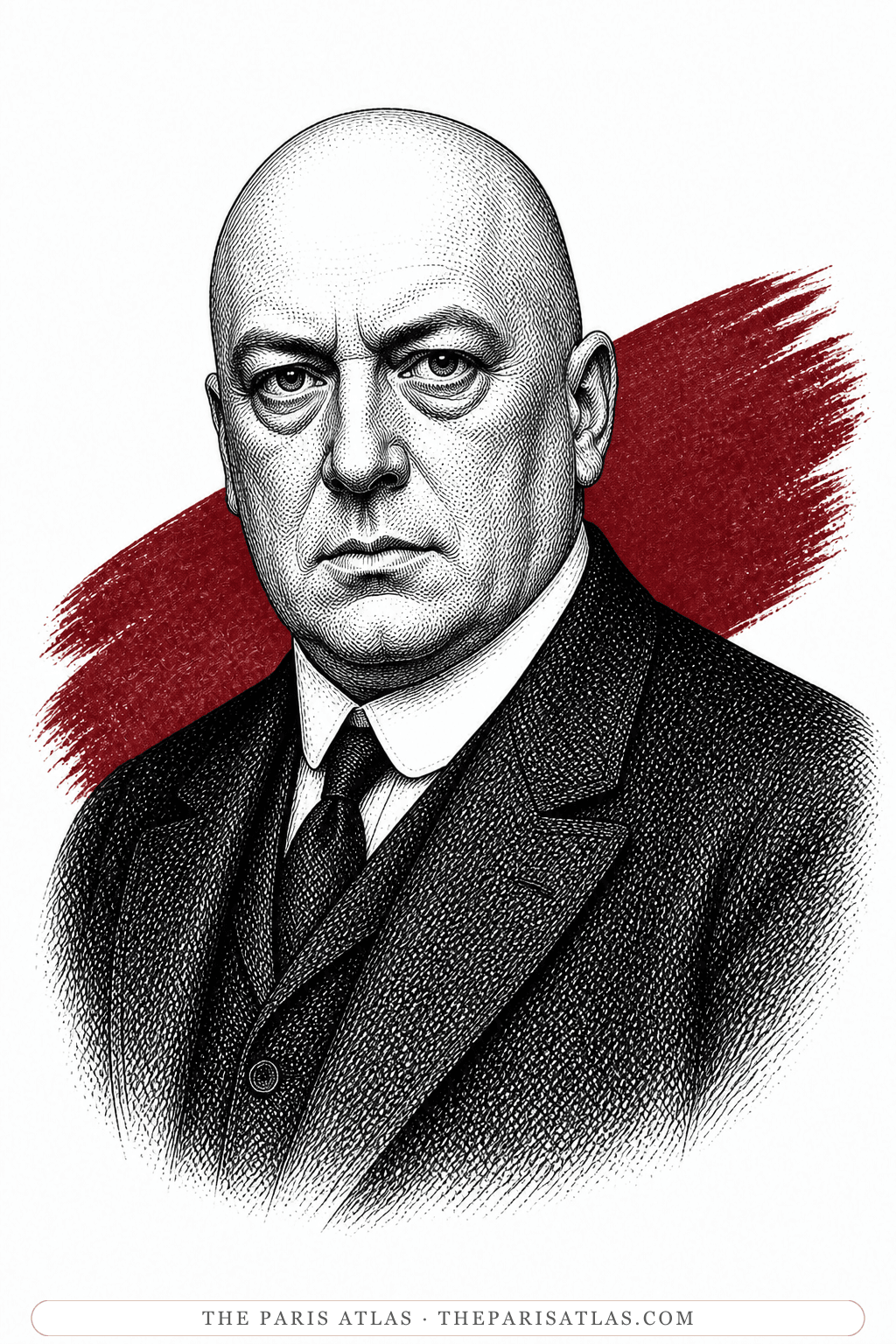
Abbott and Crowley knew one another in the expatriate Paris of the 1920s. Churton's study describes their connection as an intimate one, placing Crowley inside the photographic as well as occult world of Montparnasse.

Aleister Crowley in Paris: Sex, Art, and Magick in the City of Light

Illustrated portrait of Man Ray

Man Ray

  • Photographer
  • Painter
  • Filmmaker

Mentored by · 1923

Man Ray wanted a darkroom assistant who knew nothing about photography, and hired Abbott, who was in Paris studying sculpture. She learned the process in his studio, and later wrote that she took to photography like a duck to water and never wanted to do anything else. He gave her the run of the studio for her own portraits, and she opened her first one in 1926.

Berenice Abbott

Who they drew from

Influence running inward — the writers and artists whose work fed theirs. Admiration is not acquaintance; these edges claim neither a meeting nor a friendship.

Eugène Atget

Abbott was shown Atget's photographs in 1925 and took his method to New York. What she absorbed was the programme rather than a style: photograph a city systematically, in context and without decoration, while it is being demolished. Changing New York, made between 1929 and 1939, is that idea applied to Manhattan, down to the large-format camera and the refusal to prettify.

Eugène Atget; Berenice Abbott

Berenice Abbott’s Places

The cataloged places connected to Berenice Abbott — through the books, and through the documented record.

Places you can enter today appear first, followed by addresses to see from outside and sites that have vanished.

Questions about Berenice Abbott

Who was Berenice Abbott?

Berenice Abbott (1898–1991) was an American photographer. She is known for three bodies of work. There are the portraits of writers and artists she made in Paris in the 1920s, the photographs of New York published in 1939 as Changing New York, and the physics photographs she made from 1958 for a school textbook. She also rescued and promoted the archive of the French photographer Eugène Atget.

How did Berenice Abbott become a photographer?

By accident, through a job. She went to Paris in 1921 to study sculpture, and in 1923 Man Ray hired her as his darkroom assistant because he wanted someone with no knowledge of photography at all. She learned it there, later writing that she took to it like a duck to water and never wanted to do anything else. Man Ray let her use the studio for her own sitters, and she opened her own studio in 1926.

What is Changing New York?

It is Abbott's photographic record of New York City between 1929 and 1939, as low buildings gave way to skyscrapers. She worked on it alone for six years, funded by commercial jobs and teaching, until the Federal Art Project took it on in 1935. It produced 305 photographs, an exhibition at the Museum of the City of New York in 1937, and a book in 1939 with captions by the art critic Elizabeth McCausland. Much of what it shows has since been demolished.

What did Berenice Abbott do for Eugène Atget?

She saved his work and spent forty years making him famous. Atget photographed old Paris for decades and was barely known outside the city. Abbott photographed him in 1927 shortly before he died, bought the remainder of his studio in 1928 with help from the dealer Julien Levy, and brought thousands of prints and negatives to New York. She edited the 1930 book Atget, photographe de Paris, published A Vision of Paris and The World of Atget in the 1960s, and sold the archive to the Museum of Modern Art in 1968.

Why did Berenice Abbott photograph science?

Because she thought photography was the right tool for explaining it. Her own statement was that we live in a world made by science and it needs a friendly interpreter between the science and the layman, which photography could do as no other form could. From 1958 she made images of wave patterns and of objects in motion for a physics textbook developed at the Massachusetts Institute of Technology, including Bouncing Ball in Diminishing Arcs, which appeared on the cover.

Who did Berenice Abbott photograph in Paris?

Writers and artists in and passing through the city in the 1920s, among them James Joyce, Jean Cocteau, Janet Flanner, Djuna Barnes, Margarett Sargent and Eugène Atget. Sylvia Beach, who ran the Shakespeare and Company bookshop, said that to be done by Man Ray or Berenice Abbott meant you rated as somebody.

Sourced claims

Every connection the graph holds for Berenice, with the evidence behind it.

Met · 1925–1927

Eugène Atget

Abbott sought Atget out in 1925 after Man Ray showed her his work, bought prints from him, and persuaded him to sit for a portrait in 1927. He died on 4 August that year without seeing the two photographs she made of him.
Eugène Atget

Met

Djuna Barnes

Abbott was born Berenice Alice Abbott and spelled her first name Bernice until Djuna Barnes suggested the French form, which she kept for the rest of her life. Abbott photographed Barnes in 1925 in Man Ray's studio, and the Metropolitan Museum of Art holds a print.

Berenice Abbott, Djuna Barnes (1925); Berenice Abbott

Worked at · 1923

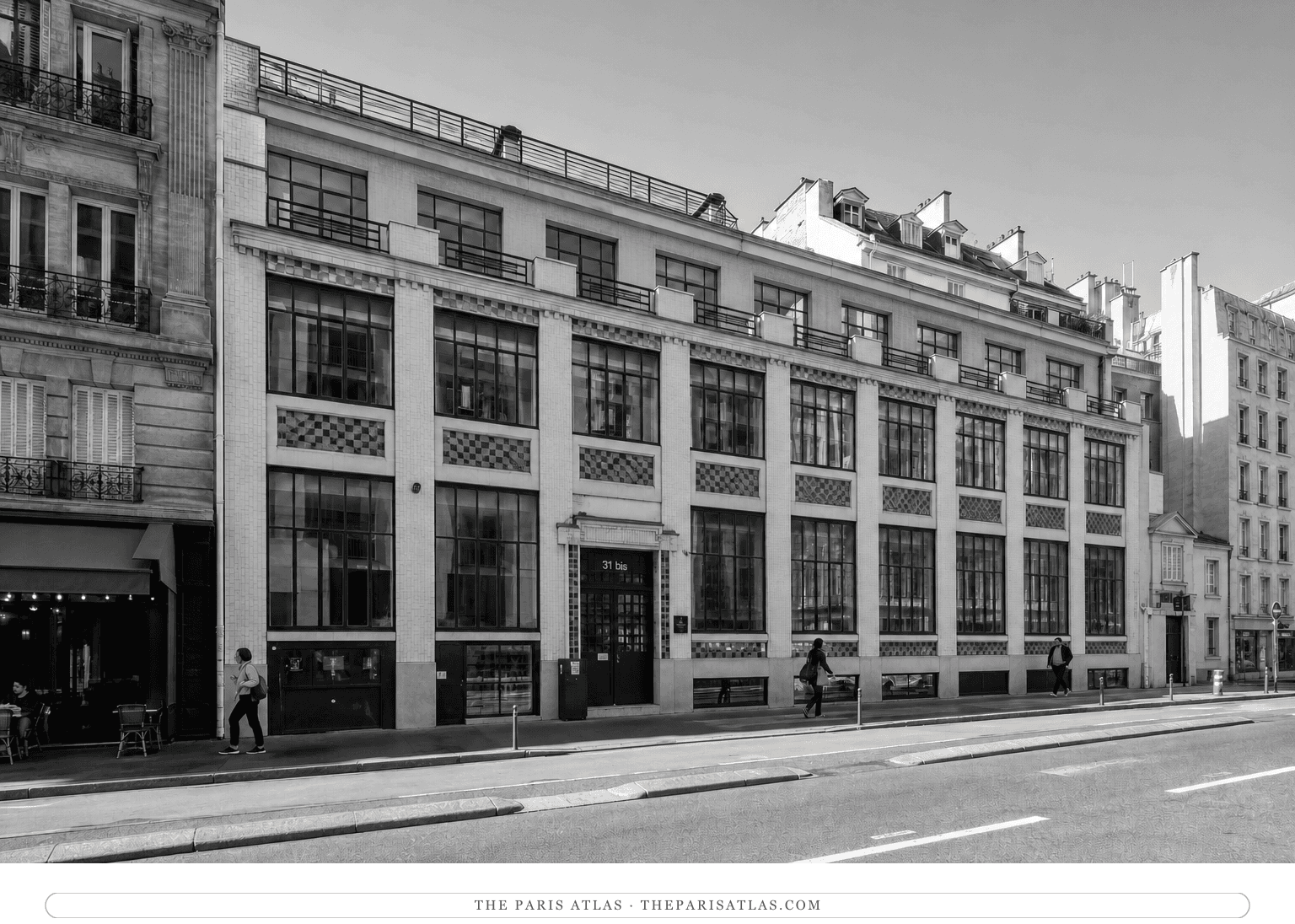
Man Ray's studio, 31 bis rue Campagne-Première

Man Ray hired Abbott as his darkroom assistant at the studio in 1923. He was impressed enough with her printing to let her use the place for her own sittings, and the portraits she made there, Djuna Barnes among them in 1925, began her career as a photographer.

Berenice Abbott, Djuna Barnes (1925); Berenice Abbott

Met · 1924–1929

Aleister Crowley

Abbott and Crowley knew one another in the expatriate Paris of the 1920s. Churton's study describes their connection as an intimate one, placing Crowley inside the photographic as well as occult world of Montparnasse.

Aleister Crowley in Paris: Sex, Art, and Magick in the City of Light

Influenced by · 1925

Eugène Atget

Abbott was shown Atget's photographs in 1925 and took his method to New York. What she absorbed was the programme rather than a style: photograph a city systematically, in context and without decoration, while it is being demolished. Changing New York, made between 1929 and 1939, is that idea applied to Manhattan, down to the large-format camera and the refusal to prettify.

Eugène Atget; Berenice Abbott

Mentored by · 1923

Man Ray

Man Ray wanted a darkroom assistant who knew nothing about photography, and hired Abbott, who was in Paris studying sculpture. She learned the process in his studio, and later wrote that she took to photography like a duck to water and never wanted to do anything else. He gave her the run of the studio for her own portraits, and she opened her first one in 1926.

Berenice Abbott

References

References

The sources below include biographies, scholarly essays, interviews, and primary materials that informed this page. They reflect both the historical record and ongoing critical conversations about Berenice Abbott and their work.

  1. 1Berenice Abbott

    Website
    Wikipedia
    Used for

    Reference article cross-checked for the Ohio childhood, the Paris studios, the Atget purchase, Changing New York, the physics photographs and the Maine years.

    View source
  2. 2Berenice Abbott

    Website
    Encyclopaedia Britannica
    Used for

    Encyclopaedia Britannica's biography, used for dates and the outline of the career.

    View source
  1. 3Berenice Abbott: A Life in Photography

    Biography
    W. W. Norton, 2018
    Used for

    Julia Van Haaften's biography, the first full-length life.

  2. 4Berenice Abbott, Djuna Barnes (1925)

    Website
    The Metropolitan Museum of Art
    Used for

    The Metropolitan Museum of Art's record for Abbott's 1925 portrait of Djuna Barnes, made in Man Ray's studio.

    View source
i
Why these sources are here

These references anchor the page in the documented record and in the scholarly conversations around Berenice Abbott. Every claim on this page traces back to one or more of the works listed here.

Explore more resources