The Paris AtlasCharting the artists, works, and places worth returning to.
  • Poet
  • Playwright
  • Illustrator
  • Filmmaker
· French · 1889–1963

Jean Cocteau

Poet, artist, impresario, and our doorway from painting into cinema — he brought Picasso into Parade, gave the Return to Order its enduring name, and made films the New Wave generation studied as scripture.

In images

Details

Lived
1889–1963
Born
5 July 1889
Birthplace
Maisons-Laffitte, France
Died
11 October 1963 · aged 74
Place of death
Milly-la-Forêt, France
Nationality
French
Roles
PoetPlaywrightIllustratorFilmmaker
Also known as
Jean Maurice Eugène Clément Cocteau

About Jean Cocteau

The great connector of the avant-gardes

Jean Cocteau was the great connector of Paris's avant-gardes — a poet, playwright, critic, designer, and eventually filmmaker who seemed to know everyone and to be present wherever the century turned. Born outside Paris in 1889, he was a salon celebrity by twenty and spent the war years attaching himself to the modern movement he would spend a decade explaining to fashionable Paris.

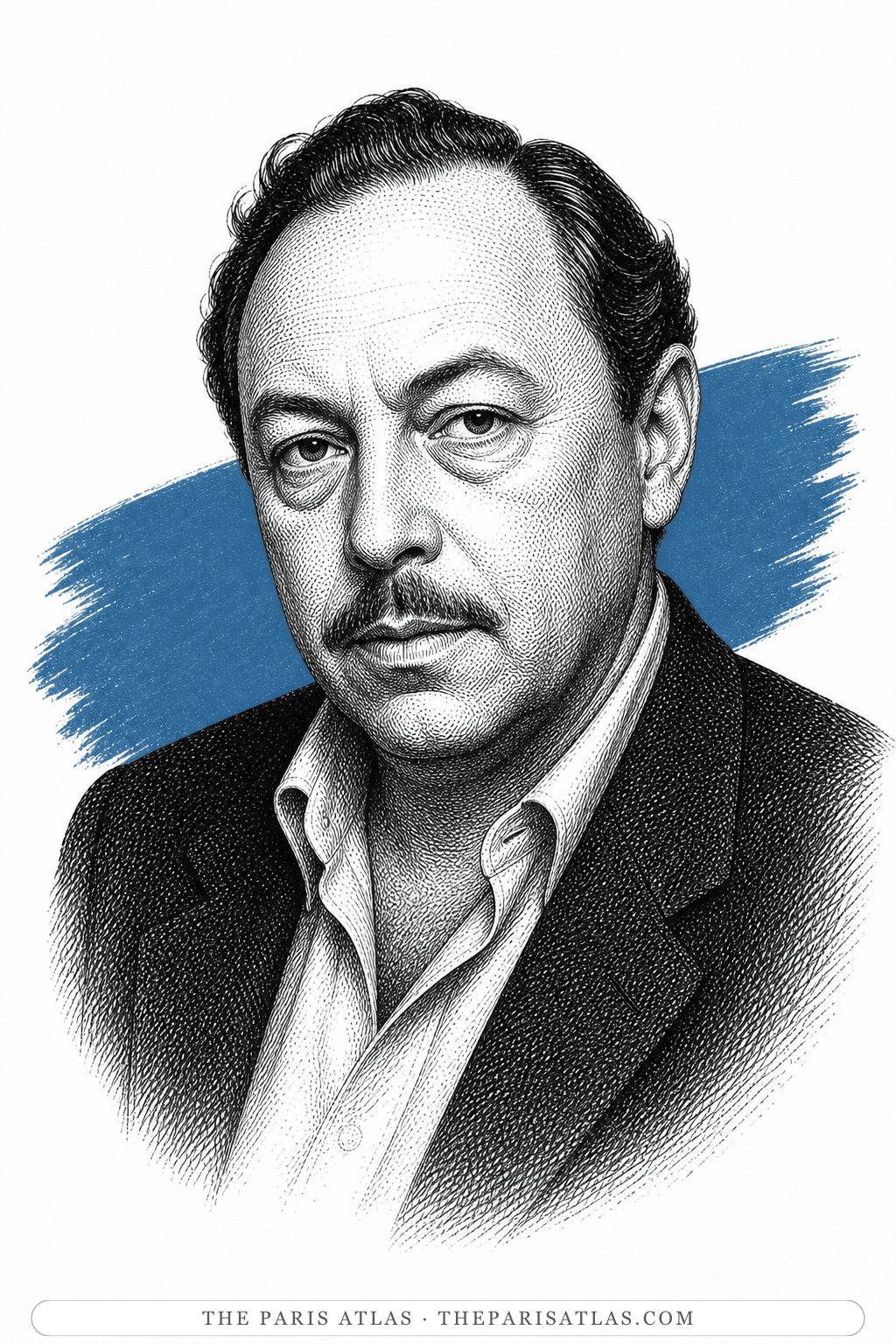
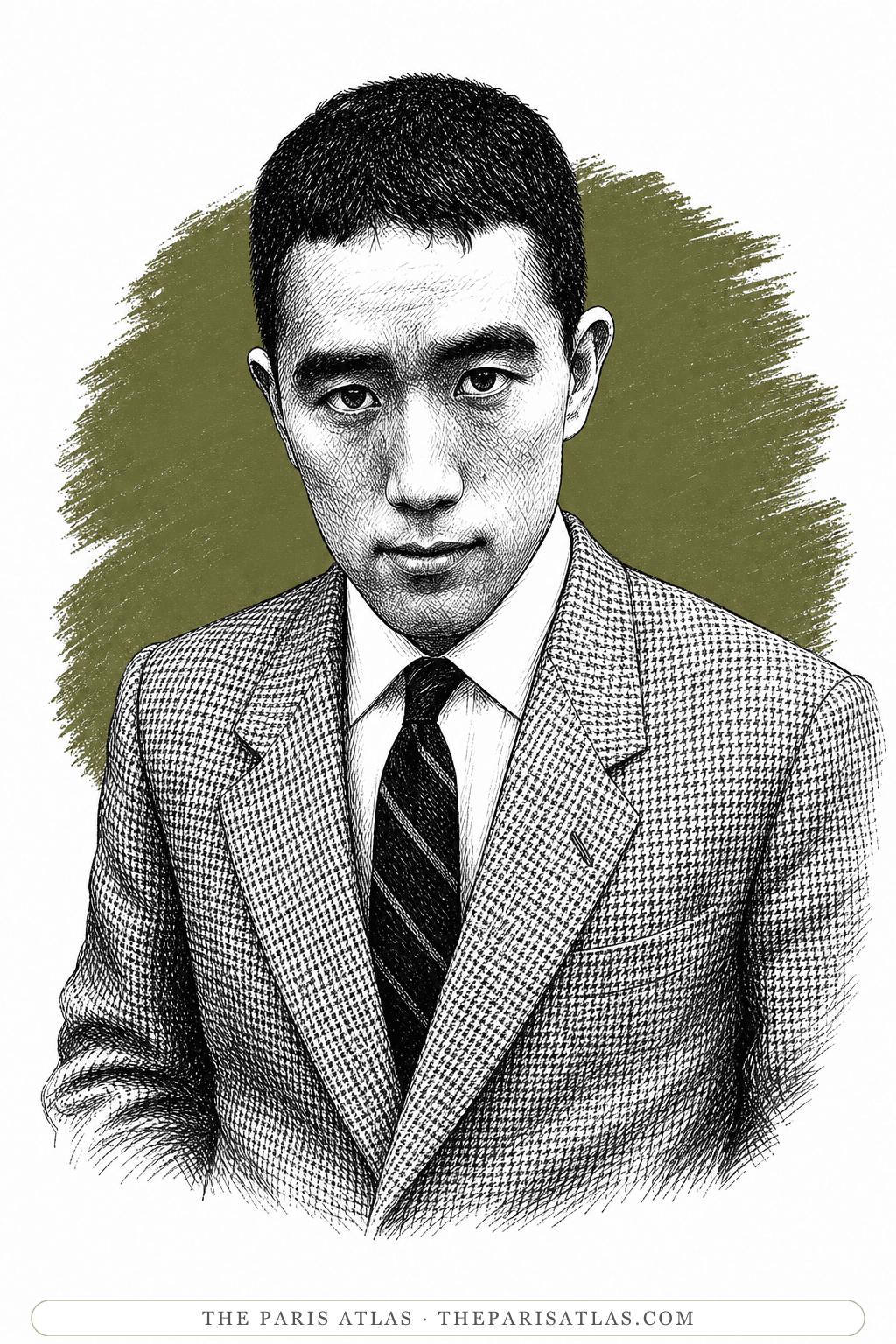
Jean Cocteau, illustrated

In an armchair.
At a café.
At his writing desk.
Outside the theatre.
With a mask.
In the garden, later in life.
Illustrations — The Paris Atlas

Parade, Picasso, and the return to order

His pivotal act came in 1917, when he carried Pablo Picasso off to Rome to design Parade for the Ballets Russes — the collaboration that began Picasso's classical turn. Cocteau championed that turn in one of the first monographs on the painter, Picasso (1923) — the book whose early publication of Mother and Child keeps that painting public domain in the United States, and thus on our own pages. In 1926 he collected his postwar essays as Le rappel à l'ordre, and the era's swing back to classical calm had the name history kept. His relations with Breton's Surrealists stayed famously venomous — he was adjacent to their world, never of it.

Into the cinema

The later career belongs to the cinema chapter we are only beginning: The Blood of a Poet (1930), Beauty and the Beast (1946), Orphée (1950).

Directing on set. (Illustration — The Paris Atlas)

They were films the postwar generation studied at the Cinémathèque, and a bridge that runs from the rue de Fleurus's paintings to the New Wave.

Cutting a film at the bench. (Illustration — The Paris Atlas)

He died at Milly-la-Forêt on 11 October 1963, the day after Édith Piaf — a coincidence absorbed instantly into the mythology of both.

On set, framing a shot. (Illustration — The Paris Atlas)
Going over the script. (Illustration — The Paris Atlas)

In art

Works in our catalog with Jean as their subject.

Modigliani's 1916 portrait of Jean Cocteau — elongated, poised, seated in a dark suit against gray panels

Artwork reproduction

Painting

Jean Cocteau

Amedeo Modigliani · 1916 · Oil on canvas

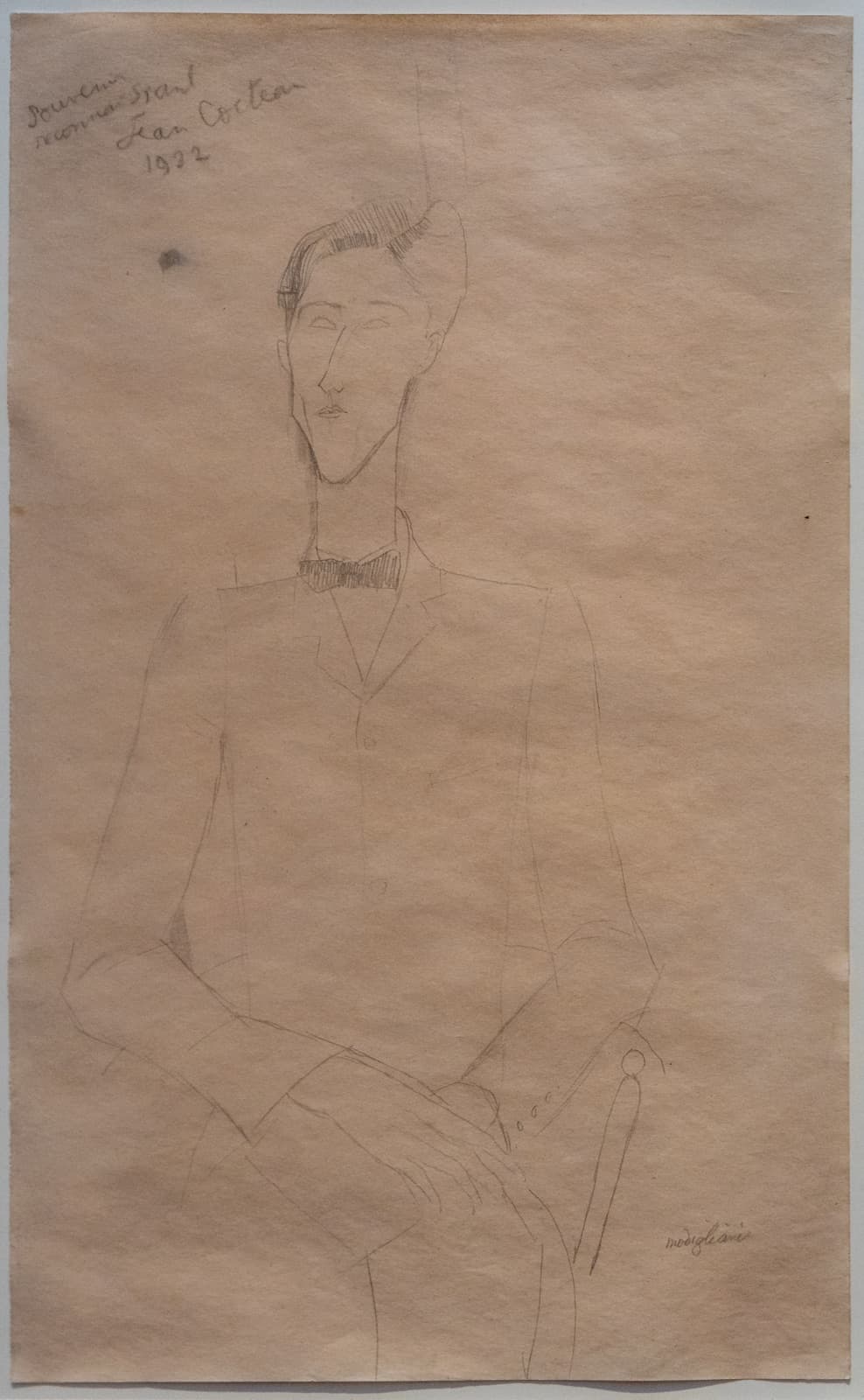
Modigliani's 1916 portrait of the twenty-six-year-old Jean Cocteau, painted during a friendly competition in Moïse Kisling's Montparnasse studio. Cocteau paid for it but left it behind. X-radiography later revealed a Kisling family portrait beneath the surface.
Henry and Rose Pearlman Foundation, on loan to Princeton University Art Museum

Amedeo Modigliani, Jean Cocteau, 1916. Henry and Rose Pearlman Foundation, on loan to Princeton University Art Museum. Image: public domain.

Selected works

Cataloged from the holding institutions' records. Reproductions appear only where the rights are verified.

Cinema

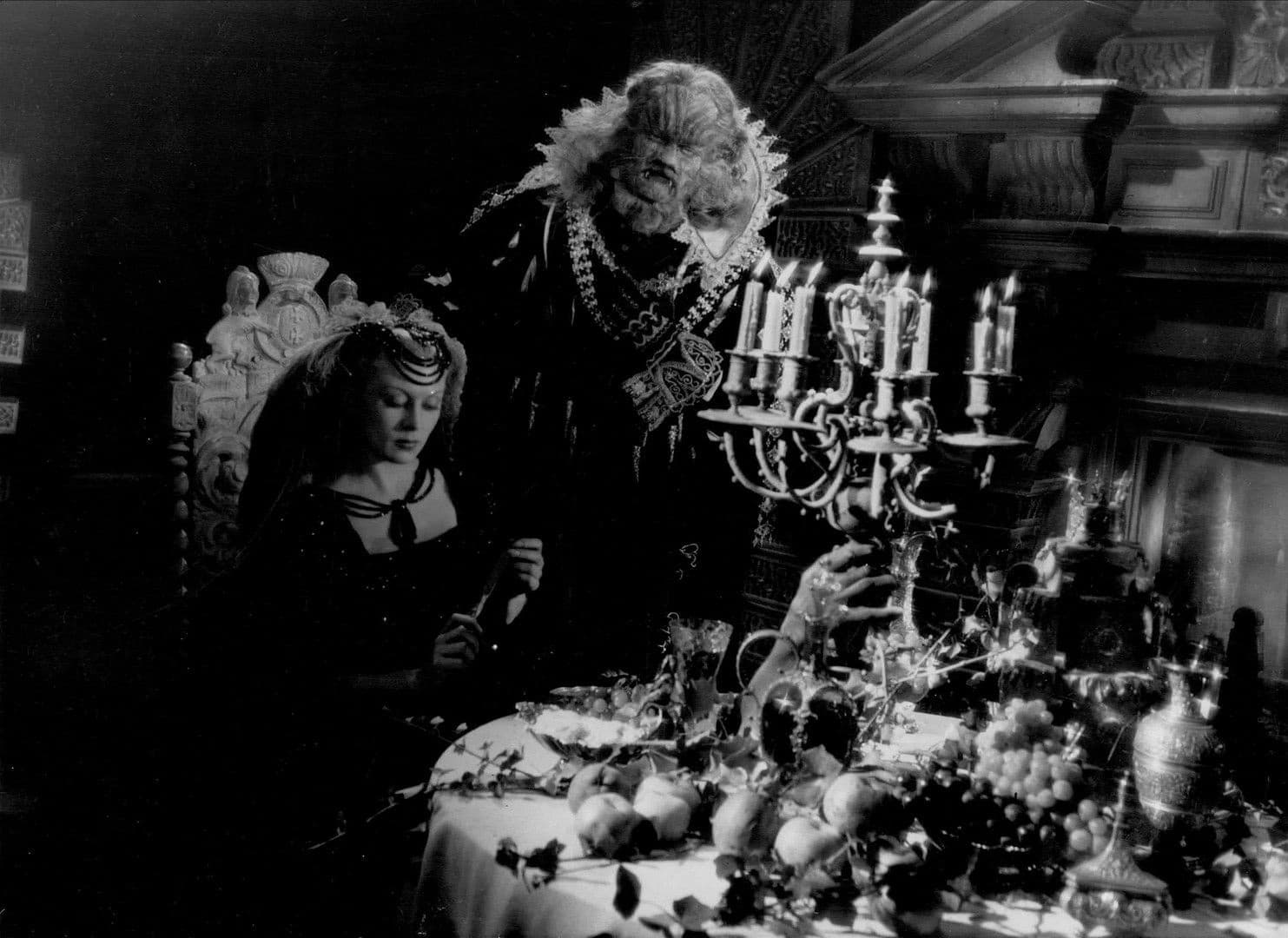
Josette Day as Belle at a laden banquet table while Jean Marais as the Beast leans over her shoulder, candelabrum lit

Artwork reproduction

Film

Beauty and the Beast

1946 · Feature film

Cocteau's fairy tale, made in the deprivations just after the Occupation: living caryatids, smoking candelabra held by human arms, and Jean Marais under the Beast's fur. The most beloved of his films — 'once upon a time' rendered with an avant-gardist's conviction that enchantment is a technique.

Jean Cocteau, Beauty and the Beast, 1946. Image: public domain.

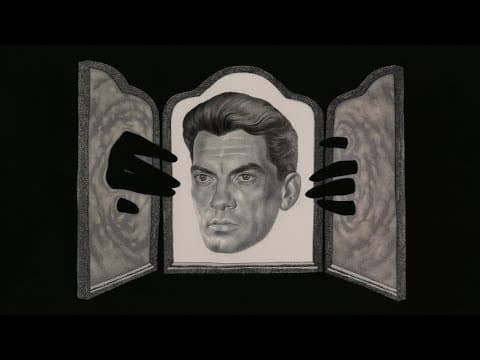
Jean Marais as Orphée, his face framed inside a three-panel mirror from the official BFI trailer

Artwork reproduction

Film

Orphée

1950 · French black-and-white fantasy film

Jean Cocteau turns the Orpheus myth into a postwar Paris dream: a famous poet, a Rolls-Royce, coded radio poems, motorcycle messengers, and a mirror that opens when touched with the right hands. It is the middle film of Cocteau's Orphic trilogy and the one where his private symbols become a story with the pull of a thriller.

Jean Cocteau, Orphée, 1950. Image © the rights holder, shown under fair use.

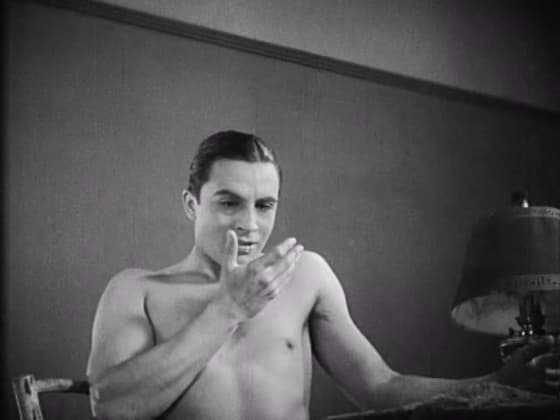
The Poet staring at a living mouth in his palm in Jean Cocteau's The Blood of a Poet

Artwork reproduction

Film · French avant-garde cinema

The Blood of a Poet

made 1930; released 1932 · Black-and-white French sound film — about 50–55 minutes, 1.33:1

A drawing opens its mouth. The mouth slips into the artist's palm. A statue sends him through a mirror, where hotel rooms, a pistol, a snowball, an angel, and a card game turn art into bodily trouble. Cocteau's first film keeps slipping away from any single solution. It is a machine for making images think.

Jean Cocteau, The Blood of a Poet, made 1930; released 1932. Image © the rights holder, shown under fair use.

Stage

Title page of Erik Satie's autograph manuscript of Parade, crediting Cocteau's scenario, Picasso's curtain, sets and costumes, and Massine's choreography

Artwork reproduction

Ballet

Parade

1917 · Ballet réaliste in one scene

The one-act ballet that dragged the avant-garde onto the popular stage: Cocteau's scenario, Satie's score with its typewriter and siren, and Picasso's Cubist curtain, sets, and costumes for Diaghilev's Ballets Russes — premiered in Paris in May 1917 to a scandalized house. In his program note, Guillaume Apollinaire described it as 'a kind of surrealism' — the word's first prominent appearance in print, and the name André Breton's movement later adopted. The Rome working trip also gave Picasso his first long look at the antique, helping initiate the classical turn that became the Return to Order.

Bibliothèque nationale de France (autograph manuscript)

Jean Cocteau, Erik Satie, Pablo Picasso, Parade, 1917. Bibliothèque nationale de France (autograph manuscript). Image: public domain.

Stage

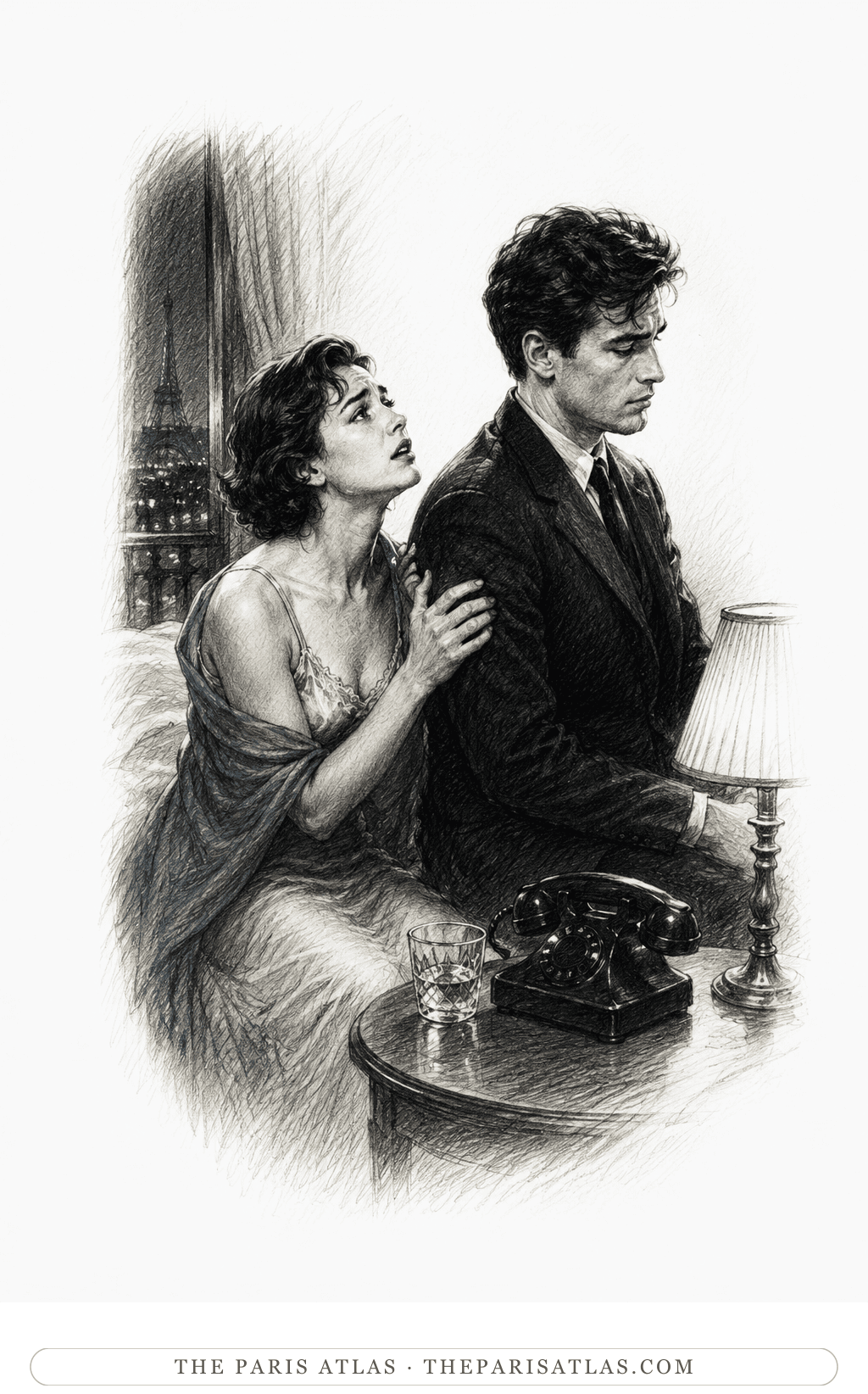
House illustration for Le Bel Indifférent: a woman in a slip and shawl clutches the shoulder of a young man in a dark suit who sits turned away, a telephone on the table and the lit Eiffel Tower in the window behind them, in pen-and-ink

Editorial illustration

Play

Le Bel Indifférent

1940 · One-act play

A woman talks through the night while the man she loves refuses to answer. Cocteau wrote the one-act for Piaf after meeting her in February 1940, recognizing that her power was the ability to make emotional exposure feel dangerous — one room, one wounded voice, an audience forced to listen. The play ties Cocteau to the history of French song: his theater and her chanson were the same instrument.

Jean Cocteau, Le Bel Indifférent, 1940.

Drawings

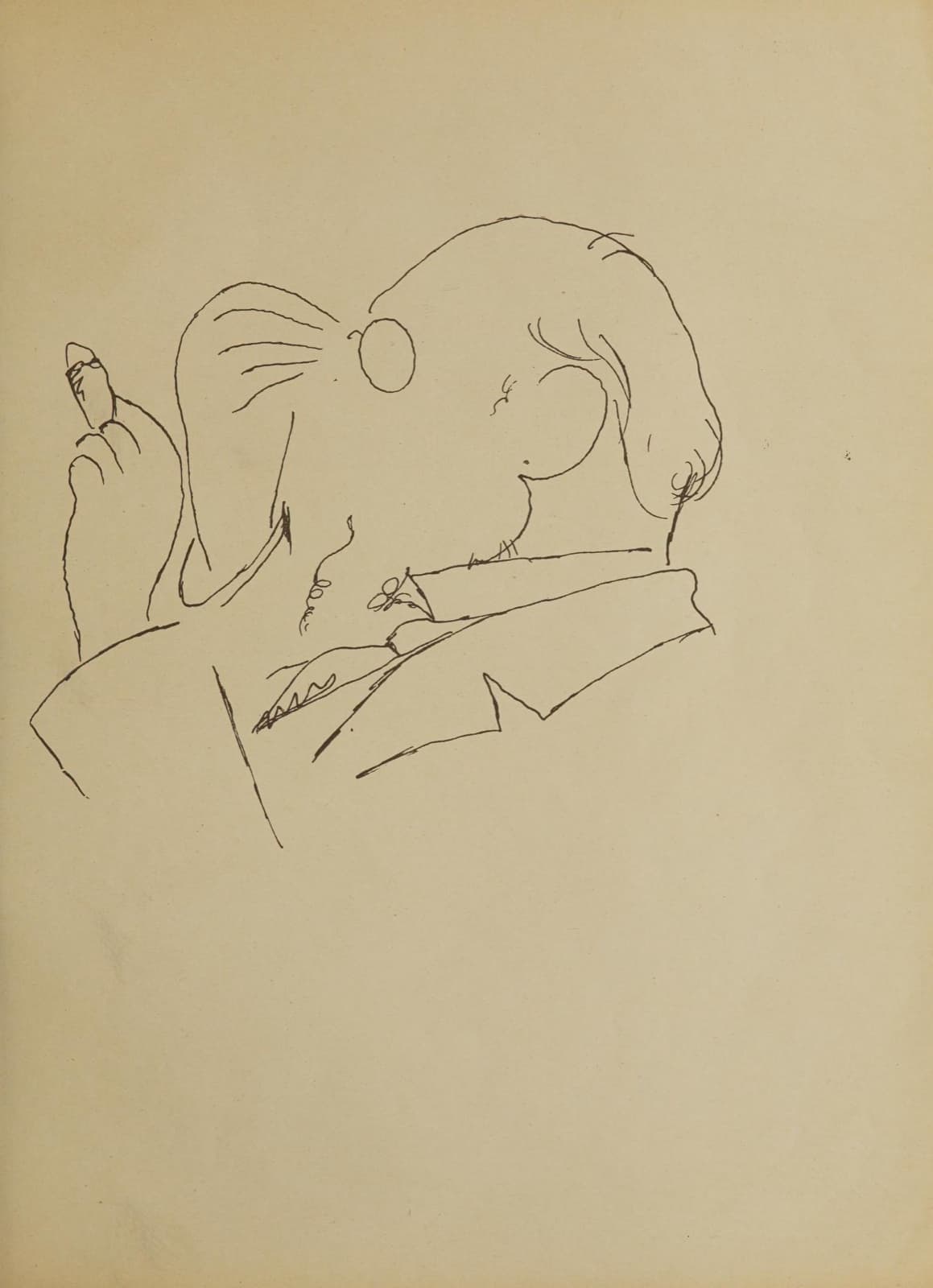
Cocteau's line drawing of Erik Satie in profile — pince-nez, beard, one finger raised as if mid-aphorism

Artwork reproduction

Drawing

Erik Satie

published 1923 · Pen-and-ink line drawing — plate 10 of Dessins (Librairie Stock, 1923)

Cocteau's Satie in a handful of lines: pince-nez, beard, and one finger raised as if delivering an aphorism — the composer of Parade drawn by its librettist, from the album Cocteau dedicated to Picasso.

Published in Dessins (Librairie Stock, 1923)

Jean Cocteau, Erik Satie, published 1923. Published in Dessins (Librairie Stock, 1923). Image: public domain (US).

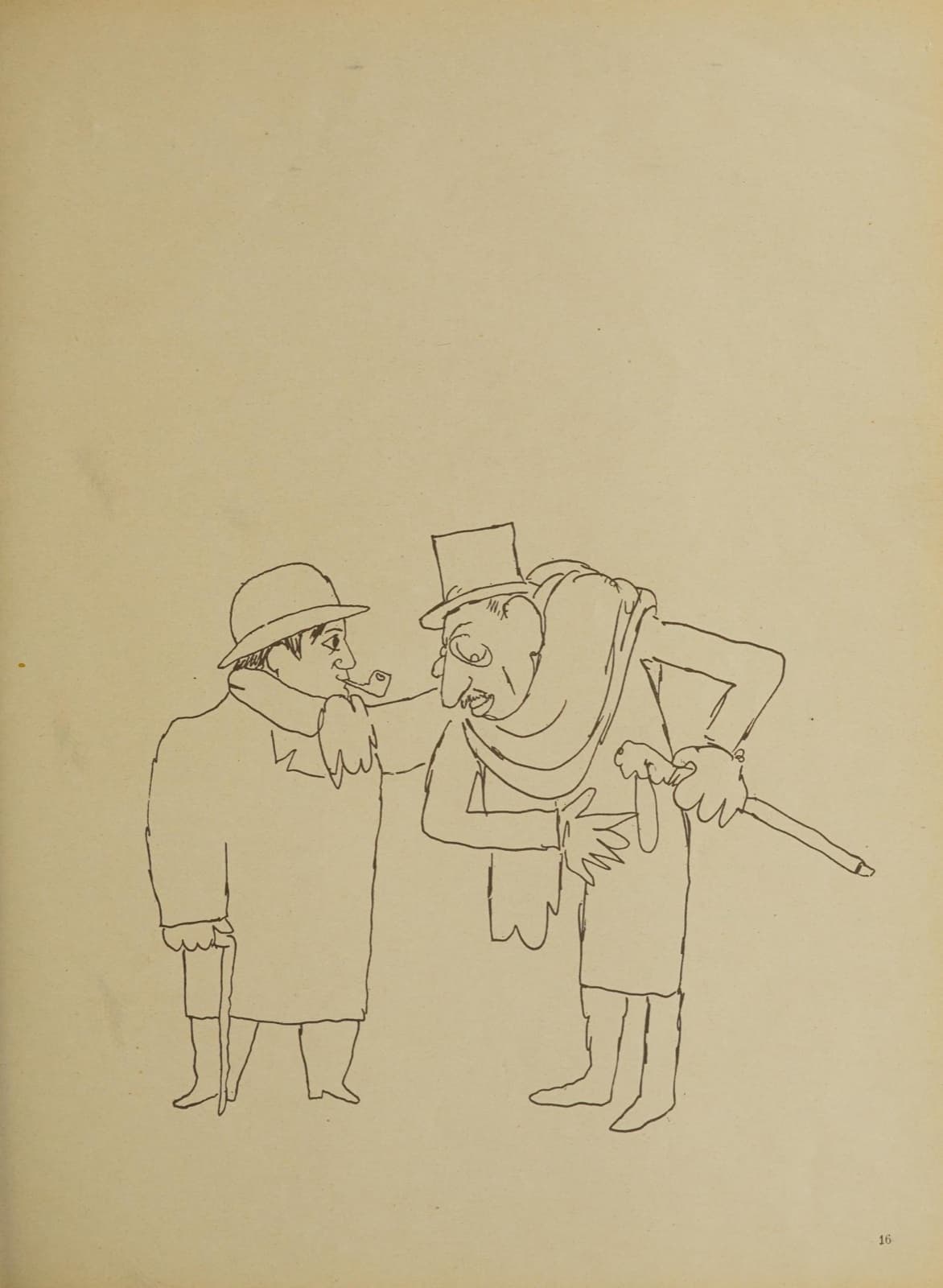
Cocteau's line drawing of Picasso in a bowler hat with a pipe and Stravinsky in a top hat with a monocle, leaning toward each other in conversation

Artwork reproduction

Drawing

P. Picasso — Igor Stravinsky

published 1923 · Pen-and-ink line drawing — plate 120 of Dessins (Librairie Stock, 1923)

Picasso in his bowler, pipe clamped; Stravinsky monocled under a top hat, bowing into the conversation — two revolutions of the Ballets Russes years caught gossiping in Cocteau's single wandering line.

Published in Dessins (Librairie Stock, 1923)

Jean Cocteau, P. Picasso — Igor Stravinsky, published 1923. Published in Dessins (Librairie Stock, 1923). Image: public domain (US).

People they knew

Documented connections — every one carries its source.

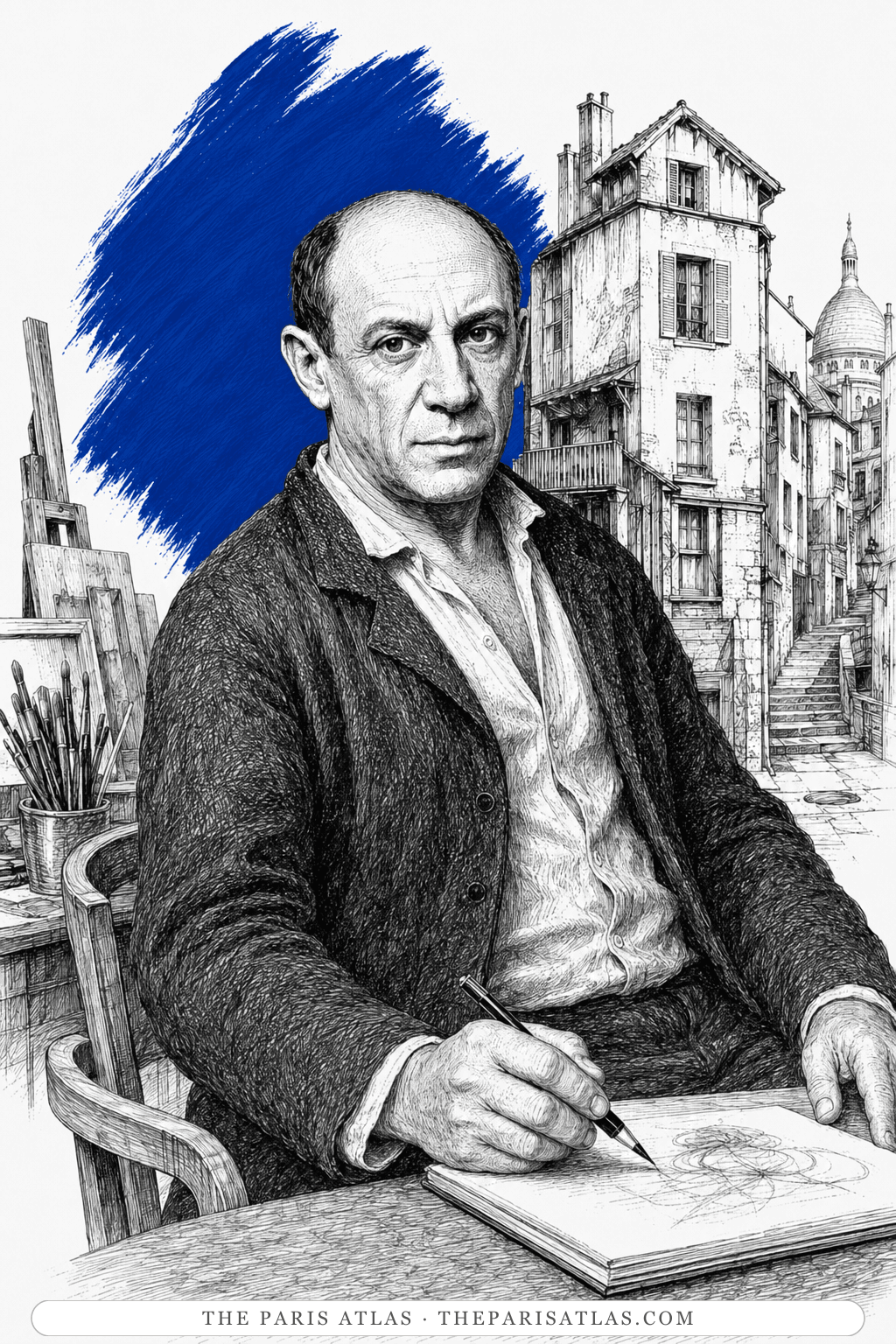
Illustrated portrait of Pablo Picasso

Pablo Picasso

  • Painter
  • Sculptor

Met · 1915–1917

Cocteau sought Picasso out mid-war and by 1917 had carried him to Rome to design Parade for the Ballets Russes — the collaboration that opened the painter's classical turn. Cocteau's 1923 monograph on Picasso made the friendship a matter of public record.

Jean Cocteau, Picasso (1923)

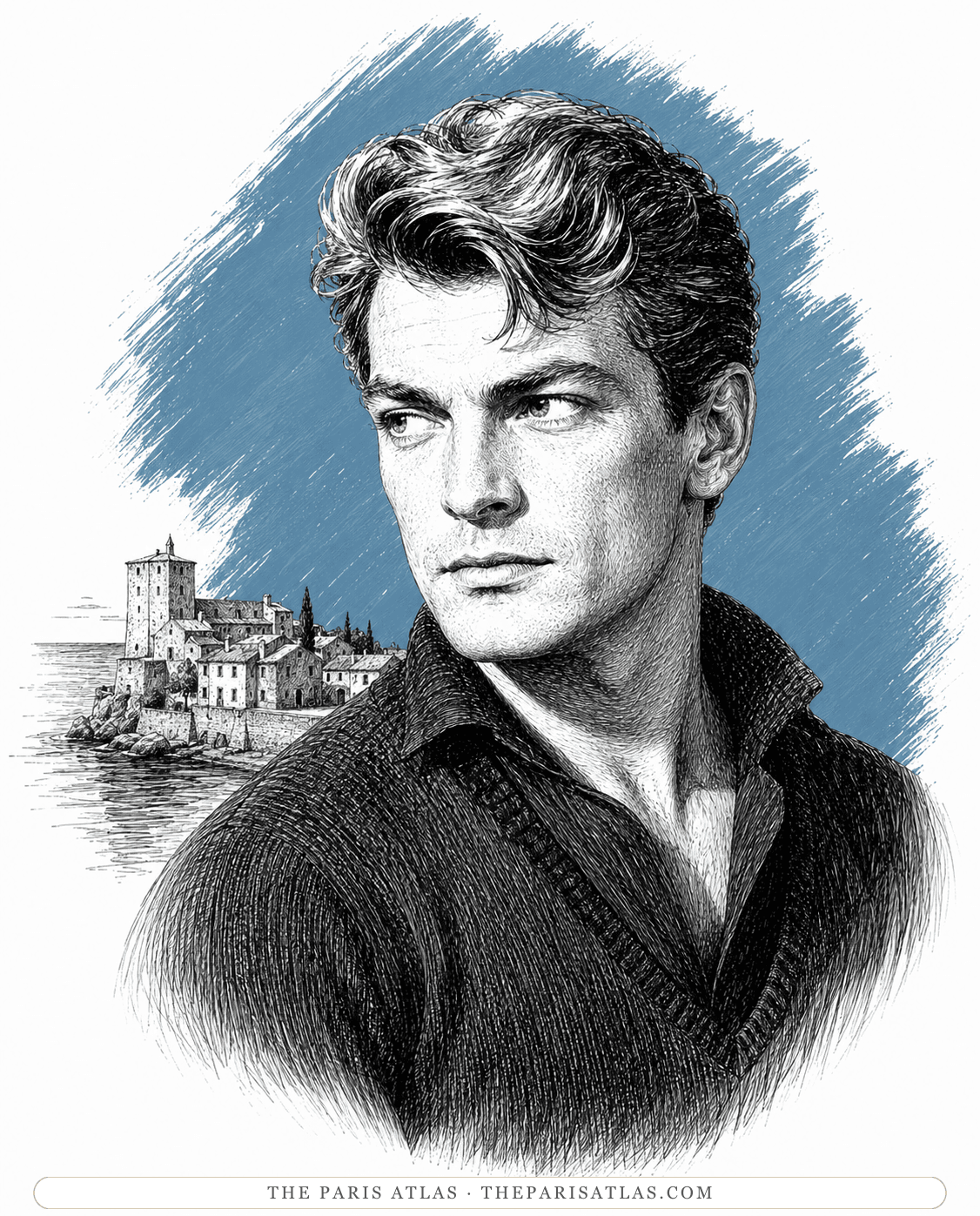
Illustrated portrait of Jean Marais

Jean Marais

  • Actor

Met · 1937

They met in 1937 when the young actor auditioned for Cocteau's theater — the beginning of a lifelong partnership that gave French cinema the Beast and Orphée.

Encyclopaedia Britannica — Jean Cocteau

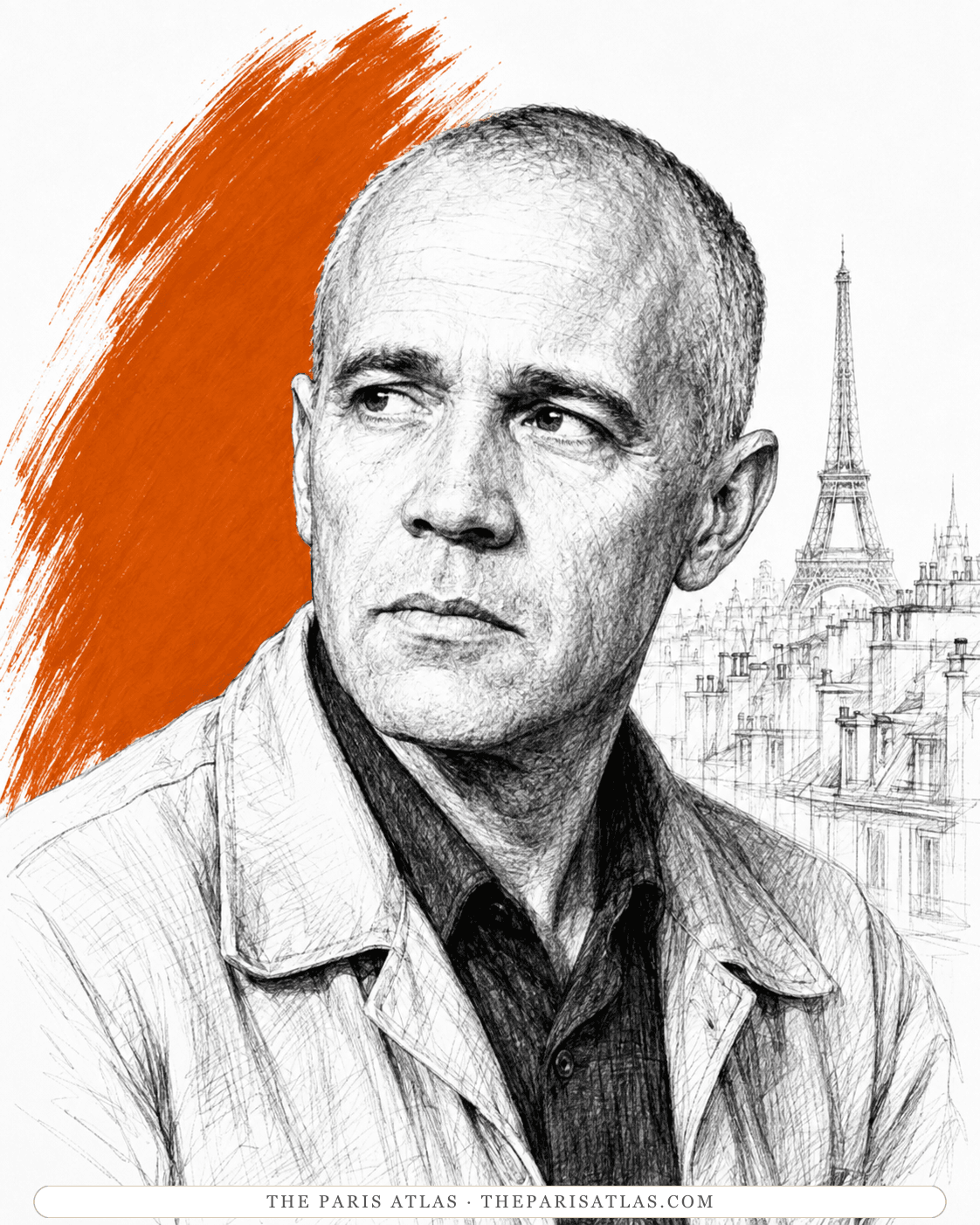
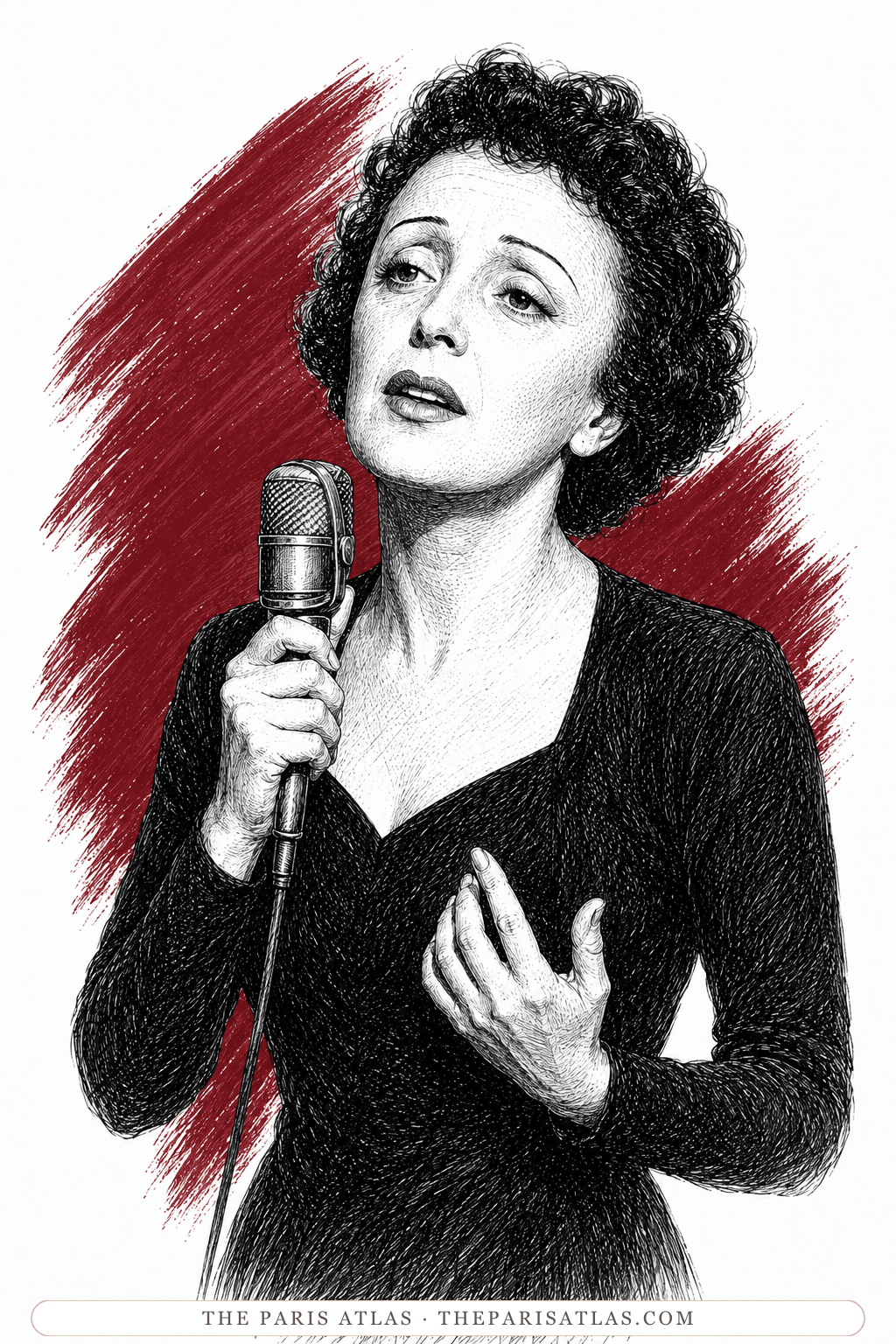
Illustrated portrait of Édith Piaf

Édith Piaf

  • Singer
  • Actor

Met · 1940

They met in February 1940, and within months Cocteau had written Le Bel Indifférent for her — the avant-garde's theater built around a street singer's voice. He died the day after she did, in October 1963.

BnF Chroniques no. 73 — Cocteau writes Le Bel Indifférent for Piaf

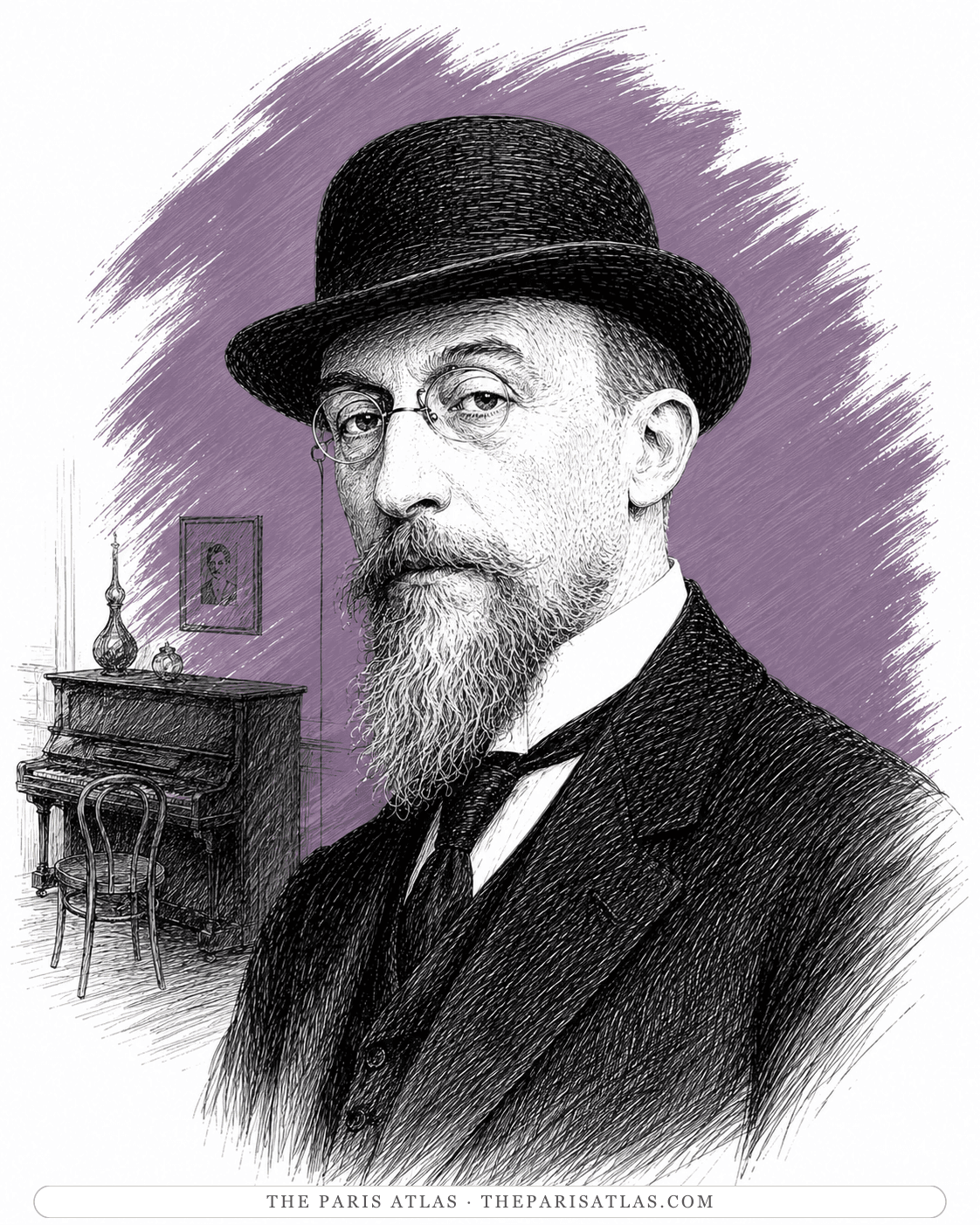
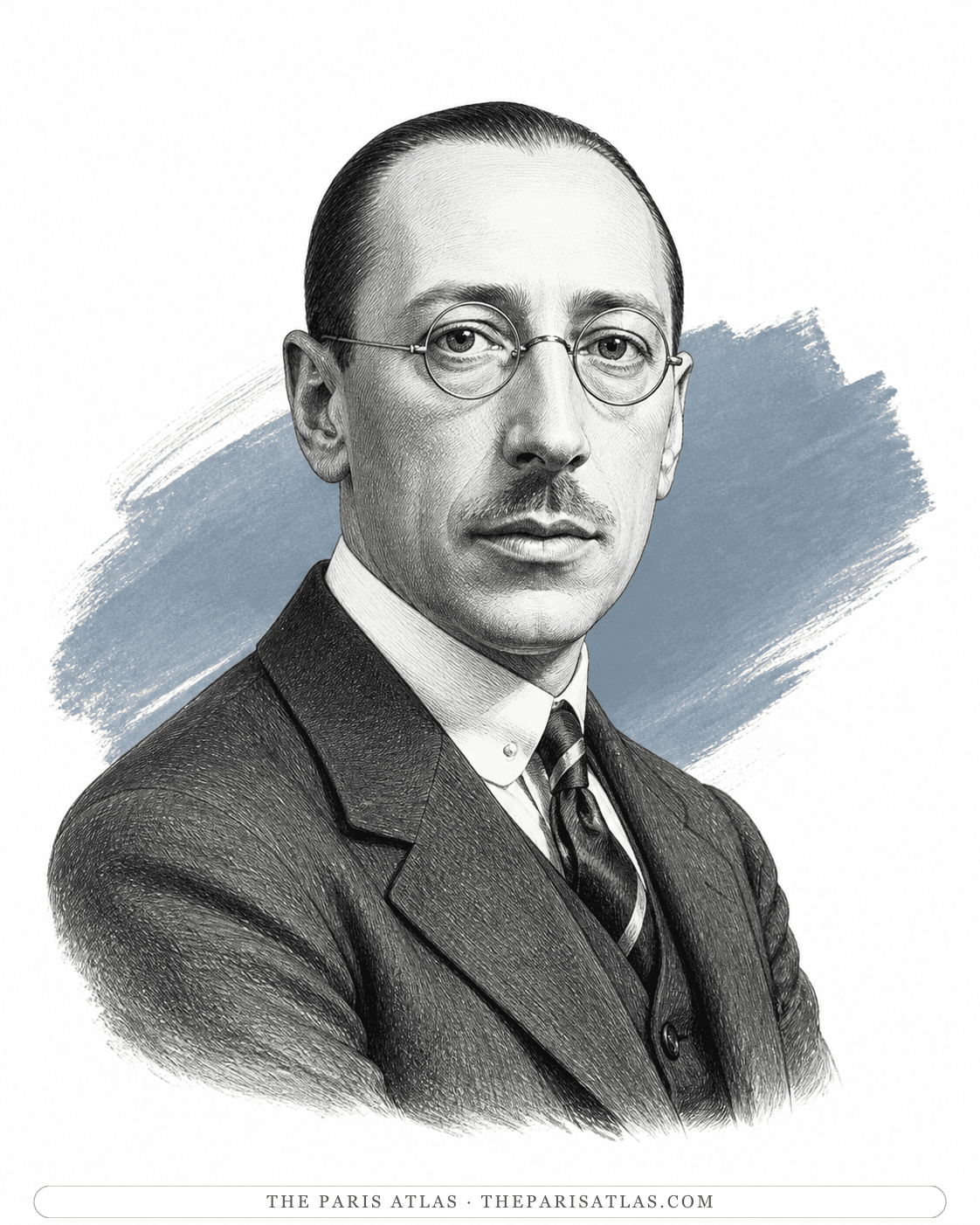
Illustrated portrait of Erik Satie

Erik Satie

  • Musician

Met · 1915–1917

The Parade partnership: Cocteau brought Satie the scenario and the two built the ballet with Picasso for Diaghilev — the collaboration credited in Satie's own hand on the manuscript's title page.

Erik Satie, Parade — autograph manuscript (BnF Gallica, btv1b10462747r), title page

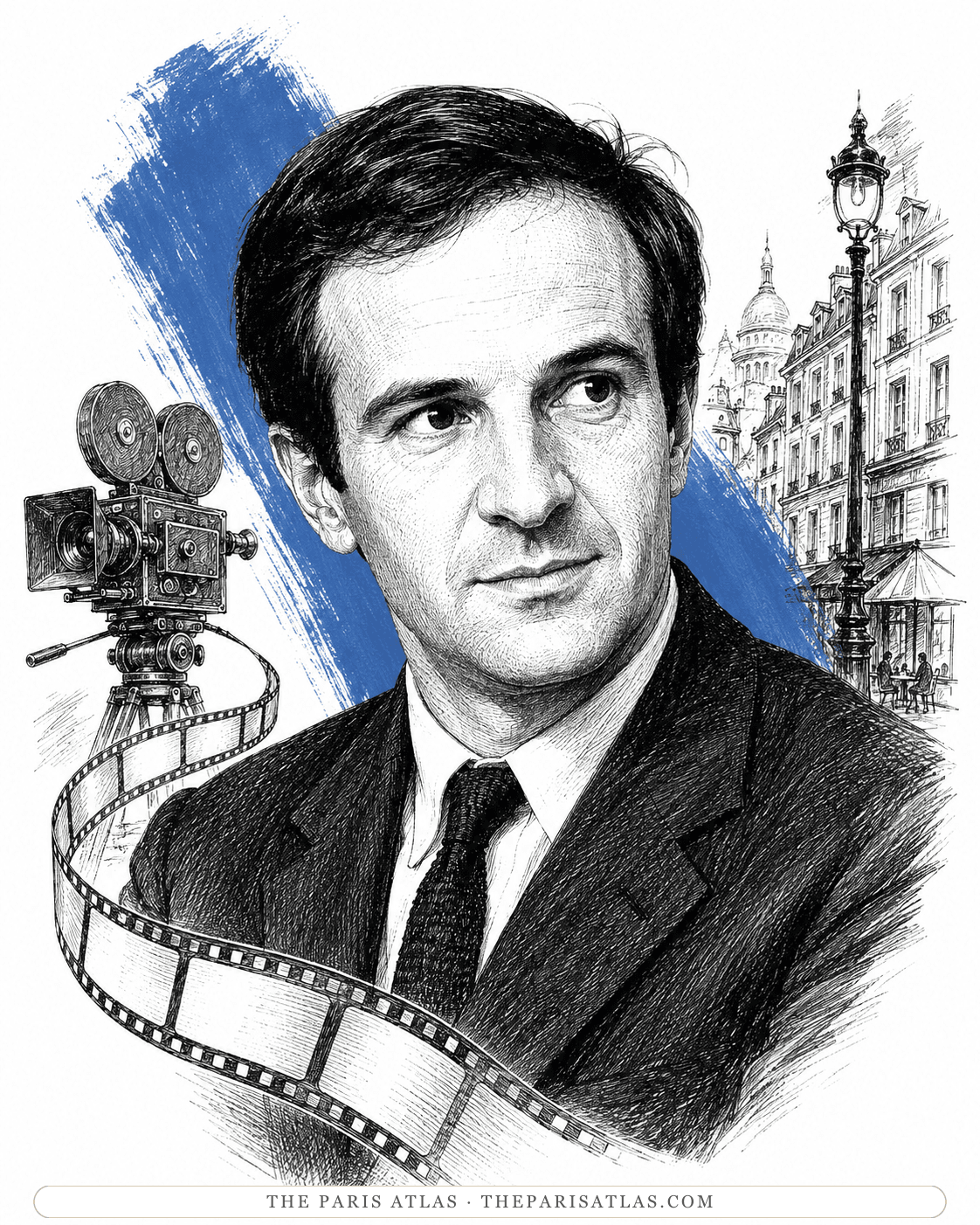
Illustrated portrait of François Truffaut

François Truffaut

  • Filmmaker
  • Critic
  • Actor

Supported by · 1959–1960

Truffaut put his 400 Blows money into Le Testament d'Orphée, Cocteau's last film, and is credited among its producers. Dixon has him giving his Cannes prize money after Cocteau worked behind the scenes for The 400 Blows at the 1959 festival; TCM has him donating the film's profits.

Wheeler Winston Dixon, Senses of Cinema — Jean Cocteau's Testament of Orpheus (2020); Margarita Landazuri, Turner Classic Movies — Orpheus

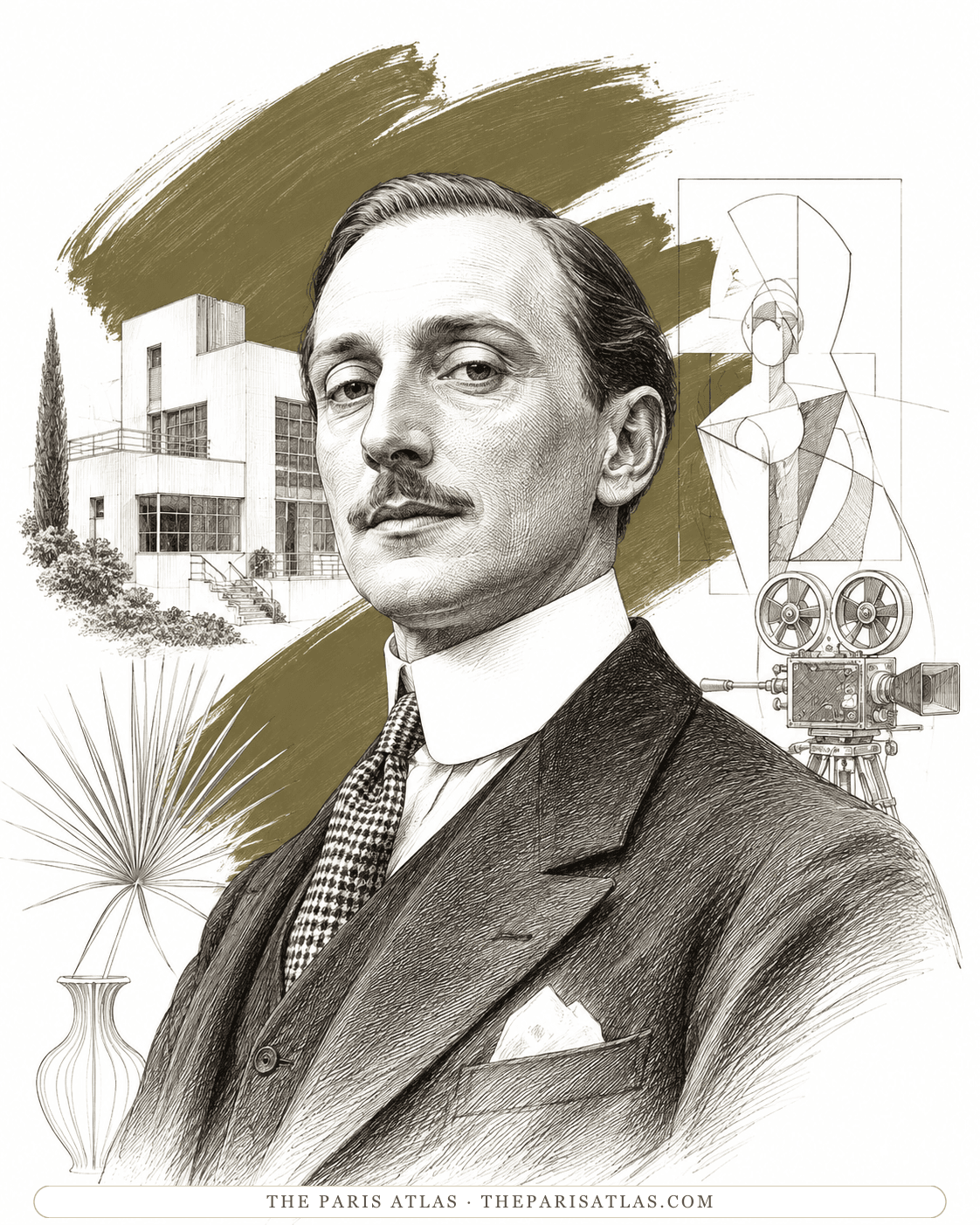
Illustrated portrait of Charles de Noailles

Charles de Noailles

  • Patron

Supported by

The couple's film patronage extended to Cocteau: the Pompidou archive lists Le Sang d'un poète among the projects Charles and Marie-Laure de Noailles financed.

Centre Pompidou — Les Mystères du château de Dé (archive), on the Noailles film patronage

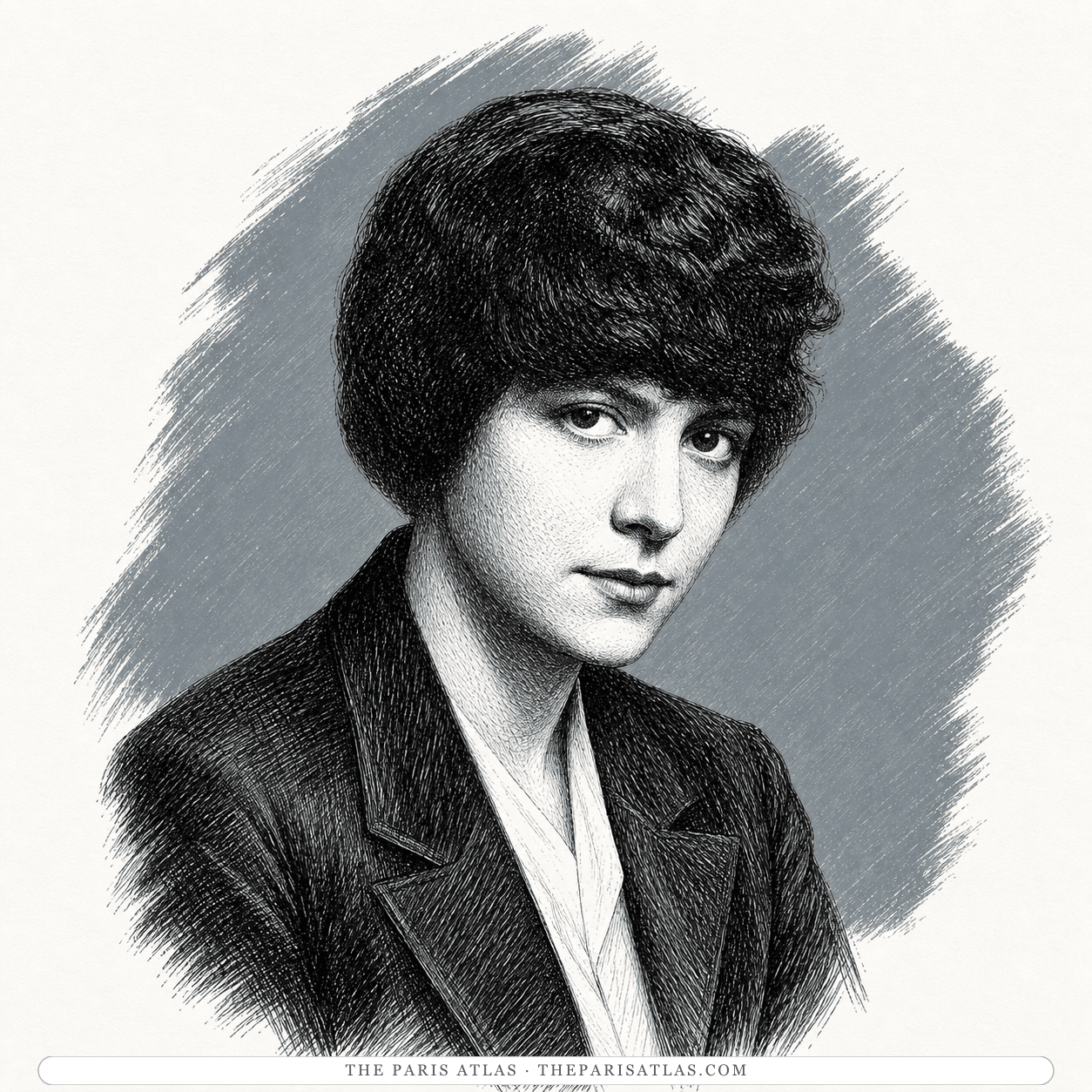
Illustrated portrait of Marie Laurencin

Marie Laurencin

  • Painter
  • Illustrator

Collaborated with

She illustrated a booklet by Cocteau, one of a run of book and stage commissions that continued through the end of the 1920s.

Marie Laurencin — AWARE: Archives of Women Artists, Research and Exhibitions

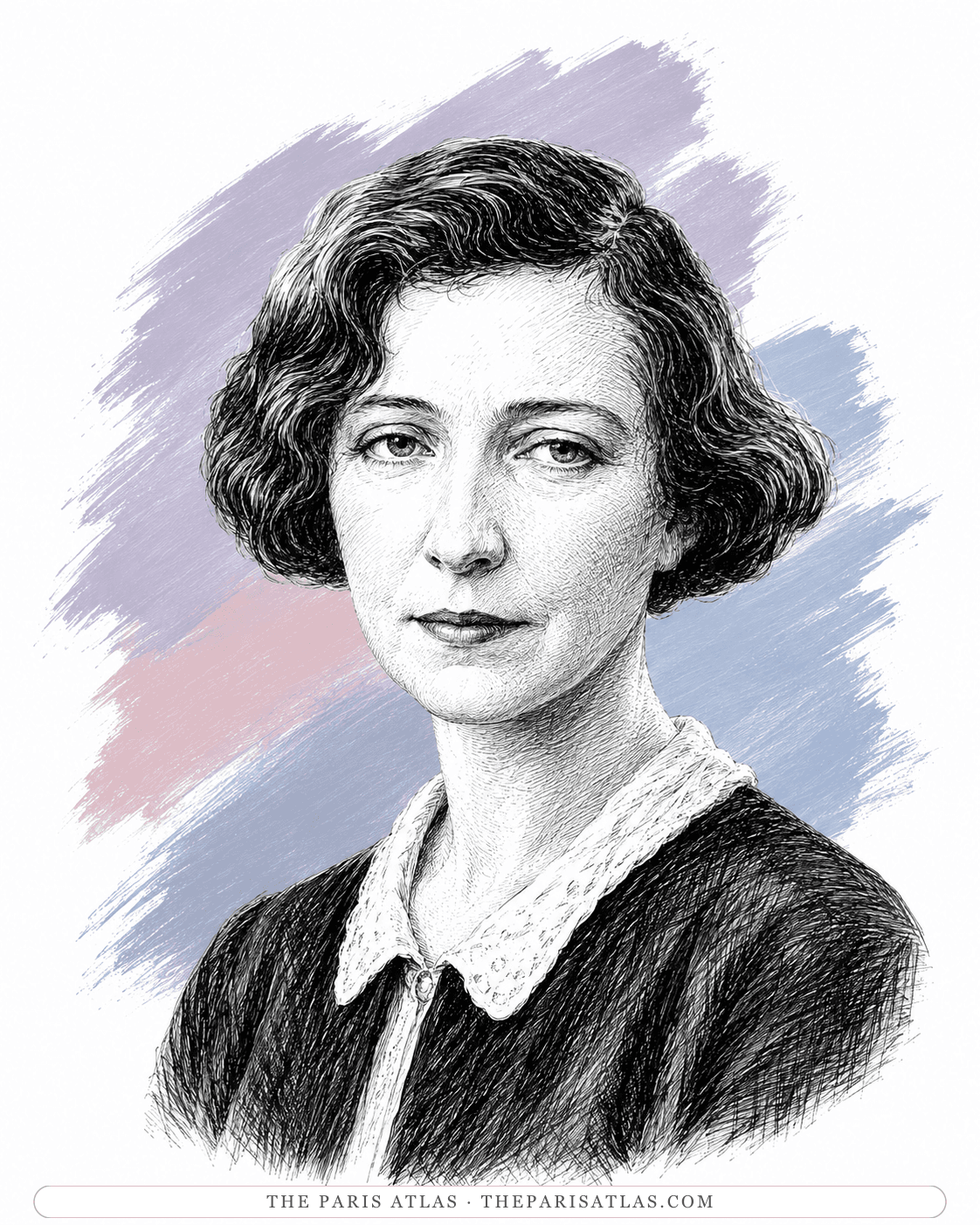
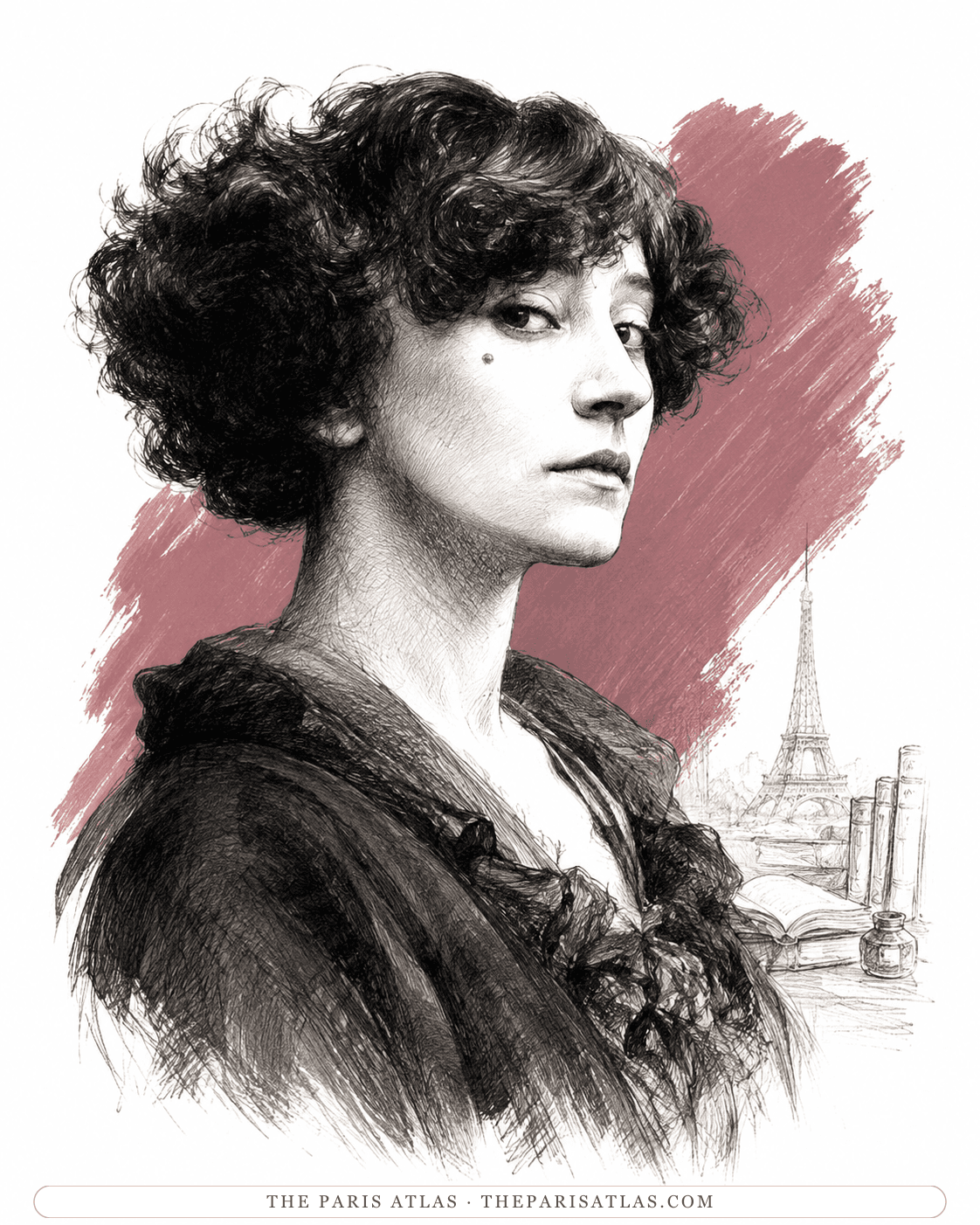
Illustrated portrait of Colette

Colette

  • Author
  • Journalist
  • Actor
  • +1

Met · 1938

Colette and Jean Cocteau were close friends and Palais-Royal neighbors from the late 1930s until her death in 1954, living around the same garden and writing admiringly of one another. Colette described his rooms in Paris de ma fenêtre.

Judith Thurman, Secrets of the Flesh: A Life of Colette (1999)

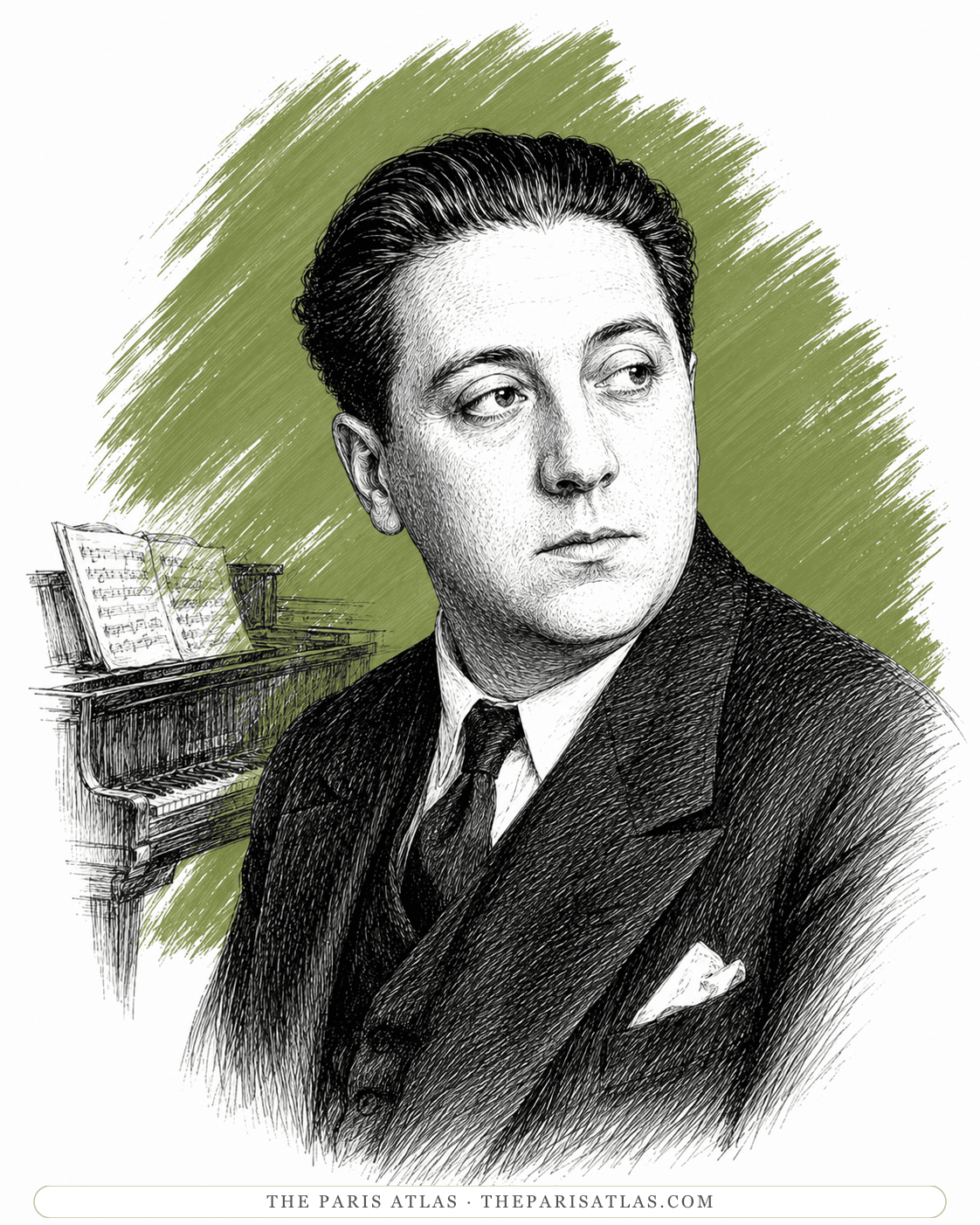
Illustrated portrait of Georges Auric

Georges Auric

  • Musician

Collaborated with · 1921–1960

Auric wrote the music for eleven Cocteau films, among them The Blood of a Poet (1930), Beauty and the Beast (1946), Orphée (1950), and Le Testament d'Orphée (1960). The two met through Les Six, the group of composers gathered around Cocteau and Erik Satie, and the first commission was the 1921 ballet Les Mariés de la tour Eiffel.

Wikipedia — Georges Auric; Encyclopaedia Britannica — Jean Cocteau

Illustrated portrait of Romaine Brooks

Romaine Brooks

  • Painter

Sat for a portrait by · 1912

Jean Cocteau à l'époque de la grande roue, oil on canvas, painted when Cocteau was twenty-three, with the Ferris wheel of the 1900 exposition behind him. It is in the collection of the Musée national d'art moderne at the Centre Pompidou.

Romaine Brooks, Jean Cocteau à l'époque de la grande roue (1912) — collection record

Movements

The artistic and literary currents this life ran through.

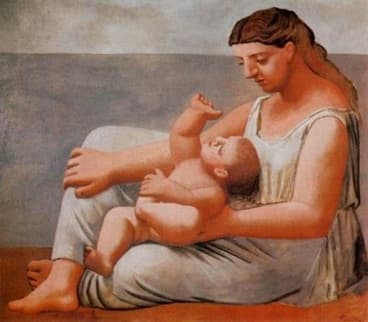
Picasso's Mother and Child: a monumental woman in a white tunic seated by a gray sea, holding an infant who reaches up toward her face

Art movement · c. 1918–1930

Return to Order

The tendency's namer, not its founder: his 1926 essay collection Le rappel à l'ordre supplied the phrase the era kept, and his Picasso monograph championed the classical turn as it happened.

Tate — Return to order (art term); Jean Cocteau, Picasso (1923)

Jean Cocteau’s Places

The cataloged places connected to Jean Cocteau — through the books, and through the documented record.

Places you can enter today appear first, followed by addresses to see from outside and sites that have vanished.

Sourced claims

Every connection the graph holds for Jean, with the evidence behind it.

Met · 1915–1917

Pablo Picasso

Cocteau sought Picasso out mid-war and by 1917 had carried him to Rome to design Parade for the Ballets Russes — the collaboration that opened the painter's classical turn. Cocteau's 1923 monograph on Picasso made the friendship a matter of public record.

Jean Cocteau, Picasso (1923)

Associated with · 1917–1926

Return to Order

The tendency's namer, not its founder: his 1926 essay collection Le rappel à l'ordre supplied the phrase the era kept, and his Picasso monograph championed the classical turn as it happened.

Tate — Return to order (art term); Jean Cocteau, Picasso (1923)

Hosted gatherings at · 1922

Le Bœuf sur le Toit

The bar's own history records the circle of artists, musicians, poets and painters who gathered there weekly around Cocteau from its opening in January 1922 — the room was named for his and Darius Milhaud's 1920 stage spectacle.

boeufsurletoit.com — About

Depicted in · 1916

Jean Cocteau

Modigliani painted the twenty-six-year-old Cocteau at Kisling's Montparnasse studio in 1916. The portrait is now with the Pearlman collection at Princeton.

Encyclopaedia Britannica — Jean Cocteau

Met · 1937

Jean Marais

They met in 1937 when the young actor auditioned for Cocteau's theater — the beginning of a lifelong partnership that gave French cinema the Beast and Orphée.

Encyclopaedia Britannica — Jean Cocteau

Met · 1940

Édith Piaf

They met in February 1940, and within months Cocteau had written Le Bel Indifférent for her — the avant-garde's theater built around a street singer's voice. He died the day after she did, in October 1963.

BnF Chroniques no. 73 — Cocteau writes Le Bel Indifférent for Piaf

Met · 1915–1917

Erik Satie

The Parade partnership: Cocteau brought Satie the scenario and the two built the ballet with Picasso for Diaghilev — the collaboration credited in Satie's own hand on the manuscript's title page.

Erik Satie, Parade — autograph manuscript (BnF Gallica, btv1b10462747r), title page

Supported by · 1959–1960

François Truffaut

Truffaut put his 400 Blows money into Le Testament d'Orphée, Cocteau's last film, and is credited among its producers. Dixon has him giving his Cannes prize money after Cocteau worked behind the scenes for The 400 Blows at the 1959 festival; TCM has him donating the film's profits.

Wheeler Winston Dixon, Senses of Cinema — Jean Cocteau's Testament of Orpheus (2020); Margarita Landazuri, Turner Classic Movies — Orpheus

Supported by

Charles de Noailles

The couple's film patronage extended to Cocteau: the Pompidou archive lists Le Sang d'un poète among the projects Charles and Marie-Laure de Noailles financed.

Centre Pompidou — Les Mystères du château de Dé (archive), on the Noailles film patronage

Collaborated with

Marie Laurencin

She illustrated a booklet by Cocteau, one of a run of book and stage commissions that continued through the end of the 1920s.

Marie Laurencin — AWARE: Archives of Women Artists, Research and Exhibitions

Met · 1938

Colette

Colette and Jean Cocteau were close friends and Palais-Royal neighbors from the late 1930s until her death in 1954, living around the same garden and writing admiringly of one another. Colette described his rooms in Paris de ma fenêtre.

Judith Thurman, Secrets of the Flesh: A Life of Colette (1999)

Collaborated with · 1921–1960

Georges Auric

Auric wrote the music for eleven Cocteau films, among them The Blood of a Poet (1930), Beauty and the Beast (1946), Orphée (1950), and Le Testament d'Orphée (1960). The two met through Les Six, the group of composers gathered around Cocteau and Erik Satie, and the first commission was the 1921 ballet Les Mariés de la tour Eiffel.

Wikipedia — Georges Auric; Encyclopaedia Britannica — Jean Cocteau

Sat for a portrait by · 1912

Romaine Brooks

Jean Cocteau à l'époque de la grande roue, oil on canvas, painted when Cocteau was twenty-three, with the Ferris wheel of the 1900 exposition behind him. It is in the collection of the Musée national d'art moderne at the Centre Pompidou.

Romaine Brooks, Jean Cocteau à l'époque de la grande roue (1912) — collection record