Théâtre des Champs-Élysées
Still standing
Hours or admission
Still the same
The concrete temple of the avant-garde — where The Rite of Spring caused a riot in 1913, and the Ballet Mécanique caused another in 1926, with Ezra Pound shouting over the pianolas.
- 15 Av Montaigne, 75008 Paris
- 1913–present
Illustration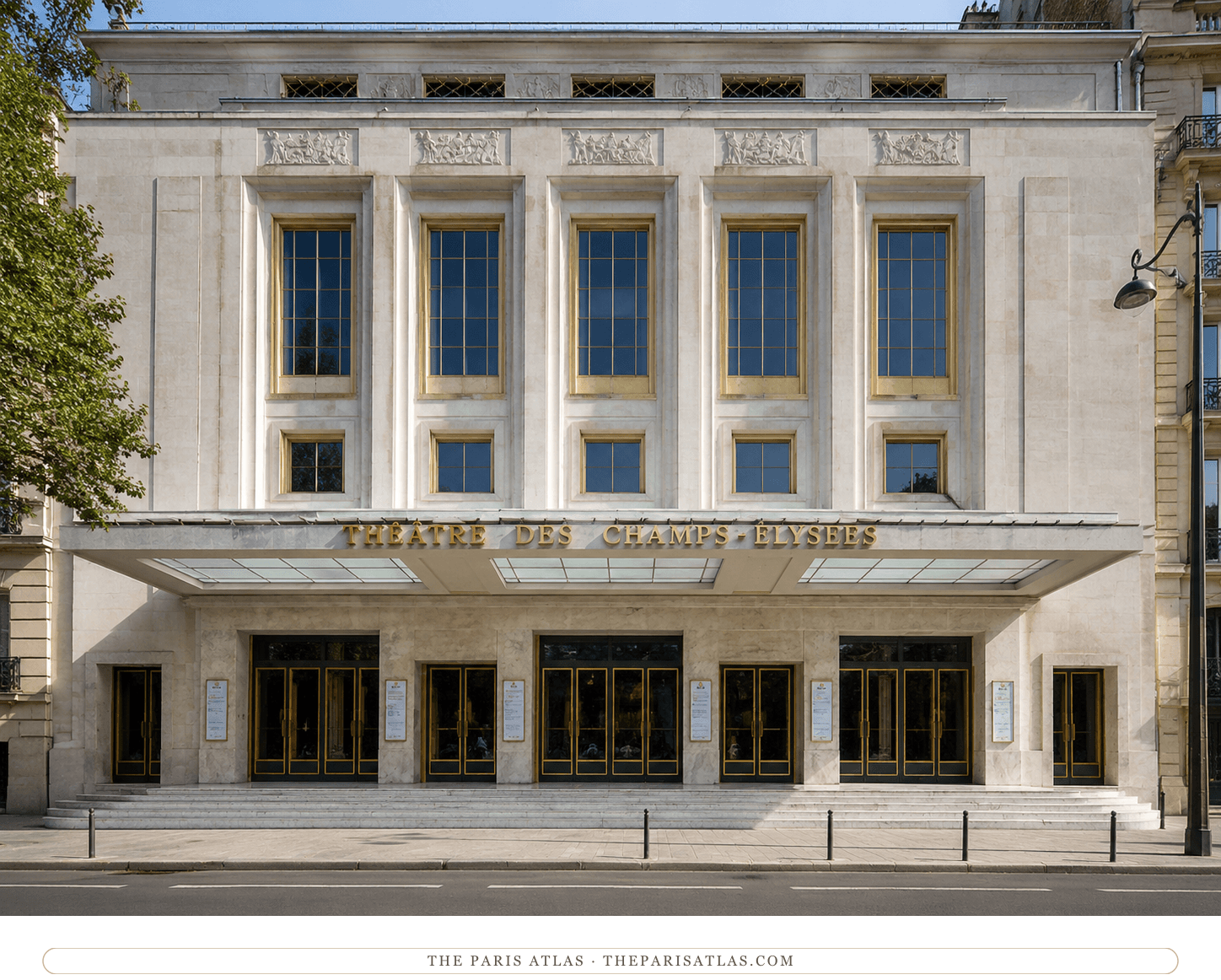
The story
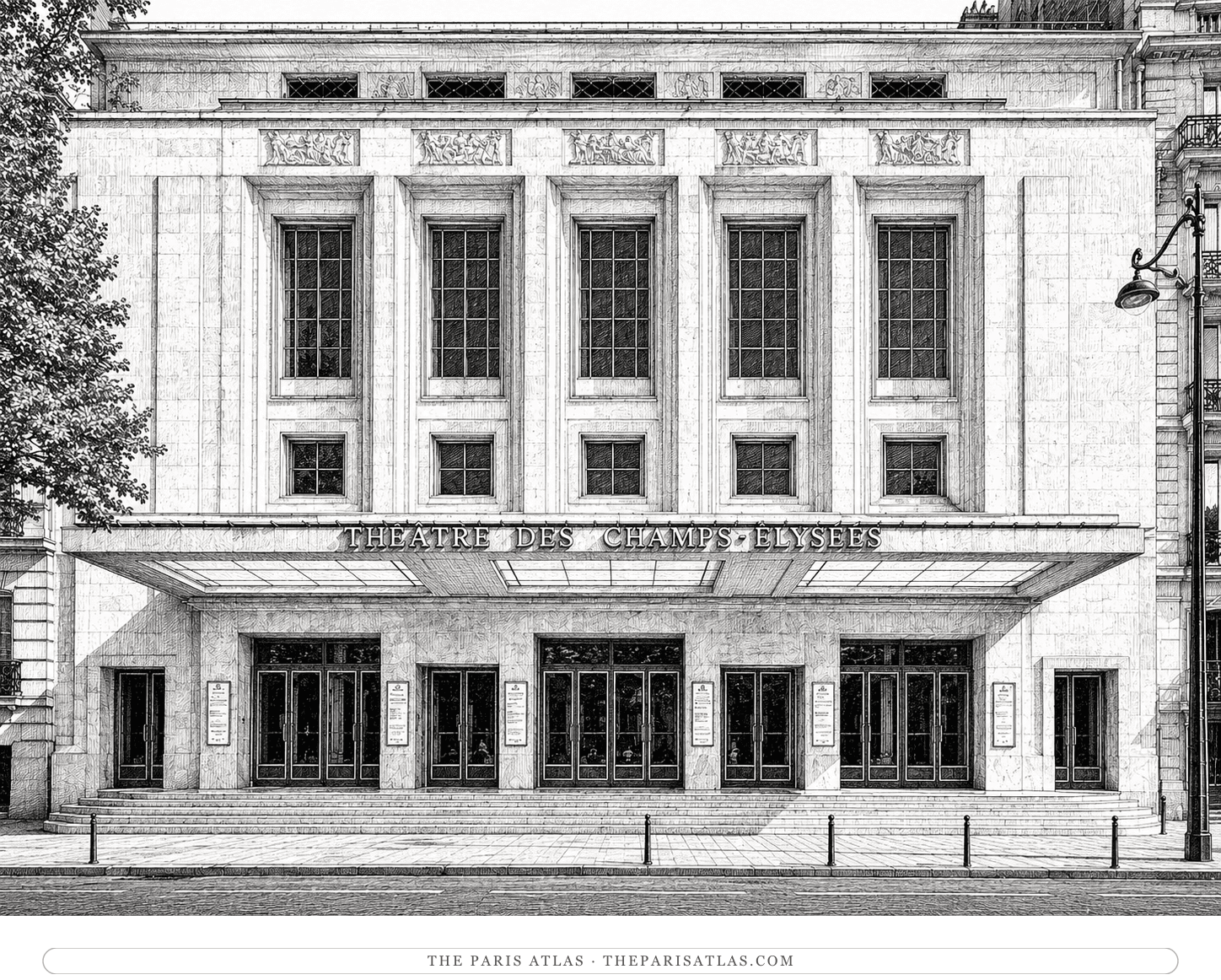
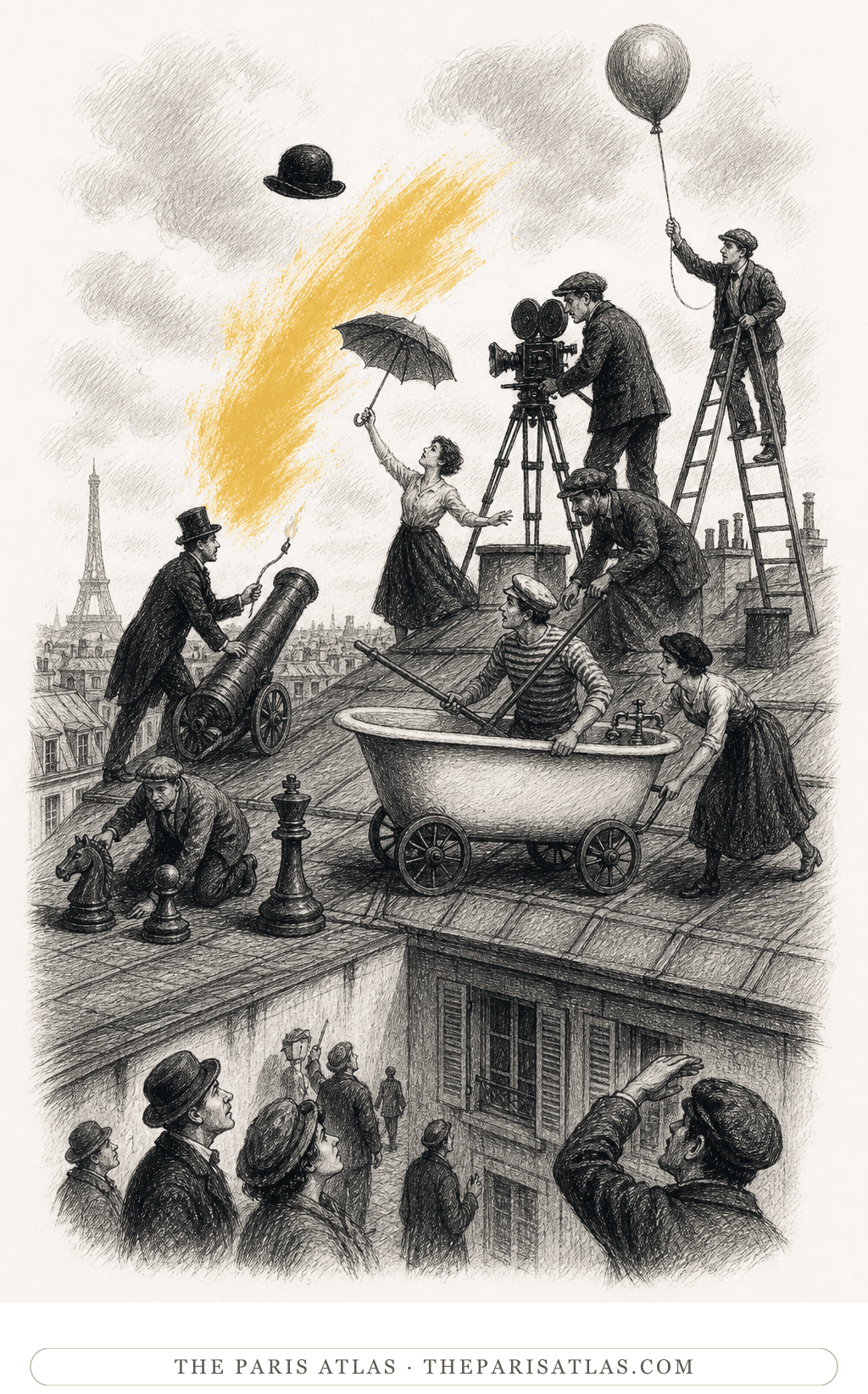
Auguste Perret's theater opened in 1913 as a scandal in itself — reinforced concrete on the smartest avenue in Paris, with Antoine Bourdelle's reliefs where the gilt should have been — and within weeks it hosted the most famous riot in the history of music: the premiere of Stravinsky's Rite of Spring, where the fashionable audience howled the orchestra into inaudibility. The building has been the avant-garde's parade ground ever since.[1]
The 1920s gave it a second riot. On 19 June 1926, George Antheil — the young American composer Ezra Pound had adopted and promoted — premiered his Ballet Mécanique here: a battery of synchronised pianolas, loudspeakers, and a large electric propeller aimed, more or less, at the seats. Sisley Huddleston was in the hall: coats went up, umbrellas opened against the fan's blast, the audience yelled against the buzzers, and Pound stood up in a flowing blue shirt to bellow insults at the philistines over the din. Brancusi grew excited; everyone was shouting at everyone; the tiny figure on the platform pedalled harder.[2]
The theater survived its scandals into respectability — it remains one of Paris's great concert halls, Perret's concrete now a protected monument. The seats are calmer these days; the propeller has not been invited back.[1]
Origins: A New Palace for Music
The theater began with the ambitions of impresario and music publisher Gabriel Astruc, who wanted a Parisian venue capable of accommodating different kinds of musical performance. Its eventual location was not the site originally intended: an earlier proposal concerned the Rond-Point des Champs-Élysées, but the project moved to avenue Montaigne after that scheme failed. This explains why a theater named after the Champs-Élysées does not stand directly on the famous avenue.[3]
Its authorship was unusually complicated. Belgian architect Henry van de Velde developed an important early scheme and approached Auguste and Gustave Perret, specialists in reinforced concrete, to execute the structure. The Perrets challenged the feasibility of his proposal and developed their own structural arrangement, gradually assuming a leading role while van de Velde was pushed aside. The completed building should therefore be understood as the outcome of collaboration and conflict, rather than the uninterrupted realization of a single architect's design.[3]
Bourdelle's Contribution to the Architecture
Sculptor Antoine Bourdelle did much more than provide statues for a finished façade. When a proposed elevation by Auguste Perret was rejected, Bourdelle helped reshape the building's outward appearance. According to the Musée Bourdelle, he produced thirteen studies in three weeks, replacing a predominantly horizontal arrangement with a stronger rhythm of tall vertical openings. His role crossed the conventional boundary between architectural design and sculptural decoration.[4]
The white-marble reliefs present allegories of the arts, including music, dance, tragedy, comedy, architecture, and sculpture. Their classical references reinforce the impression of a modern temple devoted to performance. Rather than overwhelming the structure, the figures are contained within carefully proportioned areas of the façade. The decoration gives the building a cultural identity while preserving the clarity of its larger architectural forms.[4]
Modern Construction and the Audience's Experience
The theater's reinforced-concrete structure was not merely a technical novelty hidden behind a fashionable exterior. The institution identifies it as the first Parisian theater built with an entirely reinforced-concrete structure. Its construction placed the building within the early history of a material that would profoundly change twentieth-century architecture.[1]
Modernity also affected the experience of attending and producing a performance. The auditorium offered unobstructed views without intervening columns, while electrically operated stage equipment and improved backstage facilities supported the theater's ambitious programming. These practical changes remind us that its innovation concerned use and comfort as well as appearance.[3]
Maurice Denis and the History of Music Overhead
Inside the main auditorium, Maurice Denis's painted ceiling turns the space above the audience into a history of music. The commission developed through his friendship with patron Gabriel Thomas, for whom Denis had already created a decorative ensemble. In preparing the theater's ceiling, he also drew on conversations with composer Vincent d'Indy.[3]
Mythological figures, composers, and musical characters appear within a scheme connecting antiquity with later musical traditions. Apollo and Orpheus belong to the same overarching history as Beethoven and figures associated with opera. An interesting detail is that the composition is not intended to be read as a simple continuous sequence around the room: the theater describes its relationships as crossing the ceiling from one side to another. The audience therefore sits beneath an organized artistic argument, not just a decorative canopy.[4]
The Rite of Spring and the Scandal of the First Season
The theater's inaugural season included the premiere of **Igor Stravinsky's The Rite of Spring, with choreography by Vaslav Nijinsky**. Its contentious reception became inseparable from the building's historical identity. Importantly, the disturbance should not be attributed to the music alone: the theater's own account emphasizes that Nijinsky's choreography was also central to the audience's reaction.[3]
The production belonged to **Serge Diaghilev's Ballets Russes**, a company whose influence depended on the integration of music, movement, costume, and stage design. Diaghilev brought different kinds of artists into closely coordinated collaborations, seeking an effect greater than the sum of the individual contributions. In that respect, the Ballets Russes and the theater that housed them shared an ambition: to make several arts work together within a complete experience.[3]
Financial Failure and Josephine Baker's Arrival
The prestige of the opening season did not make Astruc's enterprise financially secure. Its distinguished performers and ambitious productions were expensive, and by autumn 1913 he had to declare bankruptcy. The building survived its founder's initial failure, demonstrating the distance that can separate artistic influence from commercial success.[3]
A different chapter began in October 1925, when **Josephine Baker* appeared in La Revue Nègre. Her Paris debut connected the theater with the performance culture of the années folles*, or Roaring Twenties. One familiar image needs to be kept separate from this occasion: Baker's celebrated banana-skirt costume belonged to her later performances at the Folies Bergère, not this debut at the Théâtre des Champs-Élysées.[5]
Preservation and Significance
The theater received historic-monument protection in 1957, an early recognition of the heritage value of modern architecture. A substantial renovation followed in 1985 under the patronage of the Caisse des Dépôts. These interventions helped preserve a building whose significance lies in the relationship between its architecture, decoration, and continuing use for performance.[1]
Its place in Art Deco history is best understood as that of an early architectural landmark, rather than a building designed under a fully established Art Deco label. Completed twelve years before the 1925 exhibition, it shows that the combination of modern construction, formal restraint, and integrated ornament had already begun to take shape.[1]
In their words
There was to be an orchestra of pianos not played by hand but by machinery. Sixteen pianolas connected and synchronised, their sound magnified by loud speakers and a large buzzing electric fan adding to the uproar, were promised us if we would attend the Théâtre des Champs-Elysées. The torrent of sound was to be unimaginable.
People turned up their coat collars, put on their hats, opened their umbrellas, yelled and hooted against the buzzers. Ezra Pound, in a flowing blue shirt, stood up and raised his voice above the hubbub. One could distinguish such words as ‘Idiot! Imbecile! Ignoramus! Philistine!’ But there were louder roars of laughter.
Key facts
- 1913 — Auguste Perret's reinforced-concrete landmark on the Avenue Montaigne
- The Rite of Spring premiere, 29 May 1913
- Antheil's Ballet Mécanique, 19 June 1926 — pianolas, propeller, and Pound in full voice
- Still open — one of the city's principal concert halls
In images
Timeline
Opens in April; the Rite of Spring premiere in May supplies the founding legend.
Picabia and Satie's ballet Relâche premieres in December with René Clair's film Entr'acte running between the acts — partly shot on the theater's own roof, where Man Ray and Marcel Duchamp play chess.
The Ballet Mécanique concert — the era's second great riot in the same seats, recorded live by Huddleston.
Still a working concert hall; the concrete is now a listed monument.
On the map
Art and film tied to this place
Related books

Depicted in its pages
Paris Salons, Cafés, Studios
The Ballet Mécanique riot, reported from the seats — sixteen pianolas, an electric propeller, and Pound in a flowing blue shirt shouting down the hecklers.
Writers who knew this place
Jean Cocteau
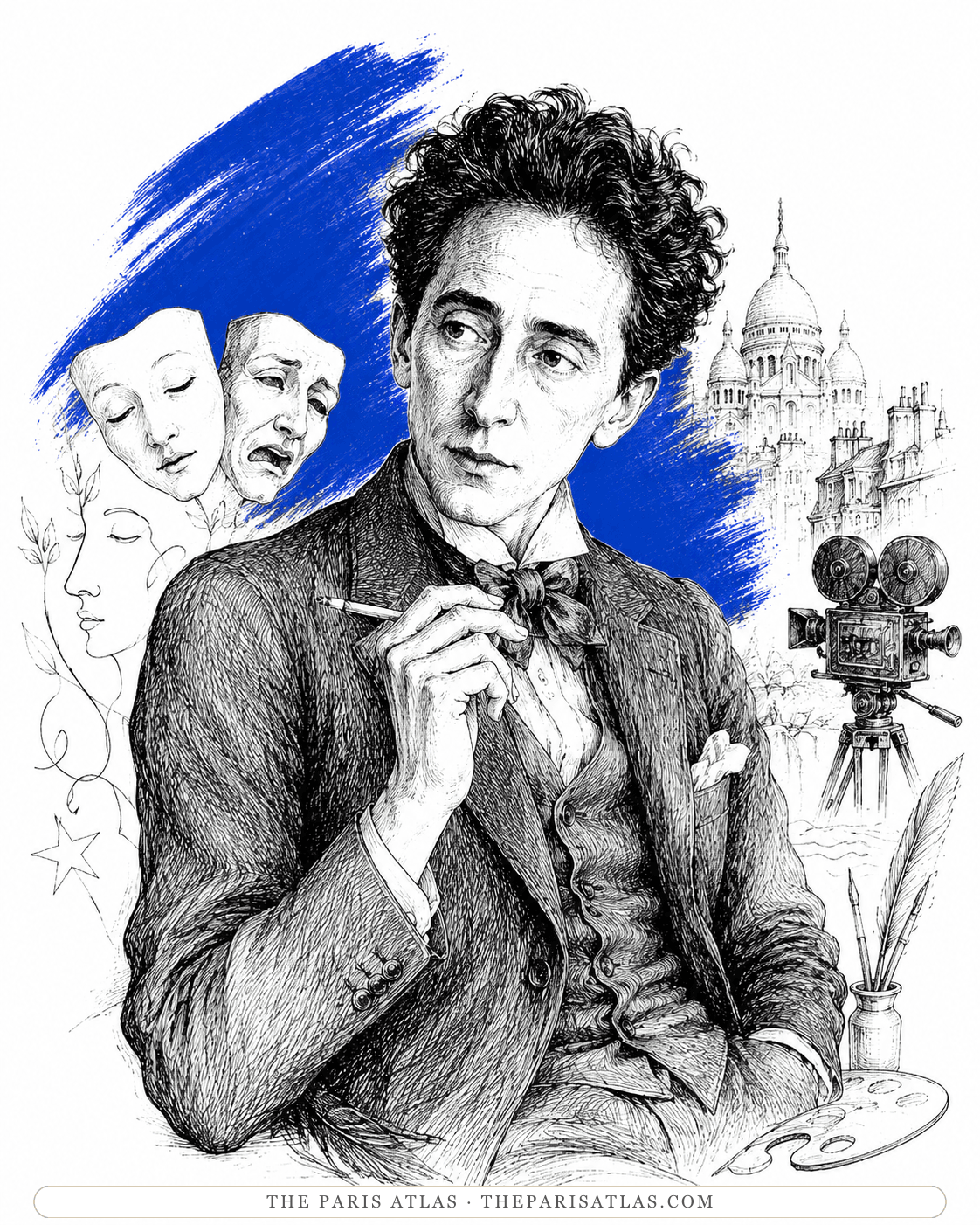
Chanel made the costumes and Cocteau wrote the libretto for the Ballets Russes production Le Train Bleu, premiered at the Théâtre des Champs-Élysées on 20 June 1924, with a score by Darius Milhaud, choreography by Bronislava Nijinska, a set by Henri Laurens and a curtain and programme by Picasso. The V&A, which holds Chanel's knitted bathing costume for the character La Perlouse, sets out the collaborators. It was not the only one: Chanel also dressed Cocteau's stage productions of the 1920s and 1930s.
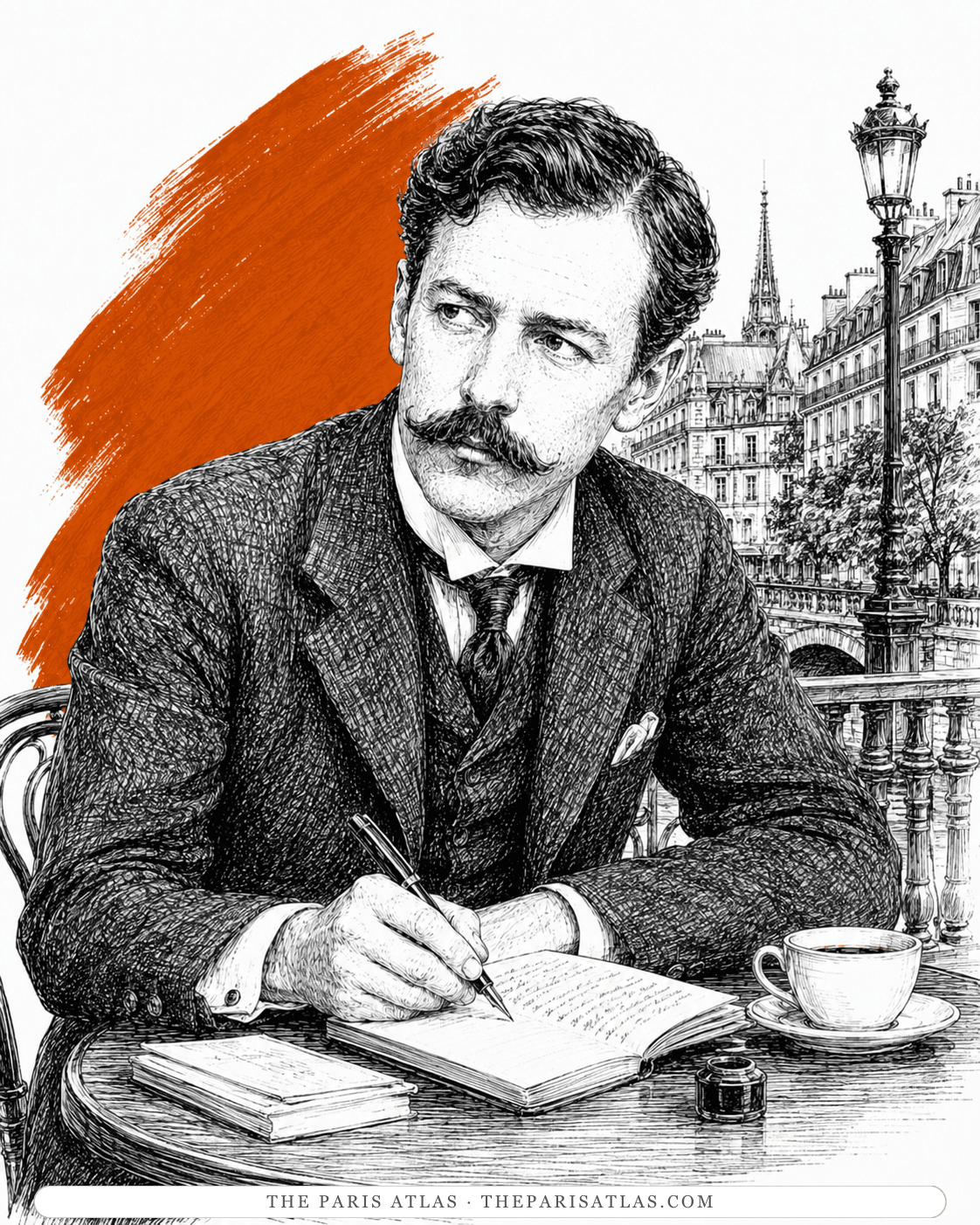
Sisley Huddleston
Sisley Huddleston wrote about Théâtre des Champs-Élysées in Paris Salons, Cafés, Studios.
People who knew this place
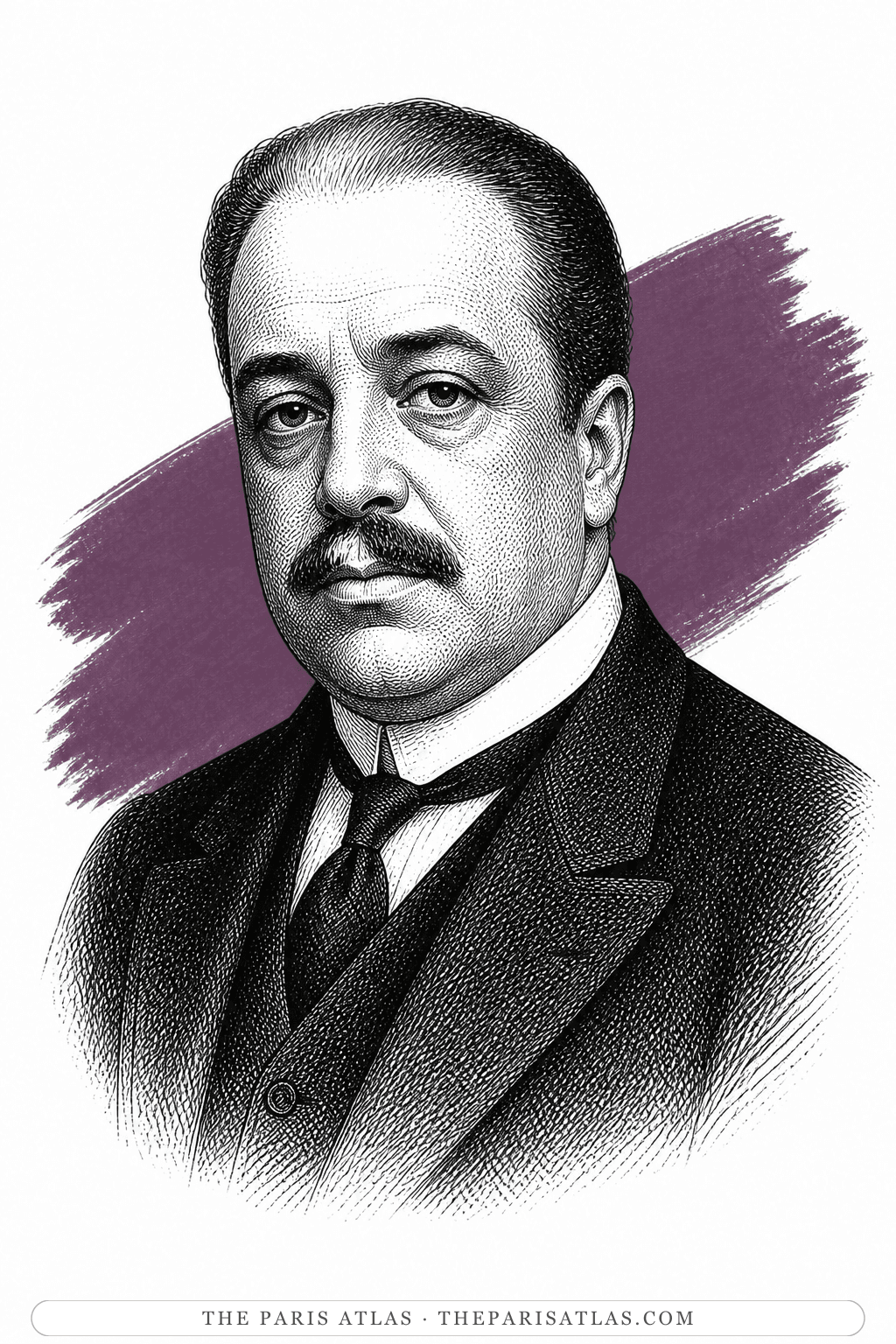
Sergei Diaghilev
Diaghilev took the newly opened theatre on the avenue Montaigne for his Ballets Russes seasons: The Rite of Spring premiered there on 29 May 1913, with Stravinsky's score and Nijinsky's choreography, and the audience nearly rioted; Le Train Bleu followed on 20 June 1924, with Chanel's costumes and Picasso's front cloth.
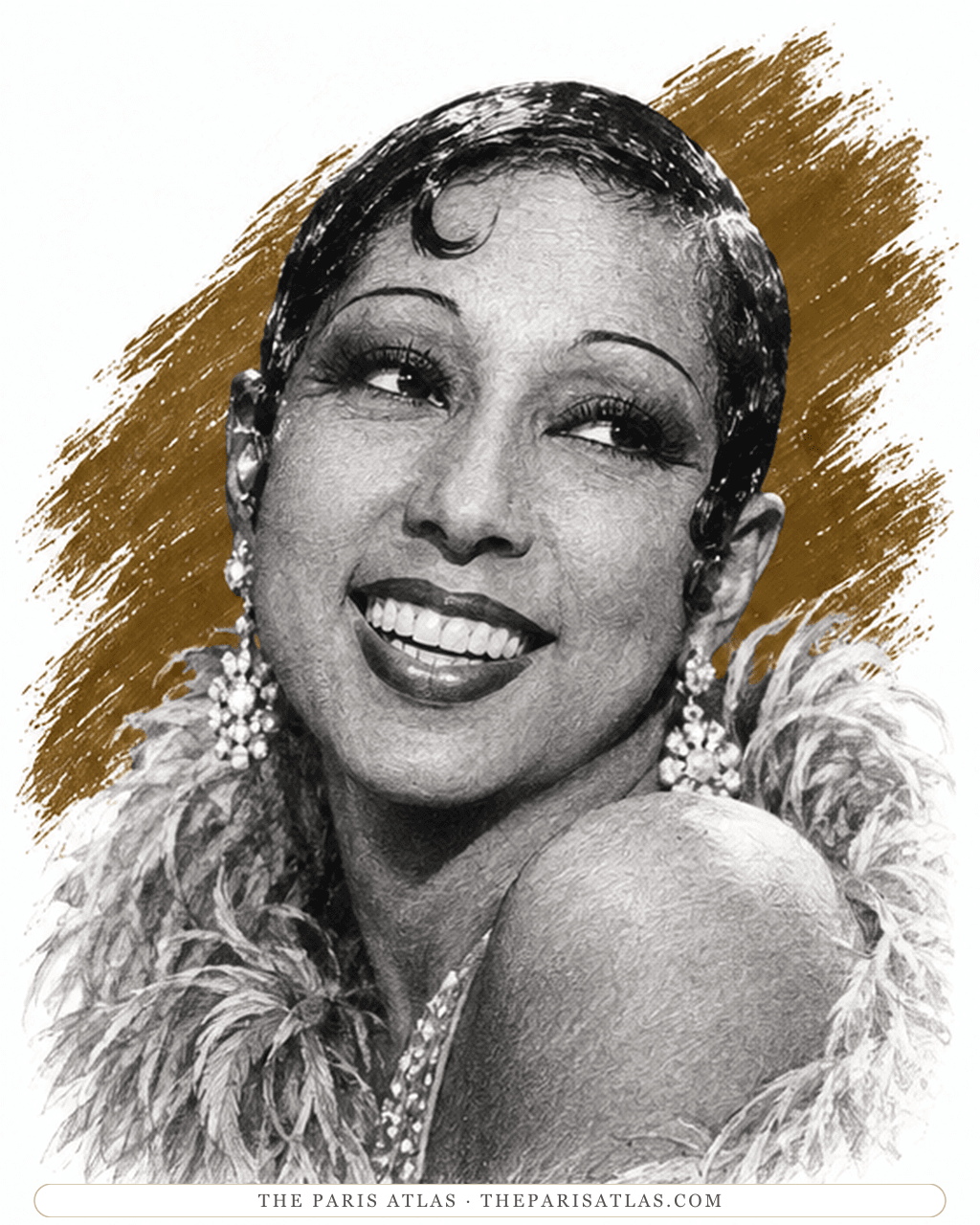
Josephine Baker
La Revue Nègre opened here on 2 October 1925 with the nineteen-year-old Baker dancing the finale's danse sauvage with Joe Alex. The show made her the toast of Paris; within a year she had moved to the Folies Bergère and the banana skirt.
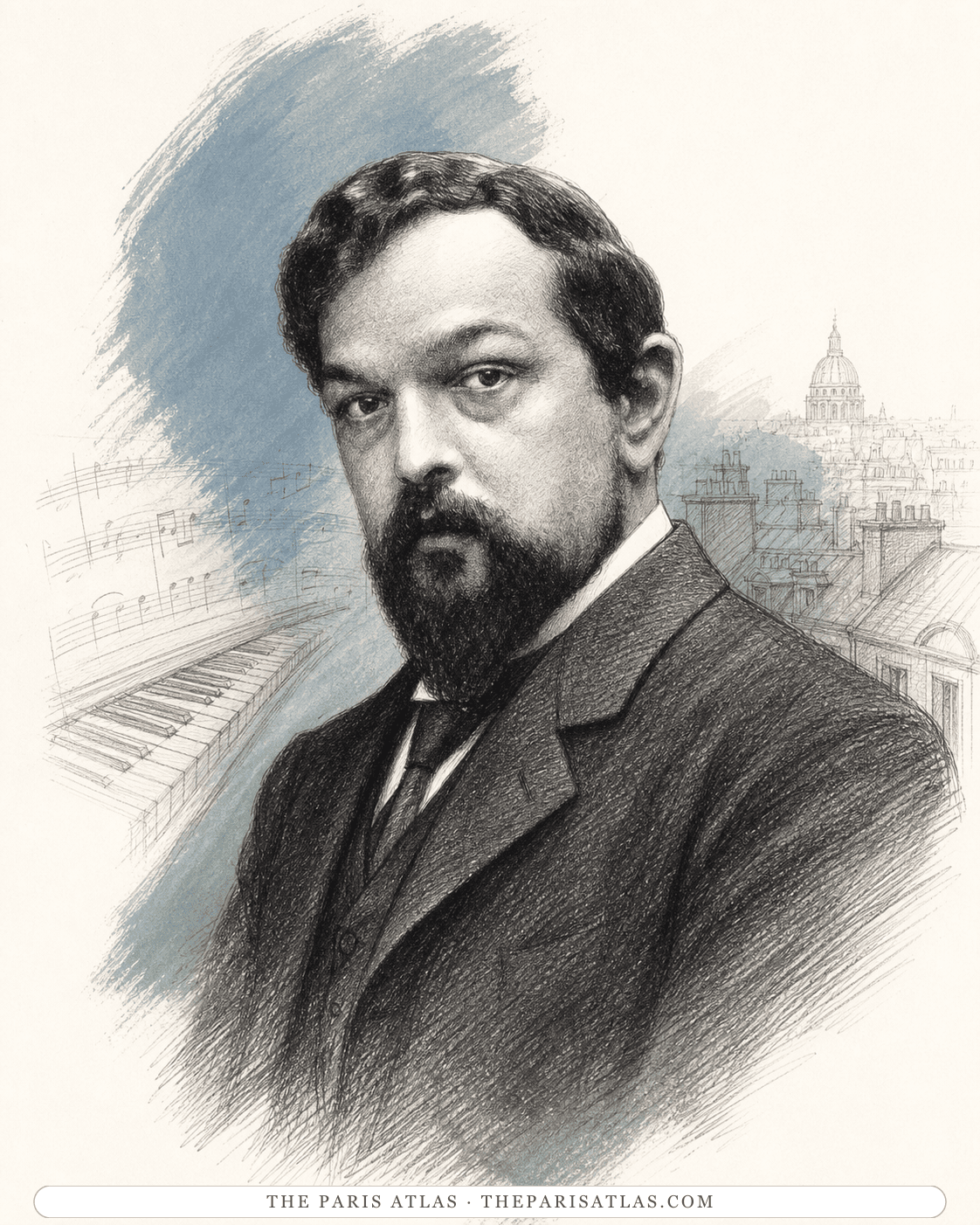
Claude Debussy
Debussy's ballet Jeux, choreographed by Vaslav Nijinsky, premiered at the Theatre des Champs-Elysees on 15 May 1913 - a fortnight before the Rite of Spring on the same stage.
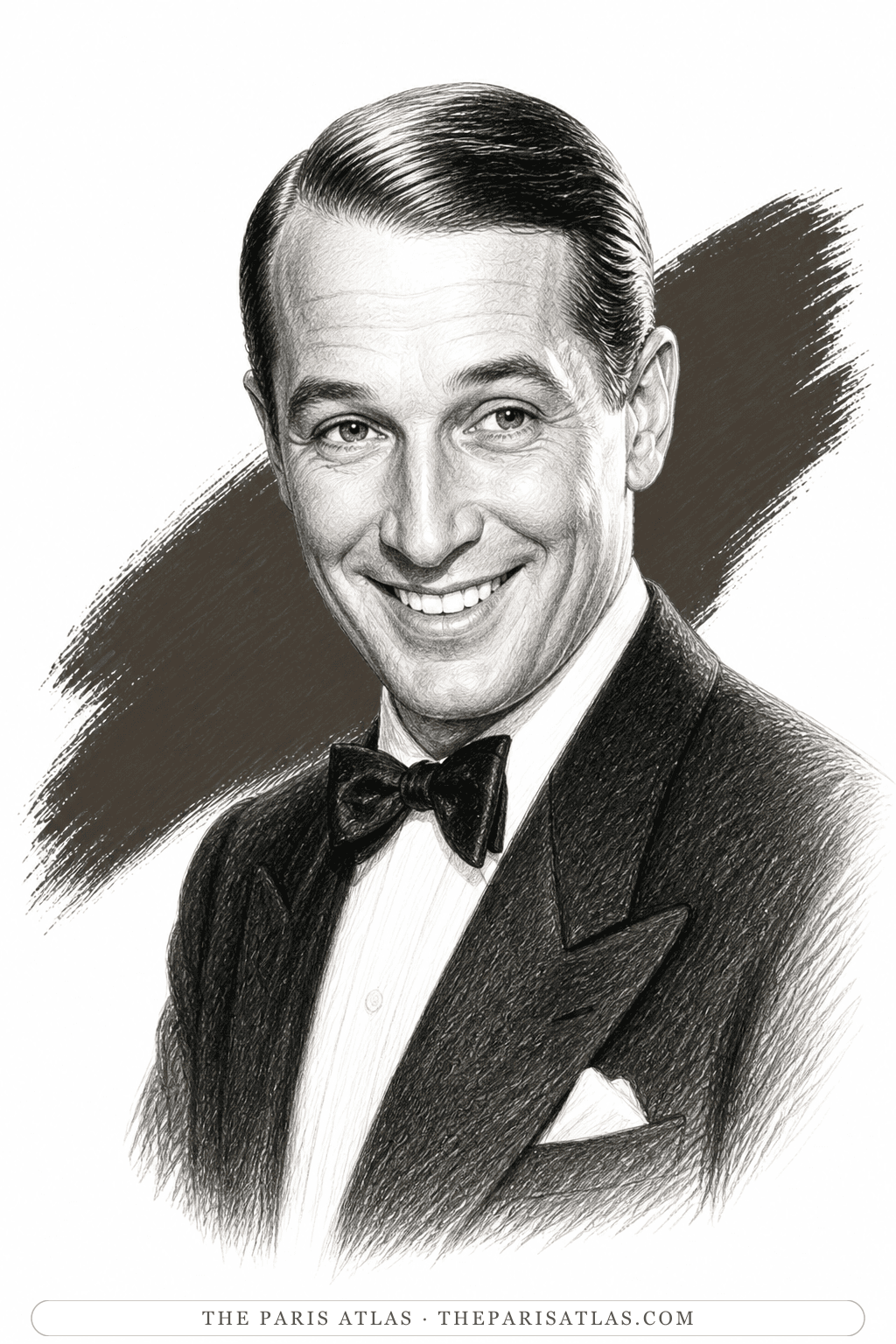
Maurice Chevalier
Chevalier gave his final series of Paris recitals here from 1 to 20 October 1968; the last performance ended his sixty-eight-year stage career.

René Clair
Picabia wrote the scenario for Entr'acte and handed it to Clair, then twenty-six, to film. It ran between the acts of Picabia's ballet Relâche at the Théâtre des Champs-Élysées in December 1924, and both men appear in it.
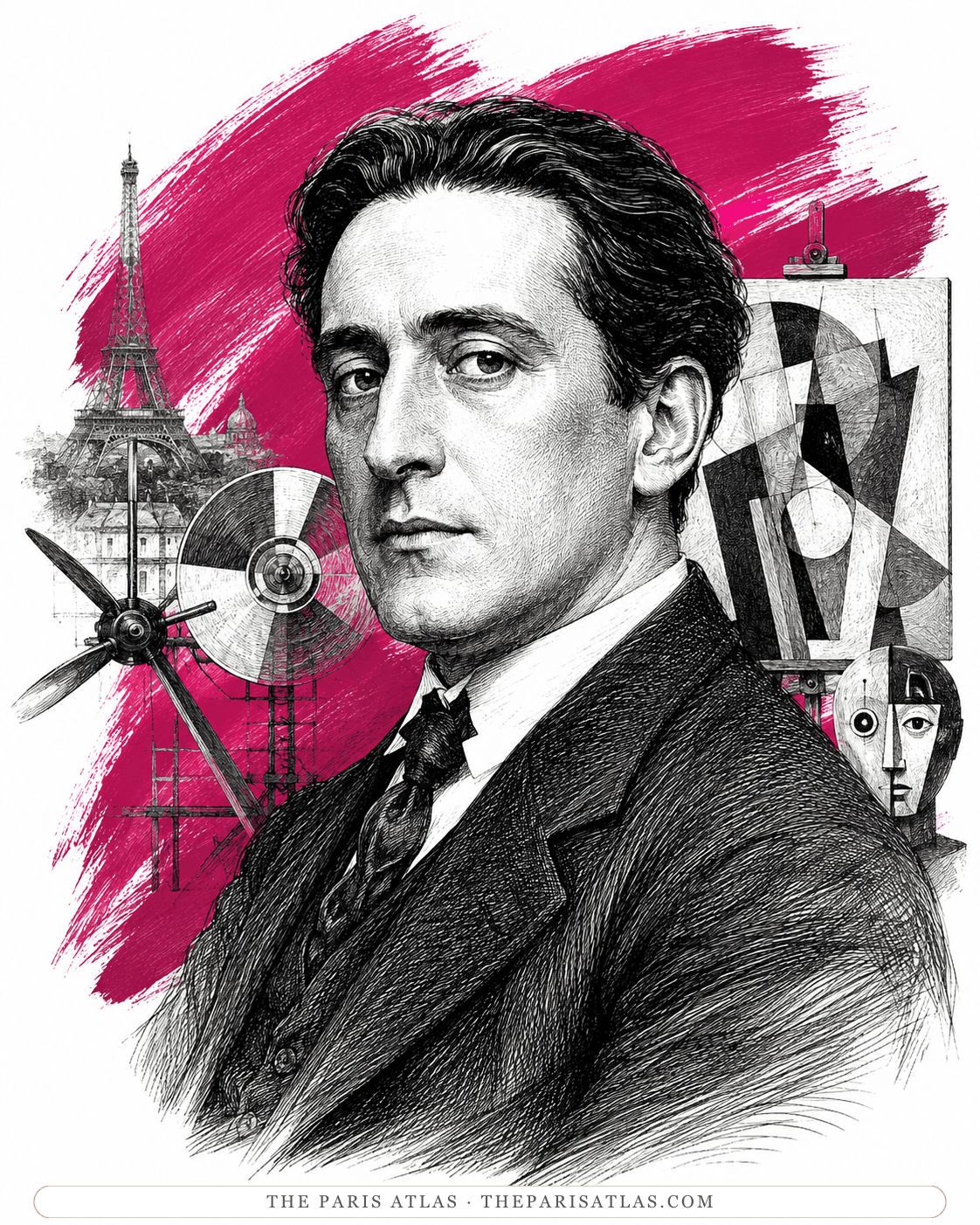
Francis Picabia
Picabia wrote the scenario for Entr'acte and handed it to Clair, then twenty-six, to film. It ran between the acts of Picabia's ballet Relâche at the Théâtre des Champs-Élysées in December 1924, and both men appear in it.
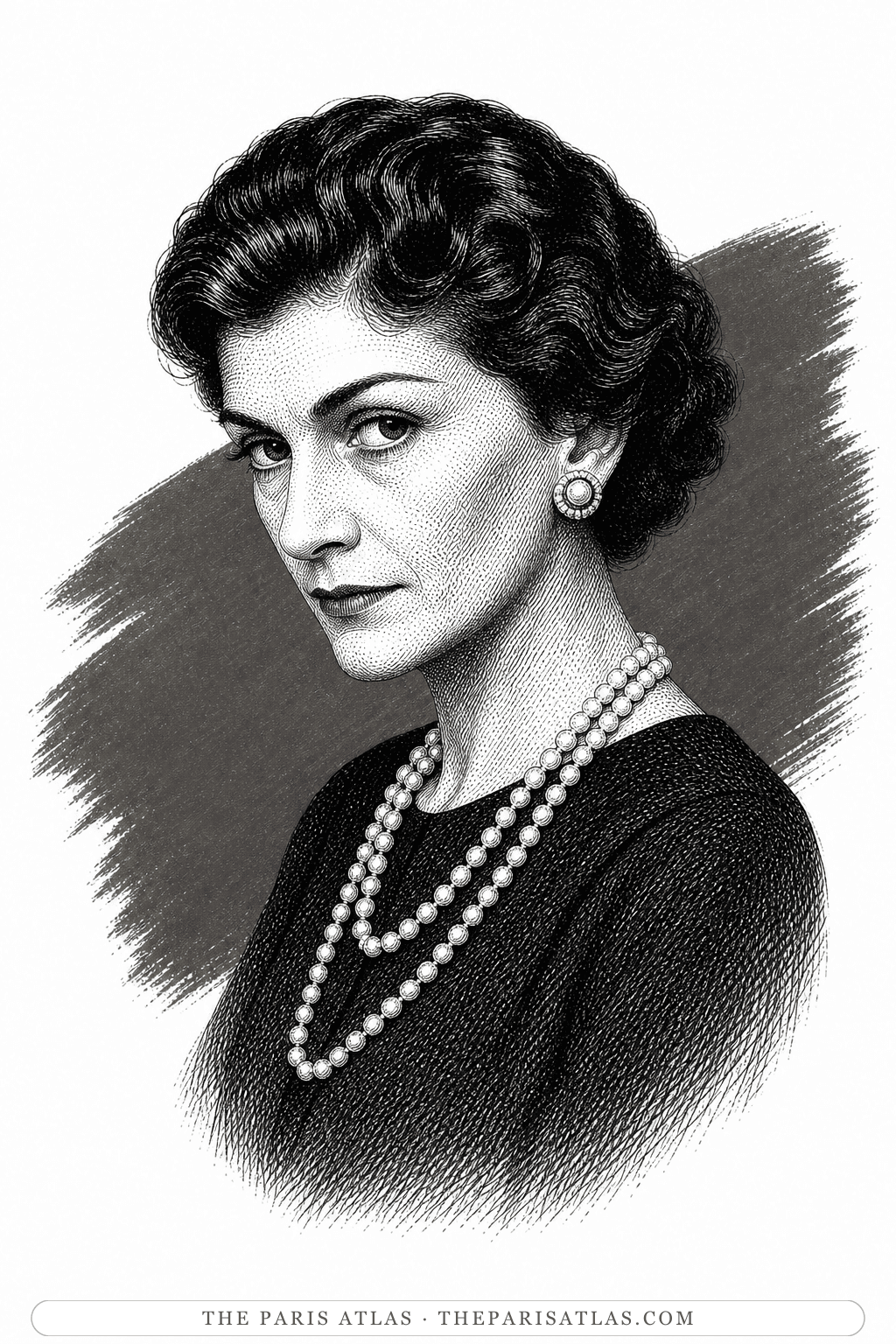
Coco Chanel
Chanel made the costumes and Cocteau wrote the libretto for the Ballets Russes production Le Train Bleu, premiered at the Théâtre des Champs-Élysées on 20 June 1924, with a score by Darius Milhaud, choreography by Bronislava Nijinska, a set by Henri Laurens and a curtain and programme by Picasso. The V&A, which holds Chanel's knitted bathing costume for the character La Perlouse, sets out the collaborators. It was not the only one: Chanel also dressed Cocteau's stage productions of the 1920s and 1930s.
Art & literary movement · 1924–1966
Surrealism was seen here first
The dream given a manifesto — Breton's Paris movement of automatic writing, sleeping fits, and marvelous images, whose orbit touched most of the city's avant-garde.
Enter the movementCultural movement · c. 1918 – mid-1930s
The Harlem Renaissance was seen here first
The flowering of Black American literature, music, and art centered on Harlem between the world wars — Langston Hughes, Zora Neale Hurston, Duke Ellington, Aaron Douglas — with an outpost in Montmartre that can be traced street by street.
Enter the movementArt & design movement · circa 1910–1939
Art Deco was seen here first
The international design style of geometric pattern, rich surfaces and modern life, named after the 1925 Paris decorative arts exhibition and built into everything from Ruhlmann's cabinets to the Chrysler Building.
Enter the movementWithin walking distance
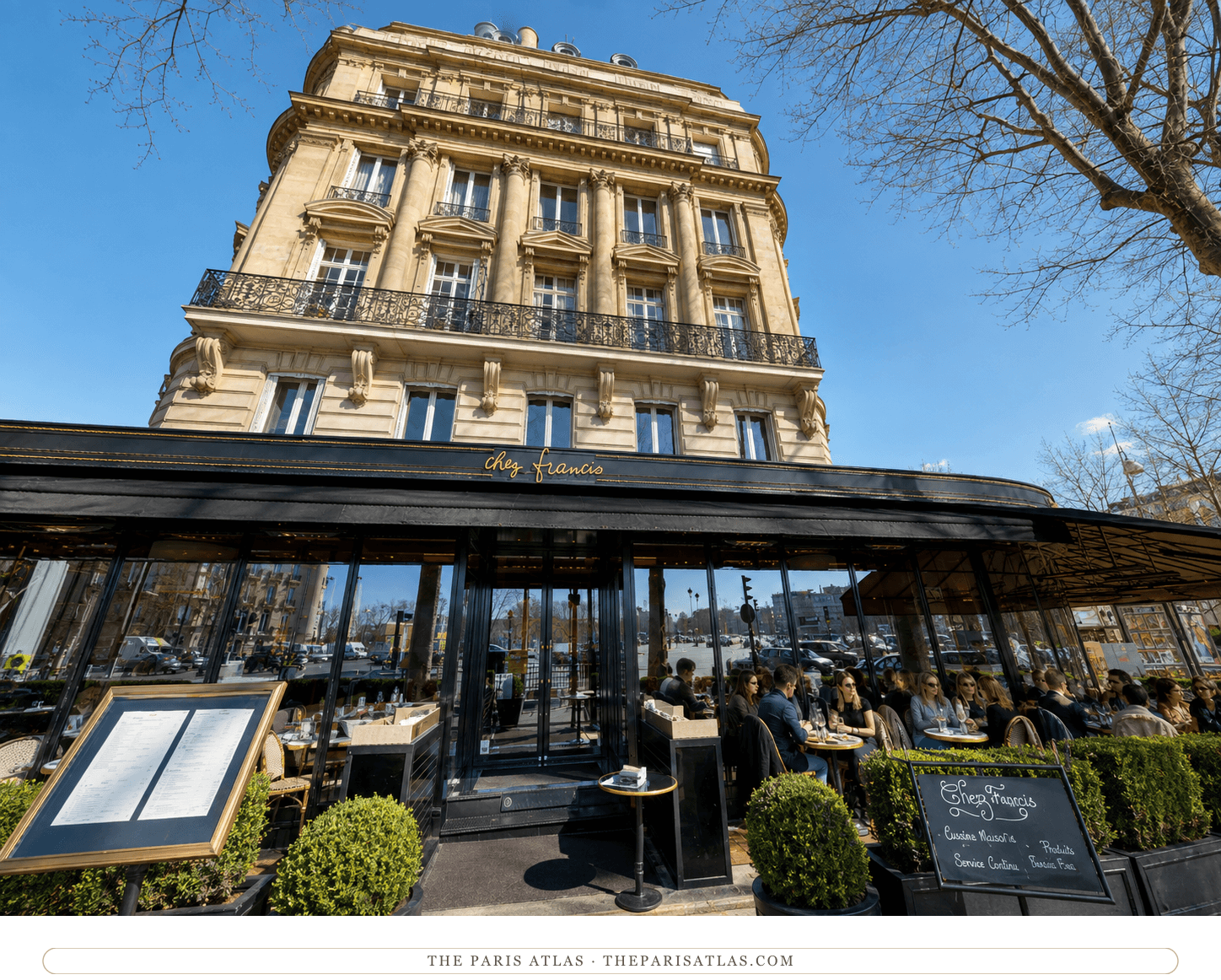
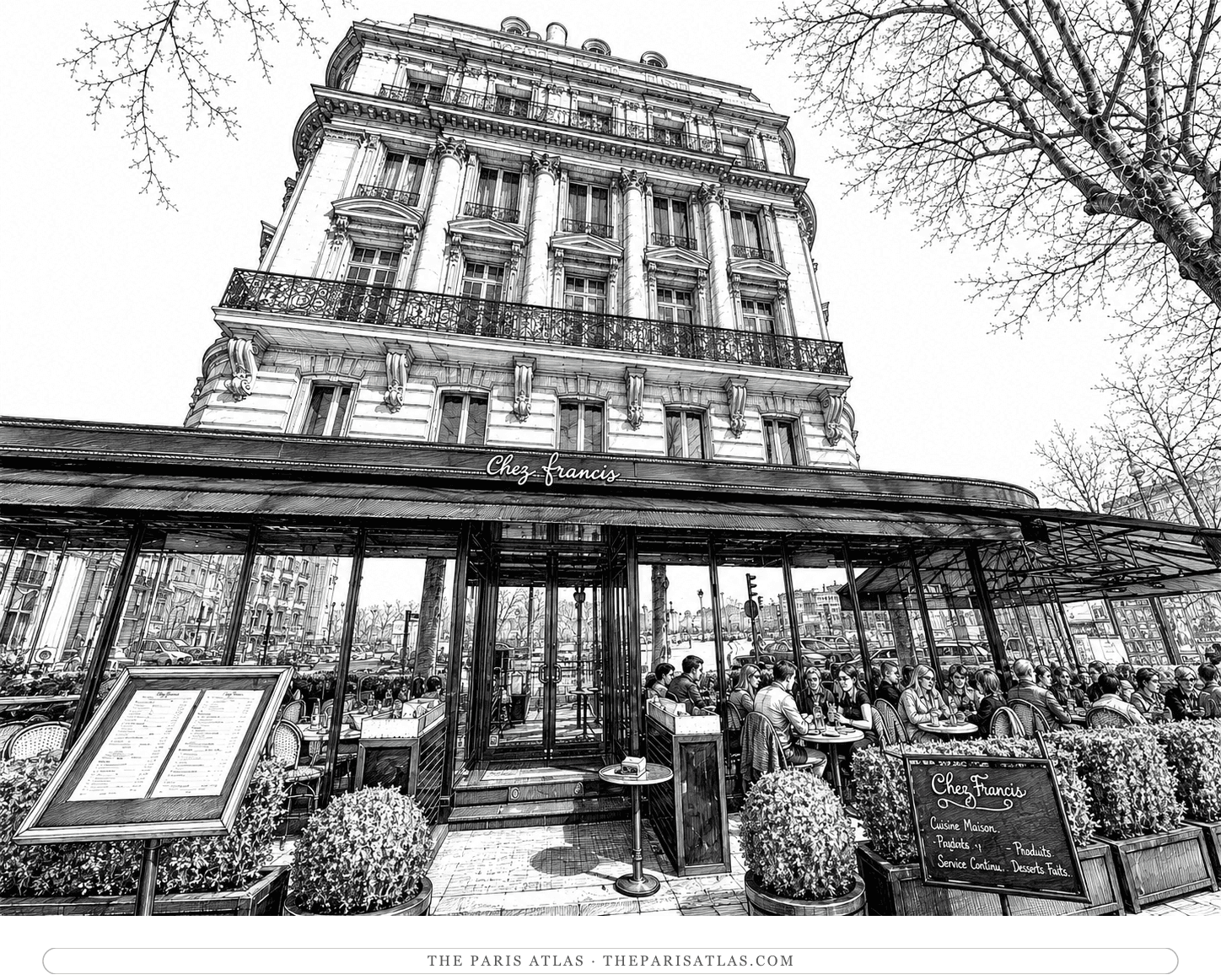
Chez Francis
The brasserie on the Place de l'Alma that Cendrars scholarship names as one of the writer's regular stops — a Right Bank address in a café life mapped mostly through Montparnasse.
Visit the place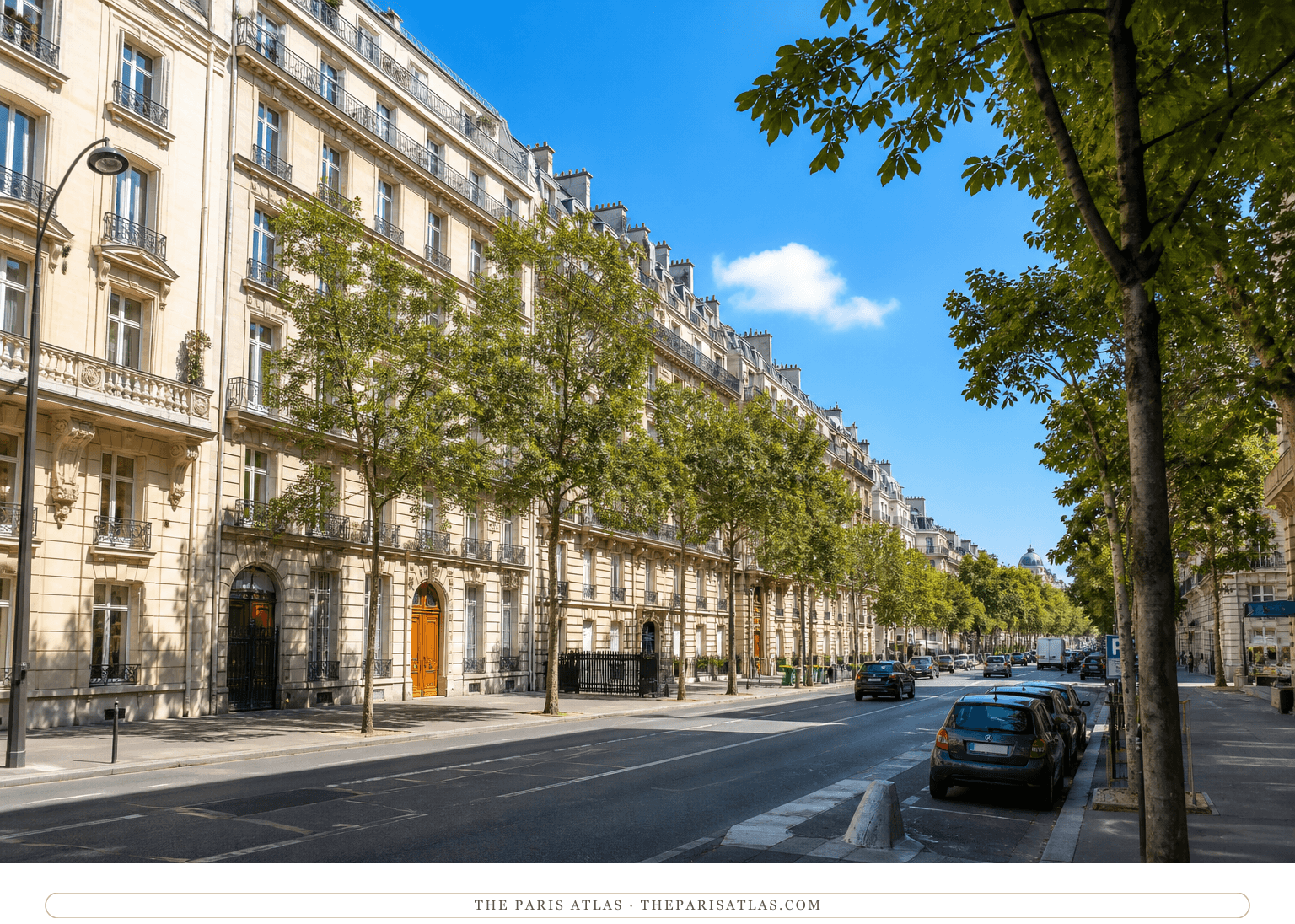
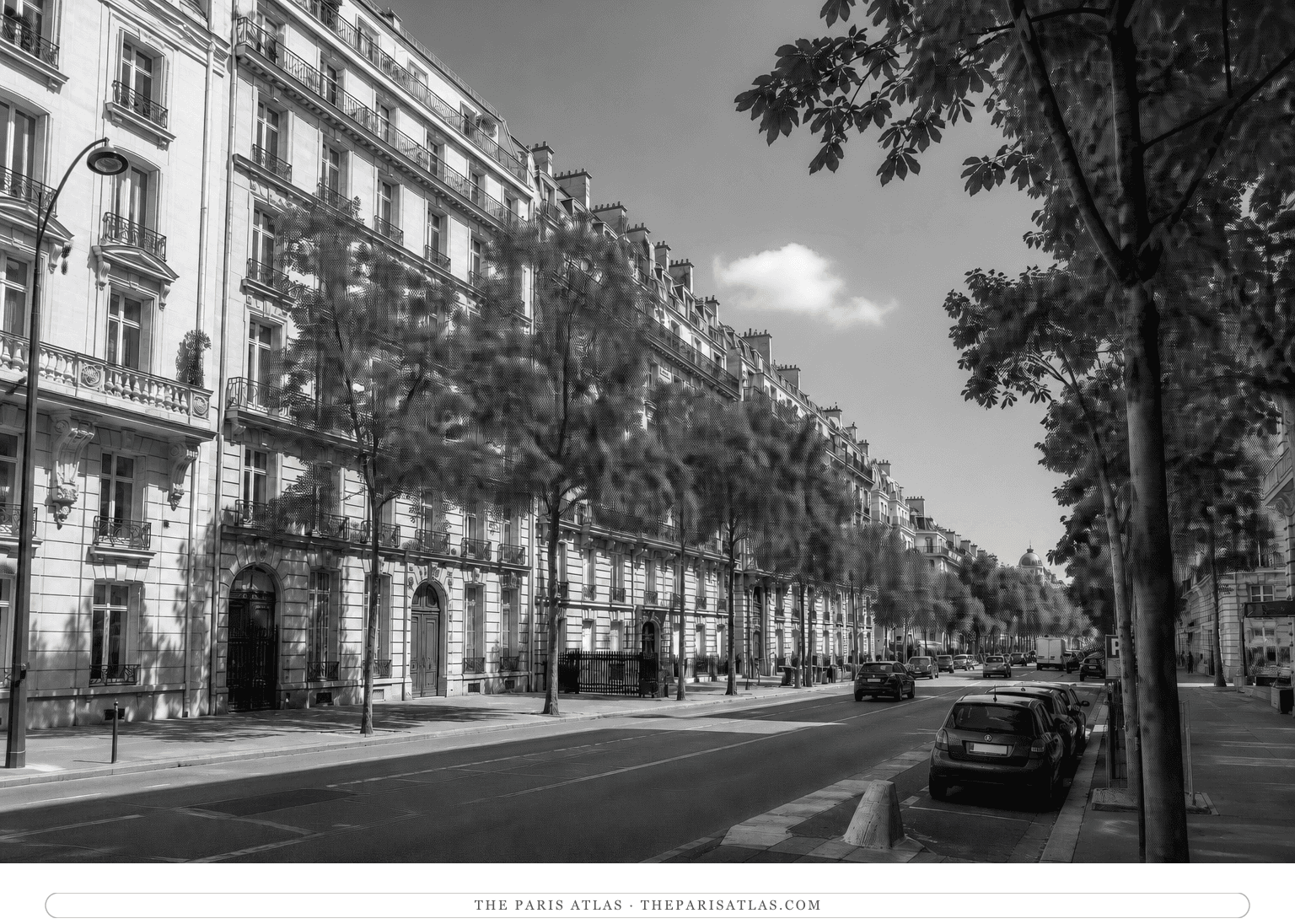
61 avenue Joséphine (now avenue Marceau)
The address where the Jones family lived around 1868 to 1870, when the future Edith Wharton was a child of six or seven — the years that gave her fluent French and a lifelong sense that Europe was home.
Visit the place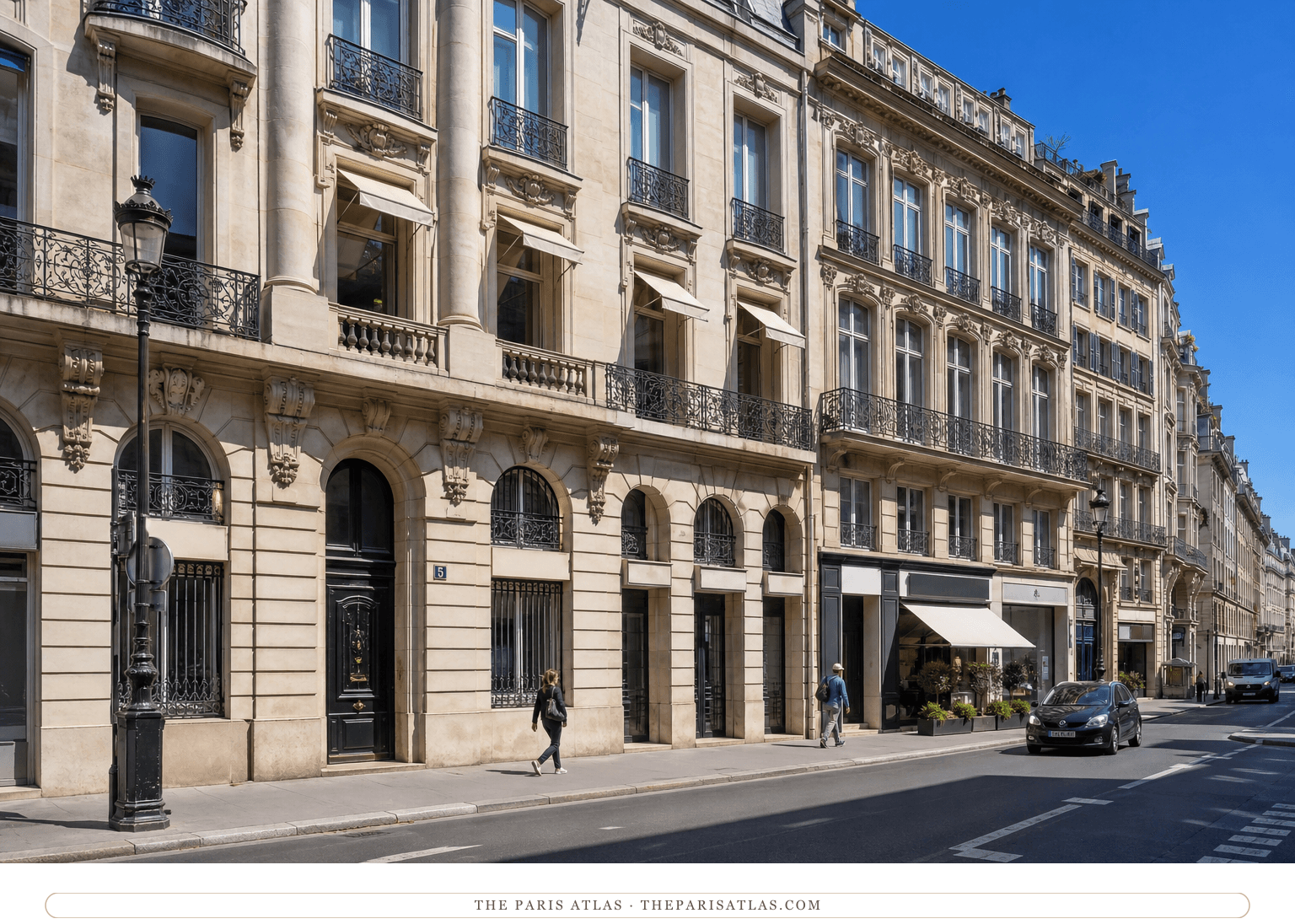
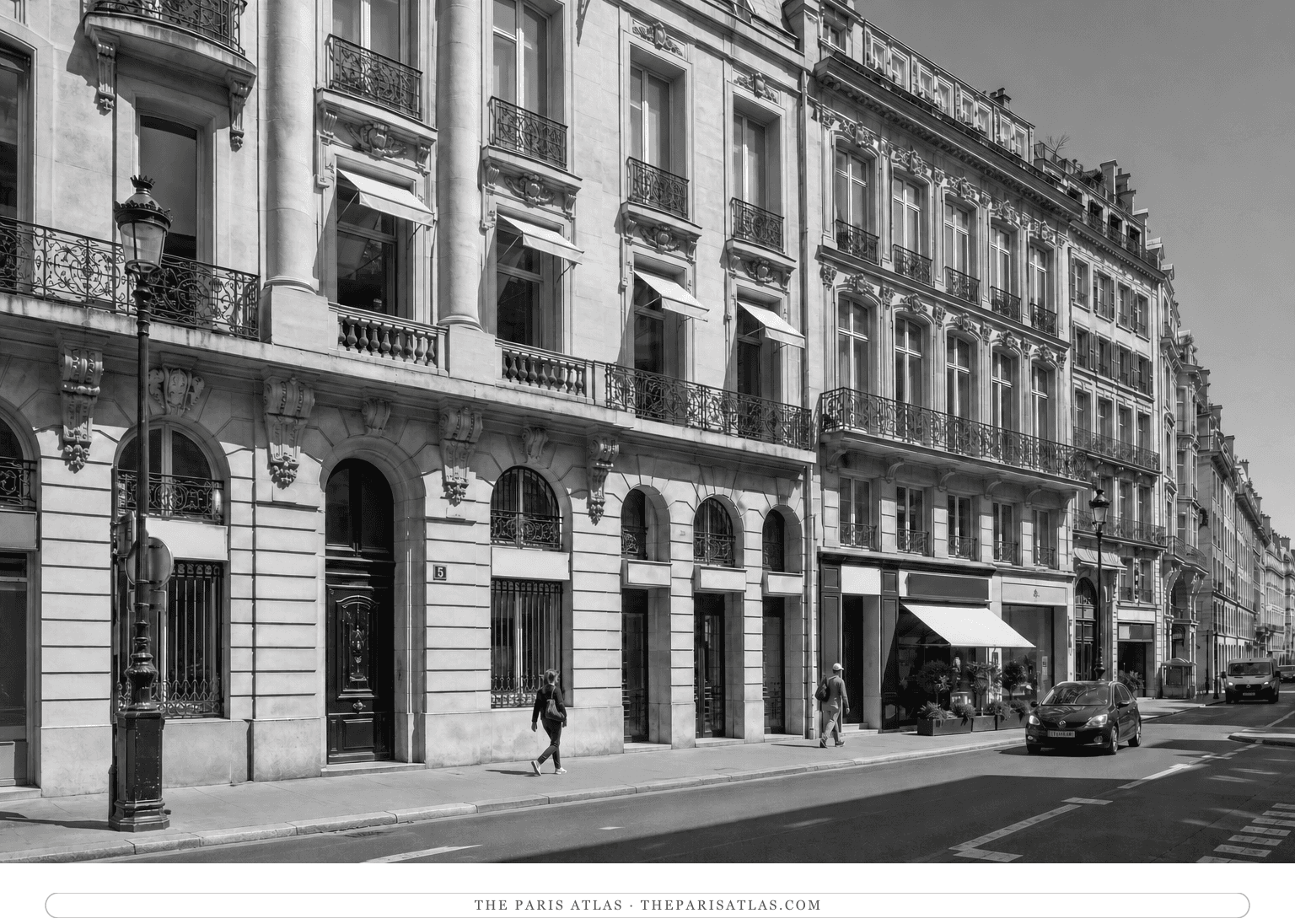
American War Relief Clearing House, 5 rue François-Ier
The Paris address to which Edith Wharton told readers of The Book of the Homeless to send donations in kind — the clearing house through which American war relief reached the French charities.
Visit the place
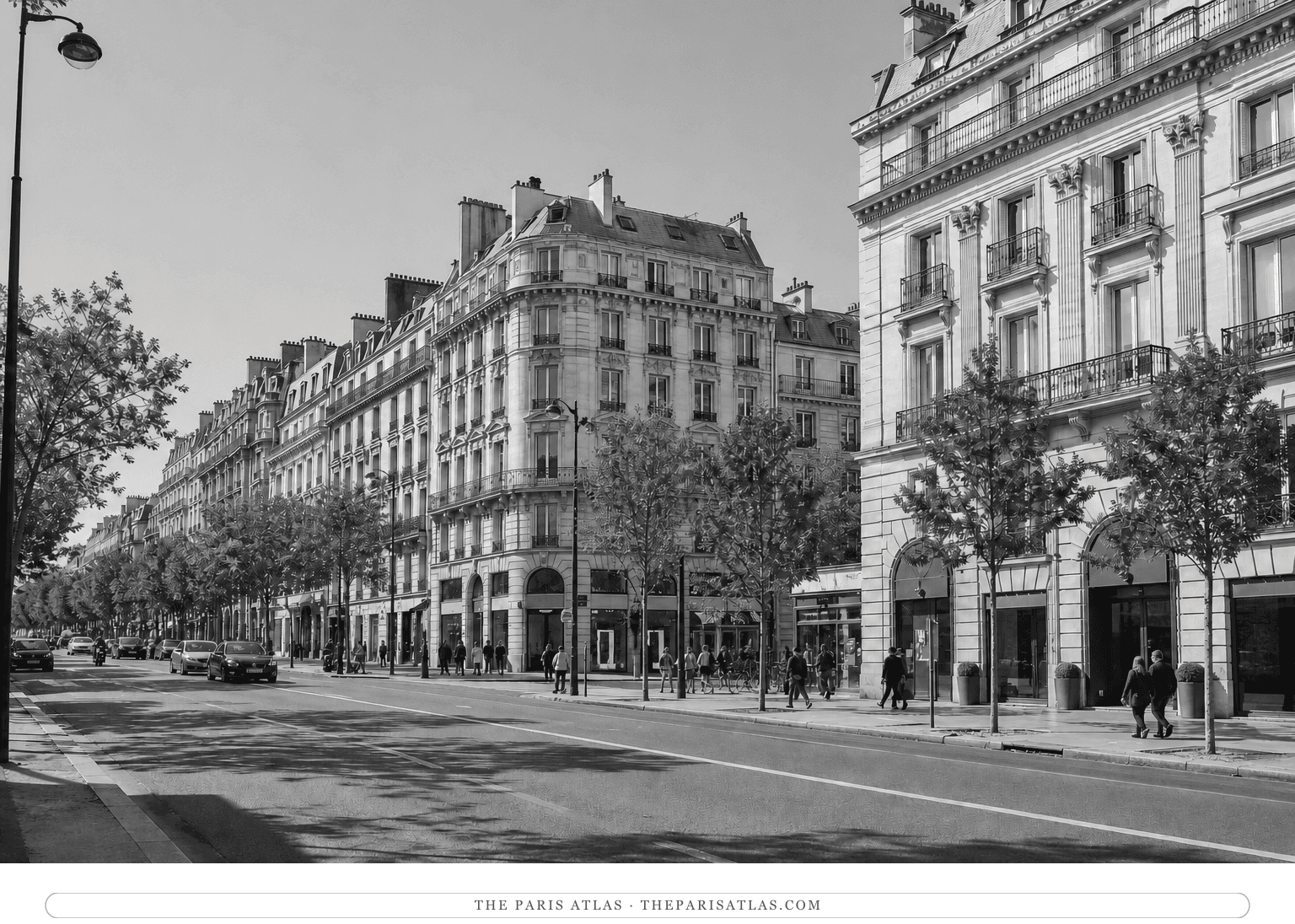
Rue Pierre-Charron
The street where Edith Wharton's refugee organisations ran a grocery depot during the First World War. No building number survives in the record, so this is a street-level entry rather than an address.
Visit the placeReferences
References
The sources below include histories, archival materials, scholarly research, and official records that informed this page. They document Théâtre des Champs-Élysées, the people connected to it, and its place in Paris.


2↑Encyclopaedia Britannica — George Antheil
WebsiteUsed forWeb source consulted for documented facts and historical context presented on the Théâtre des Champs-Élysées page.
5↑Paris Salons, Cafés, Studios
MemoirSisley Huddleston, 1928Used forFirst-person evidence and historical context used in preparing the Théâtre des Champs-Élysées page.

6OpenStreetMap
Map dataUsed forMap data used to verify addresses, geographic coordinates, and the placement associated with Théâtre des Champs-Élysées.
7Ezra Pound Papers
ArchiveBeinecke Rare Book & Manuscript Library, Yale UniversityUsed forArchival evidence used to document the historical record connected to Théâtre des Champs-Élysées.
8Théâtre des Champs-Elysées, Paris — institutional profile
WebsiteGoogle Arts & CultureUsed forWeb source consulted for documented facts and historical context presented on the Théâtre des Champs-Élysées page.
9100 ans d'histoire: une formidable aventure
WebsiteGoogle Arts & CultureUsed forWeb source consulted for documented facts and historical context presented on the Théâtre des Champs-Élysées page.
10Ces œuvres de Bourdelle qui embellissent Paris
WebsiteVille de ParisUsed forWeb source consulted for documented facts and historical context presented on the Théâtre des Champs-Élysées page.
11Diaghilev and the Ballets Russes — an introduction
WebsiteVictoria and Albert MuseumUsed forWeb source consulted for documented facts and historical context presented on the Théâtre des Champs-Élysées page.
i
Why these sources are here
These references provide the documented foundation for this page's history and context. Claim-level citations remain attached to the specific claims they support.
 Explore more resources
Newsletter
Paris, one address at a time.
The cafés, studios, and walk-up flats where the work was made — one story from the map in every letter.