The Paris AtlasCharting the artists, works, and places worth returning to.
  • Singer
  • Actor
  • Dancer
· French · 1888–1972

Maurice Chevalier

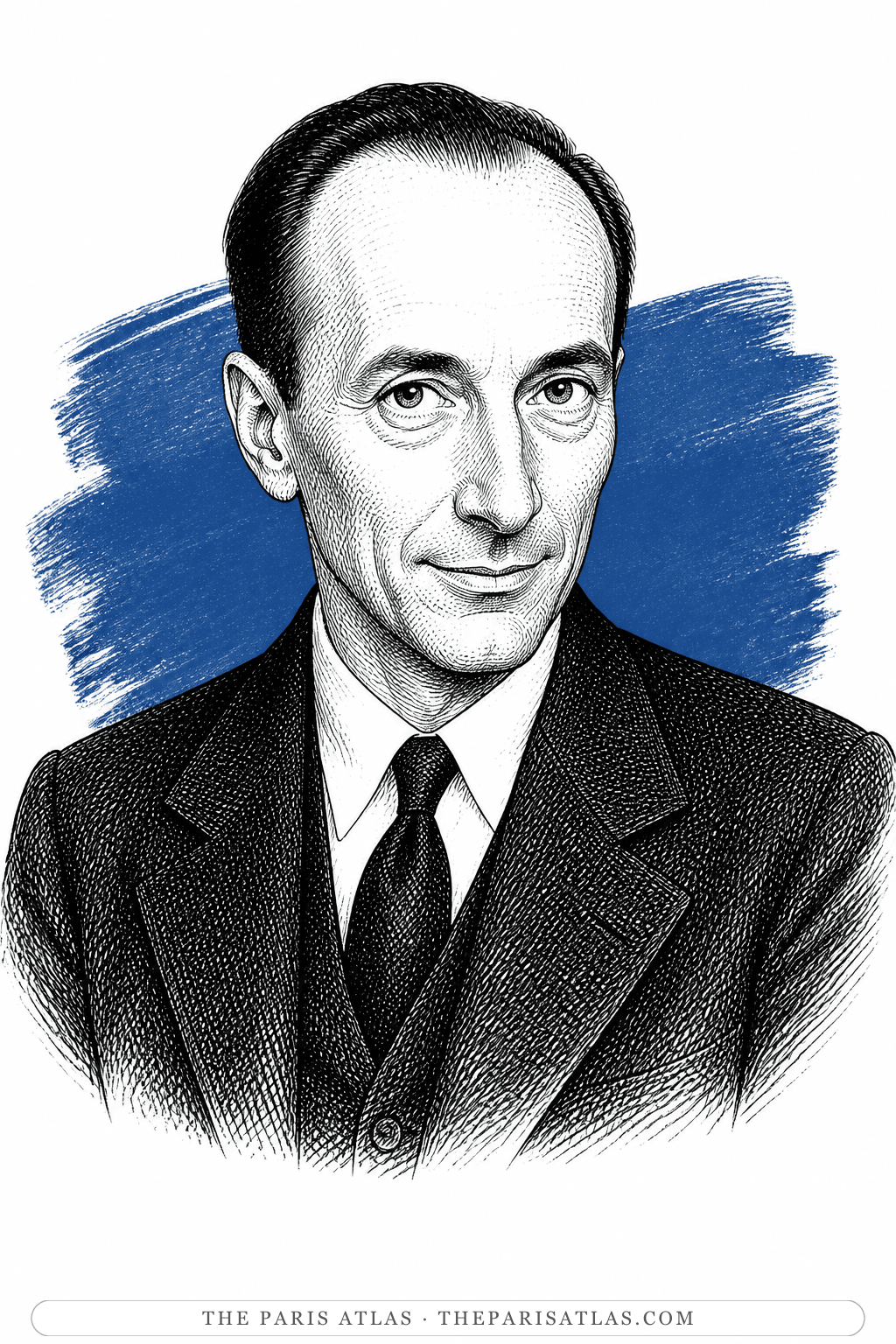
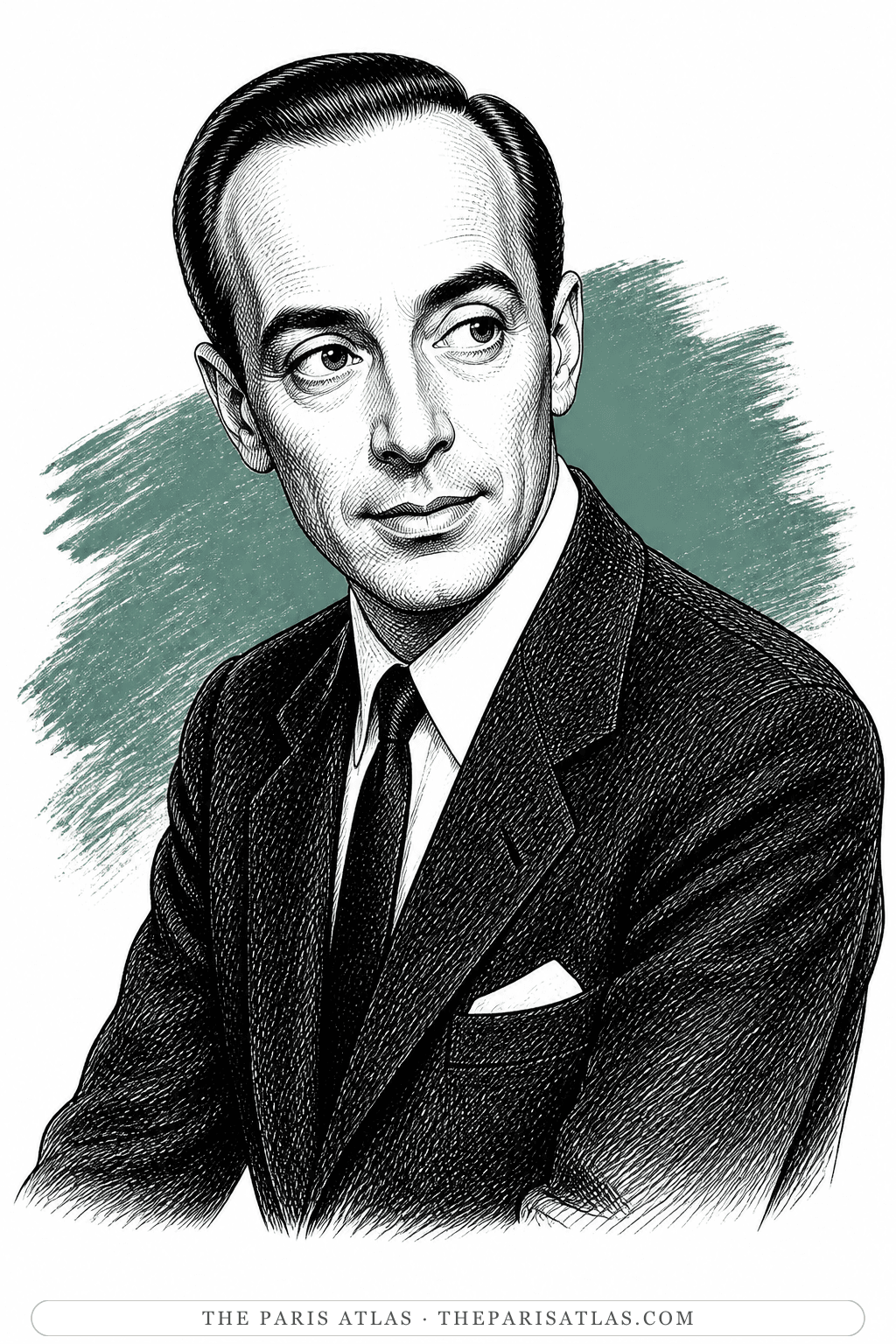
Paris-born singer, dancer and actor whose straw hat, accent, and music-hall persona became an international image of the French entertainer.

In images

Details

Lived
1888–1972
Born
12 September 1888
Birthplace
Paris, France
Birth name
Maurice Auguste Chevalier
Died
1 January 1972 · aged 83
Place of death
Paris, France
Nationality
French
Profession
Singer, actor, dancer, and music-hall entertainer
Major works
Louise (song, 1929), The Love Parade (1929), Love Me Tonight (1932), Gigi (1958)
Married
Yvonne Vallée · 1927–1932Nita Raya · 1937–1946
Roles
SingerActorDancer

About Maurice Chevalier

Ménilmontant to the music hall

Maurice Chevalier was born in Ménilmontant in 1888 and left school at ten to work. After an injury ended his attempt to become an acrobat, he developed a comic singing act and looked for engagements in Paris café-concerts and small theaters.

The singer Mistinguett became his partner in life and on stage. Their act at the Folies Bergère helped turn Chevalier into a leading music-hall performer, and she helped secure his release after he was wounded and captured during the First World War.

Paris success and Hollywood

Chevalier became a star at the Casino de Paris and built a repertory that included Dans la vie faut pas s'en faire, Valentine, Prosper, and Ma pomme. The straw hat, tuxedo, smile, and consciously exaggerated Paris accent formed a stage character audiences could identify at once.

Sound film carried that character to Hollywood. Paramount required him to retain his French accent, and he worked with directors including Ernst Lubitsch. Later films such as Love in the Afternoon and Gigi returned to the same international image of Parisian charm.

The final Paris performance

Chevalier continued recording, acting, and touring into his seventies. He began a farewell tour in 1967 and ended it in Paris around his eightieth birthday, bringing a sixty-eight-year performing career back to the city where it had started.

He died in Paris in 1972. His recordings and films preserve both an individual performer and a deliberately constructed version of Paris that traveled widely in the twentieth century.

Life events

  1. 1888

    Born in Ménilmontant, Paris.

    Maurice Chevalier — biography

  2. 1909–1911

    Takes a leading role in a revue at the Folies Bergère and forms a celebrated stage partnership with Mistinguett.

    Chevalier with Mistinguett around 1910; she became his stage partner, lover, and early career-making collaborator. (Unidentified photographer)

    Maurice Chevalier — biography

  3. 1917

    Becomes a leading performer at the Casino de Paris.

    Maurice Chevalier — biography

  4. 1929

    Begins his first major period in Hollywood sound films.

    Maurice Chevalier — biography

  5. 1958

    Appears in Gigi and receives an honorary Academy Award.

    Maurice Chevalier — biography

  6. 1968

    Completes his farewell tour in Paris around his eightieth birthday.

    Chevalier in the Netherlands in February 1968, during the final year of his farewell tour. (Eric Koch / Anefo, Nationaal Archief)

    Maurice Chevalier — biography

  7. 1972

    Dies in Paris.

    Maurice Chevalier — biography

People they knew

Documented connections — every one carries its source.

Mistinguett

  • Singer
  • Dancer
  • Actor

Collaborated with · 1910–1920

Mistinguett and Chevalier were romantic and stage partners. Their Folies Bergère act helped establish Chevalier's music-hall career, and Mistinguett used her contacts to help secure his release from wartime captivity.

Maurice Chevalier — biography

Sourced claims

Every connection the graph holds for Maurice, with the evidence behind it.

Collaborated with · 1910–1920

Mistinguett

Mistinguett and Chevalier were romantic and stage partners. Their Folies Bergère act helped establish Chevalier's music-hall career, and Mistinguett used her contacts to help secure his release from wartime captivity.

Maurice Chevalier — biography

References

References

The sources below include biographies, scholarly essays, interviews, and primary materials that informed this page. They reflect both the historical record and ongoing critical conversations about Maurice Chevalier and their work.

  1. 1Maurice Chevalier — biography

    Website
    Universal Music France
    Used for

    Web source consulted for documented facts and historical context presented on the Maurice Chevalier page.

    View source
  2. 2Chevalier, Maurice (1888–1972)

    Official record
    Bibliothèque nationale de France
    Used for

    Official record used to verify names, dates, institutional details, or other factual information on this page.

    View source
  1. 31956: Maurice Chevalier interprète La marche de Ménilmontant

    Archive
    Institut national de l'audiovisuel
    Used for

    Archival evidence used to document the historical record connected to Maurice Chevalier.

    View source
  2. 4The 31st Academy Awards, 1959

    Official record
    Academy of Motion Picture Arts and Sciences
    Used for

    Official record used to verify names, dates, institutional details, or other factual information on this page.

    View source
i
Why these sources are here

These references anchor the page in the documented record and in the scholarly conversations around Maurice Chevalier. Every claim on this page traces back to one or more of the works listed here.

Explore more resources