Gigi — Play
- Actor
Audrey Hepburn
The actor Colette chose for the 1951 Broadway Gigi — the role that launched a career running from Roman Holiday to Breakfast at Tiffany's and, later, UNICEF.
In images
Details
- 1929–1993
- 4 May 1929
- Ixelles, Brussels, Belgium
- 20 January 1993
- Tolochenaz, Switzerland
- British
- Mel FerrerAndrea Dotti
- Sean Hepburn Ferrer, Luca Dotti
- Actor
- Audrey Kathleen Ruston
About Audrey Hepburn
Audrey Hepburn was a British actress who won an Academy Award for her first major Hollywood role and spent the last years of her life working for UNICEF.[1] She was born in Brussels on 4 May 1929 and died at Tolochenaz in Switzerland on 20 January 1993.[2]
She is best known for Roman Holiday, Sabrina, Funny Face, Breakfast at Tiffany's and My Fair Lady. She also changed what a film star could look like: thin, flat-chested and boyish, at a time when Hollywood wanted curves.
Her partnership with the designer Hubert de Givenchy, which began in 1953 and lasted forty years, produced most of the clothes she is remembered in, including the black dress in the opening scene of Breakfast at Tiffany's.
She spent the Second World War as a child in the occupied Netherlands, where she was severely malnourished by the winter of 1944. From 1988 she worked as a goodwill ambassador for UNICEF, travelling to Ethiopia, Somalia, Sudan and Bangladesh, and she said explicitly that she was repaying what had been done for her.[3]
Brussels and the war
Audrey Kathleen Ruston was born on 4 May 1929 in Brussels. Her mother, Ella van Heemstra, was a Dutch baroness; her father, Joseph Ruston, was a British subject born in Bohemia who worked in business.
Both parents were involved with British fascism in the 1930s, and her father was interned as a Nazi sympathiser during the war. He left the family in 1935, when Audrey was six, and she barely saw him again, later describing the desertion as the most traumatic event of her life. She traced him in the 1960s and supported him financially until his death.
In 1939 her mother moved the children to Arnhem in the Netherlands, believing it would be safer than Britain. Germany invaded in 1940.
Hepburn spent the occupation in Arnhem, taking ballet lessons and giving secret performances to raise money for the Dutch resistance, playing to audiences who could not applaud in case they were heard. Her uncle was executed in reprisal for a resistance action. In the Dutch famine of the winter of 1944, she was reduced to eating tulip bulbs and grass, and by the liberation she was severely malnourished, with anaemia, jaundice, oedema and respiratory problems.
She was fifteen. The malnutrition left lasting health problems, and Hepburn said it was the reason she stayed so thin.
Ballet and the first parts
After the war Hepburn trained in ballet in Amsterdam, then went to London on a scholarship and studied under Marie Rambert. Rambert told her she was too tall to be a prima ballerina, and that years of wartime malnutrition had left her without the strength for it.
She switched to work that paid: chorus lines in West End musicals, small film parts, modelling. She appeared in half a dozen British films in bit roles between 1948 and 1951.
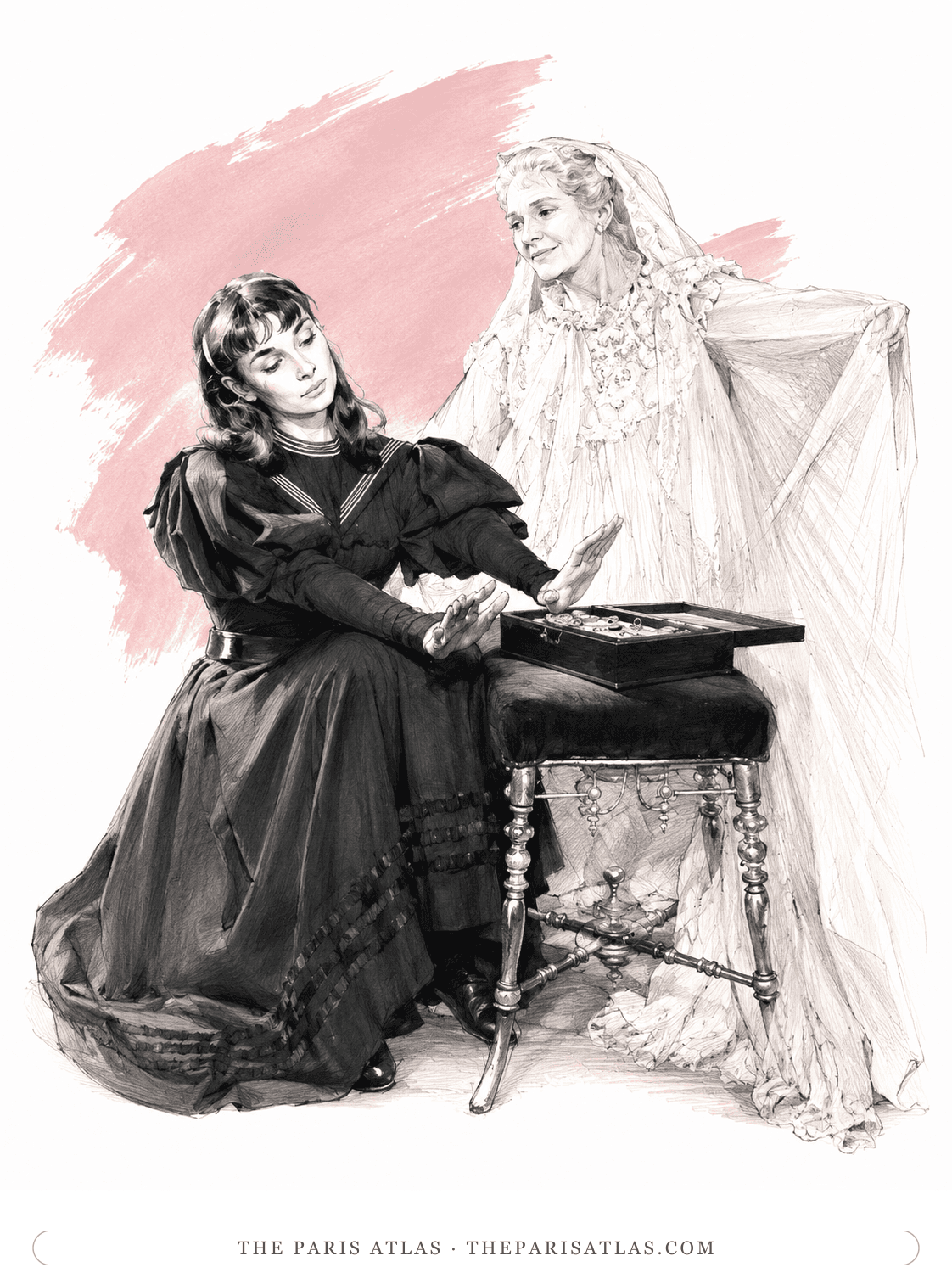
In 1951, filming in the south of France, she was spotted by the novelist Colette, who declared her the only possible actress to play the lead in the Broadway adaptation of her novel Gigi. Hepburn had almost no acting experience. The production opened at the Fulton Theatre that November and made her a name in America. Cathleen Nesbitt played Aunt Alicia opposite her.
Roman Holiday
Roman Holiday, released in 1953, gave Hepburn her first major film role: a European princess who slips away from her official duties for a day in Rome with an American reporter, played by Gregory Peck.
Peck, already a star, told the producers during filming that her name should go above the title alongside his, which was unheard of for an unknown. She won the Academy Award for Best Actress for it at twenty-four.
In 1954 she also won a Tony Award for the play Ondine, and on 25 September married its co-star, the actor Mel Ferrer. Five weeks after the wedding the couple went to Amsterdam for a formal film evening at the Tuschinski theatre.
Givenchy
For Sabrina in 1954, Hepburn went to Paris to find clothes for the part and walked into the atelier of Hubert de Givenchy, then twenty-six and newly established. He had been expecting Katharine Hepburn.
He dressed her for most of the rest of her career, on screen and off, and they remained close friends for forty years. The clothes are inseparable from the image: the black dress and pearls at the start of Breakfast at Tiffany's, the wedding dress in Funny Face, the cocktail dresses in Charade.
Givenchy also created her perfume, L'Interdit, originally made for her alone, and she became the first actress to advertise a fragrance.
The great run
Between 1953 and 1967 Hepburn made the films she is remembered for: Roman Holiday, Sabrina, Funny Face, Love in the Afternoon, The Nun's Story, Breakfast at Tiffany's, Charade, My Fair Lady, Two for the Road and Wait Until Dark.
Funny Face, in 1957, is the Paris one. Hepburn plays a Greenwich Village bookshop clerk taken to Paris by a fashion photographer, played by Fred Astaire, and the film turns the Louvre, the Tuileries, the Champs-Élysées, Montmartre and the Seine into a moving fashion spread. Richard Avedon was its visual consultant and made the still photographs that appear inside it.
Breakfast at Tiffany's, released in 1961, is the one that fixed her permanently in public memory. She plays Holly Golightly, a young woman living off wealthy men in New York, and she disliked the part, thinking herself wrong for it.
The film contains Mickey Rooney's performance as a Japanese neighbour, in makeup and false teeth, which drew heavy criticism as a racist caricature and which the film's director, Blake Edwards, later said he regretted.
For My Fair Lady in 1964 Hepburn was cast over Julie Andrews, who had played Eliza Doolittle on Broadway, and her singing was dubbed by Marni Nixon. The casting was unpopular and she was not nominated for an Academy Award. Andrews won that year for Mary Poppins.
Stepping back
Hepburn and Mel Ferrer had a son, Sean, in 1960. She also had several miscarriages during the marriage, which ended in 1968.
In 1969 she married the Italian psychiatrist Andrea Dotti, had a second son, Luca, in 1970, and largely stopped working to raise him. She made only a handful of films after 1967.
She and Dotti separated in 1980 and divorced in 1982. From 1980 until her death she lived with the Dutch actor Robert Wolders.
UNICEF
In 1988 Hepburn was appointed a goodwill ambassador for UNICEF, and it became her main occupation for the last five years of her life.
She went to Ethiopia during the famine. She went to Turkey, Venezuela, Ecuador, Central America, Sudan, Bangladesh and Vietnam. In September 1992 she went to Somalia, and said afterwards that it was beyond anything she had imagined. She gave press conferences and testified before the United States Congress, using her fame to get cameras into places that were otherwise not being filmed.
She was explicit about why. She had been, she said, among those who received food and medical relief after the Second World War, and she was paying back a debt.
Death
Hepburn returned from Somalia in late 1992 with abdominal pain. Surgery in November found a rare cancer of the appendix that had already spread.
She flew home to Switzerland in a private plane lent by Givenchy, filled with flowers, and died at her house at Tolochenaz on 20 January 1993, aged sixty-three. She is buried in the village cemetery.
She was awarded the Jean Hersholt Humanitarian Award by the Academy after her death, and the Presidential Medal of Freedom in 1992.
Why Audrey Hepburn matters
Hepburn changed the shape of a female film star. Hollywood in the early 1950s wanted Marilyn Monroe and Jane Russell; Hepburn was flat, thin, long-necked and short-haired, and after Roman Holiday that became a look women copied for seventy years. Her build was partly the result of childhood malnutrition during the Dutch famine of 1944.
She also made an unusual choice about what fame is for. She stopped acting almost entirely at forty. At fifty-eight she took a job that required repeated visits to famine and war zones, on the explicit grounds that she had been on the receiving end of relief work as a child and owed it.
Funny Face, 1957, and Richard Avedon
Funny Face is the most Paris-centred film Hepburn made and the one with the strongest claim on the history of photography. Stanley Donen directed it for Paramount; Hepburn plays a Greenwich Village bookshop assistant taken to Paris as a fashion model, opposite Fred Astaire as a fashion photographer. It borrows its title and four songs from the 1927 Gershwin stage musical and almost nothing else.
The photographer Richard Avedon took two credits on it, as special visual consultant and for the main title backgrounds, and his fingerprints are all over the picture. He designed the opening titles. The photographs on the walls of the fictional magazine's offices are his, as are the images in the Think Pink number. The single most reproduced shot in the film is his: the deliberately overexposed close-up that Astaire's character lifts out of the developing bath in the red-lit darkroom, Hepburn reduced to eyes, eyebrows, nose and mouth.
Astaire's character was built on Avedon. The screenwriter Leonard Gershe had served with him in the Merchant Marine and based the plot on Avedon's real courtship of the model Doe Avedon, whom he found in Greenwich Village while shooting for Harper's Bazaar. Kay Thompson's magazine editor is usually taken to be Diana Vreeland. Avedon said afterwards that he had made sure most of what happens in the film could at least really have happened.
The film was nominated for four Academy Awards, including costume design, shared between Edith Head and Hubert de Givenchy.
The other Paris pictures
Hepburn made four more films in and about Paris. Love in the Afternoon (1957) was Billy Wilder's, shot in the city with Gary Cooper and Maurice Chevalier. Charade (1963), with Cary Grant, is a thriller that moves through Paris and is the one people remember. Paris When It Sizzles (1964) is set in an apartment there.
How to Steal a Million (1966) is the one that belongs most squarely to this site's subject. It is a heist film about stealing a sculpture out of a Paris art museum, made because the piece is a forgery and its exposure would ruin the heroine's father. Hepburn plays the daughter, opposite Peter O'Toole, and William Wyler directed.
Colette casts her, 1951
The turn in Hepburn's career came from a novelist rather than a director. In 1951 she was in Monte Carlo making a small film called Monte Carlo Baby. Colette was staying at the Hôtel de Paris during the shoot, saw her, and decided that this was the girl to play the title role in the Broadway adaptation of her novella Gigi.
The story is repeated everywhere in a tidied-up form, usually with an exclamation Colette is supposed to have made on the spot. That wording has no source. What is documented, and documented by Colette's own standard biographer Judith Thurman rather than by anyone selling a Hepburn legend, is that Colette was there, saw her, and chose her.
Anita Loos wrote the adaptation and the play opened on Broadway in November 1951. Hepburn was unknown when it was announced and a star by the time it closed. Three years later she won a Tony for Ondine. The role of Gigi on film went to Leslie Caron, in Vincente Minnelli's 1958 version.
Life events
Born Audrey Kathleen Ruston on 4 May in Brussels, daughter of the Dutch baroness Ella van Heemstra and Joseph Ruston, a British subject born in Bohemia.
Her father leaves the family. Hepburn, six, barely sees him again, and later calls the desertion the most traumatic event of her life.
Her mother moves the children to Arnhem in the Netherlands, believing it will be safer than Britain.
Germany invades the Netherlands. Hepburn spends the occupation in Arnhem.
Her uncle is executed in reprisal for a resistance action.
Gives secret ballet performances to raise money for the Dutch resistance, playing to audiences who cannot applaud.
In the Dutch famine of that winter she is reduced to eating tulip bulbs and grass. By the liberation she is severely malnourished, with anaemia, oedema and respiratory problems.
Is fed by the international relief organisation that becomes UNICEF, a debt she says later she spent her last years repaying.
Moves to London on a ballet scholarship and studies under Marie Rambert, who tells her she is too tall and too weakened by wartime hunger to be a prima ballerina.
Works in the chorus of West End musicals and takes small film parts.
Is spotted while filming in the south of France by the novelist Colette, who insists she play the lead in the Broadway adaptation of Gigi. The play opens in November.
Audrey Hepburn and Cathleen Nesbitt in the 1951 Broadway production of Gigi, adapted by Anita Loos. Nesbitt, as Aunt Alicia, coaches the young courtesan-in-training — the role that made Hepburn a star. Stars in Roman Holiday opposite Gregory Peck, who insists her name go above the title alongside his.
Wins the Academy Award for Best Actress for Roman Holiday at twenty-four, and a Tony for the play Ondine. Marries the actor Mel Ferrer.
Audrey Hepburn and Mel Ferrer at a film evening at Amsterdam's Tuschinski theatre on 2 November 1954, six weeks after their wedding. Goes to Paris for clothes for Sabrina and meets Hubert de Givenchy, who dresses her for the next forty years.
Stars in Funny Face and Love in the Afternoon.
Audrey Hepburn in a studio portrait distributed for Love in the Afternoon in 1957, the same year Funny Face placed her in a highly stylized version of Paris. Stars in The Nun's Story, which she later called her best performance.
Her son Sean is born.
Stars in Breakfast at Tiffany's as Holly Golightly, a part she disliked and thought herself wrong for. The film fixes her image permanently.
Stars in Charade opposite Cary Grant.
Stars in My Fair Lady, cast over Julie Andrews, with her singing dubbed by Marni Nixon. She is not nominated for an Academy Award; Andrews wins that year for Mary Poppins.
Stars in Two for the Road and Wait Until Dark, and is nominated for an Academy Award for the latter. She then largely stops working.
Her marriage to Mel Ferrer ends.
Marries the Italian psychiatrist Andrea Dotti.
Her second son, Luca, is born. She makes only a handful of films in the following two decades.
Begins her relationship with the Dutch actor Robert Wolders, which lasts until her death.
Her marriage to Andrea Dotti ends.
Is appointed a goodwill ambassador for UNICEF, and travels to Ethiopia during the famine.
Visits Sudan, Bangladesh and Central America for UNICEF, and testifies before the United States Congress.
Visits Vietnam for UNICEF.
Visits Somalia in September, which she describes afterwards as beyond anything she had imagined. Receives the Presidential Medal of Freedom.
Returns from Somalia with abdominal pain. Surgery in November finds a rare cancer of the appendix that has already spread.
Flies home to Switzerland in a plane lent by Hubert de Givenchy, filled with flowers, and dies at Tolochenaz on 20 January, aged sixty-three.
Is awarded the Jean Hersholt Humanitarian Award by the Academy after her death.
Audrey Hepburn quotes
There is so much we cannot do. We cannot give the children back their parents, but we can return to them their most basic human rights, their right to health, cleanliness and life.
Living is like tearing through a museum. Not until later do you really start absorbing what you saw, thinking about it, looking it up in a book, and remembering…
I would also like to express my immense gratitude to James Grant for having given me the privilege of becoming a volunteer for UNICEF and having allowed me to speak for those children who cannot speak for themselves.
In the credits
People Audrey Hepburn Knew
Colette
- Author
- Journalist
- Actor
- +1
Met · 1951
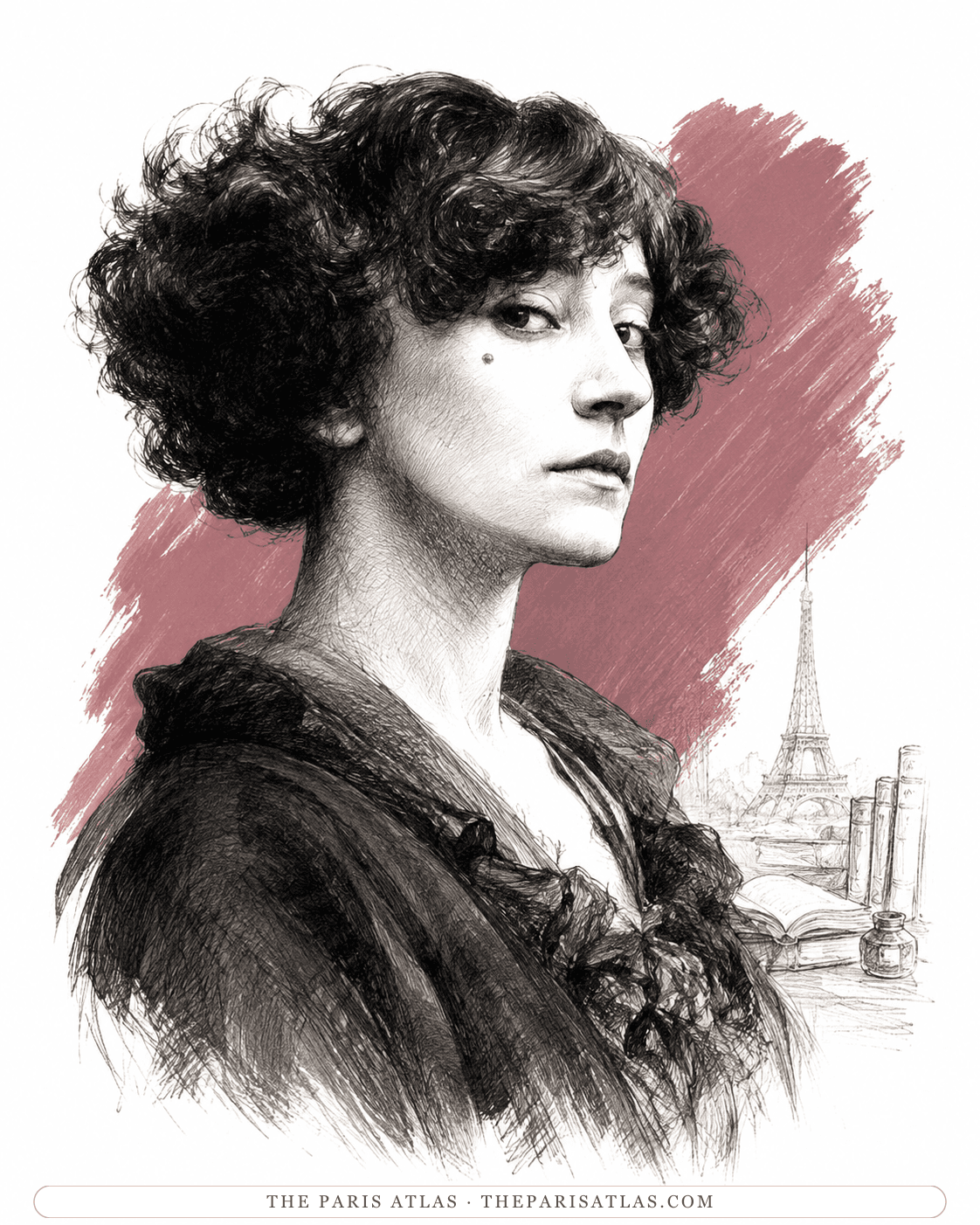
Colette encountered the little-known Audrey Hepburn during filming in Monte Carlo and selected her for the 1951 Broadway adaptation of Gigi.
Richard Avedon
- Photographer
- Author
Collaborated with
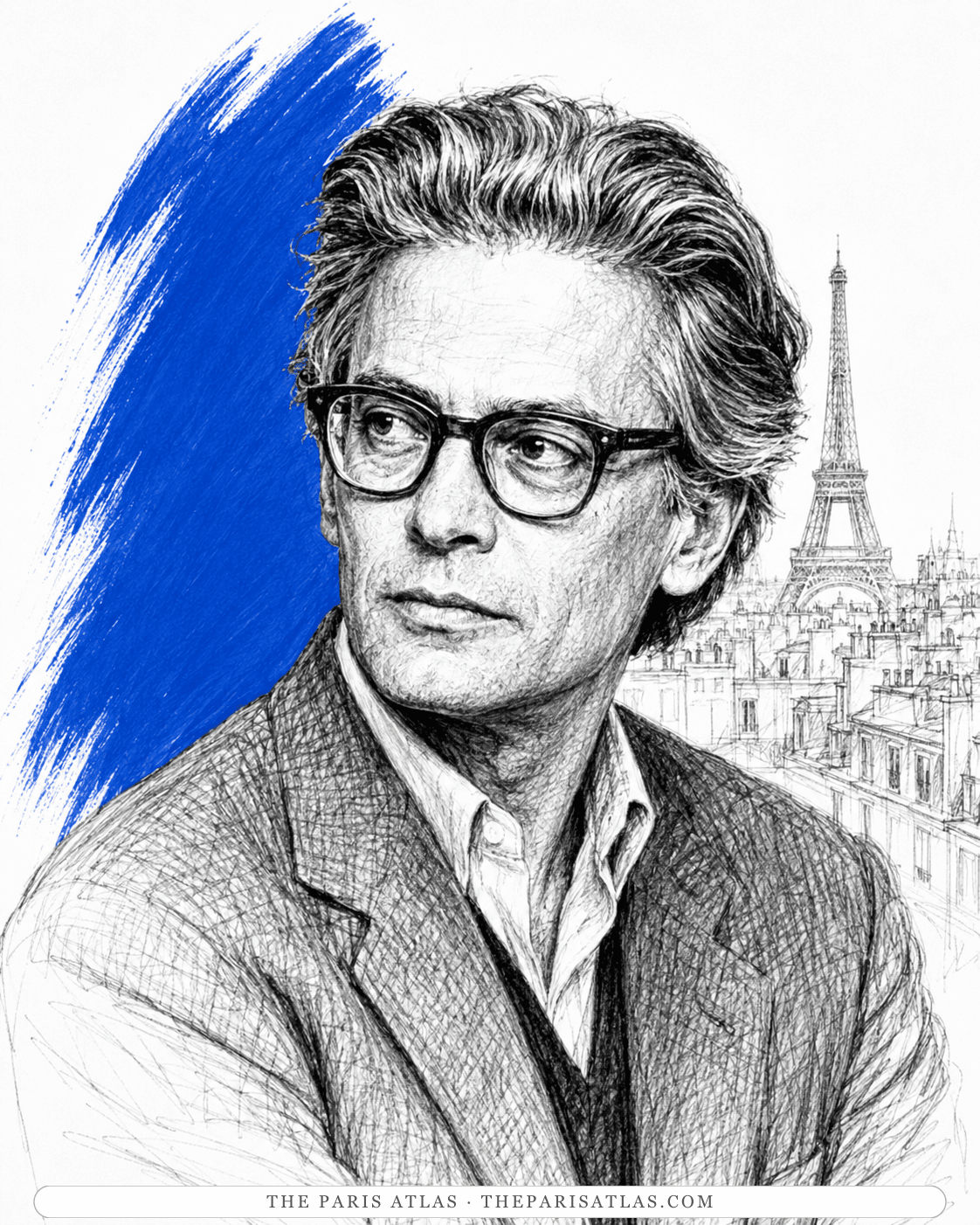
Avedon was hired as special visual consultant on Funny Face (1957), whose story was drawn from his own early career and whose photographer, played by Fred Astaire, carries a version of his name. He designed the opening titles, took the photographs the film treats as Avery's, and worked with Stanley Donen on the montage of Hepburn photographed across Paris.
Paco Rabanne
- Fashion designer
- Architect
Collaborated with · 1967
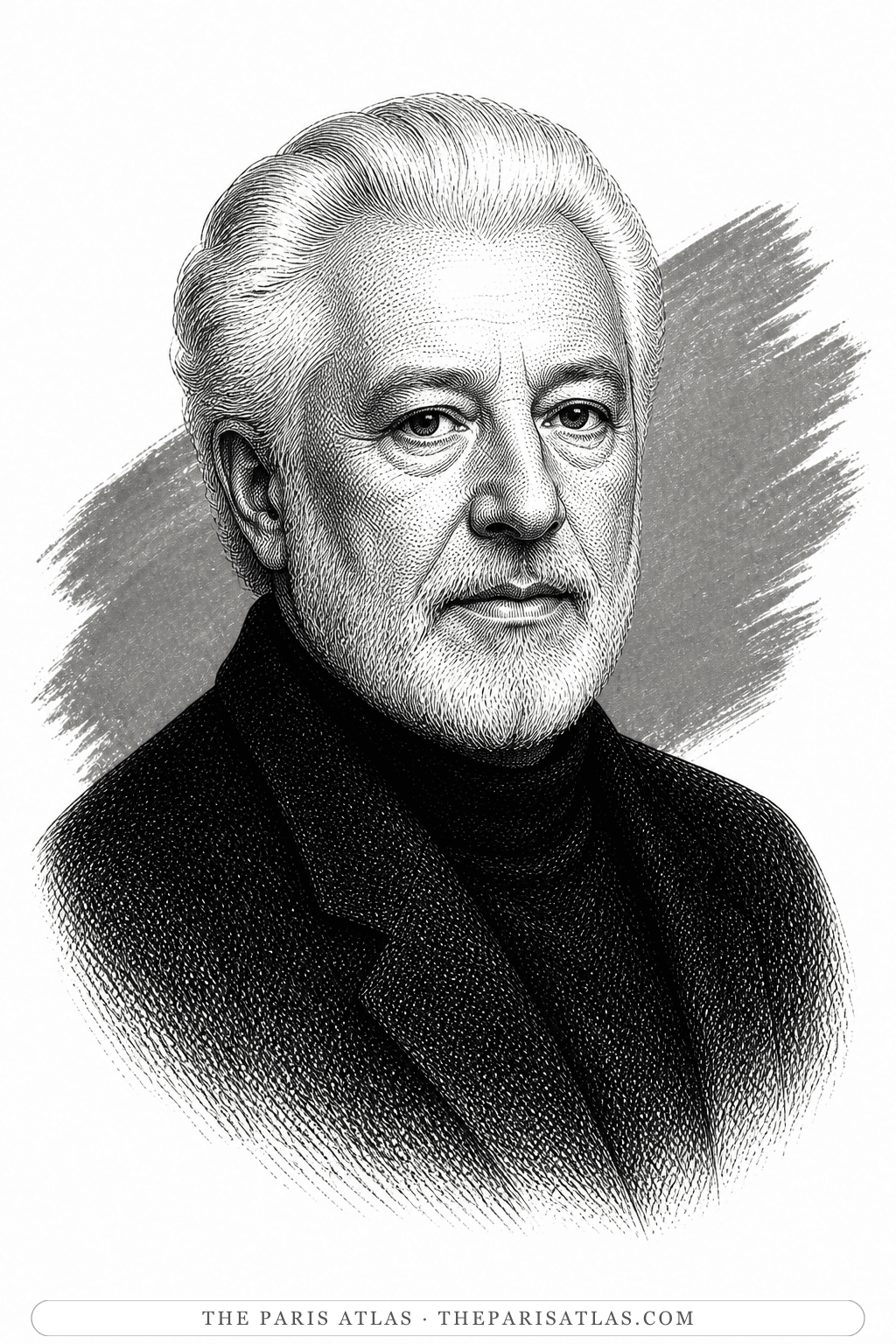
One film, one dress: Rabanne contributed a metal-paillette mini-dress to Audrey Hepburn's wardrobe for the 1967 comedy Two for the Road, her first screen clothes after years dressed exclusively by Hubert de Givenchy. The claim records that single documented professional contribution and not an ongoing working partnership, which the sources do not describe.
Hubert de Givenchy
- Collector
Collaborated with · 1954
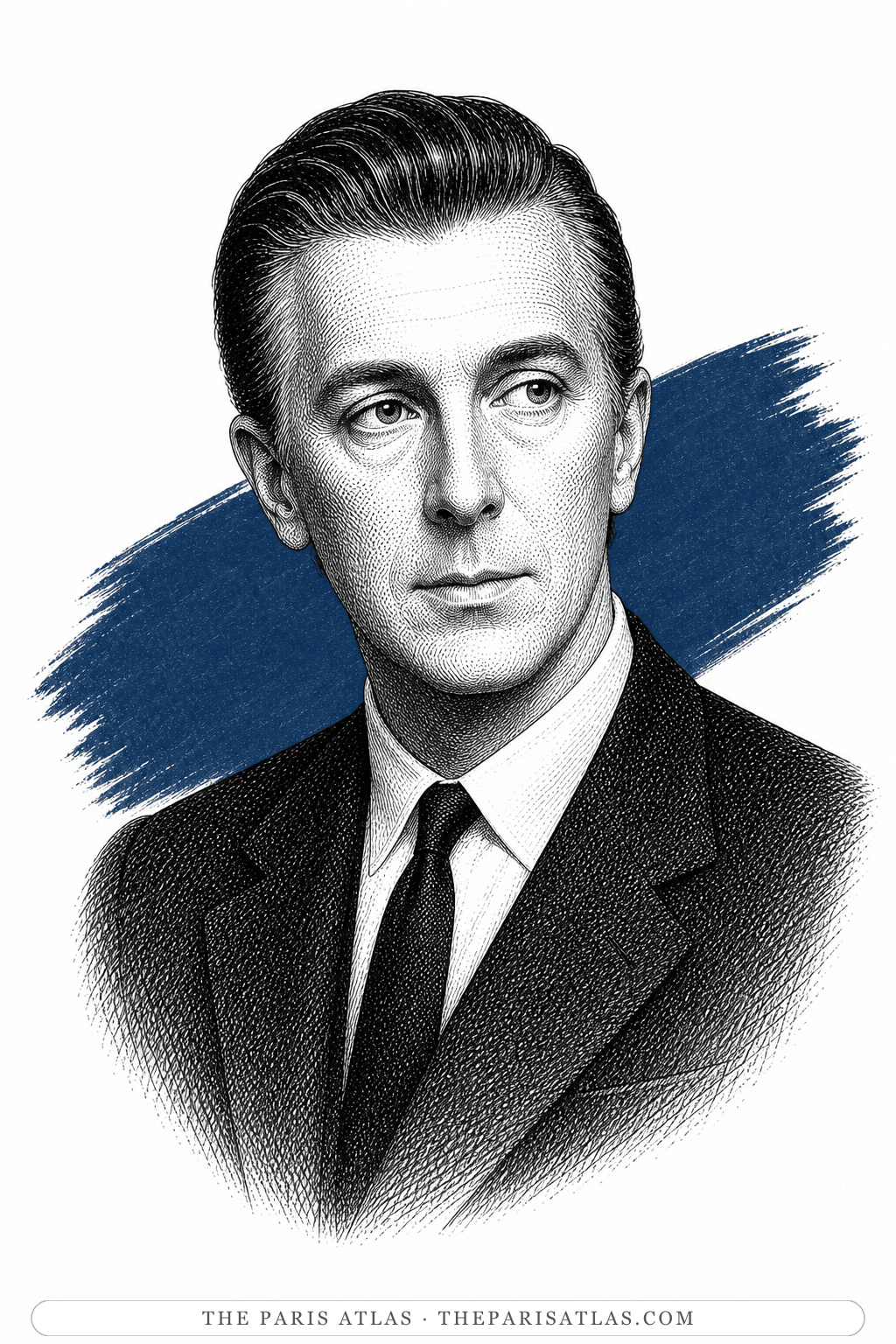
It began as one film's costume order and lasted the rest of her life. In 1954 Hepburn came to Givenchy's Paris atelier to ask him to design the wardrobe for Sabrina, directed by Billy Wilder; he had opened his house two years earlier. She then wore his clothes on screen and off for the rest of her career — the gown in Wilder's Love in the Afternoon, and the black dress in the opening scene of Breakfast at Tiffany's, now held by the Museo del Traje in Madrid. The Cristóbal Balenciaga Museoa calls it one of the most iconic collaborations between fashion and film in the twentieth century, and records that beyond the professional relationship the two shared a close friendship.
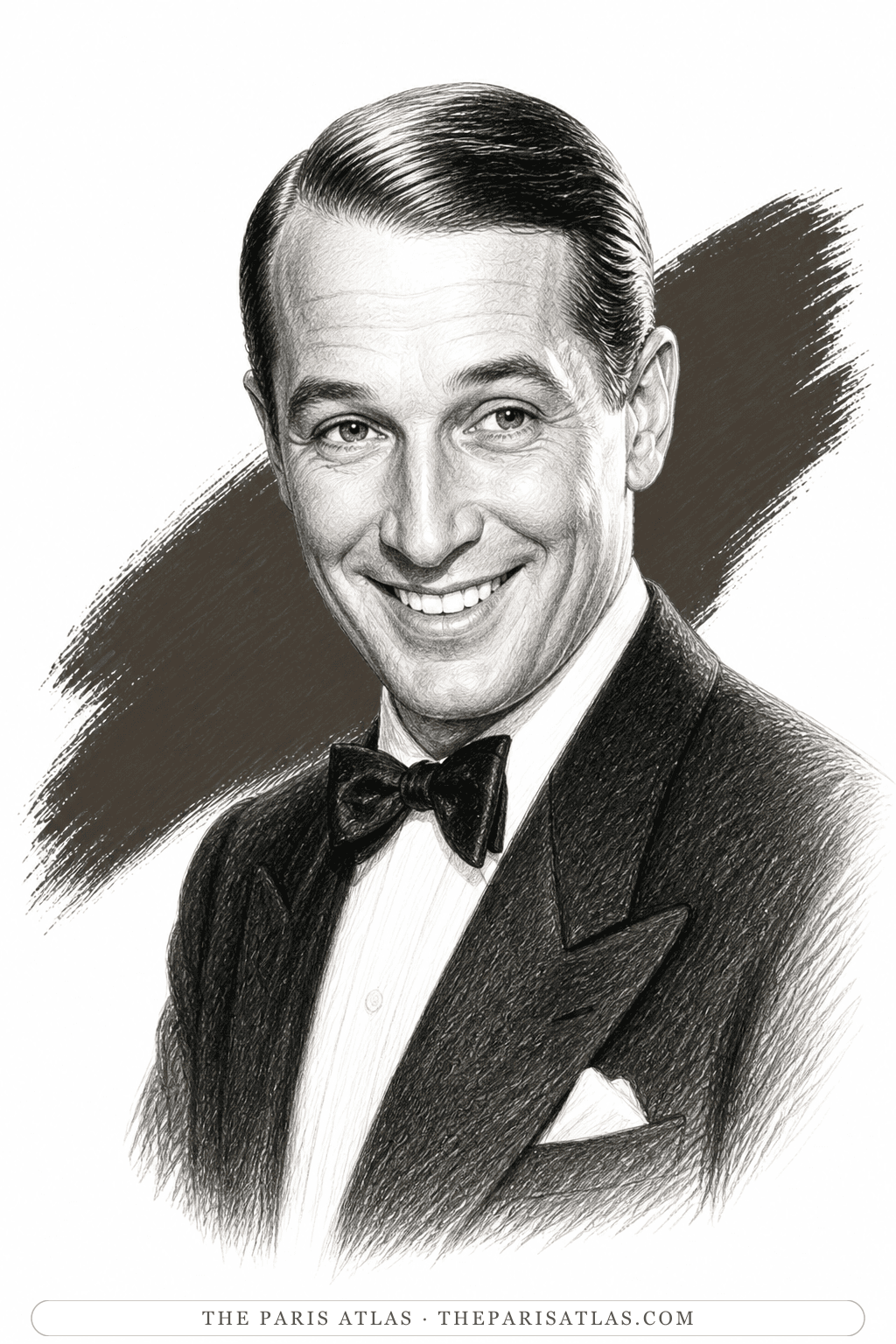
Maurice Chevalier
- Singer
- Actor
- Dancer
Collaborated with · 1957
Chevalier played the private-detective father of Hepburn's character Ariane in Billy Wilder's Paris-set Love in the Afternoon.
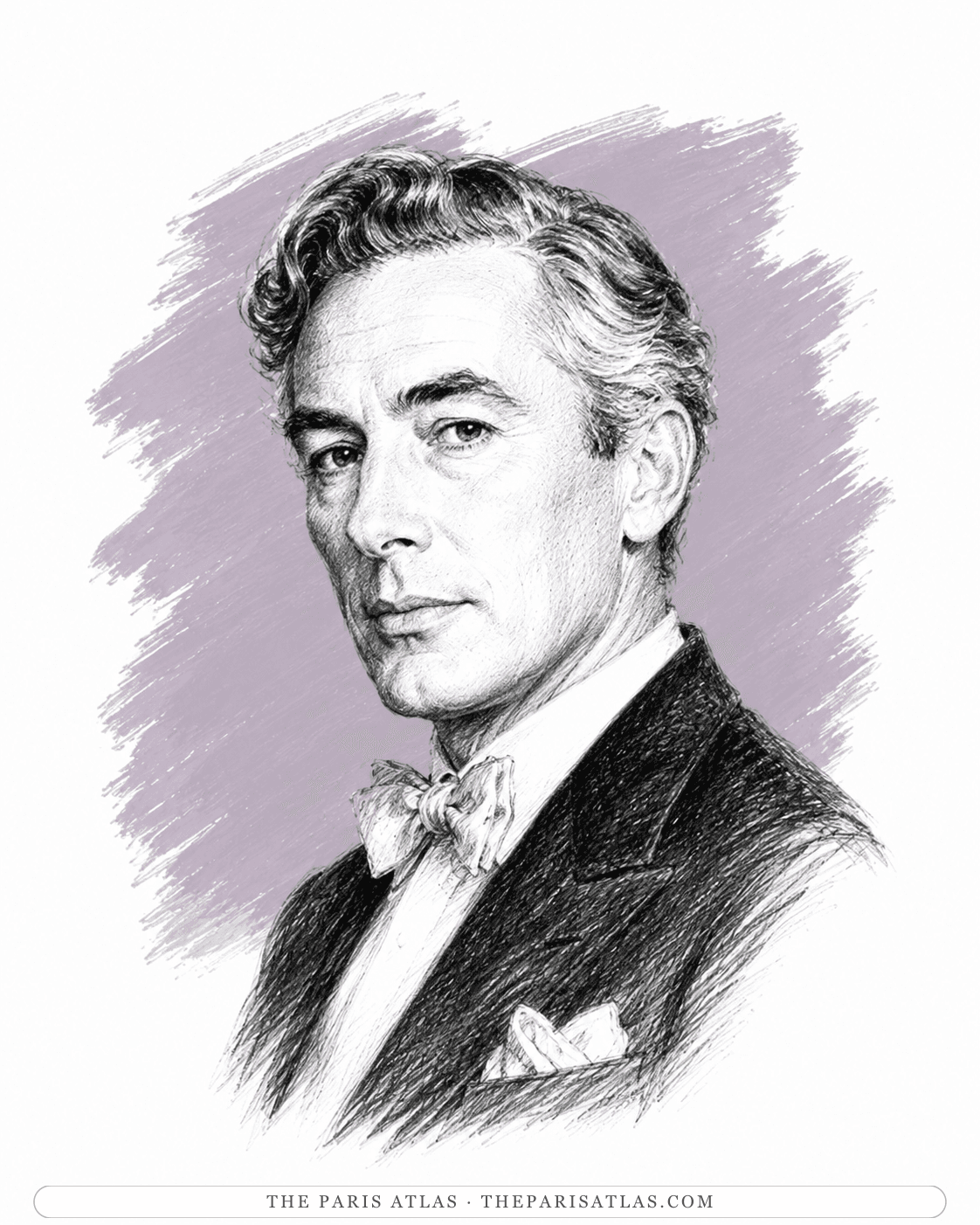
Cecil Beaton
- Photographer
Collaborated with · 1963–1964
Beaton designed the costumes Audrey Hepburn wore as Eliza Doolittle in the 1964 film of My Fair Lady, including the black-and-white Ascot dress that became one of the most reproduced costumes in cinema. The work won him two Academy Awards, for costume design and art direction, and he photographed Hepburn repeatedly during the production.
Related pages
Questions about Audrey Hepburn
Who was Audrey Hepburn?
A British actress, born in Brussels in 1929 and died in Switzerland in 1993. She won an Academy Award for Roman Holiday, her first major Hollywood role, starred in Breakfast at Tiffany's and My Fair Lady, and spent her last five years working for UNICEF.
What did Audrey Hepburn do during the war?
She spent the German occupation of the Netherlands as a child in Arnhem, gave secret ballet performances to raise money for the resistance, and had an uncle executed in reprisal for a resistance action. In the famine of the winter of 1944 she ate tulip bulbs and grass, and by the liberation she was severely malnourished. She was fifteen.
Why was Audrey Hepburn so thin?
Because of childhood starvation. The Dutch famine of 1944 left her with anaemia, oedema and respiratory problems at fifteen, and the damage was permanent. It also ended her hopes of a ballet career: Marie Rambert told her she lacked the strength for it.
What was her relationship with Givenchy?
She went to Paris in 1954 to find clothes for Sabrina and walked into Hubert de Givenchy's atelier; he had been expecting Katharine Hepburn. He dressed her on and off screen for forty years, including the black dress at the start of Breakfast at Tiffany's, and they stayed close friends until her death.
Did Audrey Hepburn sing in My Fair Lady?
No. She was cast over Julie Andrews, who had played Eliza Doolittle on Broadway, and her singing was dubbed by Marni Nixon. The casting was unpopular, she was not nominated for an Academy Award, and Andrews won that year for Mary Poppins.
What did Audrey Hepburn do for UNICEF?
She became a goodwill ambassador in 1988. She travelled to Ethiopia, Sudan, Bangladesh, Vietnam, Central America and Somalia. She gave press conferences and spoke to the United States Congress. She said she was paying back a debt, because as a child she had been fed by the relief body that became UNICEF.
Connections and Sources
Performed in · 1951
Gigi
Audrey Hepburn played the title role in the Broadway Gigi, chosen by Colette.
Met · 1951
Colette
Colette encountered the little-known Audrey Hepburn during filming in Monte Carlo and selected her for the 1951 Broadway adaptation of Gigi.
Collaborated with
Richard Avedon
Avedon was hired as special visual consultant on Funny Face (1957), whose story was drawn from his own early career and whose photographer, played by Fred Astaire, carries a version of his name. He designed the opening titles, took the photographs the film treats as Avery's, and worked with Stanley Donen on the montage of Hepburn photographed across Paris.
Collaborated with · 1967
Paco Rabanne
One film, one dress: Rabanne contributed a metal-paillette mini-dress to Audrey Hepburn's wardrobe for the 1967 comedy Two for the Road, her first screen clothes after years dressed exclusively by Hubert de Givenchy. The claim records that single documented professional contribution and not an ongoing working partnership, which the sources do not describe.
Collaborated with · 1954
Hubert de Givenchy
It began as one film's costume order and lasted the rest of her life. In 1954 Hepburn came to Givenchy's Paris atelier to ask him to design the wardrobe for Sabrina, directed by Billy Wilder; he had opened his house two years earlier. She then wore his clothes on screen and off for the rest of her career — the gown in Wilder's Love in the Afternoon, and the black dress in the opening scene of Breakfast at Tiffany's, now held by the Museo del Traje in Madrid. The Cristóbal Balenciaga Museoa calls it one of the most iconic collaborations between fashion and film in the twentieth century, and records that beyond the professional relationship the two shared a close friendship.
Collaborated with · 1957
Maurice Chevalier
Chevalier played the private-detective father of Hepburn's character Ariane in Billy Wilder's Paris-set Love in the Afternoon.
Collaborated with · 1963–1964
Cecil Beaton
Beaton designed the costumes Audrey Hepburn wore as Eliza Doolittle in the 1964 film of My Fair Lady, including the black-and-white Ascot dress that became one of the most reproduced costumes in cinema. The work won him two Academy Awards, for costume design and art direction, and he photographed Hepburn repeatedly during the production.
References
References
The sources below include biographies, scholarly essays, interviews, and primary materials that informed this page. They reflect both the historical record and ongoing critical conversations about Audrey Hepburn and their work.


1↑Audrey Hepburn — Academy Awards search results
Official recordAcademy of Motion Picture Arts and SciencesUsed forThe Academy's official record of her five acting nominations, Roman Holiday win, and humanitarian award.

2↑Audrey Hepburn
WebsiteWikipediaUsed forReference article cross-checked for the Brussels birth, the occupation years, the films, the marriages and her death.
3↑Audrey Hepburn
WebsiteEncyclopaedia BritannicaUsed forReference entry on her career, the Academy Award and the UNICEF work.
4Funny Face (1957 film)
WebsiteWikipediaUsed forProduction history of Funny Face, including Richard Avedon's credits and the Academy Award nominations.
5Richard Avedon
WebsiteWikipediaUsed forAvedon's career at Harper's Bazaar and Vogue, used for the context around his work on the film.
6How to Steal a Million
WebsiteWikipediaUsed forPlot and production of How to Steal a Million, the Paris art-museum heist.
7Secrets of the Flesh: A Life of Colette
BiographyAlfred A. Knopf, 1999Used forJudith Thurman's life of Colette, the source for Colette casting Hepburn as Gigi in 1951.
8Audrey Hepburn (Wikiquote), sourced and misattributed sections
WebsiteUsed forSourced quotation section, used with each underlying book or article checked and named.
8Audrey Hepburn (Wikiquote), sourced and misattributed sections
WebsiteUsed forWeb source consulted for documented facts and historical context presented on the Audrey Hepburn page.
9Audrey Hepburn's Statement to the UNICEF Executive Board, 21 April 1989
ArchiveUNICEF Executive Director's Office records (CF-HST-BIO-HEP), 1989Used forArchival evidence used to document the historical record connected to Audrey Hepburn.
10Speeches by Audrey Hepburn: Wiesbaden for UNICEF press conference, 12 December 1991, and the State of the World's Children 1992 launch, Brussels, 19 December 1991
ArchiveUNICEF Executive Director's Office records (CF-HST-BIO-HEP), 1991Used forArchival evidence used to document the historical record connected to Audrey Hepburn.
11Audrey Hepburn: A Bio-bibliography
BiographyGreenwood Press, 1994Used forBiographical evidence used to verify chronology, relationships, and historical context connected to Audrey Hepburn.
12Quote Origin: For Attractive Lips, Speak Words of Kindness (Quote Investigator)
WebsiteGarson O'Toole, 2013Used forWeb source consulted for documented facts and historical context presented on the Audrey Hepburn page.
13Quote: Nothing is impossible. Even the word impossible says I'm possible (American Dialect Society list trace)
WebsiteGarson O'Toole, 2017Used forWeb source consulted for documented facts and historical context presented on the Audrey Hepburn page.
14HathiTrust full-text phrase searches for Audrey Hepburn quote verification, 29 August 2026
WebsiteUsed forWeb source consulted for documented facts and historical context presented on the Audrey Hepburn page.
15Audrey Hepburn never said 'Paris is always a good idea' (The Collected Traveler)
WebsiteUsed forWeb source consulted for documented facts and historical context presented on the Audrey Hepburn page.
16Audrey Hepburn: 10 essential films
WebsiteBritish Film InstituteUsed forFilm chronology, Colette's Gigi casting, and the Paris setting and Avedon connection of Funny Face.
17The Givenchy Maison
WebsiteGivenchyUsed forThe house's account of Hepburn as Givenchy's friend, muse, and defining collaborator.
18Audrey Hepburn — Goodwill Ambassador, 1988–1993
WebsiteUNICEFUsed forUNICEF's official record of Hepburn's childhood and wartime relief, film career, field missions, and dates of her Goodwill Ambassador service.
19Gigi — Original Broadway Production
Official recordInternet Broadway Database, The Broadway League, 1951Used forBroadway League production record for Gigi, including the 1951 opening, run, creative team, and Hepburn's title-role credit.
20The 26th Academy Awards — 1954
Official recordAcademy of Motion Picture Arts and Sciences, 1954Used forThe Academy's official ceremony record for Hepburn's Best Actress award for Roman Holiday.
i
Why these sources are here
These references anchor the page in the documented record and in the scholarly conversations around Audrey Hepburn. Every claim on this page traces back to one or more of the works listed here.
 Explore more resources