
Adapts · 1951
Gigi
Anita Loos's stage adaptation of the novella, opened on Broadway in November 1951 with Audrey Hepburn in the title role.
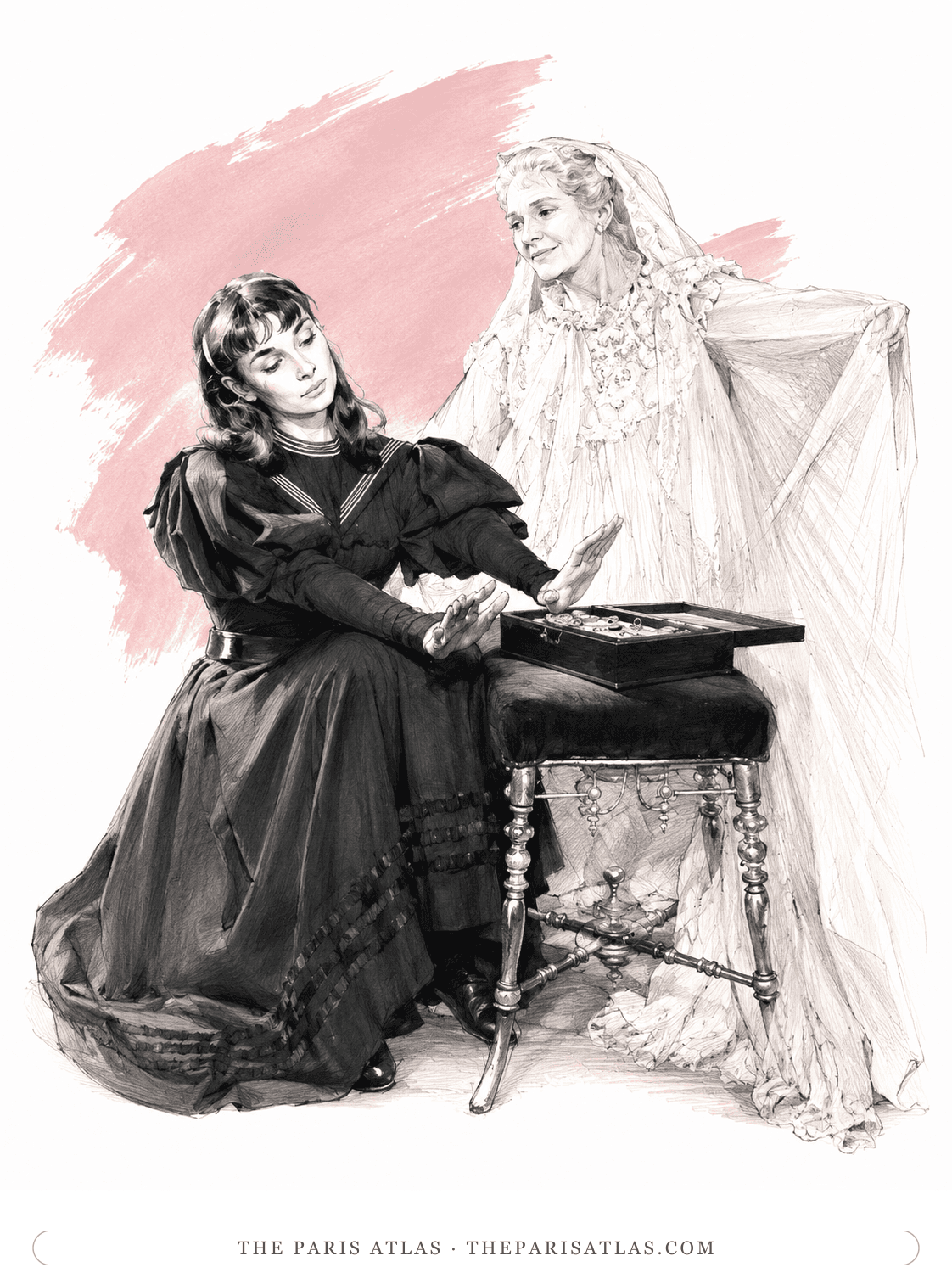
by Anita Loos
Gigi is the 1951 Broadway adaptation of Colette's novella, written by Anita Loos and directed by Raymond Rouleau. Colette had chosen the then-unknown Audrey Hepburn for the title role after meeting her on the Riviera, and the production made Hepburn a name in New York. It ran 219 performances.
Gigi is Anita Loos's stage version of Colette's 1944 novella, adapted for Broadway in 1951. A Parisian girl of the Belle Époque is raised by her grandmother and great-aunt to enter the family trade as a courtesan, schooled in jewels, cigars, and how to sit at table. The wealthy Gaston Lachaille, a friend of the household, watches her grow up and, to everyone's surprise including his own, proposes marriage instead of an arrangement.
Loos kept Colette's comedy of manners and its sharp view of how women of that world were trained and traded. The production ran three acts and stayed close to the novella rather than turning it into a musical; the songs came later, with the 1958 film.
The casting is the reason the play is remembered. Colette, then in her late seventies, saw the twenty-one-year-old Audrey Hepburn on the Riviera in 1951, where Hepburn was working on a small film, and decided at once that she had found her Gigi. Hepburn had almost no stage experience and had never carried a play.
The choice was Colette's, and it was vindicated fast. The production carried Hepburn from bit parts to a Broadway lead, and the reviews for her, if not always for the play, made her a name in New York months before Roman Holiday reached screens.
Cathleen Nesbitt played Aunt Alicia, the retired courtesan who teaches Gigi the rules of the trade. She was an experienced English stage actress opposite a lead who was learning to hold a stage as she went — early in the run, Audrey Hepburn's projection was so weak that Nesbitt could barely hear her from the stalls.
The role is the play's engine of instruction: Alicia's lessons in choosing jewels and reading men are both the comedy and the argument, laying out the economy Gigi is being prepared for before the ending refuses it.
Gilbert Miller produced and Raymond Rouleau directed, with sets by Raymond Sovey. The play opened at the Fulton Theatre on 24 November 1951 and ran 219 performances, closing the following spring when Hepburn left to film Roman Holiday.
Gaston was played by Michael Evans, with Josephine Brown as Gigi's grandmother, Madame Alvarez, and Doris Patston as her mother. It was a straight play, not the musical most audiences now picture; the score, and Gigi's afterlife as a screen musical, belonged to Lerner and Loewe's 1958 MGM film.
1944
Colette published the novella Gigi, the source for every later adaptation.
1951
Colette met Audrey Hepburn on the Riviera and chose her for the Broadway Gigi.
24 November 1951
The play opened at the Fulton Theatre, directed by Raymond Rouleau and produced by Gilbert Miller; it ran 219 performances.
1958
Lerner and Loewe's MGM musical film Gigi turned the same story into a screen musical.
A Broadway play adapted by Anita Loos from Colette's 1944 novella, staged in 1951 with the young Audrey Hepburn in the title role. It is a straight comedy, not the later musical.
Yes. Colette met Hepburn on the Riviera in 1951 while Hepburn was filming there and chose her for the Broadway Gigi, though Hepburn had barely any stage experience at the time.
Cathleen Nesbitt played Aunt Alicia and coached Hepburn during the run. Michael Evans played Gaston, Josephine Brown the grandmother Madame Alvarez, and Doris Patston Gigi's mother.
It opened at the Fulton Theatre on Broadway on 24 November 1951 and ran 219 performances, closing in spring 1952 when Hepburn left to make Roman Holiday.
No. The 1951 play is a straight adaptation of Colette's novella. The songs — including "Thank Heaven for Little Girls" — belong to the 1958 MGM musical film by Alan Jay Lerner and Frederick Loewe.
It is the hinge between Colette and Audrey Hepburn: the aging French writer handed the role that launched a Hollywood career, tying the Paris literary world of the novella to the postwar screen.
Adapts · 1951
Anita Loos's stage adaptation of the novella, opened on Broadway in November 1951 with Audrey Hepburn in the title role.
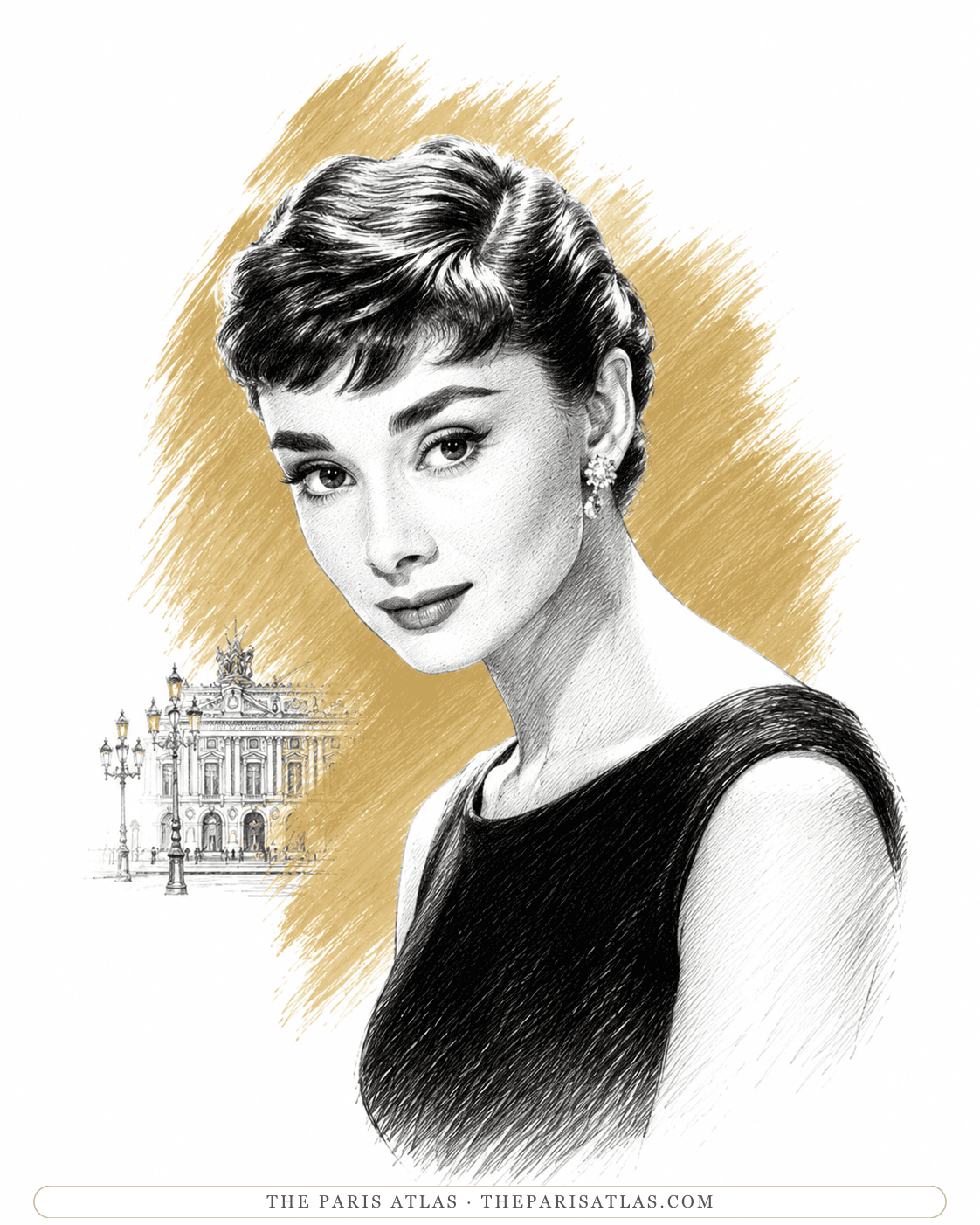
Cast · 1951
Audrey Hepburn played the title role in the Broadway Gigi, chosen by Colette.
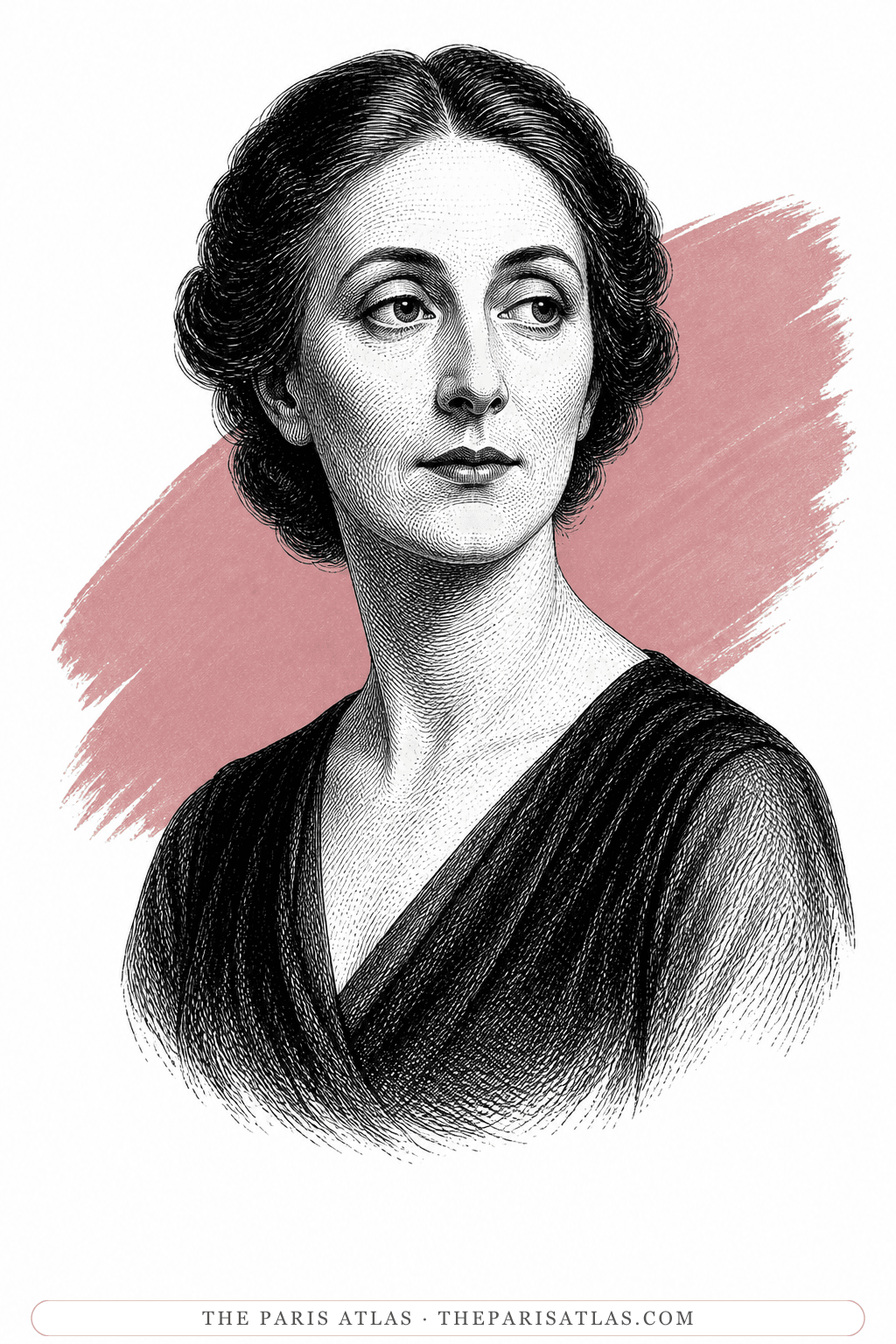
Cast · 1951
Nesbitt played Alicia de Saint-Ephlam, the retired courtesan who schools Gigi, opposite Audrey Hepburn in the Broadway production.
The sources below include collection records, catalogues, scholarly research, and primary materials that informed this page. They document Gigi, its making, and its place in cultural history.


Web source consulted for documented facts and historical context presented on the Gigi page.

Archival evidence used to document the historical record connected to Gigi.
Web source consulted for documented facts and historical context presented on the Gigi page.
Official record used to verify names, dates, institutional details, or other factual information on this page.
These references provide the documented foundation for this work's history and interpretation. Claim-level citations remain attached to the specific claims they support.
 Explore more resources