The Paris AtlasCharting the artists, works, and places worth returning to.
  • Photographer
· British · 1904–1980

Cecil Beaton

British portrait and fashion photographer who photographed Gala.

Details

Lived
1904–1980
Born
14 January 1904
Birthplace
Hampstead, London
Birth name
Cecil Walter Hardy Beaton
Died
18 January 1980 · aged 76
Place of death
Broad Chalke, Wiltshire
Nationality
British
Profession
Photographer, designer and diarist
Major works
The royal portraits, the Blitz photographs, the costumes for Gigi and My Fair Lady, and six volumes of diaries
Roles
Photographer

About Cecil Beaton

British photographer of royalty and fashion, and Oscar-winning designer of My Fair Lady

Cecil Beaton was a British photographer, designer and diarist. He was born in Hampstead, London, on 14 January 1904, and photographed for Vogue and Vanity Fair from the 1920s to the 1970s. Across four decades he shaped the public image of the British royal family, from the Duke and Duchess of Windsor's 1937 wedding to the coronation portraits of Elizabeth II in 1953. He was knighted in 1972.

The career had three lives. The society photographer of the Bright Young Things became, in the Second World War, one of Britain's most prolific war photographers, taking over 7,000 pictures at home, in Africa and in China. His image of three-year-old Blitz victim Eileen Dunne in her hospital bed, teddy bear in her arms, helped move American opinion before Pearl Harbor. The third life was design: his sets and costumes for Gigi (1958) and My Fair Lady (1964) won three Academy Awards, alongside four Tonys for Broadway work. Six volumes of gossiping, venomous, self-recording diaries make up the fourth.

A stroke in 1974 paralysed his right side; he taught himself to draw with his left hand and sold his archive through Sotheby's to secure an income. He died at his house at Broad Chalke, Wiltshire, on 18 January 1980, four days after his 76th birthday.[1]

Hampstead, the nanny's Kodak, and Cambridge, 1904–1925

Cecil Walter Hardy Beaton was born in Hampstead on 14 January 1904, the eldest child of Ernest Beaton, a prosperous timber merchant and amateur actor, and Etty Sisson, a blacksmith's daughter. His first teacher in photography was the family nanny, who owned a Kodak 3A and showed him how to expose and develop film. He posed his mother and his sisters Nancy and Baba, then mailed the prints to London society magazines under a pen name, recommending the work of one Beaton.[1]

School gave him an enemy and an audience: at Heath Mount he was bullied by the young Evelyn Waugh, and at St Cyprian's his singing overwhelmed schoolmates including Cyril Connolly. After Harrow he went up to St John's College, Cambridge, to read history, art and architecture, did almost no academic work, and left in 1925 without a degree. Cambridge gave him his first Vogue publication in 1924: a deliberately theatrical portrait of the academic George "Dadie" Rylands, in costume as Webster's Duchess of Malfi.[1]

Vogue, New York, and the Bright Young Things, 1925–1939

After brief spells in the family timber firm and a cement office, Beaton learned studio craft under the photographer Paul Tanqueray and, backed by Osbert Sitwell, mounted his first exhibition at London's Cooling Gallery in 1927. That year Condé Nast put him under an exclusive Vogue contract worth several thousand pounds a year. His portraits of Edith Sitwell, Stephen Tennant and their circle became the defining images of the Bright Young Things, and his style, Edwardian stage portraiture crossed with the European avant-garde, pushed the soft-focus American manner out of the fashion magazines.[1]

From 1928 he worked part of every year in New York, redecorating hotel suites in exchange for rent and photographing the Vanderbilts, Hollywood stars and the future Duchess of Windsor. In 1931 the cross-Channel circle around Beaton, George Hoyningen-Huene and Horst wove the look of 1930s fashion photography between London, Paris and New York. In 1937 the Windsors chose him for their wedding photographs.[2]

His American career ended abruptly in 1938, when he hid tiny but legible slurs against Jews, including the word "kike", in the lettering of an illustration for American Vogue. The issue was recalled and reprinted, and Condé Nast dismissed him. He returned to England with his reputation in pieces.[1]

The war, the Blitz, and the 7,000 photographs, 1939–1945

The rescue came from the top: Queen Elizabeth, whose portraits he had taken in 1939, recommended him to the Ministry of Information. Beaton became one of Britain's leading war photographers, recording the Blitz's damage and the bell towers of St Paul's through a burned archway. His most travelled image of British suffering was three-year-old Eileen Dunne in a hospital bed, clutching her teddy bear. Published in America before Pearl Harbor, the picture did political work no communiqué could.[1]

Between 1940 and 1945 he took over 7,000 photographs for the Ministry, in Britain, Africa and China, from Tehran, where he photographed the Shah's family, to a self-portrait in the mirror of a Jain temple in Calcutta. The war sharpened his eye and broadened his range, and it remade a career that the Vogue scandal had nearly closed.[1]

The royal image, the stage, and the Oscars, 1945–1970

For thirty years Beaton was the crown's favourite image-maker. He photographed Queen Elizabeth, the future Queen Mother and his favourite sitter, from 1939. He photographed the young Elizabeth II on her coronation day, 2 June 1953, and the royal children. His portrait of Princess Margaret at twenty-one in a Dior gown became one of the most reproduced royal images of the century. The pictures balanced fairy-tale staging against growing informality, and they set the monarchy's public look for a generation.[1]

The designer ran alongside the photographer. He made sets and costumes for ballet, opera and the West End, acted for twenty-five weeks in his own-designed New York production of Lady Windermere's Fan, and dressed the stage musical My Fair Lady in 1956. The film work crowned it: an Academy Award for the costumes of Gigi (1958), then two more for My Fair Lady (1964), costumes and art direction, including the black-and-white Ascot dress worn by Audrey Hepburn. Four Tony Awards came from Broadway, and the Metropolitan Opera and Covent Garden staged his Turandot.[1]

In 1968 the National Portrait Gallery gave him its first photographic exhibition ever mounted, and the first retrospective any British national museum had given a living photographer; over 80,000 people came. When the show travelled to New York in 1969, Beaton added a last-minute room: he had just been to the Factory to photograph Andy Warhol and his circle.[1]

The diaries, the stroke, and death at Reddish House, 1970–1980

Six volumes of diaries published in his lifetime, covering 1922 to 1974, made Beaton one of the century's great social witnesses. Their editor Hugo Vickers later revealed how much the published texts had been softened: in the originals, he said, Cecil can be as venomous as anyone I have ever read. Beaton was knighted in 1972. He never married; his loves included the actress Greta Garbo, whom he called the most beautiful woman he had ever seen and considered marrying, the collector Peter Watson, an obsession of the 1930s, and the American Olympic fencer Kinmont Hoitsma. In his diary he called himself, with the discretion of his era stripped away, a terrible homosexualist.[1]

A stroke in 1974 paralysed his right side. He learned to draw and sign with his left hand and had cameras adapted. Anxiety about money led him in 1977 to sell his photographic archive, minus the royal portraits and the Vogue holdings, to Sotheby's. The five auctions that followed helped invent the photography market. His last interview, for Desert Island Discs, was recorded at his home in January 1980 because he was too frail to travel. He died at Reddish House, Broad Chalke, Wiltshire, on 18 January 1980, four days past his 76th birthday, and is buried in the village churchyard.[1]

How Beaton worked

Beaton was a stager, not a candid eye. He built pictures the way he built stage sets, with painted backdrops, cellophane, mirrors, props and costume, and treated glamour as something manufactured in front of the lens rather than found. The approach ran unchanged from the polka-dot backdrop behind Nancy Cunard in 1929 to the coronation portraits, where a palace interior became scenery. He worked with large-format cameras and the square-format Rolleiflex, and his sitters' accounts agree that the performance around the sitting, flattery, gossip, theatre, was part of the technique.[2]

His influence travelled through people as much as prints: Angus McBean's later portraiture absorbed him, and David Bailey, who met him at Vogue in the early 1960s, carried the square format forward into a harder era. The war photographs stand slightly apart, documentary work by a man trained in artifice, and some critics count them his best.

Reception and afterlife

Beaton's standing has survived shifts that sank most society photographers, partly because each generation finds a different Beaton: the fashion modernist, the war documentarian, the royal mythmaker, the diarist. The 1968 National Portrait Gallery retrospective made photography's case for museum walls in Britain, and his archive's Sotheby's sales helped create the market in which photographs are auctioned at all.

The archive keeps yielding. In 2025 a scrapbook of unpublished Beaton and Lee Miller photographs, assembled decades earlier by a darkroom assistant, surfaced from a private collection. In April 2026 Oxford's Bodleian Libraries acquired it: North African war pictures, theatre sets and cuttings together.

Life events

  1. 1904

    Born in Hampstead, London, on 14 January, the son of a timber merchant.

    — Cecil Beaton

  2. 1924

    British Vogue publishes his first photograph, a costumed portrait of the Cambridge academic Dadie Rylands.

    — Cecil Beaton

  3. 1927

    First exhibition at the Cooling Gallery under Osbert Sitwell's patronage; Condé Nast signs him to an exclusive Vogue contract.

    — Cecil Beaton

  4. 1928

    Moves his working year partly to New York and begins photographing American high society.

    — Cecil Beaton

  5. 1937

    Photographs the wedding of the Duke and Duchess of Windsor on 3 June.

    — Cecil Beaton

  6. 1938

    Dismissed by American Vogue after hiding slurs against Jews in an illustration's lettering; the issue is recalled and reprinted.

    — Cecil Beaton

  7. 1940

    Becomes a Ministry of Information war photographer on the Queen's recommendation; his portrait of the wounded child Eileen Dunne travels the world.

    — Cecil Beaton

  8. 1953

    Takes the official portraits of Elizabeth II on her coronation day, 2 June.

    — Cecil Beaton

  9. 1958

    Wins his first Academy Award, for the costumes of Gigi.

    — Cecil Beaton

  10. 1964

    My Fair Lady brings two more Academy Awards, for costume design and art direction.

    — Cecil Beaton

  11. 1968

    The National Portrait Gallery mounts Beaton Portraits 1928–68, its first photography exhibition; 80,000 people attend.

    — Cecil Beaton

  12. 1969

    Photographs Andy Warhol and his circle at the Factory, weeks before the retrospective opens in New York.

    — Cecil Beaton

  13. 1972

    Knighted.

    — Cecil Beaton

  14. 1974

    A stroke paralyses his right side; he learns to draw left-handed and later sells his archive through Sotheby's.

    — Cecil Beaton

  15. 1980

    Dies at Reddish House, Broad Chalke, Wiltshire, on 18 January, four days after turning 76.

    — Cecil Beaton

People Cecil Beaton Knew

Relationships with other people, with sources for each connection.

Illustrated portrait of Andy Warhol

Andy Warhol

  • Painter
  • Filmmaker
  • Publisher

Collaborated with · 1969

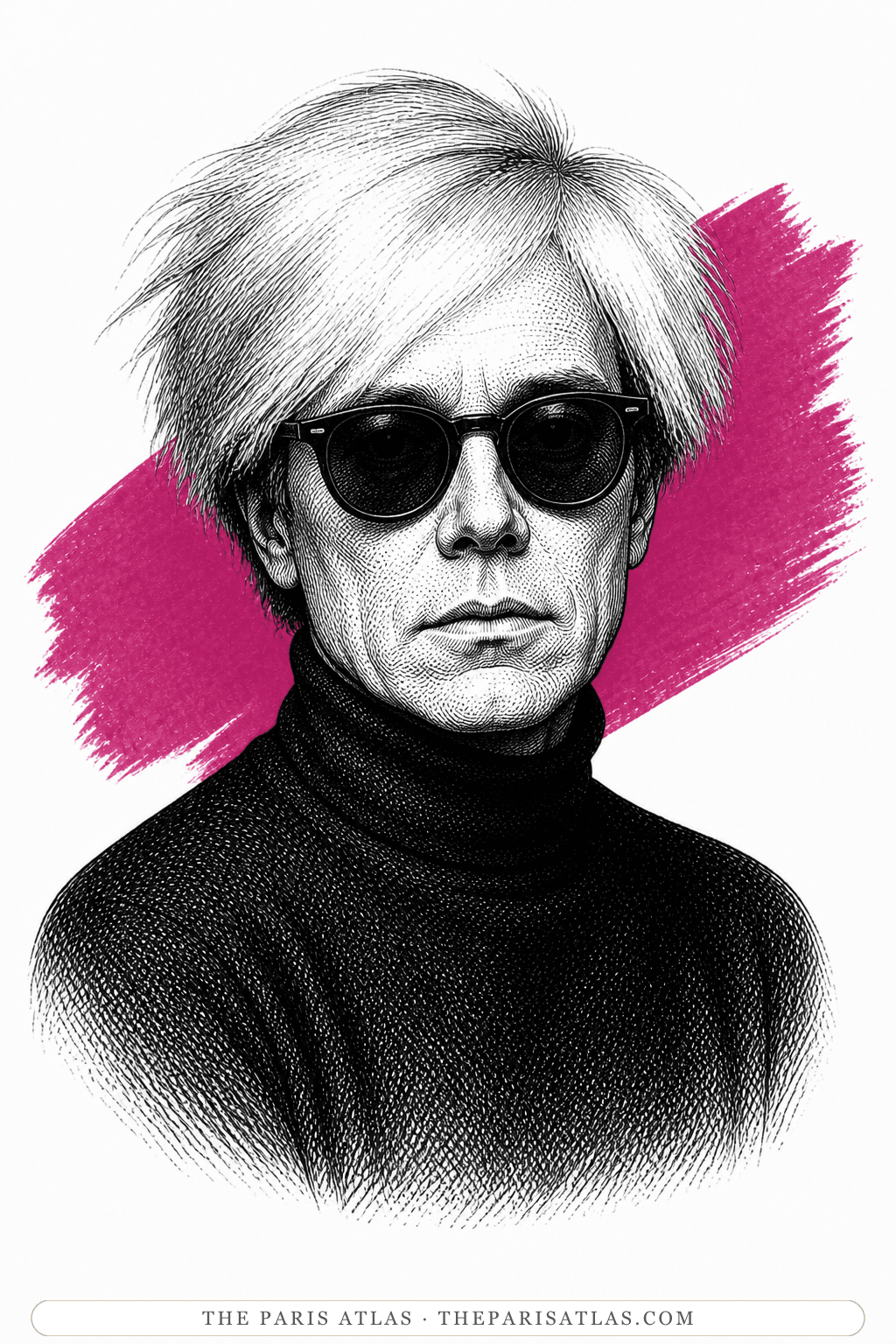
Weeks before his 1969 New York retrospective opened, Beaton went to the Factory and photographed Andy Warhol with Jed Johnson and Johnson's twin brother Jay, adding the pictures to the show as a last-minute bridge between his Bright Young Things of the 1920s and the new celebrity avant-garde.
— Cecil Beaton

Illustrated portrait of Audrey Hepburn

Audrey Hepburn

  • Actor

Collaborated with · 1963–1964

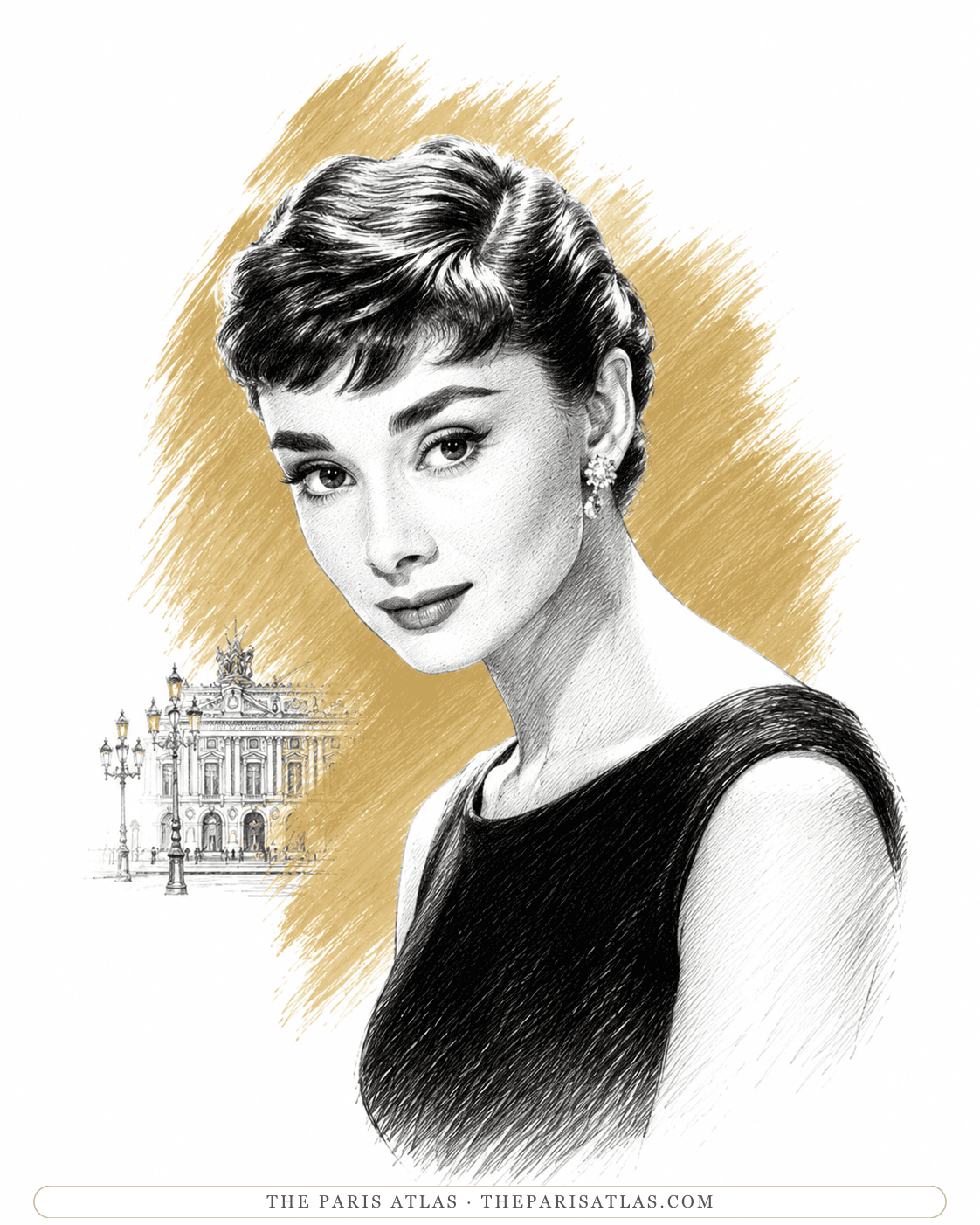
Beaton designed the costumes Audrey Hepburn wore as Eliza Doolittle in the 1964 film of My Fair Lady, including the black-and-white Ascot dress that became one of the most reproduced costumes in cinema. The work won him two Academy Awards, for costume design and art direction, and he photographed Hepburn repeatedly during the production.

— Cecil Beaton

Illustrated portrait of Gala Dalí

Gala Dalí

  • Artists' model
  • Muse
  • Agent

Collaborated with

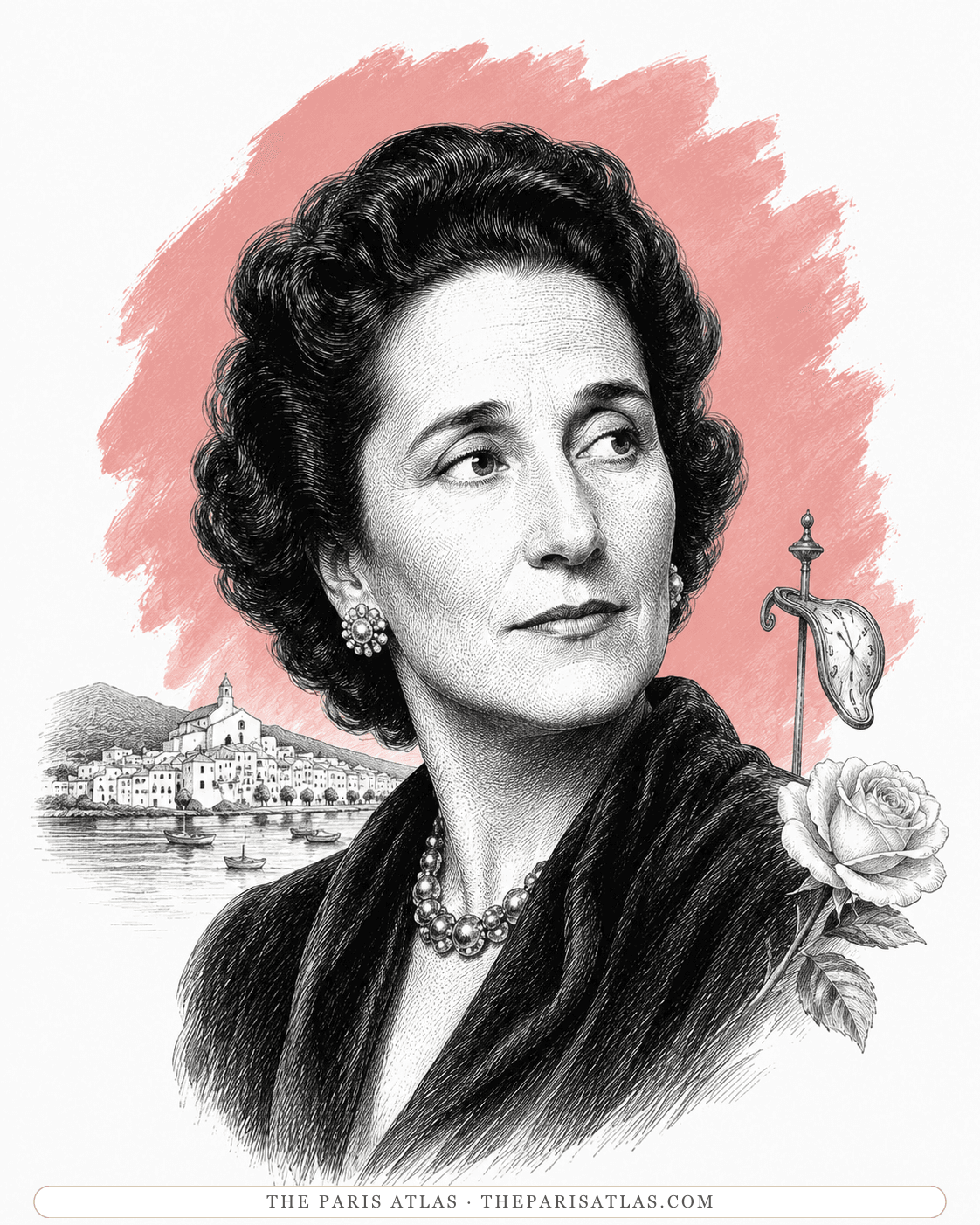
Gala sat for Cecil Beaton, one of several photographers who made portraits of her.

— Estrella de Diego, Gala Salvador Dalí: A Room of One's Own in Púbol (2018), p. 2

Illustrated portrait of Nancy Cunard

Nancy Cunard

  • Poet
  • Publisher
  • Printer
  • +4

Collaborated with · 1929

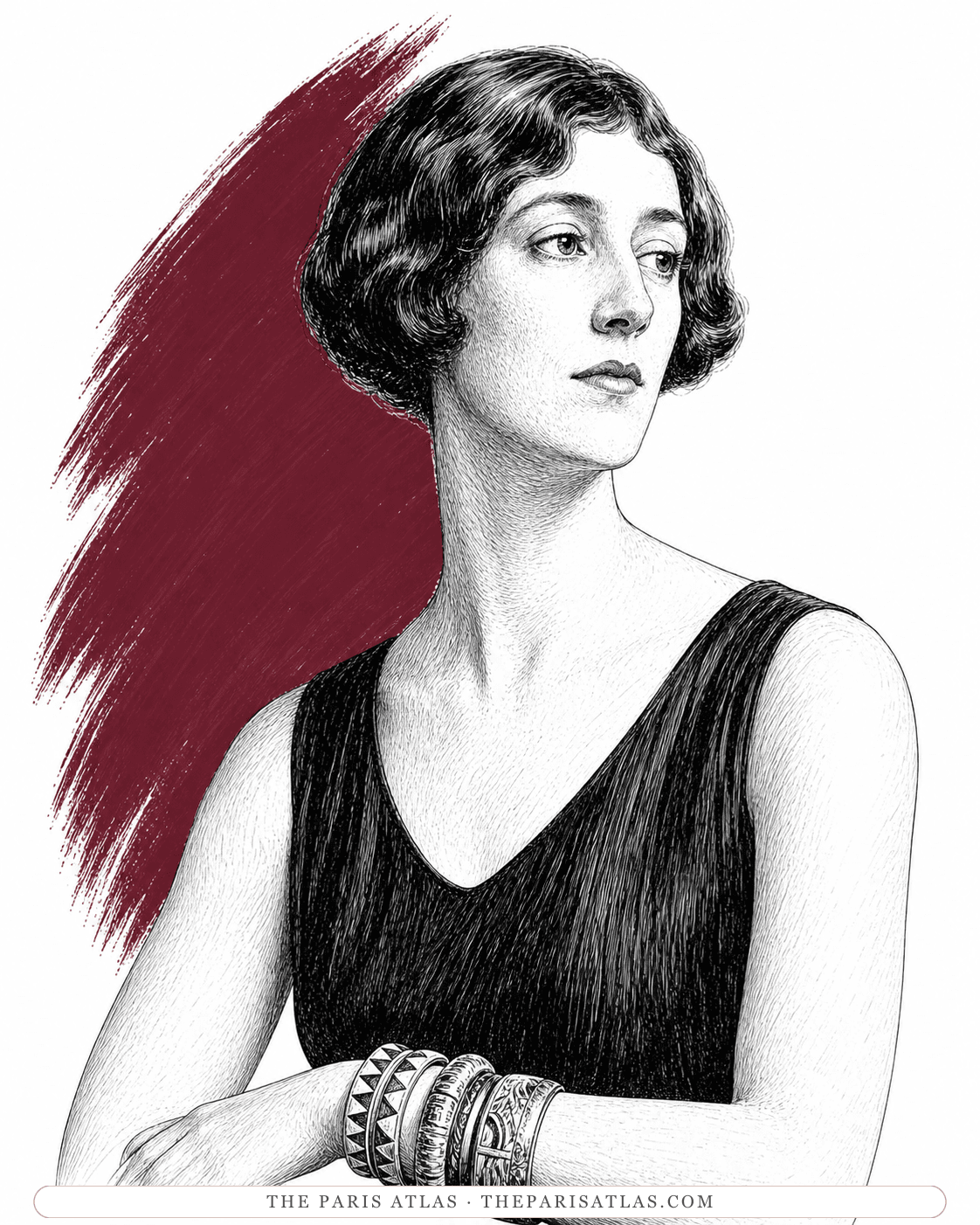
Cunard sat for Beaton in 1929, against a polka-dot backdrop, for a portrait he used in The Book of Beauty the following year. The National Portrait Gallery holds the vintage bromide print as NPG x40077. Beaton's own line about her was that she looked like a robot woman in a German film.

— Nancy Cunard by Cecil Beaton, 1929, vintage bromide print, NPG x40077

Questions about Cecil Beaton

Who was Cecil Beaton?

Cecil Beaton (1904–1980) was a British photographer, designer and diarist. He photographed fashion and society for Vogue and Vanity Fair from the 1920s, and served as one of Britain's most prolific war photographers in the Second World War. He shaped the royal family's public image from the Windsors' 1937 wedding to the 1953 coronation portraits of Elizabeth II. As a designer he won three Academy Awards, for Gigi and My Fair Lady, and four Tony Awards. He was knighted in 1972.

What is Cecil Beaton most famous for?

Three bodies of work. The royal portraits, which defined how the twentieth-century monarchy looked, from the Queen Mother sittings of 1939 to Princess Margaret's twenty-first-birthday portrait in Dior. The wartime photographs, over 7,000 of them, led by the image of three-year-old Blitz casualty Eileen Dunne holding her teddy bear in a hospital bed. And the design work for My Fair Lady, stage and film, whose black-and-white Ascot dress for Audrey Hepburn is among the most famous costumes in cinema.

Why was Cecil Beaton fired from Vogue?

In February 1938, American Vogue published a Beaton illustration about New York society into whose tiny marginal lettering he had worked slurs against Jews, including the word "kike". When the words were noticed, the magazine recalled and reprinted the entire issue, and Condé Nast dismissed him. The scandal ended his American career at a stroke, and he worked his way back through British war photography after 1940.

What was Cecil Beaton's relationship with Greta Garbo?

A long infatuation that briefly became a romance. They met in Hollywood in 1932, and Beaton wrote in his memoir that of all the women he had ever seen, Garbo was by far the most beautiful. In 1947 the acquaintance turned romantic, largely on his side, and he considered marriage, though her companion George Schlee stood in the way. Critical remarks he had printed about her in a 1937 scrapbook resurfaced in 1951 and strained the friendship, which partly recovered. His 1946 portraits of her are among his best-known images.

How did Cecil Beaton die?

He died on 18 January 1980 at Reddish House, his home in the village of Broad Chalke, Wiltshire, four days after his 76th birthday. His health had been failing since a 1974 stroke that paralysed his right side, after which he learned to write and draw with his left hand and had his cameras adapted. He is buried in the churchyard of All Saints, Broad Chalke. His last interview, for the BBC's Desert Island Discs, was recorded at the house days before his death and broadcast after it.

Did Cecil Beaton win an Oscar?

Three. He won the Academy Award for best costume design for Gigi in 1958, and two awards for My Fair Lady in 1964, best costume design and best art direction. He also won four Tony Awards for Broadway design, for shows including Coco and The Chalk Garden, and designed for ballet, opera, including Turandot at the Metropolitan Opera and Covent Garden, and the West End.

Connections and Sources

Cecil Beaton’s connections to people, places, and works, with the sources behind each one.

Collaborated with · 1969

Andy Warhol

Weeks before his 1969 New York retrospective opened, Beaton went to the Factory and photographed Andy Warhol with Jed Johnson and Johnson's twin brother Jay, adding the pictures to the show as a last-minute bridge between his Bright Young Things of the 1920s and the new celebrity avant-garde.
— Cecil Beaton

Collaborated with · 1963–1964

Audrey Hepburn

Beaton designed the costumes Audrey Hepburn wore as Eliza Doolittle in the 1964 film of My Fair Lady, including the black-and-white Ascot dress that became one of the most reproduced costumes in cinema. The work won him two Academy Awards, for costume design and art direction, and he photographed Hepburn repeatedly during the production.

— Cecil Beaton

Collaborated with

Gala Dalí

Gala sat for Cecil Beaton, one of several photographers who made portraits of her.

— Estrella de Diego, Gala Salvador Dalí: A Room of One's Own in Púbol (2018), p. 2

Collaborated with · 1929

Nancy Cunard

Cunard sat for Beaton in 1929, against a polka-dot backdrop, for a portrait he used in The Book of Beauty the following year. The National Portrait Gallery holds the vintage bromide print as NPG x40077. Beaton's own line about her was that she looked like a robot woman in a German film.

— Nancy Cunard by Cecil Beaton, 1929, vintage bromide print, NPG x40077

References

References

The sources below include biographies, scholarly essays, interviews, and primary materials that informed this page. They reflect both the historical record and ongoing critical conversations about Cecil Beaton and their work.

  1. 1abcdefghijklCecil Beaton: The Authorised Biography

    Biography
    Weidenfeld & Nicolson, 1985
    Used for

    Hugo Vickers's authorised biography, the standard life and the source on Peter Watson.

  2. 2abNancy Cunard by Cecil Beaton, 1929, vintage bromide print, NPG x40077

    Official record
    National Portrait Gallery, London
    Used for

    Official record used to verify names, dates, institutional details, or other factual information on this page.

    View source
  3. 3Gala Salvador Dalí: A Room of One's Own in Púbol

    Exhibition catalogue
    Museu Nacional d'Art de Catalunya and Fundació Gala-Salvador Dalí, 2018
    Used for

    Catalogue scholarship used to verify attribution, provenance, chronology, and interpretive context for Cecil Beaton.

    View source
  4. 4Cecil Beaton

    Website
    Wikipedia
    Used for

    Reference article cross-checked for the chronology, the Vogue dismissal, the war work, the awards, and the death.

    View source
  5. 5Cecil Beaton: WW2 War Photographer

    Website
    Imperial War Museums
    Used for

    Imperial War Museums, which holds the wartime work, on the some 7,000 photographs he made for the Ministry of Information, the Eileen Dunne hospital portrait, and the Middle East and East Asia assignments.

    View source
  1. 6Photography, from Digital '60s: Digitising a Decade of Defining History at the National Portrait Gallery

    Website
    National Portrait Gallery, London
    Used for

    The National Portrait Gallery on its 1968 Beaton show, the Gallery's first photographic exhibition, mounted under Roy Strong with incense, music and themed rooms, and on the queues around Trafalgar Square.

    View source
  2. 7Cecil Beaton and the Exhibition that Changed Photography Forever

    Website
    Sotheby's, 2018
    Used for

    Joanna Ling of the Cecil Beaton Studio Archive on the 1968 exhibition as the first retrospective given a living photographer by a British national museum, and on Sotheby's 1977 purchase of the archive.

    View source
  3. 8Cecil Beaton – Explore the Collections

    Website
    Victoria and Albert Museum
    Used for

    The Victoria and Albert Museum on its Beaton holdings: the royal portrait archive given by his secretary Eileen Hose in 1987, and the stage and costume designs for My Fair Lady and Gigi.

    View source
  4. 9Darkroom Assistant's Scrapbook Contains Unseen Photos Taken by Lee Miller and Cecil Beaton

    Periodical
    PetaPixel, 2026
    Used for

    Contemporaneous report on the album compiled by the Vogue darkroom printer Roland Haupt between 1943 and 1949, including Beaton's North African pictures, and its acquisition by the Bodleian Libraries.

    View source
i
Why these sources are here

These references anchor the page in the documented record and in the scholarly conversations around Cecil Beaton. Every claim on this page traces back to one or more of the works listed here.

Explore more resources


