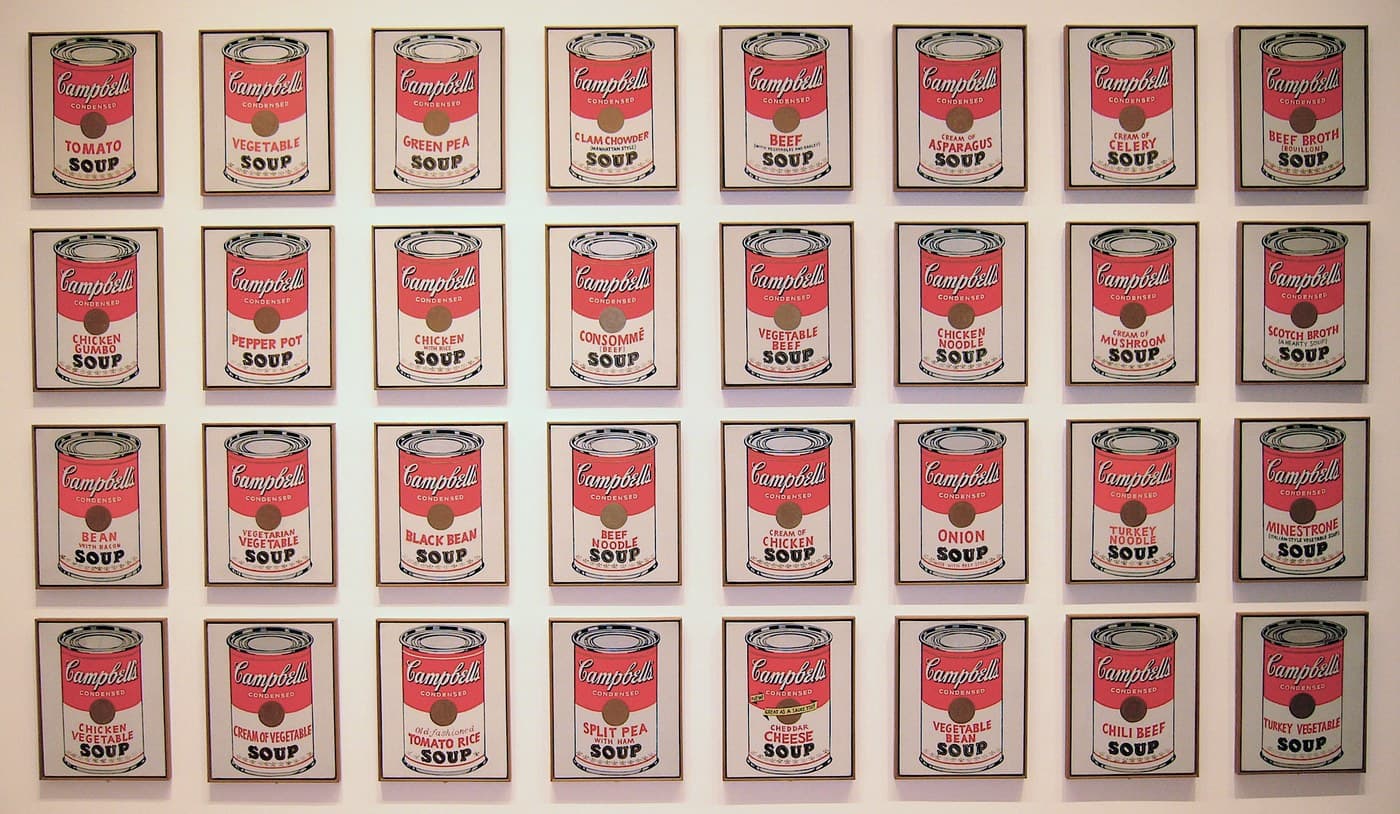
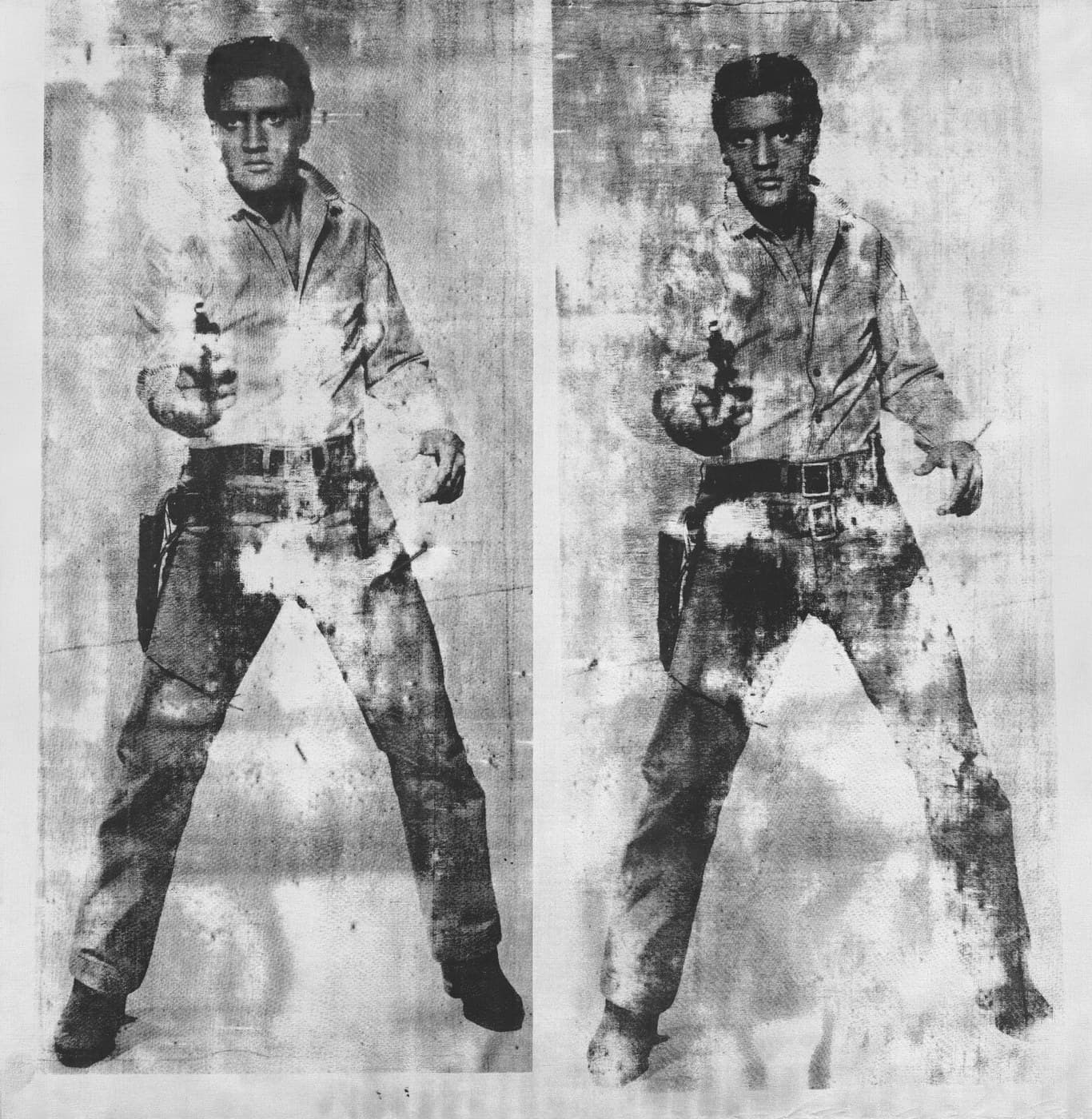
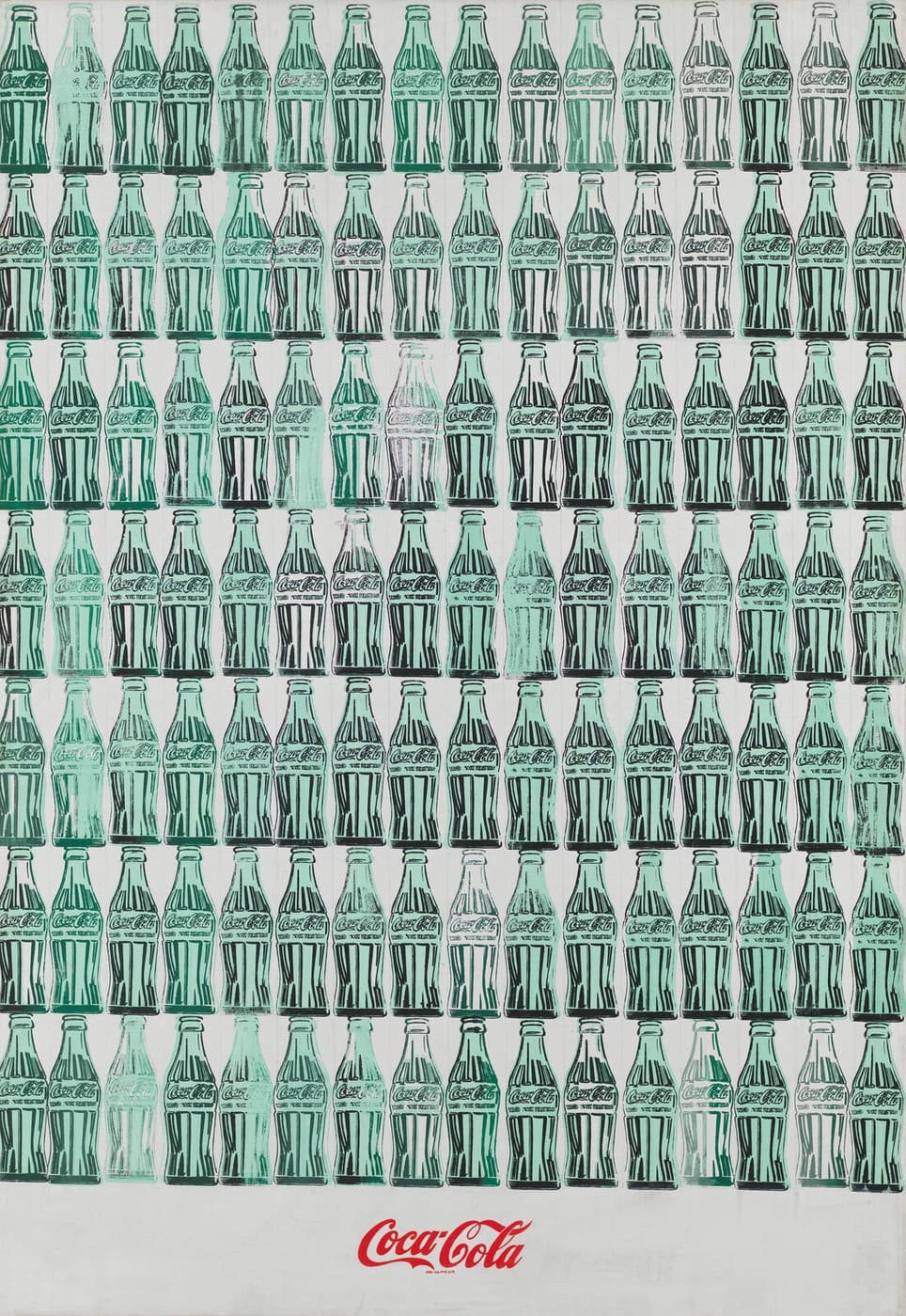
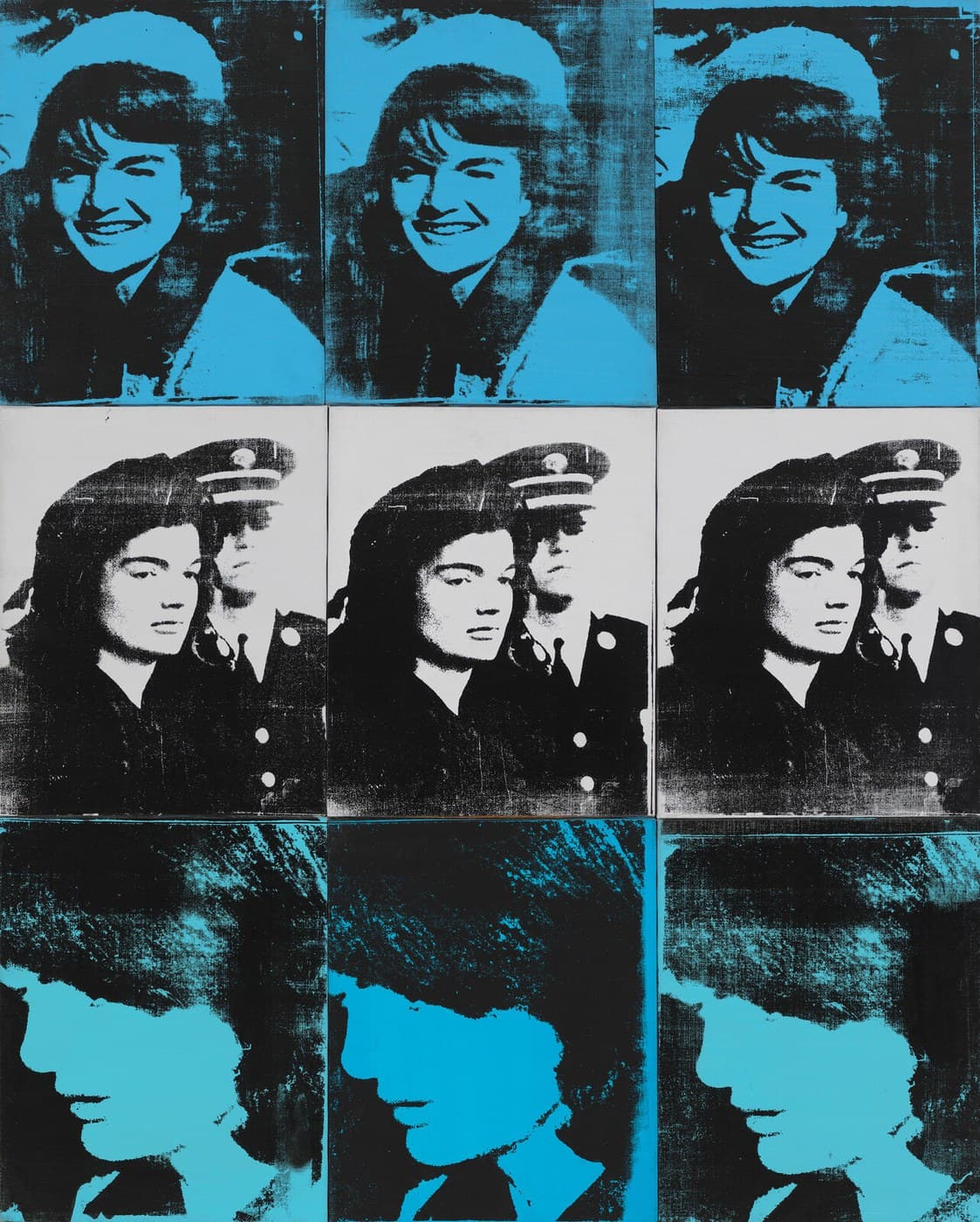
Andy Warhol was born Andrew Warhola in Pittsburgh on 6 August 1928, the son of working-class immigrants from what is now Slovakia, and spent the 1950s as one of the most successful commercial illustrators in New York, drawing shoes and advertisements for Tiffany & Co., The New York Times and Columbia Records. In 1962 he began painting the objects of that trade — soup cans, dollar bills, film stars, disasters — in silkscreen, and Pop art, the movement that made its subject the mass-produced imagery of advertising, packaging and celebrity, acquired its most famous practitioner.
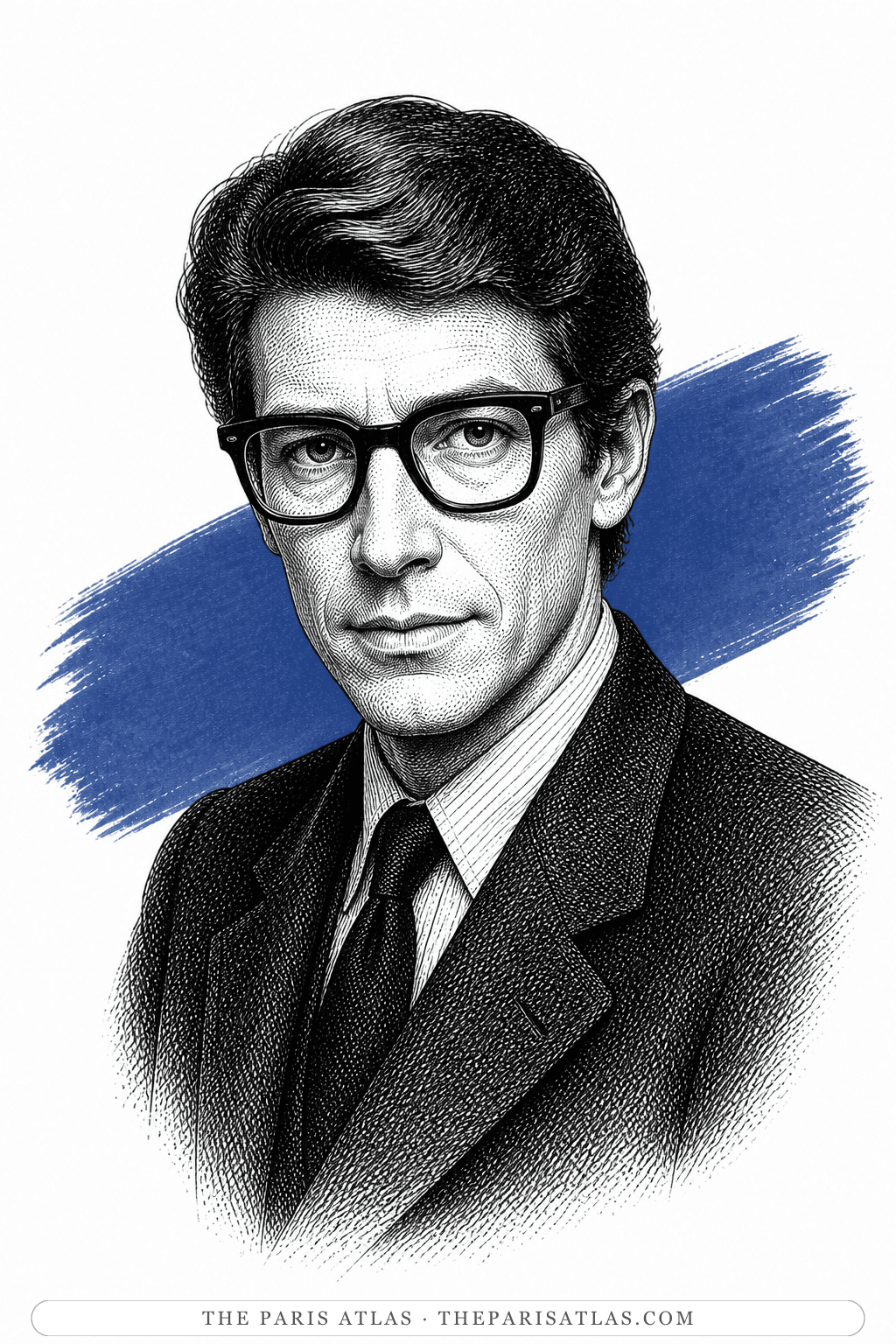
The life is a New York life: the silver-lined studio called the Factory, the films from 1963 onward, the shooting in 1968 by Valerie Solanas, a writer who had appeared in one of those films, whic[1]h he never fully recovered from, the magazine Interview, the portraits of everyone who could pay for one, and his death in a Manhattan hospital on 22 February 1987 after routine gallbladder surgery. Paris carries a small set of specific episodes, and the sharpest is May 1965: Warhol came over for a show of his Flowers paintings at the Paris gallery of Ileana Sonnabend, the dealer who was then selling American Pop art to Europe, and told the French press he was giving up painting for film. He kept a Left Bank apartment in the 1970s, made portraits of Yves Saint Laurent in 1972, and painted the couturier's bulldog in 1986.

 View source