Artists
The painters, sculptors, illustrators and fashion designers of the same rooms as the writers — collected at the salons, made in the studios and ateliers, argued with at the cafés.
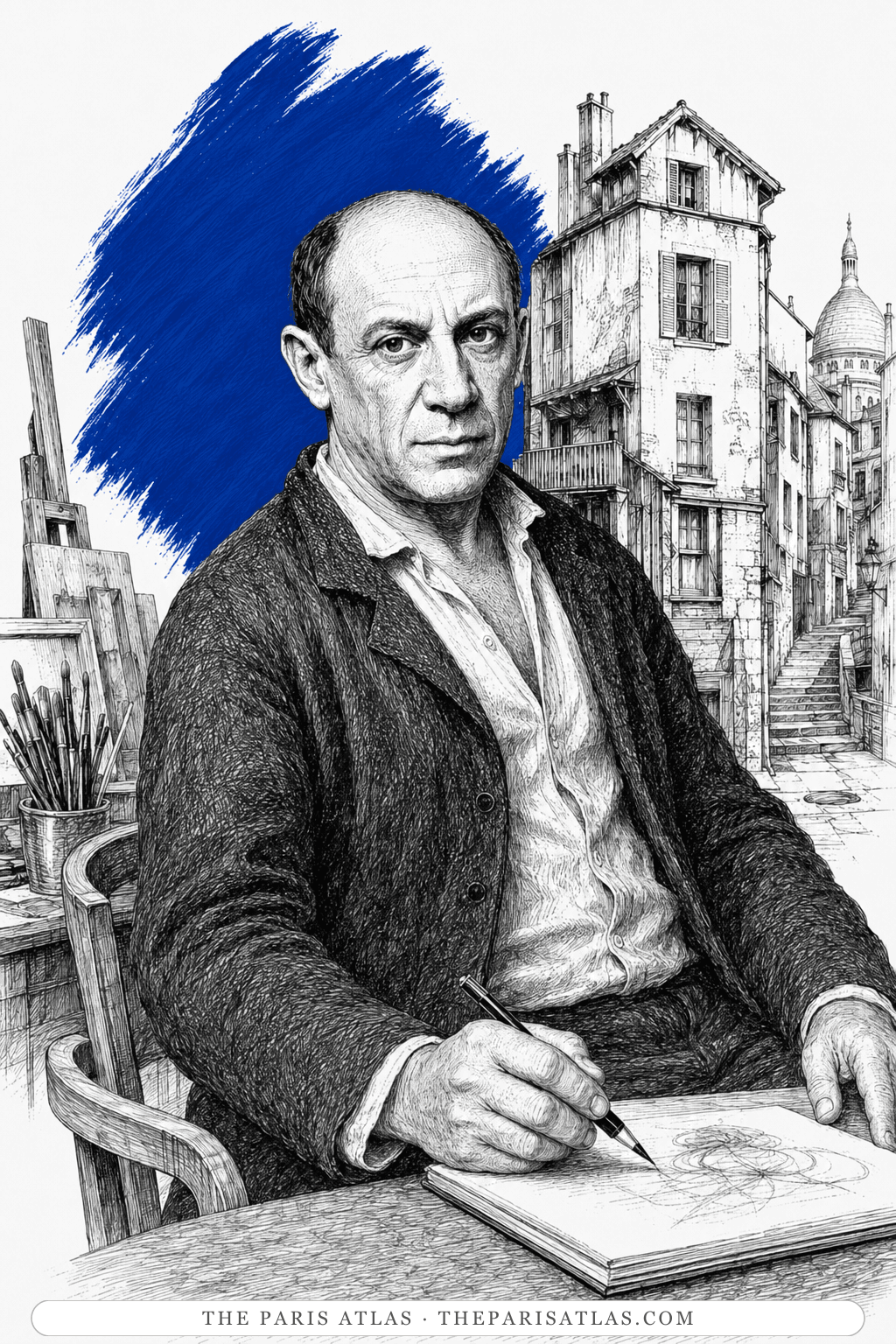
Painter · Sculptor
Pablo Picasso
The painter whose canvases papered the walls of 27 rue de Fleurus before the writers arrived — the salon's resident modern master.
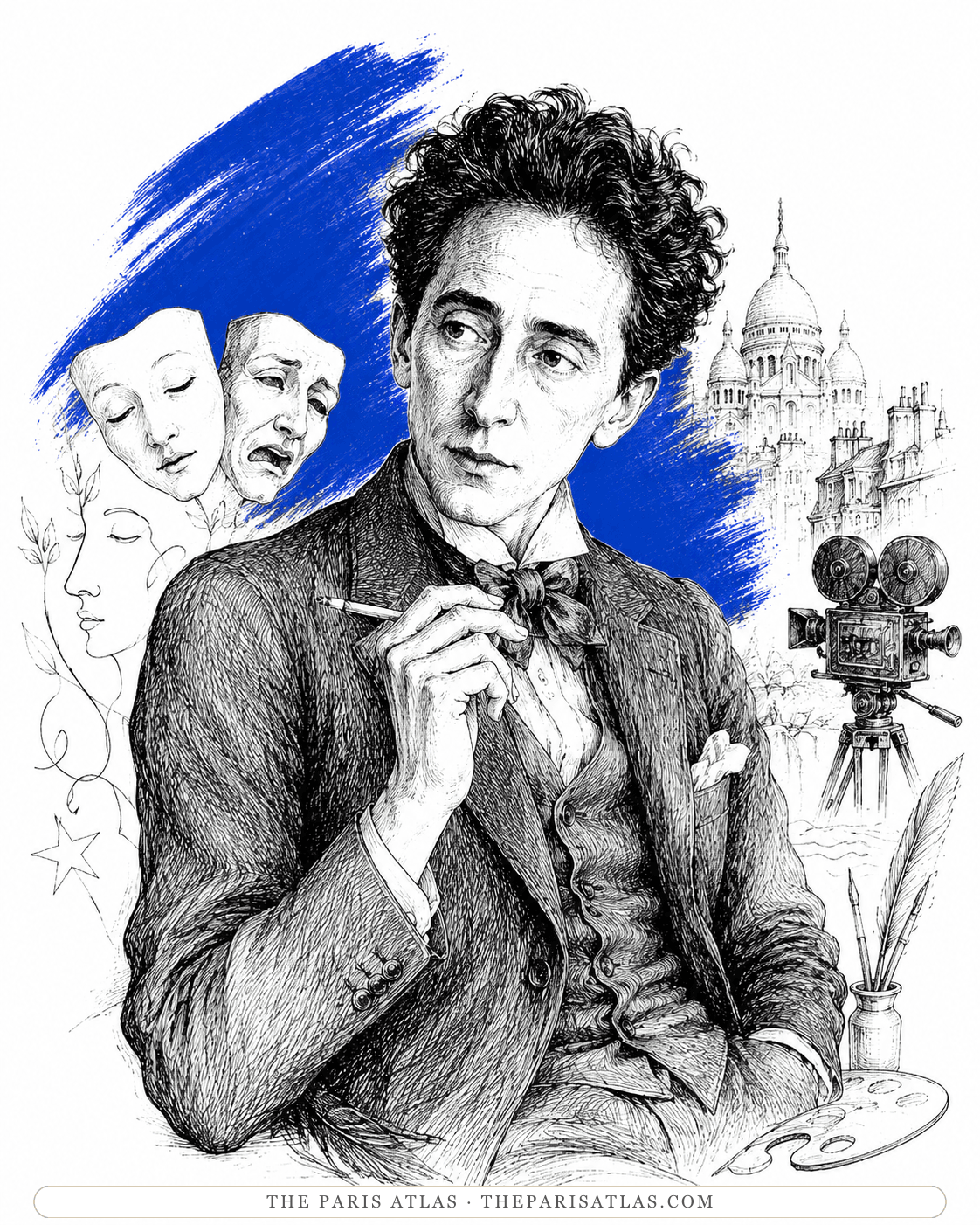
Illustrator
Jean Cocteau
French poet, playwright, novelist, critic, visual artist and filmmaker whose career connected the Ballets Russes, Cubism, modern music, interwar theatre and postwar cinema.
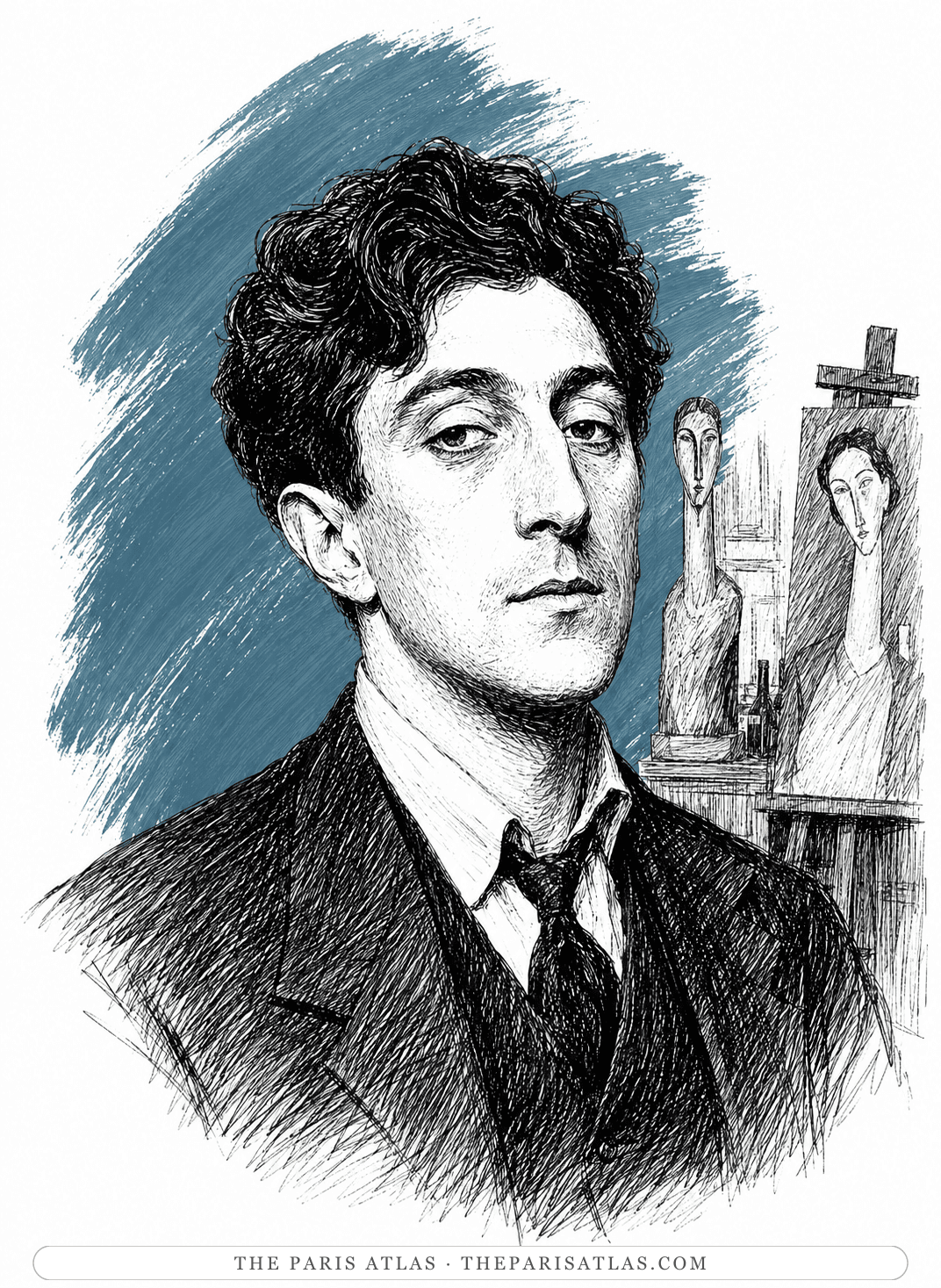
Painter · Sculptor
Amedeo Modigliani
Montparnasse's mournful portraitist — the long necks and empty eyes of the École de Paris, dead at thirty-five before the twenties he shaped had begun.
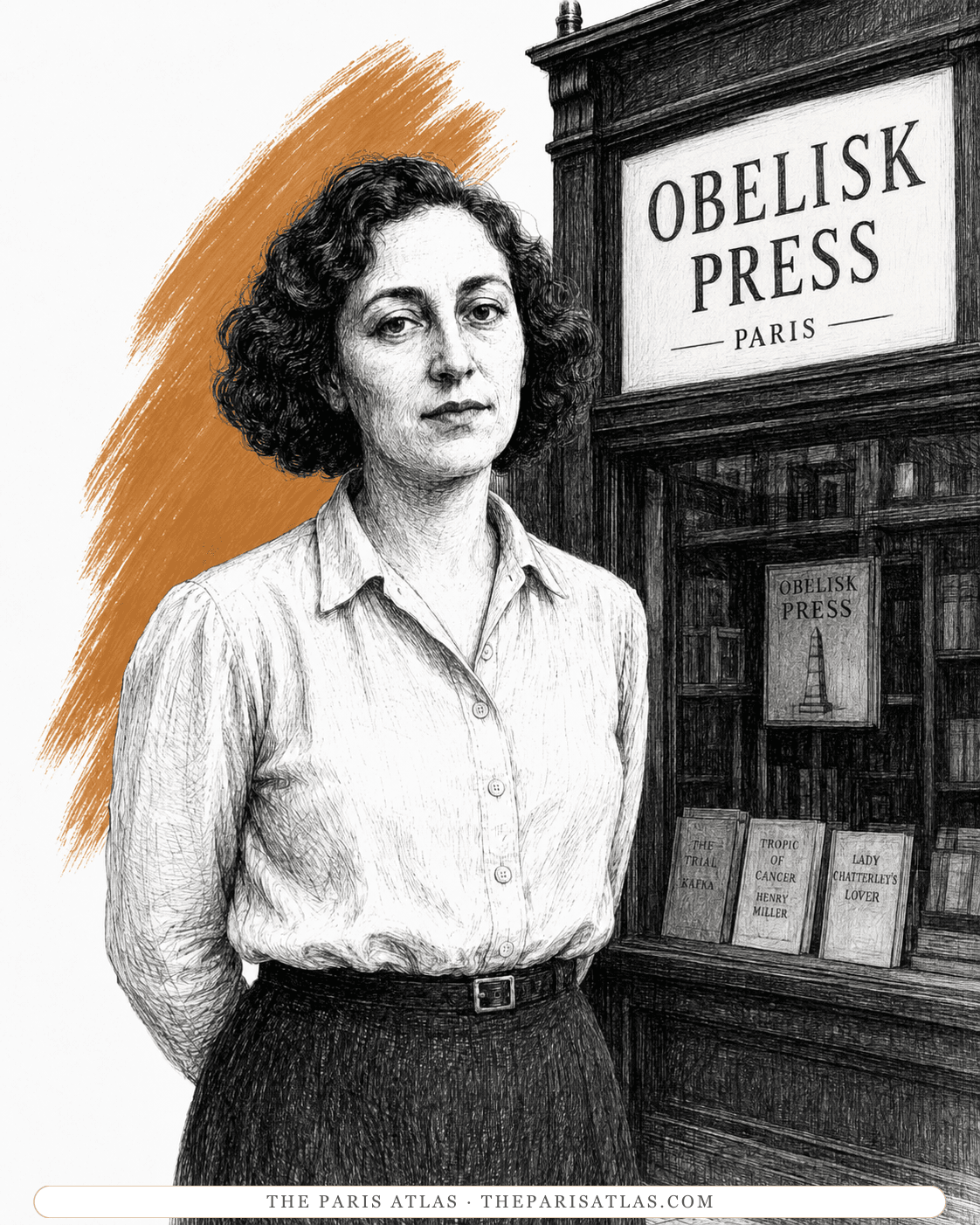
Illustrator
Marcelle Kahane
Jack Kahane's wife, whose cover designs gave the Obelisk Press contraband its look.
Painter
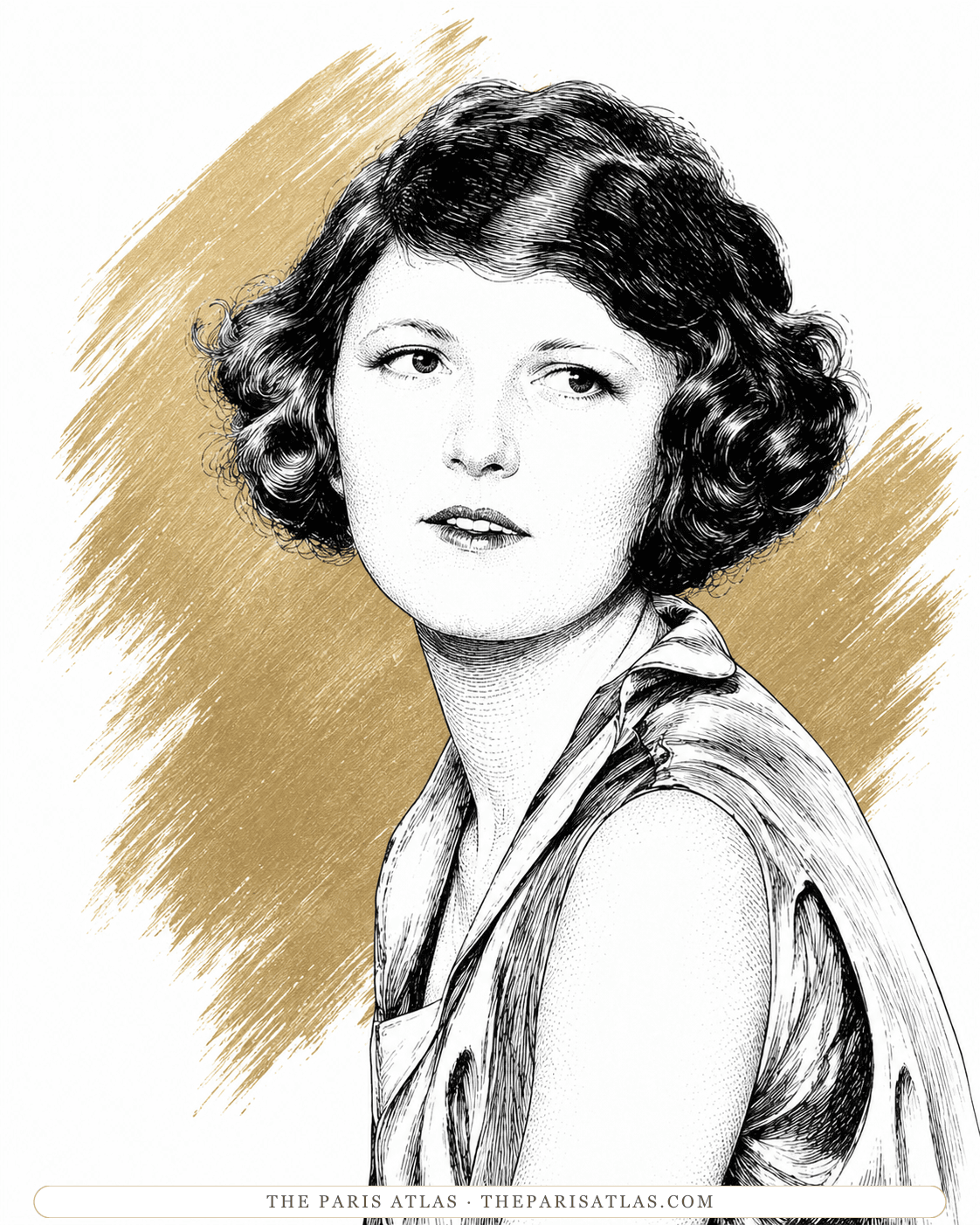
Zelda Fitzgerald
Novelist, painter, and the Jazz Age's other Fitzgerald — the subject of A Moveable Feast's most disputed portrait.
Painter
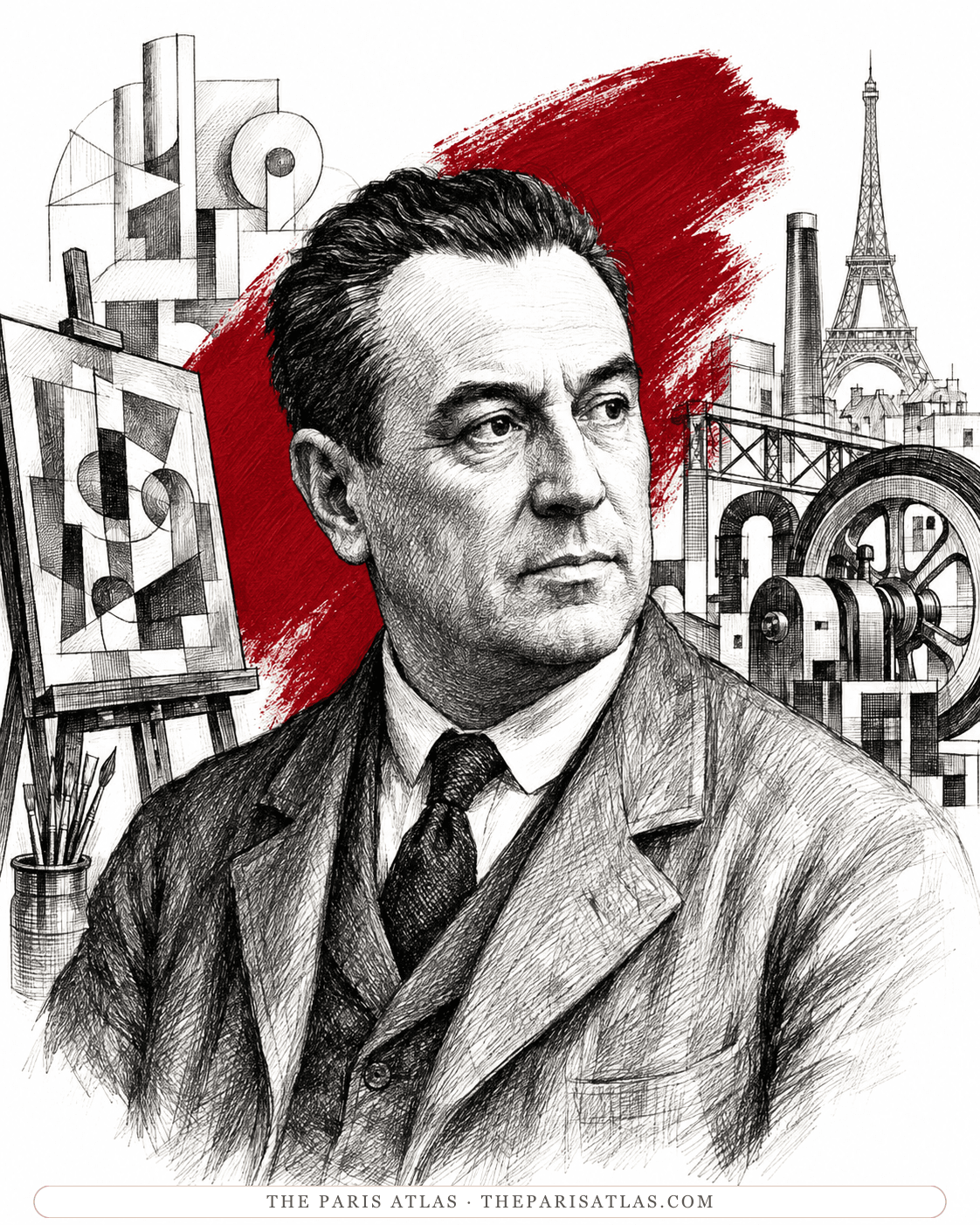
Fernand Léger
The machine-age classicist — Cubism rebuilt with engine-part polish, and the postwar call to order answered in industrial gray.
Painter
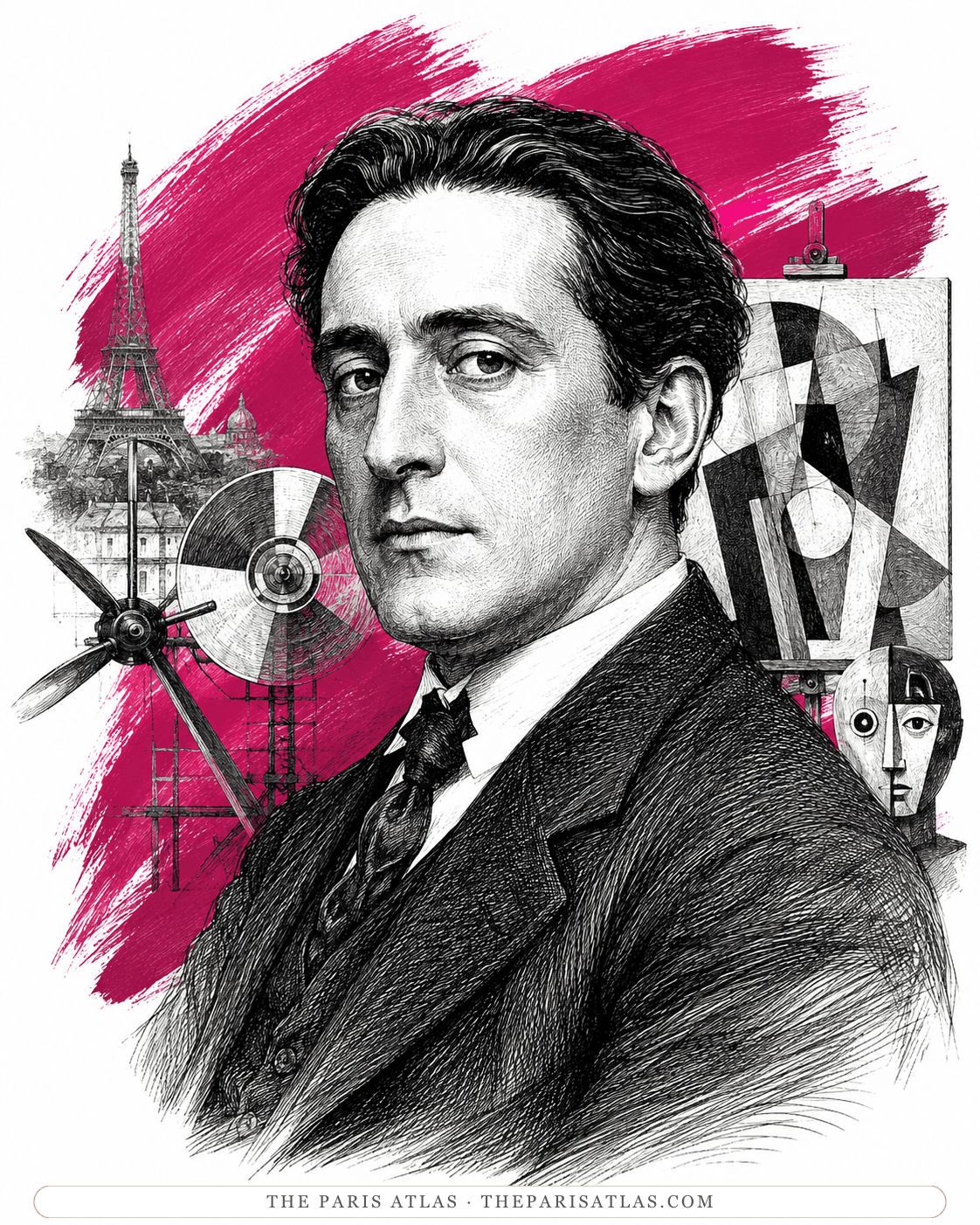
Francis Picabia
Dada's fastest engine — machine portraits, the journal 391, and the scenario for Entr'acte, dashed off on Maxim's letterhead for the ballet Relâche.
Painter · Sculptor
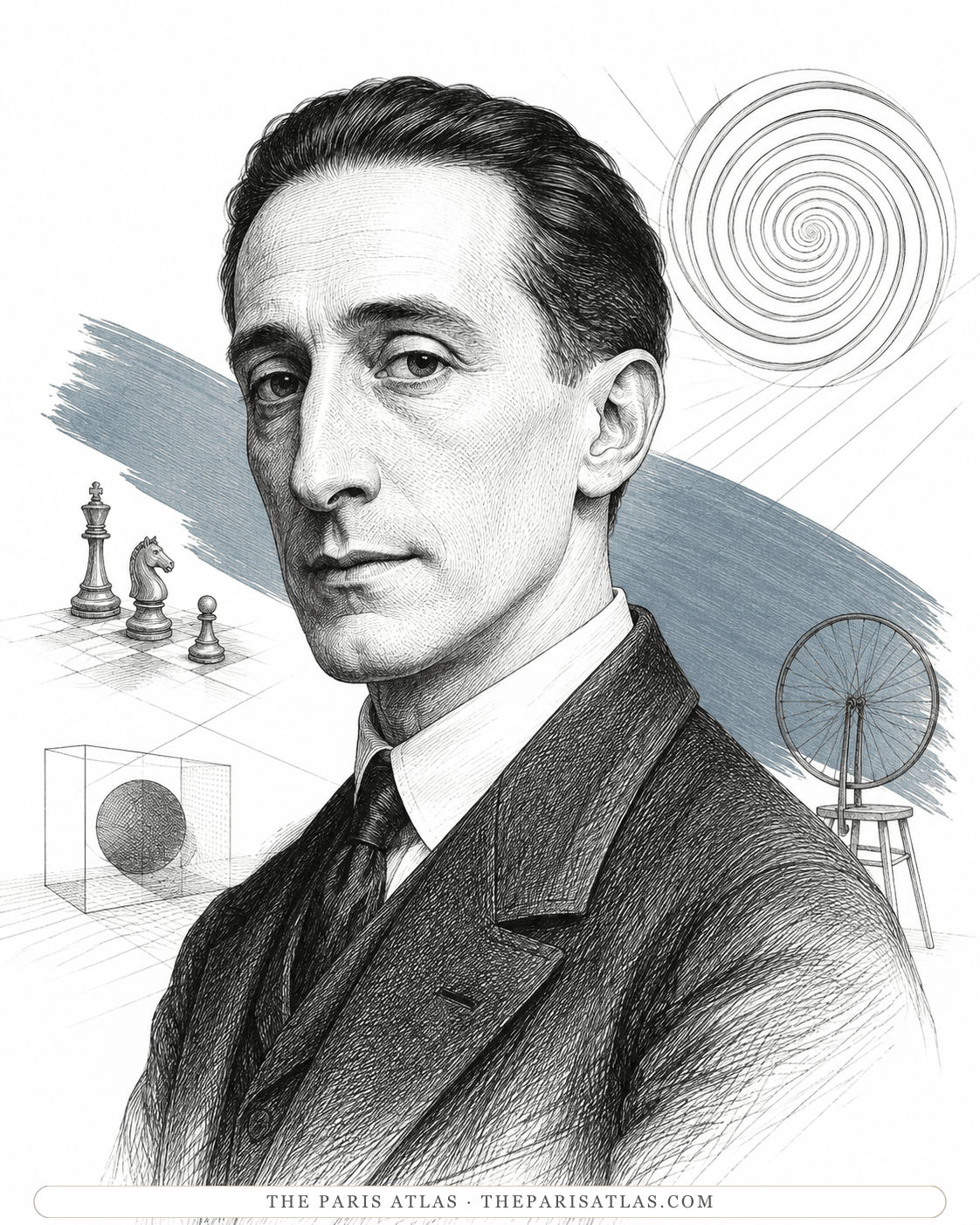
Marcel Duchamp
The century's quietest revolutionary — readymades, the abandonment of painting, chess on a Paris rooftop in Entr'acte, and one anemic film of spinning puns signed Rrose Sélavy.
Painter
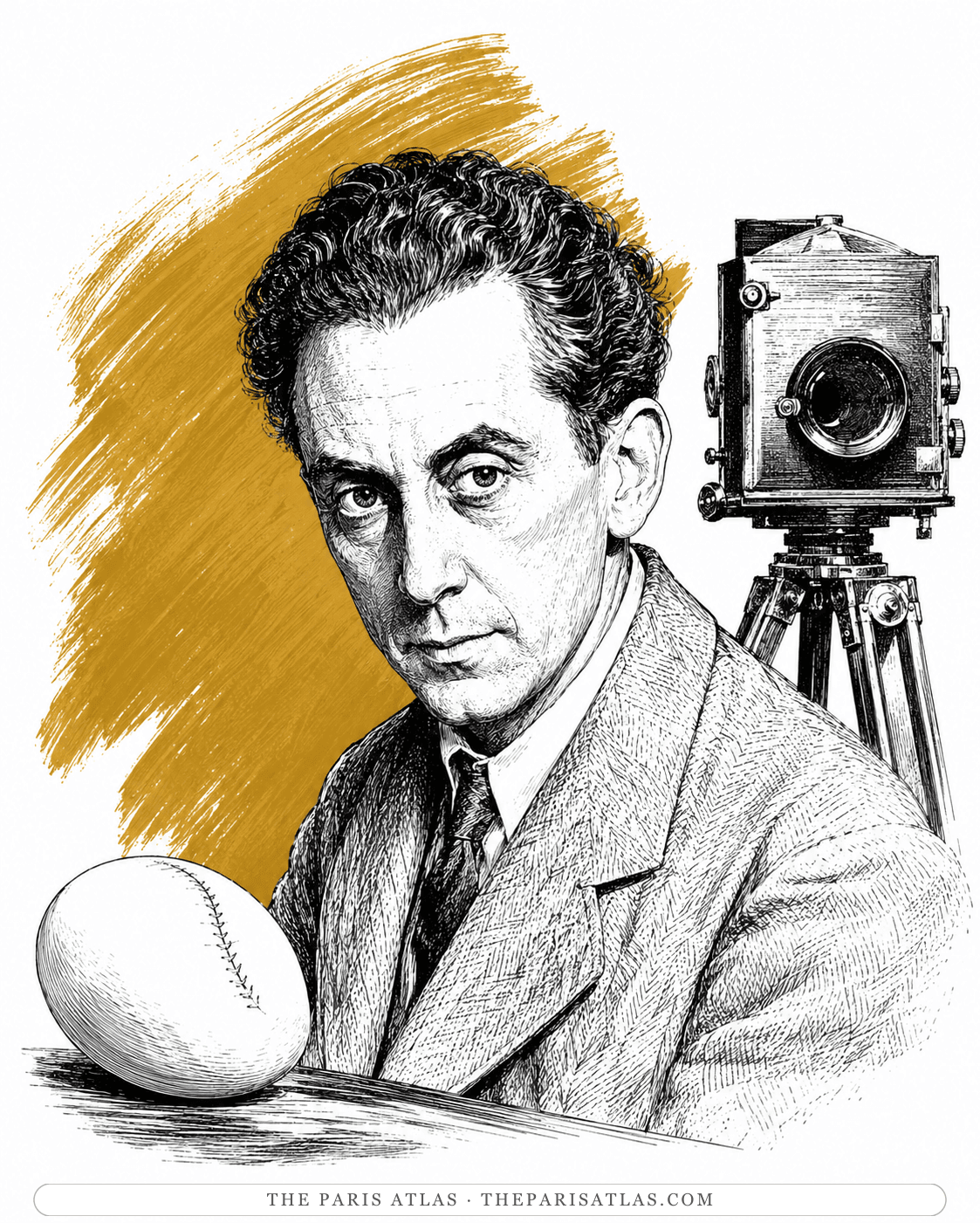
Man Ray
Montparnasse's American eye — portraitist of the whole expatriate quarter, inventor of the rayograph, and maker of films (Emak-Bakia, L'Étoile de mer) that treated the camera as another darkroom.
Painter · Sculptor
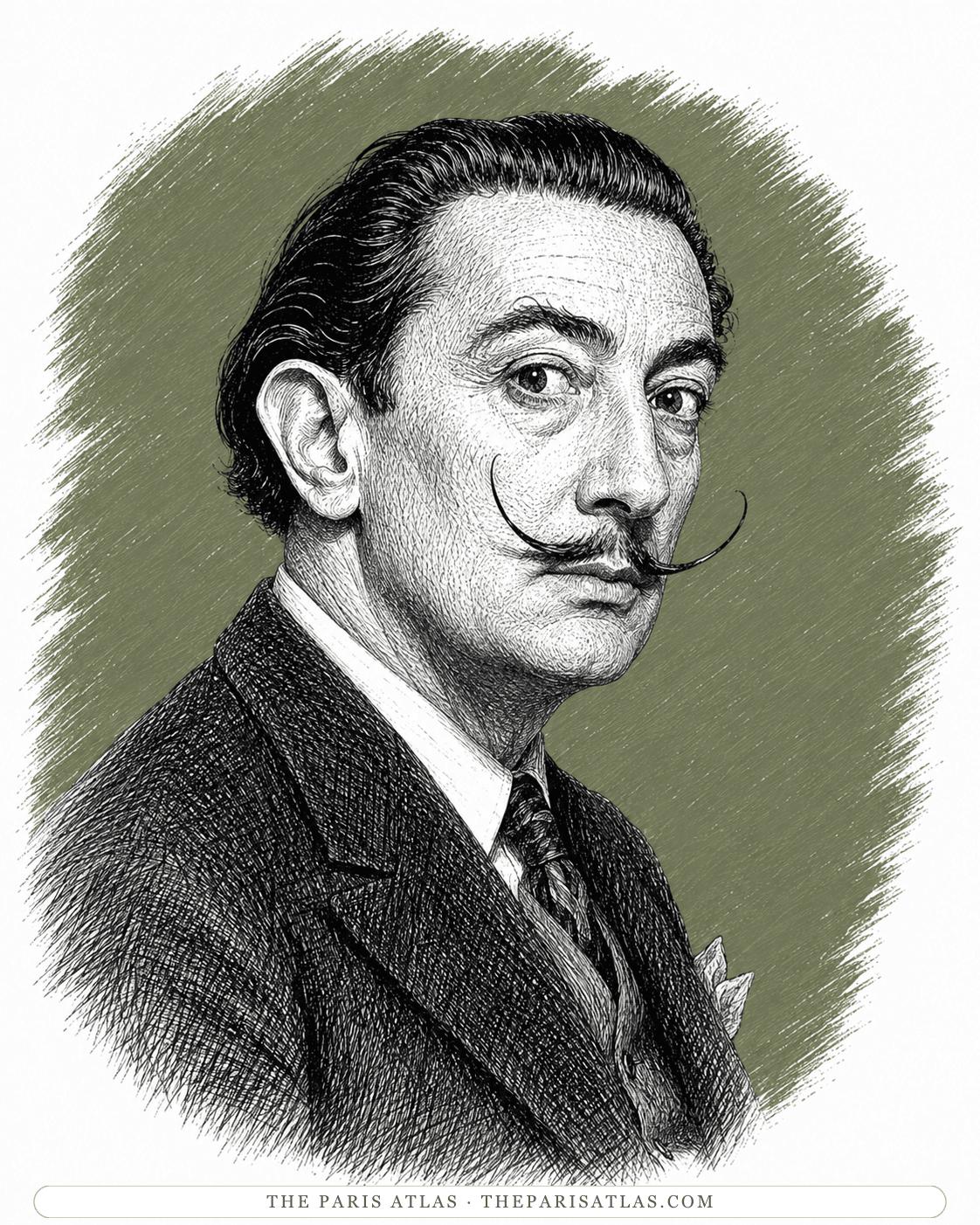
Salvador Dalí
The self-made icon of Surrealism — melting watches and manicured scandal — who arrived in Paris by way of two films written with Buñuel, dreamed together before the movement claimed them.
Painter
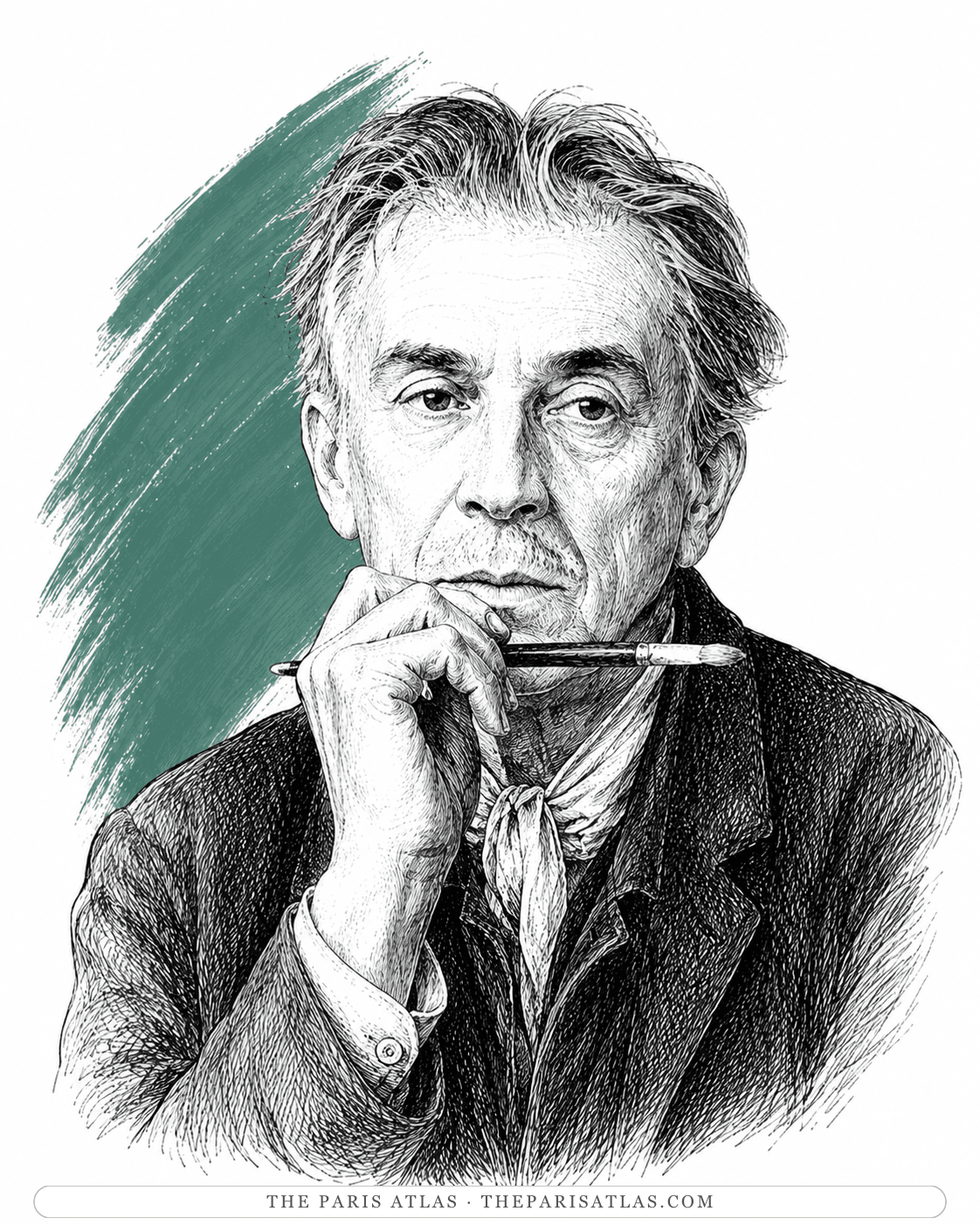
Gen Paul
The Montmartre expressionist — a leg lost at Verdun, a studio on the avenue Junot, and the closest of Céline's painter friends.
Painter
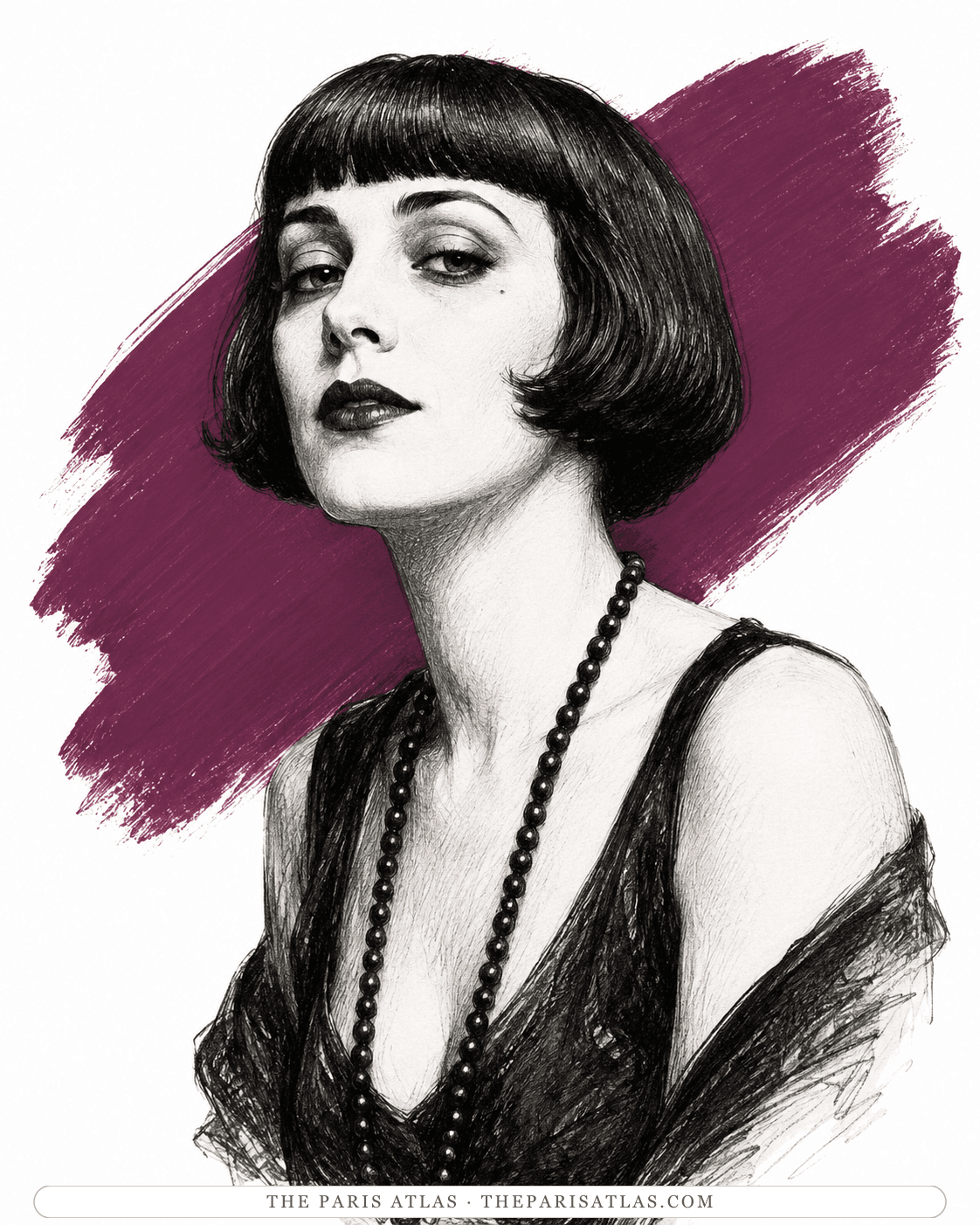
Kiki de Montparnasse
Alice Prin — model for Soutine, Foujita and Modigliani, Man Ray's partner and the back with the violin f-holes, cabaret singer at Le Jockey, memoirist introduced by Hemingway, painter of a sold-out show, and, by acclamation in 1929, Queen of Montparnasse.
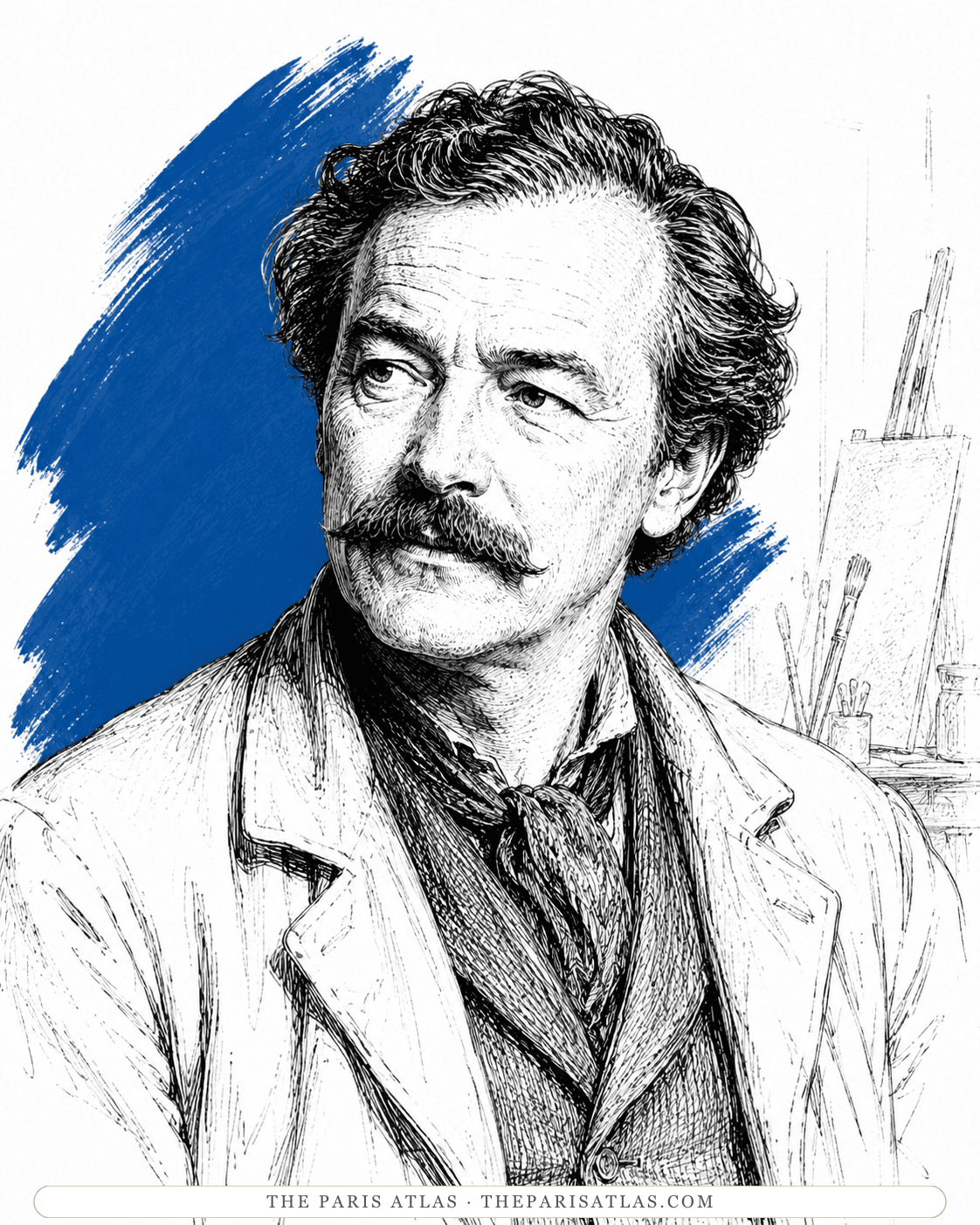
Painter
Grégoire Michonze
Bessarabian-born painter of crowded, dreamlike village scenes — Max Ernst introduced him to the surrealists, but he went his own way and called it 'surrealist naturalism.' From a 1928 meeting at the Dôme, a lifelong friend of Henry Miller.
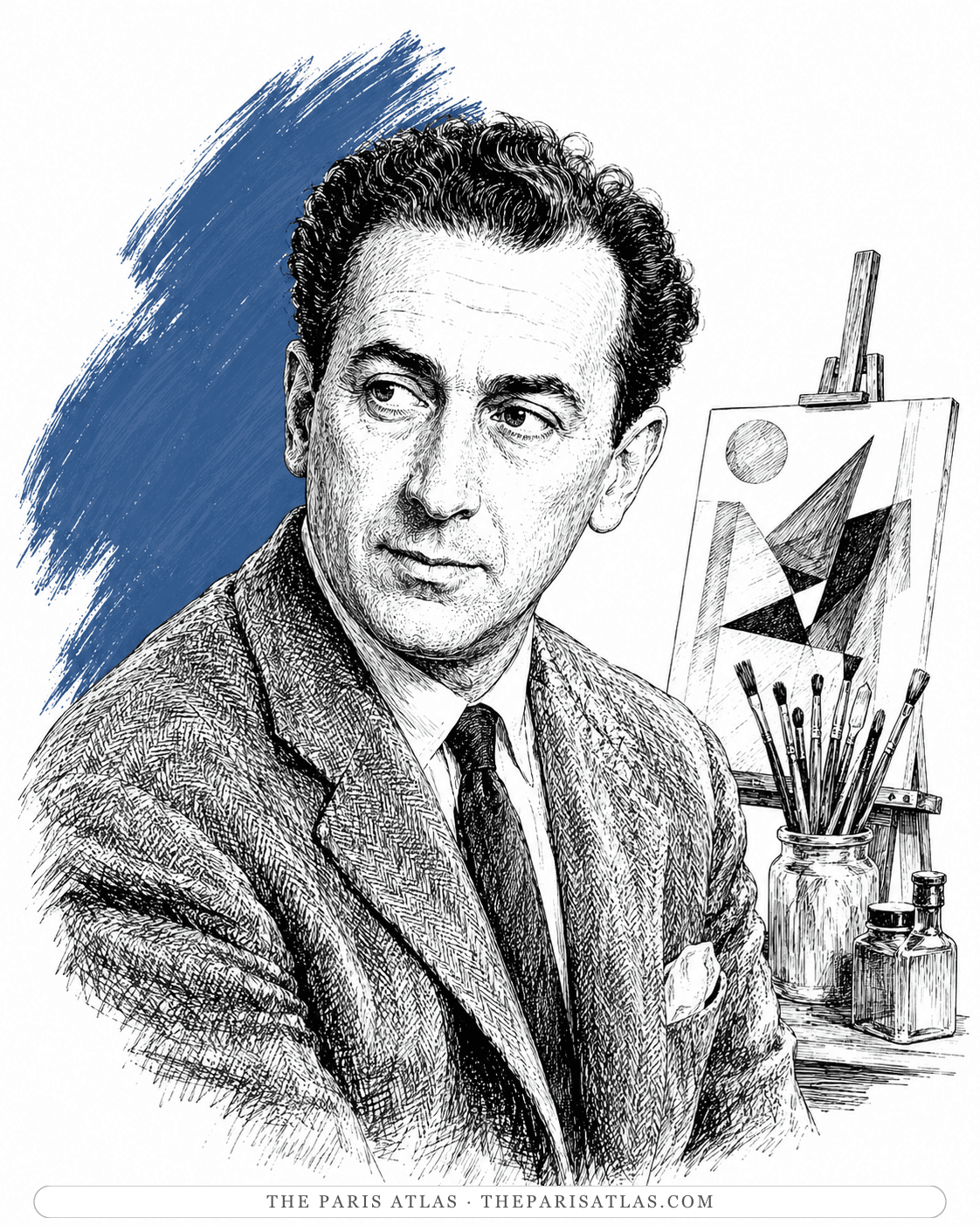
Painter
Abraham Rattner
American expressionist of stained-glass color who spent the interwar decades painting in Paris — and, home again in 1940, rode shotgun in the Buick on Henry Miller's American tour for The Air-Conditioned Nightmare.
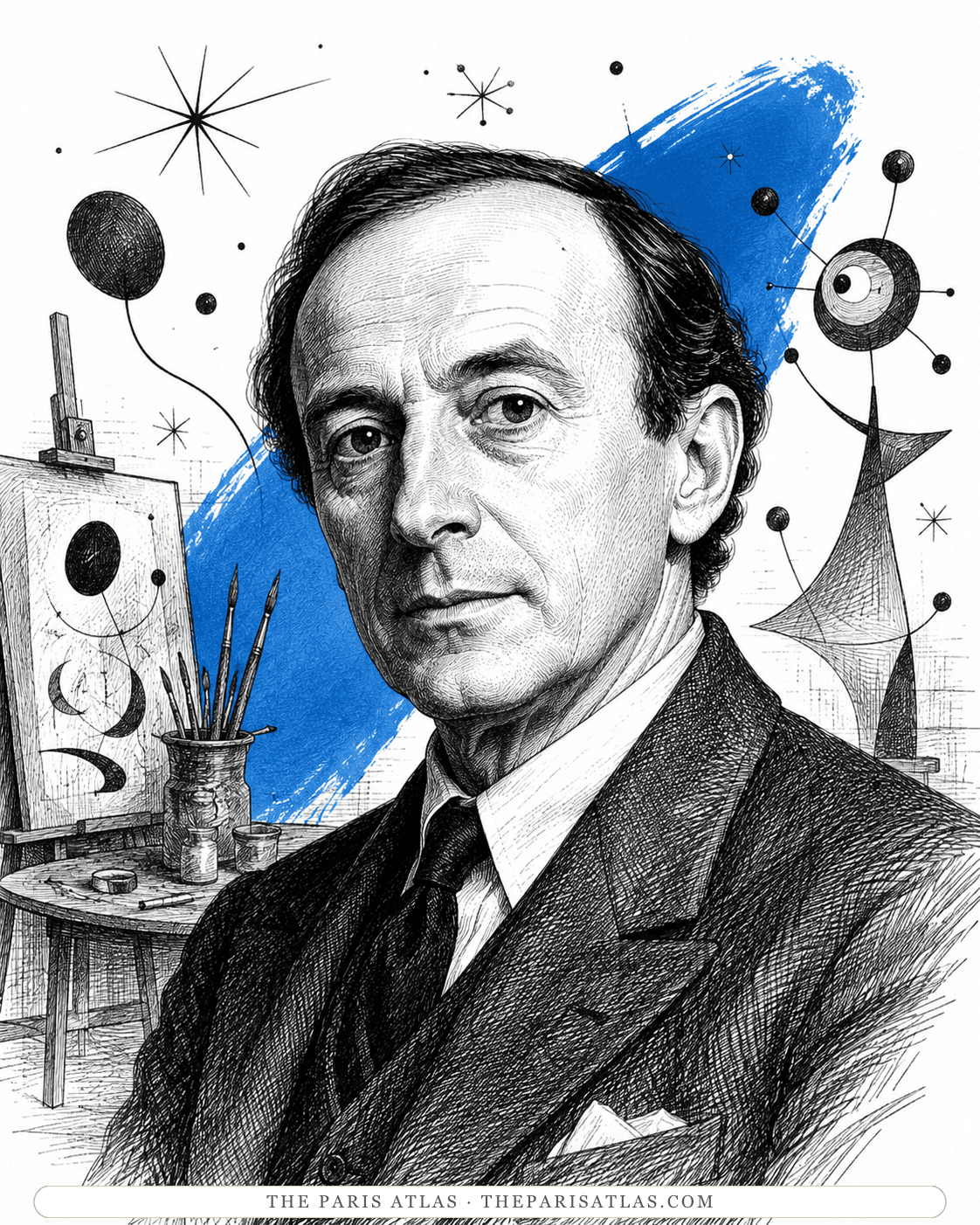
Painter · Sculptor
Joan Miró
Catalan painter and sculptor. He came to Paris in 1920, took a studio at 45 rue Blomet beside André Masson's, and spent the next sixty years turning the family farm at Mont-roig into a language of floating signs.
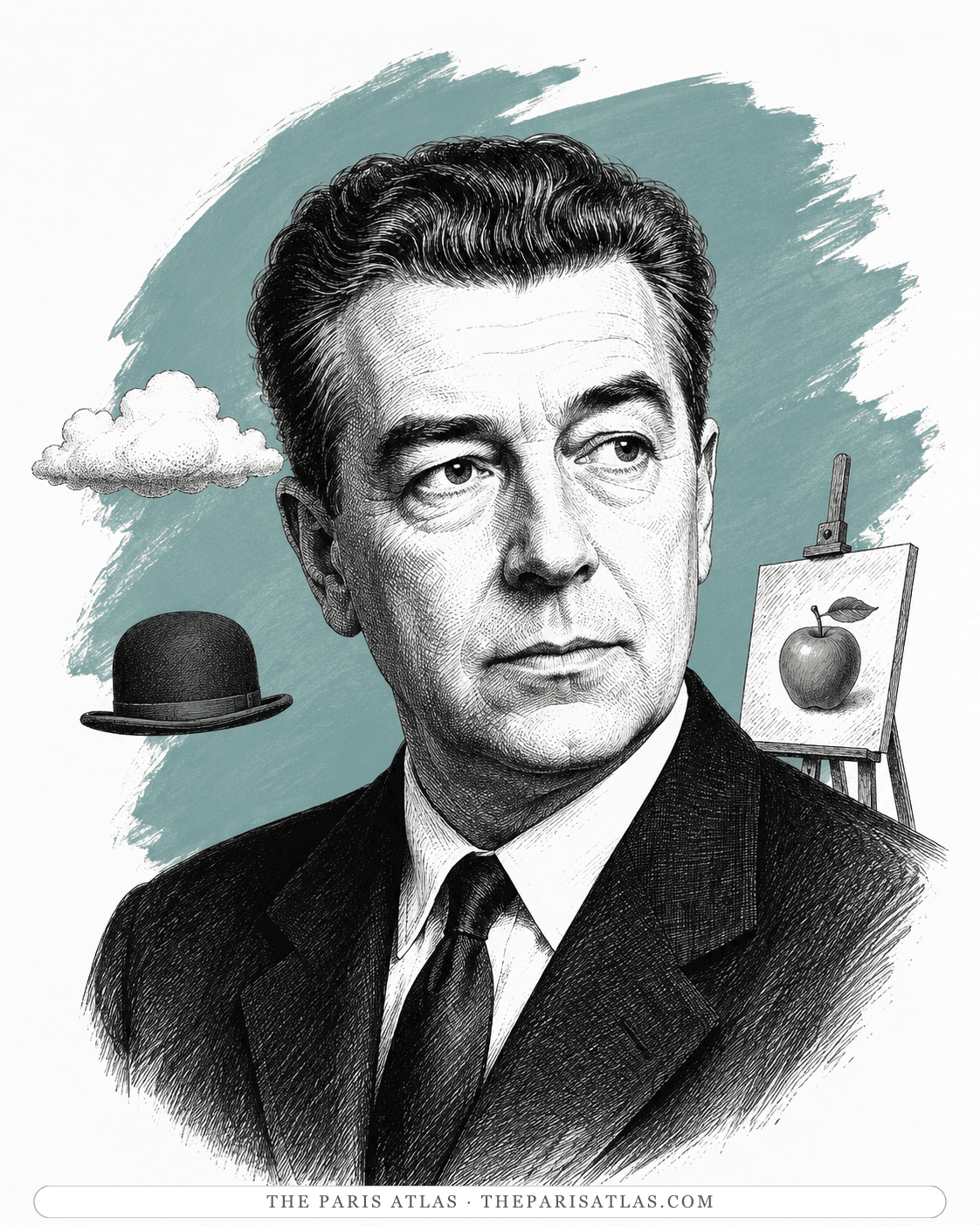
Painter
René Magritte
Belgian Surrealist, in Paris from 1927, who painted ordinary objects in impossible arrangements and made the picture itself the subject. He met Salvador Dalí in Paris in the spring of 1929 and spent that August with him at Cadaqués.
Sculptor
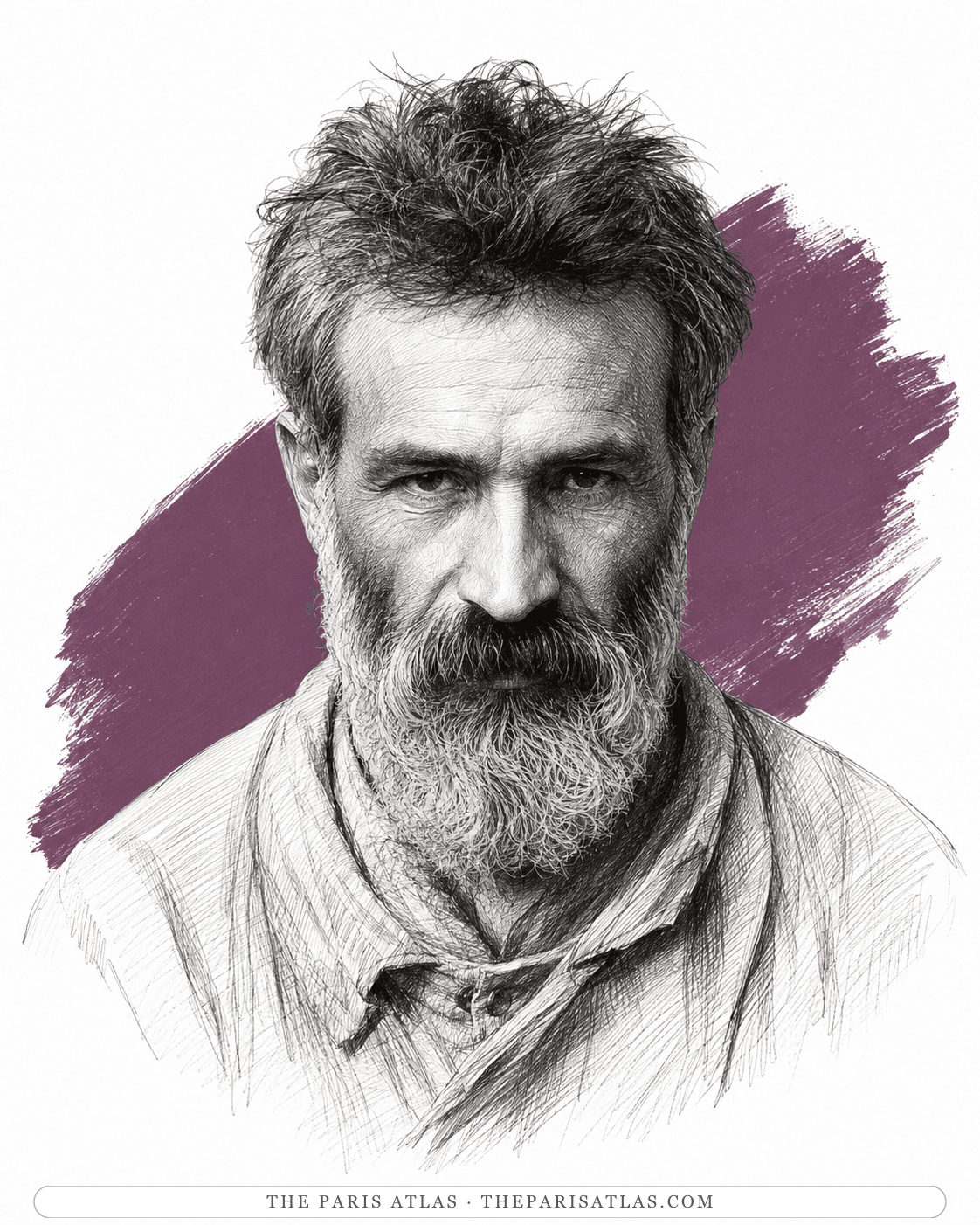
Constantin Brâncuși
Romanian shepherd's son who walked much of the way to Paris in 1904, left Rodin's studio because 'nothing grows in the shade of large trees', and pared sculpture down to the egg and the wing. His studio at 11 impasse Ronsin is rebuilt beside the Centre Pompidou, exactly as he willed it.
Painter
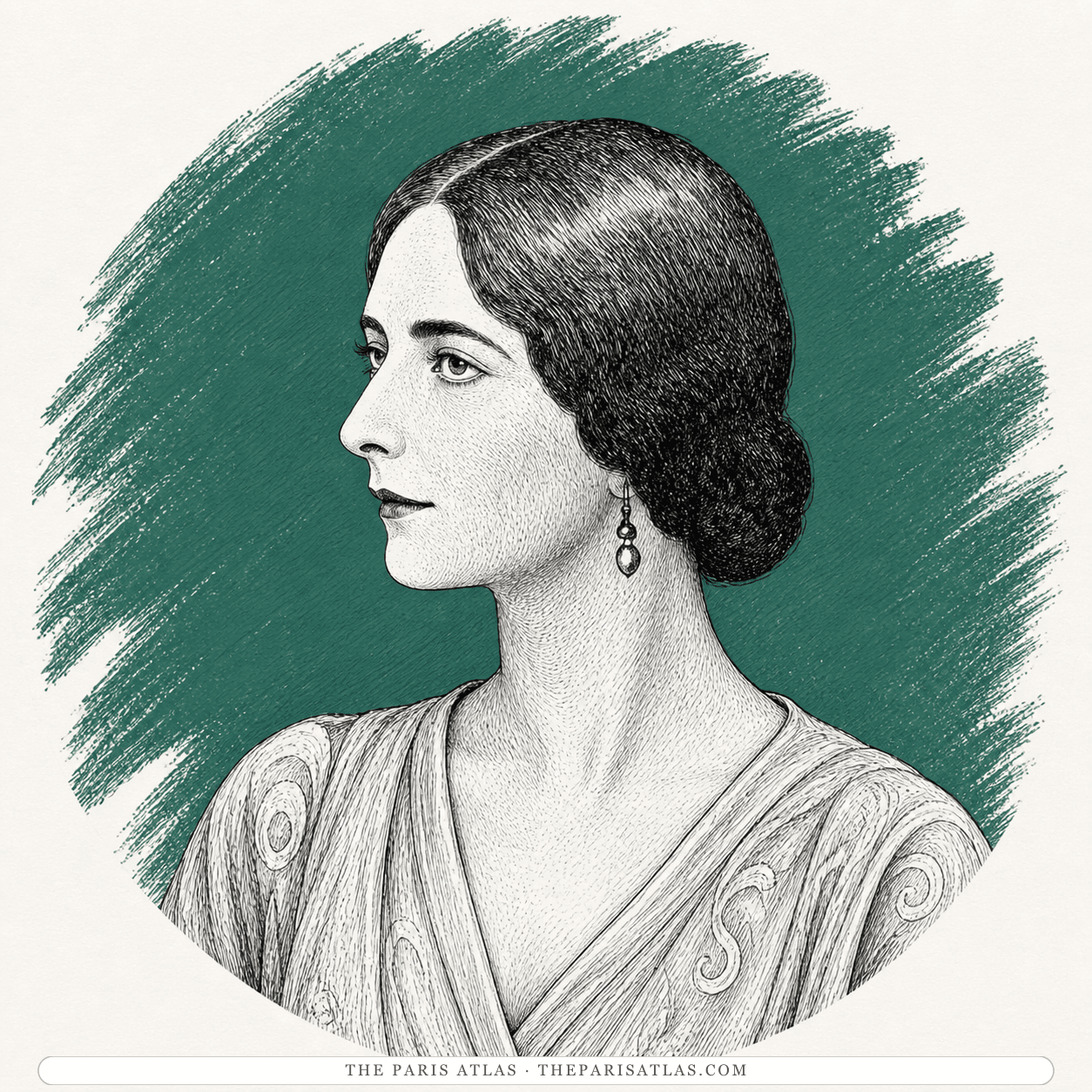
Mina Loy
British-born poet and artist of the Futurist and New York Dada circles, and a regular at the Arensberg salon where she knew Duchamp.
Painter
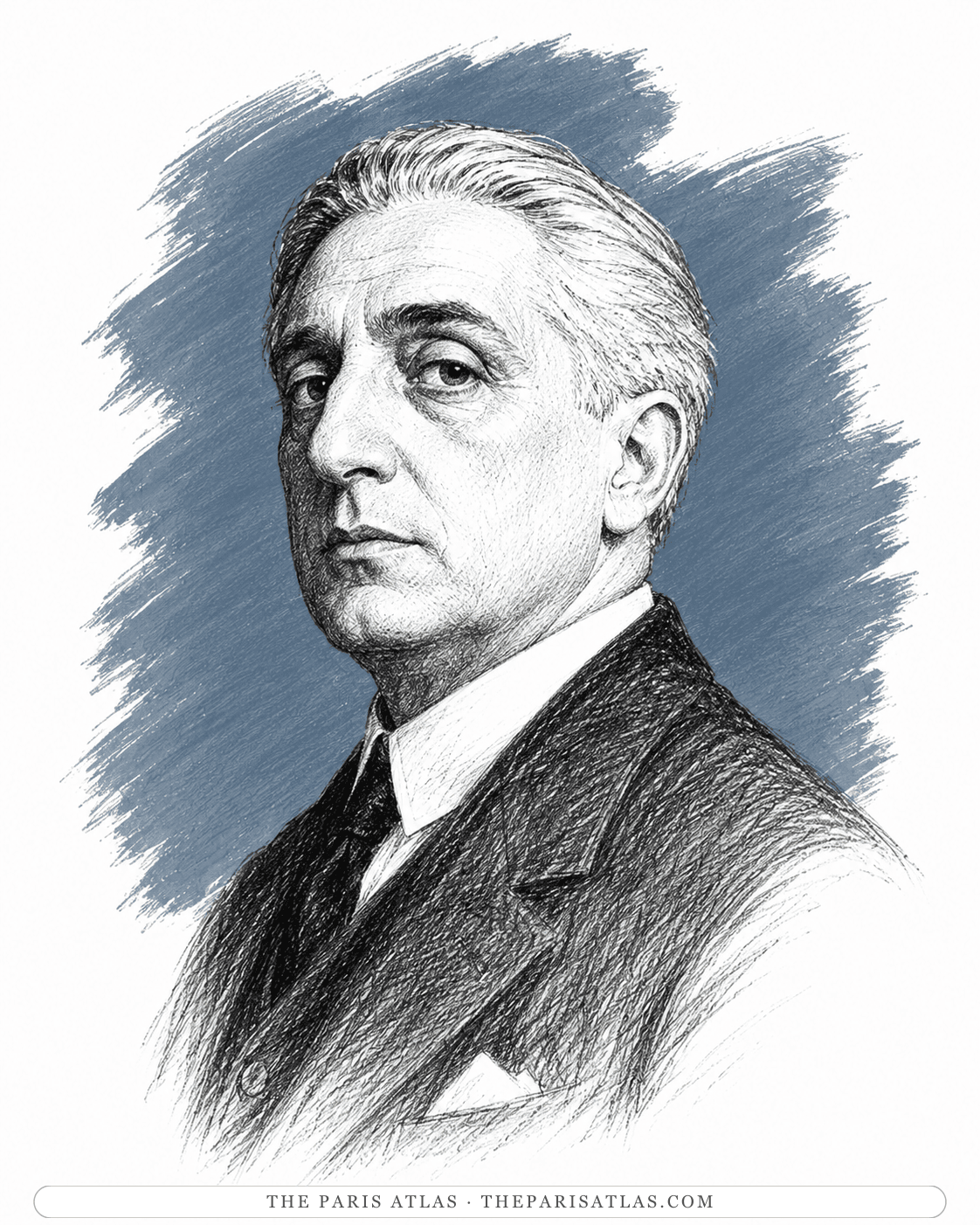
Giorgio de Chirico
Italian painter whose metaphysical cityscapes helped shape Surrealism. The MNAC's 2018 Gala exhibition records that he valued her practical intelligence and asked her to act as his agent.
Painter · Sculptor
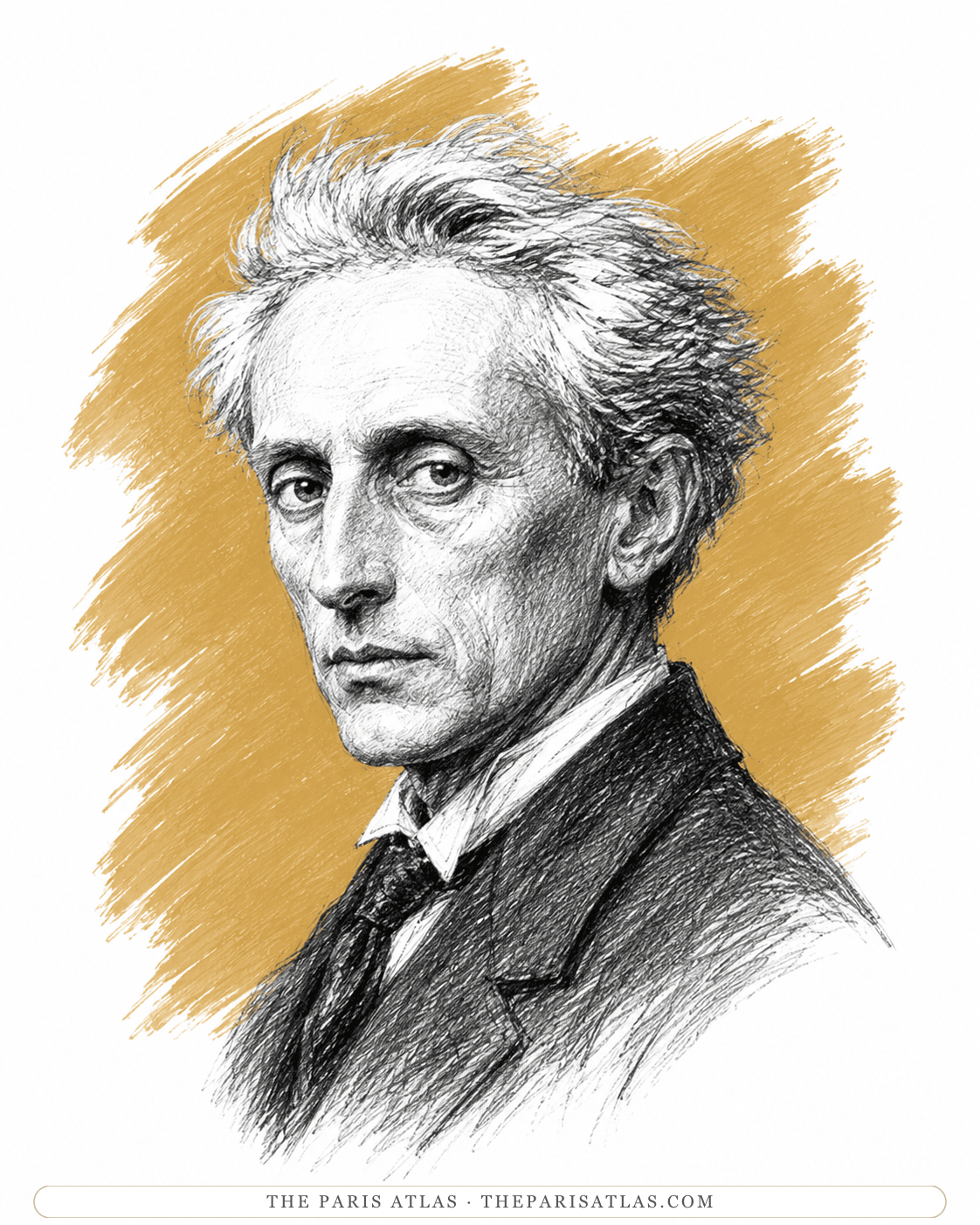
Max Ernst
German painter who entered France without papers in 1922 on Paul Éluard's passport, helped found Surrealism, and kept inventing techniques for it — frottage, grattage, the collage novel. Twice a war's enemy: a German artilleryman in the first, an interned 'undesirable foreigner' in the second.
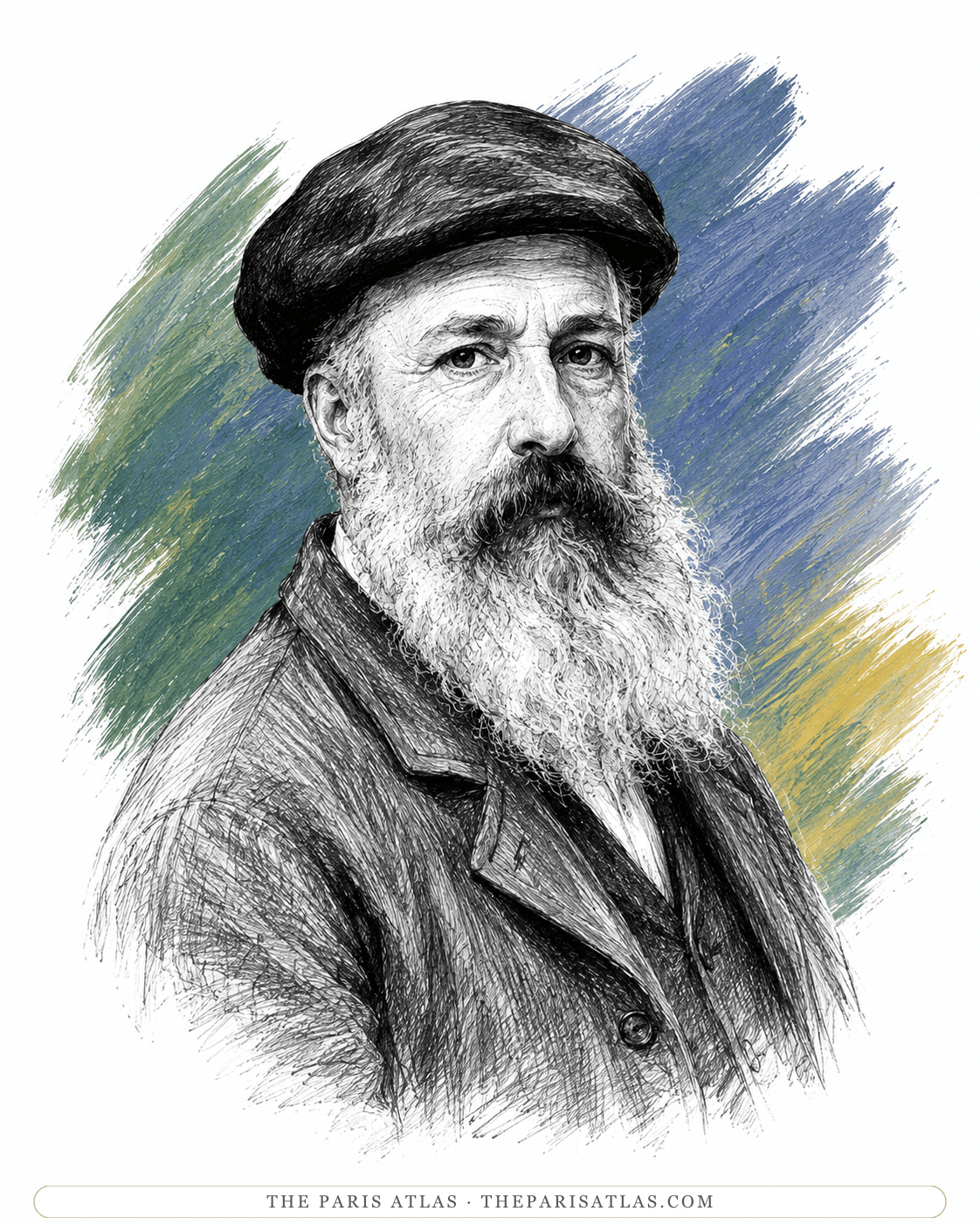
Painter
Claude Monet
Impressionist painter whose late Water Lilies cycle fills the Orangerie's two oval rooms — a gift to France offered the day after the 1918 Armistice and installed to his design.
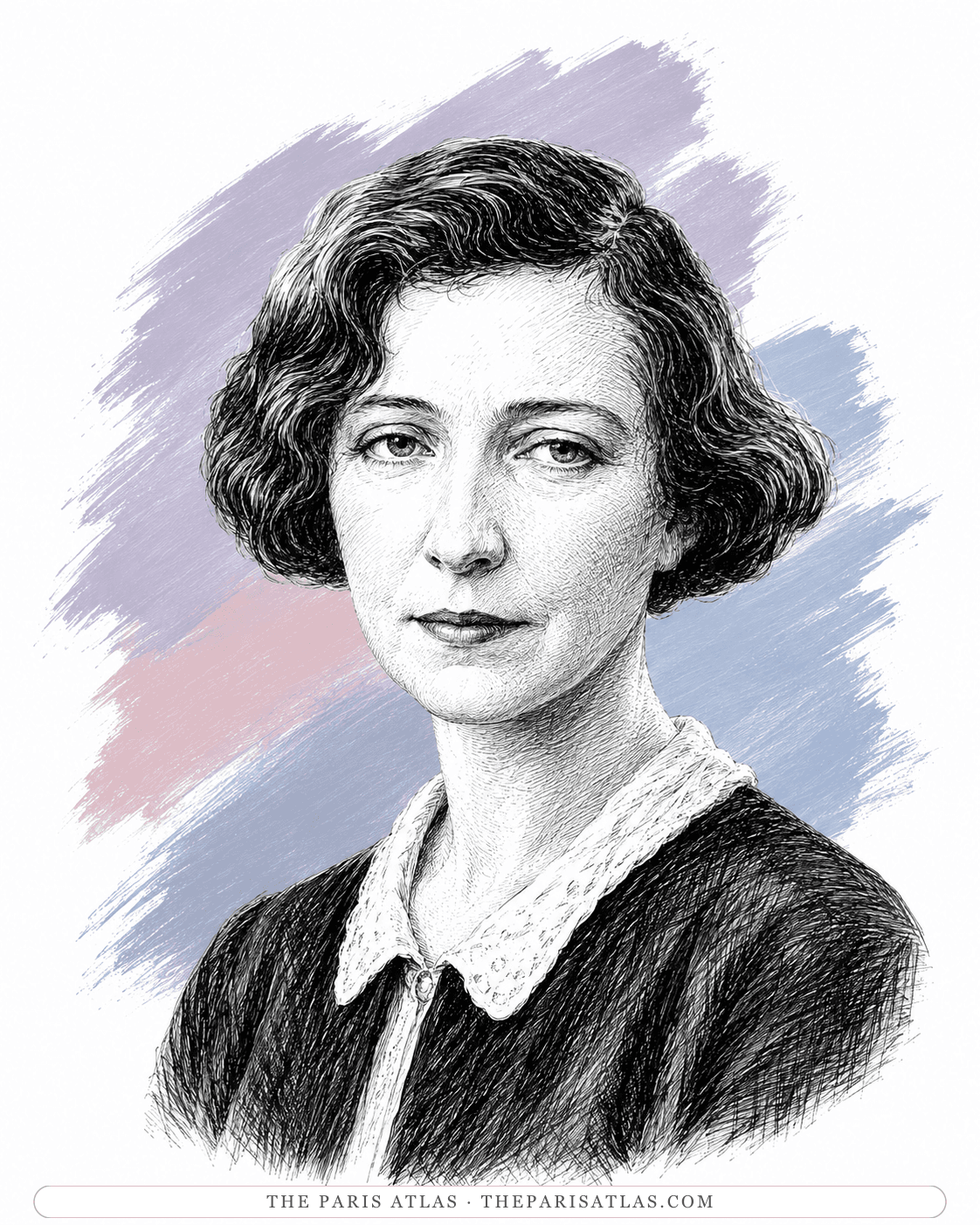
Painter · Illustrator
Marie Laurencin
Painter of pale, dark-eyed women who entered Picasso's Bateau-Lavoir circle in 1907, was Apollinaire's companion, and designed Les Biches for the Ballets Russes; the Musée de l'Orangerie holds six of her works.
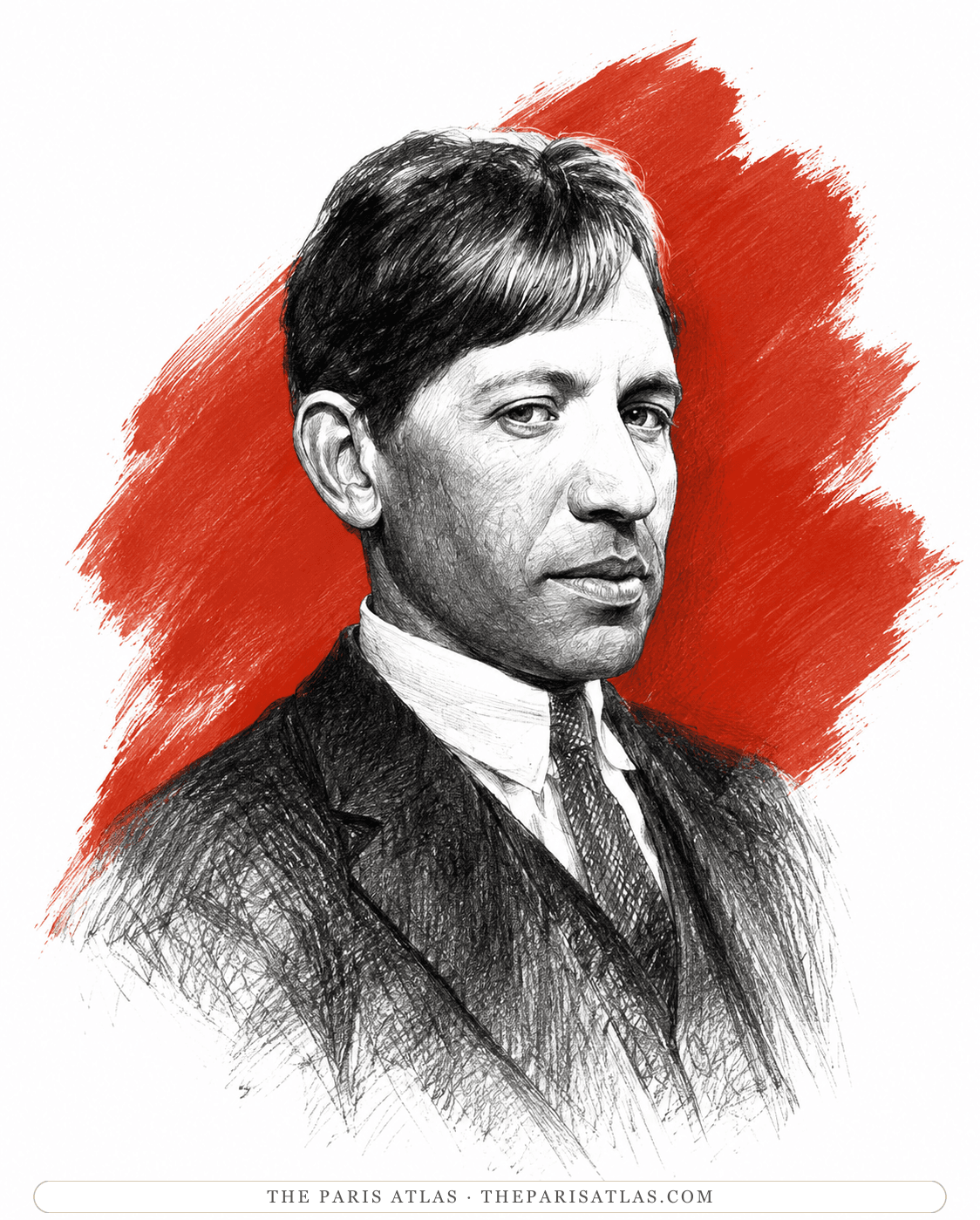
Painter
Chaïm Soutine
École de Paris painter of carcasses, pastry cooks, and convulsed landscapes — nearly unsellable until the 1922 Barnes purchase, and now the Orangerie's largest Soutine collection in Europe.
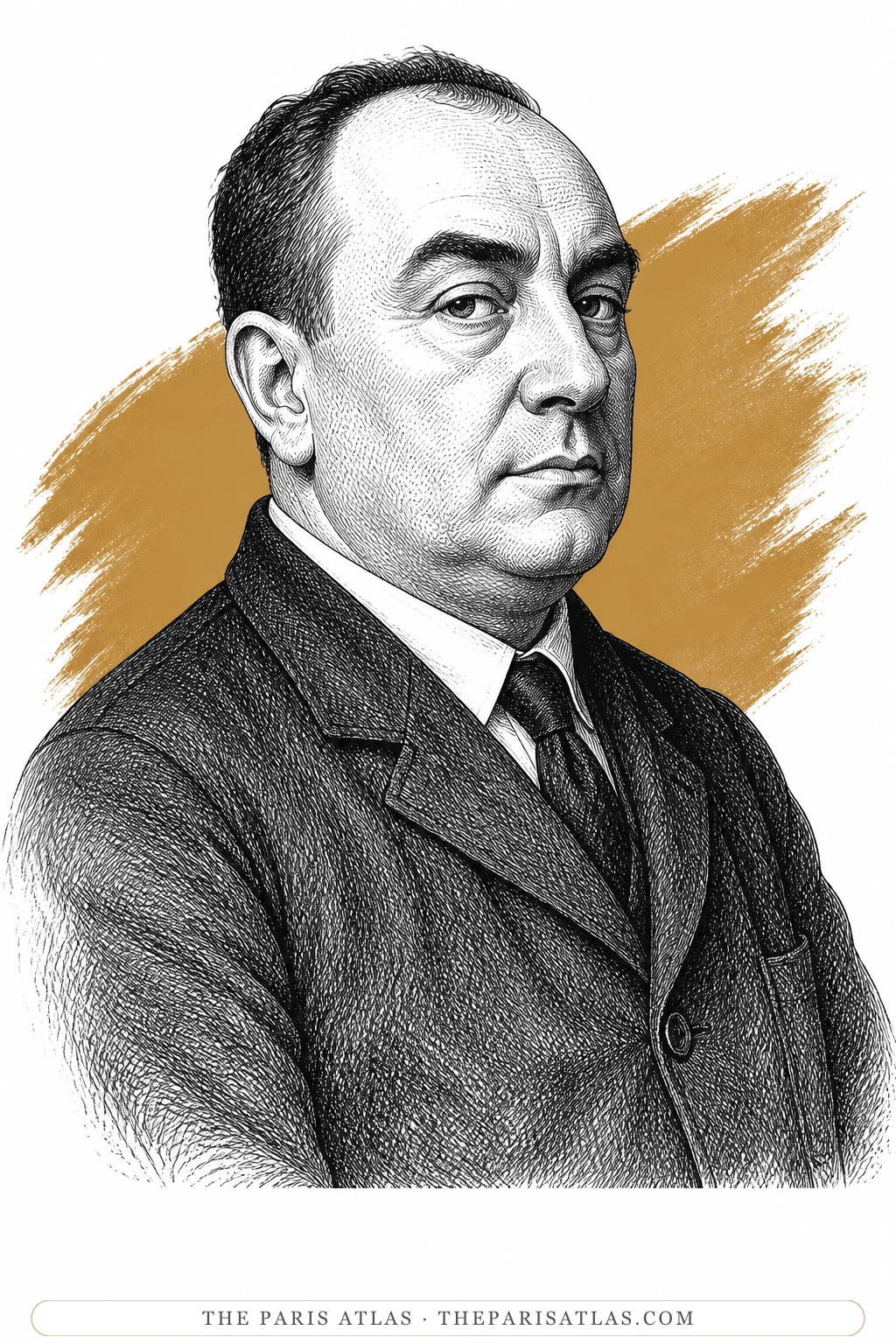
Painter · Sculptor
André Derain
French painter who helped invent Fauvism with Henri Matisse at Collioure, translated London into explosive colour, and then turned toward an increasingly classical art.
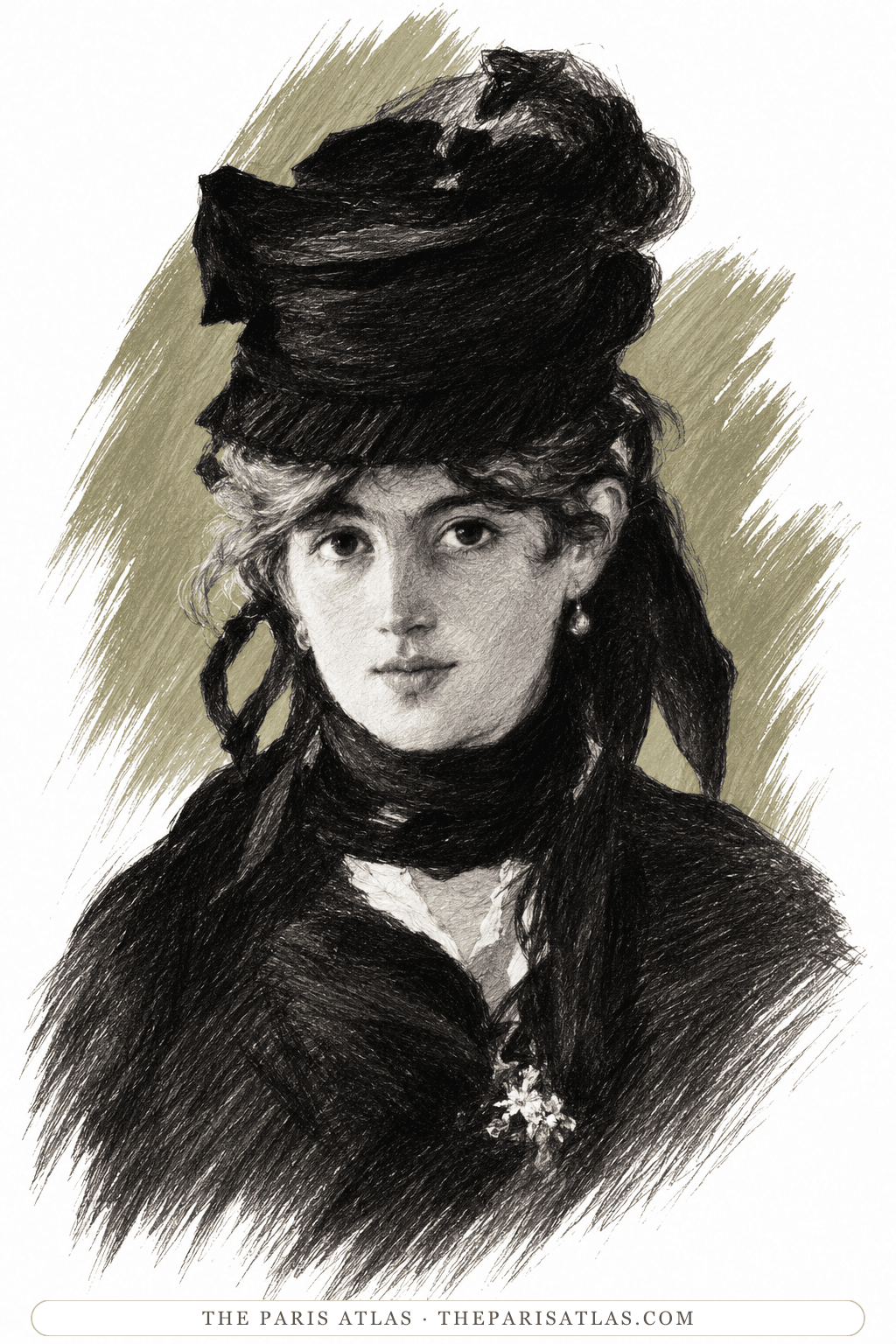
Painter
Berthe Morisot
Founding Impressionist who showed in seven of the group's eight exhibitions — more than anyone but Pissarro — and whose largest collection now hangs at the Musée Marmottan Monet.
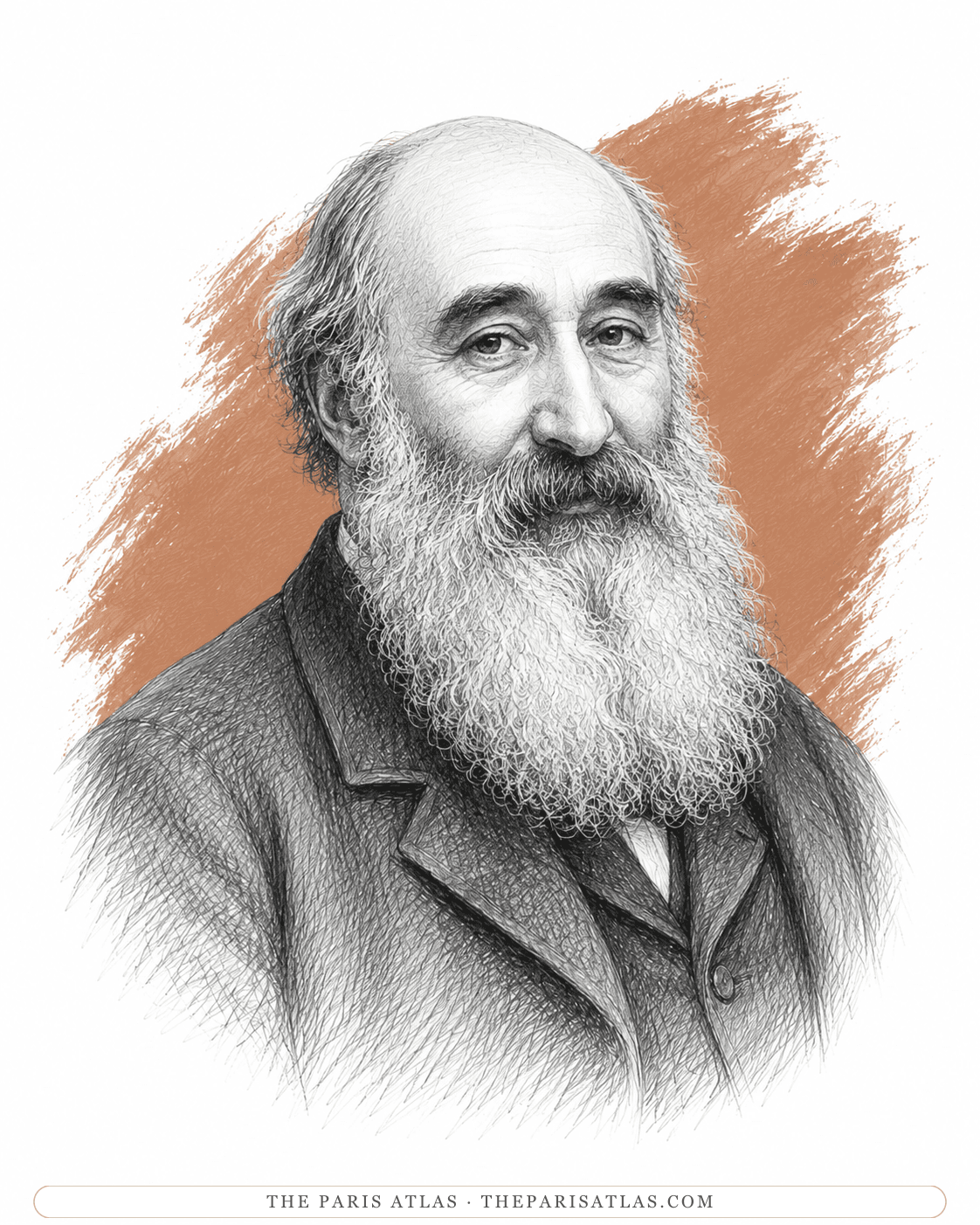
Painter
Camille Pissarro
The eldest of the Impressionists and the only painter to show in all eight of the group's exhibitions, 1874 to 1886.
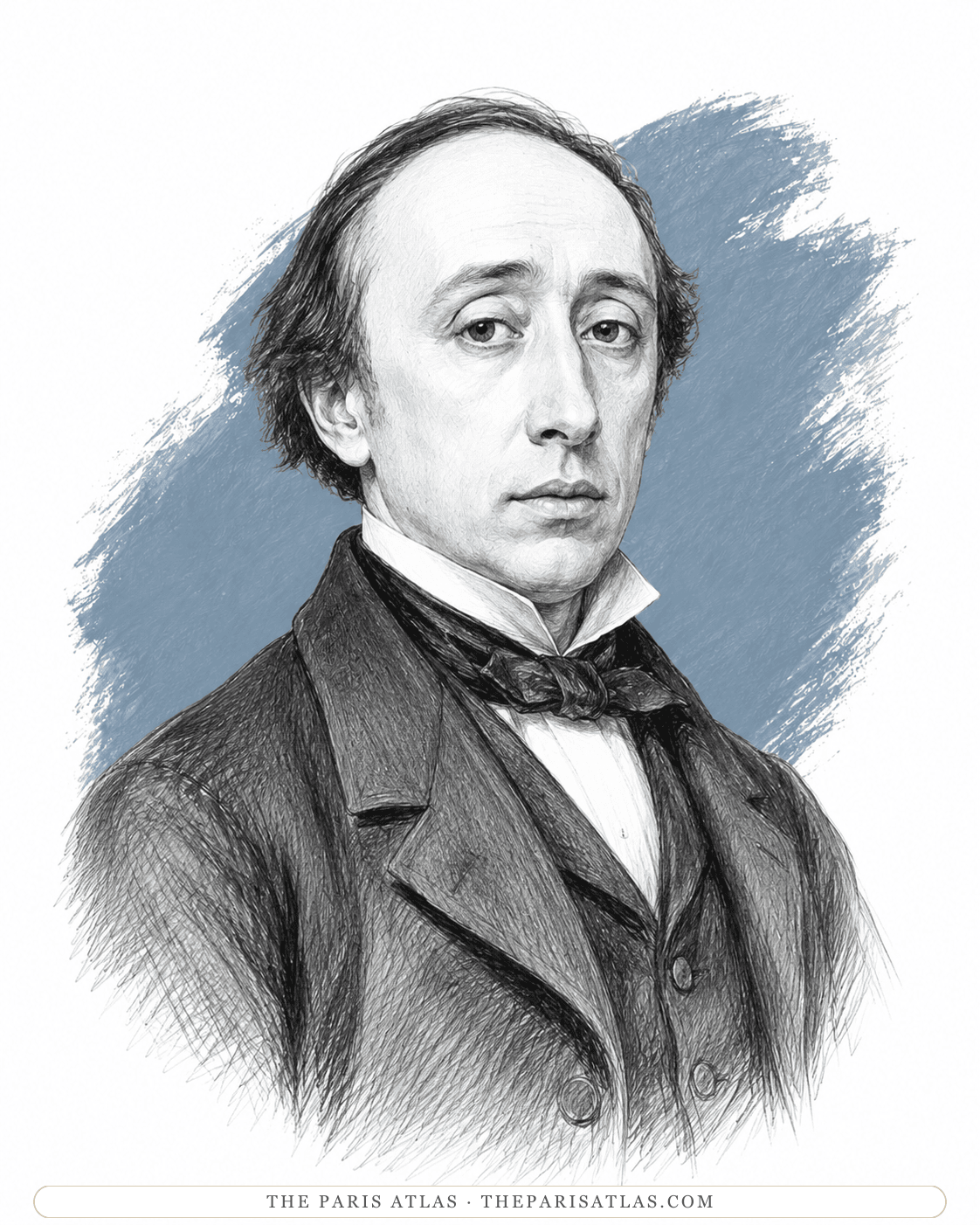
Painter
Edgar Degas
Painter of dancers, racecourses, and café interiors — among the founders of the independent exhibitions that became Impressionism, though he preferred the word 'independent' himself.
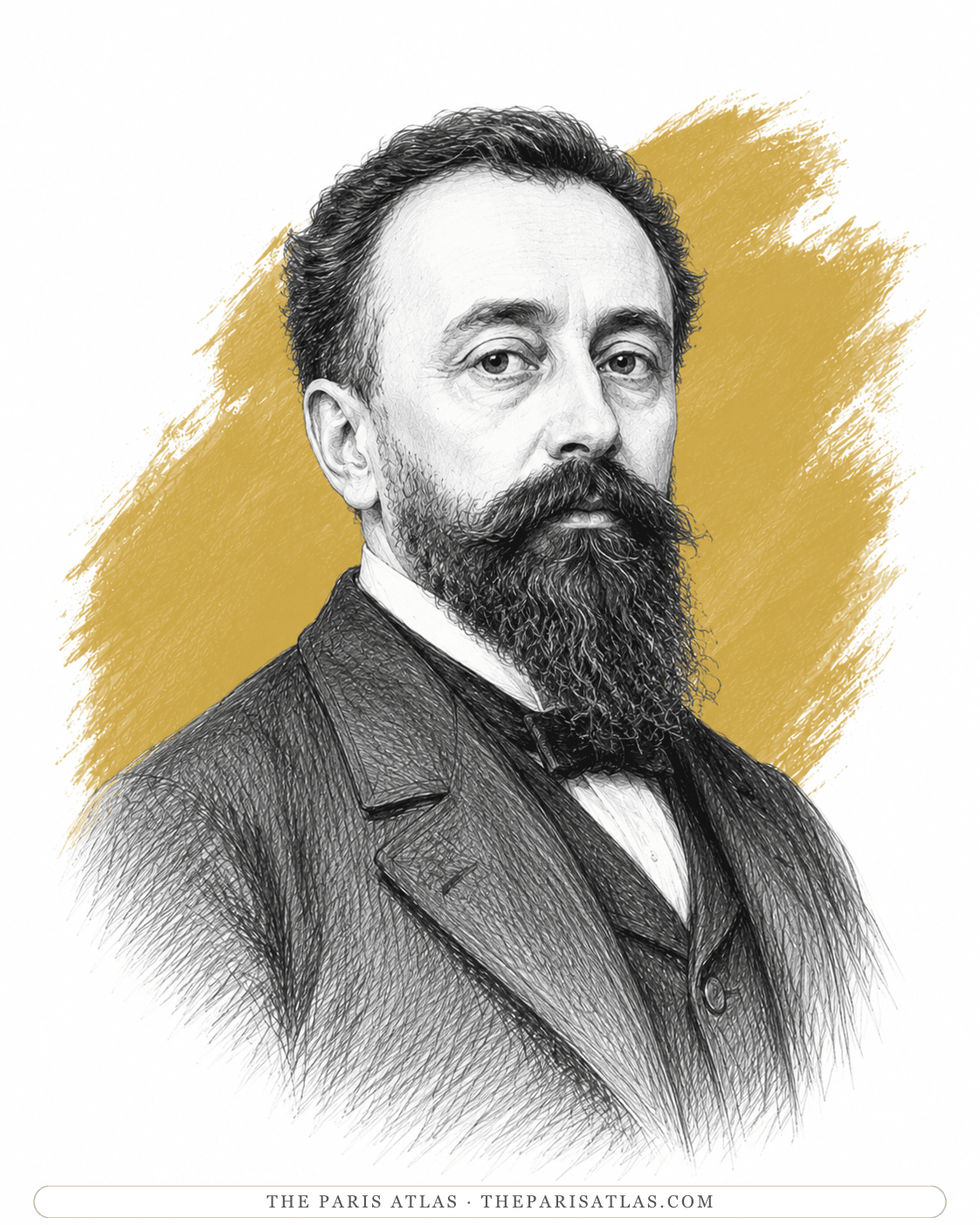
Painter
Henri Rousseau
The self-taught 'Douanier' feted by Picasso's circle at the 1908 Bateau-Lavoir banquet; he painted Apollinaire and Marie Laurencin as The Muse Inspiring the Poet, and nine of his canvases hang in the Orangerie.
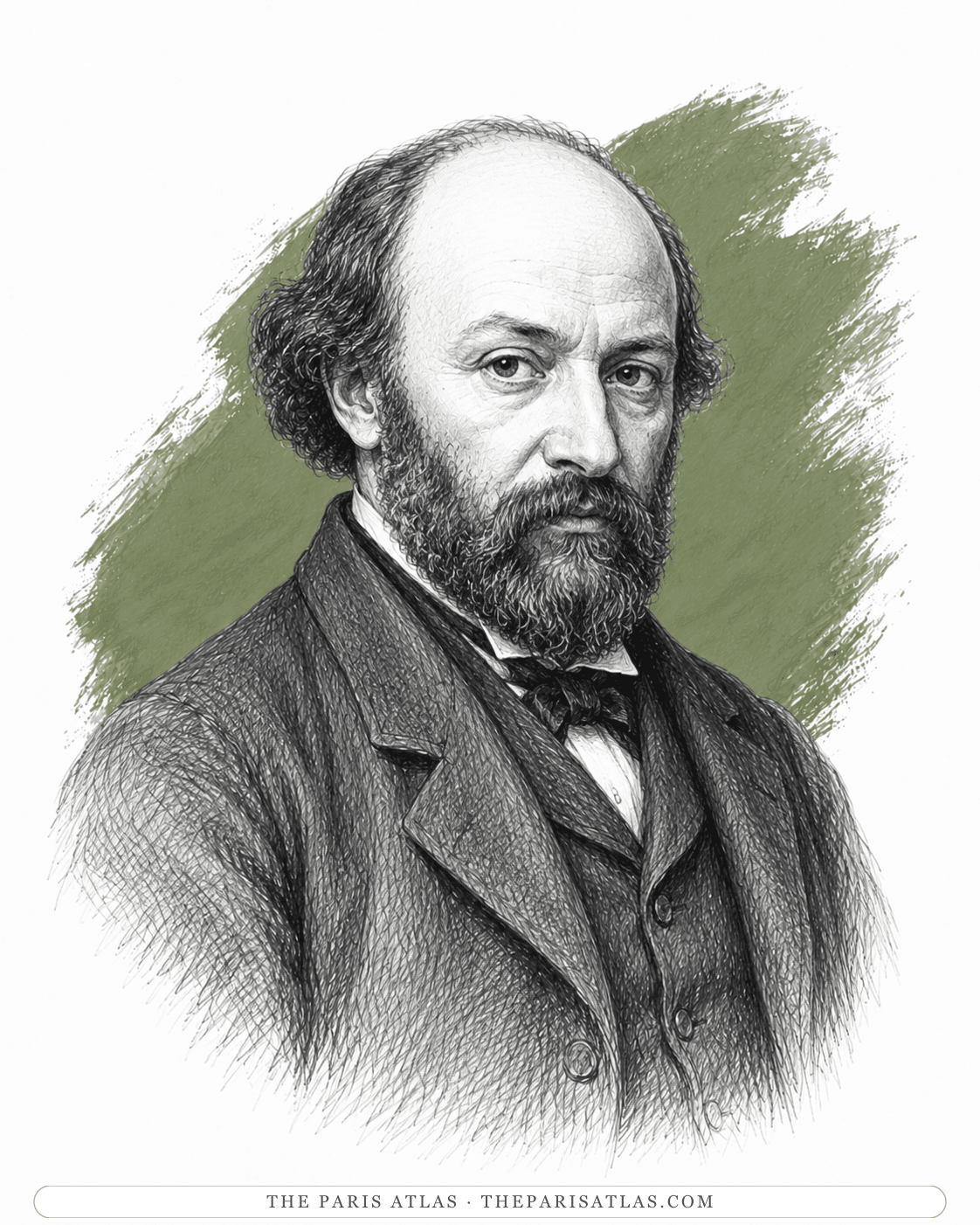
Painter
Paul Cézanne
Painter between Impressionism and everything after — shown in the independents' exhibitions, emulated by the Cubists, and present at the Orangerie through 15 works in the Walter-Guillaume collection.
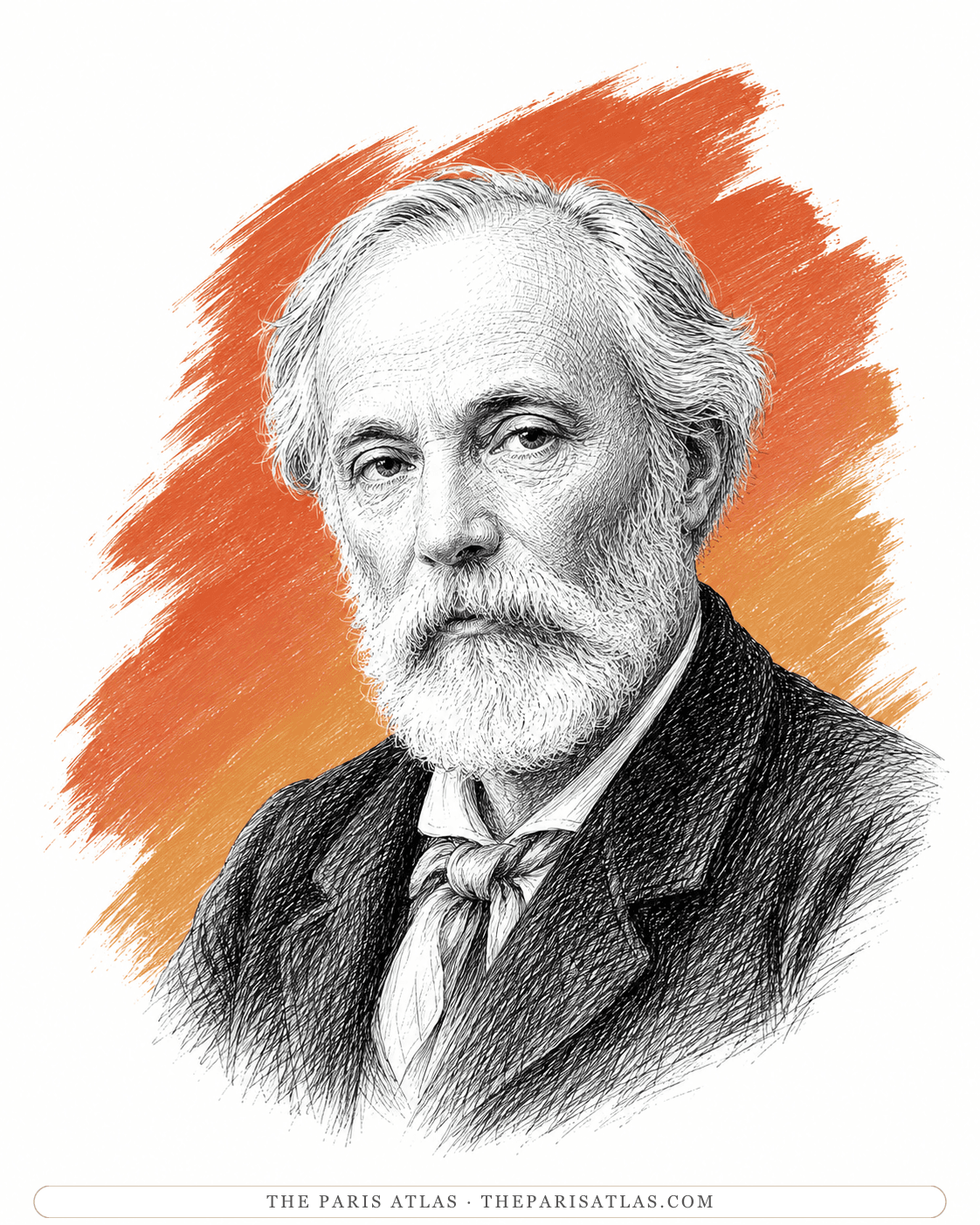
Painter · Sculptor
Pierre-Auguste Renoir
Porcelain painter turned co-founder of Impressionism — the painter of the Moulin de la Galette dance and the Luncheon of the Boating Party, whose later classical turn reached Picasso and Matisse.
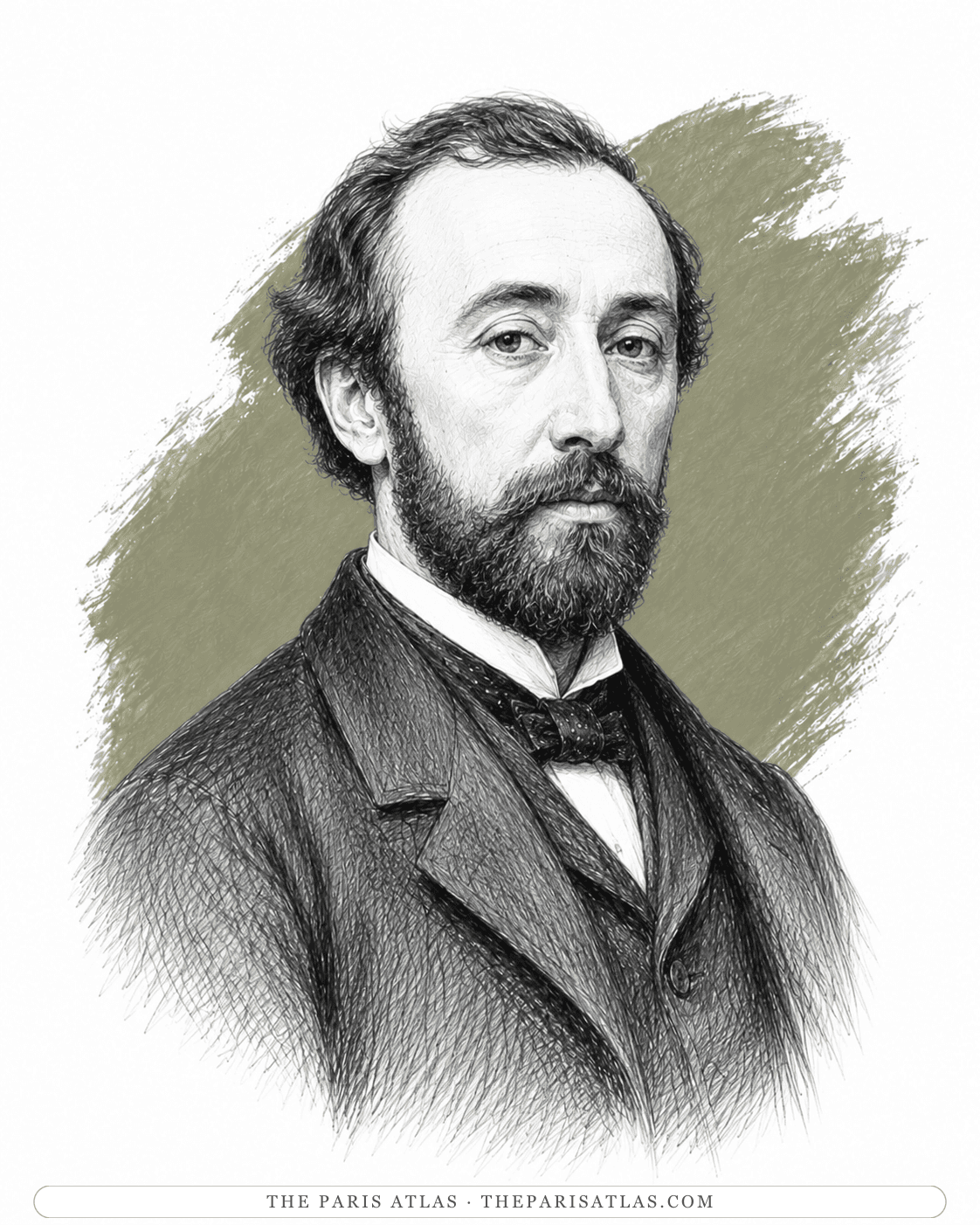
Painter
Alfred Sisley
Landscape painter of the suburban Seine — one of the four who met in Gleyre's studio in 1862, and among the steadiest exhibitors of the independent shows.
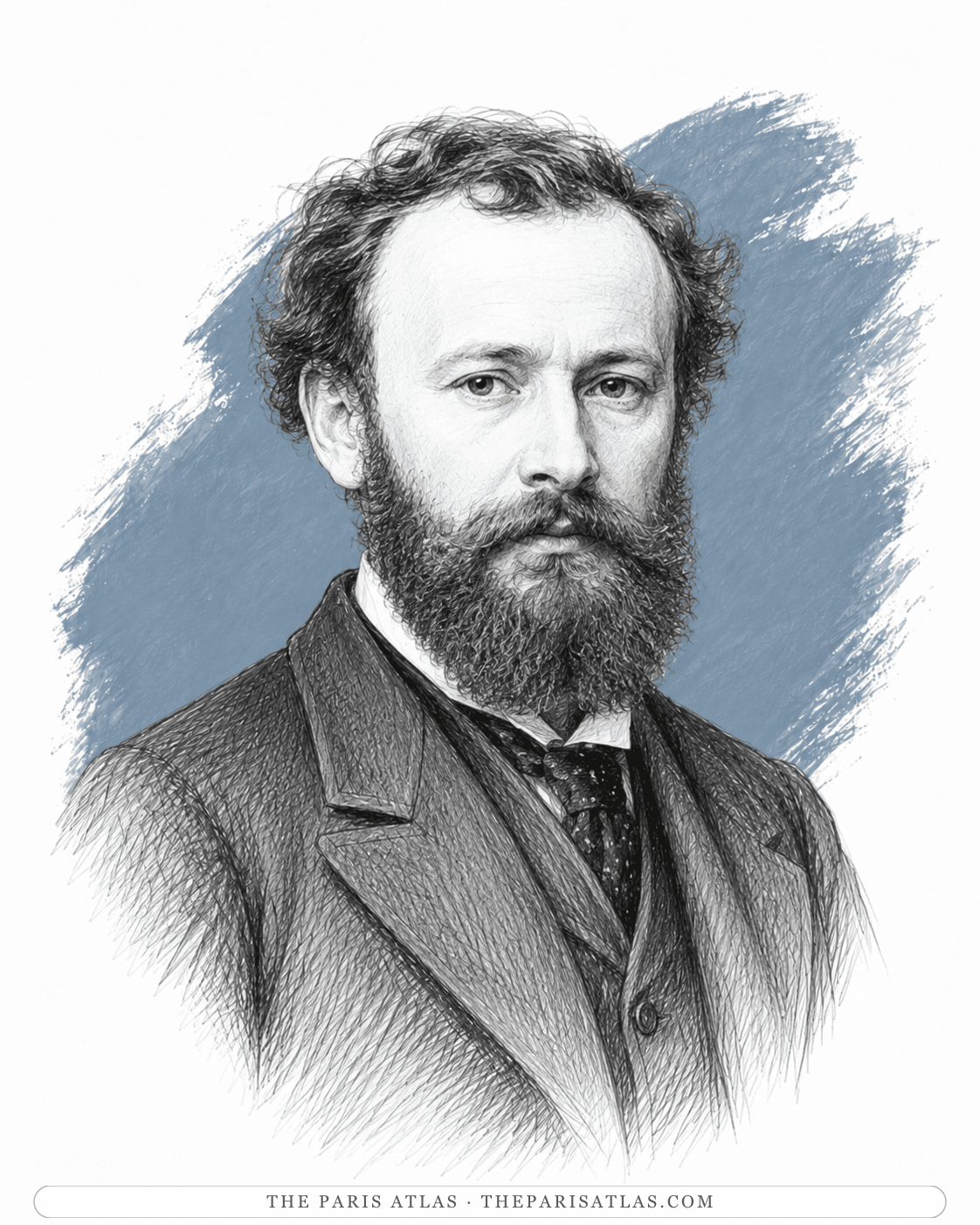
Painter
Édouard Manet
The admired elder of the independents — he painted beside Monet, befriended Morisot, and refused to show in all eight of the group's exhibitions.
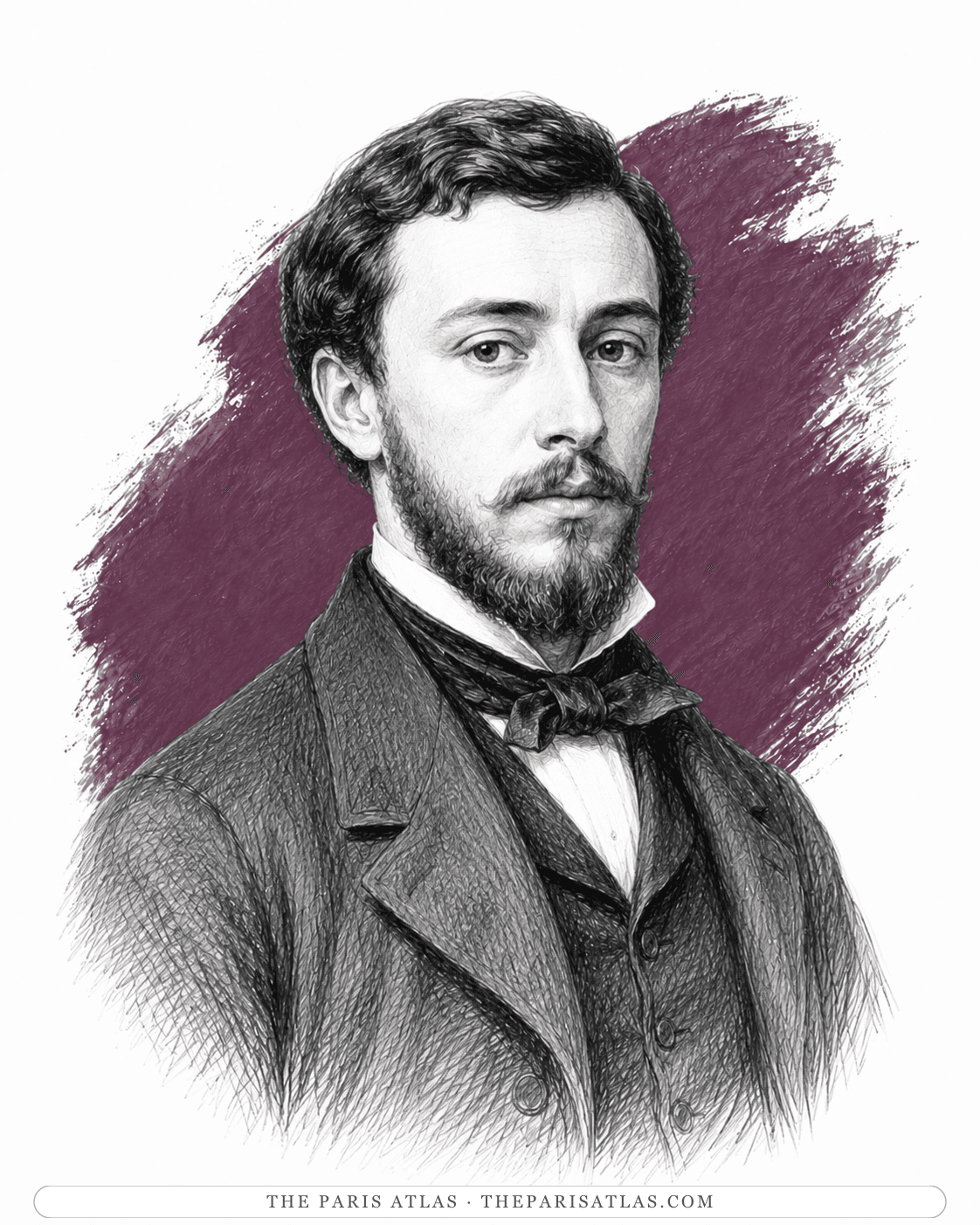
Painter
Frédéric Bazille
The movement's lost founder — met Monet, Renoir, and Sisley in Gleyre's studio in 1862 and was killed in the Franco-Prussian War four years before the first exhibition.
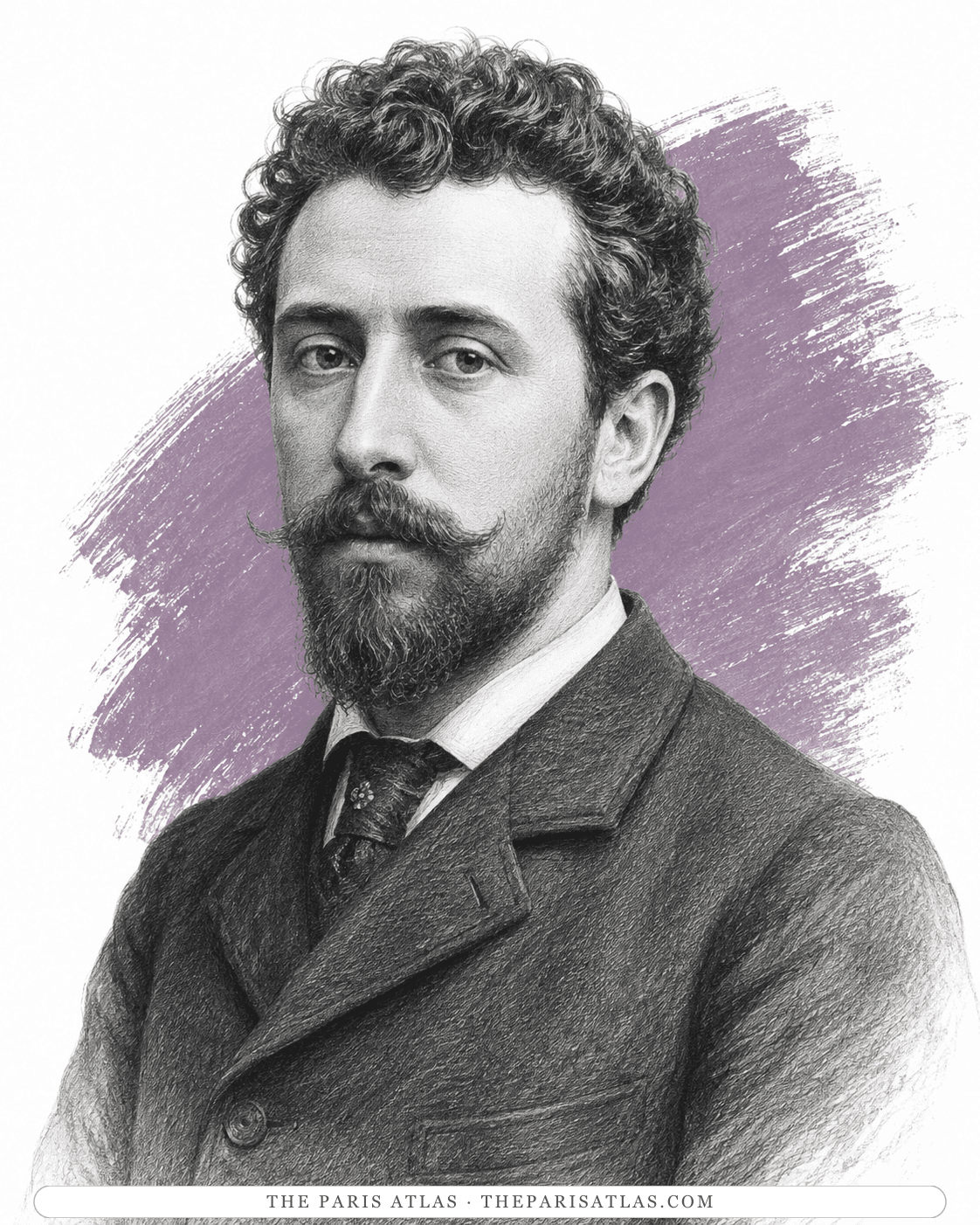
Painter
Georges Seurat
Parisian painter who built pictures from small dots of pure colour on optical principle, co-founded the Salon des Indépendants, and detonated the last Impressionist exhibition of 1886 with A Sunday on La Grande Jatte. He died at thirty-one.
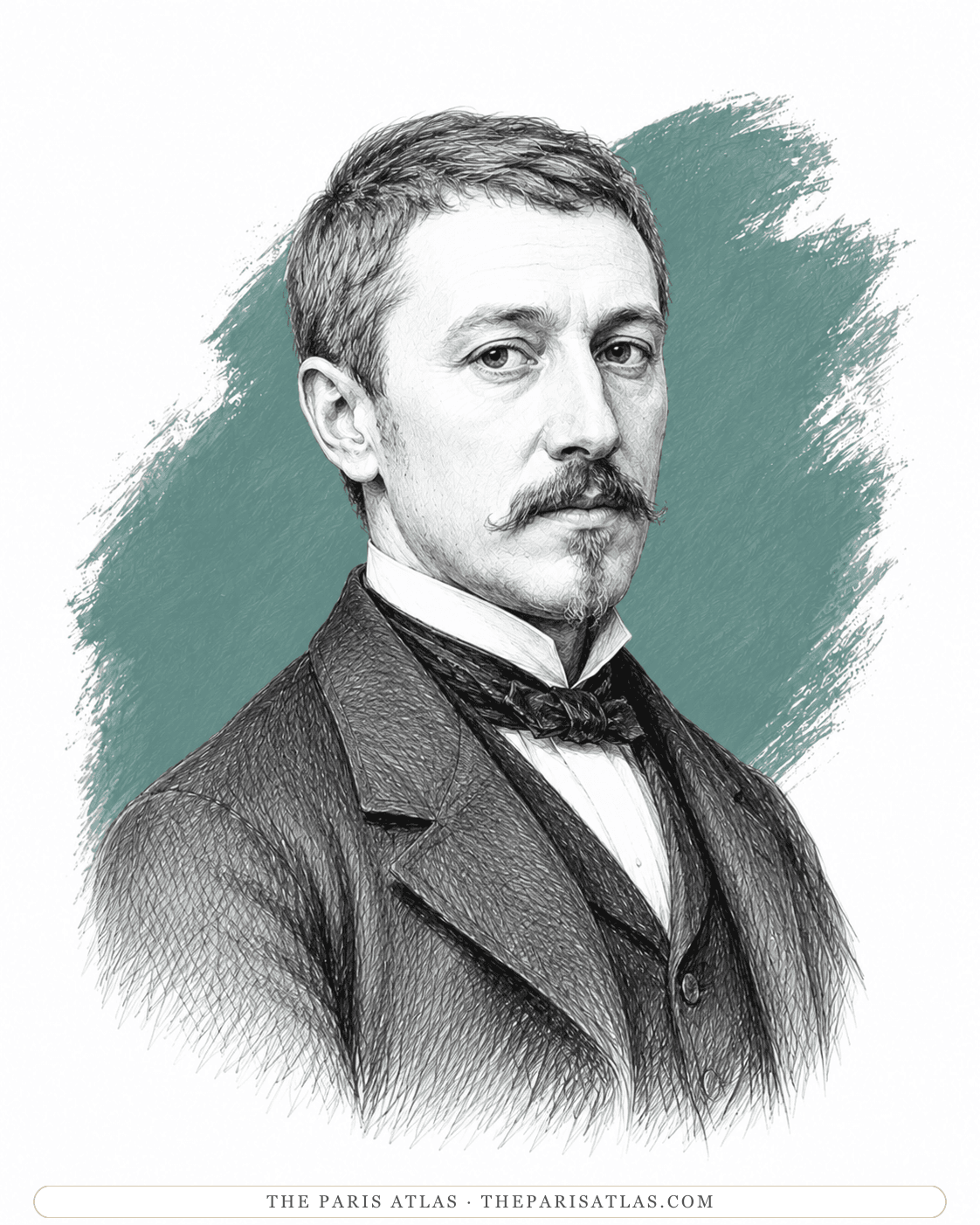
Painter
Gustave Caillebotte
Painter of Haussmann's geometry and the group's organizer-financier; his bequest of Impressionist paintings forced the French state to take the movement in.
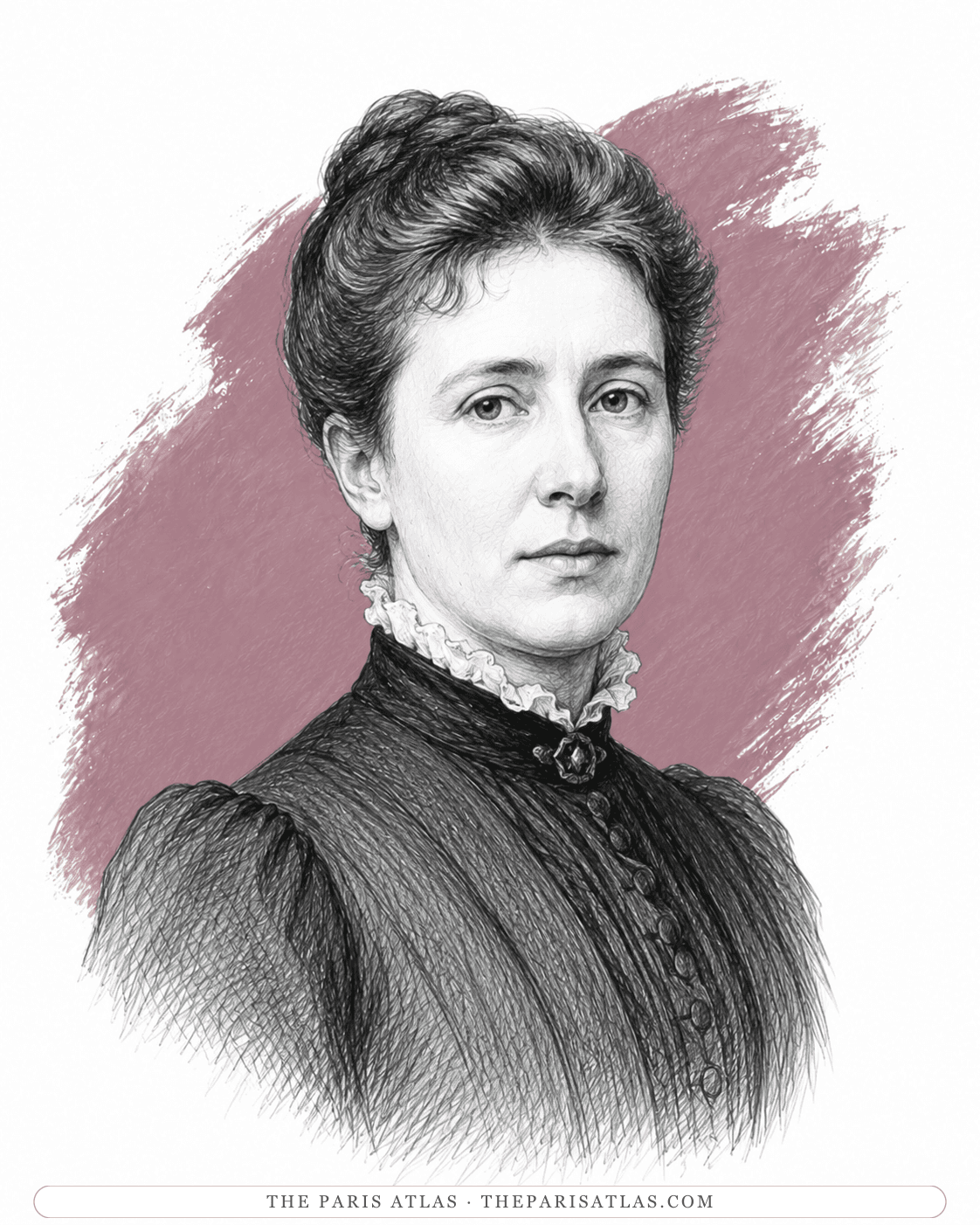
Painter
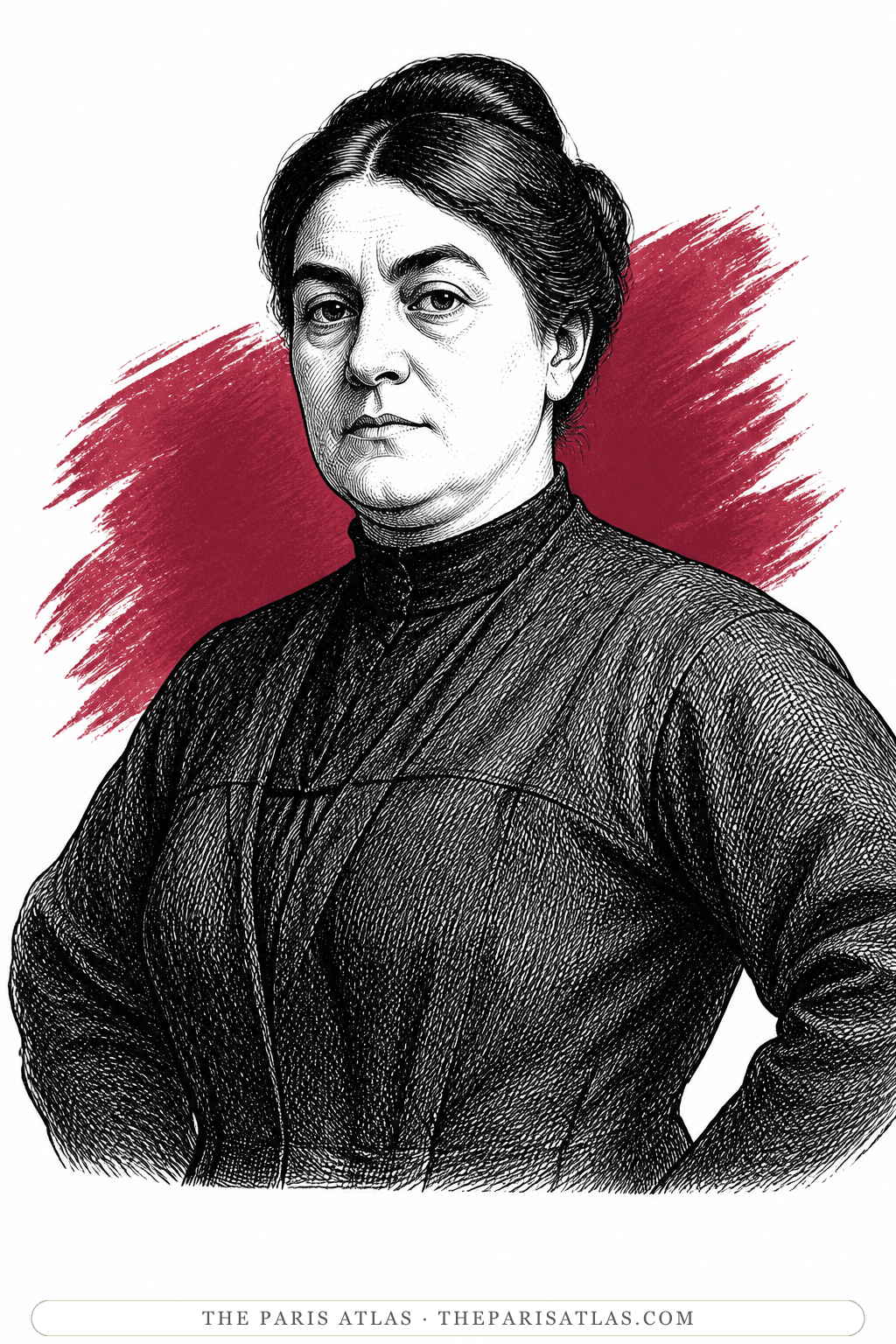
Mary Cassatt
Mary Cassatt was an American painter and printmaker known for her depictions of women and children. Based in France for the last fifty-two years of her life, she was the only American to exhibit with the original French Impressionist group, participating in four of its eight exhibitions. Edgar Degas invited her to exhibit with the group in 1877 after the Salon jury rejected her submissions.
Painter
Suzanne Valadon
A laundress's daughter and circus acrobat who modelled for Renoir and Toulouse-Lautrec, taught herself to draw between poses, and was bought and championed by Degas. The dancer in the red bonnet of Dance at Bougival became the first woman admitted to the Société Nationale des Beaux-Arts.
Painter
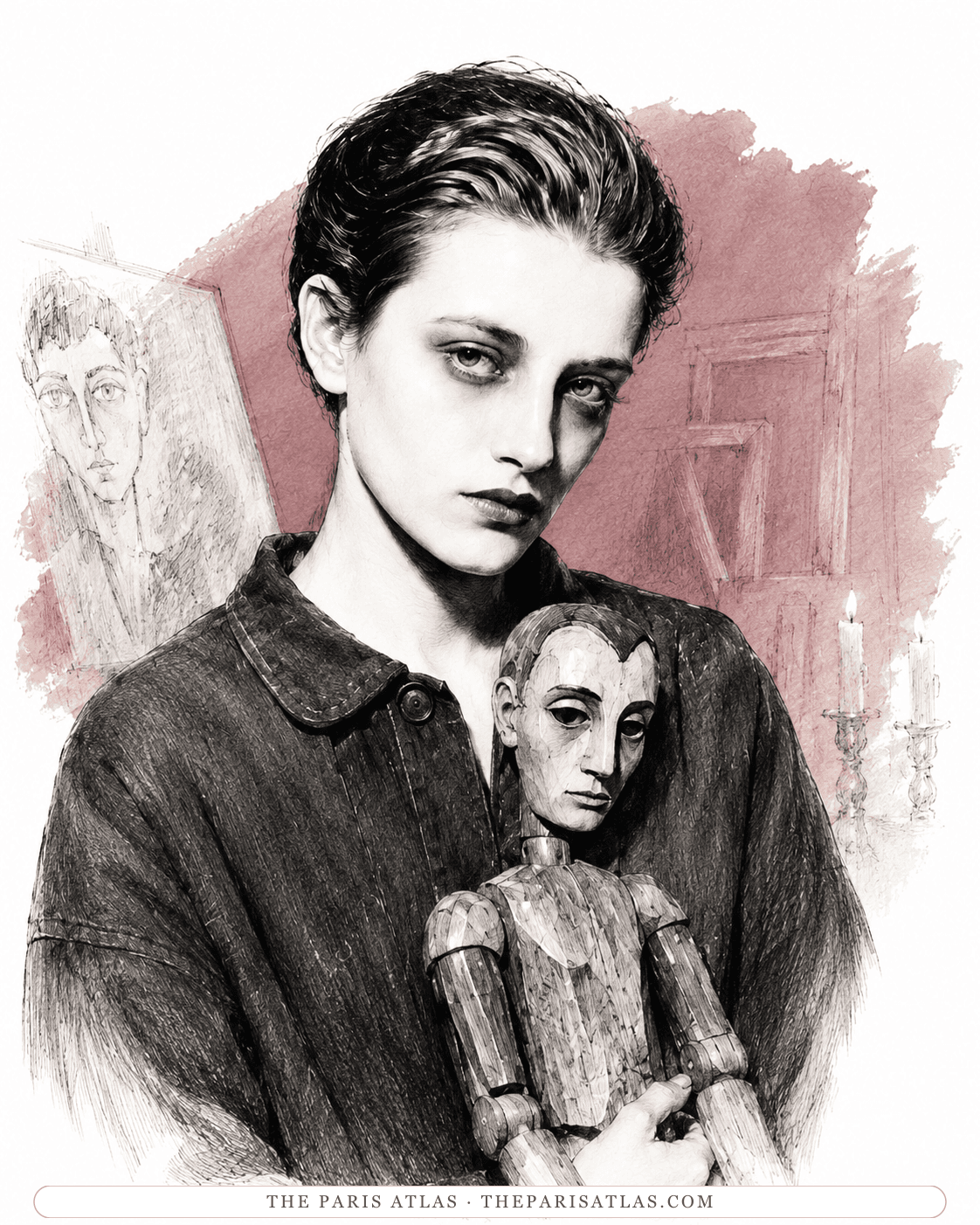
Jean Kronski
Poet, painter, and the third point of the Millers' Brooklyn triangle — Vanya in Crazy Cock, Stasia in Nexus. She died by suicide in a New York asylum; word reached the Millers in 1929.
Painter
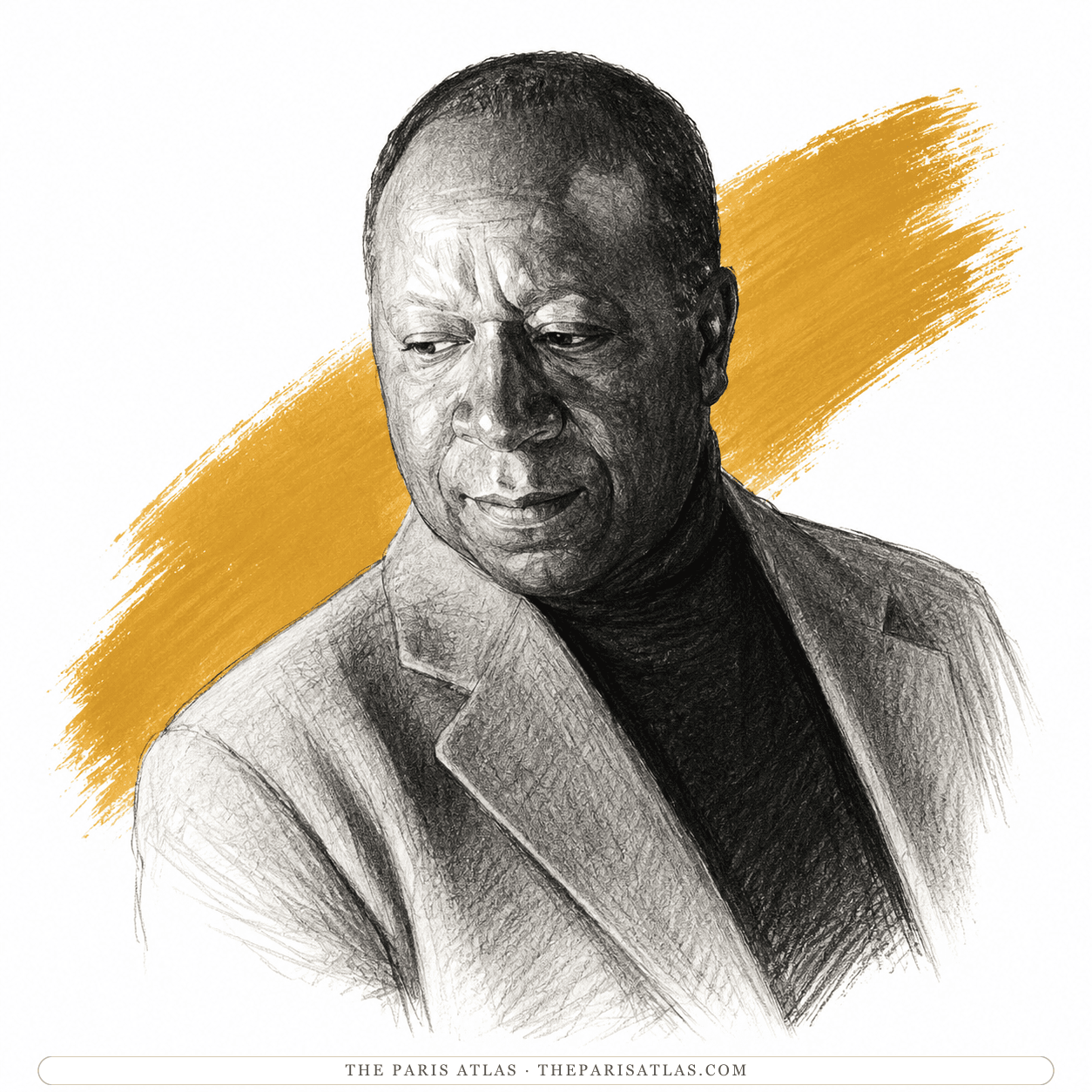
Beauford Delaney
American painter of light and portraits who took the teenage James Baldwin under his wing in Greenwich Village, moved to Paris himself in 1953, and remained the person Baldwin credited with teaching him how to see.
Painter
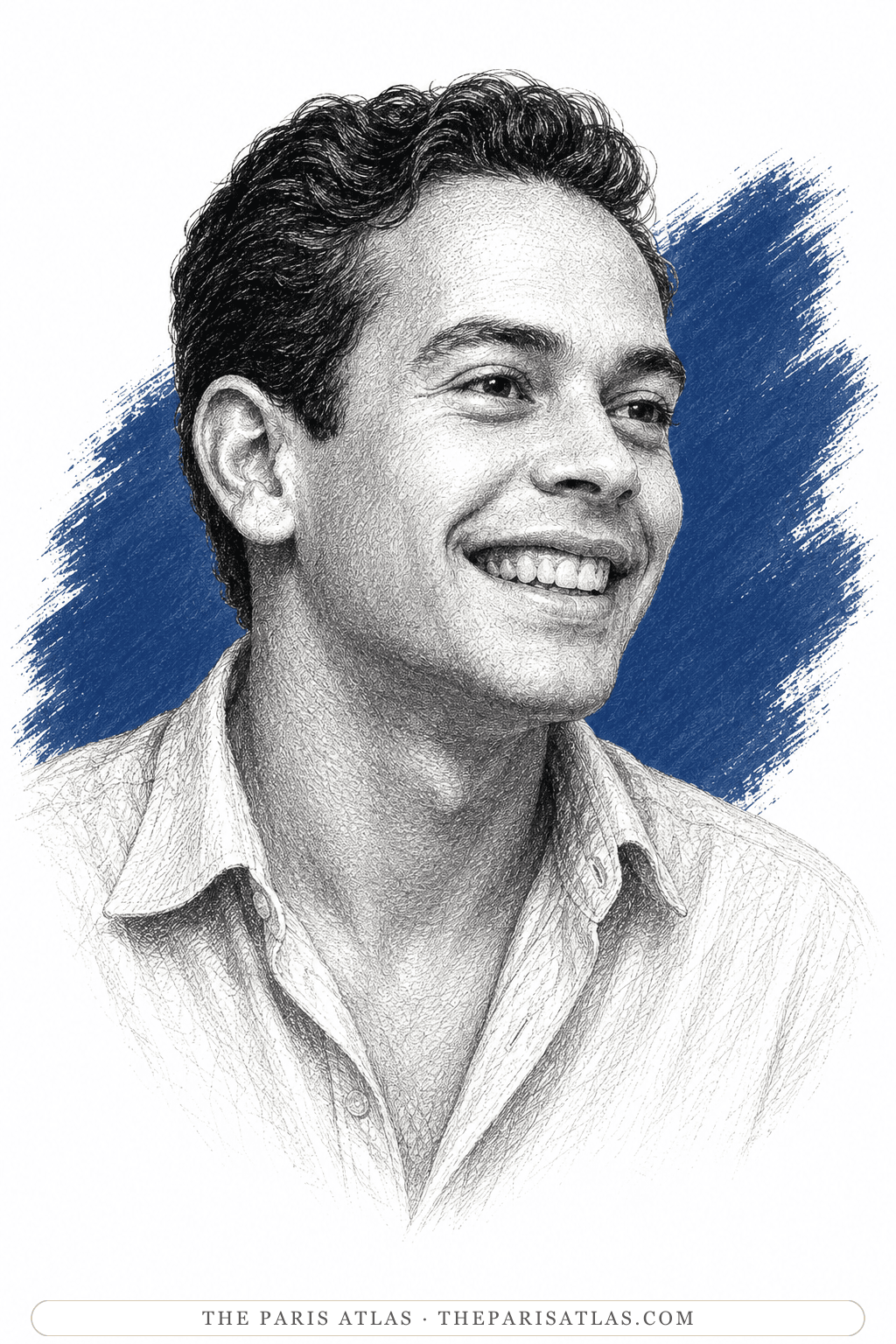
Lucien Happersberger
Swiss painter James Baldwin met in Paris in 1949; his family's chalet in the Alps is where Baldwin finished his first novel, and Giovanni's Room is dedicated to him.
Painter
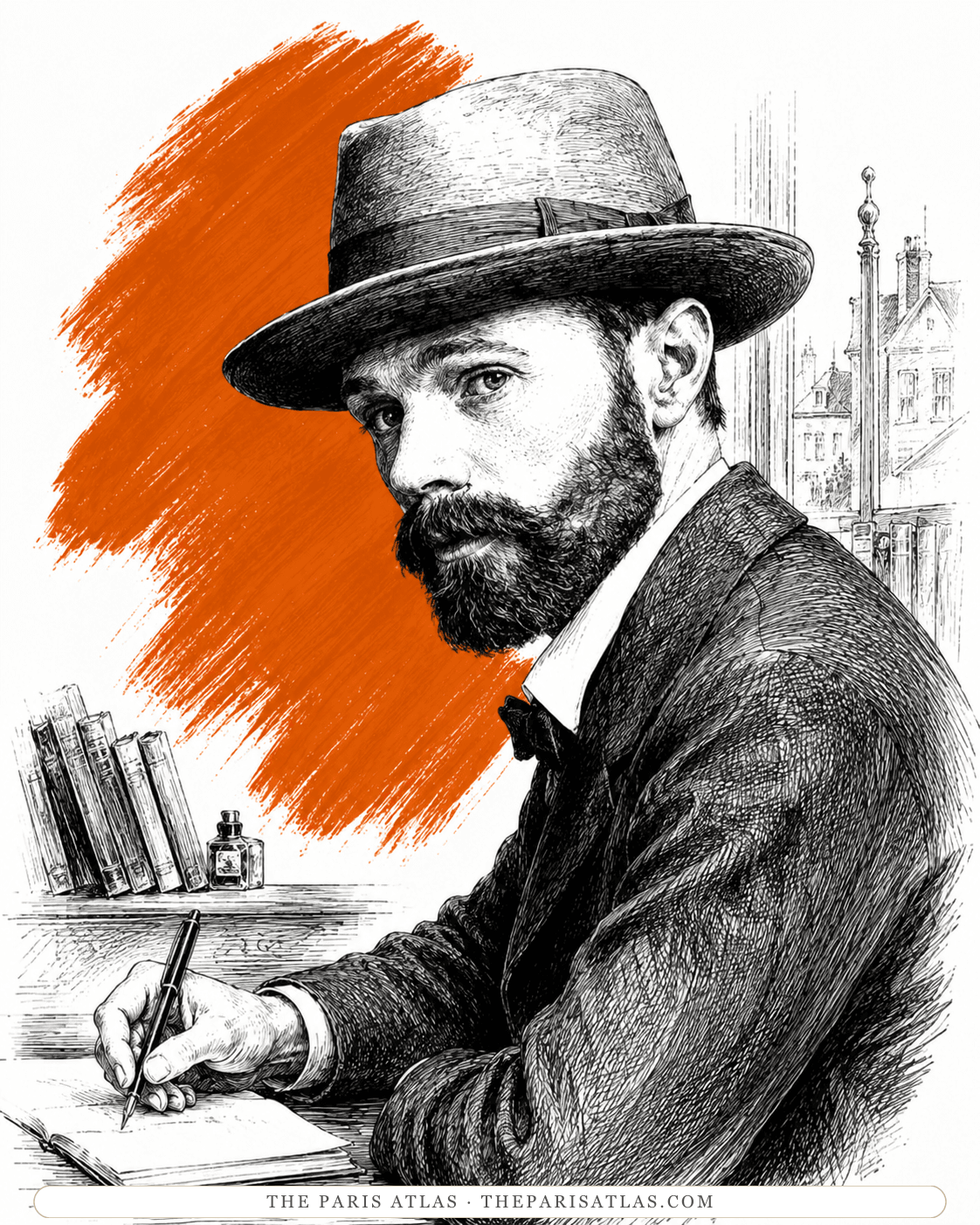
D. H. Lawrence
English novelist and poet out of a Nottinghamshire coalfield. A court destroyed The Rainbow in 1915, the police took his paintings off a London wall in 1929, and he came to Paris that March to get Lady Chatterley's Lover cheaply into print.
Painter
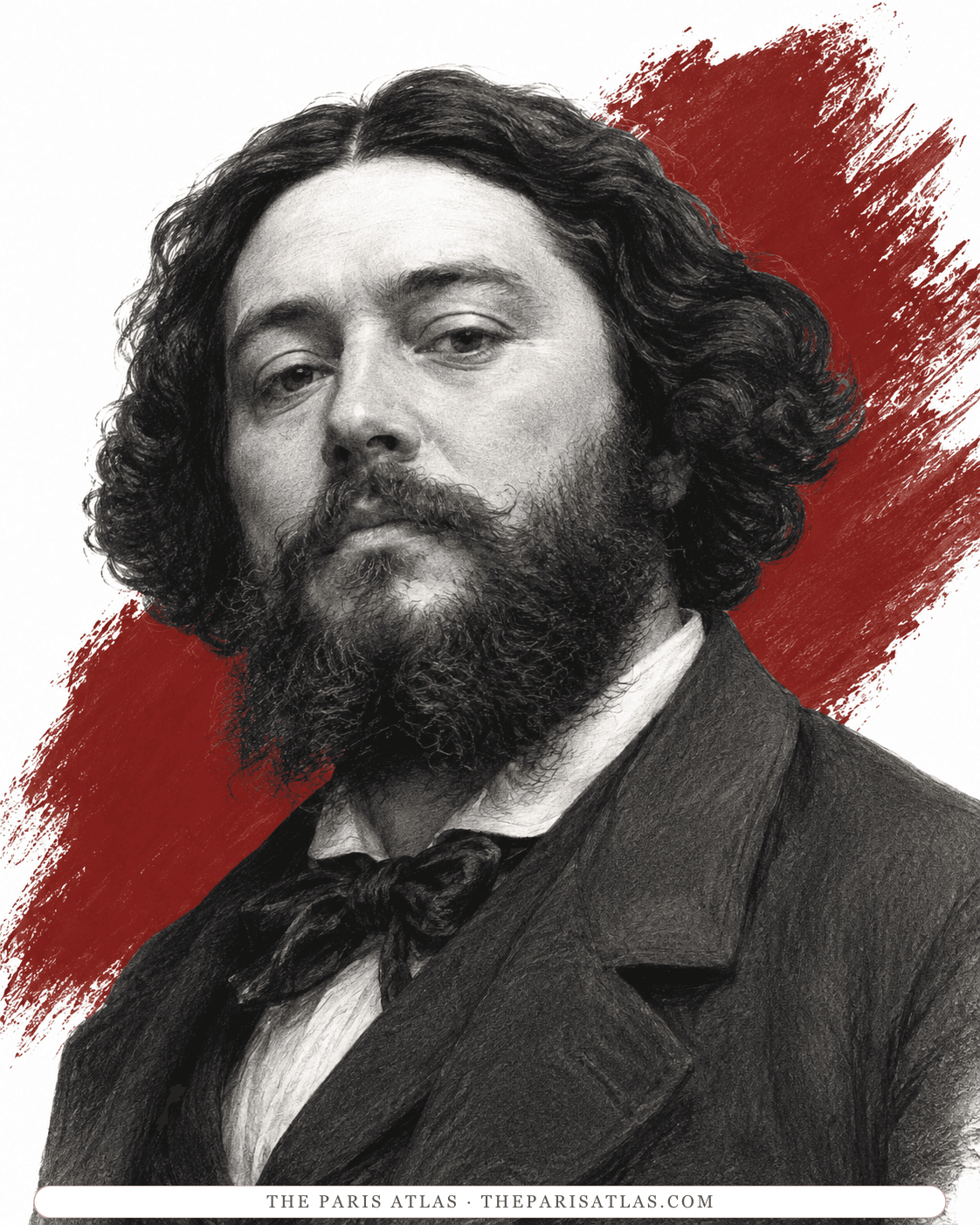
Gustave Courbet
The Realist who insisted that ordinary people were worth painting at the scale reserved for history, and made that a political position.
Painter
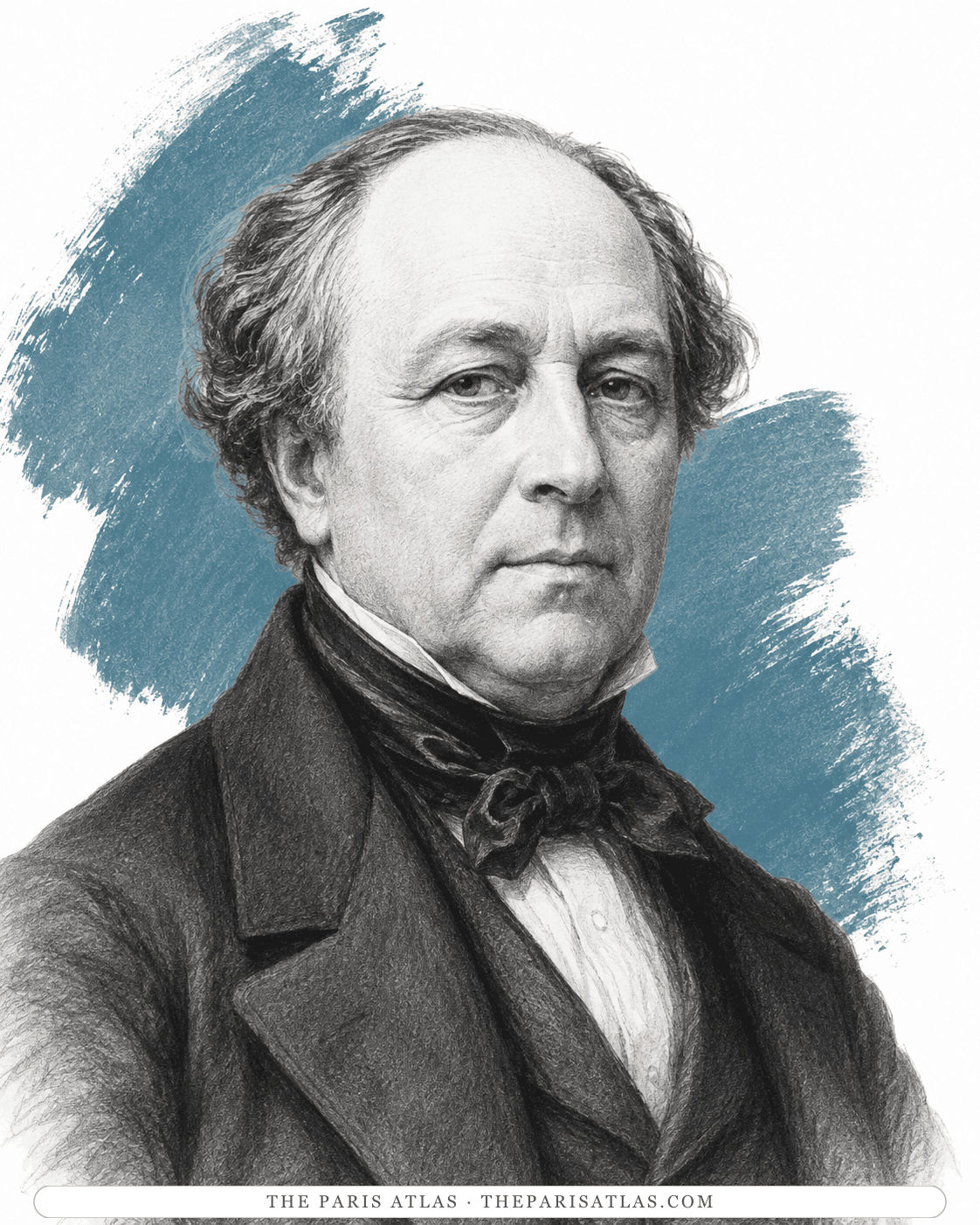
Jean-Baptiste-Camille Corot
The landscape painter whose silvery, observed countryside stood between the academies and Impressionism, and whom Pissarro treated as a first teacher.
Painter · Illustrator
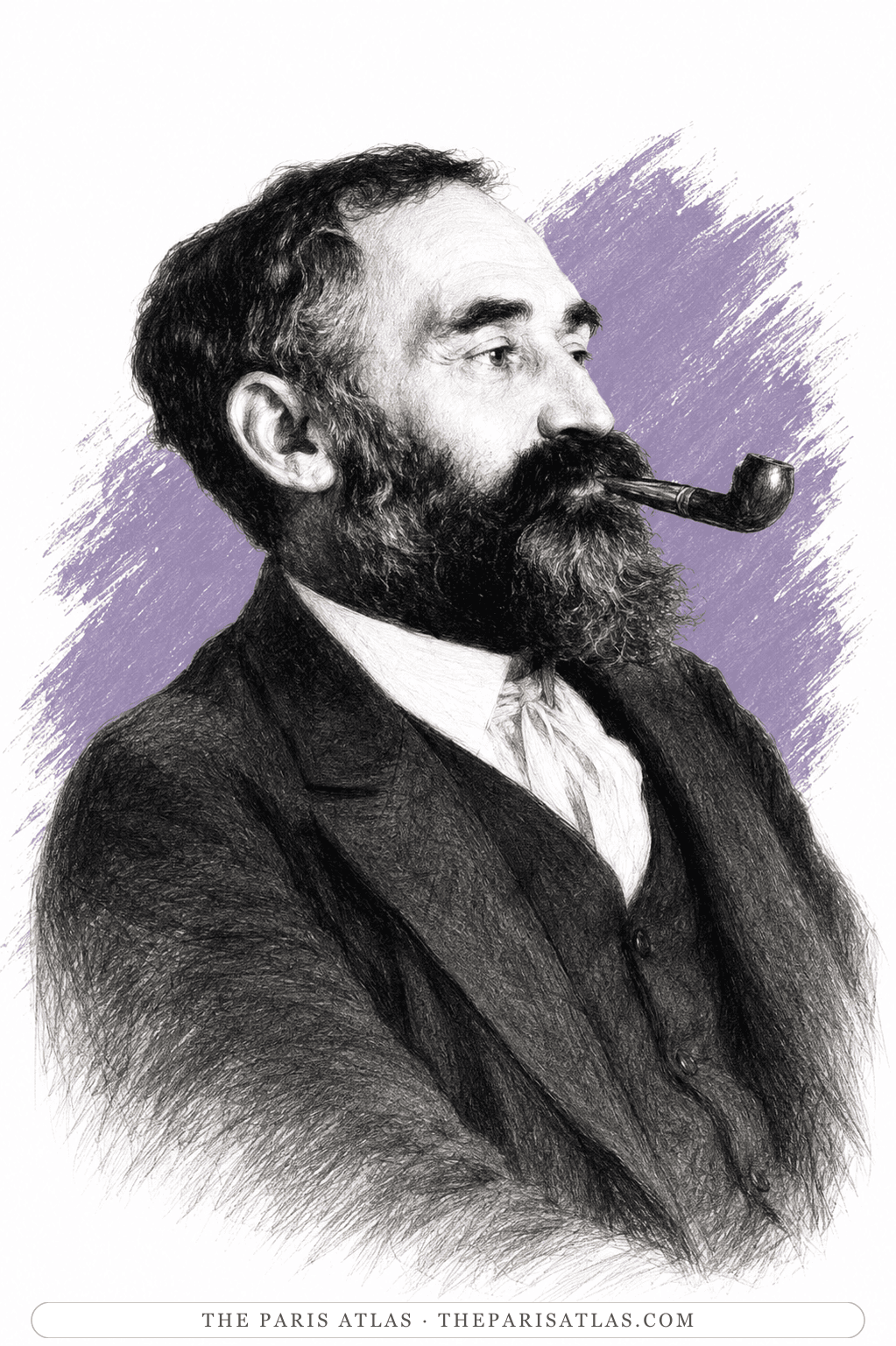
Lucien Pissarro
Camille Pissarro's eldest son, who carried Neo-Impressionism to England and ran the Eragny Press.
Painter · Sculptor
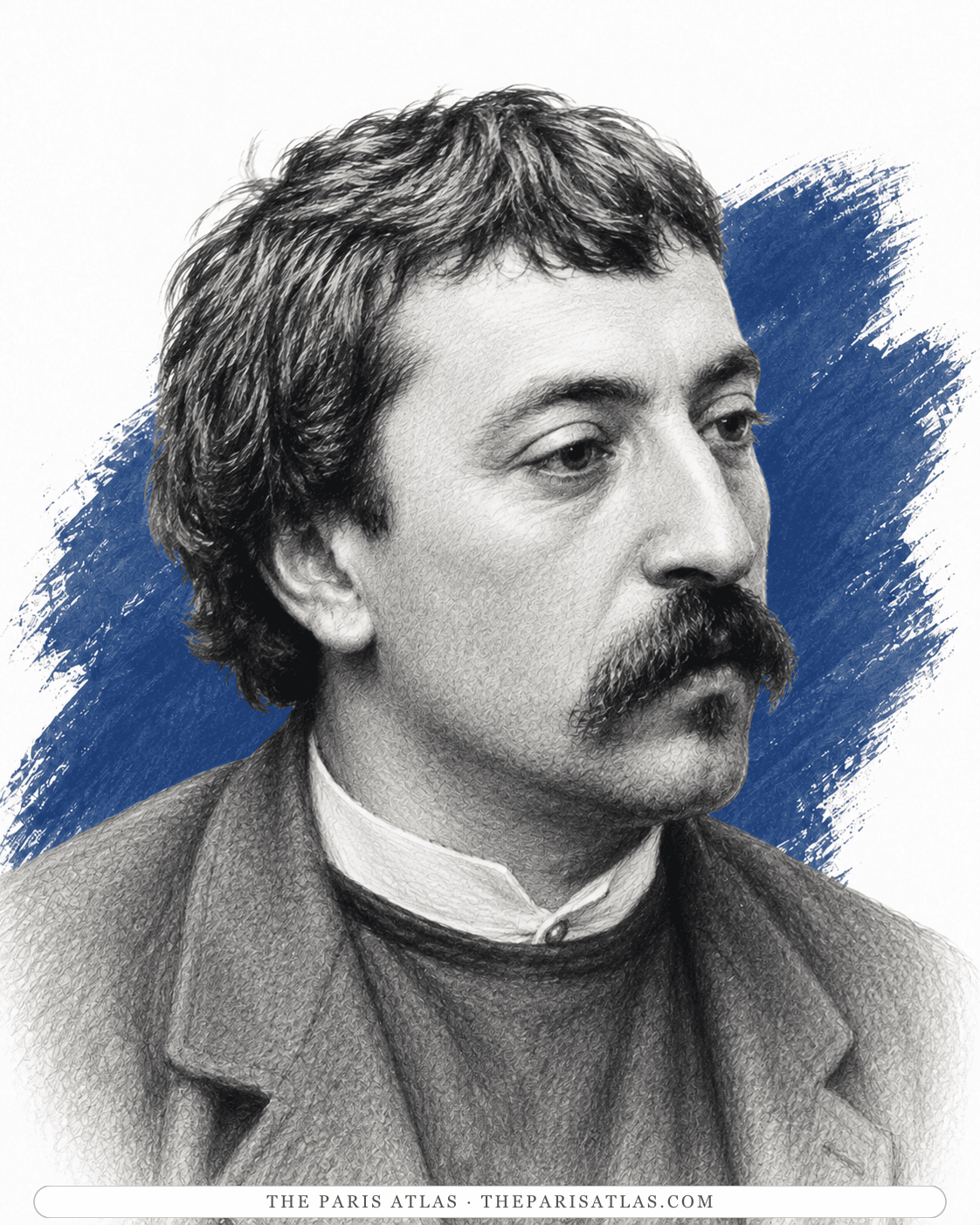
Paul Gauguin
Stockbroker turned painter who came into art through Camille Pissarro, showed with the Impressionists, and left Europe for Polynesia.
Painter
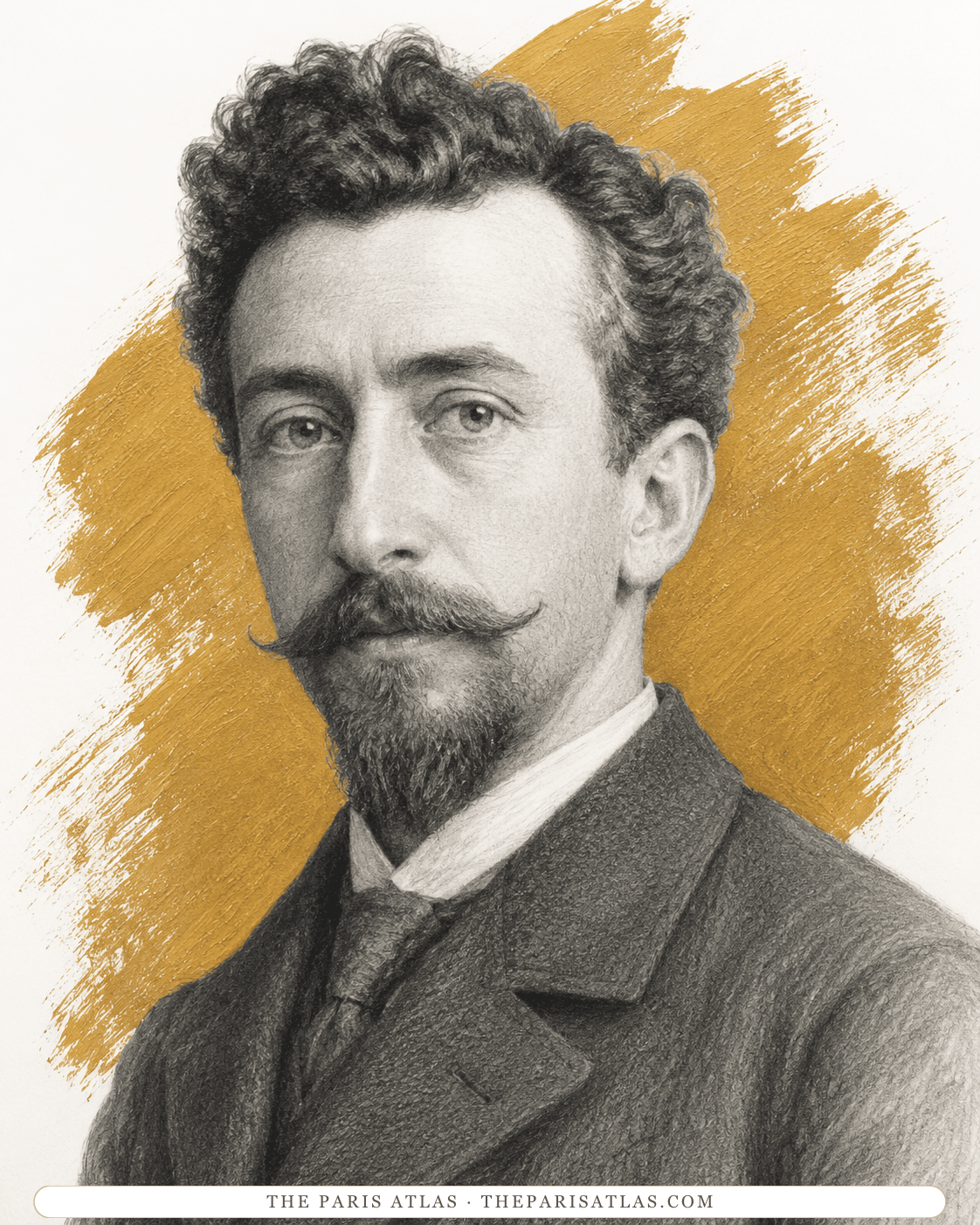
Paul Signac
Co-founder of Neo-Impressionism and, after Georges Seurat's death, the chief theorist and organiser of Pointillism.
Painter
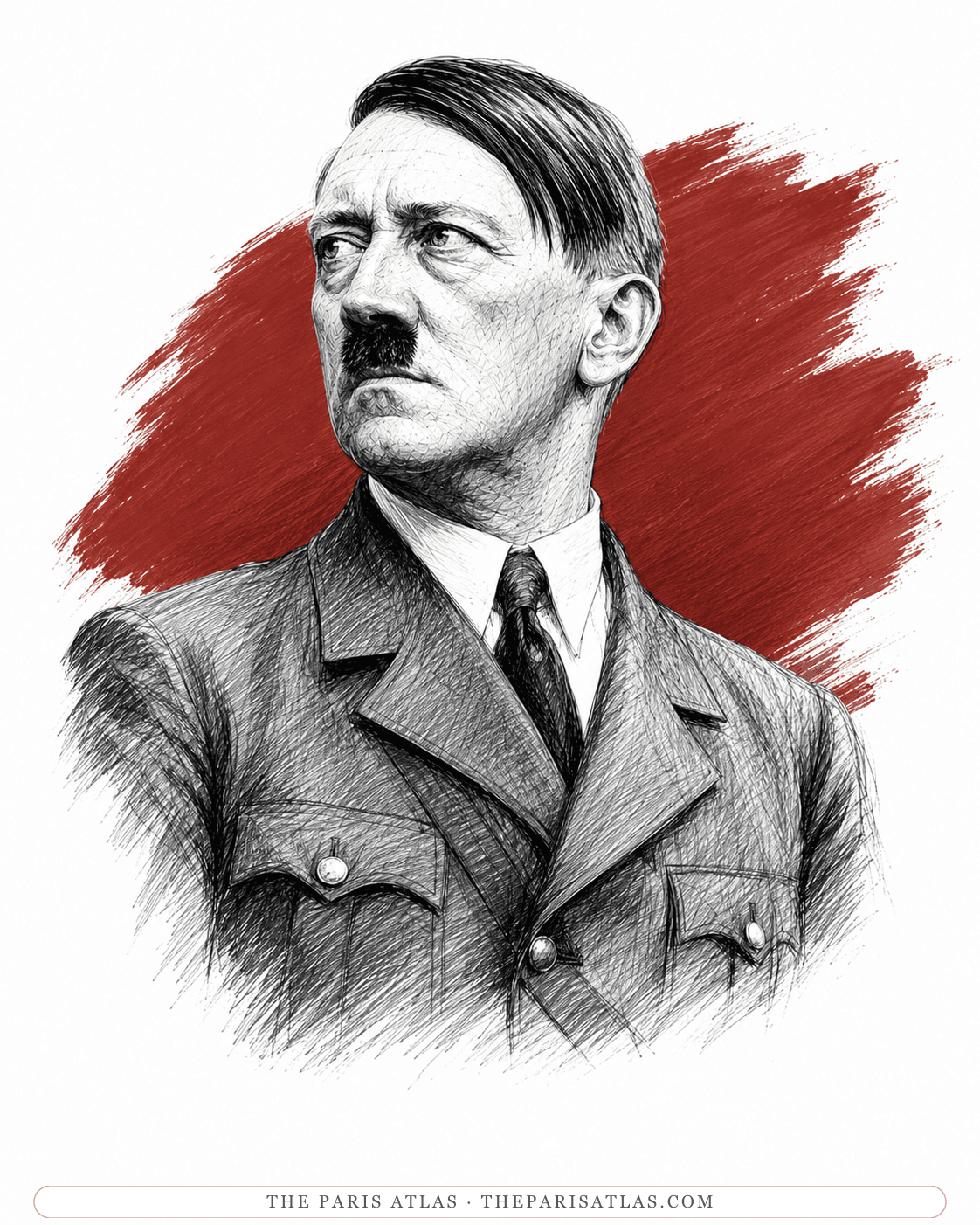
Adolf Hitler
Refused twice by the Vienna Academy of Fine Arts, he made a living from 1909 to 1914 copying postcard views of Vienna and Munich in watercolour, then gave the trade up. He later led Nazi Germany.
Illustrator
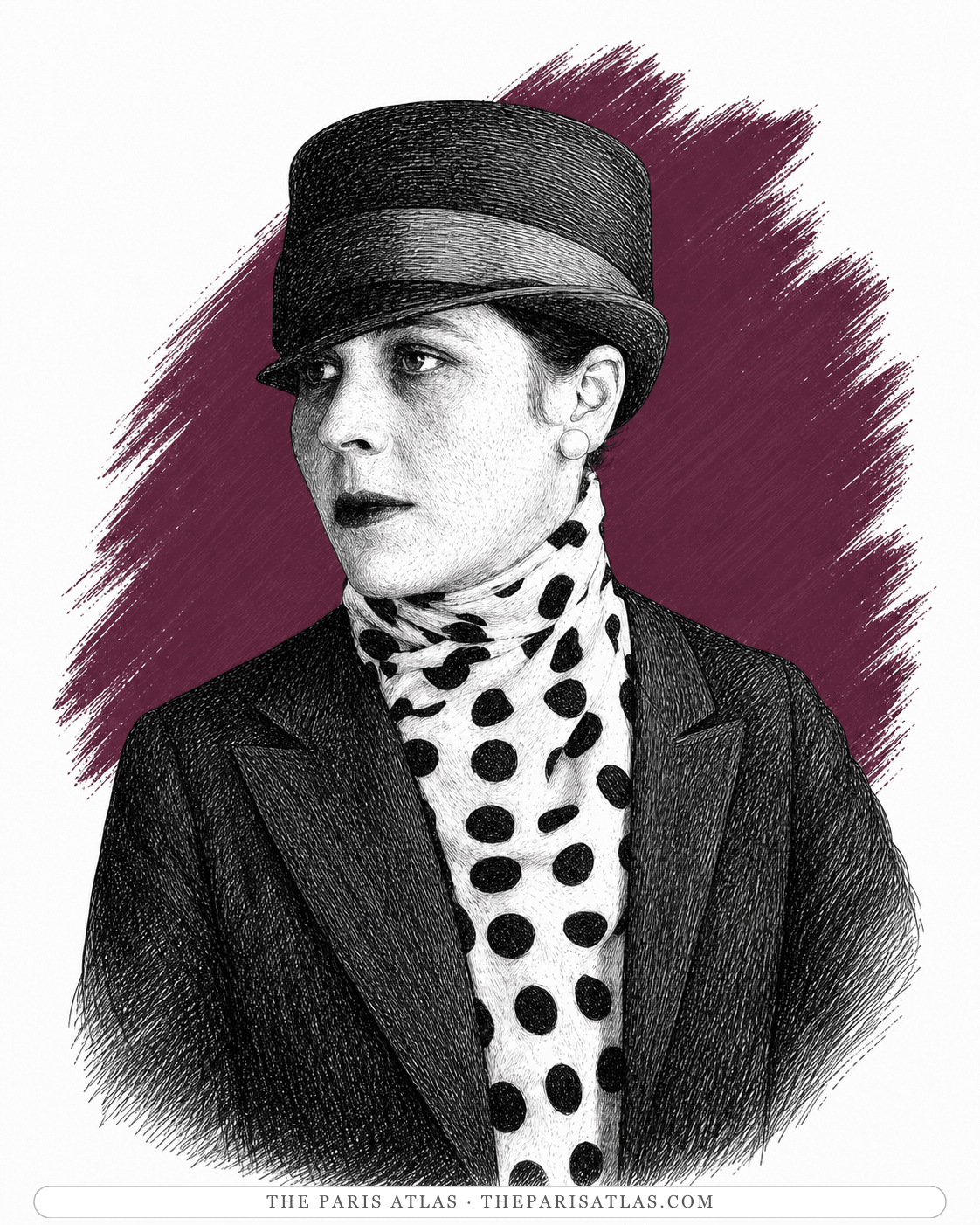
Djuna Barnes
American writer and illustrator (1892–1982). She was a New York newspaper reporter for eight years before she was a novelist, spent the 1920s and 1930s in Paris, and wrote Nightwood, the 1936 novel T. S. Eliot took to Faber and introduced.
Sculptor
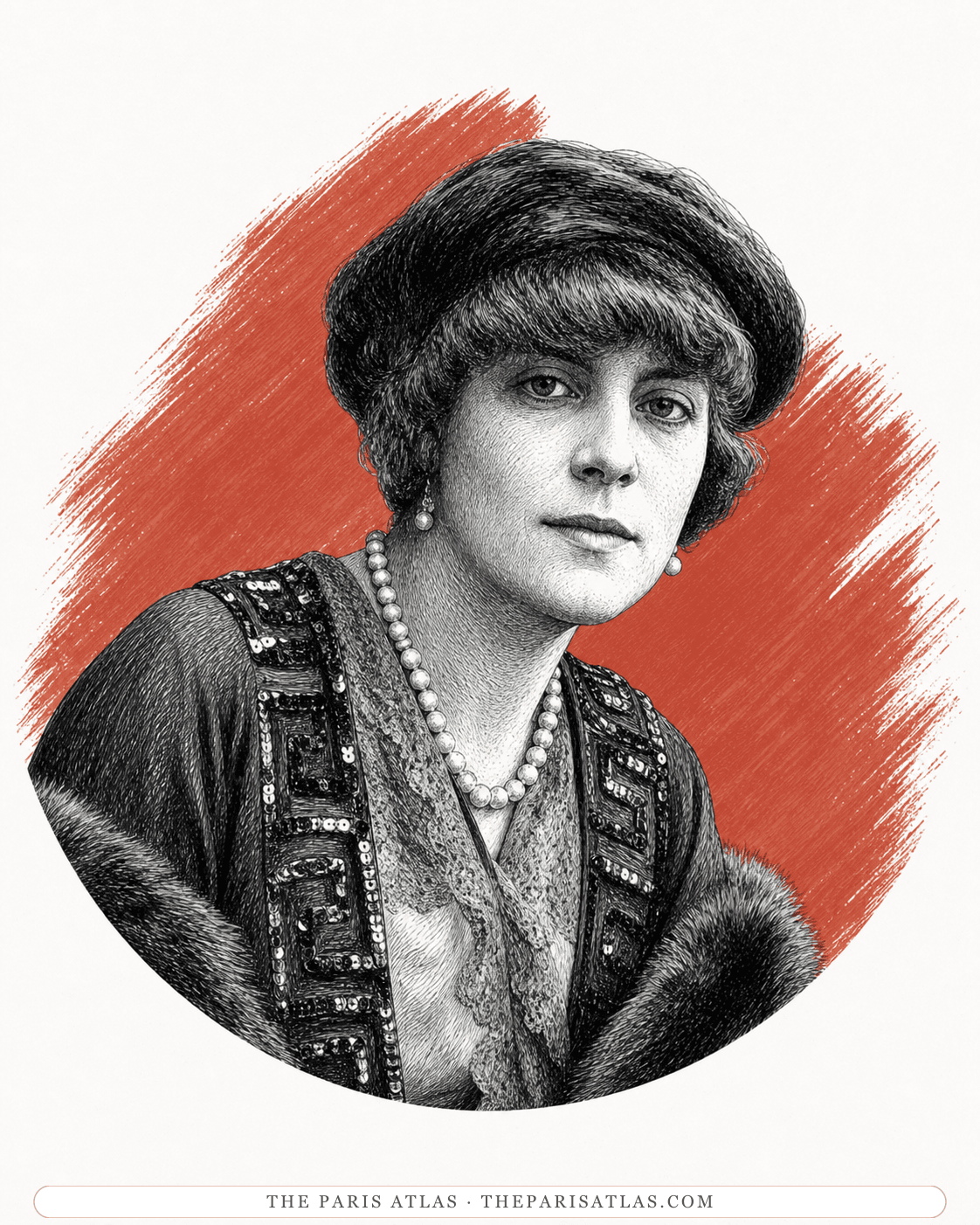
Lucie Delarue-Mardrus
French poet and novelist from Honfleur who wrote the love poems of Nos secrètes amours to Natalie Clifford Barney, and was among the writers Barney's Académie des Femmes honoured from 1927.
Painter
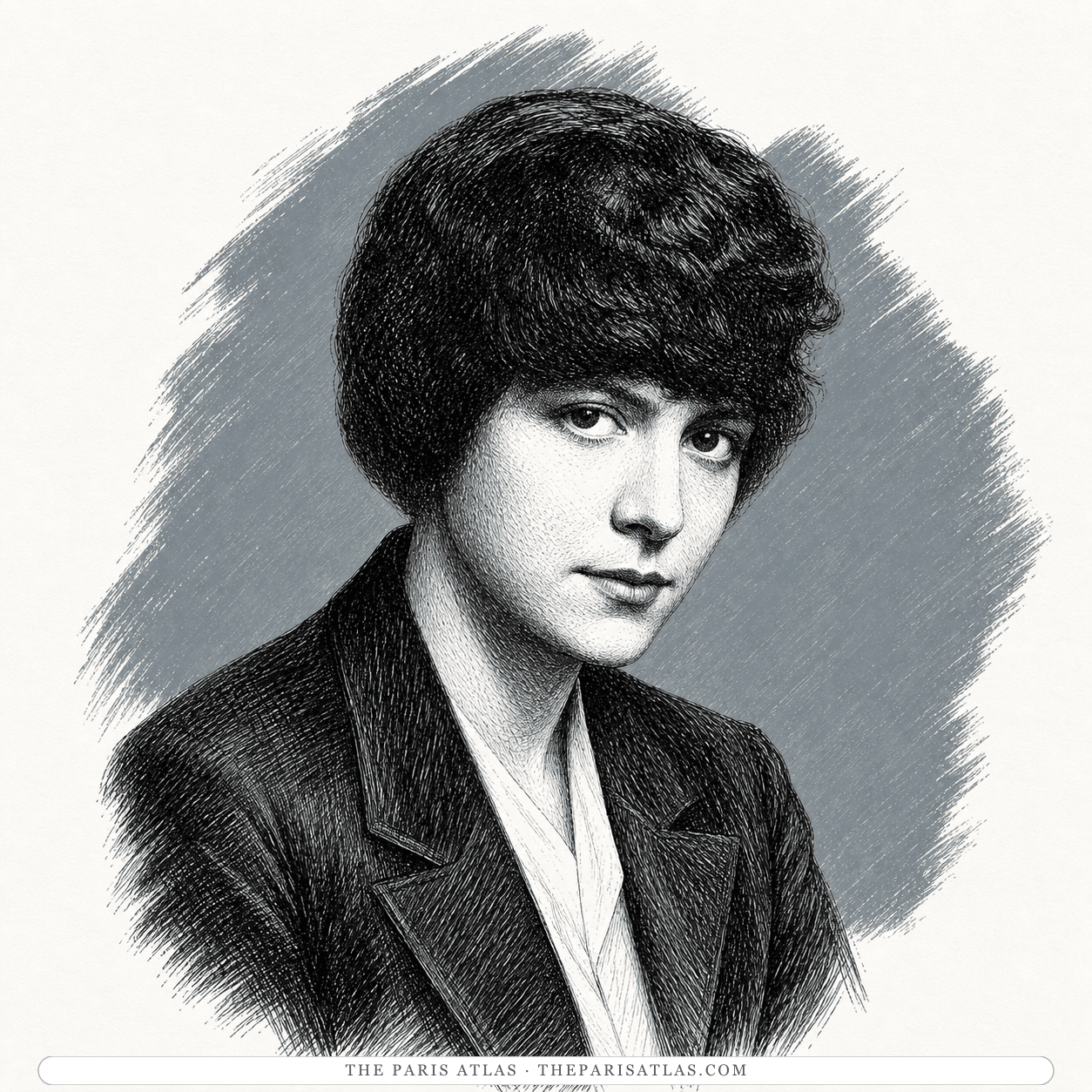
Romaine Brooks
American painter who spent her career on portraits of the women around her, worked almost entirely in greys, and gave most of what she made to the Smithsonian American Art Museum.
Sculptor
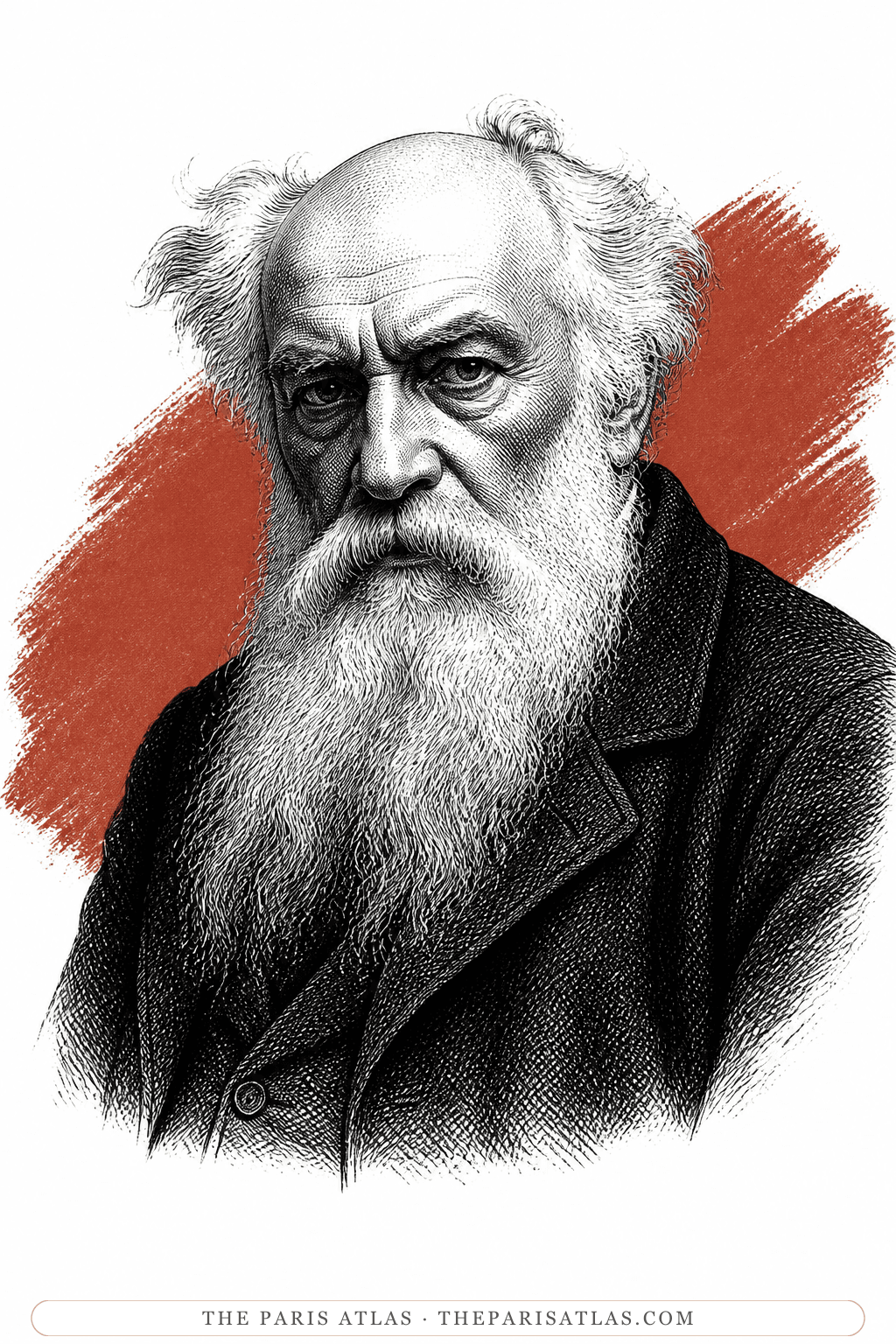
Auguste Rodin
French sculptor whose Gates of Hell produced The Thinker and The Kiss, and whose refusal of the smooth neoclassical finish for a modelled, expressive surface made modern sculpture possible.
Painter
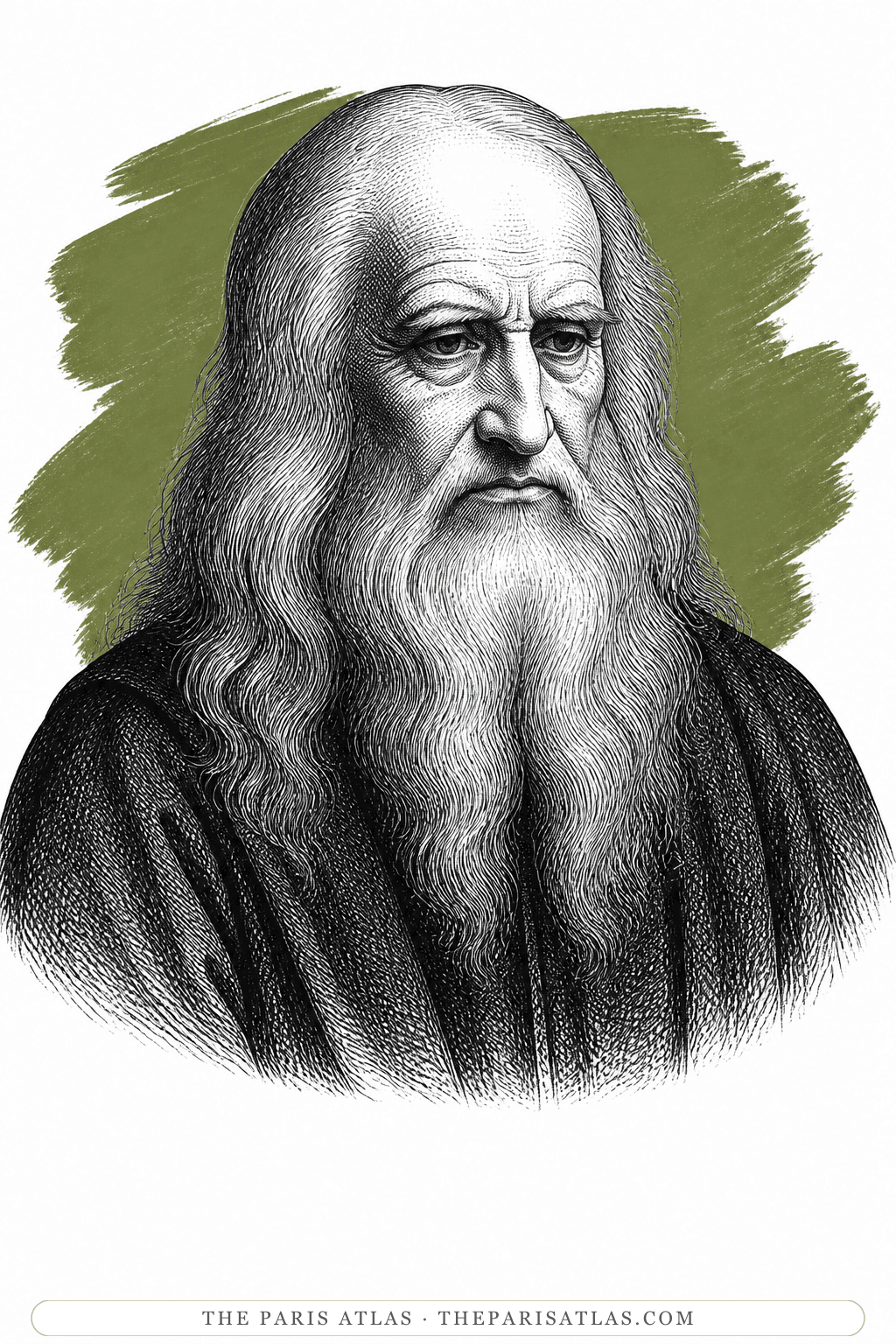
Leonardo da Vinci
Florentine painter and investigator of nature who carried the Mona Lisa into France and continued working on it until the end of his life.
Painter
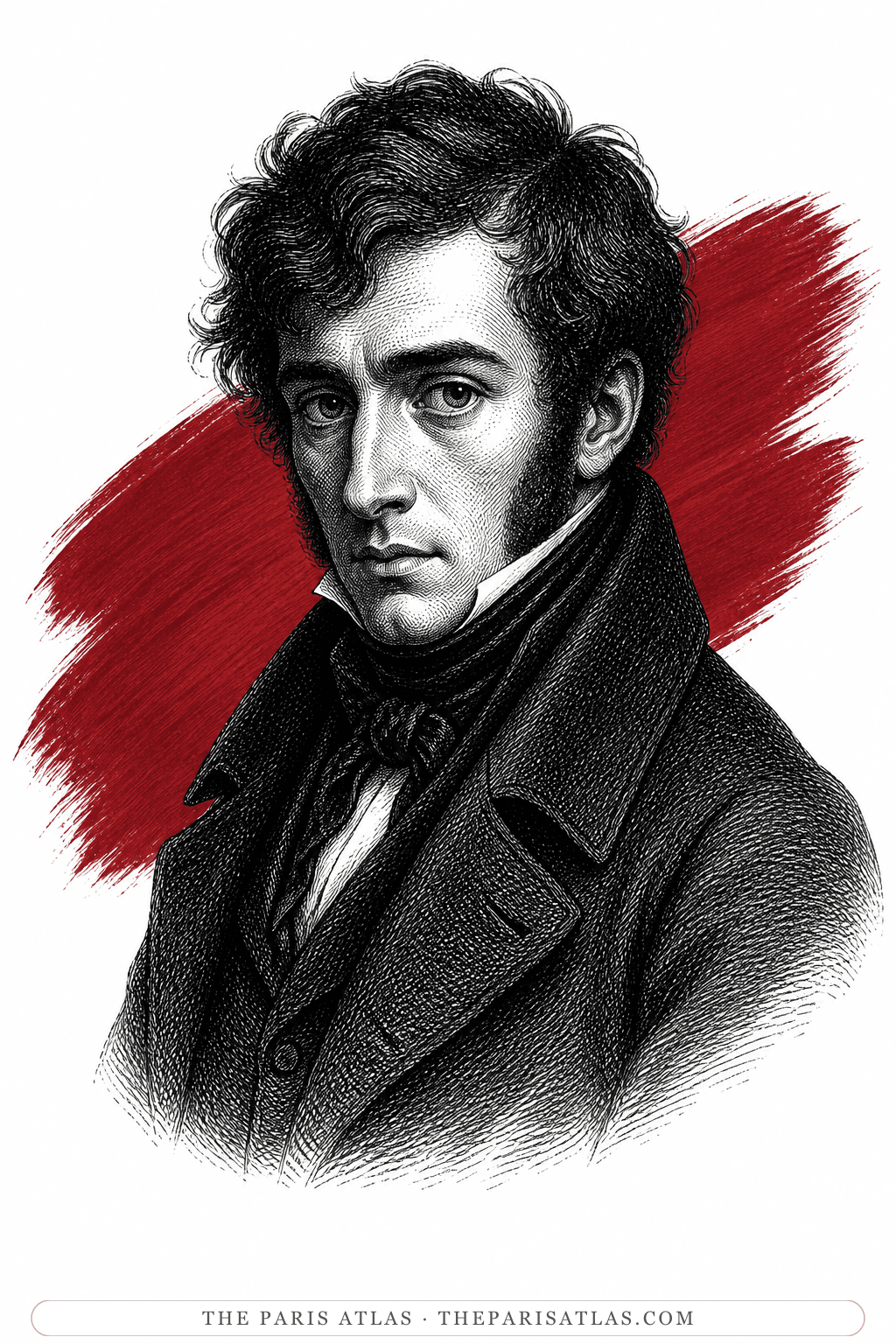
Théodore Géricault
French painter who turned the recent Méduse disaster into a monumental modern history painting and a defining work of French Romanticism.
Painter · Illustrator
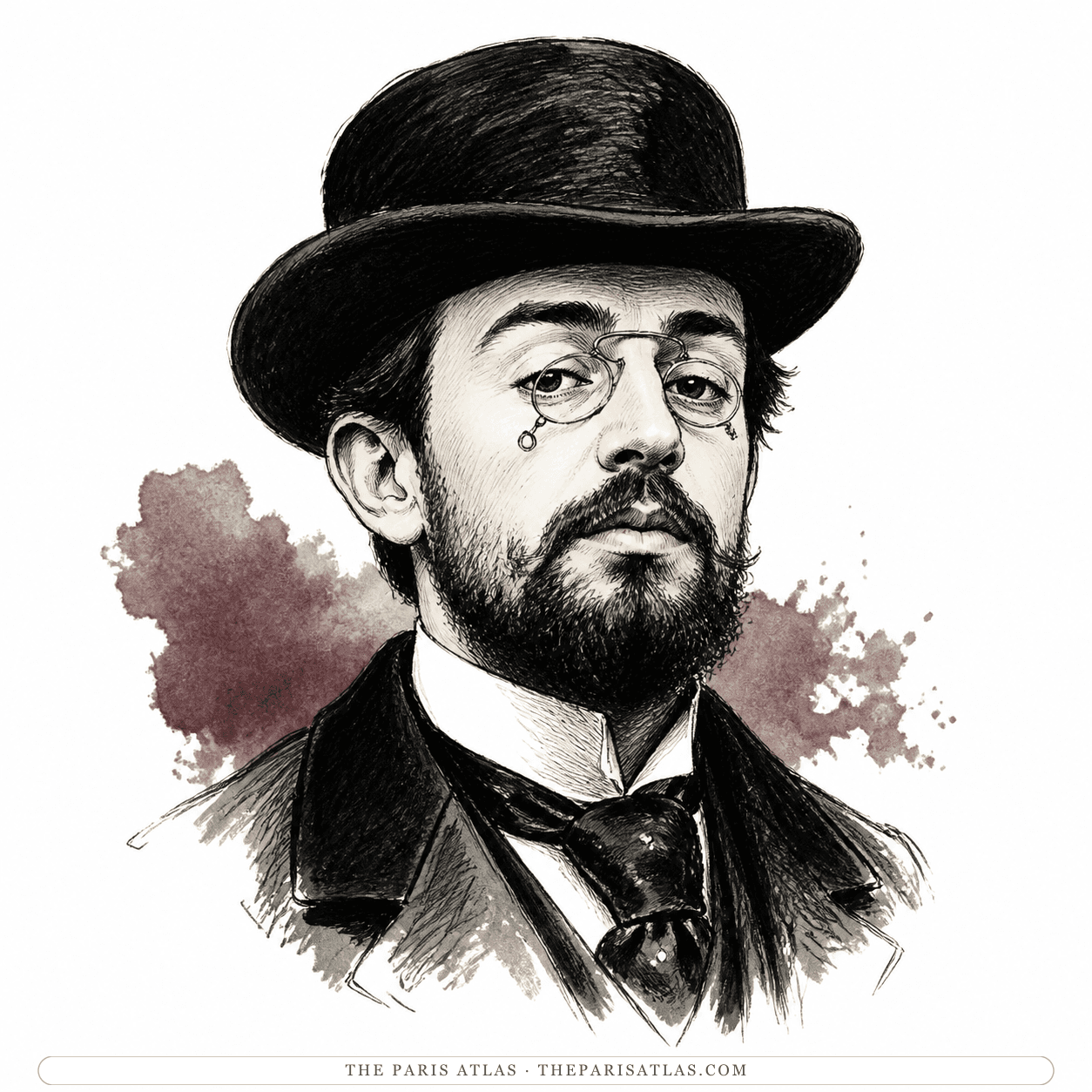
Henri de Toulouse-Lautrec
Aristocrat, painter and printmaker who moved to Montmartre in the 1880s and made its nightlife his single subject. His 1891 Moulin Rouge poster of the dancer La Goulue changed what a poster could be; he died at thirty-six leaving more than five thousand drawings.
Painter
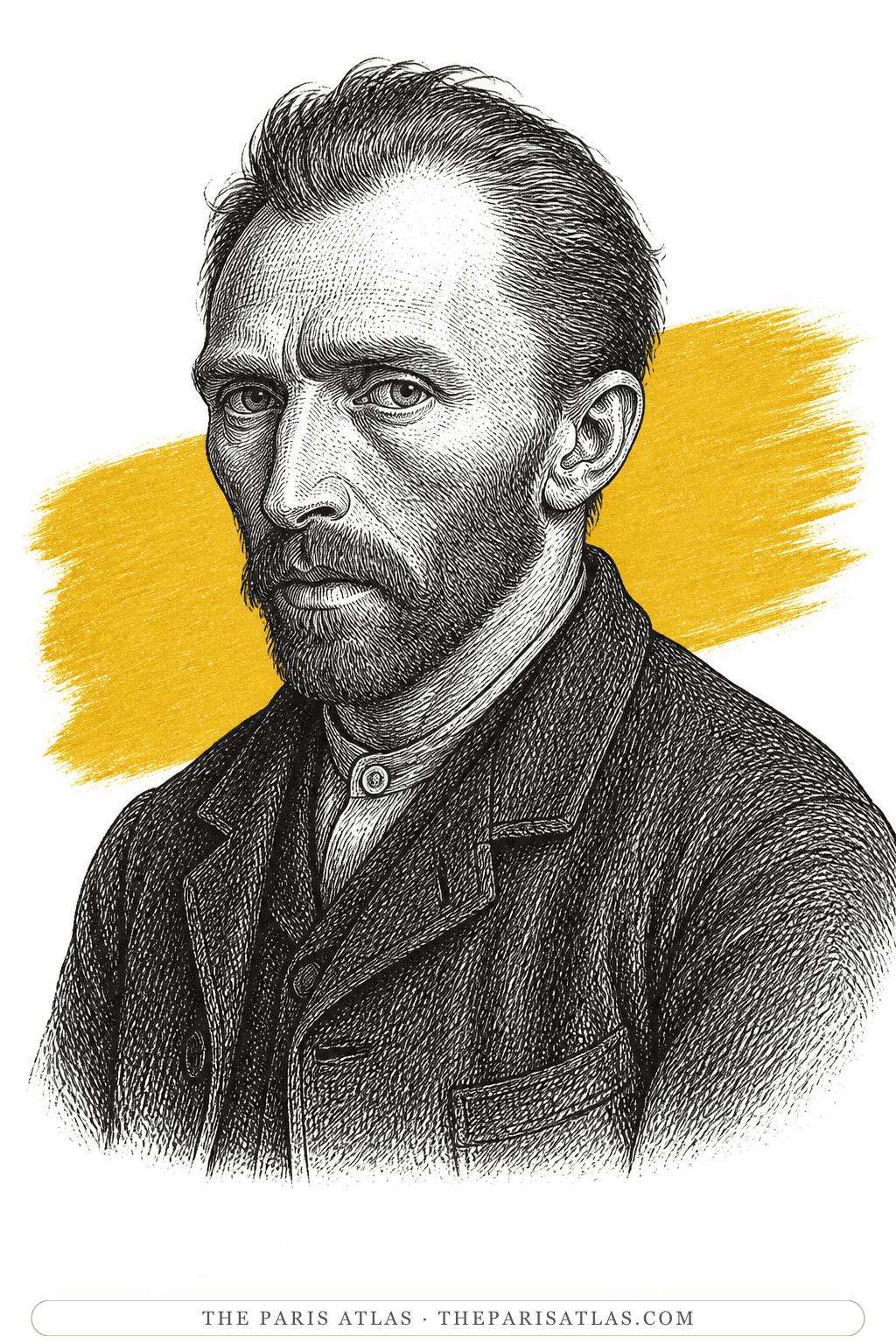
Vincent van Gogh
Dutch painter who lived in Montmartre with his brother Theo from March 1886 to February 1888 — the two years in which his dark Dutch palette turned into colour. He painted more than 200 pictures in Paris and died at Auvers-sur-Oise, north of the city, in 1890.
Painter
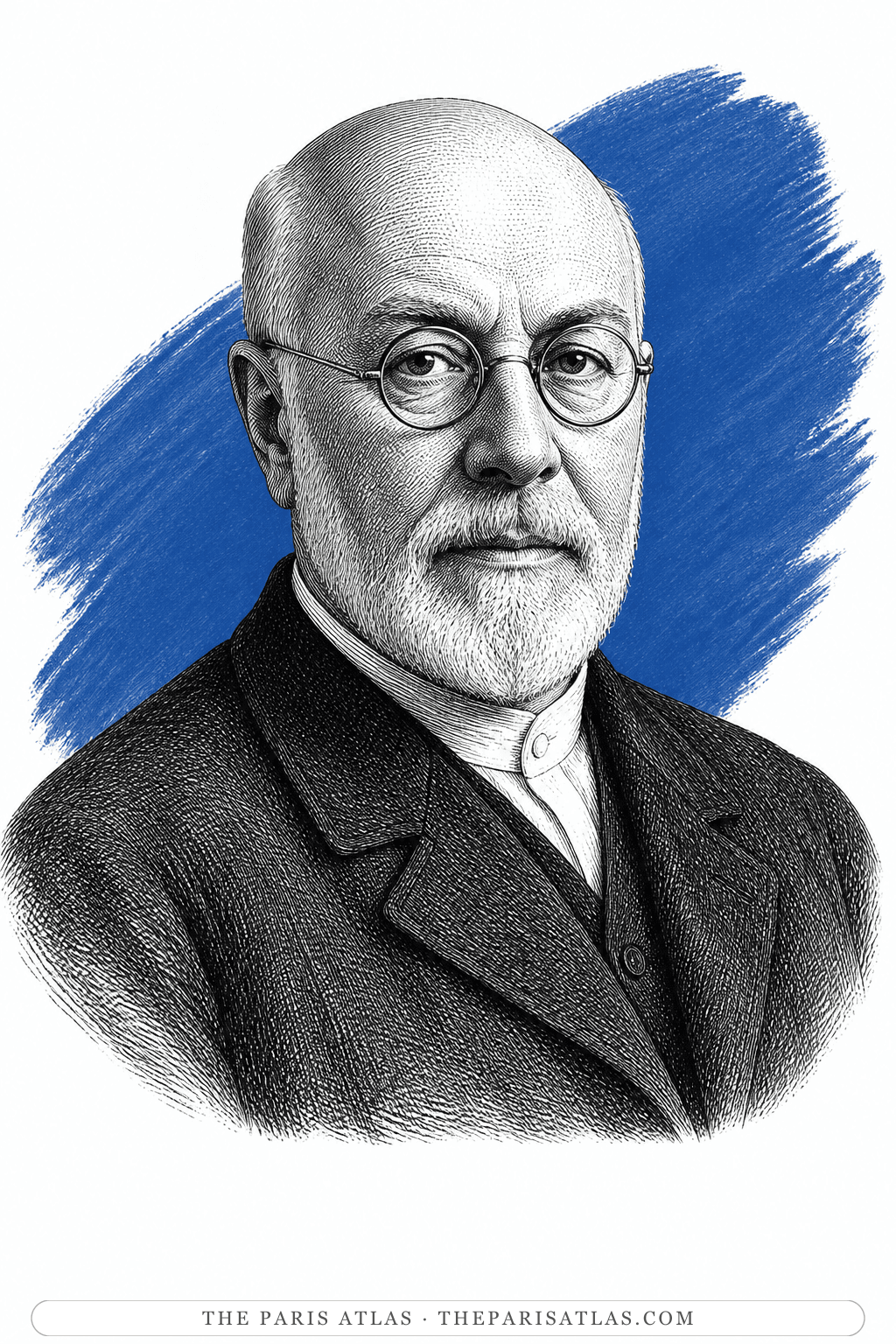
Henri Matisse
French painter whose room at the Paris Salon d'Automne of 1905 earned the name Fauvism — 'wild beasts' — from a critic's joke. He worked from 19 quai Saint-Michel, was bought early by Gertrude and Leo Stein, and began a forty-year rivalry with Pablo Picasso at the Steins' salon.
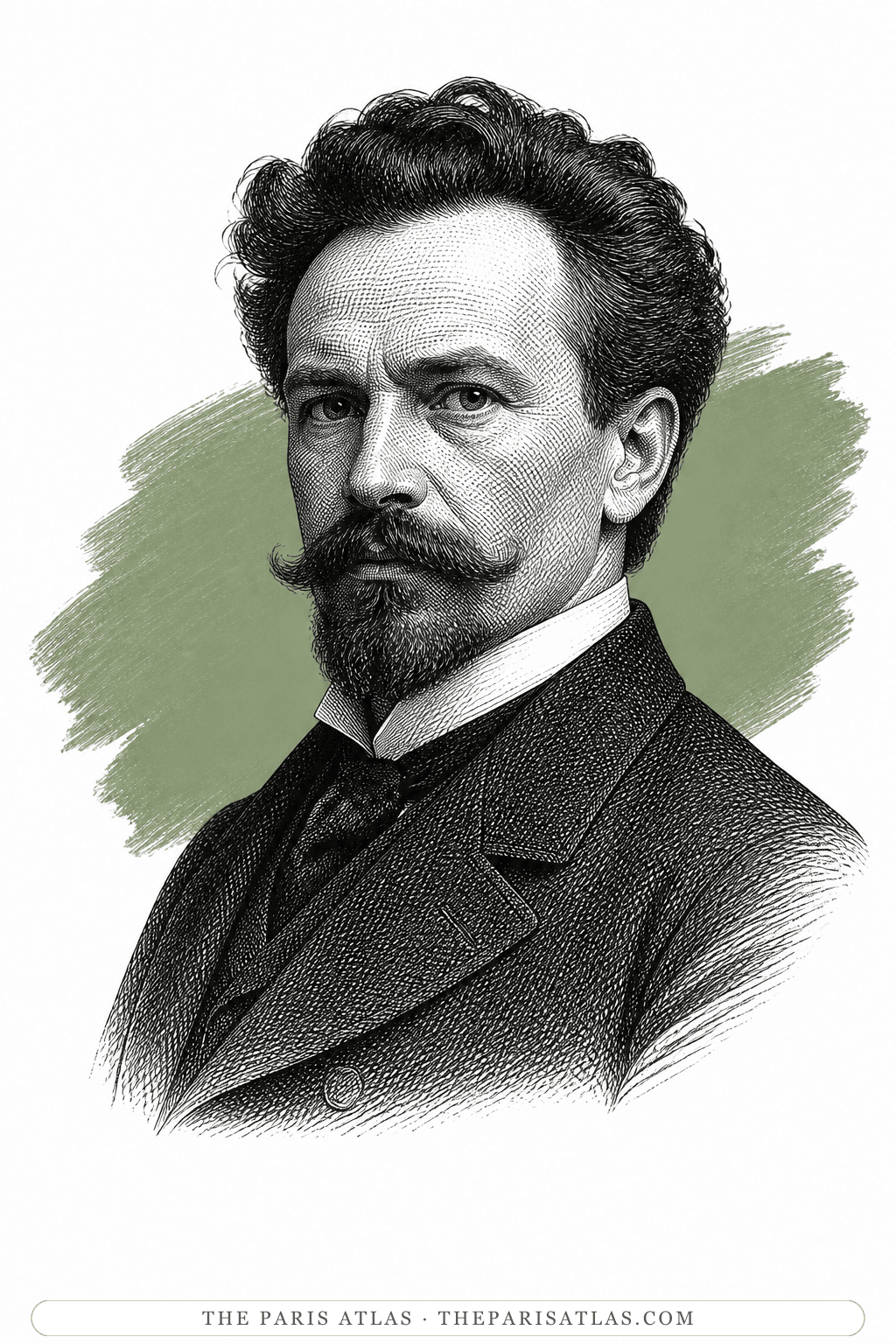
Painter · Illustrator
Alphonse Mucha
Czech poster artist whose Gismonda, designed for Sarah Bernhardt over the last week of December 1894, went up on Paris walls on 1 January 1895 and made him famous in days. The six-year Bernhardt contract that followed put his work on every kiosk in the city and gave Art Nouveau its face.
Painter
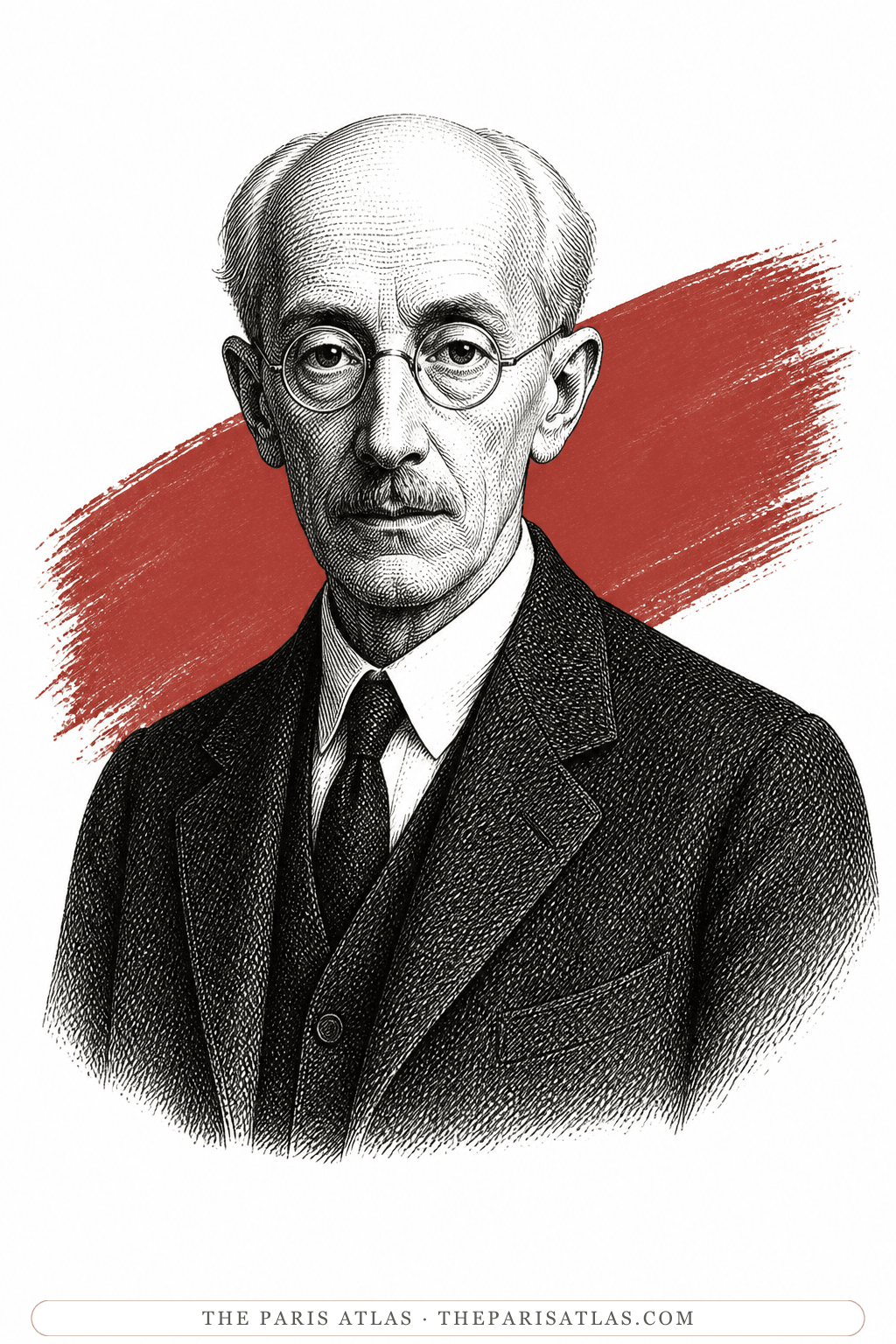
Piet Mondrian
Dutch painter of the primary-colour grids, made mostly in a studio beside the Gare Montparnasse where he lived on and off from 1912 to 1938. He dropped an 'a' from Mondriaan on arriving in Paris, painted his studio walls in movable rectangles, and danced the Charleston.
Painter
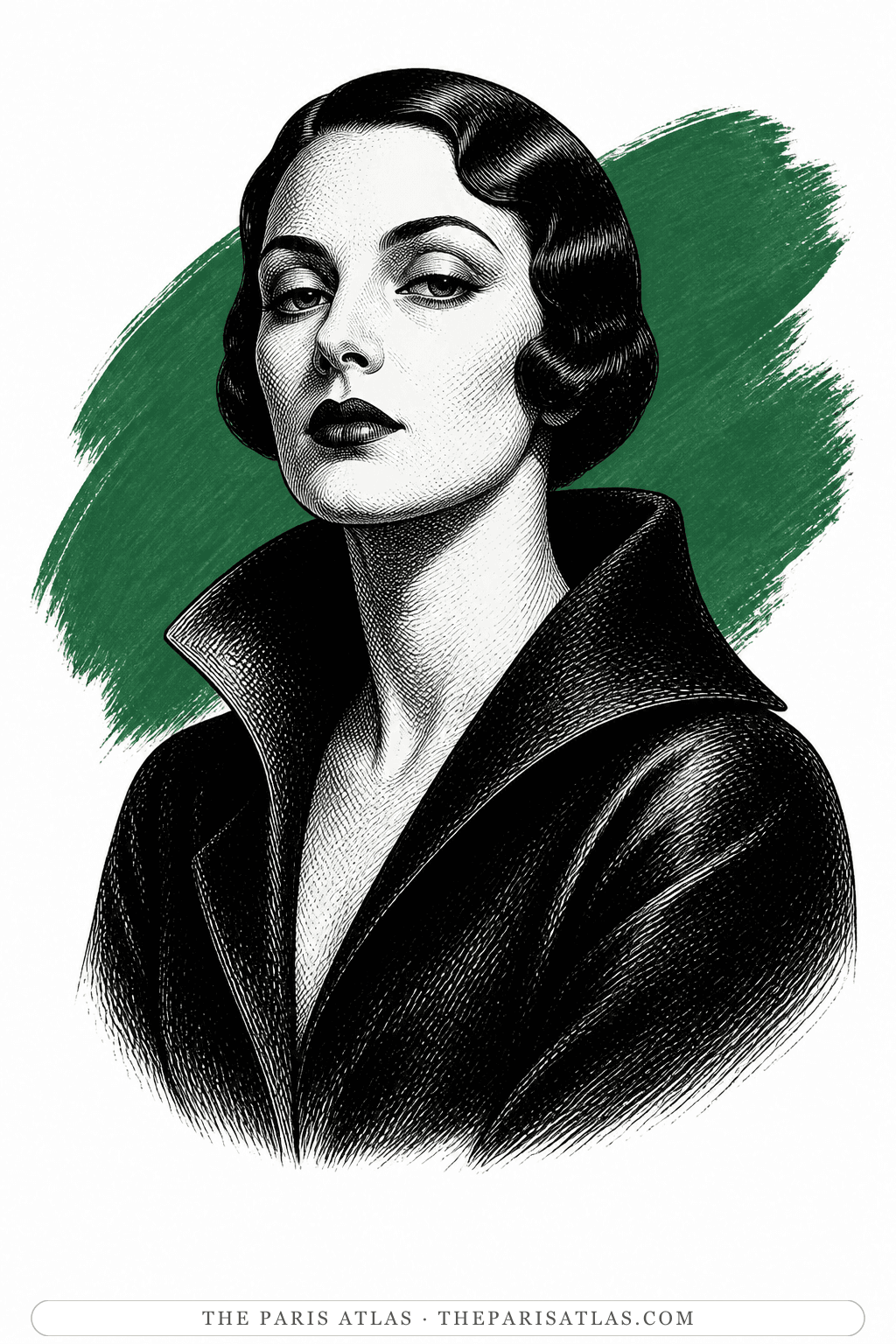
Tamara de Lempicka
Polish painter who arrived in Paris in 1918 as a refugee from the Russian Revolution and became Art Deco's defining portraitist — polished, metallic nudes and society sitters, and a 1929 self-portrait at the wheel of a green Bugatti painted for a German magazine cover.
Sculptor · Painter
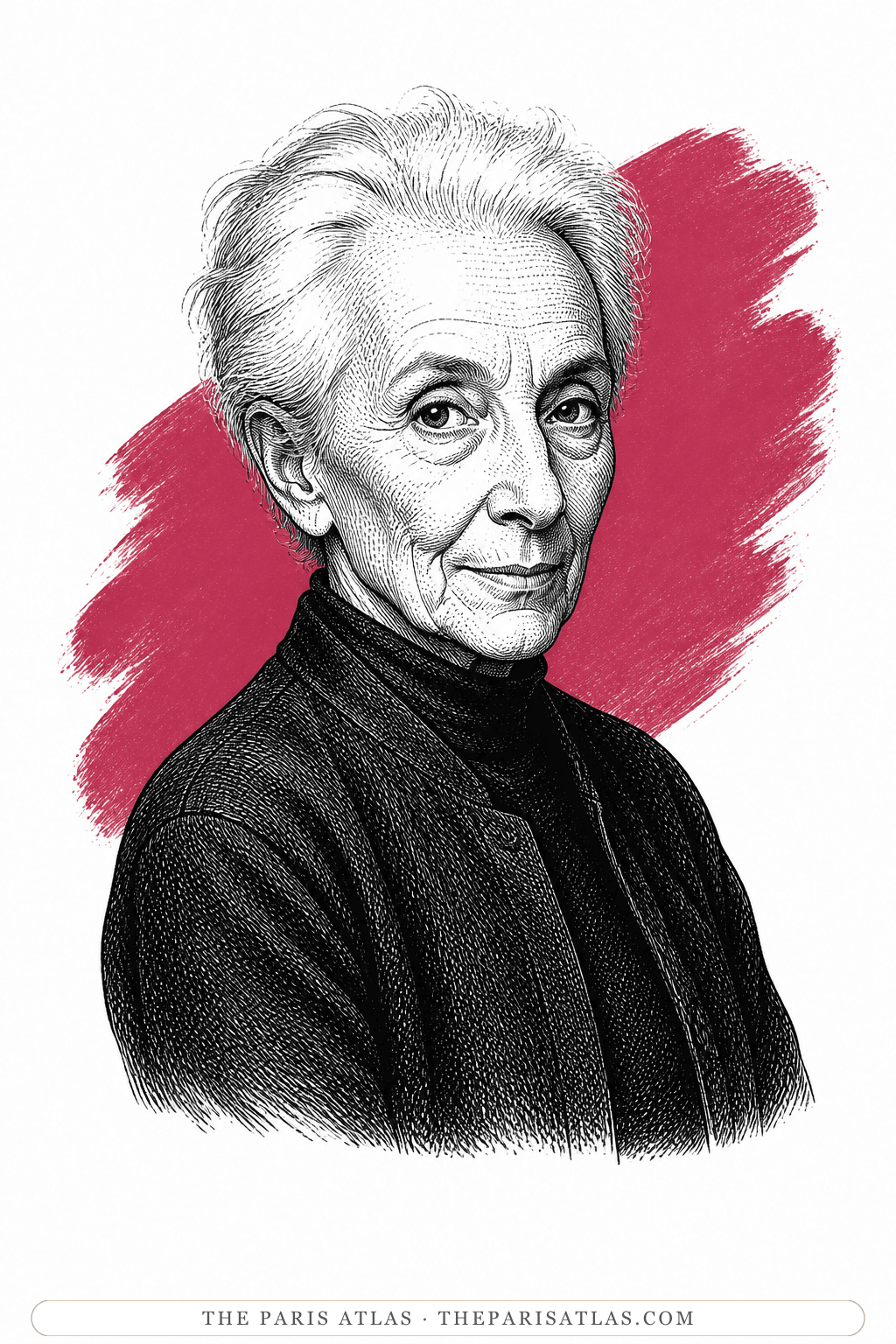
Louise Bourgeois
Sculptor of the giant Maman spiders, born in Paris on Christmas Day 1911 and raised in her parents' tapestry restoration workshop — the weaving and mending behind the spiders. New York claimed her from 1938, but the material was French, and she said so all her life.
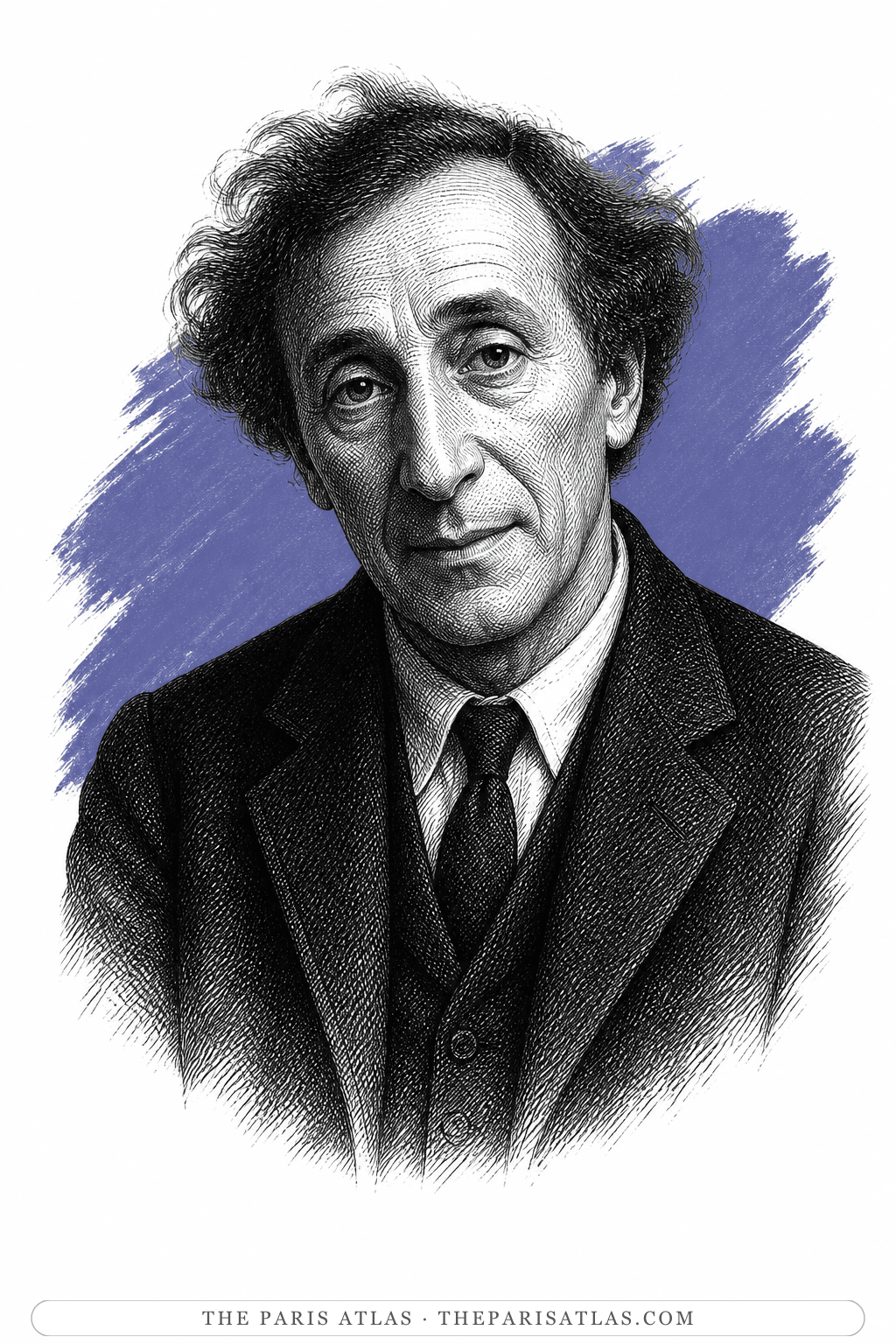
Painter
Marc Chagall
Painter of flying lovers, green fiddlers and remembered Vitebsk, who worked in a cell of the beehive-shaped La Ruche studios in the 1910s alongside Soutine, Modigliani and Léger, fled France in 1941, and returned to paint the ceiling of the Paris Opera at seventy-seven.
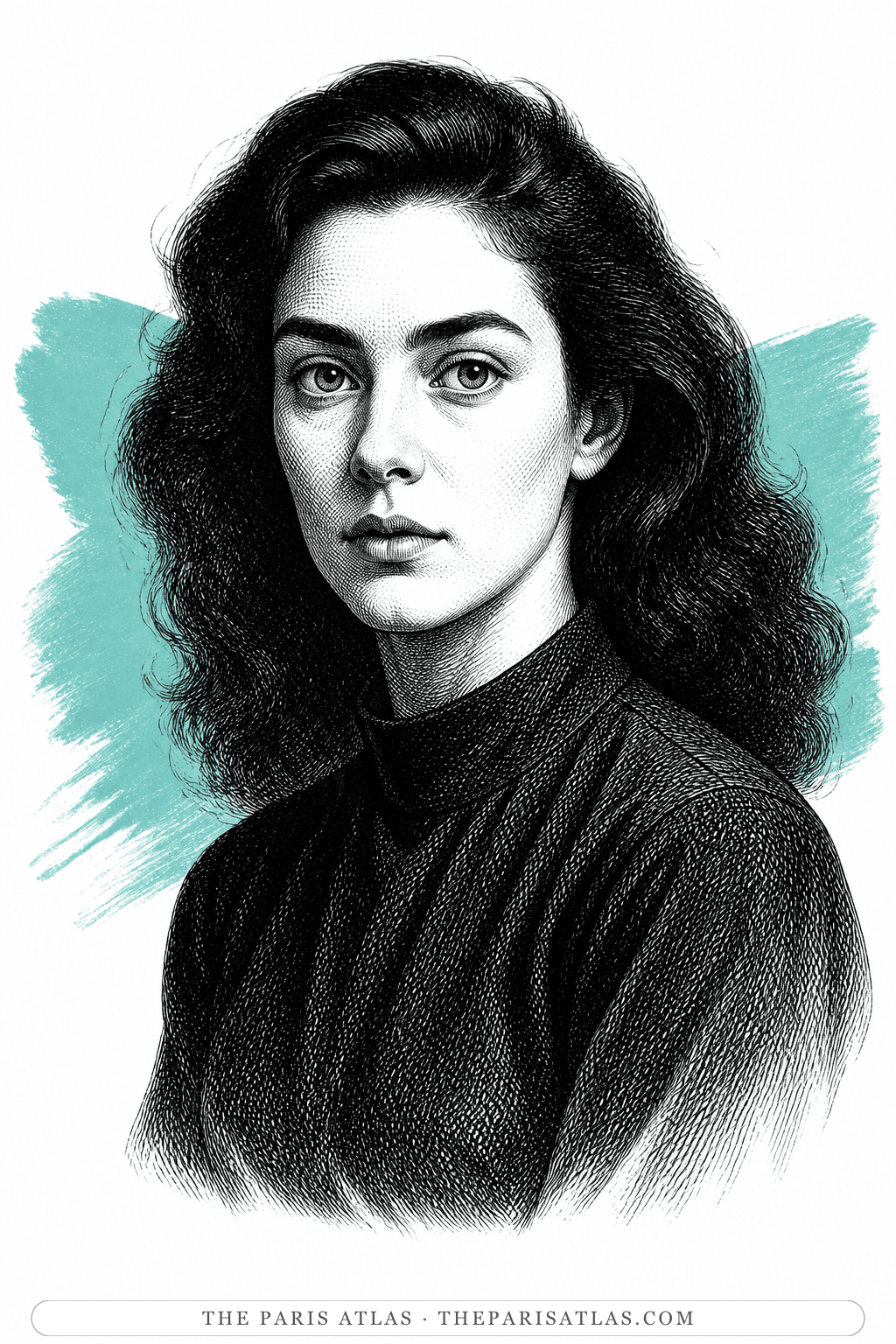
Painter
Leonora Carrington
English painter and writer who fled a debutante's future for Surrealist Paris at twenty, survived the war's wreckage of that life — internment for her lover Max Ernst, an asylum in Spain for her — and rebuilt herself in Mexico into one of the century's great painters of the uncanny.
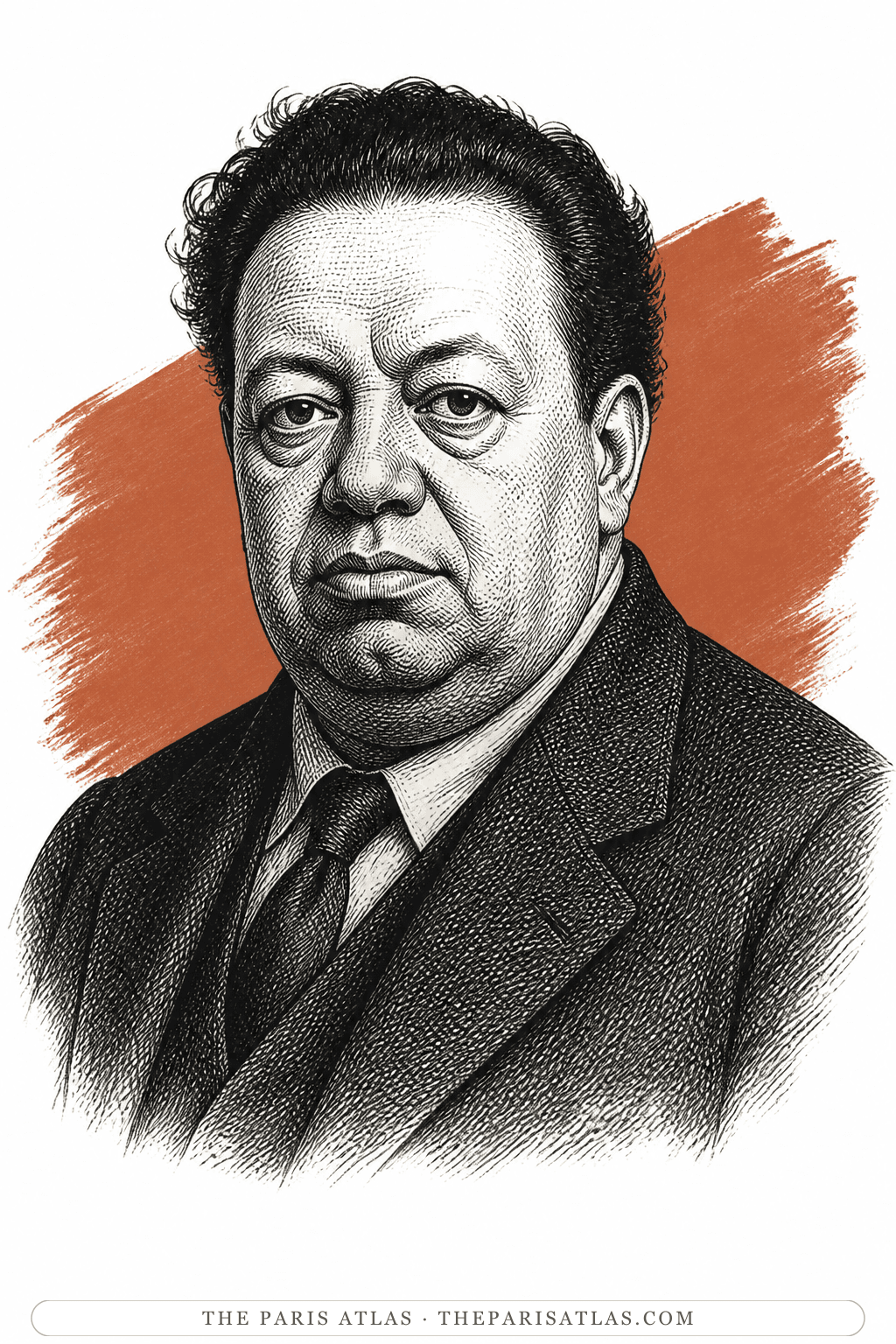
Painter
Diego Rivera
Mexican muralist who spent eleven years in Montparnasse first — 1909 to 1920, most of them as a serious Cubist. Modigliani painted his portrait, the 1917 'affaire Rivera' ended his Cubism in a public quarrel, and Italian frescoes sent him home to invent Mexican muralism.
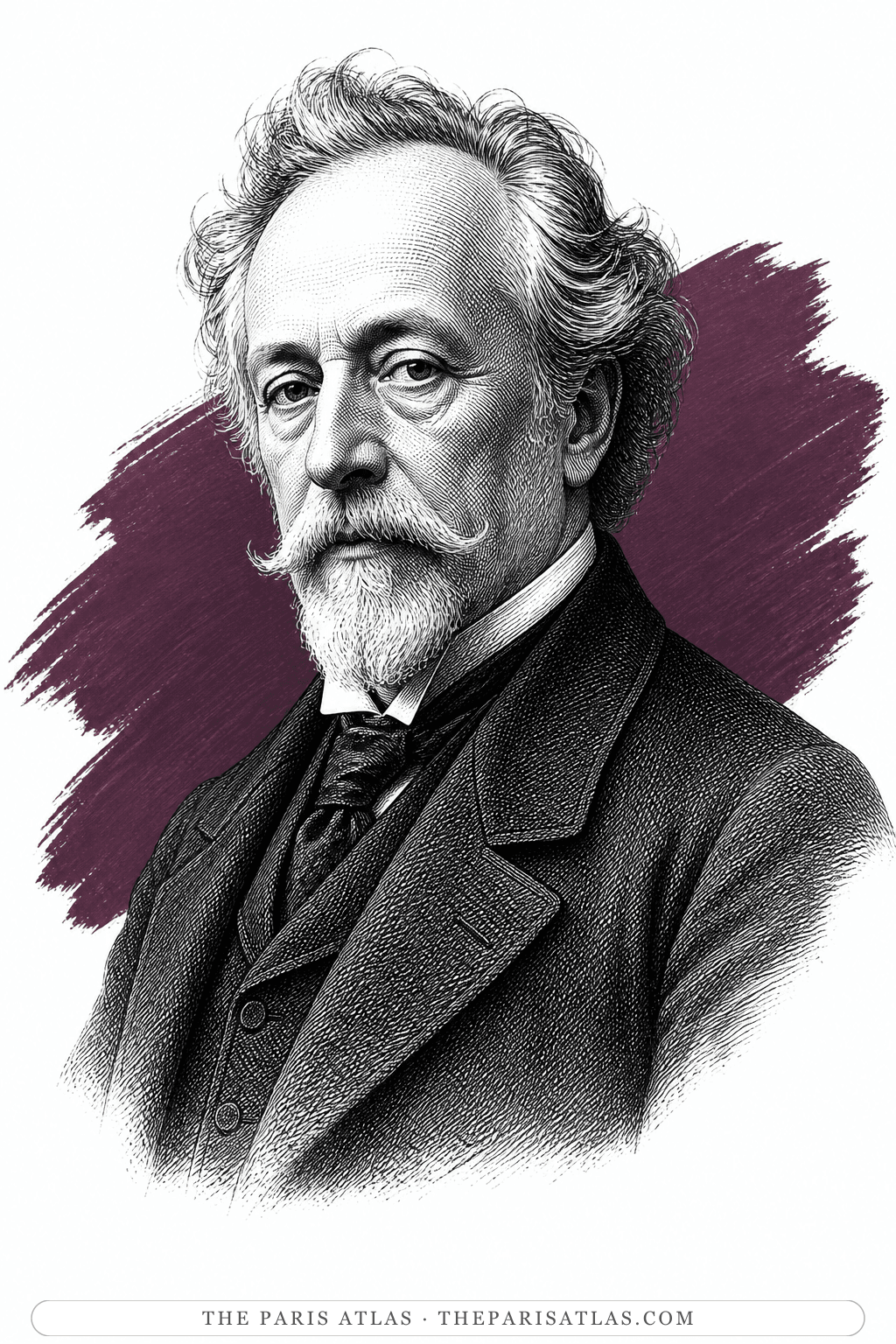
Painter
Gustave Moreau
Painter of jewelled myths — Salome, Oedipus, floating severed heads — who lived nearly his whole life in one Paris house, taught Henri Matisse and Georges Rouault at the Beaux-Arts, and turned the house into a museum before he died so the state would have to keep everything.
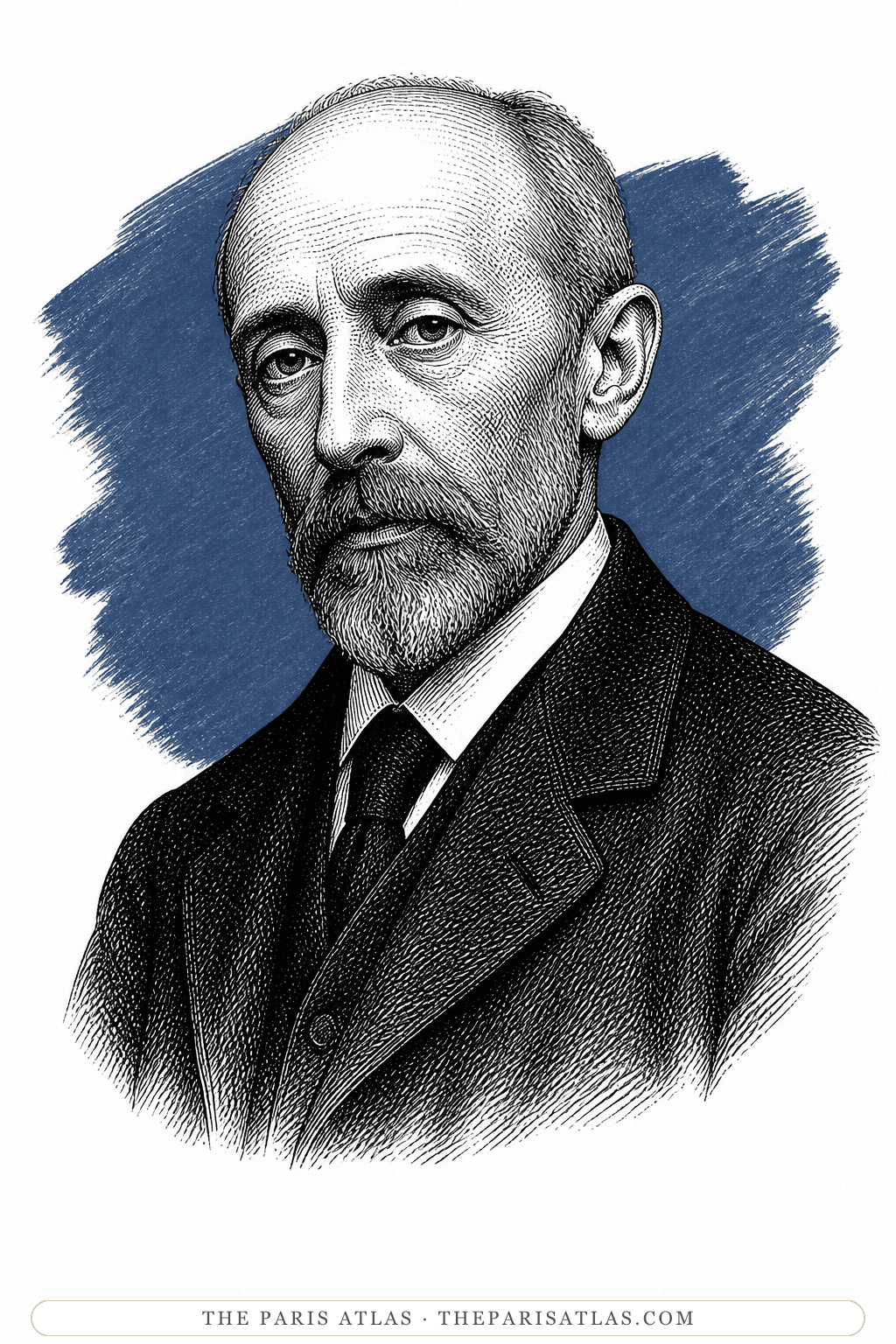
Painter
Odilon Redon
Symbolist who spent twenty years drawing in black — smiling spiders, floating eyes, charcoal creatures he called his noirs — then turned around 1890 to some of the most saturated colour in French art. The Surrealists later claimed him as an ancestor.
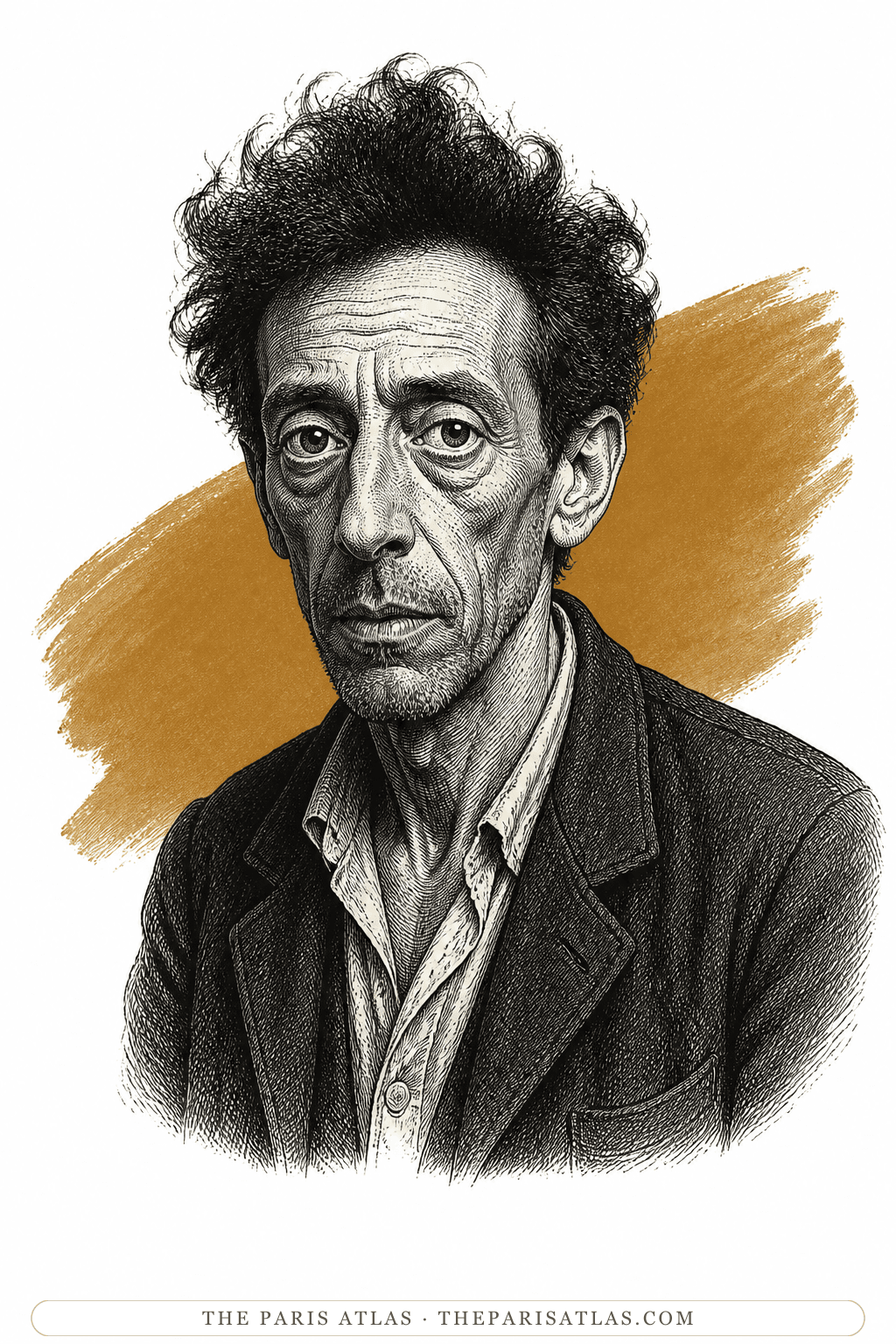
Sculptor · Painter
Alberto Giacometti
Swiss sculptor of the walking, wire-thin bronze figures, made in a famously tiny, plaster-caked studio at 46 rue Hippolyte-Maindron in Montparnasse that he kept for forty years. A Surrealist until they expelled him for working from life; Sartre and Genet wrote their best art criticism about him.
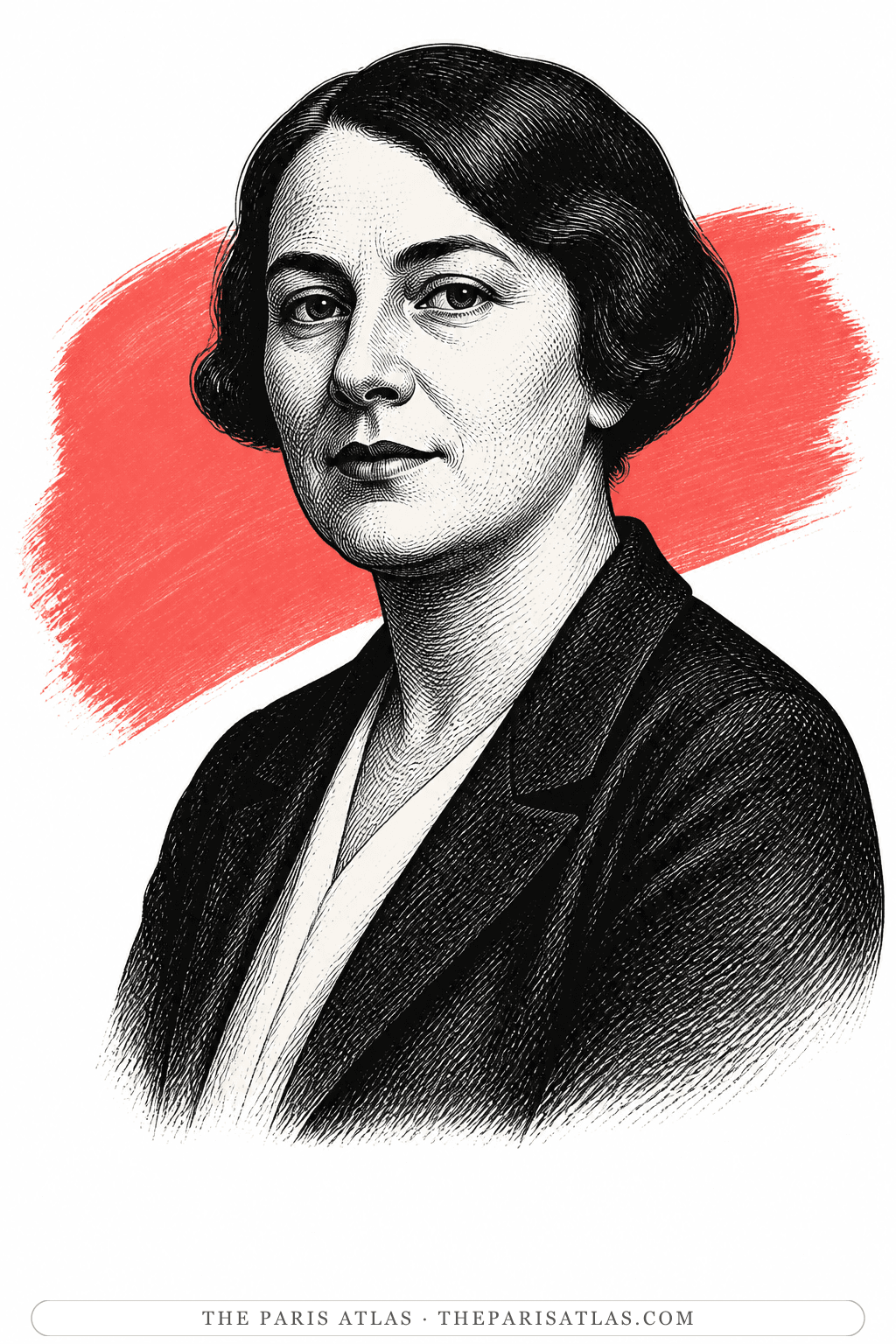
Painter · Illustrator
Sonia Delaunay
Painter who arrived from Odessa via St Petersburg in 1905, co-invented Simultanism with Robert Delaunay, made the two-metre folding artist's book La Prose du Transsibérien with the poet Blaise Cendrars in 1913, dressed 1920s Paris from her Atelier Simultané, and in 1964 became the first living woman shown at the Louvre.
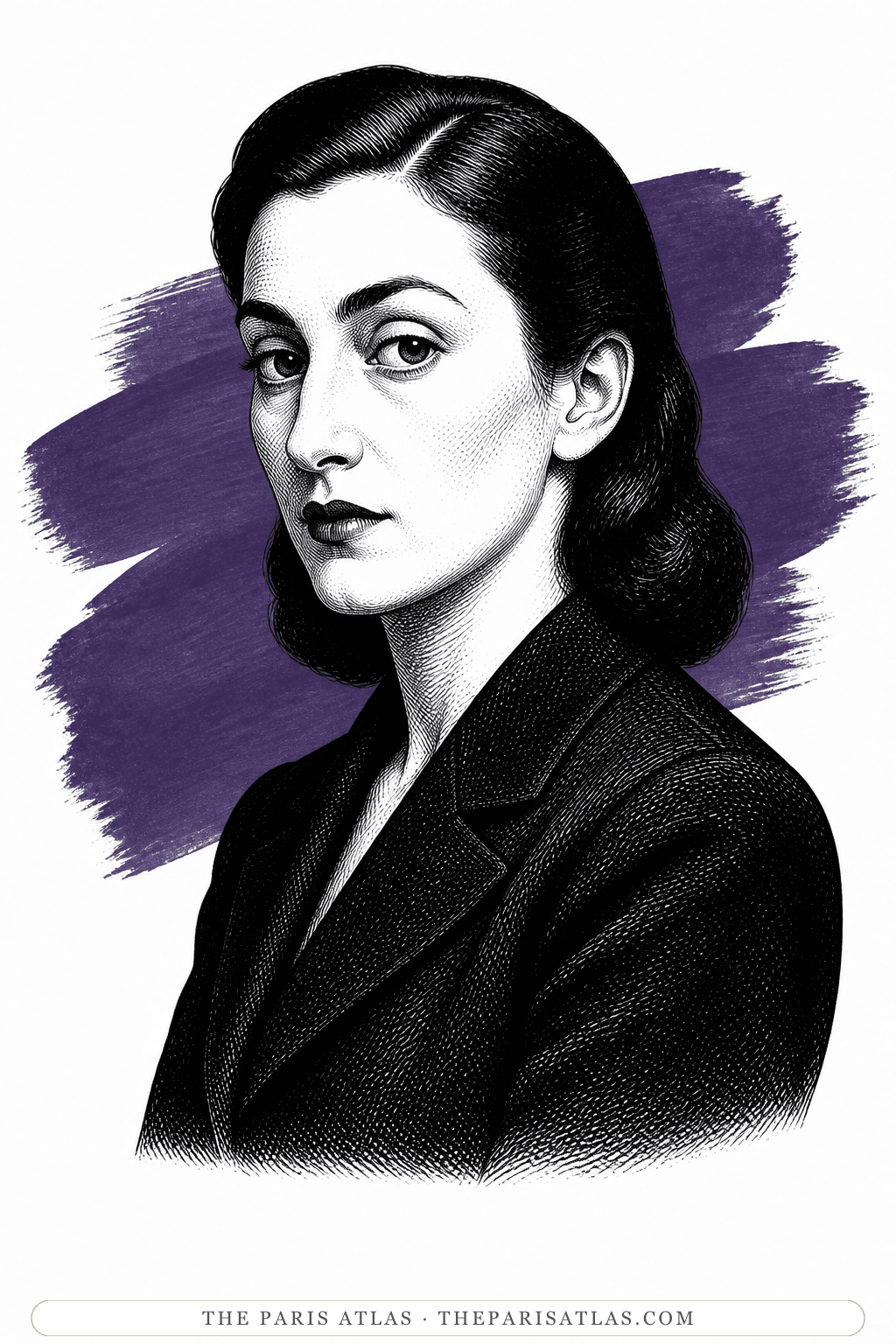
Painter
Dora Maar
Surrealist photographer — photomontages, the Père Ubu armadillo, street work in Barcelona and London — who documented the painting of Guernica stage by stage, spent eight years as Picasso's partner and the model of the Weeping Woman, and said of those portraits: they are Picassos, not one is Dora Maar.
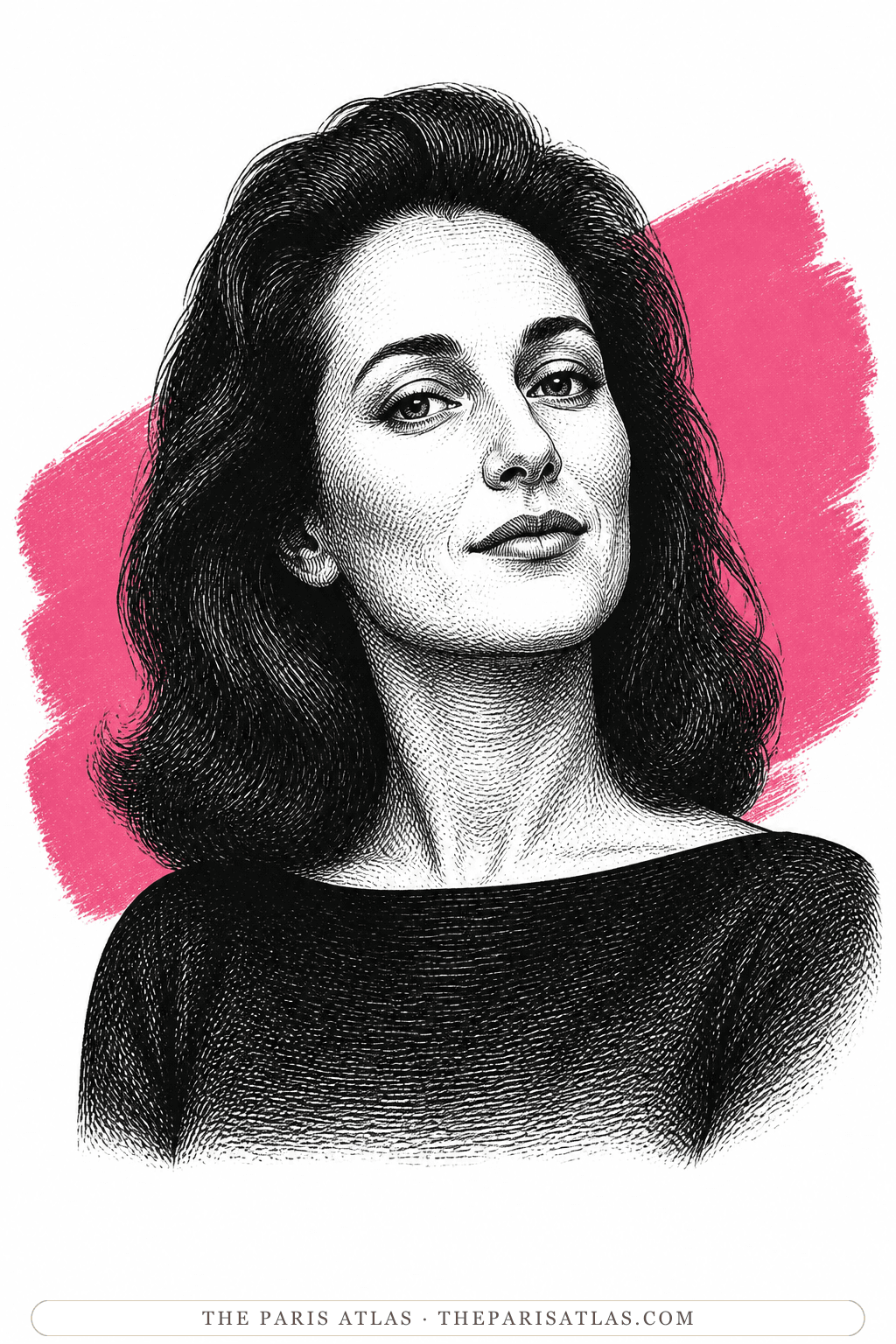
Sculptor · Painter
Niki de Saint Phalle
Self-taught artist who made her name in 1961 by shooting a rifle at plaster reliefs bleeding paint, joined the Nouveaux Réalistes, built the monumental patterned Nanas and the Stravinsky Fountain beside the Pompidou with Jean Tinguely, and spent twenty years constructing a Tarot Garden in Tuscany.
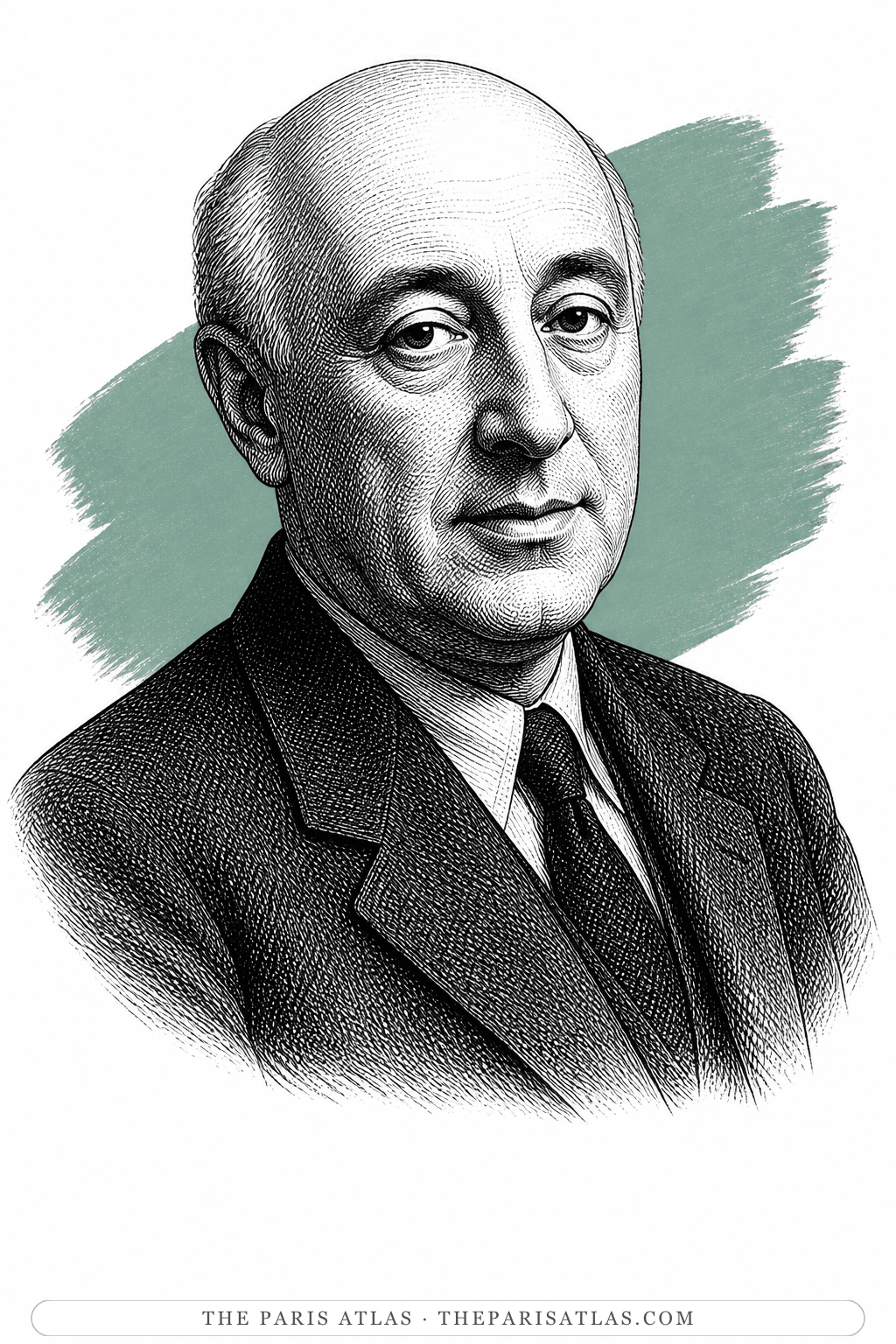
Sculptor · Painter
Jean Arp
Strasbourg-born sculptor and poet — Hans in German, Jean in French, both all his life — who co-founded Dada at the Cabaret Voltaire in 1916, composed collages by dropping torn paper 'according to the laws of chance', and settled at Meudon outside Paris in a house his wife Sophie Taeuber-Arp designed.
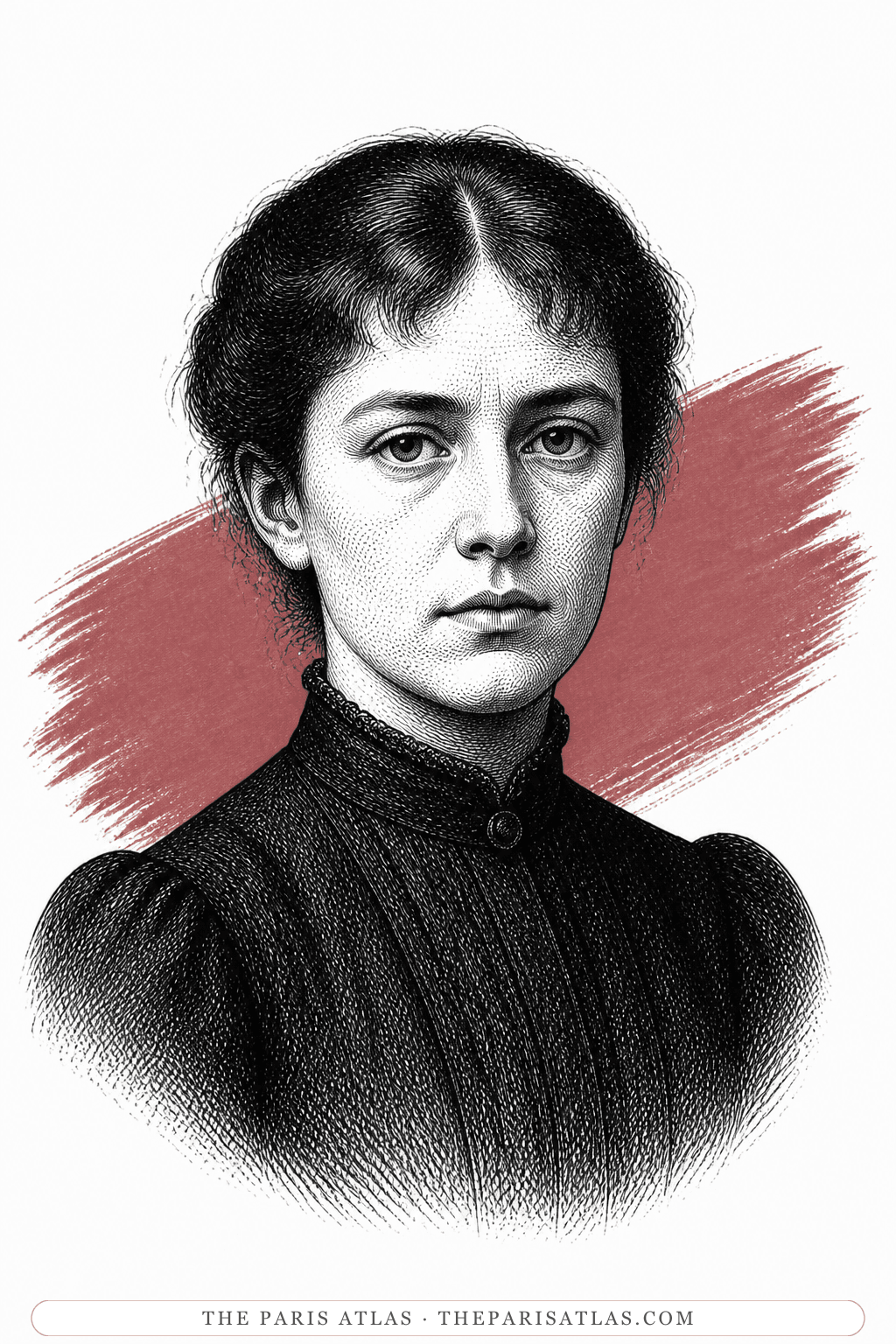
Sculptor
Camille Claudel
French sculptor who taught herself in the clay of Nogent-sur-Seine, was handed on from her first teacher to Auguste Rodin, worked ten years inside his studio as student, assistant and lover, made The Waltz and The Age of Maturity on her own, and spent the last thirty years of her life confined in asylums without sculpting.
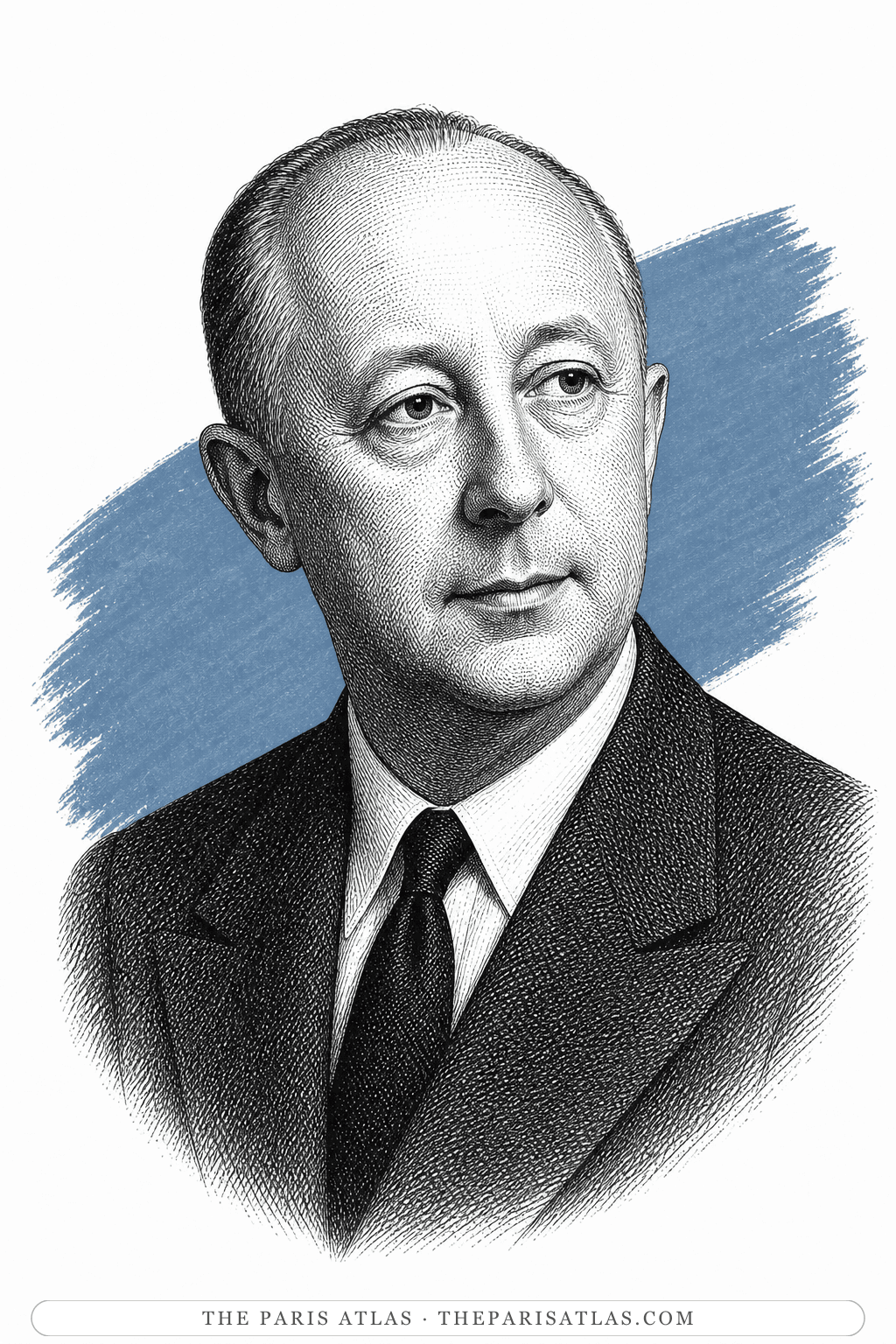
Fashion designer · Illustrator
Christian Dior
Couturier whose first Paris career was as an art dealer: his galleries on the rue La Boétie and the rue Cambacérès showed Picasso, Matisse and his friend Salvador Dalí before his family's money ran out. He opened a couture house at 30 avenue Montaigne in December 1946, and the collection he showed there on 12 February 1947 was named the New Look by an American editor before the applause had finished.
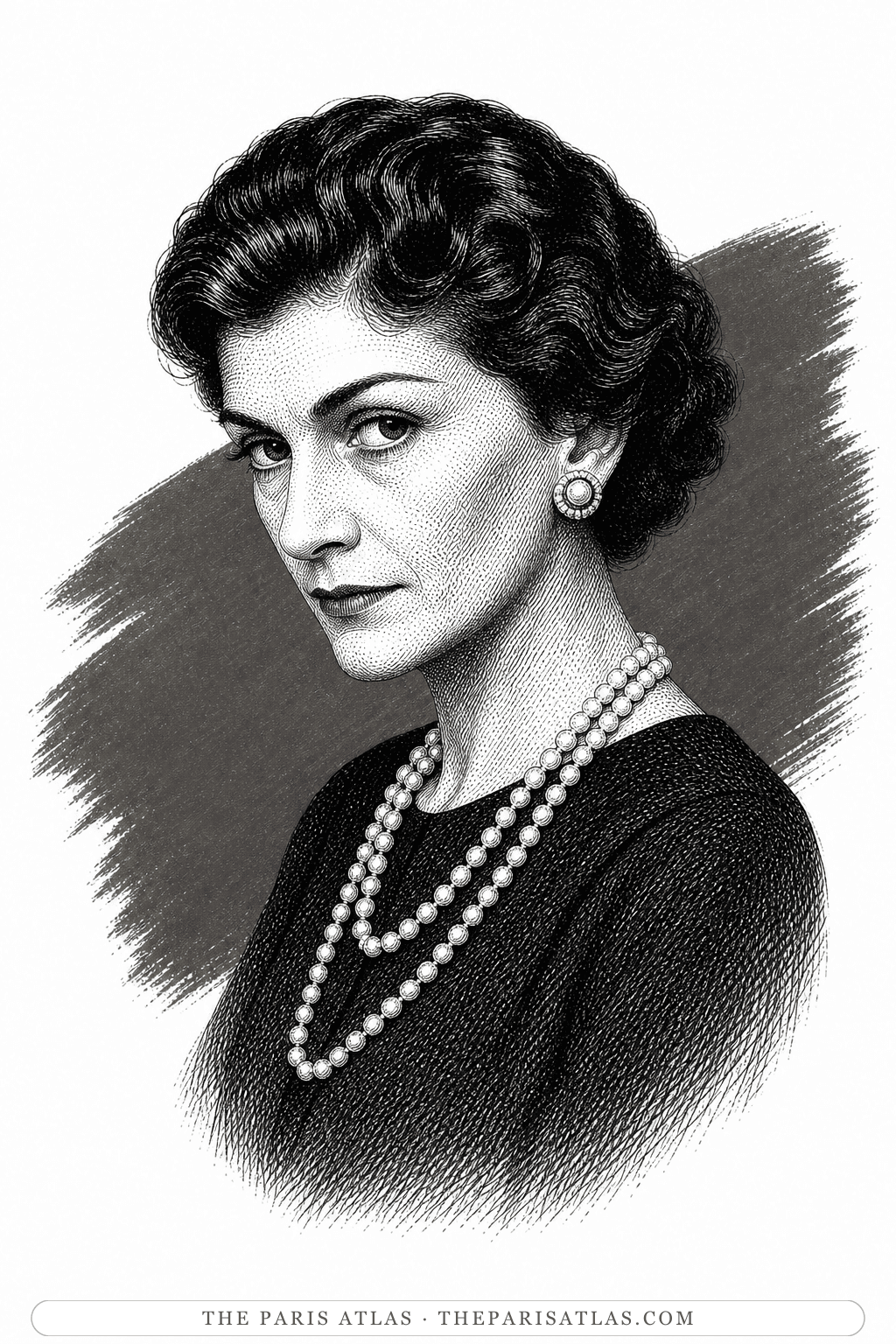
Fashion designer
Coco Chanel
Couturière who built the most recognisable name in French fashion along two hundred metres of one Paris street: the hat shop at 21 rue Cambon, the couture house at number 31, and a suite at the Hôtel Ritz whose back door opens onto the same pavement. She closed the house in 1939, spent the German occupation at the Ritz with a German officer, and came back at seventy-one.
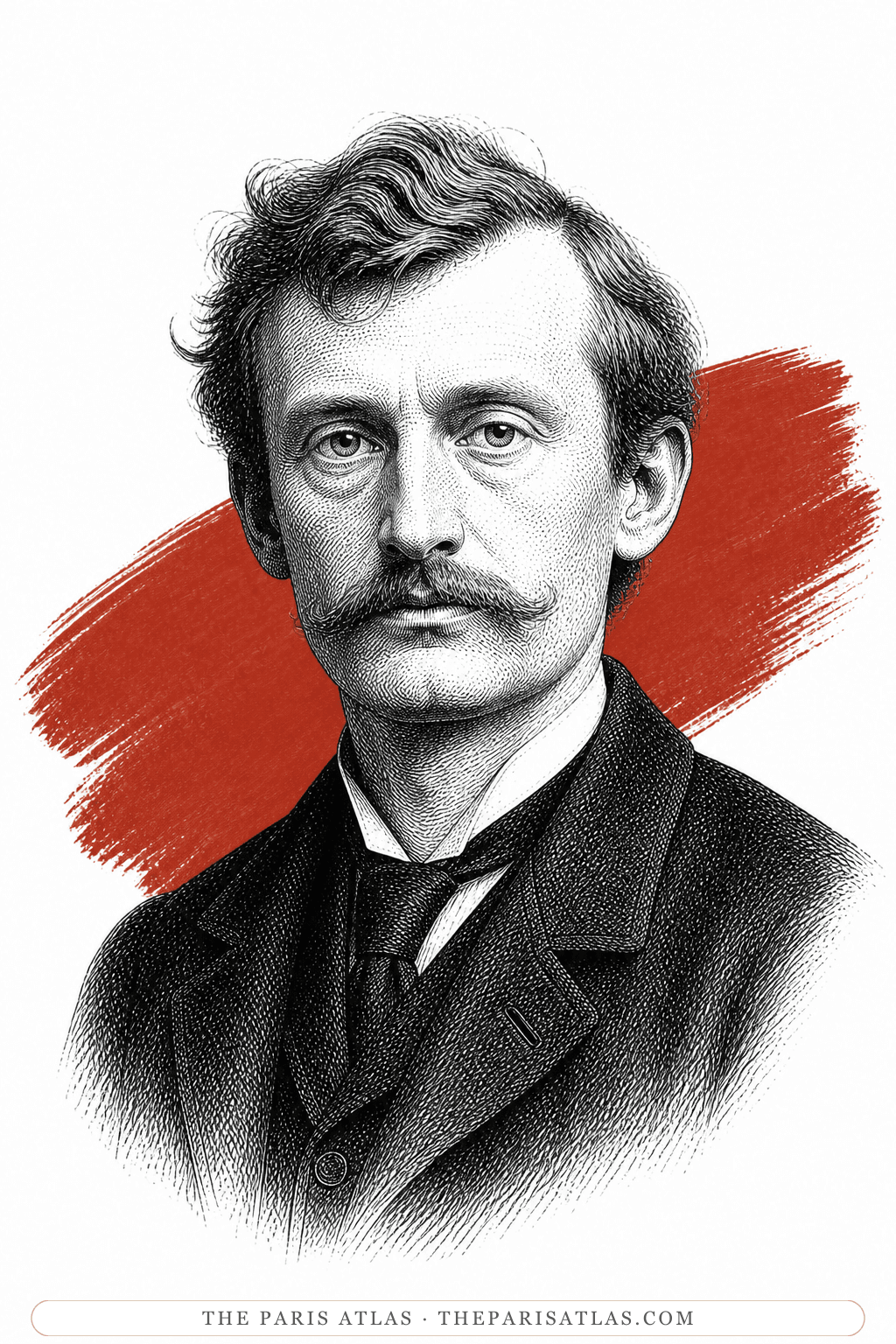
Painter
Edvard Munch
Norwegian painter of The Scream, who arrived in Paris in 1889 on a state scholarship to learn academic drawing from an anti-Impressionist professor, lost his father that November, and spent a bleak winter in the riverside suburb of Saint-Cloud writing down the vow that redirected his art — paint the moments when people are most alive, not the furniture around them.
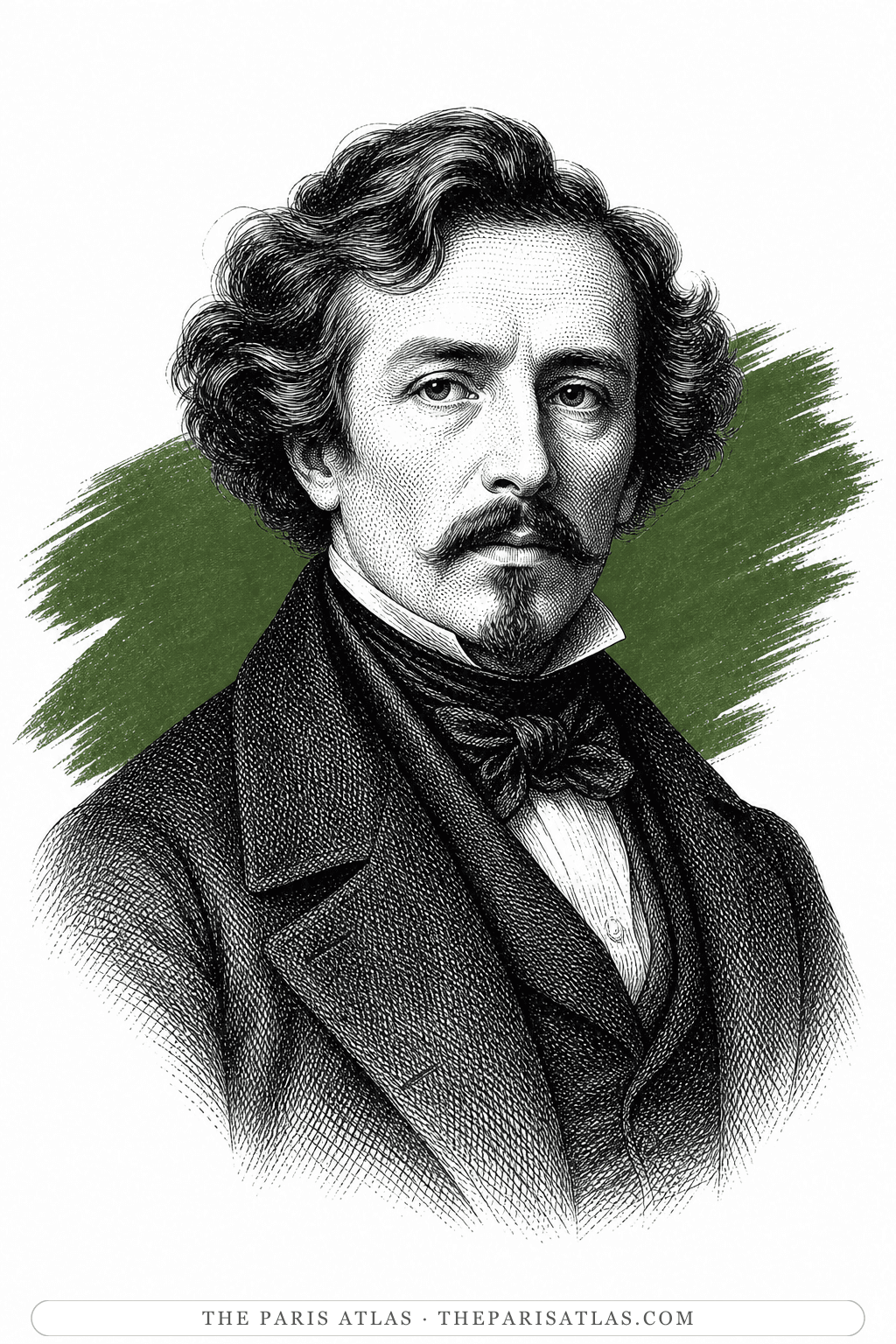
Painter
Eugène Delacroix
The leading painter of French Romanticism, who put a barricade of the 1830 revolution on the wall of the Salon — the state's official art exhibition — in Liberty Leading the People, spent twelve years on a chapel in the church of Saint-Sulpice, and died in the small apartment on the rue de Furstemberg that is now a museum.
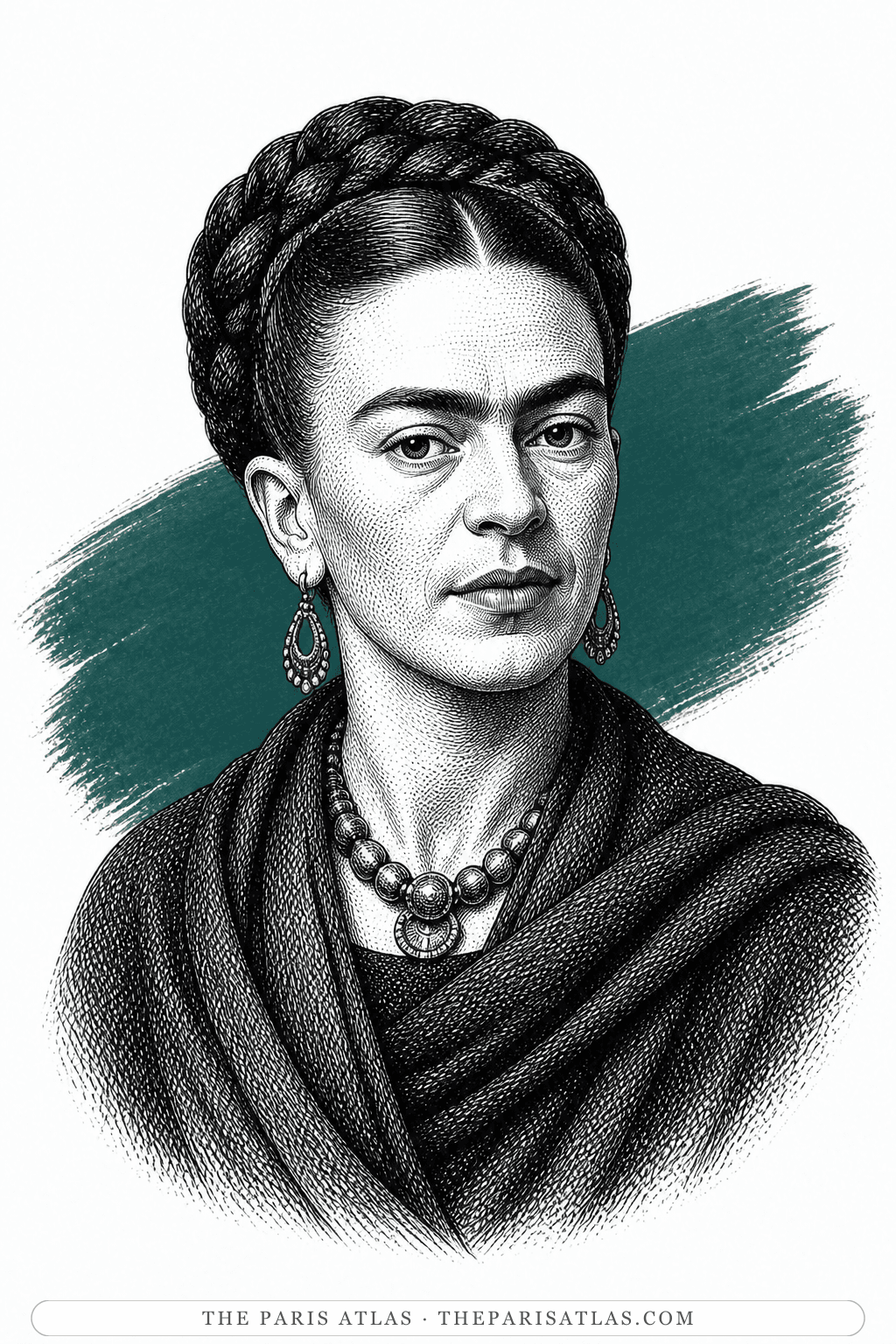
Painter
Frida Kahlo
Mexican painter of self-portraits made from her own injured body, who came to Paris once, in the spring of 1939, for an exhibition organized by the French poet André Breton — and spent most of the visit ill, broke and writing home about how much she disliked the Surrealists, the artists of the movement Breton had founded on dreams and the unconscious. She sold one picture there. The French state bought it, and it is in the Centre Pompidou today.
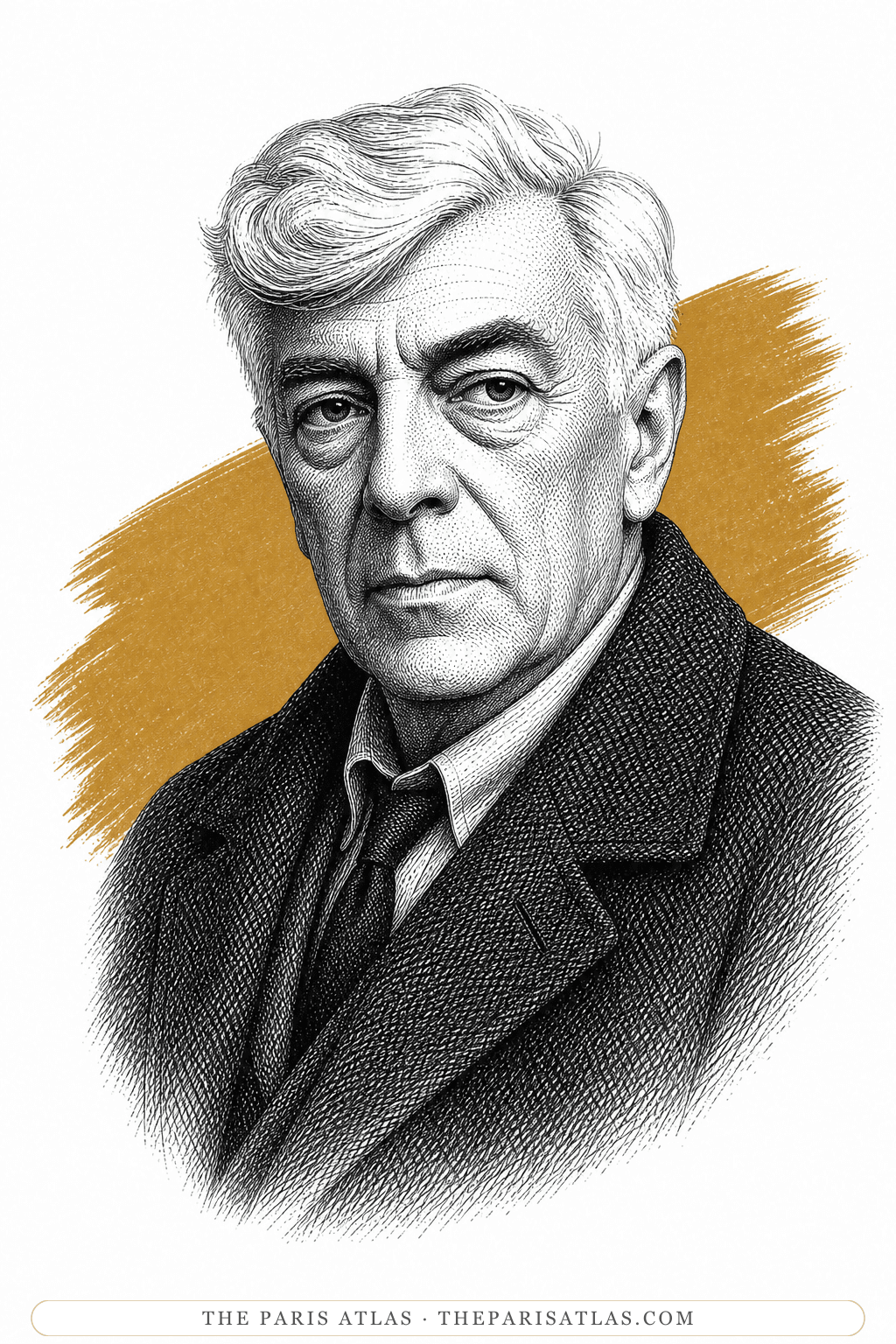
Painter
Georges Braque
The Le Havre house-painter's son who invented Cubism in Montmartre with the Spanish painter Pablo Picasso between 1908 and 1914 — the quieter half of the most consequential partnership in modern art — and who invented papier collé, the pasted-paper picture, in September 1912. He was given a French state funeral in 1963.
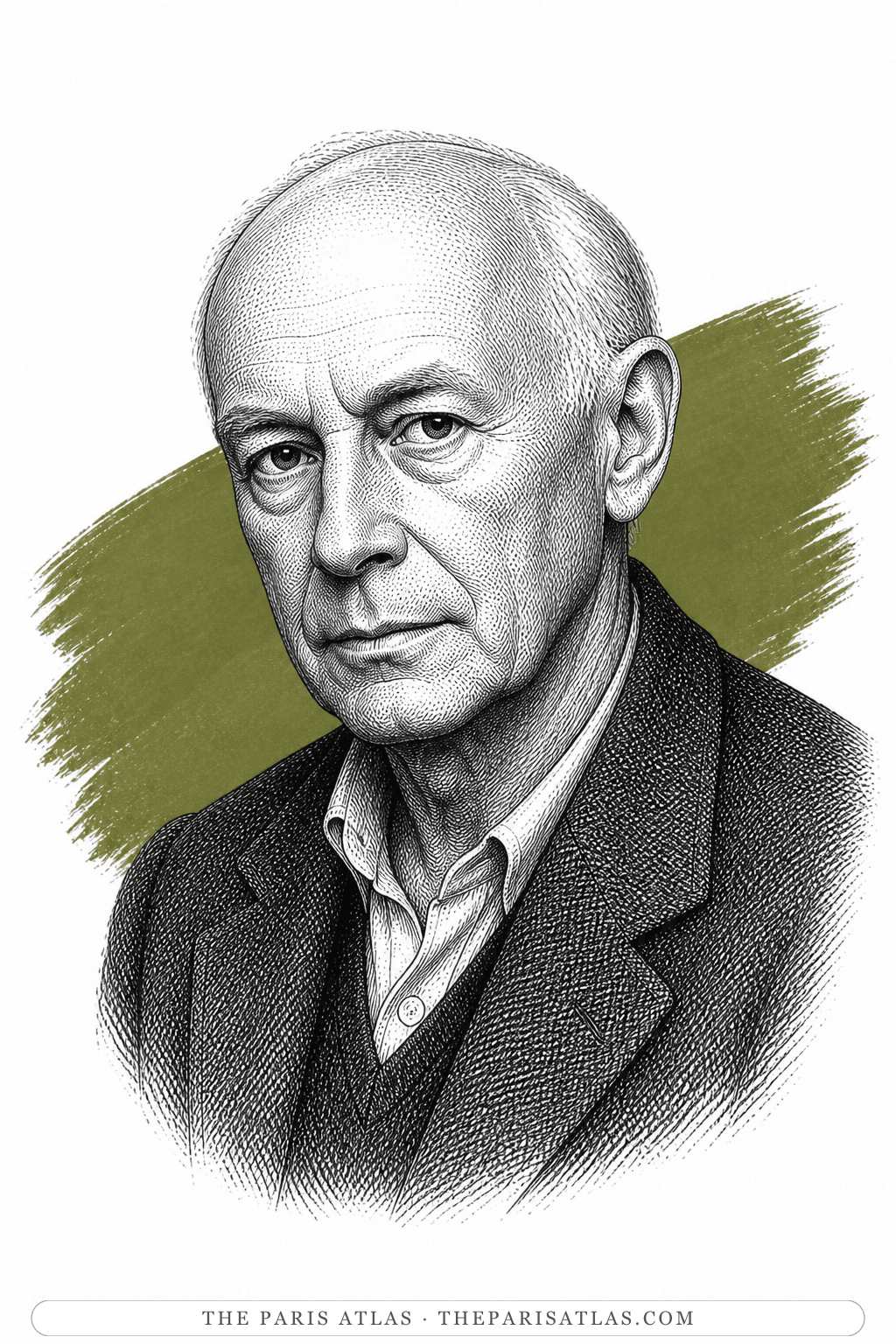
Painter
Henri Cartier-Bresson
French photographer who turned a pocket-sized 35mm camera into an instrument of split-second composition — the idea the world knows as 'the decisive moment'. He trained as a painter, was taken prisoner in 1940 and escaped on his third try, photographed the Liberation of Paris in August 1944, co-founded the photographer-owned agency Magnum Photos in 1947, gave up reporting for drawing in the 1970s, and left Paris a foundation in the Marais that deliberately hangs no permanent display of his own pictures.
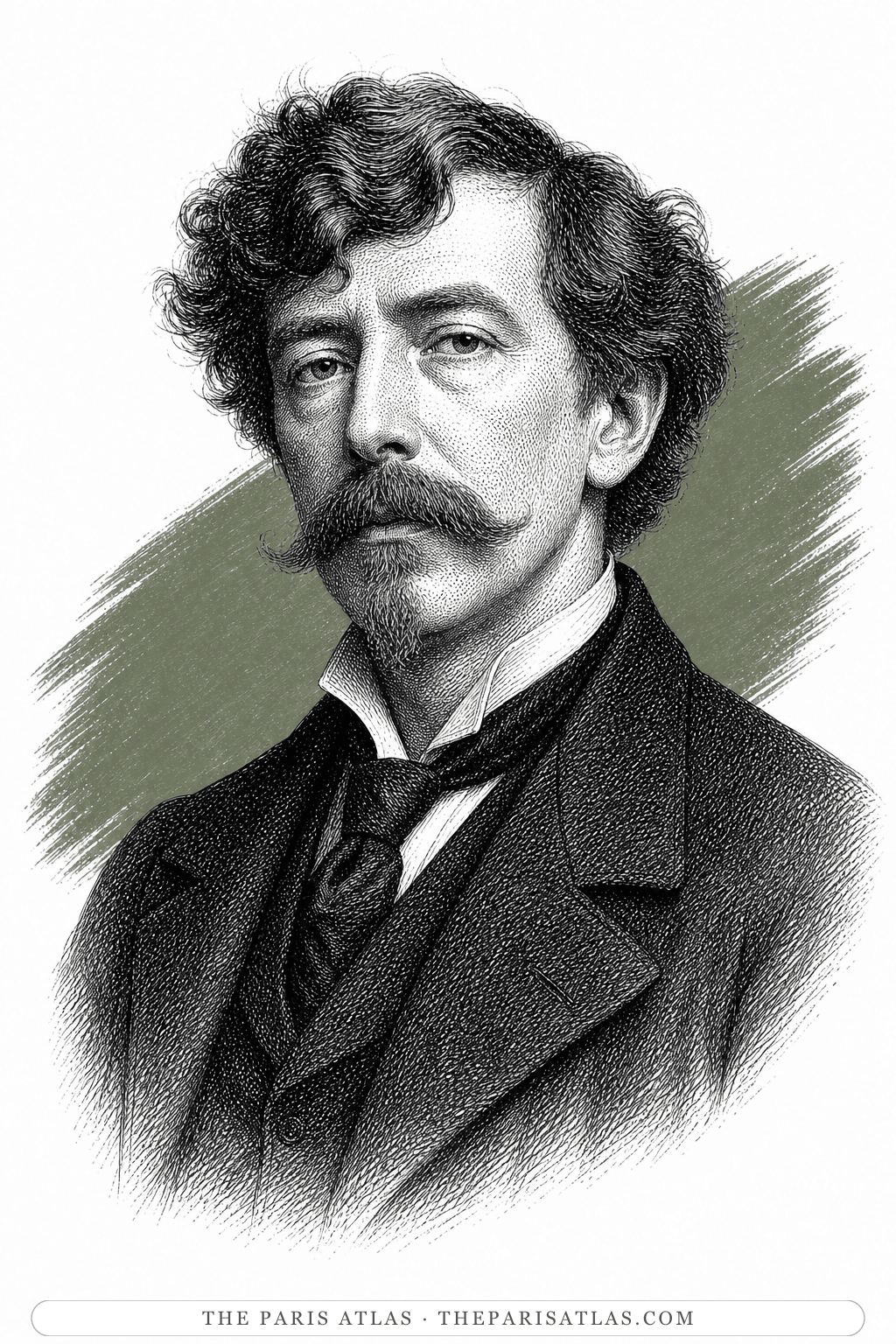
Painter
James McNeill Whistler
The American painter who sailed for Paris in 1855 to live the bohemian life he had read about in novels, had his painting thrown out of the official Salon exhibition in 1863 and hung instead at the Salon des Refusés — the show of rejected pictures — beside the painter Édouard Manet, and lived to see the French state buy his portrait of his mother for the nation in 1891. The picture is in the Musée d'Orsay.
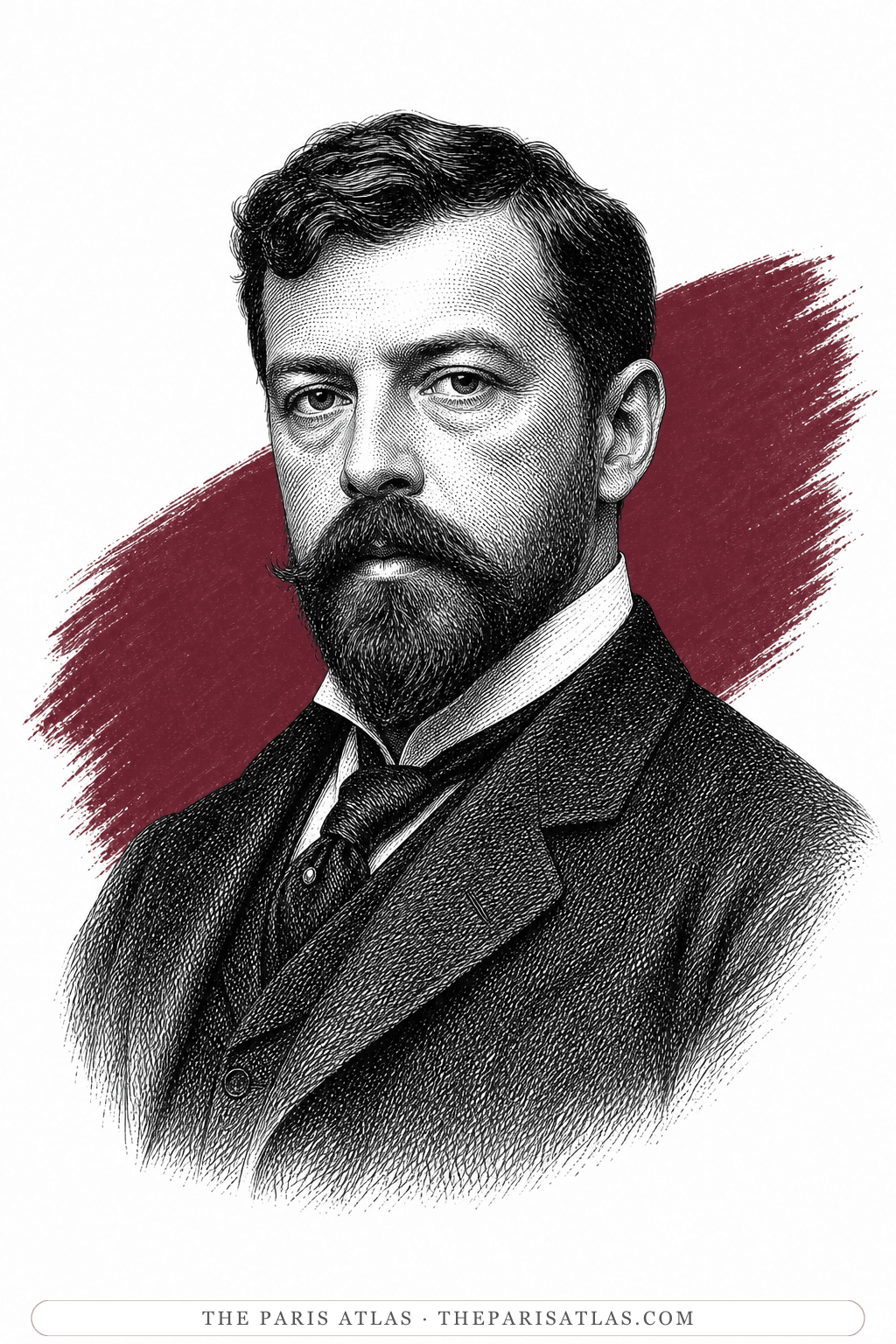
Painter
John Singer Sargent
The most sought-after portrait painter of his generation, born in Florence to American parents and made in Paris: he trained in a Paris studio, rose through the Salon, painted the Boit children in the hall of their family's apartment in the 8th arrondissement — and then exhibited Madame X in 1884, a portrait so badly received that it ended his Paris career and sent him to London.
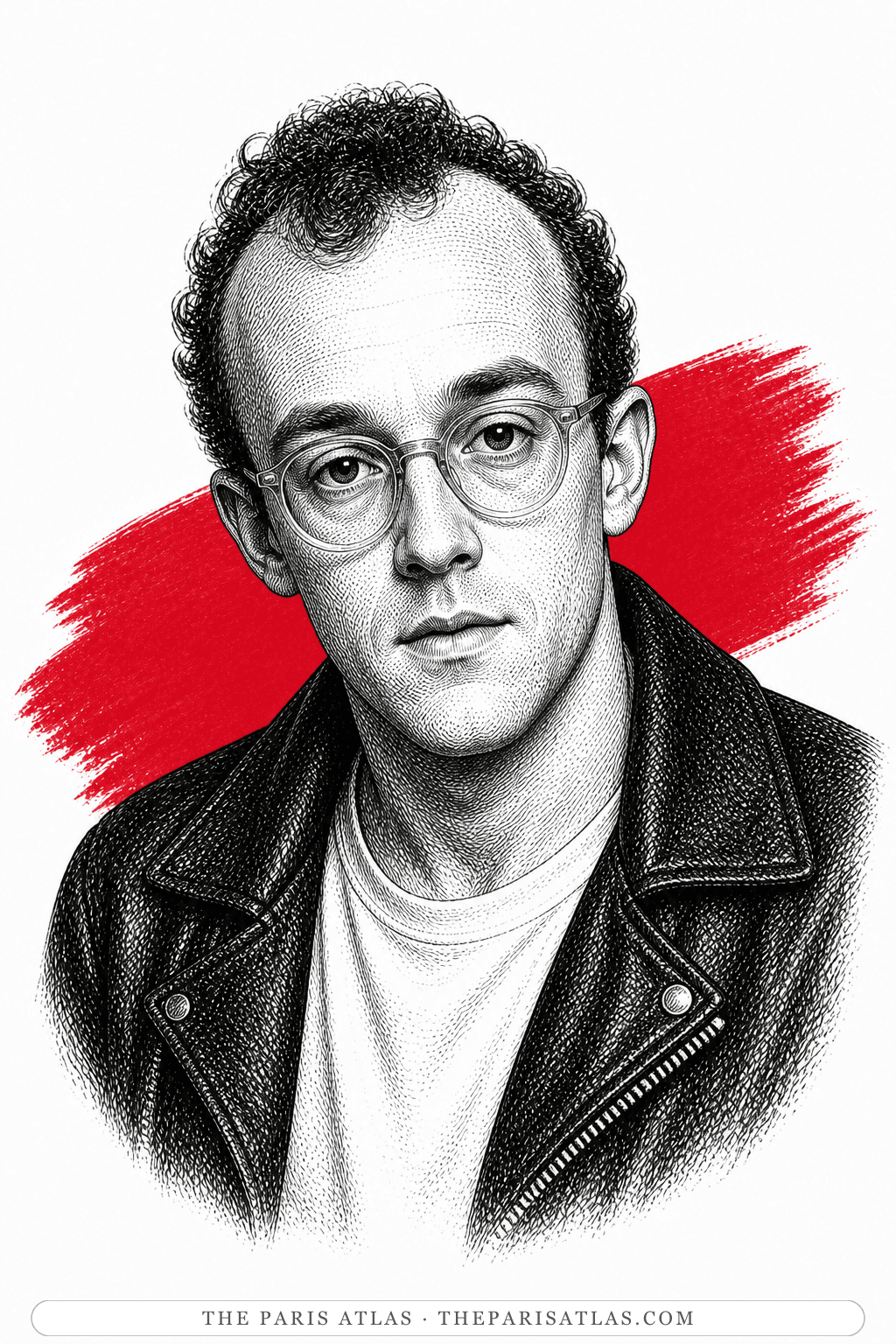
Painter
Keith Haring
American artist of the barking dogs, radiant babies and outlined dancing figures, who drew them first in chalk on unsold advertising panels in the New York subway. Paris got him in short bursts — a gallery show in 1986, a place in a Pompidou group exhibition in 1987 — and kept one thing: the mural he painted on a children's hospital in the 15th arrondissement in 1987, three years before he died at thirty-one.
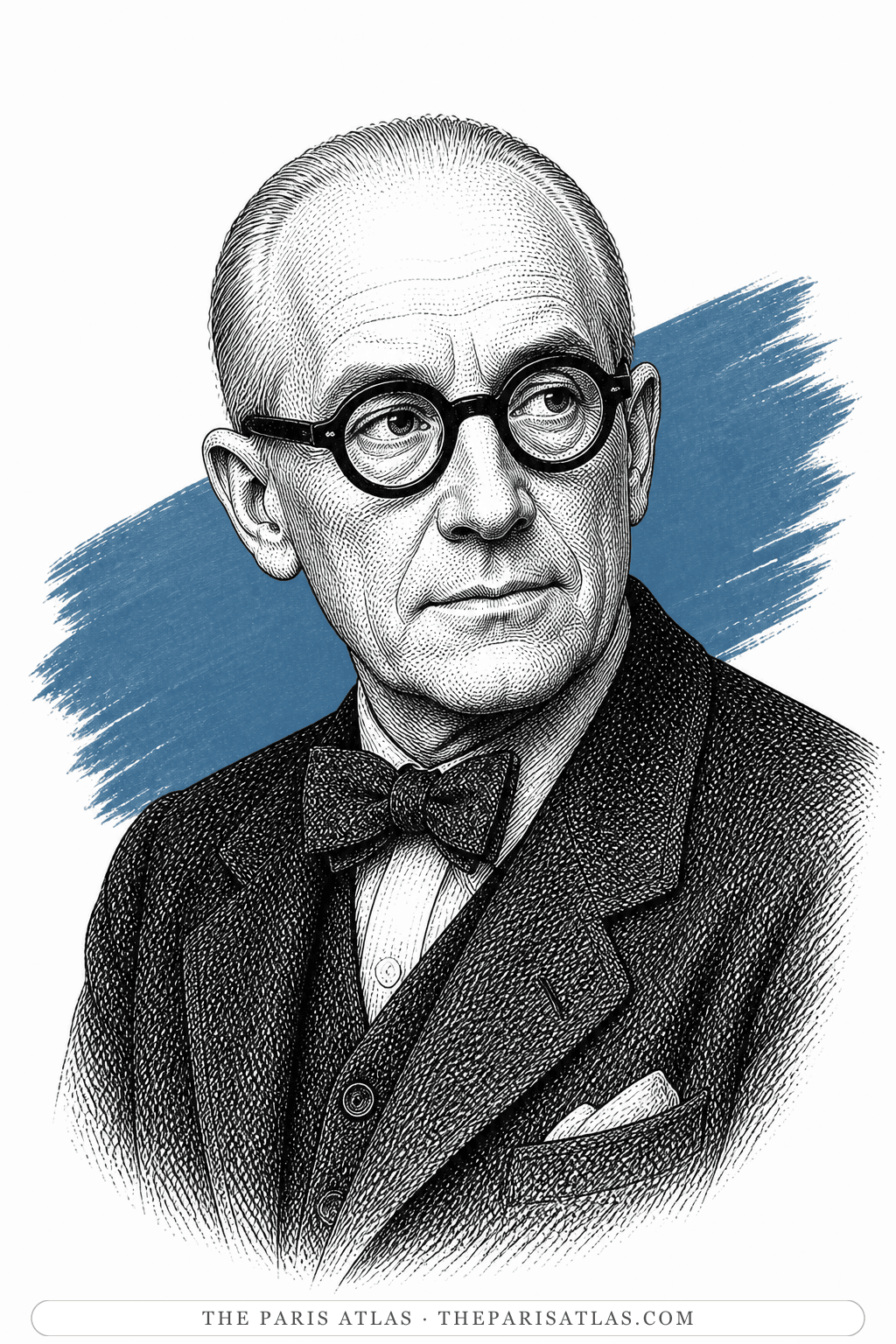
Painter
Le Corbusier
Swiss-born architect who arrived in Paris in 1917 as the painter Charles-Édouard Jeanneret, took the name Le Corbusier in 1920, and ran one atelier — his studio — at 35 rue de Sèvres for four decades. In 1925 he proposed demolishing much of the Right Bank of central Paris and replacing it with sixty-storey towers. Paris refused; the rest of the world adopted the idea after 1945.
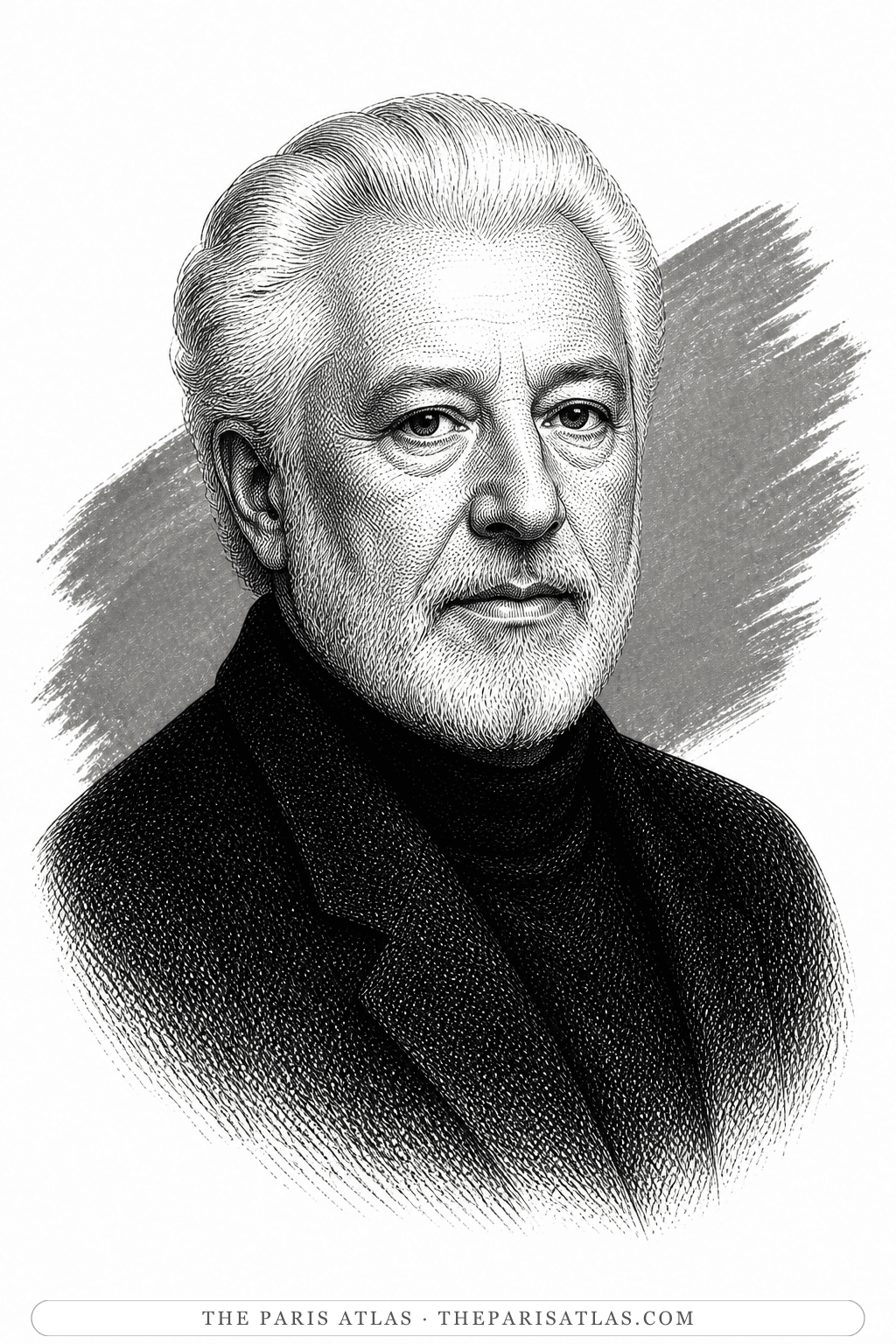
Fashion designer
Paco Rabanne
Trained as an architect, he opened a Paris fashion house in 1966 with a show of twelve dresses made of metal and plastic plaques linked by wire — clothes built rather than sewn. Coco Chanel called him a metalworker. The perfume business he began with the Puig family in 1969 outlasted the clothes and made the name global.
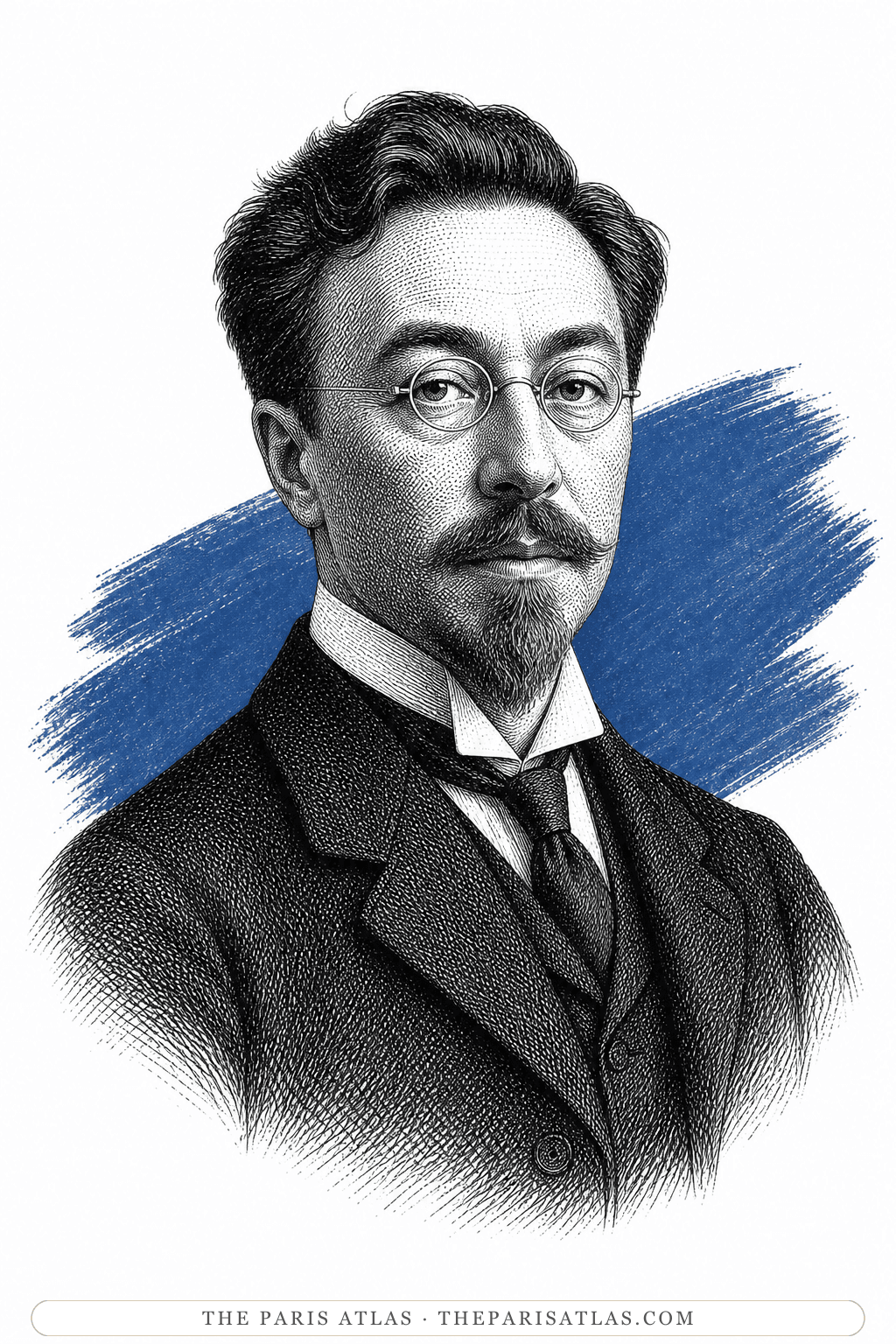
Painter
Wassily Kandinsky
Russian painter, celebrated as a pioneer of abstract art, who gave up a Moscow law career at thirty to study painting in Munich, co-founded the Blue Rider group in 1911, taught for eleven years at the Bauhaus, the German design school — and spent his last eleven years in a flat in Neuilly-sur-Seine that the French artist Marcel Duchamp had pointed him towards, painting soft cell-like forms nothing like the hard geometry Germany knew him for.
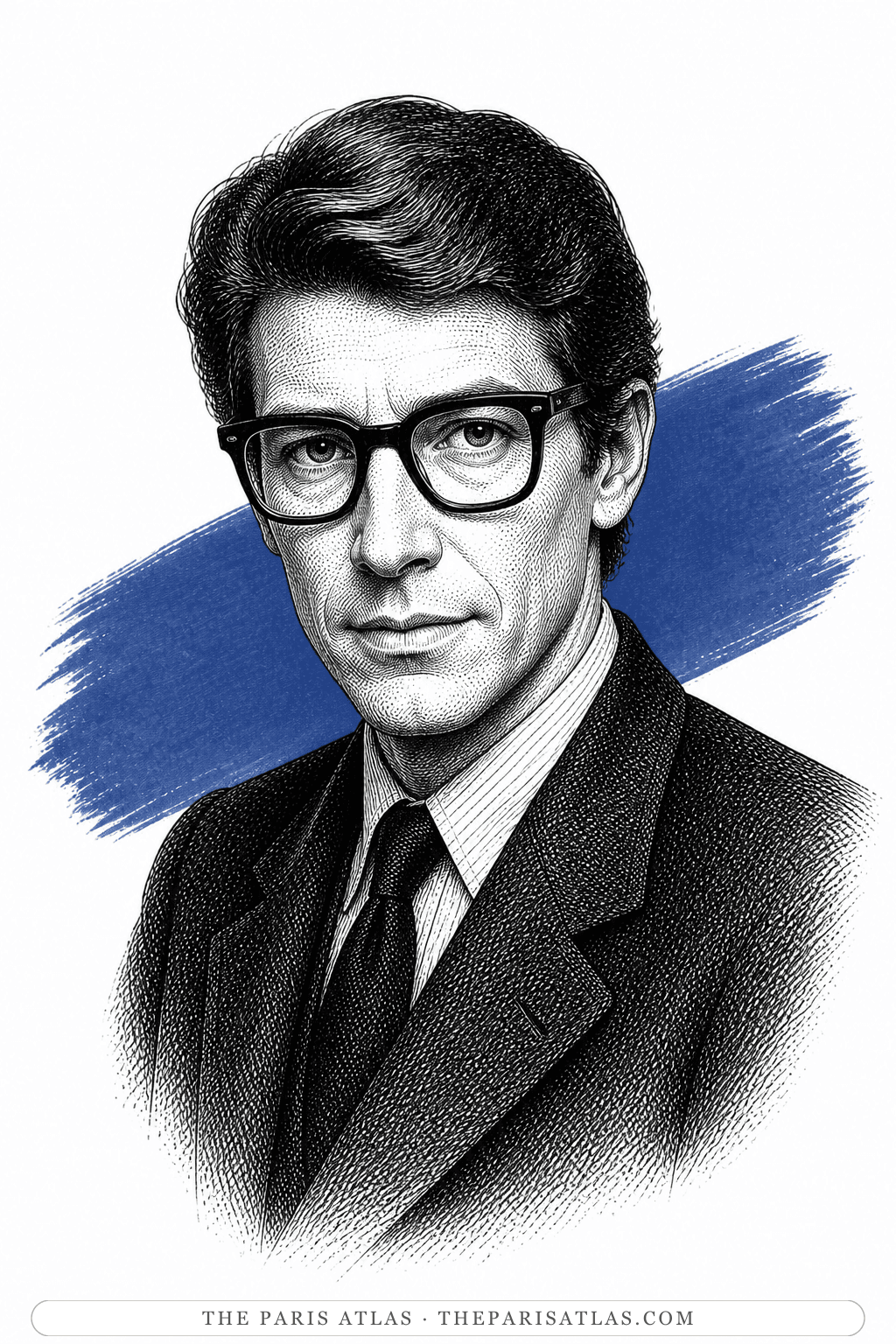
Fashion designer · Illustrator
Yves Saint Laurent
Couturier who was handed the house of Christian Dior at twenty-one when Dior died in 1957, opened his own house on 4 December 1961 with Pierre Bergé, and over the next forty years put women into the tuxedo, the trouser suit and the trench coat. His last workrooms, at 5 avenue Marceau, are now the Musée Yves Saint Laurent Paris.
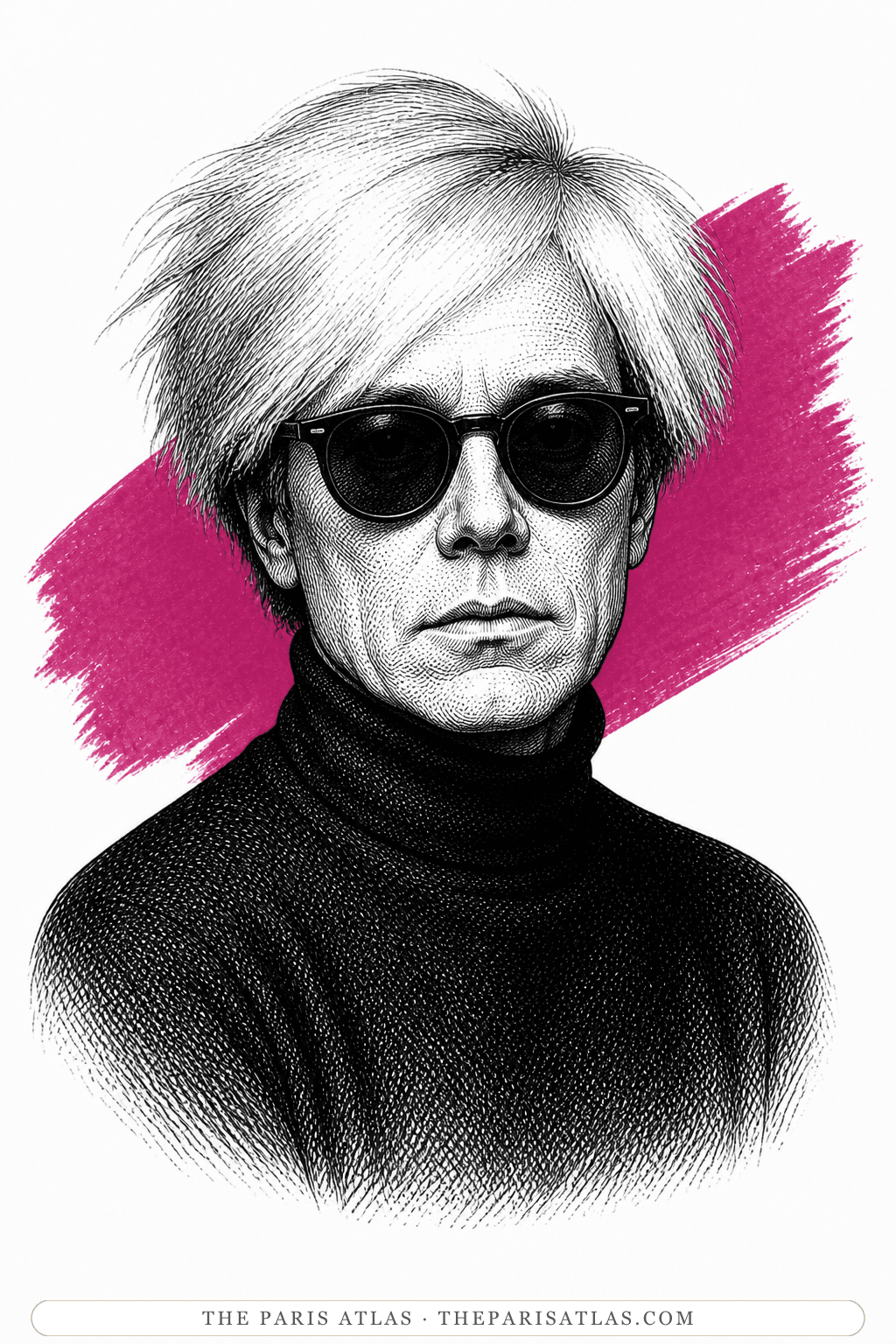
Painter
Andy Warhol
American painter and film-maker, the most famous practitioner of Pop art — the movement that took its subjects from advertising, packaging and celebrity photographs. He made the Campbell's soup cans and the silkscreened Marilyns in New York, but announced his retirement from painting in Paris in 1965, kept a Left Bank apartment through the 1970s, and portrayed the couturier Yves Saint Laurent, whose circle he moved in. The younger artist Keith Haring named Warhol's fusion of art and everyday life as the example that set him on his own course.
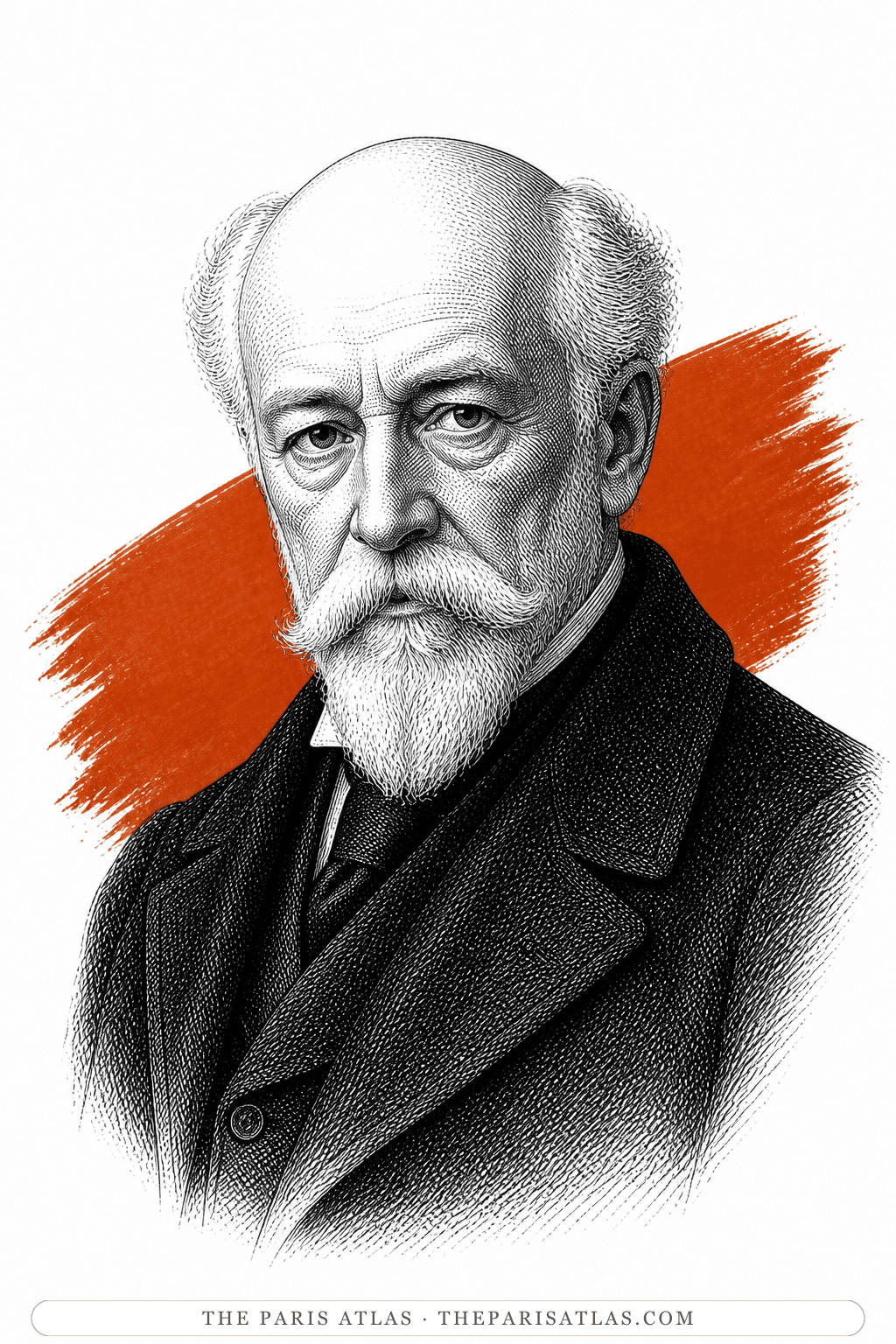
Painter
Léon Bonnat
The society portraitist whose Paris teaching studio trained a generation that outgrew him — Toulouse-Lautrec endured his corrections, and Edvard Munch arrived on a state scholarship in 1889 to draw under his eye.
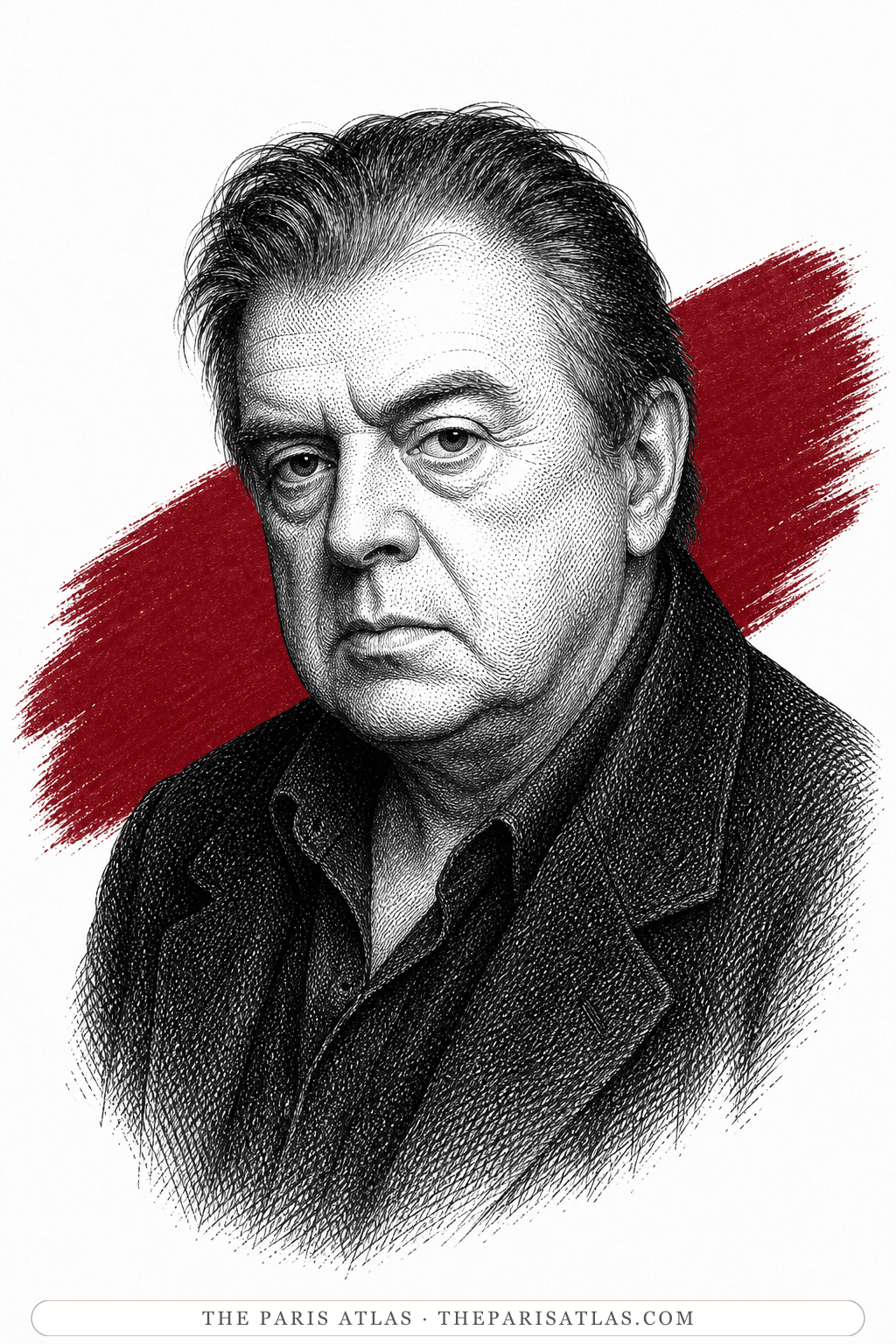
Painter
Francis Bacon
The Irish-born British painter of screaming popes and hinged triptychs — pictures in three panels, after the folding altarpieces of medieval churches. He is not the Elizabethan philosopher of the same name but a collateral descendant, a relative through a side branch of the family. An exhibition of drawings by Pablo Picasso in Paris in 1927 turned him into an artist; he spent the years after it designing chrome-and-glass furniture in London before he painted anything he would keep, and from 1974 he kept a flat near the Place des Vosges.
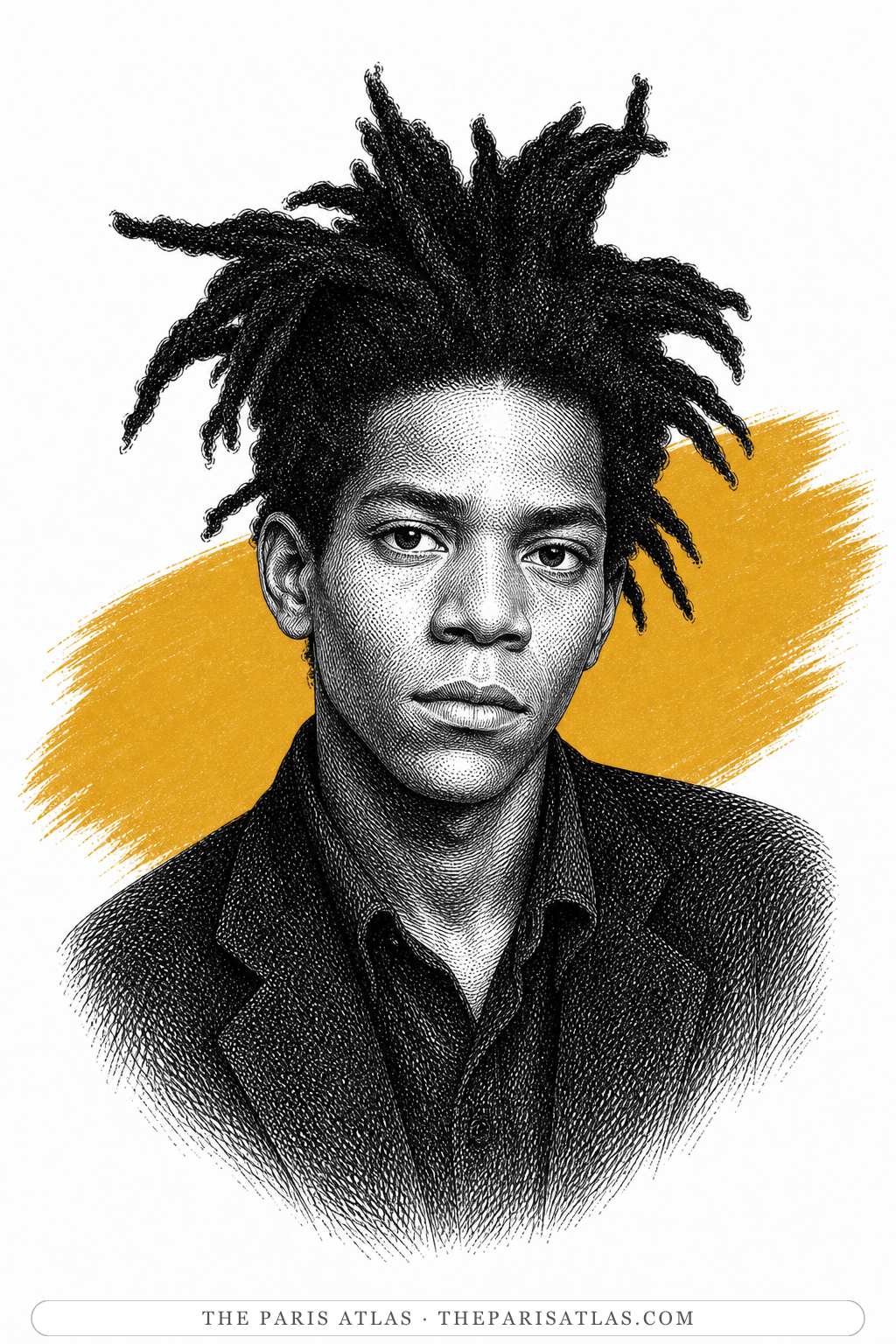
Painter
Jean-Michel Basquiat
American painter, born in Brooklyn in 1960 to a Haitian father and a Puerto Rican mother, who went from spray-painted aphorisms signed SAMO — short for 'same old' — on Lower Manhattan walls to the international art market in about three years, made more than a thousand paintings before he died at twenty-seven, and came to Paris in January 1988 for a gallery show that turned out to be his last there.
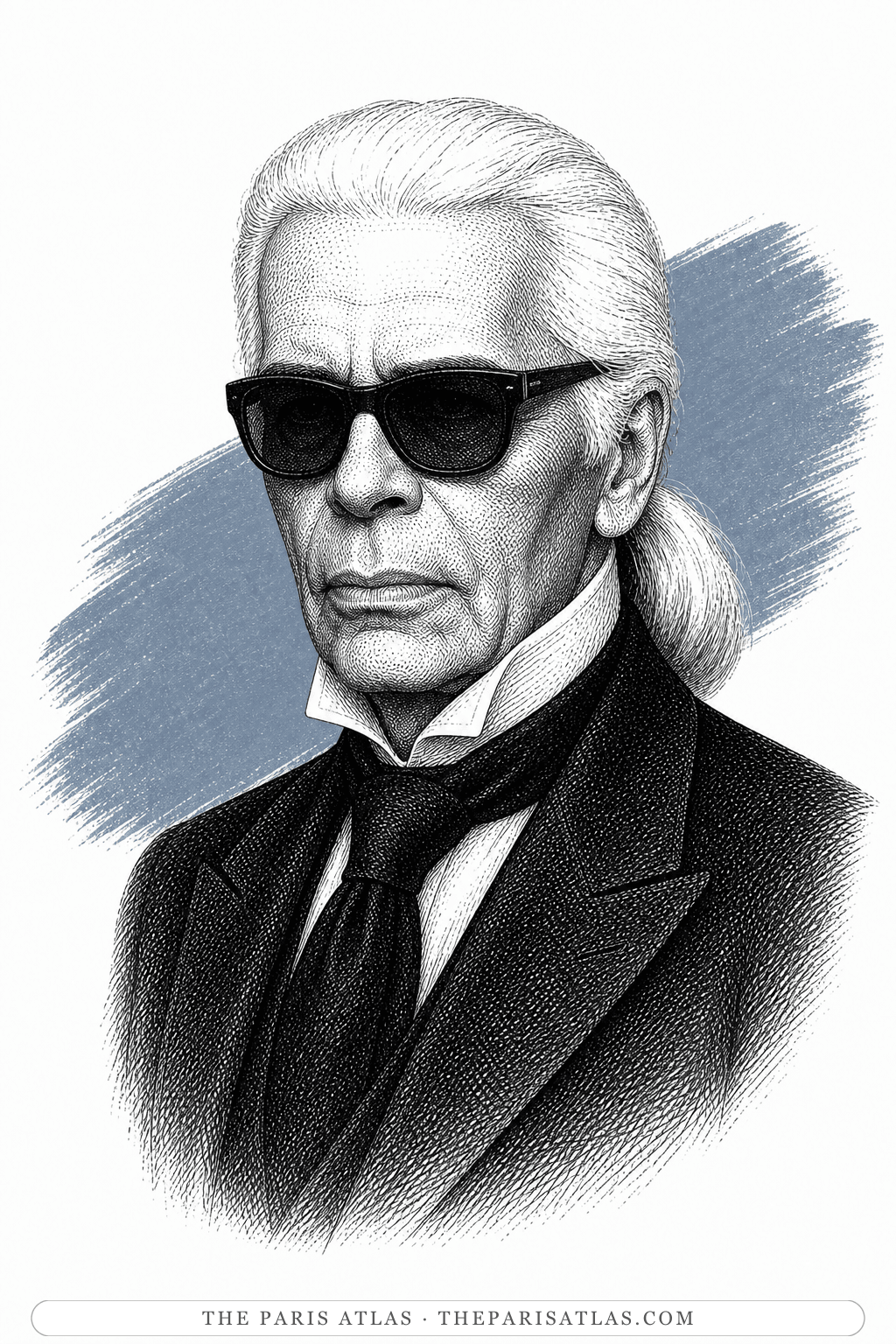
Illustrator
Karl Lagerfeld
German couturier — a designer of made-to-measure clothes — who arrived in Paris as a teenager and won a wool-industry design prize in 1954 alongside Yves Saint Laurent, the designer who would become his lifelong rival. From 1983 he spent thirty-six years remaking Chanel, the Paris house whose founder had died twelve years before he took it on, while also designing for the Roman house of Fendi, running his own label, photographing his own advertising, and keeping a bookshop at 7 rue de Lille.
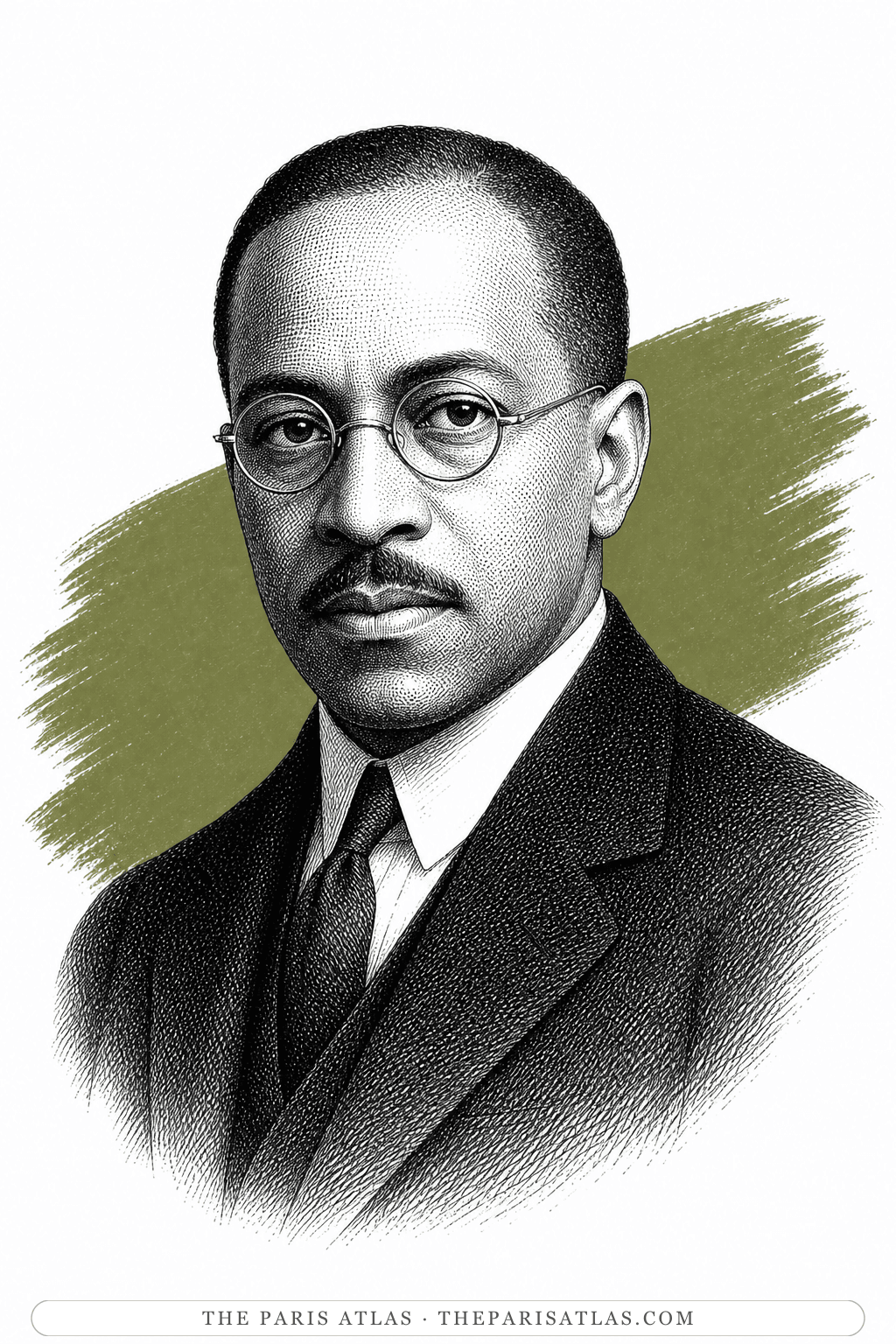
Painter · Illustrator
Aaron Douglas
The painter who gave the Harlem Renaissance — the flowering of Black American writing, music and art between the world wars — its look, in flat purple silhouettes in profile, ringed by bands of light. He moved to Harlem in 1925 with Paris as the eventual destination, got there in 1931, spent a year at the Académie Scandinave, a private art school in the city, and came home to paint the four murals that are still the centrepiece of the Schomburg Center, the New York Public Library's Harlem research library on Black history.
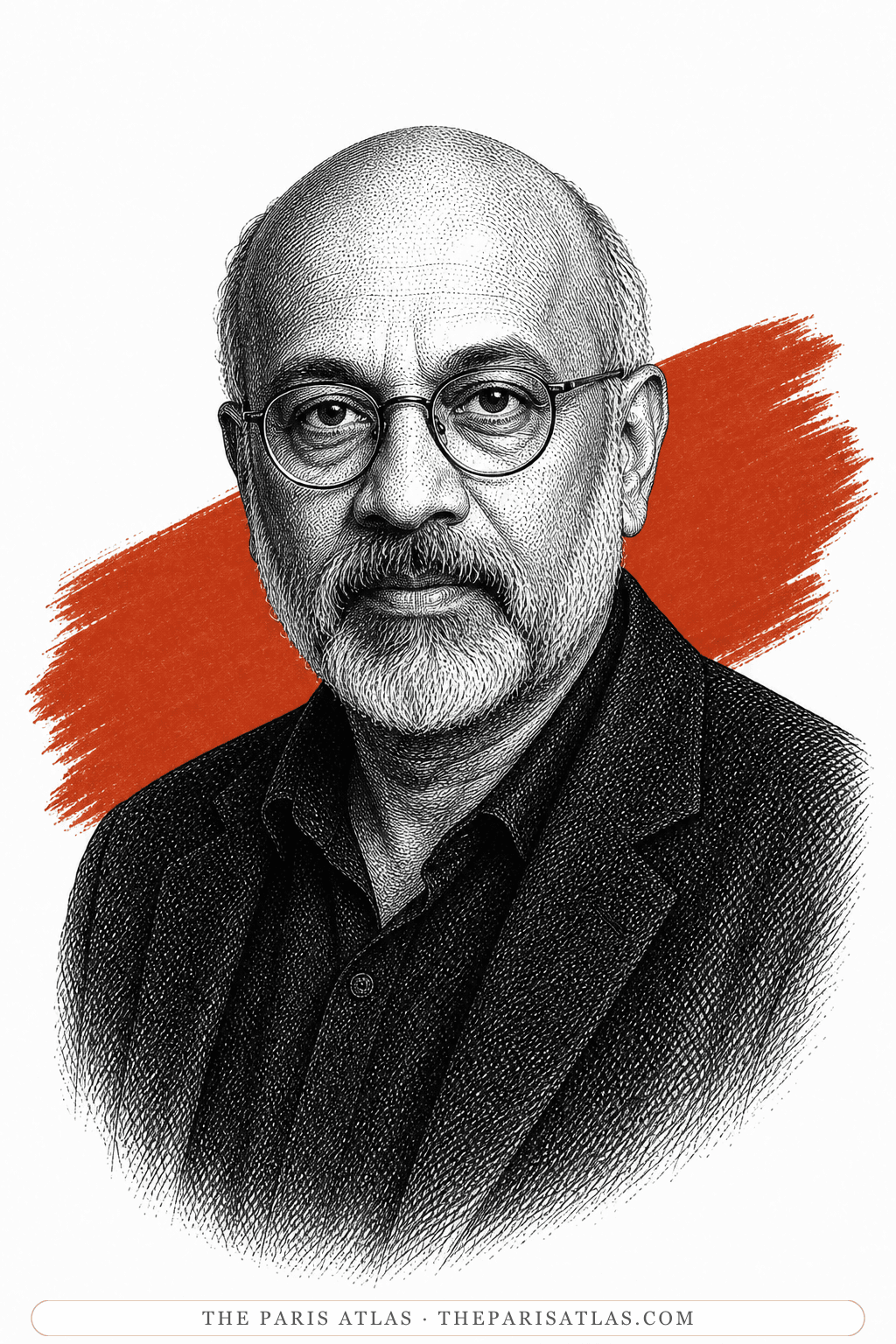
Sculptor
Anish Kapoor
Bombay-born, London-based sculptor of pigment heaps, mirrored curves and engineered voids, and the maker of Cloud Gate in Chicago. In 2015 his sixty-metre steel work Dirty Corner stood in the gardens of Versailles, was defaced three times, and became a French legal case when he said he would leave the damage where it was.
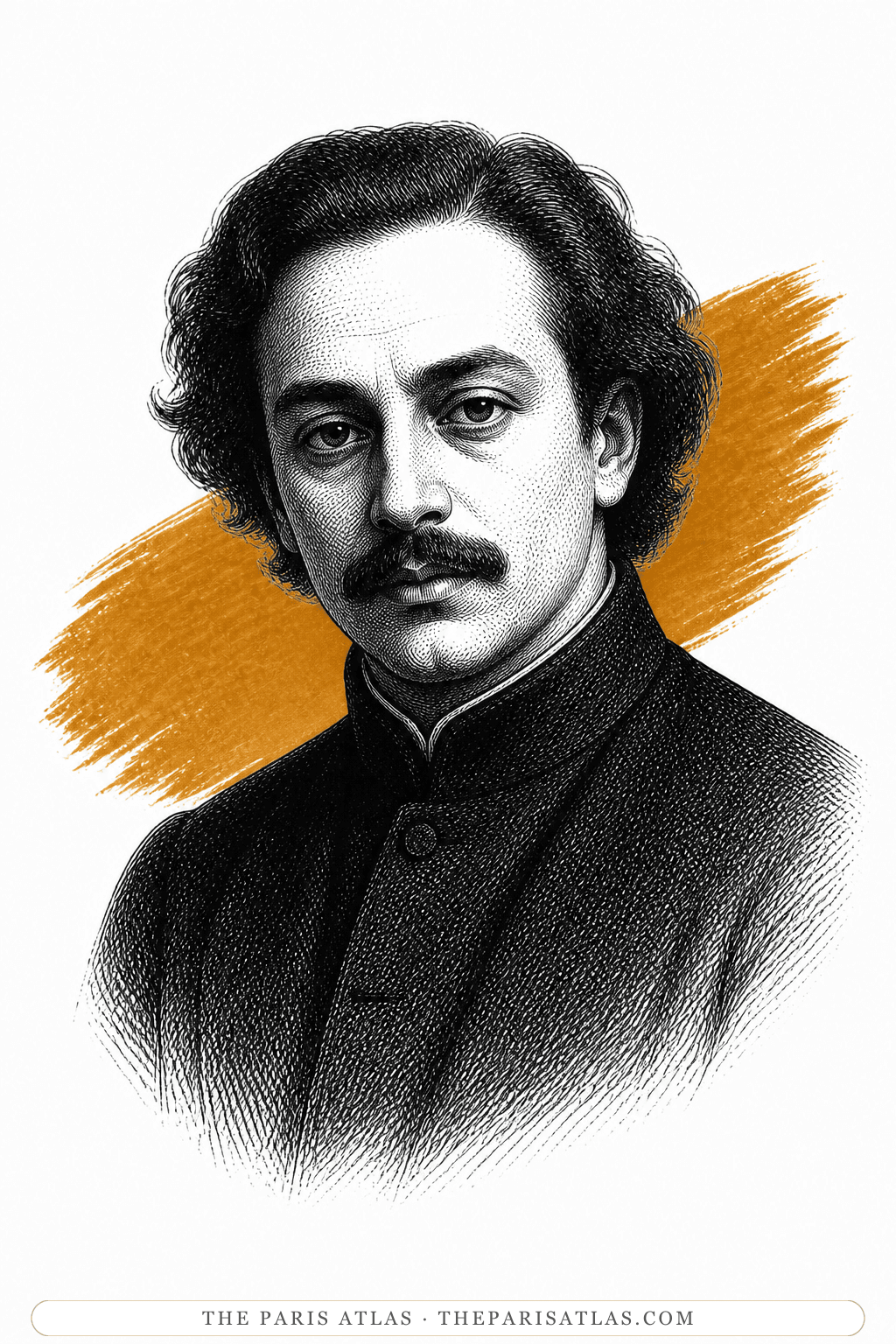
Painter
Kahlil Gibran
Lebanese-American poet and painter who wrote The Prophet, one of the best-selling books of the twentieth century, and who spent 1908 to 1911 in Europe — mostly Paris — learning to paint on the money of a Boston schoolmistress. He is two writers at once: a gentle sage in English, and in Arabic a founding modernist who broke classical verse open.
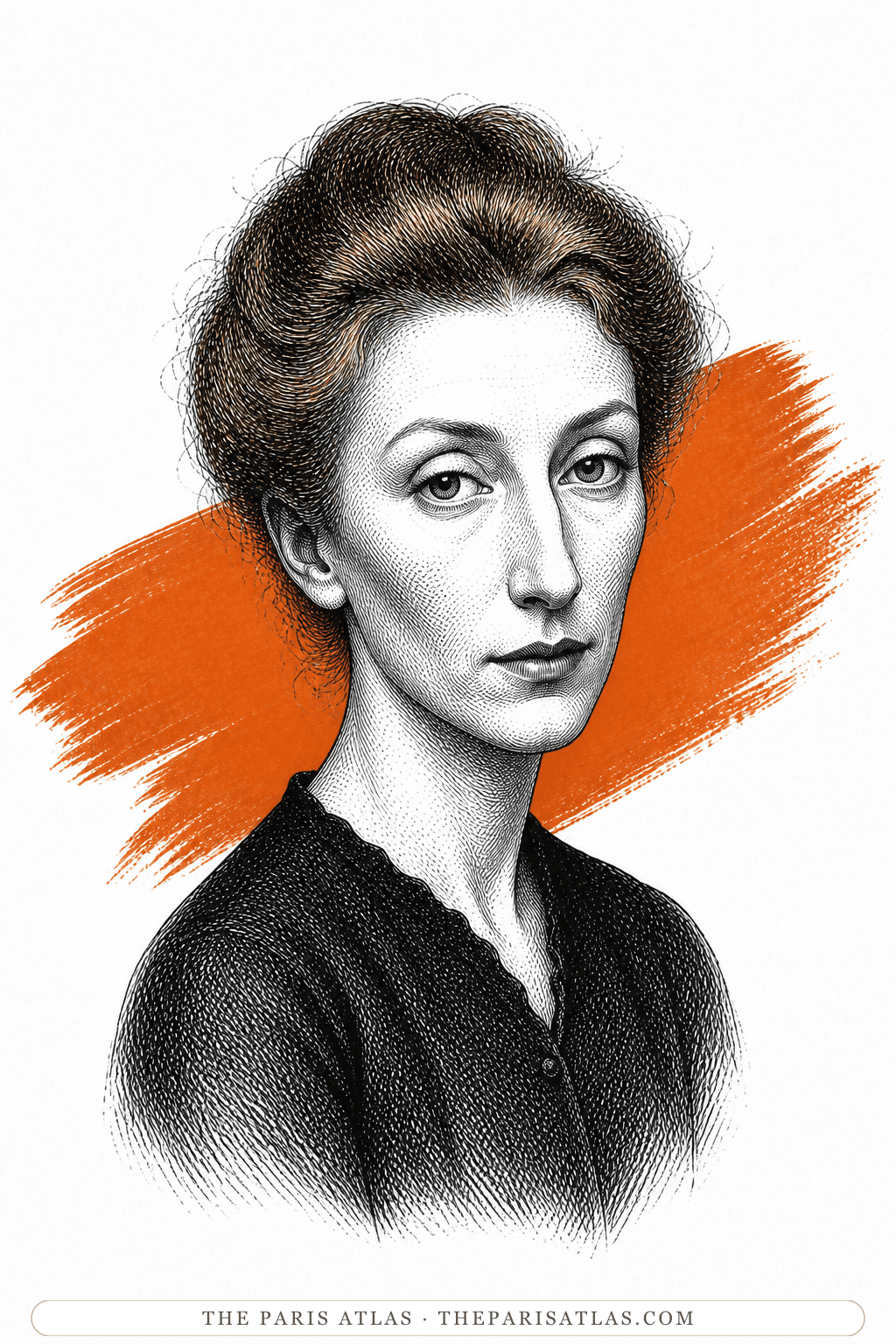
Painter
Remedios Varo
Spanish painter who spent the late 1930s in Paris inside the Surrealist circle around the poet André Breton — the movement that made art out of dreams and the unconscious — living with the poet Benjamin Péret, then escaped occupied France for Mexico City. There, in her forties, in a country she had not chosen, she painted the meticulous, half-scientific dreamworlds she is known for, beside her closest friend, the English painter Leonora Carrington.
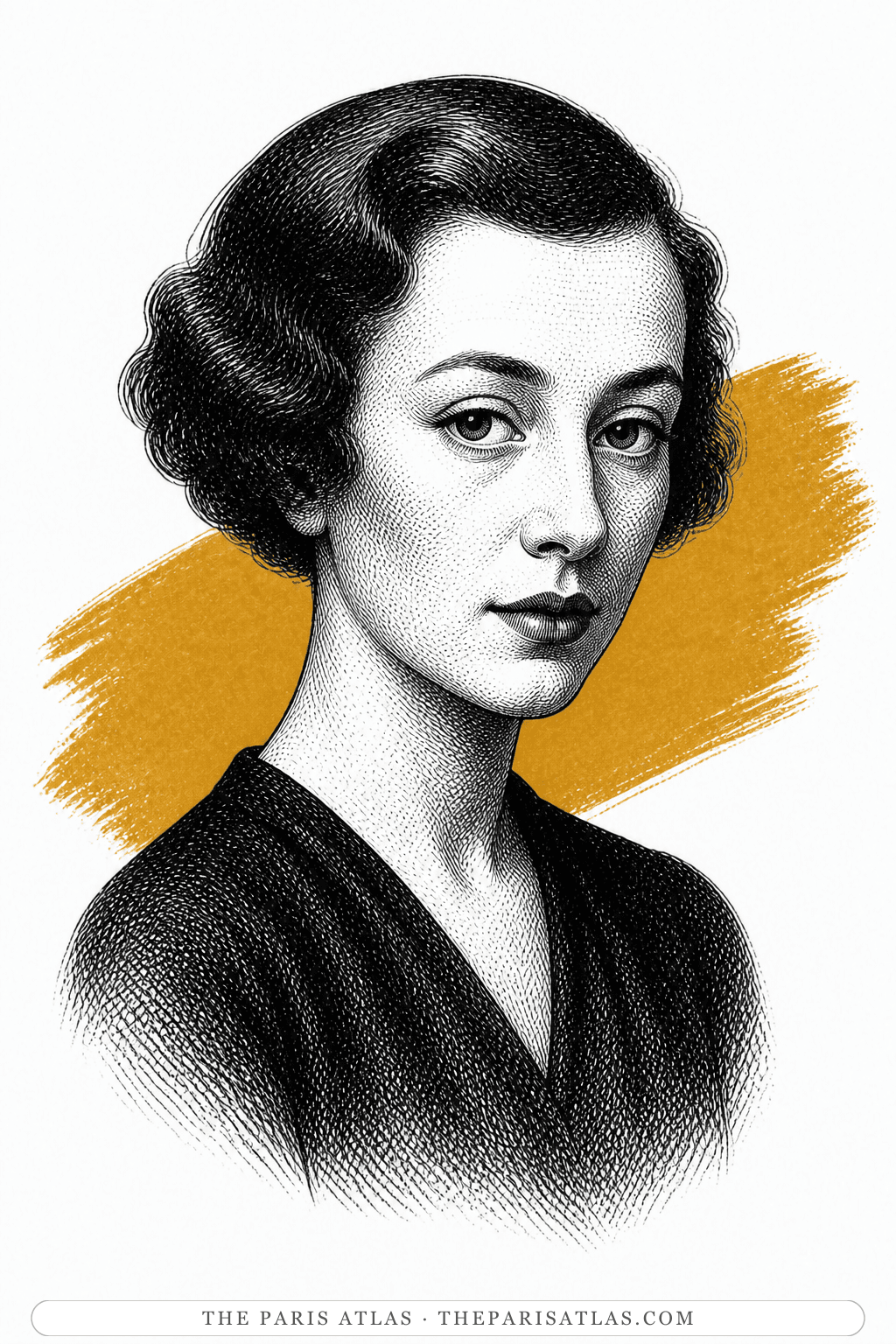
Sculptor · Painter
Meret Oppenheim
German-born Swiss artist who arrived in Paris in 1932 at eighteen and fell in with the Surrealists. In 1936 a lunch with Pablo Picasso and Dora Maar at the Café de Flore led directly to Object — a teacup, saucer and spoon covered in gazelle fur — which made her internationally famous at twenty-two and then followed her for the rest of her life, to her considerable irritation.
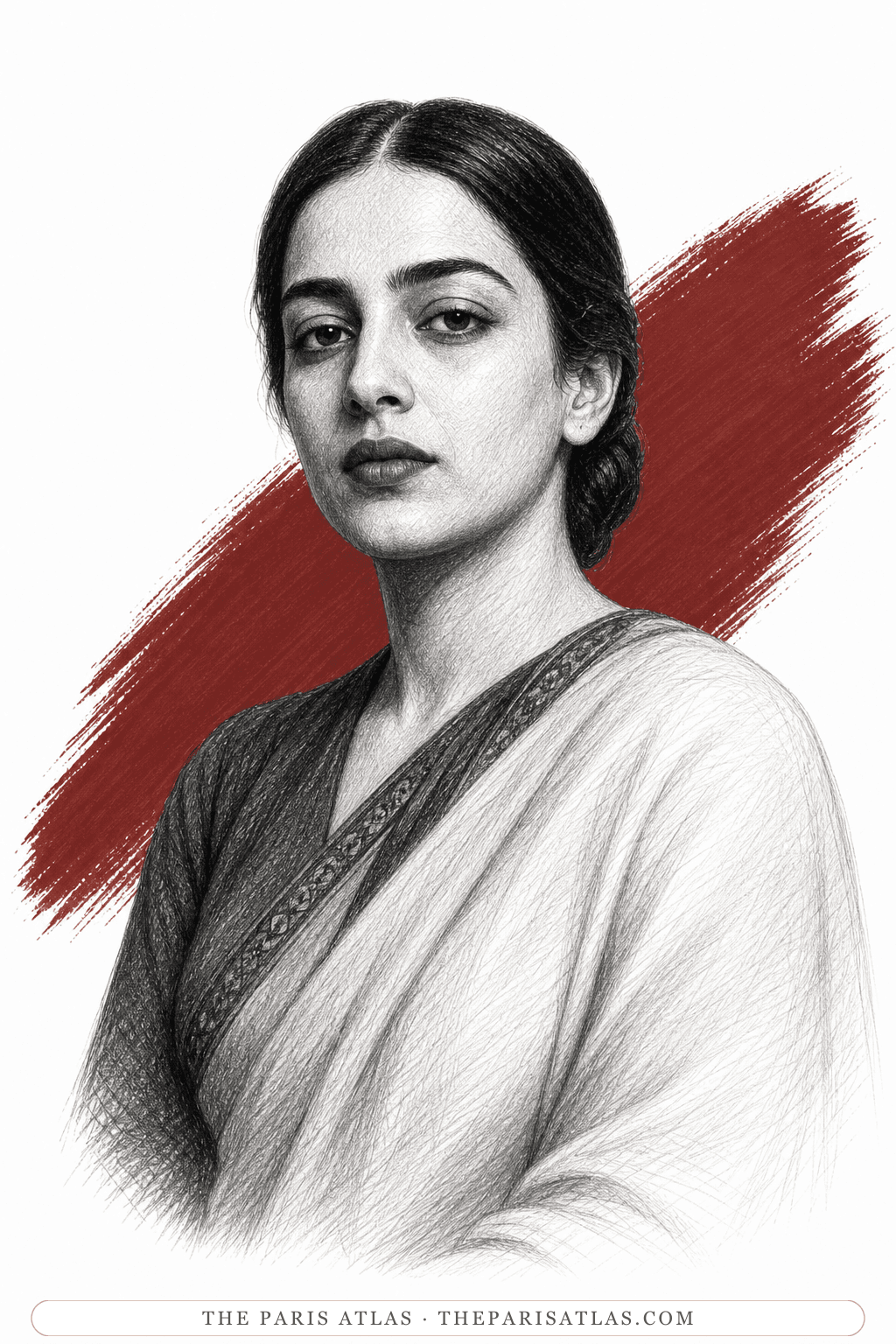
Painter
Amrita Sher-Gil
Hungarian-Indian modernist painter whose Paris training and radical rethinking of Indian art helped establish a new language for twentieth-century painting in India.
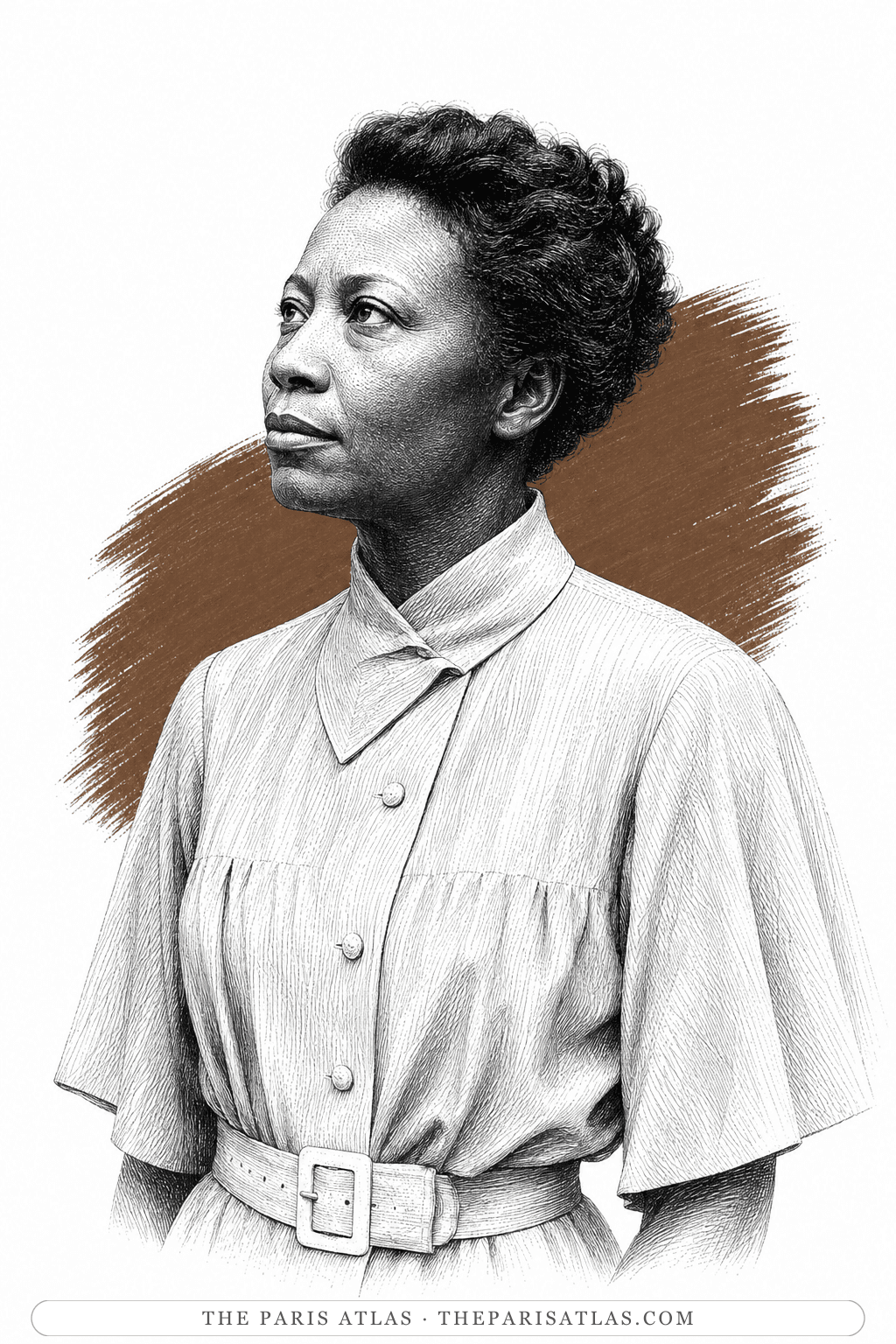
Sculptor
Augusta Savage
American sculptor, teacher, and arts organizer of the Harlem Renaissance whose portraits of Black Americans, years of study in Paris, and extraordinary work as a teacher helped reshape twentieth-century American art.
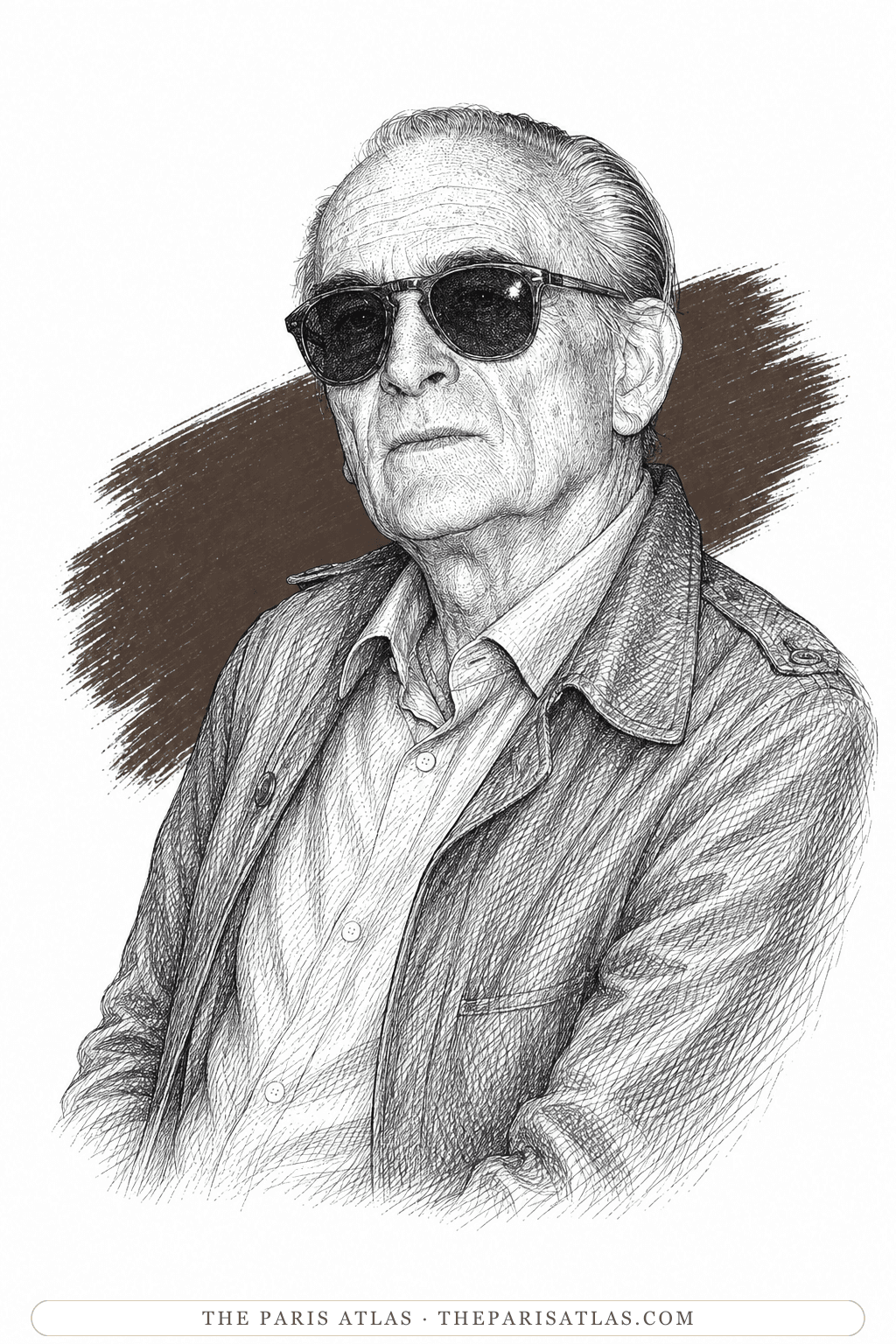
Painter
Balthus
Paris-born figurative painter whose carefully constructed interiors, street scenes, landscapes, and portraits made him one of the most distinctive—and controversial—European artists of the twentieth century.
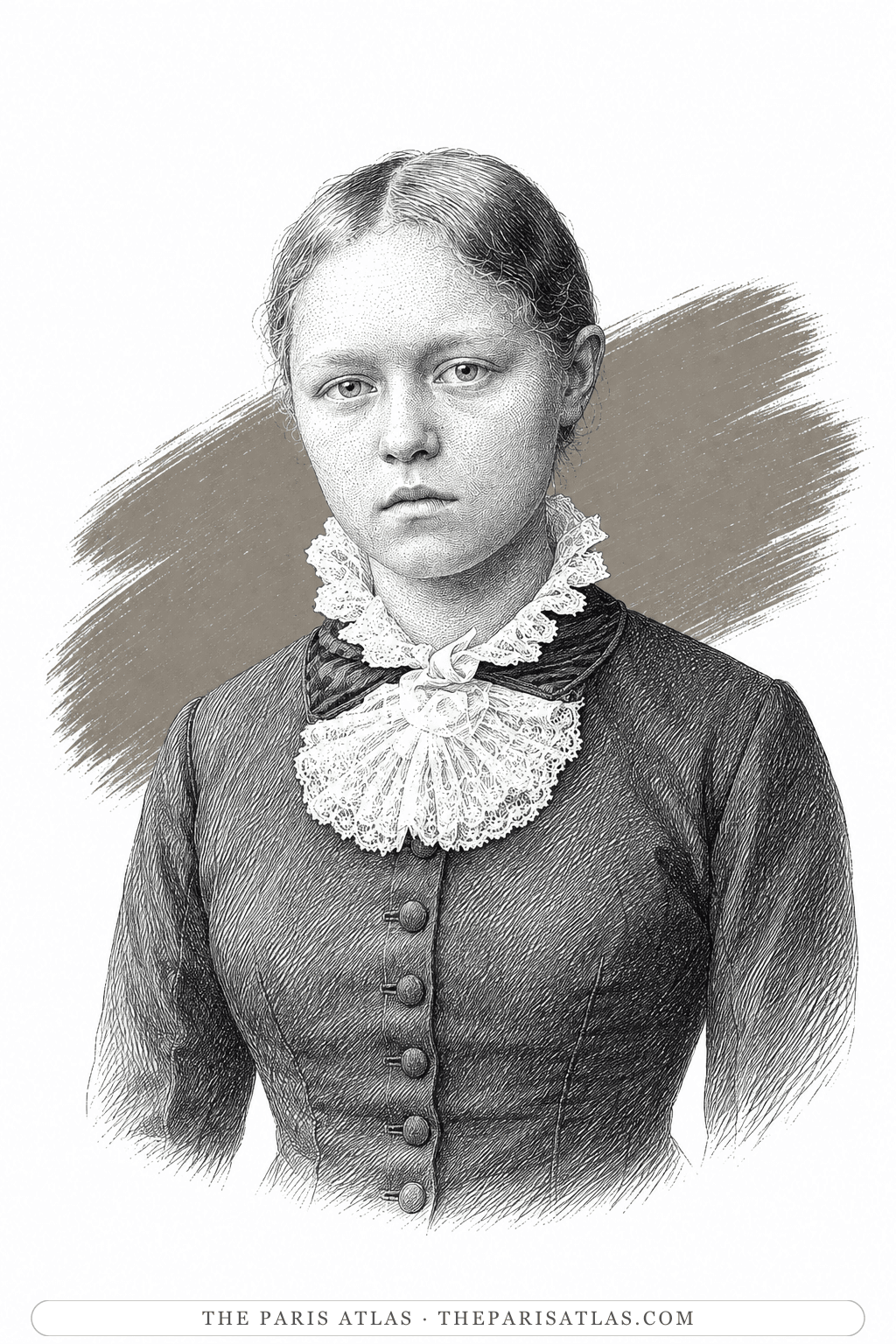
Painter
Helene Schjerfbeck
Finnish modernist painter whose long career moved from the realism of the Paris Salon to some of the most radically simplified portraits and self-portraits of twentieth-century European art.
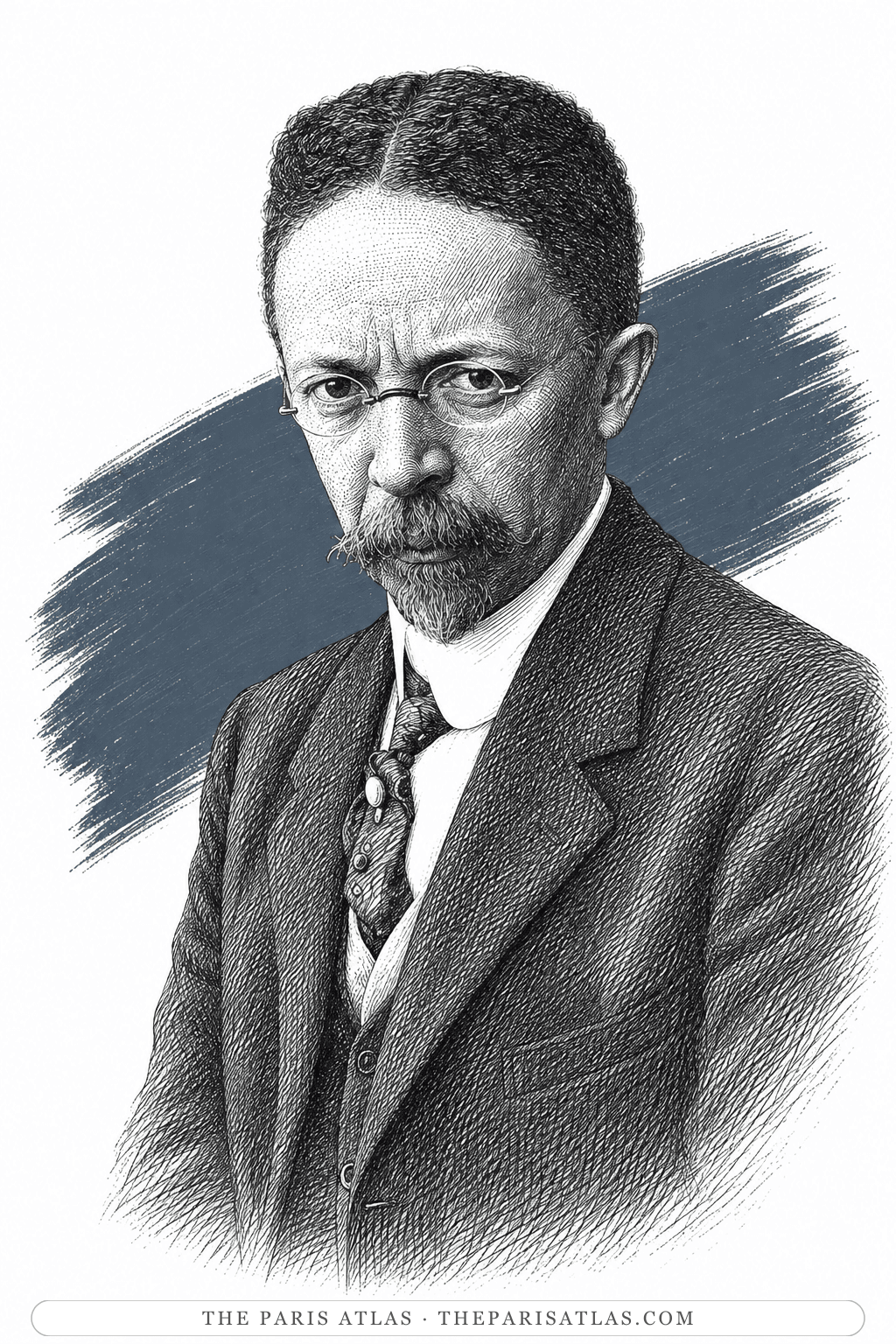
Painter
Henry Ossawa Tanner
American painter known for intimate scenes of African American life and luminous biblical paintings; one of the first African American artists to achieve international acclaim.
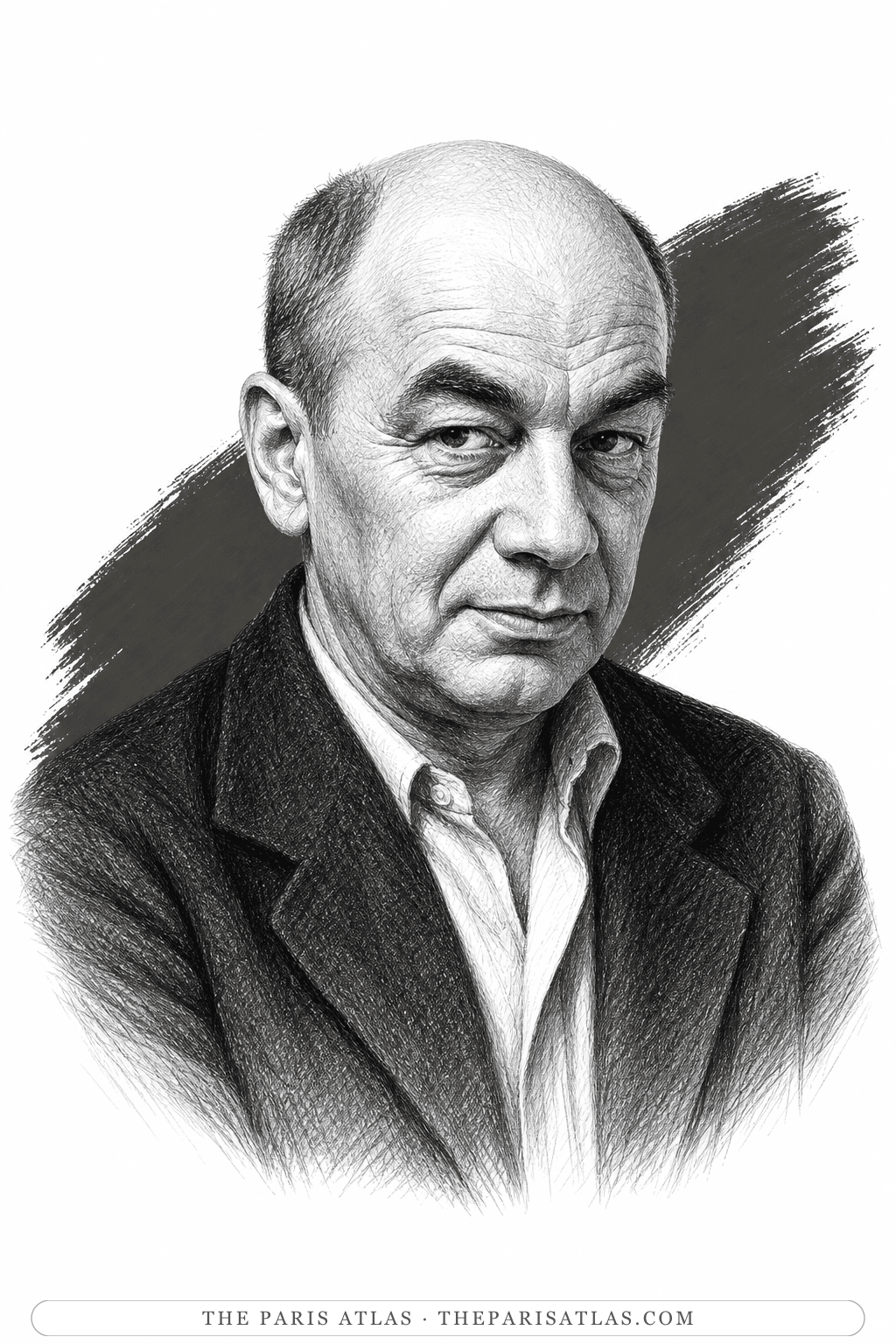
Painter · Sculptor
Jean Dubuffet
French painter, sculptor, writer and theorist who rejected conventional ideas of beauty, championed the work he called Art Brut, and turned rough materials, graffiti-like figures and eventually entire rooms into a sustained challenge to cultural authority.
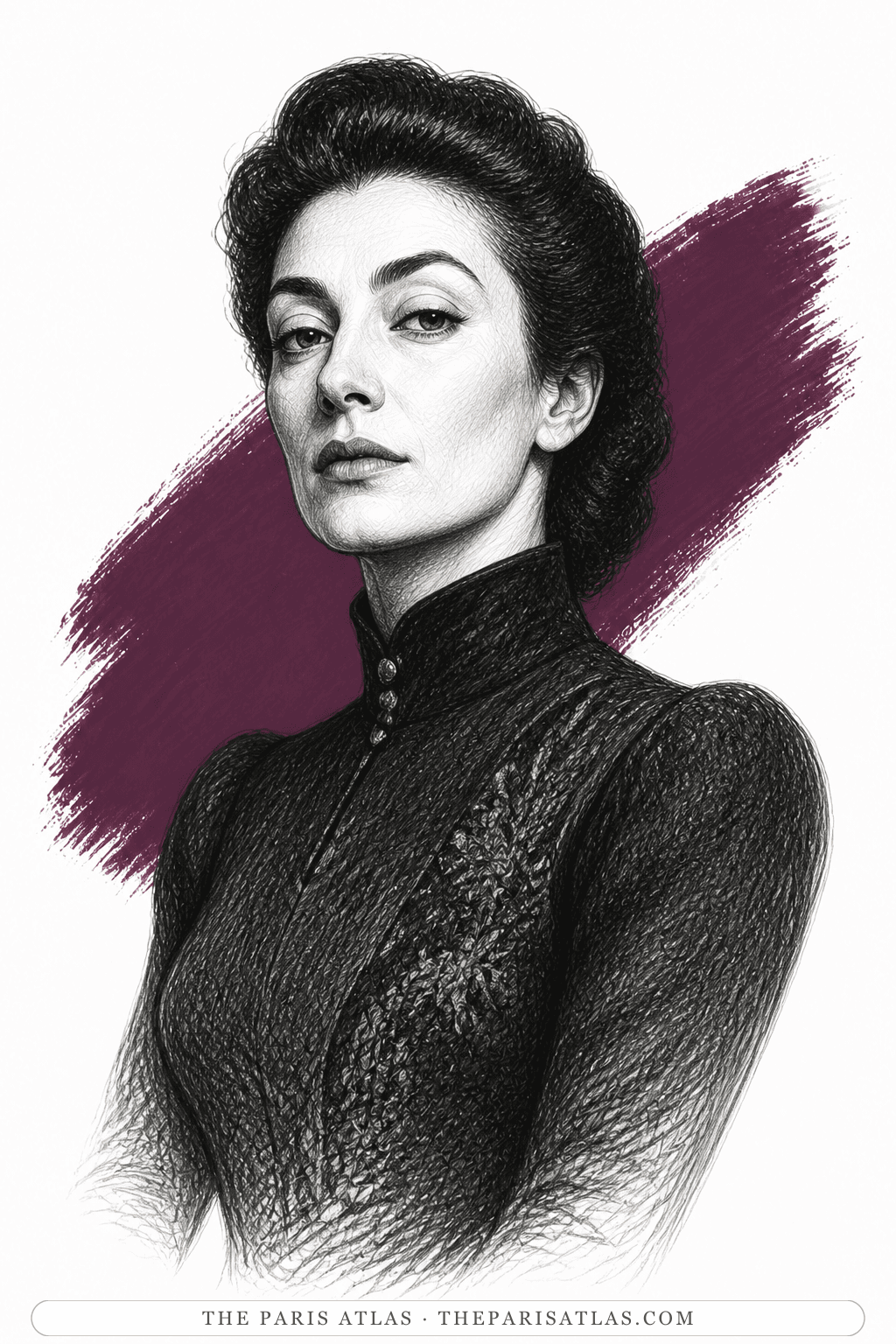
Painter · Illustrator
Leonor Fini
Argentine-born, Italian-raised painter, illustrator and designer whose dreamlike images of sphinxes, powerful women, androgynous men and ceremonial worlds placed her close to Surrealism without ever making her a formal member of the movement.
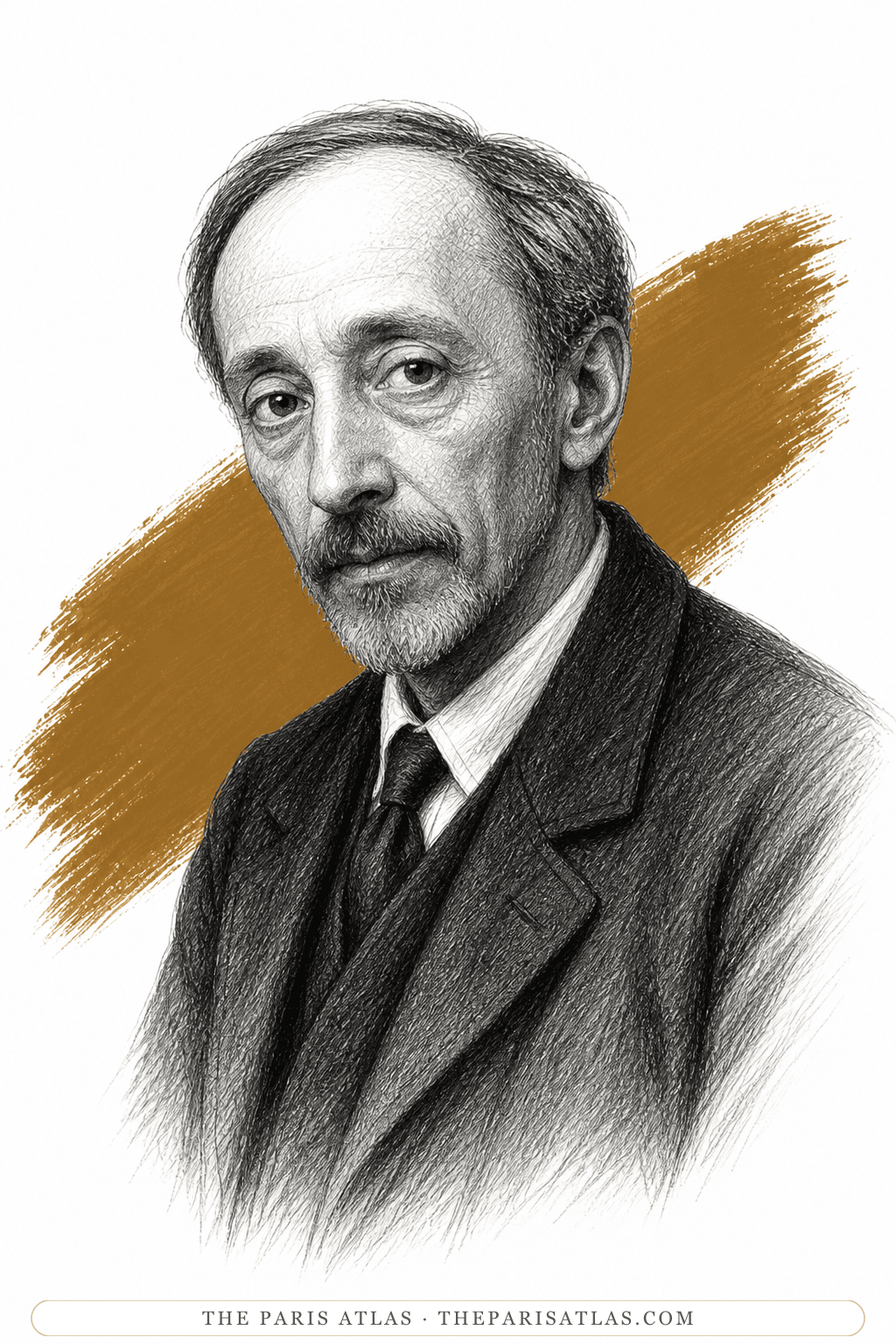
Painter · Illustrator
Pierre Bonnard
French painter, printmaker and illustrator whose intimate rooms, Paris streets, gardens and bathing figures transformed everyday life into complex fields of color, memory and perception.
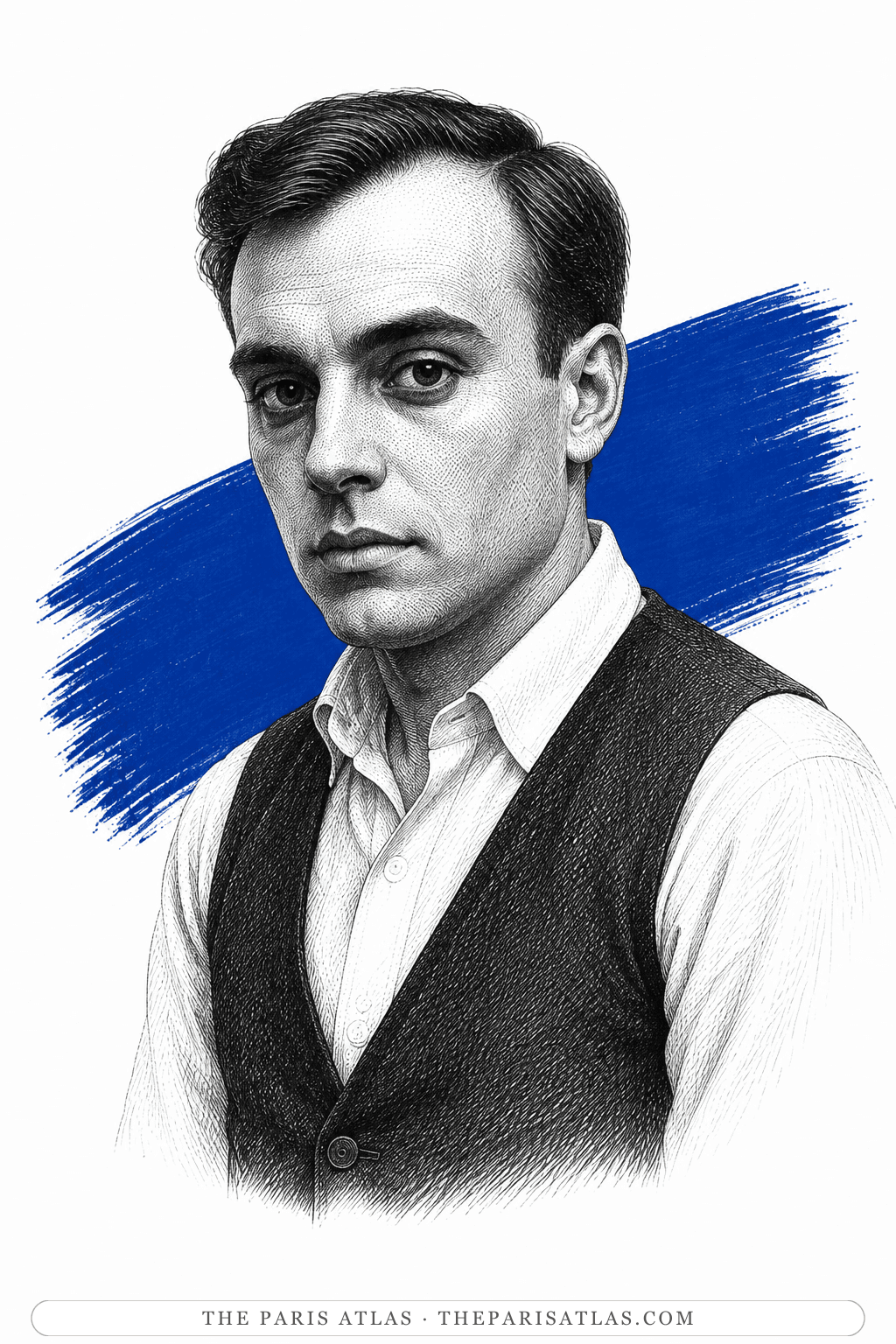
Painter · Sculptor
Yves Klein
French artist who made the monochrome, empty gallery, body print, fire, and pure pigment into central materials of postwar art during a brief Paris career.
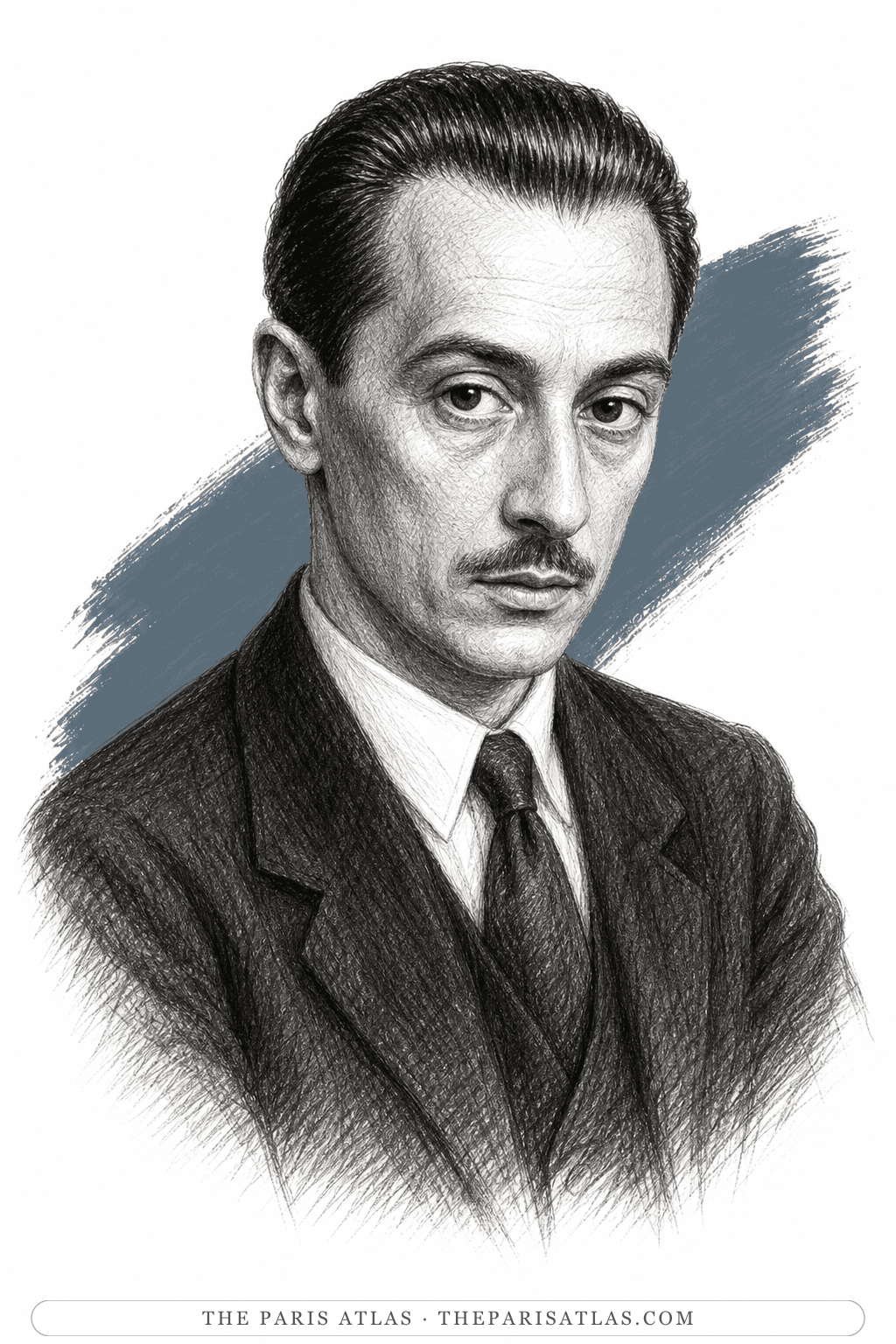
Painter
Yves Tanguy
Paris-born Surrealist painter whose meticulously rendered dream landscapes turned stones, bones, plants and invented objects into some of the most recognizable imaginary worlds of twentieth-century art.
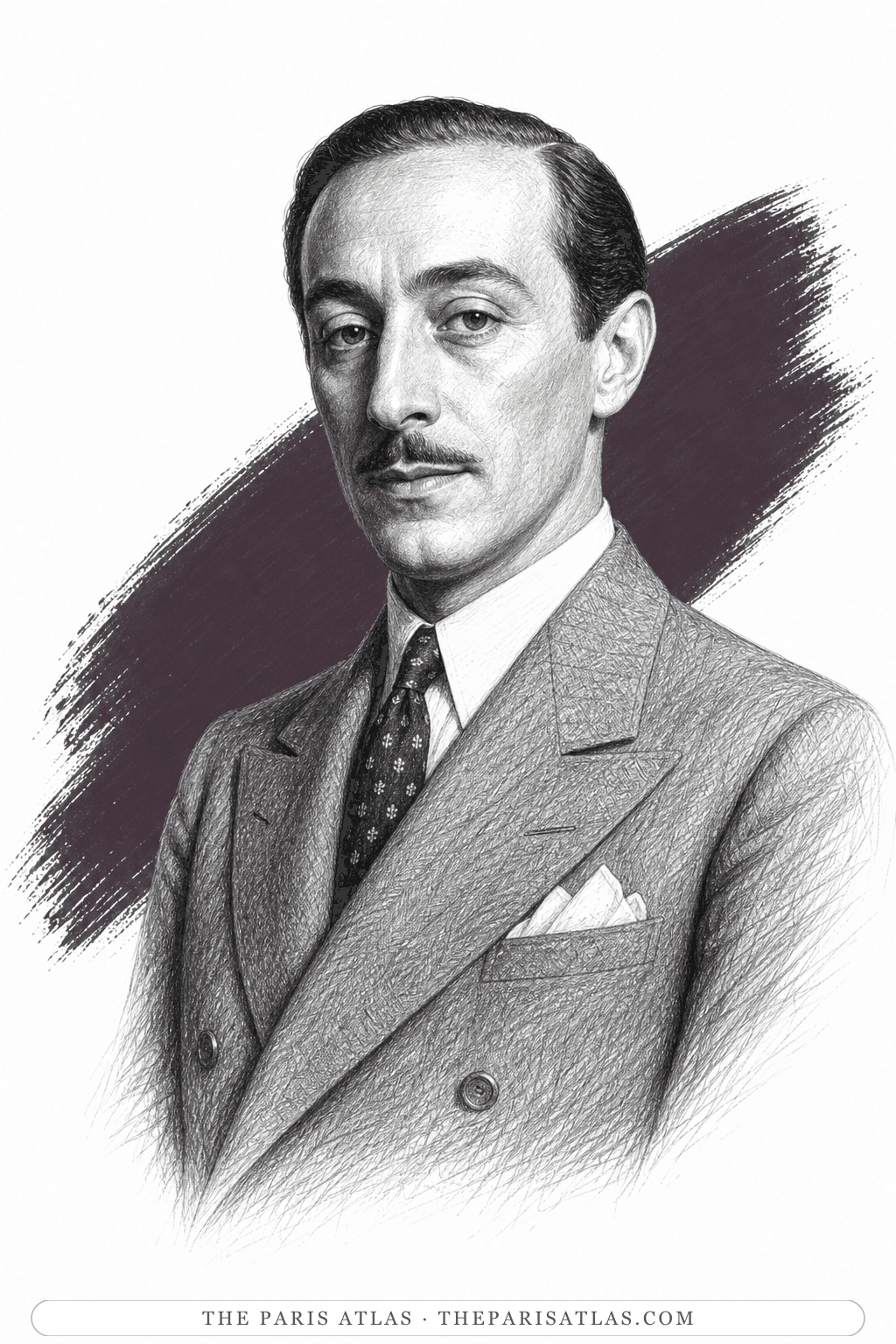
Fashion designer
Lucien Lelong
Paris couturier and fashion-industry leader whose elegant interwar house trained Christian Dior, Pierre Balmain and Hubert de Givenchy, and whose negotiations during the German occupation helped keep the infrastructure of French haute couture in Paris.
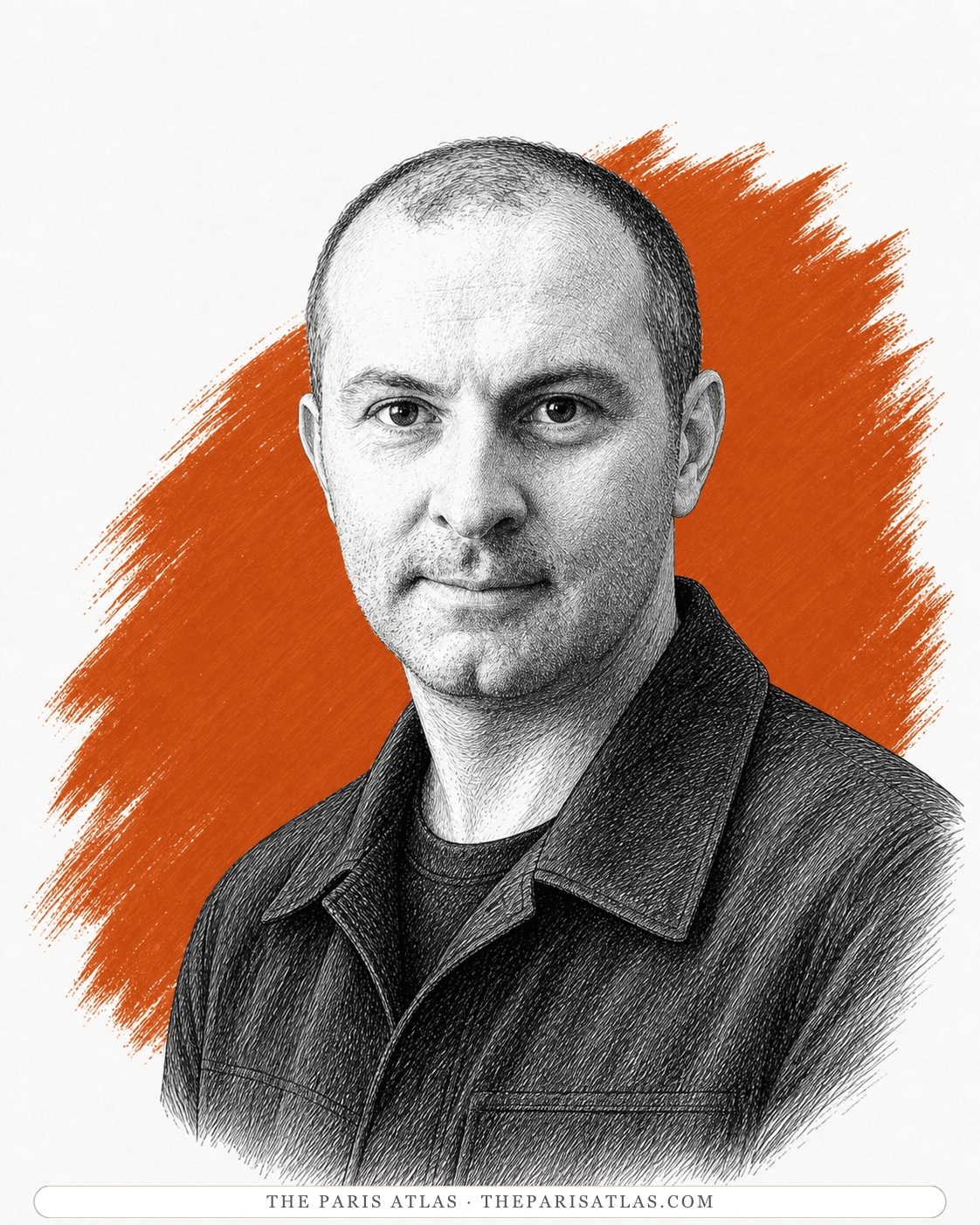
Sculptor · Painter
Arman
French-American artist, lifelong friend of Yves Klein, and a founder of New Realism.
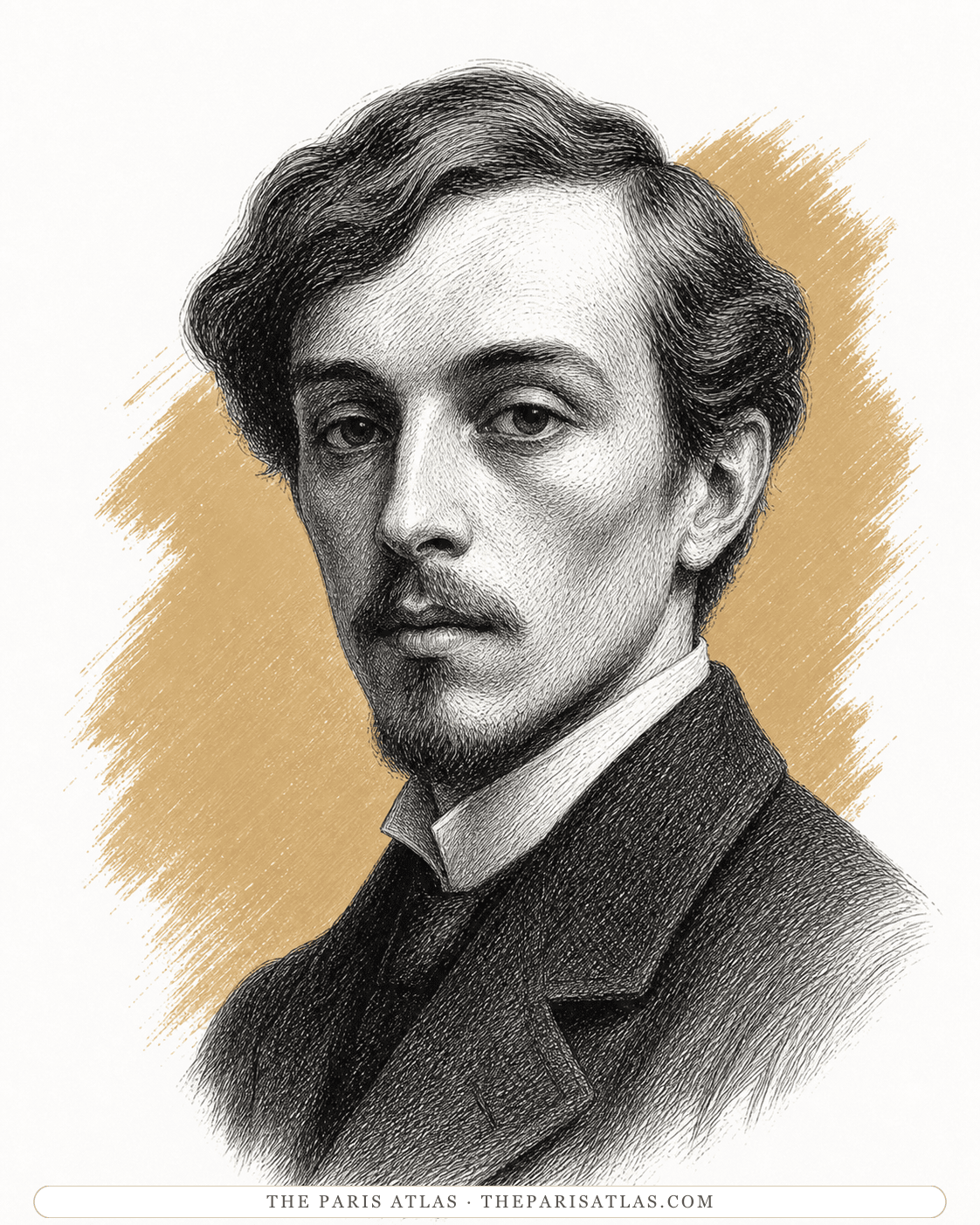
Painter
Édouard Vuillard
French painter, printmaker, and fellow Nabi whose close friendship with Pierre Bonnard lasted for decades.
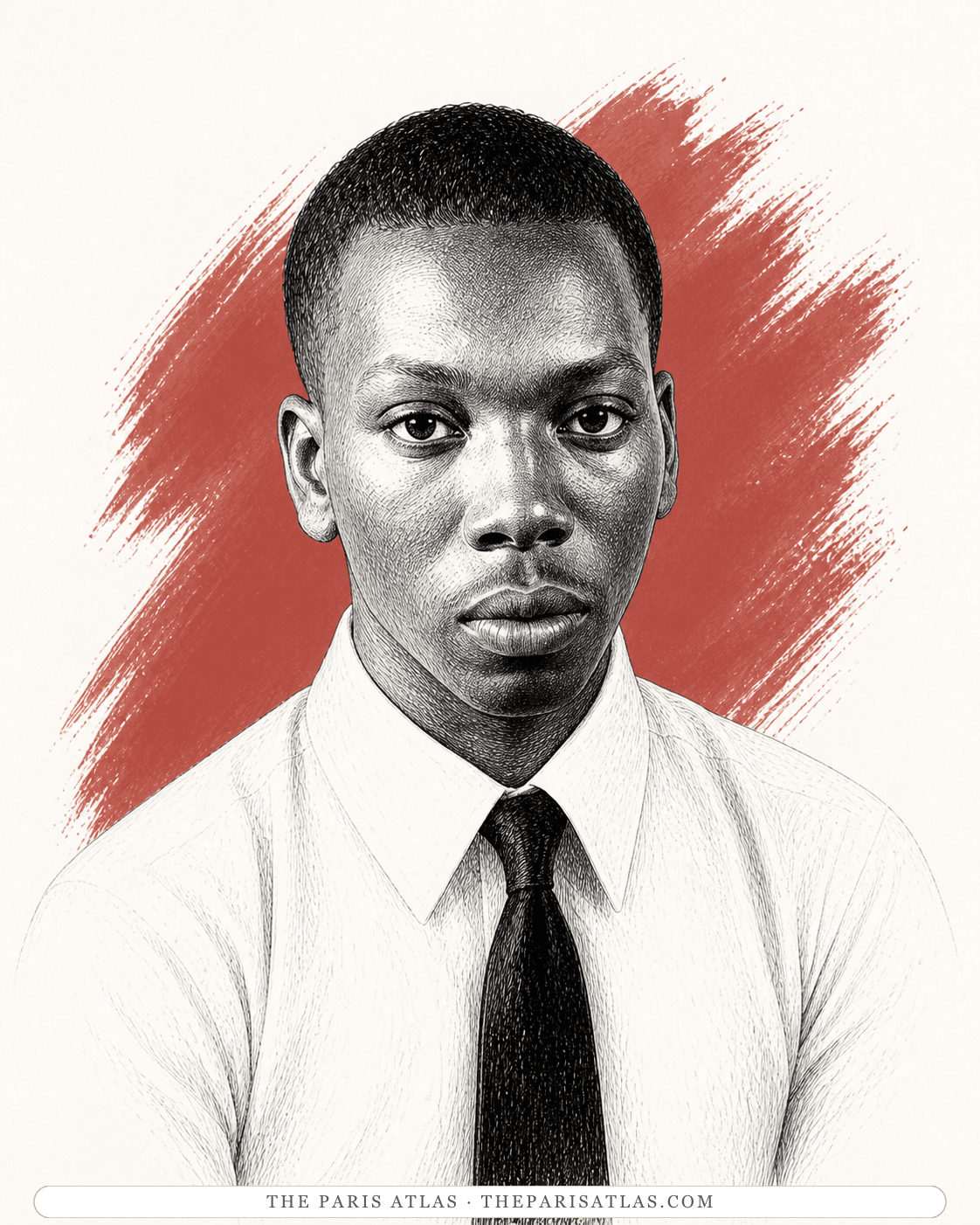
Painter · Illustrator
Jacob Lawrence
American painter of narrative series, best known for The Migration Series of 1941; he trained in Harlem under Charles Alston and Augusta Savage.
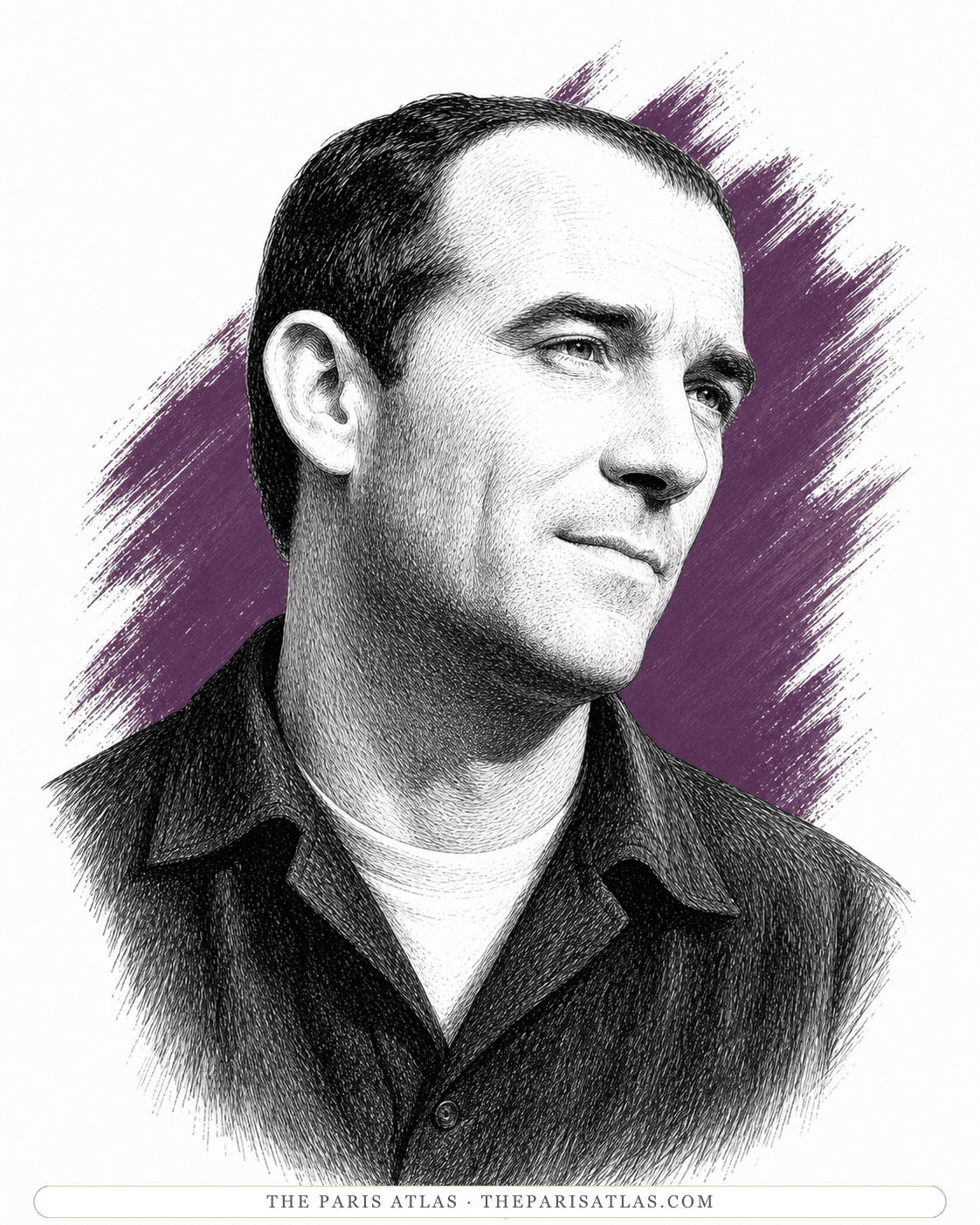
Sculptor
Jean Tinguely
Swiss kinetic sculptor, collaborator of Yves Klein, and fellow founder of New Realism in Paris.
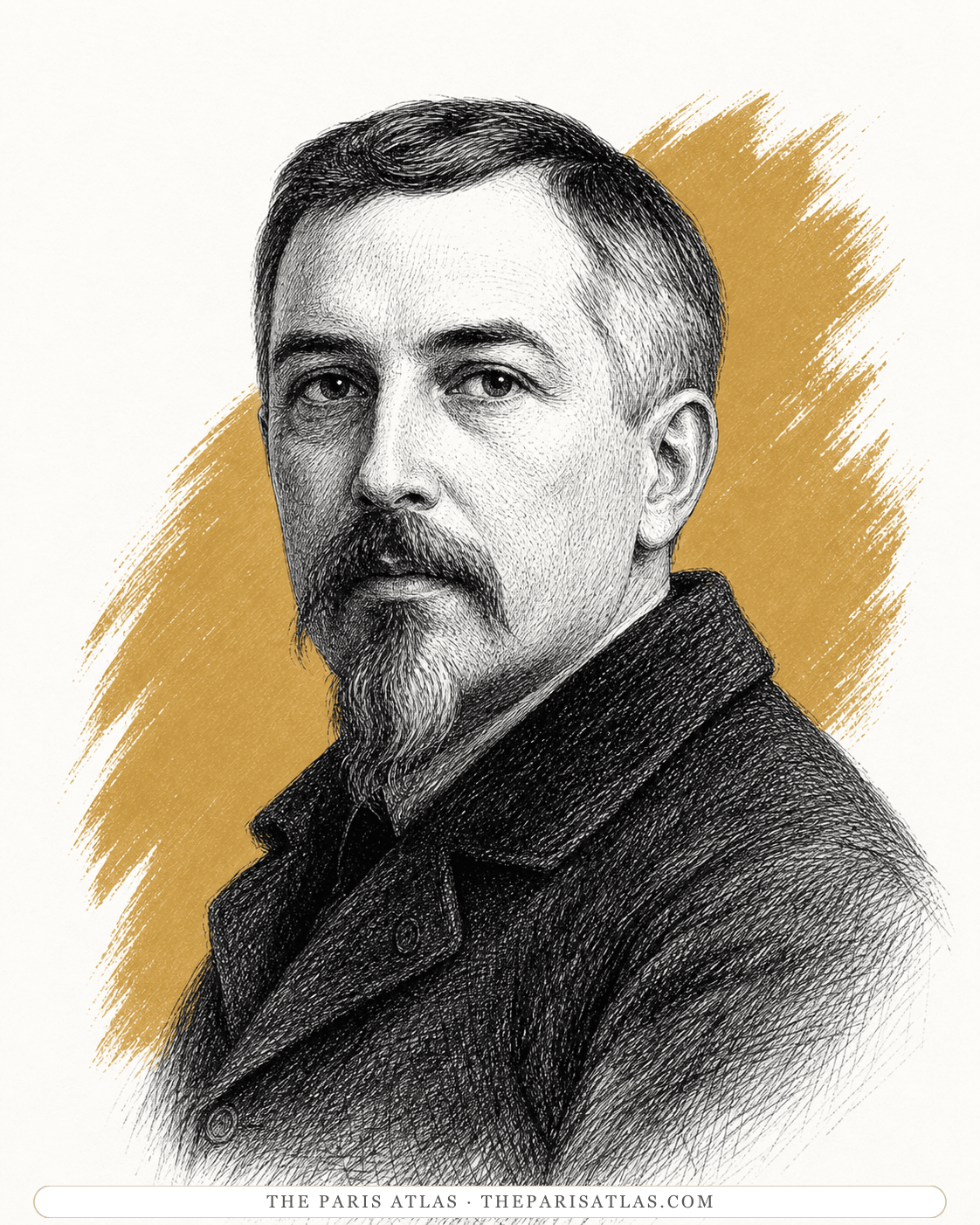
Painter
Maurice Denis
French painter, theorist, and fellow member of the Nabis with Pierre Bonnard.
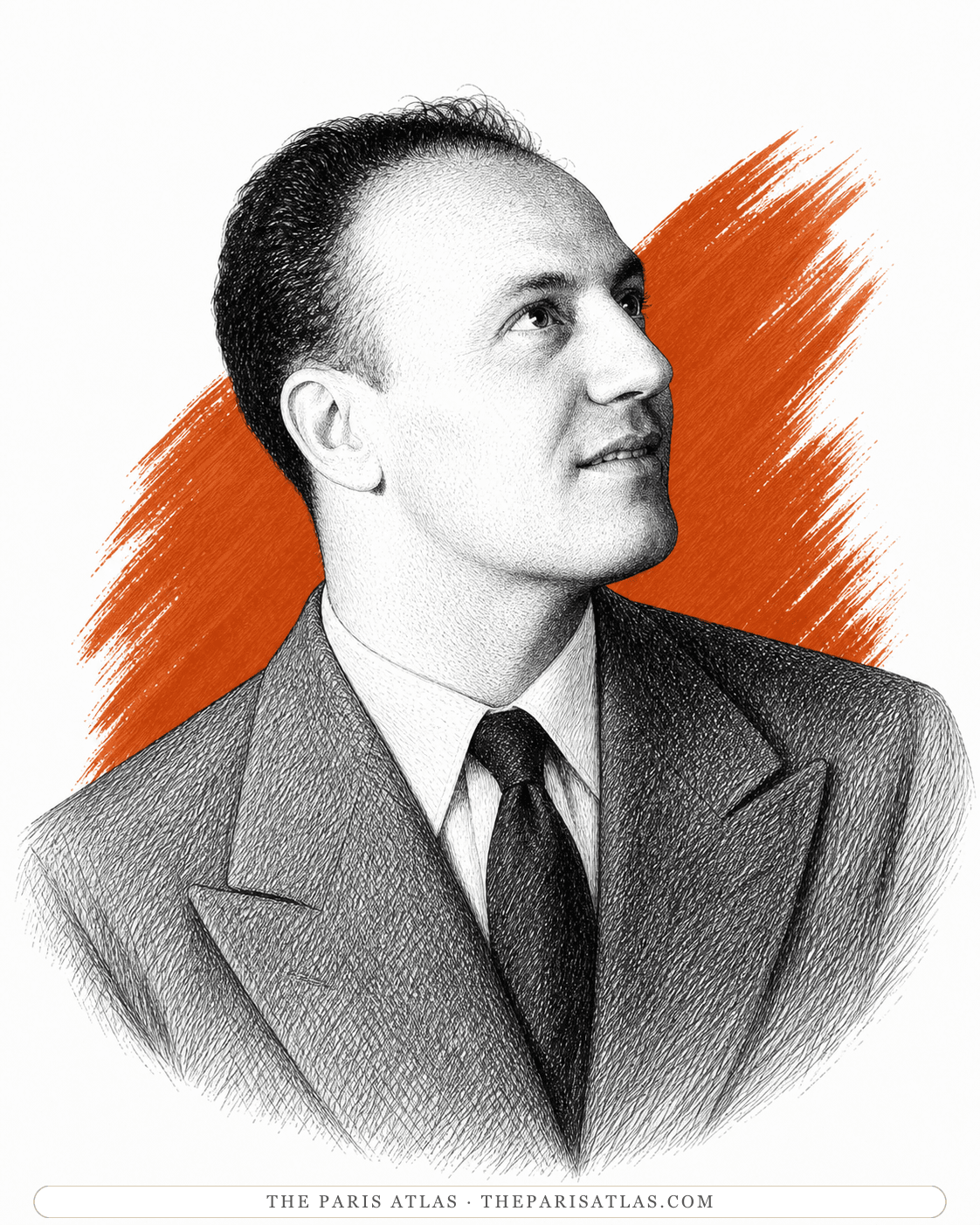
Fashion designer
Pierre Balmain
French couturier who worked in Lucien Lelong's Paris design studio before opening his own house in 1945, then built the postwar Jolie Madame style and dressed actresses in eighty-eight films.
Painter
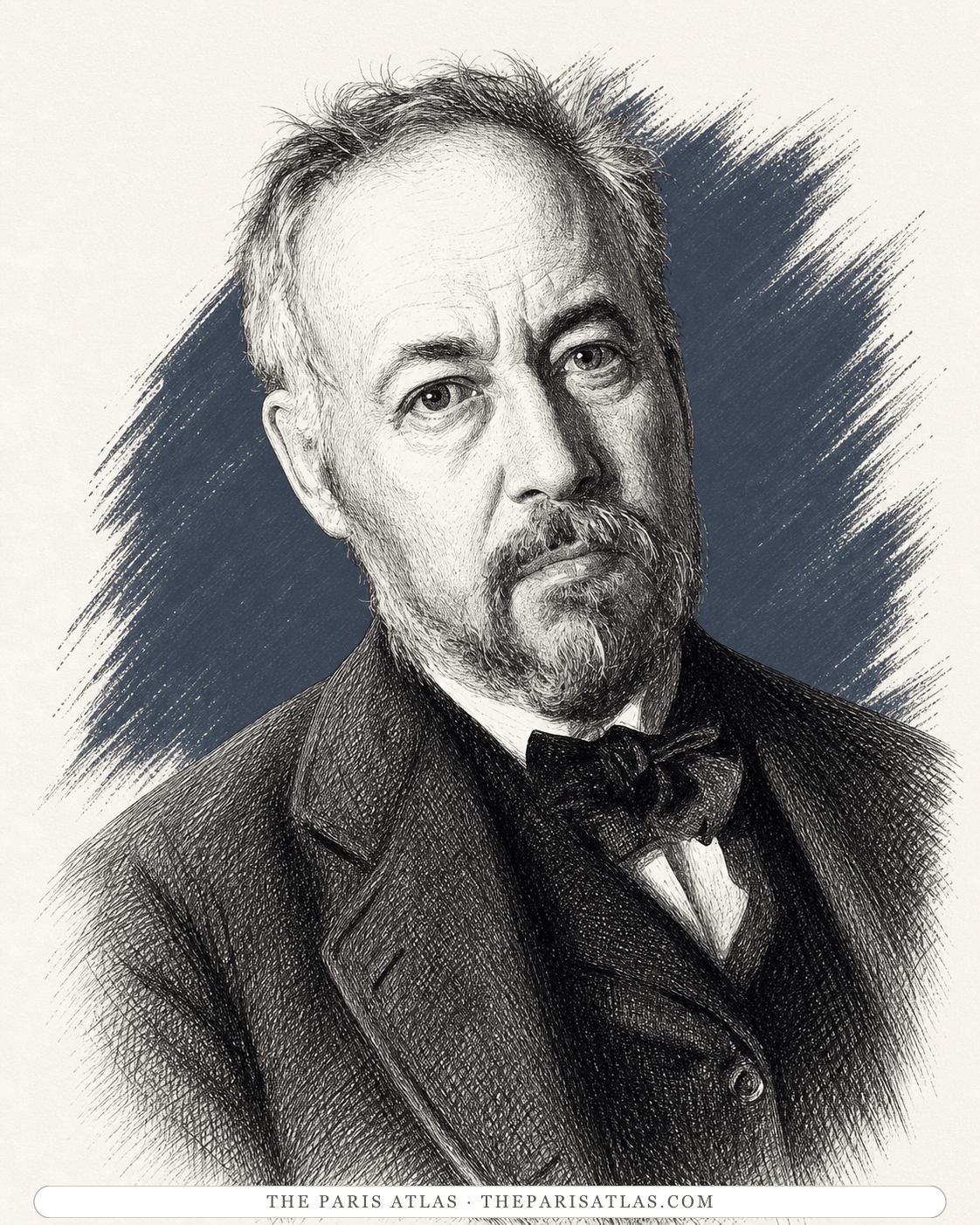
Thomas Eakins
American realist painter and influential Pennsylvania Academy teacher of Henry Ossawa Tanner.
Painter
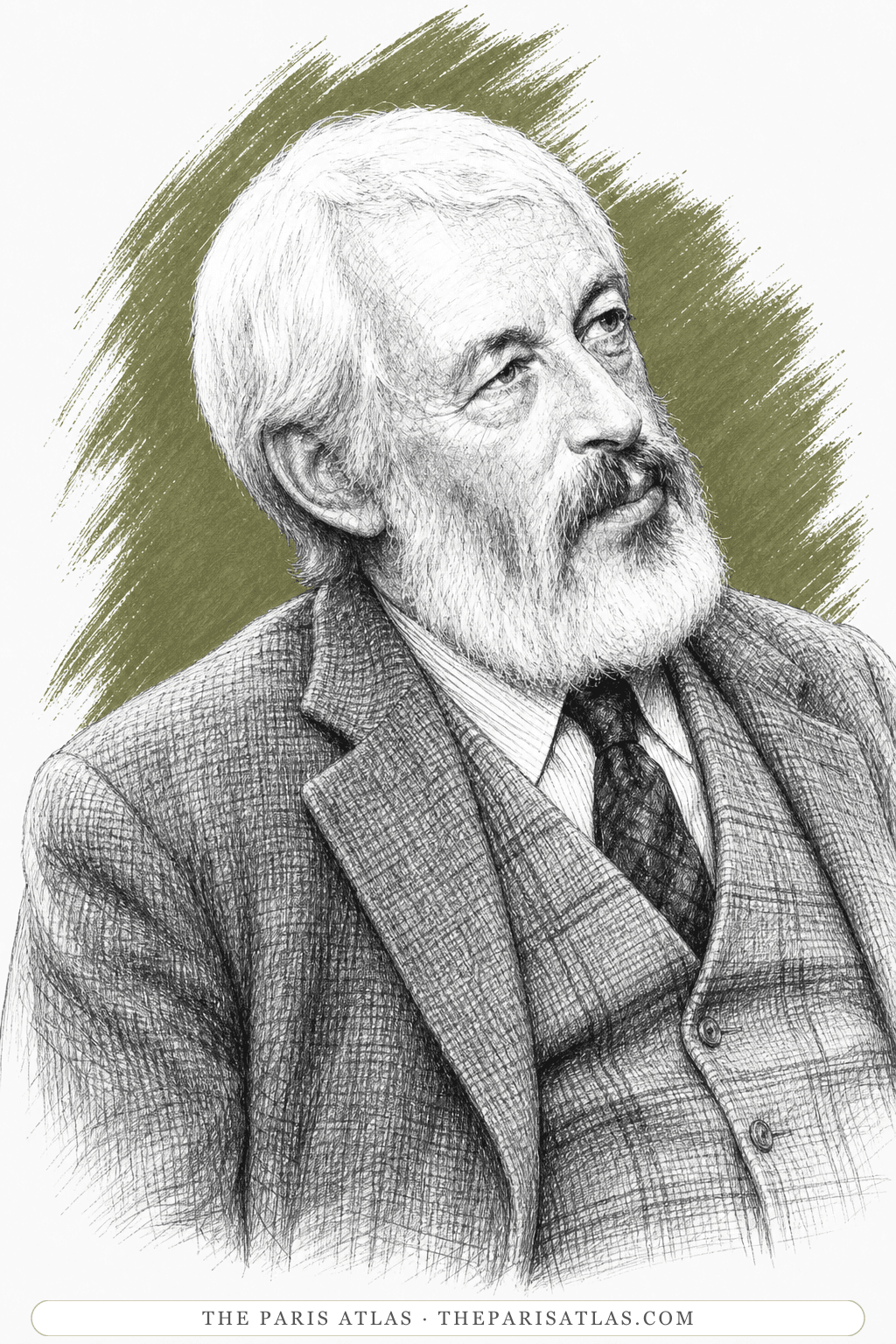
J. P. Donleavy
American-born Irish novelist, playwright and painter whose scandalous comic debut The Ginger Man was first published by Olympia Press in Paris after repeated rejection in Britain and America.
Painter
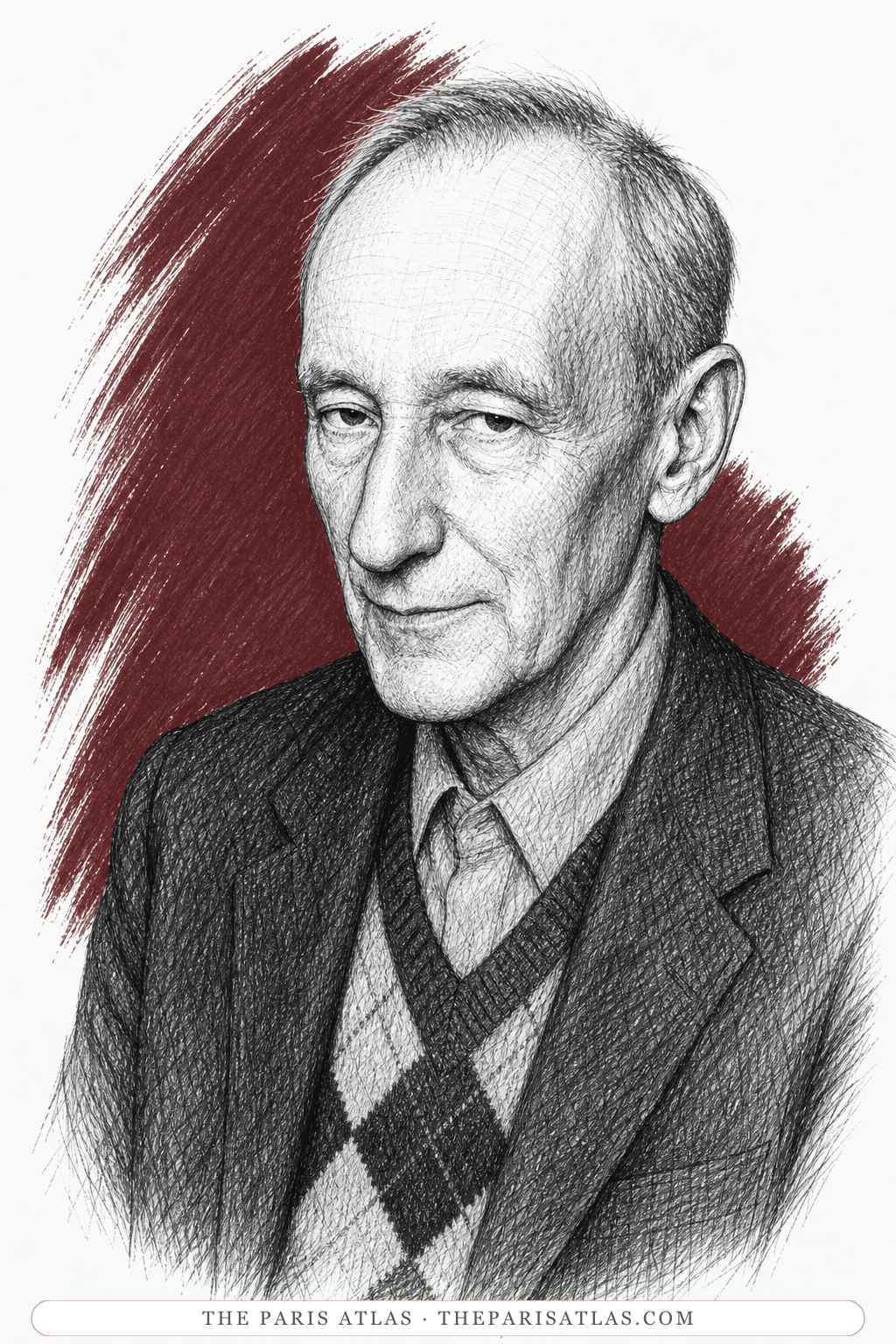
William S. Burroughs
American Beat novelist, essayist, performer and visual artist who completed Naked Lunch at the Beat Hotel in Paris and made cut-up writing a defining avant-garde method.
Painter
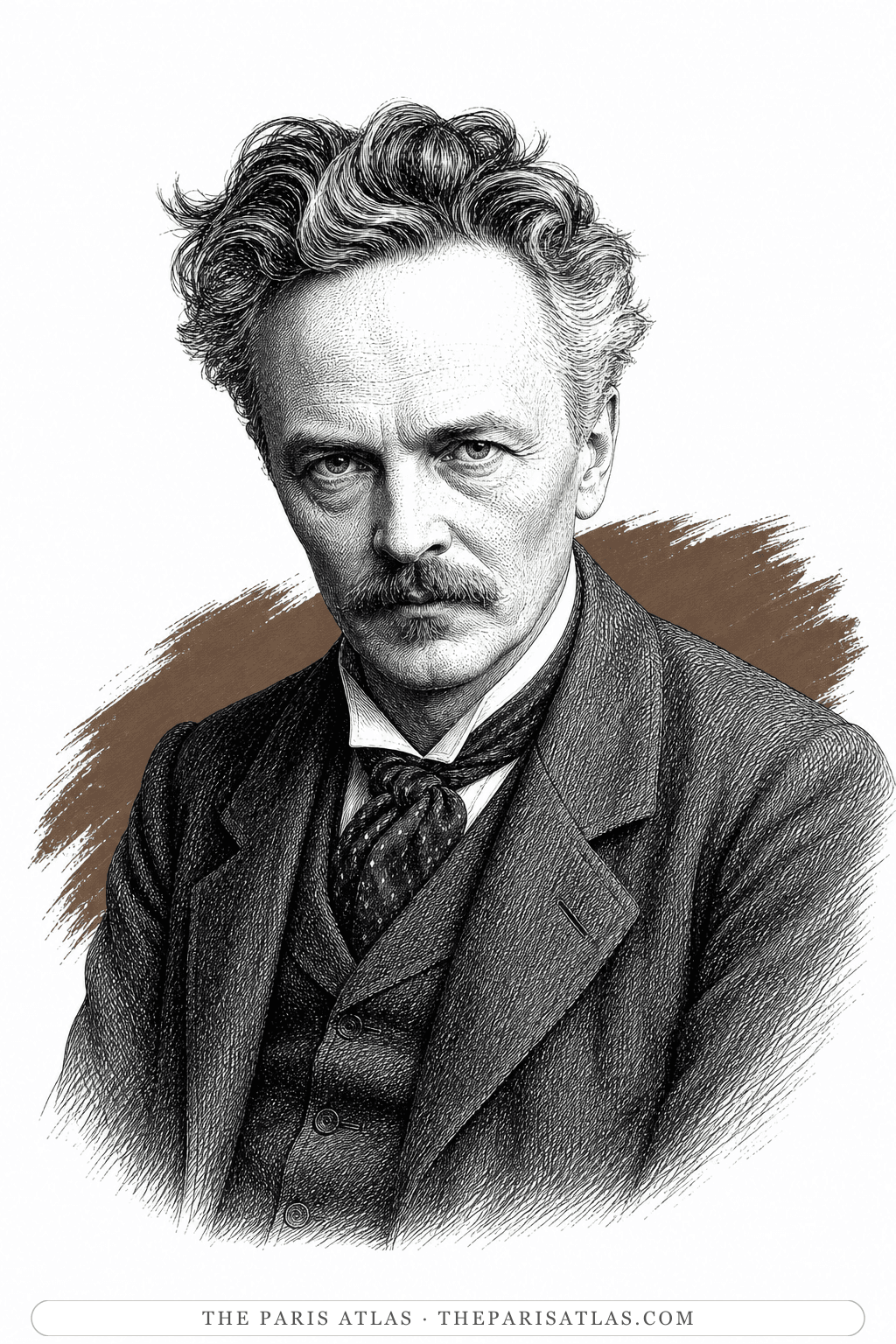
August Strindberg
Swedish writer, dramatist and artist whom Knut Hamsun met in Paris in 1894 and regarded as an important literary contemporary.
Painter · Sculptor
Robert Rauschenberg
American artist who combined William S. Burroughs's text with his imagery in the 1981 lithograph series American Pewter with Burroughs.
Painter
Gerald Murphy
The American painter whose Riviera household, run with his wife Sara, drew the expatriate 1920s to Cap d'Antibes and stands behind the Divers of Tender Is the Night.
Fashion designer
Jacques Doucet
The couturier who dressed Sarah Bernhardt, employed Paul Poiret and Madeleine Vionnet before they had their own houses, then sold his eighteenth-century collection in 1912 and spent the proceeds on modern art with André Breton as his adviser.
Fashion designer
Madeleine Vionnet
The couturier who cut cloth diagonally across the weave so that a dress would cling and move with the body, and who dressed Hollywood and European society through the 1930s without ever courting publicity.
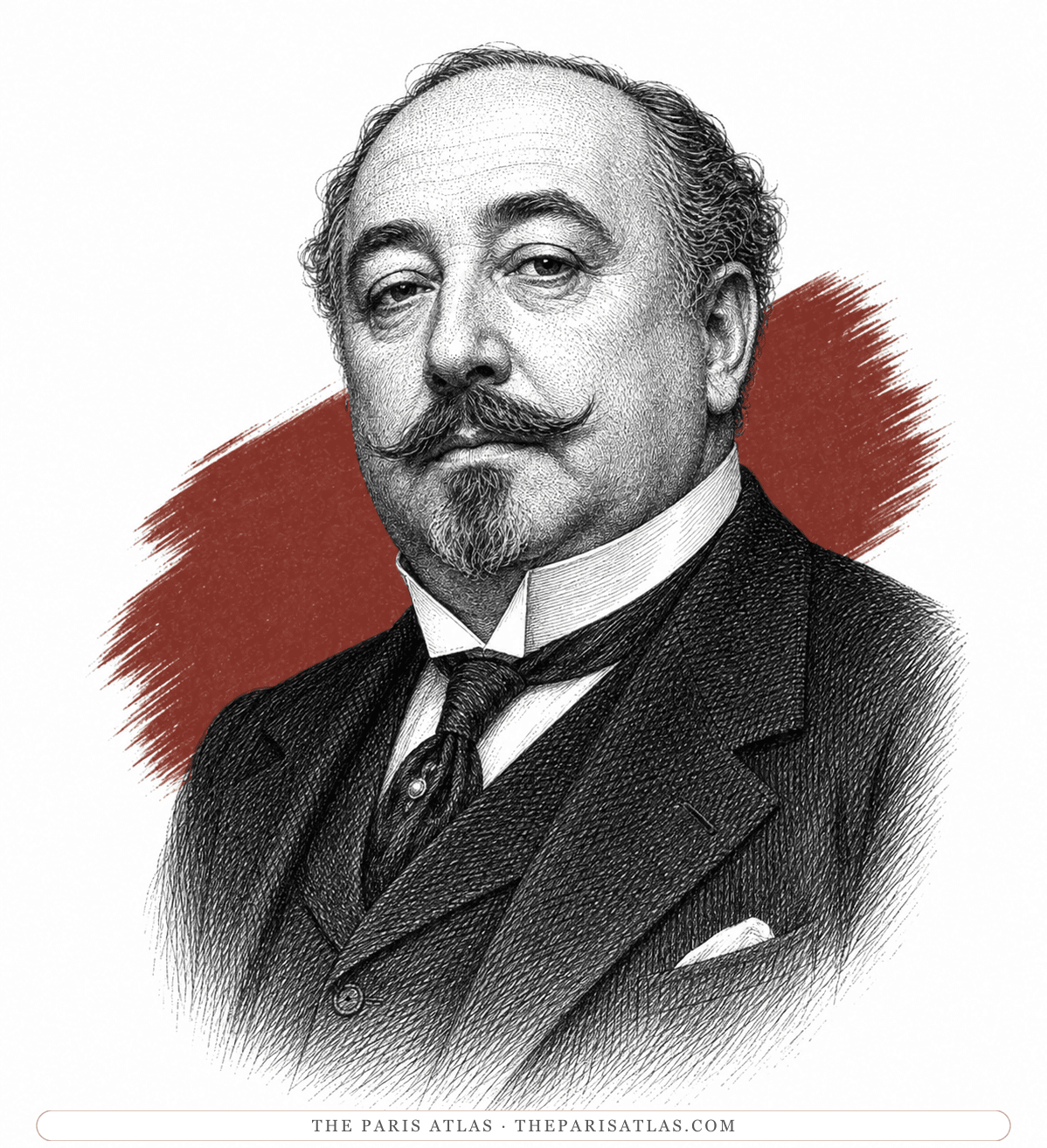
Fashion designer
Paul Poiret
The couturier who freed women from the corset and made Paris fashion an art before the First World War, then died forgotten and poor in 1944.
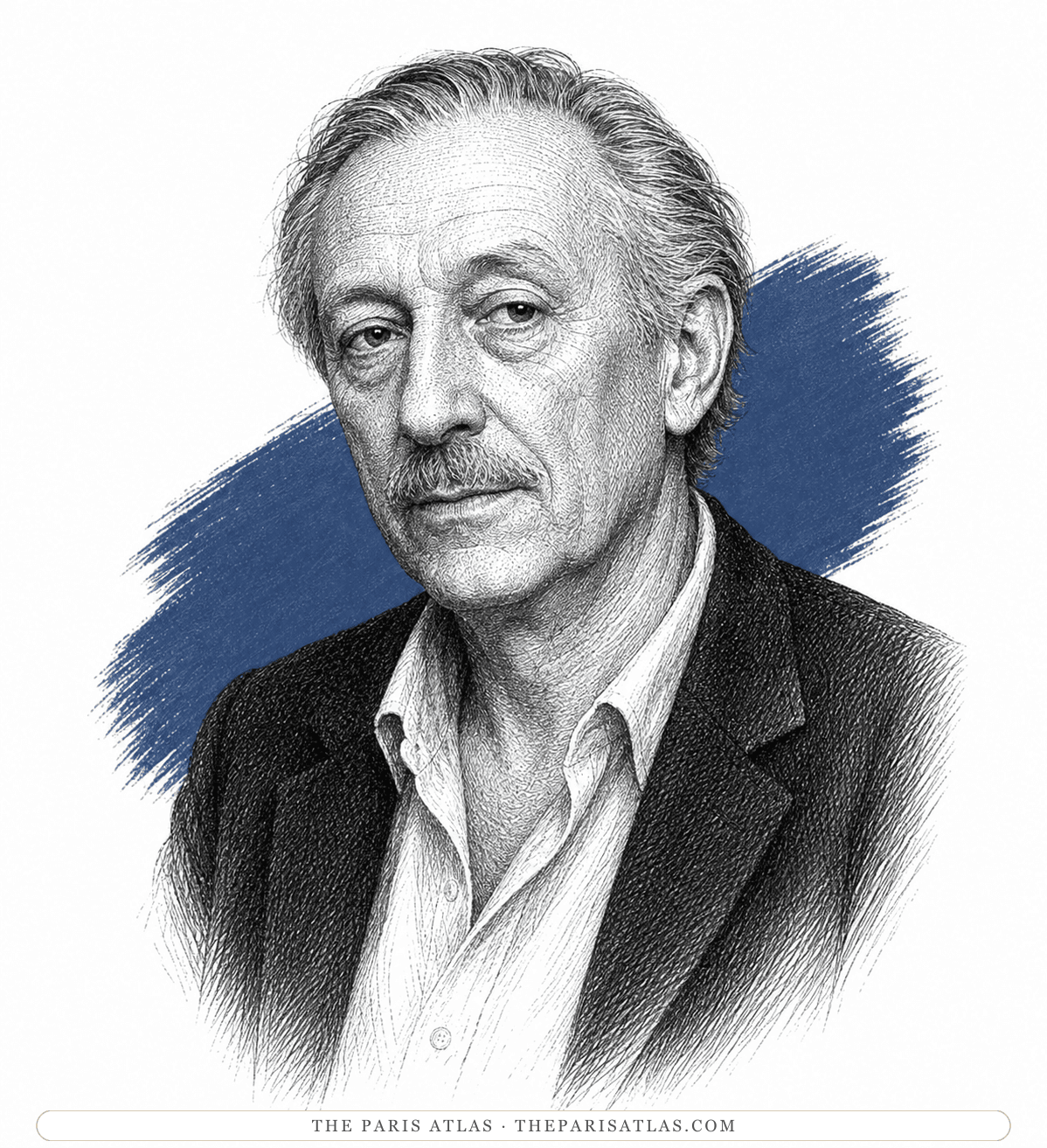
Painter · Illustrator
Raoul Dufy
The French painter who turned Fauvist colour into a quick, bright shorthand for regattas, racecourses and seafronts, and applied it just as readily to dress fabric, ceramics and a mural the size of a wall of a building.
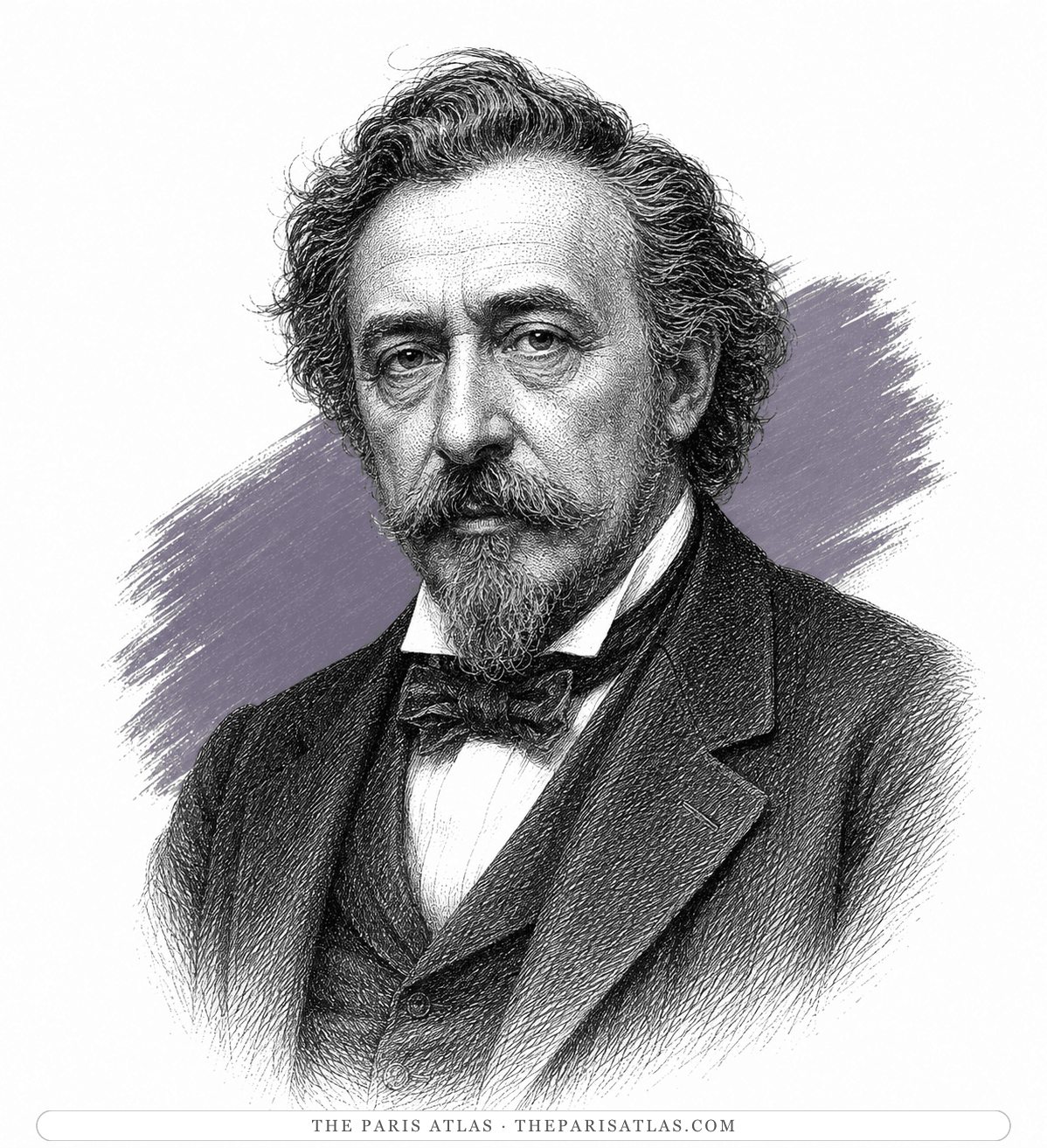
Illustrator · Painter · Sculptor
Gustave Doré
The most famous illustrator of the nineteenth century. From Paris he drew the Dante, Bible, Don Quixote and Paradise Lost pictures that generations now see when they imagine those books, ran a London gallery of his paintings, and ended as a sculptor.
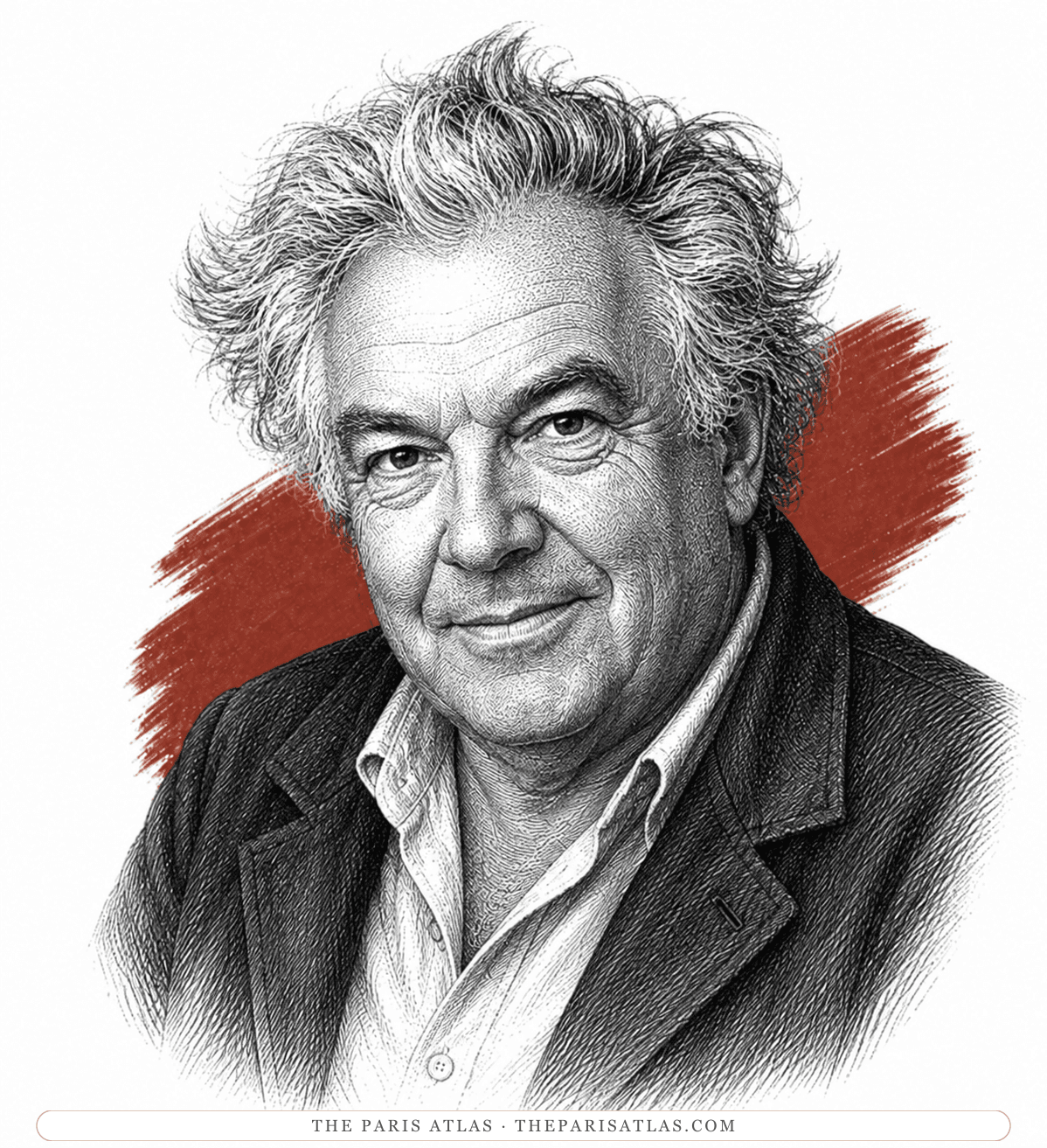
Sculptor
Alexander Calder
The American engineer-turned-sculptor who invented the mobile. Paris made him: his wire Cirque Calder charmed the avant-garde from 1926, and a 1930 visit to Piet Mondrian's studio tipped him into the abstractions that Marcel Duchamp named 'mobiles'.
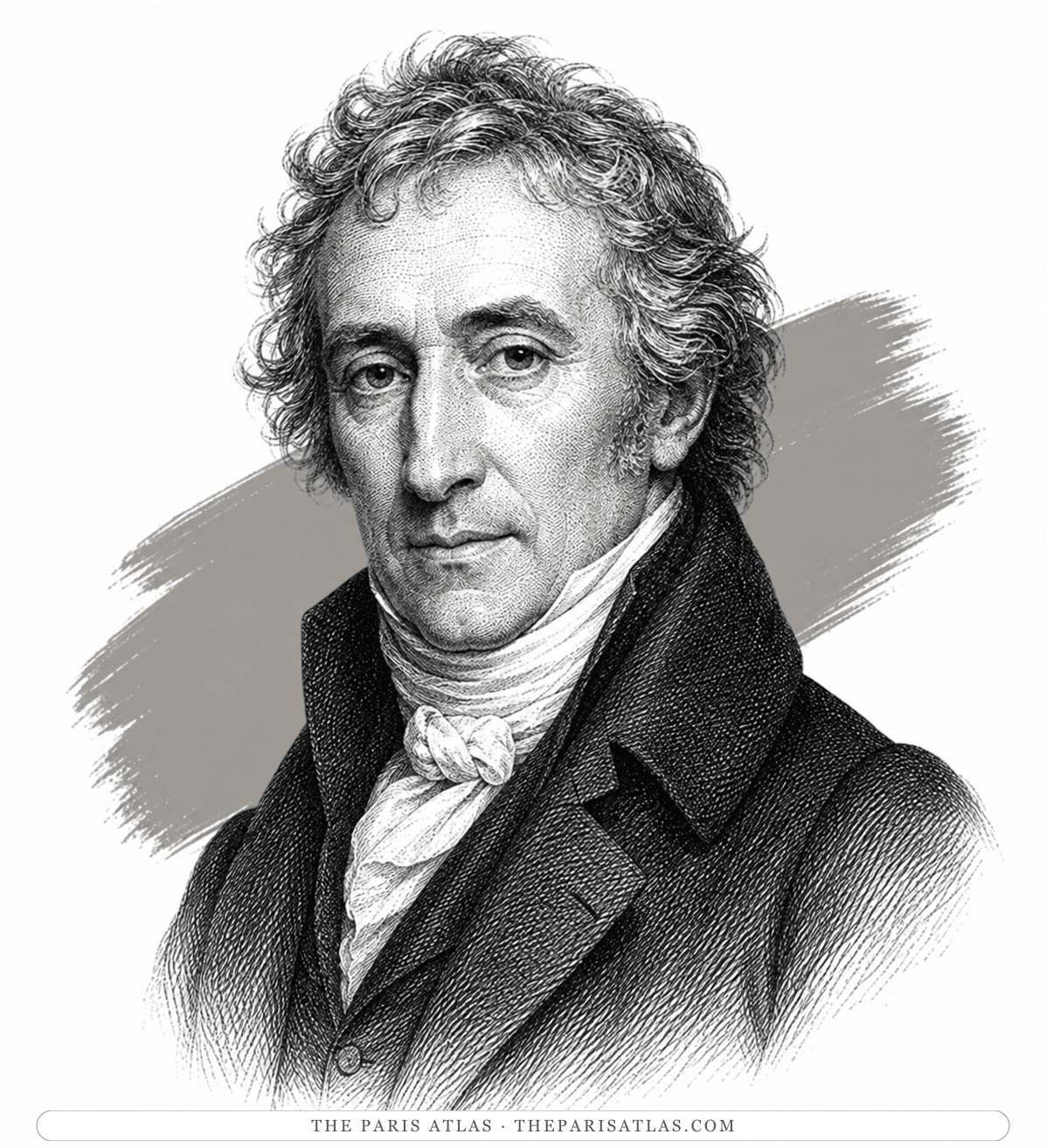
Sculptor
Antonio Canova
Europe's most celebrated sculptor around 1800: carver of the Louvre's Psyche Revived by Cupid's Kiss, court sculptor to Napoleon, and the diplomat who marched into the Louvre in 1815 to take Italy's looted art home.
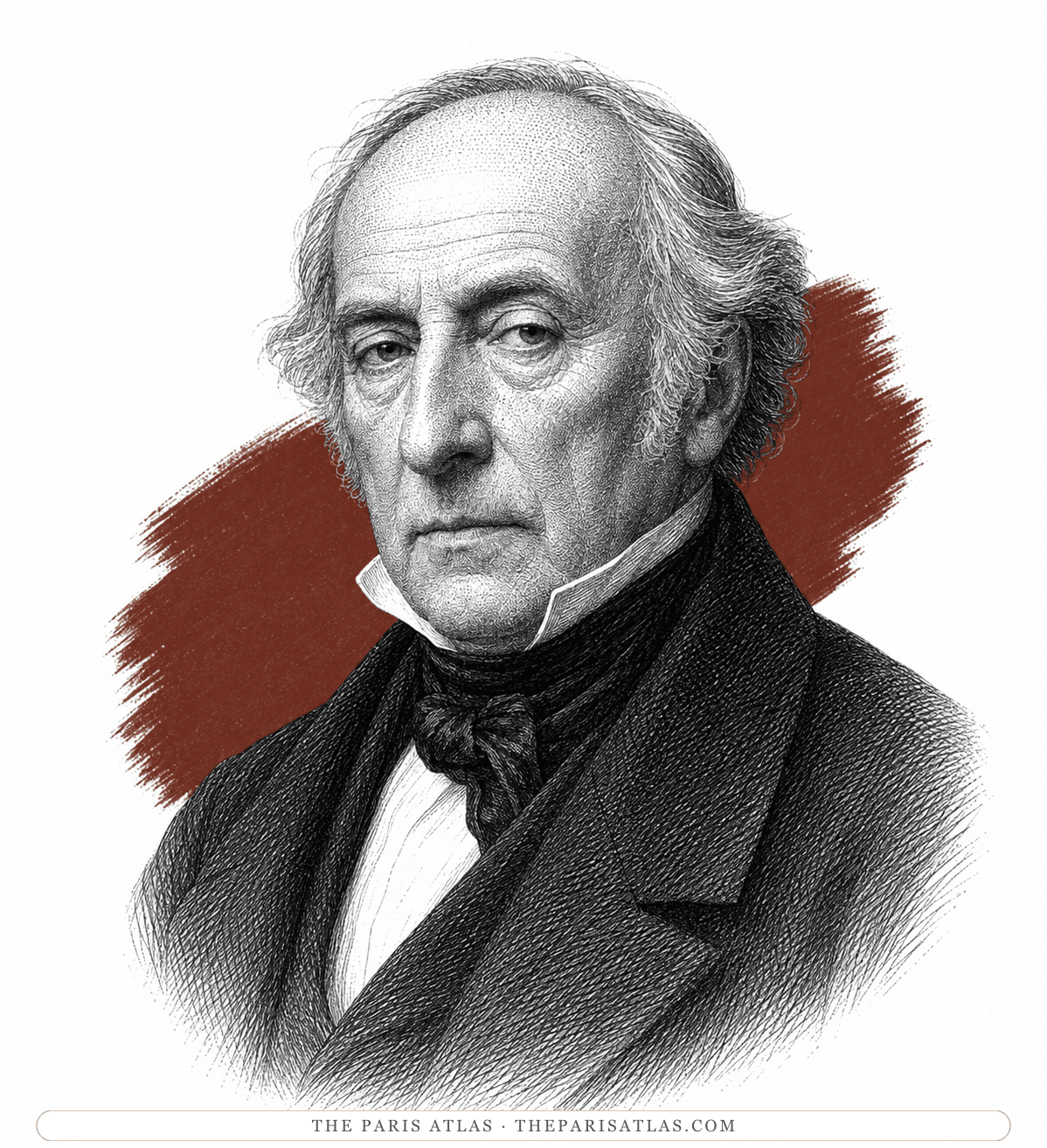
Painter
Jean-Auguste-Dominique Ingres
The standard-bearer of French Neoclassical painting for half a century: master of the drawn line, painter of the Grande Odalisque and the Turkish Bath, portraitist of the French bourgeoisie, and Delacroix's great opposite.
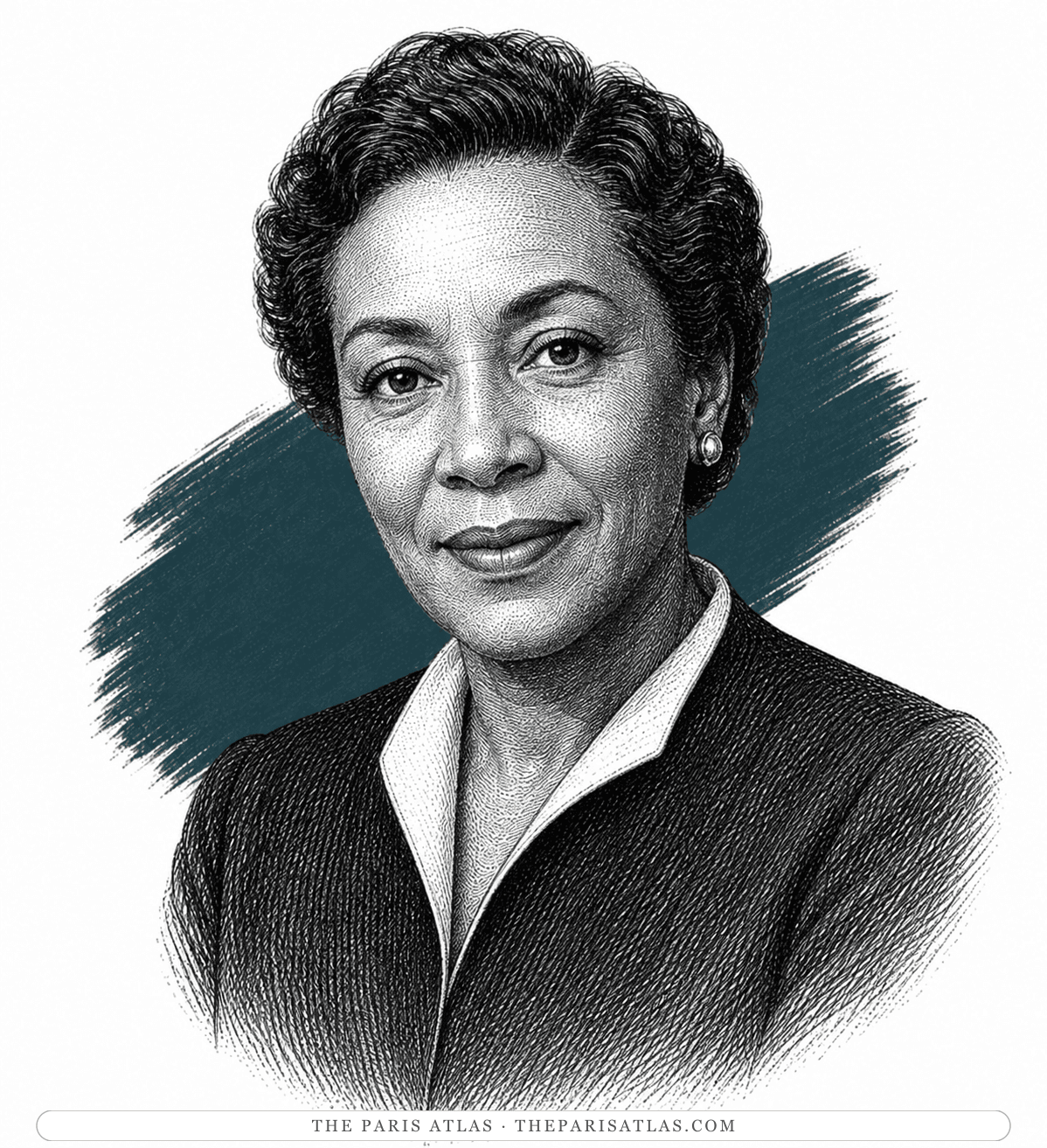
Painter
Loïs Mailou Jones
Boston-born painter and Howard University professor for forty-seven years, whose 1937–38 year at the Académie Julian in Paris produced Les Fétiches and opened a seven-decade career spanning French landscape, African design and Haitian colour.
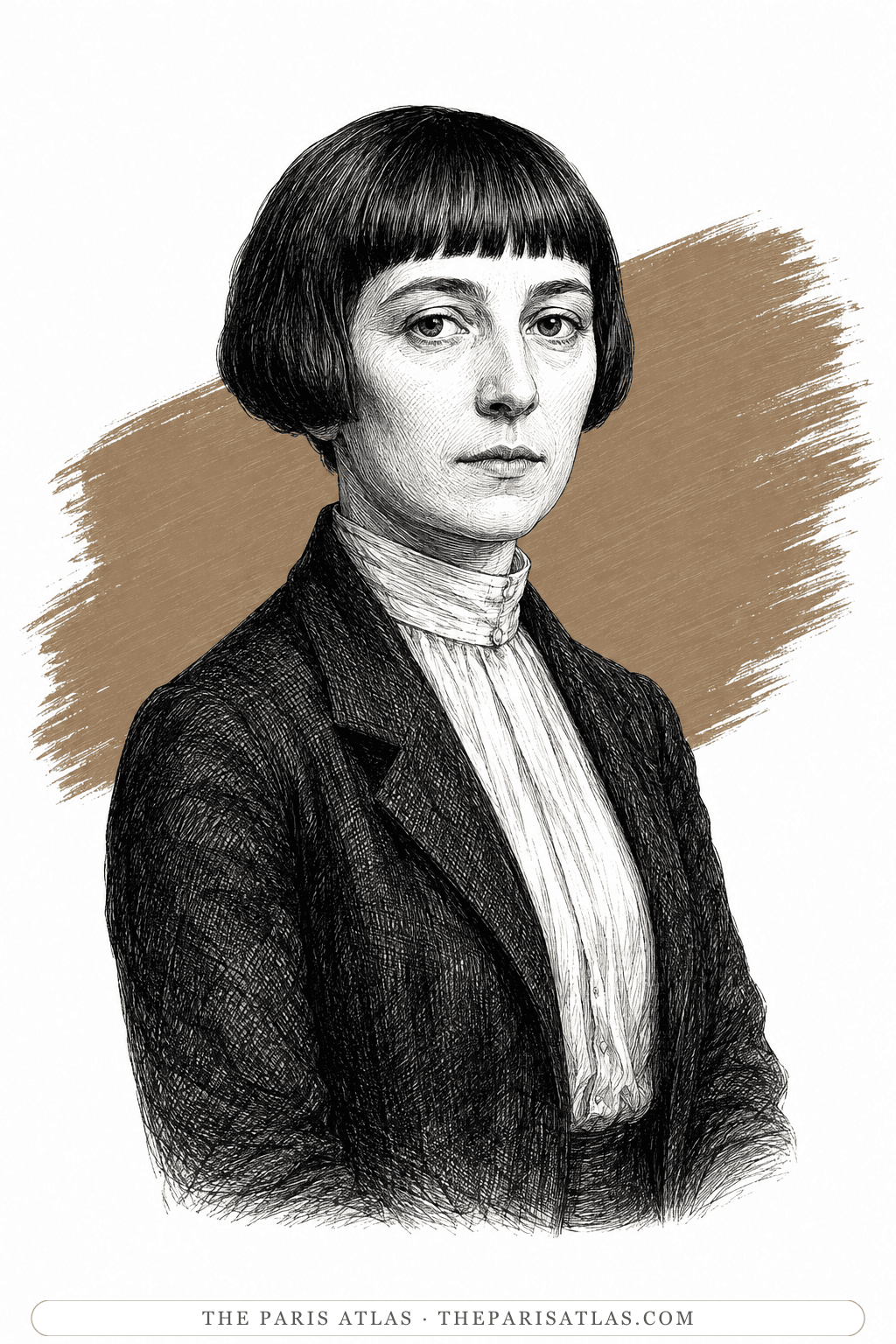
Painter
Hannah Höch
Berlin Dada artist who developed photomontage into a sharp instrument for cutting through politics, mass media, gender roles, and the public faces of the Weimar Republic.
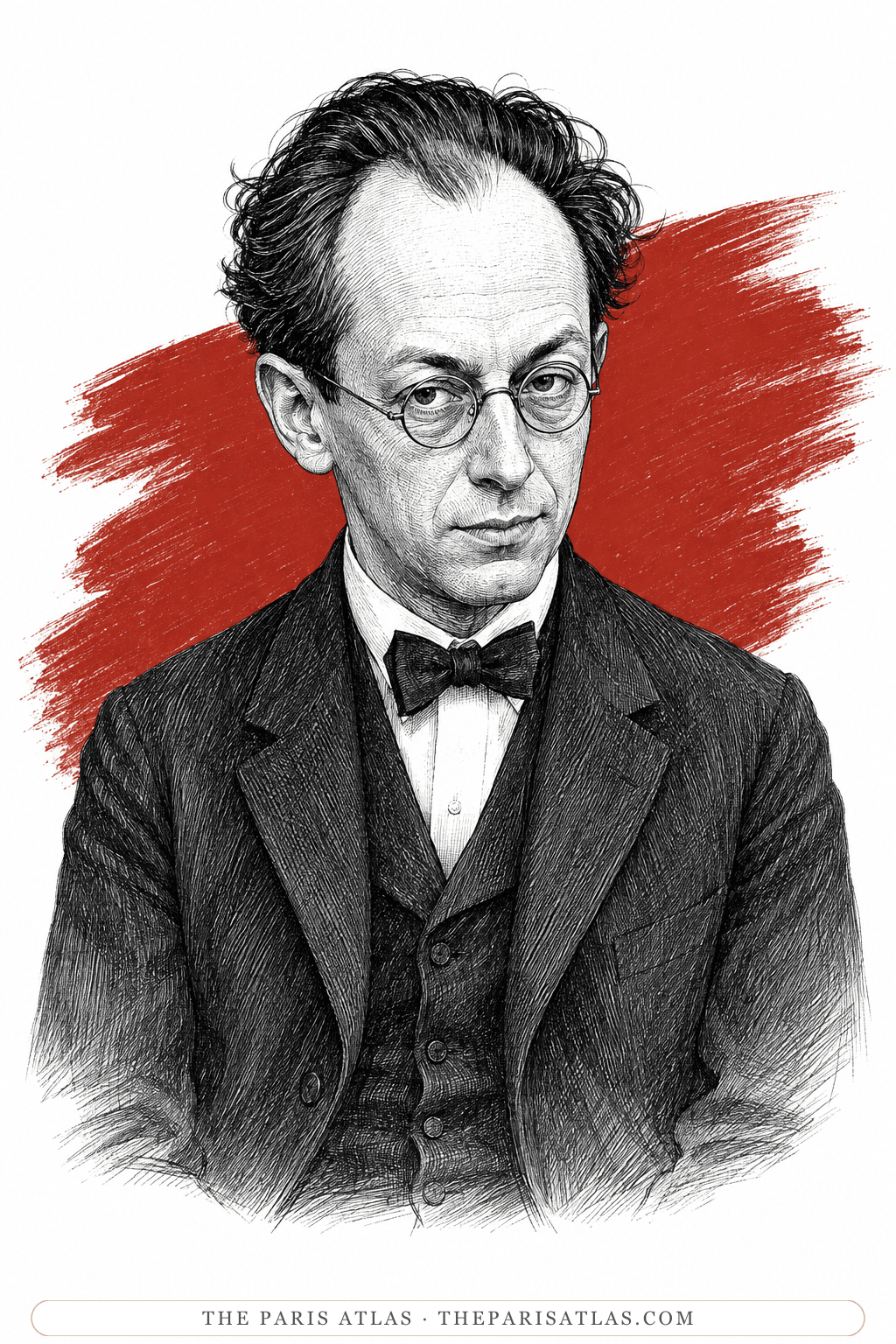
Painter · Sculptor
Kurt Schwitters
Hanover artist who called his practice Merz and built collages, poems, typography, and environments from the discarded fragments of modern life.
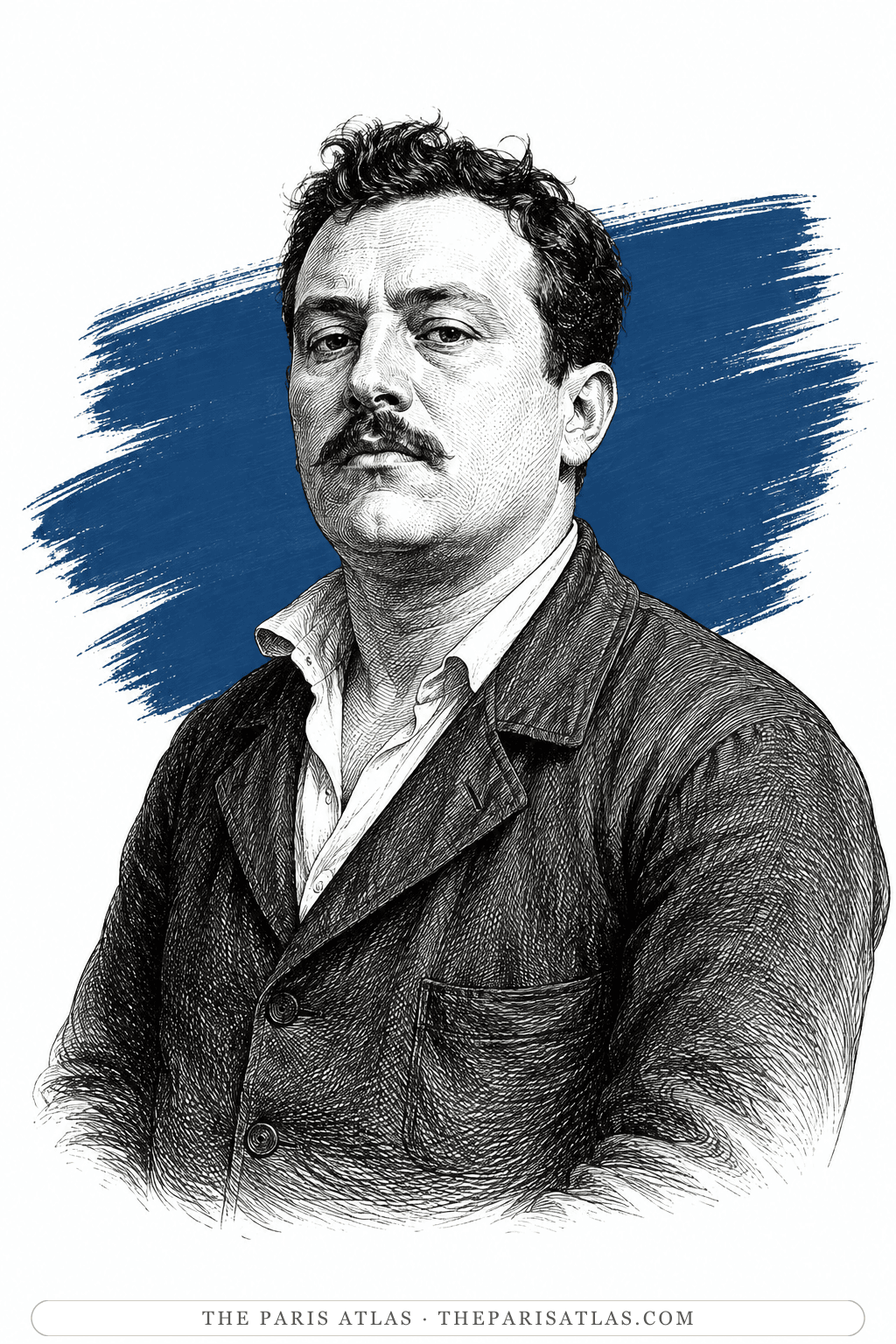
Painter · Illustrator
Maurice de Vlaminck
Self-taught French painter whose intense colour and forceful brushwork around Chatou made him one of Fauvism’s central figures.
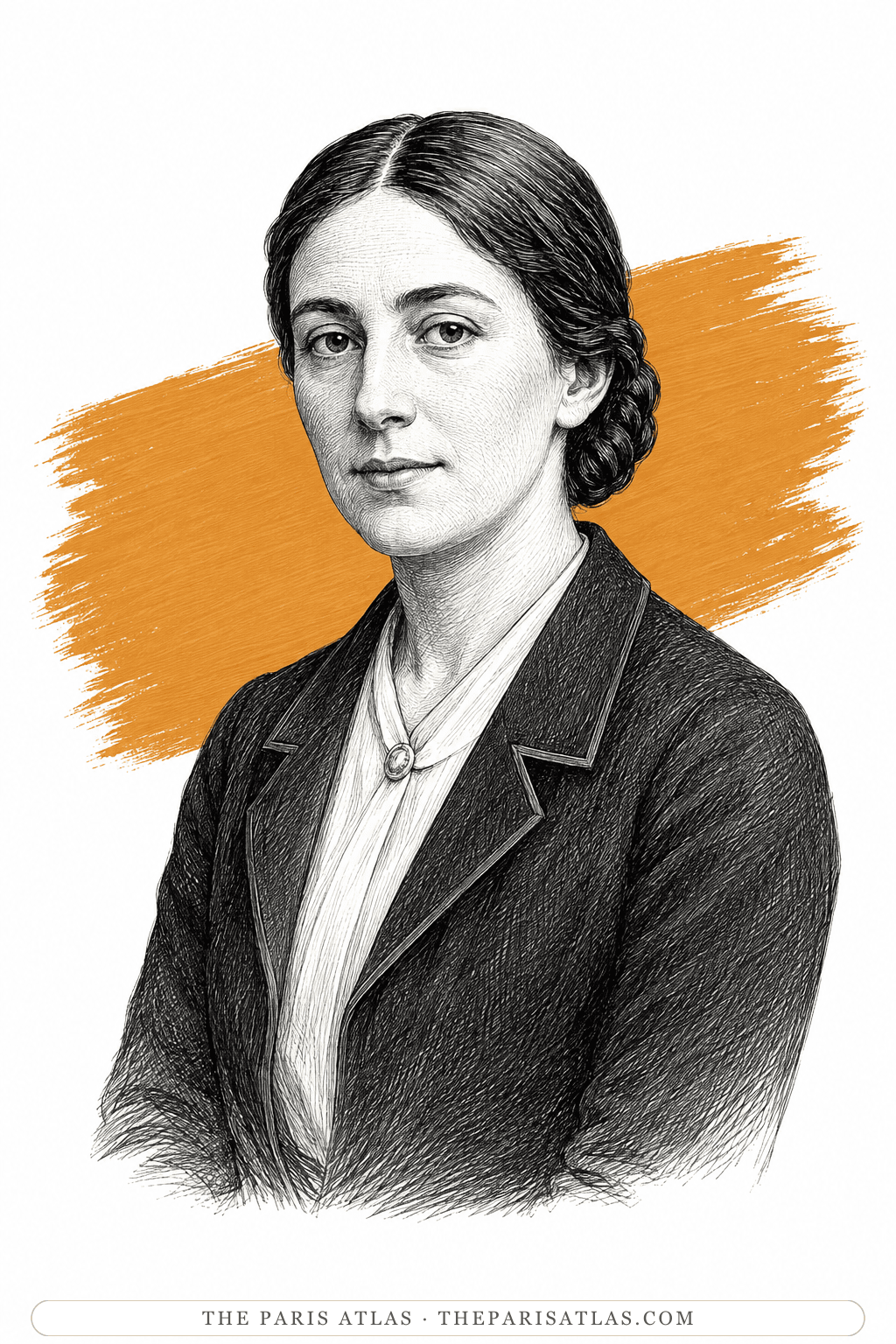
Painter · Sculptor
Sophie Taeuber-Arp
Swiss artist, designer, and dancer whose geometric abstraction, textiles, performances, and turned-wood Dada heads erased the hierarchy between fine art and applied art.
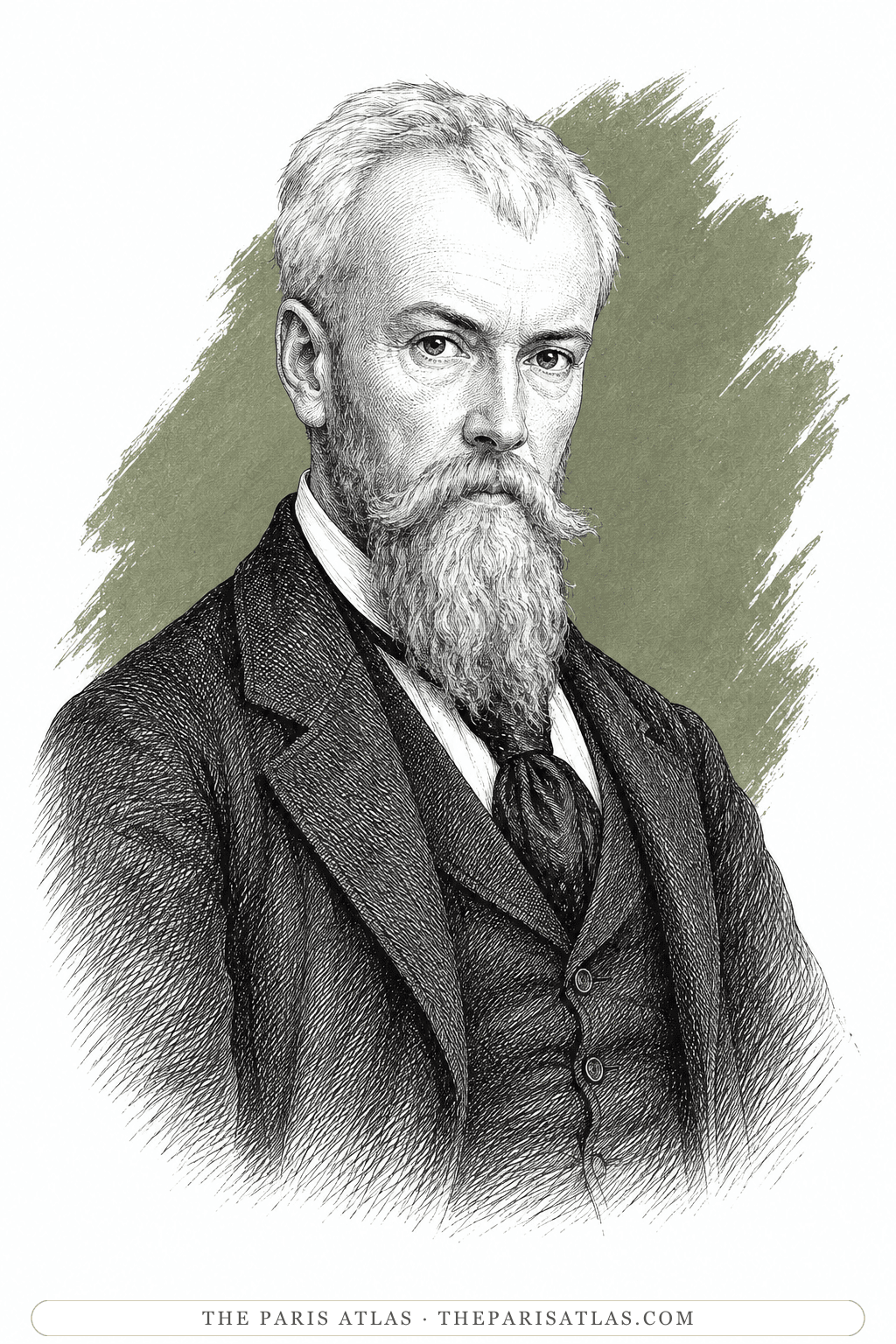
Painter
Henri-Edmond Cross
French Neo-Impressionist who carried divided colour to the Mediterranean, enlarged the dot into a bright mosaic-like stroke, and influenced the young Henri Matisse.
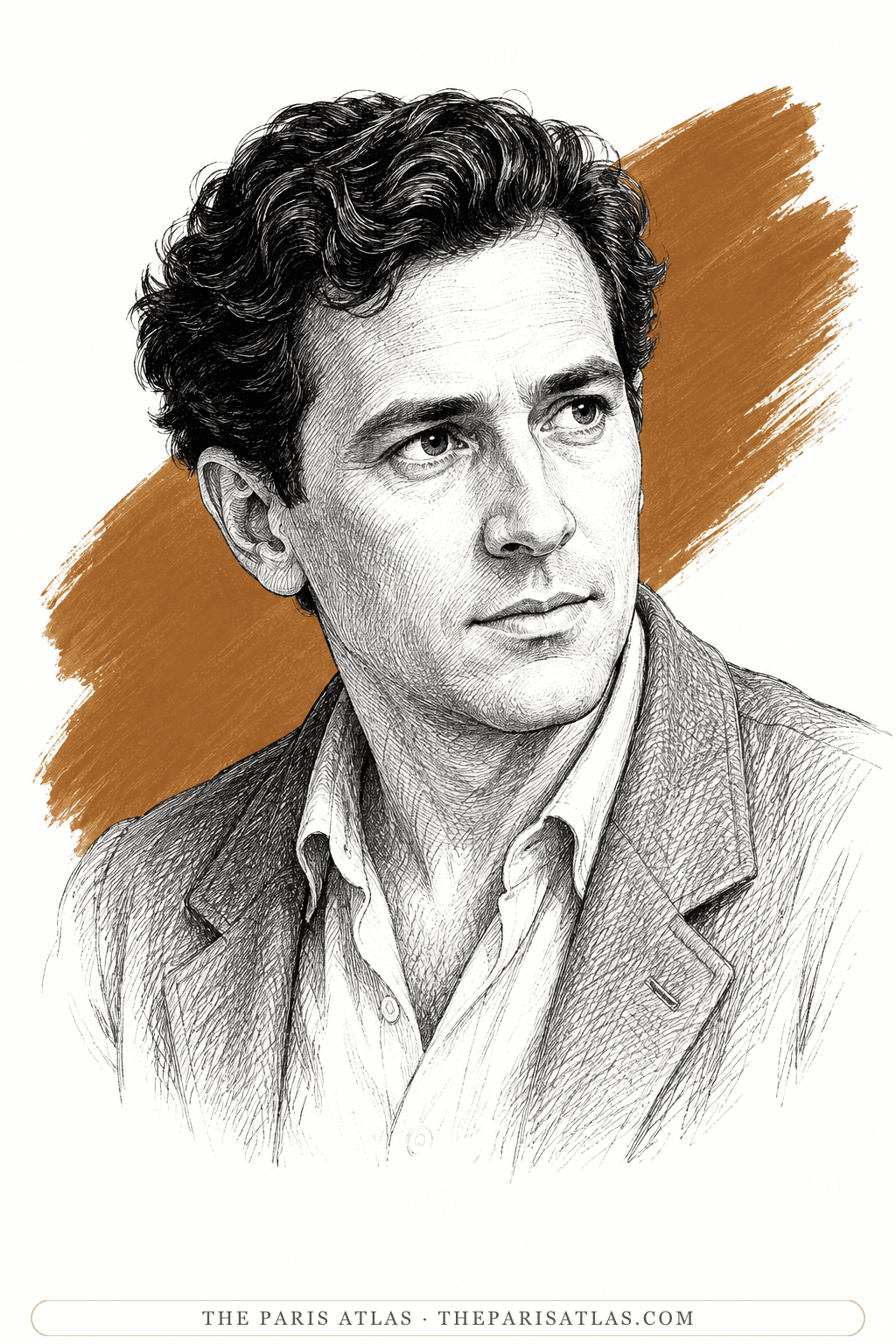
Painter · Sculptor · Illustrator
Bezalel Schatz
The Jerusalem-born modernist who turned Henry Miller’s handwritten dream prose into the all-silkscreen artist’s book Into the Night Life.
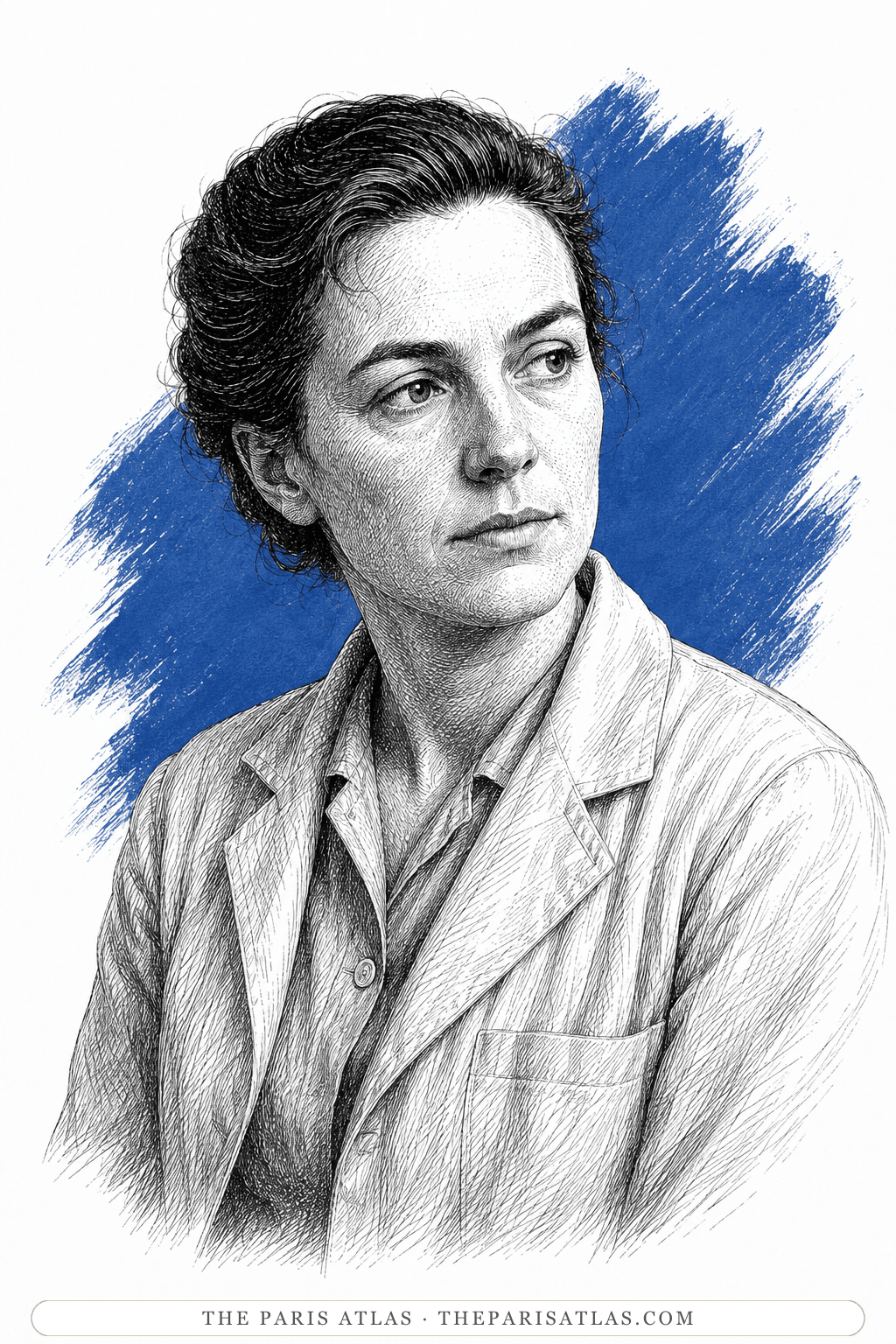
Painter · Illustrator
Anne Poor
American painter and wartime artist-correspondent whose postwar Greek drawings became the visual half of Henry Miller’s Greece.
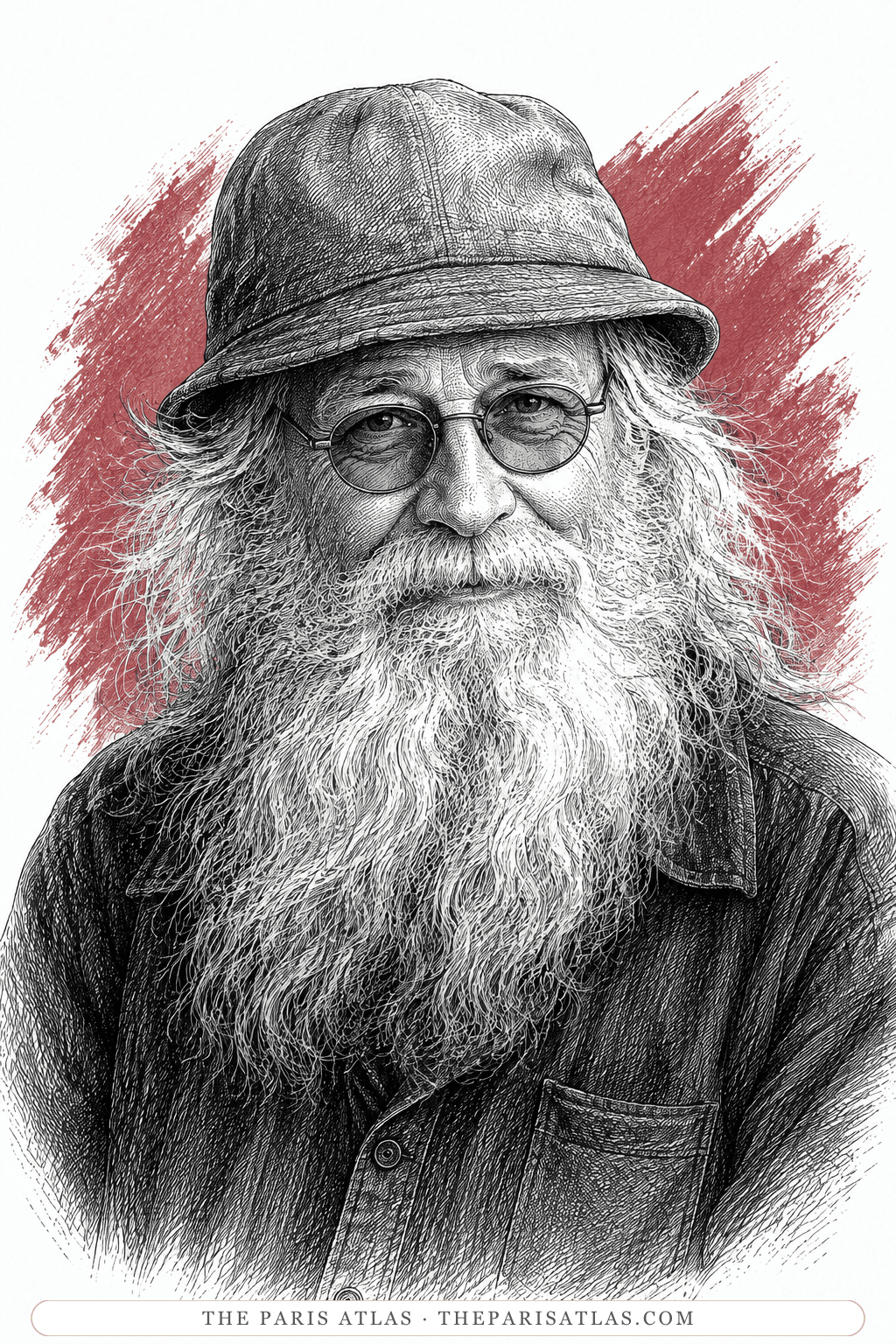
Painter · Illustrator
Bob Nash
Big Sur artist whose thousands of intricate line drawings fascinated Henry Miller and entered Journey to an Antique Land.
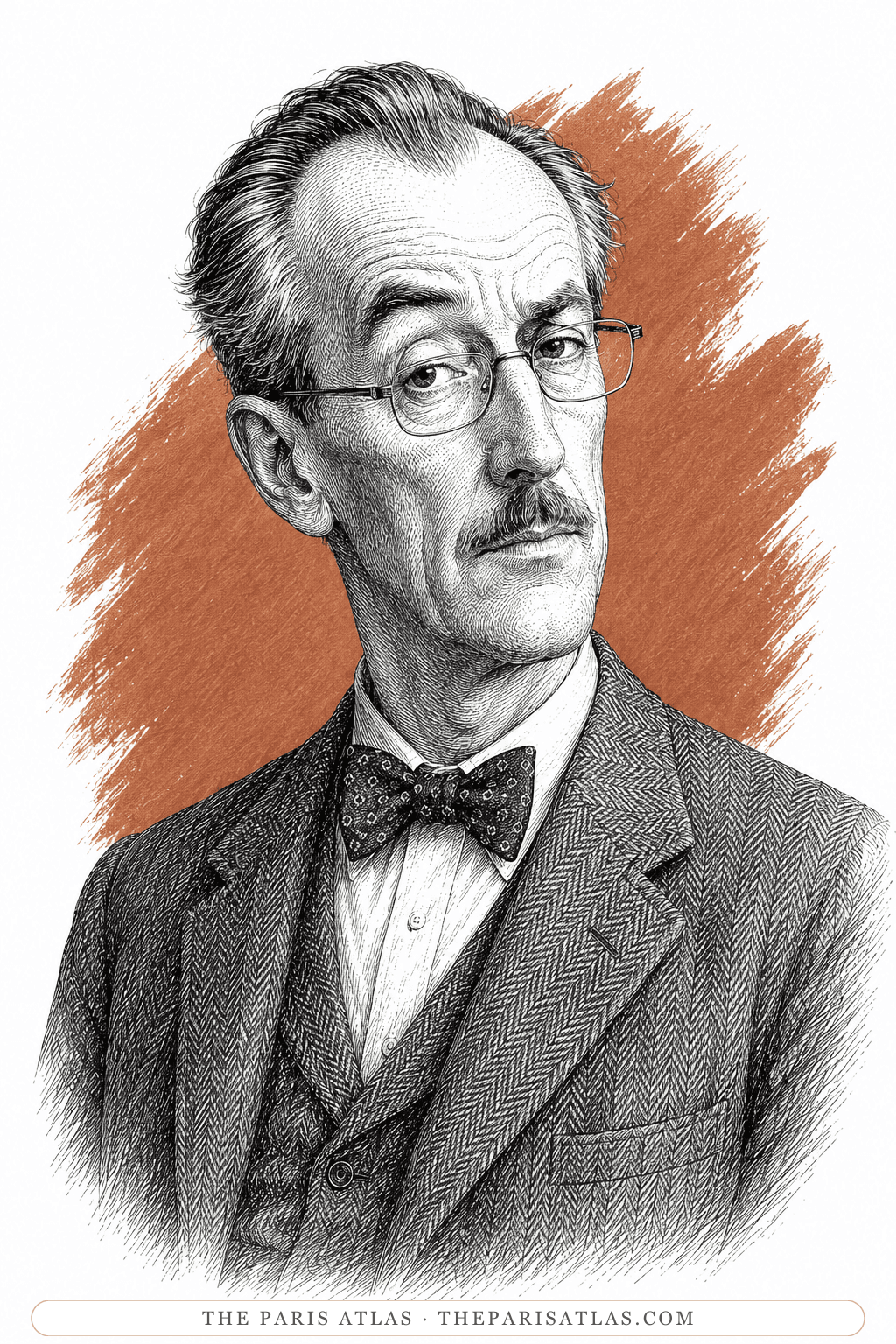
Painter · Illustrator
Emil Schnellock
Painter, muralist and teacher whose encouragement helped awaken Henry Miller’s interest in visual art and whose letters preserve their long friendship.
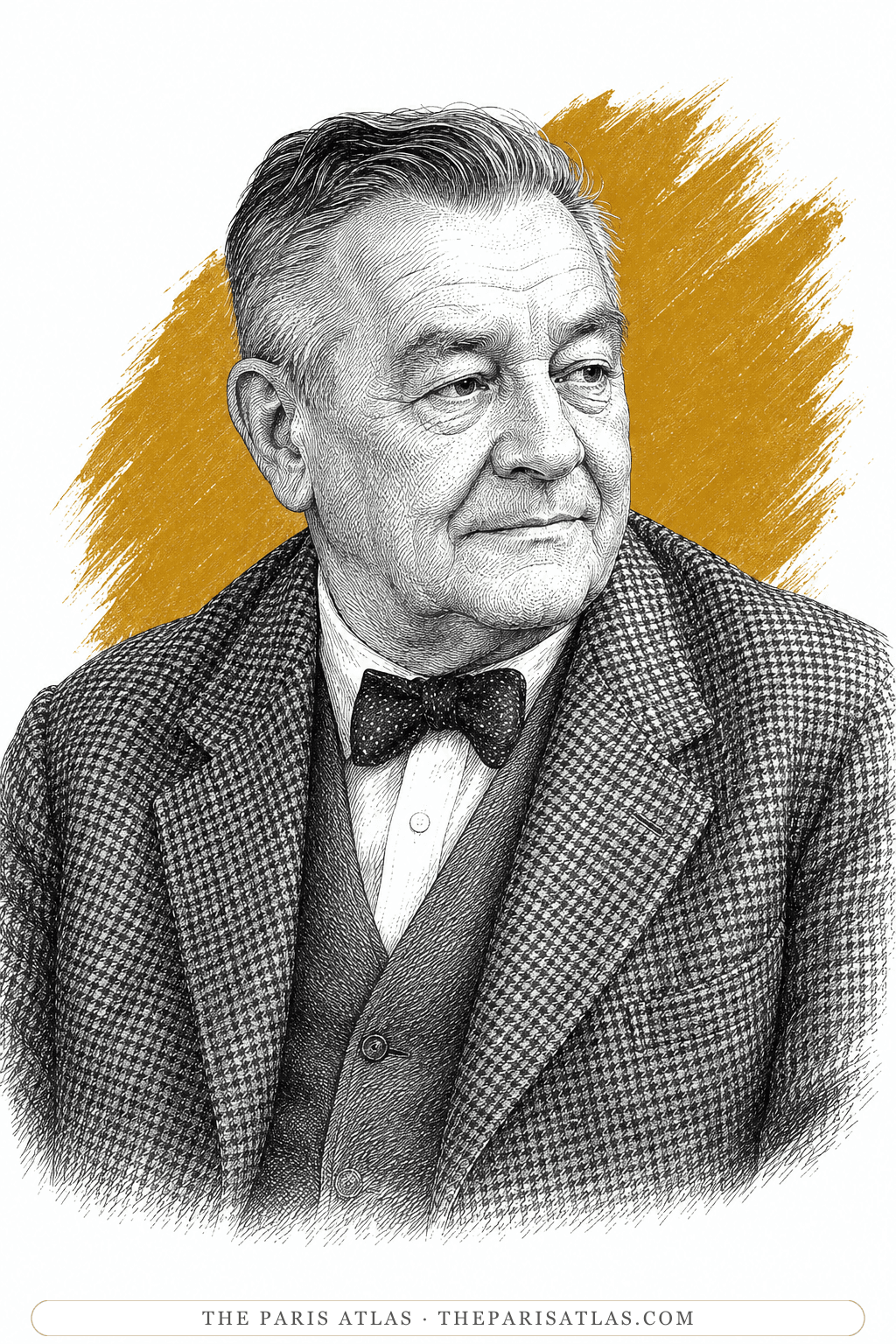
Painter
Hans Reichel
German painter of small, poetic abstractions whose Paris friendship with Henry Miller inspired Order and Chaos chez Hans Reichel.
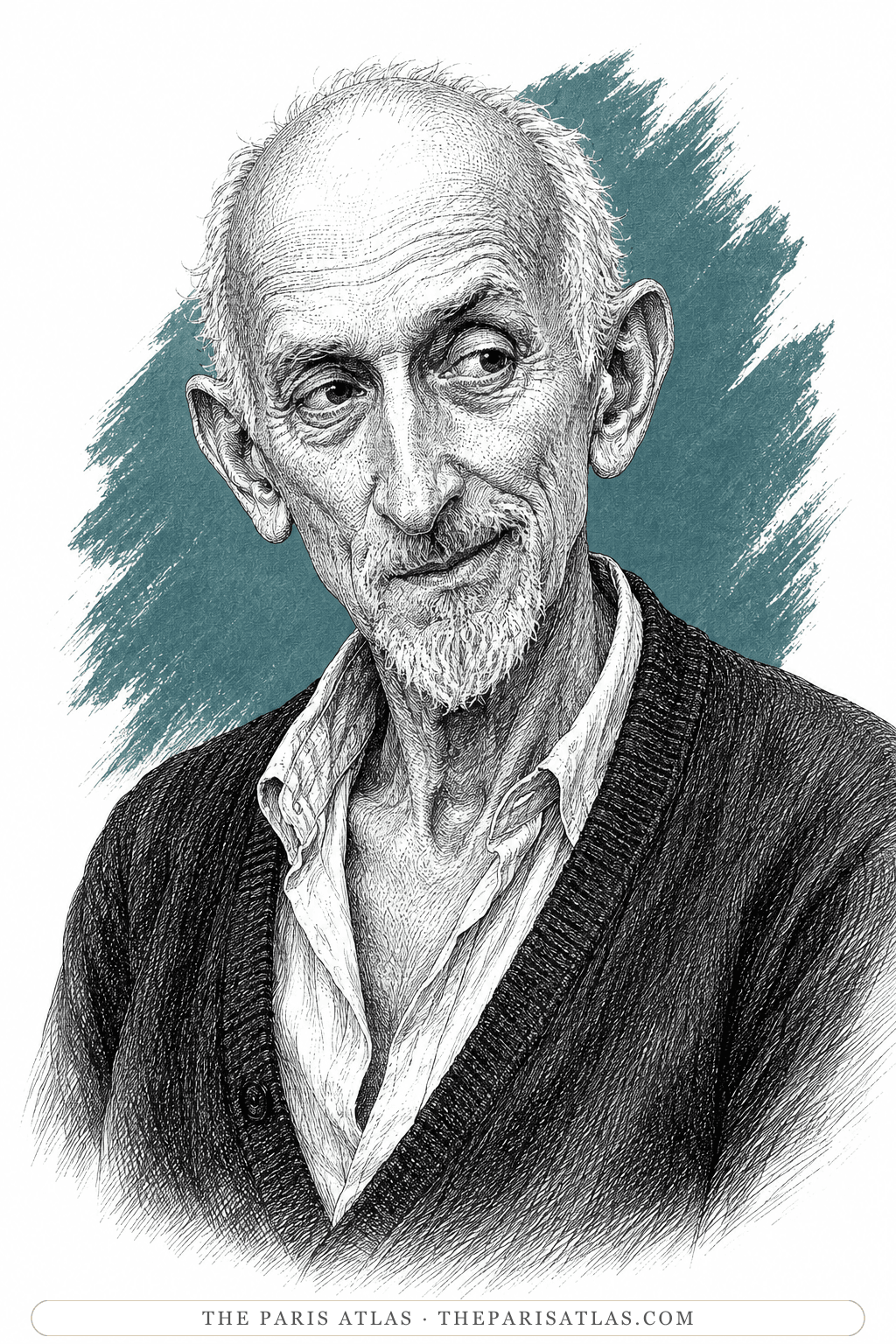
Painter
Irving Stettner
Poet, painter and editor of the little magazine Stroker, which kept Henry Miller in an intimate late-life exchange with the small press.
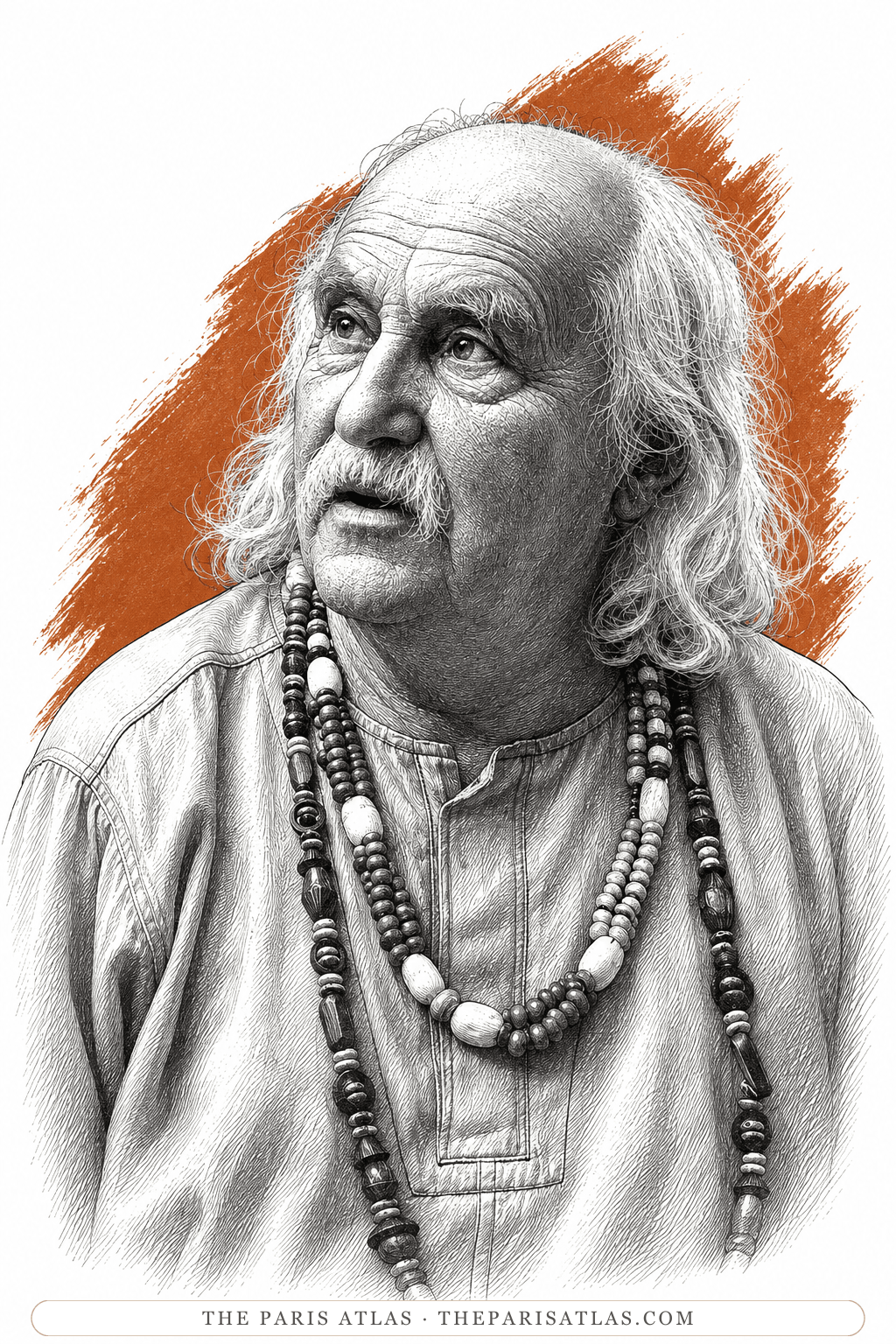
Painter
Jean Varda
Painter, collagist and floating-world host whose improvised California life Henry Miller celebrated as a complete work of art.
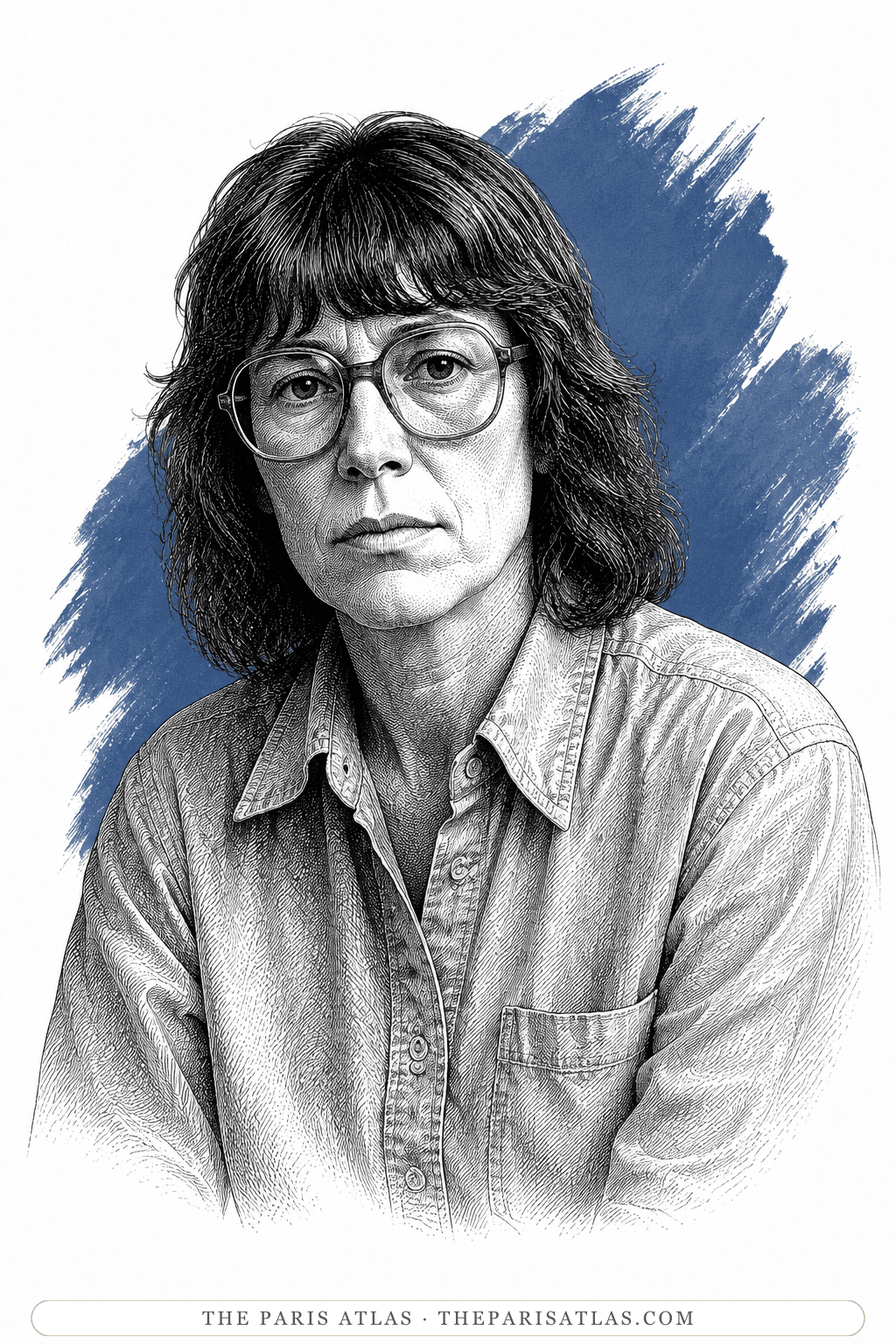
Painter
Joan Mitchell
American abstract painter, printmaker and expatriate whose paintings transformed remembered landscapes, weather, music, poetry and personal relationships into some of the most powerful color and brushwork of postwar art. She emerged in the New York School of the early 1950s, settled permanently in France in 1959, and produced much of her mature and late work at Vétheuil, northwest of Paris. She died in Paris in 1992, and her will established the Joan Mitchell Foundation to assist working artists.
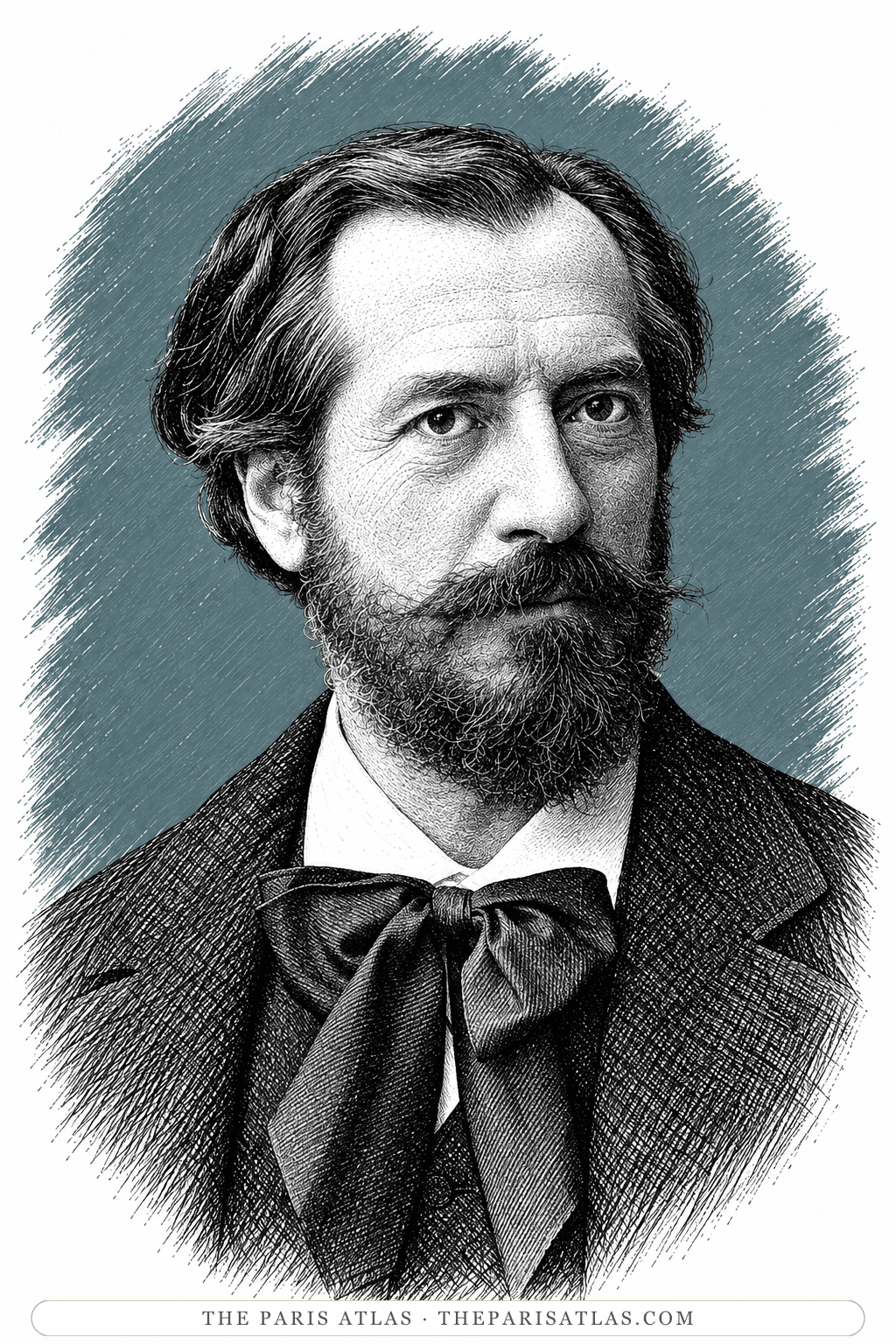
Sculptor
Frédéric Auguste Bartholdi
Frédéric Auguste Bartholdi was a French sculptor best known for designing the Statue of Liberty, dedicated in New York Harbor in 1886. Born in Colmar and based in Paris, he created public monuments that gave visible form to ideas of freedom, resistance and national memory. His other major works include the Lion of Belfort and the fountain in Lyon's Place des Terreaux.
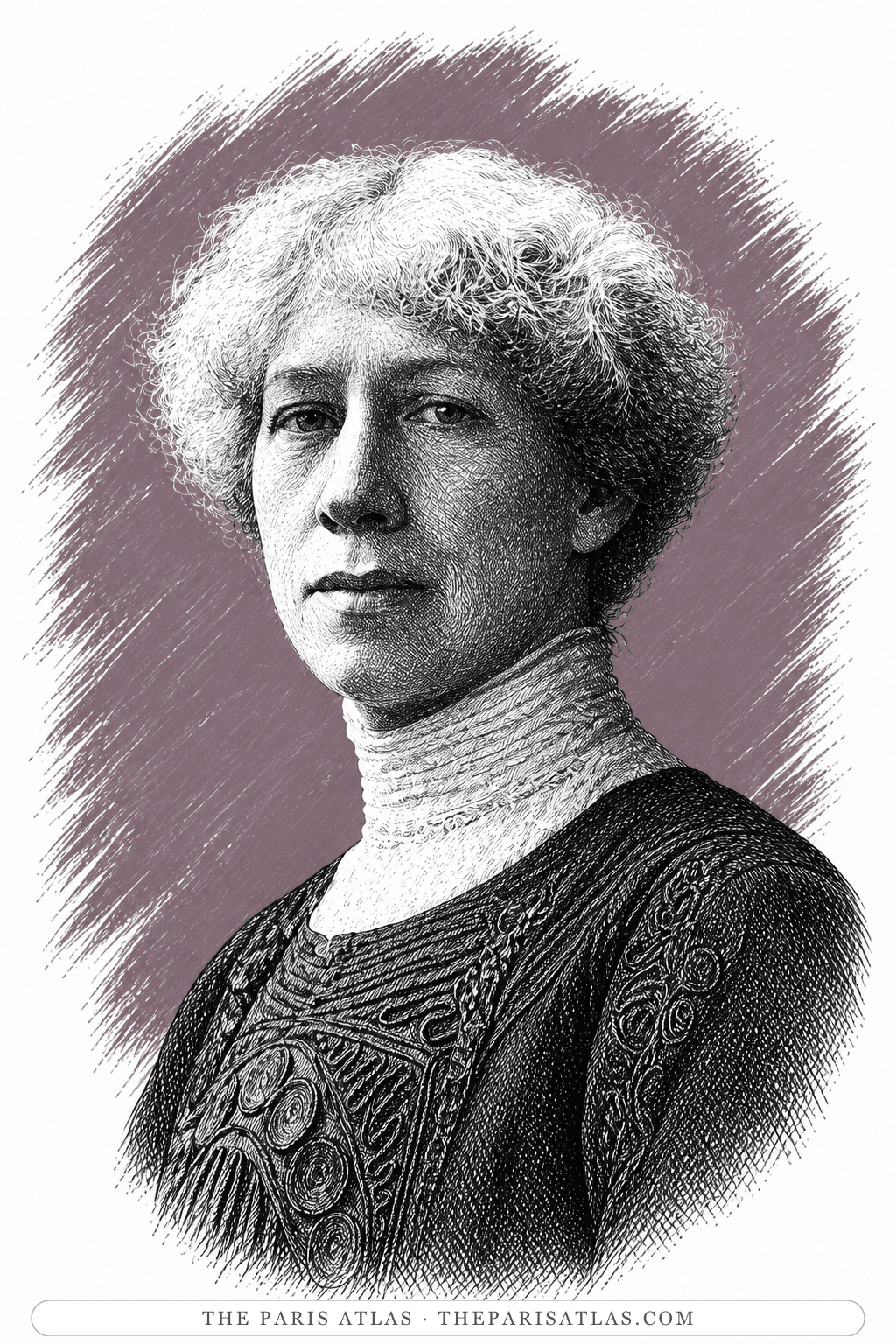
Painter
Anna Klumpke
American portrait painter, Rosa Bonheur’s companion and heir, and the author of her 1908 biography.
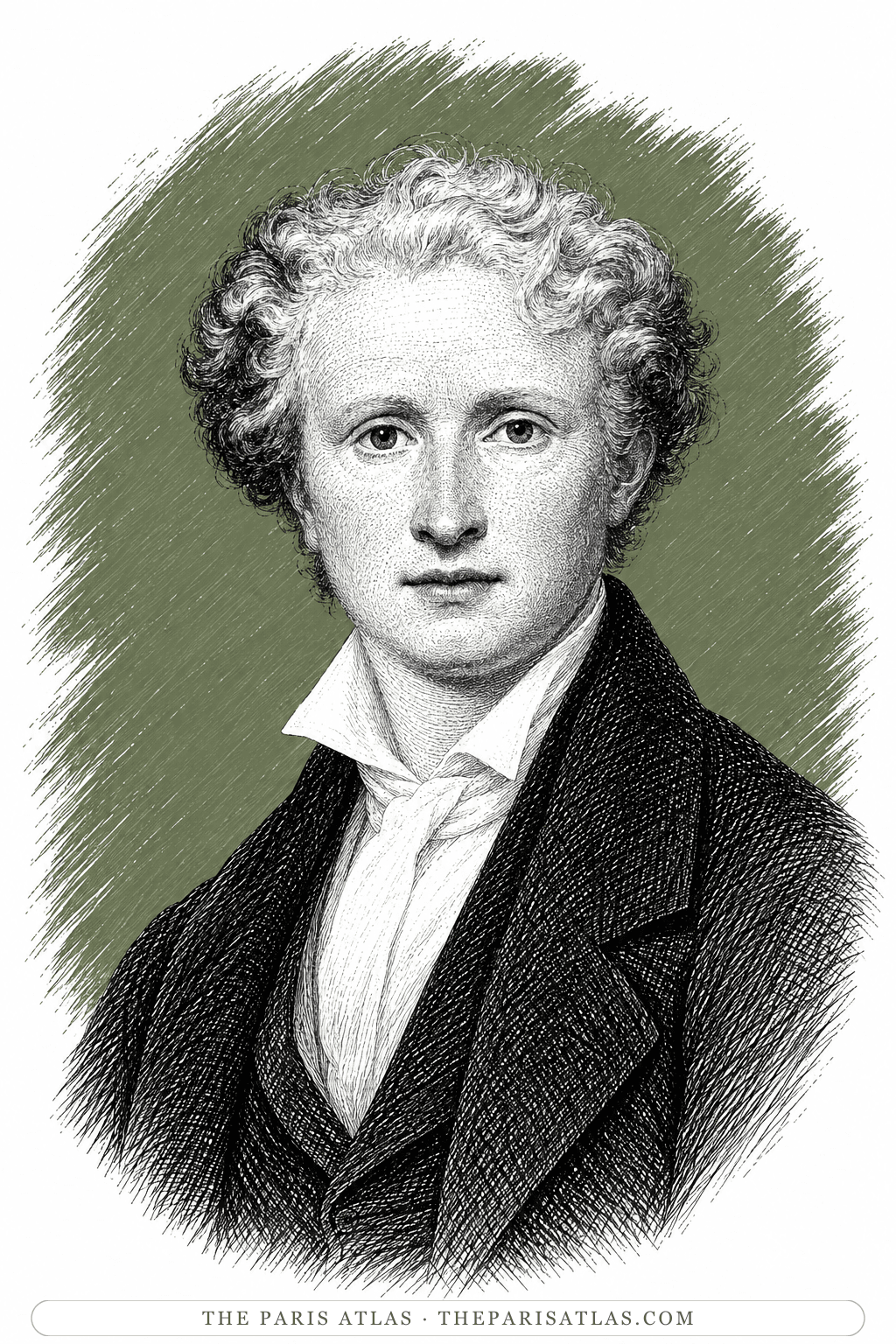
Painter
Raymond Bonheur
French painter and drawing teacher who trained his daughter Rosa Bonheur and her siblings.
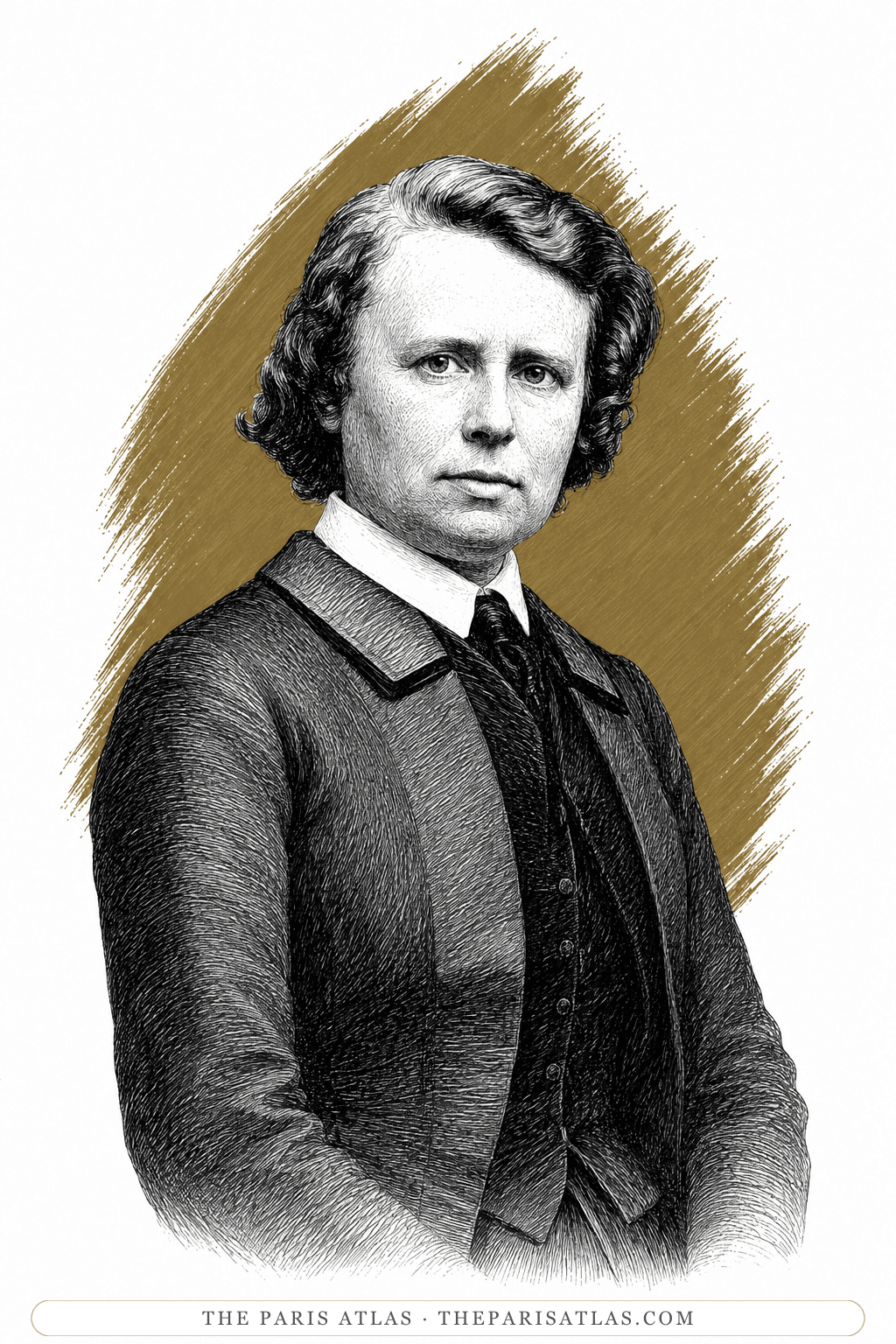
Painter · Sculptor
Rosa Bonheur
At the horse markets of Paris and in her studio beside the forest of Fontainebleau, Rosa Bonheur gave animals the presence of great portrait subjects. The success of The Horse Fair helped her build a life shaped by her work, financial independence, and the women she loved.
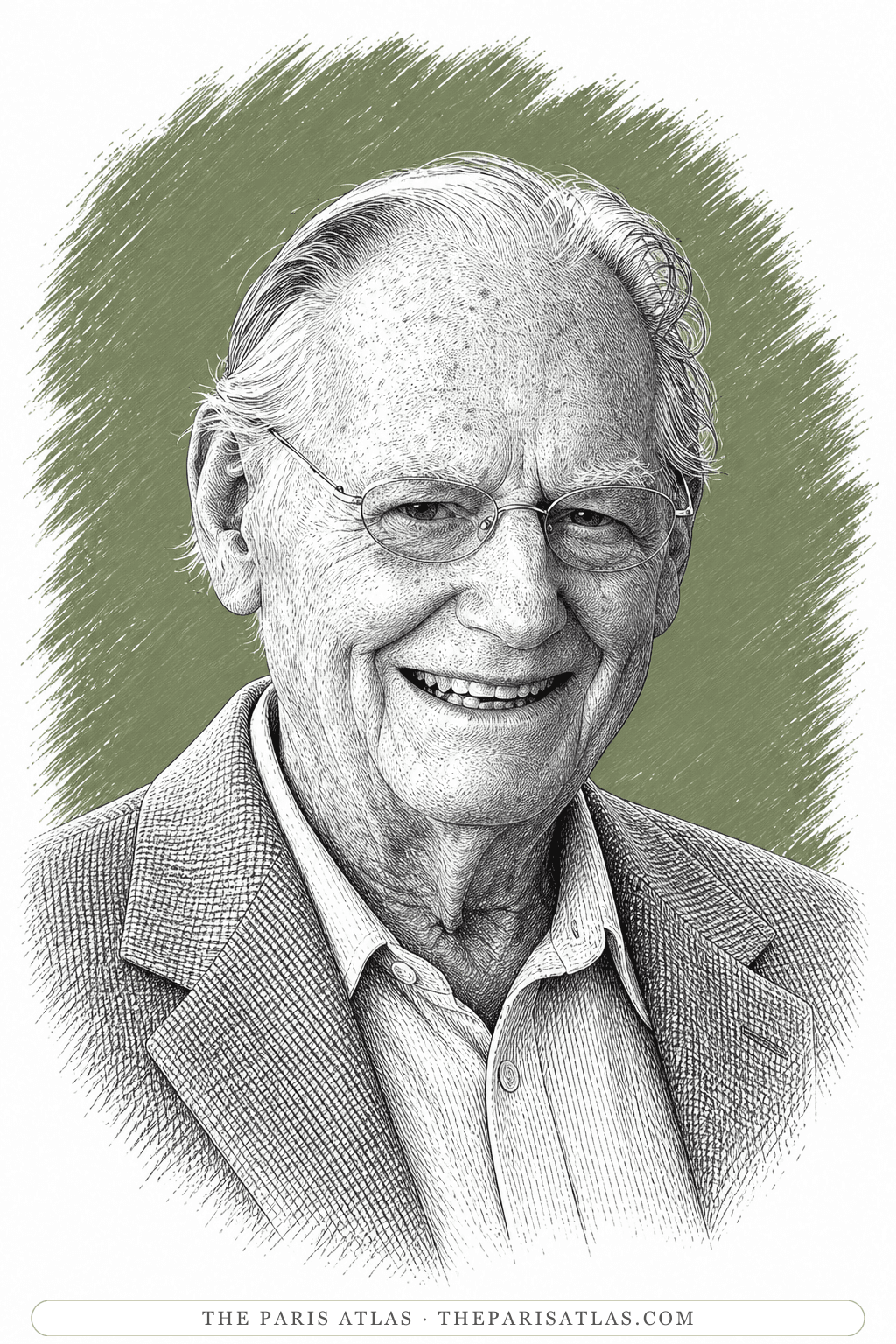
Painter
Wayne Thiebaud
American painter known for cakes, pies and counter displays, who taught for decades at the University of California, Davis, and rejected the Pop art label critics gave him.
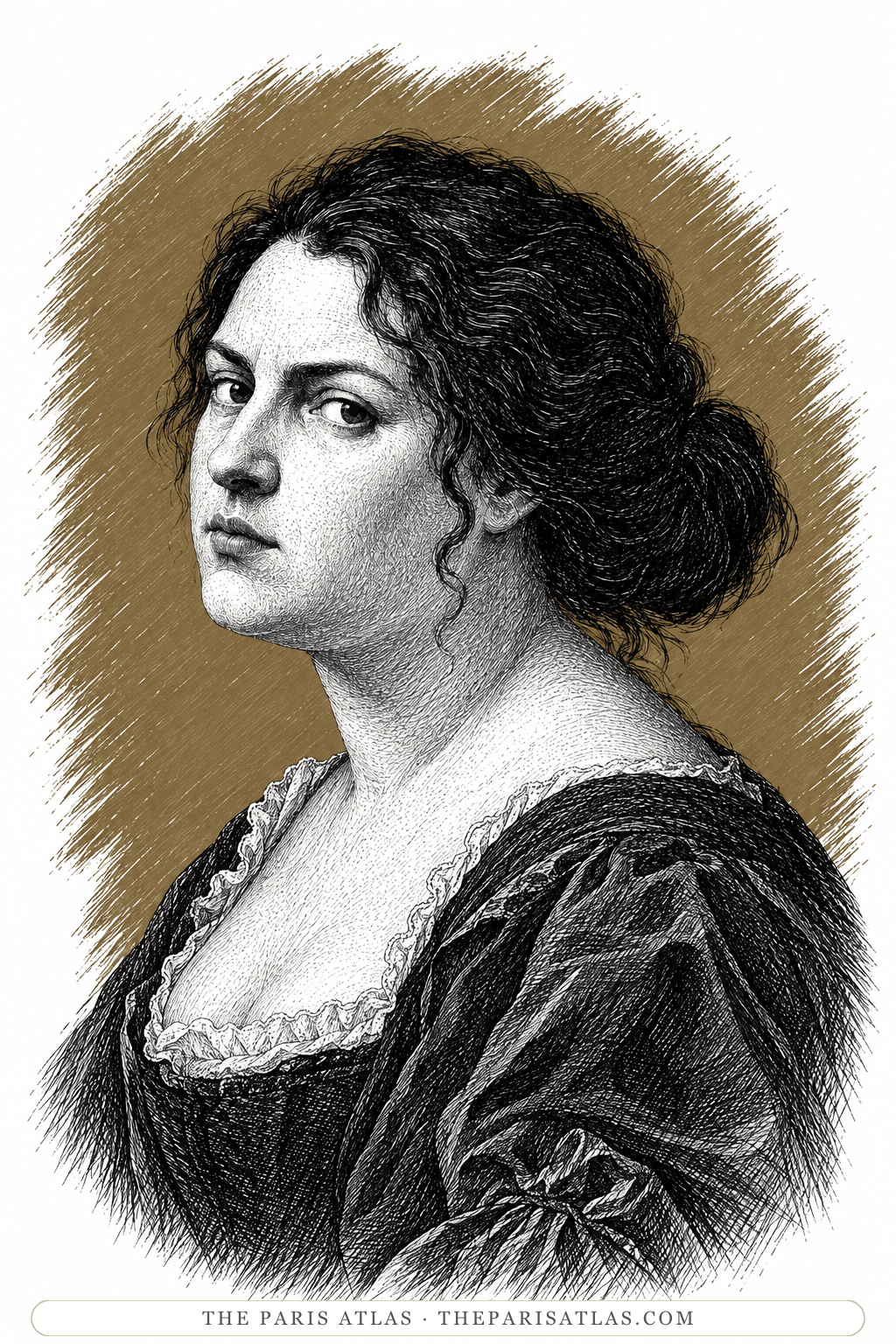
Painter
Artemisia Gentileschi
Italian painter of biblical and historical subjects, admitted to Florence's Accademia delle Arti del Disegno in 1616. Her Judith Beheading Holofernes of about 1620 shows two women straining at a physical task rather than performing a symbolic gesture.
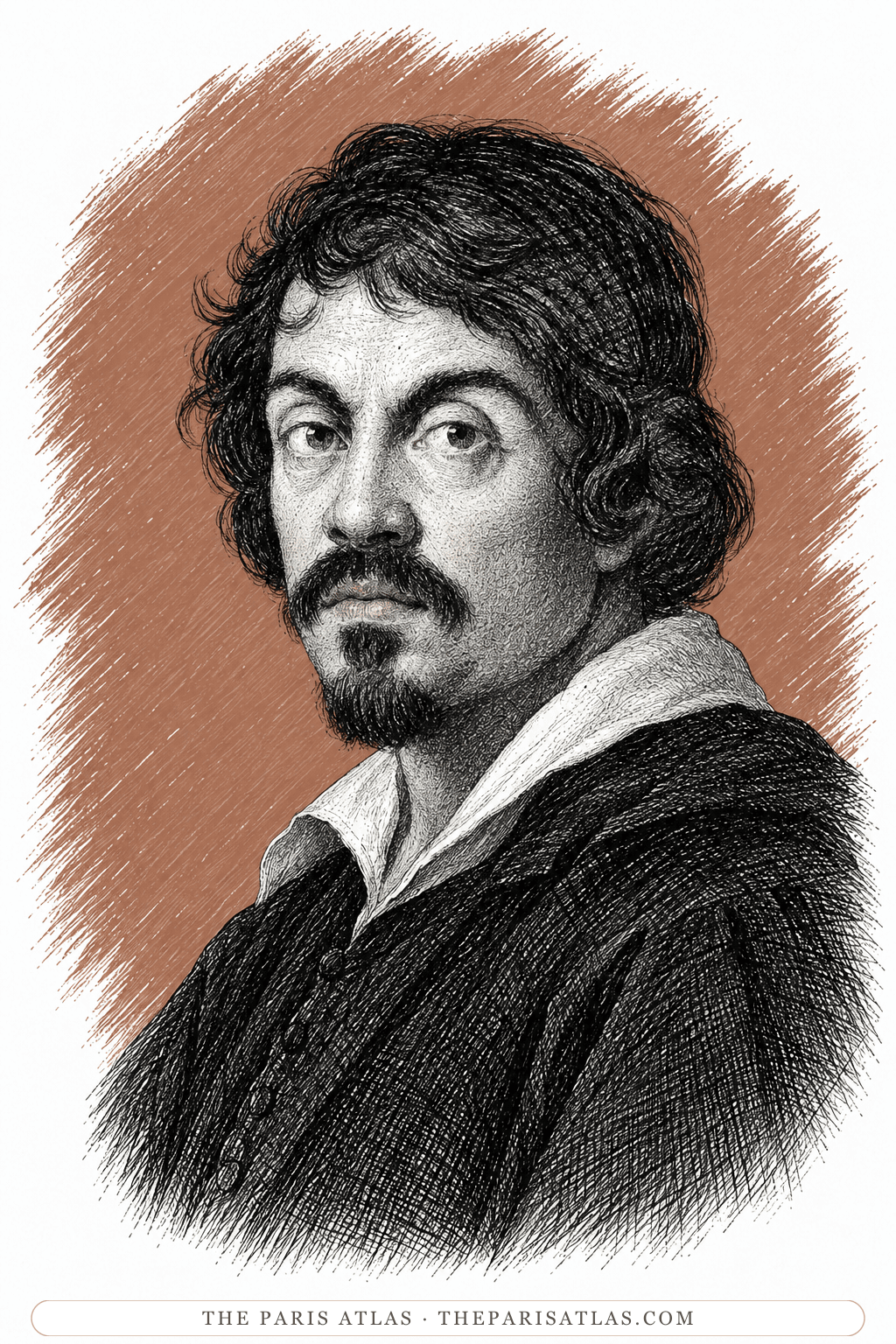
Painter
Caravaggio
Italian painter who worked from live models straight onto the canvas, without preparatory drawings, and lit them with a single hard light against a dark ground. He killed a man in Rome in May 1606, spent his last four years as a fugitive in Naples, Malta and Sicily, and died at thirty-eight.
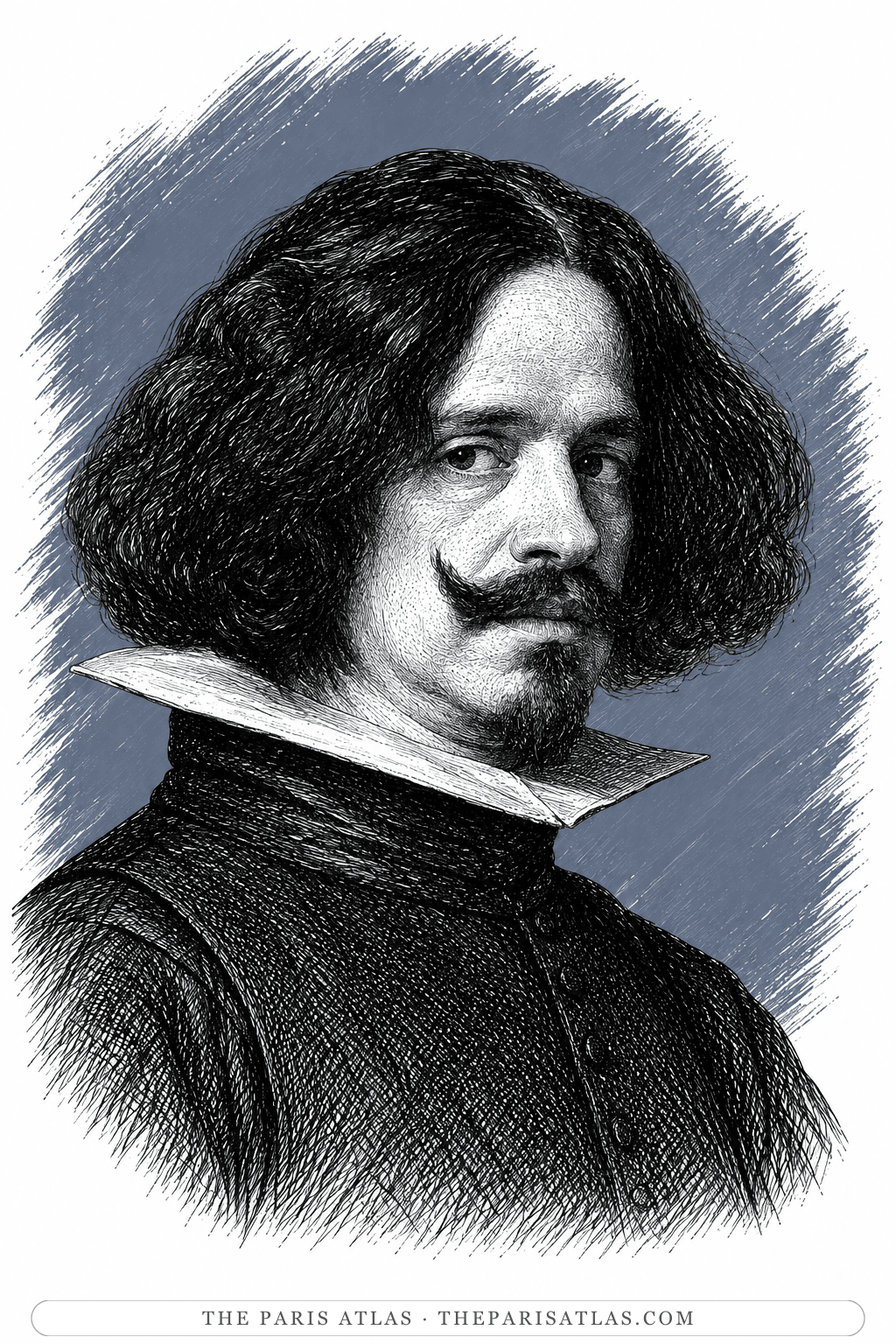
Painter
Diego Velázquez
Spanish painter who spent thirty-seven years in the household of Philip IV, painting the king, his family and the dwarfs and jesters of the palace, and who ended his career as the official responsible for housing and moving the court.
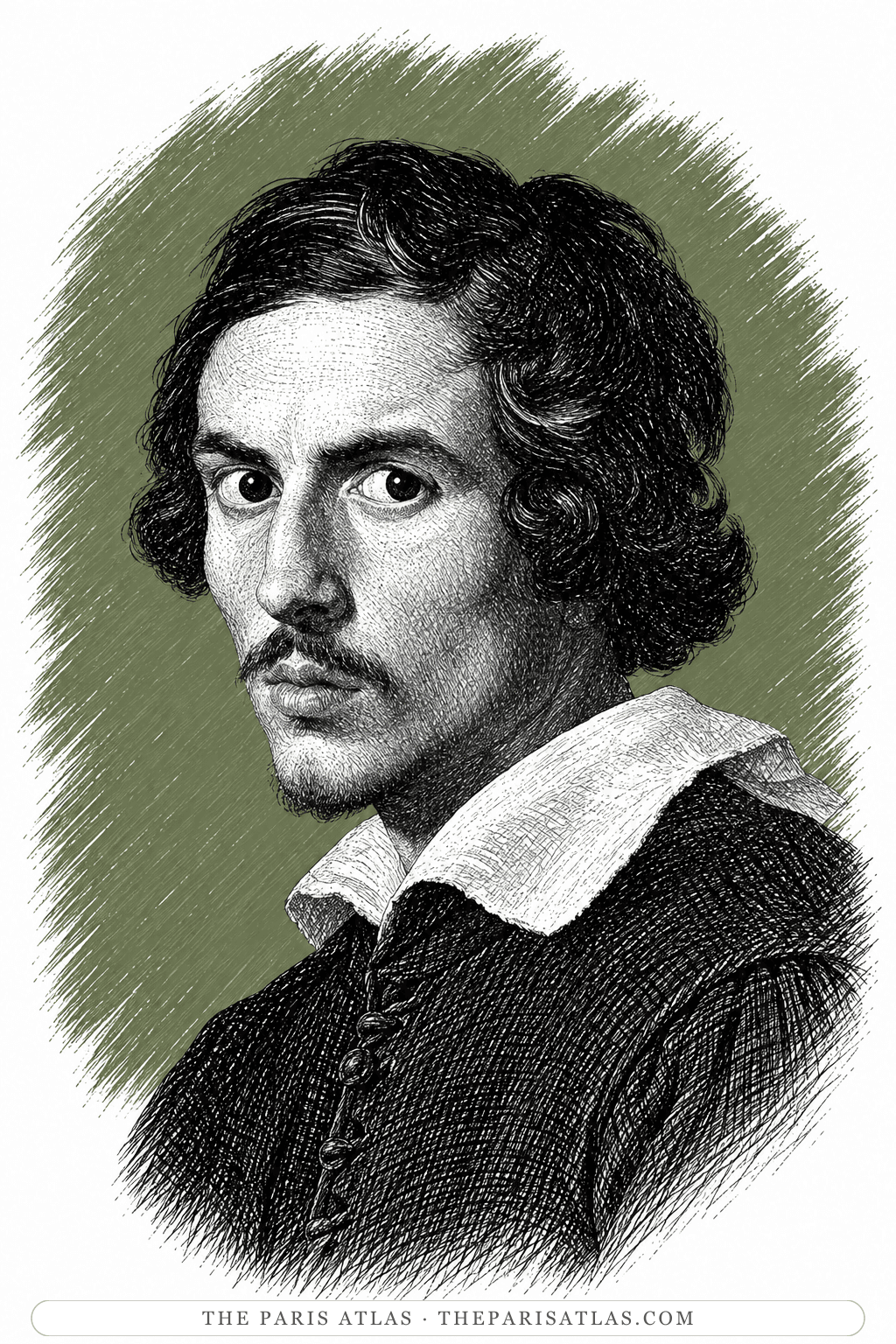
Sculptor
Gian Lorenzo Bernini
Italian sculptor and architect. He carved the David of 1623–24 and the Ecstasy of Saint Teresa, designed the colonnade around Saint Peter's Square, and spent five months in Paris in 1665 drawing a new Louvre that was never built.
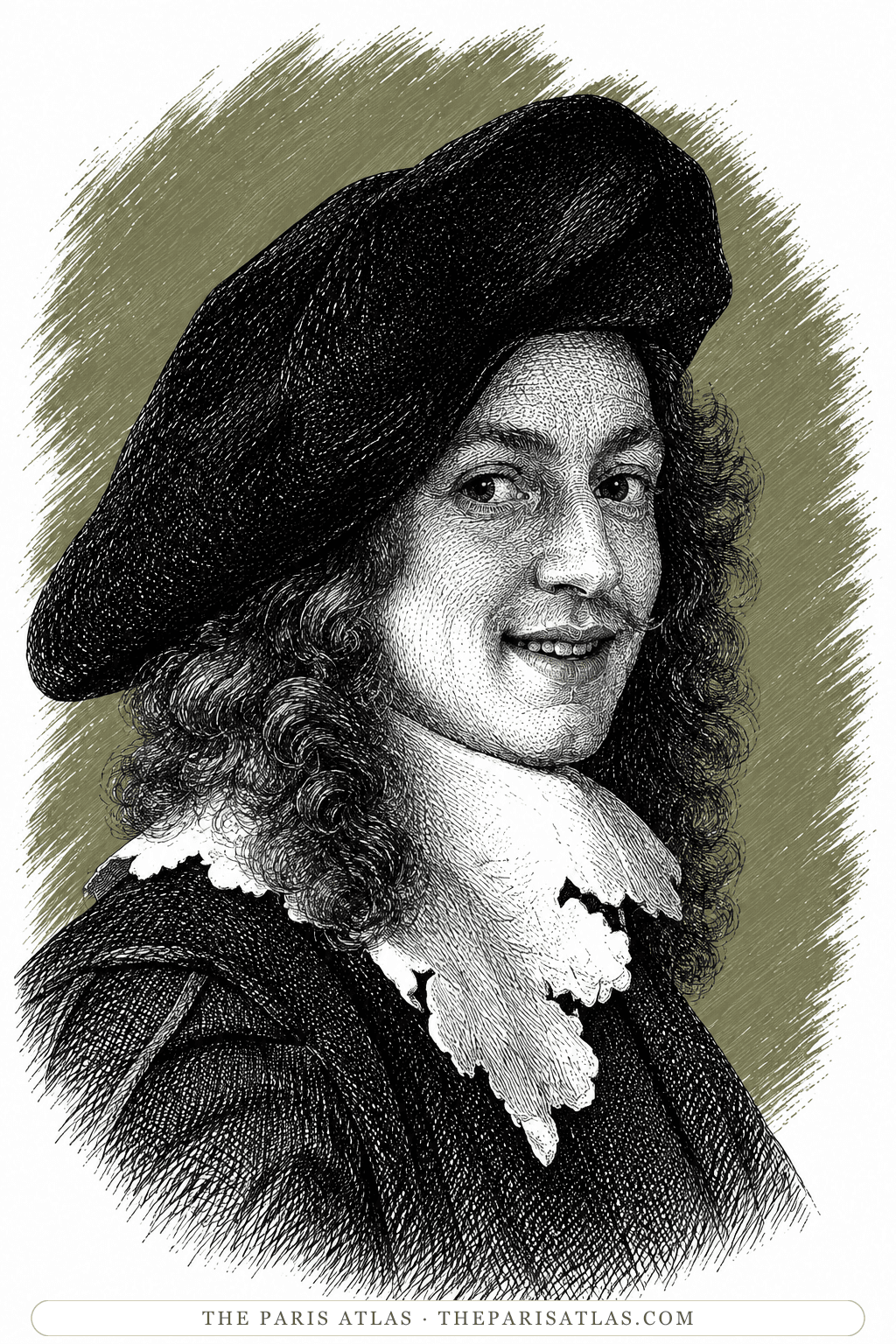
Painter
Johannes Vermeer
Dutch painter who worked in Delft and left fewer than forty paintings, most of them small scenes of one or two people in a quiet room lit from a window. Girl with a Pearl Earring, The Milkmaid and View of Delft are the best known.
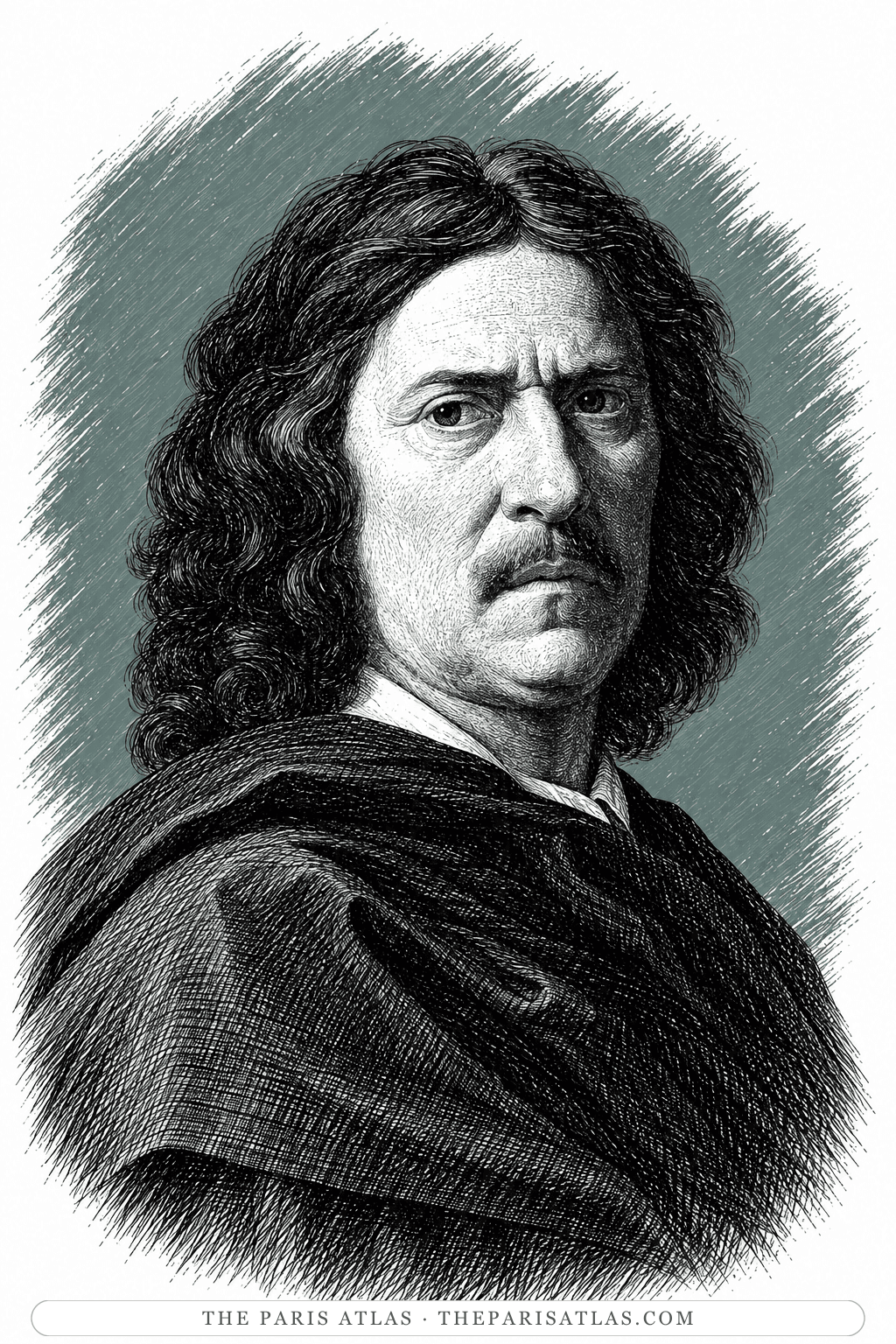
Painter
Nicolas Poussin
French painter who spent most of his career in Rome and built historical and mythological subjects on clear composition and carefully differentiated gesture. His landscapes became reference points for Constable, Turner and Cézanne.
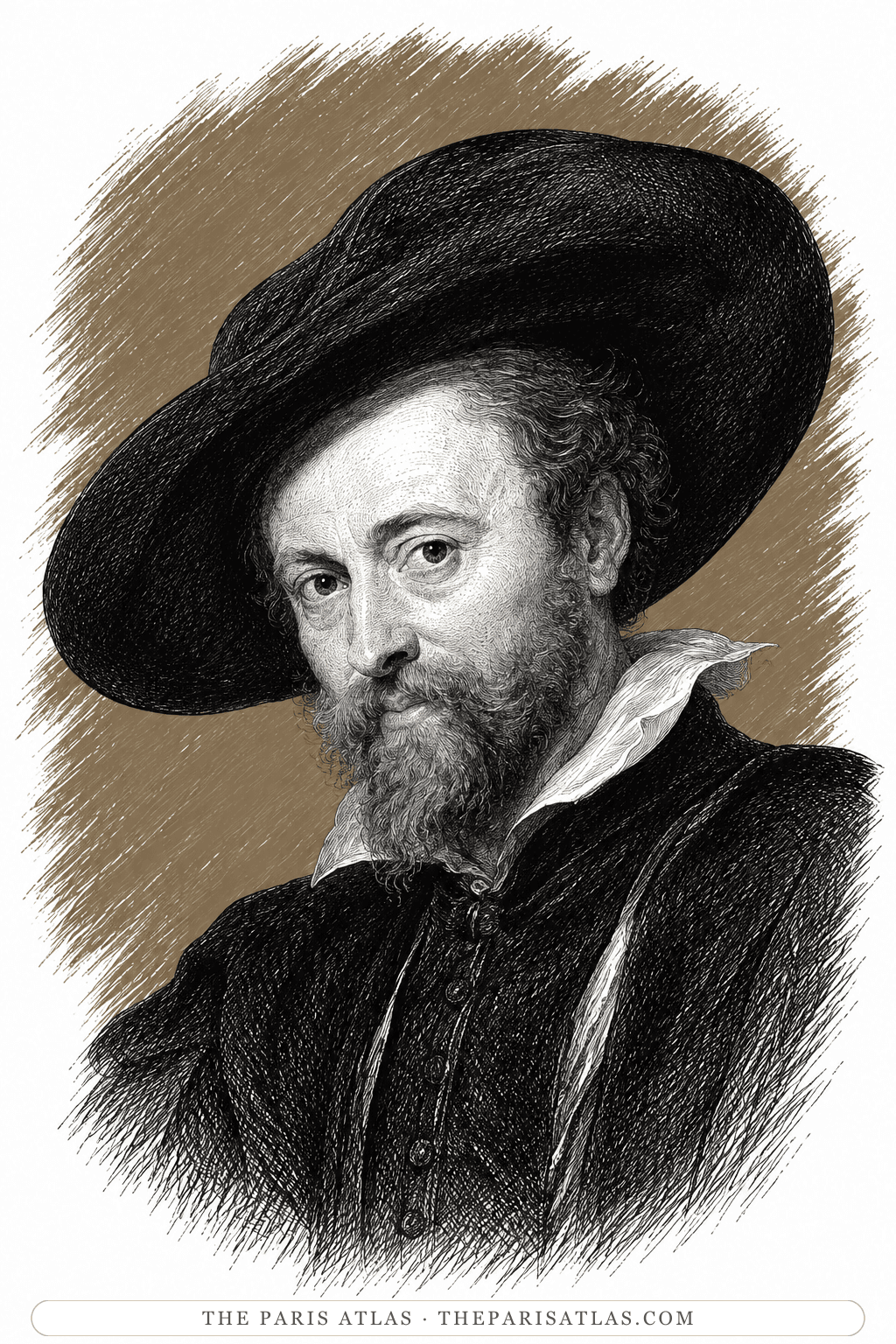
Painter
Peter Paul Rubens
Flemish painter and diplomat based in Antwerp, whose animated bodies and flowing compositions defined one strand of Baroque painting. His twenty-four canvases for Marie de' Medici's Luxembourg Palace in Paris, painted in 1622–25, turned a contested political life into allegory.
Painter
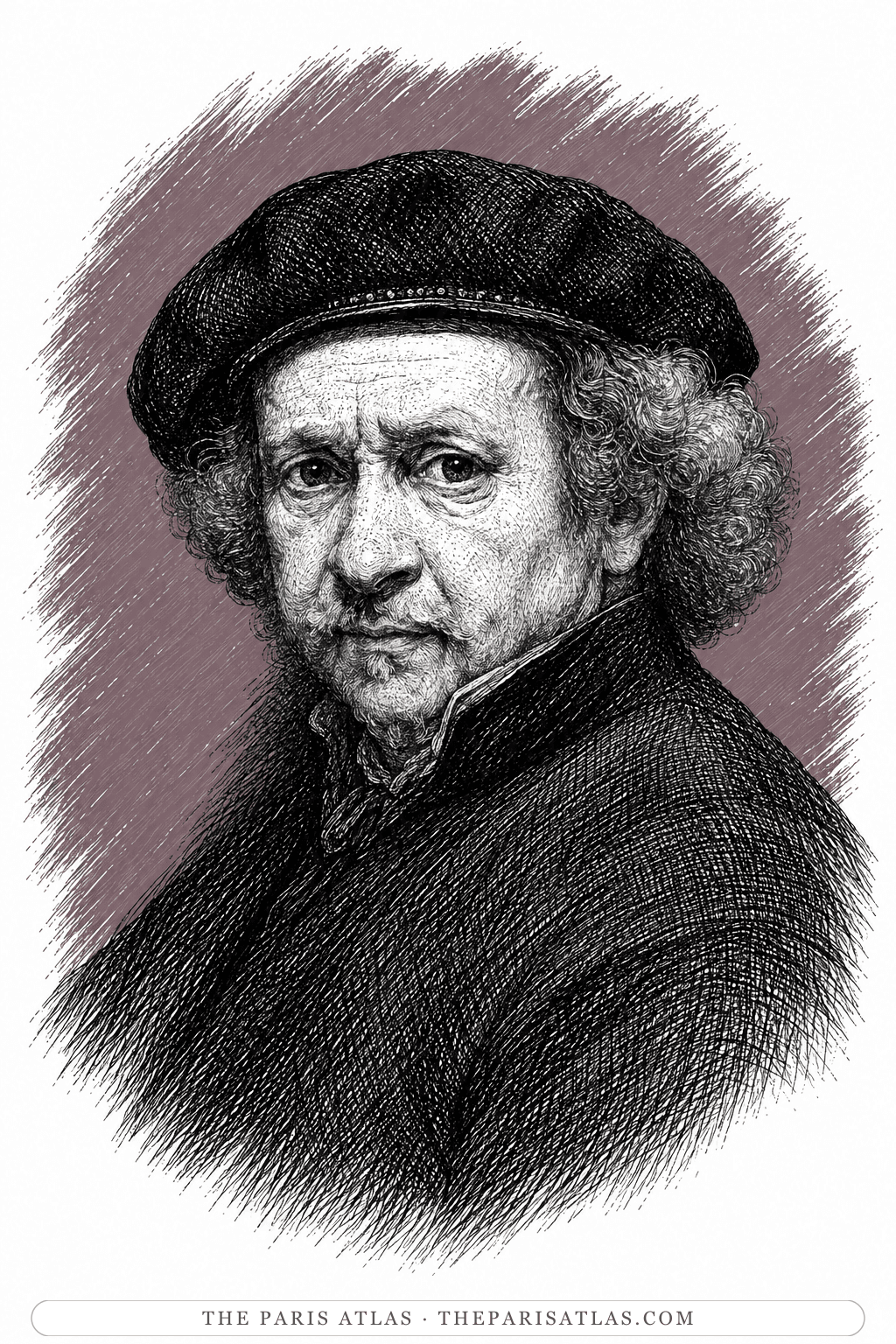
Rembrandt van Rijn
Dutch painter and etcher who worked in Leiden and Amsterdam and never traveled outside the Dutch Republic. He made about 300 etchings and roughly eighty self-portraits, trained some twenty-five painters, and was declared insolvent in 1656.
Painter · Illustrator
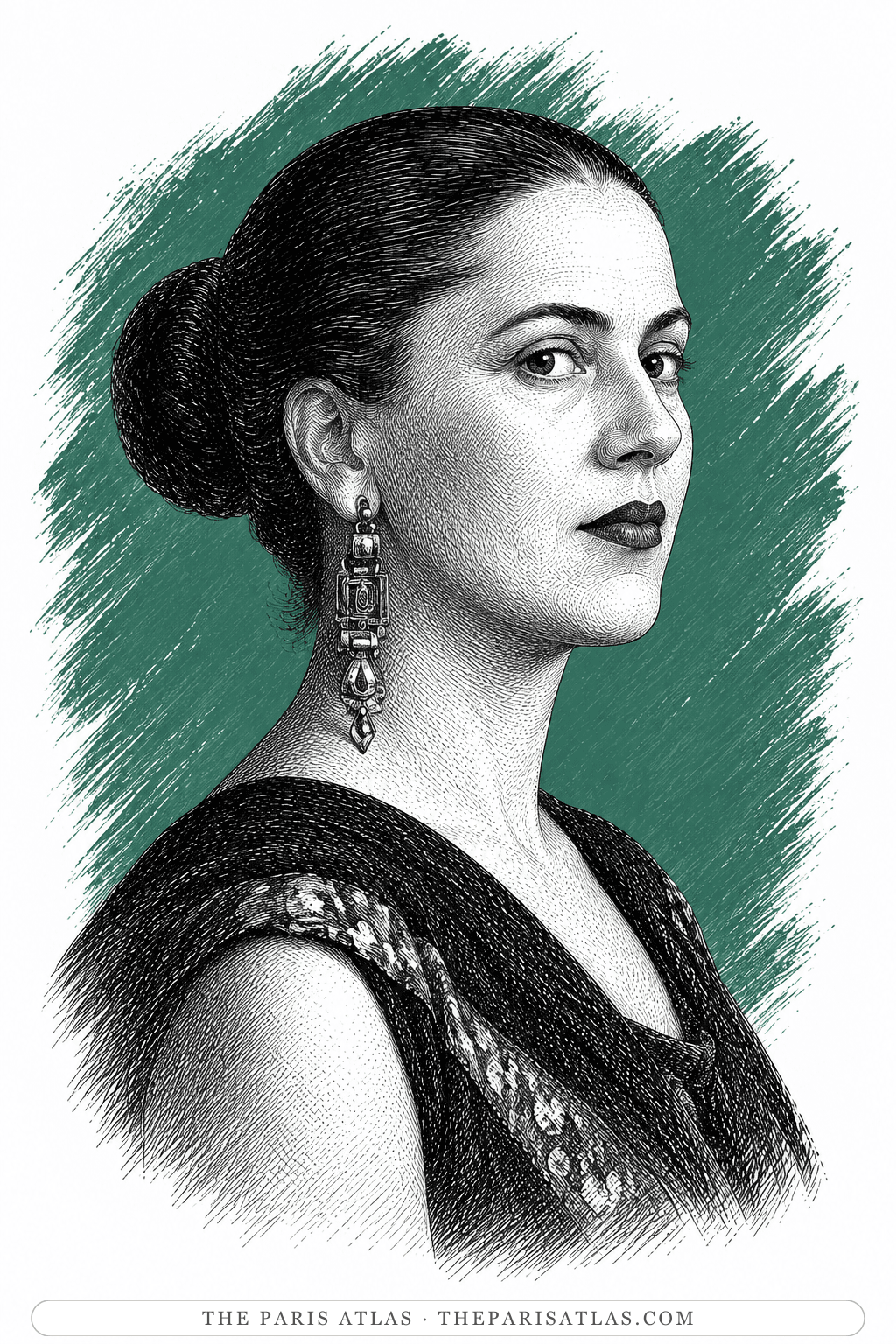
Tarsila do Amaral
Brazilian painter who spent the 1920s moving between São Paulo and Paris, studied Cubism under André Lhote, Albert Gleizes and Fernand Léger, and used what she learned to paint Brazilian towns, railways, plants and bodies. Her 1928 painting Abaporu prompted the manifesto that gave the Anthropophagic movement its name.
Painter
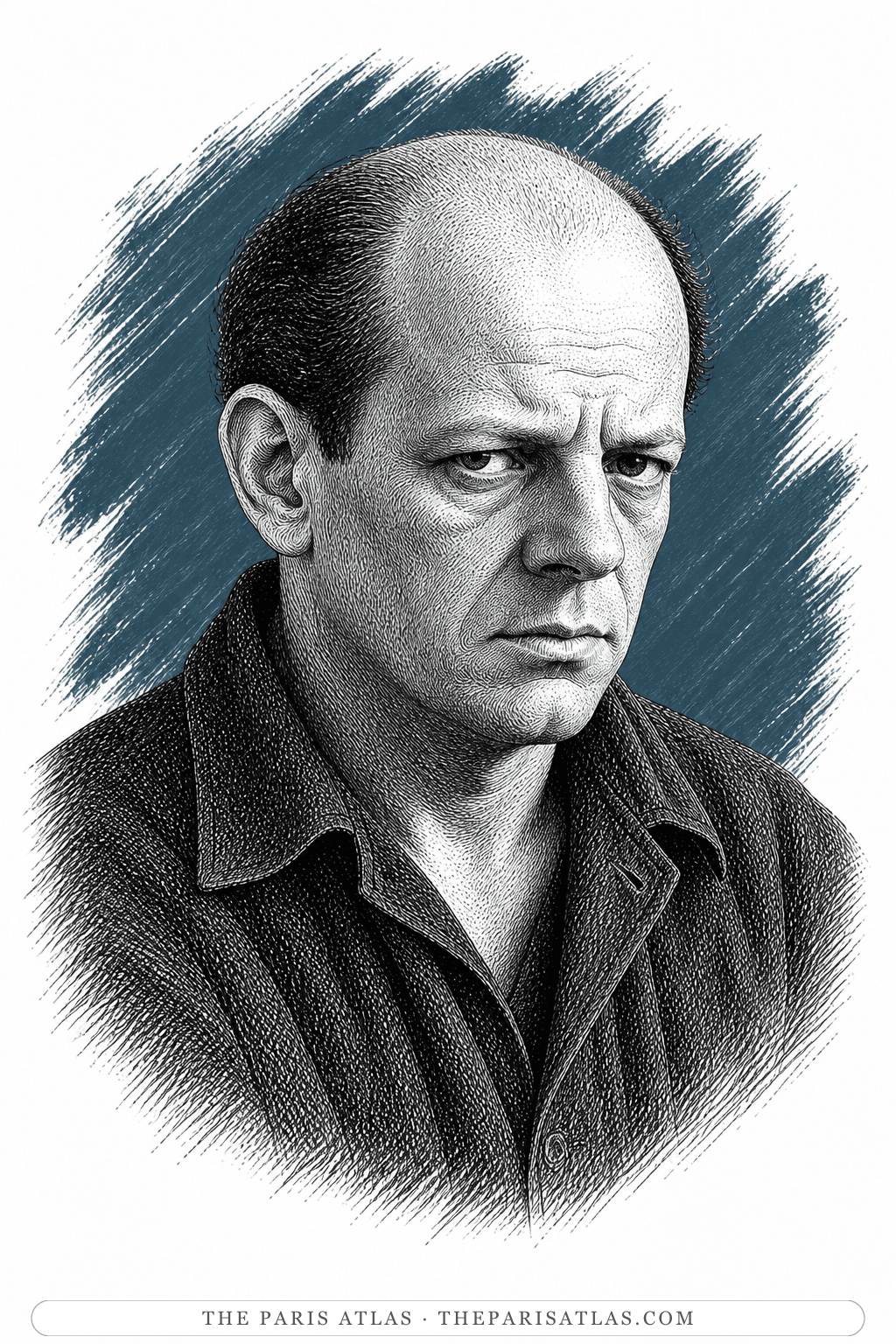
Jackson Pollock
American painter who from 1947 laid his canvas on the floor and directed liquid paint across it with sticks and hardened brushes, making a poured line the substance of a picture rather than the outline of an object. He was a central figure in Abstract Expressionism, and died at forty-four when he crashed his car while drunk, killing a passenger.
Painter
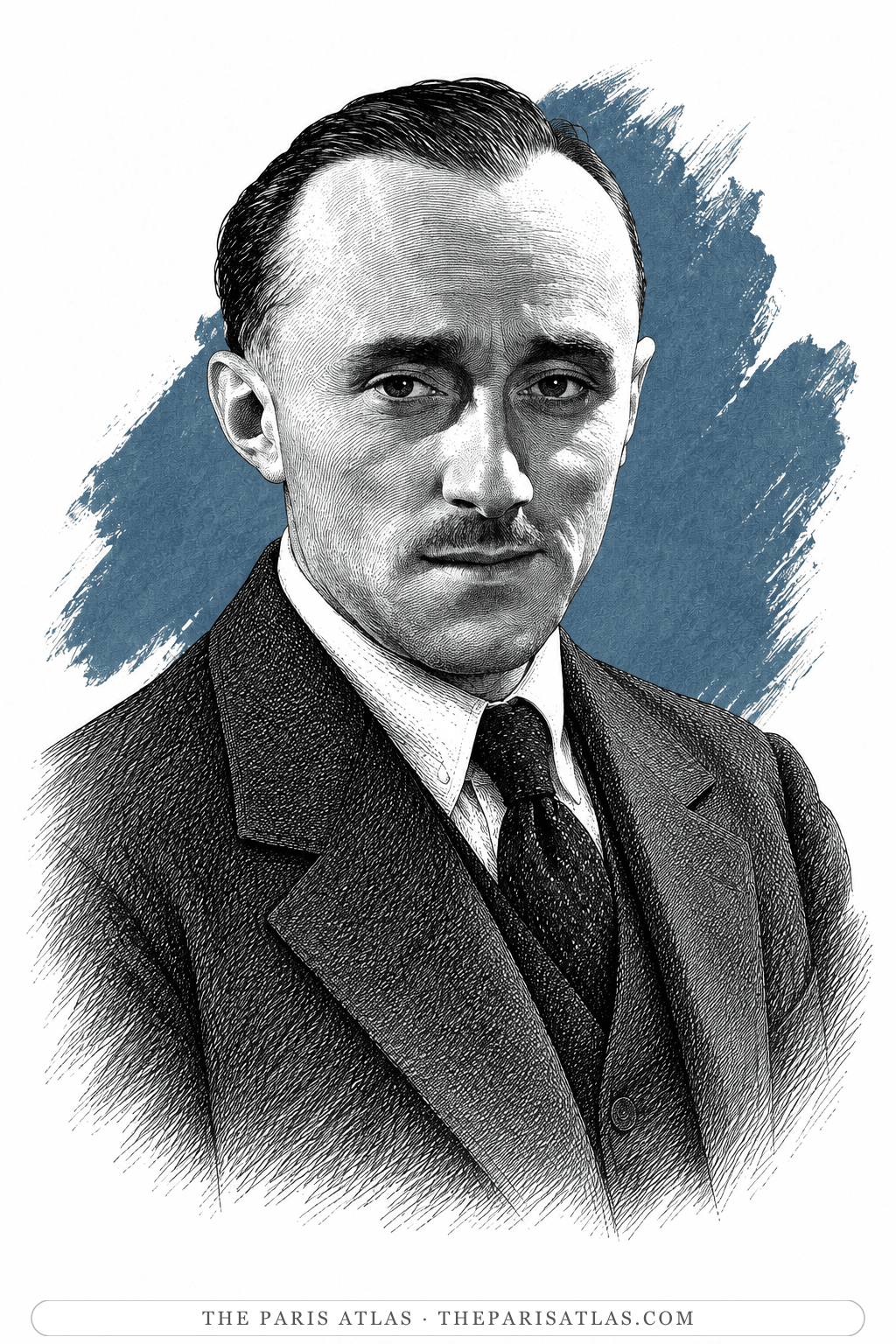
A. M. Cassandre
French poster designer whose advertisements for railways, liners and aperitifs — Nord Express, Dubonnet, Normandie — reduced their subjects to a few commanding shapes.
Sculptor
François Pompon
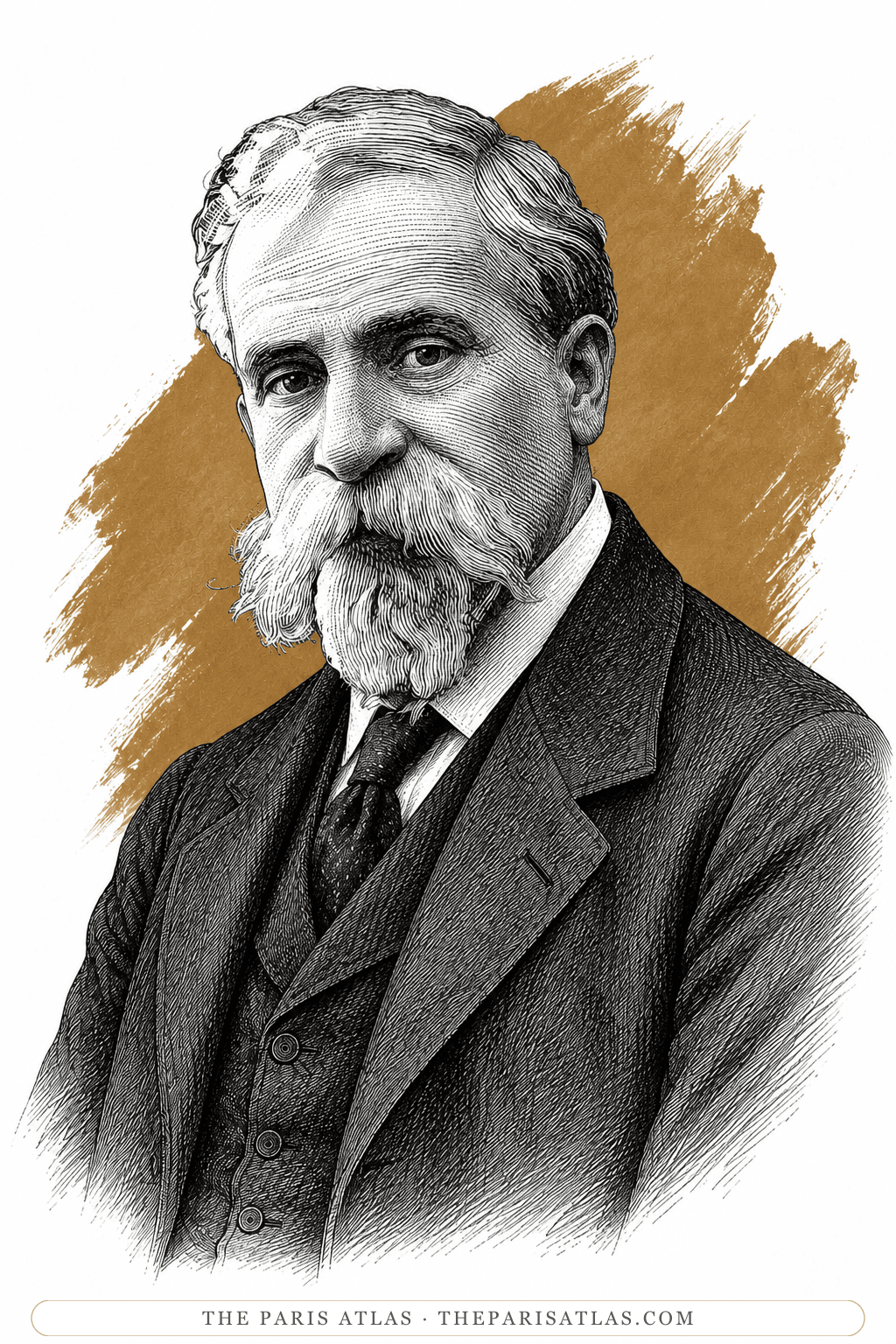
French sculptor whose Polar Bear, shown as a life-size plaster in 1922, made his name at sixty-seven after decades carving in other artists' studios.
Painter
Suzanne Lalique-Haviland
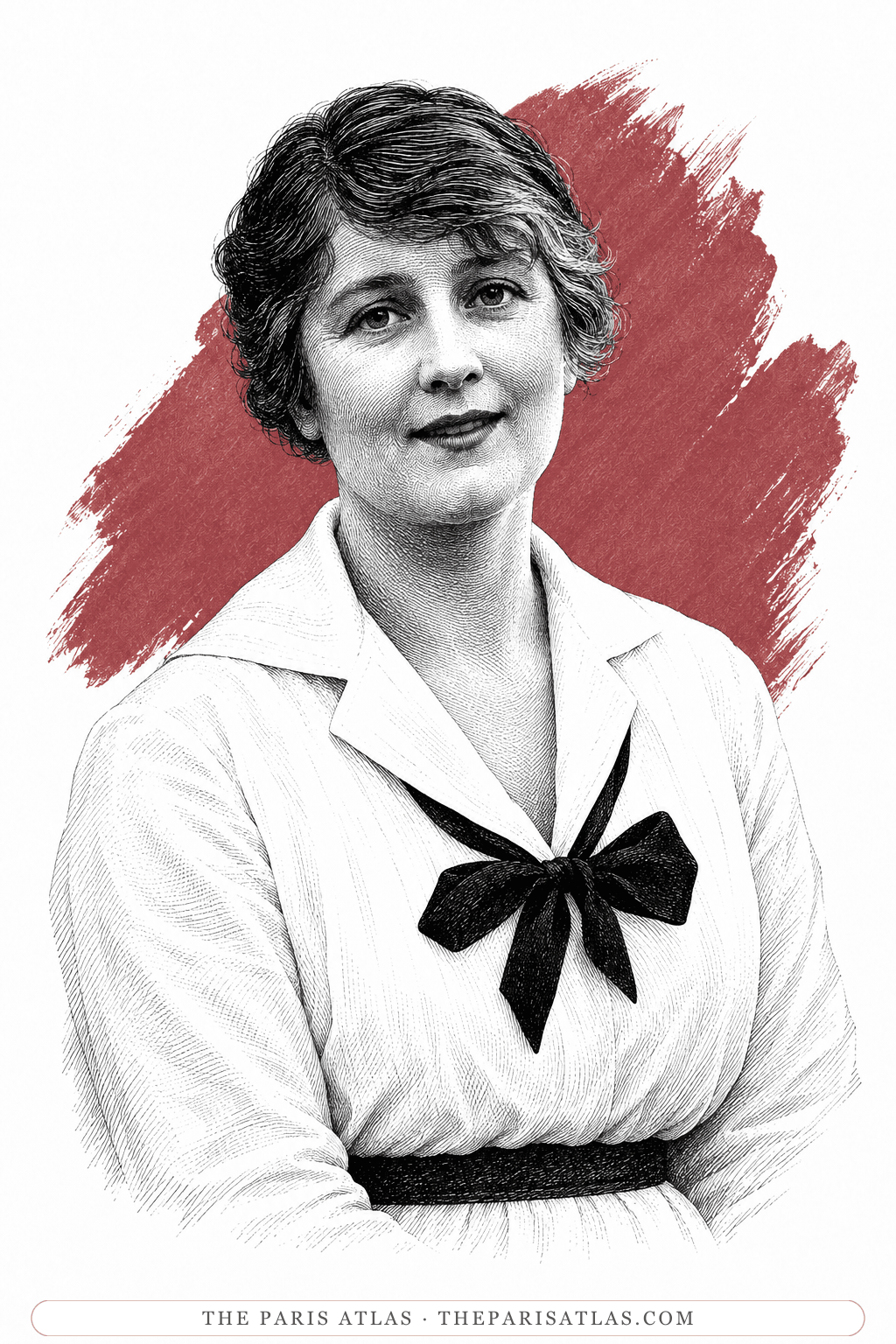
French designer who worked in glass, porcelain, textiles and stage design, and whose contributions to the Lalique firm were often manufactured under her father's signature.
The rest of the room
The artists are the newest wing of the atlas — the writers they painted, published, and argued with are already on the shelves.