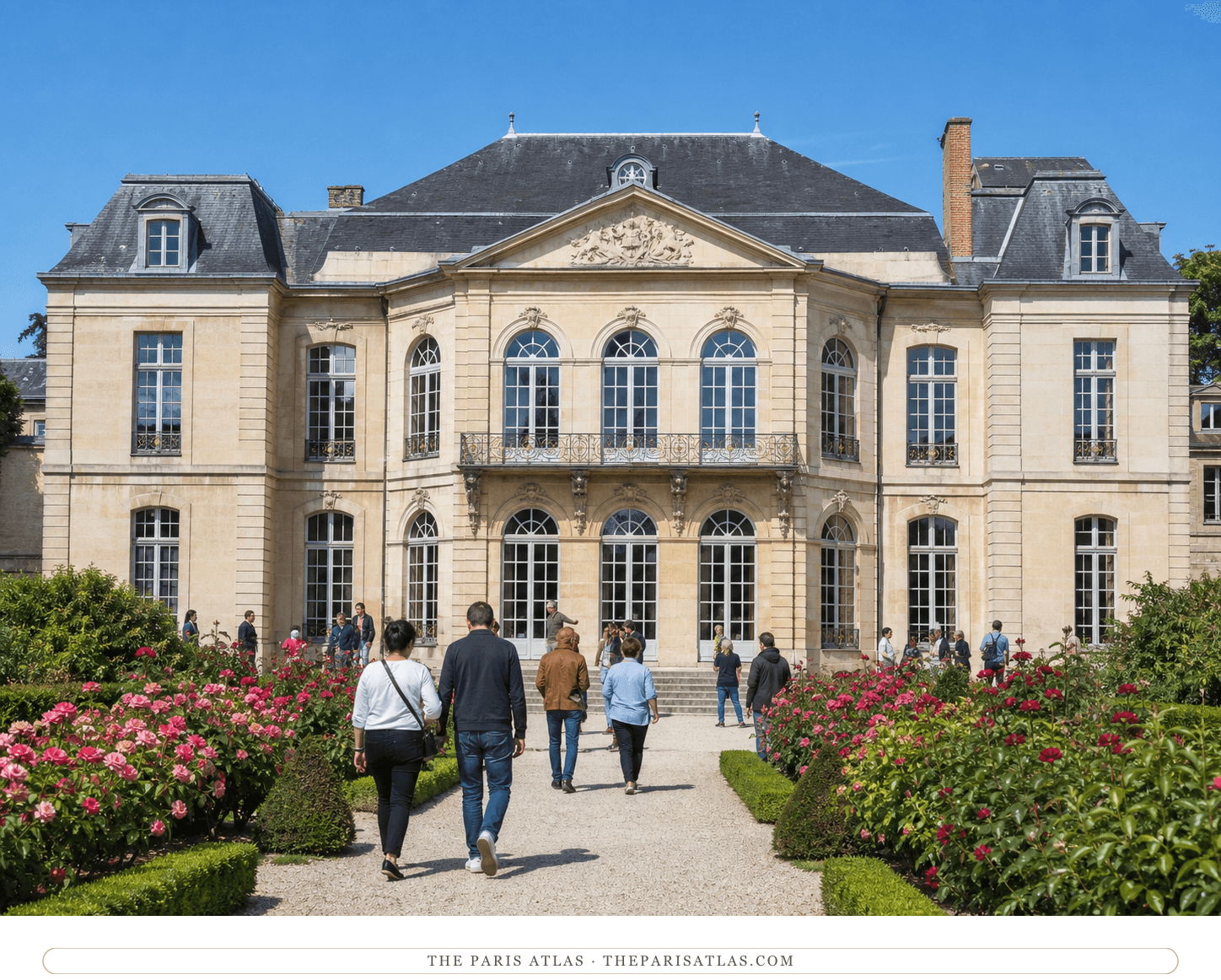
Painting · Fauvism
Open Window, Collioure
A harbour seen through an open window, painted with contrasting colours and loose brushstrokes.
French painter whose room at the Paris Salon d'Automne of 1905 earned the name Fauvism — 'wild beasts' — from a critic's joke. He worked from 19 quai Saint-Michel, was bought early by Gertrude and Leo Stein, and began a forty-year rivalry with Pablo Picasso at the Steins' salon.
Henri Matisse was a French painter, the leader of Fauvism and, with Pablo Picasso, one of the two artists who decided what twentieth-century painting would look like. He was born at Le Cateau-Cambrésis in northern France on 31 December 1869 and died at Nice on 3 November 1954.
He came to painting late and by accident. He was a twenty-year-old law clerk recovering from appendicitis when his mother gave him a box of paints to pass the time, and he described the moment he began using them as the first time he felt free.
His subject was colour. In 1905 he and a small group showed paintings at the Salon d'Automne in colours so violent that a critic called them wild beasts — fauves — and the name stuck to the movement.[1]
In his seventies, surgery for cancer left him unable to stand at an easel. Rather than stop, he invented a new medium. Assistants painted sheets of paper in flat colour, he cut the shapes out with scissors, and they were pinned to the walls of his rooms. The cut-outs are now regarded as among the greatest work of his life.
Henri Émile Benoît Matisse was born on 31 December 1869 at Le Cateau-Cambrésis, in the industrial north of France, and grew up at Bohain-en-Vermandois. His father ran a seed and hardware business; his mother painted china.
The region made silk and wool and was known for weaving. Matisse grew up surrounded by pattern and dyed cloth, and textiles run through his painting for sixty years: the wallpapers, carpets, screens and hangings that fill his interiors come out of that childhood.
He was sent to Paris to study law, passed his examinations in 1888, and came home to work as a clerk in a solicitor's office in Saint-Quentin, copying documents.
In 1889 Matisse had appendicitis and spent a long convalescence in bed. His mother bought him a box of paints to occupy him.
He said afterwards that from the moment he had that box in his hands he knew this was his life, and that painting was the only thing he had ever found that made him feel completely free.
His father was against it. Matisse went to Paris anyway in 1891, at twenty-one, and enrolled at the Académie Julian to prepare for the École des Beaux-Arts. He worked briefly under the academic painter William-Adolphe Bouguereau, failed the entrance examination in 1892, and entered instead the studio of Gustave Moreau, who sent his students to copy in the Louvre and let them paint as they liked.
From 1895 he lived and worked at 19 quai Saint-Michel, with the Seine and Notre-Dame outside the window. He painted the view repeatedly over the next twenty years.
Through the 1890s Matisse painted dark, careful still lifes and interiors in the Dutch manner. The change came from looking at other painters: the Impressionists, then Cézanne, then Van Gogh and Gauguin, whose flat bright colour showed him that paint could carry a picture without describing how things look.
He bought a small Cézanne bathers picture in 1899, when he could not afford it, and kept it for thirty-seven years, calling it the thing that sustained him.
In 1904 he spent the summer at Saint-Tropez with Paul Signac and painted in the divided dots of Neo-Impressionism. The following summer, at Collioure on the Mediterranean coast with André Derain, he abandoned the system and simply used colour at full strength.
At the Salon d'Automne in Paris in October 1905, Matisse, Derain, Maurice de Vlaminck and others hung their new paintings in one room, with a conventional Renaissance-style bust by the sculptor Albert Marque standing in the middle of it. Reviewing the show in Gil Blas on 17 October, the critic Louis Vauxcelles wrote that it was like a Donatello among wild beasts — Donatello parmi les fauves.[2]
The name stuck. Fauvism lasted about three years as a movement and changed painting permanently: colour freed from description, used for its own force, with drawing reduced to a few strong lines.
Matisse's Woman with a Hat, shown at the same Salon, was the picture people came to jeer at.[3] It is a portrait of his wife Amélie, her face striped with green and mauve.[3] Gertrude Stein and her brother Leo, newly installed at 27 rue de Fleurus, bought it, which gave Matisse both money and a position at the centre of the most important private collection of modern art in Europe. The painting is now at the San Francisco Museum of Modern Art.
Matisse met Pablo Picasso in 1906 at the Steins' apartment on the rue de Fleurus. Picasso was twelve years younger and newly arrived from Barcelona, and their rivalry ran for fifty years.
They watched each other constantly, bought and exchanged each other's pictures, and pushed each other. Picasso's Les Demoiselles d'Avignon of 1907 was in part an answer to Matisse's Bonheur de Vivre; Matisse's flattened, decorated interiors were an answer back.
Matisse said late in life that no one had ever looked at his painting as carefully as Picasso, and that no one had looked at Picasso's as carefully as he had. When Matisse died, Picasso said there was nobody left to talk to.
From 1908 the Moscow merchant Sergei Shchukin began buying Matisse in quantity, and commissioned two enormous panels, Dance and Music, for the staircase of his Moscow house.
Dance, painted in 1909 and 1910, is five figures holding hands in a ring, in three colours: red bodies, blue sky, green ground. It is one of the most reproduced paintings of the century and it caused a scandal when it was shown in Paris.
Shchukin and another Russian collector, Ivan Morozov, bought so much of his work that by 1914 the largest Matisse collections in the world were in Moscow. They were nationalised after the Revolution and are now in the Hermitage and the Pushkin.
From 1917 Matisse spent most of each year at Nice, on the Mediterranean, and stayed for the rest of his life.
The Nice paintings of the 1920s show women in patterned rooms, striped awnings, open shutters and light off the sea. Critics accused him of retreating into decoration, and the charge followed him.
He had already given his answer, in an essay of 1908: he wanted an art of balance and calm, something like a good armchair for a tired man. He regretted the phrase. Critics used it against him for forty years to argue that he was not serious.
When France fell in June 1940 Matisse was in the south-west, near Bordeaux, holding a passage to Brazil. He did not use it, saying that if everyone with anything to offer left, nothing would be left of France, and he returned to Nice.
He had surgery for intestinal cancer in 1941 and was not expected to survive. He did, and called the years afterwards his second life.
His wife Amélie and his daughter Marguerite worked for the Resistance. Both were arrested by the Gestapo in 1944; Amélie was imprisoned and Marguerite was tortured and put on a train to Ravensbrück, escaping when the train was stopped by an air raid. Matisse learned of all this only afterwards.
The 1941 surgery left Matisse unable to stand for long or to paint at an easel. Instead of stopping he changed medium.
He had assistants paint large sheets of paper with gouache in flat colour, and then cut shapes directly out of them with scissors — a technique he described as drawing with scissors, or as cutting straight into colour. Assistants pinned the shapes to the walls, and he moved them by directing from a wheelchair or bed until the arrangement was right.
The results include the book Jazz in 1947, The Snail, Blue Nude II, and the enormous Swimming Pool that ran around a whole room of his apartment. What began as a workaround for illness turned into the most influential work of his last decade.
Between 1948 and 1951 Matisse designed and decorated the Chapelle du Rosaire at Vence, near Nice: the stained glass, the black line drawings on white tiles, the priests' vestments, the crucifix, the candlesticks and the doors.
He was not a believer. He took the commission because Monique Bourgeois, who had nursed him after the 1941 operation, later became a Dominican nun at the convent in Vence, and because he wanted to make a complete environment out of colour and light.
He called it his masterpiece. It is a small white room where the only colour comes through three windows in yellow, blue and green, and moves across the walls as the sun moves.
Matisse died of a heart attack at Nice on 3 November 1954, aged eighty-four. He is buried in the cemetery at Cimiez, above the city.
He had been working almost to the end, directing cut-outs from his bed.
The Musée Matisse in Nice stands on the hill of Cimiez, where he lived and where he is buried. A second Musée Matisse is at Le Cateau-Cambrésis, his birthplace; he founded it himself in 1952.
The Centre Pompidou in Paris holds the major French collection, and Woman with a Hat is at the San Francisco Museum of Modern Art.
Matisse settled the question of what colour is for. Before him, colour in European painting largely described things; after him it could be the subject, structure and emotional content of a picture at once. Fauvism lasted three years, and painters have used colour that way ever since.
The cut-outs also show how he worked. In his seventies, unable to stand at an easel after cancer surgery, he invented a medium instead of accepting a smaller late style, and produced work at a scale he had never attempted before.
Among the works of the 1910s are the goldfish pictures, several canvases in which a bowl of orange fish sits at the centre of a studio interior. Matisse returned to the subject repeatedly, drawn to the fish as a note of pure colour and to the bowl as a way of holding the eye at the middle of the composition.
Born Henri Émile Benoît Matisse on 31 December at Le Cateau-Cambrésis in northern France, the son of a seed and hardware merchant.
The family moves to Bohain-en-Vermandois, a weaving town whose patterned textiles run through his painting for sixty years.
Goes to Paris to study law.
Passes his law examinations and works as a clerk in a solicitor's office at Saint-Quentin.
Has appendicitis. During a long convalescence his mother buys him a box of paints, and he later says he knew at once that painting was his life.
Moves to Paris at twenty-one against his father's wishes and enrols at the Académie Julian to prepare for the École des Beaux-Arts.
Fails the entrance examination for the École des Beaux-Arts.
Enters the studio of Gustave Moreau, who sends his students to copy in the Louvre and lets them paint as they like.
Exhibits at the Salon de la Société Nationale and is elected an associate member.
Marries Amélie Parayre and travels to London and Corsica.
Buys a small Cézanne painting of bathers he cannot afford, and keeps it for thirty-seven years.
Has his first solo exhibition at Ambroise Vollard's gallery, and spends the summer at Saint-Tropez with Paul Signac painting in divided dots.
Spends the summer at Collioure with André Derain, abandons the system and uses colour at full strength.
At the Salon d'Automne in October the critic Louis Vauxcelles calls the room of paintings wild beasts — fauves. Gertrude and Leo Stein buy Woman with a Hat.
Paints Bonheur de Vivre. Meets Pablo Picasso at the Steins' apartment, beginning a rivalry that runs fifty years.
Picasso paints Les Demoiselles d'Avignon, in part as an answer to Bonheur de Vivre.
Opens a teaching academy in Paris. The Moscow merchant Sergei Shchukin begins buying his work in quantity.
Begins Dance and Music, two enormous panels commissioned by Shchukin for his Moscow staircase.
Dance is shown in Paris and causes a scandal. Matisse travels to Munich to see an exhibition of Islamic art.
Spends two winters in Tangier, and the Moroccan paintings change his colour again.
War begins. Matisse, at forty-four, is refused for military service.
Settles at Nice for most of each year, and stays for the rest of his life.
Designs sets and costumes for Diaghilev's Ballets Russes production of The Song of the Nightingale.
Travels to Tahiti and to the United States, and is commissioned to paint a large mural for the Barnes Foundation in Pennsylvania.
Publishes an illustrated edition of Mallarmé's poems, his first major book.
Separates from his wife Amélie after forty-one years of marriage.
France falls in June while Matisse is in the south-west with a passage booked to Brazil. He does not use it, saying that if everyone with anything to offer left, nothing would be left of France, and returns to Nice.
Has surgery for intestinal cancer at Lyon and is not expected to survive. He does, and calls what follows his second life.
Moves to Vence, inland from Nice, after his Nice apartment is judged unsafe from bombing.
His wife Amélie is imprisoned and his daughter Marguerite tortured by the Gestapo for Resistance work. Marguerite escapes from a train to Ravensbrück during an air raid.
Publishes Jazz, a book of cut-paper compositions with his handwritten text.
Begins designing the Chapelle du Rosaire at Vence: the glass, the wall drawings, the vestments and the furnishings.
The chapel at Vence is consecrated. Matisse, who was not a believer, calls it his masterpiece.
The Musée Matisse opens at Le Cateau-Cambrésis, his birthplace.
Makes the large cut-outs, including Blue Nude II and The Swimming Pool, which runs around a whole room of his apartment.
Dies of a heart attack at Nice on 3 November, aged eighty-four, having worked almost to the end from his bed. He is buried at Cimiez above the city.
Painting · Fauvism
A harbour seen through an open window, painted with contrasting colours and loose brushstrokes.

Painting · Fauvism
Nude figures rest, dance, and make music in a brightly coloured, deliberately simplified landscape.

Painting · Fauvism
A portrait of Amélie Matisse using bold, non-naturalistic colours and conspicuous brushwork.

Painting
A violin lies in its open case on an armchair, in a hotel room painted almost entirely black. Behind the chair a window shutter stands closed, and its neighbour swings inward on a strip of blue sea. Henri Matisse painted the room at the Hôtel Beau-Rivage in Nice in the first half of 1918. He had arrived from Paris the previous December and taken the hotel for a studio. Statens Museum for Kunst in Copenhagen has held the canvas since 1928.

Painting
Henri Matisse painted the studio he had built in the garden at Issy-les-Moulineaux, and then covered his own painting. Conservators established in 2022 that a complete painting lies under the red: blue walls, ochre furniture, a pink floor, and viridian wall panelling. He let that first painting dry for weeks, then laid a red earth pigment over about two-thirds of it. The red stopped at the edges of his own works. The furniture survives only as the lines where the red stopped. The Museum of Modern Art bought the canvas in 1949.
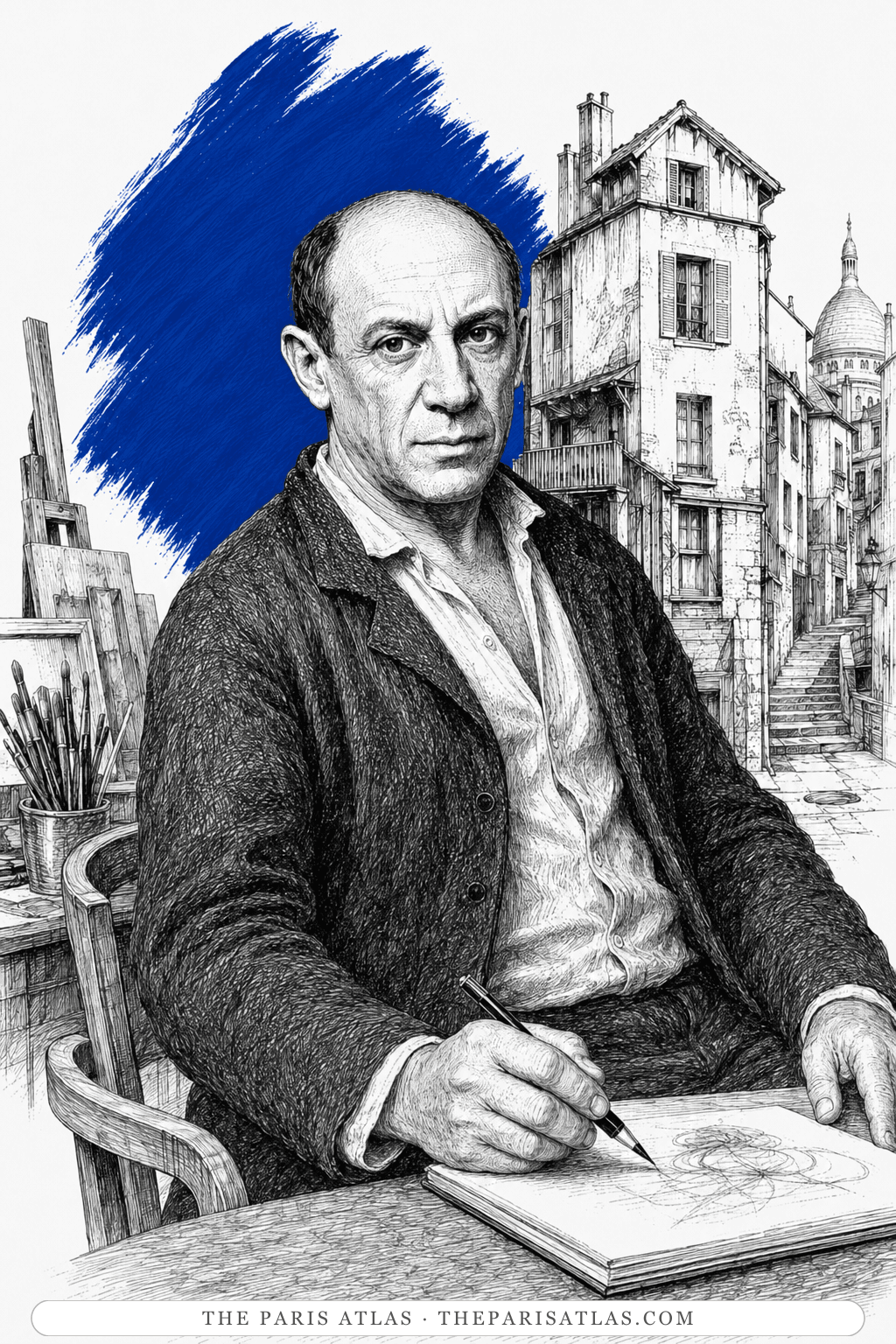
Met · 1906
Met in 1906 at Gertrude and Leo Stein's apartment at 27 rue de Fleurus, where both painters' work hung. The rivalry and wary friendship ran until Matisse's death in 1954.

Met · 1892
Teacher and student: Matisse trained in Moreau's studio at the Ecole des Beaux-Arts through the 1890s, beside Rouault and Marquet, and repeated Moreau's advice for decades - the studio that produced half the Fauve room of 1905.

Supported by · 1905
Leo and Gertrude Stein bought Woman with a Hat out of the 1905 Salon d'Automne, where it was the most attacked painting in the Fauve room, and hung Matisse at the rue de Fleurus salon when no museum showed him.

Met · 1911
Bonnard and Matisse exhibited together in 1911, became close friends, visited one another in southern France, and maintained regular correspondence from 1925.

Influence on
Joan Mitchell encountered Henri Matisse's work in the nineteenth- and twentieth-century French painting she studied from childhood at the Art Institute of Chicago and spoke of him with particular admiration. Her confidence in color joined that European chromatic intensity to the scale and mark-making of postwar American abstraction.

Matisse bought a small Cézanne painting of bathers in 1899, when he could not afford it, and kept it for thirty-seven years, calling it the work that sustained him. Cézanne's construction of a picture from planes of colour is the foundation Matisse built the Fauve paintings on.

Matisse adopted Signac's Divisionist method after reading his essay From Eugène Delacroix to Neo-Impressionism, and painted Luxe, calme et volupté in 1904 after a summer at Saint-Tropez alongside Signac and Henri-Edmond Cross. Signac bought the painting, and the pure colour he taught fed directly into the Fauvism Matisse launched the next year.
Matisse and Picasso met at Gertrude and Leo Stein's apartment in 1906 and watched each other's work for fifty years, exchanging paintings and answering each other in them. Picasso's Les Demoiselles d'Avignon of 1907 is generally read in part as a response to Matisse's Bonheur de Vivre of the previous year.

Seeing Henri Matisse's Luxe, calme et volupté at the 1905 Salon des Indépendants turned Dufy toward Fauvism, its bright colour and bold outline. He worked in the manner until about 1909, when Cézanne pulled him toward a subtler technique, but the high-keyed palette stayed the basis of the stenographic style he became known for.
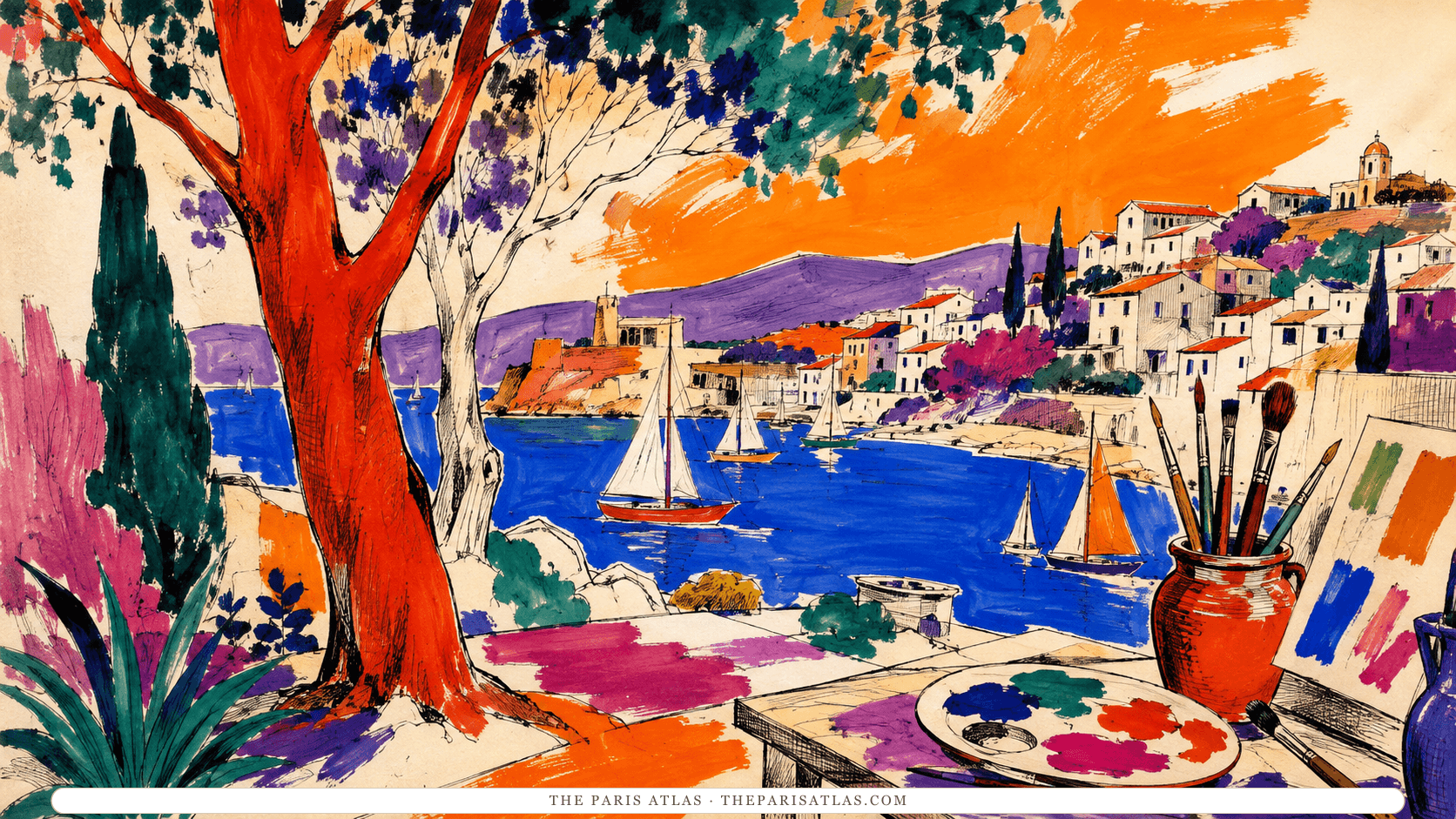
Art movement · c. 1905–1908
Led the movement from the shared Collioure summer of 1905 through the Salon d'Automne room that earned the 'wild beasts' name; Woman with a Hat drew the loudest fire.
Depicted in · Photograph
The Museum of Modern Art names Henri Matisse in the title of the photograph. He sits among his birdcages at Vence in a heavy embroidered robe and a white knitted cap, a white dove cupped in one hand and an open album on his lap. Henri Cartier-Bresson made the picture in 1944 as part of a series of portraits of French artists and writers for the publisher Editions Braun. Eight years later Henri Matisse drew the cover of his first book, Images a la sauvette.
— Henri Cartier-Bresson, Henri Matisse, Vence, France, 1944 (print of 1968), 121.2009; Henri Cartier-Bresson, Henri Matisse, Vence, France, 1944 (print of 1947), 293.1947; Henri Cartier-Bresson (1908–2004): Biography, Bibliography, Exhibitions, Filmography and Collections
A French painter, born in northern France in 1869 and died at Nice in 1954. He led Fauvism, and with Pablo Picasso he is one of the two artists who decided what twentieth-century painting would look like.
By accident, at twenty. He was a law clerk recovering from appendicitis when his mother bought him a box of paints to occupy him in bed. He said afterwards that he knew at once that painting was his life, and it was the only thing that had ever made him feel free.
A short-lived movement, roughly 1905 to 1908, in which colour was used at full strength for its own force rather than to describe things accurately. The name came from the critic Louis Vauxcelles, who saw a conventional sculpture in a room of these paintings at the 1905 Salon d'Automne and called it a Donatello among wild beasts — fauves.
Works made from paper painted with gouache in flat colour and cut into shapes with scissors, then pinned to the wall. He turned to them in his seventies after cancer surgery left him unable to stand at an easel. He called it drawing with scissors, and the cut-outs are now considered among his greatest work.
The Chapelle du Rosaire, near Nice, which Matisse designed and decorated between 1948 and 1951 — the stained glass, the line drawings on white tiles, the vestments and the furnishings. He was not a believer. He took it on partly because a nun who had nursed him after his cancer operation entered the convent there, and he called it his masterpiece.
Yes, for fifty years, and friends as well. They met at Gertrude and Leo Stein's apartment in 1906, watched each other's work constantly, and exchanged paintings. Picasso's Les Demoiselles d'Avignon was in part an answer to Matisse's Bonheur de Vivre. When Matisse died, Picasso said there was nobody left to talk to.
Met · 1906
Met in 1906 at Gertrude and Leo Stein's apartment at 27 rue de Fleurus, where both painters' work hung. The rivalry and wary friendship ran until Matisse's death in 1954.
Met · 1892
Teacher and student: Matisse trained in Moreau's studio at the Ecole des Beaux-Arts through the 1890s, beside Rouault and Marquet, and repeated Moreau's advice for decades - the studio that produced half the Fauve room of 1905.
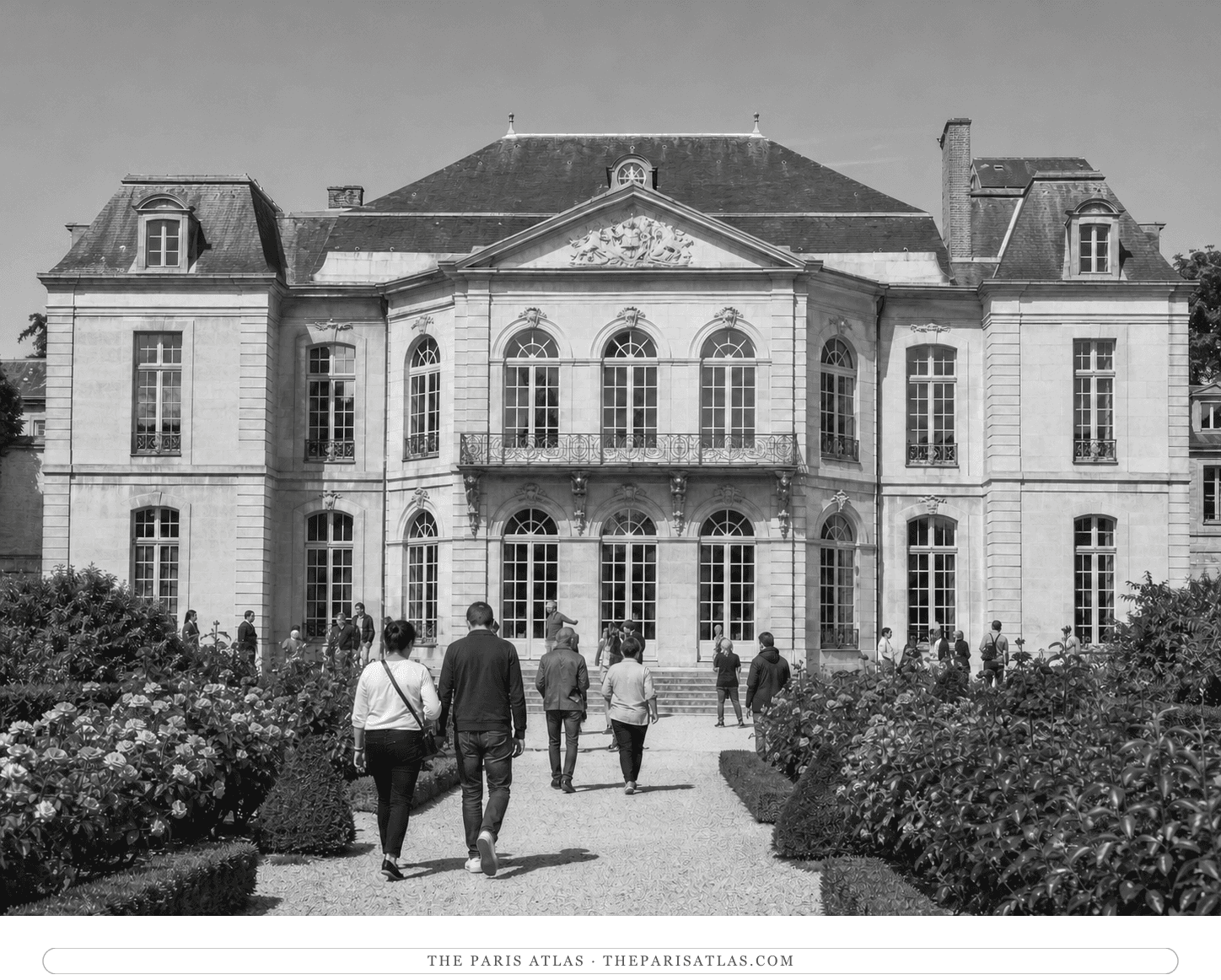
Lived at · 1908
Matisse was among the tenants of the near-abandoned Hôtel Biron when Rodin took rooms there in 1908.
Influenced
Matisse and Picasso met at Gertrude and Leo Stein's apartment in 1906 and watched each other's work for fifty years, exchanging paintings and answering each other in them. Picasso's Les Demoiselles d'Avignon of 1907 is generally read in part as a response to Matisse's Bonheur de Vivre of the previous year.
Influenced
Seeing Henri Matisse's Luxe, calme et volupté at the 1905 Salon des Indépendants turned Dufy toward Fauvism, its bright colour and bold outline. He worked in the manner until about 1909, when Cézanne pulled him toward a subtler technique, but the high-keyed palette stayed the basis of the stenographic style he became known for.
Associated with
Led the movement from the shared Collioure summer of 1905 through the Salon d'Automne room that earned the 'wild beasts' name; Woman with a Hat drew the loudest fire.
Supported by · 1905
Leo and Gertrude Stein bought Woman with a Hat out of the 1905 Salon d'Automne, where it was the most attacked painting in the Fauve room, and hung Matisse at the rue de Fleurus salon when no museum showed him.
Met · 1911
Bonnard and Matisse exhibited together in 1911, became close friends, visited one another in southern France, and maintained regular correspondence from 1925.
Influenced by
Matisse bought a small Cézanne painting of bathers in 1899, when he could not afford it, and kept it for thirty-seven years, calling it the work that sustained him. Cézanne's construction of a picture from planes of colour is the foundation Matisse built the Fauve paintings on.
Influenced by
Matisse adopted Signac's Divisionist method after reading his essay From Eugène Delacroix to Neo-Impressionism, and painted Luxe, calme et volupté in 1904 after a summer at Saint-Tropez alongside Signac and Henri-Edmond Cross. Signac bought the painting, and the pure colour he taught fed directly into the Fauvism Matisse launched the next year.
Influence on
Joan Mitchell encountered Henri Matisse's work in the nineteenth- and twentieth-century French painting she studied from childhood at the Art Institute of Chicago and spoke of him with particular admiration. Her confidence in color joined that European chromatic intensity to the scale and mark-making of postwar American abstraction.
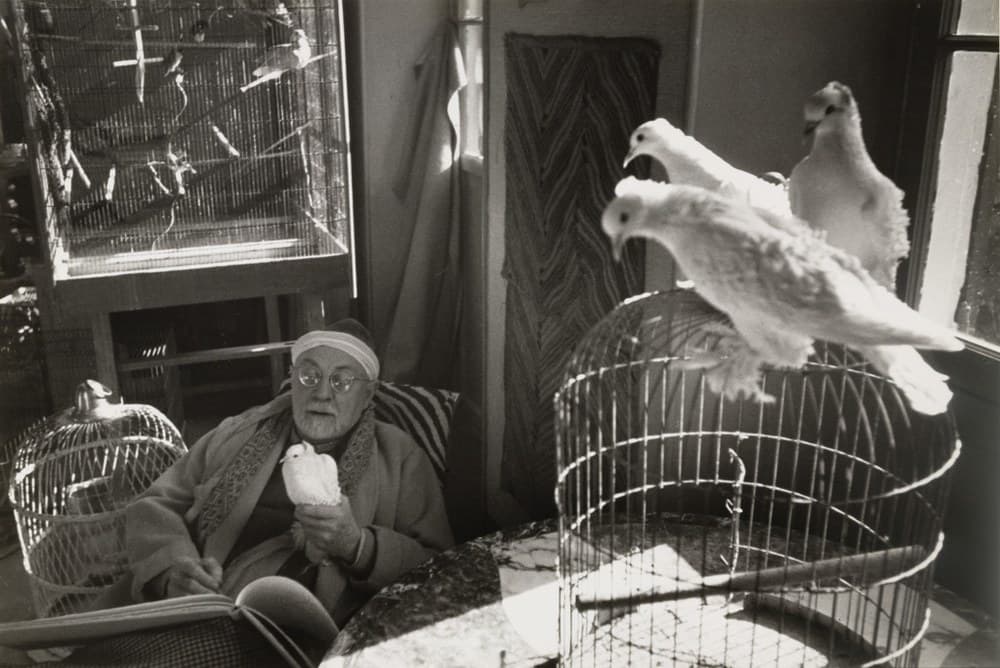
Depicted in · 1944
The Museum of Modern Art names Henri Matisse in the title of the photograph. He sits among his birdcages at Vence in a heavy embroidered robe and a white knitted cap, a white dove cupped in one hand and an open album on his lap. Henri Cartier-Bresson made the picture in 1944 as part of a series of portraits of French artists and writers for the publisher Editions Braun. Eight years later Henri Matisse drew the cover of his first book, Images a la sauvette.
The sources below include biographies, scholarly essays, interviews, and primary materials that informed this page. They reflect both the historical record and ongoing critical conversations about Henri Matisse and their work.

Museum essay on Fauvism, the Nice years and the late work.
Reference article cross-checked for the childhood, the 1905 Salon d'Automne, the Russian collectors, the war years and the chapel at Vence.
The holding museum's record for Femme au chapeau: painted in 1905, a portrait of Matisse's wife Amélie, 80.8 by 59.7 cm, shown at that year's Salon d'Automne where colleagues urged him not to exhibit it, and acquired by SFMOMA in 1991 through the bequest of Elise S. Haas.
Web source consulted for documented facts and historical context presented on the Henri Matisse page.
Web source consulted for documented facts and historical context presented on the Henri Matisse page.
Web source consulted for documented facts and historical context presented on the Henri Matisse page.
These references anchor the page in the documented record and in the scholarly conversations around Henri Matisse. Every claim on this page traces back to one or more of the works listed here.
 Explore more resources