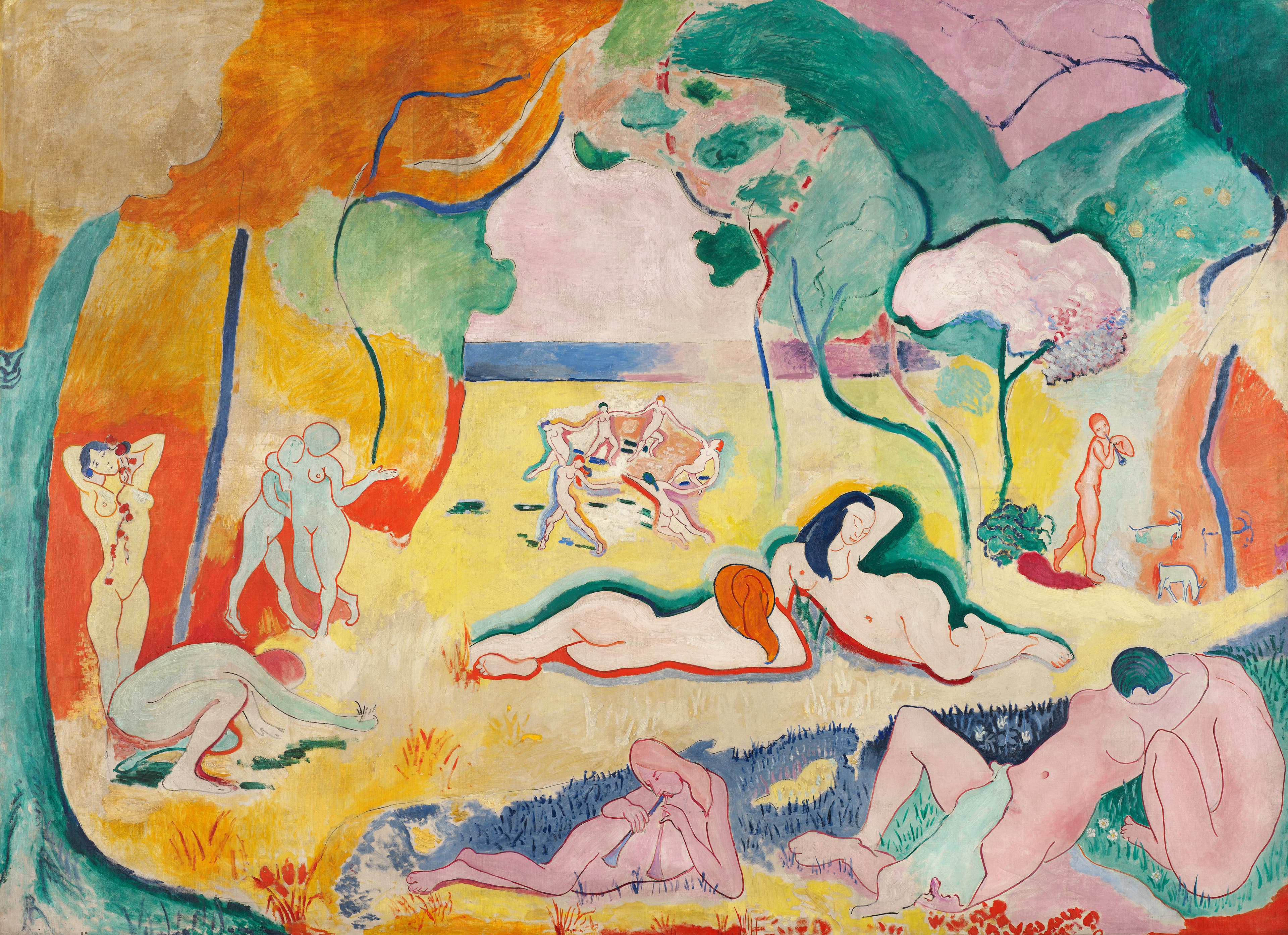
The Joy of Life
Nude figures rest, dance, and make music in a brightly coloured, deliberately simplified landscape.
- between October 1905 and March 1906
- Oil on canvas
About Henri Matisse
A familiar subject remade
Sixteen figures recline, embrace, dance, and make music in a natural setting. The Barnes Foundation describes the theme as a sensual arcadia with a long artistic history; what startled its first audience was Matisse’s execution rather than the subject itself.
Bold colours, distorted anatomies, jarring changes of scale, and inconsistent perspective prevent the scene from settling into a unified naturalistic space. A sweeping arabesque line links the figures and landscape, while the central ring of dancers sends the eye outward through the composition.
From the Salon to the Stein apartment
Matisse painted the monumental canvas between October 1905 and March 1906 and exhibited it at the Salon des Indépendants from 20 March to 20 April 1906. The Barnes calls it a watershed in European modernism.
Leo and Gertrude Stein bought the painting and Matisse installed it in their rue de Fleurus apartment after the Salon. Visitors there included the young Pablo Picasso, and the Barnes identifies the painting as an important catalyst in the rivalry between Picasso and Matisse.
Close reading
Reading the work, detail by detail
Matisse spreads different scales and kinds of looking across an imagined landscape rather than organising every figure around one event. The close views move between dance, intimacy, solitude, and vegetation to show how the scene holds many tempos at once.
1.The distant ring turns bodies into rhythm
Six pale bodies link into an uneven circle at the landscape's center. Their repeated bends create a visual refrain whose small scale makes the dance feel remembered or imagined rather than immediately present.
2.Two bodies become one looping contour
The dark-haired figure arches over a pale companion, and a single red contour threads through both. Their enclosure forms a private pocket inside the open field, intimate but deliberately simplified.
3.A solitary pose slows the left edge
The upright figure holds her arms behind her head while the orange ground closes around her. Unlike the dancers, she faces inward without joining them, giving repose its own distinct silhouette.
4.The pipe player gives the landscape a sound
A thin red outline isolates the musician against yellow ground, with the instrument lifted to the mouth. The music is invisible, but the nearby dancers and repeated curves make its organizing presence legible.
5.Foreground bodies refuse academic finish
The nearest figures are the largest yet among the least modelled, their bodies held by spare red and blue outlines. Scale brings them close while flat colour keeps them from becoming conventionally sculptural.
6.The canopy bends over the entire gathering
Broad limbs arc laterally in colours that do not belong to observed bark or foliage. The trees serve as both shelter and compositional armature, gathering scattered episodes under one elastic curve.
Where to see it
Barnes Foundation, Philadelphia
2025 Benjamin Franklin Parkway, Philadelphia, PA 19130, United States
Displays and loans can change. Check whether this work is on view before making a special trip.
Plan your visit on the museum’s official website (opens in a new tab)Frequently asked questions
What does The Joy of Life show?
It brings together sixteen nude figures reclining, embracing, dancing, and making music in an imagined pastoral landscape.
When did Matisse paint The Joy of Life?
The Barnes Foundation dates it between October 1905 and March 1906.
Why was The Joy of Life controversial?
Its subject was traditional, but its bold colour, distorted bodies, inconsistent perspective, and abrupt changes of scale challenged the academic ideal of a unified composition.
How large is The Joy of Life?
The oil-on-canvas painting measures 176.5 by 240.7 centimetres, giving it the scale and presence of a mural.
Where is The Joy of Life?
It belongs to the Barnes Foundation in Philadelphia, where its accession number is BF719.
More by Henri Matisse
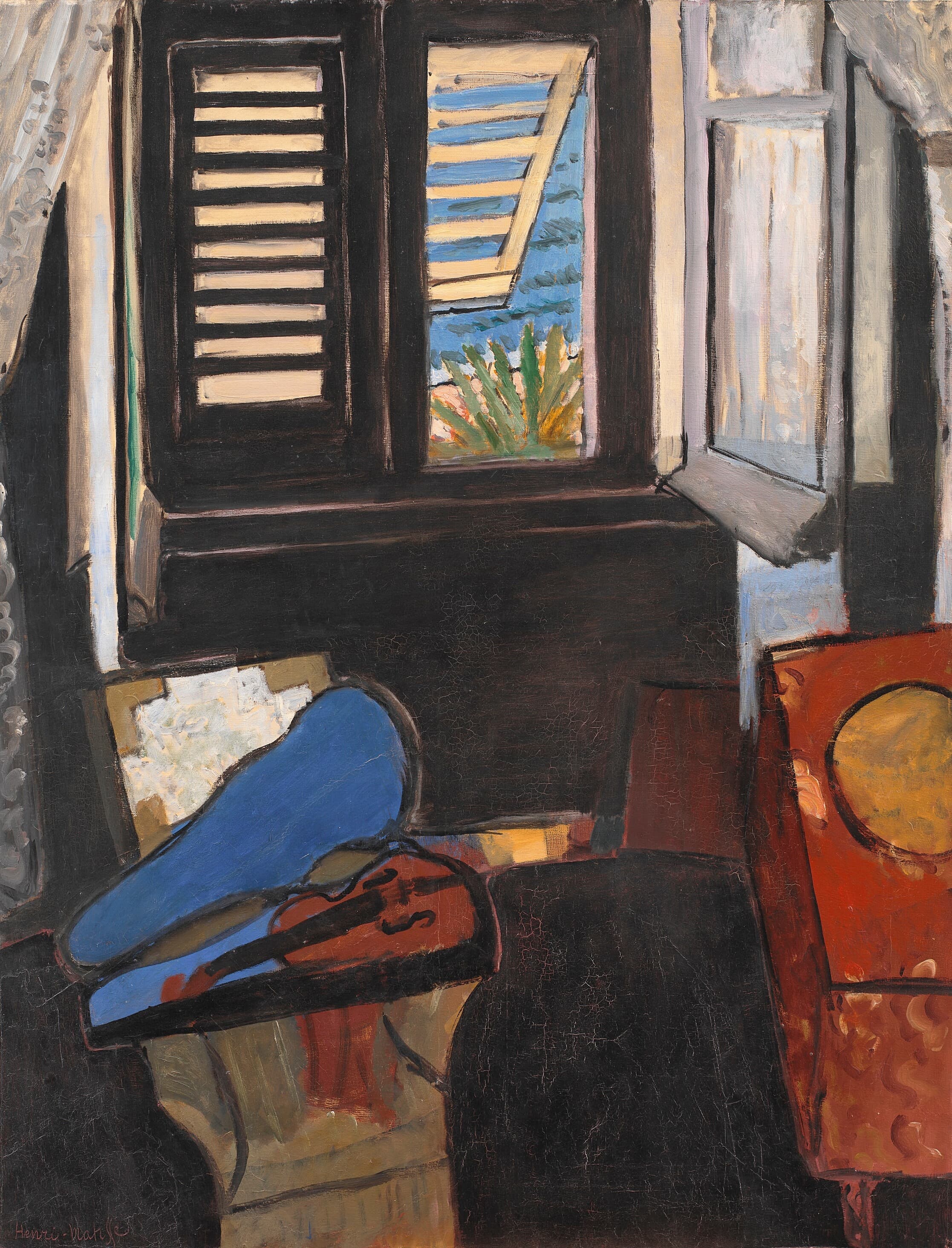
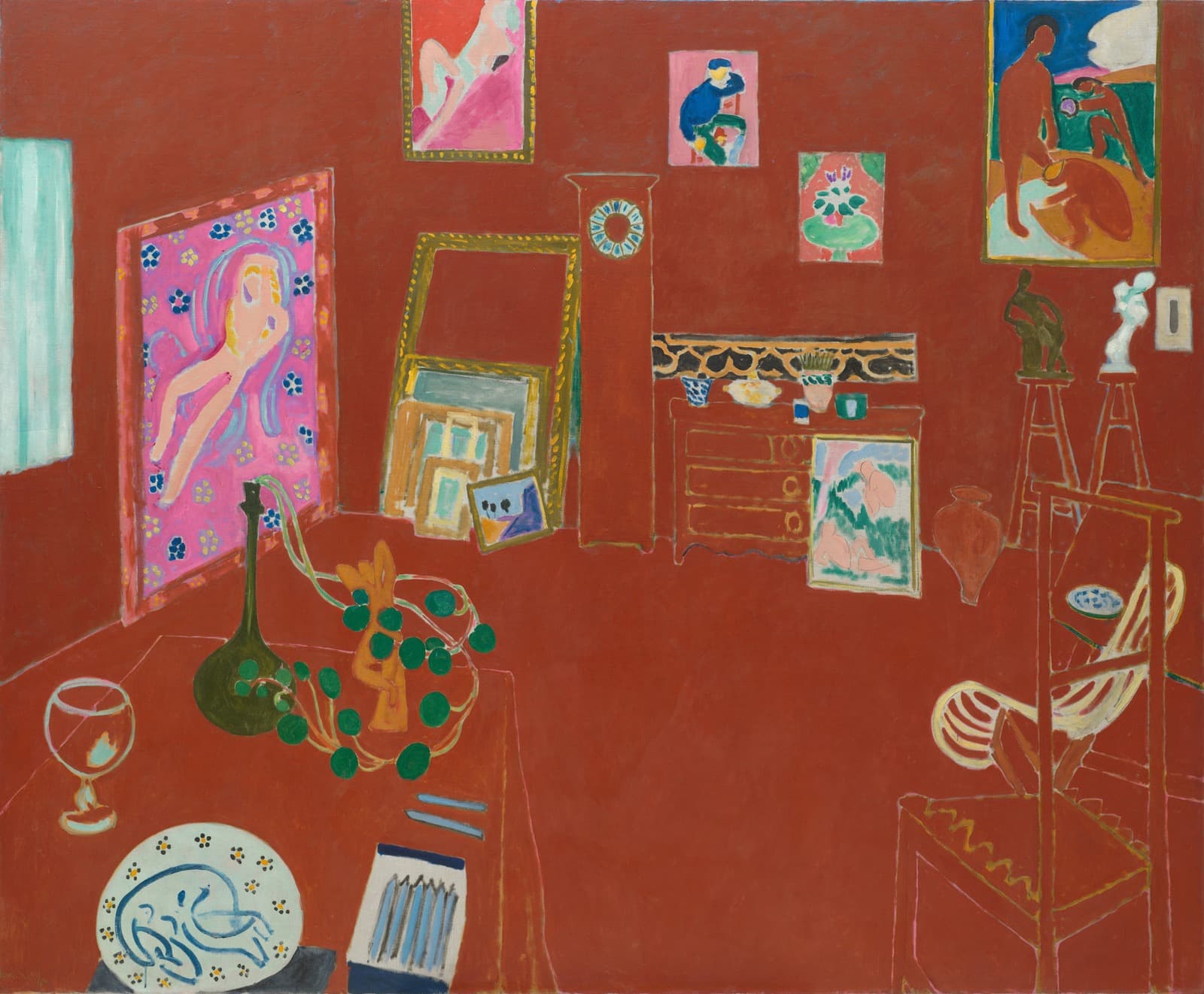
If you like Henri Matisse
Explore painters from the same movements and circles.
André Derain
French painter who helped invent Fauvism with Henri Matisse at Collioure, translated London into explosive colour, and then turned toward an increasingly classical art.
View artist
Maurice de Vlaminck
Self-taught French painter whose intense colour and forceful brushwork around Chatou made him one of Fauvism’s central figures.
View artist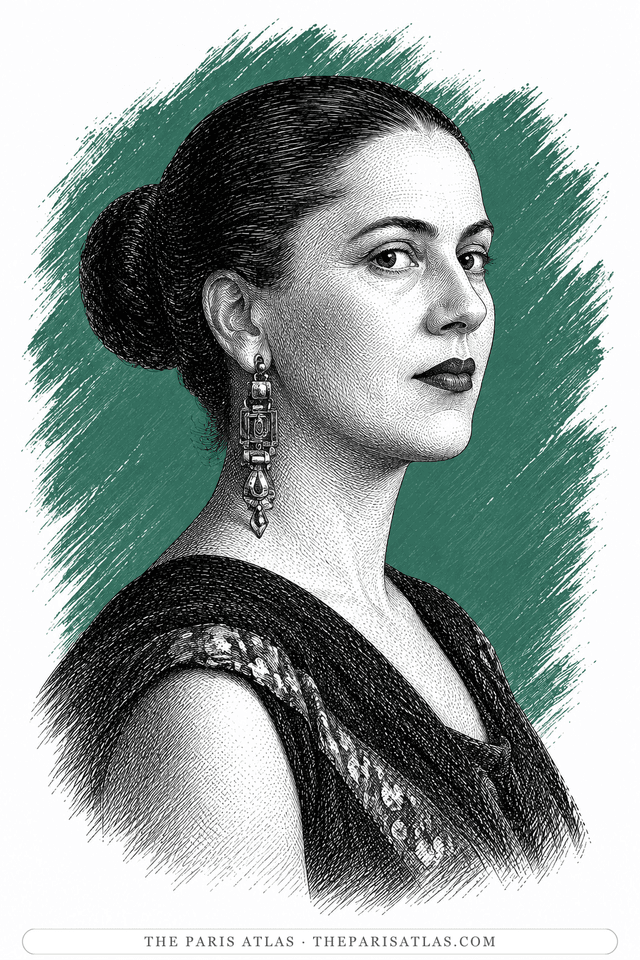
Tarsila do Amaral
Brazilian painter who spent the 1920s moving between São Paulo and Paris, studied Cubism under André Lhote, Albert Gleizes and Fernand Léger, and used what she learned to paint Brazilian towns, railways, plants and bodies. Her 1928 painting Abaporu prompted the manifesto that gave the Anthropophagic movement its name.
View artist
References
The sources below include collection records, catalogues, scholarly research, and primary materials that informed this page. They document The Joy of Life, its making, and its place in cultural history.


1Henri Matisse, Le Bonheur de vivre, also called The Joy of Life
WebsiteBarnes FoundationUsed forWeb source consulted for documented facts and historical context presented on the The Joy of Life page.
2Henri Matisse (1869–1954)
WebsiteThe Metropolitan Museum of ArtUsed forWeb source consulted for documented facts and historical context presented on the The Joy of Life page.
3Notes of a Painter
WebsiteObelisk Art HistoryUsed forWeb source consulted for documented facts and historical context presented on the The Joy of Life page.
4Fauvism
WebsiteThe Metropolitan Museum of ArtUsed forWeb source consulted for documented facts and historical context presented on the The Joy of Life page.
These references provide the documented foundation for this work's history and interpretation. Claim-level citations remain attached to the specific claims they support.
 Explore more resources