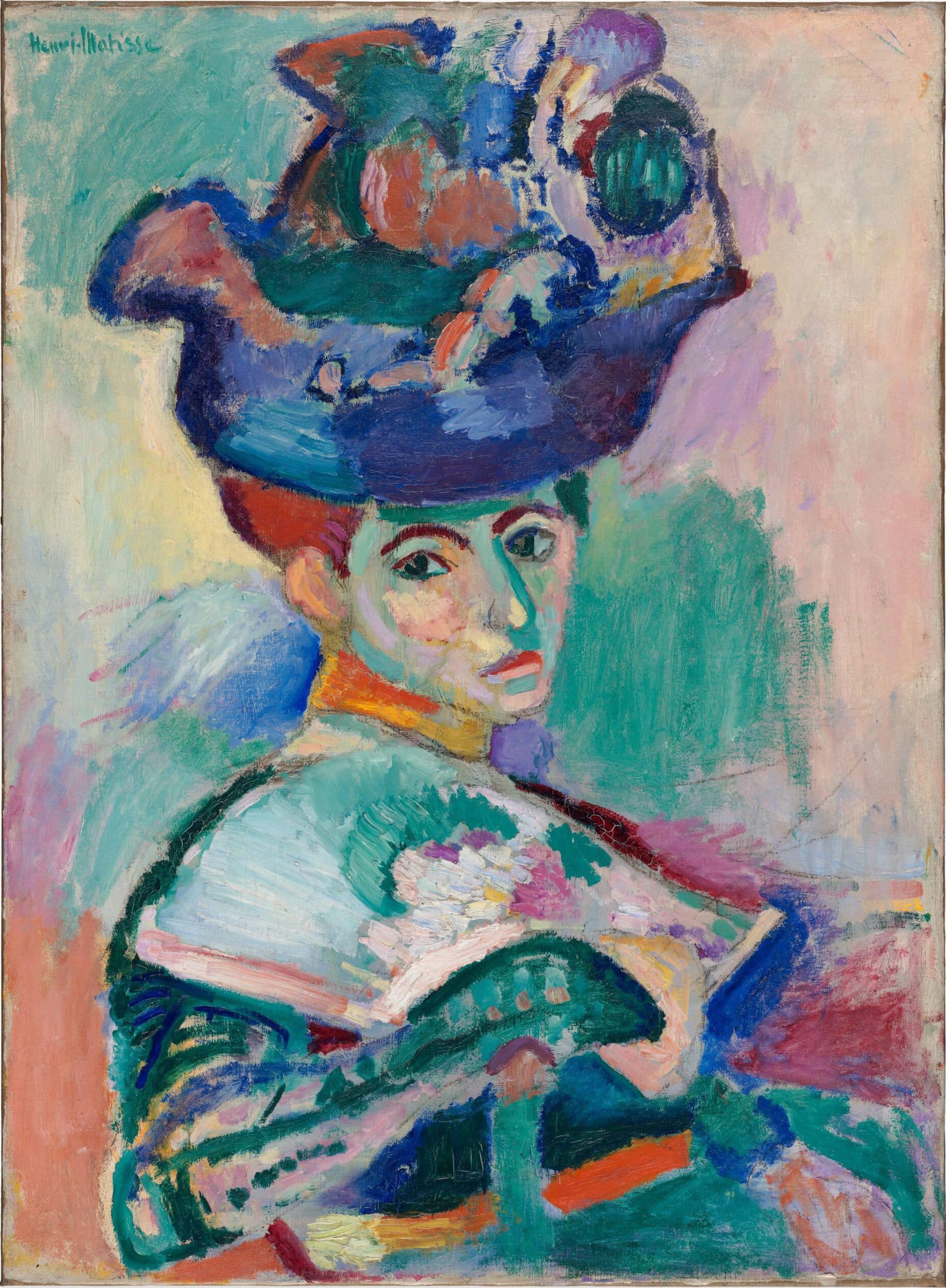
Woman with a Hat
A portrait of Amélie Matisse using bold, non-naturalistic colours and conspicuous brushwork.
- 1905
- Oil on canvas
About Henri Matisse

A portrait built from unruly colour
Matisse presents his wife Amélie seated in profile but looking toward the viewer. Her enormous hat fills the upper part of the canvas, while the face beneath it is described with green, mauve, grey, yellow, and pink rather than naturalistic flesh tones. Rough, energetic brushstrokes remain visible across the portrait.
The face is still recognisable, but observed colour no longer controls the painting. A green stroke runs down the nose, another crosses the forehead, and patches of colour spread through the hat, dress, fan, and background.
The 1905 Salon scandal
SFMOMA records that Matisse painted the portrait in some haste and showed it at the 1905 Salon d’Automne despite colleagues warning that it might embarrass him. Its raw handling and riotous colour helped prompt the critic Louis Vauxcelles to describe Matisse and his colleagues as fauves—wild beasts.
The insult became the name of Fauvism. A portrait that shocked viewers by refusing plausible skin colour is now one of SFMOMA’s best-known works.
Close reading
Reading the work, detail by detail
Matisse builds the portrait from competing patches of colour rather than a single, stable description of Madame Matisse. Six close views show how the extravagant hat, divided face, bare canvas, and restless contours keep likeness and paint in productive tension.
1.The hat is a painting within the painting
Red, violet, green, blue, and cream strokes pile up without settling into a precise piece of millinery. The hat announces the sitter's social presence while giving colour permission to exceed the object it describes.
2.A green seam divides the face
A cool green band runs down the nose between warmer pink and yellow passages. Instead of modelling flesh through shadow, Matisse makes colour itself define the face's turning planes.
3.The eyes hold their shape against the colour
Compact dark lines fix the gaze amid loosely brushed skin tones. Their graphic firmness keeps the portrait recognisable even as the surrounding colour refuses naturalism.
4.The fan dissolves into held colour
The hands, fan, sleeve, and bodice meet as short pale strokes edged by green and blue. What should be a carefully posed accessory becomes a hinge where figure and costume nearly merge.
5.A dark contour carries the shoulder
One sweeping line gathers the pale sleeve and green bodice into a single arc. It does the structural work that conventional shading would usually perform, separating the body from the field with emphatic economy.
6.The background admits the labour of painting
Turquoise scumbles stop beside broad pink passages, and portions of the support remain visibly thin. The incompletion prevents the portrait from becoming a sealed illusion and makes every revision part of its surface.
Where to see it
San Francisco Museum of Modern Art, San Francisco
151 Third Street, San Francisco, CA 94103, United States
Displays and loans can change. Check whether this work is on view before making a special trip.
Plan your visit on the museum’s official website (opens in a new tab)Frequently asked questions
Who is the woman in Woman with a Hat?
She is Amélie Matisse, the artist’s wife.
When did Matisse paint Woman with a Hat?
Henri Matisse painted it in 1905 and exhibited it at that year’s Salon d’Automne in Paris.
Why did Woman with a Hat shock viewers?
Its loose, visibly worked surface and non-naturalistic colours—especially the green, mauve, and yellow passages across Amélie’s face—challenged conventional portrait painting.
What is Woman with a Hat made from?
It is an oil painting on canvas measuring 80.8 by 59.7 centimetres.
Where is Woman with a Hat?
It belongs to the San Francisco Museum of Modern Art, where it entered the collection through the 1991 bequest of Elise S. Haas.
More by Henri Matisse
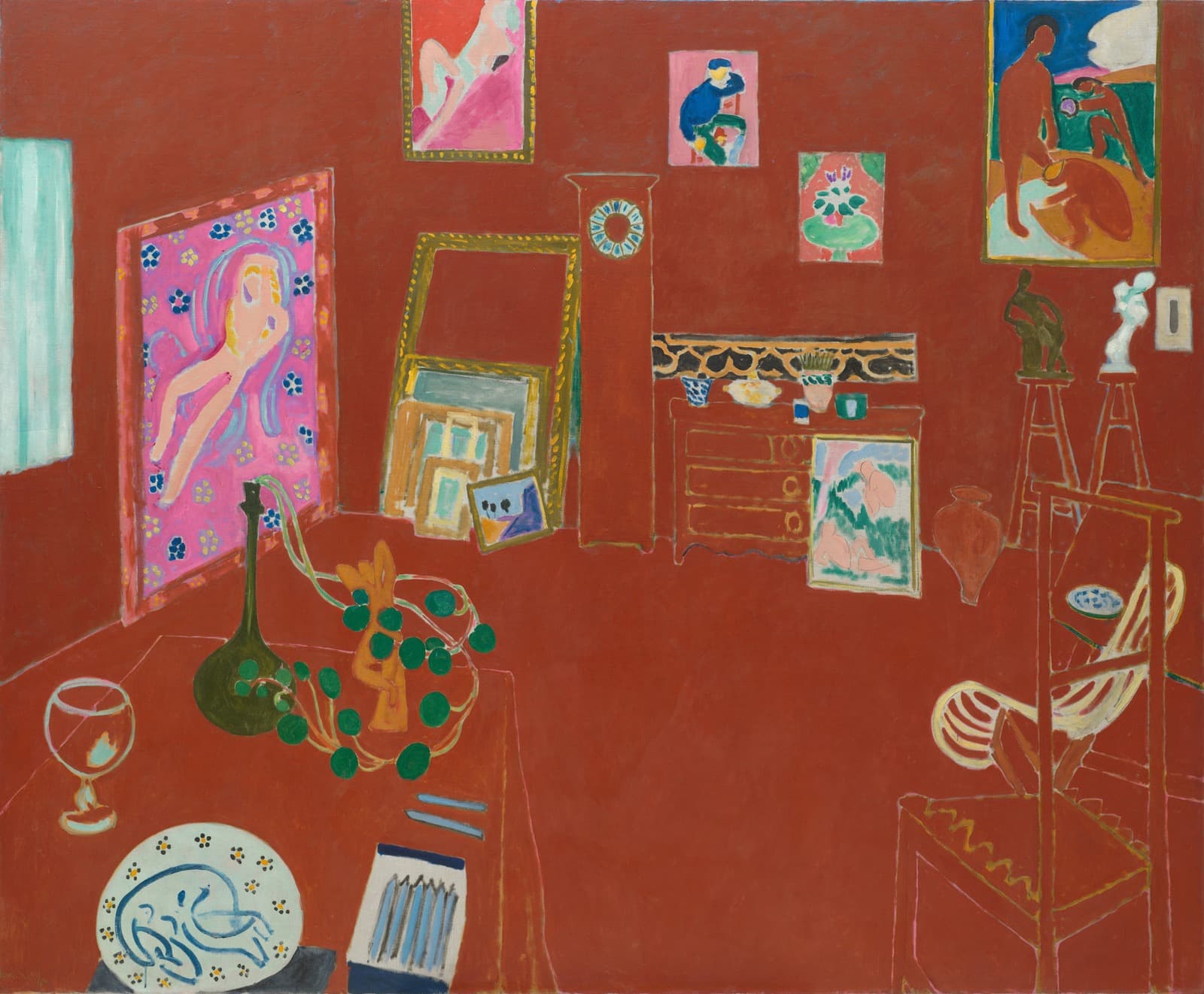
If you like Henri Matisse
Explore painters from the same movements and circles.
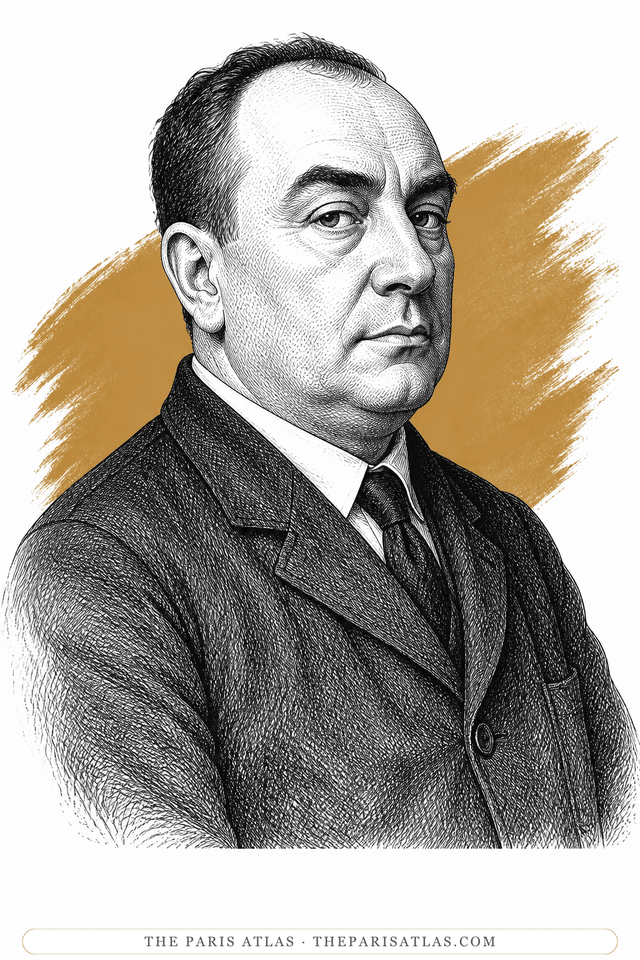
André Derain
French painter who helped invent Fauvism with Henri Matisse at Collioure, translated London into explosive colour, and then turned toward an increasingly classical art.
View artist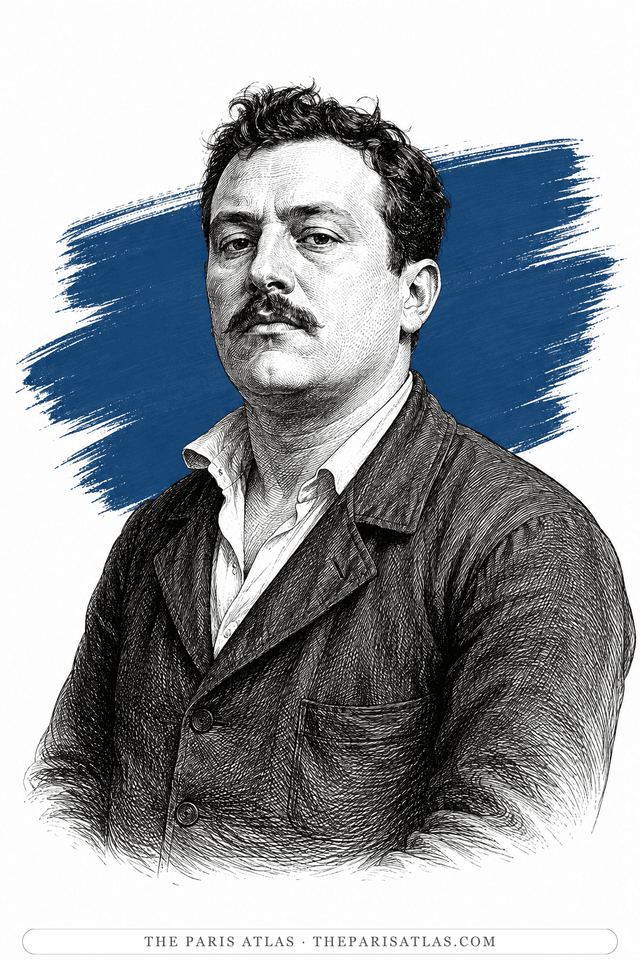
Maurice de Vlaminck
Self-taught French painter whose intense colour and forceful brushwork around Chatou made him one of Fauvism’s central figures.
View artist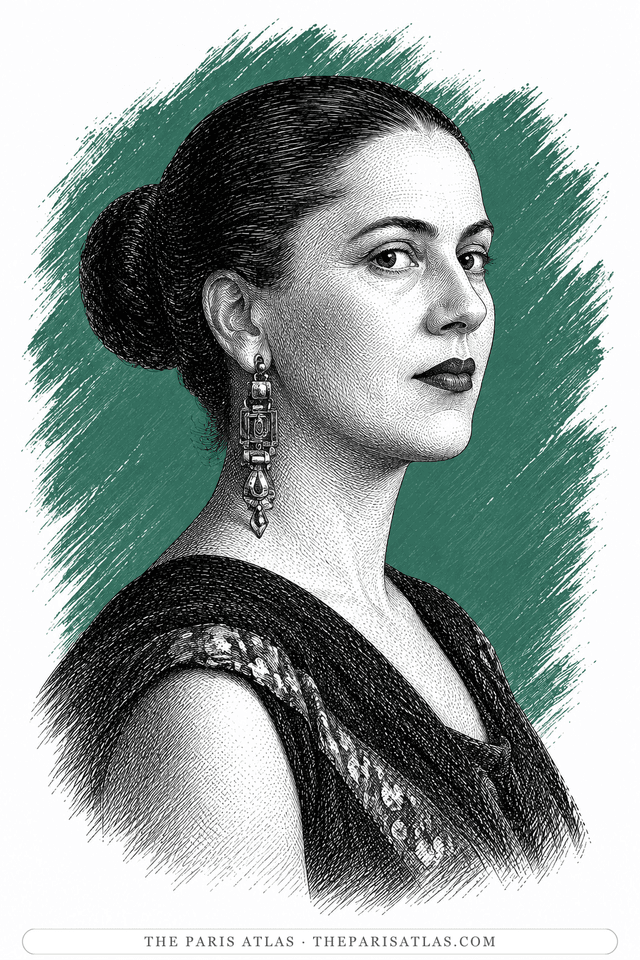
Tarsila do Amaral
Brazilian painter who spent the 1920s moving between São Paulo and Paris, studied Cubism under André Lhote, Albert Gleizes and Fernand Léger, and used what she learned to paint Brazilian towns, railways, plants and bodies. Her 1928 painting Abaporu prompted the manifesto that gave the Anthropophagic movement its name.
View artist
References
The sources below include collection records, catalogues, scholarly research, and primary materials that informed this page. They document Woman with a Hat, its making, and its place in cultural history.

1Femme au chapeau (Woman with a Hat), 1905 — SFMOMA
WebsiteSan Francisco Museum of Modern ArtUsed forWeb source consulted for documented facts and historical context presented on the Woman with a Hat page.
2Matisse’s Femme au chapeau: From Scandal to Icon
WebsiteSan Francisco Museum of Modern ArtUsed forWeb source consulted for documented facts and historical context presented on the Woman with a Hat page.
3Henri Matisse (1869–1954)
WebsiteThe Metropolitan Museum of ArtUsed forWeb source consulted for documented facts and historical context presented on the Woman with a Hat page.
4Fauvism
WebsiteThe Metropolitan Museum of ArtUsed forWeb source consulted for documented facts and historical context presented on the Woman with a Hat page.
These references provide the documented foundation for this work's history and interpretation. Claim-level citations remain attached to the specific claims they support.
 Explore more resources