The Paris AtlasCharting the artists, works, and places worth returning to.

Gertrude Stein

Writer, collector, and host of the rue de Fleurus salon where modern art and the Lost Generation were curated in the same room.

2 books on our shelves

In images

Details

Lived
1874–1946
Born
3 February 1874
Birthplace
Allegheny, Pennsylvania
Died
27 July 1946 · aged 72
Place of death
Neuilly-sur-Seine, France
Nationality
American
Partner
Alice B. Toklas · 1907–1946
Roles
AuthorSalon hostPatron
Also known as
Baby Woojums

About Gertrude Stein

Gertrude Stein was born in Allegheny, Pennsylvania in 1874 and raised mostly in Oakland, California — the town she later fixed forever with 'there is no there there.' She studied psychology under William James at Radcliffe, got most of the way through medical school at Johns Hopkins, and walked away from both; in 1903 she joined her brother Leo in Paris, at 27 rue de Fleurus. There the two began buying canvases almost nobody else would hang — Cézanne, Matisse, Picasso — until the atelier wall became, in effect, the first museum of modern art. When visitors protested that Picasso's 1906 portrait of her didn't look like her, the story goes, he replied that it would.

The Saturday-evening salon at the rue de Fleurus made her the hostess and referee of the modern movement, with Alice B. Toklas — her companion from 1907 until the end of her life — beside her. Her own writing ran ahead of even the paintings: the three working-women's lives of Three Lives (1909), the word-cubism of Tender Buttons (1914), the vast The Making of Americans (1925). In the twenties she took a particular hand with the young Ernest Hemingway — she and Toklas were godmothers to his son — and the sentence he set at the front of The Sun Also Rises, 'You are all a lost generation,' entered the language credited to her in conversation.

Public fame arrived only in 1933, when she told her own story in her companion's voice: The Autobiography of Alice B. Toklas became a bestseller and carried her back across the Atlantic for a triumphant 1934 lecture tour, her first American visit in three decades. She stayed in France through both wars, met the arriving GIs of 1944 with a notebook open, and died at Neuilly-sur-Seine in July 1946; she is buried at Père Lachaise. As Toklas remembered it, she asked from the operating table, 'What is the answer?' — and, getting silence, 'In that case, what is the question?'

Gertrude Stein, illustrated

A few scenes from Stein's Paris years, drawn for The Paris Atlas — illustrations, not photographs.

Gertrude Stein in her salon.
Gertrude Stein with Alice B. Toklas.
Gertrude Stein among guests at her salon.
Gertrude Stein writing at a café.
Gertrude Stein at her writing desk.
Gertrude Stein by the Seine bookstalls.
Beneath the picture wall at the rue de Fleurus, her own portrait among the cubists.
Holding the room, which is what the salon was for.
With a book, at home.
Being taken down. She was an interviewer's gift and knew it.
At a café table, mid-argument.
Before Notre-Dame, with the pigeons.
In a Paris park with a pram — she stood as godmother to the Hemingways' son Bumby.
With Alice in St Mark's Square — the two of them travelled as constantly as they entertained.
At the lectern. She toured America lecturing in 1934, and filled halls.
Beneath the picture wall — the same scene in the second style.
The salon, in the second style.
With a book, in the second style.
Being taken down, in the second style.
The café table, in the second style.
Notre-Dame, in the second style.
Venice, in the second style.
Illustrations — The Paris Atlas

Life events

  1. 1874

    Born 3 February in Allegheny, Pennsylvania; raised mostly in Oakland, California — the town she fixed forever with 'there is no there there.'

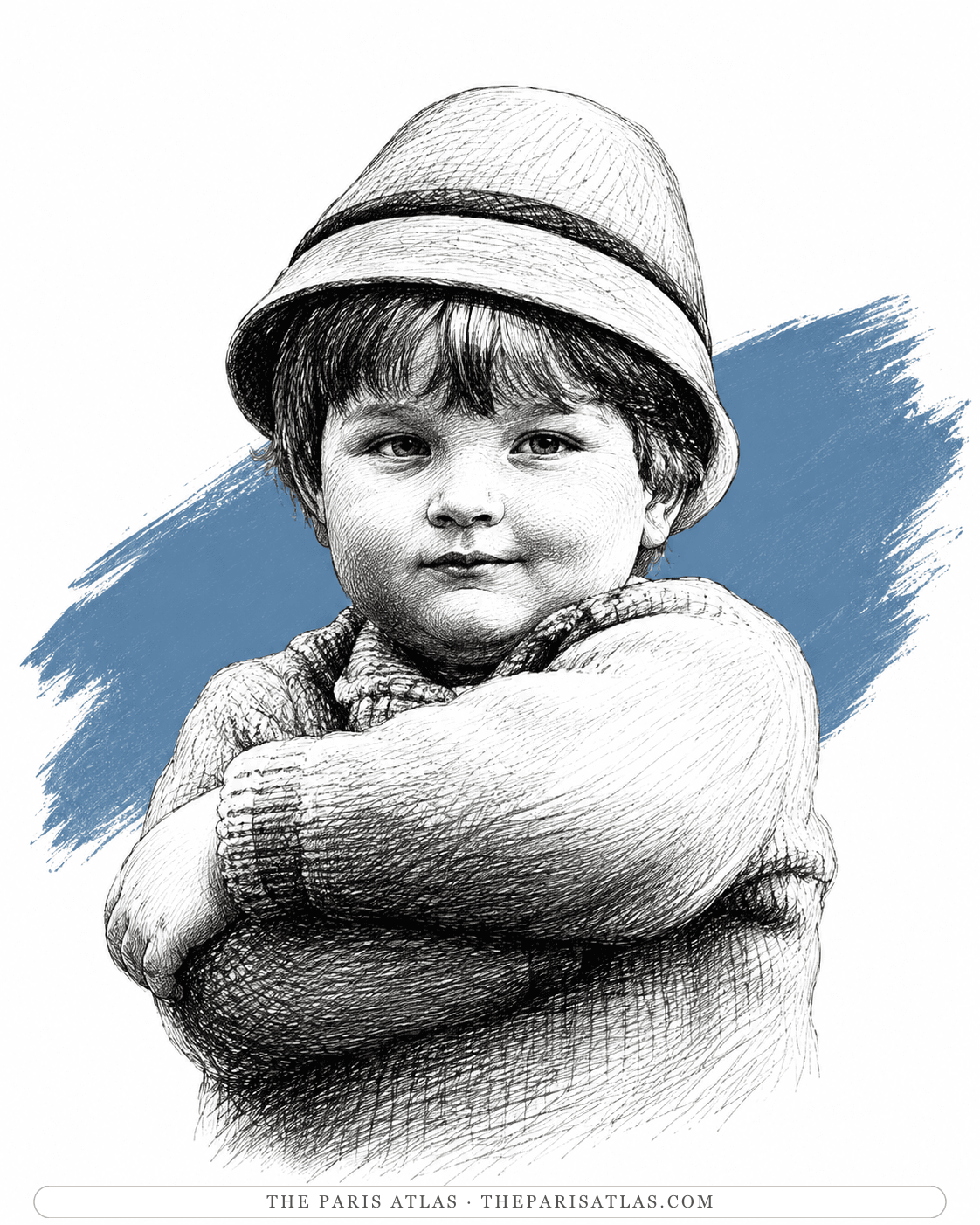
    Gertrude Stein at three — the youngest of the five Stein children, a quarter century before the rue de Fleurus. (Photographer unknown)

    Gertrude Stein, The Autobiography of Alice B. Toklas (1933)

  2. 1893

    Radcliffe, studying psychology under William James — the teacher she quoted for the rest of her life.

    Gertrude Stein, The Autobiography of Alice B. Toklas (1933)

  3. 1897

    Johns Hopkins medical school — most of the way through, and then, deliberately, not.

    Gertrude Stein, The Autobiography of Alice B. Toklas (1933)

  4. 1903

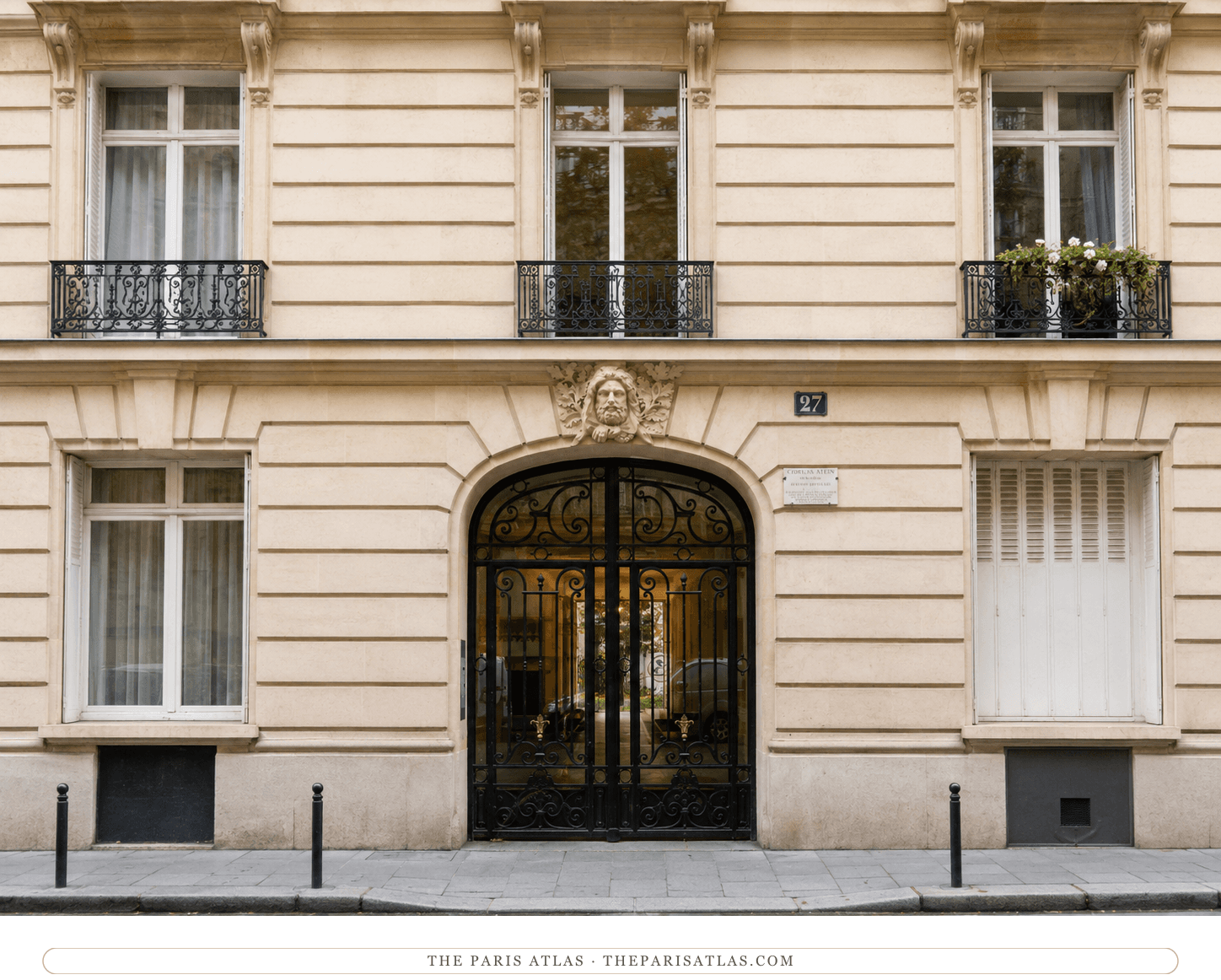
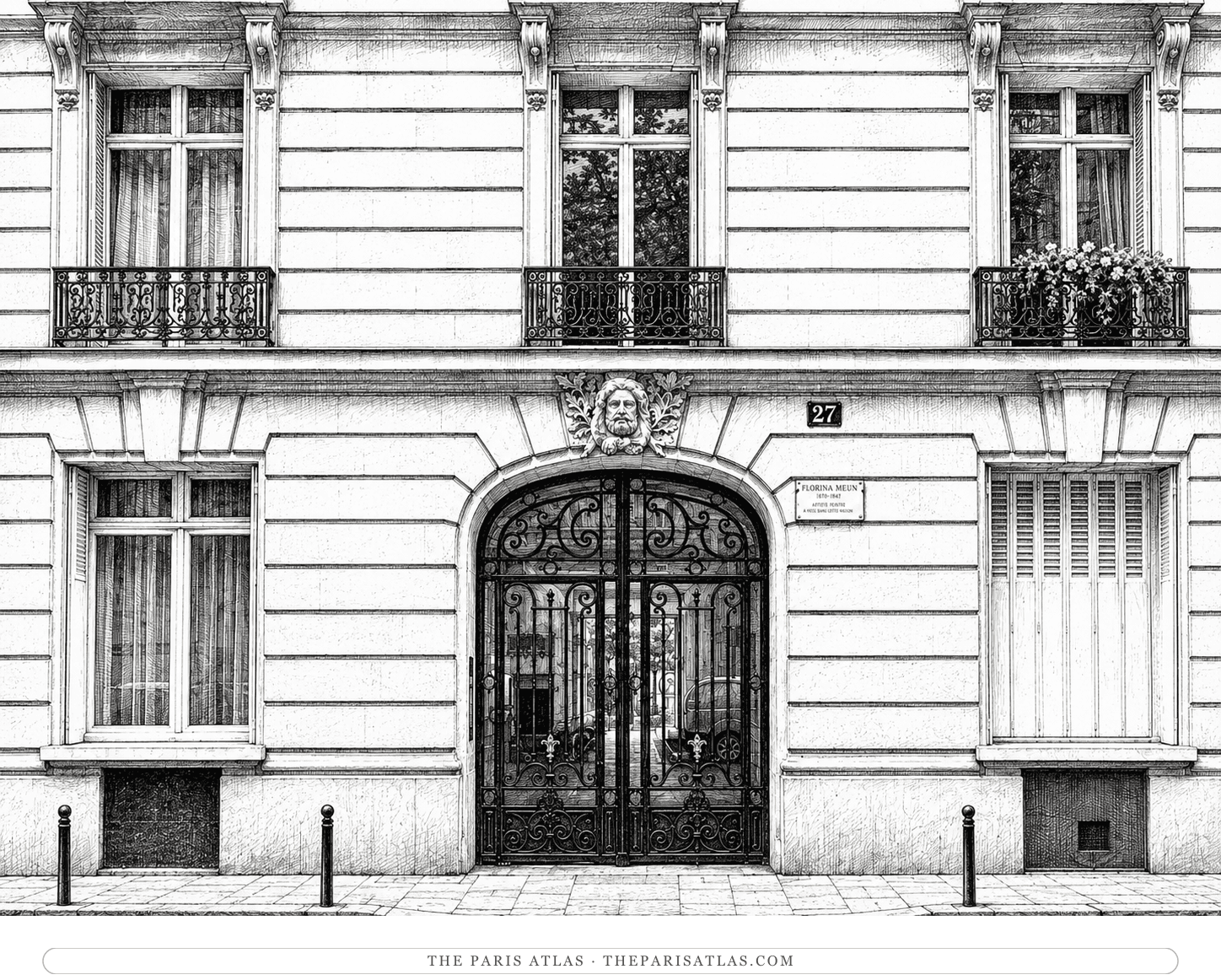
    Joins her brother Leo in Paris, at 27 rue de Fleurus — the address the century keeps returning to.

    Gertrude Stein, The Autobiography of Alice B. Toklas (1933)

  5. 1905

    The atelier walls begin to fill: Cézanne, Matisse, Picasso — canvases almost nobody else would hang, becoming in effect the first museum of modern art.

    The Steins in the courtyard of 27 rue de Fleurus, c. 1905 — Leo, nephew Allan, Gertrude, Theresa Ehrman, and Sarah and Michael Stein, in the first years of the collection. (Bancroft Library, University of California, Berkeley)

    Gertrude Stein, The Autobiography of Alice B. Toklas (1933)

  6. 1905–1906

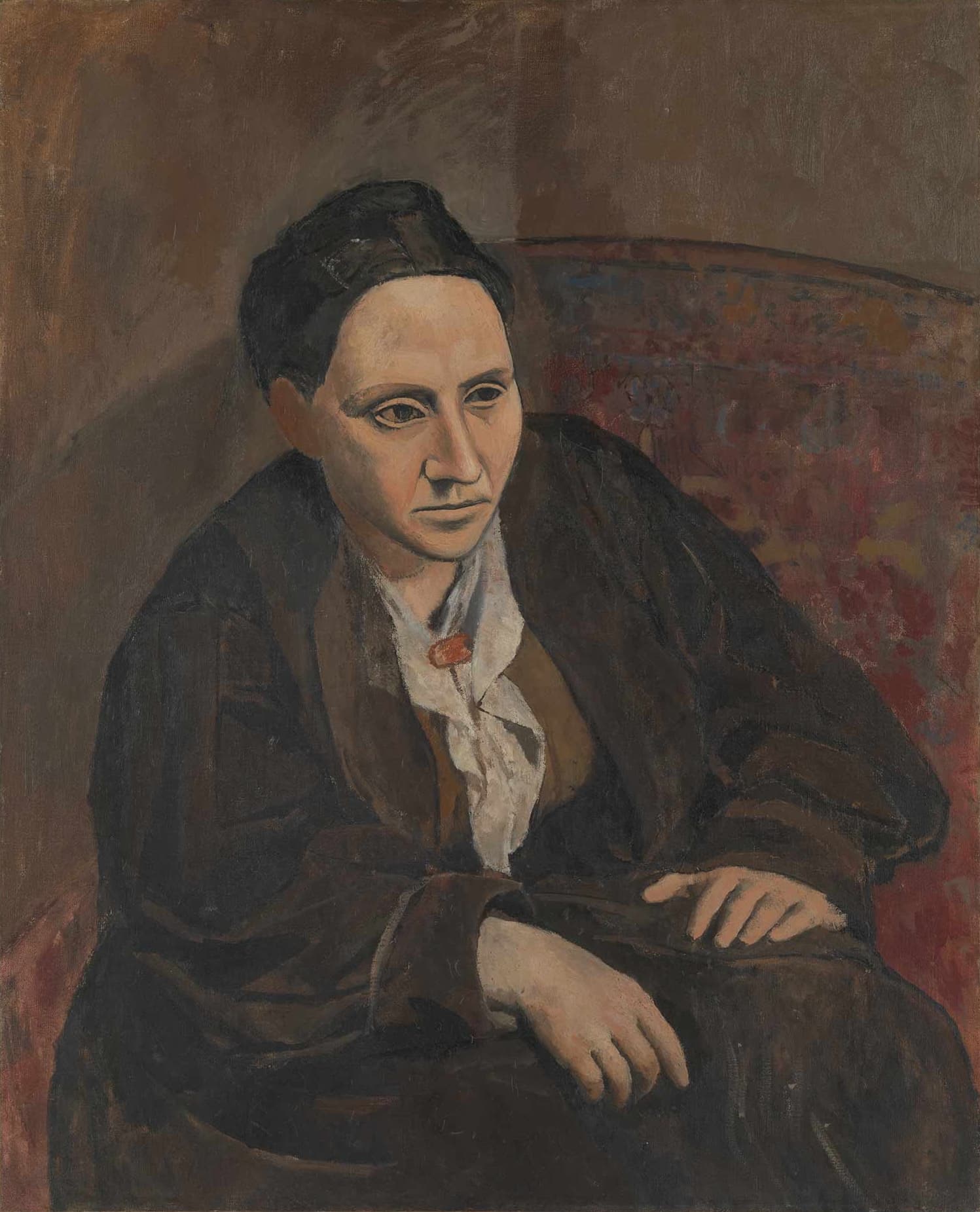
    Picasso paints her portrait over some ninety sittings. Told it doesn't look like her, he answers that it will.

    Picasso's portrait of Gertrude Stein, seated in three-quarter view in a brown robe, her face rendered in the mask-like planes he repainted from memoryPainting · in the catalogGertrude Stein1905–6 · Oil on canvas

    Gertrude Stein, The Autobiography of Alice B. Toklas (1933)

  7. 1907

    Alice B. Toklas calls on her first day in Paris — the partnership of the era begins with a bell only Toklas could hear.

    Alice B. Toklas, What Is Remembered (1963); Gertrude Stein, The Autobiography of Alice B. Toklas (1933)

  8. 1909

    Three Lives — her first book.

    Gertrude Stein, The Autobiography of Alice B. Toklas (1933)

  9. 1910

    Toklas joins the household at the rue de Fleurus for good.

    Gertrude Stein, The Autobiography of Alice B. Toklas (1933)

  10. 1914

    Tender Buttons — the still lifes that rearranged modern writing, an hour long and unmistakably hers.

  11. 1922

    Man Ray photographs the household in the atelier — the salon now an institution. That winter a young Hemingway starts calling, letter of introduction in hand.

    Stein and Toklas in the atelier at 27 rue de Fleurus, photographed by Man Ray, 1922 — the paintings floor to ceiling, the two of them at either side of the hearth. (Man Ray)

    Ernest Hemingway, A Moveable Feast (1964)

  12. 1924

    Godmother to the Hemingways' son Bumby — the instruction extended to a second generation.

    Stein with her godson Jack 'Bumby' Hemingway in Paris — she and Toklas stood godmothers to Hemingway's son in 1924. (John F. Kennedy Presidential Library and Museum)

    Carlos Baker, Ernest Hemingway: A Life Story (1969)

  13. 1925

    The Making of Americans finally printed — the thousand-page book Toklas had typed, a decade after its writing.

    Gertrude Stein, The Autobiography of Alice B. Toklas (1933)

  14. 1930

    The Plain Edition: Toklas publishes the backlog no house would take, financed by a Picasso off the wall.

    Stein on the sofa in the rue de Fleurus studio, 1930 — beneath the collection the room was famous for. (Wide World Photos, Library of Congress)

    Gertrude Stein, The Autobiography of Alice B. Toklas (1933)

  15. 1933

    The Autobiography of Alice B. Toklas — her own story in her companion's voice, and fame, at last, at fifty-nine.

    Gertrude Stein, The Autobiography of Alice B. Toklas (1933)

  16. 1934–1935

    The American lecture tour: her first return in thirty years — six months of packed halls, opera boxes, and newspapermen asking her to talk the way she wrote.

    Stein photographed by Carl Van Vechten in New York, 4 November 1934 — during the American lecture tour he had long urged her to make. (Carl Van Vechten, Library of Congress)
  17. 1938

    The rue de Fleurus given up after thirty-five years, for a flat on the rue Christine.

    Alice B. Toklas, What Is Remembered (1963)

  18. 1939–1944

    The war in the countryside at Bilignin and Culoz, improbably undisturbed; Wars I Have Seen (1945) tells it.

    Alice B. Toklas, What Is Remembered (1963)

  19. 1946

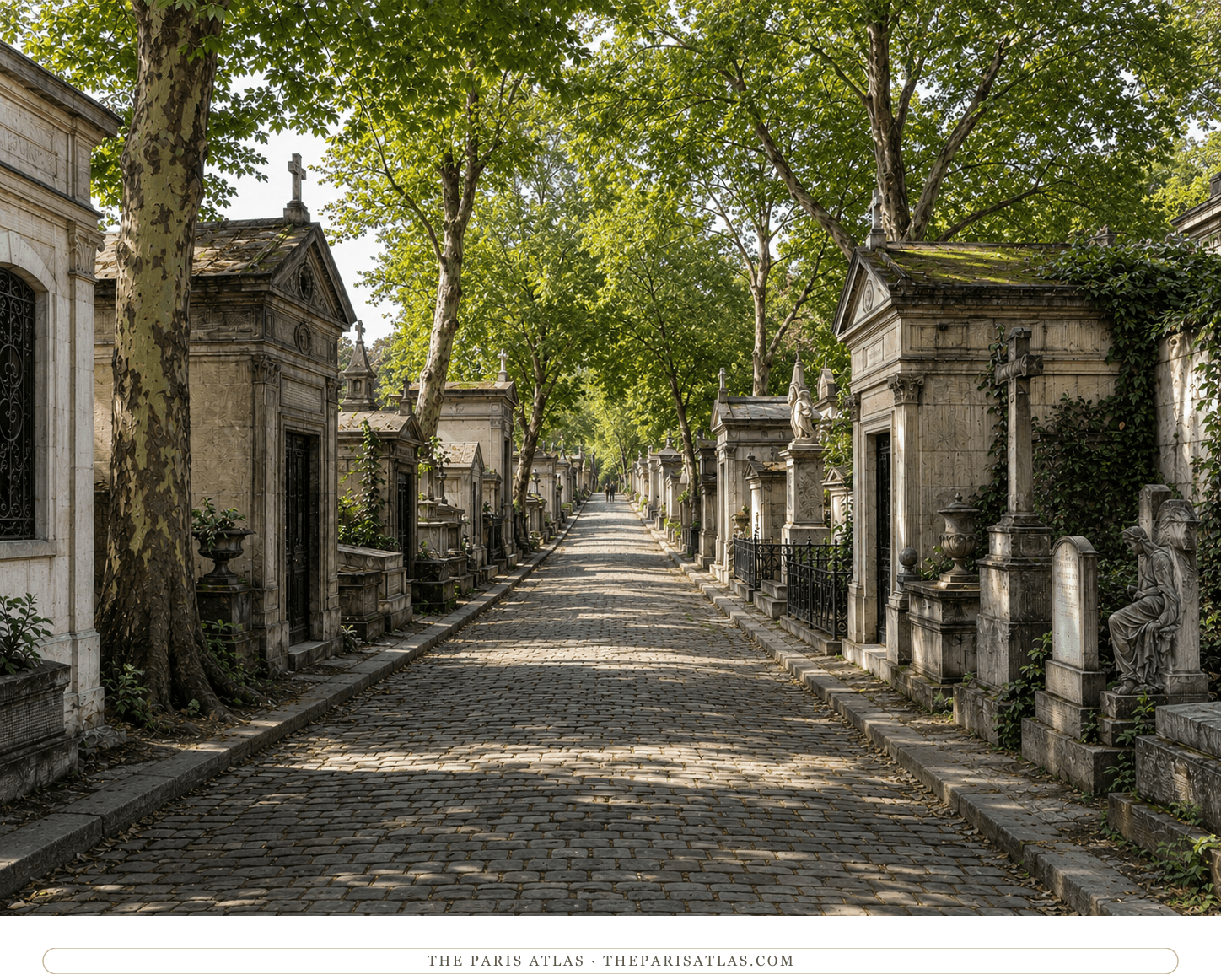
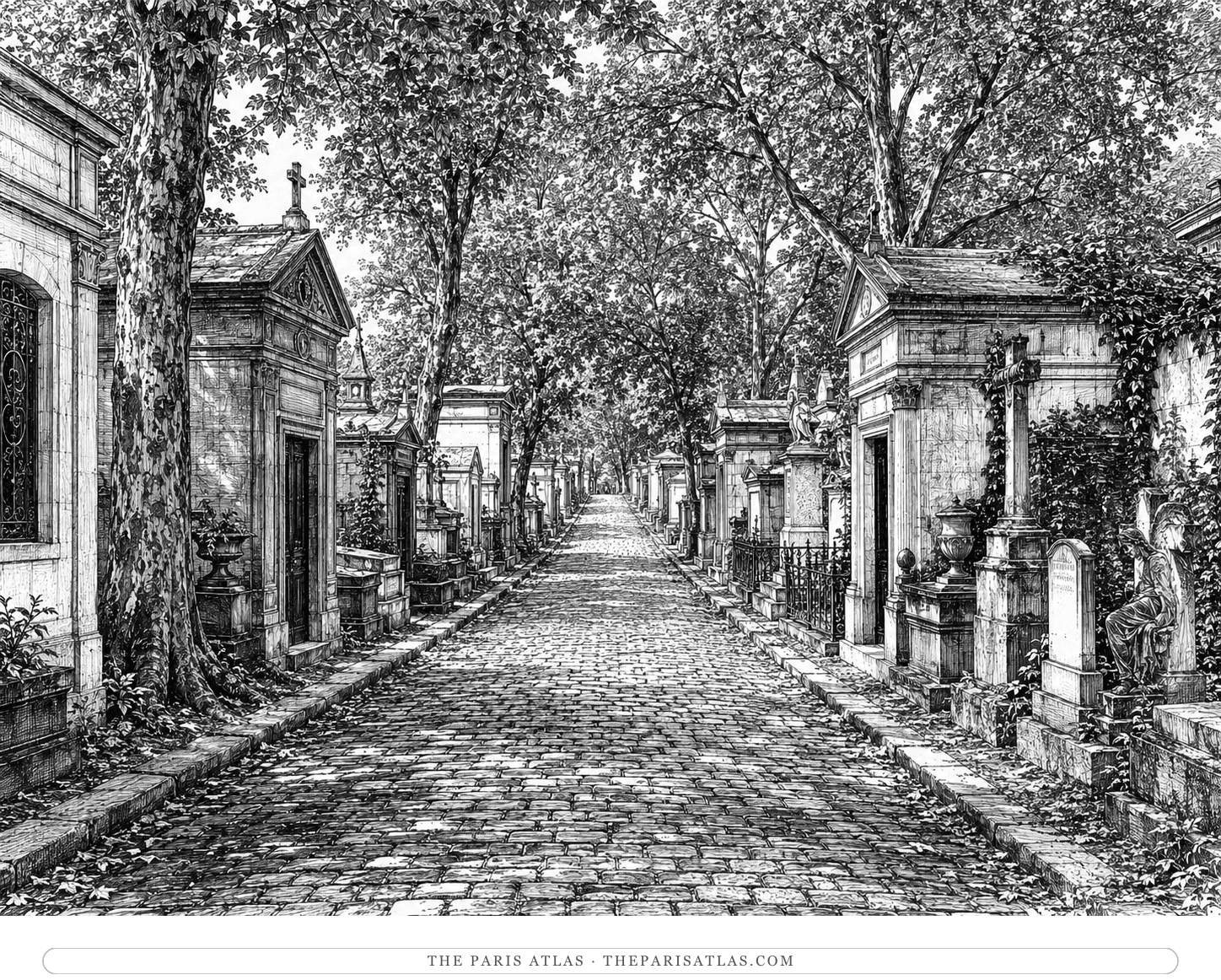
    Dies 27 July at Neuilly-sur-Seine. Buried at Père Lachaise — where Toklas's name would later join the back of the headstone.

    Alice B. Toklas's name, engraved on the reverse of Gertrude Stein's headstone at Père Lachaise. (Photograph by Abraham Aronow)

    Alice B. Toklas, What Is Remembered (1963)

Featured in these books

Cover of A Moveable Feast by Ernest Hemingway

A Moveable Feast

by Ernest Hemingway

How Gertrude appears in its pages: Hostess of 27 rue de Fleurus, where he was instructed on writing, painting, and much else — and the relay for the epigraph's 'lost generation.'

The full portrait — Gertrude Stein in A Moveable Feast

Hostess of 27 rue de Fleurus, where he was instructed on writing, painting, and much else — and the relay for the epigraph's 'lost generation.'

Who they are in the book

Spoiler-free

Miss Stein holds court beneath the Cézannes and Picassos at 27 rue de Fleurus, and the book's young narrator walks over whenever the work allows — for the eau-de-vie, the pictures, and the instruction. She teaches him what to look at and what to cut, tells him to buy paintings instead of clothes, and hands the era its name by relaying a garage owner's complaint about the war generation: they are all a lost generation, she says, and he puts it at the front of a novel.

What she wants, in the memoir's sharp-eyed telling, is recognition on her own terms — publication in the big magazines, official standing to match her private authority — and loyalty from the young men she instructs. The portrait gives her real brilliance and real warmth before it gives her anything else; the friendship is one of the book's pleasures while it lasts.

How the book draws them

  • The presenceBig without being tall, dressed like a peasant matriarch from the north of Italy, with a mobile face, beautiful eyes, and thick living hair worn up — until the famous crop that left it looking Roman and imperial.
  • The talkA monologuist of genius: the visits run on her voice, and the young narrator mostly pours the eau-de-vie and listens.
  • The house rulesThe salon had commandments — admire the pictures, accept the instruction, and mention Joyce twice and you would not be asked back.
  • The vocabularyHer verdicts arrive in collector's terms: an early story is dismissed as the kind of painting no dealer could hang — unshowable, whatever its other virtues.
  • The roomOne of the warmest places in Paris: the big stove, the cakes, the fruit brandies poured without stinting, and walls that amounted to a private museum of modern painting.
  • The garage storyThe era's name arrives secondhand: a garage owner's rebuke to a slow young mechanic — a lost generation, all of them — relayed by Stein and enlarged into a verdict on everyone who'd been to the war.

At a glance

In the book
'Miss Stein' — salon hostess, collector, and writing instructor
Where she appears
'Miss Stein Instructs,' 'Une Génération Perdue,' and 'A Strange Enough Ending'
The real person
Gertrude Stein · 1874–1946 · Allegheny, Pennsylvania — raised in Oakland, California
Their ending, and the commentary — spoilers aheadHow the book leaves them, and what the record says. Open when you're ready.

'A Strange Enough Ending' is exactly that: the friendship ends not with an argument but with something overheard. Calling at the rue de Fleurus one morning, Hemingway hears Stein's companion speaking to her upstairs as he has never heard one person speak to another, and Stein pleading in reply. He leaves without seeing her, and the book says the friendship was never the same. The companion goes unnamed in the chapter; she was Alice B. Toklas, who outlived Stein by twenty-one years.

The break was mutual and public in real life — Stein mocked Hemingway's toughness in The Autobiography of Alice B. Toklas in 1933, and the memoir's portrait, written after her death in 1946, is his last word in a quarrel that ran three decades. Readers should weigh both versions: each writer claimed to have taught the other, and neither account is disinterested.
More people from A Moveable Feast

The character Gertrude inspired

Cover of Three Lives by Gertrude Stein

Three Lives

by Gertrude Stein

Miss Mathilda is invented, drawn from Gertrude: Anna's last and favourite employer — large, cheerful, careless with money, and Gertrude Stein's portrait of herself.

Read the character guide

In art

Works in our catalog with Gertrude as their subject.

Picasso's portrait of Gertrude Stein, seated in three-quarter view in a brown robe, her face rendered in the mask-like planes he repainted from memory

Artwork reproduction

Painting · Rose Period · toward Cubism

Gertrude Stein

Pablo Picasso · 1905–6 · Oil on canvas

Painted through eighty or ninety sittings at Picasso's Bateau-Lavoir studio, the portrait joins Stein's massive, calmly seated body to a face radically reinvented in 1906. She hung it above the fireplace at 27 rue de Fleurus, where it became both her public image and a threshold on Picasso's road to Cubism.

The Metropolitan Museum of Art

Pablo Picasso, Gertrude Stein, 1905–6. The Metropolitan Museum of Art. Image: public domain (US).

People they knew

Documented connections — every one carries its source.

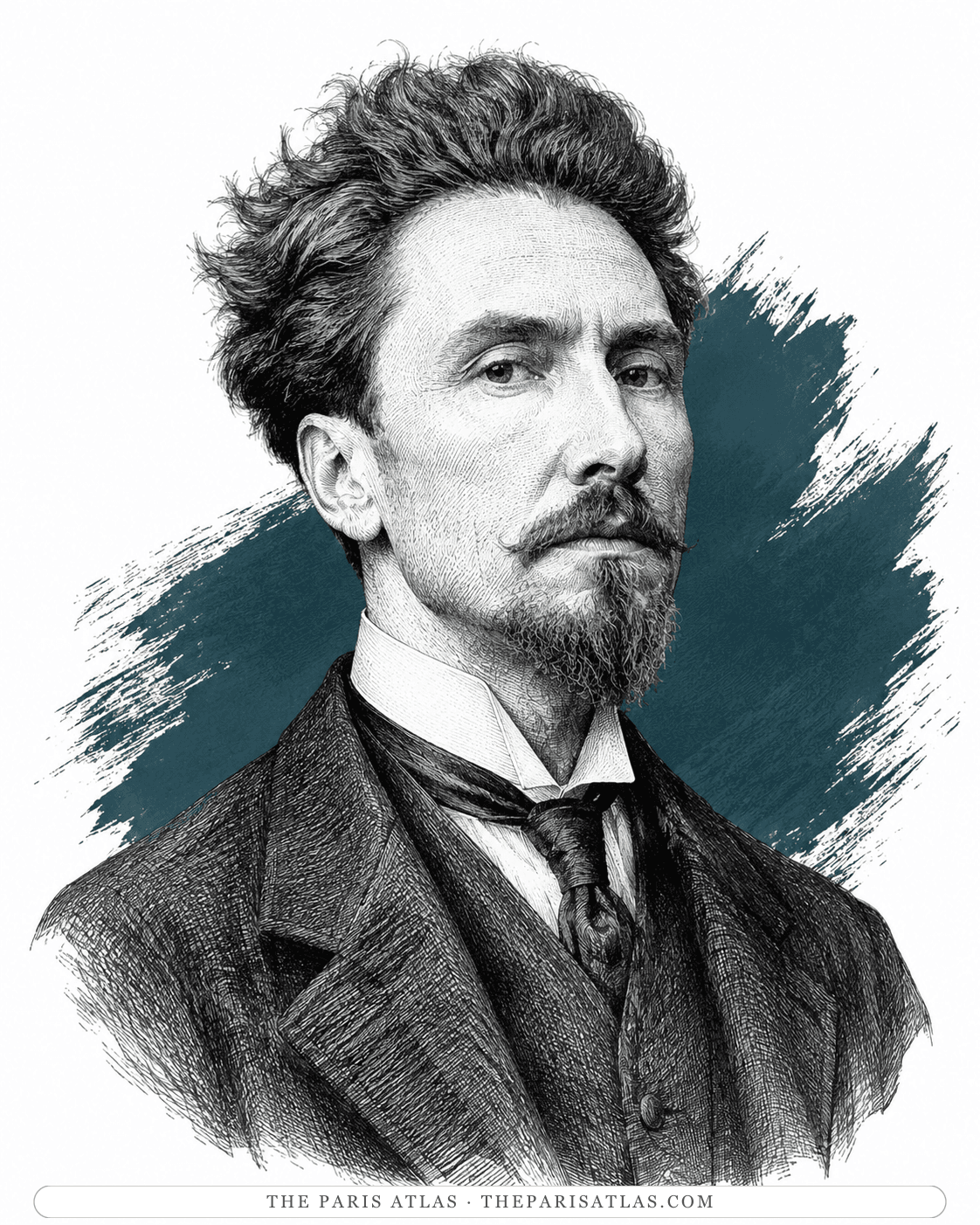
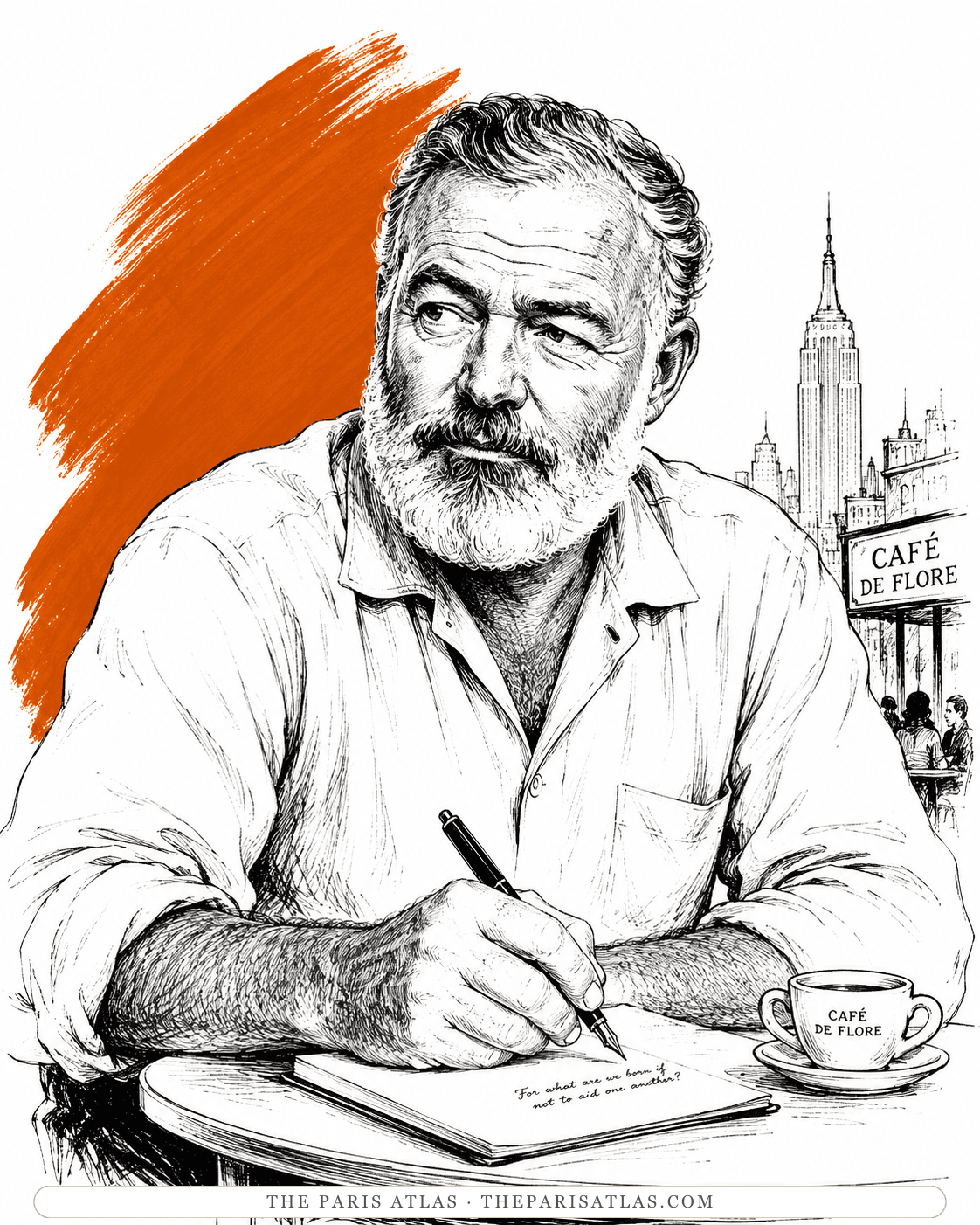
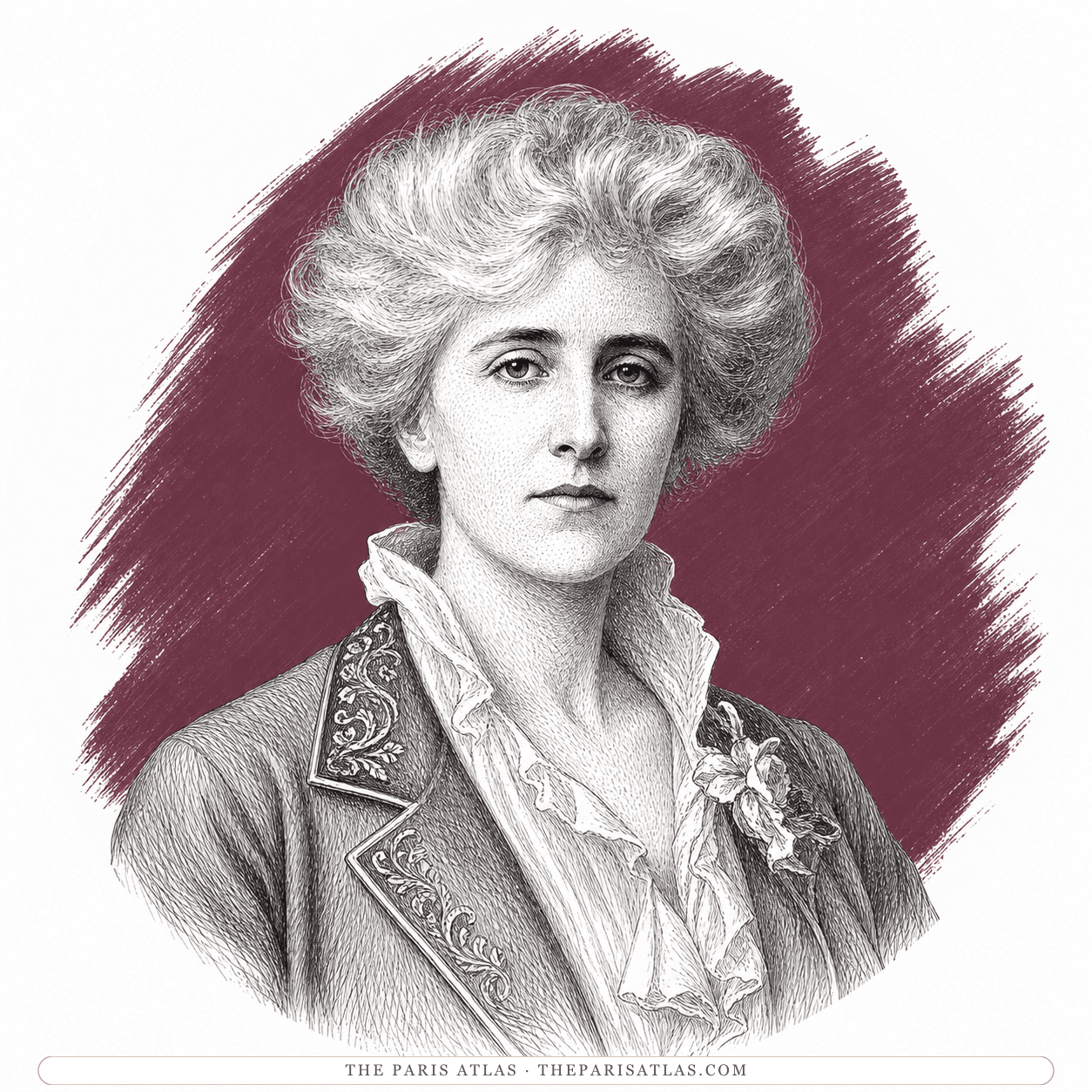
Illustrated portrait of Ernest Hemingway

Ernest Hemingway

  • Author
  • Journalist

Mentored · 1922

Instruction and encouragement at the rue de Fleurus salon — including the era's most quoted put-down, which he repaid with a book title and a memoir portrait.

Gertrude Stein, The Autobiography of Alice B. Toklas (1933); Ernest Hemingway, A Moveable Feast (1964)

Met · 1922

The apprenticeship at 27 rue de Fleurus: Sherwood Anderson's letter opened the door in early 1922, and Stein instructed — on writing, painting, and much else — until the friendship curdled into the era's most public literary quarrel.

Ernest Hemingway, A Moveable Feast (1964), 'Miss Stein Instructs'; Gertrude Stein, The Autobiography of Alice B. Toklas (1933)

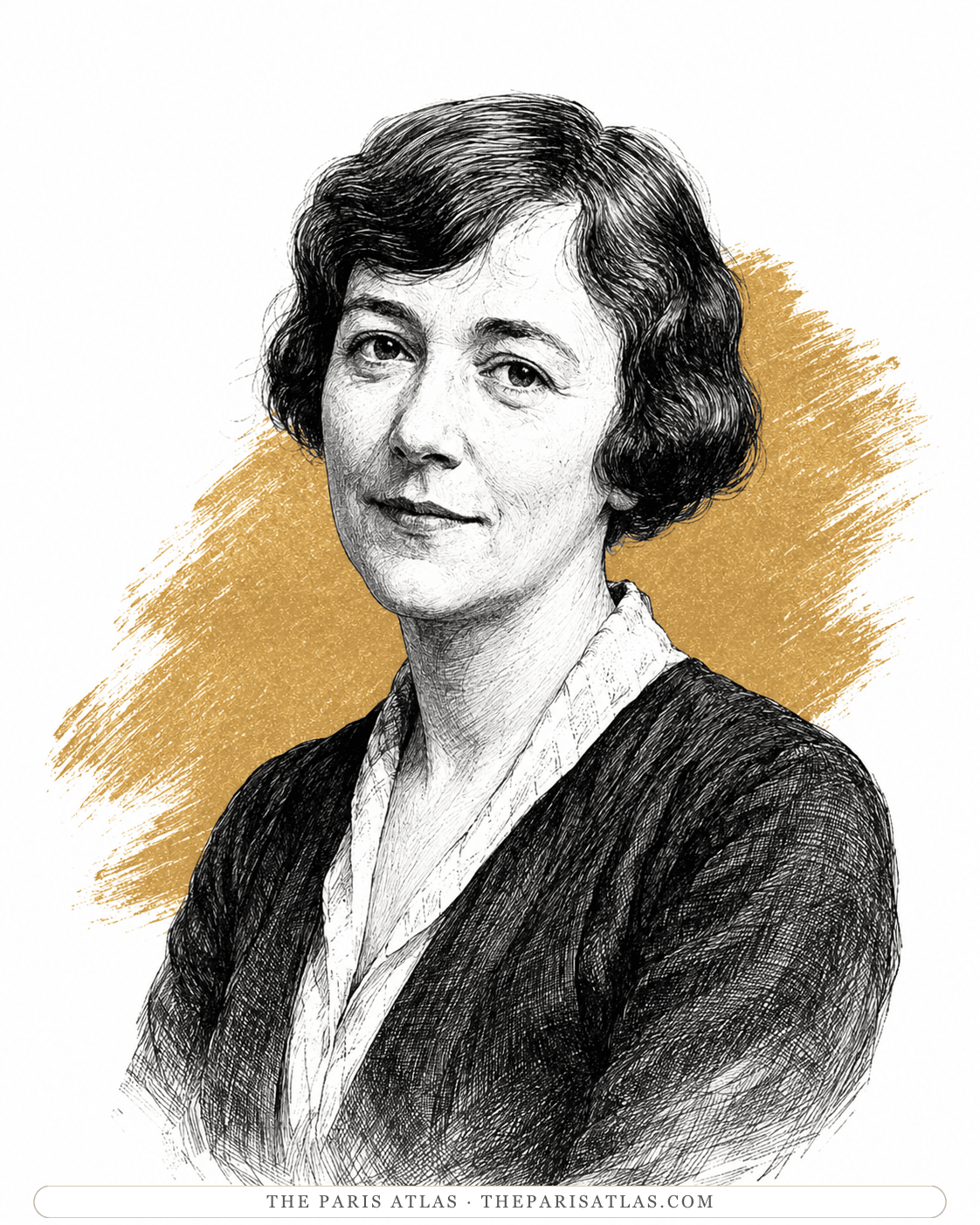
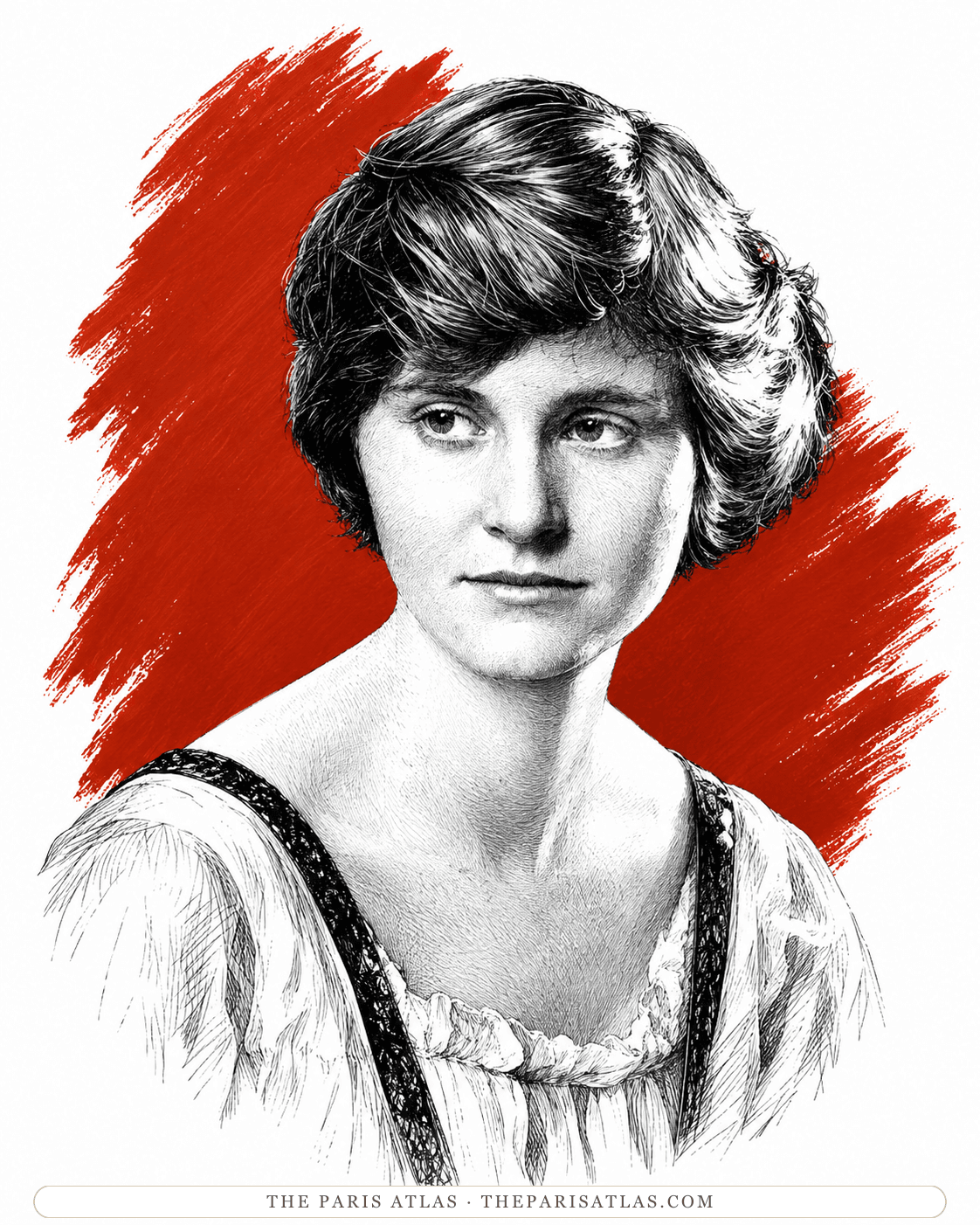
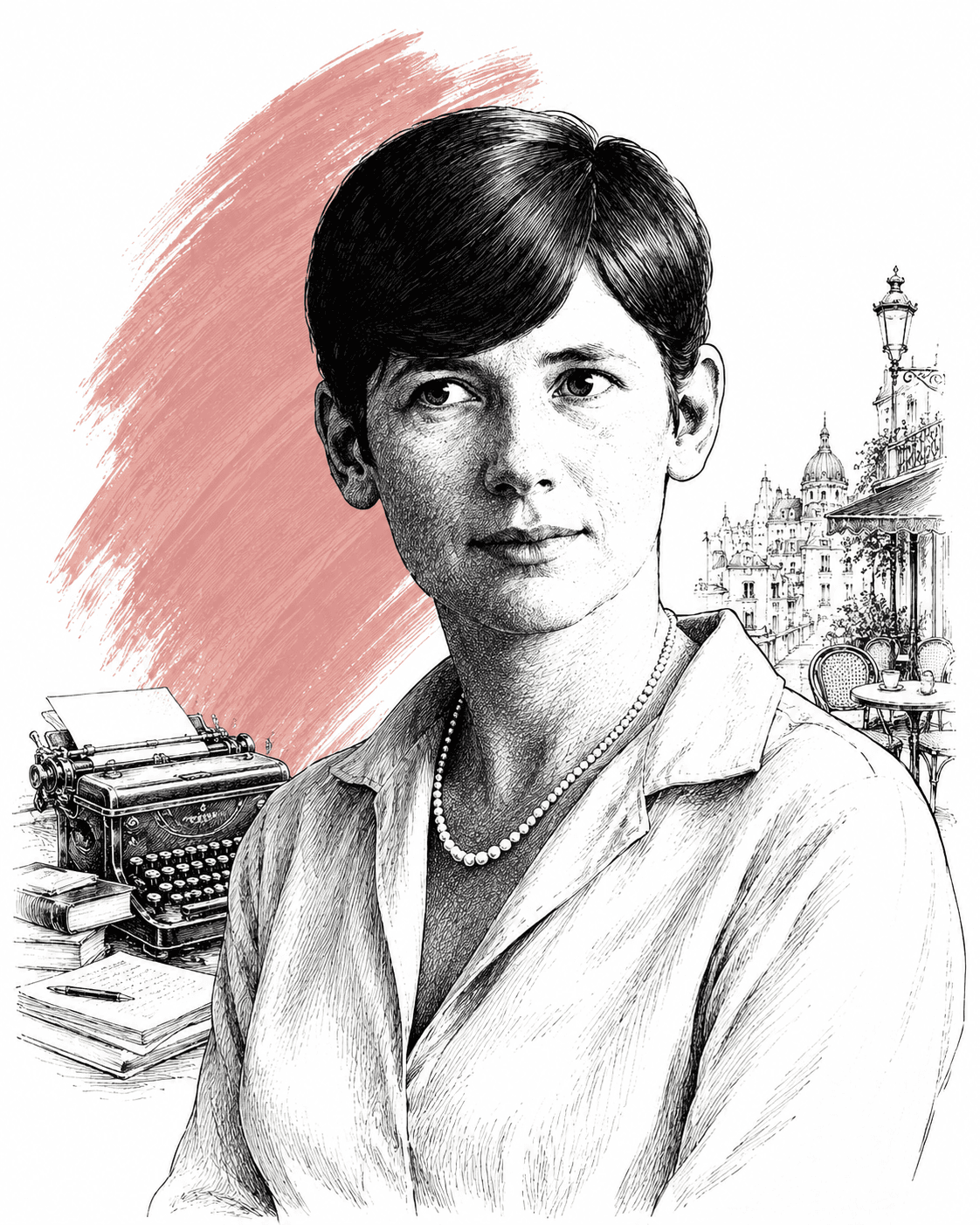
Illustrated portrait of Hadley Richardson

Hadley Richardson

  • Musician

Met · 1922

Hadley came to the rue de Fleurus salon with Hemingway from their first Paris spring, and Stein and Toklas called at the Hemingways' flat in turn to read the early manuscripts — and stood as godmothers when Bumby was born.

Ernest Hemingway, A Moveable Feast (1964); Carlos Baker, Ernest Hemingway: A Life Story (1969)

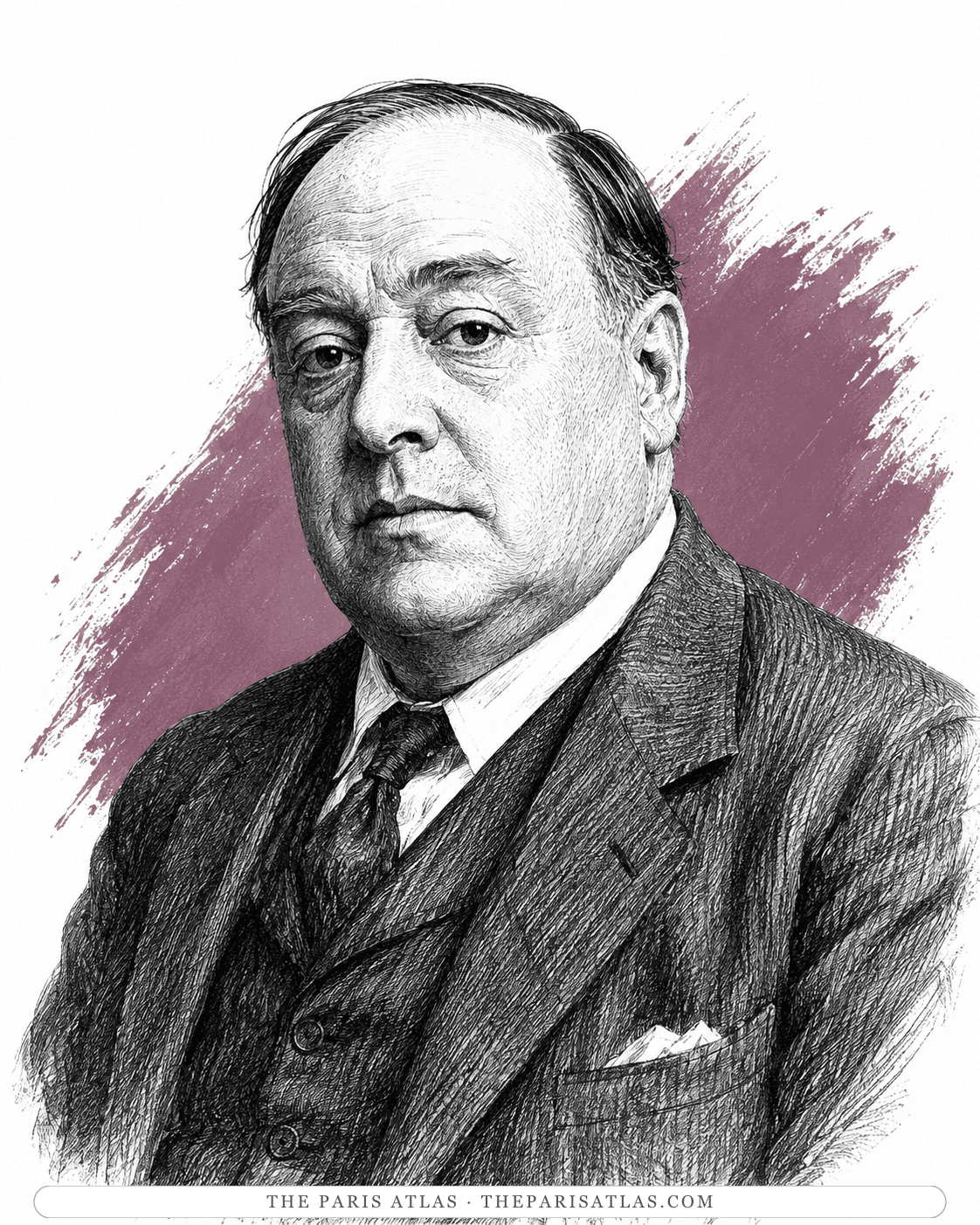
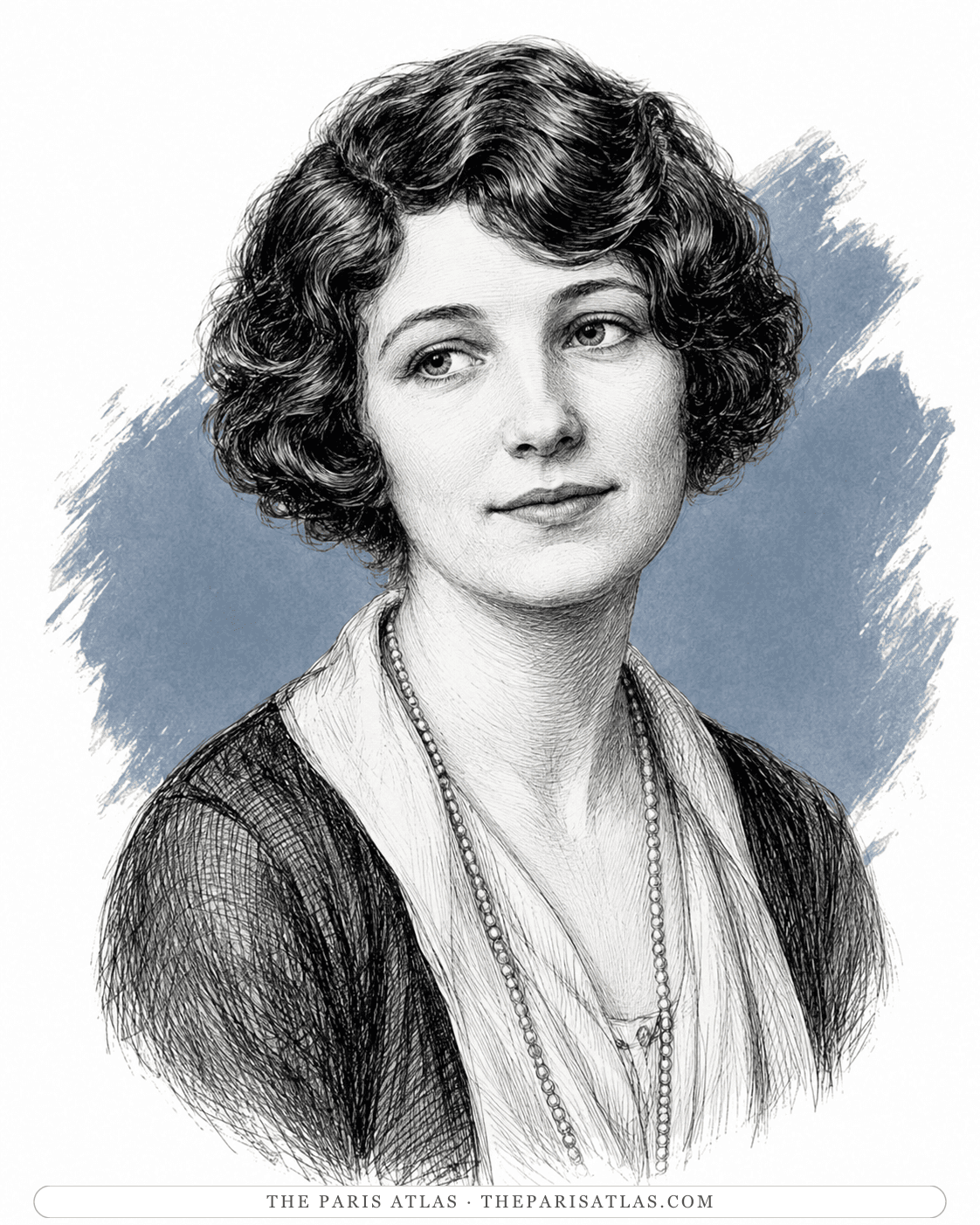
Illustrated portrait of Alice B. Toklas

Alice B. Toklas

  • Salon host
  • Publisher
  • Author

Married to · 1907–1946

From 1907 until Stein's death — the other constant of 27 rue de Fleurus. Companion, editor, publisher of the Plain Edition, and wife in everything but the law of the era; Stein wrote her most famous book in Toklas's voice.

Gertrude Stein, The Autobiography of Alice B. Toklas (1933)

Met · 1907-09

They met on Toklas's first day in Paris — 8 September 1907, at the Michael Steins' apartment on the rue Madame. Toklas's memoir claims she heard a bell ring, her private signal that she had met a genius; it rang, she said, three times in her life.

Alice B. Toklas, What Is Remembered (1963); Gertrude Stein, The Autobiography of Alice B. Toklas (1933)

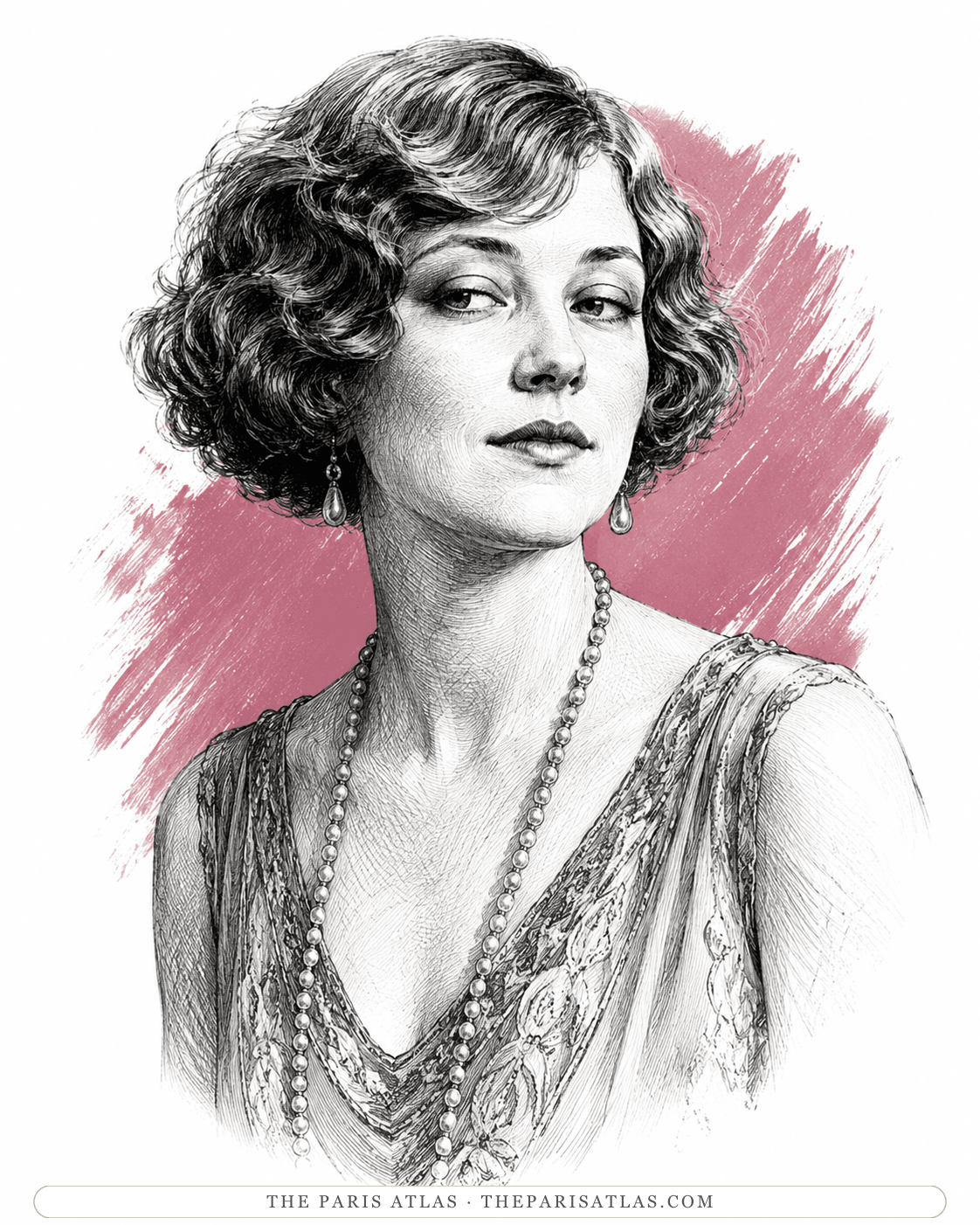
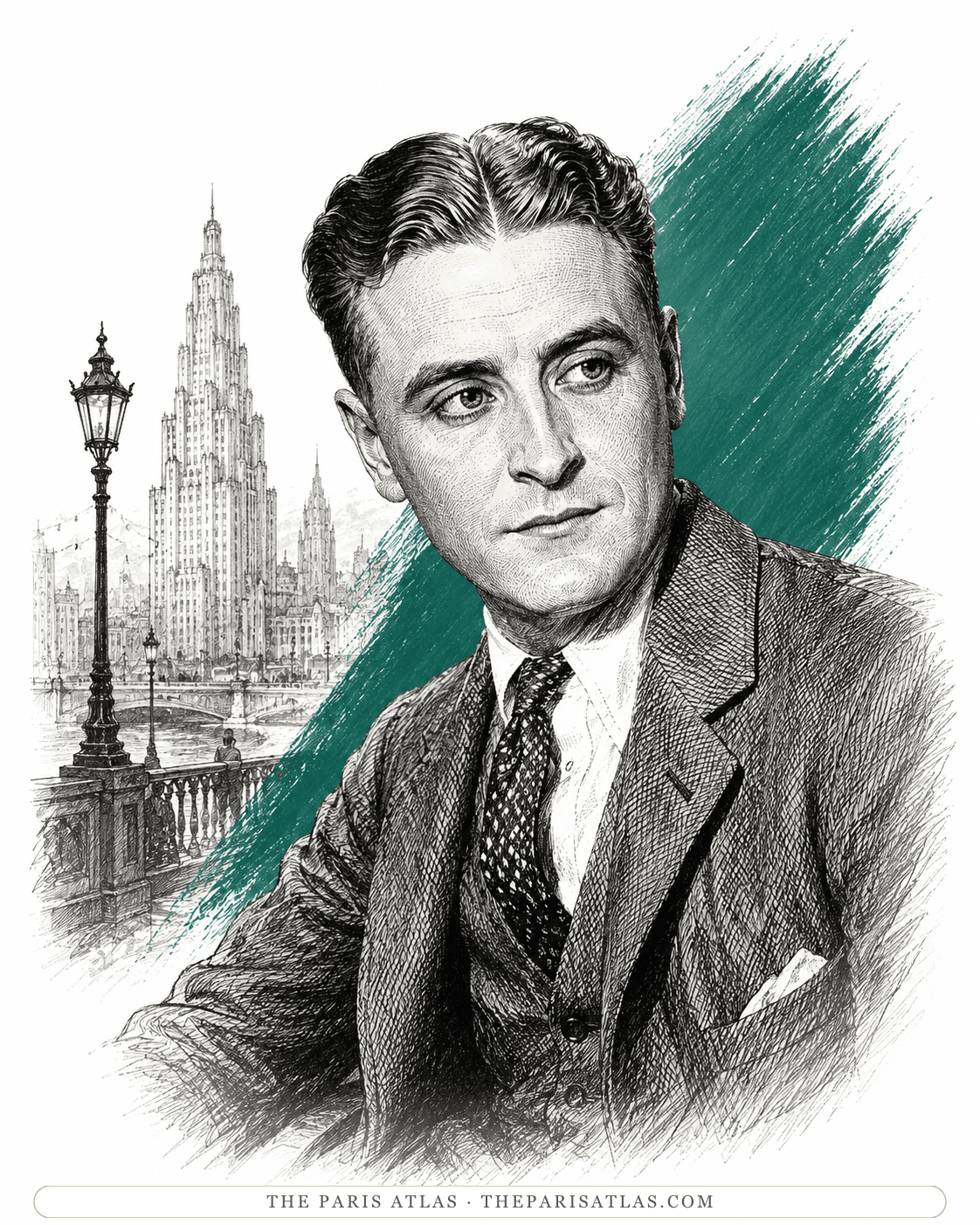
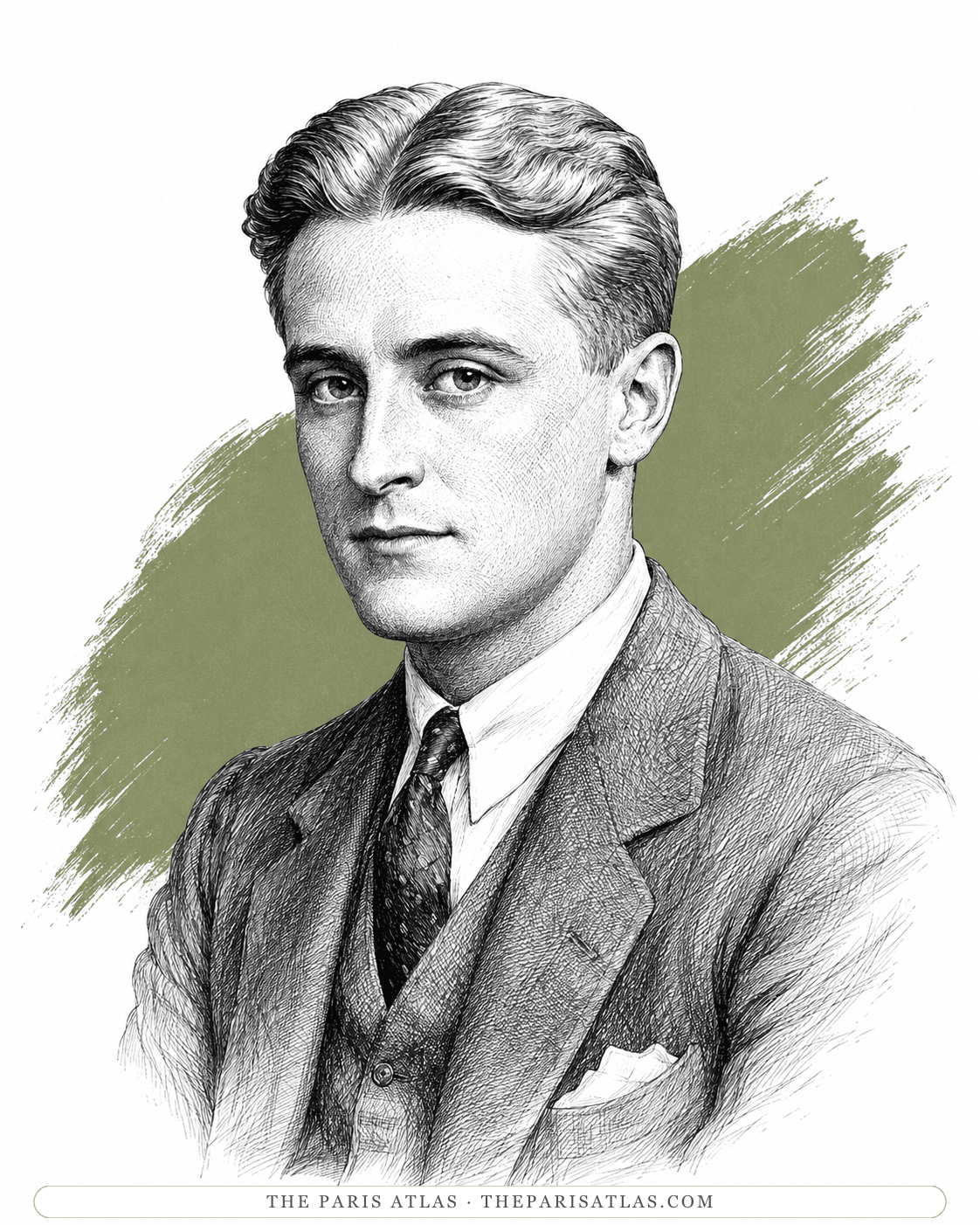
Illustrated portrait of F. Scott Fitzgerald

F. Scott Fitzgerald

  • Author

Met · 1925

The salon received Gatsby's author in 1925 and, unusually, flattered rather than instructed: the Autobiography predicts Fitzgerald will be read when many of his better-known contemporaries are forgotten.

Gertrude Stein, The Autobiography of Alice B. Toklas (1933)

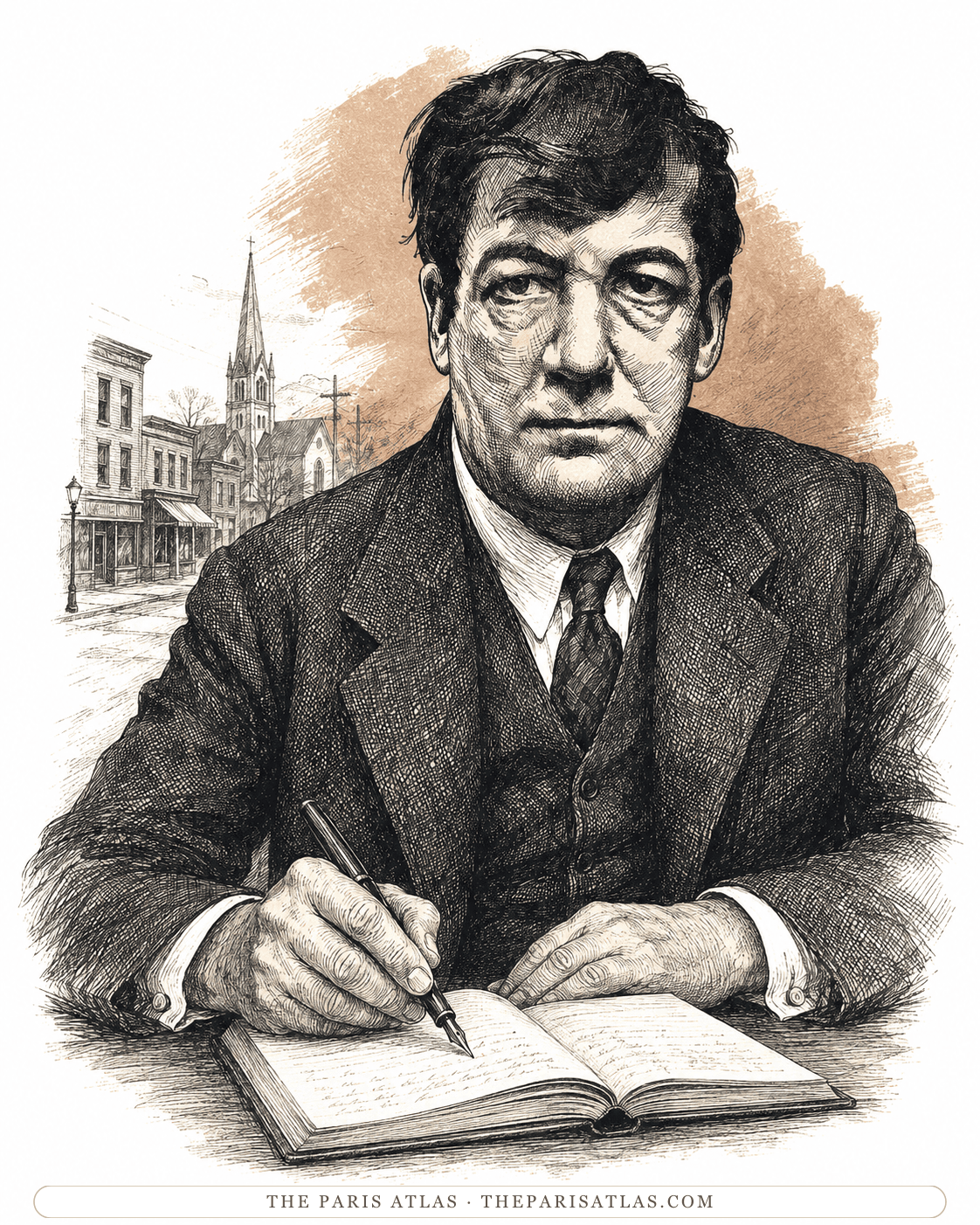
Illustrated portrait of Sherwood Anderson

Sherwood Anderson

  • Author

Met · 1921

Anderson arrived in Paris in 1921 already an admirer and became one of the few writers Stein counted a true friend — the Autobiography sets him apart, and his preface to her Geography and Plays repaid the esteem.

Gertrude Stein, The Autobiography of Alice B. Toklas (1933)

Illustrated portrait of Marie Laurencin

Marie Laurencin

  • Painter
  • Illustrator

Patron of · 1908

Britannica names Stein among the first buyers of Laurencin's work. Her 1908 Group of Artists — Picasso, Fernande Olivier, Apollinaire, and the painter herself — later passed to Claribel Cone and hangs in the Baltimore Museum of Art.

Marie Laurencin — Encyclopaedia Britannica; Group of Artists — The Baltimore Museum of Art

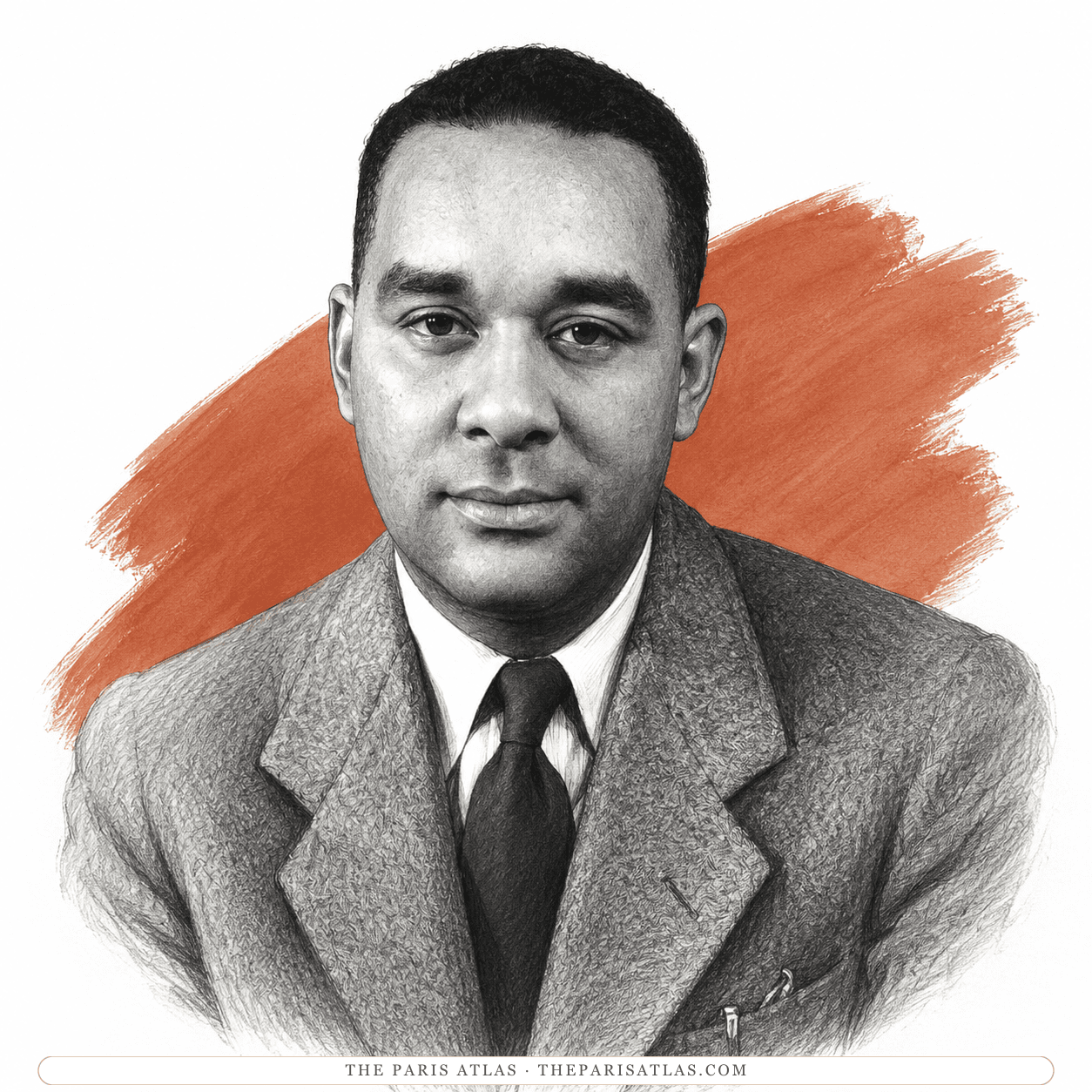
Illustrated portrait of Richard Wright

Richard Wright

  • Author
  • Poet
  • Journalist

Met · 1946

Stein read Native Son and Black Boy and began corresponding with Wright in 1945. After his passport application was refused in January 1946, she helped arrange the official French government invitation that brought him over; he arrived on 9 May 1946 to a room she had reserved at the Hôtel Trianon. The friendship ended with her death that July.

M. Lynn Weiss, Gertrude Stein and Richard Wright: The Poetics and Politics of Modernism (1998); Gertrude Stein and Richard Wright

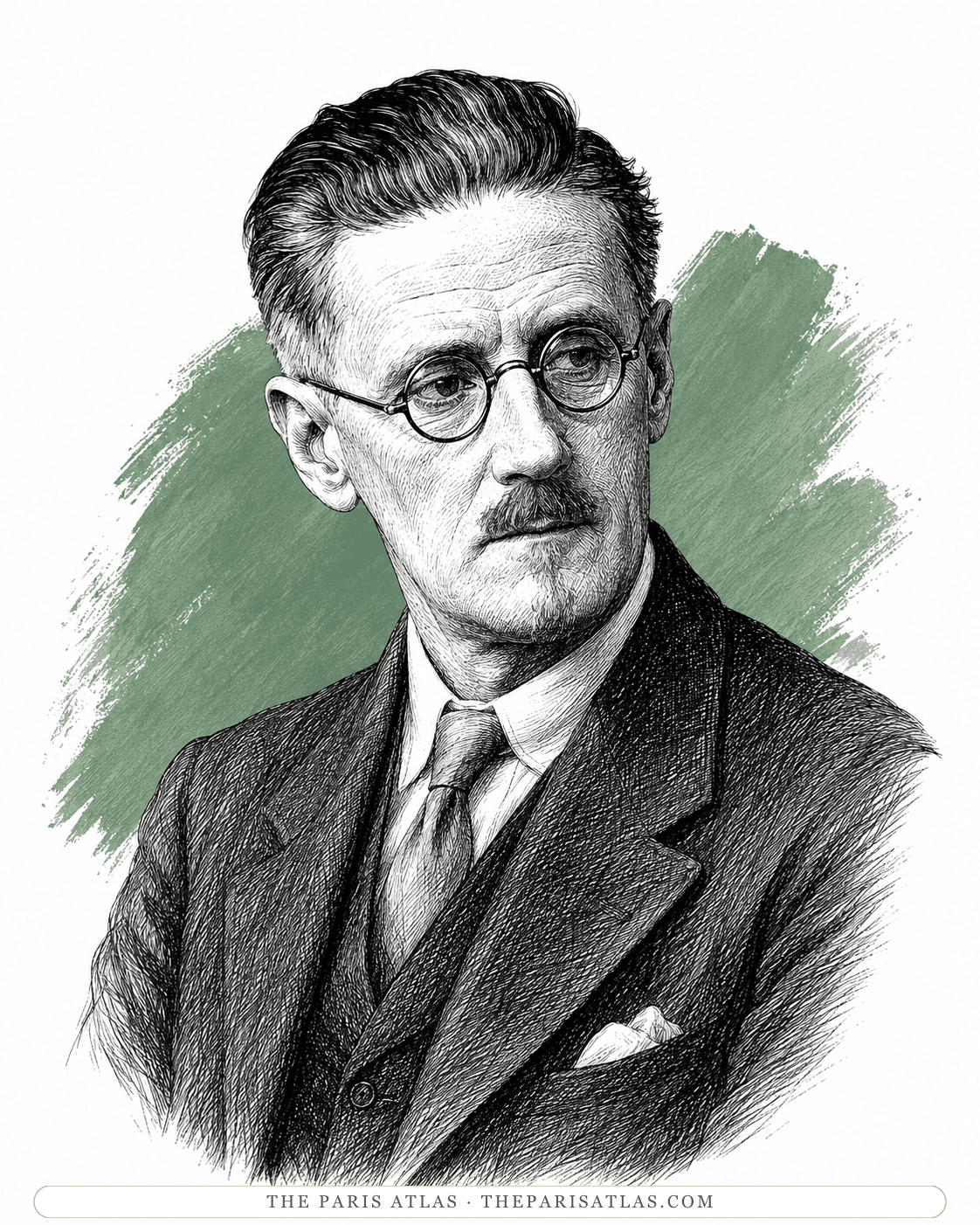
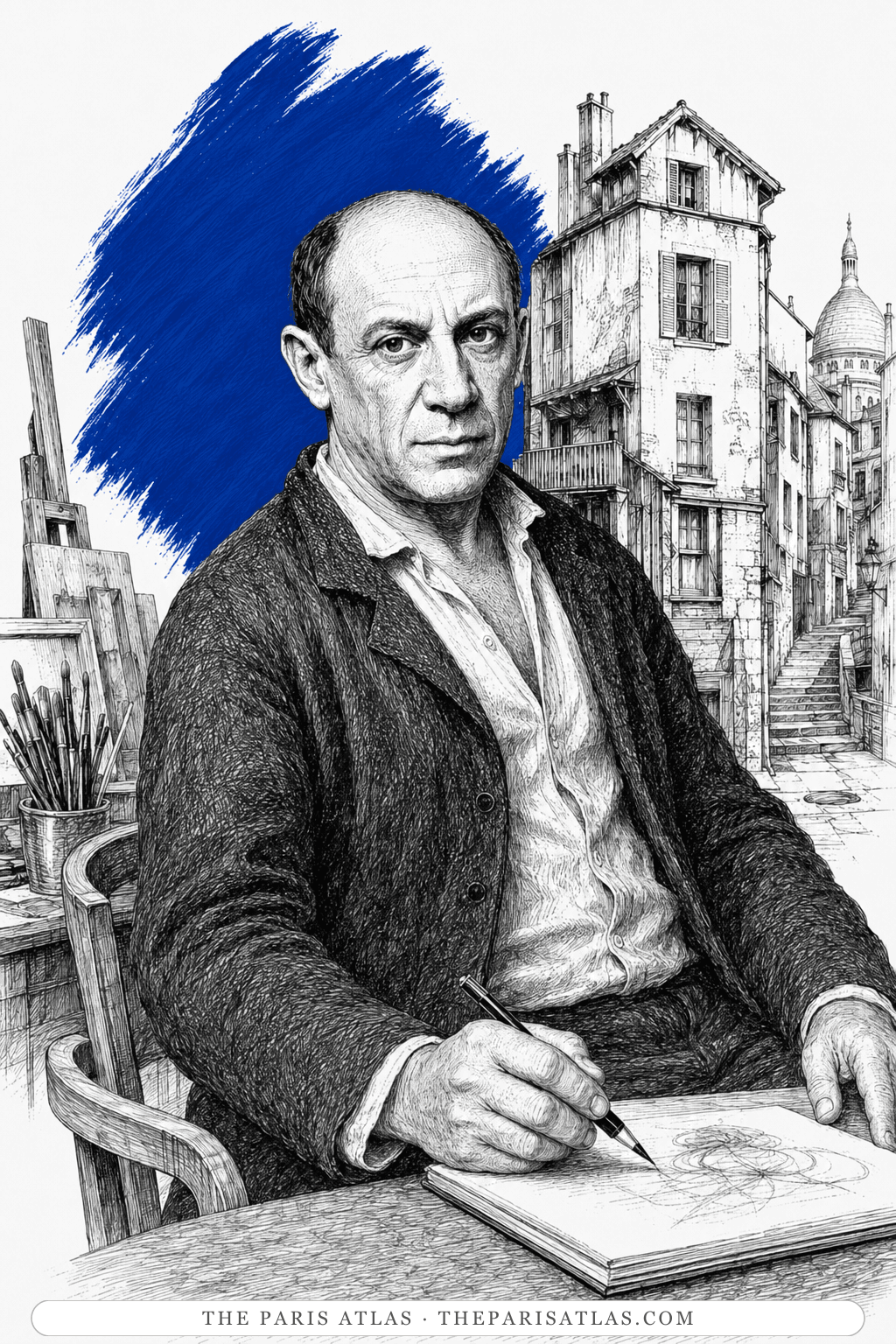
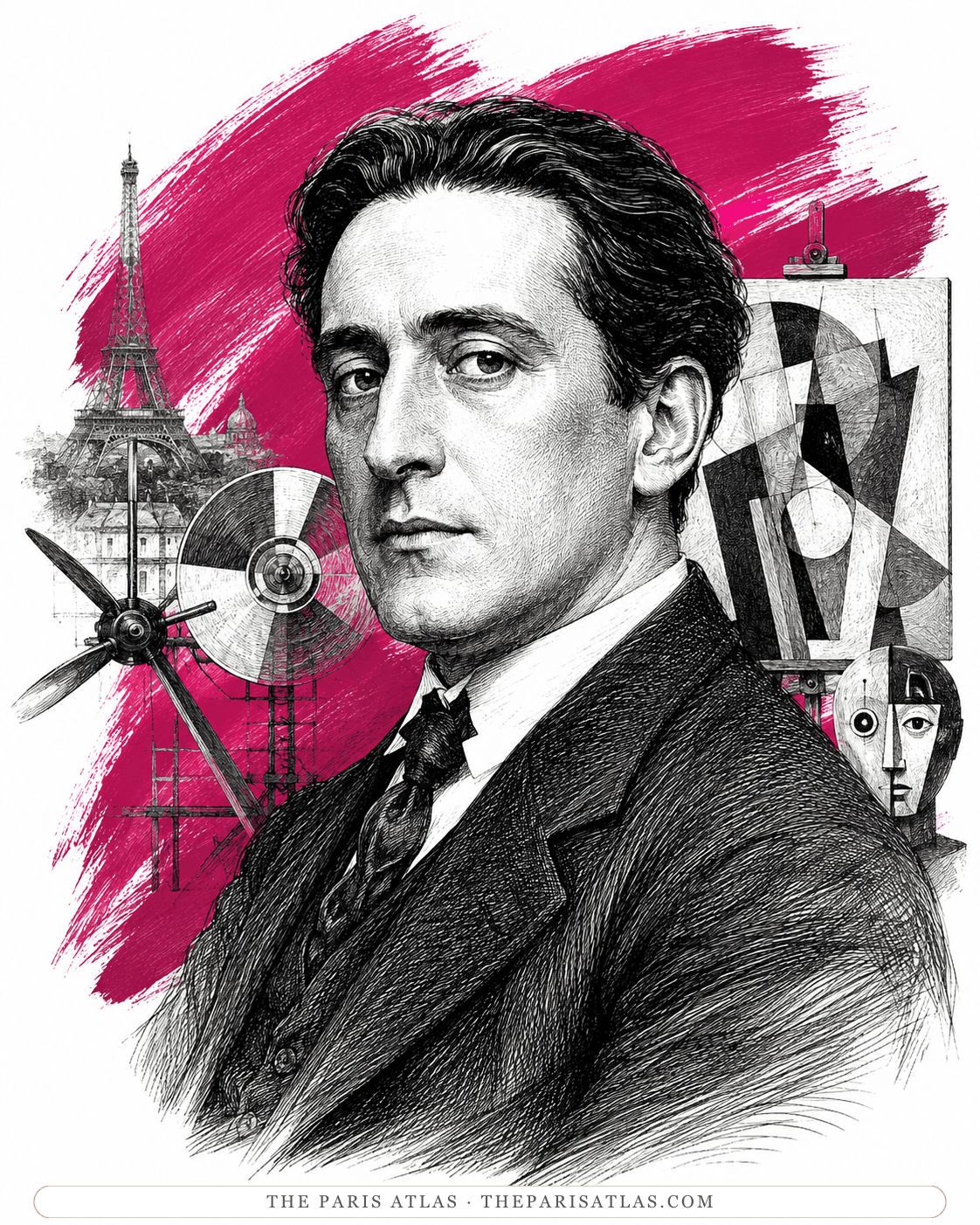
Illustrated portrait of Pablo Picasso

Pablo Picasso

  • Painter
  • Sculptor

Met · 1905–1907

Picasso painted Stein's portrait over some ninety sittings in 1905–07 — the sittings around which the Saturday salons took their form.

Gertrude Stein, The Autobiography of Alice B. Toklas (1933)

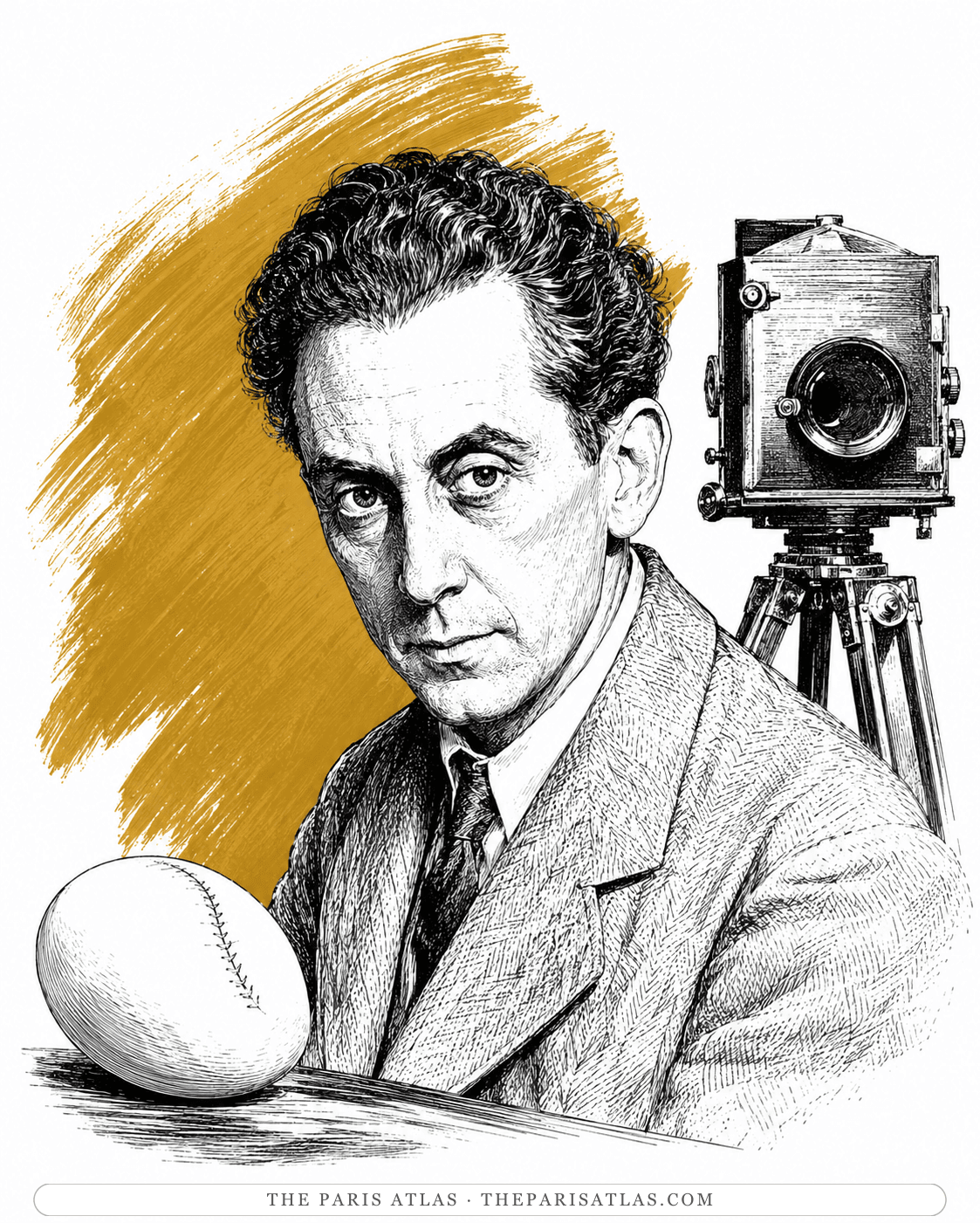
Illustrated portrait of Man Ray

Man Ray

  • Photographer
  • Painter
  • Filmmaker

Met · 1922

He photographed Stein and Toklas in the rue de Fleurus atelier in 1922 — the sitting preserved in our Stein timeline — and the Autobiography records the visits to his tiny hotel-room studio.

Gertrude Stein, The Autobiography of Alice B. Toklas (1933)

Illustrated portrait of Jack Hemingway

Jack Hemingway

  • Conservationist
  • Author

Met · 1924

His godmother. Gertrude Stein and Alice B. Toklas stood as godmothers to Bumby in 1924, and Stein is photographed with the infant in Paris.

Carlos Baker, Ernest Hemingway: A Life Story (1969)

Illustrated portrait of Natalie Clifford Barney

Natalie Clifford Barney

  • Author
  • Poet
  • Salon host
  • +2

Met · 1927

Stein was among the writers Barney received at 20 rue Jacob, and Barney's Académie des Femmes gave her an evening in 1927: Virgil Thomson set her writing to music, there were readings, and Barney supplied a French translation of passages from The Making of Americans. Barney later wrote the foreword to the posthumous Stein volume As Fine as Melanctha, published by Yale in 1954. The date here is the Académie evening, not their first meeting, which the sources do not fix.

Anna Livia, Barney, Natalie Clifford (1876–1972), in Women in World History: A Biographical Encyclopedia (2002); Natalie Clifford Barney — French Women & Feminists in History: A Resource Guide

Who drew from them

Influence running outward — the writers and artists who built on their work.

Illustrated portrait of Ernest Hemingway

Ernest Hemingway

The instruction at 27 rue de Fleurus, recorded in his own memoir: what to cut, what to look at, what a sentence could bear — the apprenticeship both of them spent later years disputing the credit for.

Ernest Hemingway, A Moveable Feast (1964), 'Miss Stein Instructs'; Gertrude Stein, The Autobiography of Alice B. Toklas (1933)

Movements

The artistic and literary currents this life ran through.

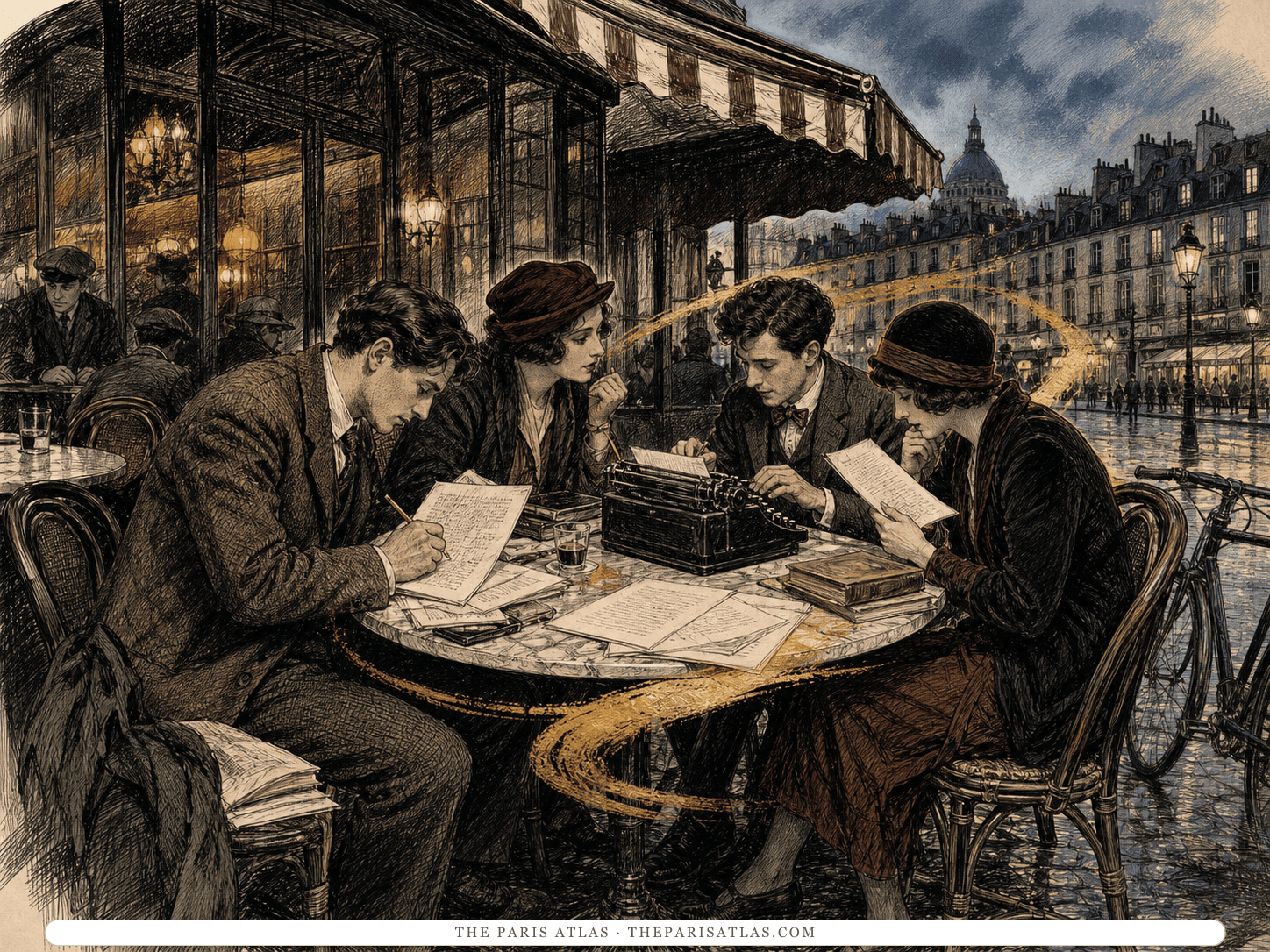
Pen-and-ink illustration of four young writers revising manuscripts around a typewriter at a Paris café in the 1920s

Literary generation · c. 1921–1929

The Lost Generation

Supplied the name: by Hemingway's account she repeated a garage owner's une génération perdue as "you are all a lost generation" — the remark he set opposite Ecclesiastes at the front of The Sun Also Rises.

Ernest Hemingway, The Sun Also Rises (1926), epigraphs; Ernest Hemingway, A Moveable Feast (1964)

Start here

Cover of Tender Buttons by Gertrude Stein

Tender Buttons

An hour long, free in the public domain, and unmistakably her. Read it aloud and let the sound lead — it is the room where modern writing was rearranged.
Books by Gertrude Stein

Cover of Three Lives by Gertrude Stein

Short stories

Gertrude Stein's first book — three long stories about three working women, written in the flat repeating sentences that Ernest Hemingway and a generation of American writers learned from.

4.3
Cover of Tender Buttons by Gertrude Stein

Poetry

Still lifes in words from the studio hung with Picassos — objects, food, and rooms painted in sentences. Modernism at its most playful.

4.0

Popular reading paths

Recommended starting order

Our editors' path for a first-time reader.

  1. 1.Tender Buttons
  2. 2.Three Lives

Publication order

Watch the writer develop, book by book.

  1. 1.Three Lives
  2. 2.Tender Buttons

Most popular first

Lead with the books readers loved most.

  1. 1.Tender Buttons
  2. 2.Three Lives

Gertrude Stein’s Places

The cataloged places connected to Gertrude Stein — through the books, and through the documented record.
Places you can enter today appear first, followed by addresses to see from outside and sites that have vanished.
Organizations

Honoured by · 1927-02

Académie des Femmes

Stein's evening came in February 1927 and drew more than two hundred people, the size Barney's salon reached only for set pieces. Virgil Thomson set her writing to music, there were readings, and Barney supplied her own French translation of passages from The Making of Americans. Stein had run a salon of her own in Paris, which drew mostly men.

Anne Charles, Barney Opens Her Paris Salon (2022), Summary of Event, read 2026-08-10; Anna Livia, Barney, Natalie Clifford (1876–1972), in Women in World History: A Biographical Encyclopedia (2002)

Questions about Gertrude Stein

What is Gertrude Stein best known for?

She is known as a modernist writer and as the host of the salon at 27 rue de Fleurus in Paris, where she and Alice B. Toklas gathered the painters and writers of the early twentieth century. Her books include Three Lives (1909), Tender Buttons (1914), The Making of Americans (1925), and the bestselling Autobiography of Alice B. Toklas (1933). She and her brother Leo were also among the first collectors of Cézanne, Matisse, and Picasso.

Did Gertrude Stein coin the phrase “the Lost Generation”?

The phrase is credited to her in conversation, and Ernest Hemingway placed it at the front of The Sun Also Rises — “You are all a lost generation” — as an epigraph attributed to Gertrude Stein. By his account she had used it of the young men who came home from the First World War. It is the source of the term’s currency, though Hemingway is the one who printed it.

What does “a rose is a rose is a rose” mean?

It is her most quoted line, written as “Rose is a rose is a rose is a rose” in the 1913 poem “Sacred Emily” and later collected in Geography and Plays. The repetition is the point: by naming the thing over and over she meant to restore force to a word worn smooth by centuries of poetry. It is usually misquoted with an added “a” at the front.

Was Gertrude Stein married?

Not legally — she lived long before same-sex marriage was possible — but Alice B. Toklas was her partner for life. They were together from 1907 until Stein’s death in 1946, ran the household and the salon as a pair, and are buried in the same plot at Père Lachaise.

Did Gertrude Stein discover Picasso, Matisse, and Hemingway?

She was an early champion of all three rather than literally their discoverer. She and her brother Leo bought Picasso and Matisse when almost no one else would, and the atelier walls made the case for both painters before the museums did. With the young Hemingway she took a direct hand in the 1920s — she and Toklas stood as godmothers to his son — and it was Sherwood Anderson’s letter of introduction that first brought him to her door.

Is The Autobiography of Alice B. Toklas actually about Stein?

Yes. Stein wrote it herself, in the voice of her partner Alice B. Toklas, and its real subject is Stein and her circle. Published in 1933, it was her one popular success and carried her back to America for a lecture tour in 1934, her first visit in three decades.

Why doesn’t Picasso’s portrait of Gertrude Stein look like her?

Picasso reworked the face after some ninety sittings in 1905–06, replacing a conventional likeness with a flat, mask-like form that pointed toward Cubism. When it was objected that the portrait did not look like her, he is said to have answered that it would.

Sourced claims

Every connection the graph holds for Gertrude, with the evidence behind it.

Hosted gatherings at · 1903–1938

27 Rue de Fleurus

Gertrude Stein's Saturday-evening salon — Picasso, Matisse, and later the young expatriate writers, including Hemingway, who received both encouragement and the era's most quoted put-down here.

Gertrude Stein, The Autobiography of Alice B. Toklas (1933); Ernest Hemingway, A Moveable Feast (1964)

Mentored · 1922

Ernest Hemingway

Instruction and encouragement at the rue de Fleurus salon — including the era's most quoted put-down, which he repaid with a book title and a memoir portrait.

Gertrude Stein, The Autobiography of Alice B. Toklas (1933); Ernest Hemingway, A Moveable Feast (1964)

Met · 1922

Hadley Richardson

Hadley came to the rue de Fleurus salon with Hemingway from their first Paris spring, and Stein and Toklas called at the Hemingways' flat in turn to read the early manuscripts — and stood as godmothers when Bumby was born.

Ernest Hemingway, A Moveable Feast (1964); Carlos Baker, Ernest Hemingway: A Life Story (1969)

Married to · 1907–1946

Alice B. Toklas

From 1907 until Stein's death — the other constant of 27 rue de Fleurus. Companion, editor, publisher of the Plain Edition, and wife in everything but the law of the era; Stein wrote her most famous book in Toklas's voice.

Gertrude Stein, The Autobiography of Alice B. Toklas (1933)

Associated with · 1921–1929

The Lost Generation

Supplied the name: by Hemingway's account she repeated a garage owner's une génération perdue as "you are all a lost generation" — the remark he set opposite Ecclesiastes at the front of The Sun Also Rises.

Ernest Hemingway, The Sun Also Rises (1926), epigraphs; Ernest Hemingway, A Moveable Feast (1964)

Met · 1925

F. Scott Fitzgerald

The salon received Gatsby's author in 1925 and, unusually, flattered rather than instructed: the Autobiography predicts Fitzgerald will be read when many of his better-known contemporaries are forgotten.

Gertrude Stein, The Autobiography of Alice B. Toklas (1933)

Met · 1921

Sherwood Anderson

Anderson arrived in Paris in 1921 already an admirer and became one of the few writers Stein counted a true friend — the Autobiography sets him apart, and his preface to her Geography and Plays repaid the esteem.

Gertrude Stein, The Autobiography of Alice B. Toklas (1933)

Influenced

Ernest Hemingway

The instruction at 27 rue de Fleurus, recorded in his own memoir: what to cut, what to look at, what a sentence could bear — the apprenticeship both of them spent later years disputing the credit for.

Ernest Hemingway, A Moveable Feast (1964), 'Miss Stein Instructs'; Gertrude Stein, The Autobiography of Alice B. Toklas (1933)

Buried at · 1946

Père-Lachaise Cemetery

Buried in division 94 after her death in July 1946; Alice B. Toklas was buried beside her two decades later.

Encyclopaedia Britannica — Père-Lachaise Cemetery; Paris Discovery Guide — 101 Famous Graves in Père Lachaise Cemetery

Patron of · 1908

Marie Laurencin

Britannica names Stein among the first buyers of Laurencin's work. Her 1908 Group of Artists — Picasso, Fernande Olivier, Apollinaire, and the painter herself — later passed to Claribel Cone and hangs in the Baltimore Museum of Art.

Marie Laurencin — Encyclopaedia Britannica; Group of Artists — The Baltimore Museum of Art

Met · 1946

Richard Wright

Stein read Native Son and Black Boy and began corresponding with Wright in 1945. After his passport application was refused in January 1946, she helped arrange the official French government invitation that brought him over; he arrived on 9 May 1946 to a room she had reserved at the Hôtel Trianon. The friendship ended with her death that July.

M. Lynn Weiss, Gertrude Stein and Richard Wright: The Poetics and Politics of Modernism (1998); Gertrude Stein and Richard Wright

Frequented · 1927

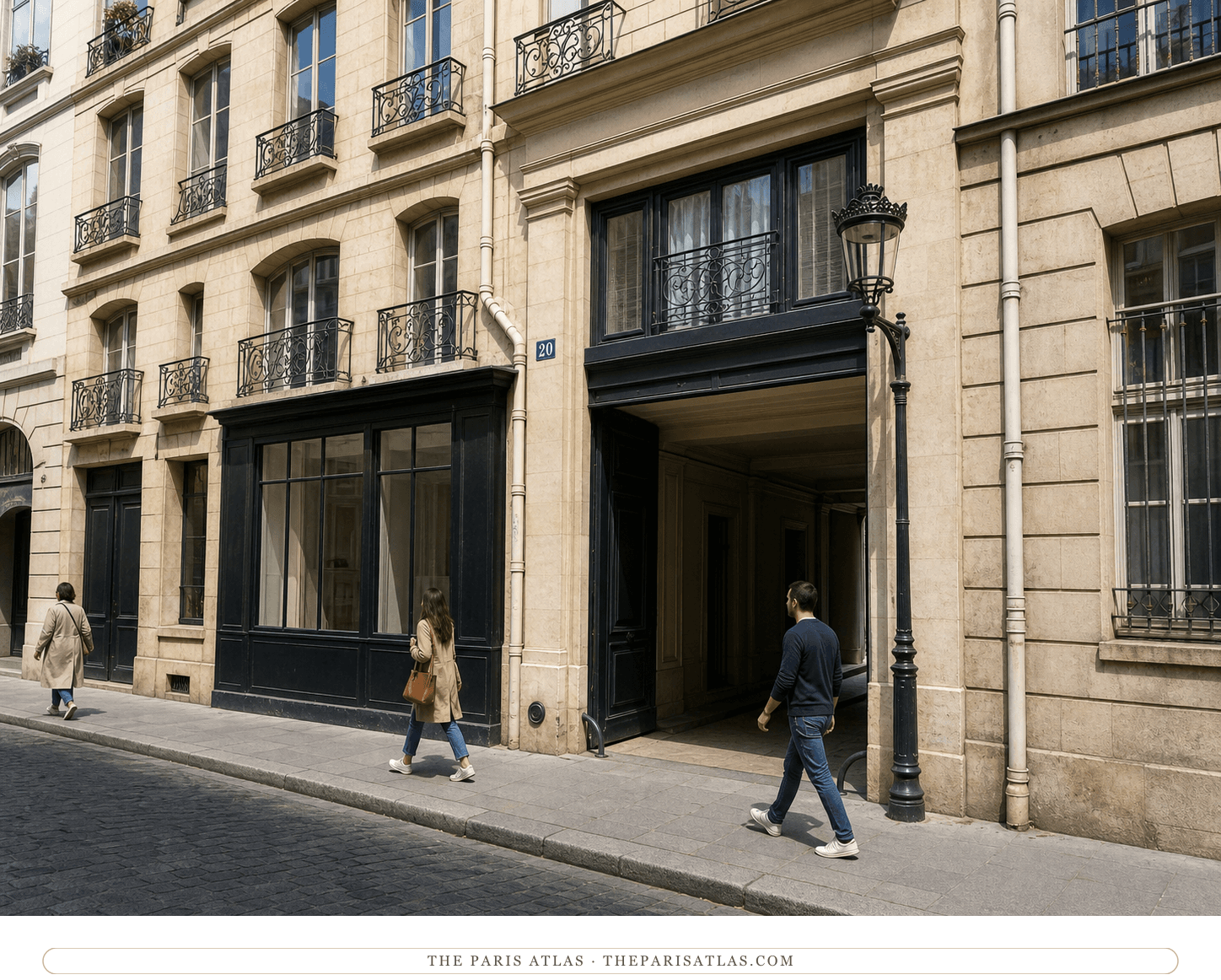
20 rue Jacob

Barney's Académie des Femmes gave Stein an evening in 1927, with readings and a French translation Barney had made of passages from The Making of Americans. Berthe Cleyrergue, the housekeeper, counted Stein and Alice B. Toklas among the regular guests. The year is the Académie evening, not a first visit, which the sources do not fix.

Anna Livia, Barney, Natalie Clifford (1876–1972), in Women in World History: A Biographical Encyclopedia (2002); Gregory Stephenson, Conversations with Berthe Cleyrergue, Housekeeper to the Legendary Amazon, Nathalie Clifford Barney (2014); Natalie Clifford Barney — French Women & Feminists in History: A Resource Guide

Honoured by · 1927-02

Académie des Femmes

Stein's evening came in February 1927 and drew more than two hundred people, the size Barney's salon reached only for set pieces. Virgil Thomson set her writing to music, there were readings, and Barney supplied her own French translation of passages from The Making of Americans. Stein had run a salon of her own in Paris, which drew mostly men.

Anne Charles, Barney Opens Her Paris Salon (2022), Summary of Event, read 2026-08-10; Anna Livia, Barney, Natalie Clifford (1876–1972), in Women in World History: A Biographical Encyclopedia (2002)

Met · 1905–1907

Pablo Picasso

Picasso painted Stein's portrait over some ninety sittings in 1905–07 — the sittings around which the Saturday salons took their form.

Gertrude Stein, The Autobiography of Alice B. Toklas (1933)

Depicted in

Gertrude Stein

Picasso's portrait of his host and first great collector — she kept it above the fireplace at the rue de Fleurus.

The Metropolitan Museum of Art — collection records, object 488221; Gertrude Stein, The Autobiography of Alice B. Toklas (1933)

Met · 1907-09

Alice B. Toklas

They met on Toklas's first day in Paris — 8 September 1907, at the Michael Steins' apartment on the rue Madame. Toklas's memoir claims she heard a bell ring, her private signal that she had met a genius; it rang, she said, three times in her life.

Alice B. Toklas, What Is Remembered (1963); Gertrude Stein, The Autobiography of Alice B. Toklas (1933)

Met · 1922

Ernest Hemingway

The apprenticeship at 27 rue de Fleurus: Sherwood Anderson's letter opened the door in early 1922, and Stein instructed — on writing, painting, and much else — until the friendship curdled into the era's most public literary quarrel.

Ernest Hemingway, A Moveable Feast (1964), 'Miss Stein Instructs'; Gertrude Stein, The Autobiography of Alice B. Toklas (1933)

Met · 1922

Man Ray

He photographed Stein and Toklas in the rue de Fleurus atelier in 1922 — the sitting preserved in our Stein timeline — and the Autobiography records the visits to his tiny hotel-room studio.

Gertrude Stein, The Autobiography of Alice B. Toklas (1933)

Met · 1924

Jack Hemingway

His godmother. Gertrude Stein and Alice B. Toklas stood as godmothers to Bumby in 1924, and Stein is photographed with the infant in Paris.

Carlos Baker, Ernest Hemingway: A Life Story (1969)

Met · 1927

Natalie Clifford Barney

Stein was among the writers Barney received at 20 rue Jacob, and Barney's Académie des Femmes gave her an evening in 1927: Virgil Thomson set her writing to music, there were readings, and Barney supplied a French translation of passages from The Making of Americans. Barney later wrote the foreword to the posthumous Stein volume As Fine as Melanctha, published by Yale in 1954. The date here is the Académie evening, not their first meeting, which the sources do not fix.

Anna Livia, Barney, Natalie Clifford (1876–1972), in Women in World History: A Biographical Encyclopedia (2002); Natalie Clifford Barney — French Women & Feminists in History: A Resource Guide

Browse all authors