A Moveable Feast
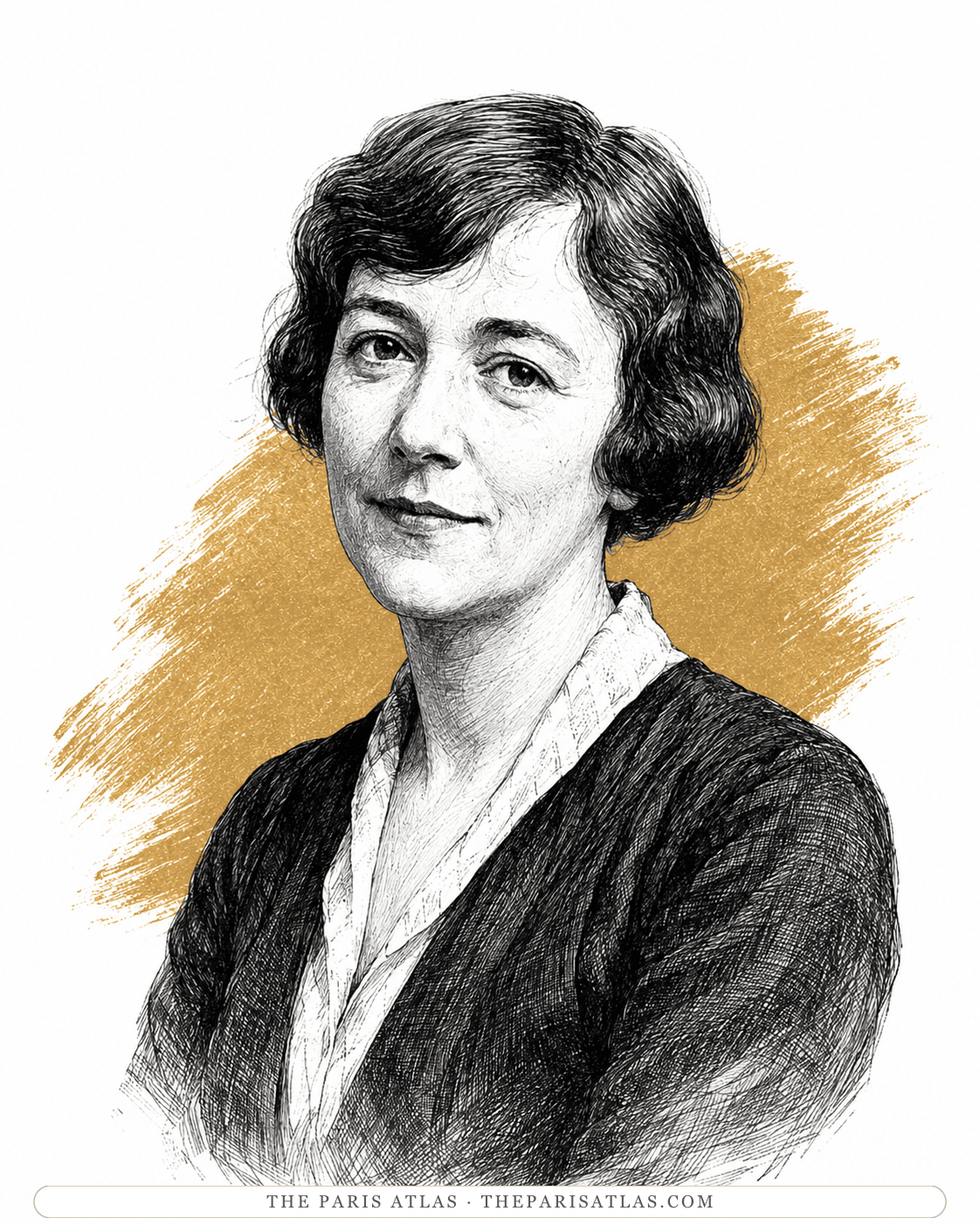
How Hadley appears in its pages: Hemingway's first wife and the book's 'we' — the racetrack picnics, the winters at Schruns, and the last chapter's regret are hers.
Hemingway's first wife and the book's 'we' — the racetrack picnics, the winters at Schruns, and the last chapter's regret are hers.
Who they are in the book
Spoiler-freeHadley is the book's second voice — the other half of nearly every 'we' in it. She is the wife who agrees that they will always be against the winter and never against each other, who studies piano in a cold practice room while her husband writes in cafés, and who treats their poverty as a shared adventure rather than a grievance. When there is racetrack money she helps spend it at Michaud's; when there isn't, she doesn't complain.
She is eight years older than her husband, from St. Louis, and the steadiest judge of character in the book — her verdicts on the people who pass through the flat are usually proven right. What she wants is simple and, in the book's telling, already theirs: the small rooms, the work going well, the winters in the mountains. The memoir's warmth gathers around her, which is what makes its final pages land the way they do.
How Hadley Richardson Is Portrayed
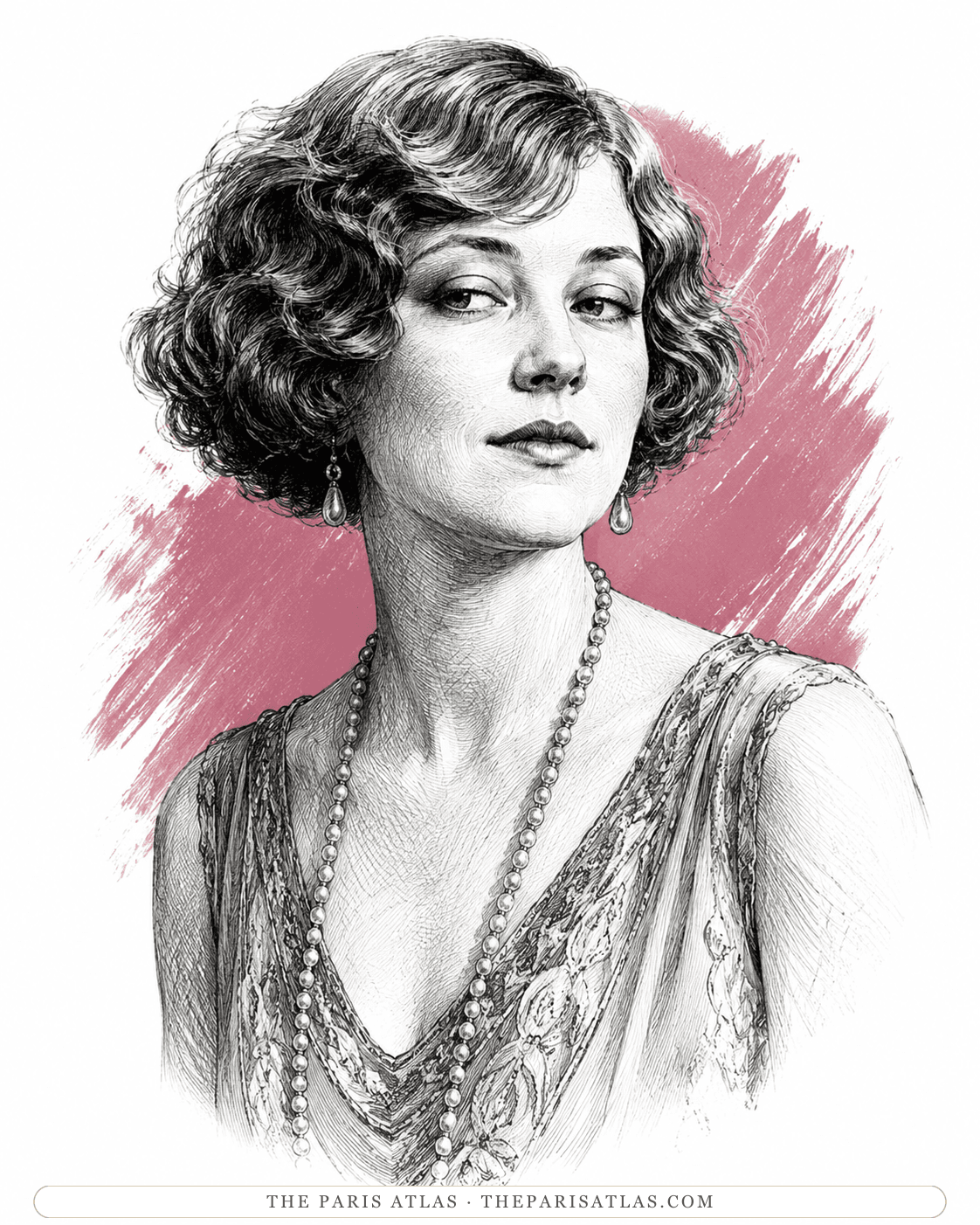
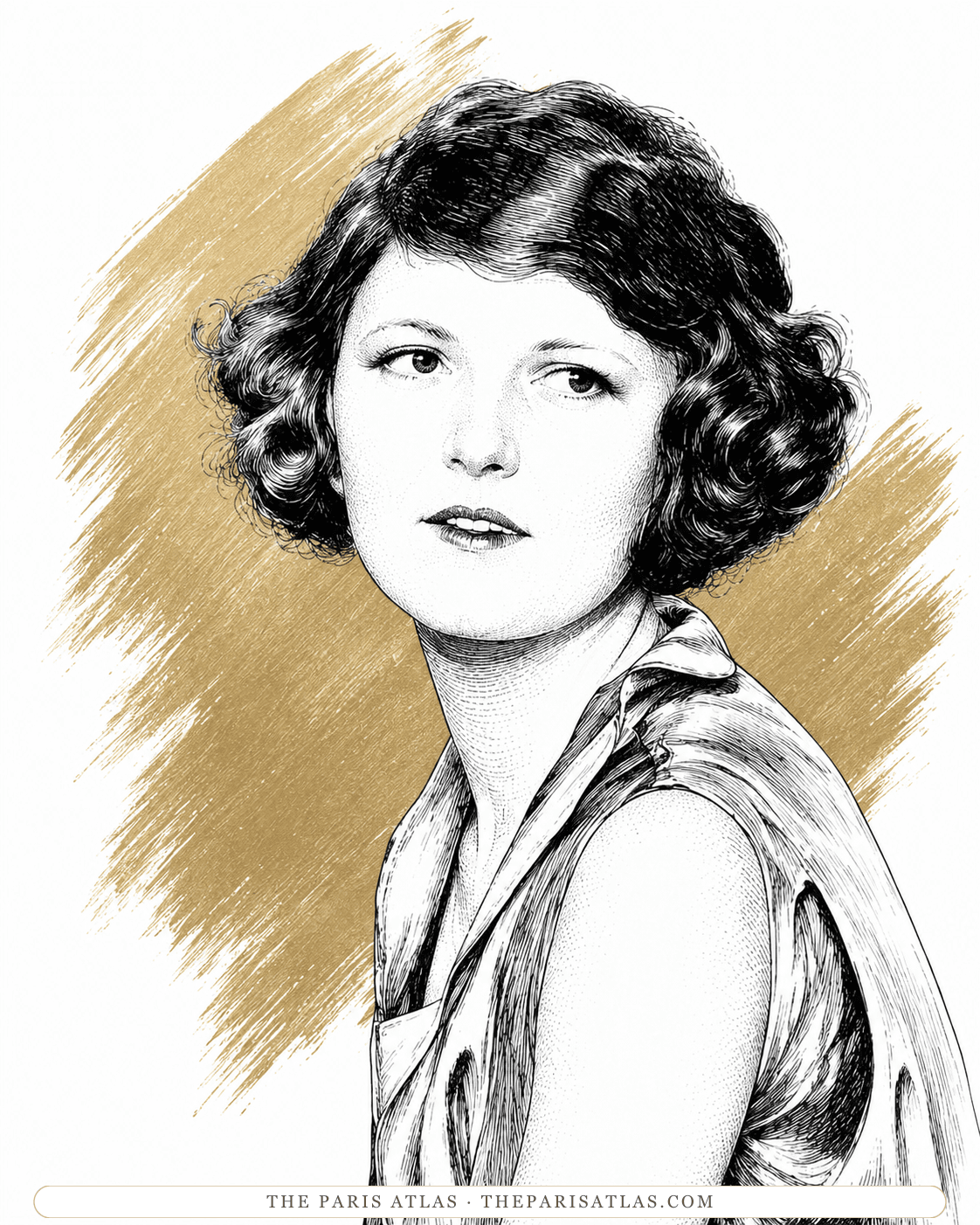
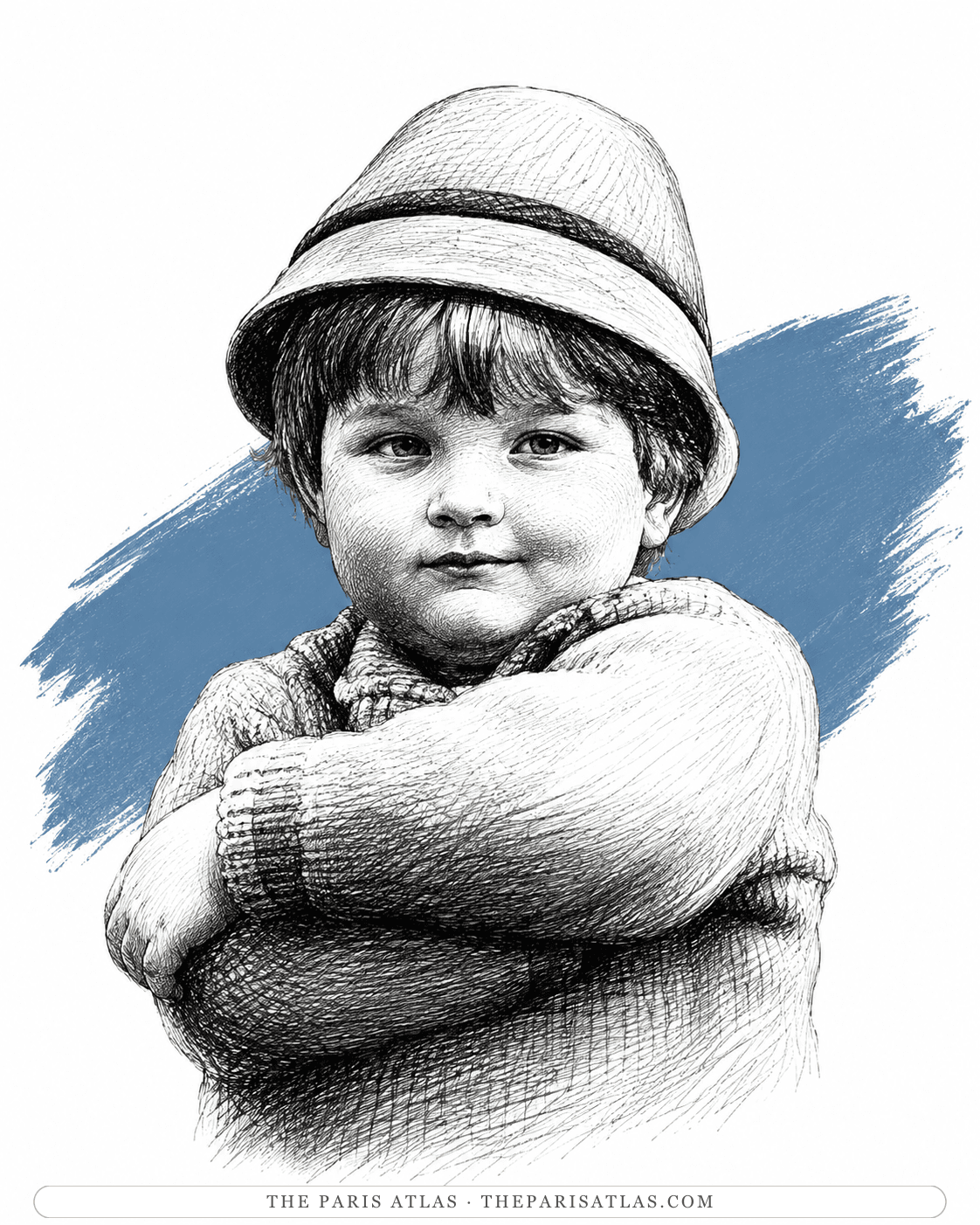
- The snapshotThe book's one full look at her comes at Schruns: strong and sun-browned from a winter in the mountains, her red-gold hair grown out all season.
- The mannerGame for all of it — racetracks, cheap trains, mountain winters — and never once heard complaining about money.
- The judgmentHer readings of the people who pass through the flat are brief, mild, and usually proven right by the end of the chapter.
- The racetrackShe rides out to the courses with a picnic lunch and studies the form alongside him — the betting money is a joint venture, wins and losses both.
- The pianoHer own work in the book: piano practice in a rented room, kept up through the cold months the way his writing is — as a discipline the poverty isn't allowed to touch.
- The feast daysWhen the horses pay, dinner is at Michaud's — the splurge the book stages as the very height of being rich, with her at the center of it.
At a glance
- 'Hadley' — the narrator's wife, and the 'we' of the Paris years
- Mostly 'my wife' in the narration, 'Hadley' when named. 'Tatie' was the couple's shared pet name — in life they called each other by it; in the book's dialogue it's hers for him
- Throughout — the flats, the racetracks, Schruns, and the final chapter
- Elizabeth Hadley Richardson · 1891–1979 · St. Louis, Missouri
The book's last chapter tells you what the rest of it withholds: The memoir, written more than thirty years later, is Hemingway's apology to Hadley — 'I wished I had died before I ever loved anyone but her,' he writes of the marriage's end — and the whole book is shaped as an elegy for what he threw away.
Hadley's own ending was happier than the book's. She remarried in 1933 — Paul Mowrer, a Pulitzer-winning foreign correspondent — and lived quietly until 1979, outliving Ernest by eighteen years. She is also the center of the era's most famous literary disaster, which the memoir only glances at: in 1922 a suitcase containing nearly all of Hemingway's early manuscripts was stolen from her train compartment at the Gare de Lyon. Biographers have argued ever since about how much the loss — and his reaction to it — foreshadowed the marriage's fate.


 View source