The Paris AtlasCharting the artists, works, and places worth returning to.
  • Conservationist
  • Author
· American · 1923–2000

Jack Hemingway

The 'Bumby' of A Moveable Feast — watched over by the cat F. Puss in Paris, and later an OSS parachutist, fly fisherman, and memoirist.

In images

Details

Lived
1923–2000
Born
10 October 1923
Birthplace
Toronto, Ontario
Died
1 December 2000 · aged 77
Place of death
New York City
Nationality
American
Married
Byra Louise 'Puck' Whittlesey · 1949–1988Angela Holvey · 1989–2000
Children
Joan 'Muffet' Hemingway, Margaux Hemingway, Mariel Hemingway
Roles
ConservationistAuthor
Also known as
John Hadley Nicanor Hemingway · Bumby
In fiction
Bumby in A Moveable Feast

About Jack Hemingway

Jack Hemingway was the only child of Ernest Hemingway and his first wife, Hadley Richardson, born in Toronto on 10 October 1923. To readers he is "Bumby," the baby of A Moveable Feast — carried to cafés, wintered at Schruns, and left in his tall cage bed under the watch of F. Puss, the cat the household trusted as a babysitter.

The infant of the memoir grew into a soldier, a fly fisherman, and a conservationist who spent much of his life in and around his father's fame.

Ernest, Hadley, and Bumby at Schruns, in the Austrian Alps, 1925. (Ernest Hemingway Photograph Collection, JFK Presidential Library · Public domain)

His name

Jack, John, and Bumby all name the same man. He was born John Hadley Nicanor Hemingway, called Bumby as a child — the name his father used for him in A Moveable Feast — and went by Jack for the rest of his life. Archives that hold the family's papers, including the John F. Kennedy Presidential Library, catalog him under all three.

A Paris childhood

The infant Bumby with his godmother Gertrude Stein, Paris, c. 1924. (John F. Kennedy Presidential Library and Museum · Public domain)

Jack spent his first years in Paris and the Austrian Alps and spoke French for the rest of his life. Gertrude Stein and Alice B. Toklas stood as his godmothers when he was christened in 1924.

His parents' marriage did not survive the decade. Ernest and Hadley divorced in 1927, and Jack's childhood divided between their households on two continents. He grew up bilingual, later attending the University of Montana and Dartmouth College without taking a degree at either.

He was, from the start, a Parisian child. His father took him along to the cafés of the Left Bank, where he learned to sit quietly among the adults, and he grew up speaking French and keeping French habits as easily as a native.

The one thing that held steady was water. He learned to fish early, beside his father, and never stopped.

In his father's fiction

Jack's boyhood also found its way into his father's work. Ernest's 1933 story "A Day's Wait" retells a real episode: a small boy, sick with influenza, quietly waits to die through a long afternoon because he has confused the Fahrenheit and Celsius scales taught in his French and American schools, and believes a temperature of 102 must be fatal. The boy is drawn from Jack.

It is a small, exact portrait of the bilingual child of A Moveable Feast a few years on — one of the few times the father put the son directly on the page.

Bumby, illustrated

A few scenes from Bumby's Paris childhood, drawn for The Paris Atlas — illustrations, not photographs.

The family of three in Paris.
Ernest with the infant Bumby.
Bumby with the cat F. Puss.
At a Paris café with his father.
Out walking with his parents.
Father and son.
Illustrations — The Paris Atlas

The war

Hemingway was inducted into the Army early in 1943 and commissioned in the Military Police, serving first in North Africa. Restless for something sharper, in July 1944 he talked his way into the Office of Strategic Services — the wartime forerunner of the CIA — and, as a French-speaking first lieutenant, was assigned to work behind German lines with the Resistance.

In mid-August 1944 a B-17 dropped him into southern France. By his own account his kit included a fly rod, reel, and a map case packed with trout flies, alongside the pistol, knife, and Thompson submachine gun. With his radio dead, he spent the following weeks arming and directing local fighters.

On 28 October 1944 his patrol ran into German mountain troops near Hérival, in the Vosges. Hit three times in the right arm and shoulder, he surrendered — and, giving his name, found that his captor had once worked at Schruns and remembered the family's nursemaid; a bottle of schnapps followed. What came after was harder. Moved between prison camps and caught after an escape attempt, he had dropped from about two hundred pounds to under a hundred and fifty by the time the U.S. 14th Armored Division reached the camp at Moosburg on 29 April 1945. He came home with the Bronze Star and the French Croix de Guerre.

A life on the water

Back in civilian life, Hemingway tried the conventional routes — a stockbroker for a time, then a fishing-tackle salesman — without ever quite settling into them. A heart attack in his mid-forties made the decision for him. In 1967 he retired for good to Ketchum, Idaho, the town where his father had spent his last years.

There he became something his father never was: an institution of conservation. From 1971 to 1977 he sat on the Idaho Fish and Game Commission, and his work there centered on the state's cold-water rivers:

  • Pushed Idaho to adopt catch-and-release regulation, which helped rebuild the state's trout stocks.
  • Championed Silver Creek, the spring creek south of Sun Valley he had fished since the 1940s.
  • Urged the Nature Conservancy to buy the land; the Silver Creek Preserve was established in 1976.

Fishing, not writing, was the through-line of his life.

Family

In 1949 Hemingway married Byra Louise "Puck" Whittlesey in Paris. They had three daughters — Joan, known as Muffet; Margaux (1954–1996); and Mariel (born 1961). The younger two carried the name back into the public eye as models and actors, and Mariel was nominated for an Academy Award for Manhattan (1979).

Puck died in 1988, and the following year he married Angela Holvey.

The books

Hemingway published one book in his lifetime, the 1986 memoir Misadventures of a Fly Fisherman: My Life With and Without Papa, which set his fishing life beside his childhood as Ernest Hemingway's son. A second volume, A Life Worth Living: The Adventures of a Passionate Sportsman, appeared after his death, in 2002.

On film

Jack Hemingway, Ernest's eldest son, talks with Bill Boggs about his father and his own life (with Lauren Hutton). (Bill Boggs / BillBoggsTV)

Death and legacy

Jack Hemingway died in New York on 1 December 2000, at seventy-seven, from complications after heart surgery. He was buried in Ketchum, not far from his father.

His memorial is not on paper. In 2001 Idaho established an annual Jack Hemingway Conservation Day, and the Silver Creek Preserve he helped create still draws anglers to the water south of Sun Valley.

Life events

  1. 1923

    Born in Toronto, 10 October — Ernest and Hadley Hemingway's only child.

  2. 1924

    The family returns to Paris; "Bumby" lives in the flat above the sawmill on Notre-Dame-des-Champs.

    Ernest, Hadley, and Bumby — the family of the sawmill years, three people in two rooms. (Ernest Hemingway Photograph Collection, JFK Presidential Library)
  3. 1927

    Ernest and Hadley divorce; Bumby's childhood divides between their households.

    Hemingway with Bumby, 1927 — the son shuttling between households after the divorce. (National Archives and Records Administration)
  4. 1933

    Ernest publishes "A Day's Wait," a story drawn from an episode of Jack's boyhood.

  5. 1943

    Inducted into the Army and commissioned in the Military Police.

  6. 1944

    Volunteers for the OSS and parachutes into southern France in August.

    HistoryNet — 'Jack Hemingway's War'

  7. 1944

    Wounded and captured near Hérival, in the Vosges, on 28 October; taken prisoner.

    The New York Times — 'Jack Hemingway Dies at 77; Embraced Father's Legacy' (2000); CIA — 'The Son Also Rises: Jack Hemingway'; HistoryNet — 'Jack Hemingway's War'

  8. 1945

    Liberated from the camp at Moosburg by the U.S. 14th Armored Division, 29 April.

    HistoryNet — 'Jack Hemingway's War'

  9. 1949

    Marries Byra 'Puck' Whittlesey in Paris.

  10. 1967

    Retires from business and settles in Ketchum, Idaho.

  11. 1971

    Appointed to the Idaho Fish and Game Commission; serves until 1977.

  12. 1976

    The Silver Creek Preserve is established near Sun Valley at his urging.

    The Nature Conservancy — Silver Creek Preserve, Idaho

  13. 1986

    Publishes Misadventures of a Fly Fisherman.

    Jack Hemingway, Misadventures of a Fly Fisherman: My Life With and Without Papa (1986)

  14. 2000

    Dies in New York on 1 December, aged 77.

    The New York Times — 'Jack Hemingway Dies at 77; Embraced Father's Legacy' (2000)

  15. 2002

    A Life Worth Living is published posthumously.

Featured in these books

Cover of A Moveable Feast by Ernest Hemingway

A Moveable Feast

by Ernest Hemingway

How Jack appears in its pages: John Hemingway, the baby of the book — happy in his tall cage bed under the watch of F. Puss, the big cat who served as babysitter.

The full portrait — Bumby in A Moveable Feast

John Hemingway, the baby of the book — happy in his tall cage bed under the watch of F. Puss, the big cat who served as babysitter.

Who they are in the book

Spoiler-free

Bumby is the baby in the flat above the sawmill — cheerful, portable, and cared for on a budget with no room for babysitters. The book's solution is F. Puss, the big loyal cat who sits in the tall cage bed and watches over him while his parents are out, to the scandal of people who said a cat couldn't be trusted with a baby. He winters at Schruns with the family and never once complicates the plot.

He wants what babies want, and gets it; his job in the memoir is to make the poverty look like wealth. The little family of three — plus cat — is the unit the whole elegy is measured against.

How the book draws them

  • The dispositionCheerful always: the book's baby never cries in its pages, and takes whatever the household does — cafés, trains, mountains — as the natural order.
  • The bedThe tall cage bed in the flat above the sawmill — the book's smallest fixed address, and one of its safest.
  • The guardianF. Puss, the big loyal cat, sits watch in the crib while the parents are out — trusted by the household absolutely.
  • The scandalVisitors held that a cat could never be left with a baby; the household disagreed, and the book takes the cat's side without a flicker of apology.
  • The economicsThere was no money for babysitters — the arrangement is thrift and trust in equal parts, and it works without incident.
  • The wintersCarried along to Schruns each season — one more member of a household that skis, eats, and sleeps as a single economy.

At a glance

In the book
'Bumby' — the narrator's infant son
Where he appears
The flat at 113 rue Notre-Dame-des-Champs and the Schruns winters
The real person
John Hadley Nicanor 'Jack' Hemingway · 1923–2000 · Born in Toronto, Canada
Their ending, and the commentary — spoilers aheadHow the book leaves them, and what the record says. Open when you're ready.

The baby of the book had one of the family's most storied lives. Jack Hemingway parachuted into occupied France in 1944 as an OSS officer — carrying, by his own delighted account, a fly rod — and was wounded and taken prisoner. After the war he became a fisherman, conservationist, and memoirist (Misadventures of a Fly Fisherman, 1986), and the father of Joan, Margaux, and Mariel Hemingway. He died in 2000.

He also had the last word on the book itself: it was Jack's generation of the family that shepherded A Moveable Feast into print after his father's death, and his son and grandson later edited the 2009 Restored Edition — the version that softens some of what the 1964 text said about the end of his mother's marriage.
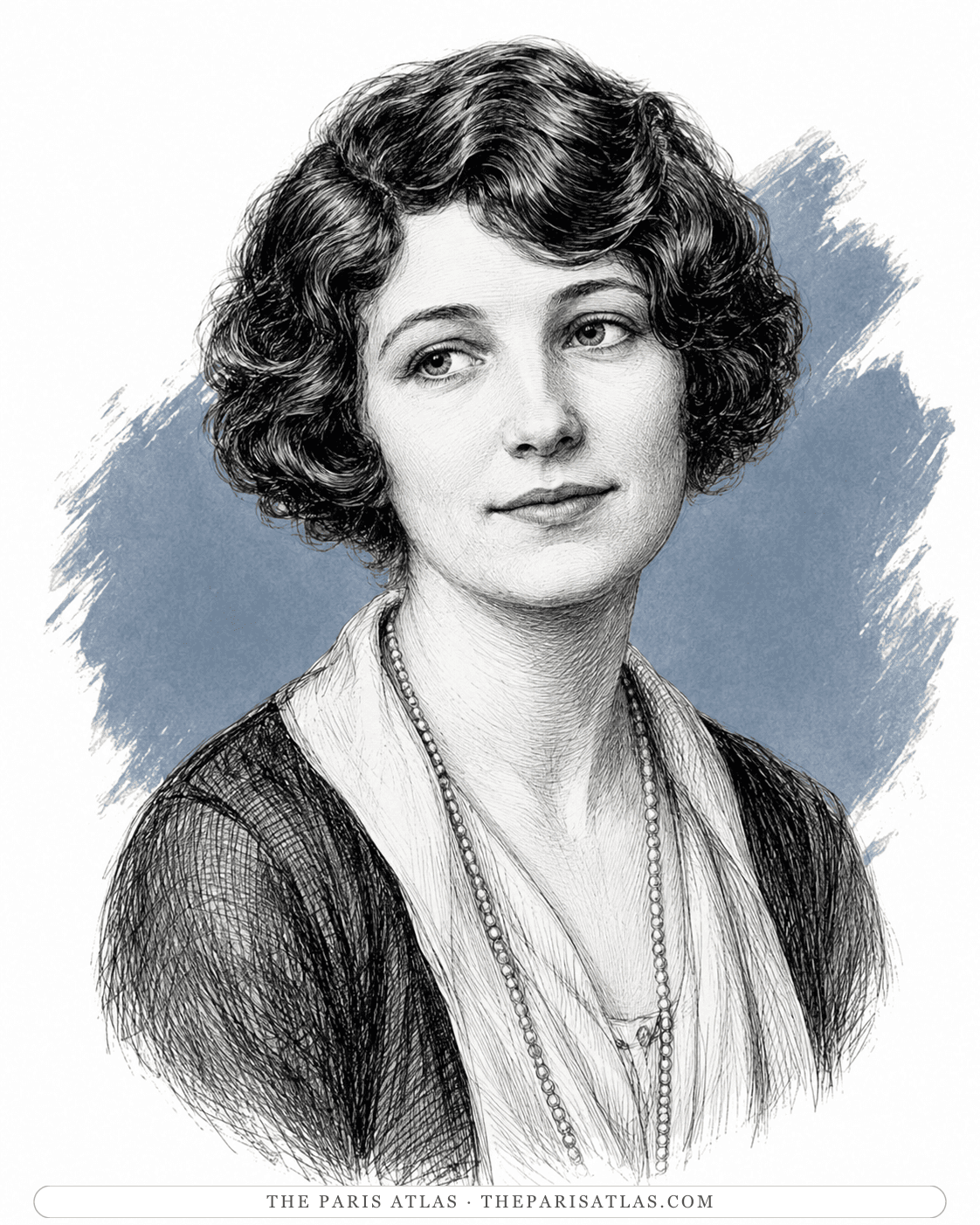
More people from A Moveable Feast

People they knew

Documented connections — every one carries its source.

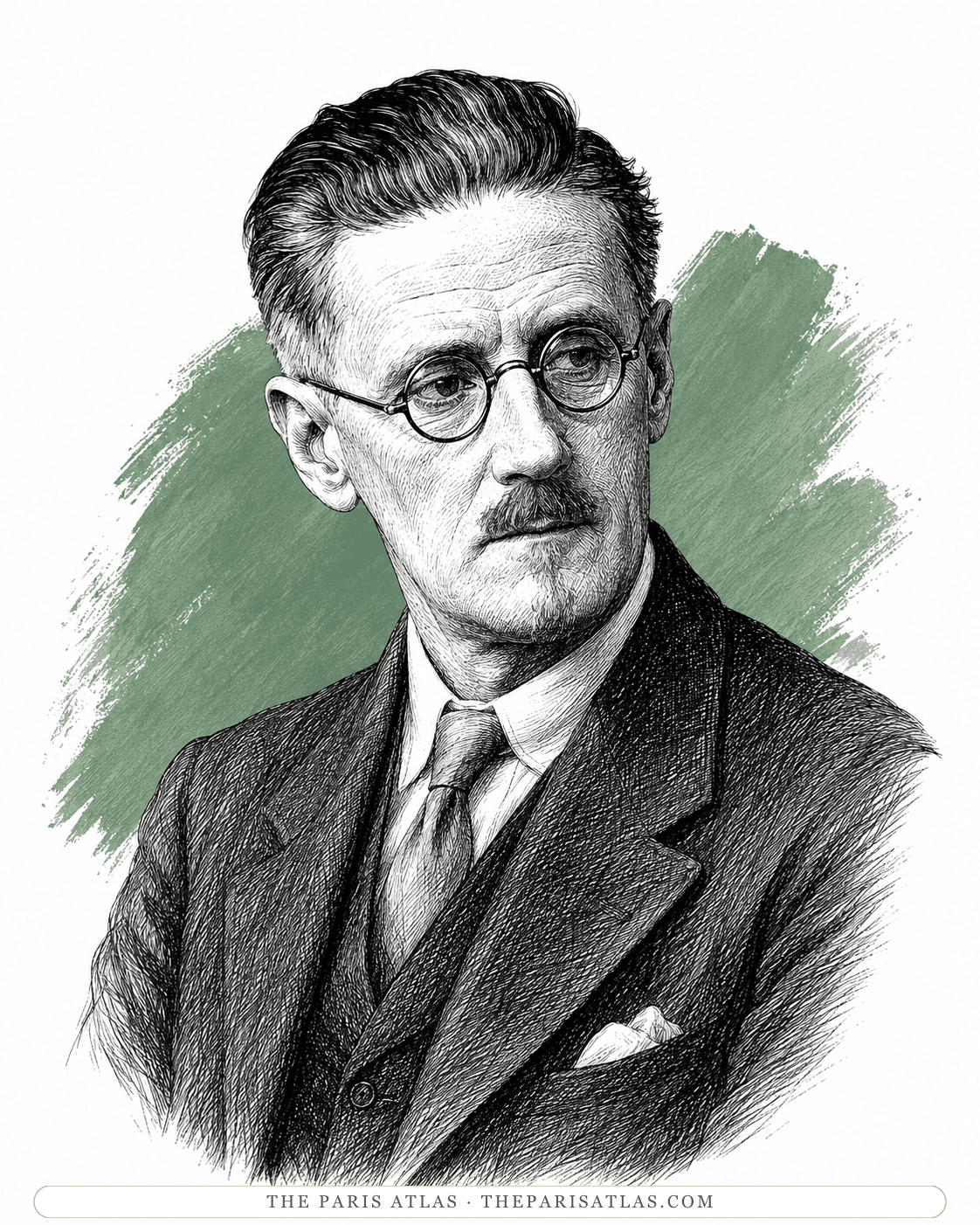
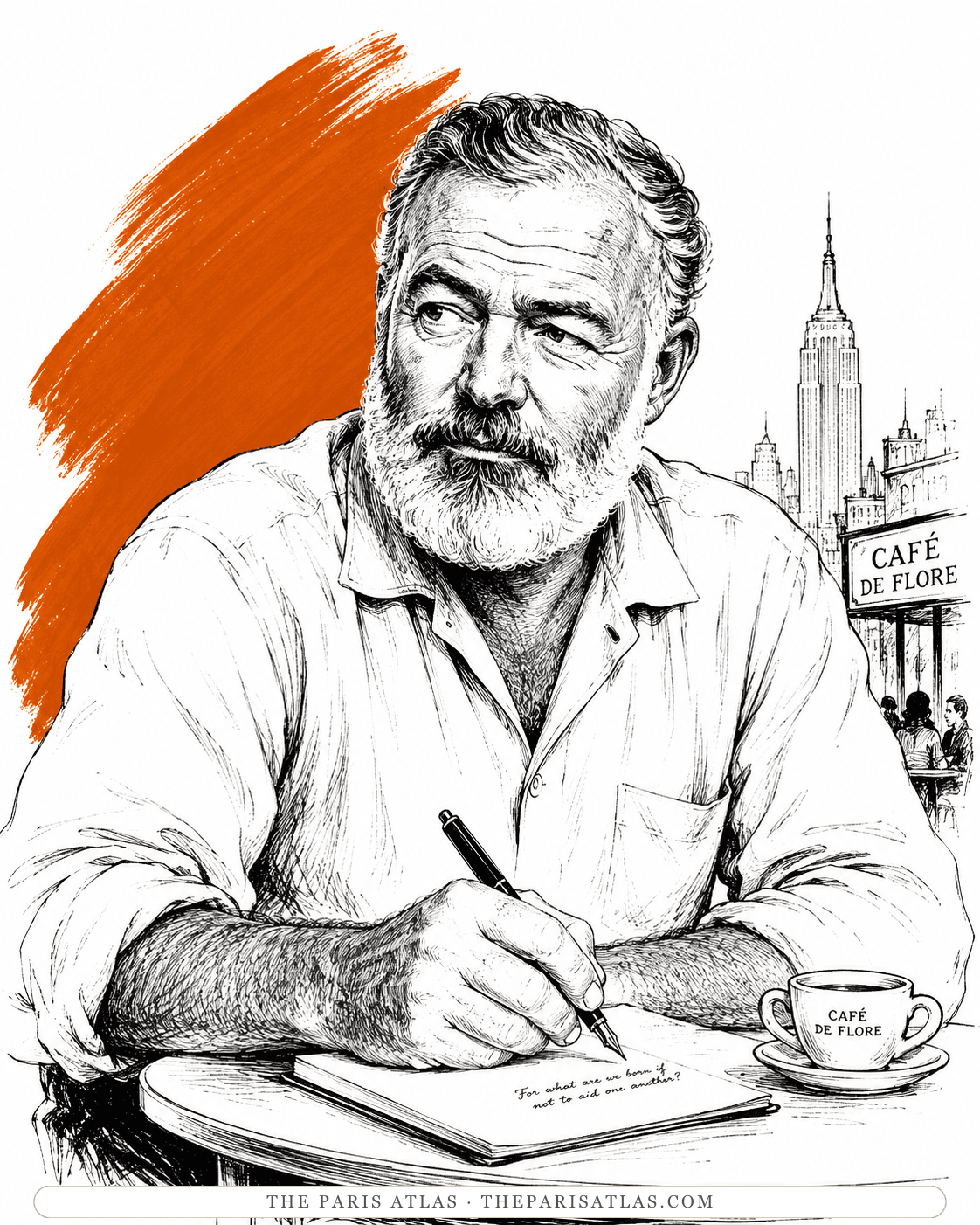
Illustrated portrait of Ernest Hemingway

Ernest Hemingway

  • Author
  • Journalist

Child of

His father. Jack — 'Bumby' — was the only child of Ernest Hemingway and Hadley Richardson.

Ernest Hemingway, A Moveable Feast (1964); Carlos Baker, Ernest Hemingway: A Life Story (1969)

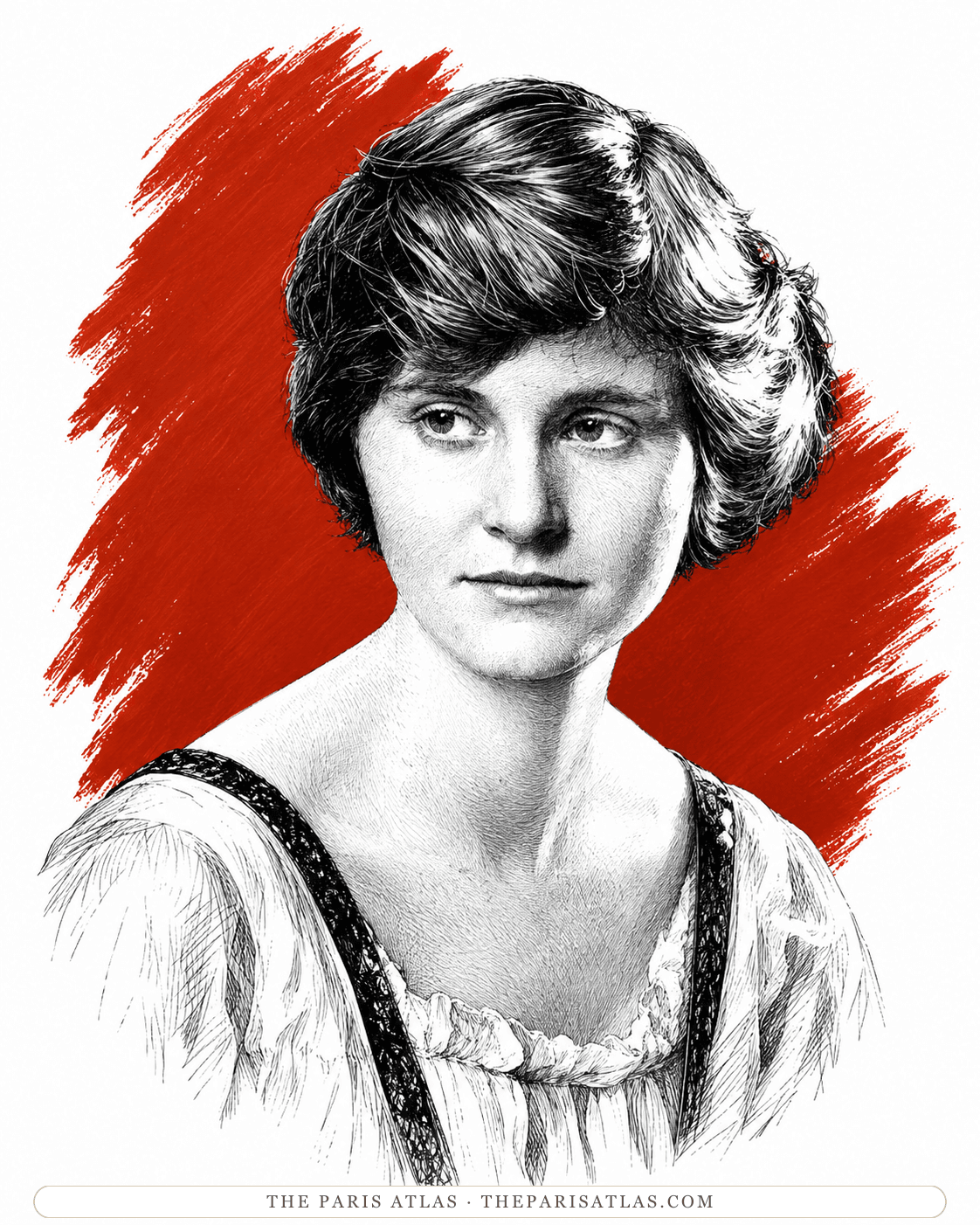
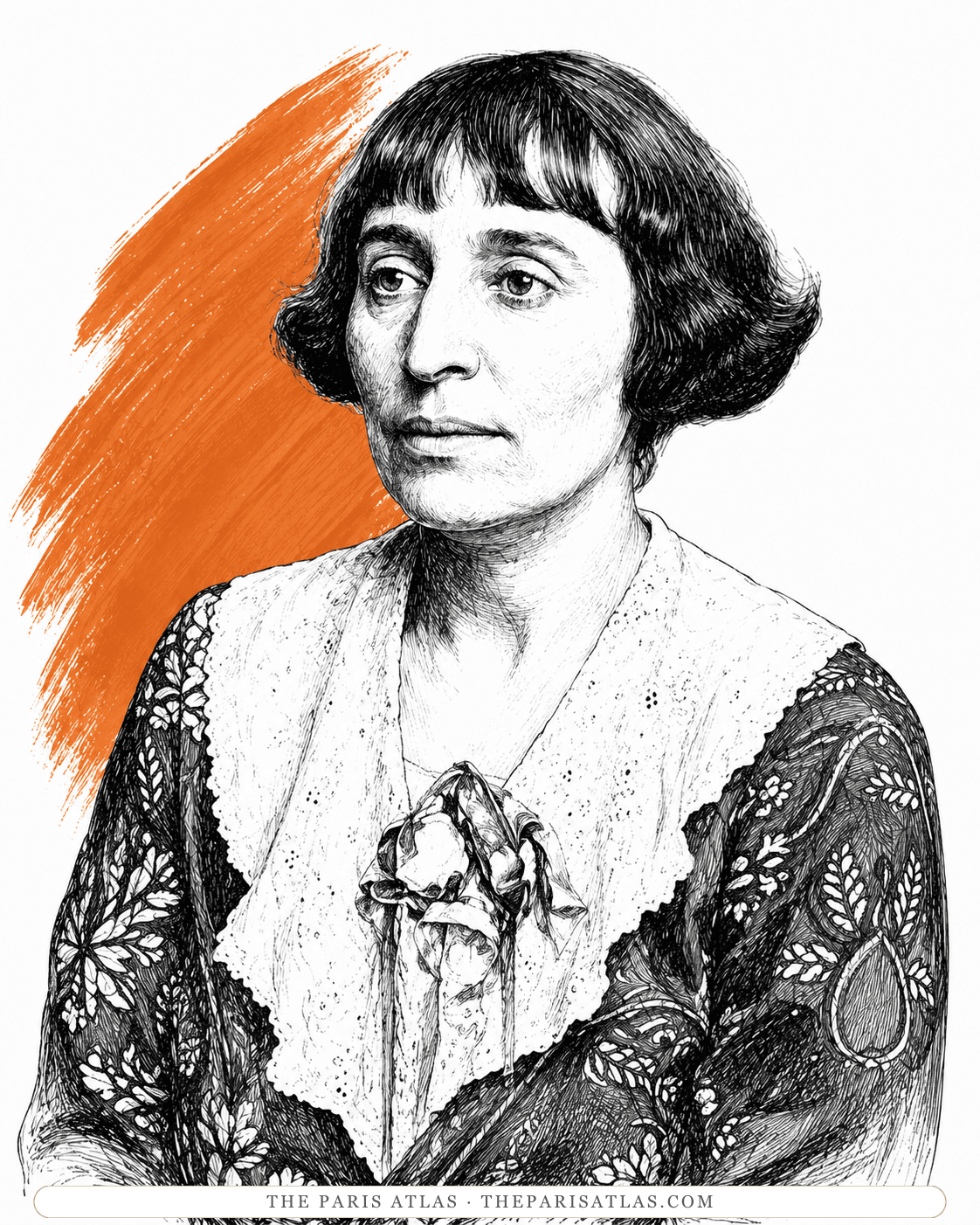
Illustrated portrait of Hadley Richardson

Hadley Richardson

  • Musician

Child of

His mother, and her only child; her steady income underwrote the Paris years A Moveable Feast remembers.

Ernest Hemingway, A Moveable Feast (1964); Carlos Baker, Ernest Hemingway: A Life Story (1969)

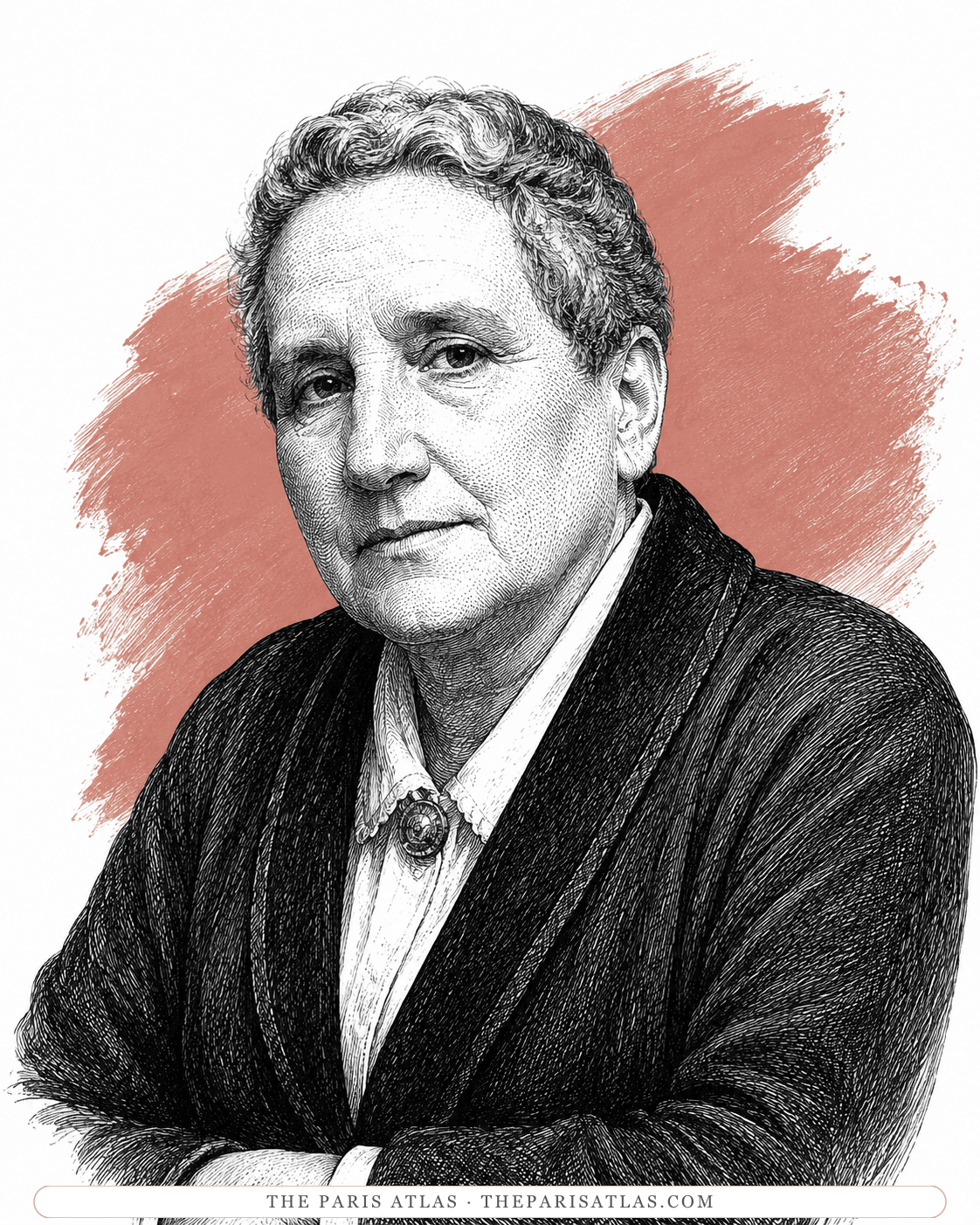
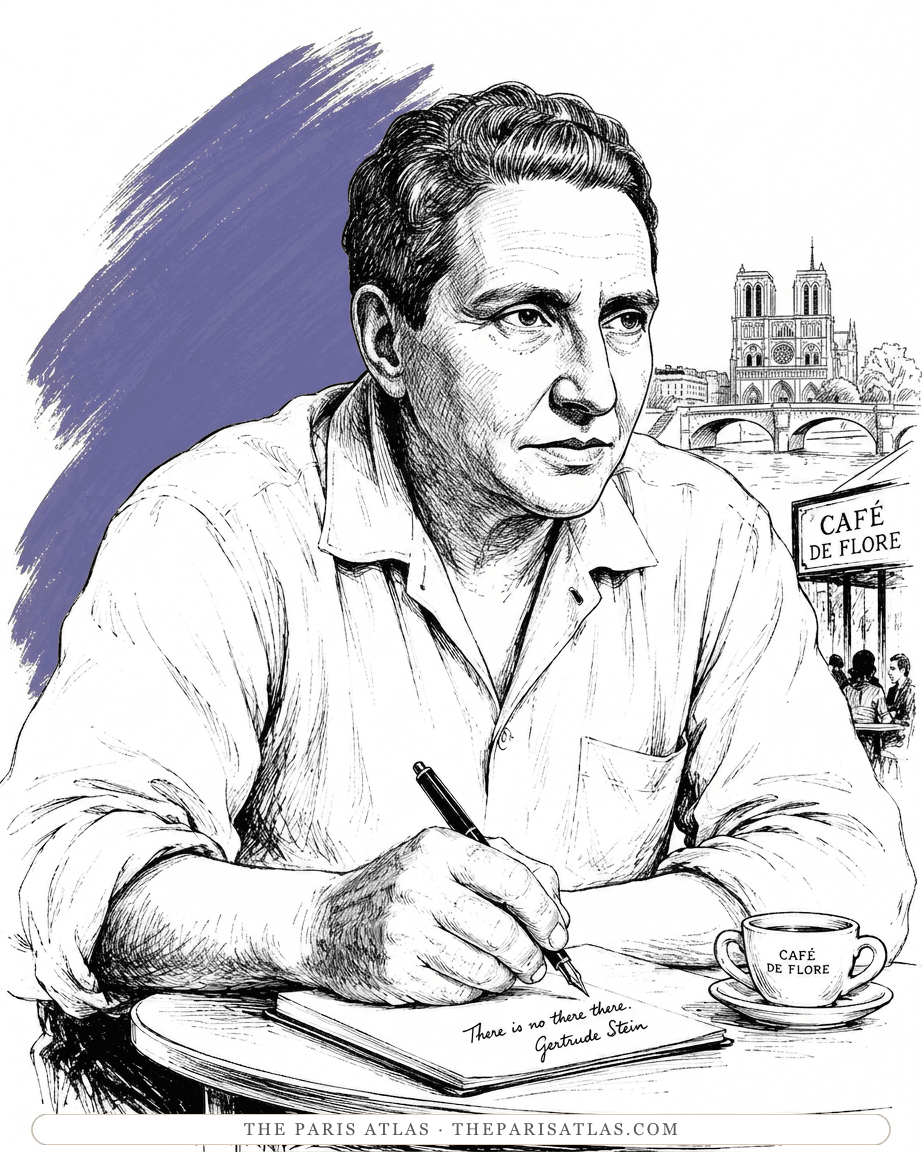
Illustrated portrait of Gertrude Stein

Gertrude Stein

  • Author
  • Salon host
  • Patron

Met · 1924

His godmother. Gertrude Stein and Alice B. Toklas stood as godmothers to Bumby in 1924, and Stein is photographed with the infant in Paris.

Carlos Baker, Ernest Hemingway: A Life Story (1969)

Illustrated portrait of Alice B. Toklas

Alice B. Toklas

  • Salon host
  • Publisher
  • Author

Met · 1924

His other godmother. Alice B. Toklas stood as godmother to Bumby with Gertrude Stein at his christening in 1924.

Carlos Baker, Ernest Hemingway: A Life Story (1969)

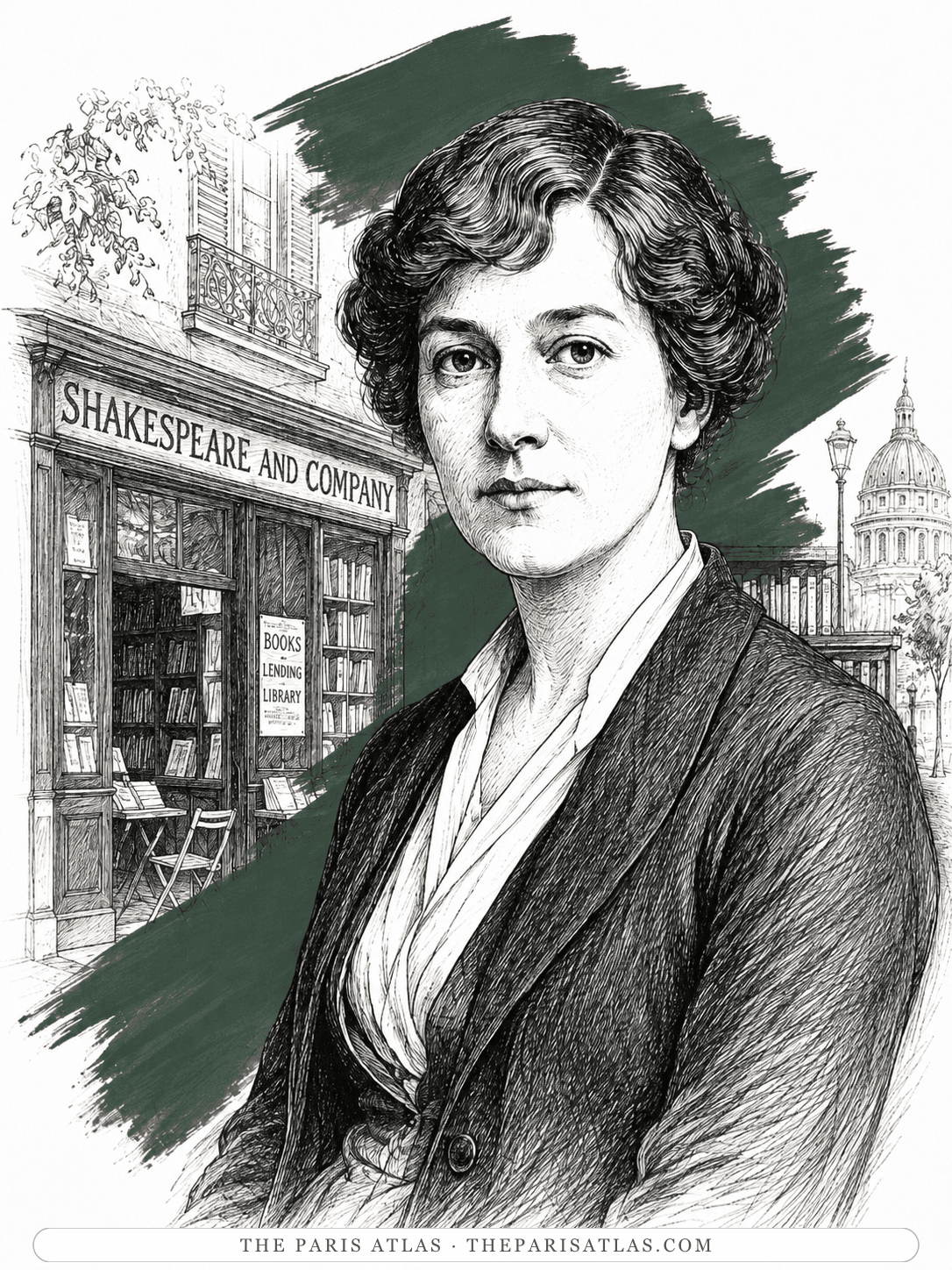
Illustrated portrait of Sylvia Beach

Sylvia Beach

  • Bookseller
  • Publisher
  • Author

Met

As a small boy Bumby knew and liked the Shakespeare and Company bookseller and, amused by her name, called her 'Silver Beech.'

Sylvia Beach, Shakespeare and Company (1959)

Jack Hemingway’s Places

The cataloged places connected to Jack Hemingway — through the books, and through the documented record.

Places you can enter today appear first, followed by addresses to see from outside and sites that have vanished.

Questions about Jack Hemingway

Who was Jack Hemingway's first wife?

Byra Louise Whittlesey, known as Puck. They married in 1949 and were married until her death in 1988, and their three daughters were Joan, Margaux and Mariel. Searches for this often surface Hadley Richardson instead, but Hadley was his mother, not his wife.

Was Jack Hemingway the Bumby of A Moveable Feast?

Yes. Bumby was the family name for him as a baby in Paris, where he was the child of the first marriage and appears in his father's memoir under it. He was born in Toronto in 1923 and spent his early childhood in the Paris the book remembers.

Who were Jack Hemingway's daughters?

Joan, called Muffet; Margaux, the model and actress; and Mariel, the actress, who was nominated for an Academy Award for Manhattan. All three were his children with Puck Whittlesey.

What did Jack Hemingway do?

He served with the Office of Strategic Services in the Second World War, was wounded and taken prisoner in 1944, and afterwards worked in finance before devoting himself to fly fishing and conservation. He sat on the Idaho Fish and Game Commission, and his own memoir, A Life Worth Living, was published after his death.

Was Jack Hemingway a prisoner of war?

Yes, for the last six months of the war in Europe. Dropped into southern France in August 1944 to work with the Resistance, he was hit three times in the arm and shoulder near Hérival in the Vosges that October and surrendered. He was moved between camps, caught after an escape attempt, and had fallen from roughly two hundred pounds to under a hundred and fifty by the time American troops reached Moosburg in April 1945. He came home with the Bronze Star and the Croix de Guerre.

Did Jack Hemingway really parachute into France with a fly rod?

By his own account, yes. Alongside the pistol, knife and Thompson submachine gun, his kit for the August 1944 drop included a fly rod, a reel, and a map case packed with trout flies. Fishing was the thread of his whole life, and it ran through the war too.

How did Jack Hemingway die?

He died in New York on 1 December 2000, aged seventy-seven, from complications after heart surgery. He is buried in Ketchum, Idaho, not far from his father. A second memoir, A Life Worth Living, was published in 2002.

Sourced claims

Every connection the graph holds for Jack, with the evidence behind it.

Child of

Ernest Hemingway

His father. Jack — 'Bumby' — was the only child of Ernest Hemingway and Hadley Richardson.

Ernest Hemingway, A Moveable Feast (1964); Carlos Baker, Ernest Hemingway: A Life Story (1969)

Child of

Hadley Richardson

His mother, and her only child; her steady income underwrote the Paris years A Moveable Feast remembers.

Ernest Hemingway, A Moveable Feast (1964); Carlos Baker, Ernest Hemingway: A Life Story (1969)

Met · 1924

Gertrude Stein

His godmother. Gertrude Stein and Alice B. Toklas stood as godmothers to Bumby in 1924, and Stein is photographed with the infant in Paris.

Carlos Baker, Ernest Hemingway: A Life Story (1969)

Met · 1924

Alice B. Toklas

His other godmother. Alice B. Toklas stood as godmother to Bumby with Gertrude Stein at his christening in 1924.

Carlos Baker, Ernest Hemingway: A Life Story (1969)

Met

Sylvia Beach

As a small boy Bumby knew and liked the Shakespeare and Company bookseller and, amused by her name, called her 'Silver Beech.'

Sylvia Beach, Shakespeare and Company (1959)

Lived at · 1924–1926

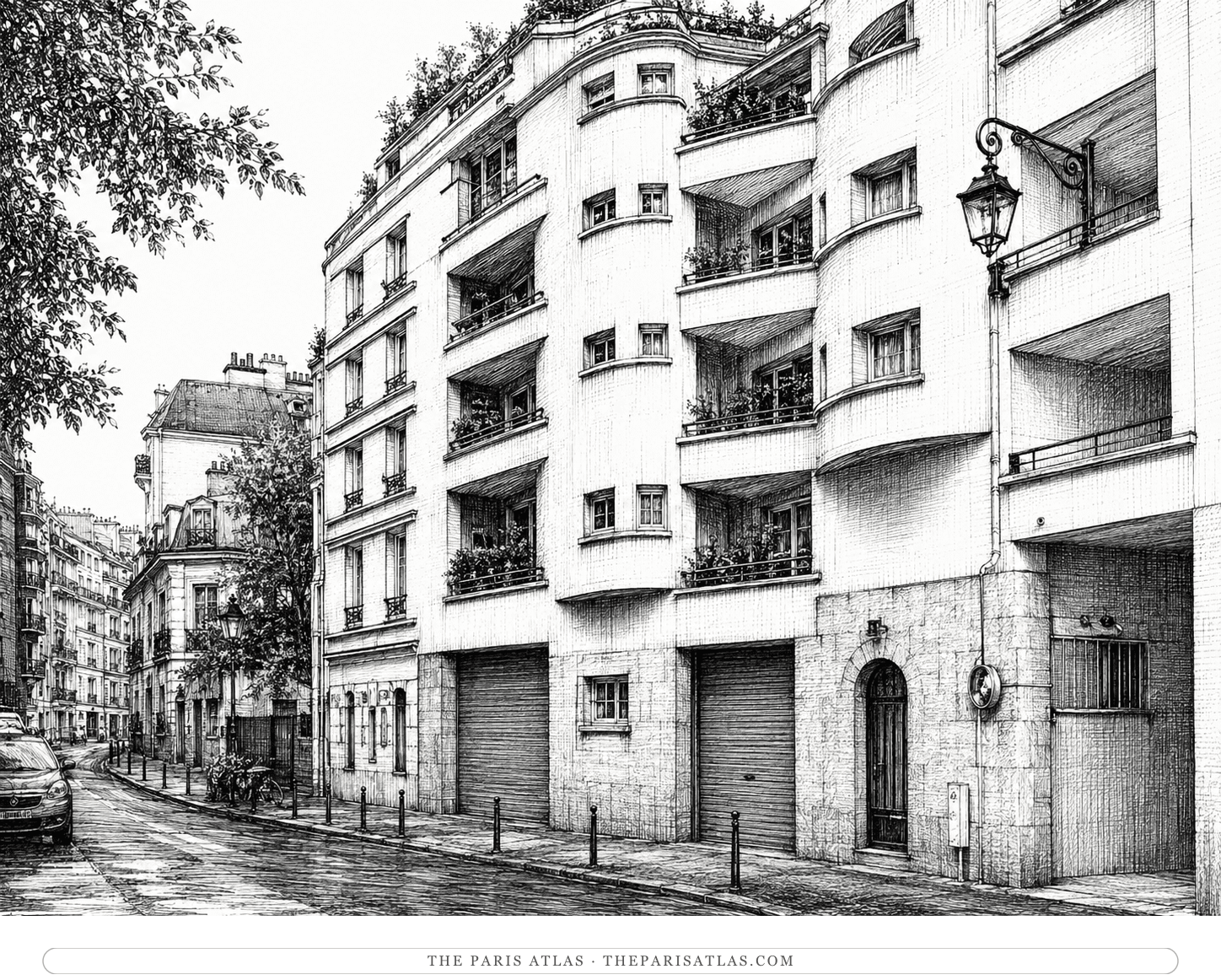
113 Rue Notre-Dame-des-Champs

The infant 'Bumby' of A Moveable Feast lived here with Ernest and Hadley in the flat above the sawmill, after the family returned from Toronto.

Ernest Hemingway, A Moveable Feast (1964)

Depicted in

A Moveable Feast

'Bumby' — the infant son carried through the memoir's Paris, watched in his tall cage bed by the cat F. Puss and wintered with the family at Schruns.

Ernest Hemingway, A Moveable Feast (1964)

Browse all authors