
A Moveable Feast
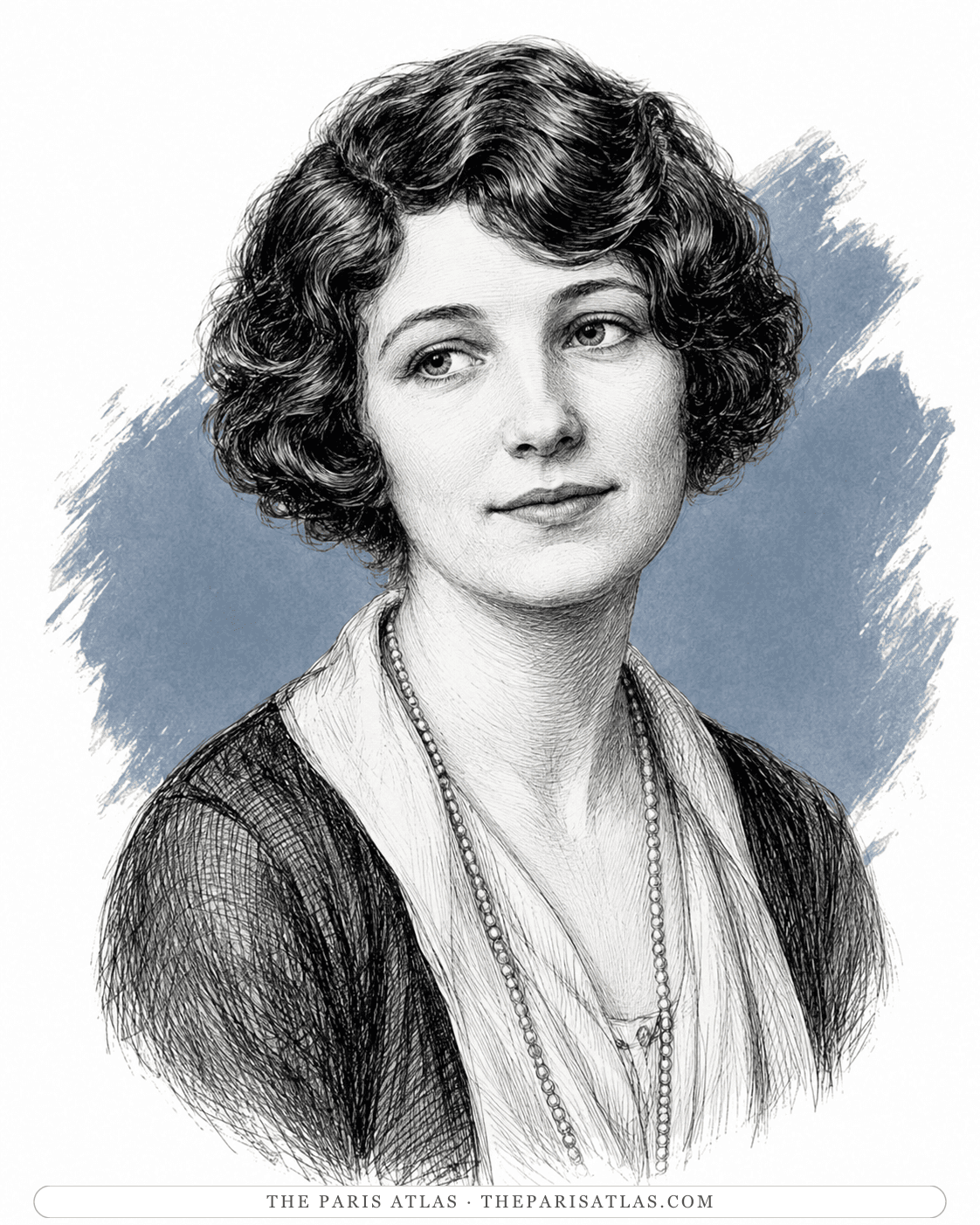
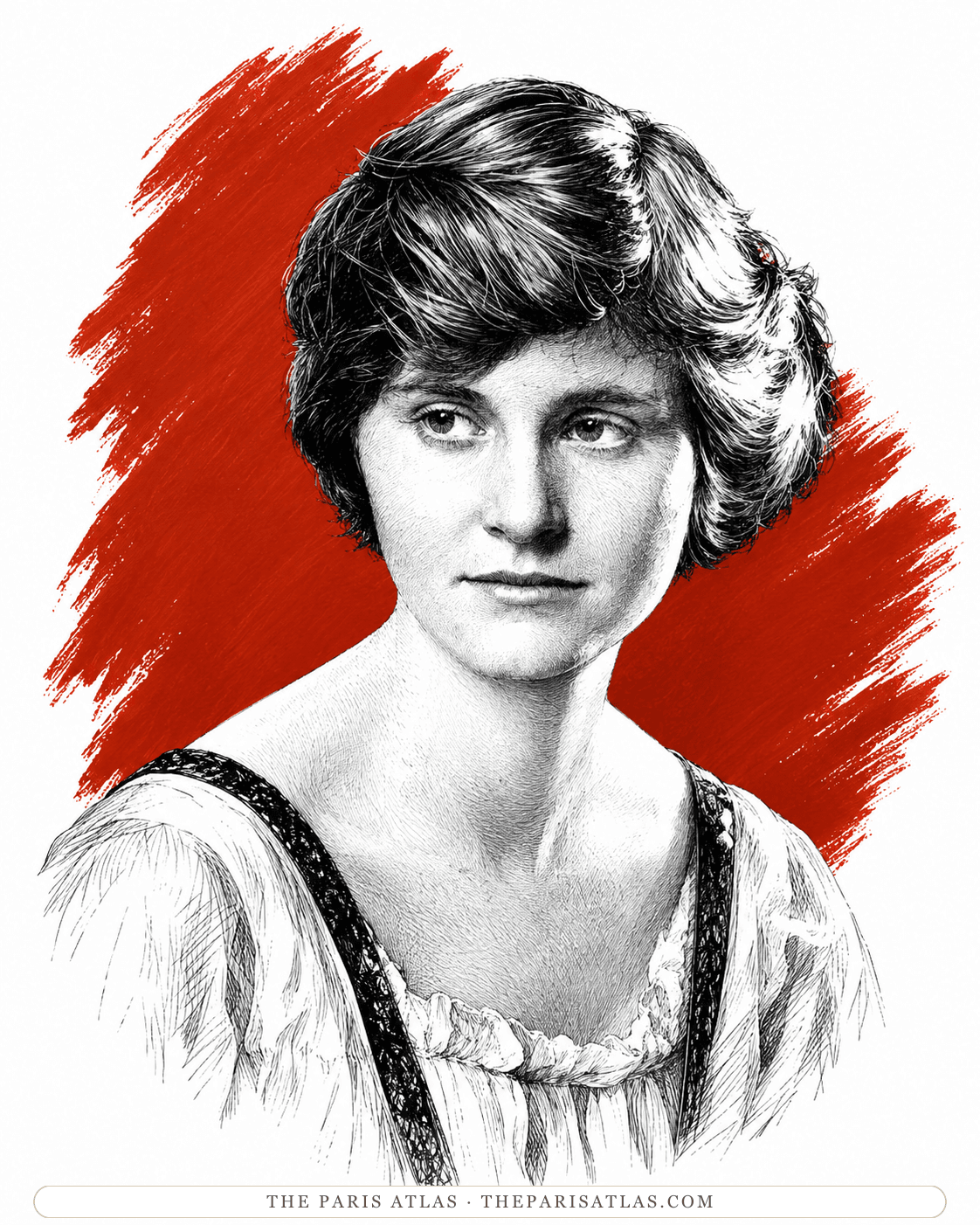
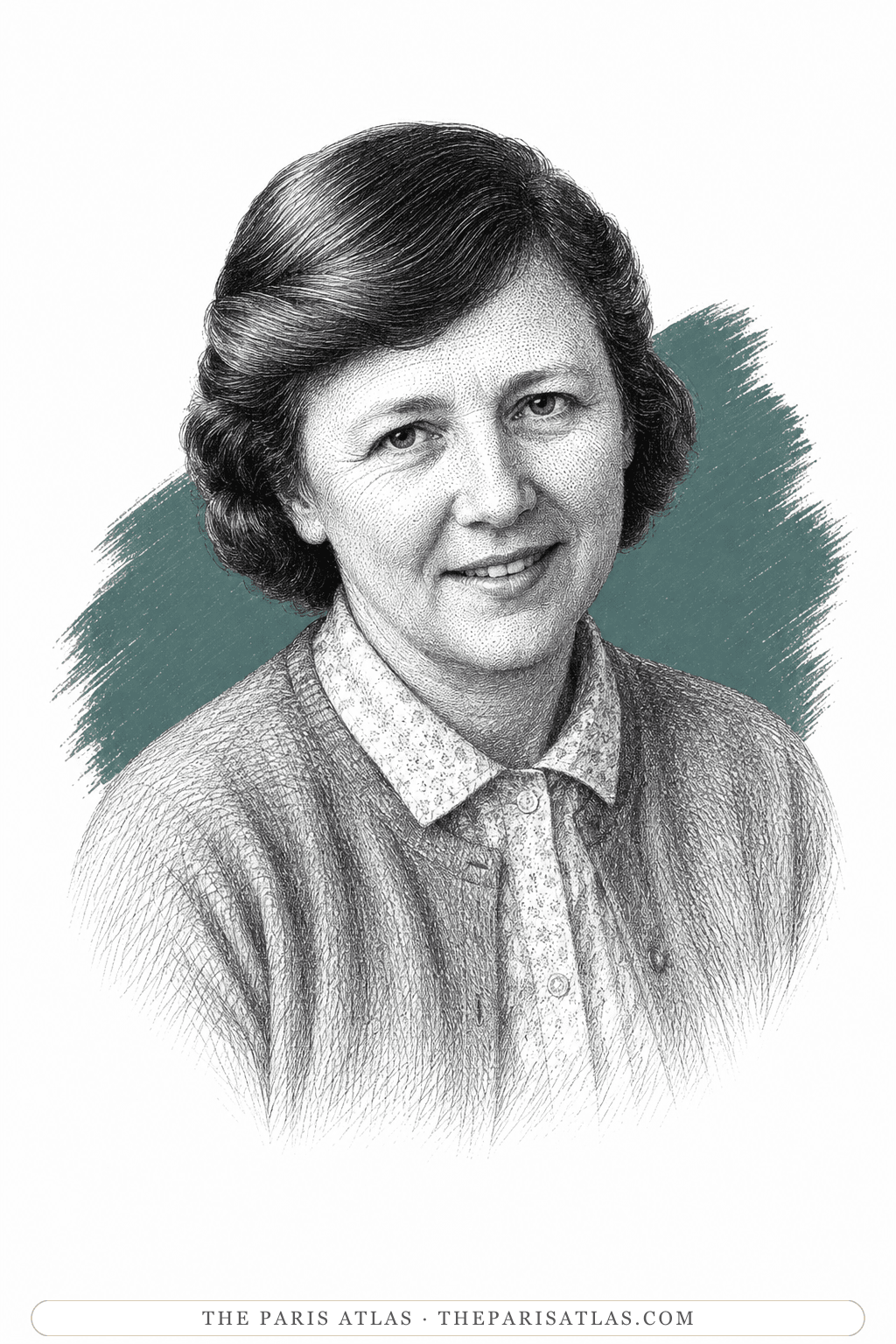
How Zelda appears in its pages: Scott's wife, present at the parties and at the center of 'Hawks Do Not Share' — the memoir's most disputed portrait.
Scott's wife, present at the parties and at the center of 'Hawks Do Not Share' — the memoir's most disputed portrait.
Who they are in the book
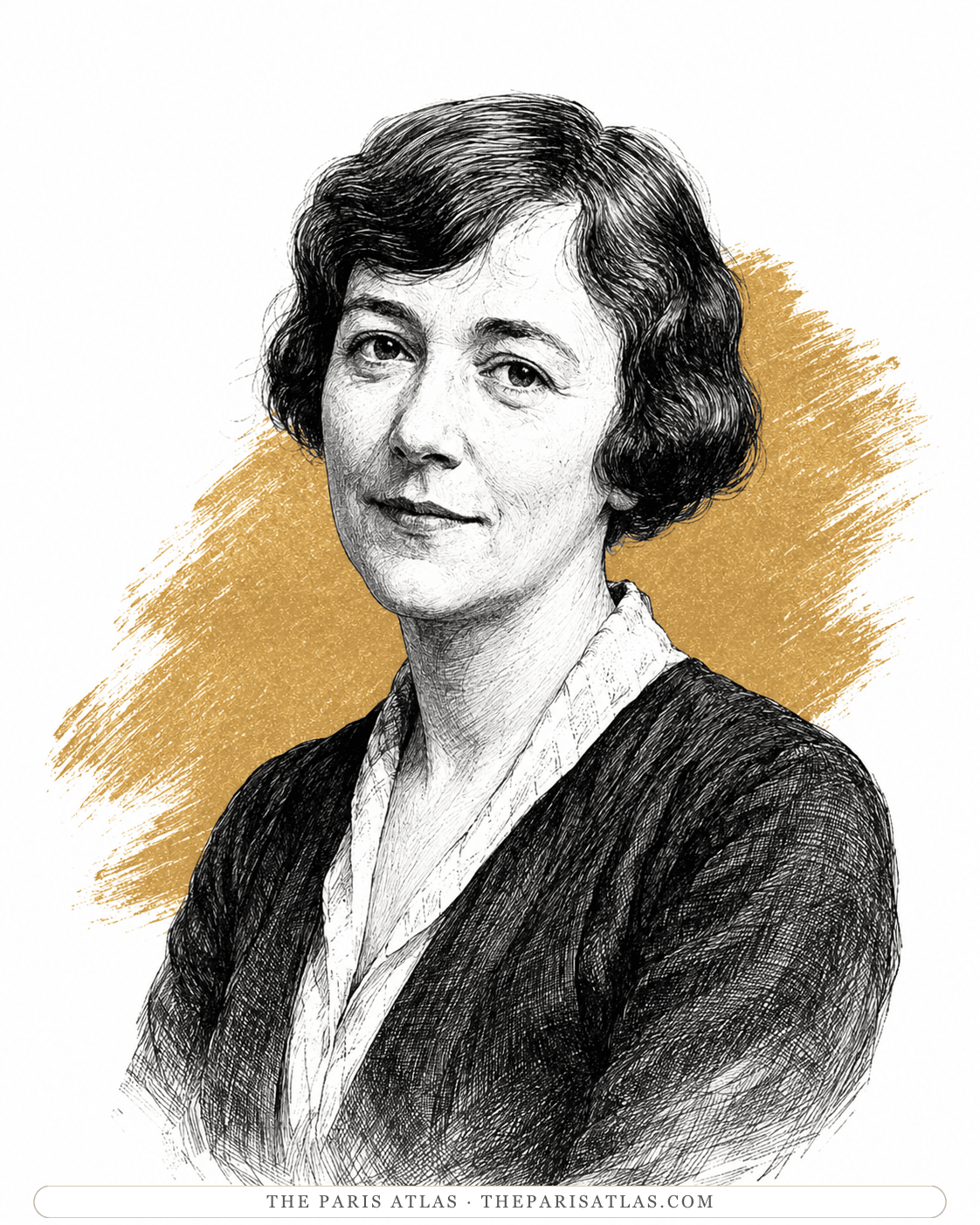
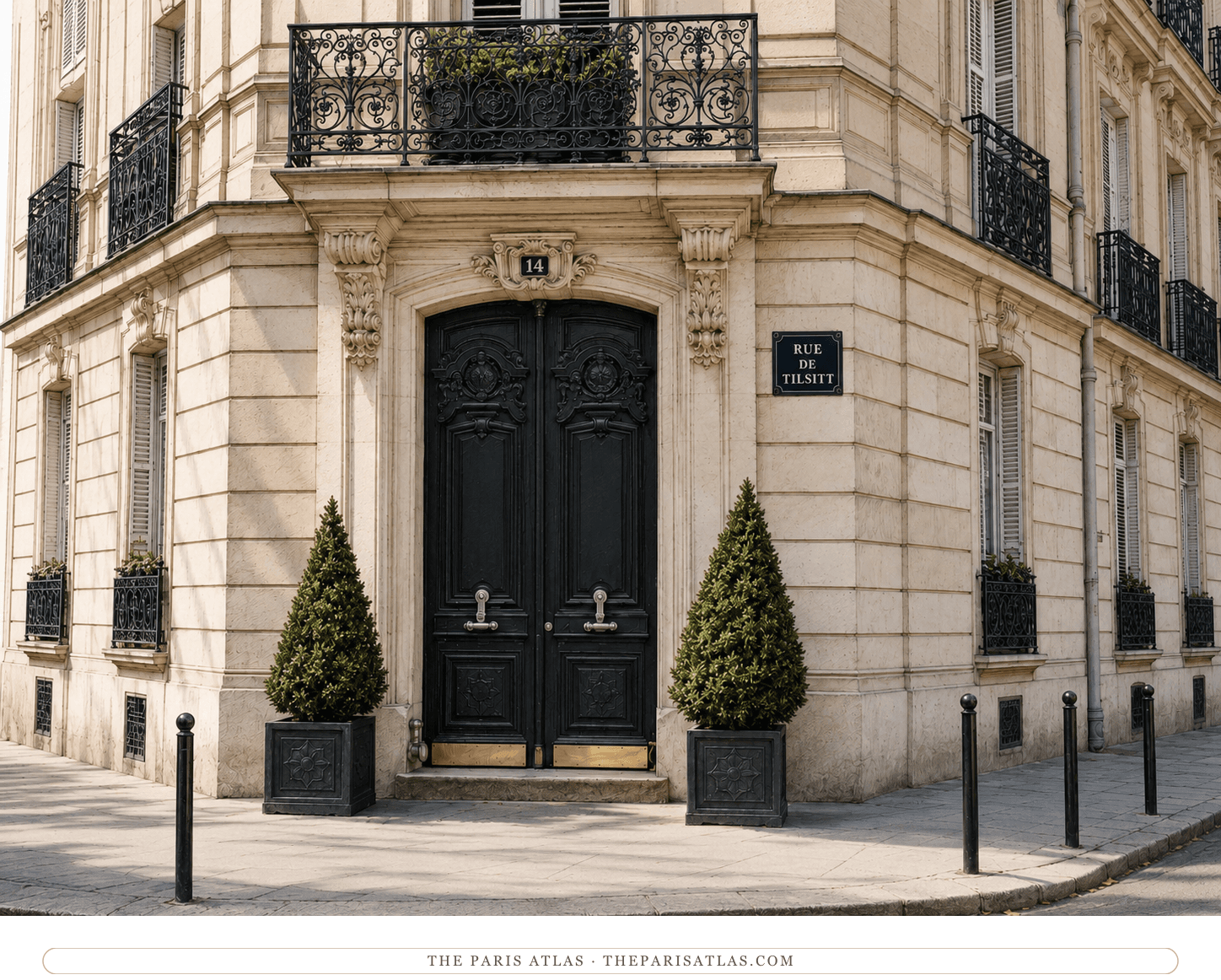
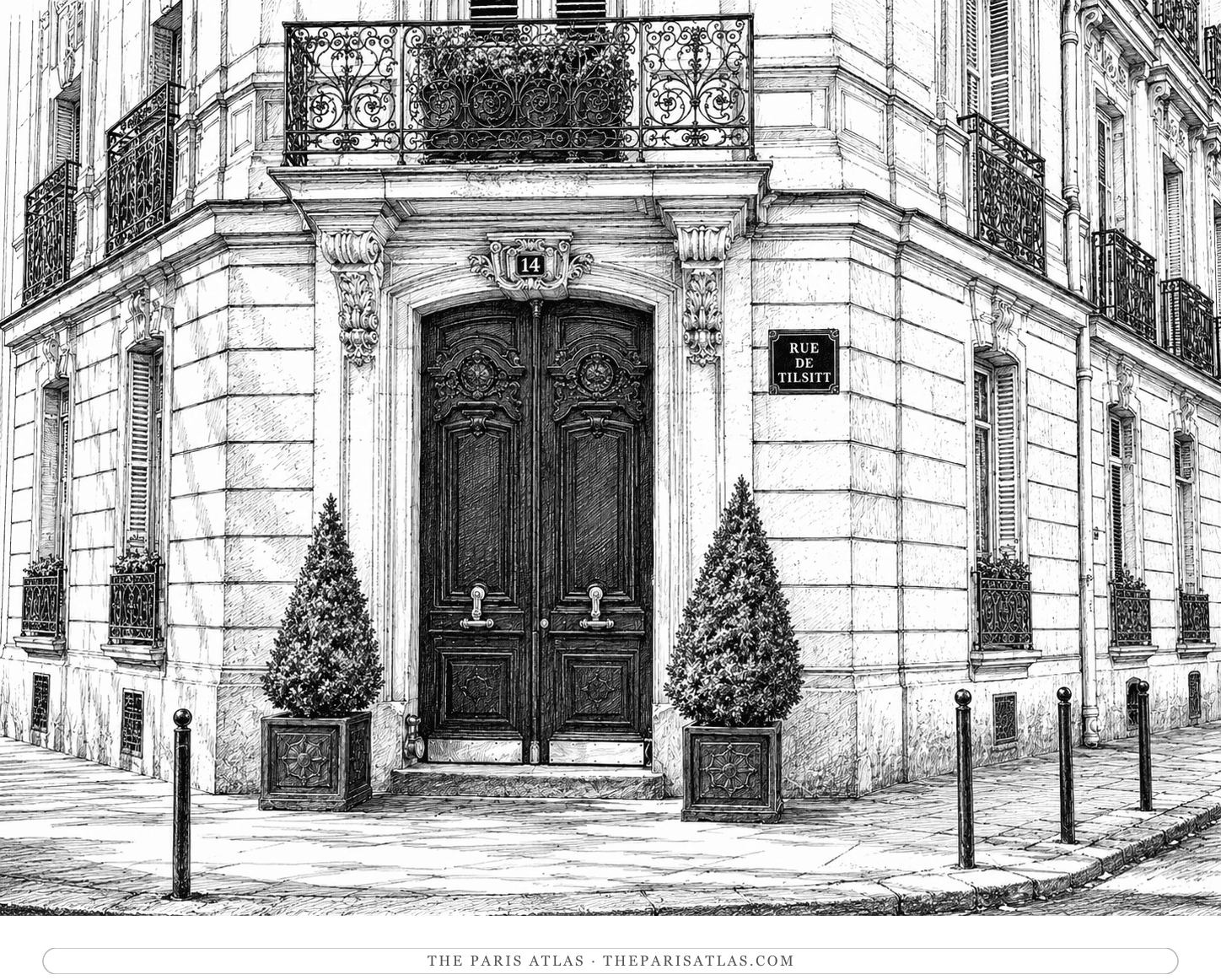
Spoiler-freeZelda enters the book on Scott's arm and stays at the edge of his chapters, watching. The memoir presents her with hawk's eyes and a dangerous smile, and its thesis is blunt: she is jealous of Scott's work, and the parties, the drinking, and the chaos that keep him from writing are — in Hemingway's telling — partly her design. 'Hawks Do Not Share' is her chapter, set in the Fitzgeralds' gloomy flat on the rue de Tilsitt.
What Zelda wants, the book never really asks — it is Scott's corner the narrator is in, and the portrait makes no secret of it. Even so, her intelligence keeps breaking through the frame: the wit is quick, the judgments land, and the reader can usually see a second version of events running under the one being narrated.
How Zelda Fitzgerald Is Portrayed
- The lookHawk's eyes and a thin mouth, softened by deep-South manners and a drawl — a physical description that doubles as the book's warning.
- The tellShe grows happiest, the narrator notices, exactly when Scott is drinking — a smile the book chooses to read as strategy.
- The deliveryHer hardest remarks arrive softly, as confidences — which is what makes them land.
- The Riviera glossAt Juan-les-Pins the book concedes the glamour in full: tanned a lovely gold, her hair a beautiful dark gold, and entirely friendly — the portrait's warning issued precisely because the surface was this good.
- The settingThe chapter meets her at the Fitzgeralds' flat on the rue de Tilsitt, which the book finds cheerless — rented grandeur near the Étoile with nothing of their Paris in it.
- The watchfulnessMore observer than participant in Scott's chapters: the book keeps catching her watching — the table, the drinks, Scott — and keeps wondering what the watching is for.
At a glance
- 'Zelda' — Scott's wife, the Jazz Age's other famous Fitzgerald
- 'Hawks Do Not Share' and the edges of Scott's chapters
- Zelda Fitzgerald (née Sayre) · 1900–1948 · Montgomery, Alabama
The chapter's ending shows its hand: Hemingway writes that the moment he understood everything was Zelda leaning close to tell him her secret — that Al Jolson is greater than Jesus. The book treats it as the first visible crack of the illness to come; Zelda suffered her first breakdown in 1930 and spent much of her remaining life in clinics, diagnosed with schizophrenia. She died in 1948, in a fire at Highland Hospital in Asheville, North Carolina.
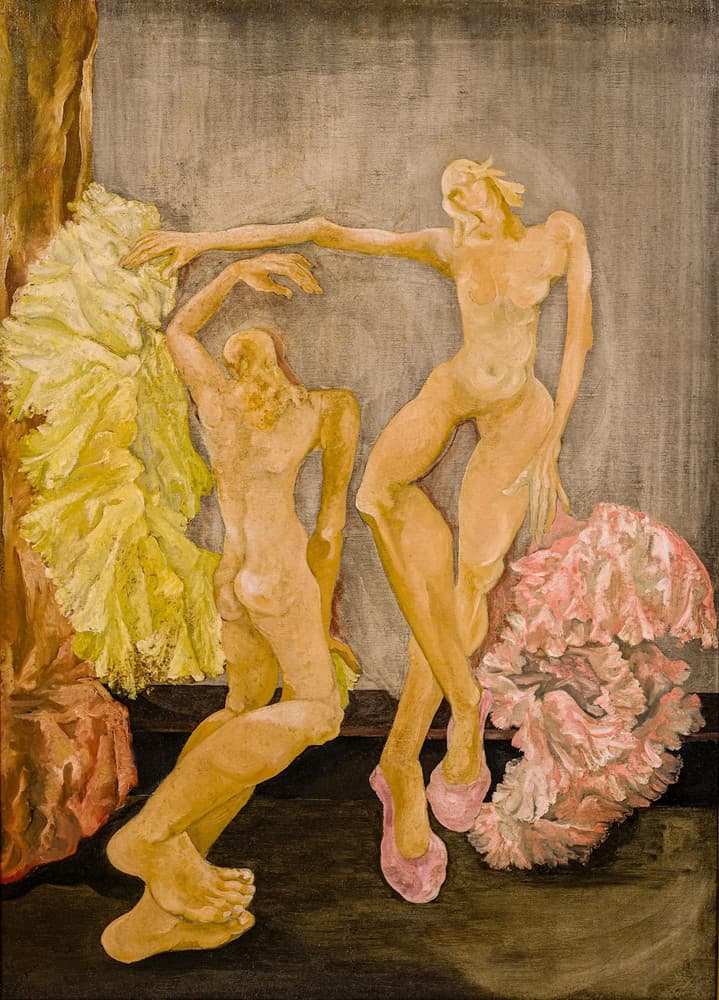
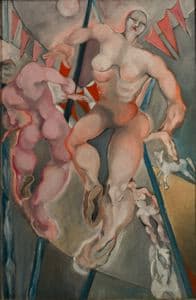
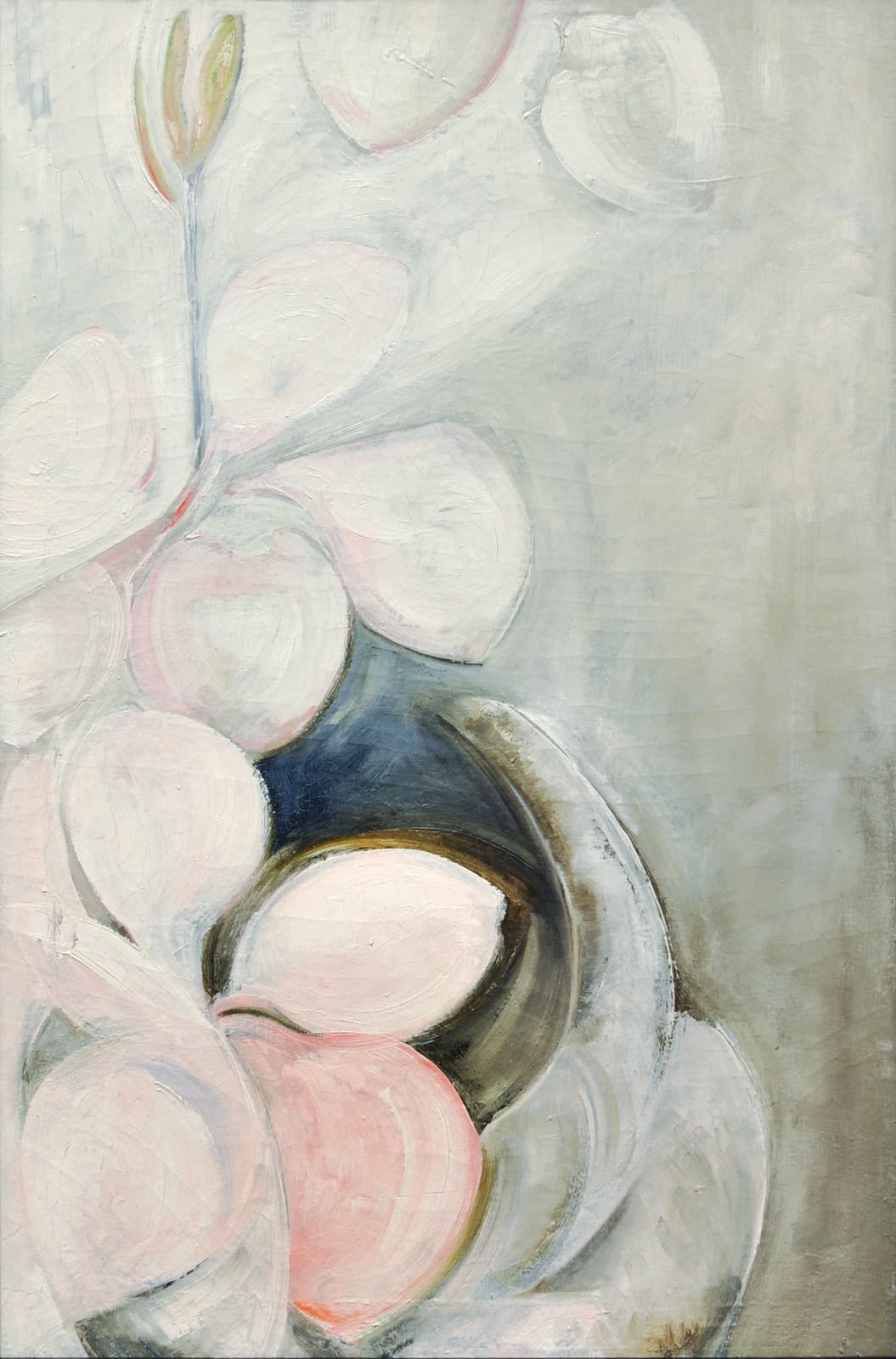
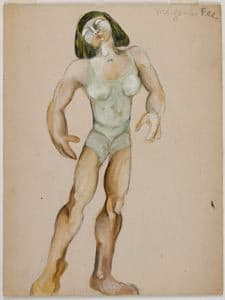
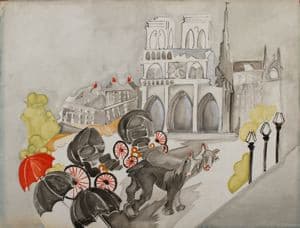
The counter-case is now a literature of its own. Zelda was a writer and painter in her own right — her novel Save Me the Waltz appeared in 1932 — and biographers since Nancy Milford's Zelda (1970) have argued that the memoir's portrait blames her for a dynamic two people built. Hemingway never pretended to neutrality about her, and readers should take the chapter as testimony from one side of a marriage he watched from outside.






 View source