

This Side of Paradise
The novel that came six months earlier and made all this possible. It made F. Scott Fitzgerald famous at twenty-three, and Scribner's asked for a story collection to follow it while people were still buying.
Read our take
F. Scott Fitzgerald's first book of short stories, published in September 1920 — eight magazine pieces written for money, one of which became the most famous American story about a haircut.
Eight short stories by F. Scott Fitzgerald, collected six months after his first novel made him famous at twenty-three. All eight had already run in magazines earlier that year, which is the point: he was writing them to be paid, and he was paid well. The best-known is “Bernice Bobs Her Hair,” in which a shy visiting cousin is coached into popularity by the girl she is staying with, and then dared into cutting her hair short, an act that in 1920 was close to scandalous. The next best is “The Ice Palace,” about a young woman from Georgia who gets engaged to a man from Minnesota and travels north in January to find out what she has agreed to. The rest range from a comic yarn about a pirate who turns out not to be a pirate to a bleak account of a marriage going wrong across twenty years.
F. Scott Fitzgerald's first novel, This Side of Paradise, came out on 26 March 1920 and sold out its first printing in three days. Charles Scribner's Sons wanted something to follow it in the autumn while the name was still hot, and Fitzgerald had the material ready, because he had spent the previous year writing short stories for magazines. Eight of them went into this book. Every one had already been printed and paid for: four in The Saturday Evening Post, two in Scribner's Magazine, and two in the monthly The Smart Set.
The money is part of the story and there is no reason to be delicate about it. Fitzgerald had a literary agent, Harold Ober, who placed six stories with the Post in the first half of 1920 at four hundred dollars each. Matthew J. Bruccoli, the scholar who reconstructed Fitzgerald's finances from his own ledger, records that his Post price rose from four hundred dollars in 1919 to four thousand by 1929. James L. W. West III, who edited the scholarly edition of this collection, puts it plainly: magazine stories could be written in short bursts, were paid for at once, and financed the expensive life Fitzgerald and his new wife Zelda Sayre had started living. In 1920 the film company Metro paid him two thousand five hundred dollars for the screen rights to one of these stories, “Head and Shoulders,” and released it that August as The Chorus Girl's Romance.
Scribner's published the book on 10 September 1920 in a first printing of five thousand copies at $1.75, with a dust jacket drawn by the illustrator W. E. Hill. It was reprinted five times over the next two years: 3,000 copies that same September, 3,025 in October, 2,000 in December, 1,300 in December 1921, and 1,000 in November 1922. The dedication reads: To Zelda. They had married five months earlier, eight days after the novel was published.
The book is not consistent, and Fitzgerald knew which stories were which. Two of the eight have lasted. “Bernice Bobs Her Hair” grew out of a ten-page letter he had written in 1915 to his sister Annabel, who was then fourteen, telling her exactly how to be popular; years later he wrote “Basis of Bernice” at the top of that letter. “The Ice Palace” came from a walk through the Confederate section of Oakwood Cemetery in Montgomery, Alabama, with Zelda Sayre during their courtship. Fitzgerald's own account of it: “I was in Montgomery, Alabama, and while out walking with a girl I wandered into a graveyard. She told me I could never understand how she felt about the Confederate graves, and I told her I understood so well that I could put it on paper.” On the train home he realised the graveyard and a Minnesota winter were one story.
“The Offshore Pirate” opens the book and is the lightest thing in it. Ardita Farnam, nineteen, is lying on the deck of her uncle's steam yacht off the Florida coast, reading a French novel and sucking a lemon, when a rowboat pulls alongside carrying seven men who announce that they are taking the yacht. Their leader gives his name as Curtis Carlyle, a ragtime musician on the run with a million dollars in white sacks. Ardita, who has never been afraid of anything, decides she would rather be kidnapped than go to dinner with her uncle's friends.
“The Ice Palace” is the second story and the strongest one after “Bernice Bobs Her Hair.” Sally Carrol Happer is nineteen and lives in Tarleton, in southernmost Georgia, where the heat is total and nothing happens. She is engaged to Harry Bellamy, who comes from a Northern city, and in January she takes the train up to spend a month with his family during the winter carnival. The carnival's centrepiece is a palace built of ice blocks, three storeys high, with a maze of passages underneath it.
“Head and Shoulders” is a comedy about a seventeen-year-old philosophy prodigy named Horace Tarbox and a nineteen-year-old chorus dancer named Marcia Meadow, who is sent up to his rooms as a joke by his cousin. It has the neatest plot in the collection and the least weight. “The Cut-Glass Bowl” is the opposite: the story of Evylyn Piper's marriage told across twenty years, organised around an enormous cut-glass punch bowl that a rejected suitor gave her as a wedding present.
“Bernice Bobs Her Hair” is the reason most people still open the book. Bernice is visiting her cousin Marjorie Harvey for the month of August. She is pretty, rich, and no fun at parties, and the local boys dance with her once out of duty. Overhearing Marjorie say so to her mother, Bernice offers to do anything she is told, and Marjorie takes her apart and rebuilds her: eyebrows, dancing, conversation. Then she hands her one line to repeat at dinner tables, that she is thinking of having her hair bobbed.
“Benediction” follows Lois, nineteen, who breaks a train journey to spend an afternoon at a Jesuit seminary in Maryland with the brother she has not seen since she was five, and who is seventeen years into training for the priesthood. “Dalyrimple Goes Wrong” is about a decorated war hero who comes home to no job and no money and works out, walking in the rain one evening, that he no longer believes good and evil are worth the trouble. “The Four Fists” closes the book with a man named Samuel Meredith who has been punched in the face four times in his life, each time deservedly, each time to his lasting benefit.
“Bernice Bobs Her Hair.” Marjorie, who has been quietly losing Warren McIntyre to her cousin, calls the bluff in front of everyone at a bridge party, and the whole crowd drives Bernice down to the Sevier Hotel barber shop to watch. Bernice goes through with it, and it is a disaster. Her hair now lies “in lank lifeless blocks on both sides of her suddenly pale face.” Warren's eyes go cold, and Marjorie asks him for a lift to the cleaners. That night Bernice packs, walks into Marjorie's room while she sleeps, cuts off both of her long blond braids with a pair of shears, and carries them out of the house. Passing Warren's place she throws them onto his porch. The last line of the story is hers: “Scalp the selfish thing!”
“The Ice Palace.” On carnival night Harry leads Sally Carrol down a chute into the labyrinth beneath the ice palace, gets ahead of her, and is gone. The lights go out. She is lost in the passages in the dark for two hours, hallucinating the dead Southern girl whose gravestone she had shown Harry back in Georgia, before a search party with torches finds her. The man who carries her out is Roger Patton, the university professor she had liked at her first dinner party. She screams that she is going home tomorrow. The last section of the story is April in Tarleton, the same porch, the same friend in the same rattling Ford, the same exchange of greetings word for word — a deliberate repeat of the opening.
“The Cut-Glass Bowl.” Two disasters come out of the bowl: a punch party that ends the family's standing in the town on the same night that Evylyn's small daughter Julie develops blood poisoning from a cut she got on the glass, and loses her hand. Years later, a War Department telegram about Evylyn's son Donald is lying inside the bowl where the maid mislaid it. Evylyn reads it, then lifts the bowl in her arms, carries it out the front door, and falls with it down the stone steps.
A flapper, in the American slang of 1920, was a young unmarried woman of the generation that came of age around the First World War and did not intend to be supervised: she went to dances without a chaperone, wore her skirts shorter and her hair looser than her mother had, smoked, drank where drink could be got, and treated being talked about as a form of success. The word was new enough that it still carried an edge, and it was usually said by someone older and disapproving.
Fitzgerald put the word in his title and then, inside the book, gave it to people who use it as an insult. In “The Offshore Pirate,” Ardita Farnam's uncle imagines the newspaper version of her romance and calls her a virtuous flapper. The man who has just seized her uncle's yacht offers her a way off it: “if you will swear on your honor as a flapper — which probably isn’t worth much — that you’ll keep that spoiled little mouth of yours tight shut for forty-eight hours, you can row yourself ashore in our rowboat.” Later he tells her she has a lot of nerve for a flapper, and she answers: “I wish you wouldn’t call me that.” The one young woman in the book who gets called a flapper to her face asks the man to stop.
In 1920 an American woman past girlhood wore her hair long and pinned up. Putting it up was the visible marker of leaving childhood. One of the girls at the country-club dance in “Bernice Bobs Her Hair” is described as young enough that her hair still feels strange on top of her head. Short hair belonged to children, to dancers and actresses, and to women who had decided to be looked at. Cutting it off in public, at a hotel barber shop, in front of an audience, was not a style choice. It was a statement that could not be taken back for two years.
The story supplies its own evidence. Bernice's aunt is horrified less by the haircut than by the timing: the hostess of the next night's dance, Mrs. Deyo, had read a paper to her club called “The Foibles of the Younger Generation” and spent fifteen minutes of it on bobbed hair, which the narration calls her pet abomination. At the dinner table Bernice, coached, calls the practice unmoral. In the barber shop the first barber's cigarette falls out of his mouth, another barber spoils a boy's haircut, a man in the next chair gets cut by a razor, and small boys flatten their noses against the window from the street. One of them shouts about the long hair on a kid, because a girl with hair down her back reads to him as a child.
Bernice knows exactly what she is doing to herself. Riding downtown with the crowd following behind, she thinks of Marie Antoinette in the tumbrel, and the narration calls the barber's chair a guillotine and the barber the hangman. The result is bad, and she says so before anyone else can: it is ugly as sin, and she had known it would be.
“The Ice Palace” is a story about the difference between two American places, written by a man from St. Paul, Minnesota, who had just married a woman from Montgomery, Alabama. Sally Carrol Happer's Georgia is warm, slow, poor and backward-looking, and she loves it while seeing it clearly: she tells her friend Clark Darrow that the men she grew up with will all be failures, not only in money but in being “ineffectual and sad,” and in the same breath tells him she would not change him for the world.
Her reason for going north is stated once and never withdrawn. “Clark, I don’t know. I’m not sure what I’ll do, but — well, I want to go places and see people. I want my mind to grow. I want to live where things happen on a big scale.” The North she finds is competent, healthy, prosperous and cold in every sense. The women bore her, her fiancé's mother shortens her double name to Sally, and a professor at the university explains over dinner that the local population is slowly turning Scandinavian and gloomy.
The quarrel that decides the story is not about the weather. Harry Bellamy makes a joke about a badly dressed man being a Southerner, then keeps going and calls Southerners degenerates who have grown lazy. Sally Carrol tells him to hush his mouth, that they are her best friends, and that a Southerner would not talk the way he is talking. She then asks him to marry her the following week rather than in March, because she is frightened of having quarrels like that one, and he refuses on the ground that they had already decided. It is the last thing that happens before the ice palace.
These were just men, unimportant evidently or they wouldn’t have been ‘unknown’; but they died for the most beautiful thing in the world — the dead South.
The title divides the book, roughly. The flappers are Ardita Farnam, Sally Carrol Happer, Bernice, Marcia Meadow. The philosophers are four men who each work out a rule for living and then have it tested: Horace Tarbox, who has a master's degree at seventeen and no experience of anything; Bryan Dalyrimple, who decides that good and evil are a hindrance when you want something; Samuel Meredith, whose education comes entirely from being hit; and Kieth, the seminarian in “Benediction,” who has given up the world on the strength of a voice he heard on a train.
“Dalyrimple Goes Wrong” is the hardest of the four and the least like the rest of the book. A decorated soldier comes home, finds the parades over and the promised jobs gone, takes forty dollars a month in a grocery warehouse, and discovers on a salary ledger that the owner's nephew started at sixty. Walking home in the rain he reasons his way to a conclusion: “When I want something bad enough, common sense tells me to go and take it — and not get caught.” Then he cuts an eye-mask out of his coat lining and robs a man on the street. Nothing bad happens to him for it, and the story means that seriously.
“Benediction” is the one story in the book about faith, and readers who know F. Scott Fitzgerald only from The Great Gatsby do not expect it. A young woman on her way to meet a married man stops off at a Jesuit seminary to see her brother, sits through a service in the chapel, and is physically overwhelmed by it to the point of collapse. Fitzgerald never says why. What she decides to do about the man is delivered at the very end in thirteen words, in a torn-up telegram, read out by two clerks who have no idea who she is.
Fitzgerald was twenty-three and writing to a magazine formula, and the formula shows. Several stories end on a reversal timed for the last paragraph. “The Offshore Pirate” has a trick ending of the kind that was standard in the Post. Wealth is described admiringly and often. The narration and the white characters use the racial language of 1920 throughout, particularly in “The Offshore Pirate,” where six of the seven men who take the yacht are Black musicians and the story treats them as scenery.
What survives is the observation. The opening pages of “Bernice Bobs Her Hair” describe a country-club dance as a theatre with a gallery of caddies outside the windows and a critical balcony of mothers in wicker chairs, and every social fact in the story follows from that one image. The line most often quoted from the book is a piece of narration in the same story: “At eighteen our convictions are hills from which we look; at forty-five they are caves in which we hide.” Fitzgerald wrote that at twenty-three.
A shy girl is remade by her prettier cousin, dared into cutting her hair short in front of an audience, and takes a revenge nobody expects. It is the one story in the book that is still widely anthologised and taught, and it takes about an hour to read.
This is what a famous young writer produced when he needed money quickly in 1920: the formulas, the twist endings, and, twice, something much better than the job required.
The sentences that made The Great Gatsby are already here in places, five years early, alongside plenty of sentences that are not.
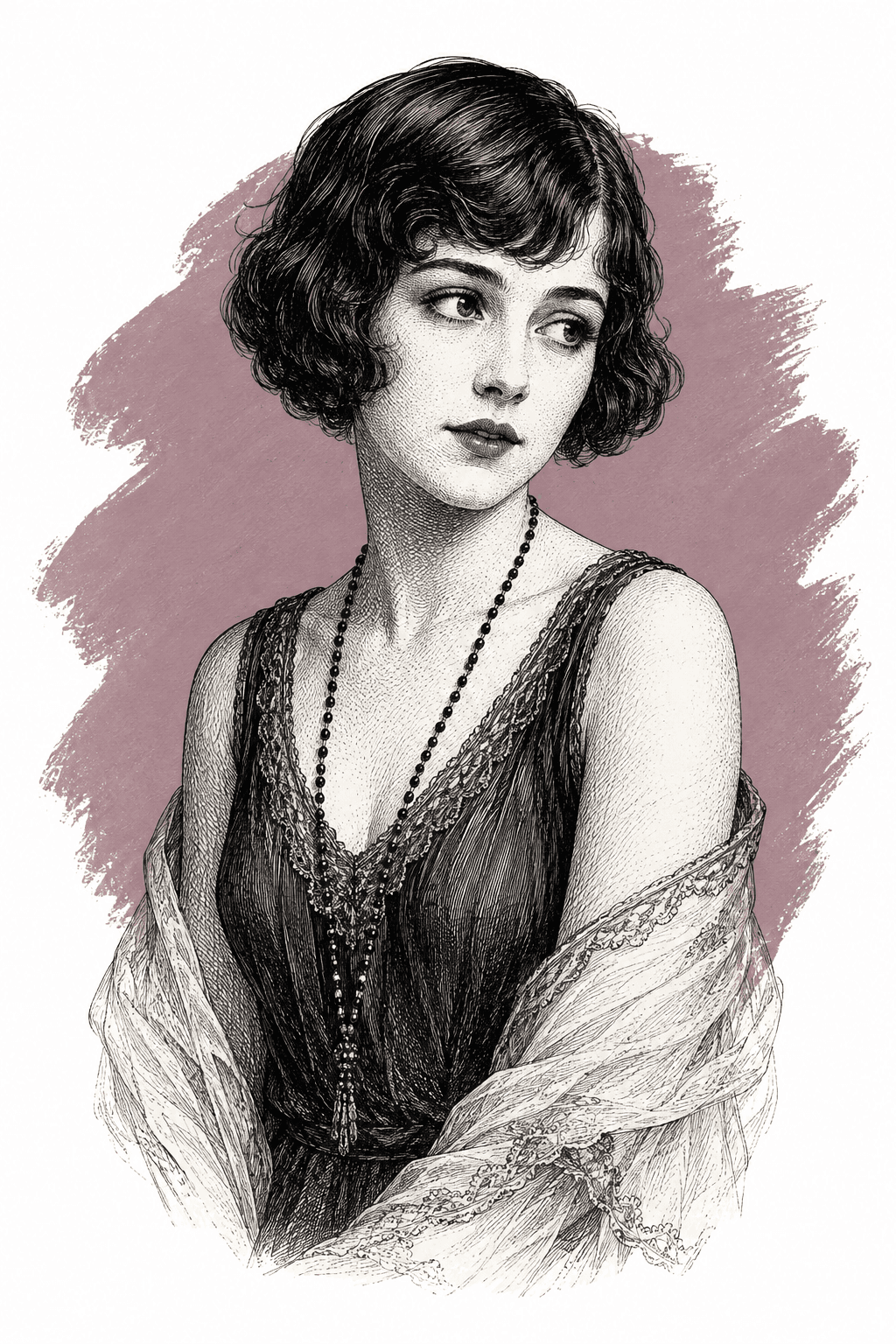
The visiting cousin in “Bernice Bobs Her Hair”: pretty, rich, dull at parties, and the one person in the story who gets her own back.
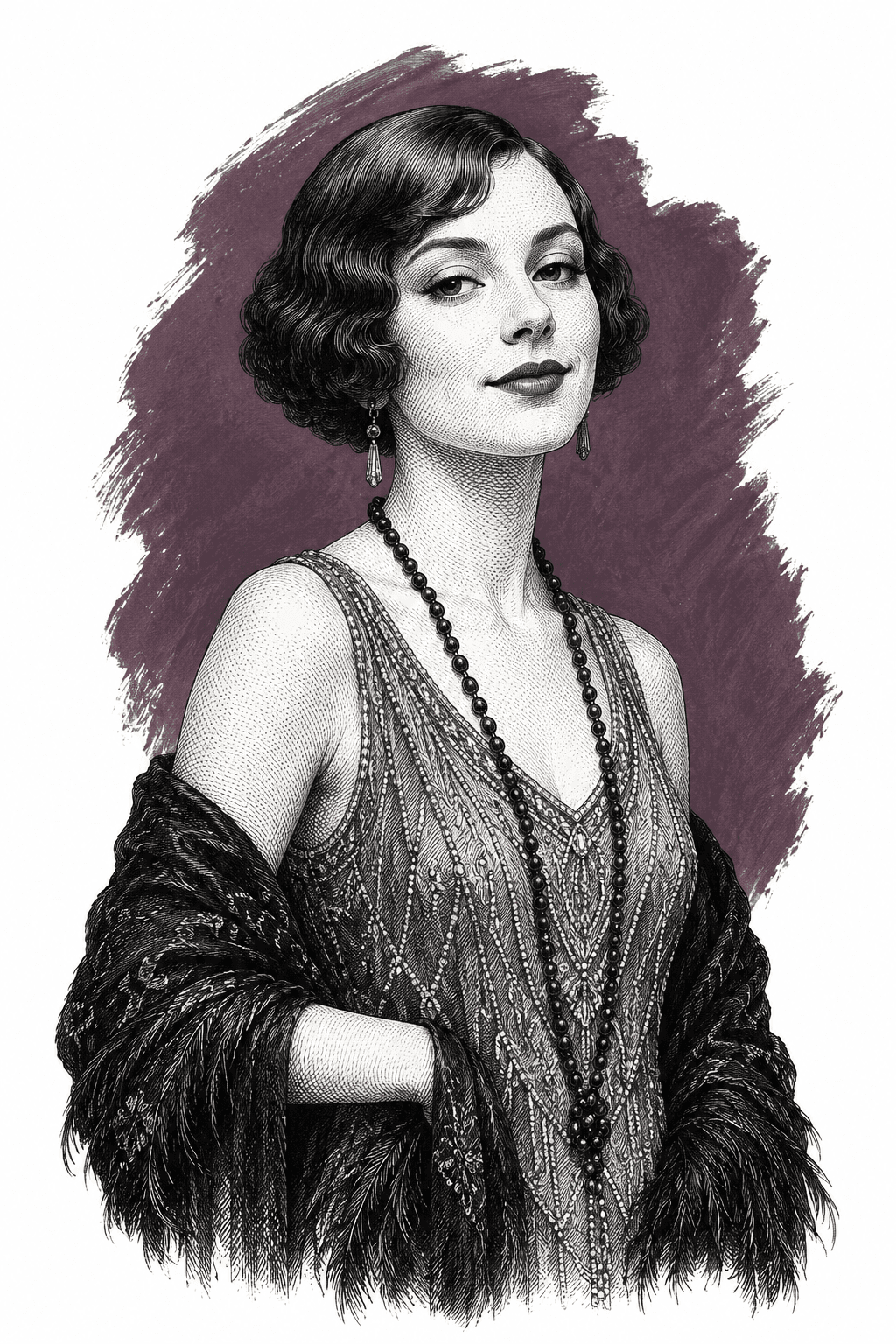
Bernice's cousin and host: clever, admired, contemptuous of other girls, and the person who teaches Bernice everything and then takes it back.
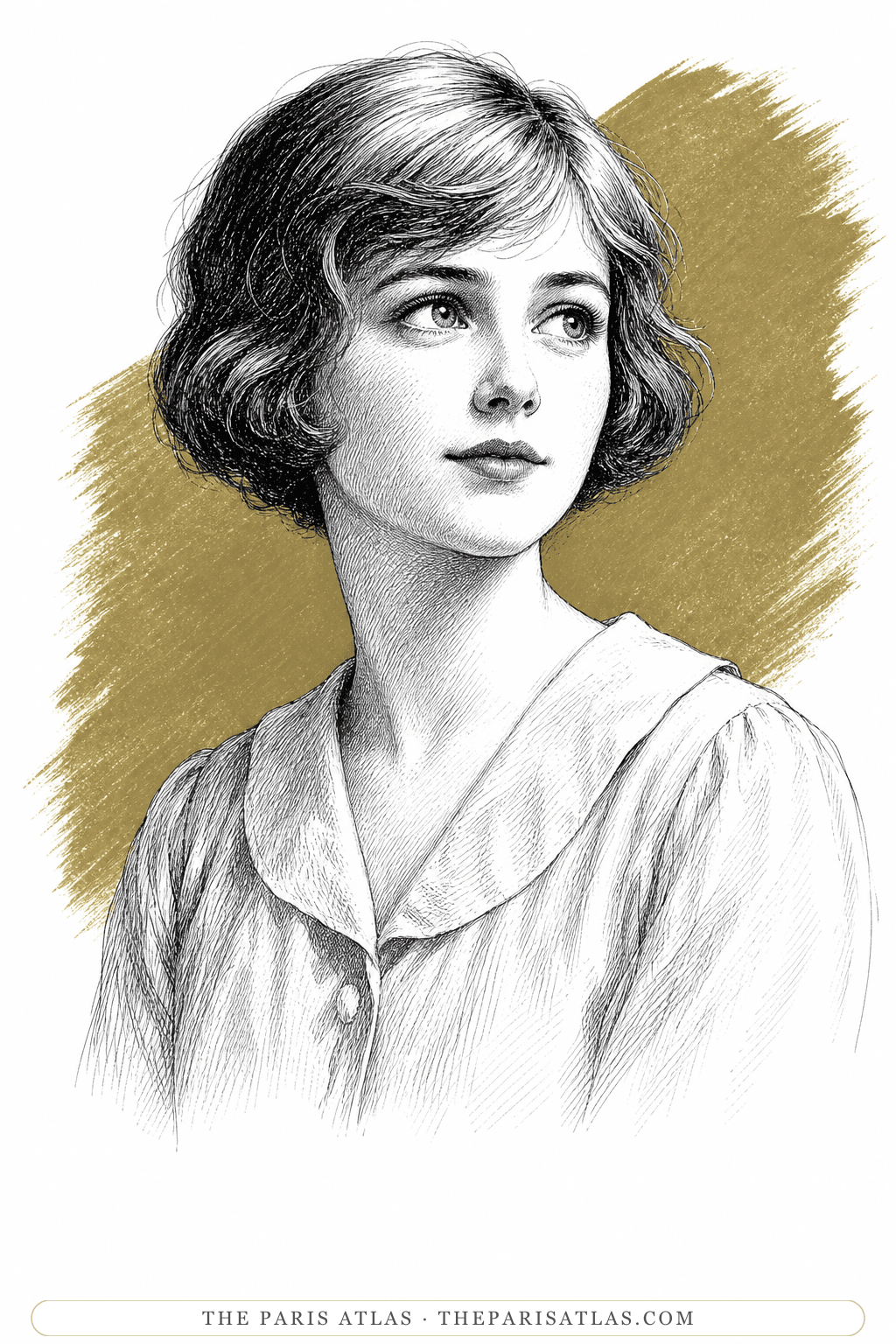
The nineteen-year-old from small-town Georgia in “The Ice Palace,” who loves the South and leaves it anyway.
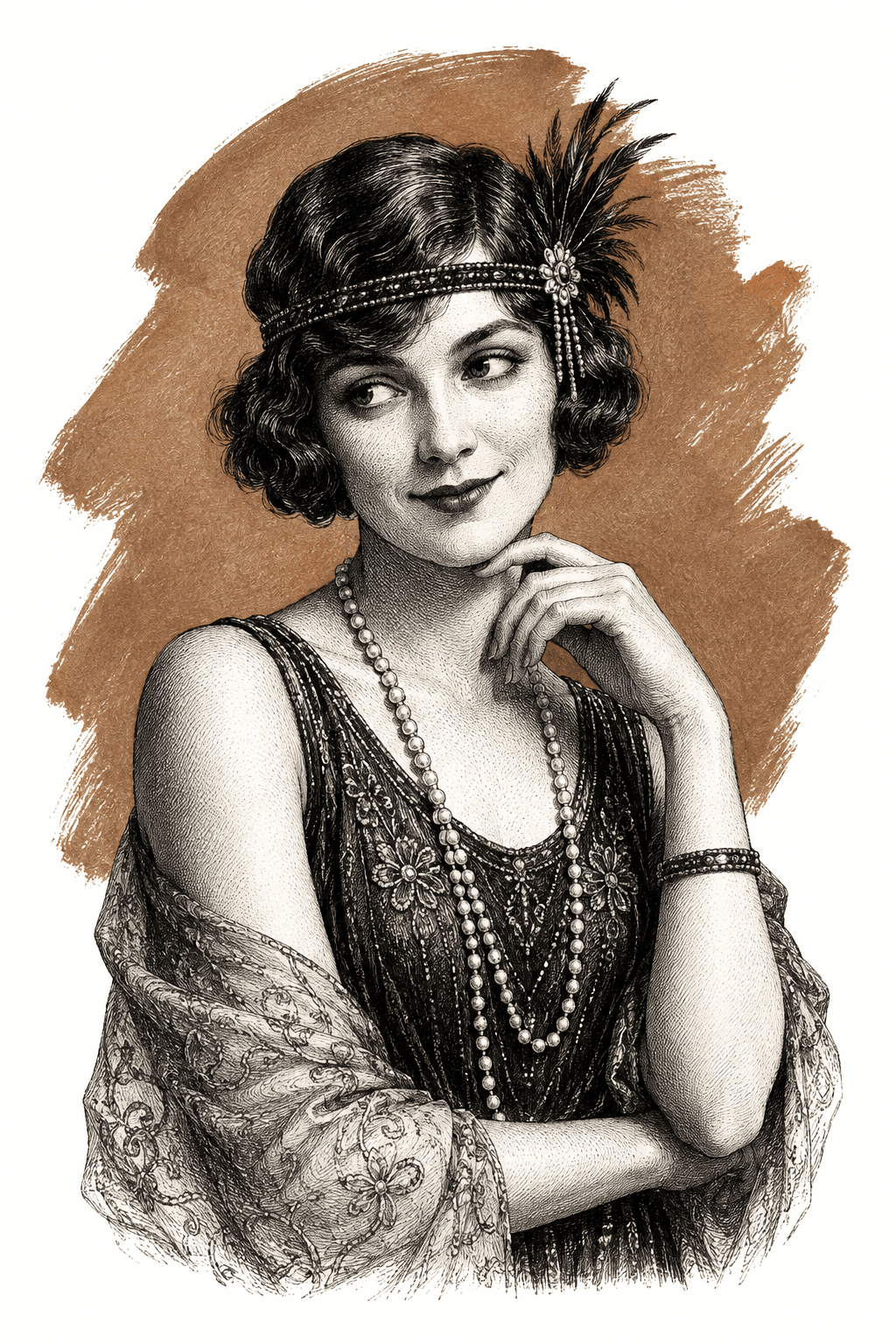
The nineteen-year-old on the yacht in “The Offshore Pirate,” who would rather be kidnapped than bored.
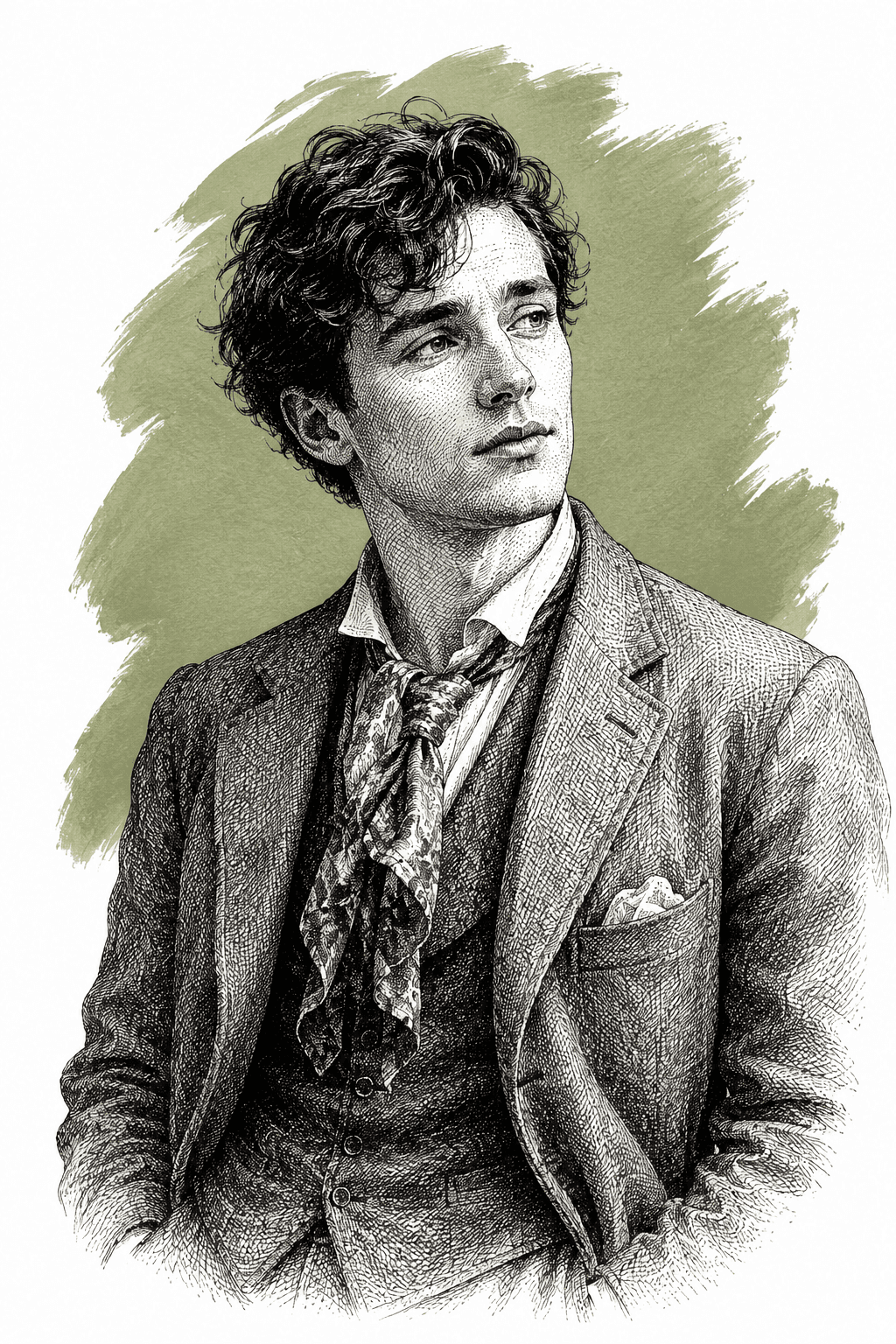
The young man who takes the yacht in “The Offshore Pirate”: a ragtime musician, by his own account, with a million dollars and a plan to become a rajah.

The seventeen-year-old philosophy prodigy in “Head and Shoulders,” who has read everything and done nothing.
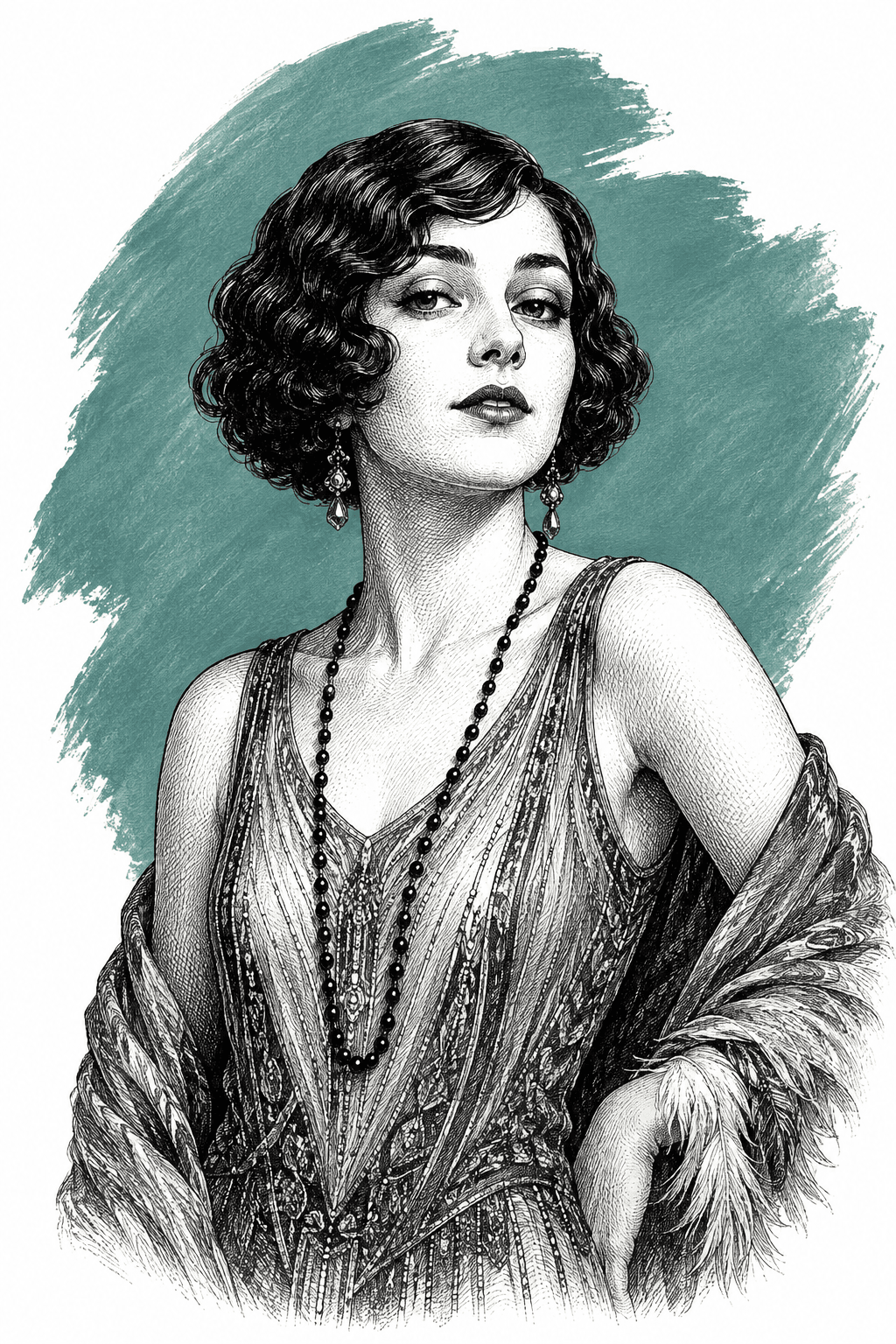
The nineteen-year-old dancer in “Head and Shoulders,” sent up to a prodigy's rooms as a joke and still there at the end.
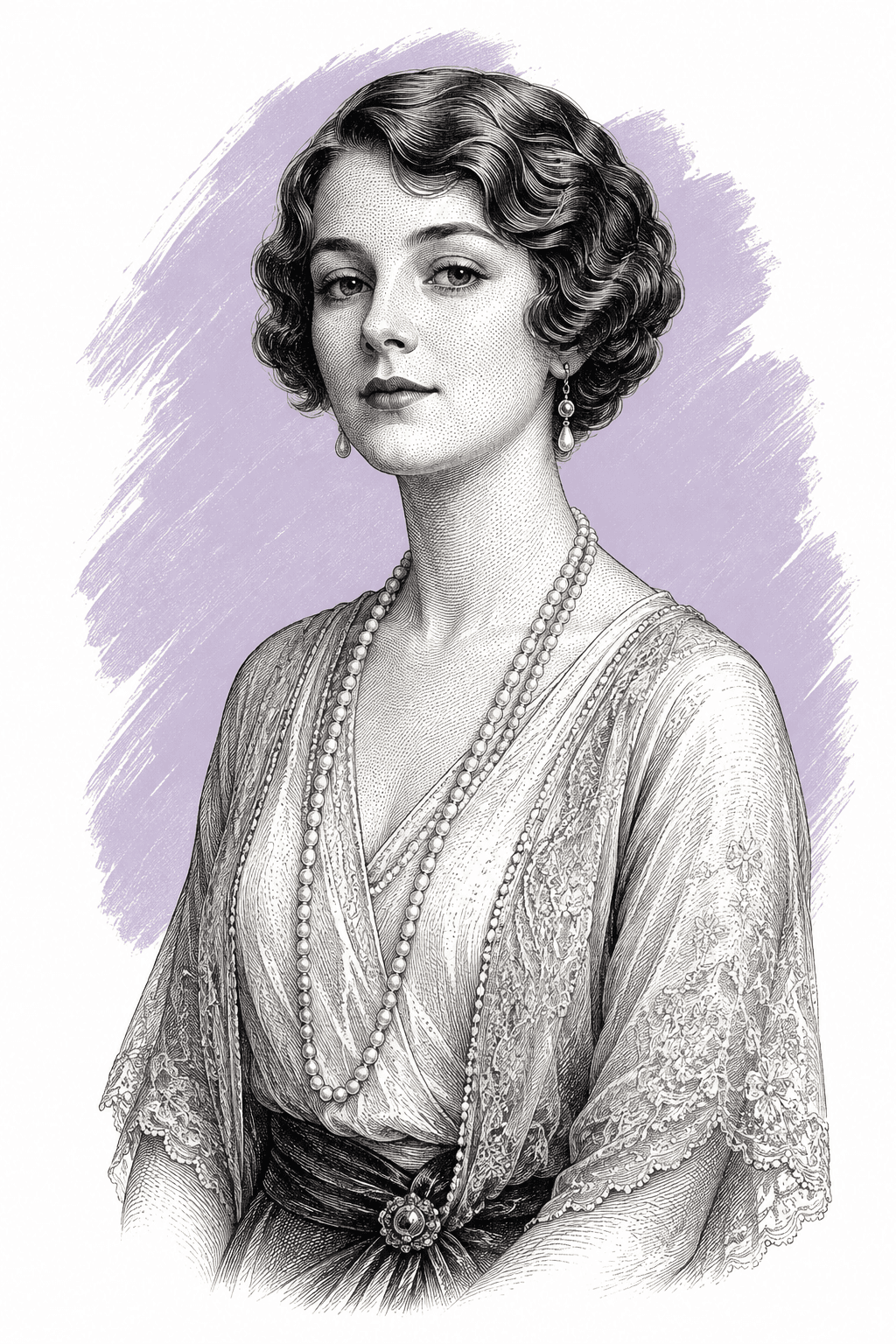
The woman at the centre of “The Cut-Glass Bowl,” whose life is measured out against a wedding present she never wanted.
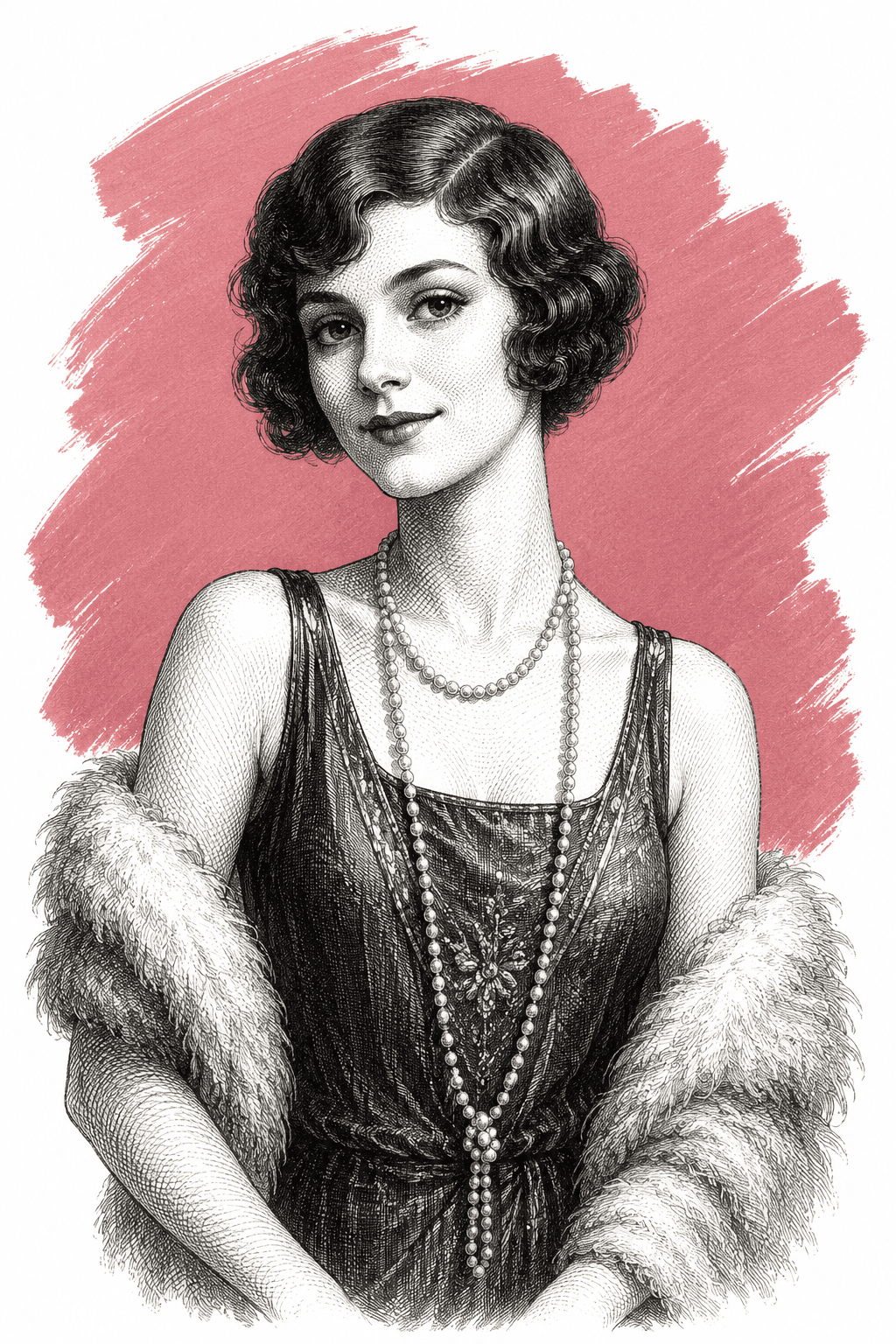
The nineteen-year-old in “Benediction,” who stops on the way to meet a married man to spend an afternoon with the brother she barely knows.
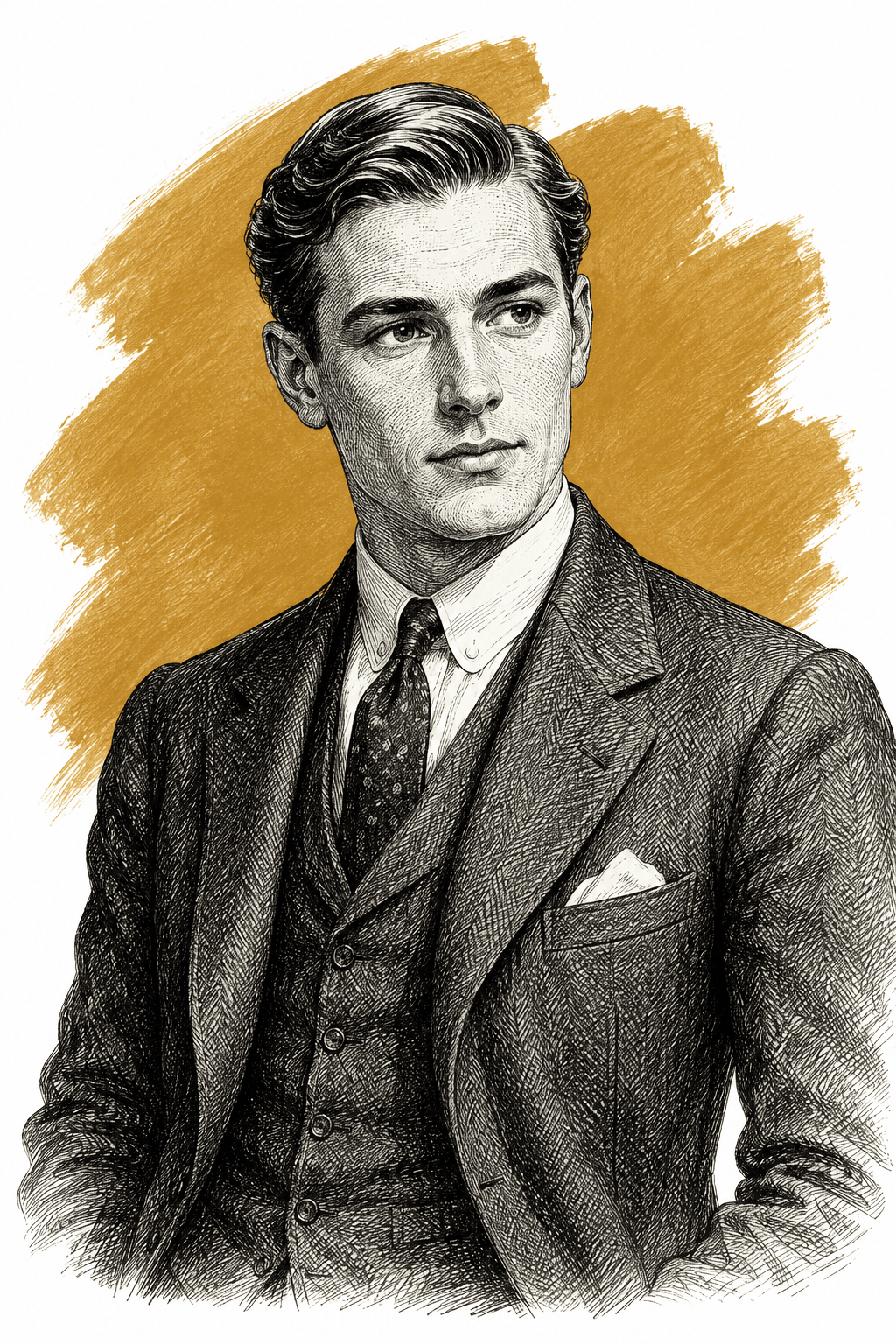
The decorated war hero of “Dalyrimple Goes Wrong,” who comes home to nothing and decides that good and evil are in his way.
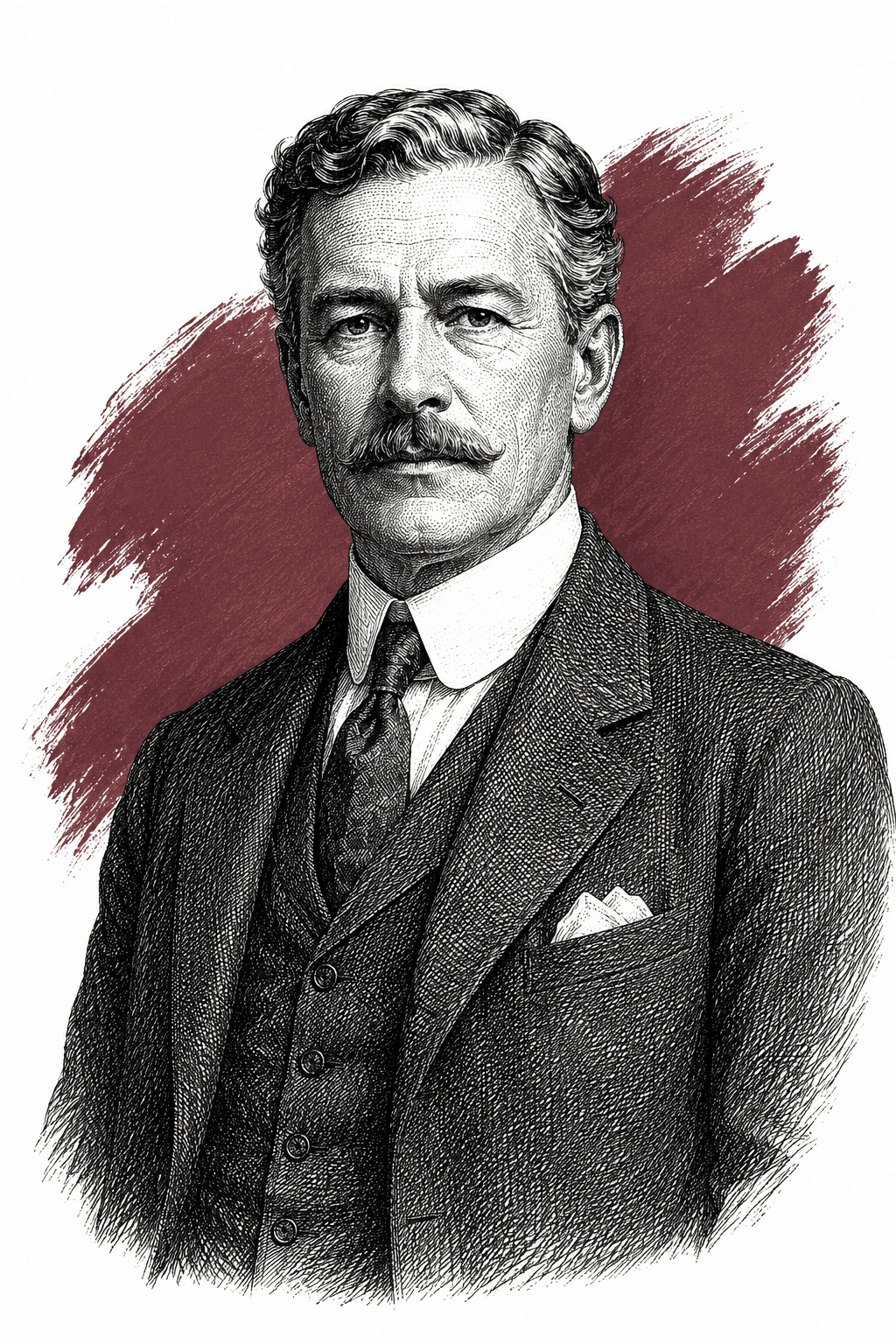
The man in “The Four Fists” who has been punched in the face four times, and says he would not lose the lump on his jaw for anything.

The nineteen-year-old at Yale who has been in love with Marjorie for years, dances with Bernice out of duty, and changes his mind.

Sally Carrol's fiancé in “The Ice Palace”: healthy, proud of his town, and unable to hear how he sounds.
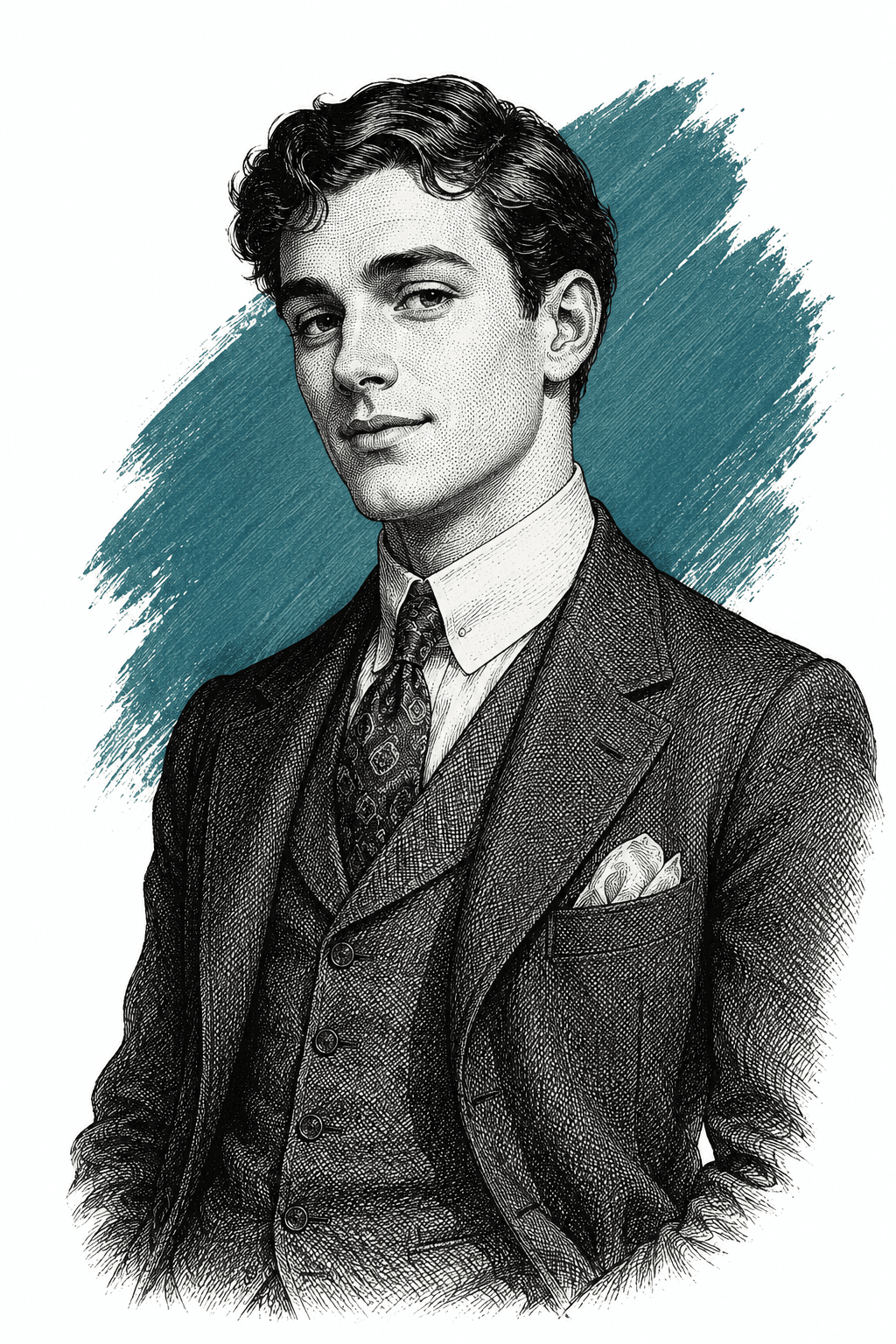
Lois's brother in “Benediction”: thirty-six, seventeen years into Jesuit training, and still a year short of the priesthood.
1915
Fitzgerald, nineteen, writes a ten-page letter to his fourteen-year-old sister Annabel setting out how to be popular: poise, dancing, conversation. He later writes “Basis of Bernice” at the top of it.
1919
He drafts “Bernice Bobs Her Hair,” about ten thousand words. Magazines turn it down; he cuts roughly a third and rewrites the ending to sell it. In Montgomery, Alabama, a walk through the Confederate graves at Oakwood Cemetery with Zelda Sayre gives him “The Ice Palace.”
1920
The stories run in the magazines: “Head and Shoulders” in The Saturday Evening Post on 21 February, “Benediction” and “Dalyrimple Goes Wrong” in The Smart Set that same month, “Bernice Bobs Her Hair” in the Post on 1 May, “The Cut-Glass Bowl” in Scribner's Magazine in May, “The Ice Palace” in the Post on 22 May, “The Offshore Pirate” in the Post on 29 May, “The Four Fists” in Scribner's Magazine in June.
1920
Metro pays two thousand five hundred dollars for the film rights to “Head and Shoulders” and releases it in August as The Chorus Girl's Romance, with Viola Dana.
1920
Charles Scribner's Sons publishes the collection on 10 September, in a printing of 5,000 copies at $1.75, dedicated to Zelda. It is reprinted that same month.
1921
Metro films “The Offshore Pirate,” again with Viola Dana as Ardita. Scribner's prints another 1,300 copies of the book in December.
1922
A final printing of 1,000 copies in November brings the total to 15,325. Fitzgerald's second story collection, Tales of the Jazz Age, appears the same year.


The novel that came six months earlier and made all this possible. It made F. Scott Fitzgerald famous at twenty-three, and Scribner's asked for a story collection to follow it while people were still buying.
Read our take
His second collection of short stories, published in 1922. The same trade two years on, with more range, and the book whose title gave the decade the name people still use for it: the Jazz Age.
Read our take
His third novel, 1925, and the one most people read first. The voice in these stories is the same voice five years earlier, without the control.
Read our take
Sherwood Anderson's linked stories of a small Ohio town, published a year before this book. The other model available to an American writing short fiction in 1920, and the opposite of writing for The Saturday Evening Post.
Read our takeF. Scott Fitzgerald, the American writer best known for The Great Gatsby. It was his first collection of short stories, published in September 1920, when he was twenty-three.
It is eight separate short stories rather than one narrative. The best known, “Bernice Bobs Her Hair,” follows a shy young woman who is coached into popularity by the cousin she is visiting and then dared into cutting her hair short. Others cover a Georgia woman's engagement to a man from Minnesota, a philosophy prodigy who marries a chorus dancer, a war hero who turns burglar, and a marriage ruined over twenty years by a wedding present.
In 1920 it meant a young unmarried woman of the postwar generation who went to dances without a chaperone, wore her skirts shorter and her hair looser than her mother had, and did not expect to be supervised. It was usually said with disapproval. Inside the book the only young woman called a flapper to her face asks the man to stop.
Because an American woman past girlhood wore her hair long and pinned up, and short hair belonged to children, dancers and actresses. Cutting it off publicly was read as a declaration rather than a haircut, and it could not be undone for a couple of years. In the story, the hostess of the next night's dance has already given a fifteen-minute talk against bobbed hair at her club.
“The Offshore Pirate,” “The Ice Palace,” “Head and Shoulders,” “The Cut-Glass Bowl,” “Bernice Bobs Her Hair,” “Benediction,” “Dalyrimple Goes Wrong,” and “The Four Fists.” All eight had appeared in magazines earlier in 1920 before the book collected them.
“Bernice Bobs Her Hair,” then “The Ice Palace.” Those two are the reason the collection is still in print. The other six are worth reading afterwards, and are best treated as a record of what a young writer produced on deadline.
Yes, with adjusted expectations. These are commercial magazine stories written five years before Gatsby, several of them built around a twist in the last paragraph. Two of them are very good, and the whole book shows what Fitzgerald could already do at twenty-three and what he had not yet learned.
Yes. It was published in 1920 and the full text is free on Project Gutenberg. Paperback editions are still printed, and the Cambridge edition edited by James L. W. West III adds six more stories from the same years plus the publishing history.
Yes. A 49-minute television film directed by Joan Micklin Silver was broadcast in 1976 as part of the PBS series The American Short Story, with Shelley Duvall as Bernice, Veronica Cartwright as Marjorie and Bud Cort as Warren. Two other stories in the book reached the screen in Fitzgerald's own lifetime: “Head and Shoulders” became the Metro silent film The Chorus Girl's Romance in 1920, and “The Offshore Pirate” was filmed by Metro in 1921, both starring Viola Dana.
Explore authors with a similar voice, perspective, and influence.

Fitzgerald vouched for him to Scribner's before they had met, then edited him better than he edited himself; the friendship's five rounds are chronicled in our journal.
View author
The Brooklyn dropout who arrived in Paris broke at thirty-eight and wrote the exuberant, banned books that ended American censorship.
View author
The doctor of the Paris slums who wrote the century's blackest, funniest novel — and changed the sound of French prose.
View authorThe sources below include the primary text, editions, scholarship, archival materials, and other records that informed this page. They document Flappers and Philosophers, its publication, and its place in literary history.


The primary text represented by this page, used for descriptions of the work’s contents and for any quoted passages shown here.
Primary-text references added to the existing Bernice and Ice Palace readings. Selected passages were inspected, not the full collection; existing historical claims, paraphrases and quotations are preserved rather than blanket-certified.

Used to place Flappers and Philosophers within F. Scott Fitzgerald's published work and verify its bibliographic context.
Used for independent biographical, archival, or historical context surrounding F. Scott Fitzgerald's career and the period in which Flappers and Philosophers appeared.
Used to cross-check authorship, chronology, and the work's place in F. Scott Fitzgerald's wider catalogue.
Used to verify F. Scott Fitzgerald's bibliography and place Flappers and Philosophers within the broader chronology of F. Scott Fitzgerald's career.
The primary text is the baseline reference for every book page. Additional references document publication history, interpretation, and historical context where that evidence is available.
 Explore more resources