
F. Scott Fitzgerald's first novel, published in March 1920 and sold out in three days: a Princeton student's education in love, money, and disappointment.

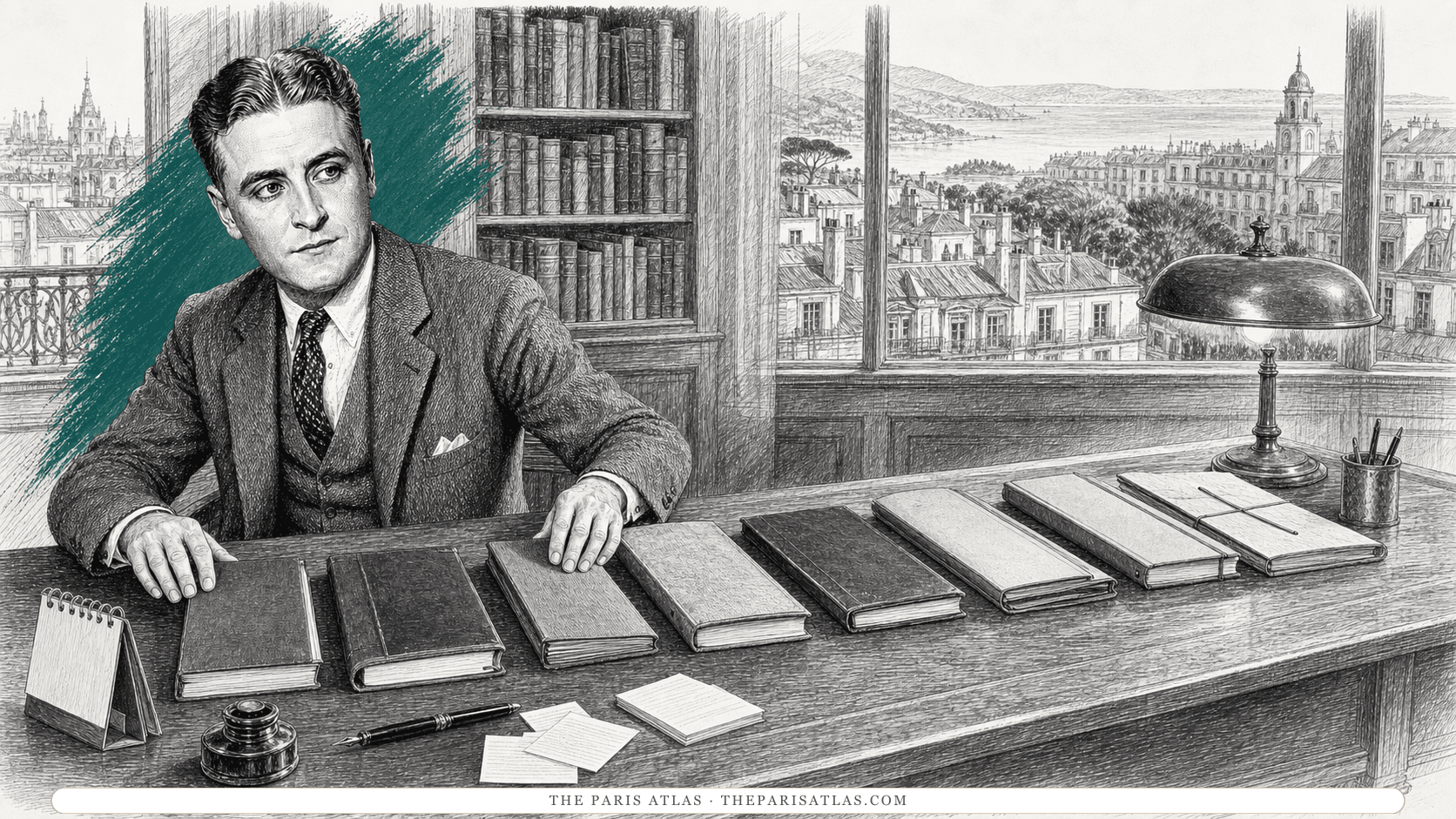
10 F. Scott Fitzgerald titles: 5 novels, 4 story collections, and 1 volume of correspondence. They are listed below by form, earliest first, and every one links to its own page.
Start with The Great Gatsby. If you want a second novel, read Tender Is the Night; if you want to watch Fitzgerald find his voice, go back to This Side of Paradise. The novels are standalones, so no sequence is required. The story collections are best explored after Gatsby, especially All the Sad Young Men, which includes two of its closest companion stories: “Winter Dreams” and “Absolution.”
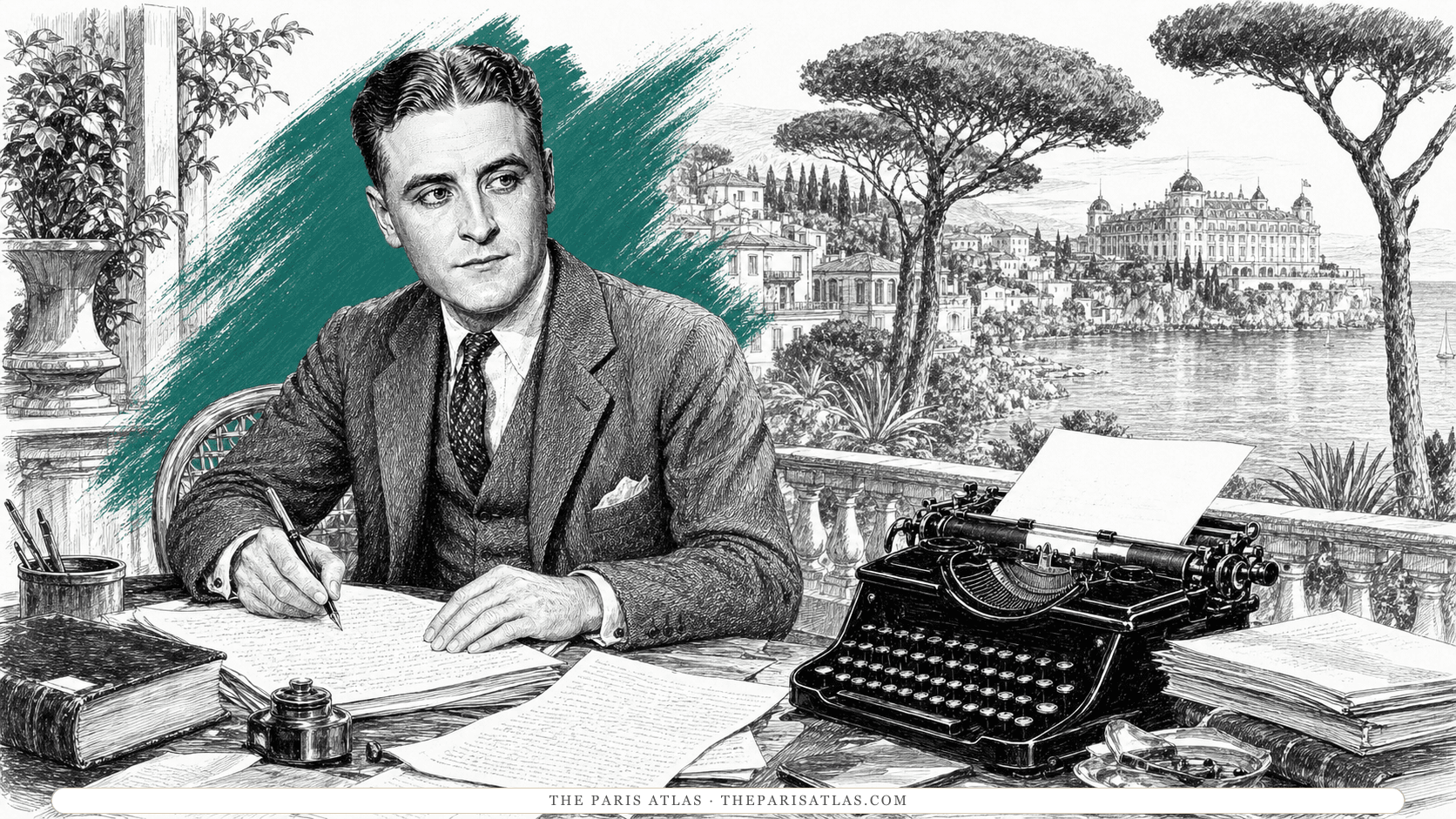
F. Scott Fitzgerald's first novel, published in March 1920 and sold out in three days: a Princeton student's education in love, money, and disappointment.

The marriage written in advance — Anthony and Gloria waiting for a fortune while the waiting eats them alive.

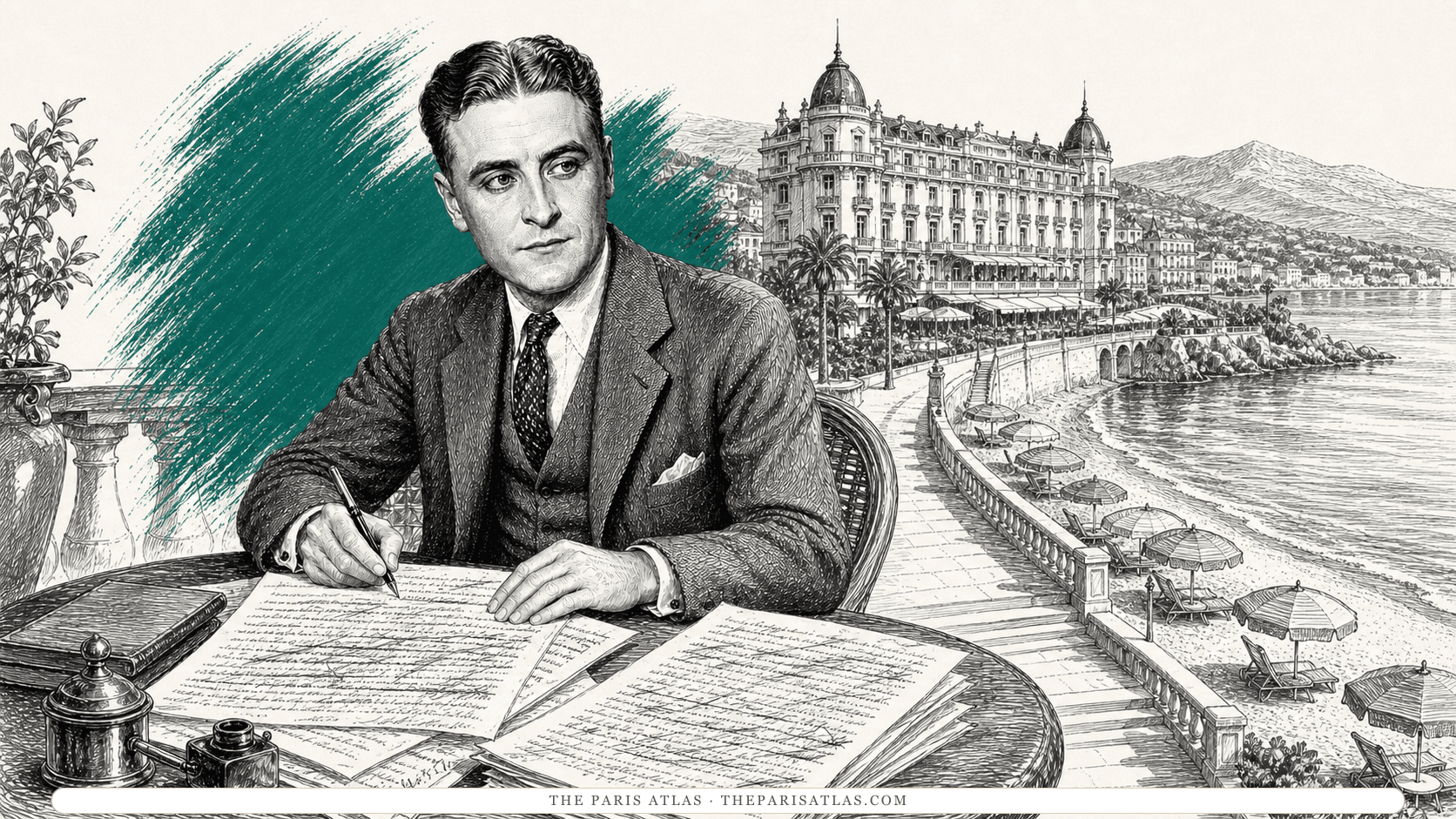
F. Scott Fitzgerald's 1925 novel of love, money, and the Jazz Age — written mostly in France, and often called the great American novel.

The Riviera at its most enchanted, and the marriage underneath it — nine years after Gatsby, the deeper, sadder masterpiece.

Hollywood's philosopher-king, half-finished — the novel Fitzgerald was writing the day he died, and proof the powers had come all the way back.

F. Scott Fitzgerald's first book of short stories, published in September 1920 — eight magazine pieces written for money, one of which became the most famous American story about a haircut.

F. Scott Fitzgerald's second story collection, published in 1922 — eleven very uneven pieces, two of them among the best things he ever wrote, and a table of contents in which he grades them himself.

F. Scott Fitzgerald's third story collection, published ten months after The Great Gatsby — nine stories about money and class, including “Winter Dreams” and “The Rich Boy.”

Twenty-one magazine stories that neither Fitzgerald had collected, eleven by him, nine by her and one by both, gathered in 1973.

More than three hundred letters between F. Scott Fitzgerald and Zelda Fitzgerald, from their courtship in Alabama to the clinic years, edited in 2002.
Your progress
The shortest and most complete introduction to Fitzgerald: longing, performance, money, and the distance between a person and the life he invents.
The Riviera novel and the deeper second read — a marriage, a circle of expatriates, and a glamorous surface giving way under pressure.
The 1920 debut that made Fitzgerald famous: a talented, self-dramatizing Princeton student trying to decide what kind of life adulthood will permit.
Eight early stories, including “Bernice Bobs Her Hair,” and the quickest route into the social world that first made his name.
The second novel: a marriage and an inheritance slowly worn down by waiting, drinking, and the conviction that money will solve everything.
The broadest of the early collections, from “May Day” to “The Diamond as Big as the Ritz” and “The Curious Case of Benjamin Button.”
Read “Winter Dreams” and “Absolution” beside Gatsby, then stay for “The Rich Boy” — Fitzgerald extending the same questions beyond one novel.
Fitzgerald's Hollywood comeback remained unfinished at his death. Read it for the surviving chapters and the planning notes, not for a completed ending.
Start with The Great Gatsby. It is short, self-contained, and brings Fitzgerald's central subjects — aspiration, money, performance, and loss — into their clearest form. Read Tender Is the Night next if you want a longer, more psychologically complicated novel.
No. The novels have separate characters and stories. Publication order is useful if you want to follow Fitzgerald's development, but a new reader can begin with The Great Gatsby without missing anything required.
He published four completed novels during his lifetime: This Side of Paradise, The Beautiful and Damned, The Great Gatsby, and Tender Is the Night. The Love of the Last Tycoon was unfinished when he died and appeared posthumously in 1941.
Choose Tender Is the Night for the next novel, or All the Sad Young Men for the stories around Gatsby. That collection includes “Winter Dreams” and “Absolution,” two especially useful companion pieces to the novel.
The Great Gatsby was written and revised largely during Fitzgerald's years in France, while Tender Is the Night places its central social world on the French Riviera and in Paris. Those two books are the clearest route into the French chapter of his career.
Not before the novels, but they add range and context. Flappers and Philosophers introduces the early Jazz Age voice; Tales of the Jazz Age contains several of his boldest premises; and All the Sad Young Men is the strongest companion to The Great Gatsby.
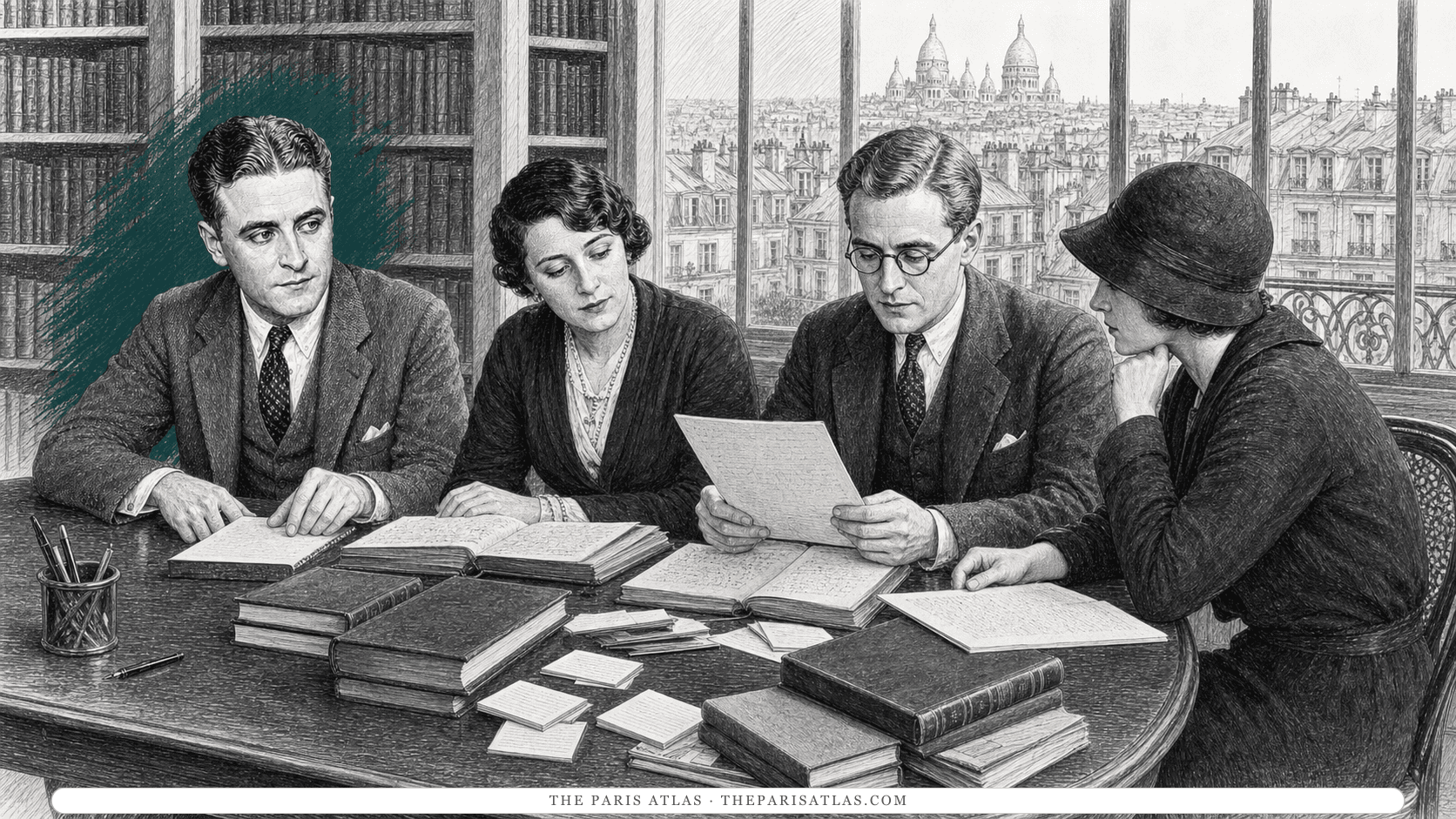
The sources below include bibliographies, archives, publisher records, and scholarship used to verify the F. Scott Fitzgerald catalogue and publication order.


Archival evidence used to document the historical record connected to F. Scott Fitzgerald books.
Archival evidence used to document the historical record connected to F. Scott Fitzgerald books.
Archival evidence used to document the historical record connected to F. Scott Fitzgerald books.

Biographical evidence used to verify chronology, relationships, and historical context connected to F. Scott Fitzgerald books.
These references document which titles belong in the bibliography and when they appeared. The recommended reading order remains an editorial judgment by The Paris Atlas.
 Explore more resources
Newsletter
We will tell you when this guide adds a book, review, or new reading-order recommendation.