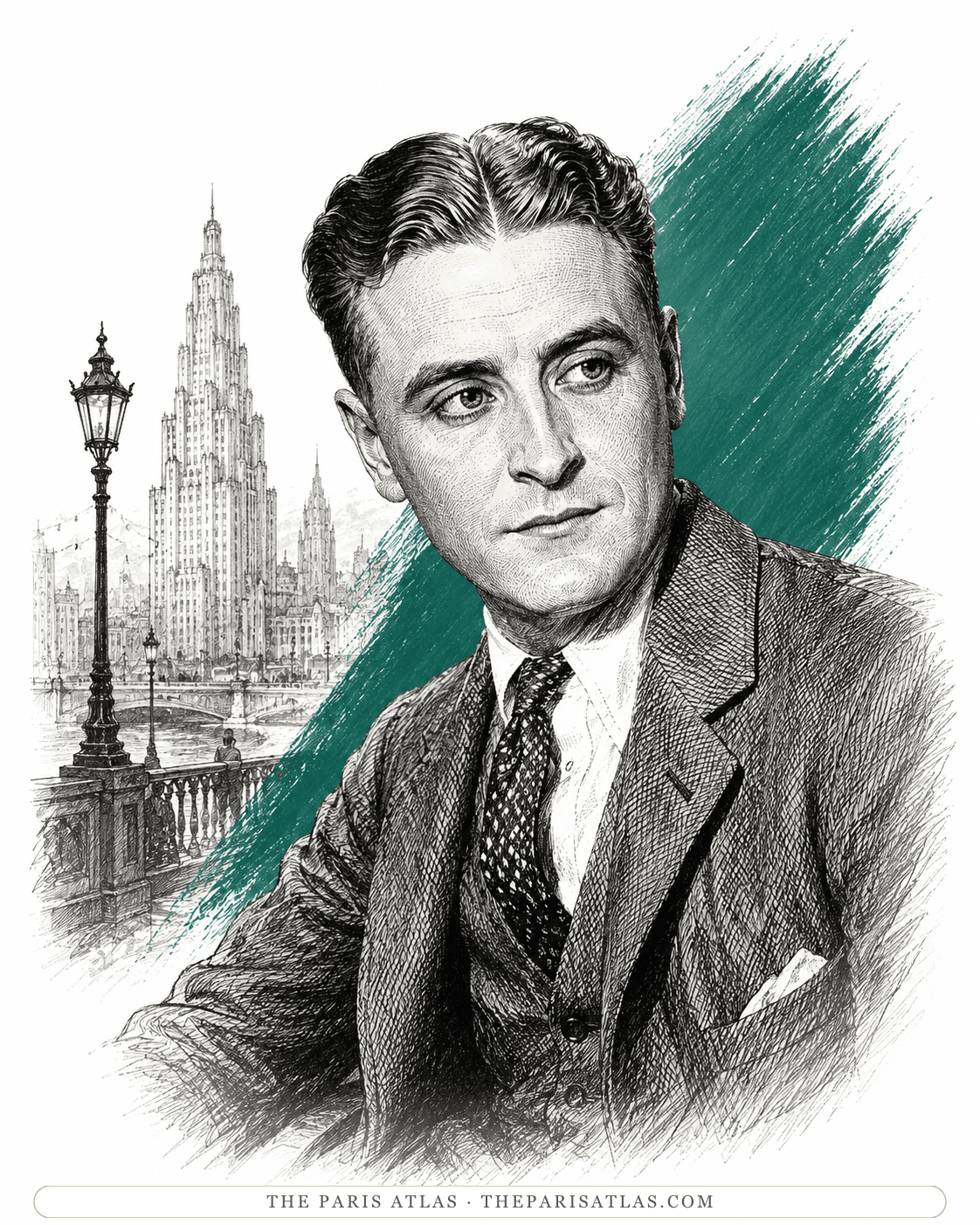

The Great Gatsby
Fitzgerald's third novel, published five years after this one. The same voice, with everything loose here brought under control.
Read our take
F. Scott Fitzgerald's first novel, published in March 1920 and sold out in three days: a Princeton student's education in love, money, and disappointment.
Amory Blaine, the novel's fictional hero, is handsome, vain, and sure he is meant for something great. He is raised by a rich, theatrical mother, sent to a Connecticut boarding school and then to Princeton, and falls in and out of love with the confidence of the very young. Almost everything he learns, he learns by failing. F. Scott Fitzgerald was twenty-three when the book was published in 1920, and famous within days, because young American readers felt it described their own lives.
F. Scott Fitzgerald wrote the first version at Princeton and then in army camps, in whatever hours he could find, expecting to be shipped to the First World War and killed. He called it The Romantic Egotist. The war ended before his boat sailed, and the publisher Charles Scribner's Sons turned the manuscript down twice. What saved it was a broken engagement. In the summer of 1919 Zelda Sayre, the young woman from Montgomery, Alabama, he wanted to marry, refused him because he had no money and no prospects. Fitzgerald quit his New York advertising job, moved back into his parents' house in St. Paul, Minnesota, and rewrote the book from the first page, while a young editor at Scribner named Maxwell Perkins argued it past the firm's older men.
The novel came out on March 26, 1920. The first printing sold out in three days, and Fitzgerald, at twenty-three, became the most talked-about young writer in America. Zelda Sayre changed her mind as soon as Scribner accepted the book, and eight days after publication she married him at St. Patrick's Cathedral in New York. The marriage supplied the material for most of what he wrote afterward.
Readers found their own decade in the book before the decade had a name. It has petting parties, where the kissing is the entertainment; flappers; bootleg gin; and a generation the most quoted sentence in the book describes as 'grown up to find all Gods dead, all wars fought, all faiths in man shaken.' Older readers were scandalized. Younger ones felt accurately described for the first time. The novel is also a mess, and openly one: it stops for poems, letters, reading lists, and an entire chapter written as a stage play. Fitzgerald was still learning. Five years later he wrote The Great Gatsby in the same voice, under far tighter control.
Amory Blaine is brought up almost entirely by his mother. Beatrice Blaine is rich, elegant, and permanently half-ill, and she takes her son from hotel to hotel instead of sending him to school. When school finally comes, and then Princeton, he has an audience at last. He joins the round of eating clubs and class elections, discovers books through his friend Tom D'Invilliers, a shy student poet, and takes advice from Monsignor Darcy, a Catholic priest who has known Beatrice since her girlhood and treats Amory as a son. Girls are campaigns to be won. The first is Isabelle Borgé, a debutante he meets at a Christmas dance in Minneapolis and loses a few months later during a weekend at her family's house on Long Island, in a quarrel over whether a bruise on her neck is funny. The First World War arrives and empties out his class. It happens between the two halves of the book, off the page.
The center of the novel is Rosalind Connage, a nineteen-year-old New York debutante who is beautiful, direct about wanting money, and genuinely in love with Amory. She gets engaged to him and ends it five weeks later because he earns almost nothing, then becomes engaged to a much richer man. Amory reacts by drinking for three weeks straight and quitting his advertising job. One more affair follows, with Eleanor Savage, a reckless eighteen-year-old he meets on a haystack during a Maryland thunderstorm, and it ends in a way that finishes off whatever romanticism he had left. By the last chapter he has no money, no job, and no one, and he sets out to walk back to Princeton.
Amory Blaine walks out of New York toward Princeton with almost nothing in his pockets. A large car stops and gives him a lift, and its owner turns out to be Mr. Ferrenby, a rich man whose son was killed in the war. Amory argues socialism at him for most of the drive, the first time in his life he has argued it at all, out of conviction and out of anger at a world where the richest man gets the girl. Dropped at the edge of the campus, alone at night, he stretches his arms out to the sky and says the last line of the novel: 'I know myself,' he cried, 'but that is all.' Everything else he had, or believed he had, has been taken away first. In Fitzgerald's own life the ending was happier. The book's success changed Zelda Sayre's mind, and they married eight days after it was published.
The book comes in two halves, with a short Interlude for the war between them: Book One is called 'The Romantic Egotist,' Book Two 'The Education of a Personage.' Inside each half the chapters break into short titled episodes rather than running straight through, and the writing keeps stopping to try another form. One whole chapter, 'The Débutante,' is written as a stage play, stage directions and all, so Rosalind Connage first appears in a script rather than a scene. Elsewhere there are poems, letters, and reading lists. Two evenings of boarding-school argument go into defining a social type Amory and a friend name the 'slicker': clever about social values, well dressed, and pretending that dress does not matter. And in one episode a pale man wearing pointed medieval shoes, whose feet strike Amory as unbearably wrong, follows him out of a New York party. The narration reports this as something that happens.
There is a practical reason for the patchwork. The novel absorbed nearly everything F. Scott Fitzgerald had written by the age of twenty-three, including passages salvaged from The Romantic Egotist, the earlier version Charles Scribner's Sons turned down in 1918. It also suits the subject. A young man who keeps trying out new versions of himself is being described by a book that keeps trying out new forms.
This is a coming-of-age novel, a bildungsroman to use the standard term, and it describes its own kind from the inside. In the senior-year chapters Amory invents a name for the biographical novels his Princeton friends are passing around: 'quest' books, in which a well-armed young hero sets out to push himself ahead and then discovers 'that there might be a more magnificent use' for his advantages. This Side of Paradise is one of them, with a difference. Amory's education does not give him anything. It takes things away, one at a time: the family money, his standing in the eating clubs, Rosalind Connage, and each pose in turn. The last line claims the only thing he has left. 'I know myself,' he cried, 'but that is all.'
The story is told in the third person, and the narrator is not neutral about Amory. He stays close to Amory and grades him as the book goes on. 'It was always the becoming he dreamed of, never the being' is the narrator's judgment, not anything Amory would say about himself. That combination, romantic material described by a voice that already sees through it, is what Fitzgerald carried into his later books. It lasted longer than the borrowed poems or the chapter written as a play.
Class is the novel's constant subject, and Princeton runs on it: the eating clubs along Prospect Avenue that decide who eats with whom, the campaigns for class office, the daily sorting of who counts. Amory arrives already knowing how the system works and meaning to win at it. He chose the university, the narrator reports, for 'its alluring reputation as the pleasantest country club in America.'
In the second half, money starts taking things back. His mother's fortune shrinks under bad management. Rosalind Connage breaks off the engagement because Amory is poor, and becomes engaged to a rich man instead. In the final chapter a large car picks Amory up as he walks along the road, and he spends the ride arguing socialism at its owner, by his own admission for the first time in his life.
Poverty may have been beautiful once, but it’s rotten now. It’s the ugliest thing in the world. It’s essentially cleaner to be corrupt and rich than it is to be innocent and poor.
His complaint comes down to one thing: 'I’m sick of a system where the richest man gets the most beautiful girl if he wants her, where the artist without an income has to sell his talents to a button manufacturer.'
Both words come from Monsignor Darcy, the Catholic priest who advises Amory from boyhood onward. Visiting him at the lowest point of his Princeton years, Darcy separates the two. A personality, he says, 'is what you thought you were'; a personage 'gathers. He is never thought of apart from what he’s done.' Book Two is named after the distinction, and the plot works through it, taking away one borrowed identity after another: the prep-school social operator, the campus literary man, the army officer, the advertising man, the fiancé.
What he is left with at the end is small and exact. At Monsignor Darcy's funeral, watching the people who had relied on the priest, Amory works out what he has wanted all along: 'not to be admired, as he had feared; not to be loved, as he had made himself believe; but to be necessary to people, to be indispensable.' It is as close as the book lets him come to knowing who he is.
The romance chapters shocked readers in 1920 because they were accurate. 'None of the Victorian mothers—and most of the mothers were Victorian—had any idea how casually their daughters were accustomed to be kissed,' the narrator announces, and then sets down the new rules in detail: the petting party, where the kissing is the entertainment, and the debutante who keeps count of the men she has kissed.
Four women matter, in this order: Isabelle Borgé, the debutante of Book One; Clara Page, his widowed third cousin, who turns down his proposal; Rosalind Connage, who ends the engagement over money; and Eleanor Savage, the last and the wildest, in the Maryland chapters.
On the last page the loss stops being Amory's alone and becomes his whole generation's, in the sentence the book is remembered for: a new generation 'grown up to find all Gods dead, all wars fought, all faiths in man shaken....' Quoted by itself, it reads as a verdict on the 1920s. In the novel it is simply the sum of what one young man has lost.
Princeton holds the center of the book: the tables at the Nassau Inn, the eating clubs on Prospect Avenue, and the 'spires and towers' the prose keeps coming back to. The story ends on the road that leads there. Around it, the novel moves through:
Charles Scribner's Sons published the novel on March 26, 1920, in a first printing of 3,000 copies that sold out in three days. Twelve printings across 1920 and 1921 put 49,075 copies in print. Those figures come from Matthew J. Bruccoli, the scholar who compiled Fitzgerald's bibliography. The first edition is a dark blue cloth volume of 305 pages, and its copyright page reads 'Published April, 1920,' although the book had gone on sale in March.
The critic H. L. Mencken, writing in The Smart Set that August, called it 'the best American novel that I have seen of late.' The New York Times of May 9, 1920 judged it, as a picture of college men, 'as nearly perfect as such a work could be.' The sharpest criticism came from a friend. Edmund Wilson, who knew Fitzgerald at Princeton and became one of the leading American critics of the century, wrote in a later essay that it was 'one of the most illiterate books of any merit ever published,' while allowing in the same essay that 'it does not fail to live.'
The novel is dedicated 'To SIGOURNEY FAY.' Monsignor Sigourney Webster Fay was a priest who had converted to Catholicism, and he is the model for Monsignor Darcy. Fitzgerald's biographers record that Fay's real letters, and a poem he had written, went into the novel almost word for word. Fay died in January 1919, the year Fitzgerald rewrote the book, and Darcy's death was written into the final chapter within months of the real one.
These are starting points rather than portraits. The novel changes names, timing and outcomes freely.
a new generation dedicated more than the last to the fear of poverty and the worship of success; grown up to find all Gods dead, all wars fought, all faiths in man shaken....
“I know myself,” he cried, “but that is all.”
I don’t want to repeat my innocence. I want the pleasure of losing it again.
F. Scott Fitzgerald later gave the decade its name when he called it the Jazz Age. This book came first and simply recorded it: the parties, the bootleg gin, the young people busy dramatizing their own lives.
The eating clubs, the snobbery and the long night-time arguments about books set the pattern that college novels have been following, or resisting, ever since.
It is uneven, the way first novels are. Then a sentence arrives with the full sound of the writer who would produce The Great Gatsby five years later.
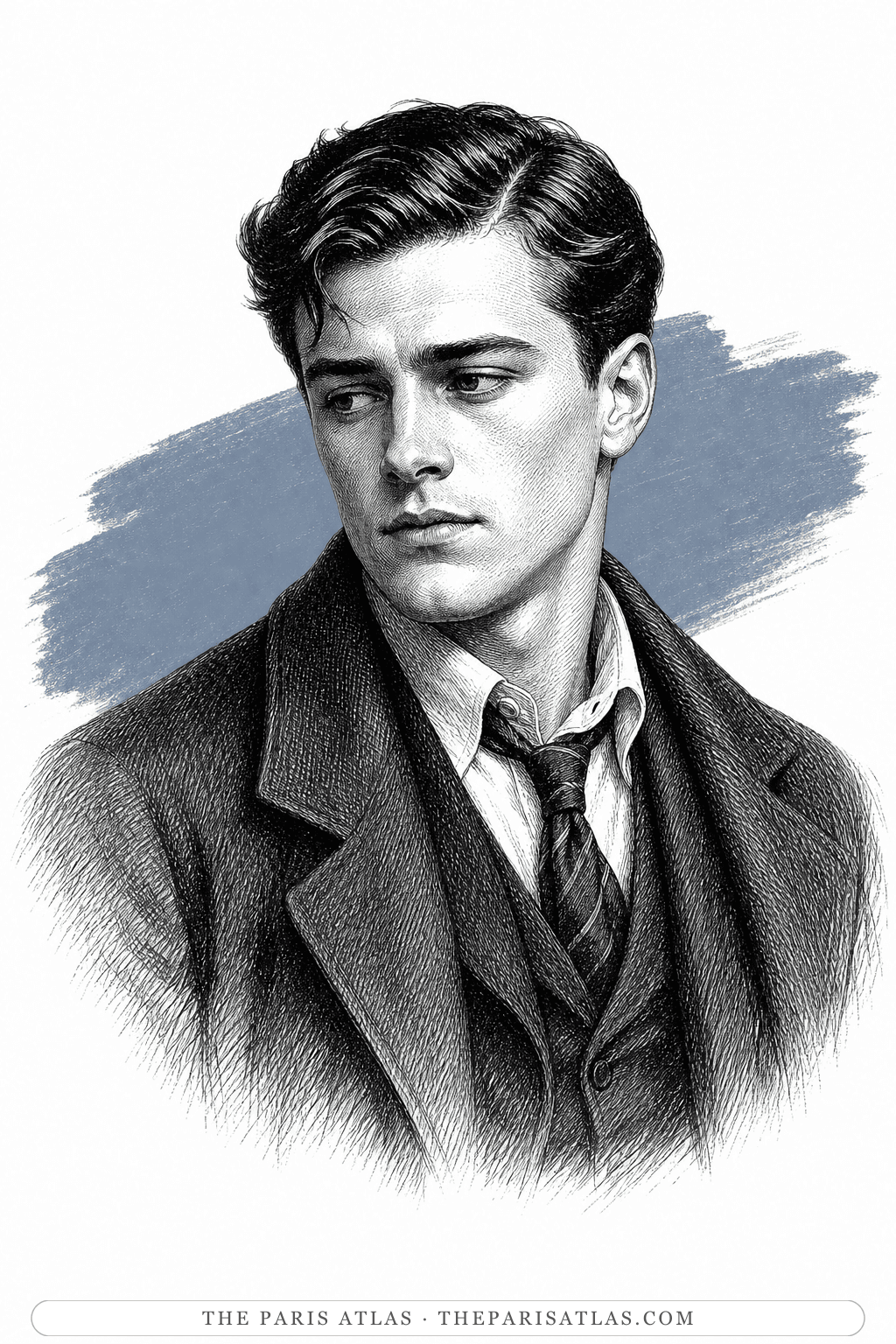
The novel's fictional hero: handsome, vain, certain he is destined for something great, and educated mainly by losing the things he was certain of.
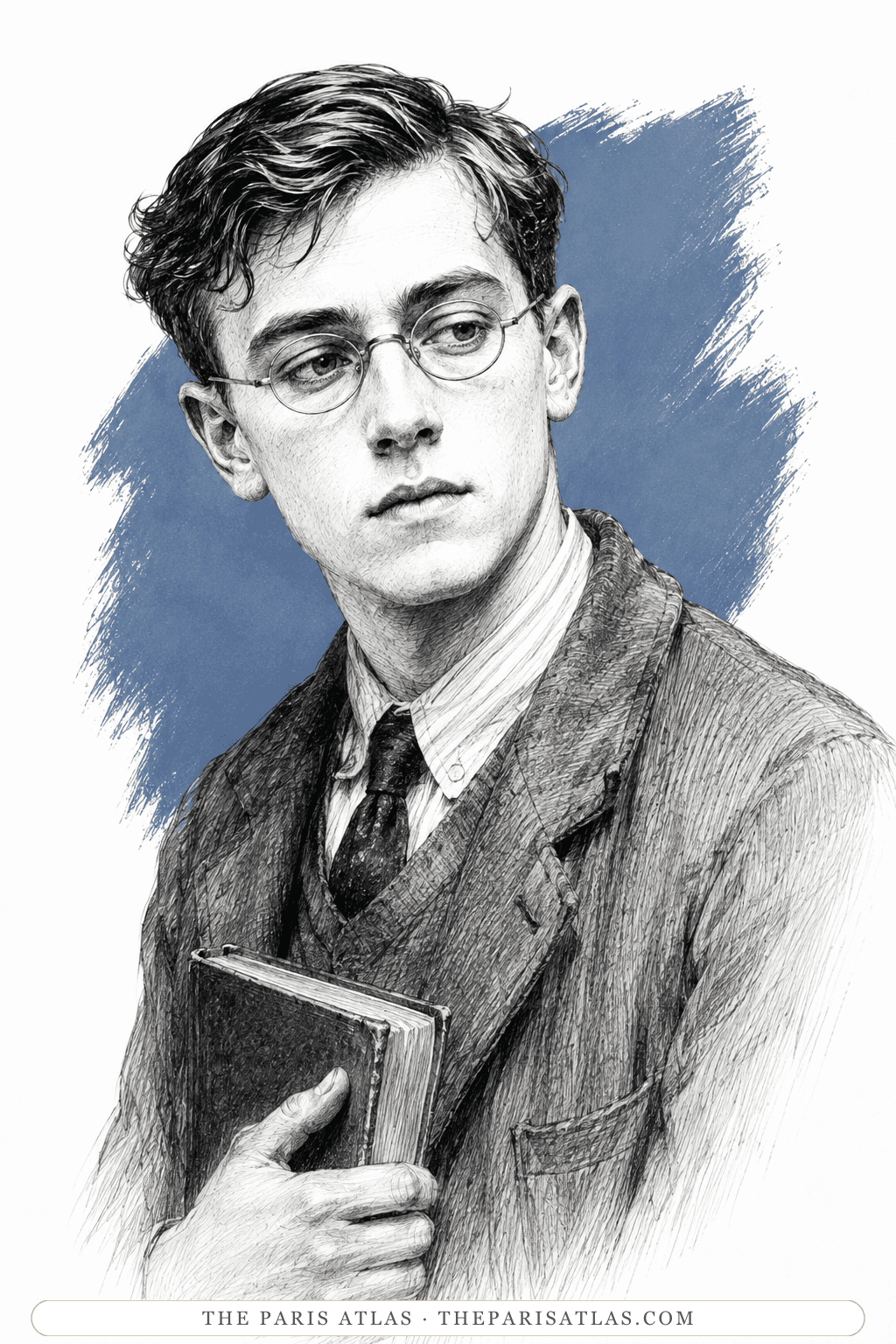
The Princeton student poet who writes the love poems in the college magazine, lends Amory his Oscar Wilde, and is later credited as the author of The Great Gatsby's epigraph.
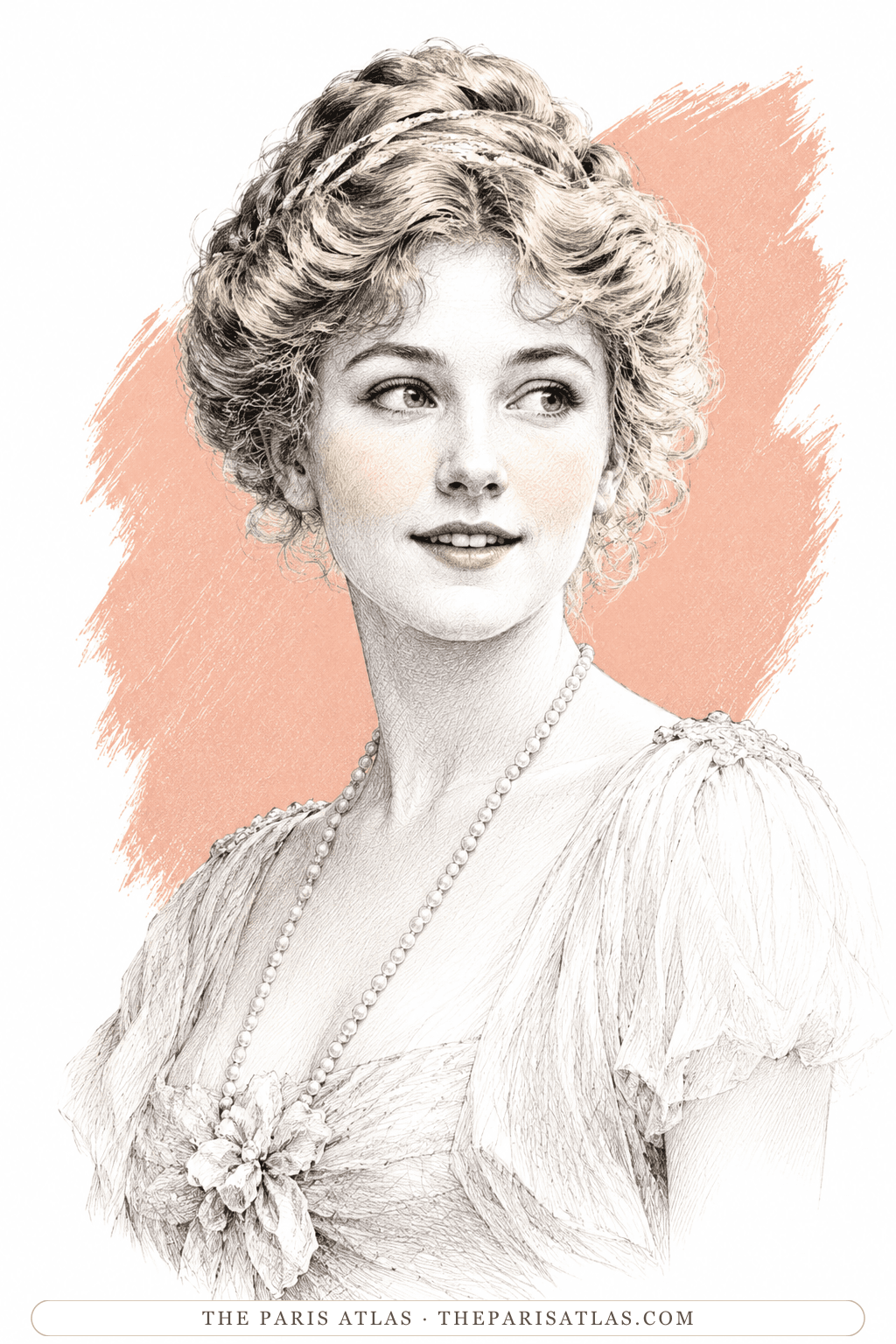
The nineteen-year-old New York debutante at the novel's center: dazzling, honest about wanting money, in love with Amory, and unwilling to be poor.
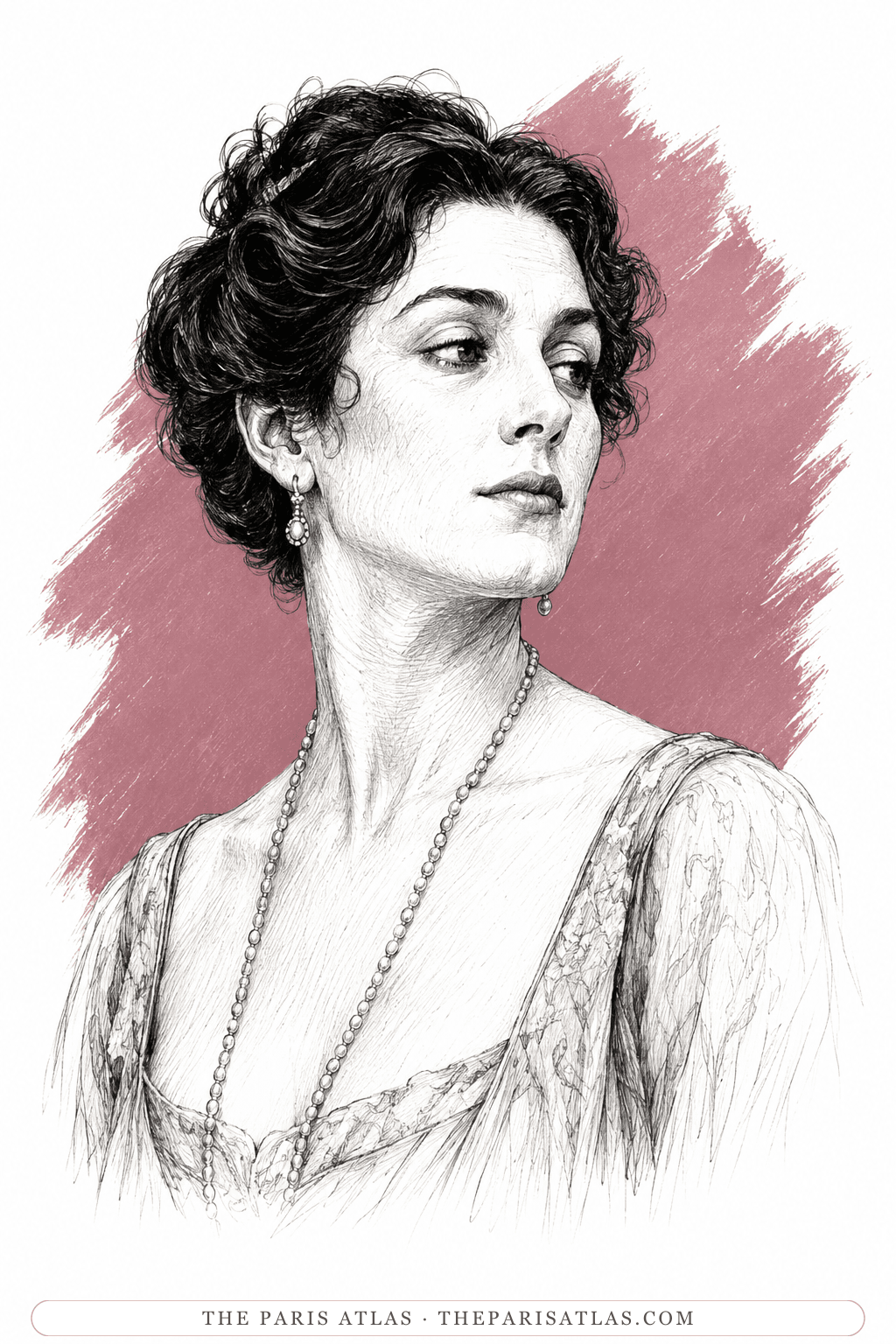
Amory's mother: rich, elegant, theatrically fragile, and the person the novel's first sentence says he inherited every trait from.
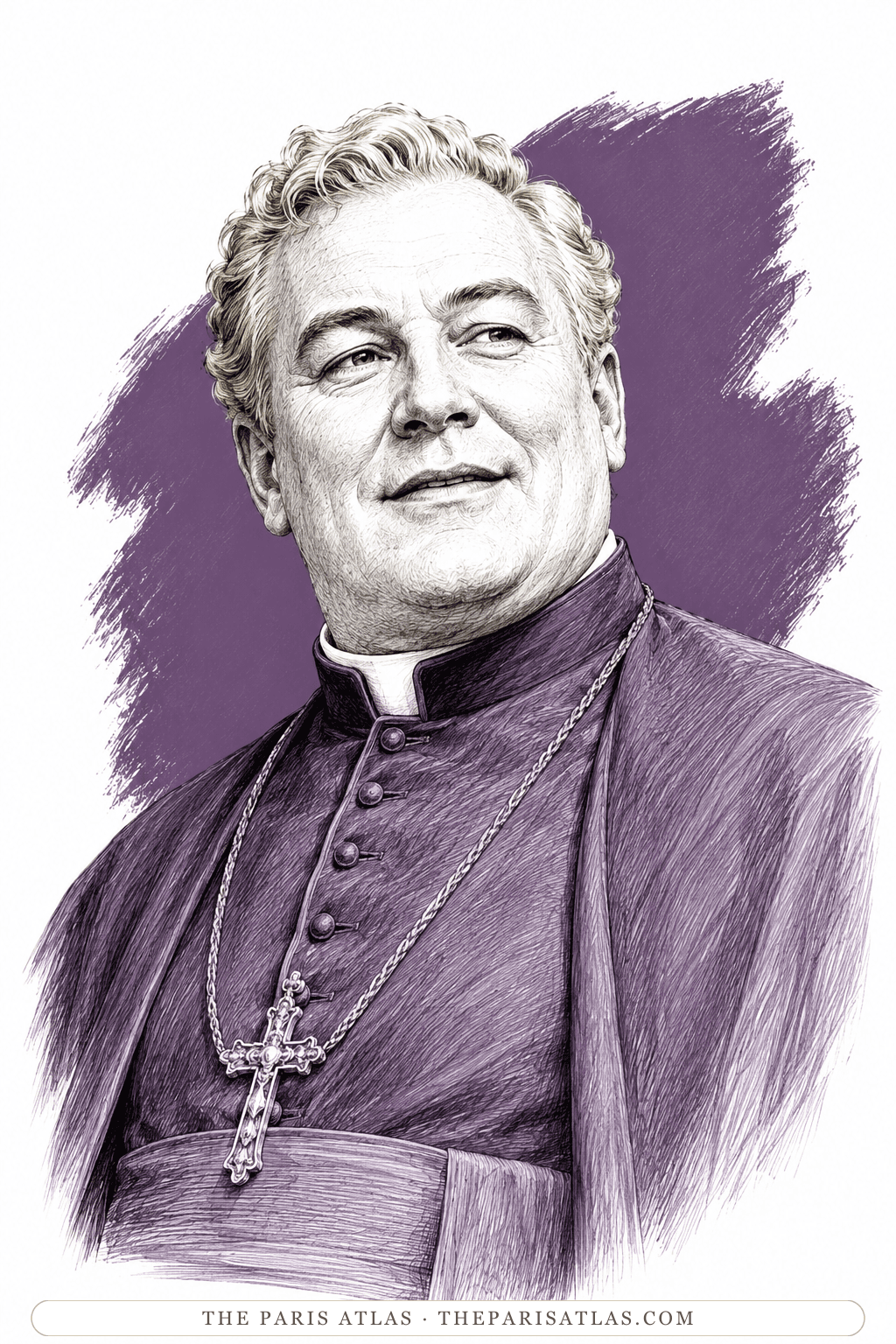
The Catholic priest who nearly married Amory's mother in her youth and becomes his adviser, and who gives the book its idea of the 'personage'.
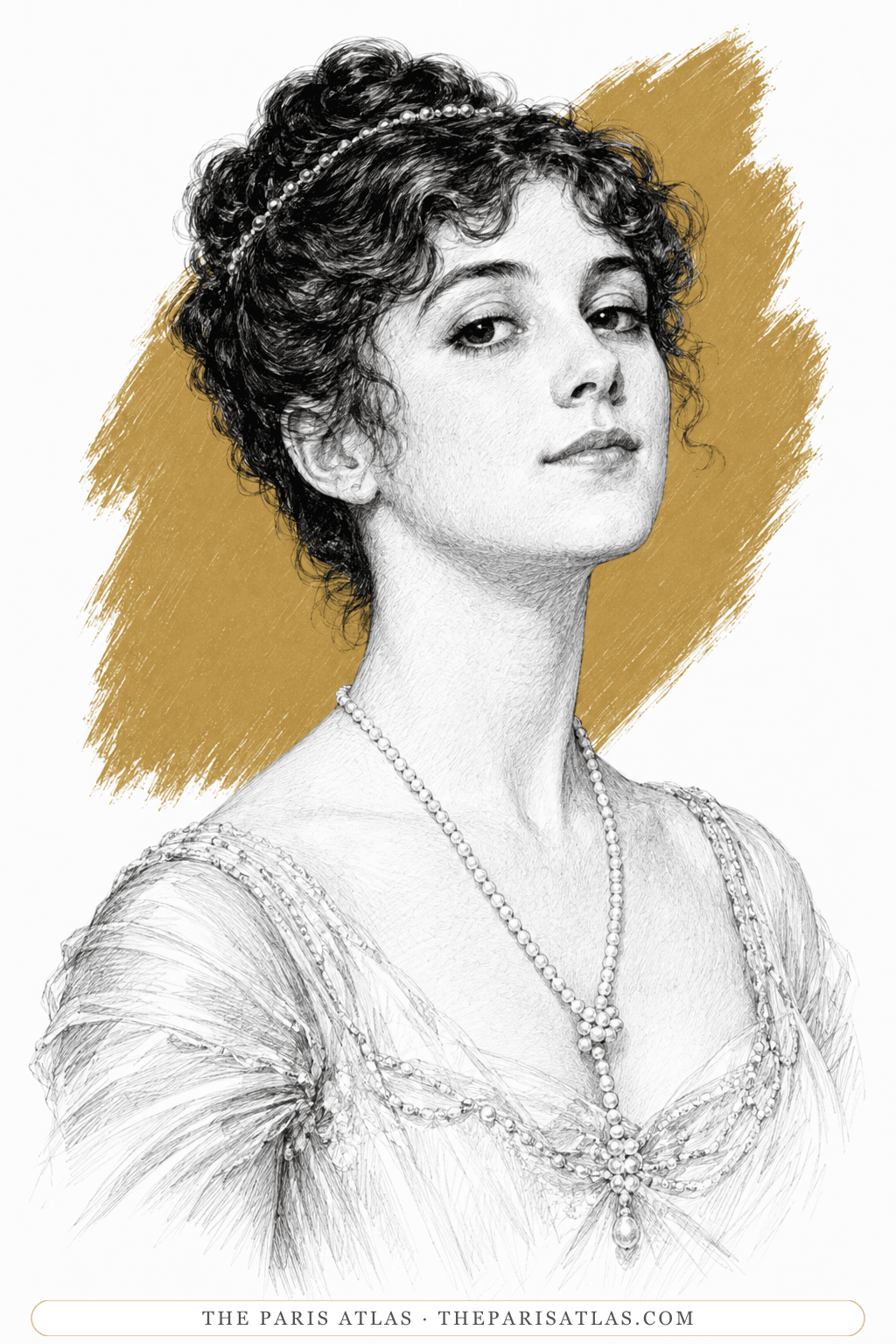
Amory's first real romance: a debutante he wins at a Minneapolis dance and loses months later in a quarrel at her family's house, with both of them performing throughout.
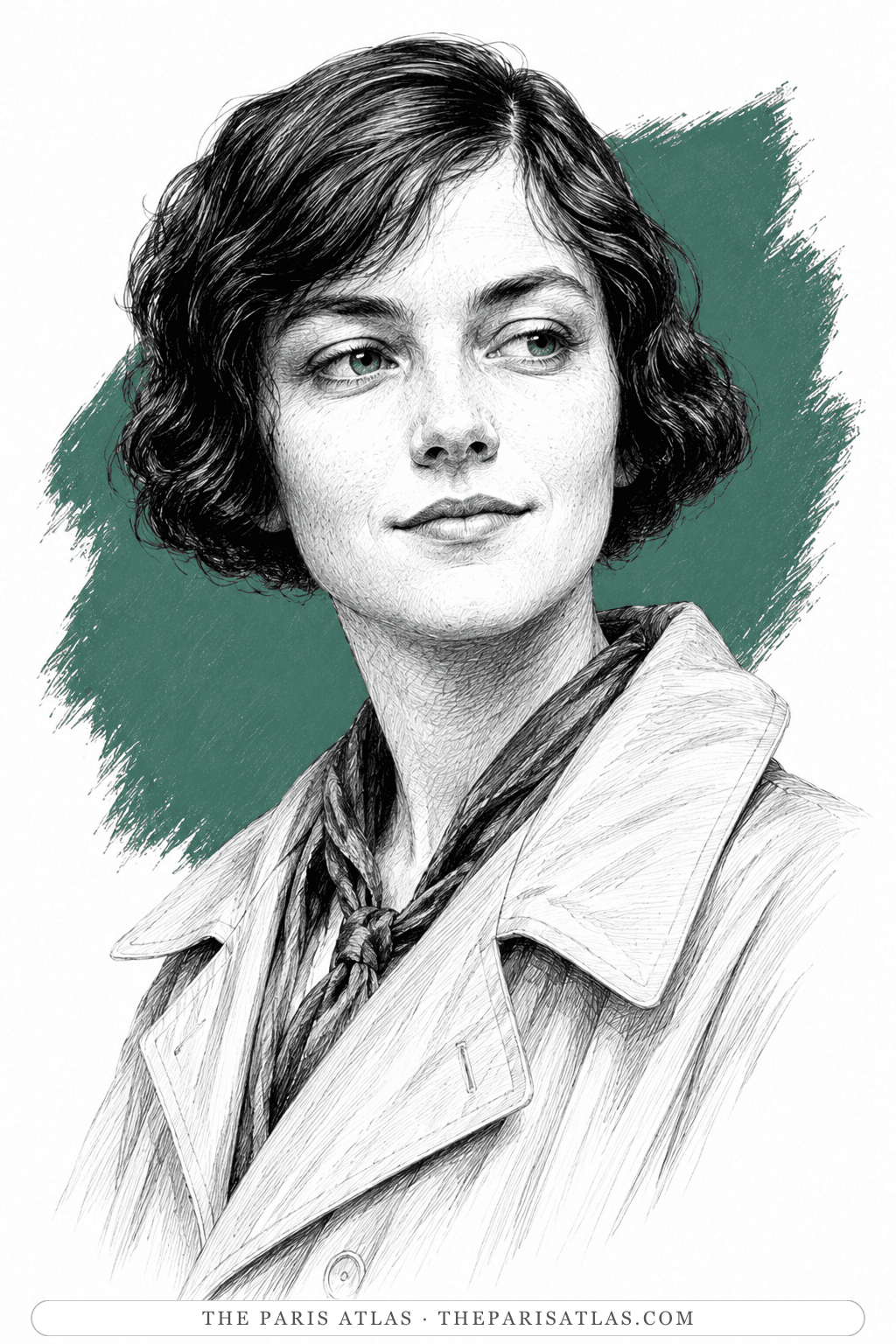
Amory's last affair: an eighteen-year-old atheist he meets on a haystack during a Maryland thunderstorm, reckless enough to end his romanticism for good.
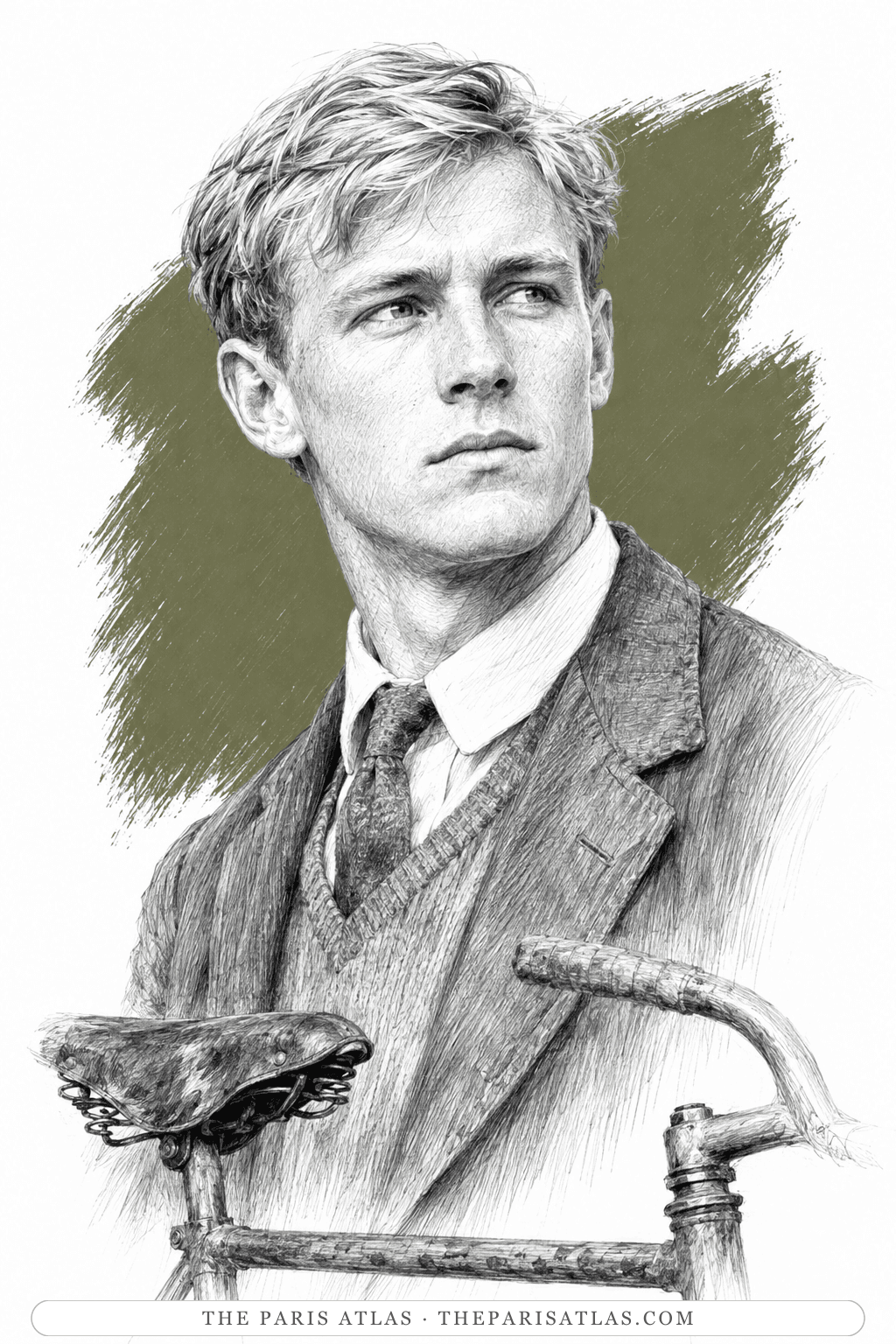
The Princeton classmate who turns against the eating clubs on principle, and gives Amory his first sight of a conviction that costs the person holding it.
1918
F. Scott Fitzgerald writes a first version, called The Romantic Egotist, at Princeton and in army camps. Charles Scribner's Sons rejects it.
1919
Zelda Sayre breaks off their engagement because he has no money. He quits his New York advertising job and rewrites the book from the first page at his parents' house in St. Paul, while the editor Maxwell Perkins argues for it at Scribner.
1920
Published on 26 March in a first printing of 3,000 copies, which sells out in three days. Eight days later Zelda Sayre marries him at St. Patrick's Cathedral in New York. In August the critic H. L. Mencken, in The Smart Set, calls it 'the best American novel that I have seen of late.'
1921
Twelve printings across 1920 and 1921 put 49,075 copies in print, by the count of Matthew J. Bruccoli, who compiled Fitzgerald's bibliography.


Fitzgerald's third novel, published five years after this one. The same voice, with everything loose here brought under control.
Read our take
The novel he wrote next, in 1922. A glamorous young couple marry, wait for an inheritance that keeps not arriving, and come apart.
Read our take
Ernest Hemingway's 1926 novel about the same generation a few years on: Americans in Paris and Spain who did reach the war and came back damaged.
Read our takeF. Scott Fitzgerald. It was his first novel, published in 1920, when he was twenty-three.
It follows Amory Blaine, a fictional young American who is handsome, vain and sure he is destined for something great, from a childhood spent travelling with his rich mother, through Princeton, and into his early twenties. He falls in and out of love, loses his money and his illusions, and learns almost everything by failing.
It made F. Scott Fitzgerald famous within days of publication in 1920, when he was twenty-three, and it was the first novel many young Americans felt described their own lives. It established him as the writer of the Jazz Age, the name he himself later gave the decade.
It draws heavily on F. Scott Fitzgerald's own Princeton years, and most of the characters have a real model. The priest Monsignor Darcy is based on Monsignor Sigourney Fay, to whom the book is dedicated; the debutante Isabelle Borgé on Ginevra King; the college poet Tom D'Invilliers on Fitzgerald's friend John Peale Bishop; and Rosalind Connage in part on Zelda Sayre, whom he married. He first wrote the book as The Romantic Egotist, which his publisher rejected before he reworked it.
Mostly at Princeton University in New Jersey, where Amory Blaine spends the novel's central chapters. There are also sections in Minneapolis, at a Connecticut boarding school, in New York, in Maryland, and in Atlantic City. The closing scene is on the road from New York back toward Princeton.
Yes. A bildungsroman is a novel about someone growing up, and this one follows Amory Blaine from boyhood through Princeton into his early twenties. The difference is that he grows up by losing things. The novel ends with him stripped of money, love and every pose, claiming only that he knows himself.
A debutante from Lake Forest, Illinois, whom Fitzgerald courted before he met Zelda Sayre. She is the model for Isabelle Borgé in this novel and one of the models for Daisy Buchanan in The Great Gatsby; James L. W. West III's book The Perfect Hour reconstructs the romance from her diary and letters.
It made him famous and it got him married. Zelda Sayre had refused him in 1919 because he had no money. She accepted once Scribner took the book, and married him eight days after it was published.
It comes from the book's own epigraph, two lines from Rupert Brooke's poem Tiare Tahiti: '... Well this side of paradise!... There's little comfort in the wise.' Brooke's poem imagines a heaven beyond thought; Fitzgerald's title plants the novel firmly on the near side of it, where the wise get little comfort. A second epigraph, from Oscar Wilde, sets the other pole: 'Experience is the name so many people give to their mistakes.'
A fictional character: the Princeton student poet who becomes Amory Blaine's closest literary friend. He writes the love poems in the college magazine, the Nassau Literary Magazine, and lends Amory a copy of Oscar Wilde's The Picture of Dorian Gray, which starts off the reading that runs through the rest of the novel. F. Scott Fitzgerald liked the invention enough to use him again. The poem printed as the epigraph of The Great Gatsby, five years later, is signed Thomas Parke d'Invilliers, so a character out of this book is credited as the author of the first words of that one.
Explore authors with a similar voice, perspective, and influence.
Fitzgerald vouched for him to Scribner's before they had met, then edited him better than he edited himself; the friendship's five rounds are chronicled in our journal.
View author
The Brooklyn dropout who arrived in Paris broke at thirty-eight and wrote the exuberant, banned books that ended American censorship.
View author
The doctor of the Paris slums who wrote the century's blackest, funniest novel — and changed the sound of French prose.
View authorThe sources below include the primary text, editions, scholarship, archival materials, and other records that informed this page. They document This Side of Paradise, its publication, and its place in literary history.


Primary-text references for selected existing readings, not new prose or a complete audit of the older historical claims. The electronic edition’s production note identifies later reprints, not an inspected 1920 facsimile.

Archival evidence used to document the historical record connected to This Side of Paradise.
Biographical evidence used to verify chronology, relationships, and historical context connected to This Side of Paradise.
Princeton's Fitzgerald archive documents the autograph manuscript and the university setting central to the novel.
The Fitzgerald–Perkins correspondence supplies primary evidence for the book's editing, acceptance and publication.
The primary text is the baseline reference for every book page. Additional references document publication history, interpretation, and historical context where that evidence is available.
 Explore more resources