
Ulysses
The sequel, in effect. Joyce's next novel picks Stephen Dedalus up a few years after this book leaves him — back in Dublin, twenty-two, teaching school and still not writing.
Read our take
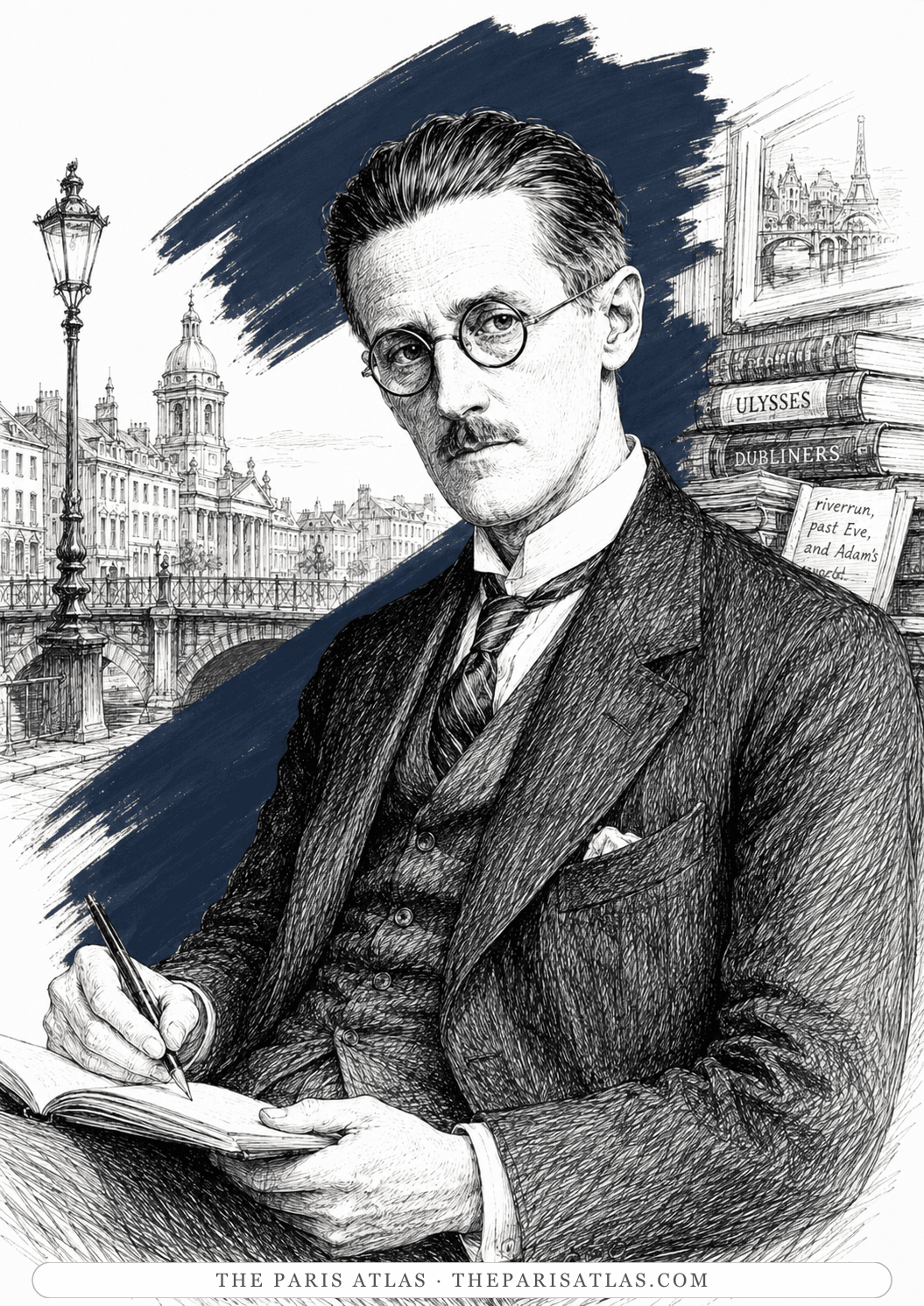
by James Joyce
James Joyce's first novel — a Dublin boyhood written in the boy's own changing language, from the nursery to the morning he decides to leave Ireland and become a writer.
Stephen Dedalus is sent away to a Jesuit boarding school at six and leaves Ireland at about twenty to become a writer. In between: a father who talks and drinks the family money away, a religious retreat whose sermon on hell frightens him into months of extreme piety, a priest who invites him to join the order, and a decision to refuse everything he was raised inside. Joyce's method is the thing readers remember. The book is written in the language of whatever age Stephen is — baby talk at the start, schoolboy slang in the middle, dense argument by the end — so the prose grows up on the page along with him.
Joyce wrote a short autobiographical essay called A Portrait of the Artist in a single day in January 1904 and offered it to a Dublin magazine, Dana, which turned it down. He started a long novel instead, on his twenty-second birthday that February, and called it Stephen Hero. He got through twenty-five chapters, gave up in 1907, and began again from nothing — the same life, compressed from a sprawling manuscript into five chapters, with almost everything explanatory cut away. The abandoned draft survived and was published in 1944, decades later, as Stephen Hero; reading the two together is the clearest lesson in method Joyce ever left behind.
Ezra Pound placed the finished book with The Egoist, a small London magazine edited by Harriet Shaw Weaver, which began running it in instalments on 2 February 1914 — Joyce's thirty-second birthday — and finished on 1 September 1915. Getting it between covers was harder. Seven English printers refused to set the type, all on grounds of decency: printers, not just publishers, could be prosecuted under English obscenity law, so a refusal at the press was the end of the matter.
The book was rescued from New York. B. W. Huebsch, an American publisher willing to take on writers nobody else would, printed the first edition and published it there on 29 December 1916; the London issue used sheets shipped across the Atlantic, under Weaver's Egoist imprint, because there was no other way to get an English copy made. Weaver went further and began sending Joyce money, which is how he was able to write full time for the rest of his life. Six years later Stephen Dedalus walks back into a Dublin novel, twenty-two years old and still not having written anything, in the opening chapters of Ulysses.
The novel follows one Irish boy, Stephen Dedalus, from infancy to the edge of adulthood, in five chapters that each jump forward several years. It opens inside a small child's head, in a child's words — a story about a moocow, a wet bed, the smell of his mother — and then puts him, at six, into Clongowes Wood College, a Jesuit boarding school in County Kildare. He is small, short-sighted and homesick. A boy shoves him into a ditch of cold water and he gets a fever; a priest beats his hands with a leather bat for breaking his glasses, which was not his fault; he walks up to the rector's office to complain and is cheered by the other boys for it. At home in the middle of all this, the family Christmas dinner turns into a screaming row about Charles Stewart Parnell, the Irish political leader who had just died after his affair with a married woman split the country and set the Catholic clergy against him. Stephen sits at the table and watches the adults he loves come apart over it.
Then the money goes. His father, Simon Dedalus, drinks and talks and mortgages his way through what is left; Stephen is taken out of Clongowes, the family moves to a poorer house in Dublin, and he is put into Belvedere College as a day boy. At about sixteen he starts going to the brothel quarter, and by the third chapter he is convinced he is damned. His school holds a religious retreat — three days of sermons — and the preacher spends most of it on hell, described in slow physical detail: the walls four thousand miles thick, the fire that burns without giving light, the stench, and an eternity measured out as a bird carrying away a mountain of sand one grain at a time. Stephen goes home, is sick, finds a church where nobody knows him, confesses everything, and comes out into the street feeling clean.
What follows is months of relentless devotion — prayers counted like coins, every sense deliberately mortified — until the college director sends for him and suggests, gravely and flatteringly, that he might have a vocation and should consider joining the Jesuit order. Stephen walks home turning it over, and something in him refuses. He goes to university instead, argues aesthetics with his friends Lynch and Cranly, writes a poem for a girl he has been circling for ten years, and refuses to sign a peace petition, learn Irish, or join anything. His mother wants him to take communion at Easter. He will not.
The corridor makes Stephen's appeal a physical ordeal before it becomes an argument. Weak sight, trembling legs and the portraits he imagines watching him give authority a frightening presence. Yet his repeated sense of unfairness supplies a judgment independent of the priest who punished him. The rector promises to intervene but calls the punishment a mistake, leaving the institution's authority intact. Even after the boys celebrate him, Stephen wants to remain obedient and show Dolan kindness. His victory is not a complete rebellion: speaking for himself coexists with a continuing need to be good.
Before Stephen sees the girl, his schoolmates' teasing has already turned his name into an imagined promise of flight. The seabird imagery then gives that promise a visible form. Religious words of worship, holiness and revelation remain active even as his excitement turns toward earthly life. The passage does not simply exchange faith for its opposite; it redirects the language through which he recognizes a calling. But the girl never explains herself. Her transformation into an angel belongs to Stephen's exhilarated vision, allowing the reader to feel its force without mistaking it for knowledge of her.
Welcome, O life! I go to encounter for the millionth time the reality of experience and to forge in the smithy of my soul the uncreated conscience of my race.
I will try to express myself in some mode of life or art as freely as I can and as wholly as I can, using for my defence the only arms I allow myself to use—silence, exile and cunning.
When the soul of a man is born in this country there are nets flung at it to hold it back from flight. You talk to me of nationality, language, religion. I shall try to fly by those nets.
Writing a childhood in the child's own words, and letting the language age as the character ages, was new in 1916. A century of coming-of-age fiction runs on it.
Stephen Dedalus walks straight out of this book into the opening chapters of Ulysses, still owing money and still not writing. Readers who meet him here understand him there.
Seven English printers refused to set it and an American publisher had to rescue it — the same pattern that, six years later, put Ulysses in the hands of a bookshop on the rue de l'Odéon rather than a publishing house.
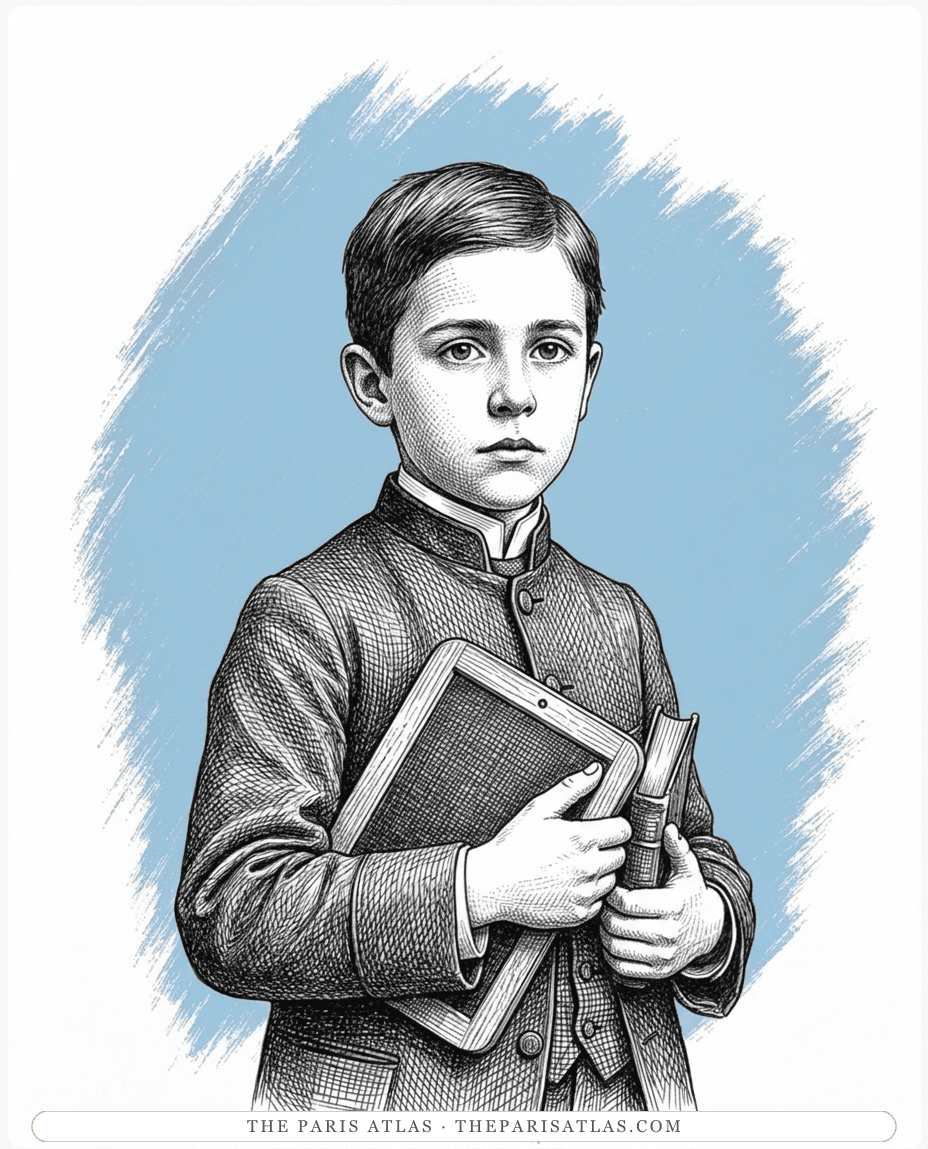
The boy the novel follows from infancy to about twenty — a short-sighted, watchful, proud Dublin schoolboy who loses his religion and decides to leave Ireland and write. He turns up again, older, in Joyce's Ulysses.
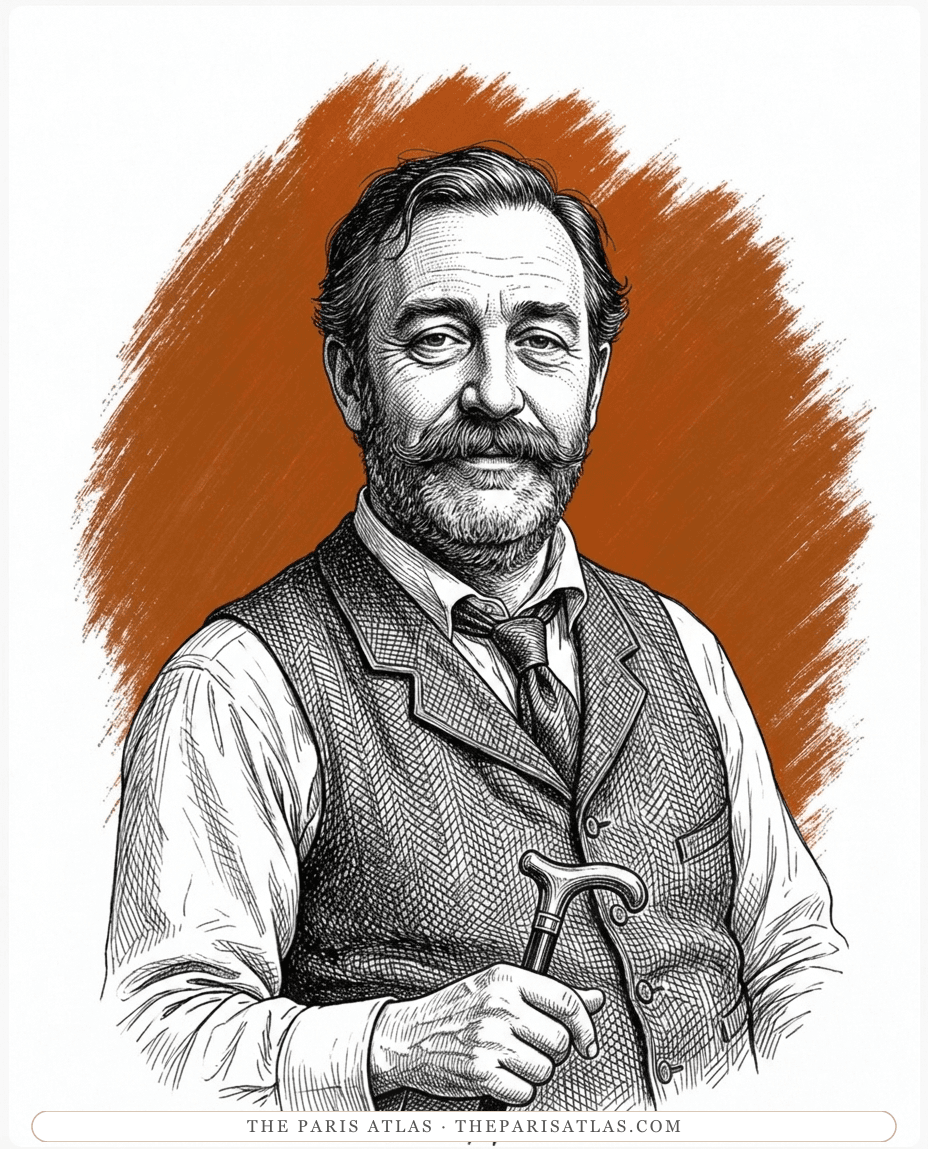
Stephen's father — a Cork man with a good tenor voice, a great many stories, and no money left. He talks his way through the family's fall from a large house to a rented one with pawn tickets on the table.
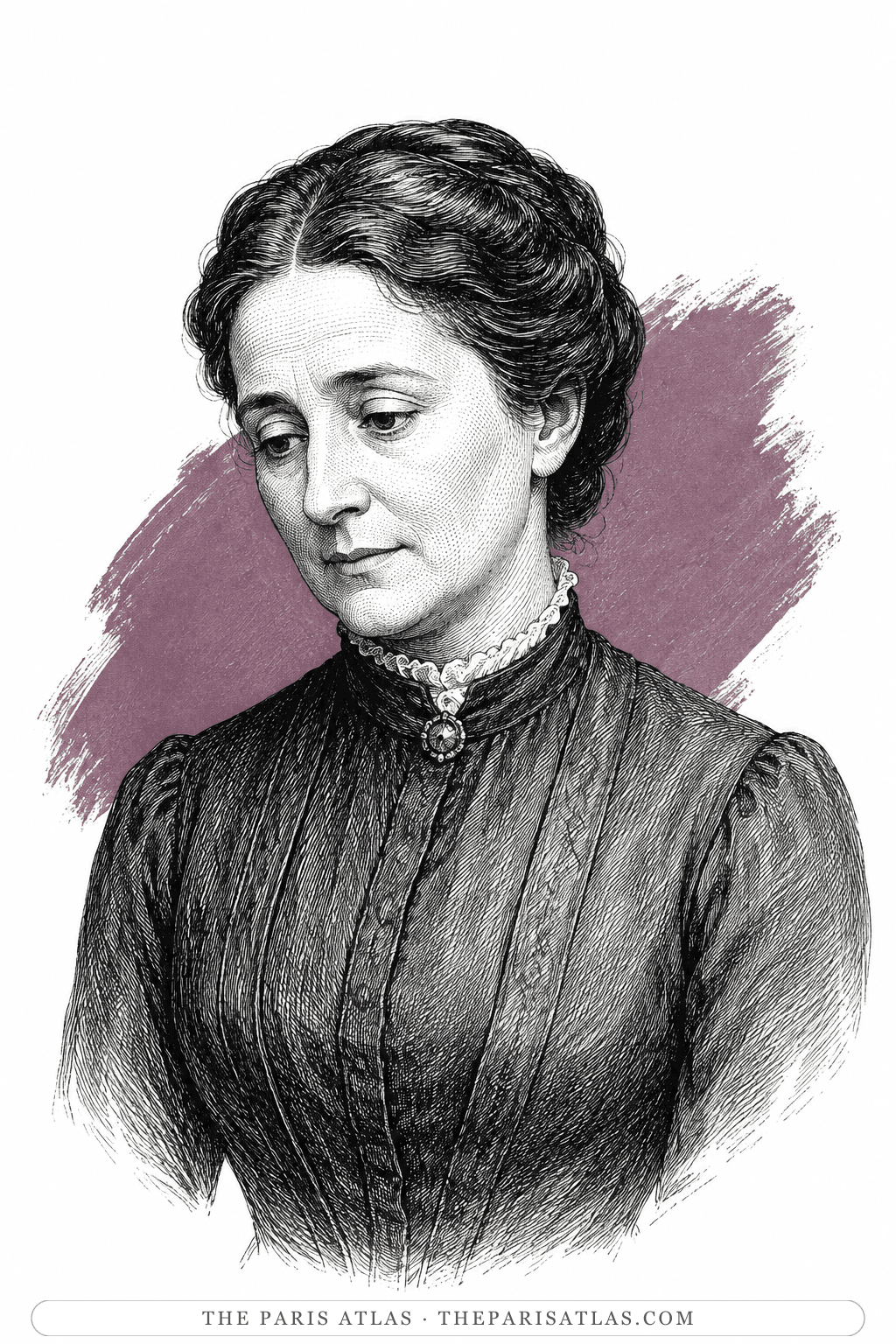
Stephen's mother — the one person in the book who asks him for anything, and the one he refuses. She scrubs his neck before lectures, dreads what the university has done to him, and wants him back at the communion rail.
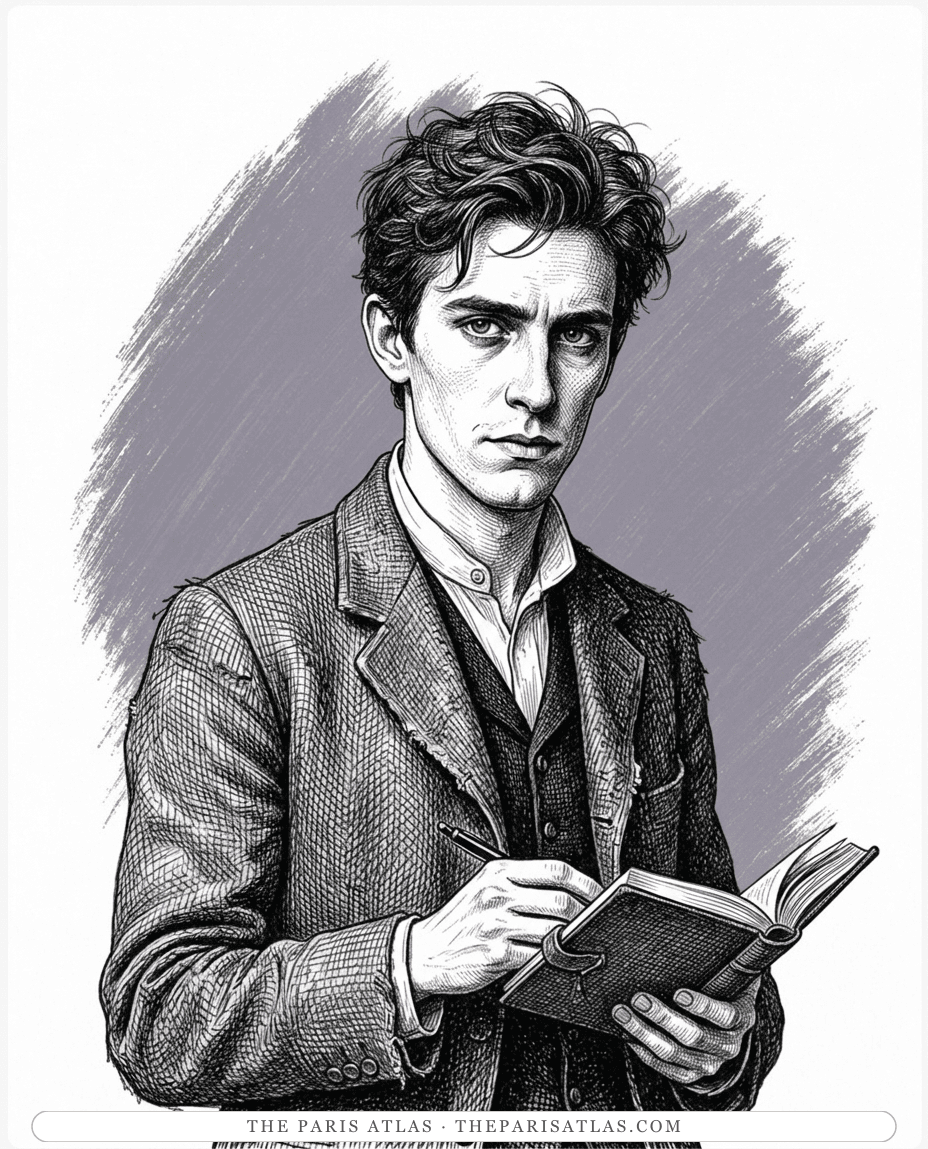
Stephen's closest friend at university — a big, flat-voiced, unimpressed young man who listens to everything Stephen says and eats dried figs while he does it. The long walk they take at the end is the last real conversation in the book.
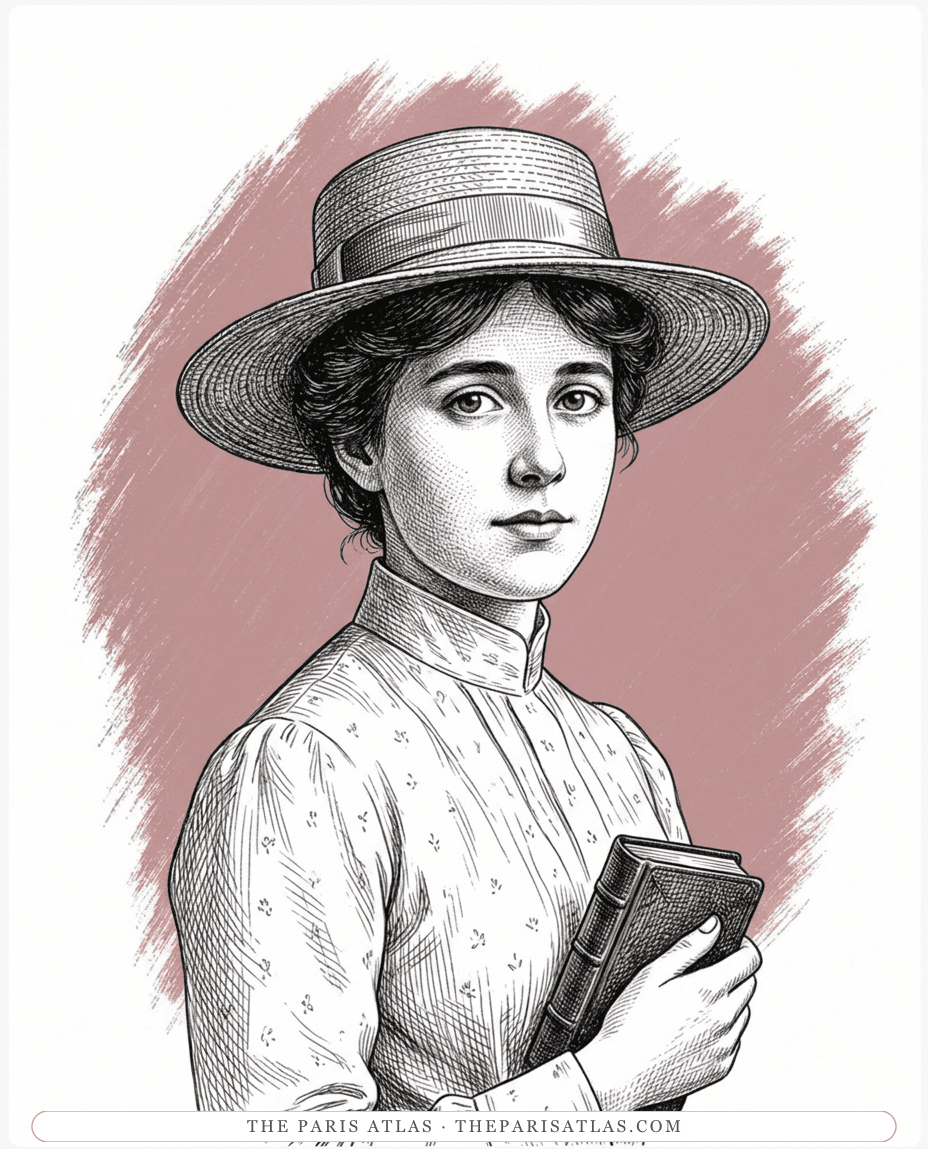
The girl Stephen writes poems about, over roughly ten years. She is named only a handful of times, gets a few lines of dialogue, and is never allowed a thought of her own on the page.
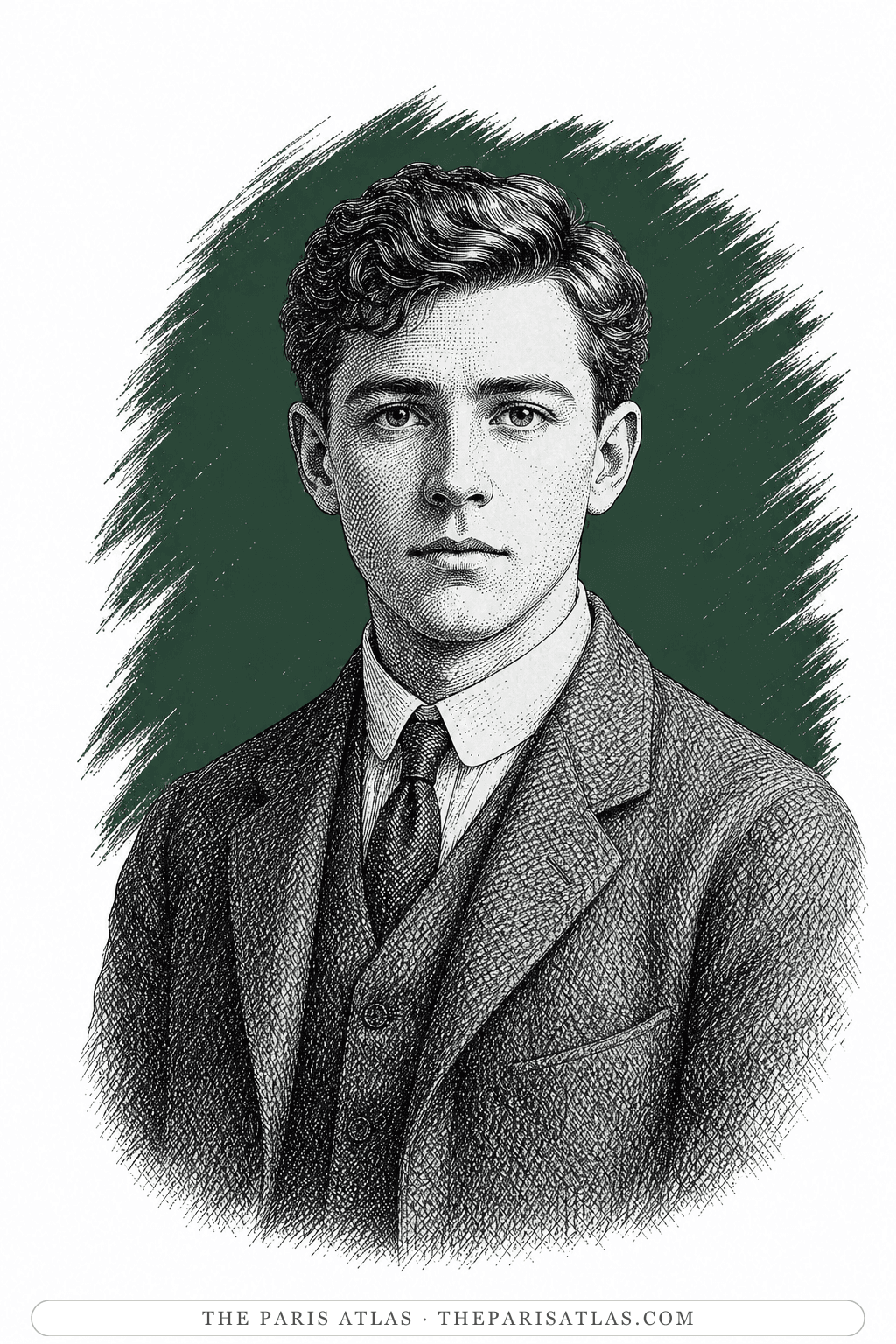
A country student at Stephen's university, an Irish-speaking hurler from Limerick who calls him Stevie and asks him, seriously, whether he is Irish at all. The friend Stephen likes most and argues with hardest.
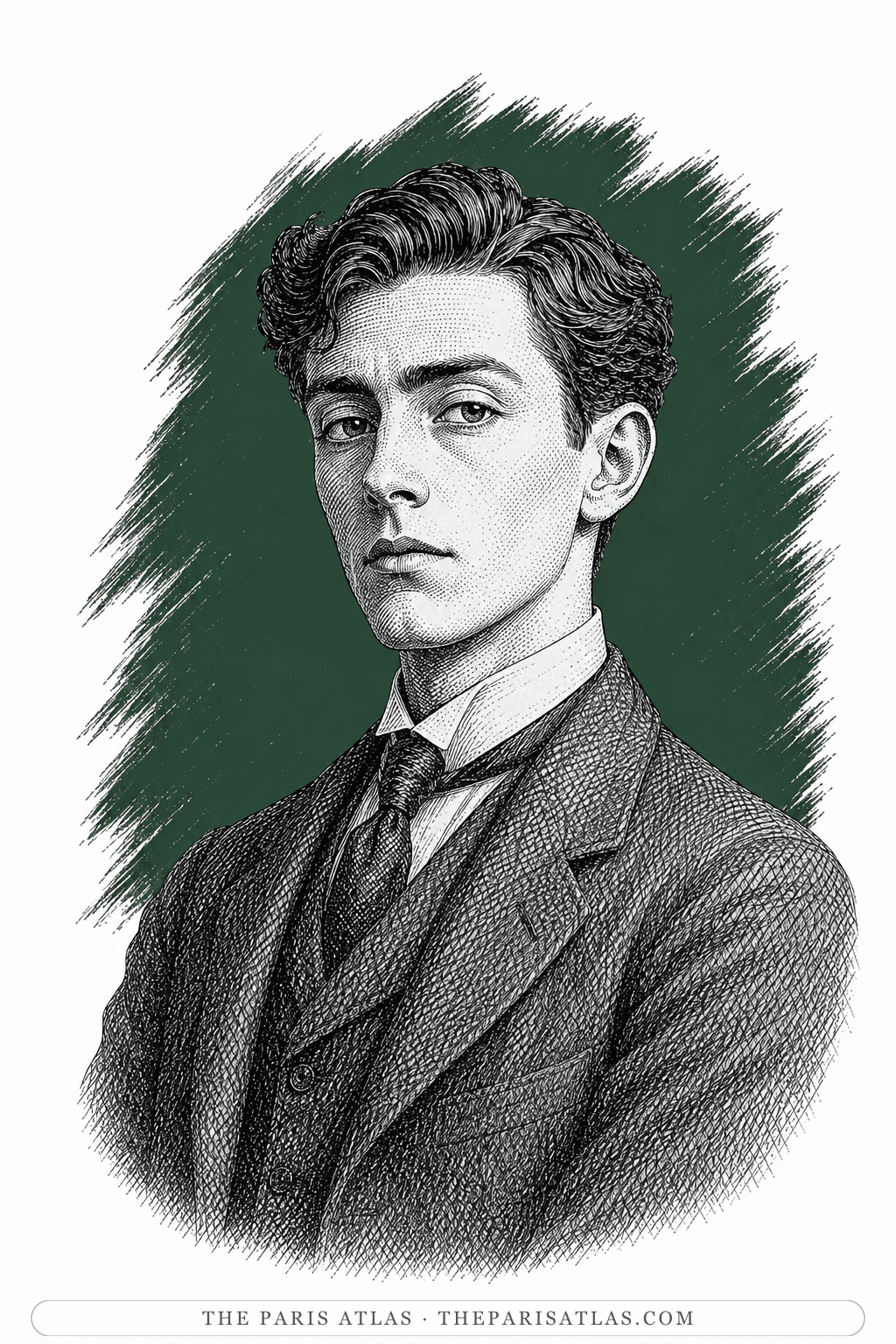
The student Stephen explains his theory of art to, at enormous length, in exchange for cigarettes. Sour, broke, filthy-minded and much funnier than his friend — the book's best audience.
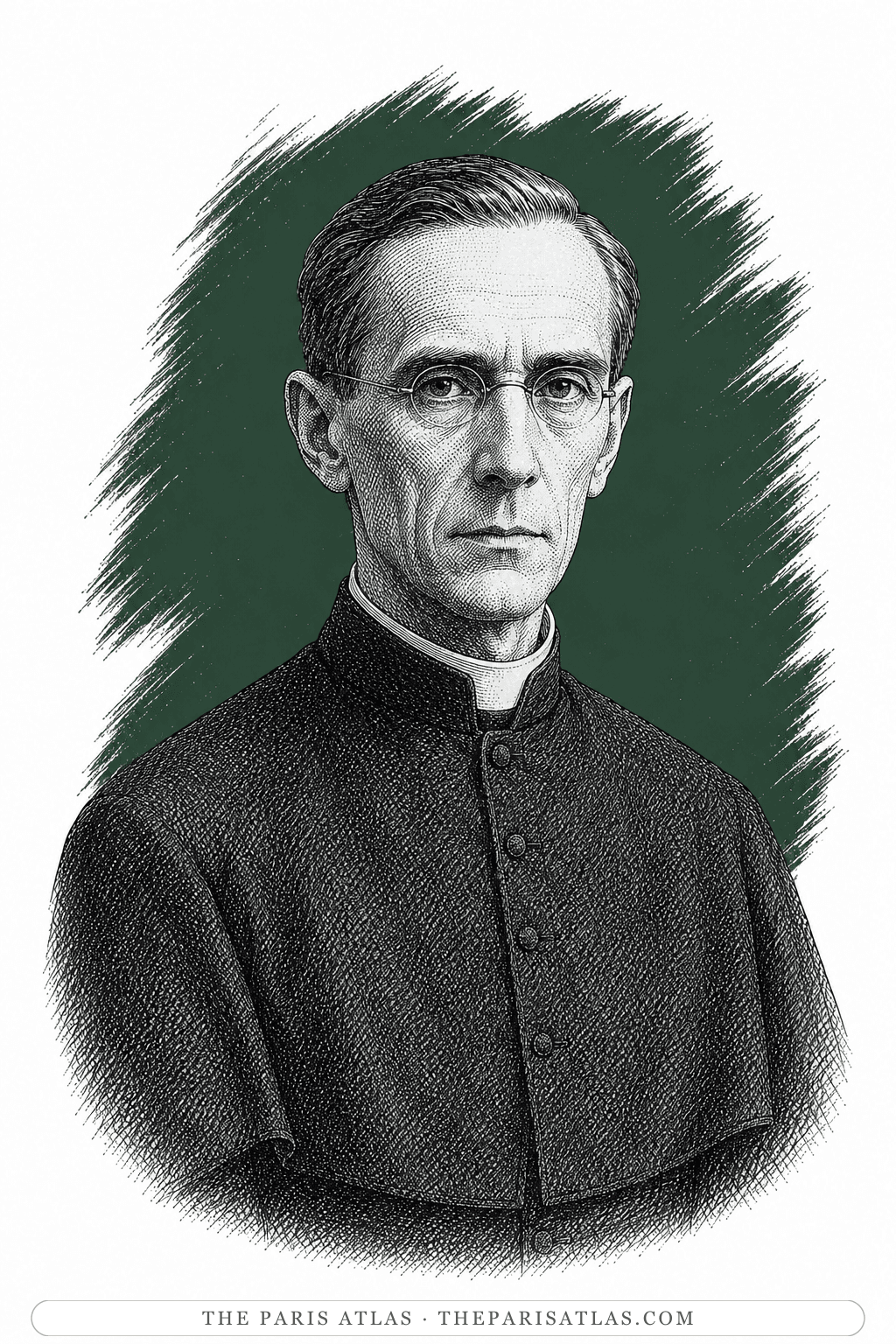
The Jesuit who teaches Stephen Latin at boarding school and, years later, turns up as the preacher of the retreat — the man who delivers the long sermon on hell that frightens Stephen into months of piety.
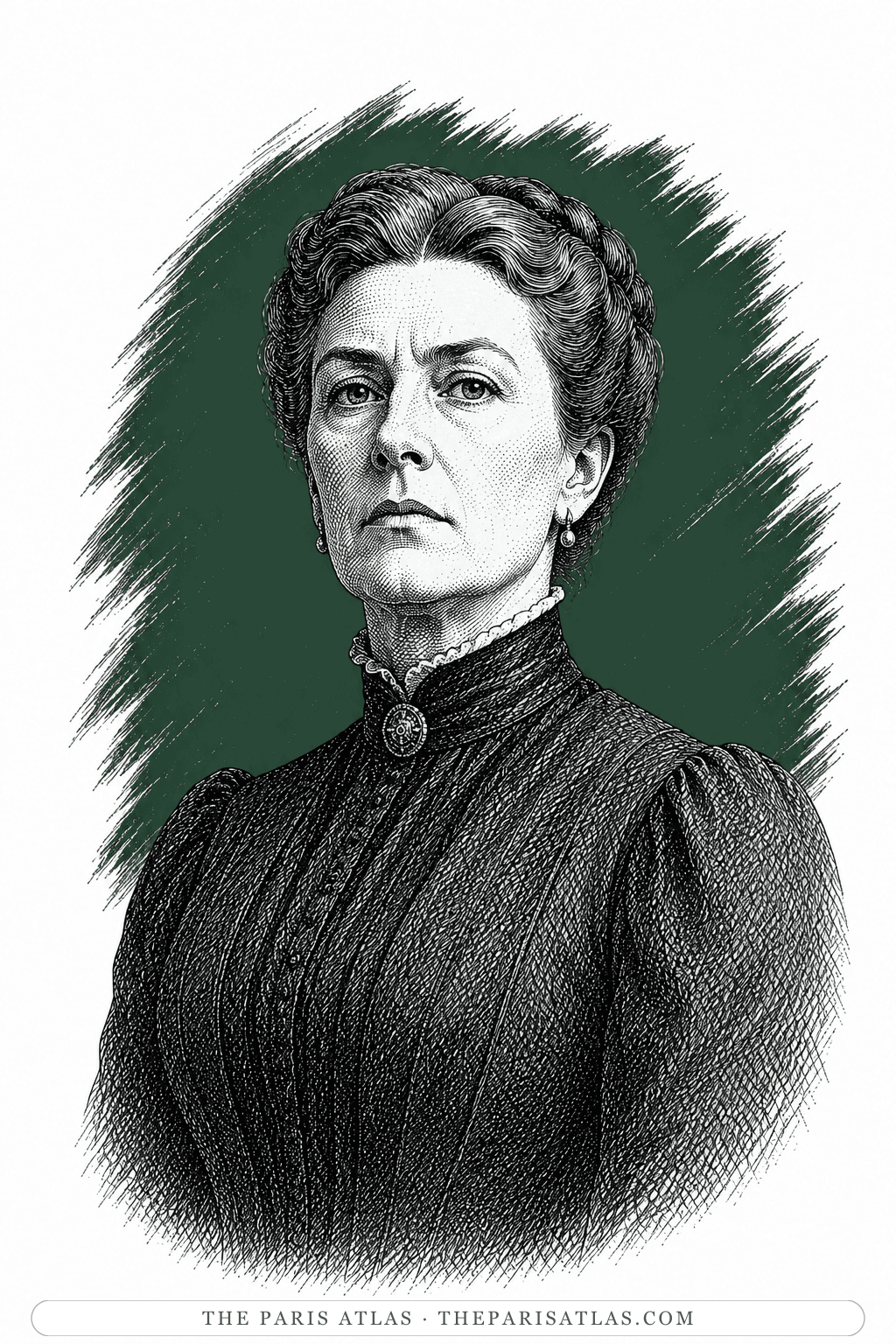
The devout widow who lives with the Dedalus family and teaches Stephen his geography. She keeps two hairbrushes for two Irish politicians, and destroys the Christmas dinner defending the priests who abandoned Parnell.
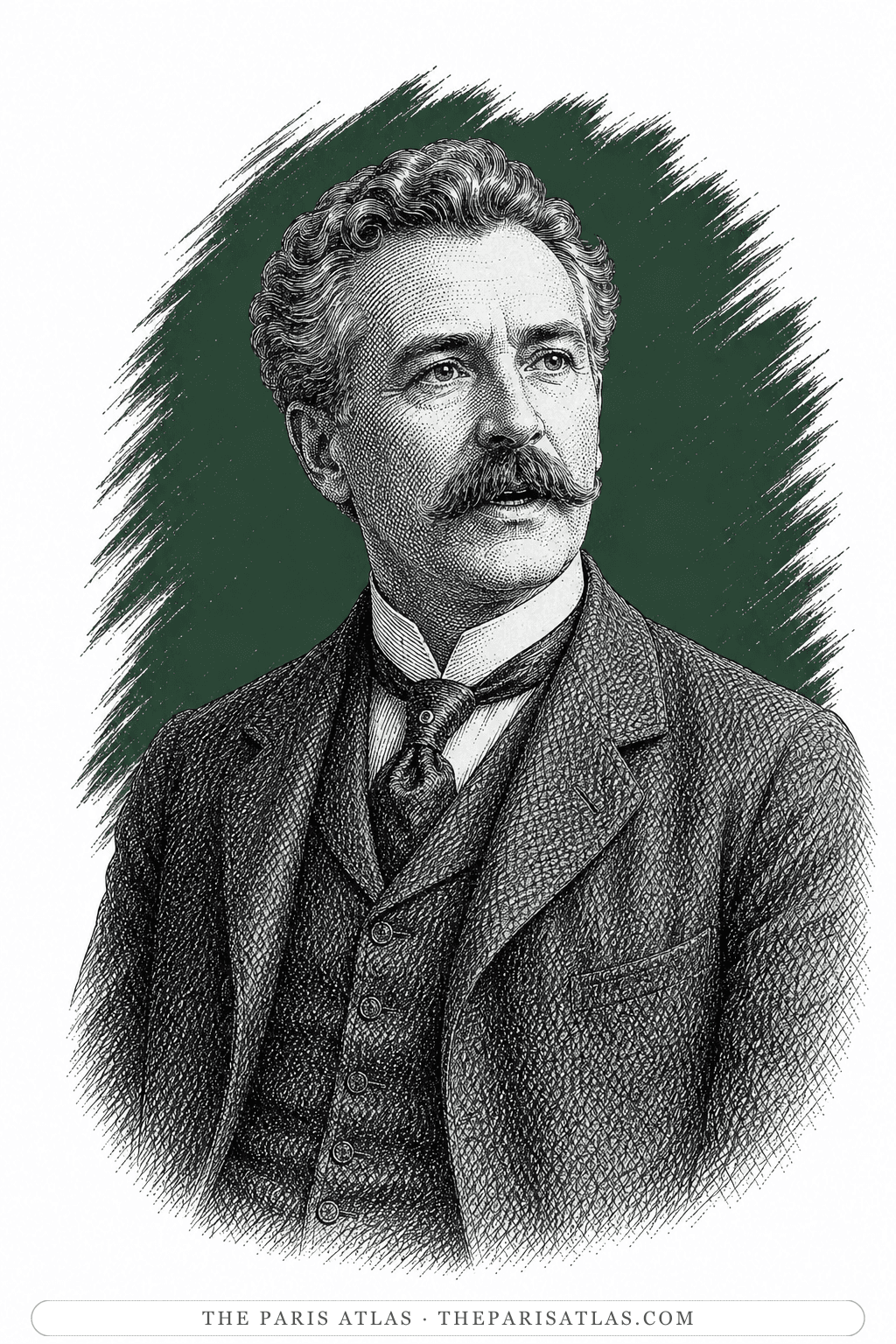
A family friend and the guest at the Dedaluses' Christmas dinner — an old political campaigner with three fingers he cannot straighten, who ends the meal shouting that Ireland has had too much God.
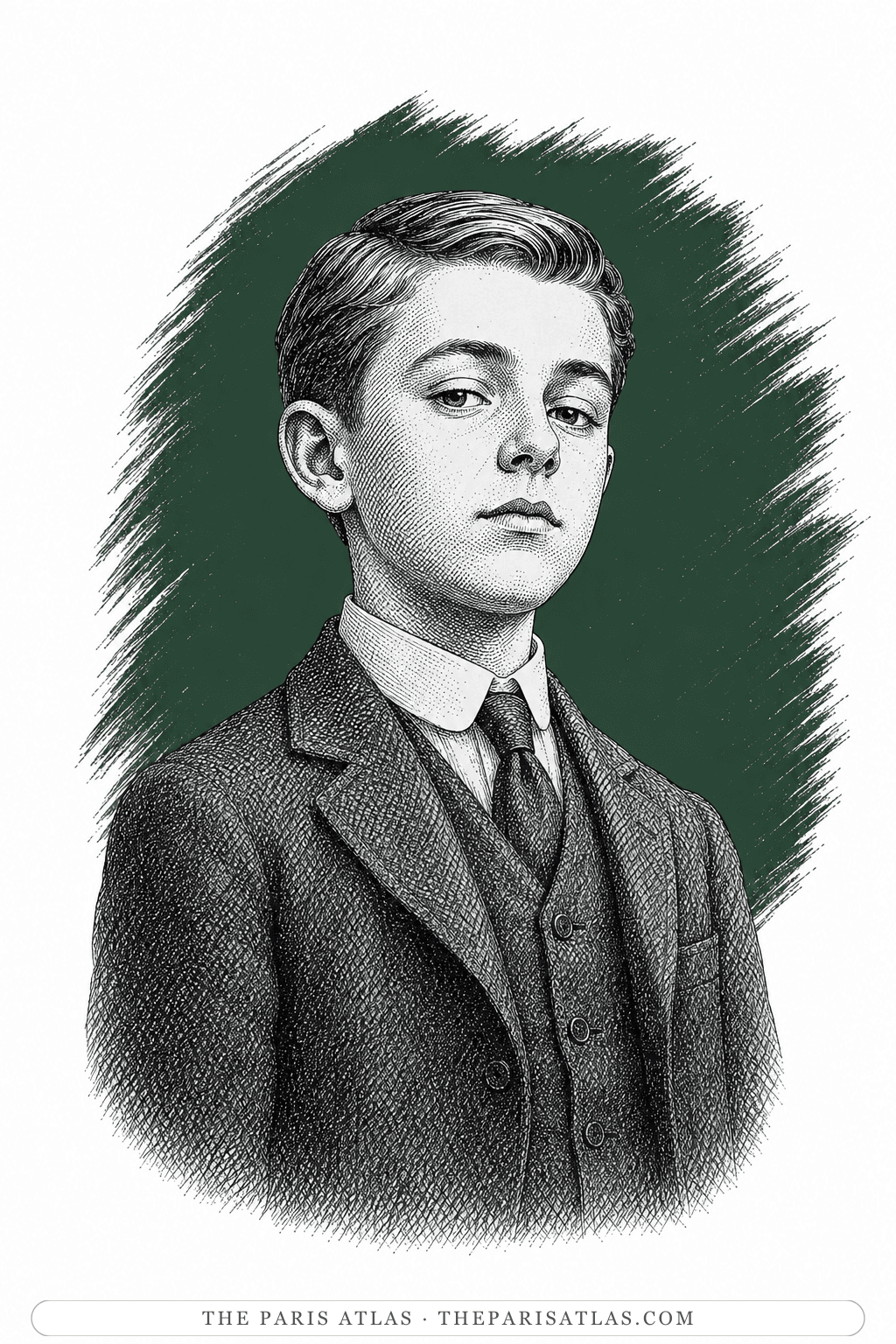
Stephen's rival and near-equal at his Dublin day school — a boy with a bird's face and a bird's name who carries a thin cane and uses one word, repeatedly, to get what he wants: admit.
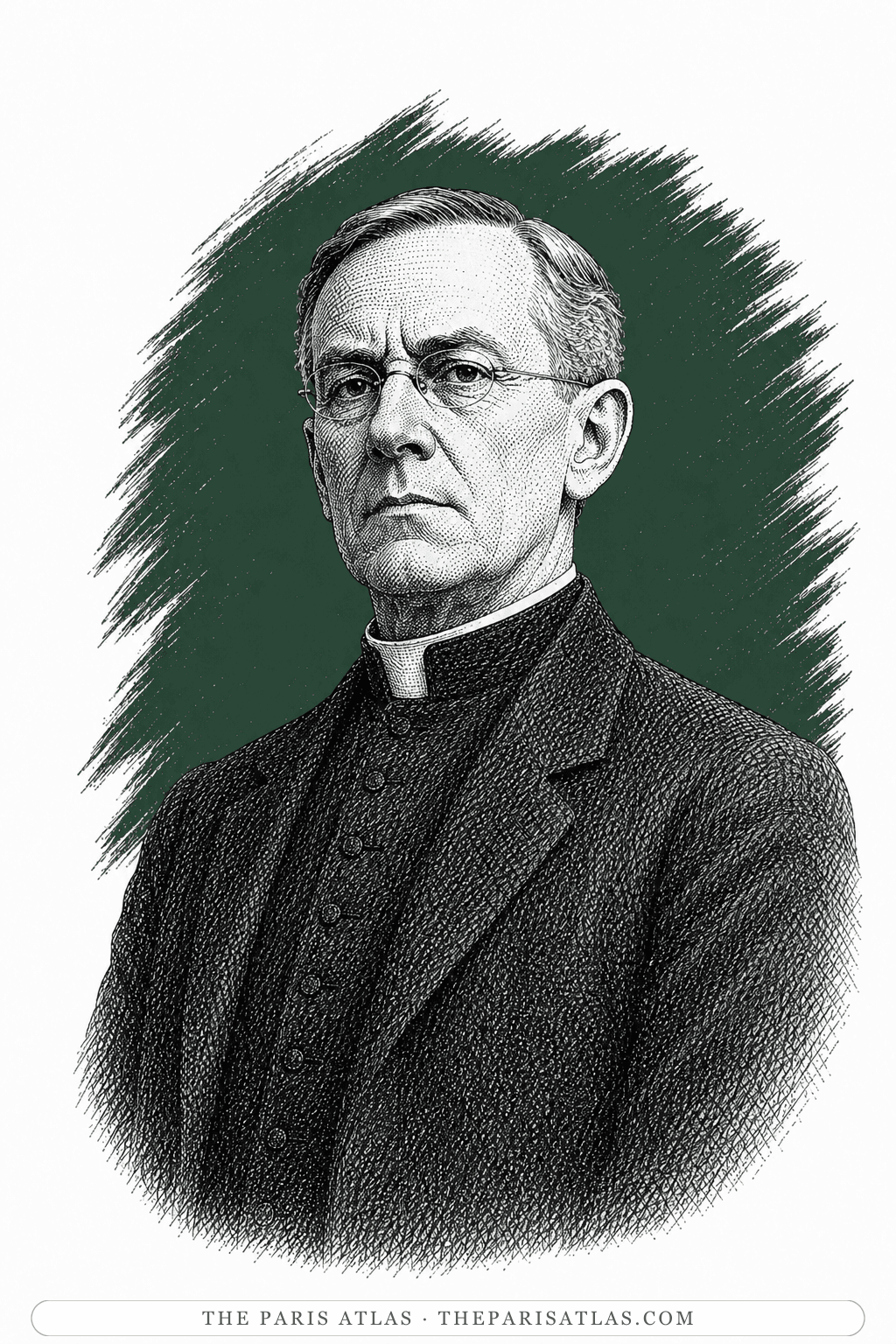
The prefect of studies at Stephen's boarding school, who walks into a classroom with a leather bat and beats the hands of a boy whose glasses are broken. The boys call him Baldyhead.
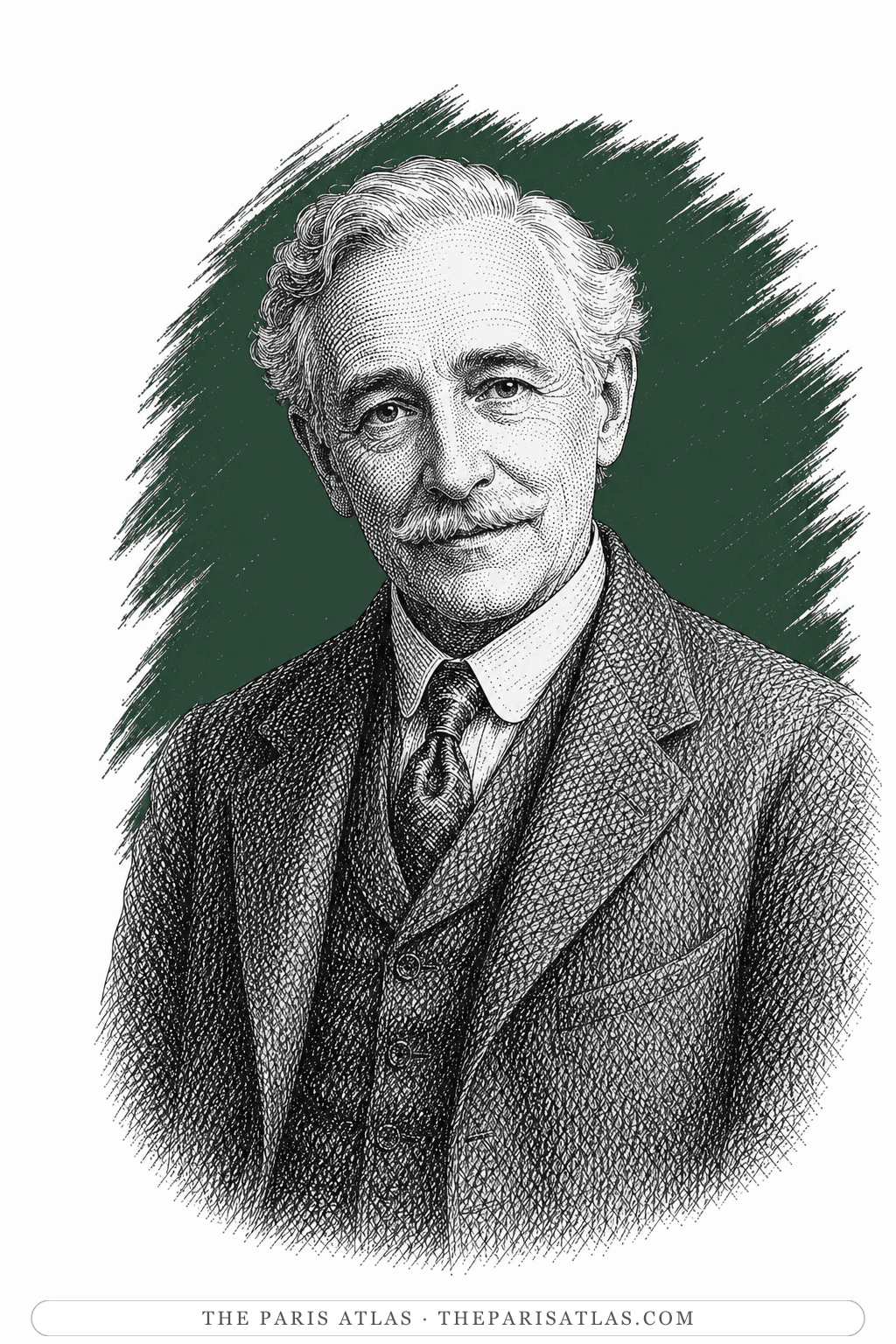
Stephen's great-uncle, who lives with the family and is banished to a garden shed to smoke his tobacco. For one summer he is the boy's constant companion, and then his mind goes.
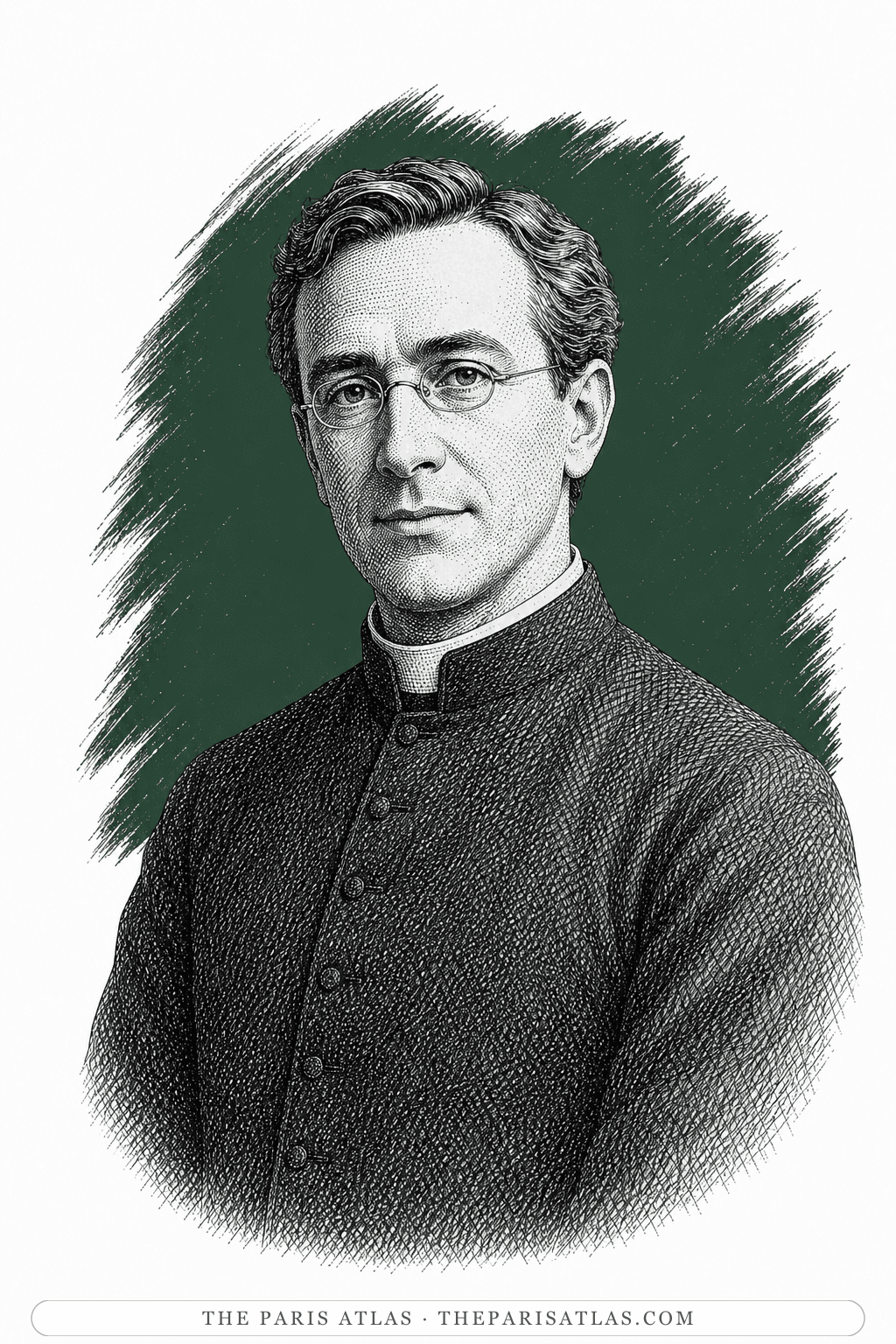
An elderly English Jesuit teaching at Stephen's Dublin university, met on his knees lighting a classroom fire. Their five minutes of small talk produce the exchange the whole book is remembered for.
1904
Joyce writes an essay called A Portrait of the Artist in a day; the Dublin magazine Dana rejects it. He begins a long novel, Stephen Hero, on his twenty-second birthday instead.
1907
He abandons Stephen Hero after twenty-five chapters and starts again, compressing the same life into five.
1914
Ezra Pound places the book with The Egoist in London, which begins serialising it on 2 February, Joyce's thirty-second birthday.
1915
The serial ends on 1 September. Seven English printers refuse to set the type for a book edition.
1916
B. W. Huebsch publishes the first edition in New York on 29 December.
1917
Harriet Shaw Weaver's Egoist imprint issues it in London, using sheets shipped from New York.
1922
Stephen Dedalus reappears at twenty-two in the opening chapters of Ulysses.
1944
The abandoned first draft is published as Stephen Hero.
The sequel, in effect. Joyce's next novel picks Stephen Dedalus up a few years after this book leaves him — back in Dublin, twenty-two, teaching school and still not writing.
Read our take
James Baldwin's first novel, and the closest parallel to this one: a fourteen-year-old boy on the floor of a Harlem church, going through a conversion he is not sure he wants.
Read our take
F. Scott Fitzgerald's first novel, published four years later — another young man followed from school through university to the moment he announces who he intends to be.
Read our take
Sherwood Anderson's linked stories, brought out by the same New York publisher, B. W. Huebsch, three years later — and ending, like this book, with a boy getting on a train out of the only place he knows.
Read our takeThe Irish writer James Joyce. It was his first novel, serialised in London in 1914–15 and published as a book in New York at the end of 1916.
A boy called Stephen Dedalus growing up in Dublin — Jesuit schools, a family sliding into poverty, a religious crisis, and his decision to leave Ireland and become a writer. It covers roughly fourteen years in five chapters.
Not exactly, but close. The schools, the bankrupt father, the retreat, the loss of faith and the departure are all Joyce's own; the standard reading is that Stephen is a self-portrait written at a deliberate distance, with Joyce judging his younger self as well as recording him.
Because Stephen is an infant when it starts. Joyce writes each stage of the boy's life in the language available to him at that age, so the prose becomes more complex as he does. It is the book's central technique, not an introduction to be got through.
It helps a great deal. Ulysses opens with Stephen Dedalus a few years older and assumes you know who he is, what his name means to him, and why he is in mourning and in debt.
About twenty-five pages, across two sittings, in the middle chapter. Joyce built it largely out of a real seventeenth-century Jesuit tract, Giovanni Pietro Pinamonti's Hell Opened to Christians, which circulated in an English translation printed in Dublin.
Explore authors with a similar voice, perspective, and influence.
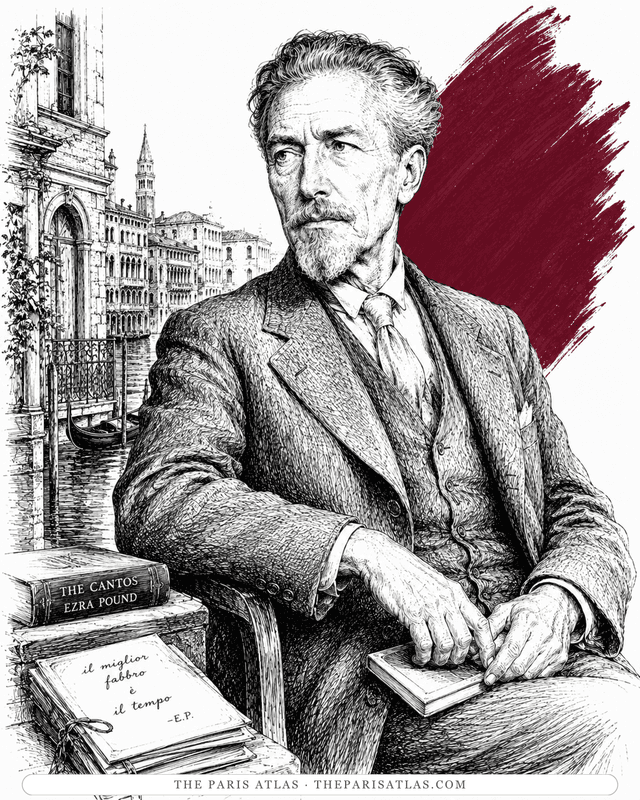
The impresario who dragged Joyce's early books into print, brought him to Paris, and championed Ulysses until the world caught up.
View author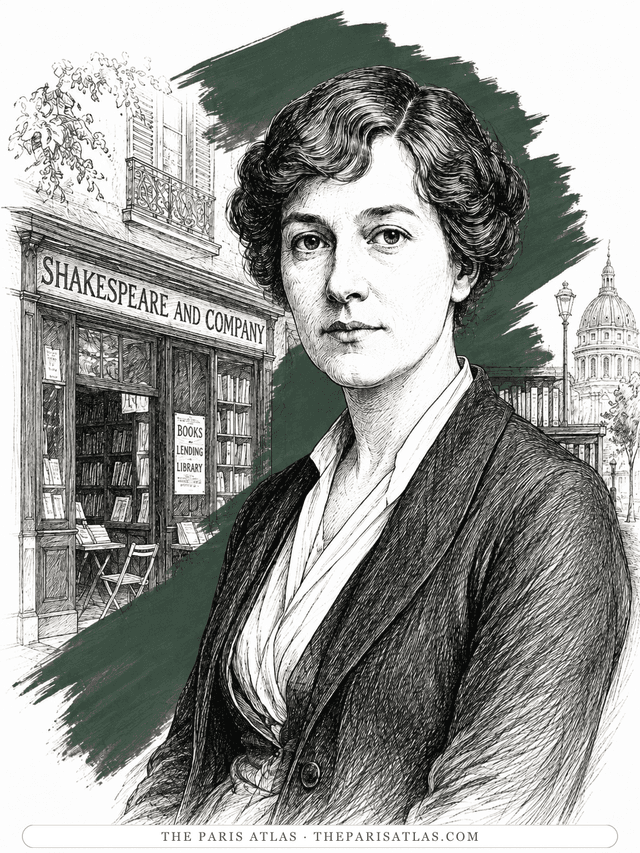
His publisher of last resort and first devotion — the bookseller who printed Ulysses when no one else would.
View author
The doctor of the Paris slums who wrote the century's blackest, funniest novel — and changed the sound of French prose.
View authorThe sources below include the primary text, editions, scholarship, archival materials, and other records that informed this page. They document A Portrait of the Artist as a Young Man, its publication, and its place in literary history.

The primary text represented by this page, used for descriptions of the work’s contents and for any quoted passages shown here.
Selected chapter I punishment, complaint and playground-return sequence and chapter IV strand sequence read in the current English transcription. Electronic release/update dates, not a claim of first-edition collation or independent biography.
Used to place A Portrait of the Artist as a Young Man within James Joyce's published work and verify its bibliographic context.

Used for independent biographical, archival, or historical context surrounding James Joyce's career and the period in which A Portrait of the Artist as a Young Man appeared.
Used to cross-check authorship, chronology, and the work's place in James Joyce's wider catalogue.
Used to verify James Joyce's bibliography and place A Portrait of the Artist as a Young Man within the broader chronology of James Joyce's career.
The primary text is the baseline reference for every book page. Additional references document publication history, interpretation, and historical context where that evidence is available.
 Explore more resources