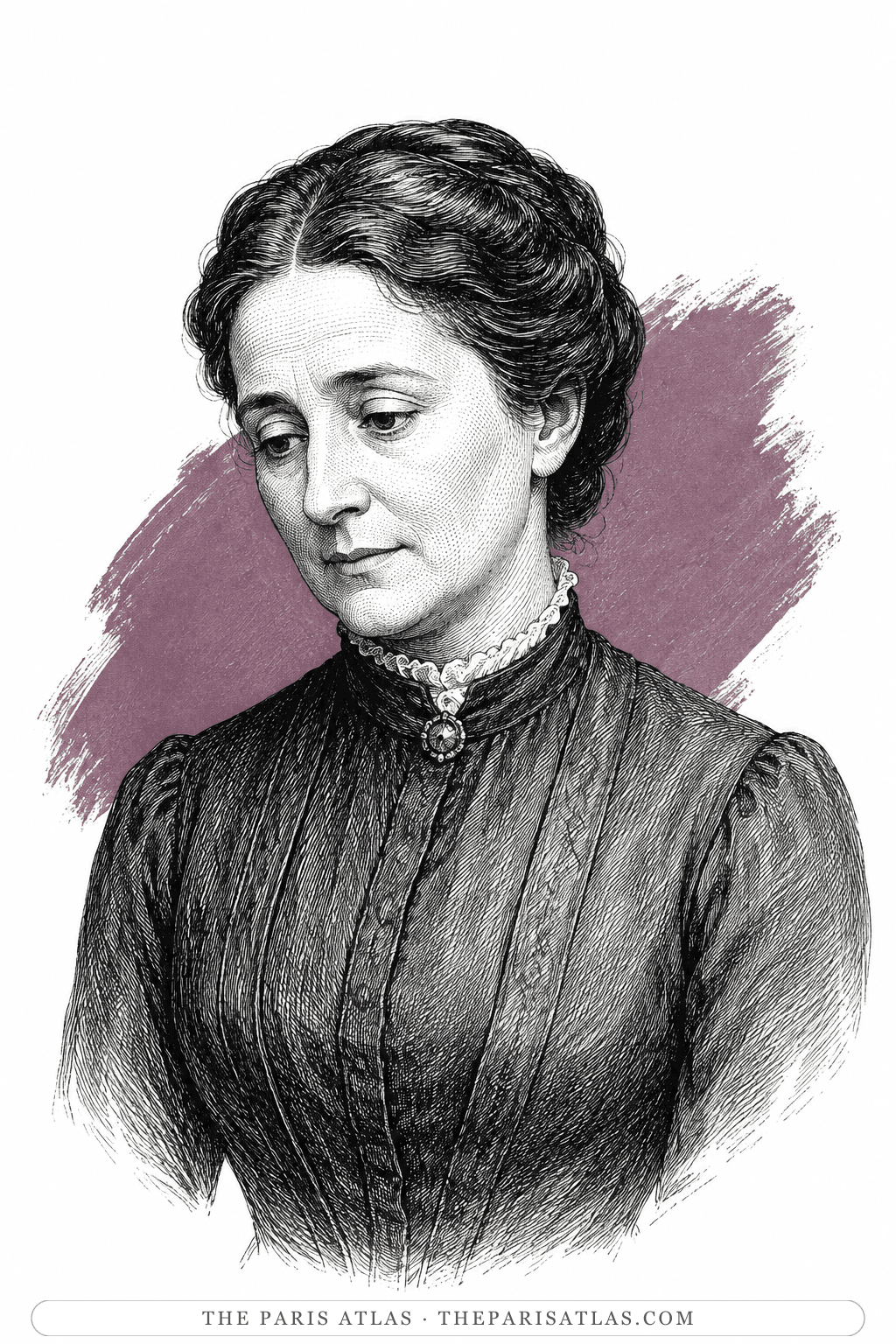
Mary Dedalus
Stephen's mother — the one person in the book who asks him for anything, and the one he refuses. She scrubs his neck before lectures, dreads what the university has done to him, and wants him back at the communion rail.
Her son back inside the church, and out of the place that took him. She says the second part to his face on the last morning of the book's ordinary life: "—Ah, it's a scandalous shame for you, Stephen, said his mother, and you'll live to rue the day you set your foot in that place. I know how it has changed you."
The book

At a glance
- Stephen's mother; called Mrs Dedalus throughout, and Mary once, by her husband, at the Christmas table
- Nine or ten, some of whom died — the figure Stephen gives Cranly in the street
- That he make his Easter duty, the once-a-year communion; he refuses
- Called May, and dead within the year — her deathbed, and Stephen's refusal to kneel at it, hang over the whole of that novel
- The first page, the school gate, the Christmas dinner, the kitchen sink, and the last entries of the diary
- Mary Jane Joyce, née Murray · 1859–1903 · Dublin
Who they are in the book
Spoiler-freeMary Dedalus is the mother of Stephen Dedalus, the boy followed by A Portrait of the Artist as a Young Man, the 1916 novel by the Irish writer James Joyce, from infancy to about twenty. Her husband calls her Mary once, at the Christmas table; otherwise the book calls her Mrs Dedalus or simply his mother. In Joyce's next novel, Ulysses, she is called May.
She is present on the first page and the last, and the novel measures Stephen's distance from her more accurately than it measures anything else. In infancy she is a smell better than his father's and a piano playing a hornpipe for him to dance to. At the school gate she doubles her veil to her nose so he will not see her crying. At the Christmas dinner she is the one begging the men to stop. By the last chapter she is washing her grown son's neck at the kitchen sink and telling him he will rue the day he set foot in the university.
What she wants from him is one thing: that he make his Easter duty, the annual communion every Catholic was expected to make. He will not. The quarrel is never dramatised — it happens offstage, and the reader learns about it because Stephen mentions it to a friend in the street. She keeps praying, keeps packing his clothes, and lets him go.
How Mary Dedalus Is Portrayed
- The first pagesShe is one of the first four things in the novel, along with the moocow, the father's hairy face and the wet bed. "His mother had a nicer smell than his father. She played on the piano the sailor's hornpipe for him to dance." Nothing else in the book is described with that plainness again.
- The goodbye at ClongowesLeaving her six-year-old at boarding school she pulls her veil double to her nose to kiss him, and her nose and eyes are red. He pretends not to see that she is about to cry, and files it away with a judgement: she was a nice mother, but she was not so nice when she cried.
- The Christmas dinnerShe spends the meal trying to stop it. First an appeal — "—For pity sake and for pity sake let us have no political discussion on this day of all days in the year." Then a direct request to the governess to drop it, then to her husband to end it. None of them listen, and she follows the governess out of the room.
- The sinkChapter five opens with a university student having his neck and ears scrubbed by his mother at the kitchen sink, with the alarm clock lying on its side an hour and twenty-five minutes fast. "—Well, it's a poor case, she said, when a university student is so dirty that his mother has to wash him." His answer is not kind: "—But it gives you pleasure, said Stephen calmly."
- What her life costThe book gives the arithmetic secondhand, in a street conversation between Stephen and his friend Cranly. Nine or ten children, some of them dead. A husband who was well-to-do when the marriage started and is not now. Cranly draws the obvious conclusion aloud — that she must have gone through a good deal of suffering — and asks whether Stephen would spare her more if it cost him little. He says it would cost him very little, and does not do it.
- The argument about the Virgin MaryIn the diary at the end, Stephen records a wrangle with her about the Blessed Virgin Mary and admits she got the better of it. She tells him he has a queer mind and has read too much, and predicts he will come back to the faith because he is restless. He notes that he asked her for sixpence at the end of the argument and got threepence.
- The last thing she doesTwo entries from the end of the diary: "Mother is putting my new secondhand clothes in order. She prays now, she says, that I may learn in my own life and away from home and friends what the heart is and what it feels." He writes down her prayer and answers it in two words — "Amen. So be it." — before the sentence that everyone quotes.
Joyce's own mother, Mary Jane Joyce, had ten surviving children out of more, and died of cancer of the liver in August 1903, aged forty-four, having asked her son to make his confession and take communion. He would not. He left Dublin the following year. Everything the Portrait declines to dramatise about that refusal, Ulysses puts on the page.
If you like A Portrait of the Artist as a Young Man


If you like James Joyce
Explore authors with a similar voice, perspective, and influence.
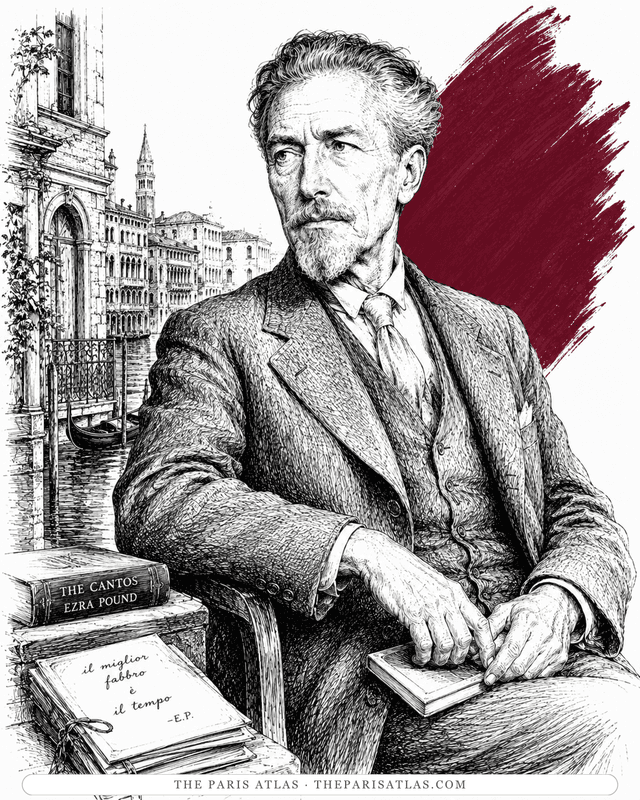
Ezra Pound
The impresario who dragged Joyce's early books into print, brought him to Paris, and championed Ulysses until the world caught up.
View author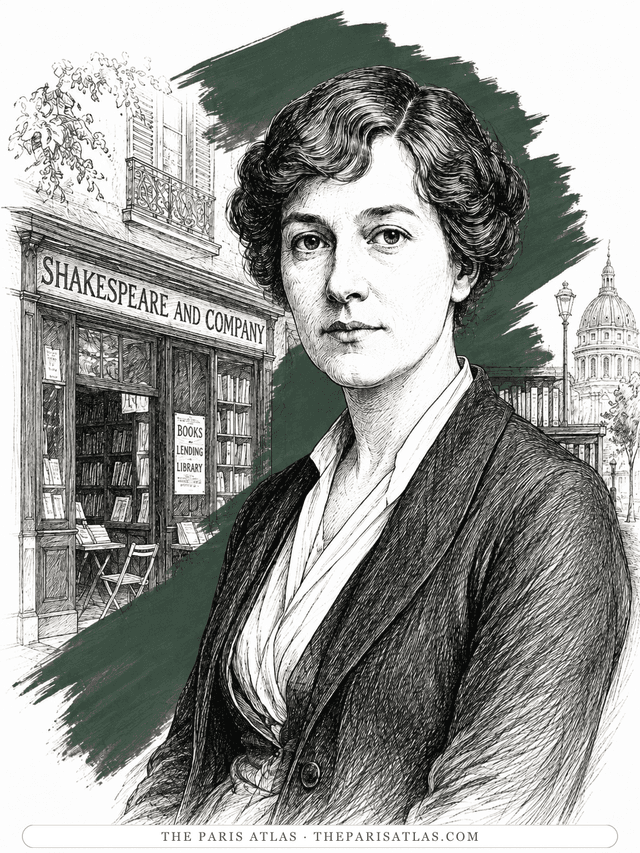
Sylvia Beach
His publisher of last resort and first devotion — the bookseller who printed Ulysses when no one else would.
View author
Louis-Ferdinand Céline
The doctor of the Paris slums who wrote the century's blackest, funniest novel — and changed the sound of French prose.
View author