Vincent Heron
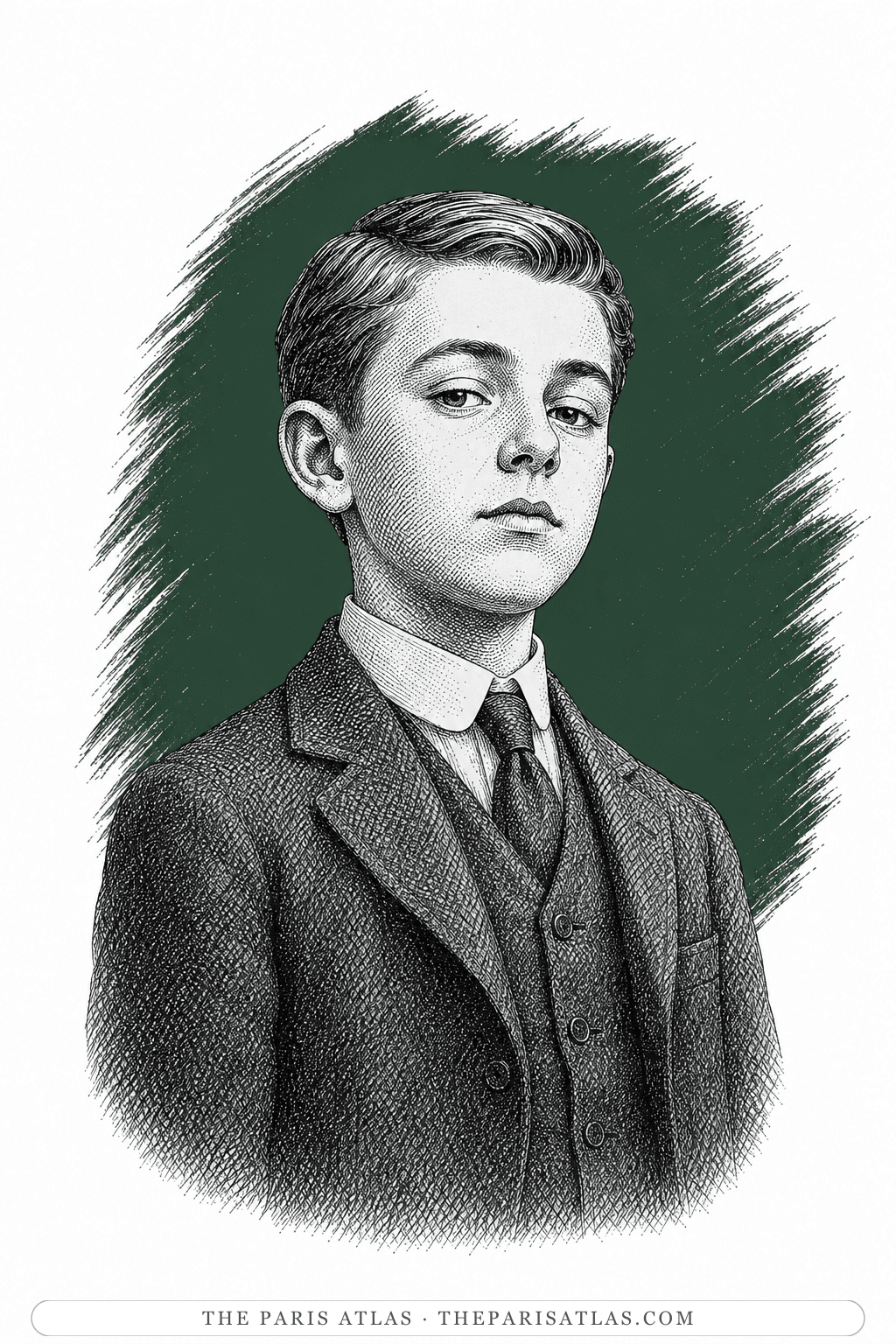
Stephen's rival and near-equal at his Dublin day school — a boy with a bird's face and a bird's name who carries a thin cane and uses one word, repeatedly, to get what he wants: admit.
To make Stephen give in to him, in fun or otherwise. He has one word for it, delivered with a stroke of the cane across the calf, and he uses it in both scenes: "—Admit."
The book

At a glance
- Stephen's rival and friend at Belvedere College; between them the two run the school
- A bird's face to go with the name — pale crest of hair, narrow bony forehead, thin hooked nose, close-set light eyes
- A thin cane, which he cleaves the air with in time to his own steps
- The night of the Whitsuntide play, one remembered evening on Clonliffe Road, and the classroom after the hell sermon
Who they are in the book
Spoiler-freeVincent Heron is a schoolfellow of Stephen Dedalus at Belvedere College, the Dublin day school Stephen attends in the second and third chapters of A Portrait of the Artist as a Young Man, the 1916 novel by the Irish writer James Joyce.
The two are described as rivals and as friends, in that order. They sit together in class, kneel together in chapel, eat lunch together, and because the rest of their year are undistinguished, the pair of them run the school between them — it is Stephen and Heron who go up to the rector together to ask for a free day or to get a boy out of trouble. Stephen notices, and finds it strange, that Heron has a bird's face as well as a bird's name: pale hair lying on the forehead like a ruffled crest, a narrow bony forehead, a thin hooked nose between close-set, light, inexpressive eyes.
He is also the boy who beat him up. The novel places the two scenes side by side on purpose: Heron tapping Stephen's leg with a cane in friendly mockery on the night of the school play, and the memory that tap calls up — three boys pinning him against a barbed wire fence two years earlier over an argument about poetry.
How Vincent Heron Is Portrayed
- The greetingHe announces Stephen's arrivals in a high throaty voice, with a mock salaam and a poke at the ground with his cane: "—Here comes the noble Dedalus! cried a high throaty voice. Welcome to our trusty friend!" The laugh that follows is described as a soft peal of mirthless laughter, which is his entire manner in one phrase.
- The model youthIntroducing Stephen to a friend, smoking behind the school on the night of the play, he supplies a character reference: "—No, said Heron, Dedalus is a model youth. He doesn't smoke and he doesn't go to bazaars and he doesn't flirt and he doesn't damn anything or damn all." Then he teases him about a girl in the audience and about his father watching her through an eyeglass.
- The cane, twiceHe hits Stephen lightly across the calf as a joke and tells him to admit that he has been found out. The second stroke is harder than the first. Stephen, wanting the banter over, bows and begins reciting the Latin prayer of confession, which makes both boys laugh — and which pulls up, unbidden, the memory of the same word said in earnest.
- The night on Clonliffe RoadTwo years earlier, with two other boys, he stopped Stephen in the street. The argument was about whether Tennyson or Byron was the greater poet, and it turned when Stephen said that Byron was a heretic and immoral did not matter to him. "—Here, catch hold of this heretic, Heron called out." One boy pinned his arms, another beat him with a cabbage stump while Heron used the cane, and they demanded that he admit Byron was no good. He said no, and no, and no. He got free and stumbled home crying with his fists clenched.
- What Stephen does with it afterwardsNothing. Standing beside Heron at the play, remembering all of it, he finds he bears no malice: he has forgotten nothing of their cowardice and cruelty and the memory calls forth no anger. He decides that all the descriptions of fierce love and hatred he has read in books must therefore be unreal. It is the first sign in the novel of the coldness that later worries everyone who knows him.
- The point of honourA boy runs up to say the master in charge of the play is in a rage and Stephen is wanted at once. Stephen shrugs and goes. Heron does not: "—Will you tell Doyle with my best compliments that I damned his eyes? answered Heron." Stephen thinks the whole question of honour trivial, and mistrusts the quarrelsome comradeship behind it as a sorry anticipation of manhood.
If you like A Portrait of the Artist as a Young Man


If you like James Joyce
Explore authors with a similar voice, perspective, and influence.
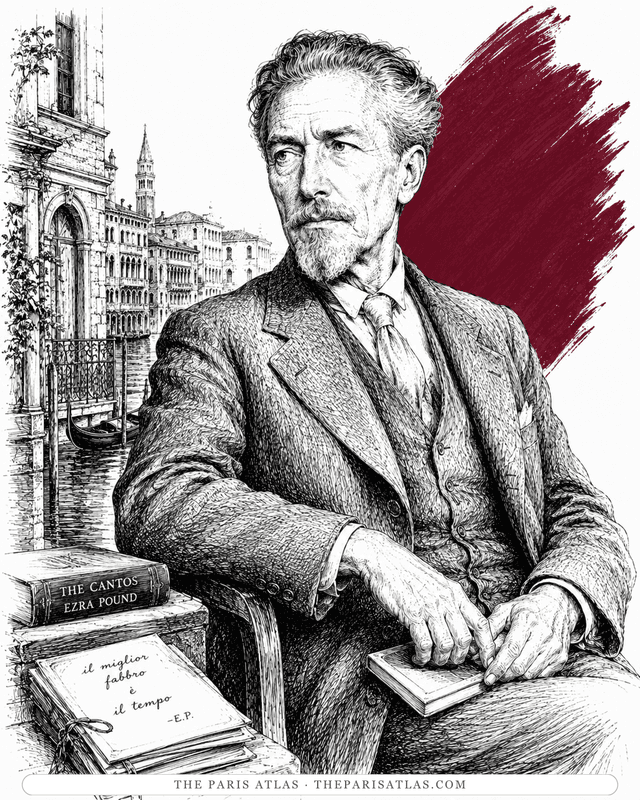
Ezra Pound
The impresario who dragged Joyce's early books into print, brought him to Paris, and championed Ulysses until the world caught up.
View author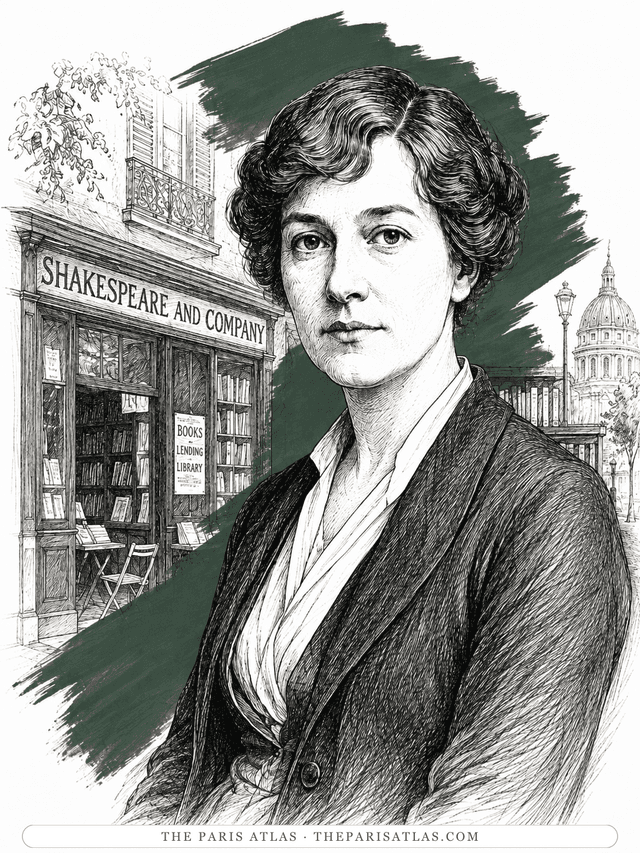
Sylvia Beach
His publisher of last resort and first devotion — the bookseller who printed Ulysses when no one else would.
View author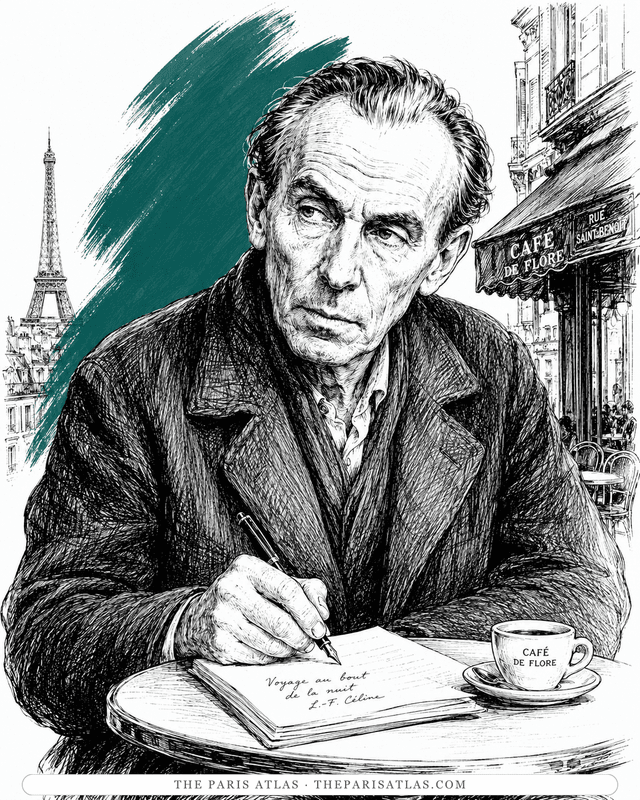
Louis-Ferdinand Céline
The doctor of the Paris slums who wrote the century's blackest, funniest novel — and changed the sound of French prose.
View author