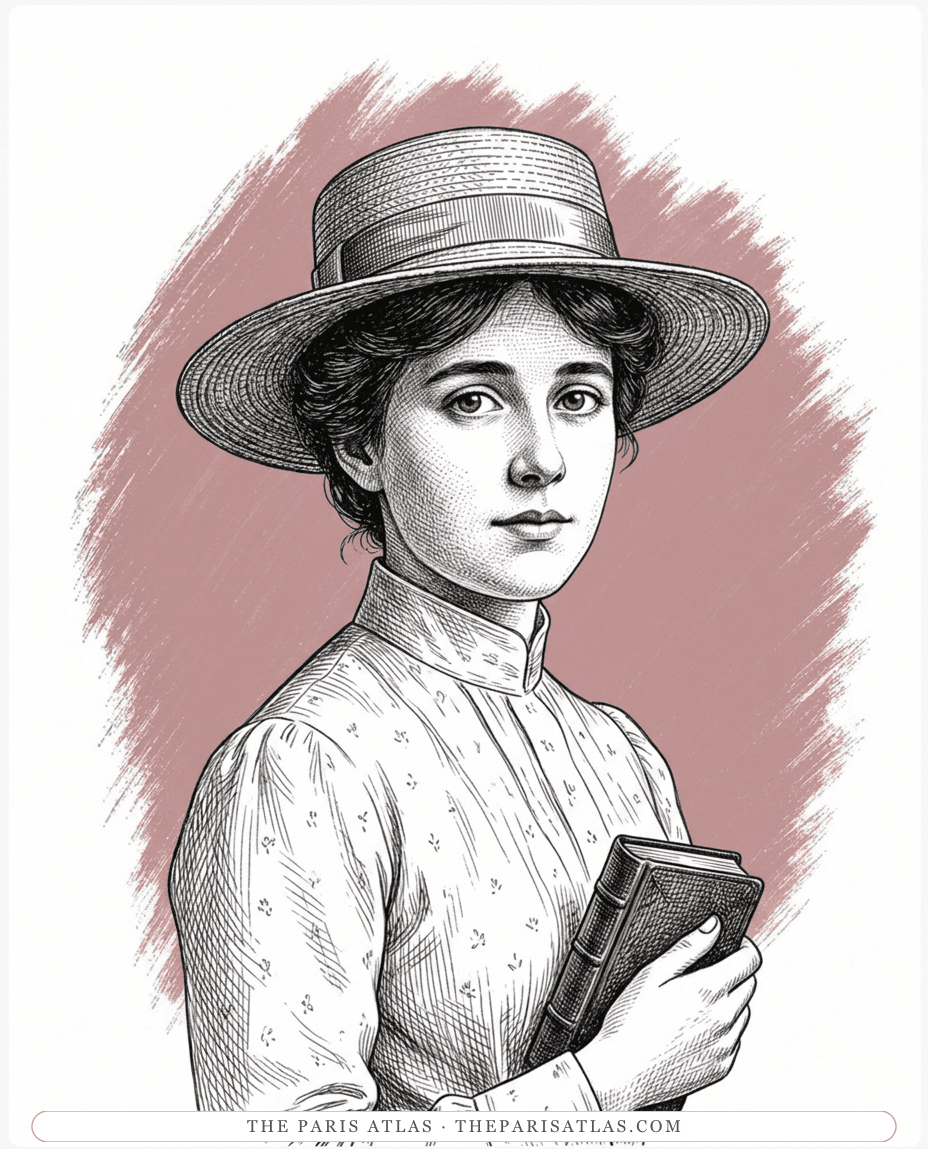
Emma
The girl Stephen writes poems about, over roughly ten years. She is named only a handful of times, gets a few lines of dialogue, and is never allowed a thought of her own on the page.
Some account of himself. Meeting him at a carnival ball after a long silence she opens with a complaint — "—You are a great stranger now." — and years later, stopping him in Grafton Street, she asks him again why he never comes, and whether he is writing poems.
The book

At a glance
- A Dublin girl of Stephen's own age; sister of a fellow student, and a pupil in the Irish-language classes
- Almost always she or her; Emma a handful of times; and in the dedication of his first poem, E—— C——
- Joyce's abandoned earlier draft, published in 1944, gives her the full name Emma Clery — this novel never does
- A tram at Harold's Cross, a school play, a religious vision, a carnival ball, the library steps, and Grafton Street
Who they are in the book
Spoiler-freeEmma is the young woman Stephen Dedalus is preoccupied with for most of A Portrait of the Artist as a Young Man, the 1916 novel by the Irish writer James Joyce. She is a Dublin girl of about his own age, the sister of a fellow student, part of a family whose house he visits, and a student of Irish in the language classes he drops out of.
The book keeps her at a peculiar distance. She is almost always "she" or "her"; her first name appears only a few times; the poem Stephen writes for her at sixteen is headed "To E—— C——" because he has seen Byron do that. Readers who know Joyce's abandoned first draft of the novel, published later as Stephen Hero, know her as Emma Clery, but that surname never appears here.
What she does is come back. She talks to him on a tram at fourteen and he does not kiss her; she watches him act in a school play; she teases him at a carnival ball for being a stranger; she turns up on the library steps and in Grafton Street and in the flirtation with a young priest that makes him furious. She is never given an interior life, and that is worth noticing rather than excusing: the novel is inside one very self-absorbed young man's head, and this is what a real person looks like from in there.
How Emma Is Portrayed
- The tramThe first scene between them is a children's party at Harold's Cross and the tram home afterwards, with the two of them on the steps, he on the upper and she on the lower, and the horses shaking their bells in the empty street. She comes up to his step several times between sentences. He decides she wants him to catch hold of her and that nobody is looking, and he does neither, and afterwards tears his ticket into shreds.
- The poem, with everything taken outThe next day he tries to write it down and finds that the tram, the horses, the trammen and both of the people go out of the verses, leaving the night, the breeze and the moon. In the poem the kiss that was withheld is given by both of them. Then he goes into his mother's bedroom and looks at his own face in her dressing-table mirror for a long time.
- Named at last, in a visionAfter the sermon on hell, ashamed of what his imagination has done to her, he pictures the Virgin Mary joining their two hands in a wide field: "—Take hands, Stephen and Emma. It is a beautiful evening now in heaven. You have erred but you are always my children." It is one of the very few times in the whole novel that anyone says her name.
- The young priestHe sees her at an Irish class flirting with a priest called Father Moran over her phrasebook, and it produces the ugliest passage he directs at anybody: the priest reduced to his brothers' occupations, the girl reduced to a type of her country, and Stephen appointing himself, by contrast, a priest of the eternal imagination. He knows while he is doing it that the anger is a form of homage.
- The carnival ballTheir longest exchange in the book is four lines long, at a dance, with her hand in his for an instant in a chain of hands. "—You are a great stranger now." "—Yes. I was born to be a monk." "—I am afraid you are a heretic." "—Are you much afraid?" She dances away without answering.
- The villanelleTen years after the tram he wakes at dawn with a poem in his head and writes it out in bed, on the rough cardboard of a torn cigarette packet, because there is no paper in the room. It is a villanelle — a strict French form with two lines that keep coming back — and the whole of it is printed. It is addressed to a temptress who has set men's hearts ablaze, which is not much like the girl on the tram steps.
- Grafton StreetTheir last meeting is a diary entry. The crowd pushes them together, she asks why he never comes and whether he is writing poems, and he talks rapidly about himself and his plans and makes a sudden gesture that makes people stare. She shakes hands and says she hopes he will do what he said. He writes: "Now I call that friendly, don't you?" — and then admits, in the plainest sentence he ever manages about her, "Yes, I liked her today."
Emma is usually identified with Mary Sheehy, a Dublin contemporary Joyce knew through her family's Sunday evenings and did not court successfully; she later married his friend Thomas Kettle. The identification is a reading rather than a fact, and Joyce left the character deliberately underdrawn. What is certain is the pattern: an unspoken decade-long attachment, a poem nobody was sent, and a novel in which the woman is given fewer words than the priest who lights the fire.
If you like A Portrait of the Artist as a Young Man


If you like James Joyce
Explore authors with a similar voice, perspective, and influence.
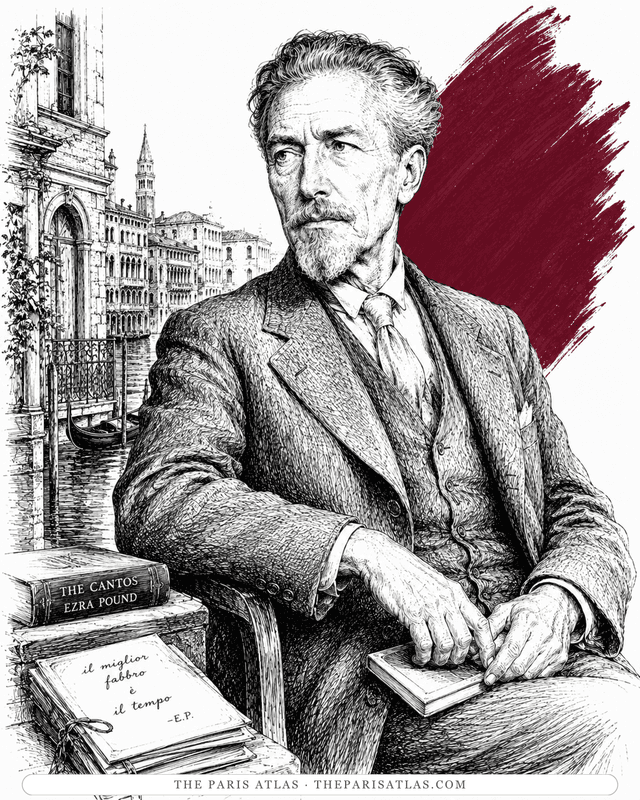
Ezra Pound
The impresario who dragged Joyce's early books into print, brought him to Paris, and championed Ulysses until the world caught up.
View author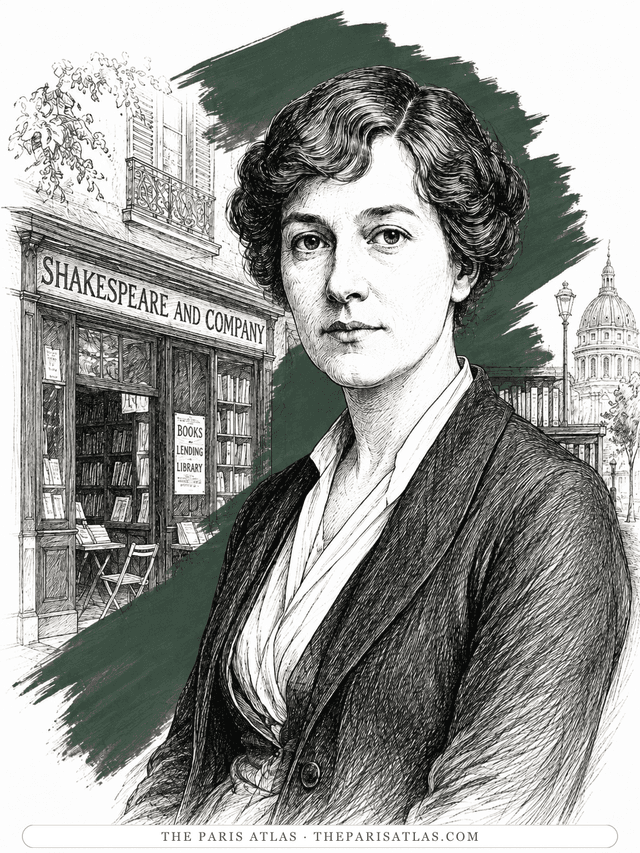
Sylvia Beach
His publisher of last resort and first devotion — the bookseller who printed Ulysses when no one else would.
View author
Louis-Ferdinand Céline
The doctor of the Paris slums who wrote the century's blackest, funniest novel — and changed the sound of French prose.
View author