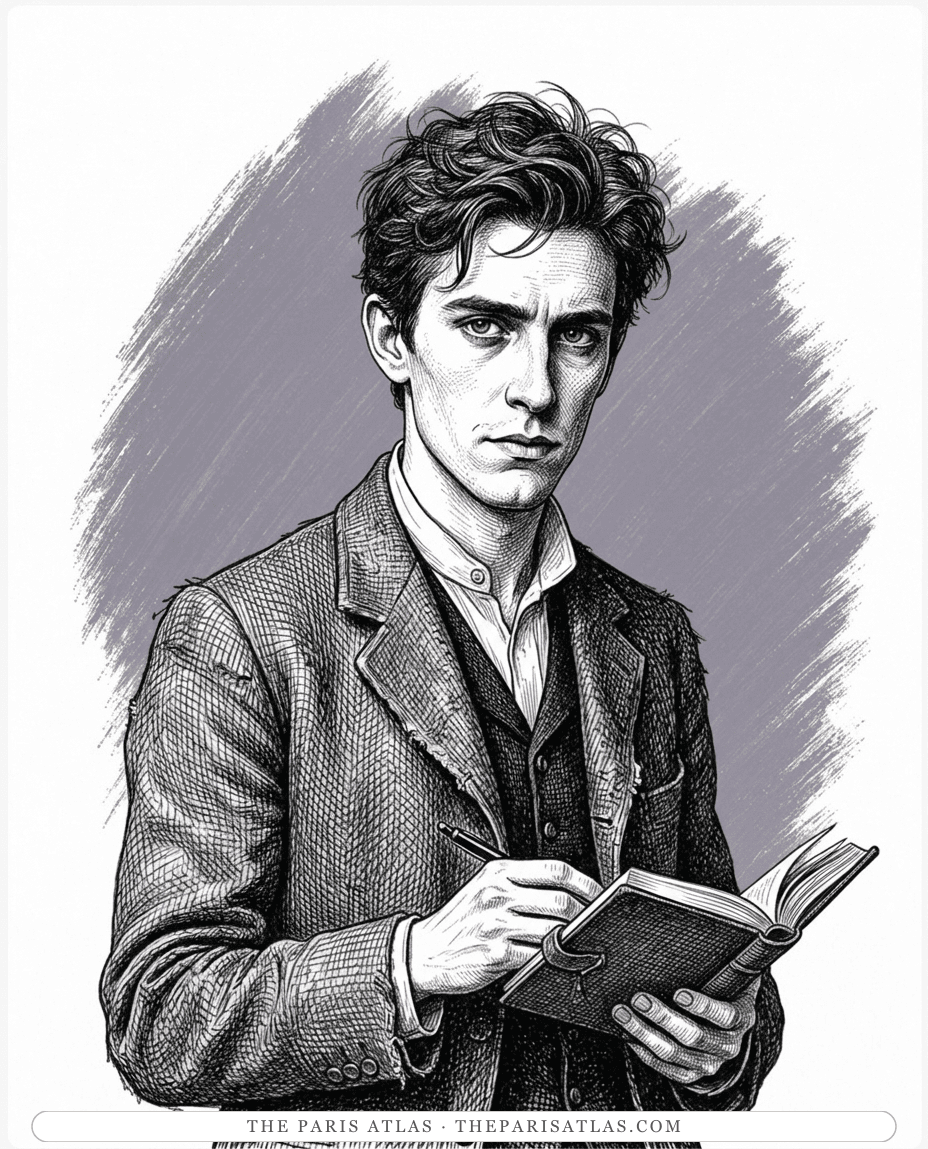
Cranly
Stephen's closest friend at university — a big, flat-voiced, unimpressed young man who listens to everything Stephen says and eats dried figs while he does it. The long walk they take at the end is the last real conversation in the book.
Not to be left alone. He puts it to Stephen as a question about Stephen and cannot keep himself out of it: "—And not to have any one person, Cranly said, who would be more than a friend, more even than the noblest and truest friend a man ever had." Stephen watches his face afterwards and concludes that he had spoken of his own loneliness, which he feared.
The book

At a glance
- Stephen's closest friend at university; no first name, no family, and almost no history given
- A pale, long-lipped, priestlike face, and stiff black hair standing off the forehead like an iron crown
- Handball, dried figs, cutting lectures, joke Latin, and a hat pushed back on the nape of his neck
- The last chapter only — the entrance hall, the handball alley, the library steps, and one long walk south through the suburbs
- John Francis Byrne · Dublin
Who they are in the book
Spoiler-freeCranly is the friend Stephen Dedalus talks to in the last chapter of A Portrait of the Artist as a Young Man, the 1916 novel by the Irish writer James Joyce. He is a fellow student at the Dublin university both attend, and the book never gives him a first name, a family or a home — only a face, which Stephen cannot picture attached to a body: pale, long-lipped, priestlike, with stiff black hair standing off the forehead like an iron crown.
He is not clever in Stephen's way and does not try to be. He plays handball, cuts lectures, quotes joke Latin, calls people flaming bloody idiots, and answers Stephen's confessions with silence. Stephen has told him everything — every doubt and appetite and ambition, night after night — and received almost nothing back, which is exactly why he keeps doing it. The book compares Cranly more than once to a priest hearing confessions he has no power to absolve.
Everything comes to a head in one long walk through the south Dublin suburbs at the end of the novel. Cranly hears about the quarrel with Stephen's mother over Easter communion and, instead of taking the intellectual argument, presses on the human one: your mother has had a hard life, this would cost you nothing, do it. When that fails he changes the subject to loneliness, and it becomes clear he is talking about himself.
How Cranly Is Portrayed
- The figsHe carries dried figs loose in his pocket and eats them all through the most serious conversation in the book, noisily. Asked to stop while they discuss the eucharist, he examines a fig under a lamp, smells it, bites a piece, spits it out and throws it in the gutter, then addresses it in the words of the Last Judgement: "—Depart from me, ye cursed, into everlasting fire!"
- The way he talksFlat, blunt Dublin, with mock-Latin thrown in for fun. Asked what the peace petition he has just signed is actually for, he answers: "—Per pax universalis." He proposes a game of handball by linking arms with two people and announcing "—Nos ad manum ballum jocabimus." And he dismisses an acquaintance with a phrase Stephen calls his epitaph for all dead friendships: "—A flaming bloody sugar, that's what he is!"
- What he does with TempleThere is a student called Temple who follows the group about talking nonsense and admiring Stephen. Cranly shakes him by the neck, shoves him down steps, threatens to kill him, claps his hands at him as if driving off a hen, and finally chases him across the quadrangle with Stephen's walking stick. He comes back out of breath and hands the stick over without a word.
- The listeningIn the library he leans his ear towards whoever is speaking the way a confessor does. Stephen has poured out everything to him for years and been answered by that silence, and it has made the friendship uncomfortable in a way neither of them has named. Stephen suspects, on very little evidence, that Cranly is also interested in the girl he writes poems about.
- The argument he actually makesHe does not defend the church. He defends Stephen's mother, and does it in one sentence: "—Whatever else is unsure in this stinking dunghill of a world a mother's love is not." Then he makes the practical case: it is a form, nothing else, you don't believe in it, and it would set her mind at rest. It is the only argument in the novel that Stephen cannot answer, and he refuses anyway.
- The questions he asksHaving got nowhere with argument, he interrogates. Do you love your mother. Have you ever loved anyone. Has your mother had a happy life. How many children had she. Was your father well-to-do. Would you rob. Would you commit sacrilege. The list is the closest thing the book has to a cross-examination of its own hero, and Stephen answers all of it.
- What he calls StephenMy dear man, my child, and — when Stephen announces that his three weapons will be silence, exile and cunning — an affectionate deflation: "—Cunning indeed! he said. Is it you? You poor poet, you!"
The original was J. F. Byrne, Joyce's closest friend at University College Dublin, who published his own account of those years, Silent Years, in 1953. The best-known thing about him has nothing to do with this book: he lived at 7 Eccles Street in Dublin, and Joyce, having called there in 1909, gave that address to Leopold Bloom in Ulysses. The house Cranly walked home to is the house at the centre of the next novel.
If you like A Portrait of the Artist as a Young Man


If you like James Joyce
Explore authors with a similar voice, perspective, and influence.
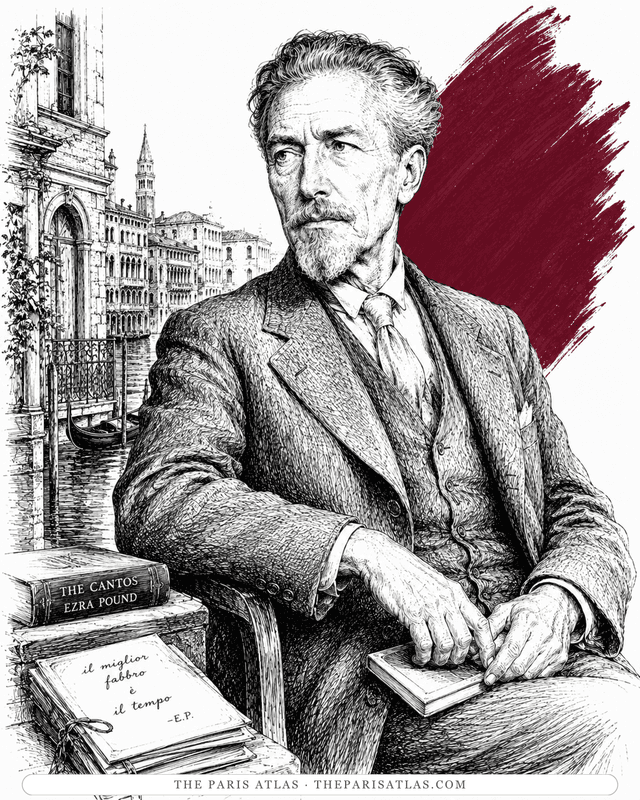
Ezra Pound
The impresario who dragged Joyce's early books into print, brought him to Paris, and championed Ulysses until the world caught up.
View author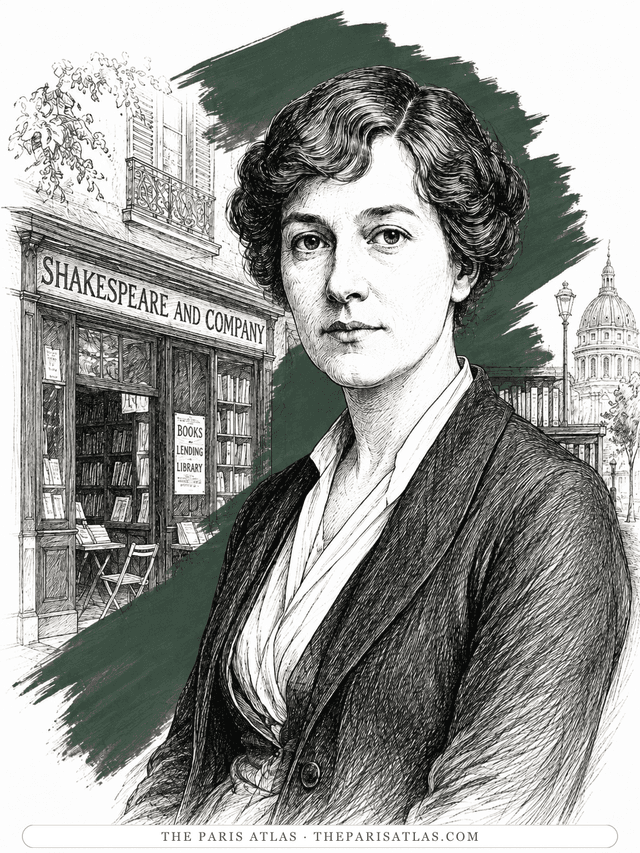
Sylvia Beach
His publisher of last resort and first devotion — the bookseller who printed Ulysses when no one else would.
View author
Louis-Ferdinand Céline
The doctor of the Paris slums who wrote the century's blackest, funniest novel — and changed the sound of French prose.
View author