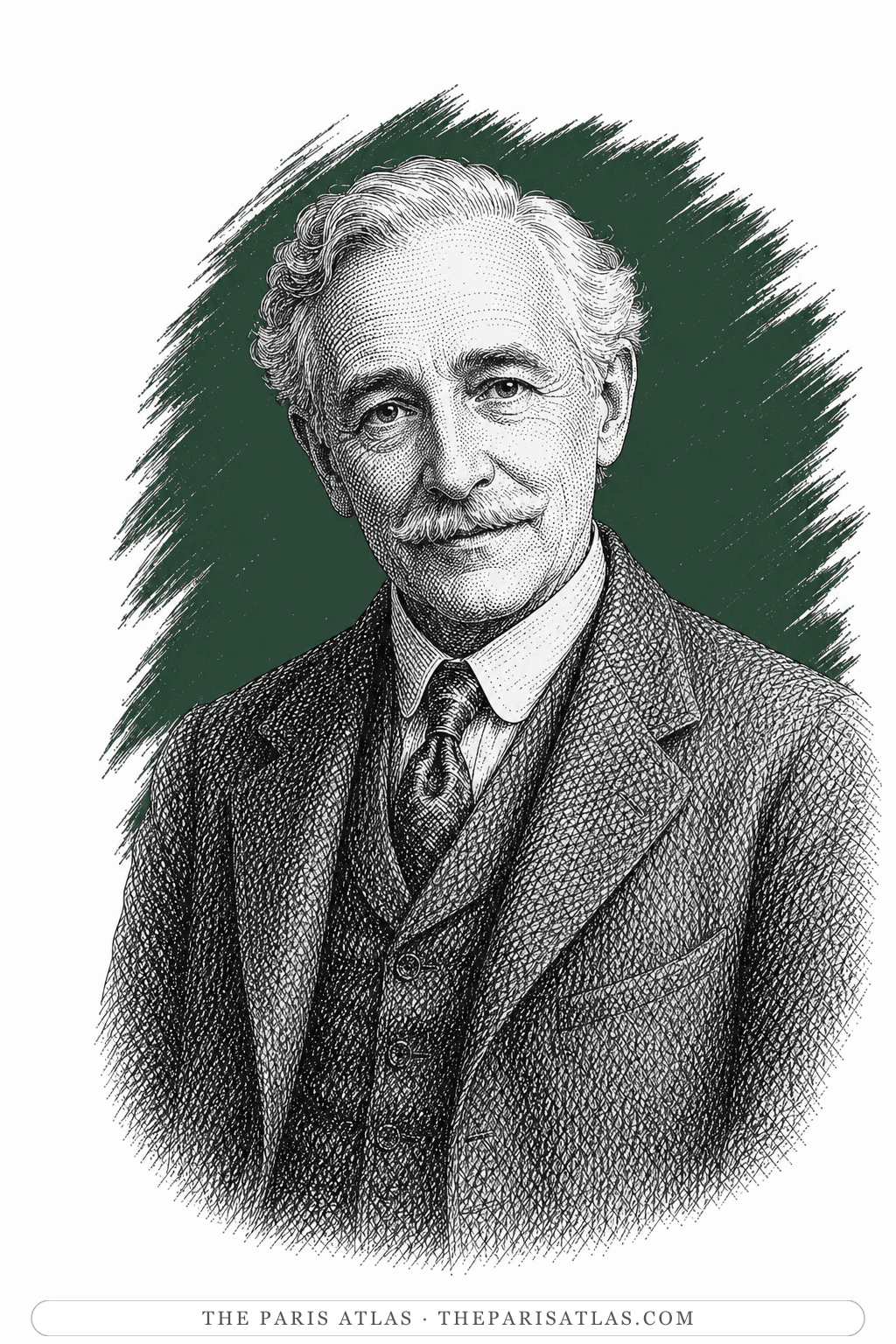
Uncle Charles
Stephen's great-uncle, who lives with the family and is banished to a garden shed to smoke his tobacco. For one summer he is the boy's constant companion, and then his mind goes.
Quiet, and his morning smoke. Told to take the tobacco outside he agrees without a murmur, and finds the arrangement improves it: "—Very good, Simon. All serene, Simon, said the old man tranquilly. Anywhere you like. The outhouse will do me nicely: it will be more salubrious."
The book

At a glance
- Stephen's great-uncle, living with the family at Blackrock and then in Dublin
- A hale old man, well-tanned, rugged-featured, with white side whiskers and a tall hat
- A garden outhouse shared with the cat and the tools, where he is sent to smoke his black twist tobacco
- The Blackrock summer at the start of chapter two, the Christmas dinner in chapter one, and one clause afterwards
Who they are in the book
Spoiler-freeUncle Charles is Stephen Dedalus's great-uncle, living with the family in the seaside suburb of Blackrock at the start of the second chapter of A Portrait of the Artist as a Young Man, the 1916 novel by the Irish writer James Joyce. He is a hale old man with a well-tanned skin, rugged features and white side whiskers, and he smokes tobacco so black and rank that his nephew asks him to do it outdoors.
The outhouse he is banished to is the best-known thing about him, mostly because of the sentence Joyce uses for it: uncle Charles repairs to his outhouse every morning, having first greased and brushed his back hair and put on his tall hat. It is the old man's own word for what he is doing, not the narrator's, and the same trick — letting a character's vocabulary leak into the sentences describing them — runs through the whole book.
For one summer he is Stephen's whole world: errands into the town, handfuls of fruit taken from the shop barrels, running practice in the park under a broken-down old trainer, ten-mile Sunday walks with Stephen's father, and a visit to the chapel on the way home. Then the family loses its money and moves to Dublin, and he is a doze in the corner of a half-furnished room. Then his mind goes.
How Uncle Charles Is Portrayed
- The arbourHe calls the reeking outhouse his arbour, shares it with the cat and the garden tools, and uses it as a sounding box, humming one of his favourite songs every morning while the brim of his tall hat and the bowl of his pipe stay just visible past the door jamb. Told the tobacco is like gunpowder, he answers: "—It's very nice, Simon, replied the old man. Very cool and mollifying."
- The shop errandsHe takes his great-nephew round the shops the family deals with and helps him liberally to whatever is open on the counter — a handful of grapes and sawdust, three or four American apples — while the shopman smiles uneasily. When the boy pretends not to want them he frowns: "—Take them, sir. Do you hear me, sir? They're good for your bowels."
- The walksOn Sundays he walks ten or twelve miles with Stephen and his father, corns and all, out towards the Dublin mountains or round by Dundrum and home through Sandyford, the two men talking Irish politics and family legend the whole way. Stephen listens to words he does not understand and repeats them to himself until he has them by heart.
- The red handkerchiefHe stops at the chapel on the way home, and since the font is above the boy's reach he dips his own hand and sprinkles the water briskly over Stephen's clothes and the porch floor. Then he kneels on a red handkerchief and reads above his breath out of a thumb-blackened prayerbook. Stephen kneels beside him respecting, but not sharing, his piety, and wonders what he is praying so seriously for.
- At the Christmas tableHe is the one trying to keep the peace, and the only person there with no side in the argument. "—Come now, come now, come now! Can we not have our opinions whatever they are without this bad temper and this bad language? It is too bad surely." Nobody takes any notice, and he ends the evening swaying his head to and fro and saying that it is a bad business.
- How he goesIn a single clause, without ceremony: after the move to Dublin, uncle Charles had grown so witless that he could no longer be sent out on errands. He dozes in a corner of the new house beside the family portraits leaning against the wall. Later still, on the train to Cork, Stephen registers that his father's stories of the dead mean nothing to him except for the image of uncle Charles, which has lately been fading out of his memory.
If you like A Portrait of the Artist as a Young Man


If you like James Joyce
Explore authors with a similar voice, perspective, and influence.
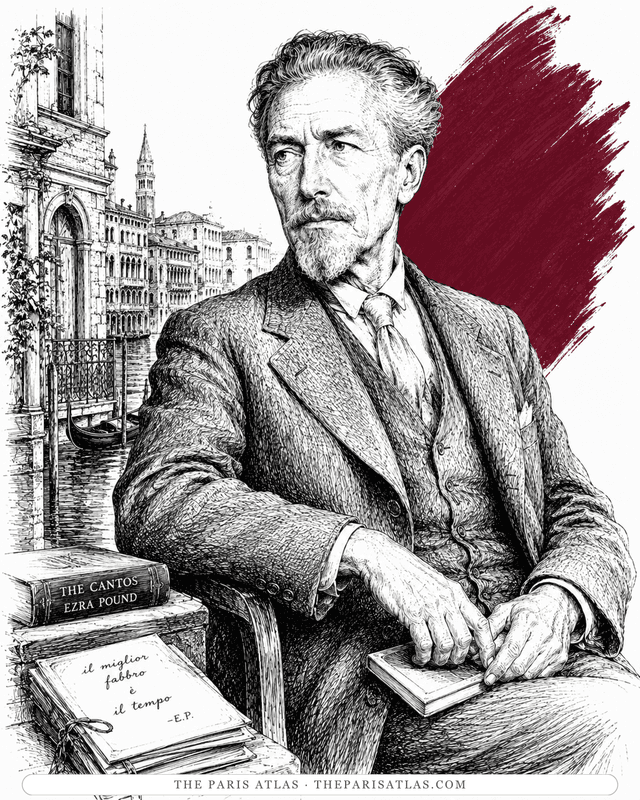
Ezra Pound
The impresario who dragged Joyce's early books into print, brought him to Paris, and championed Ulysses until the world caught up.
View author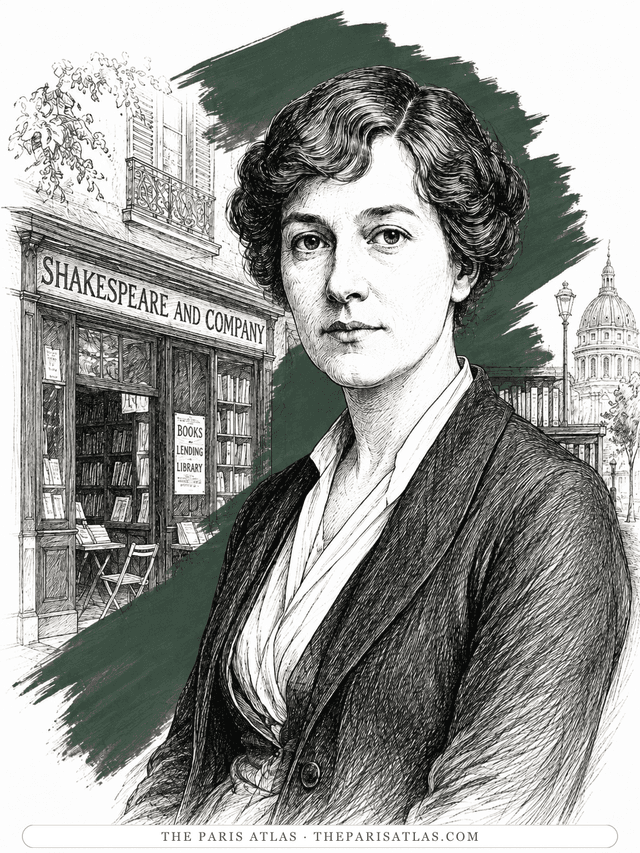
Sylvia Beach
His publisher of last resort and first devotion — the bookseller who printed Ulysses when no one else would.
View author
Louis-Ferdinand Céline
The doctor of the Paris slums who wrote the century's blackest, funniest novel — and changed the sound of French prose.
View author