


Giovanni's Room
The novel that followed, and its opposite: white, European, and set in one room.
Read our take
One Saturday in a Harlem storefront church, and the three lives that put a boy on its floor.
James Baldwin's first novel, published by Knopf in 1953. John Grimes turns fourteen in Harlem in 1935 and spends the day, and the long church service that ends it, moving toward a religious conversion he is not sure he wants. Around him the novel opens out into the histories of three adults — his stepfather Gabriel, his mother Elizabeth, and his aunt Florence — and their separate arrivals from the South. Baldwin worked on it for roughly a decade and finished it in Europe. It is the most closely autobiographical book he wrote.
Baldwin started Go Tell It on the Mountain as a teenager, around 1938, and it took him until his late twenties to finish it. He showed an early manuscript to Richard Wright in 1944; Wright helped him secure an advance from Harper & Brothers, which did not produce a publishable book. Baldwin left for Paris in 1948 with the novel still unfinished.
He finished it in the winter of 1951 in a chalet at Loèche-les-Bains, a Swiss alpine village belonging to the family of Lucien Happersberger. He had two Bessie Smith records and a typewriter, and he was, by his own account, the first Black person most of the village had seen. He sent the revised manuscript from Paris to Knopf in February 1952. Knopf offered $250 on signature and $750 on completion, and published the book in May 1953.
The material is drawn very directly from his own childhood: the Harlem storefront church, the years preaching as a junior minister, and above all the stepfather. David Baldwin was a factory worker who preached on Sundays and was harder on his oldest stepson than on the eight children who followed. Gabriel Grimes is not a portrait of him in any documentary sense, but Baldwin returned to that relationship for the rest of his life and never quite finished with it.
It is John Grimes's fourteenth birthday, in Harlem in 1935, and nobody in the house mentions it. His stepfather Gabriel is a deacon at the Temple of the Fire Baptized and a hard man at home. His mother Elizabeth is exhausted and pregnant. His younger brother Roy, who is everything John is not — reckless, favoured, unafraid of Gabriel — goes downtown with a gang and comes home with a knife wound, and Gabriel beats Elizabeth for it before beating Roy.
John spends the afternoon in Manhattan, where he has decided he might rather be damned than saved, and comes back to sweep the church for the Saturday tarry service. The middle of the novel leaves him there and turns to the three adults praying around him. Florence, Gabriel's older sister, is dying and has come to the church for the first time in years, carrying a letter she has kept for thirty years. Gabriel was a famous young preacher in the South who fathered an illegitimate son, Royal, and let the boy grow up and die without ever claiming him. Elizabeth had a first love, Richard, who was arrested for a robbery he had nothing to do with and killed himself after his release; John is his son, which Gabriel knows and holds against them both.
The novel returns to the threshing floor, where John falls and undergoes the conversion the whole day has been moving toward.
John comes through the conversion in the morning, and the congregation receives him as saved. Elisha, the young preacher he admires, kisses his forehead. Elizabeth is relieved, and Florence, who now has nothing left to lose, tells Gabriel to his face that she knows what he did and that his silence about Royal will find him out.
Gabriel is the one person unmoved. He looks at the boy on the floor and cannot bring himself to believe the salvation is real, because it belongs to another man's son. The family walks home through the early morning. Nothing between them has been settled, and John's conversion has changed his standing in the church without changing anything in the house.
The opening establishes the church as a place John knows intimately but cannot experience in quite the way others expect. The congregation's singing makes belief tangible to him even though he cannot share its joy. At the same time, Gabriel's familiar anger acquires the force of prophetic authority in worship. Baldwin moves between the collective sound and John's watchful distance, letting the reader feel both its attraction and its pressure. Before the night's service begins, John's problem is therefore not simple unbelief. It is how to distinguish his own response from the future already announced for him.
The morning does not promise an end to suffering. In the closing passage quoted by Robert Z. Birdwell, the repeated prediction that John will weep, rage and enter darkness again unsettles any simple account of conversion as escape. The statement of freedom arrives within those predictions, not after they have been cancelled. Read alongside the congregation's joy, it gives John's change a future that must still be lived. The language holds release and renewed difficulty together: the night can matter profoundly without making every later conflict disappear.
Love is as strong as death, as deep as the grave.
I wish to God I may die if I don’t love you. There ain’t no sky above us if I don’t love you.
Perhaps she had lost her love because she had not, in the end, believed in it enough.
Baldwin preached for three years before he wrote anything, and the prose is built the way a sermon is: a statement, a qualification, then the statement again with the weight added. This is the book where you can hear him learning it.
The long middle section leaves John on the church floor and gives Florence, Gabriel and Elizabeth a full history each. It is a novel about a boy that spends most of its length on the people who made him.
The stepfather here is the same figure Baldwin writes about in Notes of a Native Son. Reading the novel first makes the essays land differently.

Fourteen on the day the novel covers, and the one the church is waiting on. Clever, watchful, and not at all sure he wants to be saved.
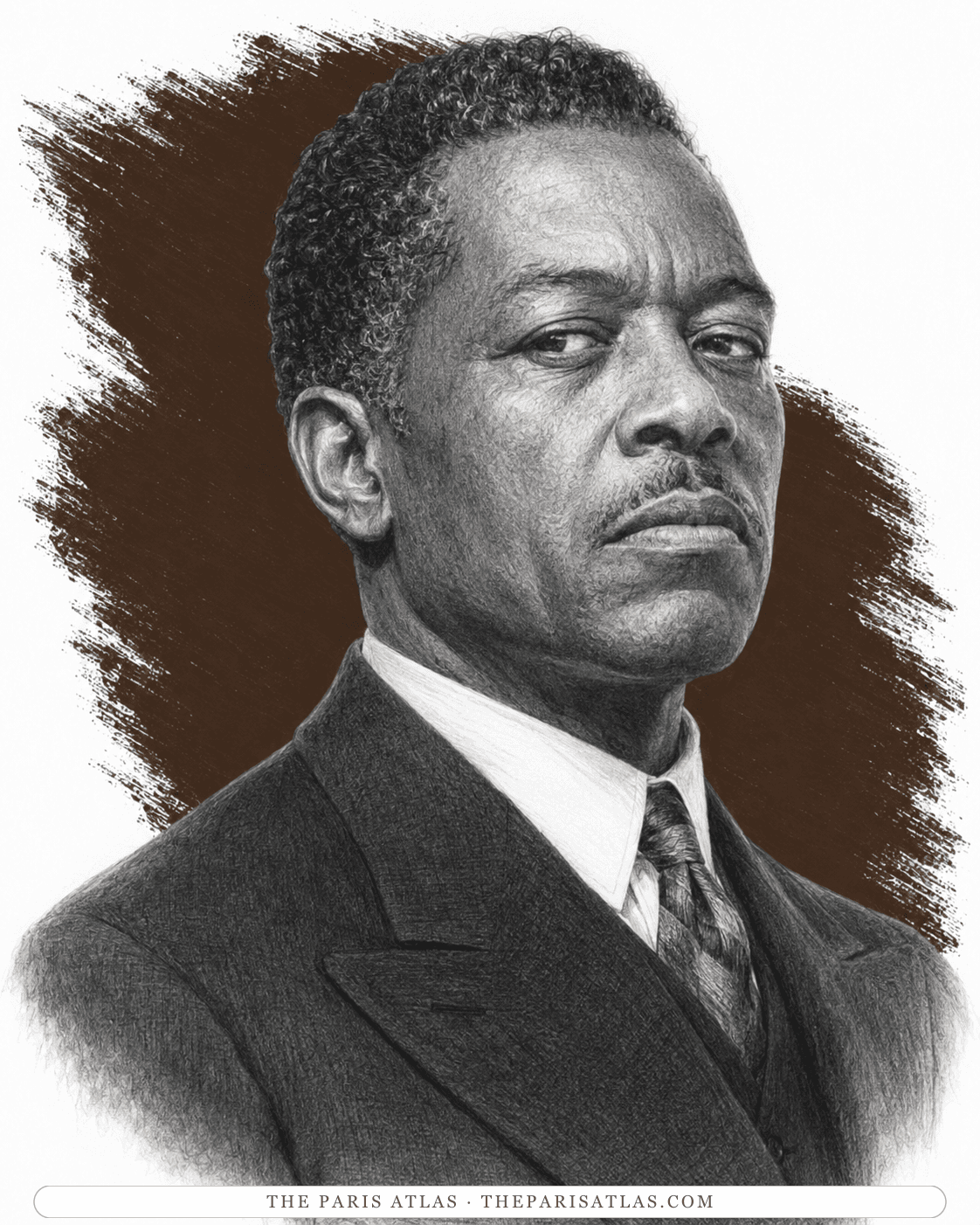
John's stepfather. A deacon now, a celebrated young preacher in the South once, and harder on this boy than on any of his own.
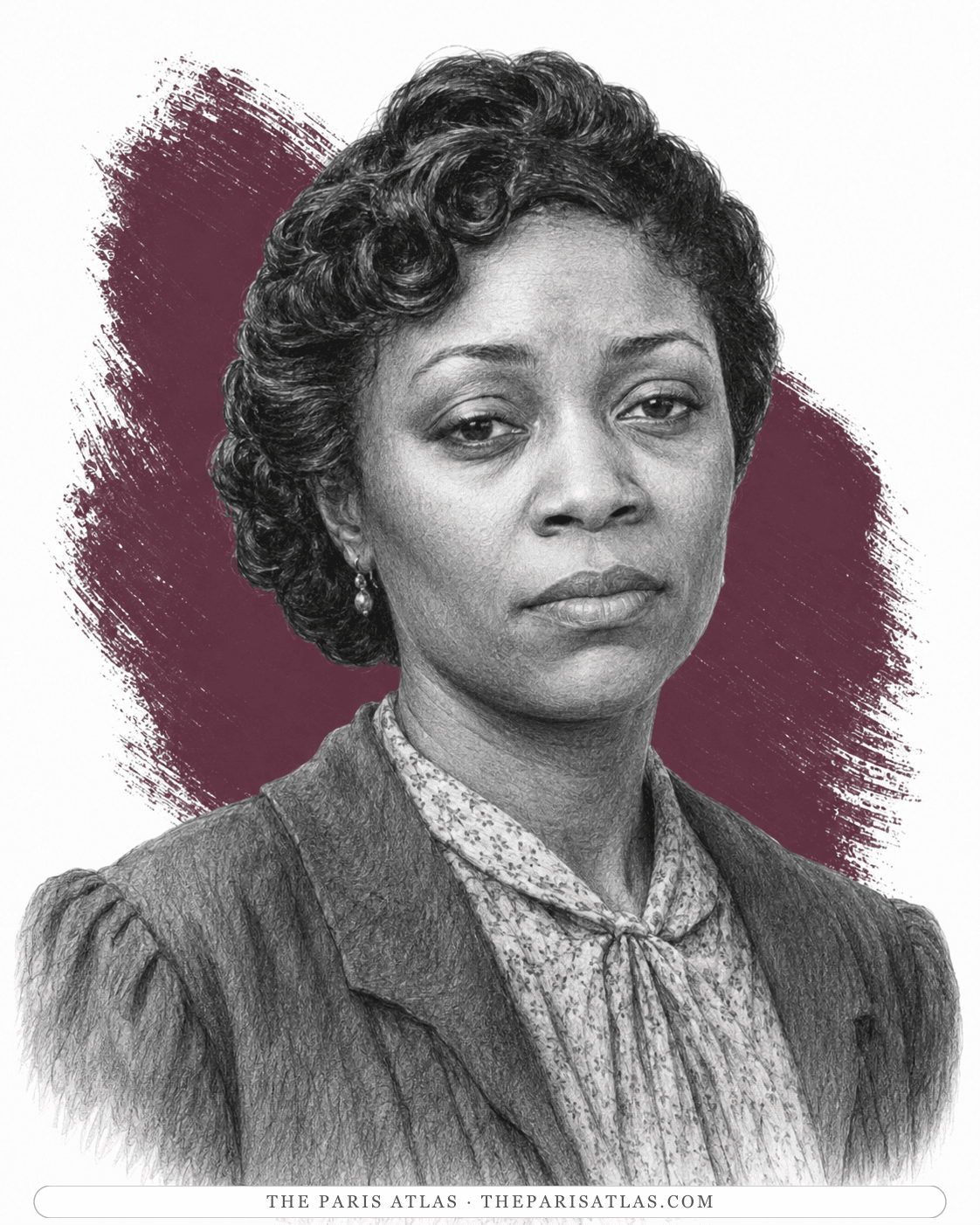
John's mother and Gabriel's second wife. Proud, tired, pregnant again, and carrying a history from before Harlem that the novel takes its time reaching.
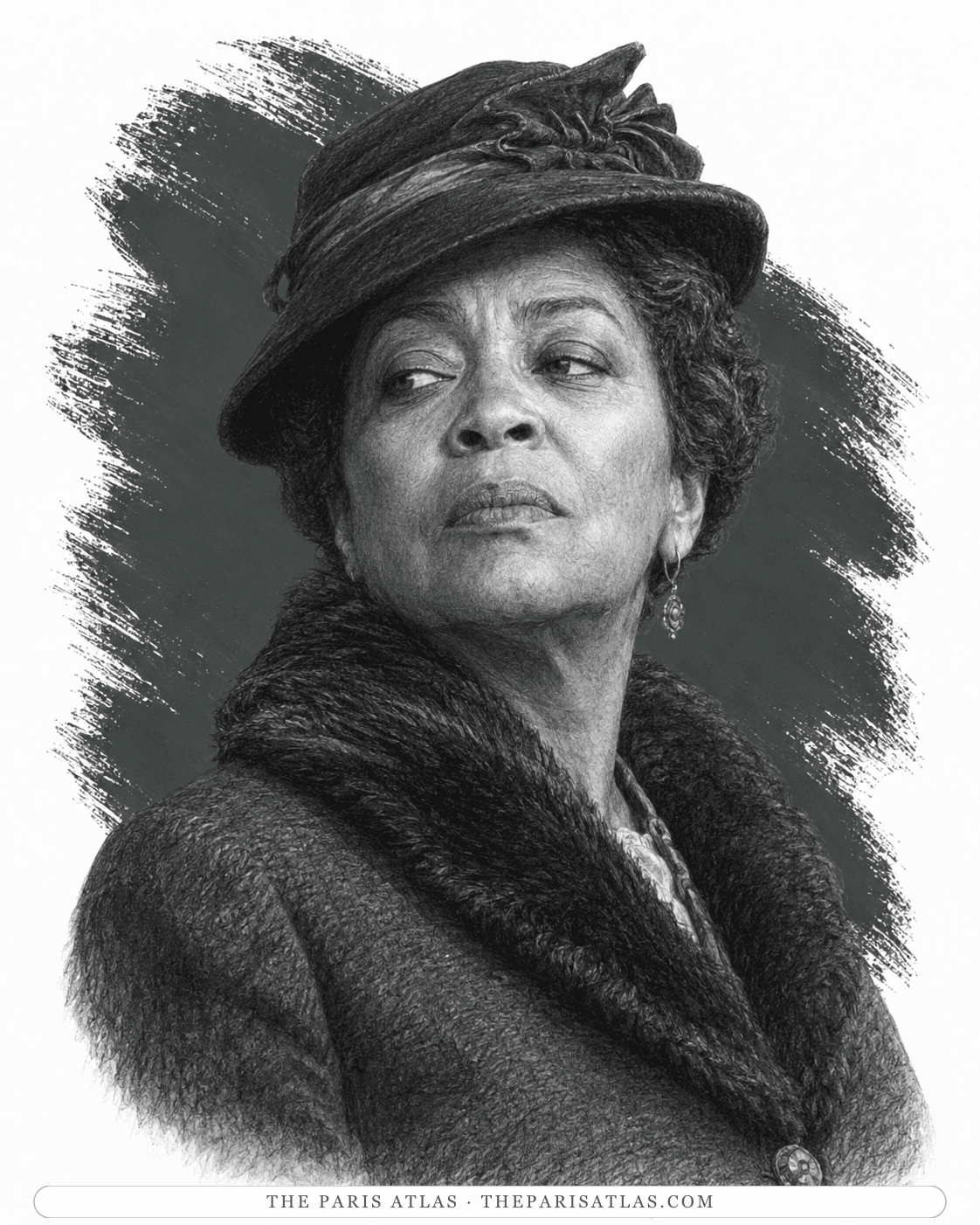
Gabriel's older sister, dying, and back in church for the first time in years. She has been keeping a letter for thirty years.

John's younger half-brother — reckless, favoured by Gabriel, and completely indifferent to the religion the household runs on.
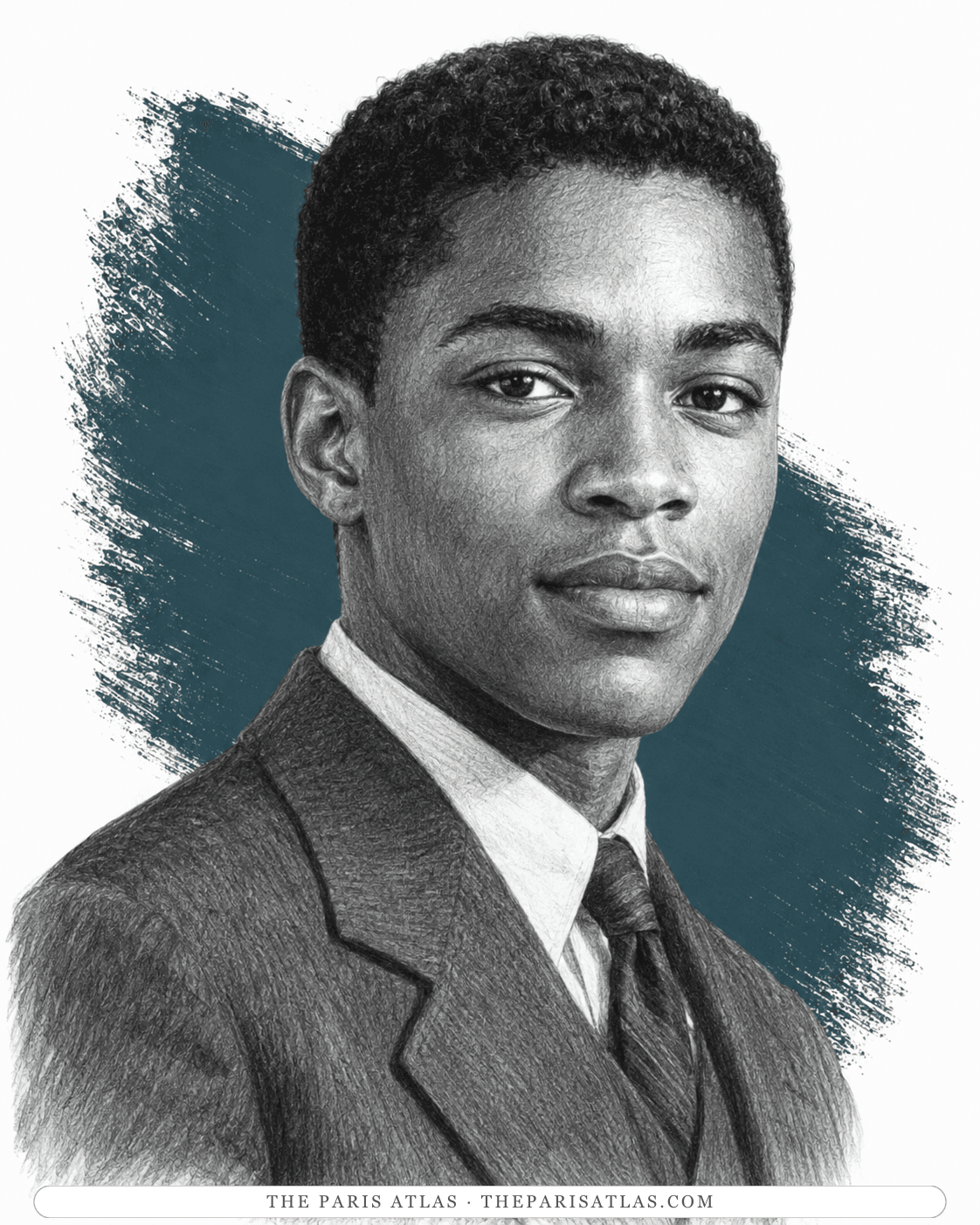
The young preacher at the Temple of the Fire Baptized whom John watches more closely than he admits.
1938
Baldwin, then about fourteen and preaching in Harlem, begins the novel.
1944
Richard Wright reads an early manuscript and helps Baldwin secure a Harper & Brothers advance.
1948
Baldwin leaves for Paris with the novel still unfinished.
1951
He finishes it over the winter at Loèche-les-Bains in the Swiss Alps.
1952
He sends the manuscript from Paris to Knopf in February, and is offered $250 on signature and $750 on completion.
1953
Knopf publishes the novel in May.


The novel that followed, and its opposite: white, European, and set in one room.
Read our take
Harlem again, twenty-seven years later in the writing, with the church replaced by jazz clubs and nothing forgiven.
Read our take
The last novel returns to gospel music and a Harlem family, and treats faith more generously.
Read our takeJohn Grimes, a fictional fourteen-year-old in Harlem in 1935, spends his birthday moving toward a religious conversion at his family's storefront church. The novel then turns to the histories of three adults praying around him — his stepfather Gabriel, his mother Elizabeth and his aunt Florence — and what each of them brought north from the South.
It is the most autobiographical of Baldwin's novels. He grew up in Harlem in a strict Pentecostal household, preached as a junior minister from fourteen to seventeen, and had a stepfather who preached on Sundays and was harshest with him. The plot is invented; the world is not.
About fifteen years. He began around 1938 as a teenager and finished it in the winter of 1951 in a Swiss village, after two false starts and a move to Paris. Knopf published it in May 1953.
It is the first novel and the most revealing about Baldwin himself, so it is a good place to start if you want to understand him. If you simply want the shortest way in, Giovanni's Room is about a third of the length. If you want Baldwin at his strongest, start with the essays.
John's stepfather, a deacon at the Temple of the Fire Baptized and a former preacher in the South, and the novel's largest figure after John. He is not a portrait of Baldwin's own stepfather in any documentary sense, but the relationship is drawn from that one.
It comes from the African-American spiritual "Go Tell It on the Mountain," a Christmas song about announcing the birth of Jesus. Baldwin's titles are almost all taken from spirituals, hymns or scripture.
Explore authors with a similar voice, perspective, and influence.
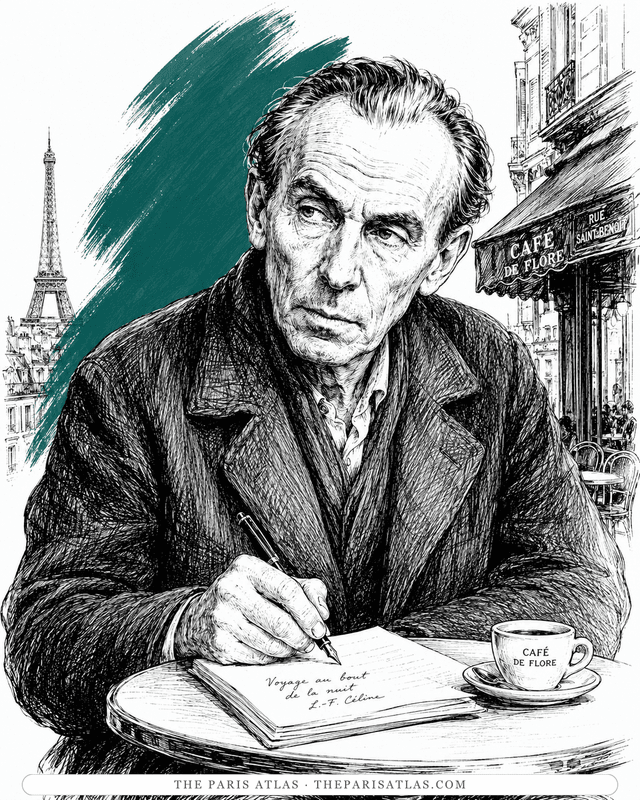
The doctor of the Paris slums who wrote the century's blackest, funniest novel — and changed the sound of French prose.
View author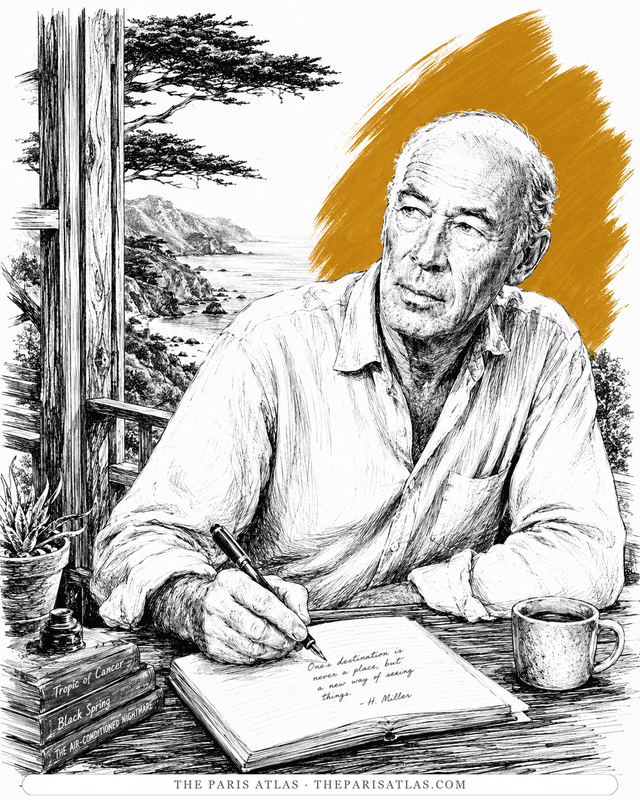
The Brooklyn dropout who arrived in Paris broke at thirty-eight and wrote the exuberant, banned books that ended American censorship.
View author
Author of The Sun Also Rises and A Moveable Feast; his pared-down style, developed in 1920s Paris, became the most imitated in American prose.
View authorThe sources below include the primary text, editions, scholarship, archival materials, and other records that informed this page. They document Go Tell It on the Mountain, its publication, and its place in literary history.


The primary text represented by this page, used for descriptions of the work’s contents and for any quoted passages shown here.
Publisher's primary excerpt; analysis is confined to its opening churchgoing sequence, not the full novel.
Used for the quoted primary text, distinguished from Birdwell's surrounding theological argument; not a first-edition collation.

Used to place Go Tell It on the Mountain within James Baldwin's published work and verify its bibliographic context.
Used for independent biographical, archival, or historical context surrounding James Baldwin's career and the period in which Go Tell It on the Mountain appeared.
Used to cross-check authorship, chronology, and the work's place in James Baldwin's wider catalogue.
Used to verify James Baldwin's bibliography and place Go Tell It on the Mountain within the broader chronology of James Baldwin's career.
The primary text is the baseline reference for every book page. Additional references document publication history, interpretation, and historical context where that evidence is available.
 Explore more resources