Go Tell It on the Mountain quotes
59 quotes from Go Tell It on the Mountain by James Baldwin, each verified verbatim against the text and located in the book. Page 1 of 3.

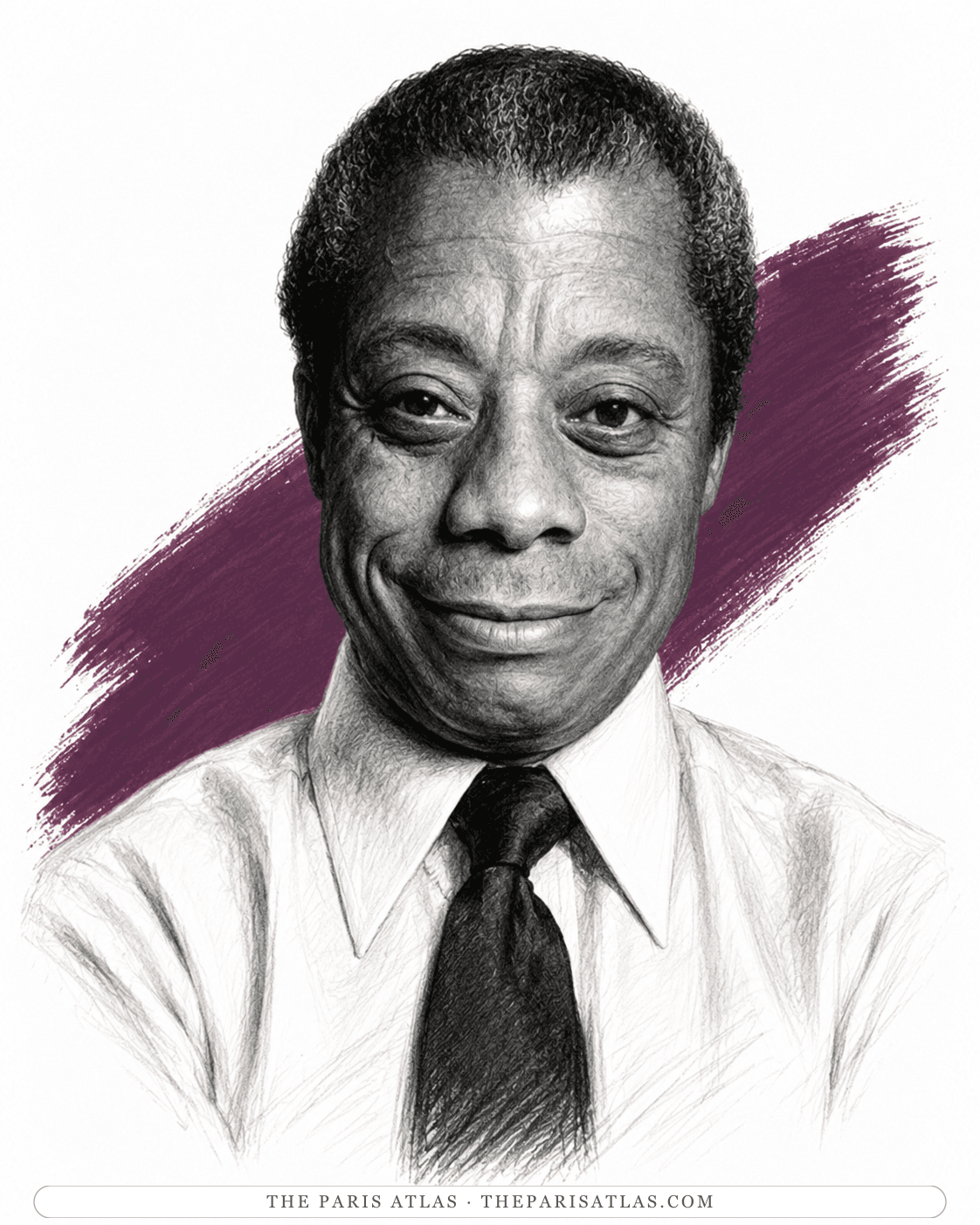
About James Baldwin
Love is as strong as death, as deep as the grave.
I wish to God I may die if I don’t love you. There ain’t no sky above us if I don’t love you.
Perhaps she had lost her love because she had not, in the end, believed in it enough.
Everyone had always said that John would be a preacher when he grew up, just like his father. It has been so often that John, without ever thinking about it, had come to believe it himself. Not until the morning of his fourteenth birthday did he really begin to think about it, and by then it was already too late.
And God did not hear the prayers of the fearful, for the hearts of the fearful held no belief. Such prayers could rise no higher that the lips that uttered them.
It was he who, unforgivably, taught her that there are people in the world for whom ‘coming along’ is a perpetual process, people who are destined never to arrive.
The Lord had given her what she said she wanted, as was often, she had found, His bewildering method of answering prayer.
God’s got your number, knows where you live, death’s got a warrant out for you.
And he feared to make a vow before Heaven until he had the strength to keep it. And yet he knew that until he made the vow he would never find the strength.
It was later to become his proud testimony that he hated his sins—even as he ran toward sin, even as he sinned.
I done made up my mind to live all I can while I can. If that’s a sin, well, I’ll go on down to Hell and pay for it. But don’t you fret, Reverend—it ain’t your soul.
I don’t know when and I don’t know how, but I know you going to be brought low one of these days. I ain’t holy like you are, but I know right from wrong.
But he was to find, as the prophets had found, that the whole earth became a prison for him who fled before the Lord. There was peace nowhere. In every church he entered, his sin had gone before him.
I been thinking how you better commence to tremble when the Lord, He gives you your heart’s desire.
It was he who had told her to weep, when she wept, alone; never to let the world see, never to ask for mercy; if one had to die, to go ahead and die, but never to let oneself be beaten.
There was not, after all, a great difference between the world of the North and that of the South which she had fled; there was only this difference: the North promised more. And this similarity: what it promised it did not give, and what it gave, at length and grudgingly with one hand, it took back with the other.
The menfolk, they die, and it’s over for them, but we women, we have to keep on living and try to forget what they done to us.
He knew only—and now, looking at his mother, he knew that he could never tell it—that the heart was a fearful place.
She thought of her mother as already in the grave; and she would not let herself be strangled by the hands of the dead.
Looking at his face, it sometimes came to her that all women had been cursed from the cradle; all, in one fashion or another, being given the same cruel destiny, born to suffer the weight of men.
I remember, he was later to say, the day my dungeon shook and my chains fell off.
She knew that the kind of imprisonment that love might impose was also, mysteriously, a freedom for the soul and spirit, was water in the dry place, and had nothing to do with the prisons, churches, laws, rewards, and punishments, that so positively cluttered the landscape of her aunt’s mind.
For his drifting soul was anchored in the love of God; in the rock that endured for ever. The light and the darkness had kissed each other, and were married now, for ever, in the life and the vision of John’s soul.
I’m ready. I’m coming. I’m on my way.
For he had made his decision. He would not be like his father, or his father’s fathers. He would have another life.
Newsletter
Join our newsletter
New stories about art, literature and famous places around the world.