
One Saturday in a Harlem storefront church, and the three lives that put a boy on its floor.
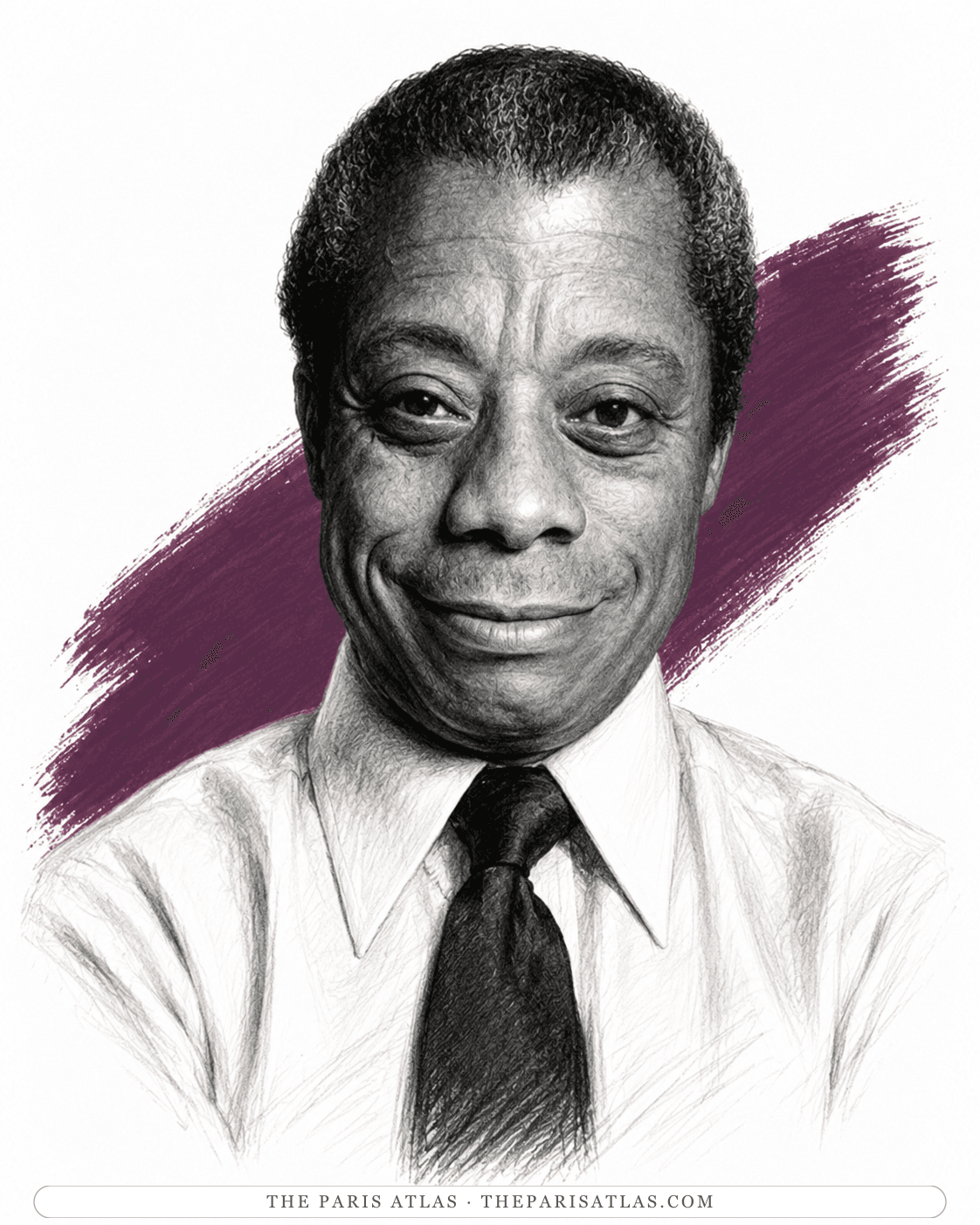
23 James Baldwin titles: 6 novels, 1 story collection, 3 plays and screenplays, 1 children's book, 11 volumes of nonfiction, and 1 book of poems. They are listed below by form, earliest first, and every one links to its own page.
Start with The Fire Next Time if you want the essays and Giovanni's Room if you want the fiction. Both are short, neither needs any preparation, and between them they cover the two halves of the work. After that, Go Tell It on the Mountain and Notes of a Native Son go back to the Harlem childhood everything else refers to. Nothing here is a series and no order is required.
One Saturday in a Harlem storefront church, and the three lives that put a boy on its floor.

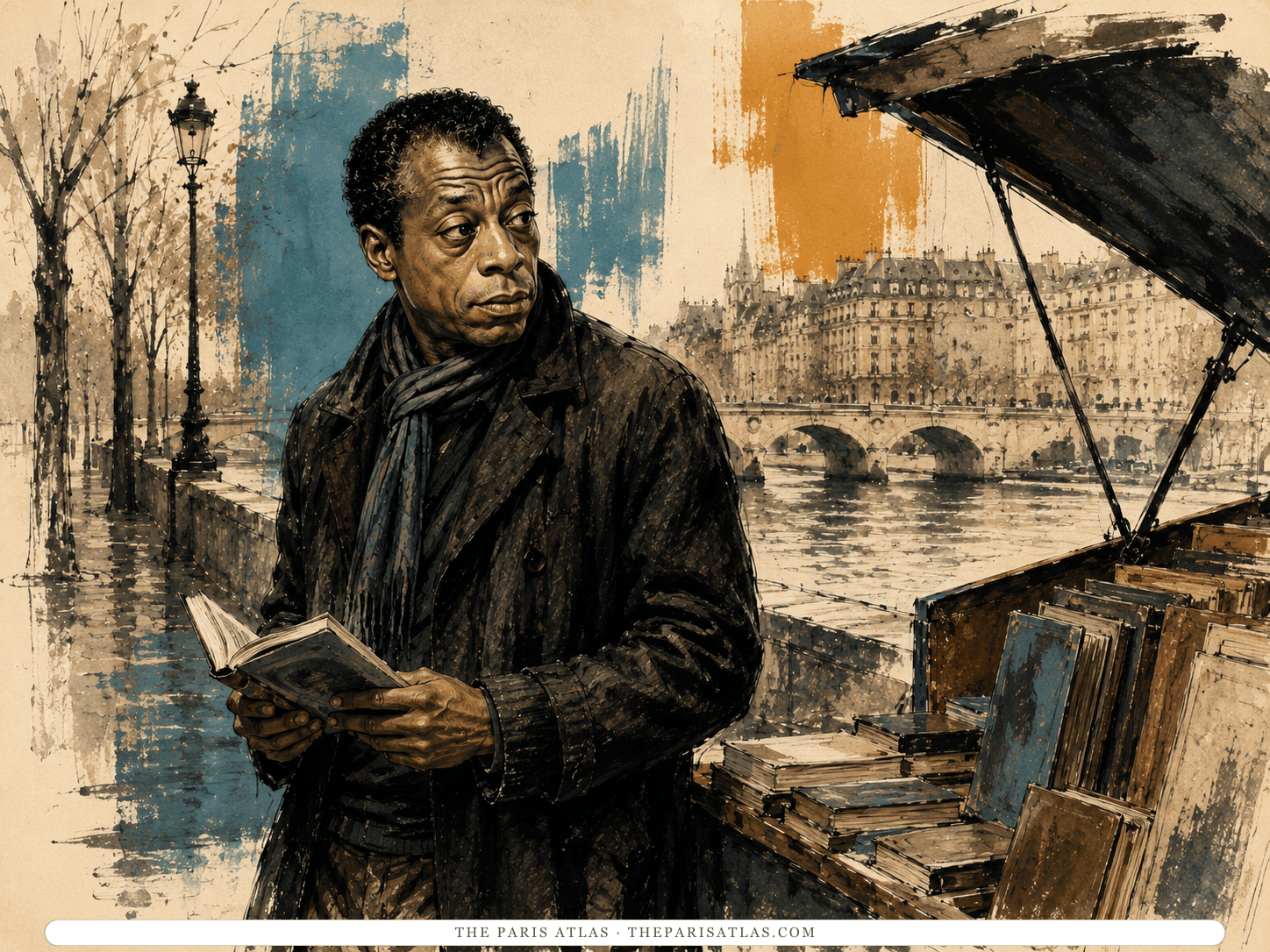
An American in Paris, engaged to one person and in love with another, in Baldwin's shortest novel.

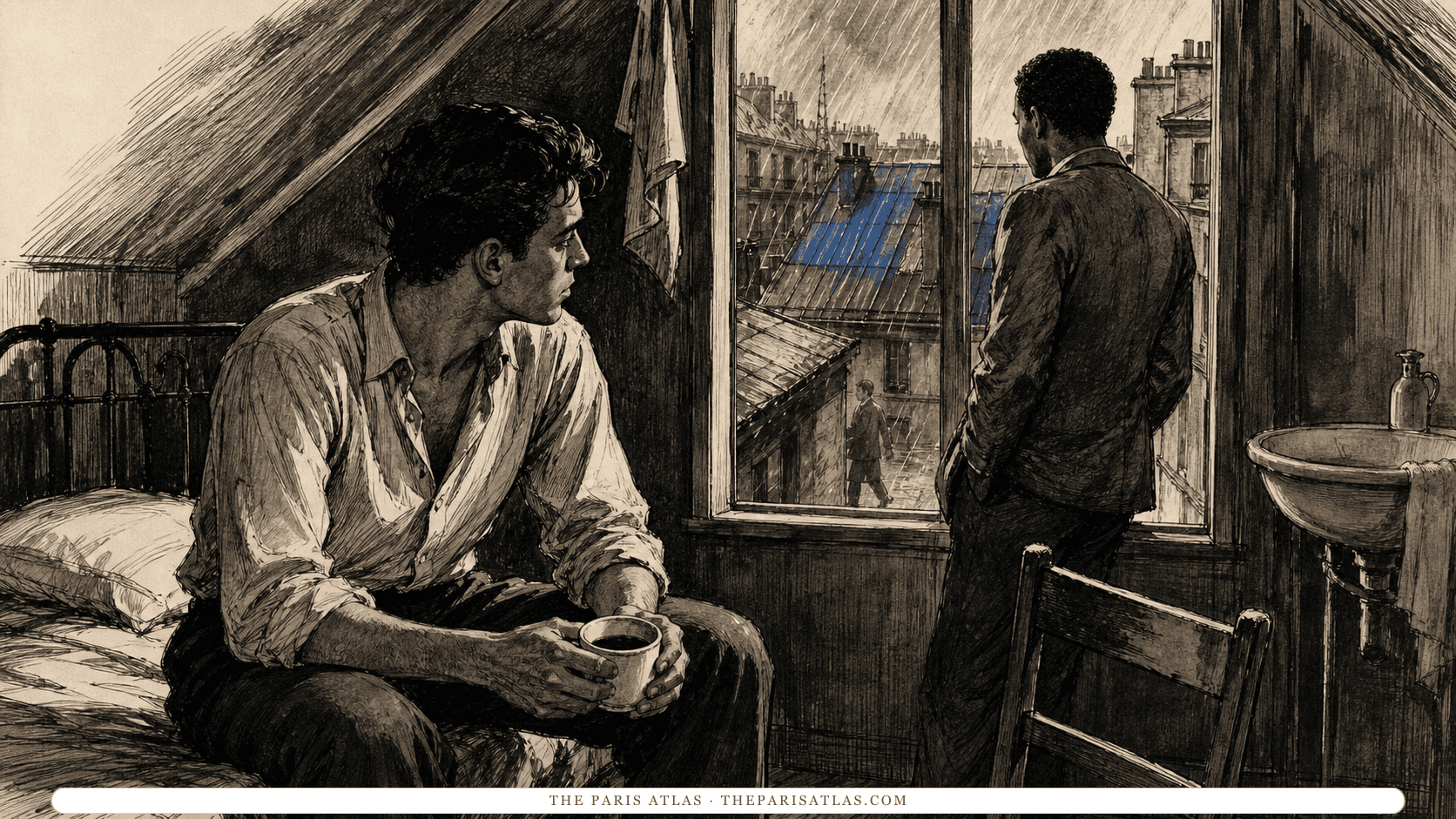
A jazz drummer dies in the first act, and the friends he leaves spend four hundred pages failing to explain it.

A famous Black actor collapses on stage and spends the novel working out how he got there.

A nineteen-year-old in Harlem is pregnant, and the father of her child is in the Tombs for something he did not do.

A gospel singer is dead in a London basement, and his brother spends six hundred pages telling you who he was.
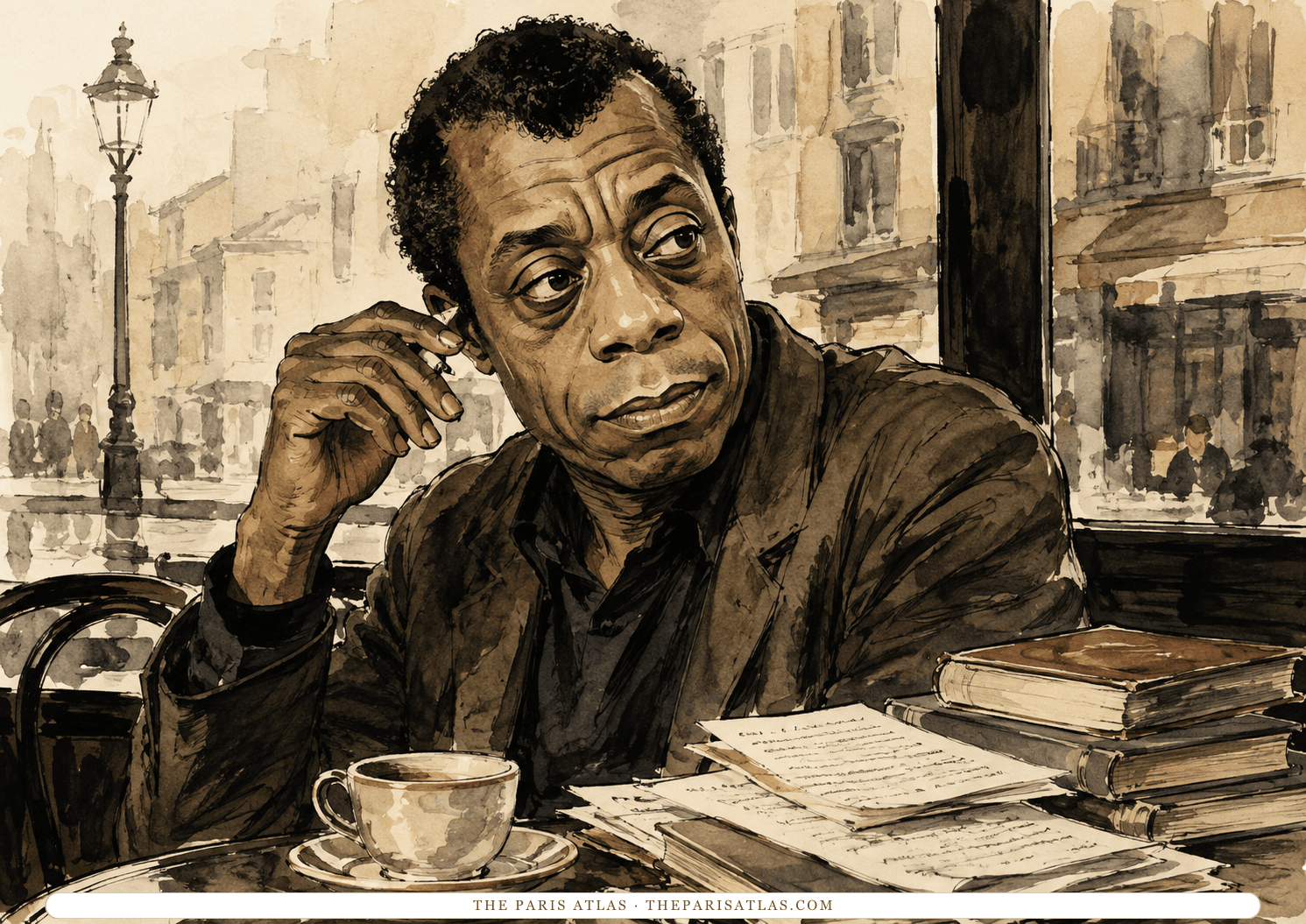

The only book of stories he wrote, containing "Sonny's Blues" and, at the end, a title story told from inside a white deputy's head.
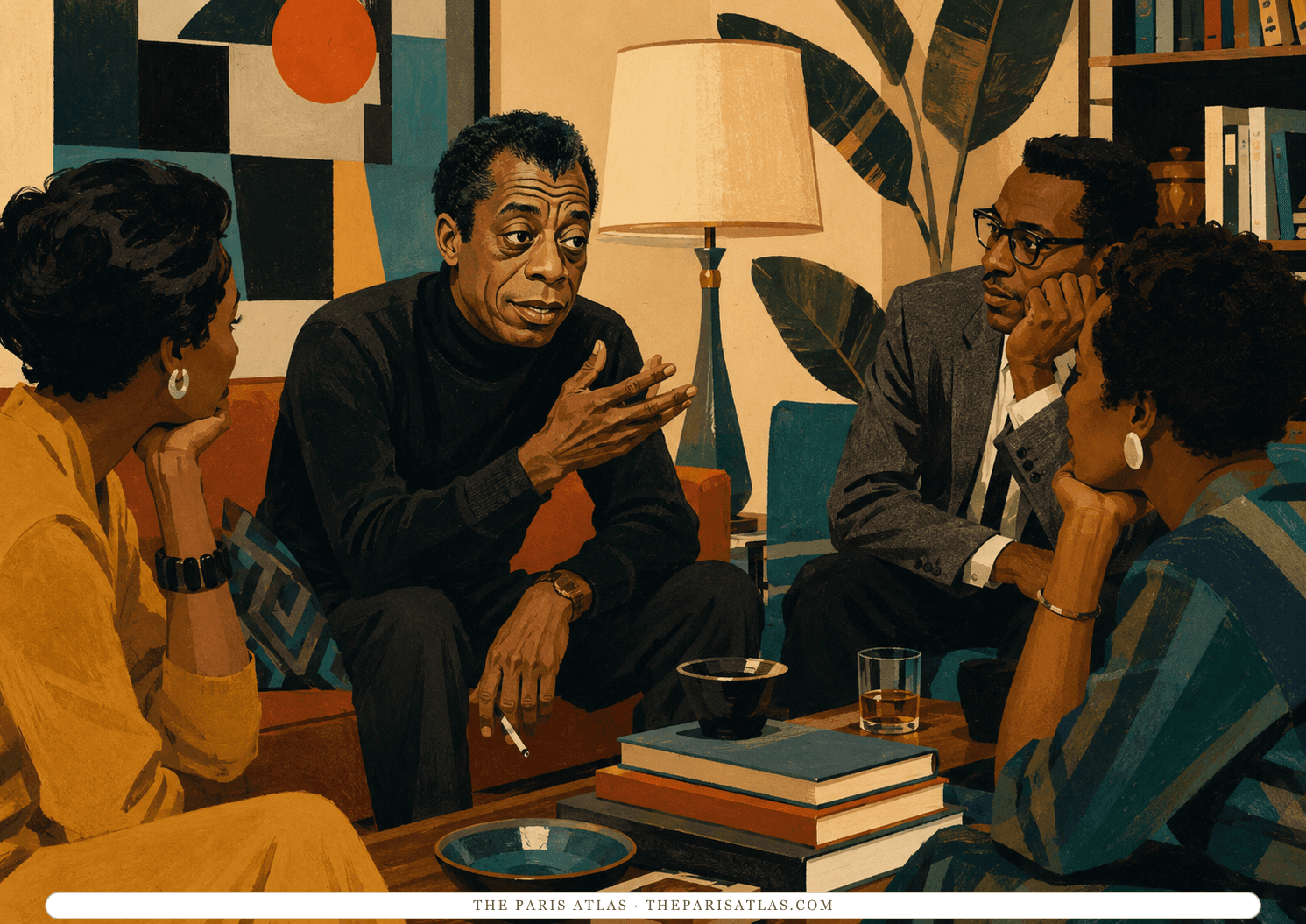

James Baldwin's play about the murder of a young Black man in a Southern town and the all-white jury that lets his killer go, written after Emmett Till and dedicated to Medgar Evers.

James Baldwin's first play: a woman pastors a Harlem storefront church, and then the husband she has told the congregation nothing about walks in.

The Malcolm X film Columbia Pictures hired James Baldwin to write and never made. He published the screenplay as a book instead.
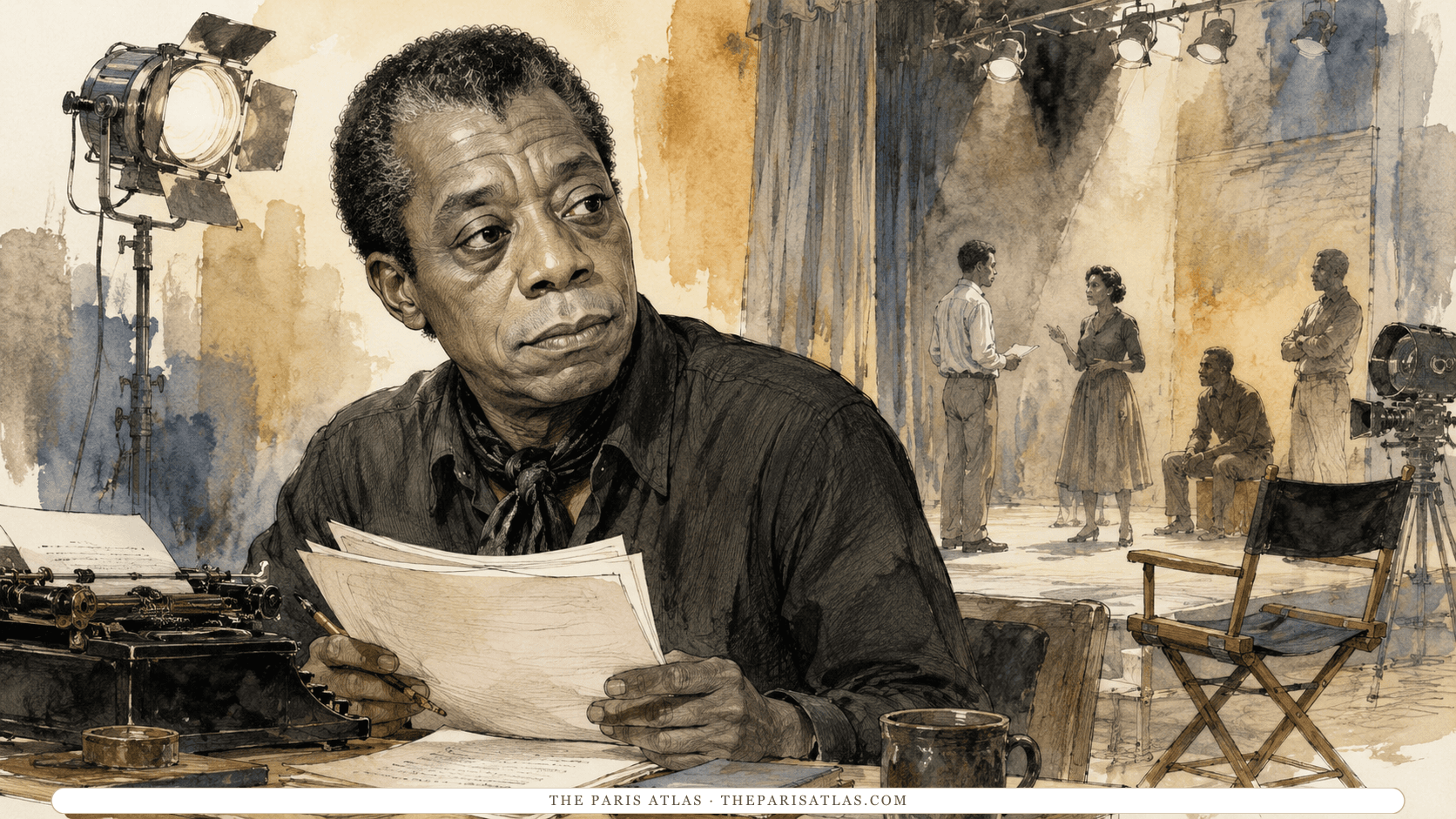

James Baldwin's only children's book: a four-year-old named TJ on a Harlem block, written for his nephew and illustrated by a French painter he had known since 1959.
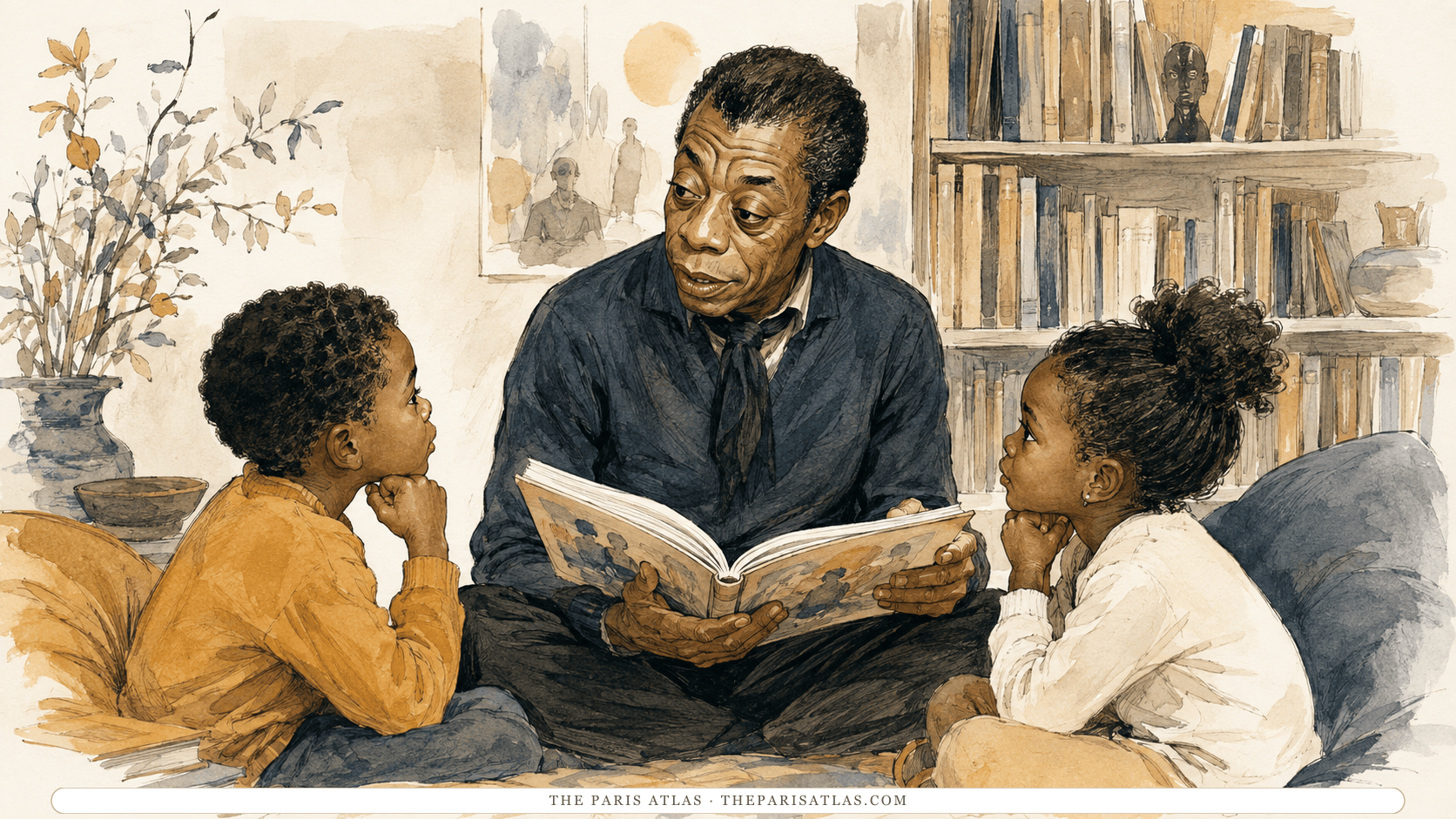

Ten essays, a stepfather's funeral on the day Harlem burned, and eight days in a Paris jail.

Thirteen essays from the years Baldwin came home: Harlem, the segregated South, a writers' congress at the Sorbonne, and the end of his friendship with Richard Wright.

Two letters written for the centenary of emancipation: one to a fifteen-year-old nephew, one about the night Baldwin had dinner with Elijah Muhammad.

James Baldwin and the photographer Richard Avedon had been at the same Bronx high school. Thirty years later they made a book about what America looked like in 1964.

The book Baldwin wrote after the funerals: Medgar Evers, Malcolm X, Martin Luther King, and a friend he could not get out of jail.

James Baldwin was forty-seven, Nikki Giovanni twenty-eight. A London television studio, one evening in November 1971, and neither of them willing to let the other off easily.

Baldwin on the movies he grew up on, beginning with the film he was taken to at seven and ending with The Exorcist.

Baldwin goes to Atlanta to report on the murders of twenty-eight Black people, most of them children, and comes back unconvinced by the conviction.

Thirty-seven years of essays in one volume, assembled by Baldwin two years before he died — the single book to own if you are only owning one.

James Baldwin and Sol Stein were classmates at DeWitt Clinton High School in the Bronx. Fifty years later Stein opened the file drawer that held their letters.

Everything James Baldwin published and never put in a book, gathered twenty-three years after he died: reviews from his early twenties, speeches, open letters, and one short story.
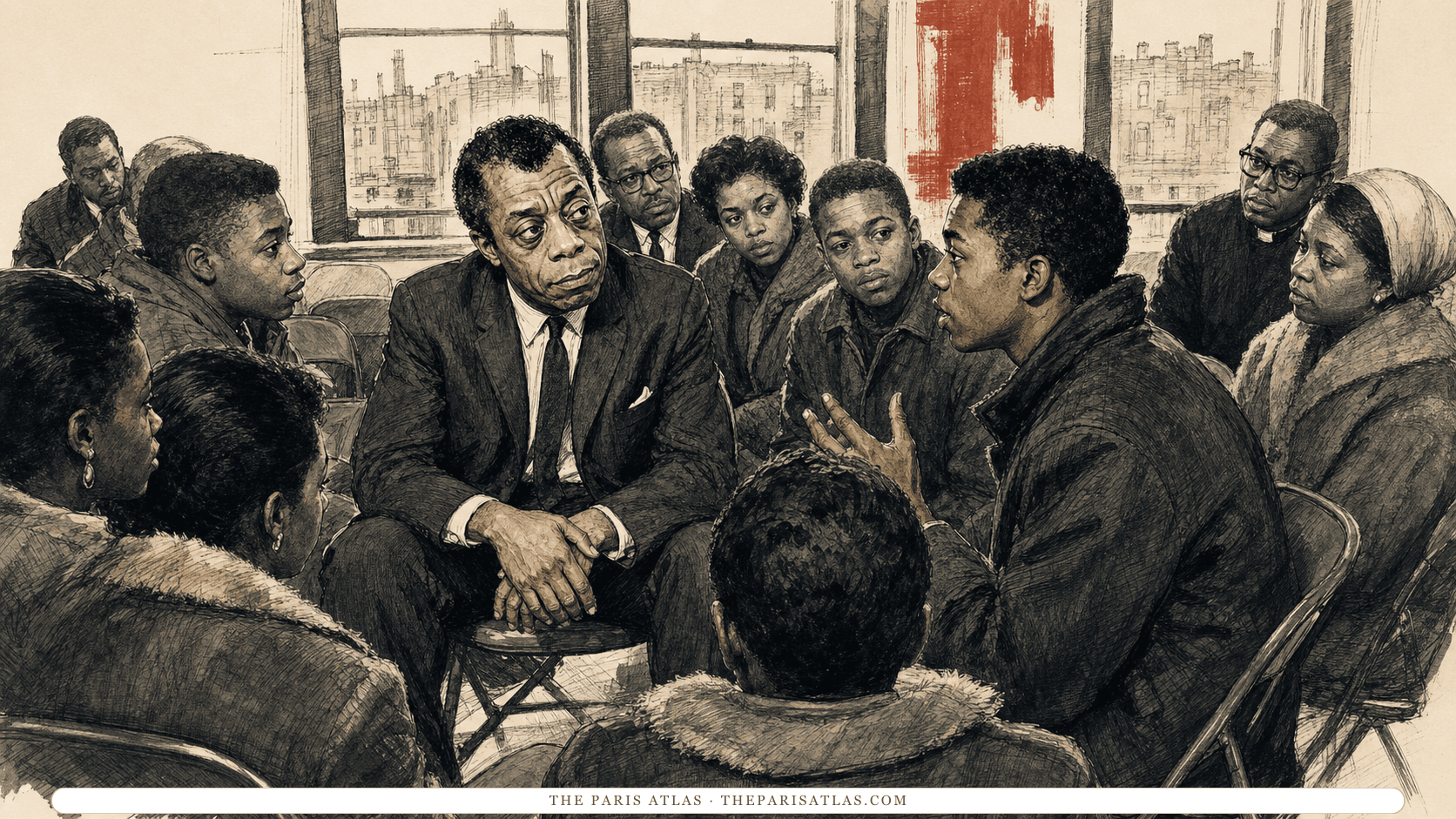

The only book of poems James Baldwin published, brought out in London in 1983 when he was fifty-nine and almost nobody knew he wrote them.
Your progress
Two letters, about 120 pages, written for the centenary of the Emancipation Proclamation. It is the book that made Baldwin a public figure and it can be read in an evening.
The Paris novel: an American man, an Italian bartender, and a rented room. No Black characters in it, which cost Baldwin his publisher when he wrote it.
The first novel, and a single day in a storefront Pentecostal church. Baldwin preached in one himself from about fourteen.
The first essay collection, and the fuller introduction to him as an essayist. The title essay is about his father's funeral and the Harlem riot of 1943.
New York, six people, jazz, and a suicide in the first hundred pages. The most ambitious of the novels and the most argued about.
The shortest of the late novels: a nineteen-year-old woman, her imprisoned fiancé, and both families. Barry Jenkins filmed it in 2018.
The last novel, and the longest thing he wrote. For readers the others have already convinced.
One continuous essay covering the 1960s as Baldwin lived them, including the murders of Medgar Evers, Malcolm X and Martin Luther King Jr.
A book about the movies, from the film he was taken to at seven to The Exorcist. The funniest thing he published.
His last book of nonfiction: the Atlanta murders of 1979 to 1981 and the trial that closed them.
The only story collection, containing "Sonny's Blues" and a title story told from inside a white deputy sheriff.
The play written out of the Emmett Till case, staged on Broadway in 1964 and dedicated to Medgar Evers.
The children's book, written for his four-year-old nephew and out of print for forty years.
The most complete thing he wrote. Two hundred pages, one confined situation, and not a wasted move in it.
The first novel and still the one with the most in it — a church service that opens into four life stories and closes by morning.
The late novel that works. A love story and a wrongful arrest, told by a nineteen-year-old narrator who carries the whole book.
The biggest swing. It does more than the others and holds together less well, and readers who love it love it hardest.
Six hundred pages on gospel music, brothers and grief. Slow, and worth it if the others have already worked on you.
The one the reviews hurt. An actor looks back from a hospital bed; the material is strong and the shape never settles.
His own selection of thirty-seven years of essays, made two years before he died.
With Sol Stein: correspondence, memoir, photographs, and two previously unpublished collaborations.
Posthumous, 2010 — everything he published and never collected, edited by Randall Kenan.
No. There is no series and no recurring cast; every book stands alone. The one pairing that pays off is reading Go Tell It on the Mountain before The Fire Next Time — the novel dramatises the Harlem church, and the essay is Baldwin describing his own years preaching in one.
The Fire Next Time for the essays or Giovanni's Room for the fiction. Both are short and neither assumes you have read anything else. Notes of a Native Son is the better introduction if you want the essayist in full rather than at his most famous.
Six: Go Tell It on the Mountain (1953), Giovanni's Room (1956), Another Country (1962), Tell Me How Long the Train's Been Gone (1968), If Beale Street Could Talk (1974) and Just Above My Head (1979). He also wrote one collection of short stories, two plays, a screenplay, a book of poems, a children's book and several volumes of essays.
The Fire Next Time, published in 1963. It is his shortest major book and the one that made him a national figure — Time put him on its cover six months after it appeared. Giovanni's Room is the most read of the novels.
Yes, and most of it is out of view. Two plays, The Amen Corner and Blues for Mister Charlie; a screenplay of The Autobiography of Malcolm X that was published as a book when the film was abandoned; one collection of poems, Jimmy's Blues; a children's book written for his nephew; and Nothing Personal, made with the photographer Richard Avedon.
The essays, mostly. Notes of a Native Son covers his father's death and his first years in Paris, The Fire Next Time the three years he spent preaching as a teenager, and The Devil Finds Work his childhood at the cinema and his time in Hollywood. The novels draw on the same material without being autobiography — Go Tell It on the Mountain is the closest.
The sources below include bibliographies, archives, publisher records, and scholarship used to verify the James Baldwin catalogue and publication order.


Archival evidence used to document the historical record connected to James Baldwin books.

Web source consulted for documented facts and historical context presented on the James Baldwin books page.
Biographical evidence used to verify chronology, relationships, and historical context connected to James Baldwin books.
Web source consulted for documented facts and historical context presented on the James Baldwin books page.
These references document which titles belong in the bibliography and when they appeared. The recommended reading order remains an editorial judgment by The Paris Atlas.
 Explore more resources
Newsletter
We will tell you when this guide adds a book, review, or new reading-order recommendation.