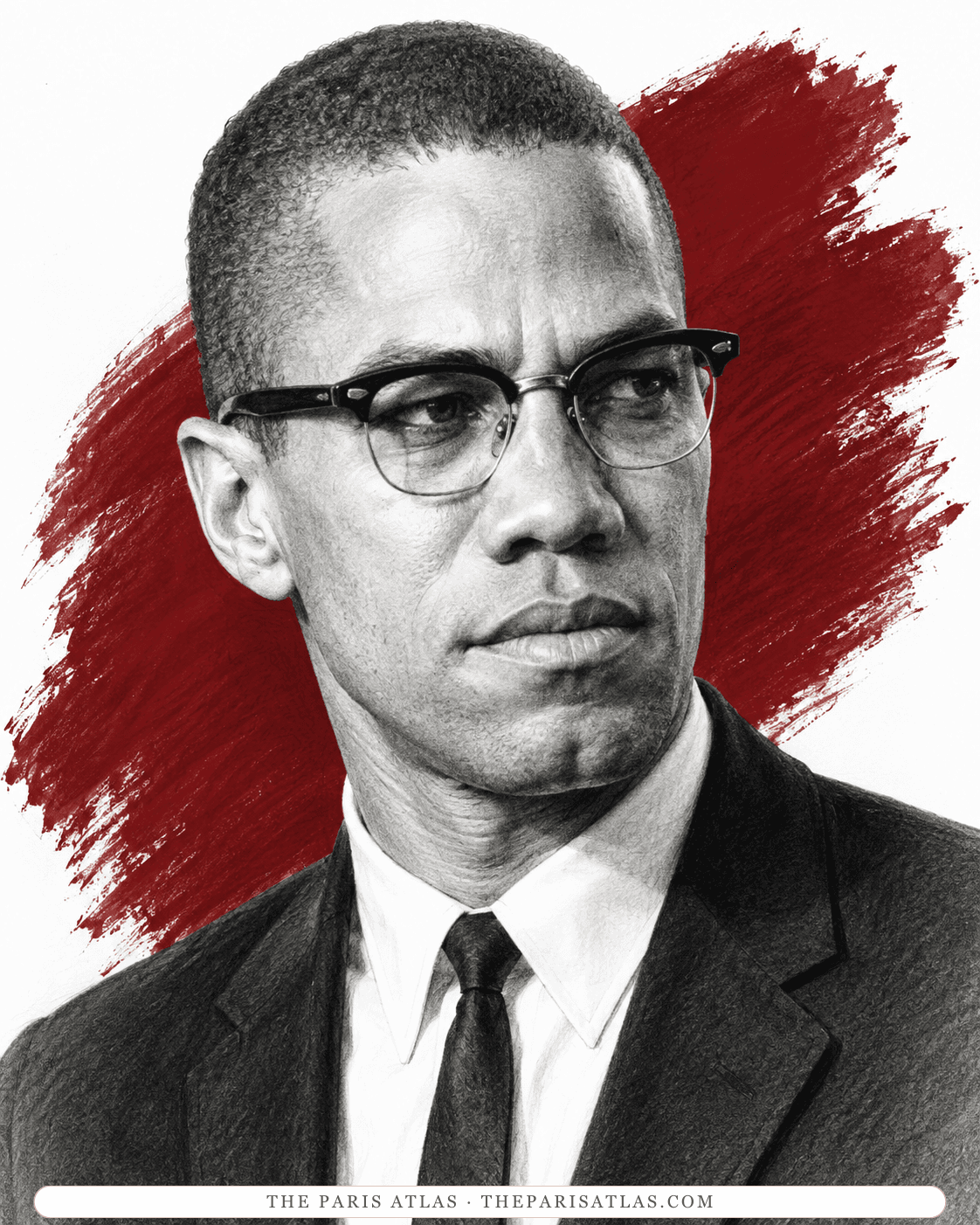
Malcolm X
- Activist
- Religious leader
- Author
Depicts
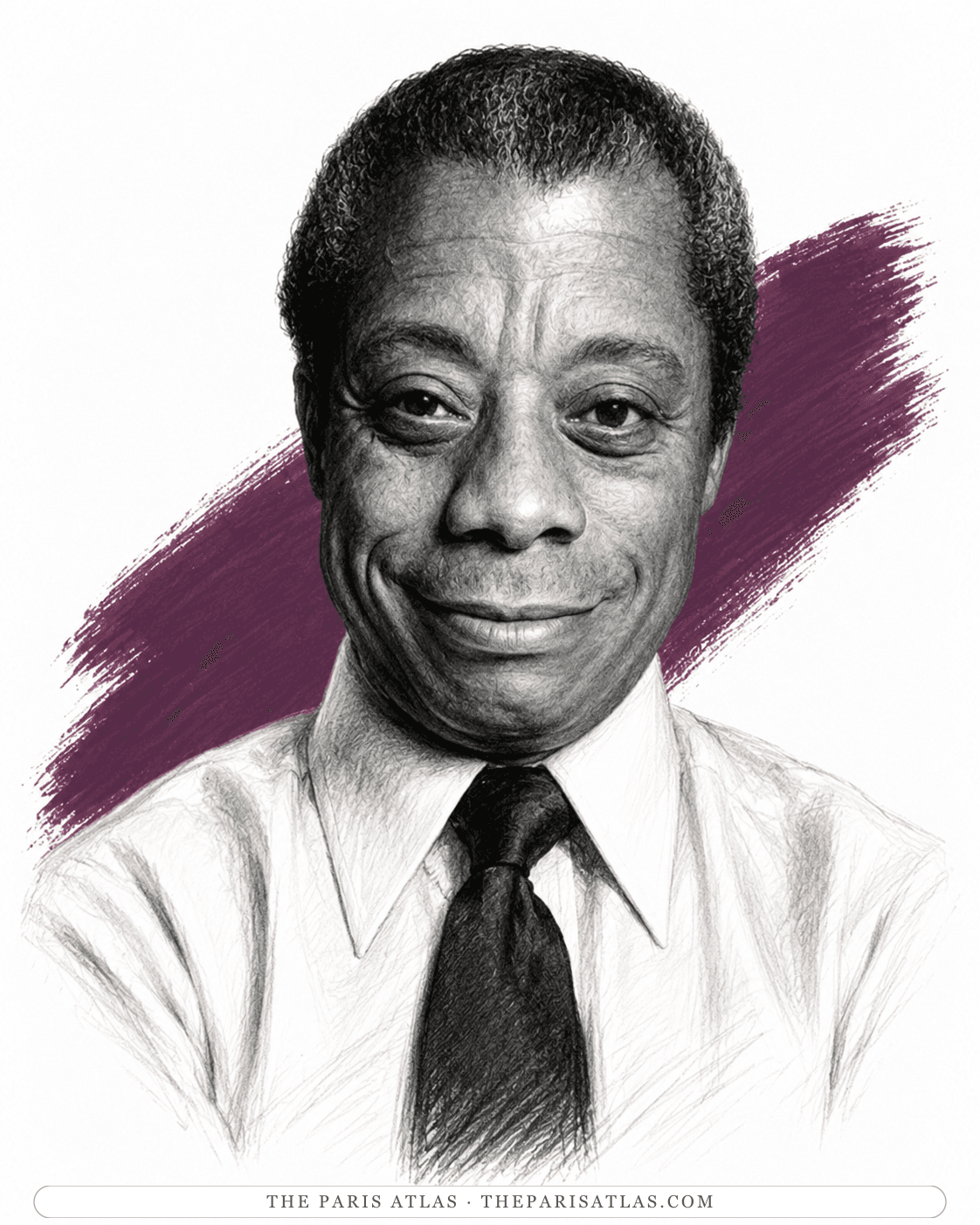
One of the three murdered men the memoir is built around — Baldwin knew all three.

The book Baldwin wrote after the funerals: Medgar Evers, Malcolm X, Martin Luther King, and a friend he could not get out of jail.
James Baldwin's fourth book of non-fiction, published by Dial Press in 1972. It is a single long memoir rather than a collection, written across the years in which three men he knew were killed and the movement he had reported on came apart. It moves between Harlem, Paris, the American South, Hollywood and a prison in Hamburg, and it is the angriest book he wrote. The title comes from the Book of Job.
The book is in two parts, "Take Me to the Water" and "To Be Baptized", both named after the language of the Harlem church Baldwin grew up in and left.[1]
It took most of a decade. Baldwin began it in the mid-1960s and finished it in 1971, and the delay is part of the subject: Medgar Evers was murdered in 1963, Malcolm X in 1965, and Martin Luther King in 1968, and Baldwin knew all three. He records where he was when he heard about each of them.[1]
A long strand of it concerns Tony Maynard, a friend of Baldwin's who was arrested for a murder in New York, held in Hamburg, and extradited. Baldwin travelled to see him and campaigned on his behalf for years. The case is the book's closest look at how the machinery worked on someone he knew personally rather than on a public figure.[1]
The last sections deal with the Black Panther Party — Huey Newton, Bobby Seale, Eldridge Cleaver — and with what Baldwin thought was left after King. There is also an account of the Hollywood period when he was trying to write a Malcolm X film, and a return to the Algerian War and to Albert Camus.[1]
An ordinary purchase becomes a hinge in the memoir's movement through time. Baldwin first needs the suit for a public appearance with King; after the funeral, wearing it again becomes impossible. News of that refusal travels through a gossip column and brings an old schoolfriend back into contact with him. The passage moves from public mourning to the uneasy obligations attached to literary success. The suit connects losses that cannot simply be separated: a murdered leader, the childhood community Baldwin has left, and the self he can no longer return to.
In the prison-visit passage quoted by Gianna Zocco, Baldwin turns from the prospect of seeing Maynard to the harder question of whether his friend will still seem himself. Imprisonment threatens more than physical freedom: it may damage the person whom affection expects to recognize. The movement of the sentence brings public violence inward, into a relationship whose continuity can no longer be assumed. Baldwin's remembered fear makes the visitor vulnerable too, while preserving the difference between anticipating another person's suffering and enduring it. The scene measures institutional power through that fragile possibility of recognition.
The earlier book was written before the assassinations. This one was written after them, by the same man, and the difference between the two is the clearest record of what the decade did to him.
Baldwin writing about a friend in prison rather than about a movement. It is the most concrete reporting in the book and the least abstract thing in it.
Baldwin's earlier essays argue with a reader he hopes to persuade. This one largely does not, and readers tend to find it either his most honest book or his least controlled.
Depicts
One of the three murdered men the memoir is built around — Baldwin knew all three.

Depicts
One of the three murdered men the memoir is built around; King's funeral is among the scenes Baldwin writes first-hand.

Depicts
One of the three murdered men the memoir is built around. Baldwin had travelled with Evers in Mississippi before the assassination.
Depicts
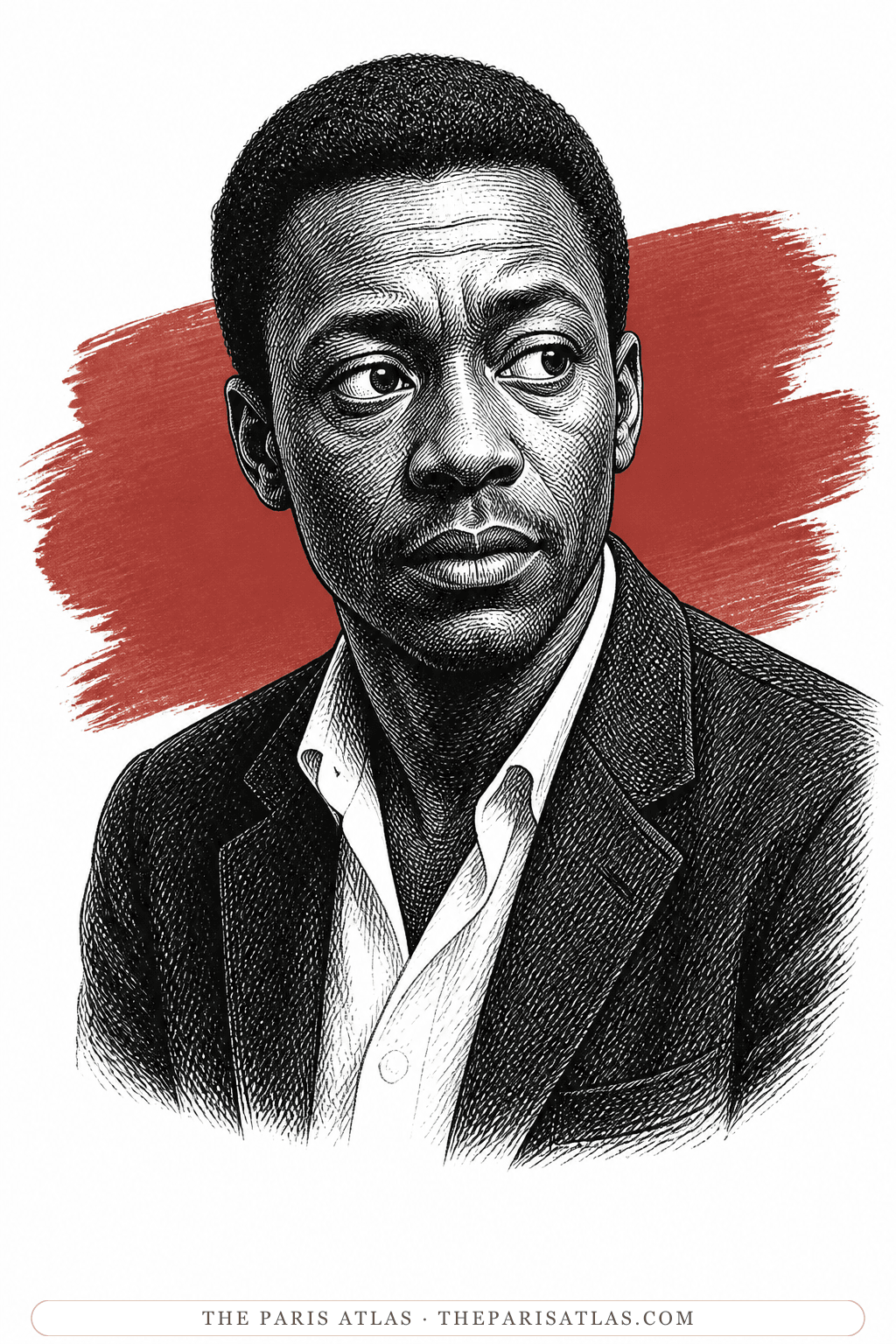
A long strand of the memoir follows Maynard's arrest, detention in Hamburg, and extradition — the book's closest look at the courts working on someone Baldwin knew personally.
1963
Medgar Evers is murdered in Jackson, Mississippi, in June. Baldwin had reported in the South with him.
1965
Malcolm X is assassinated in February. Baldwin goes to Hollywood to work on a film about his life.
1968
Martin Luther King is assassinated in Memphis in April. Baldwin attends the funeral.
1971
He finishes the manuscript, having worked on it for most of the preceding decade.
1972
Dial Press publishes No Name in the Street; Michael Joseph publishes it in Britain the same year.


The book from nine years earlier that this one answers, and mostly withdraws.
Read our take
The reporting from the years before the assassinations, when he still travelled as an observer.
Read our take
The first collection, and the one whose title he kept returning to.
Read our takeIt is James Baldwin's memoir of the 1960s, published in 1972. It covers the murders of Medgar Evers, Malcolm X and Martin Luther King, all three of whom Baldwin knew; the 1963 March on Washington; the Watts riot; the Black Panther Party; and the imprisonment of his friend Tony Maynard, whom Baldwin campaigned for over several years.
From the Book of Job, chapter 18, verse 17: "His remembrance shall perish from the earth, and he shall have no name in the street." Baldwin uses the passage as the book's epigraph.
No. Unlike Notes of a Native Son and Nobody Knows My Name, it is one continuous book-length piece, divided into two parts called "Take Me to the Water" and "To Be Baptized". Both titles come from the language of the Harlem church Baldwin grew up in.
A friend of Baldwin's who was arrested on a murder charge in New York, detained in Hamburg and extradited. Baldwin visited him in custody and worked on his behalf for years, and the case takes up a substantial part of the book. It is the closest Baldwin comes here to writing about the courts through someone he knew rather than through an argument.
Yes. The two books are nine years apart and this one reads as a reply to the earlier one — same author, same subjects, written after the assassinations rather than before them. The contrast is most of what makes this book land.
About 197 pages, which puts it between The Fire Next Time and the longer essay collections. It is a single sustained piece rather than a book to dip into.
Explore authors with a similar voice, perspective, and influence.

The doctor of the Paris slums who wrote the century's blackest, funniest novel — and changed the sound of French prose.
View author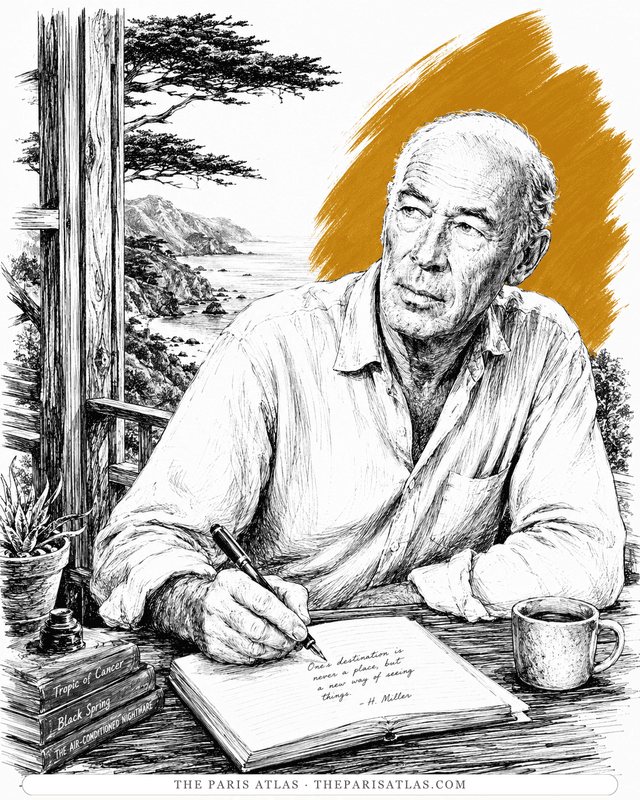
The Brooklyn dropout who arrived in Paris broke at thirty-eight and wrote the exuberant, banned books that ended American censorship.
View author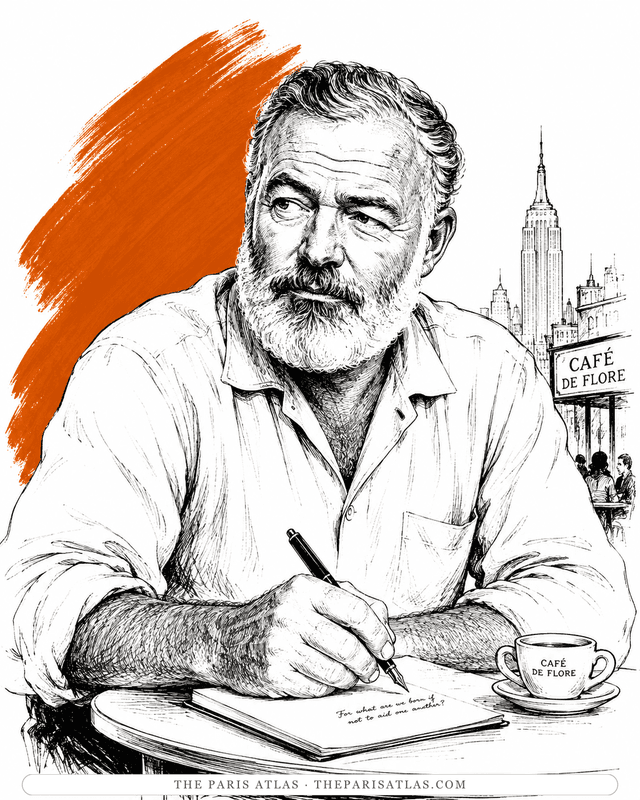
Author of The Sun Also Rises and A Moveable Feast; his pared-down style, developed in 1920s Paris, became the most imitated in American prose.
View authorThe sources below include the primary text, editions, scholarship, archival materials, and other records that informed this page. They document No Name in the Street, its publication, and its place in literary history.


Used for archival and bibliographic context surrounding No Name in the Street within Baldwin's papers and career.

Used for independent biographical and publication context for No Name in the Street.
Used to connect No Name in the Street to Baldwin's transatlantic life and intellectual development.
Used to verify James Baldwin's bibliography and place No Name in the Street within the broader chronology of James Baldwin's career.
Publisher excerpt read through publicly indexed text; direct retrieval failed. The analysis is limited to the displayed suit and returning-memory sequence, not a full memoir or original-edition collation.
Context and primary quotation around the prison visit, read in public HTML. The new paragraph explicitly identifies the quoted passage; it does not claim full-scene collation or an independent verdict on the case.
The primary text is the baseline reference for every book page. Additional references document publication history, interpretation, and historical context where that evidence is available.
 Explore more resources