
Ingmar Bergman
- Filmmaker
- Playwright
- Author
Depicts
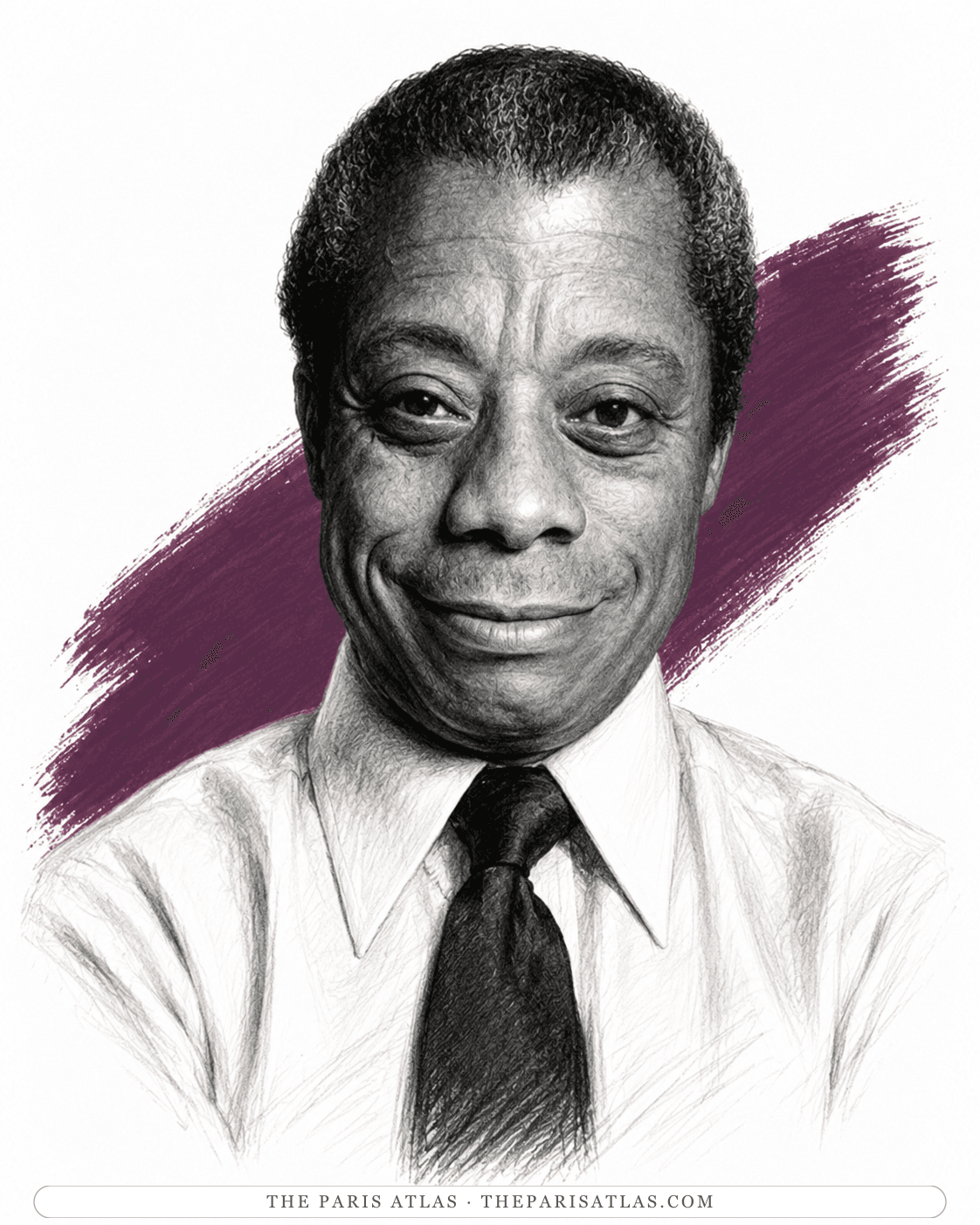
An afternoon with Bergman in Stockholm, and the closest thing in the collection to a straight profile.

Thirteen essays from the years Baldwin came home: Harlem, the segregated South, a writers' congress at the Sorbonne, and the end of his friendship with Richard Wright.
James Baldwin's second essay collection, published by Dial Press in 1961 and subtitled More Notes of a Native Son. Thirteen pieces written between 1954 and 1961, the years in which he came back from Paris, travelled through the segregated South for the first time at thirty-two, and became a writer American magazines commissioned rather than one they occasionally printed. It closes with two portraits of other writers: Richard Wright, who had died the year before, and Norman Mailer, who had not.
The book is arranged in two parts, titled with a sentence split across them: "Sitting in the House…" and "…With Everything on My Mind". The first part is reportage and argument, mostly about America. The second is criticism and portraiture, mostly about other writers.
The reporting is the reason to read it. Baldwin went south in 1957 on assignment, at thirty-two, having never been below Washington, and "A Fly in Buttermilk" and the title essay come out of that trip. "Fifth Avenue, Uptown" does the same work in the Harlem he grew up in.
The last two essays are about friendships that went wrong in public. "Alas, Poor Richard" was written just after Richard Wright's death in 1960 and returns to the argument that had separated them since 1949. "The Black Boy Looks at the White Boy" is about Norman Mailer, who was alive to read it.
The opening of “Princes and Powers” gives the audience as much interpretive weight as the speakers. Heat, crowded entrances and recording equipment make ideas emerge from a strained physical gathering rather than a disembodied debate. Baldwin then hears different meanings in the same applause: what sounds like approval may conceal either disappointed expectations or relief. His tentative account of those reactions keeps his own position visible. Listening requires attention to distinctions that the collective response might hide. The report's drama begins in the gaps among public words, private expectations and the observer's attempts to understand them.
At the start of “Fifth Avenue, Uptown,” the replacement of Baldwin's childhood home contrasts with the neighborhood's persistent needs. A new building signals improvement, yet the grocer's continuing credit tells a different story. Familiar shops and remembered residents make the walk a record of relationships, not just a survey of damaged streets. Visible renewal leaves the daily dependence of the people who live there unresolved.
Baldwin went south in 1957 and wrote about it as someone seeing it for the first time. That position — an American who had to travel to find his own country — is what these essays have that the others do not.
The Richard Wright essay and the Norman Mailer essay are the frankest things Baldwin wrote about other novelists, and he wrote them about men he knew rather than books he had read.
A long piece of straight reporting on the 1956 writers' congress at the Sorbonne, and the best record here of what the Paris years actually put him in the room for.
Depicts
An afternoon with Bergman in Stockholm, and the closest thing in the collection to a straight profile.

Depicts
One of the two writer portraits the collection closes on — and unlike the Wright pieces, its subject was alive to read it.
Depicts
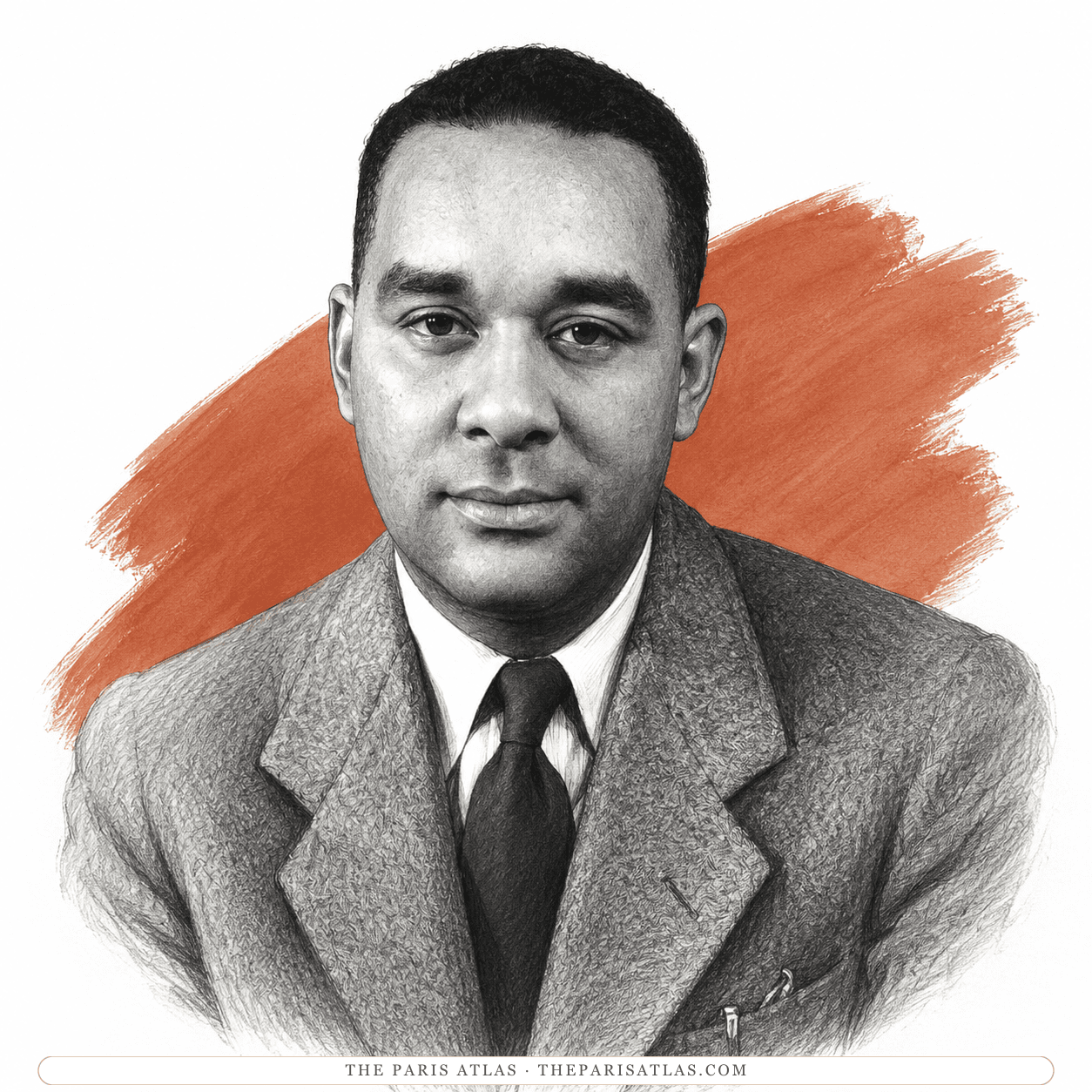
The collection closes on three linked pieces about Wright, written just after his death in 1960 — a review, a memoir of their Paris years, and a reckoning with the argument that had separated them since 1949.
What nine years in Europe taught him about the country he had left. It opens the book.
The 1956 Congress of Negro-African Writers and Artists at the Sorbonne, reported at length, and the one essay here set in Paris.
The neighbourhood he was raised in, written as reporting rather than memory.
A shorter follow-up, prompted by a protest at the United Nations.
A Black student integrating a Southern high school, and the adults on both sides of it.
The title essay, out of Baldwin's first trip below Washington in 1957, at thirty-two.
On William Faulkner's public statements about the pace of integration, and what "go slow" asks of the people waiting.
Adapted from an address at Kalamazoo College in February 1960.
A talk given at San Francisco State College in October 1960 about a novel he had not written.
On André Gide, his marriage, and what Gide would not write down.
An afternoon with Ingmar Bergman in Stockholm, and the closest thing here to a straight profile.
Three linked pieces on Richard Wright, written just after his death in 1960 — a review, a memoir of Paris, and a reckoning.
On Norman Mailer, whom Baldwin liked, and on what white writers wanted from him. It closes the book.
1956
Baldwin reports the Congress of Negro-African Writers and Artists at the Sorbonne for Encounter.
1957
He travels through the American South for the first time, at thirty-two.
1960
Richard Wright dies in Paris in November.
1961
Dial Press publishes the thirteen essays as Nobody Knows My Name: More Notes of a Native Son.
1992
Vintage International issues the standard paperback.


The novel he was finishing while writing most of these, published the year after.
Read our takeThirteen essays by James Baldwin, published in 1961. They cover Harlem, his first trip through the segregated American South, a writers' congress in Paris, and portraits of other writers including Richard Wright, Norman Mailer, André Gide and the film director Ingmar Bergman.
Thirteen, arranged in two parts. Most had appeared first in magazines — Esquire, Harper's, Partisan Review, Encounter and The New York Times Book Review — between 1954 and 1961.
Directly. The subtitle is More Notes of a Native Son, and it collects the essays Baldwin wrote in the six years after the first book. The standard Vintage paperback drops the subtitle from its cover, which is why it is often listed without it.
"Alas, Poor Richard", written just after Wright died in Paris in November 1960. It is in three parts and returns to the 1949 essay "Everybody's Protest Novel", which had used Wright's Native Son as its example and ended the friendship between them. Wright had helped Baldwin win the fellowship that first got him to Paris.
After. The first collection is the stronger book and the better introduction, and this one is written as a continuation of it. If you have read that and want more Baldwin at the same length, this is the next one.
"Princes and Powers", a long report on the 1956 Congress of Negro-African Writers and Artists held at the Sorbonne, which brought together writers from across Africa, the Caribbean and the United States. It first ran in Encounter in January 1957.
Explore authors with a similar voice, perspective, and influence.

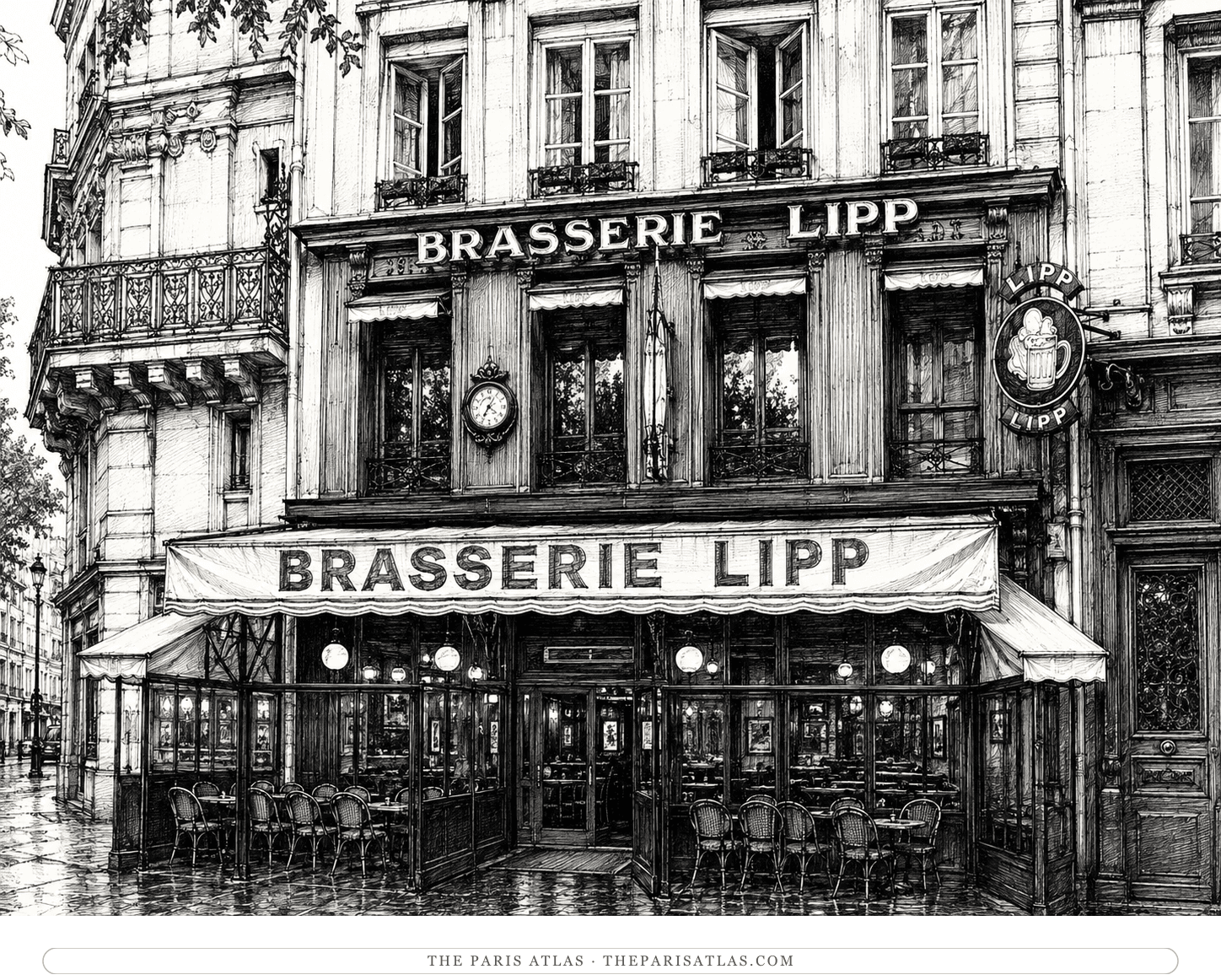
The doctor of the Paris slums who wrote the century's blackest, funniest novel — and changed the sound of French prose.
View author
The Brooklyn dropout who arrived in Paris broke at thirty-eight and wrote the exuberant, banned books that ended American censorship.
View author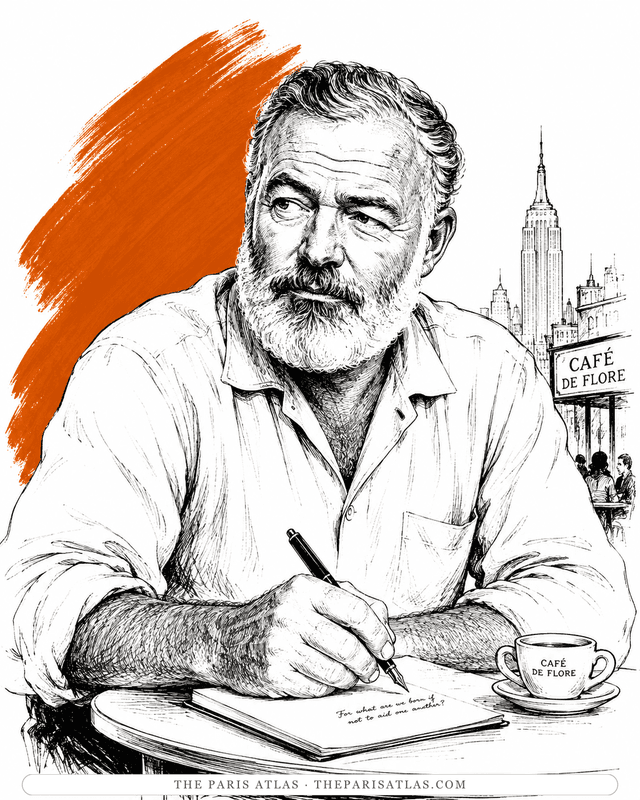
Author of The Sun Also Rises and A Moveable Feast; his pared-down style, developed in 1920s Paris, became the most imitated in American prose.
View authorThe sources below include the primary text, editions, scholarship, archival materials, and other records that informed this page. They document Nobody Knows My Name, its publication, and its place in literary history.


Published analysis and historical context used in preparing the Nobody Knows My Name page.
Used for archival and bibliographic context surrounding Nobody Knows My Name within Baldwin's papers and career.

Used for independent biographical and publication context for Nobody Knows My Name.
Used to connect Nobody Knows My Name to Baldwin's transatlantic life and intellectual development.
Used to verify James Baldwin's bibliography and place Nobody Knows My Name within the broader chronology of James Baldwin's career.
Primary opening read in a public third-party HTML transcription. Visible OCR errors preclude exact punctuation or original-edition collation claims; no complete-essay reading is claimed.
Publisher contents independently confirm both essays in Nobody Knows My Name.
The primary text is the baseline reference for every book page. Additional references document publication history, interpretation, and historical context where that evidence is available.
 Explore more resources