The Paris AtlasCharting the artists, works, and places worth returning to.
Cover of The Autobiography of Malcolm X by Malcolm X

The Autobiography of Malcolm X

by Malcolm X

Malcolm X told his life to Alex Haley across two years of interviews and was murdered before the book appeared. It is the source James Baldwin was hired to turn into a film.

Published
1965Posthumous
Pages
460
Shelf rating
4.6

The story, briefly

Spoiler-free

Malcolm X's life in his own telling: the Nebraska childhood and his father's death, the Harlem hustling years, the prison conversion, the rise through the Nation of Islam, and the break that ended with his assassination in February 1965. The journalist Alex Haley took it down in more than fifty interviews between 1963 and 1965 and finished the book after Malcolm X was killed. Grove Press published it in October 1965, nine months after his death.

The story, in more detail

The arrangement was unusual and the title page states it: the book is by Malcolm X, as told to Alex Haley. The two met when Haley wrote about the Nation of Islam for Reader's Digest, and the interviews began in 1963 under contract to Doubleday. Malcolm X revised chapters as his own position changed — by the final sessions he had left the Nation, made the pilgrimage to Mecca, and taken the name el-Hajj Malik el-Shabazz.

He did not live to read the finished book. After the assassination Doubleday dropped it, Grove Press picked it up, and Haley added an epilogue describing the collaboration and its final months. Later editions carry Ossie Davis's eulogy.

The book matters twice over. It is the standard account of a life that runs through James Baldwin's late nonfiction, and it is the text Columbia Pictures hired Baldwin to adapt in 1968 — the commission that became One Day When I Was Lost.

Why we recommend it

  1. It is the primary account

    Nearly everything later written or filmed about Malcolm X — Baldwin's screenplay included — starts from this book.

  2. The voice survives the method

    Haley held the pen, but the talk is Malcolm X's: courtroom-precise about names, dates, and grievances, and unsparing about his own hustling years.

  3. It reads with the ending already in the room

    The last chapters were dictated by a man who says plainly that he expects to be killed. The epilogue then records that he was.

What this book explores

Real people in this book

The real people this book portrays, dedicates itself to, or draws from — every connection carries its source.

Illustrated portrait of Elijah Muhammad

Elijah Muhammad

  • Religious leader

Depicts

The book's central relationship after the conversion: the leader Malcolm X corresponded with from prison, served for twelve years, and broke with in 1964. The later chapters record the silencing, the paternity revelations, and the threats that followed him out of the Nation of Islam.

Malcolm X, as told to Alex Haley, The Autobiography of Malcolm X (1965)

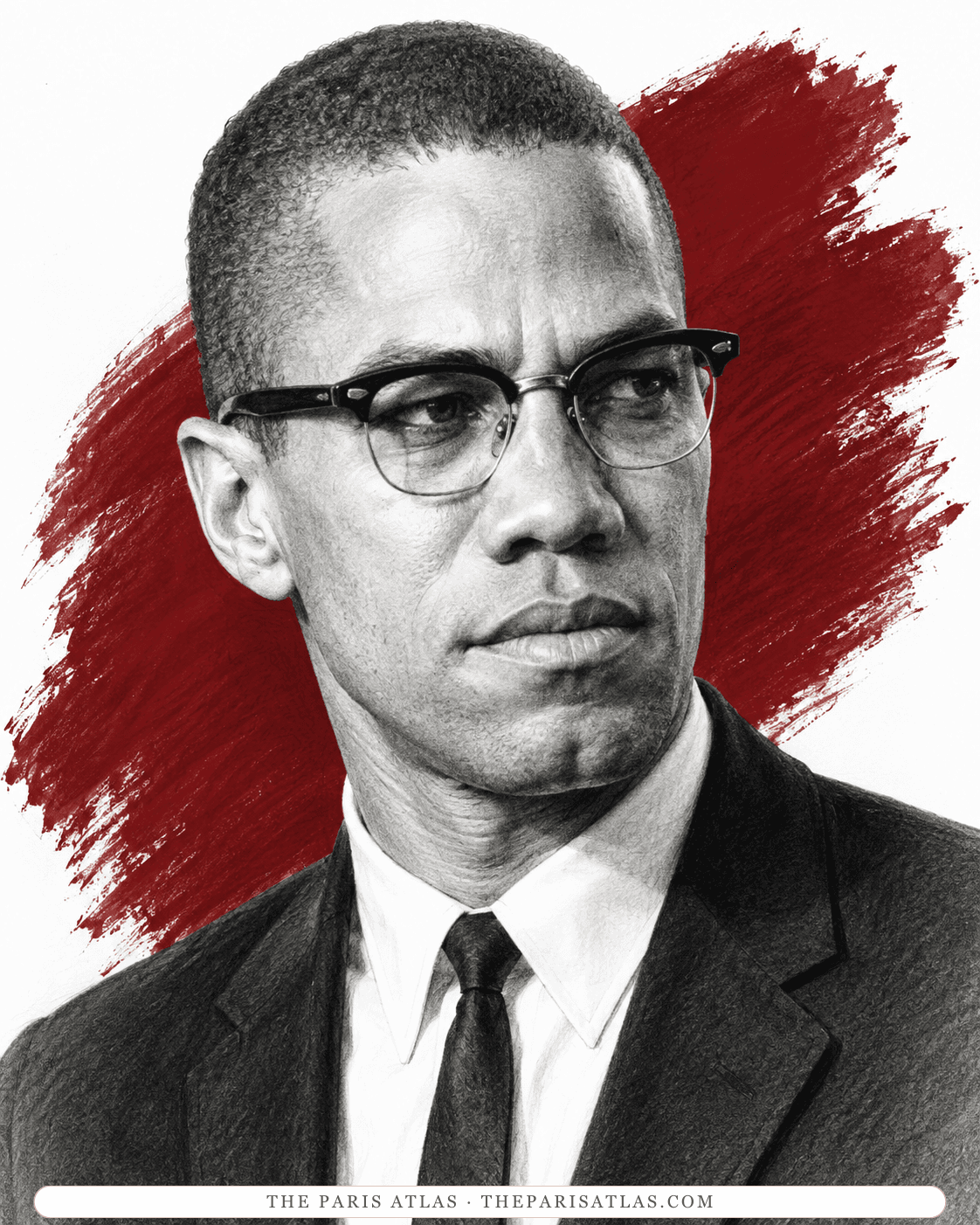
Illustrated portrait of Malcolm X

Malcolm X

  • Activist
  • Religious leader
  • Author

Depicts

His own life, told to Alex Haley across more than fifty interviews between 1963 and 1965: Malcolm Little of Omaha and Lansing, Detroit Red of Harlem, the prison conversion, the ministry, the break with the Nation of Islam, and the pilgrimage to Mecca. He read and corrected chapters as they were drafted but did not live to see the book published.

Malcolm X, as told to Alex Haley, The Autobiography of Malcolm X (1965)

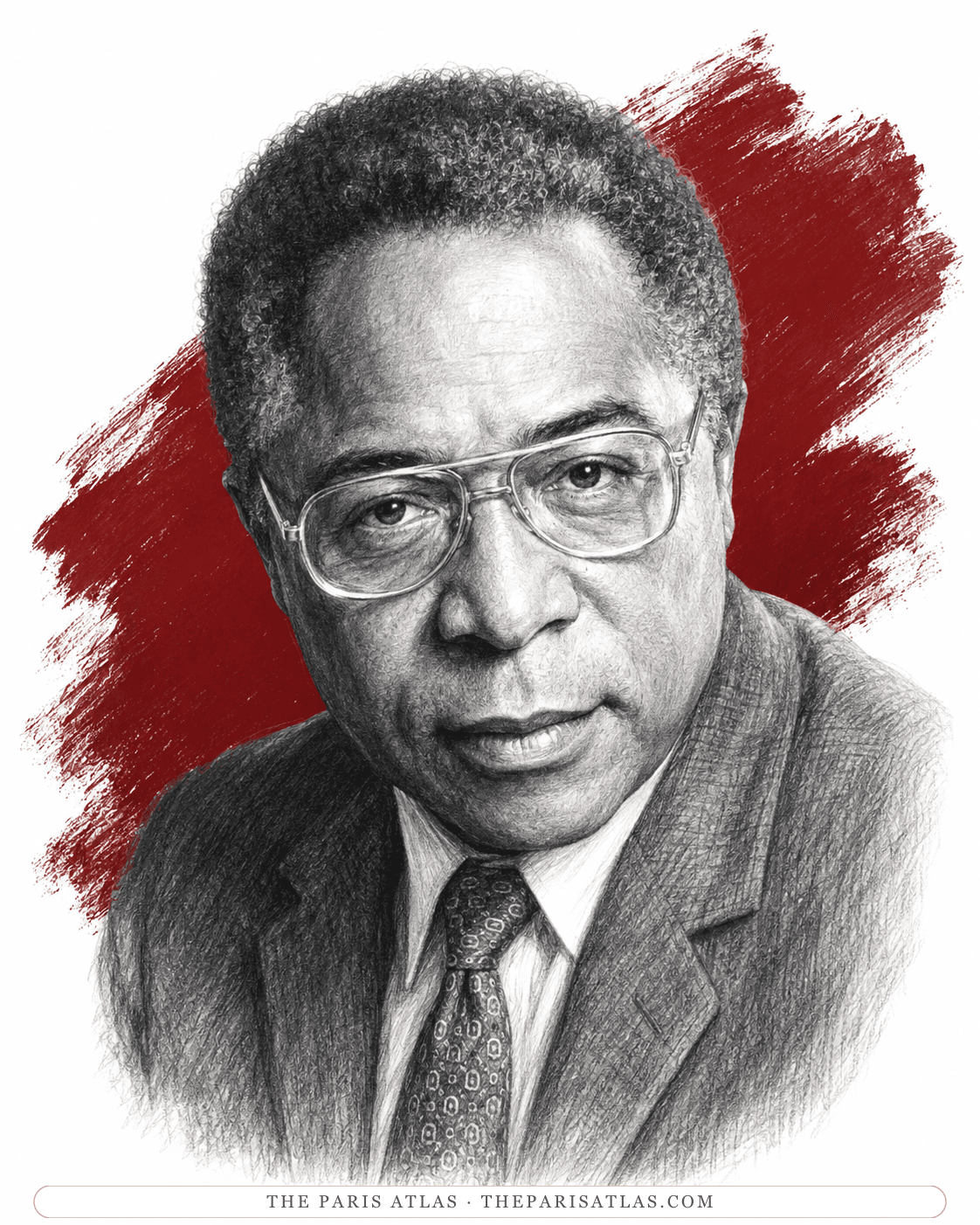
Illustrated portrait of Alex Haley

Alex Haley

  • Author
  • Journalist

Depicts

Haley enters his own book in the epilogue — his first-person account of the two-year collaboration, written after the assassination: how the interviews were won, how the chapters were corrected, and how the story ended at the Audubon Ballroom.

Malcolm X, as told to Alex Haley, The Autobiography of Malcolm X (1965), Epilogue

Timeline

  1. 1959

    Alex Haley writes about the Nation of Islam for Reader's Digest and meets Malcolm X.

  2. 1963

    The interviews begin under contract to Doubleday — more than fifty sessions over two years.

  3. 1964

    Mid-project, Malcolm X leaves the Nation of Islam and makes the pilgrimage to Mecca. The book's later chapters absorb the change.

  4. 1965

    Malcolm X is assassinated on 21 February. Doubleday drops the book; Grove Press publishes it on 29 October with Haley's epilogue.

  5. 1992

    Spike Lee's film Malcolm X, built in part on the Baldwin and Perl screenplay drawn from this book, returns it to the bestseller lists.

Book editions

Hardcover
Hardcover
Grove Press
1965
The first edition, published on 29 October 1965.
Paperback edition cover
Paperback
Ballantine Books
ISBN-13
9780345350688
The standard mass-market edition, with a foreword by Attallah Shabazz and Ossie Davis's eulogy.

Reader reviews

Loading reviews…

The Autobiography of Malcolm X: frequently asked questions

Who actually wrote The Autobiography of Malcolm X?

Malcolm X told it; the journalist Alex Haley wrote it down and shaped it. The title page credits it to Malcolm X, as told to Alex Haley, and the collaboration ran through more than fifty interviews between 1963 and 1965. Malcolm X reviewed the chapters himself.

When was it published?

Grove Press published it on 29 October 1965, nine months after Malcolm X was assassinated. Doubleday had commissioned the book but dropped it after the murder.

How does the book end?

The final chapters, dictated after the break with the Nation of Islam and the pilgrimage to Mecca, record Malcolm X saying he does not expect to live to see the book in print. Alex Haley's epilogue, written afterward, describes the assassination and the collaboration that produced the text.

What is the connection to James Baldwin?

Columbia Pictures hired James Baldwin in 1968 to adapt this book for film. The studio's revisions drove him off the project, no film was made from his script in his lifetime, and he published his version as One Day When I Was Lost in 1972.

Is the book considered accurate?

It is the primary account of Malcolm X's life and the starting point for later biographies, which have tested it. Historians have documented places where the telling compresses or heightens events, particularly in the hustling years, and material cut from the manuscript exists — an unpublished chapter surfaced at auction in 2018 and was acquired by the Schomburg Center in Harlem.