
Malcolm X Speaks
Malcolm X
Malcolm X Speaks
The speeches from after the break with the Nation of Islam, for comparison with these four.
Read our takeThe End of White World Supremacy prints four speeches Malcolm X gave while he was still a minister of the Nation of Islam. They are "Black Man's History", "The Black Revolution", "The Old Negro and the New Negro" and "God's Judgment of White America", the speech better known by its subtitle, "The Chickens Are Coming Home to Roost".[1] Benjamin Goodman edited the book and wrote its introduction. Merlin House published it in New York in 1971.[2] Goodman had served under Malcolm X as an assistant minister at Temple No. 7 in Harlem. Later editions credit him by the name he used afterwards, Benjamin Karim.[3]
Benjamin Goodman was born in Suffolk, Virginia. In 1957 he was working for a record company in New York when he first heard Malcolm X speak, on the history of slavery.[4] He joined the Nation of Islam and served as an assistant minister of Temple No. 7 in Harlem for four years, under the name Benjamin 2X.[3]
On 21 February 1965 he was the speaker who opened the meeting at the Audubon Ballroom before Malcolm X came on and was shot.[3] Six years later he published these four speeches. The Library of Congress record for the 1971 book gives the editor as Benjamin Goodman. The 1989 Arcade reissue and the later editions give him as Benjamin Karim.[2][1]
The speeches keep some of what happened around them. Several end with questions from the audience or an exchange with the moderator, and Adam Clayton Powell Jr. is named among the moderators.[3] Julius Lester reviewed the book in The New York Times Book Review. He called the speeches the best examples in print of why Malcolm X, even dead, was a man to measure oneself against.[3]
Benjamin Goodman's introduction, in which he tells how he heard Malcolm X speak in 1957 and joined the Nation of Islam soon after.[4]
"Black Man's History", given at Temple No. 7 in Harlem. "The Black Revolution", given at the Abyssinian Baptist Church in Harlem.[3]
"The Old Negro and the New Negro", and "God's Judgment of White America (The Chickens Are Coming Home to Roost)", given after President Kennedy's assassination. Several speeches end with questions from the audience or an exchange with the moderator.[1][3]
Malcolm X Speaks and By Any Means Necessary print speeches from his last year, after he left the Nation of Islam in March 1964. The End of White World Supremacy goes back further. All four speeches date from the years when he spoke for Elijah Muhammad, and they give the Nation's teaching as he preached it then.
"Black Man's History" was given at Temple No. 7 in Harlem, the mosque Malcolm X led. "The Black Revolution" was given at the Abyssinian Baptist Church in Harlem. The 2020 edition includes a download of recordings of both speeches, so a reader can hear the same words the book prints.
His views changed after he left the Nation. In April 1964, on the pilgrimage to Mecca, he wrote that what he had seen forced him to rearrange much of his thinking and throw aside some of his earlier conclusions. The speeches in Malcolm X Speaks come from after that change, so the two books read well side by side.
The last speech in the book is "God's Judgment of White America". The contents list adds the words "the chickens are coming home to roost" in brackets after the title. Malcolm X gave the speech soon after President John F. Kennedy was assassinated in November 1963.
Malcolm X used the phrase about Kennedy's killing, and in December 1963 Elijah Muhammad ordered him to stay silent for ninety days. In March 1964 Malcolm X left the Nation of Islam.
Most collections of his speeches start after March 1964. These four come from before, when he was Elijah Muhammad's best-known minister.
"God's Judgment of White America" is the speech the book links with the phrase "the chickens are coming home to roost", which led to his silencing in December 1963.
Benjamin Goodman heard Malcolm X preach for years as his assistant minister, and was on the stage at the Audubon Ballroom when he was shot.
1957
Benjamin Goodman hears Malcolm X speak in New York and joins the Nation of Islam.
1963
After President Kennedy's assassination in November, Malcolm X gives "God's Judgment of White America". In December Elijah Muhammad silences him for ninety days.
1964
Malcolm X leaves the Nation of Islam in March.
1965
Benjamin Goodman opens the meeting at the Audubon Ballroom on 21 February, minutes before Malcolm X is shot.
1971
Merlin House publishes The End of White World Supremacy, edited by Benjamin Goodman.
1989
Arcade reissues the book with the editor credited as Benjamin Karim.
2005
Benjamin Karim dies in Richmond, Virginia, on 2 August, at seventy-three.
2020
Arcade publishes a new edition with recordings of two of the speeches.


Malcolm X Speaks
Malcolm X
The speeches from after the break with the Nation of Islam, for comparison with these four.
Read our take
His own account of the Nation of Islam years, the silencing and the break.
Read our takeBy Any Means Necessary
Malcolm X
The speeches of the new organization he founded after leaving the Nation.
Read our takeMalcolm X: The Last Speeches
Malcolm X
Opens with two more speeches from 1963, then jumps to his last weeks.
Read our take
James Baldwin's account of the Nation of Islam in the same years, including his evening with Elijah Muhammad.
Read our takeFour: "Black Man's History", "The Black Revolution", "The Old Negro and the New Negro" and "God's Judgment of White America (The Chickens Are Coming Home to Roost)".
During his years as a minister of the Nation of Islam, before he left it in March 1964. The last of the four was given soon after President Kennedy was assassinated in November 1963.
Benjamin Goodman, who served under Malcolm X as an assistant minister at Temple No. 7 in Harlem. He later took the name Benjamin Karim, and later editions credit him under that name.
Yes. The fourth speech is printed as "God's Judgment of White America" with "the chickens are coming home to roost" as its subtitle.
The 2020 Arcade edition comes with an audio download of Malcolm X giving "Black Man's History" at Temple No. 7 and "The Black Revolution" at the Abyssinian Baptist Church.
Explore authors with a similar voice, perspective, and influence.
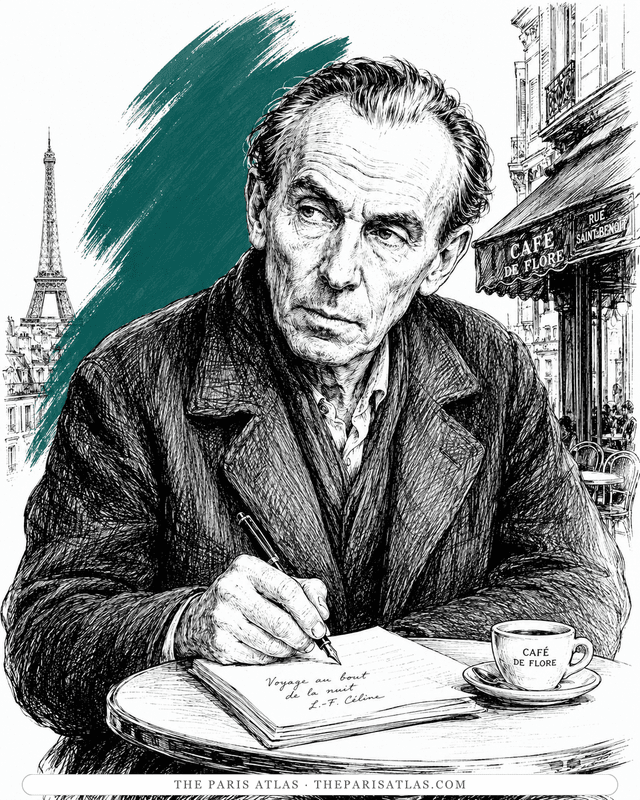
The doctor of the Paris slums who wrote the century's blackest, funniest novel — and changed the sound of French prose.
View author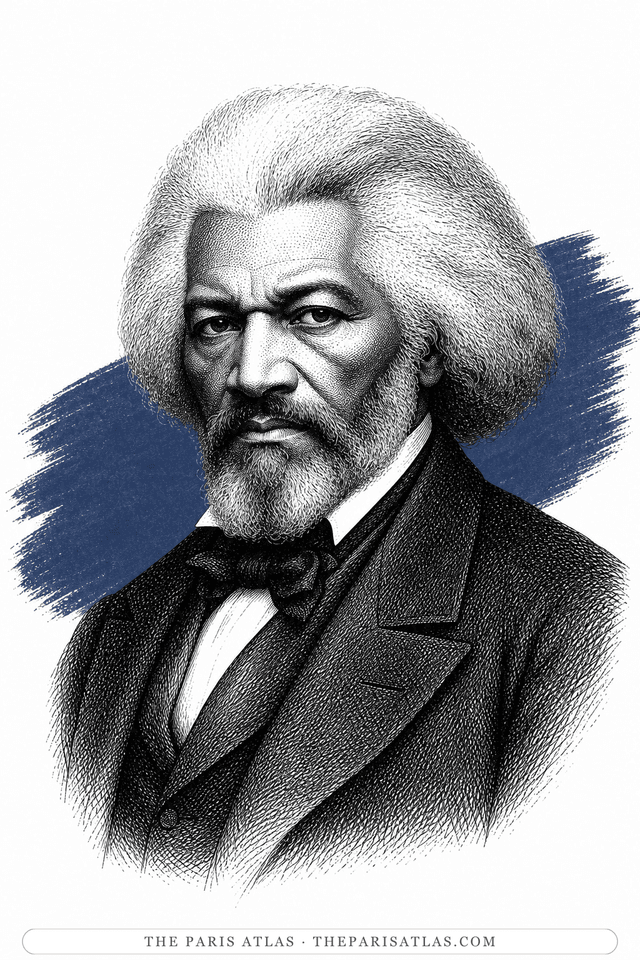
American abolitionist — a campaigner for the abolition of slavery — orator and newspaper publisher, born into slavery in Maryland in 1818, who escaped north in 1838 and spent the next half-century arguing for Black citizenship in books, newspapers and federal office. In 1859 the American minister in London, the senior United States diplomat in Britain, refused him a passport for France on the ground that he was not a citizen of the country he had been born in: American law at the time held that no Black person could be one. The French minister in London issued him a permit to enter France at once. Twenty-seven years later he reached Paris anyway, aged sixty-eight, and spent weeks in its galleries.
View author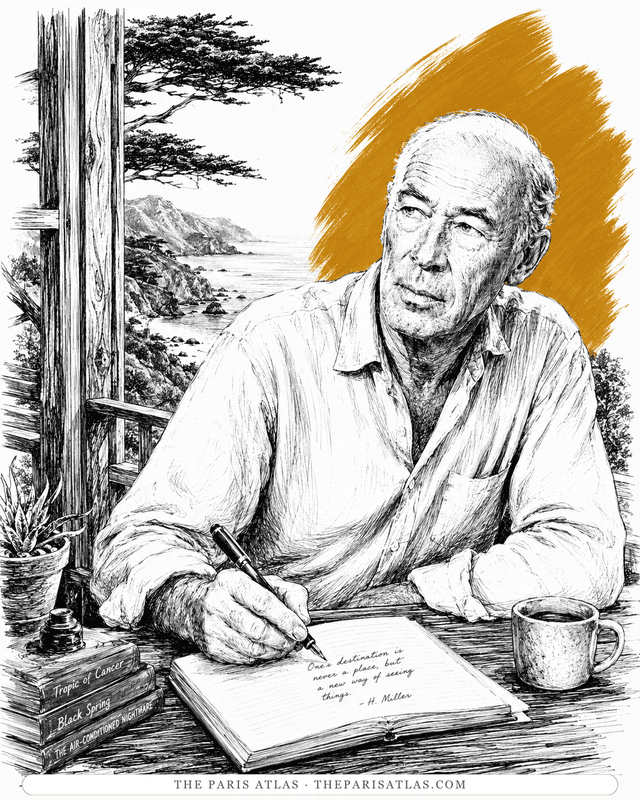
The Brooklyn dropout who arrived in Paris broke at thirty-eight and wrote the exuberant, banned books that ended American censorship.
View authorThe sources below include the primary text, editions, scholarship, archival materials, and other records that informed this page. They document The End of White World Supremacy, its publication, and its place in literary history.

Library of Congress record for the 1989 Arcade reissue, with the contents list and the editor as Benjamin Karim.
Library of Congress record for the 1971 Merlin House first edition, edited by Benjamin Goodman.

Publisher's page: the venues of two speeches, the moderators, the audio download, Karim's role, and Julius Lester's review line.
For the silencing of December 1963 and the letter from Mecca.
Contents of Malcolm X Speaks, for the dates of the later speeches.
Open Library edition records, used to check that each ISBN belongs to this book.
HathiTrust copyright status of the 1971 edition: in copyright, search-only.

The primary text represented by this page, used for descriptions of the work’s contents and for any quoted passages shown here.
The primary text is the baseline reference for every book page. Additional references document publication history, interpretation, and historical context where that evidence is available.
 Explore more resources