
The founding rally of the OAAU
Audubon Ballroom, Harlem, 28 June 1964. The speech that gave the book its title, with the organization's aims read out one by one.
By Any Means Necessary
Malcolm X
By Any Means Necessary is a collection of speeches, interviews and one letter by Malcolm X, edited by George Breitman and published by Pathfinder Press in New York in 1970.[1] The title comes from the founding rally of his Organization of Afro-American Unity at the Audubon Ballroom on 28 June 1964. There he said the organization wanted freedom, justice and equality by any means necessary.[2] The book also carries his talk at a meeting in Paris and a statement on being barred from France.[3] Pathfinder published a second edition, with a new introduction and an index, in 1992.[4]
George Breitman had already edited Malcolm X Speaks in 1965. For the second book he gathered more speeches and interviews from the last year of Malcolm X's life.[1] The 1970 edition carries the words "A Merit book" on its title page, the name of the house that had published Malcolm X Speaks.[1][5]
The founding rally speech takes up more than thirty pages. BlackPast reprints it from pages 35 to 67 of the 1970 edition.[2] In it Malcolm X reads out the aims of the new Organization of Afro-American Unity, point by point, and comments on each. The education point is where the line about education being "our passport to the future" comes from.
Pathfinder's description lists the subjects the book covers: political alliances, women's rights, American intervention in the Congo and Vietnam, and capitalism and socialism.[6] The second edition of 1992 runs to xix and 191 pages, with photographs and an index.[4]
The 1992 second edition opens with an introduction. The first items are an interview by A. B. Spellman and answers to questions at the Militant Labor Forum in New York.[3]
The middle of the book prints three pieces from the Organization of Afro-American Unity: the founding rally, a talk called "Harlem and the political machines", and the second rally of the organization. Next comes "A letter from Cairo".
The later pieces come from the winter of 1964 and 1965: "At a meeting in Paris", "An exchange on casualties in the Congo", the homecoming rally of the organization after his return from Africa, and an interview with the Young Socialist.
The book ends with "On being barred from France" and a section of short statements. The second edition adds an index.[3][4]
Malcolm X founded the Organization of Afro-American Unity at a rally at the Audubon Ballroom in Washington Heights on 28 June 1964. He had left the Nation of Islam in March and come back from Africa on 21 May. The new group was political, not religious, and he modelled its name on the Organization of African Unity.
In the speech he told the audience the organization's motto. He said they wanted freedom by any means necessary, justice by any means necessary and equality by any means necessary. He repeats the phrase many more times in the same speech, about self-defense, about teaching history and about human rights.
The phrase is usually quoted on its own. In the motto it ends three sentences, one each for freedom, justice and equality. Near the end of the speech it closes his claim to be respected as a human being. Breitman chose it as the title six years later.
Two items in the contents deal with France. One is headed "At a meeting in Paris" and the other "On being barred from France". Malcolm X spoke in Paris on 23 November 1964, on his way home from five months in Africa and the Middle East. Le Monde reported a meeting at the Mutualité where French-speaking Black students questioned him.
On 9 February 1965 he flew back to Paris to speak again, at the invitation of Afro-Americans and Africans living there. French officials met him at Orly airport, refused him entry and put him on a plane to London. The Schomburg Center in Harlem holds his papers, including the file on the cancelled Paris meeting.
George Breitman's note in Malcolm X Speaks says the French government barred him without explanation. Moshik Temkin's study of Malcolm X in France follows the argument over French motives that came later. Malcolm X was shot dead in Harlem on 21 February 1965, twelve days after the refusal.
We want freedom by any means necessary. We want justice by any means necessary. We want equality by any means necessary.
We declare our right on this earth to be a man, to be a human being, to be respected as a human being, to be given the rights of a human being in this society, on this earth, in this day, which we intend to bring into existence by any means necessary.
Education is our passport to the future, for tomorrow belongs only to the people who prepare for it today.
The founding rally speech shows what "by any means necessary" was attached to when he said it: freedom, justice, equality and the rights of a human being.
Three of the pieces come from rallies of the Organization of Afro-American Unity, the political group he founded after leaving the Nation of Islam.
The book prints his Paris talk of November 1964 and his statement after France turned him away in February 1965.
Audubon Ballroom, Harlem, 28 June 1964. The speech that gave the book its title, with the organization's aims read out one by one.
Malcolm X's talk on his stop in Paris in November 1964, on the way home from Africa.
His statement after French officials turned him back at Orly airport on 9 February 1965.
1964
Malcolm X founds the Organization of Afro-American Unity at the Audubon Ballroom on 28 June and announces its motto.
1964
He speaks at a meeting in Paris on 23 November, on his way home from Africa.
1965
French officials refuse him entry at Orly on 9 February. He is killed in Harlem on 21 February.
1970
Pathfinder Press publishes By Any Means Necessary, edited by George Breitman.
1992
Pathfinder publishes a second edition with a new introduction, photographs and an index.


Malcolm X Speaks
Malcolm X
George Breitman's first collection, from 1965, with "The Ballot or the Bullet" and more of his words on Paris and Orly.
Read our take
Malcolm X: The Last Speeches
Malcolm X
Speeches from February 1965, including the Rochester talk that opens on the refusal at Orly.
Read our takeThe End of White World Supremacy
Malcolm X
Four speeches from before the break with the Nation of Islam, for comparison.
Read our takeMalcolm X used it at the founding rally of the Organization of Afro-American Unity in Harlem on 28 June 1964. He said the organization wanted freedom, justice and equality by any means necessary. The speech is printed in this book.
George Breitman, who had edited Malcolm X Speaks in 1965. Pathfinder Press published the collection in New York in 1970.
Speeches, interviews and one letter from the last year of Malcolm X's life. They include the first two rallies of the Organization of Afro-American Unity, a letter from Cairo, a meeting in Paris, an interview with the Young Socialist and a statement on being barred from France.
Yes, on 23 November 1964, on his way home from Africa. The book prints his talk under the heading "At a meeting in Paris". When he tried to return on 9 February 1965, French officials refused him entry at Orly airport.
No. Spike Lee's By Any Means Necessary (1992) is about the making of his film Malcolm X. The 1970 book prints Malcolm X's own speeches, edited by George Breitman.
Explore authors with a similar voice, perspective, and influence.
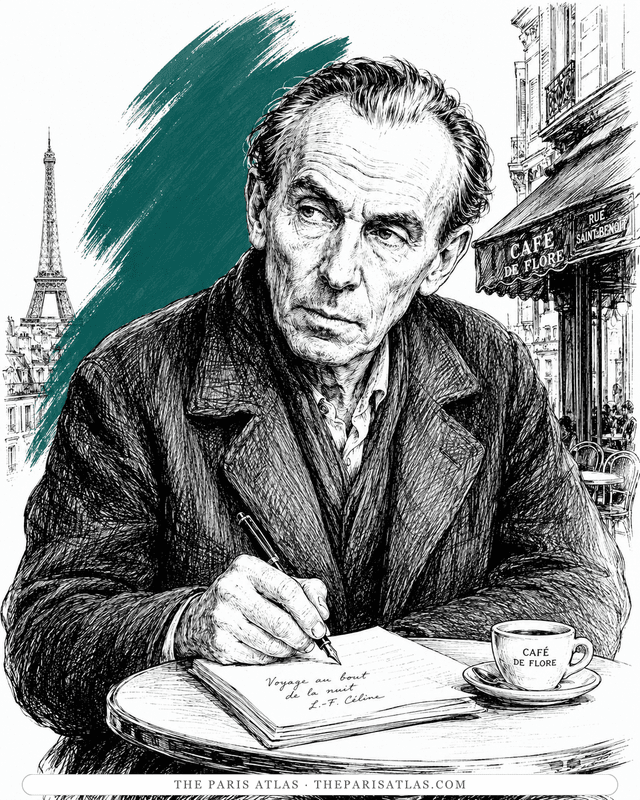
The doctor of the Paris slums who wrote the century's blackest, funniest novel — and changed the sound of French prose.
View author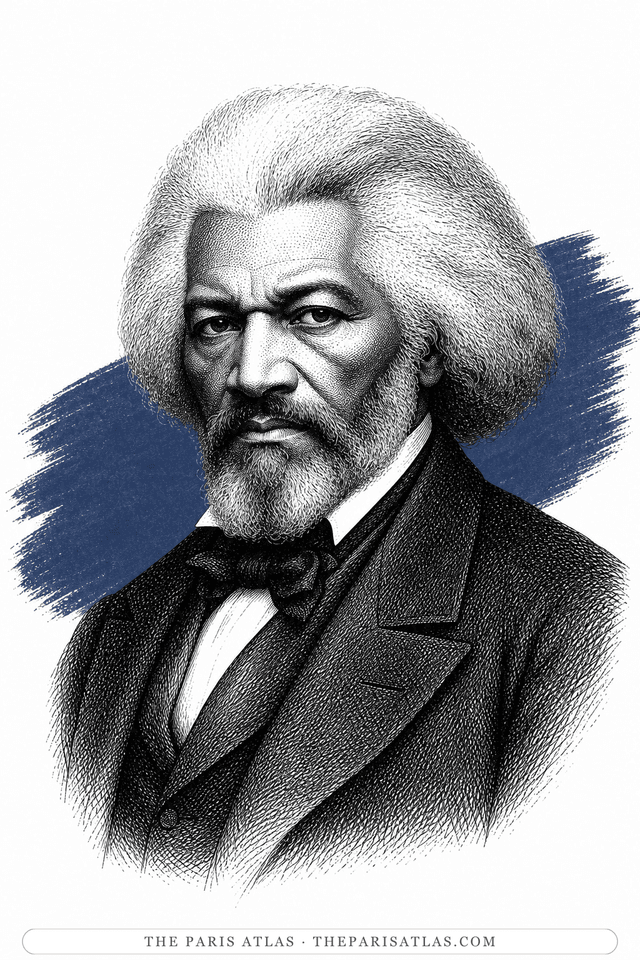
American abolitionist — a campaigner for the abolition of slavery — orator and newspaper publisher, born into slavery in Maryland in 1818, who escaped north in 1838 and spent the next half-century arguing for Black citizenship in books, newspapers and federal office. In 1859 the American minister in London, the senior United States diplomat in Britain, refused him a passport for France on the ground that he was not a citizen of the country he had been born in: American law at the time held that no Black person could be one. The French minister in London issued him a permit to enter France at once. Twenty-seven years later he reached Paris anyway, aged sixty-eight, and spent weeks in its galleries.
View author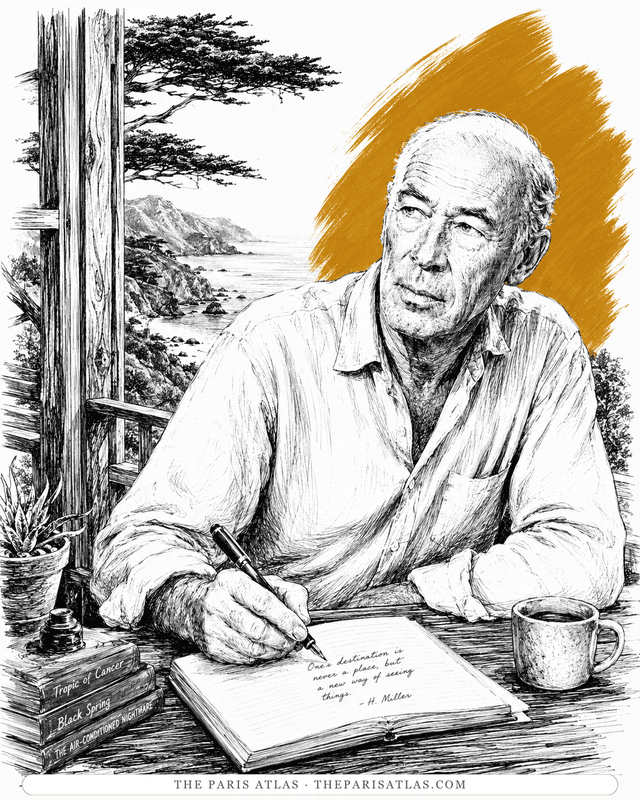
The Brooklyn dropout who arrived in Paris broke at thirty-eight and wrote the exuberant, banned books that ended American censorship.
View authorThe sources below include the primary text, editions, scholarship, archival materials, and other records that informed this page. They document By Any Means Necessary, its publication, and its place in literary history.
Library of Congress record for the 1970 first edition: editor, publisher, collation and the "A Merit book" note.
Record of Merit Publishers as the publisher of Malcolm X Speaks.

Publisher's description of the subjects the book covers.

The book as cited elsewhere on the site for the founding rally's printed wording.
Contemporary report of the Paris meeting of November 1964.
Clippings and memoranda on the refusal of entry at Orly.
Schomburg Center finding aid, including the file on the cancelled Paris meeting.
Moshik Temkin's account of Malcolm X in France and the debate over the refusal.
Open Library edition records, used to check that each ISBN belongs to this book.
HathiTrust copyright status of the 1992 edition: in copyright, search-only.
I. F. Stone's 1965 review, for the date Malcolm X came home from his first trip to Africa.
Malcolm X's own account of the Paris invitation and his five months abroad, in "After the Bombing", and Breitman's note on the refusal.
The primary text represented by this page, used for descriptions of the work’s contents and for any quoted passages shown here.
The primary text is the baseline reference for every book page. Additional references document publication history, interpretation, and historical context where that evidence is available.
 Explore more resources