

Another Country
The previous novel, and the closest in method: a wide cast, New York, and desire that crosses every line the country draws.
Read our take
A famous Black actor collapses on stage and spends the novel working out how he got there.
James Baldwin's fourth novel, published by Dial Press in 1968. Leo Proudhammer, a Black actor at the top of his career, has a heart attack during a performance, and the book is the account he gives of his life while he recovers: Harlem, his brother Caleb, the years of poverty before the work came, a long relationship with a white actress called Barbara, and a younger Black activist called Christopher. It was received badly on publication and has been read more sympathetically since.
Tell Me How Long the Train's Been Gone arrived at a bad moment for Baldwin's standing. He had been the most listened-to Black writer in America for most of the 1960s, and by 1968 the audience had split: younger militants found him too conciliatory, and the readers who had made The Fire Next Time a bestseller found the newer work too angry.
The reviews were largely hostile. Mario Puzo, writing in The New York Times, called the book simpleminded and argued that a propaganda novel cannot be art. The judgement stuck for a long time. Later critics have read the reception differently — the scholar Lynn O. Scott has argued that it tracks white American impatience with the civil rights movement more than it tracks the book.
It has since been called criminally underread, and the parts that were dismissed as polemic in 1968 — Leo's calculation of what his fame costs him, the argument with Christopher about whether anything short of force will work — are the parts that have aged best.
Leo Proudhammer collapses on stage in the middle of a performance and is taken to hospital with a serious heart attack. He is a celebrated actor, in his late thirties, and the novel is what he remembers while he is lying still.
He grew up poor in Harlem with an older brother, Caleb, whom he worshipped. Caleb was arrested for a crime he had not committed, served a long sentence, went to war, and came back a fundamentalist Christian who now disapproves of almost everything about Leo's life. The distance between the brothers is the novel's oldest wound.
Leo's route out was the theatre — years of workshops, bad jobs and no money before the parts came. Barbara, a white actress he met as a student, has been his closest ally and sometime lover for two decades, in a partnership that neither the profession nor the country has made easy. Christopher, a young Black activist, is the newer relationship, and the argument he brings with him about how change actually happens is the argument the novel takes most seriously.
Leo recovers. He is told to slow down, and he goes back to work anyway, on the understanding that the career is the only thing he has built that is entirely his.
Nothing else resolves. Caleb remains a preacher who cannot approve of him, Barbara remains the person he is closest to and cannot marry, and Christopher's politics remain a live question the novel declines to settle. The last movement is Leo walking back on stage.
Barbara's hand offers a recognition Leo has found difficult to accept. The passage moves from breathing and touch to the fear of being loved: another person sees a self he cannot fully know or control. His thoughts turn toward Christopher, widening the scene beyond the hands that hold each other. Love becomes an effort to imagine somebody else's experience, rather than only reassurance for the person receiving it. The physical gesture opens reflection without resolving Leo's past.
Young Leo turns the distant building into a place where separation might be overcome by watching closely enough. Sunlight on its windows becomes a message from Caleb; leaving the tenement feels like making reunion impossible. The adult narrator then breaks the child's certainty by identifying the building as City College. That correction does not dismiss the vigil. It reveals how much imaginative work the child performed to keep his brother near, while the actual prison remained beyond the world he could see.
Leo has succeeded in a white profession and knows exactly what the success is worth and what it has required him to swallow. Baldwin was writing about a position he was in himself.
Caleb's wrongful imprisonment and his conversion afterwards give the novel its strongest thread, and the last conversations between the brothers are as good as anything Baldwin wrote about family.
Christopher's case for force and Leo's exhaustion are both given room, and the novel refuses to decide between them. That refusal is what got it called propaganda in 1968.

The narrator. A Black actor at the top of his profession, flat on his back after a heart attack on stage, reviewing how he got there.
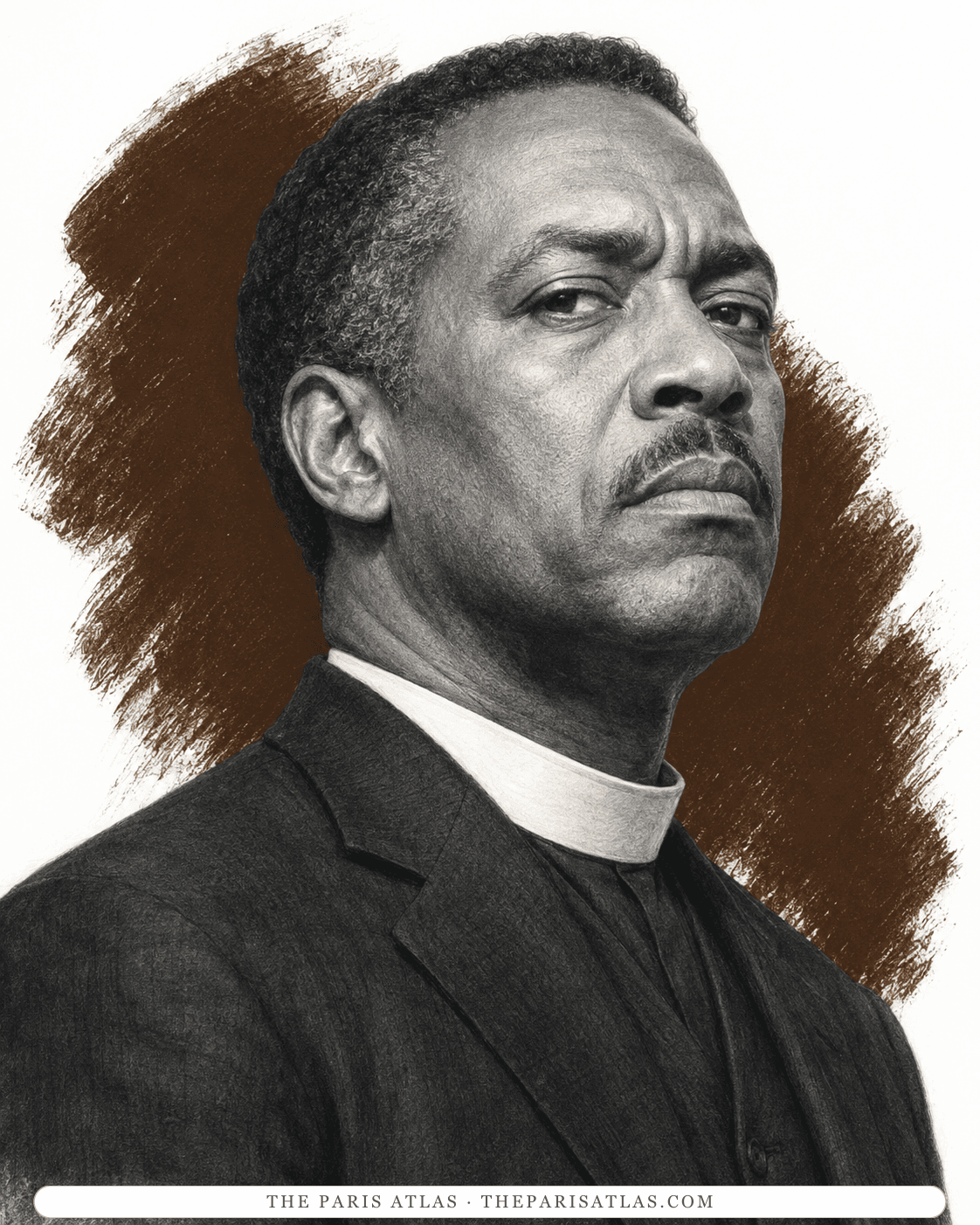
Leo's older brother, worshipped in childhood. Imprisoned for a crime he did not commit, then a soldier, and now a preacher who disapproves of nearly everything about Leo.

A white actress Leo met as a student, and his closest ally for two decades — a partnership neither the profession nor the country made easy.

A young Black activist, and the newer attachment. The argument he brings about how change actually happens is the one the novel takes most seriously.

A friend from Leo's years in the theatre before the work came.
1968
Dial Press publishes the novel.
1968
Mario Puzo reviews it in The New York Times, calling it simpleminded; most notices are hostile.
1998
Vintage International issues the paperback that is now the standard edition.

The previous novel, and the closest in method: a wide cast, New York, and desire that crosses every line the country draws.
Read our take
The last novel, also narrated by a brother, and much more forgiving about what family can carry.
Read our take
The other Baldwin novel about a man in love with a man and a woman at the same time, twelve years earlier and far bleaker.
Read our takeLeo Proudhammer, a fictional Black actor at the height of his career, has a heart attack on stage and recalls his life while recovering: growing up poor in Harlem, his older brother Caleb's wrongful imprisonment, the years before the work came, and his relationships with a white actress called Barbara and a young Black activist called Christopher.
It was published in 1968, when Baldwin's standing had split — younger activists found him too moderate and his earlier readership found him too angry. Mario Puzo, in The New York Times, called it simpleminded and dismissed it as propaganda. Later critics have argued the reception says more about the moment than about the book.
Yes, though not first. It is the least-read of Baldwin's six novels and has been called criminally underread by critics who have returned to it. Come to it after Giovanni's Room or Go Tell It on the Mountain.
From the gospel and blues line "tell me how long the train's been gone." Baldwin took most of his titles from spirituals, hymns or scripture.
Not literally — Baldwin was a writer, not an actor. But Leo's position is one Baldwin knew well: a Black artist celebrated by a white audience, distrusted by younger Black radicals, and privately unsure what the celebrity had cost him.
Explore authors with a similar voice, perspective, and influence.
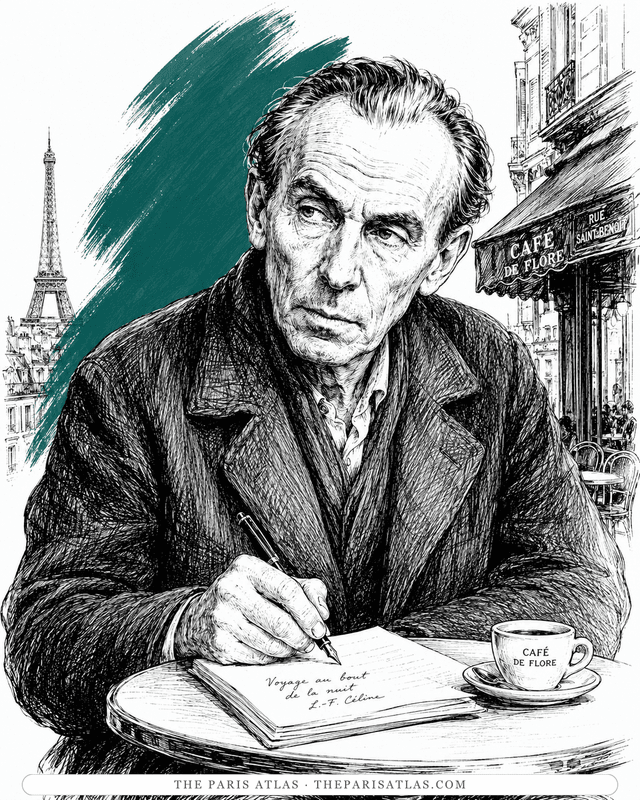
The doctor of the Paris slums who wrote the century's blackest, funniest novel — and changed the sound of French prose.
View author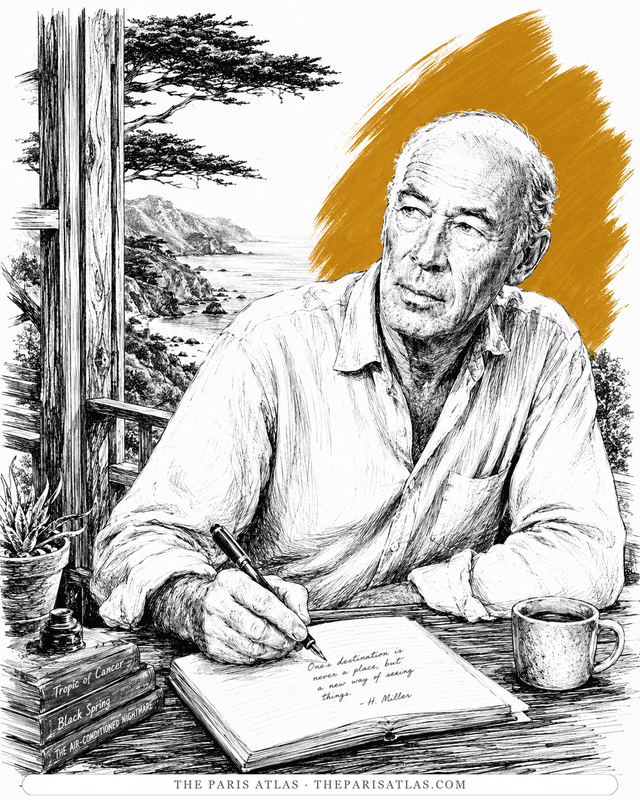
The Brooklyn dropout who arrived in Paris broke at thirty-eight and wrote the exuberant, banned books that ended American censorship.
View author
Author of The Sun Also Rises and A Moveable Feast; his pared-down style, developed in 1920s Paris, became the most imitated in American prose.
View authorThe sources below include the primary text, editions, scholarship, archival materials, and other records that informed this page. They document Tell Me How Long the Train's Been Gone, its publication, and its place in literary history.


The primary text represented by this page, used for descriptions of the work’s contents and for any quoted passages shown here.
Displayed publisher excerpt only; not the complete novel.

Used to place Tell Me How Long the Train's Been Gone within James Baldwin's published work and verify its bibliographic context.
Used for independent biographical, archival, or historical context surrounding James Baldwin's career and the period in which Tell Me How Long the Train's Been Gone appeared.
Used to cross-check authorship, chronology, and the work's place in James Baldwin's wider catalogue.
Used to verify James Baldwin's bibliography and place Tell Me How Long the Train's Been Gone within the broader chronology of James Baldwin's career.
The primary text is the baseline reference for every book page. Additional references document publication history, interpretation, and historical context where that evidence is available.
 Explore more resources