James Baldwin's second novel, published in 1956. David is a young white American in Paris, engaged to an American woman called Hella who is travelling in Spain. While she is away he begins an affair with an Italian bartender called Giovanni and moves into his room. When Hella comes back, David leaves, and the novel follows what that costs all three of them. It is short, it is set almost entirely in Paris, and it contains no Black characters — which is why Knopf, who had published his first novel, refused it. Dial Press took it instead, and the reviews were largely good.
The story, in more detail
Baldwin wrote Giovanni's Room in France between 1953 and 1955, drawing on the bars, rented rooms and unstable expatriate lives around him. Knopf had published his first novel, Go Tell It on the Mountain, in 1953, and expected the next book to continue writing directly about Black American life. What he sent them instead was short, narrated by a white American, and about love between men.[1]
The editor Henry Carlisle wrote on 5 October 1955 to confirm that Knopf would not publish it. The surviving letter praises Baldwin's ability and argues that the novel does not succeed at what it attempts and would not strengthen his reputation. The more famous version of the story — that Baldwin was told to burn the manuscript — is his own later recollection rather than a line from that letter, and accounts differ on who said it: some attribute it to his agent Helen Strauss, others to Knopf generally.[1]
Baldwin kept submitting it and Dial Press published it the following year. The refusal had been about two expectations at once. A serious American novel centred on a sustained relationship between men was commercially risky in 1956; and Baldwin was expected to write as a representative Black author whose subject had already been chosen for him. The early reviews were largely positive and the book sold. He later explained the decision plainly: he could not carry America's racial crisis and this novel's sexual and moral crisis in the same small book, so he took one of them out.[1]
The form is a confession delivered after nothing can be changed. David tells you on the first pages that Giovanni will die, so the suspense is not about what happens but about watching a man walk toward an ending he already knows. Baldwin's sentences move between long searching constructions and flat short ones, because David is trying to do two jobs at once: confess what he did, and protect himself from the full meaning of the confession. Colm Tóibín has compared the retrospective shape to The Good Soldier and De Profundis, and found Henry James and Hemingway behind its Americans abroad. Baldwin resisted reducing the book to its subject: he said it was not primarily about homosexuality but about what happens when a person becomes too afraid to love anyone.[1]
The full plot
What happens, beginning to end — the ending included. Open when you're ready.
David narrates the novel from a rented house in the south of France, on the last night of Giovanni's life, and tells the story in retrospect. His mother died when he was a child; he was raised partly by his father, who sends him money and wants to be treated as a friend, and partly by his aunt Ellen, who thought the father was teaching the boy performance rather than responsibility. As a teenager David spent a night with a friend called Joey in Brooklyn. He woke frightened by what it might mean, and began avoiding and humiliating Joey — the pattern the rest of the novel repeats.[1]
In Paris he is engaged to Hella, an American woman who has gone to Spain to decide whether she wants to marry him. While she is away David runs out of money and asks Jacques, an older and wealthier expatriate, for a loan. Jacques takes him to a bar owned by a man called Guillaume, where the new barman is a young Italian called Giovanni. They recognise each other almost at once. The four of them go on to Les Halles at dawn for oysters and white wine while the market opens around them, and then David goes home with Giovanni.[1]
The room is a former maid's room in a building Giovanni says is almost outside Paris, with the window covered over and rubbish accumulating. They live there for several months. Giovanni keeps demolishing and rebuilding it, as though a future can be constructed out of it; David increasingly experiences it as evidence of a life he is afraid to claim. Guillaume dismisses Giovanni from the bar, leaving him with no work and no secure papers. Word comes that Hella is returning. Before she arrives, David sleeps with an American woman called Sue, mostly to prove to himself that he can. He meets Hella's train, resumes the engagement, and leaves Giovanni with almost no explanation.[1]
How it ends — spoilers aheadThe final movement, ending included. Open when you're ready.
Giovanni, out of money and out of options, goes back to Guillaume hoping to recover his job. Guillaume exploits and humiliates him, and Giovanni kills him. He is arrested, tried, and condemned to the guillotine. The newspapers reduce it to a sensational story about foreigners and the criminal underworld.
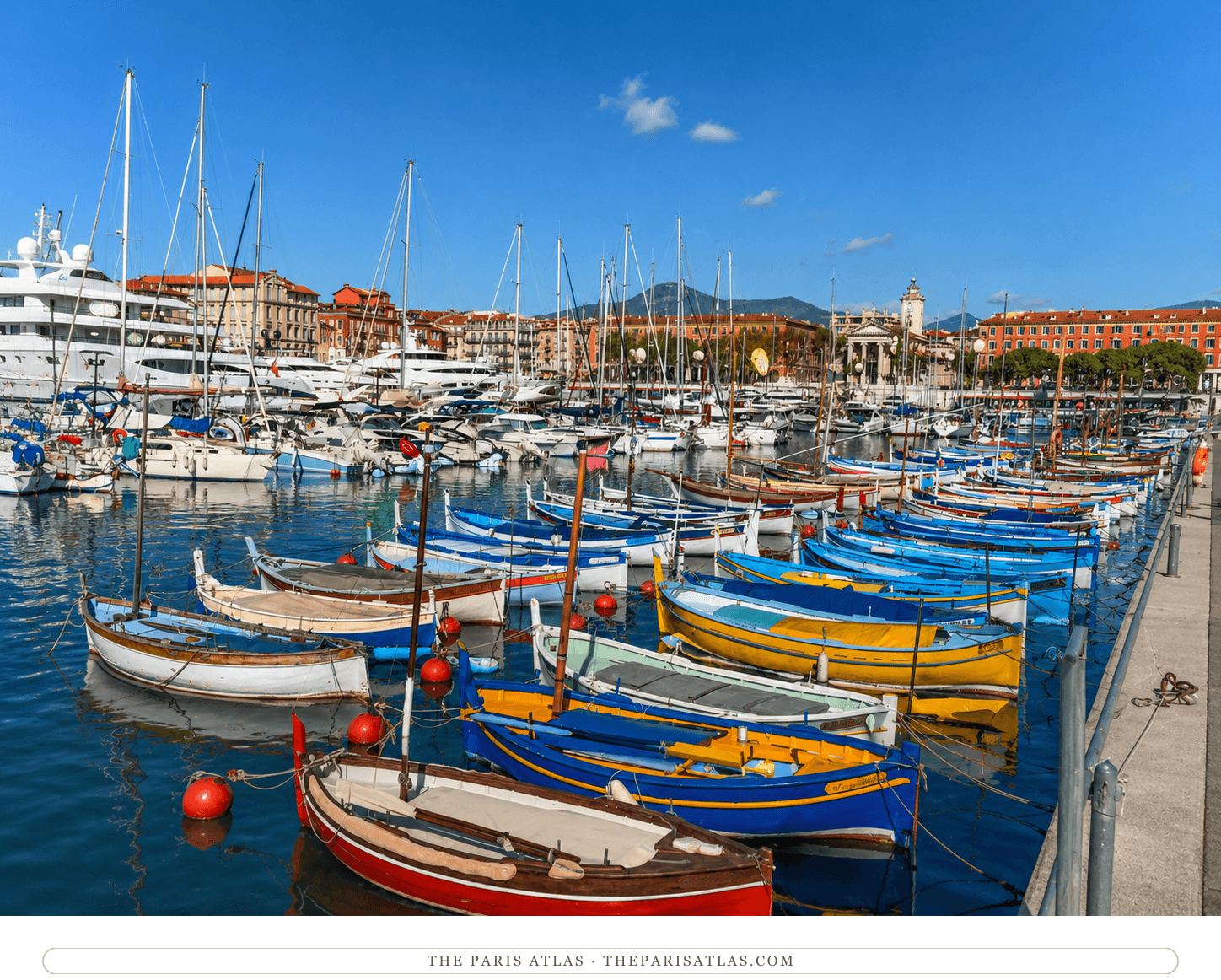
David and Hella go south to the rented house. Their life there is another performance: Hella tries to believe marriage will settle who she is, and David disappears into bars. She eventually finds him in a crowded bar in Nice, standing beside a sailor, and he sees her face appear in the mirror before he turns. She tells him she has known for a long time, and leaves for America.
The novel ends on the morning of the execution. David is alone in the emptied house, packing, and the caretaker has finished her inventory. He tears up the letter confirming the date, walks outside and throws the pieces away. The wind blows them back toward him. He cannot destroy the evidence any more than he can stop Giovanni returning to him.
Themes and analysis
These readings discuss events throughout the book, including its ending.
Love and the Fear of Accountability
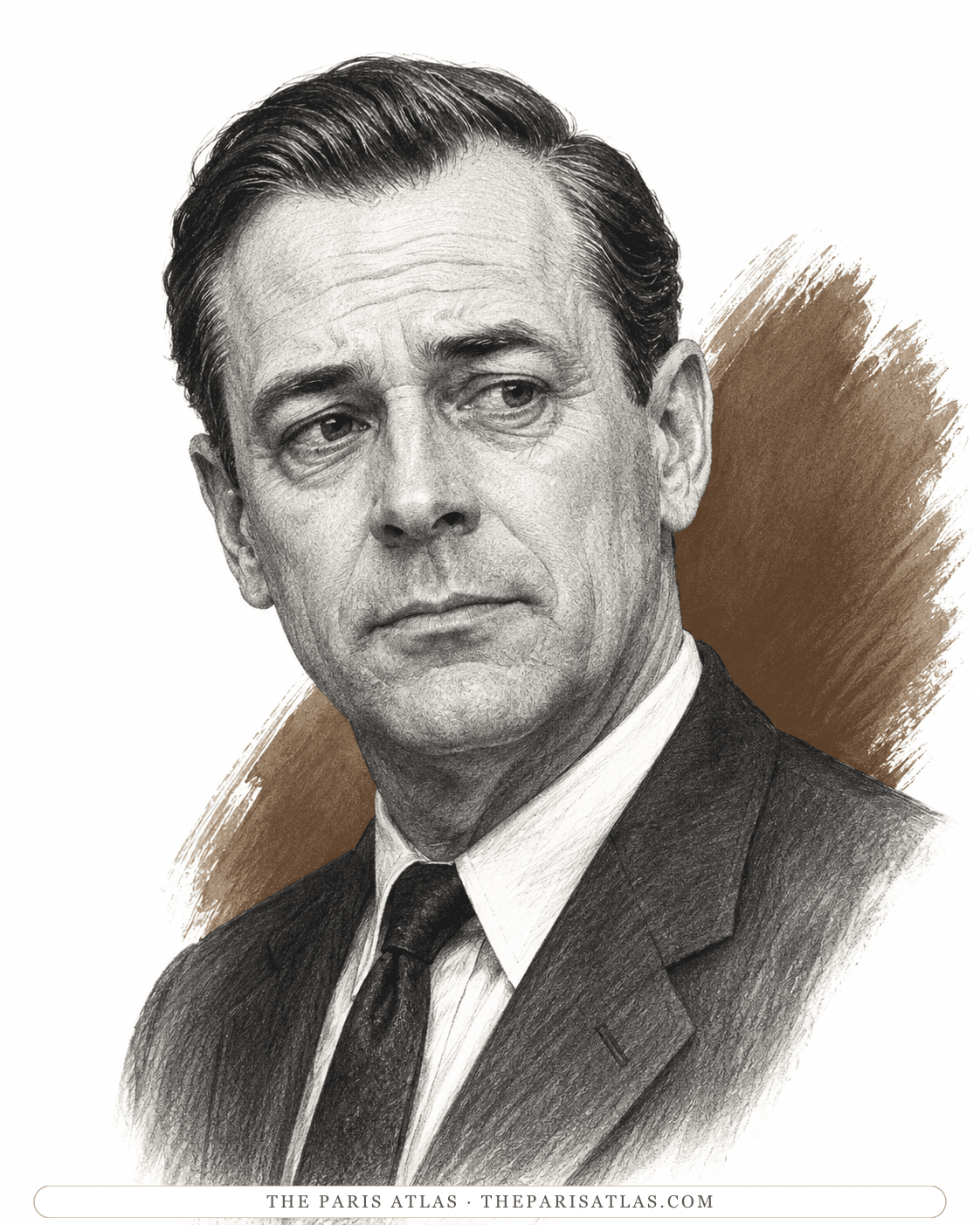
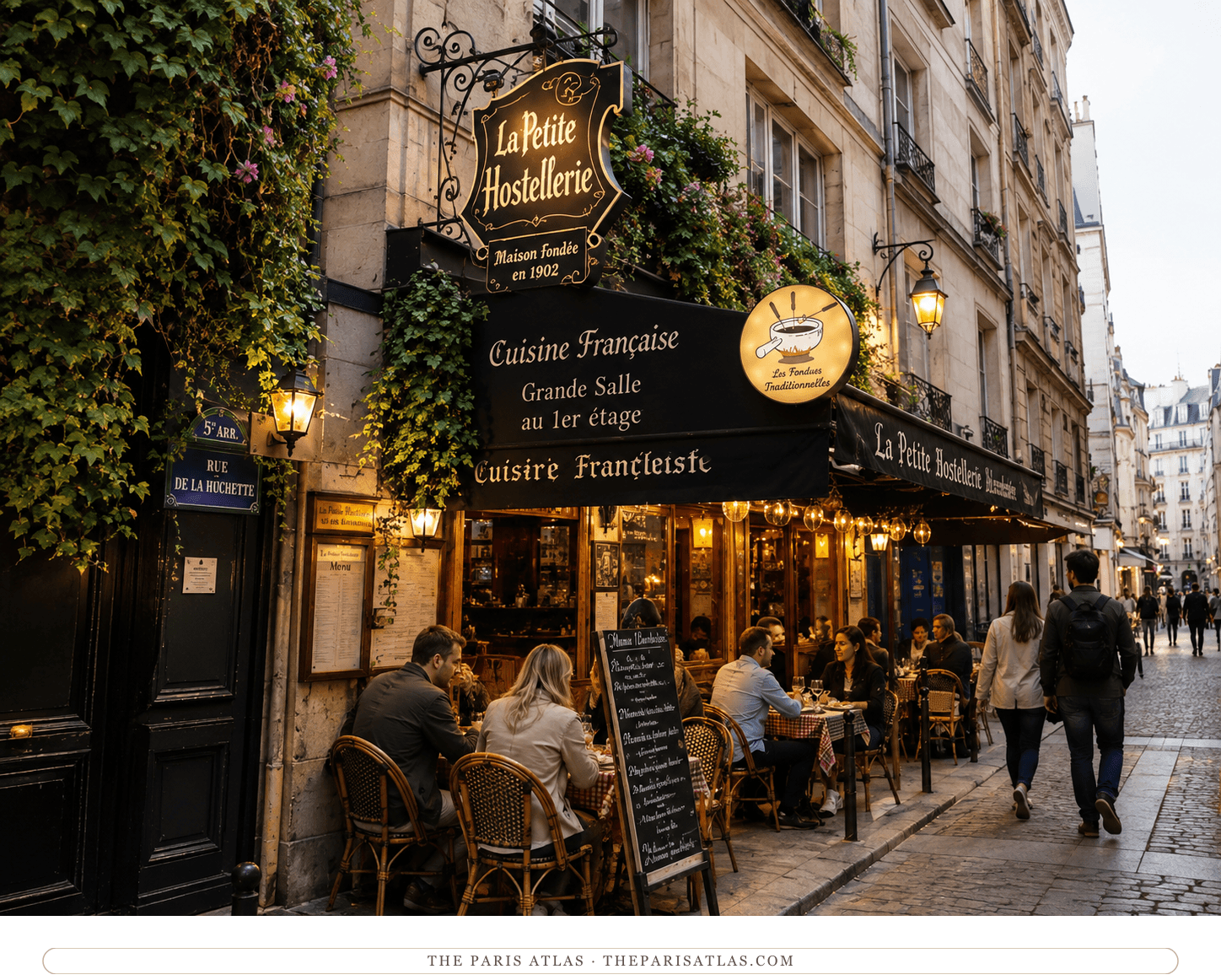
Giovanni works on the room he shares with David. An imagined scene from James Baldwin’s Giovanni’s Room. (Illustration — The Paris Atlas)
The Symbolism of the Returning Shards
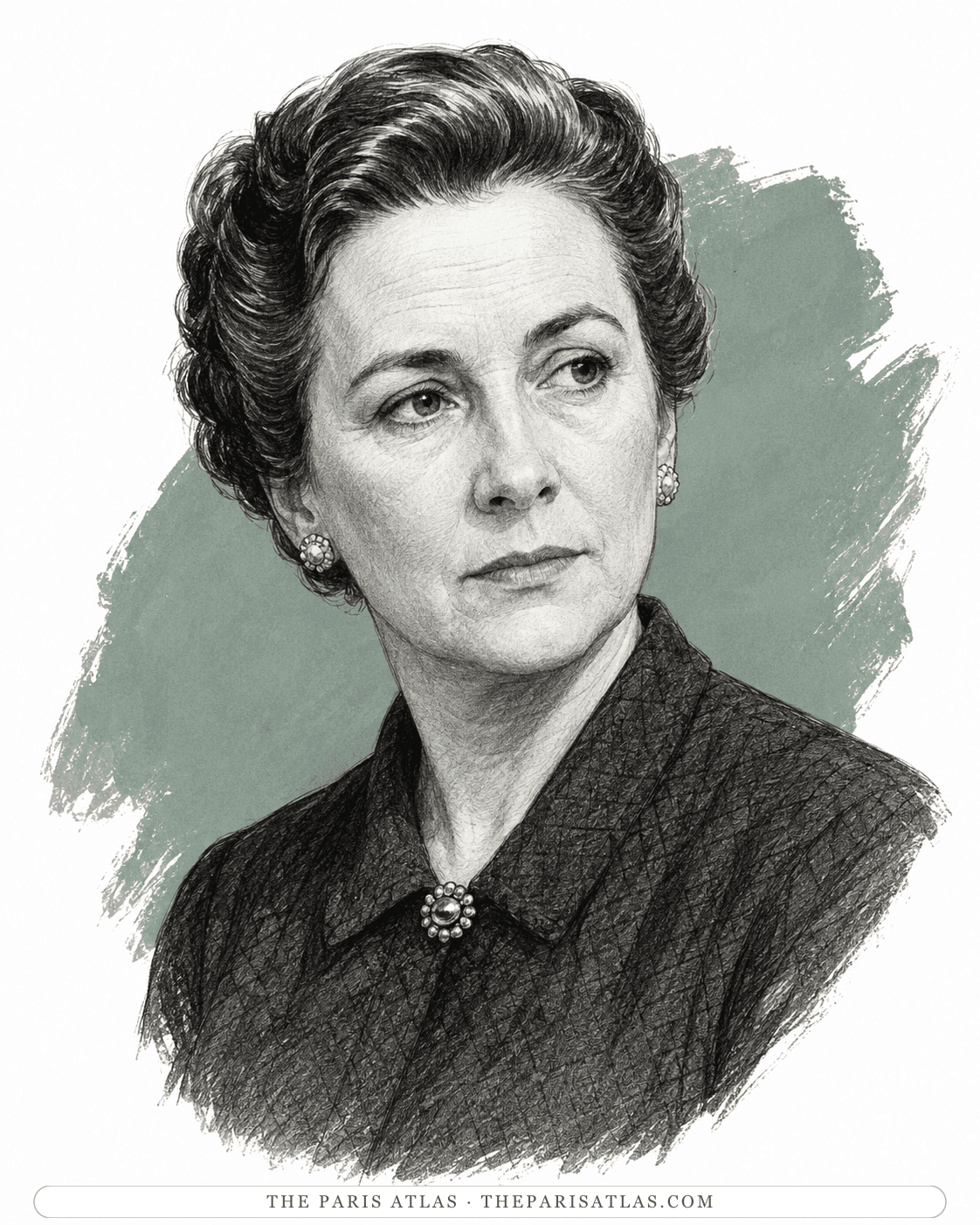
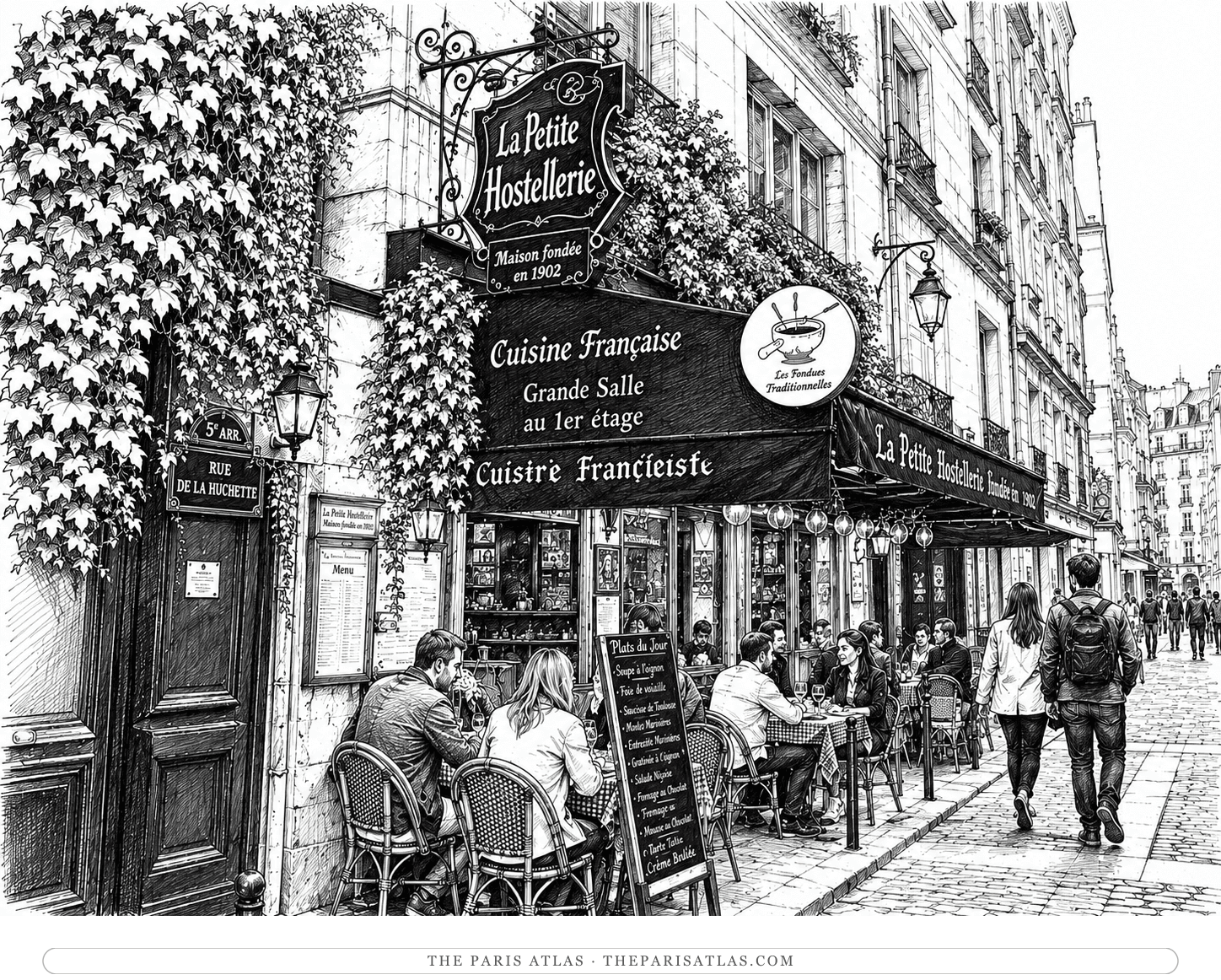
The wind blows pieces of the torn letter back toward David. An imagined scene from the ending of Giovanni’s Room. (Illustration — The Paris Atlas)
The Core Paradox: Love vs. Fear
James Baldwin famously stated that Giovanni's Room was not primarily about homosexuality. Instead, its grander subject is the psychological ruin that occurs when a person becomes too frightened to love anyone.
The Origin of Tragedy: David's ruin does not stem from his desire for Giovanni—a desire he already knows is real. The tragedy lies in the elaborate, destructive performative measures he takes to deny it.
The Illusion of Hella: David treats his fiancée, Hella, as a social shield. He acts under the delusion that performing a "traditional" life long enough—marriage, children, and middle-class respectability—will eventually make it true.
Concealment as a Weapon: The novel tracks the severe human toll of this performance. David does not merely hide his identity from the world; he turns deception into his primary method of treating other human beings.
The Psychology of Evasion
David spends the vast majority of the novel attempting to remain completely undefined by the world around him.
The Fear of Being Known: David craves Giovanni but violently resists the societal identity that accompanies that craving. He proposes to Hella but stands frozen, unable to inhabit the domestic future he offers her.
Intellectual Disconnection: David's sharp intelligence offers him zero salvation. He is fully capable of identifying his own emotional evasions in real-time, proving that recognition is not the same as acceptance.
Giovanni's Insight: Strangers do not terrify David; true intimacy does. Giovanni seals David's fate by seeing right through his performance, pointing out that David's "trapped" status is actually a conscious choice to avoid responsibility.
Love and the Fear of Accountability
The relationship between David and Giovanni is never romanticized as a flawless refuge from a hostile outside world. Instead, it is defined by domestic friction, unequal codependency, and steadily deteriorating physical conditions.
Permanence as a Threat: While Giovanni actively attempts to cultivate their cramped room into a stable, shared home, David panics. He interprets every small sign of domestic permanence or emotional anchoring as a direct threat to his freedom.
Shame Converted to Disgust: Unable to face his internal shame, David projects it outward onto his physical surroundings. He grows intensely repulsed by the room's accumulating garbage, heat, and odor.
Externalized Judgment: By blaming the filth of the room, Giovanni's desperation, or the corruption of Paris, David temporarily convinces himself that the problem is external—safely protecting himself from his own cowardice.
The Weight of Love's Claim: What terrifies David is far deeper than mere physical desire; it is the moral obligation that love demands of him. Validating his love for Giovanni means admitting that Giovanni's human needs are just as real as his own, and that his choices carry severe, inescapable consequences.
The Impossible Separation: David desperately tries to decouple raw emotional intensity from actual responsibility. He craves the physical and emotional thrill of Giovanni, but completely rejects the real-world life Giovanni tries to build around it. The moment this boundary collapses, David retreats into safety.
Courage Over Revelation: This psychological gridlock dictates the entire structure of the novel. The book is fundamentally not a coming-out story or a journey toward self-discovery. David does not need a revelation about whom he desires; he already possesses that data. What he lacks is the fundamental courage to build an honest life around what he already knows to be true.
Masculinity as Performance
David has inherited a highly rigid, narrow blueprint of what a man must become to be accepted by society.
The Blueprint of Acceptability: In David's world, a successful man marries a woman, secures financial stability, fathers children, maintains strict emotional control, and becomes completely legible to his father. Any deviation from this specific script is perceived as humiliating failure.
The Pressure to Return: David's father relentlessly reinforces this model without ever calculating its human cost, pressuring David to return to America and conform. Hella represents the biological vehicle for this future, offering a traditional marriage that promises to pull David safely back into the world of socially acceptable men.
The Cyclical Trap: David's childhood memory of Joey establishes his destructive relationship pattern early. After experiencing genuine teenage tenderness with Joey, David instantly recoils with fear and cruelty. This exact sequence repeats chronologically with Giovanni: intense intimacy triggers immediate panic, leading to violent rejection and a desperate attempt to prove the connection meant nothing.
A Portrait Built on Terror: Baldwin's exploration of 1950s masculinity is ultimately not an exhibition of strength, but a study of profound terror. David repeatedly inflicts deep emotional wounds on those who love him because he believes that tenderness breeds vulnerability, and vulnerability strips away his manhood.
The Geopolitics of Power: Money & Class
David and Giovanni do not cross paths as equals; Baldwin explicitly uses class and nationality to dictate the tragic power dynamics of the affair.
The Privilege of the Exit: As an American with a safety net, David can access money from his father and possesses a passport home. He views his poverty as a temporary, bohemian chapter with a guaranteed exit strategy.
Giovanni's Isolation: Giovanni possesses no safety net. Lacking secure papers, alienated from his family, and fired by Guillaume, he faces literal destruction. For Giovanni, the room is not a passing phase—it is the foundation of his survival.
The Moral Weight: This economic chasm shifts the morality of the book. The novel is not merely a tragedy of two men who cannot be together; it is the brutal reality of one man who has an escape hatch and another who is left behind to burn.
Paris and the Illusion of Escape
Paris functions not as an exotic wonderland, but as an echo chamber that strips away American social structures to reveal the raw self.
The Baggage of the Atlantic: Moving to Europe fails to liberate David. He carries his internalized American expectations—money, marriage, and rigid patriarchal approval—directly across the ocean with him.
Postponement vs. Transformation: The bohemian freedom of Paris allows David to borrow money, drift through gay bars, and masquerade as "temporarily lost." However, Baldwin proves that delaying a choice is not the same as transforming oneself.
Race, Casting Choices, and the Publishing Context
Following the success of Go Tell It on the Mountain, publishers expected Baldwin to deliver another narrative focused on Black American life. Instead, Giovanni's Room featured an entirely white American and European cast. That does not make the novel raceless.
Focusing the Narrative: Baldwin later explained that he chose to keep his exploration of race separate from this specific study of sexual and moral crisis. He felt that trying to tackle both complex themes in a single, short novel would compromise the depth of both.
The Contrast of Social Safety: The choice of characters anchors David's psychological conflict. Because David belongs to the majority culture, he views a conventional, respectable American future as a naturally available default. This background heightens his internal crisis; his inability to inhabit that traditional life feels like a personal failure rather than a societal barrier.
Challenging Industry Expectations: In the 1950s, the publishing industry frequently expected minority authors to write exclusively about their own demographic experiences. By publishing Giovanni's Room, Baldwin asserted his creative independence, demonstrating that a Black author possessed the artistic right to write about any character background, setting, or universal human flaw.
The Retrospective Narrative Frame
David narrates the entirety of Giovanni's Room from a rented house in the South of France on the final night of Giovanni's life. The events in Paris have already concluded—Hella has departed, Giovanni has been condemned to death, and David is powerless to alter the outcome.
The Nature of the Confession: The novel is not an immediate, chaotic record of confusion. It is a retrospective confession delivered by a man who has had the agonizing luxury of time to fully calculate what his choices cost.
The Weight of the Present: Because the narrative is delivered in the shadow of an impending execution, every memory is heavy with finality. The act of storytelling becomes David's final, desperate attempt to process his guilt before the morning comes.
The Unreliable Narrator
David is a deeply unreliable narrator, though his deception does not stem from fabricating the hard facts or the timeline of events.
The Distortion of Meaning: David's unreliability lies entirely in how he interprets the past. He constantly qualifies his statements, shifts moral accountability, and uses perceived uncertainty as a psychological shield.
The Passive Victim Illusion: He possesses the uncanny ability to describe his own active cruelty with perfect accuracy while simultaneously presenting himself as a passive victim to whom tragic events simply "happened."
The Monopolized Perspective: Every portrait of Giovanni, Hella, Jacques, Guillaume, and Sue is strictly filtered through David's lens. Giovanni cannot correct the narrative, Hella cannot voice her hidden insights, and David's self-portrait remains forever fractured between genuine confession and legalistic defense.
The Rejection of Ordinary Suspense
Baldwin deliberately reveals the novel's tragic conclusion within the opening pages, informing the reader immediately that Giovanni will face the guillotine at dawn.
Shifting the Core Question: By removing the traditional suspense of what will happen, Baldwin forces the reader to confront a far more uncomfortable question: how did David's choices actively steer everyone toward this disaster?
Retroactive Pressure: Knowing the ending causes every early, hopeful moment to crackle with tension. Giovanni's initial confidence at the bar and the couple's early domestic life are stripped of any romantic innocence because the reader views them from the other side of ruin.
Exposing the Younger Self: This structural choice prevents David from pleading ignorance. The older, wiser David narrating the story knows the body count. The driving narrative tension comes from watching his younger self march toward that exact ending while insisting he has no choices.
Prose Mechanics and Pacing
The rhythm of Baldwin's prose mirrors the evasion and panic of David's internal psychology.
The Elasticity of Sentences: The language moves deliberately between long, winding sentences that search, revise, and qualify, and sudden, short sentences that sharply cut off further explanation.
The Rhythm of Avoidance: David employs lengthy sentences to over-examine a feeling when doing so helps him delay an uncomfortable conclusion. The moment he approaches a truth he cannot bear to admit, the prose hardens into flat, abrupt finality.
Visceral Realism vs. Abstract Intellect
David attempts to treat his identity crisis as an abstract, intellectual dilemma. Baldwin uses the physical world to shatter that delusion.
The Intrusion of the Body: Heavy sensory details—heat, wine, sweat, food, dirt, light, and suffocating smells—render desire impossible to keep abstract. David's body and his immediate physical surroundings repeatedly contradict his intellectual denials.
Dignity Without Innocence: The prose achieves a lyrical beauty without ever romanticizing the grim reality of the relationship. Love fails to rescue either man from the mundane miseries of poverty, resentment, codependency, or terror. Baldwin grants the romance immense dignity while refusing to grant it innocence.
Giovanni's Room Ending Explained
The final sequence of Giovanni's Room forces David to witness the absolute destruction of every social shield he attempted to build around himself.
The Downward Spiral: Marooned without income or security after David's abandonment, Giovanni drifts through the quarter and eventually hopes to recover his old job from Guillaume. When Guillaume uses his power to exploit him, Giovanni snaps and strangles him with the sash of his dressing gown, in the private rooms above the bar. The scandal is enormous, the trial is swift, and the sentence is the guillotine.
The Illusion of the South: Attempting to outrun his guilt, David flees to a rented house in the south of France with Hella. This domestic setup promises everything he claimed to crave: heterosexual respectability, a loving fiancée, and safe geographical distance from Paris.
The Collapse in Nice: The performance fails because Hella cannot force David to be honest. He goes alone to Nice, drinks his way through its bars and spends three days with a sailor. On the sailor's last night the two of them stand drinking in a crowded bar, facing the mirror, and David sees Hella's face appear in the glass behind him. "Well," he says, "now you know." She answers that she thinks she has known for a long time, and she leaves for America by ship.
The Final Morning: The novel concludes precisely where it began. Alone in the emptied house after the caretaker has taken her inventory, David holds the small blue envelope Jacques sent him, the note giving the date of Giovanni's execution. He tears it slowly into many pieces, steps out into the morning, and watches the wind carry them away—only for the wind to blow some of them back on him as he turns toward the people waiting for the bus.
The Deconstruction of the Tattered Letter
David's physical act of tearing up the note is his final, desperate attempt to manipulate reality.
Destroying the Factual: The note transforms Giovanni's execution from a looming anxiety into a scheduled, unalterable fact. By ripping it up, David tries to banish Giovanni back into the safer, fluid territory of memory, where he can continue to rewrite his own motives.
The Habitual Flight: This act perfectly mirrors David's lifelong coping mechanism. Whenever a person or a place becomes too difficult to reconcile with his idealized self-image, he flees. He discarded Joey, he discarded Giovanni, he discarded Hella, and destroying the note is simply his latest attempted escape.
The Symbolism of the Returning Shards
The wind that catches the torn paper and blows part of it back against David serves as the ultimate moral judgment of the novel.
The Inescapability of Consequence: The returning pieces demonstrate that while David did not pull the trigger or swing the guillotine, moral responsibility cannot be discarded like physical evidence.
The True Indictment: Baldwin does not prosecute David for Guillaume's murder; he indicts him for the emotional wreckage that paved the way to it. The wind represents the permanent structure of David's memory—everything he tries to cast out will always return because he refuses to internally confront it.
The Scale of Moral Responsibility
The novel refuses to offer a simple chain of cause-and-effect, presenting a nuanced look at how David is deeply implicated in Giovanni's tragic end.
Agency vs. Implication: Giovanni is not a passive victim without his own agency; David did not force him to commit murder. However, David's decision to abandon Giovanni at his lowest, most vulnerable moment directly accelerated the desperation that drove him into Guillaume's trap.
Rejecting Easy Defenses: To say David caused the murder reduces a complex psychological drama into a cheap blame-game. Conversely, to say he bears zero blame would validate the exact narrative of passive innocence that David spent the entire book trying to construct.
The Collateral Damage: Hella's Tragedy
Hella is far more than a flat symbol of 1950s social conformity; she is a fully realized human being who is deeply broken by David's cowardice.
The Weaponization of Silence: While Hella was in Spain contemplating marriage, David was building an intense life with Giovanni. Upon her return, David intentionally weaponizes his silence, letting her construct a vision of domestic happiness around a truth he never intended to share.
The Fantasy's Hostage: Hella is forced to carry the weight of David's desperate fantasy of normality without ever being told what that fantasy is meant to hide. Her ultimate heartbreak stems from the realization that her love was used as a transactional tool to shield a coward from himself.
The Verdict: Is the Ending Hopeless?
Baldwin offers absolutely no tidy resolution, emotional repair, or romantic closure for any of his characters.
The Finality of the Cost: Giovanni dies at dawn, Hella's trust is permanently shattered, and David is left entirely destitute of the innocence he fought to protect.
Knowledge Over Absolution: The ending is bleak, but it leaves open a singular, narrow window: the possibility of an honest future. Baldwin does not show us that future; he merely leaves David stripped of his illusions, finally forced to acknowledge that the past cannot be erased.
The Real-Life Inspiration for Guillaume's Bar
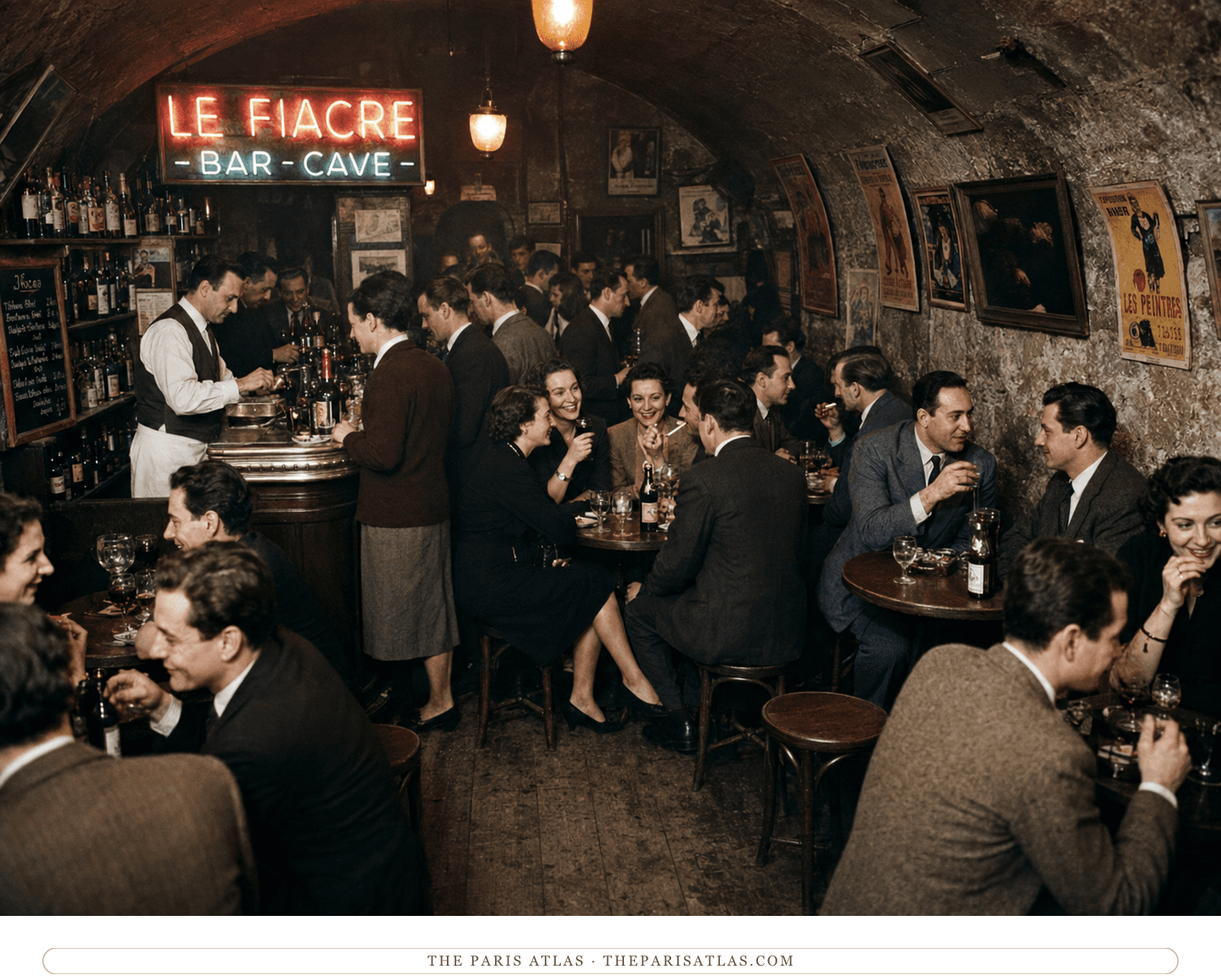
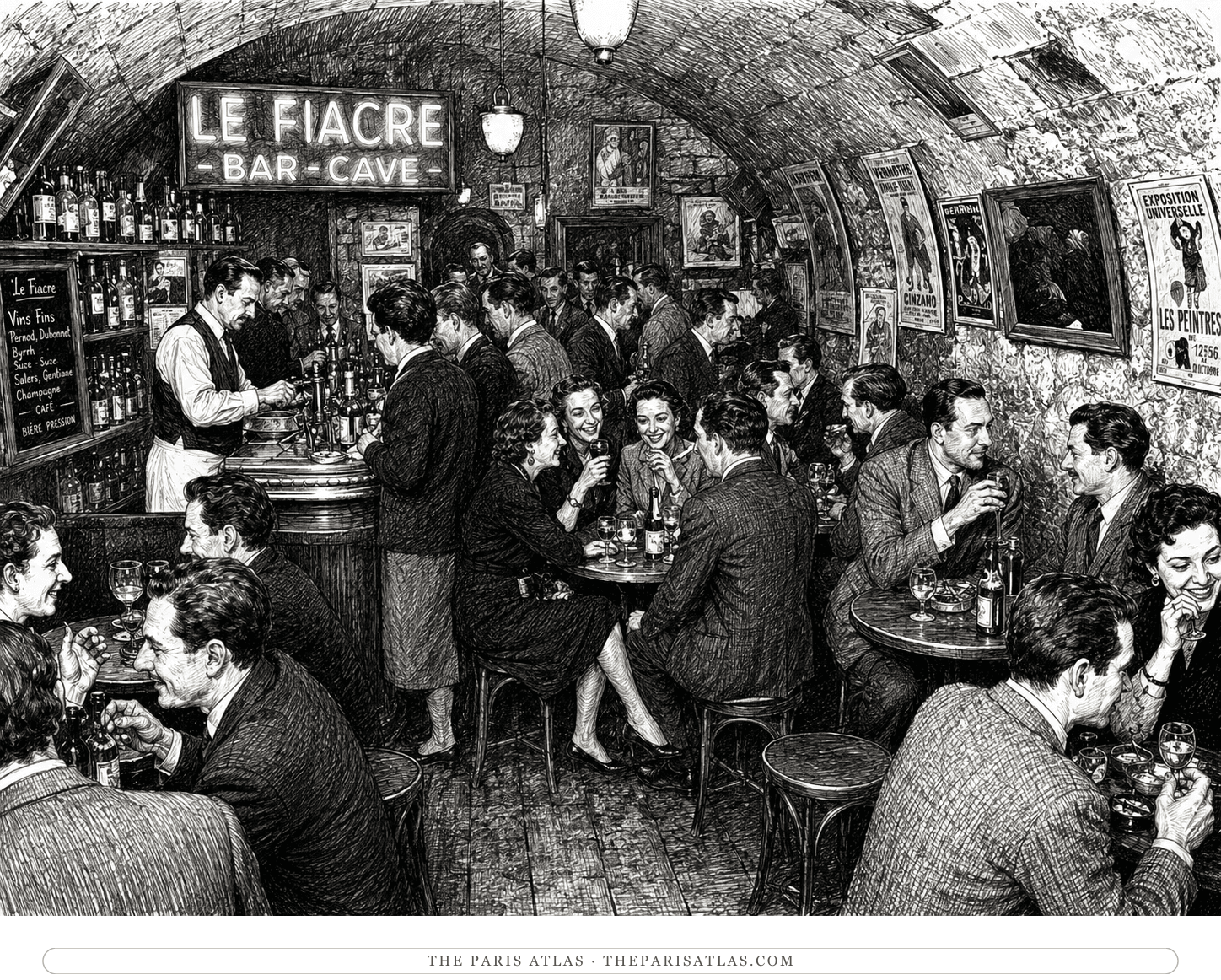
In the novel, Guillaume's bar is a dark, crowded, tunnel-like gay bar in Paris where the protagonist, David, first meets the beautiful Italian bartender, Giovanni. Baldwin never gives it a name or an address, and Guillaume keeps private rooms on the floor above it.
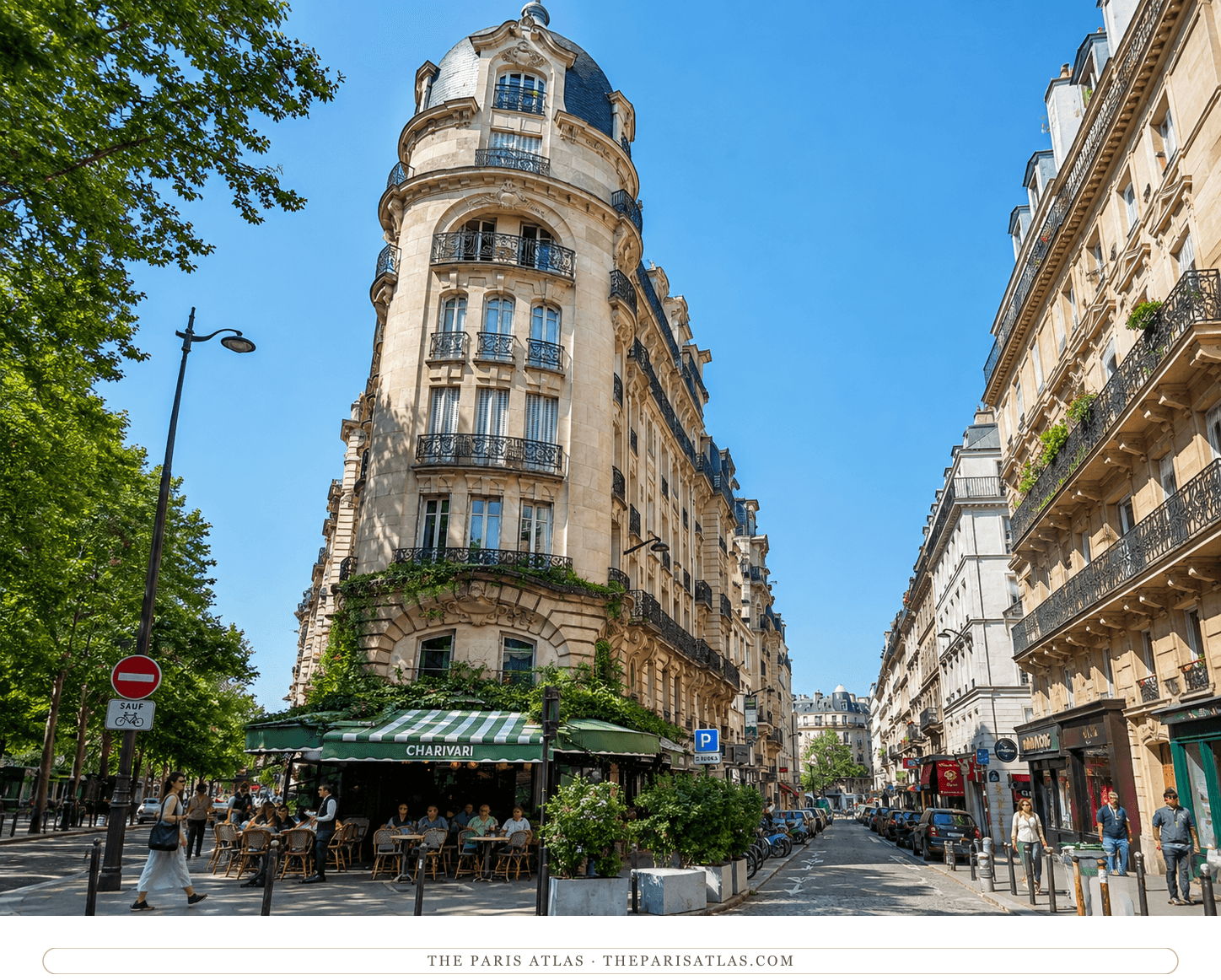
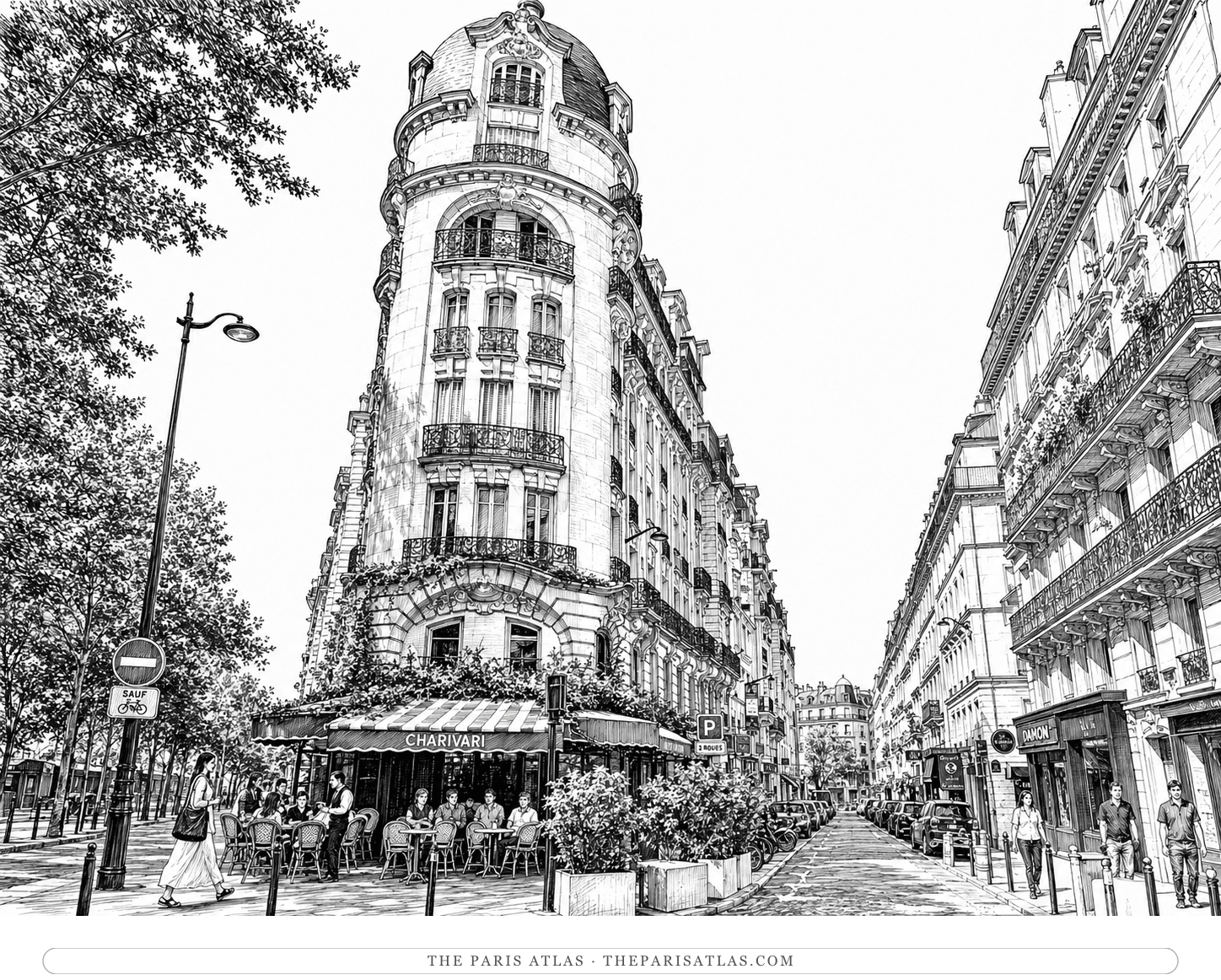
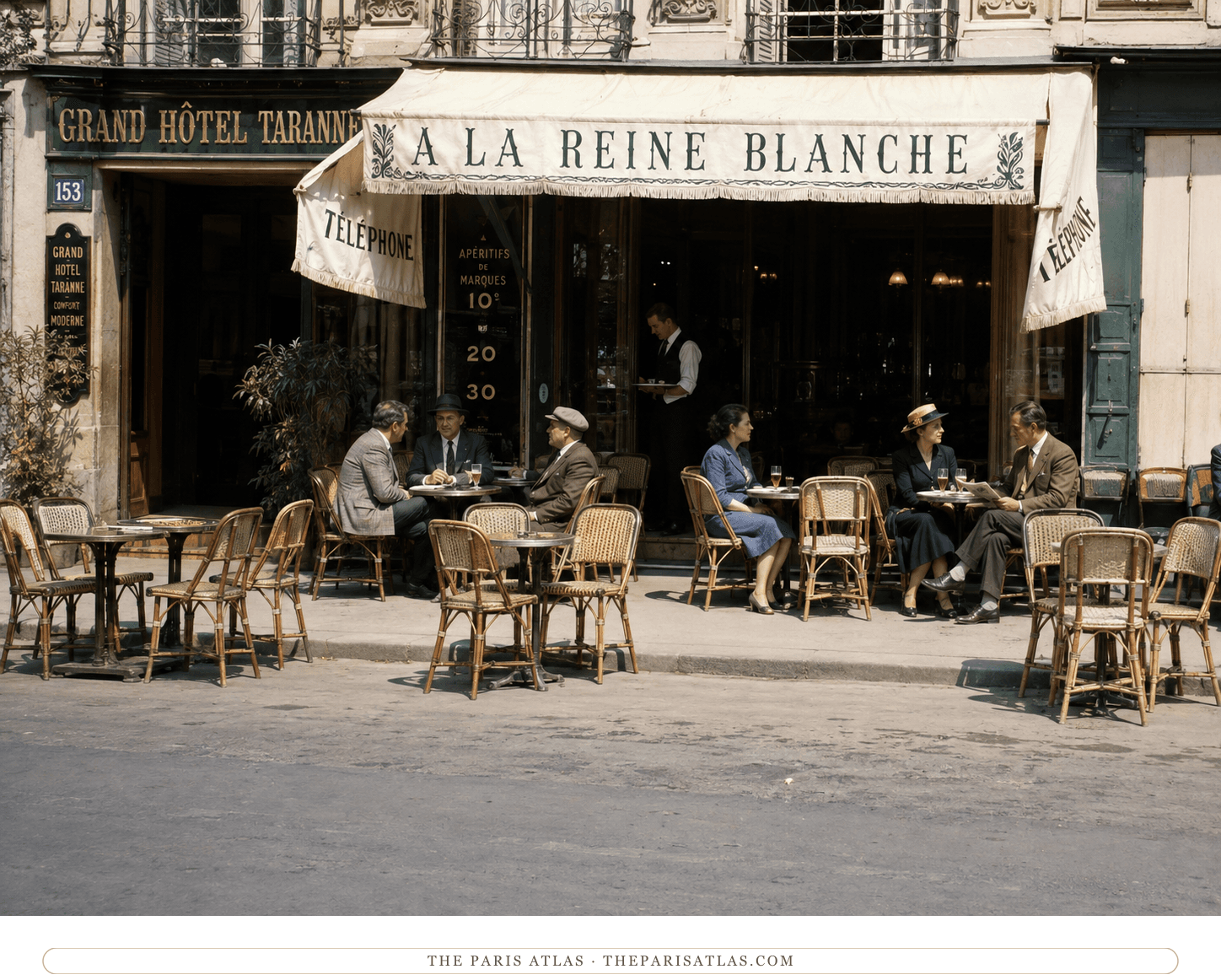
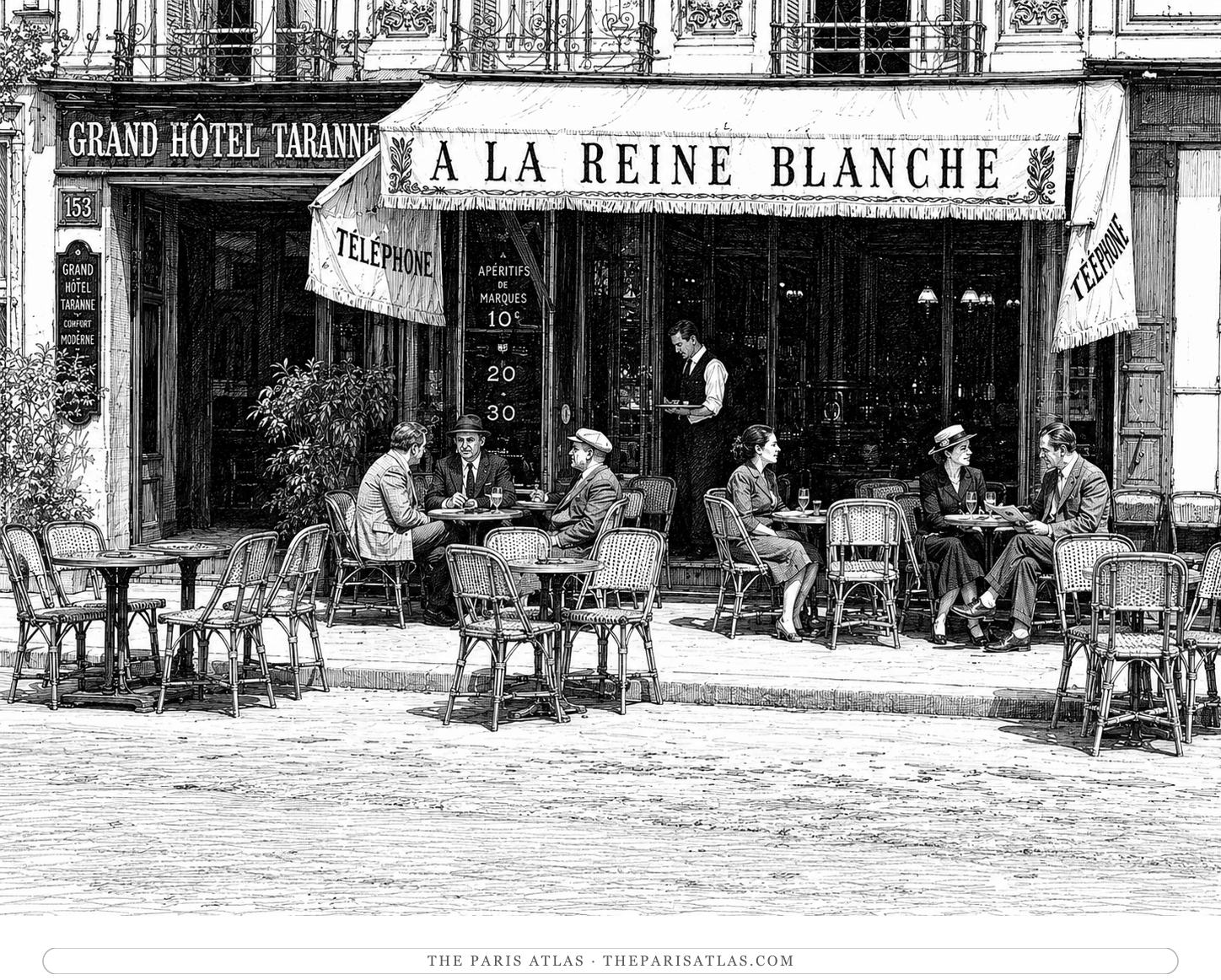
The Likeliest Model: Biographical research has proposed La Reine Blanche, a narrow bar in Saint-Germain-des-Prés where Baldwin met Lucien Happersberger in 1949, as the model. It is an inspiration rather than a place you can go and stand in: nothing in the novel confirms it.
The Bohemian Left Bank: Baldwin's fictional bar was inspired by the underground, real-life queer spaces that existed in post-WWII Paris, primarily across the Latin Quarter, Saint-Germain-des-Prés, Montparnasse, and Pigalle. Le Marais, which readers now associate with gay Paris, did not become that quarter until the 1980s.
A Sanctuary of Mixed Realities: During the 1950s, Paris was a global refuge for writers, artists, and queer individuals seeking freedoms they couldn't find in America or conservative European towns. However, Baldwin deliberately based Guillaume's bar on the stark dual reality of these spaces: while they provided a rare zone of social liberation and community, they were also spaces of predatory transactional behavior, class imbalances, and immense social anxiety.
The Real-Life Inspiration for Giovanni's Room
Giovanni's physical room—described in the book as small, claustrophobic, messy, and locked away from the rest of society—serves as a heavy metaphor for David's internal struggle, shame, and hidden sexuality.
Lucien Happersberger: Baldwin dedicated the novel to, and was deeply inspired by, his long-time lover and partner, the Swiss painter Lucien Happersberger. Baldwin spent critical periods of his life living with Happersberger in cramped, isolated rooms—including a tiny village in the Swiss Alps and various budget rooms in Paris—where they had to navigate their intense relationship away from the judgmental gaze of the outside world.
The Real-Life Inspiration for Madame Clothilde's Café
After the long night at Guillaume's bar, the four of them — David, Giovanni, Jacques and Guillaume — take a taxi across the city to Les Halles for breakfast. Giovanni chooses the place himself and overrules Jacques, who wants somewhere smarter: that one is "very bad and very expensive, it is only for tourists. We are not tourists." The café he picks turns out to be one of the taxi driver's regular haunts. Baldwin never gives it a name. Madame Clothilde is the woman who runs it, and the name has attached itself to the room since.
What David sees on the way in is a zinc counter with half a dozen young men at it, a pinball machine by the window, sawdust on the floor, dirty walls, and an obese cook in the kitchen with a dead cigar in his mouth. Guillaume takes one look at the door and says he is sure the place is infested with vermin.
Madame Clothilde is introduced not as a person but as a category, in the novel's funniest sustained passage:
Behind the counter sat one of those absolutely inimitable and indomitable ladies, produced only in the city of Paris, but produced there in great numbers, who would be as outraged and unsettling in any other city as a mermaid on a mountain-top. All over Paris they sit behind their counters like a mother bird in a nest and brood over the cash-register as though it were an egg.
She is also played as a performer. When Guillaume finally buys a drink for the redhead he has been watching all night, she turns "with the air of an actress about to deliver the severely restrained last lines of an exhausting and mighty part", names the most expensive cognac in the house, and then withdraws to the register — "offstage, in effect, into the wings", where she finishes the champagne someone else paid for. The scene in which Jacques tells David to love Giovanni and not play it safe happens at her bar, and she keeps refilling the glasses through it.
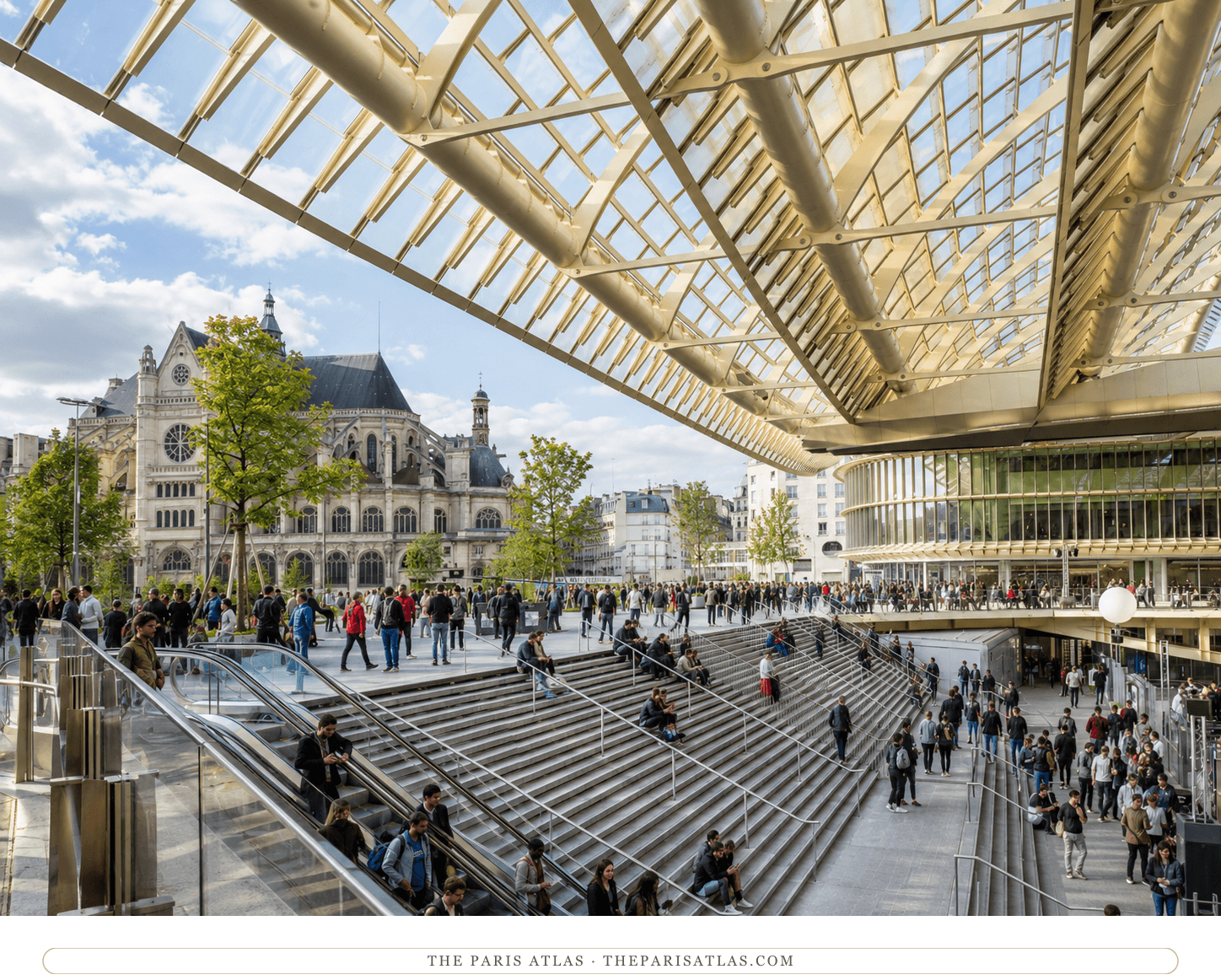
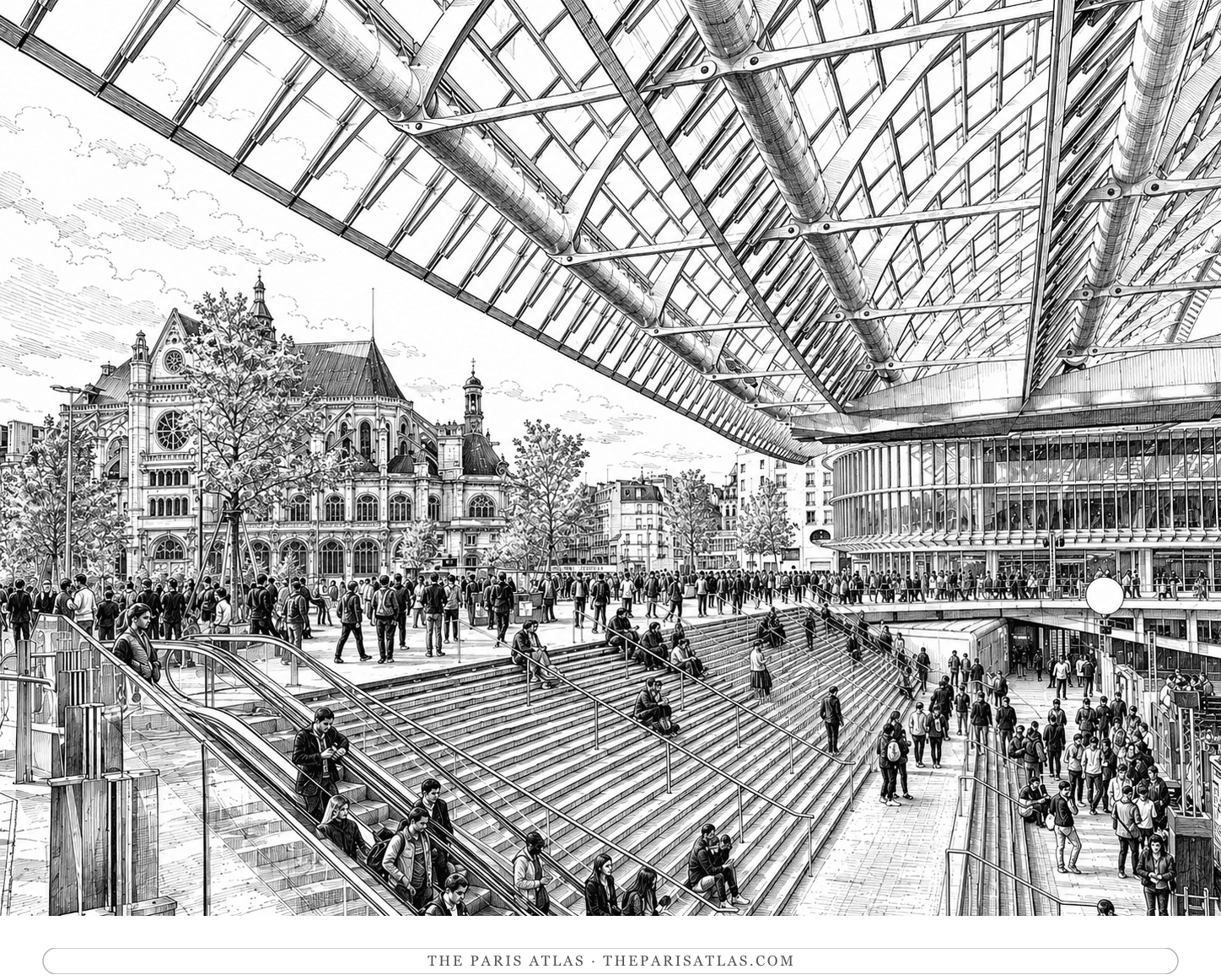
The Les Halles of the novel is the real one. It was the city's wholesale food market, the quarter Zola had called the belly of Paris, and Baldwin puts the taxi into "the choked boulevards and impassable side-streets", past leeks, onions, cabbages, oranges, apples, potatoes and cauliflowers in mounds on the pavement in front of block-long metal sheds. Giovanni had worked in those sheds when he first came to Paris, the job he calls the worst he ever had. Cheap cafés stayed open through the night to feed the market's porters, and they were where people still out at dawn ended up.
Nothing of that survives. The wholesale market moved out to Rungis from 1969, the Baltard pavilions were demolished, and the Forum des Halles stands on the site. Au Pied de Cochon, a few streets away on the rue Coquillière, opened in 1947 to feed the market's night workers and is still trading. Nothing identifies it as the café in this scene, and nothing places Baldwin at a table there — but it is the last room in the quarter that belonged to the world the scene is set in.
Somebody, your father or mine, should have told us that not many people have ever died of love. But multitudes have perished, and are perishing every hour—and in the oddest places!—for the lack of it.
Very little happens: two men in a room, a woman on a train, a great deal of drinking and talking. Baldwin's sentences are long and keep qualifying themselves, and they hold the novel up almost on their own.
2
It was explicit for 1956
Desire between men is stated rather than implied, a year before the Wolfenden Report put the question in front of the British Parliament. Baldwin knew what publishing it would cost him and published it.
3
An unglamorous Paris
Rented rooms, closing time, borrowed money and expired papers. This is one of the strongest correctives to the idea that Europe automatically frees the Americans who arrive there — Paris lets David postpone accountability, and never teaches him to be honest.
4
David is difficult in a useful way
He is perceptive, frightened, selfish and capable of real cruelty, and the novel never asks you to approve of him. It asks whether understanding where a person's fear comes from changes how you judge the harm it causes.
5
It refuses the identity story
The book is not built as a journey toward David announcing who he is. Baldwin is after a harder question: what happens when someone recognises the truth about himself and chooses fear anyway.
Everyone here is invented, and everyone reaches you through David, the narrator, who is not a reliable witness to his own life. Each guide keeps the ending in a separate spoiler section.[1]
An older, wealthier expatriate who introduces David to the bar. He buys the company of younger men, and he is also the one person who tells David the truth.
David's friend in Brooklyn, present only in memory. The night the two of them spent together is where David first learned to treat tenderness as a threat.
A young American woman from a wealthy Philadelphia family, whom David sleeps with while waiting for Hella. She understands immediately that he will give her nothing.
The Italian-born woman who looks after the rented house in the south of France. She advises David to marry, have children and pray, not knowing he has just destroyed exactly that.
Real people in this book
The real people this book portrays, dedicates itself to, or draws from — every connection carries its source.
The dedication reads "For Lucien". Baldwin met him in Paris in 1949 and stayed with him in the Happersberger family's Swiss village while writing his first novel. He is the dedicatee, not the model for Giovanni: Giovanni is drawn from a stranger Baldwin met once in a bar and later saw in the newspapers, while Happersberger outlived Baldwin and was with him when he died in 1987.
— Brandon Tensley, A New Biography Offers the Most Intimate Portrait Yet of One of the 20th Century's Greatest Authors (2025)
The New York Times says Le Fiacre's owner became the basis for Guillaume. Nicholas Boggs's 2025 biography reaches the same conclusion independently, indexing Baruc by name and reading Guillaume as very much in the vein of him.
— Samuel Rutter, Exploring James Baldwin's Old Haunts in New York and Paris (2020); Nicholas Boggs, Baldwin: A Love Story (2025)
The real history
Baldwin met a blond Frenchman in a Paris bar who bought his group drinks. Days later he saw the man's face in a newspaper: arrested, and later guillotined. He said he realized he had already begun turning him into fiction without knowing it.
Bring it to book club
David tells us everything after the consequences are irreversible. Is the narration an honest confession, an attempt at absolution, or another act of control?
How much do we actually know about Giovanni, apart from what David observes, desires and fears?
Jacques behaves exploitatively and also gives David the clearest warning in the novel. How should we take him?
Does David love Hella, or the future she lets him imagine?
David has far more money and mobility than Giovanni. How does that change the moral weight of his leaving?
Baldwin said the book is about the fear of love rather than about homosexuality. Does that clarify it, or minimise its queer history?
What do the torn pieces blowing back at David mean?
Baldwin gives the ending away on the first page. What does the novel gain by refusing suspense?
David qualifies and revises everything he tells you. How much is he still hiding from himself by the end?
A complete discussion guide is on our editorial calendar. Join the letter to hear when it ships.
Timeline
1948
Baldwin leaves New York and arrives in Paris in November, aged twenty-four, with about forty dollars.
1949
He meets the Swiss painter Lucien Happersberger in Paris. The novel is later dedicated to him.
1951
Staying with Happersberger's family in Switzerland over the winter, Baldwin finishes Go Tell It on the Mountain.
1953
Knopf publishes Go Tell It on the Mountain and expects the next novel to continue on Black American life.
1955
Living mainly in France, Baldwin finishes Giovanni's Room. Henry Carlisle writes on 5 October to confirm that Knopf will not publish it.
1956
Dial Press publishes the novel in New York. Reviews are largely positive and it sells.
1957
Michael Joseph publishes the first British edition. The Wolfenden Report appears in September, recommending decriminalisation of private sex between adult men in Britain.
1999
The Publishing Triangle ranks it second on its list of the best lesbian and gay novels, behind Death in Venice.
2016
Everyman's Library publishes a hardcover with an introduction by Colm Tóibín.
2025
Quintessence Theatre Group in Philadelphia premieres the first stage adaptation authorised by the Baldwin estate.
Book editions
Hardcover
Hardcover
Dial Press
·
1956
First American edition, 248 pages, published before ISBNs existed.
Hardcover
Hardcover
Michael Joseph
·
1957
First British edition.
Paperback
Penguin Modern Classics
·
2001
ISBN-13
9780141186351
The widely available British paperback, 159 pages.
Paperback
Vintage International
·
2013
ISBN-13
9780345806567
The common American paperback, 176 pages.
Hardcover
Everyman's Library
·
2016
ISBN-13
9781101907740
Introduced by Colm Tóibín. Everyman's sits inside the Knopf publishing group, which turned the novel down in 1955.
A young white American called David, living in Paris in the 1950s, is engaged to an American woman called Hella and begins an affair with an Italian bartender called Giovanni. All three are fictional. When Hella returns from a trip to Spain, David leaves Giovanni, and the novel follows what happens to the three of them afterwards.
Why did James Baldwin's publisher reject Giovanni's Room?
Knopf had published Baldwin's first novel in 1953 and expected another book about Black American life. This one had an all-white cast and was about an affair between two men. The editor Henry Carlisle declined it, writing that the talent was evident but "you are not successful in what you are trying to do." Baldwin said he was also advised to burn the manuscript. Dial Press published it in 1956.
Are there any Black characters in Giovanni's Room?
No. The cast is entirely white American and European. Baldwin said afterwards that he did not think he could write about his sexuality and his race in the same novel at that stage without one subject overwhelming the other.
How much of Giovanni's Room is drawn from James Baldwin's own life?
The plot is invented and the narrator is his opposite — Baldwin was Black and open about desire between men, and David is white and cannot say it. The setting is not invented at all. Baldwin arrived in Paris in November 1948 at twenty-four with about forty dollars, and spent years in cheap hotels and borrowed money in the bar world the novel describes. It is dedicated to Lucien Happersberger, the Swiss painter he met there around 1949.
Why does Giovanni's Room begin at the end?
David tells you on the first pages that Giovanni will be executed in the morning, so the book gives away its ending before it starts. That is deliberate. With no suspense about what happens, what is left is watching a man walk toward an outcome he already knows and did not prevent. Colm Tóibín has compared the shape to Ford Madox Ford's The Good Soldier and Oscar Wilde's De Profundis.
Was Hella based on a woman Baldwin knew?
No source connects her to anyone in particular. Two other parts of the novel do have documented origins — the dedication to Lucien Happersberger, and the guillotined stranger behind Giovanni's fate — but nothing similar has been recorded for Hella. On the evidence available she is invented, which is worth saying plainly rather than inventing a model for her.
Was Giovanni a real person, and was he really executed?
Giovanni is invented, but part of what happens to him is not. Baldwin met a blond Frenchman in a Paris bar who bought drinks for his group. Days later he saw the man's face in a newspaper and learned he had been arrested, and the man was eventually guillotined. Baldwin said he realized then that he had already begun turning him into fiction without knowing it. The man was a stranger from one evening rather than a friend, and the rest of Giovanni — the village in southern Italy, the dead child, the room — is Baldwin's own. Lucien Happersberger, to whom the book is dedicated, was not the model: he outlived Baldwin, and was with him when he died in 1987.
Is Giovanni's Room a good place to start with James Baldwin?
Among the novels, yes. It is the shortest at about 160 pages and the most self-contained. If you want Baldwin at his strongest, start with the essays instead — Notes of a Native Son (1955) or The Fire Next Time (1963).
Where in Paris is Giovanni's Room set?
Mostly in places Baldwin does not name. Two exceptions are real and fixed: Les Halles, the wholesale food market where the group eats oysters and drinks white wine at dawn, and the Boulevard de Sébastopol they cross to get there. Giovanni's room has no address — he says the neighbourhood is almost outside Paris — and Guillaume's bar is invented. The later scenes leave Paris for a rented house near a summer resort in the south of France, and for the bars of Nice, none of which Baldwin names either.
Is Guillaume's bar based on a real Paris bar?
Probably, but it is not confirmed. Biographical research has proposed La Reine Blanche, a narrow tunnel-like bar where Baldwin met Lucien Happersberger, as the likely model. Baldwin gives the bar no name or address in the novel, so treat it as an inspiration rather than a place you can go and stand in.
What does Giovanni's room represent?
Several things at once, which is why the title is the room and not either man. It is a refuge, the one place they can live together unobserved. It is Giovanni's workshop — he keeps tearing it apart as though a shared future could be built out of it. It is a closet: the window is covered, so safety and darkness arrive together. David describes it through smells, stains and heat until his disgust at the room becomes indistinguishable from his disgust at what he wants. And by the end it anticipates the cell Giovanni waits in.
If you like James Baldwin
Explore authors with a similar voice, perspective, and influence.
Louis-Ferdinand Céline
The doctor of the Paris slums who wrote the century's blackest, funniest novel — and changed the sound of French prose.
Food and drink mentioned in the book, with passages quoted directly from the text.
Part one, chapter three — the morning after David and Giovanni meet
White wine and oysters at dawn in Les Halles
Our oysters came and we began to eat. Giovanni sat in the sun, his black hair gathering to itself the yellow glow of the wine and the many dull colors of the oyster where the sun struck it.
Giovanni's suggestion, and he apologises for it first: he scarcely dares suggest white wine and oysters, but it is really the best thing after such a night.
The sources below include the primary text, editions, scholarship, archival materials, and other records that informed this page. They document Giovanni's Room, its publication, and its place in literary history.
Biographical evidence used to verify chronology, relationships, and historical context connected to Giovanni's Room.
12James Baldwin on Being Gay in America — Go the Way Your Blood Beats
Website
The Village Voice, 1984
Used for
Interview originally published 26 June 1984, republished by the newspaper's archive on 22 June 2018. Used for Baldwin's stated subject and recollection of resistance to publication, not as a substitute for the novel.
The primary text is the baseline reference for every book page. Additional references document publication history, interpretation, and historical context where that evidence is available.


















 View source