
Setting of the story
Giovanni's Room
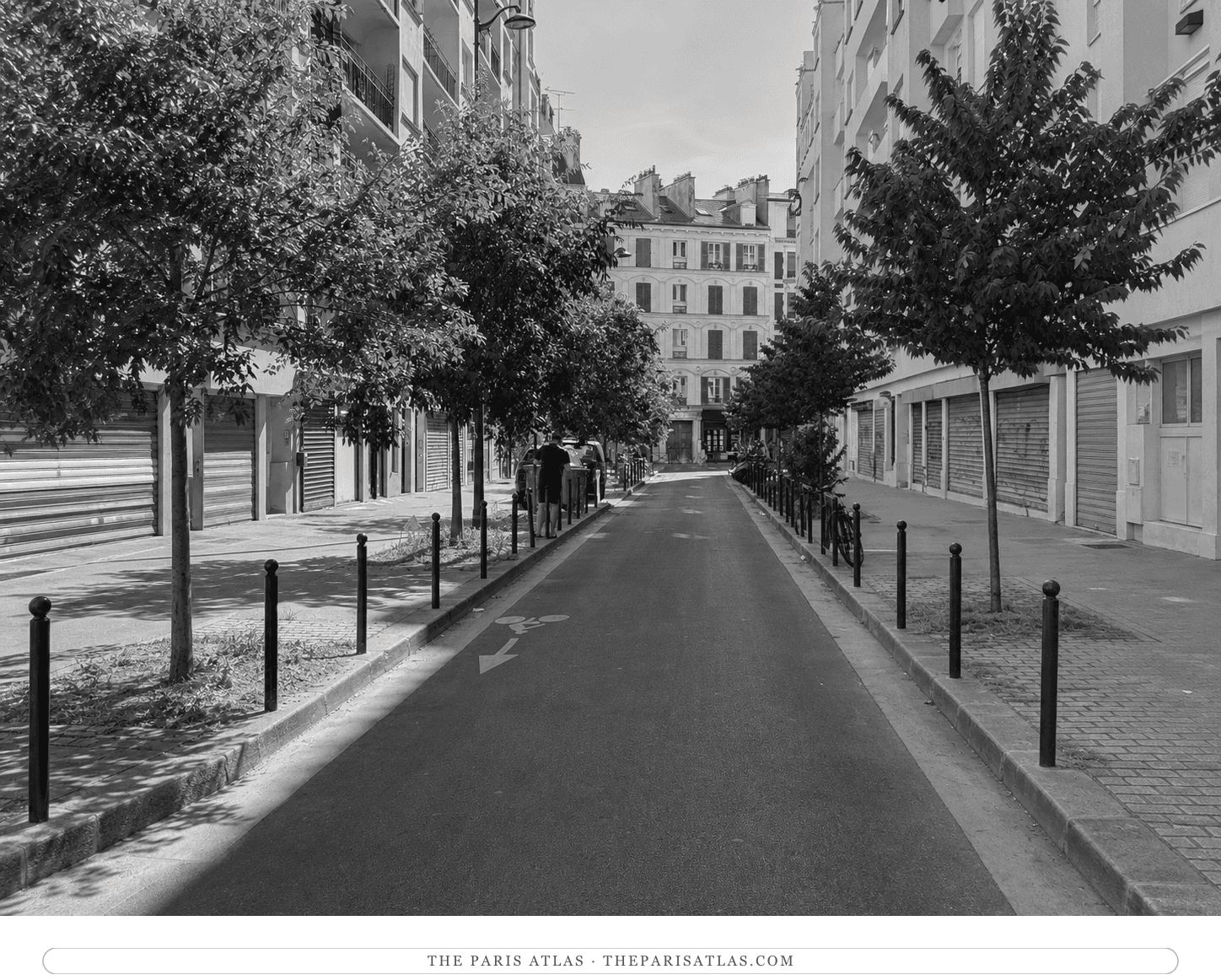
The address Giovanni gives the taxi driver. The room the novel is named for is on a street near here — wide, respectable, recent apartment blocks, ending in a small park.
The square in eastern Paris that Giovanni's Room gives as the location of the room it is named for, and the site of the guillotine's worst fortnight.
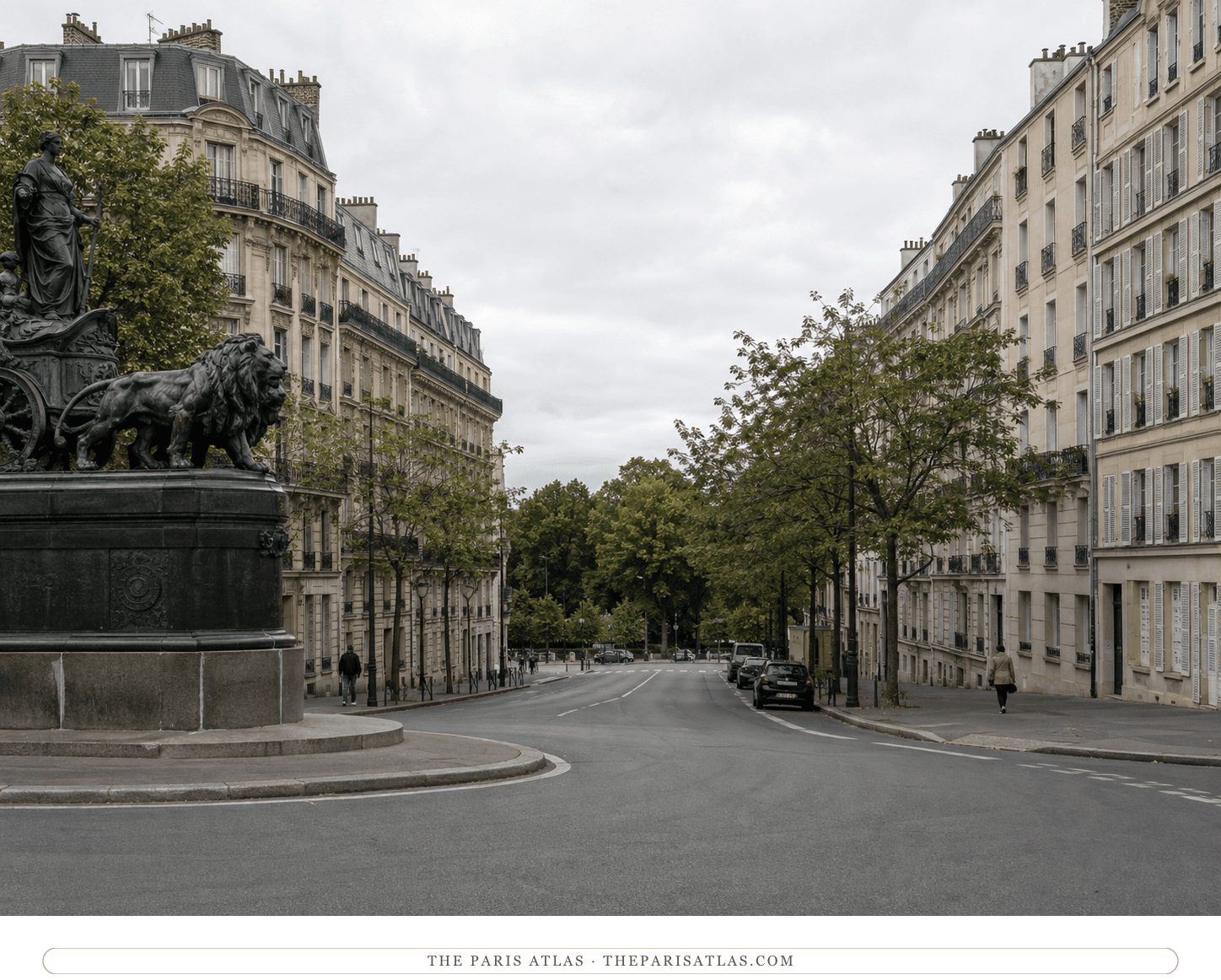
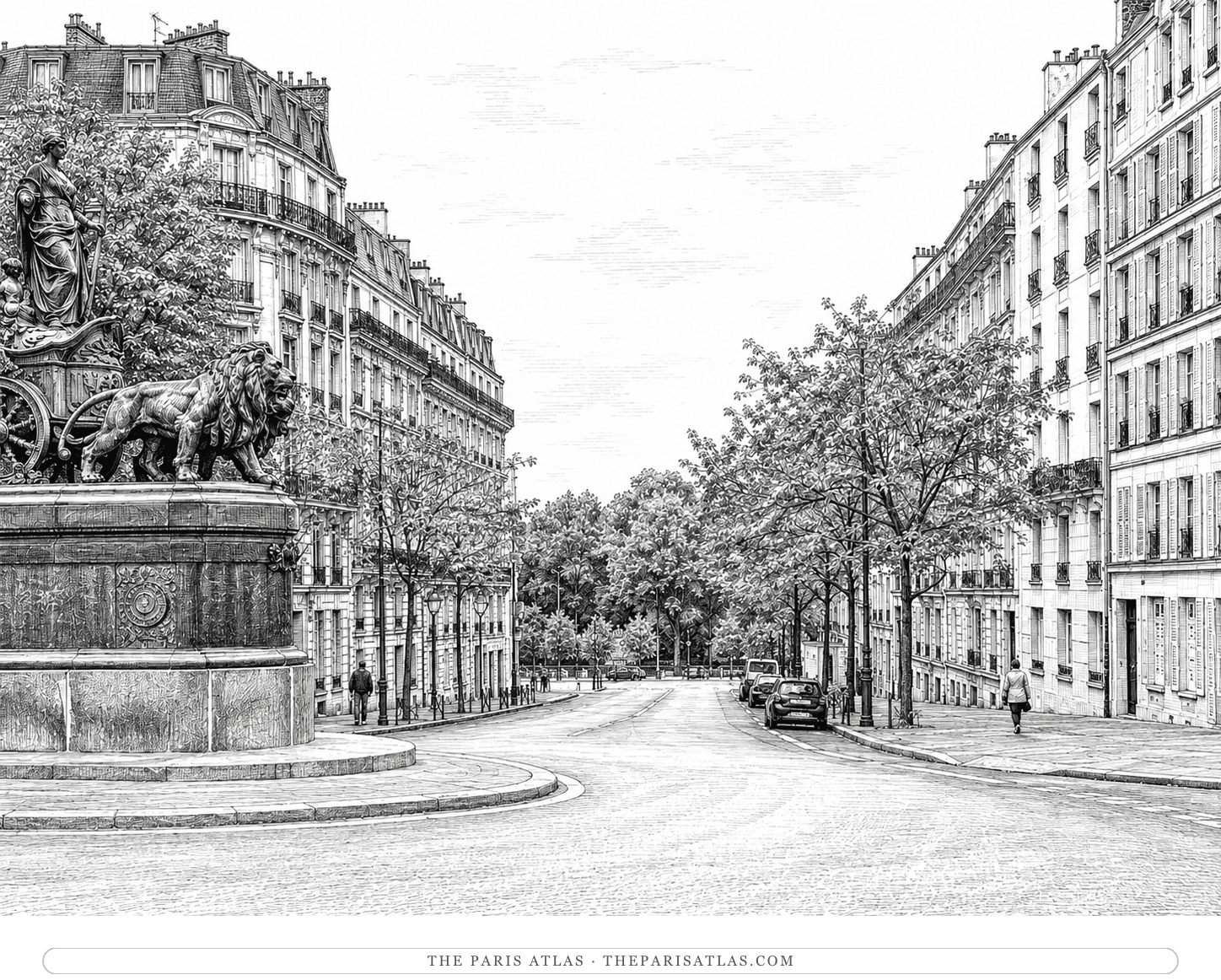
Place de la Nation is a large roundabout in eastern Paris, on the boundary of the 11th and 12th arrondissements, with a bronze group in the middle and gardens around it. It is a working square rather than a monument, ringed with traffic, and most people who cross it are changing trains.
In Giovanni's Room it is the address of the room the novel is named for.[1]
Baldwin gives it twice and both times in passing. At Guillaume's bar, asked where he lives, Giovanni says only that it is out, far out, almost not Paris. Guillaume supplies the rest: he lives in a dreadful street, near Nation, among all the dreadful bourgeoisie and their piglike children. Later, when Giovanni finally takes David home, he puts him in the taxi first and gives the driver one word — Nation.[1]
What David finds there is not bohemian and not picturesque. The street is wide, respectable rather than elegant, massive with fairly recent apartment buildings, and it ends in a small park. The room is at the back, on the ground floor of the last building, down a short dark corridor past the vestibule and the lift. It is small, it is cluttered, and it smells of the alcohol Giovanni burns in his stove.[1]
That is the whole geography of the most famous room in the book, and its ordinariness is the point. Every other address in the novel is somewhere a person goes to be seen — the bar, the boulevard, the cafés at Vavin. This one is at the far end of a taxi ride, on a street with nothing on it, in a quarter Baldwin's narrator finds actively depressing. It is where the thing can happen because nobody is looking, and it is where David eventually cannot breathe.
The square itself has a history the novel does not use but which sits oddly well beside it. It was laid out in 1660 for the entry into Paris of Louis XIV and his new wife, who were received here on a throne, and it was called the place du Trône for the next century and a half. In 1794 the Revolution renamed it the place du Trône-Renversé — the square of the overturned throne — and moved the guillotine here for the last six weeks of the Terror. Roughly thirteen hundred people were executed on this ground in thirty-eight days, more than at the place de la Concorde across the whole Revolution. The dead were buried a few streets away at Picpus, where the cemetery is still there and still private.
It became the place de la Nation in 1880, on the first official Bastille Day, and Aimé-Jules Dalou's bronze group — the Triumph of the Republic, a figure on a chariot drawn by lions — was installed in stages between 1889 and 1899. The square has been the traditional end point of left-wing demonstrations ever since, which is the other thing it is known for.[2]
There is nothing to look for from the novel, because there is nothing to find. Giovanni's street is invented, the room with it. What a reader can do is stand on the square and look down the streets running off it: wide, quiet, respectable, apartment blocks the whole way, exactly as described. The book chose accurately.
The square is laid out for the entry of Louis XIV and Maria Theresa, and named the place du Trône.
Renamed the place du Trône-Renversé. The guillotine is moved here for the last six weeks of the Terror.
Renamed the place de la Nation on the first official Bastille Day.
Dalou's Triumph of the Republic is installed in the centre.
Giovanni's Room is published. Giovanni gives the taxi driver one word, Nation, and takes David to the room.
Setting of the story
The address Giovanni gives the taxi driver. The room the novel is named for is on a street near here — wide, respectable, recent apartment blocks, ending in a small park.
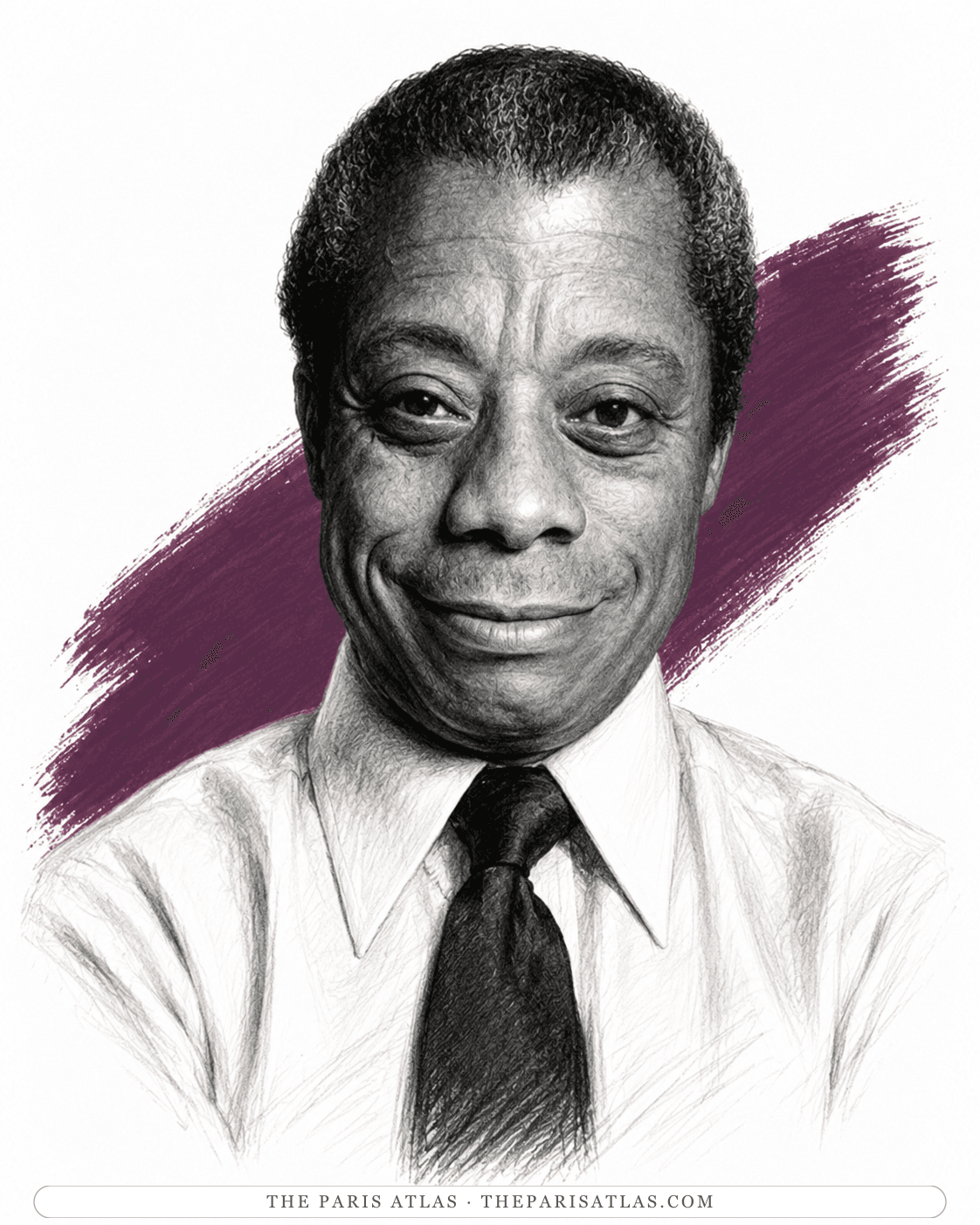
James Baldwin wrote about Place de la Nation in Giovanni's Room.
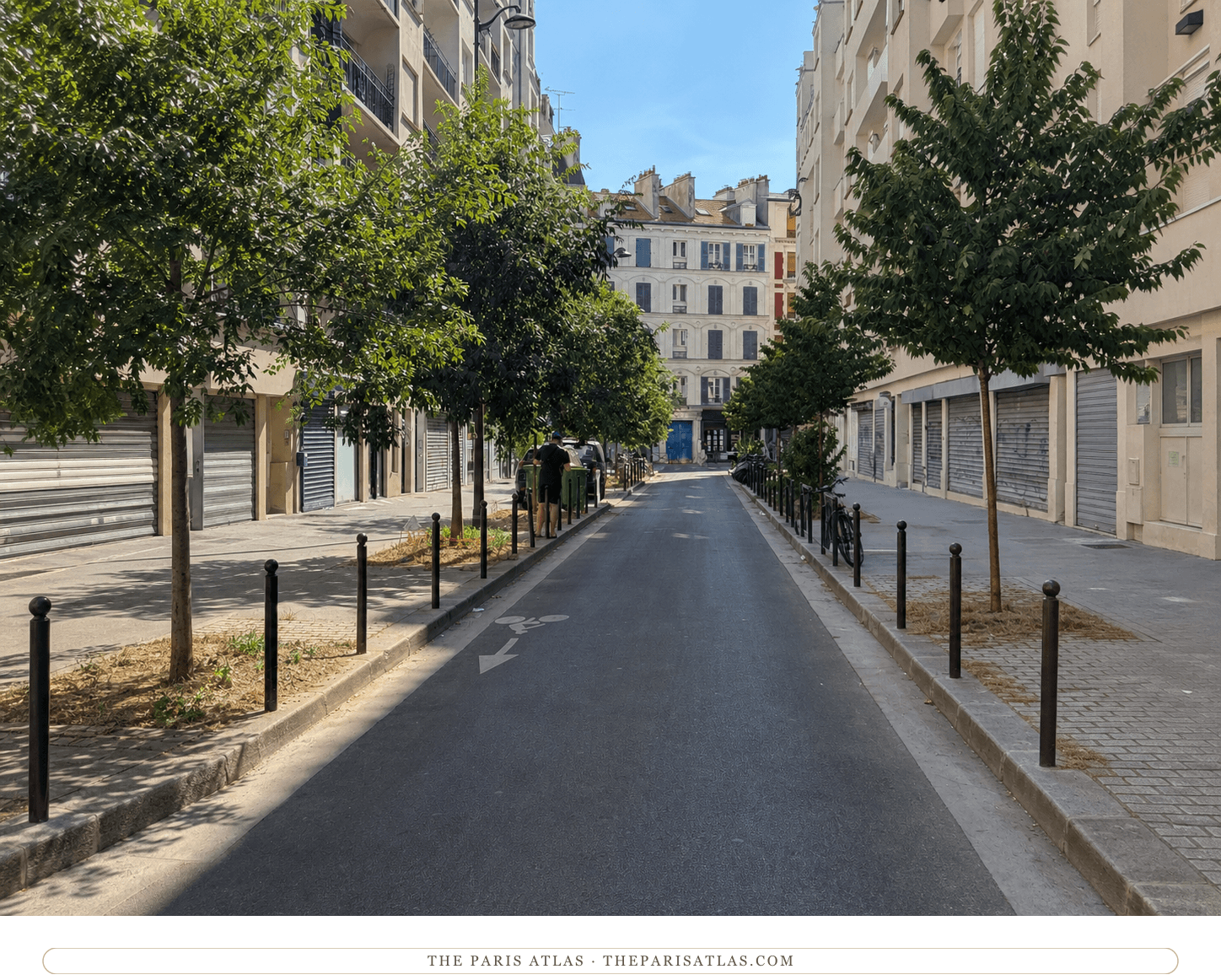
The apartment of Nellie Limouzin, George Orwell's aunt, and her partner Eugène Adam. This is where he stayed when he first reached Paris in 1928 — before the rented room, the kitchens and the poverty that Down and Out in Paris and London is made of.
Visit the place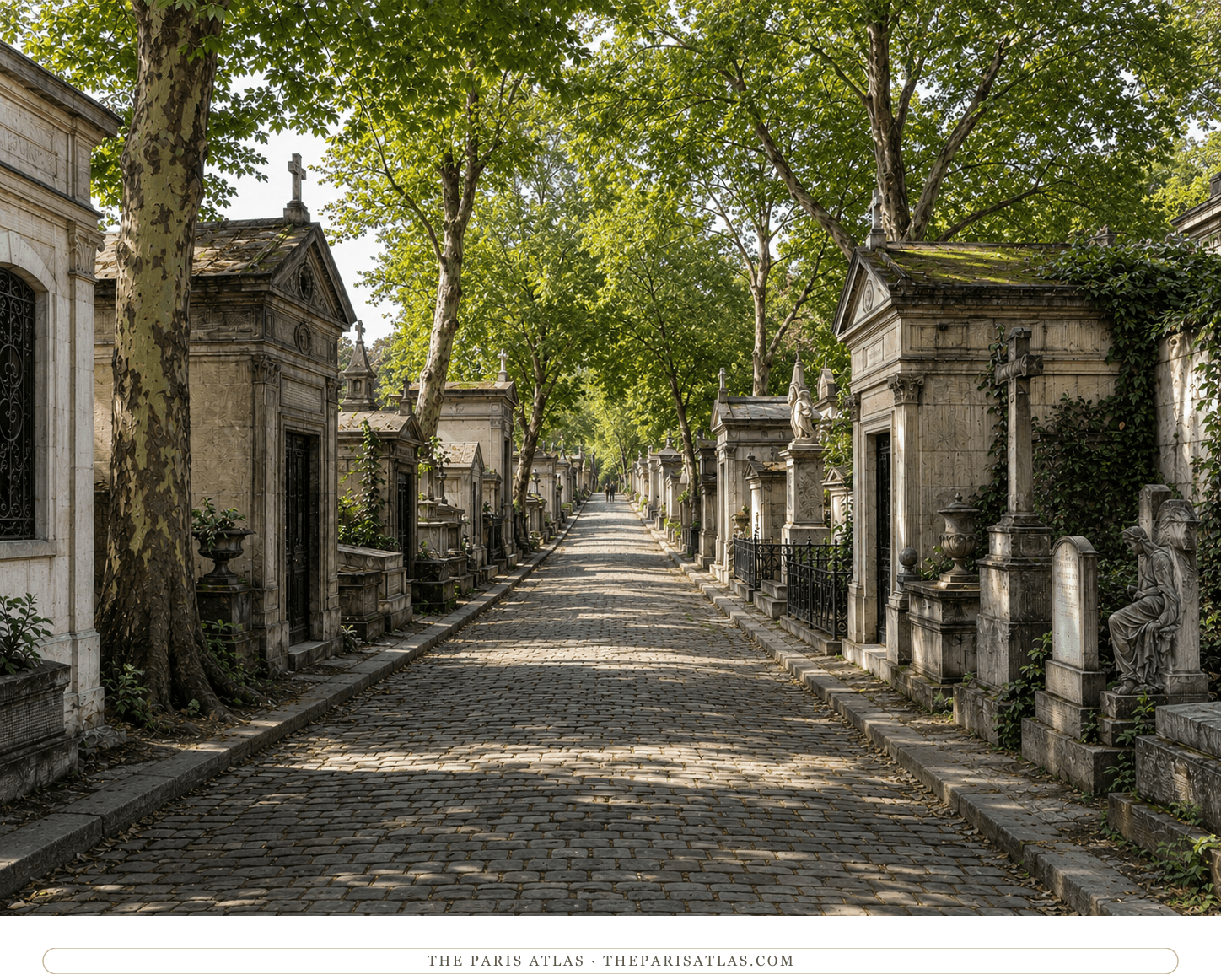
Paris's largest cemetery and its most famous — 43 hectares of tombs, trees, and cobbled lanes holding the graves of Édith Piaf, Oscar Wilde, Jim Morrison, Frédéric Chopin, Marcel Proust, Gertrude Stein, and Amedeo Modigliani.
Visit the placeThe sources below include histories, archival materials, scholarly research, and official records that informed this page. They document Place de la Nation, the people connected to it, and its place in Paris.


Web source consulted for documented facts and historical context presented on the Place de la Nation page.
Web source consulted for documented facts and historical context presented on the Place de la Nation page.

Published analysis and historical context used in preparing the Place de la Nation page.
These references provide the documented foundation for this page's history and context. Claim-level citations remain attached to the specific claims they support.
 Explore more resources
Newsletter
The cafés, studios, and walk-up flats where the work was made — one story from the map in every letter.