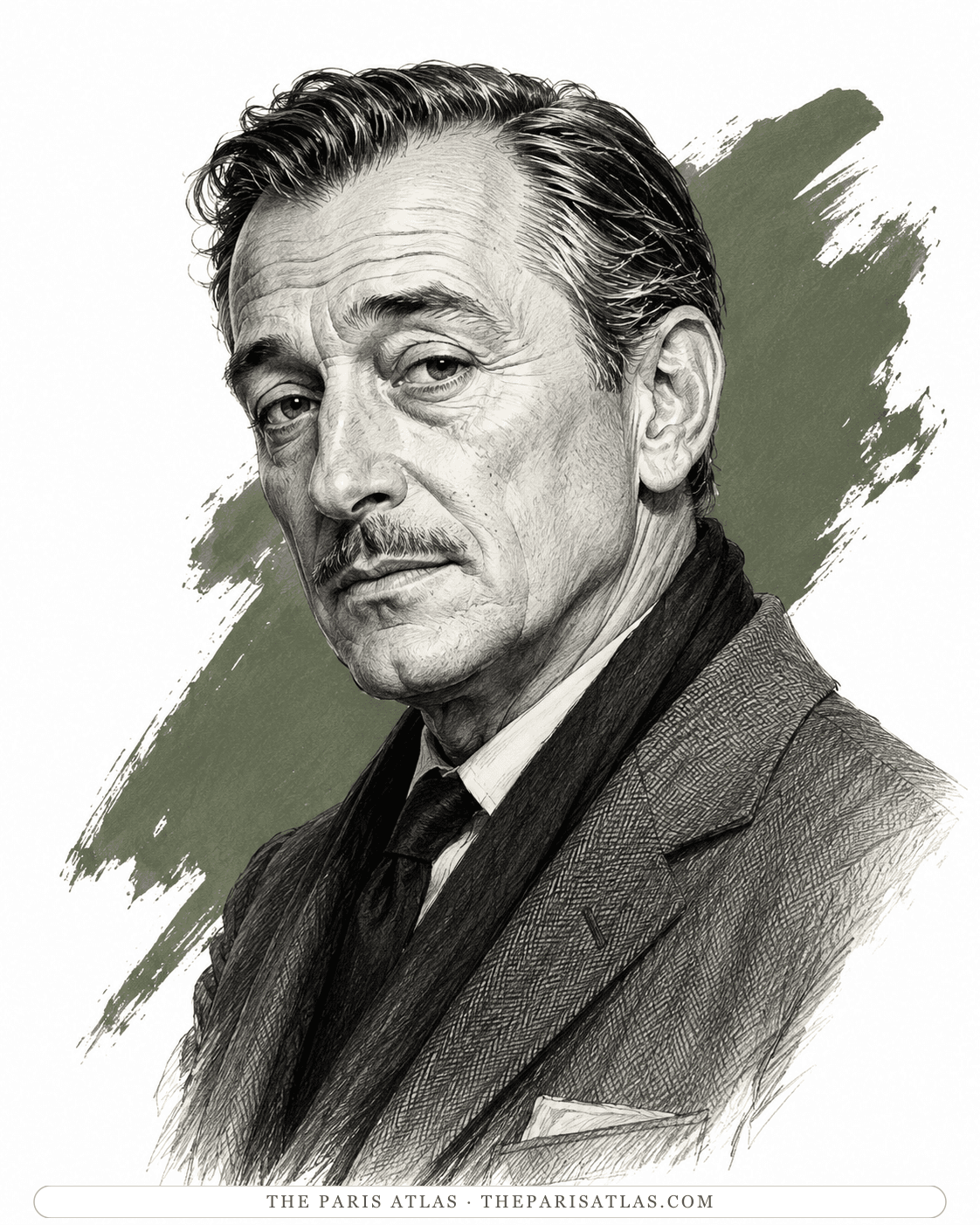
Jacques
An older, wealthier expatriate who introduces David to the bar. He buys the company of younger men, and he is also the one person who tells David the truth.
To be touched by someone who is actually present. He names the lack exactly, describing his own encounters: "It's like putting an electric plug in a dead socket. Touch, but no contact. All touch, but no contact and no light."
The book

At a glance
- The wealthy older friend who introduces David to the bar, and lends him money
- Belgium. An American businessman by the time we meet him
- Nearly twice David's — so around fifty
- A big apartment, whisky, marijuana, parties, and cooks who keep running away
- That he arrived at his wretchedness "by imperceptible degrees"
- The only advice in the novel that would have prevented the ending
Who they are in the book
Spoiler-freeJacques is an ageing, Belgian-born American businessman living in Paris, roughly twice the age of the narrator, David. He has a big comfortable apartment, plenty of money and plenty to drink, and he pays for the company of young men. He is the person David telephones when he is broke, and it is Jacques who takes him to the bar where Giovanni works.
David despises him and says so on the page, then admits the reason: "the contempt I felt for him involved my self-contempt." Jacques is what David is afraid of becoming, which is why David keeps him close and treats him badly.
He is also the only person in the novel who tells David the truth in time for it to have been useful. Nothing about how he lives makes him a good man, and the book does not pretend otherwise, but the best advice in it is his.
How Jacques Is Portrayed
- What he is likeDavid's summary is that he "could be unbelievably generous, he could be unspeakably stingy." He wants to trust everyone and is incapable of trusting anyone, so he throws money at people instead and is duly abused for it, then retreats into what David calls the only thing that really belongs to him: self-pity. He keeps hiring boys from the provinces as cooks, and the cooks keep running away.
- How David uses himDavid goes through his address book while broke and calls Jacques "before the surprise and the charm wore off," and has borrowed ten thousand francs before they have finished their aperitifs. David is entirely clear about the transaction. He knows Jacques's affection involves desire, and keeps it alive by pretending they are friends, so that in the bars he is Jacques's cover and Jacques is his bank.
- At the barHis approach to Giovanni is a small disaster. He asks whether the place must seem strange, giggles, and produces the line — "all these men, and so few women. Doesn't that seem strange to you?" — in a voice David describes as breathless and insinuating. Giovanni turns away to serve someone and says the women are no doubt waiting at home.
- What he tells David at dawnOver breakfast at Les Halles he stops performing and says the thing the rest of the book is measured against: "Love him and let him love you… And how long, at the best, can it last, since you are both men and still have everywhere to go?" He argues that the shame is not in the act but in giving nothing, and finishes with a warning about himself: "You play it safe long enough, and you'll end up trapped in your own dirty body, forever and forever and forever — like me."
- The one exchange he winsDavid asks whether there is really no other way for him but kneeling "before an army of boys for just five dirty minutes in the dark." Jacques does not defend himself. He answers with David's own life instead: "Think of the men who have kneeled before you while you thought of something else and pretended that nothing was happening down there in the dark between your legs."
- What he does when it countsGiovanni, desperate and out of work, asks him for money, and he refuses. Afterwards, sitting on a café terrace with a hot wine, he says "I hope it's not my fault. I didn't give him the money. If I'd known — I would have given him everything I had." David's comment is one line long: "But we both knew this was not true."
If you like Giovanni's Room


If you like James Baldwin
Explore authors with a similar voice, perspective, and influence.
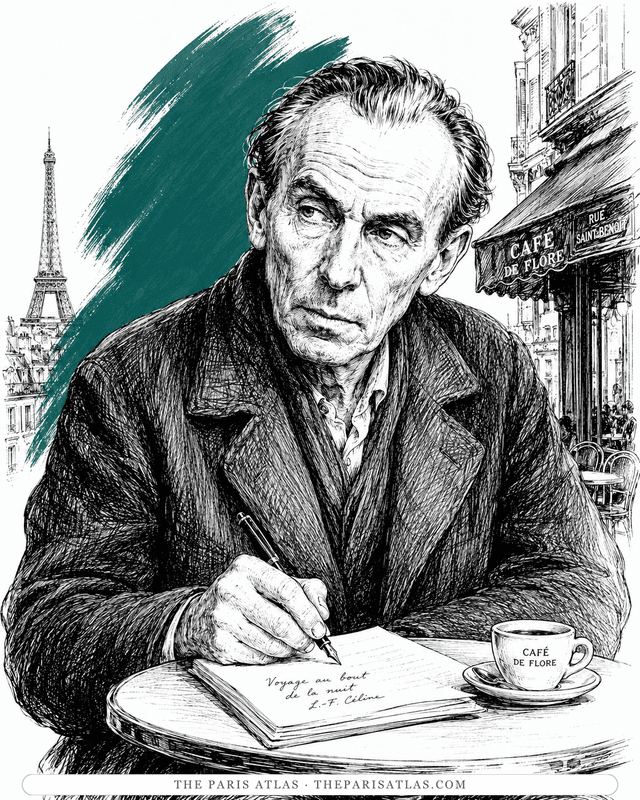
Louis-Ferdinand Céline
The doctor of the Paris slums who wrote the century's blackest, funniest novel — and changed the sound of French prose.
View author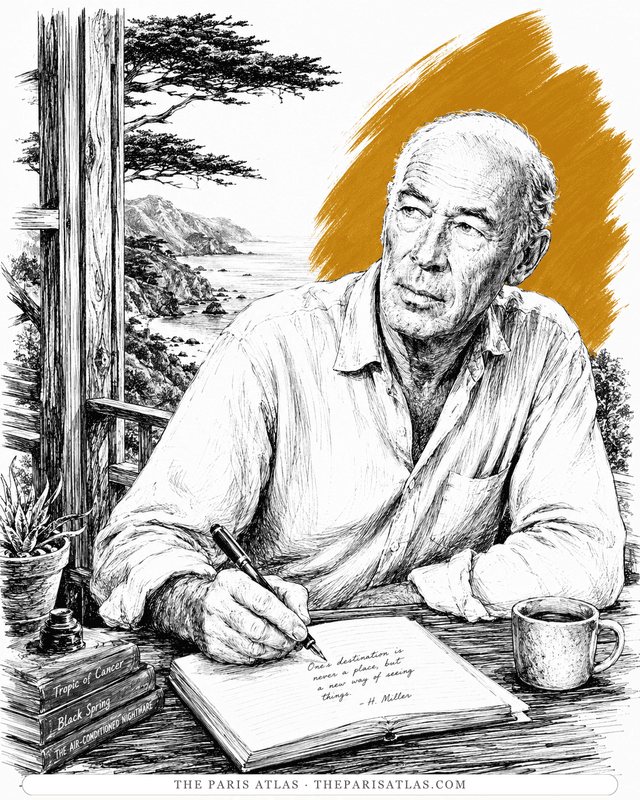
Henry Miller
The Brooklyn dropout who arrived in Paris broke at thirty-eight and wrote the exuberant, banned books that ended American censorship.
View author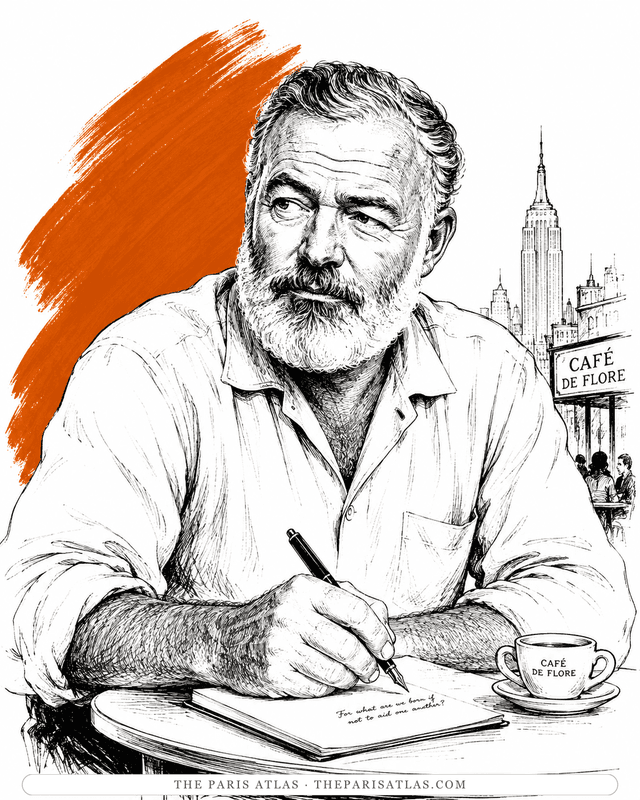
Ernest Hemingway
Author of The Sun Also Rises and A Moveable Feast; his pared-down style, developed in 1920s Paris, became the most imitated in American prose.
View author