
The Lowest Trees Have Tops
The other late comic novel, and the other expatriate community.
Read our take
A Left Bank bachelor, two rich mistresses, and an arrangement that stops working. The only one of Gellhorn's novels set in Paris.
Ben Eckhardt is thirty-four, American, and a student in Paris — a sinologist of sorts, and a man who has arranged his life around being agreeable to women who can afford him. Two wealthy mistresses keep the arrangement comfortable. Published by Simon and Schuster in 1961, it is a short comic novel about a man to whom nothing is ever required to happen, and it is the only one of Gellhorn's novels set in Paris. Reviewers found it witty, and several of them found it artificial.
The Paris of this novel is a social world rather than a set of streets. Ben moves among Sorbonne students, cultivated women with money, and the international relief and refugee circles of the late fifties, and the book is far more interested in who is keeping whom than in which café anyone is sitting in. Readers coming for the geography of the Left Bank will find less of it than the setting promises.
Gellhorn built the story on a real social triangle she knew, moved from Rome to Paris for the purpose. The ending cannot be given here. The book has never been reprinted, and the one contemporary reviewer who described the close said only that this is a story in which all's well that ends badly — which rules out a comic reconciliation and settles nothing else.
Ben's independence depends on other people's willingness to sustain it. The New Yorker's contemporary review finds him convincing precisely as an unattached man indulged beyond his merits. His selfishness therefore becomes more than a personal defect: the women's investment allows it to remain comfortable. The title's claim to autonomy is open to question when being one's own man requires so much accommodation from others. Affection and money support a freedom whose costs Ben does not bear equally.
The comedy also invites attention to how lightly its social world bears its troubles. David Dempsey's contemporary review praises Gellhorn's wit while treating the characters and their difficulties as artificial. That judgment offers a useful caution against reading the triangle as a documentary portrait of expatriate life. Its interest lies in the arrangement of competing desires and the pleasure of watching that arrangement fail. The polished comic surface creates distance from the characters without requiring their predicament to become a tragedy.
She lived in and wrote about many cities. This is the one book of her fiction that puts Paris at the centre.
Useful precisely because it is not about the twenties. The quarter is still cheap, still full of foreigners, and no longer famous for it.
Under two hundred pages, and content to be funny. Not every book by a war correspondent is about the war.
late 1950s
Gellhorn transposes a real social triangle she knew from Rome to Paris, building the postwar Left Bank comedy around it.
1961
Simon and Schuster publishes His Own Man in New York, the only one of her novels set in Paris; it is never reprinted.
August 1961
The New Yorker reviews the novel in its Briefly Noted books column.
The other late comic novel, and the other expatriate community.
Read our take

Martha Gellhorn. The novel was published in 1961.
Ben Eckhardt — thirty-four, American, a student in Paris — has arranged his life around being agreeable to wealthy women who keep him comfortable, until the arrangement is tested.
In a social Paris of Sorbonne students and cultivated, well-off women, rather than a Paris of streets and landmarks.
A social comedy of manners about a charming kept man and the women who can afford him.
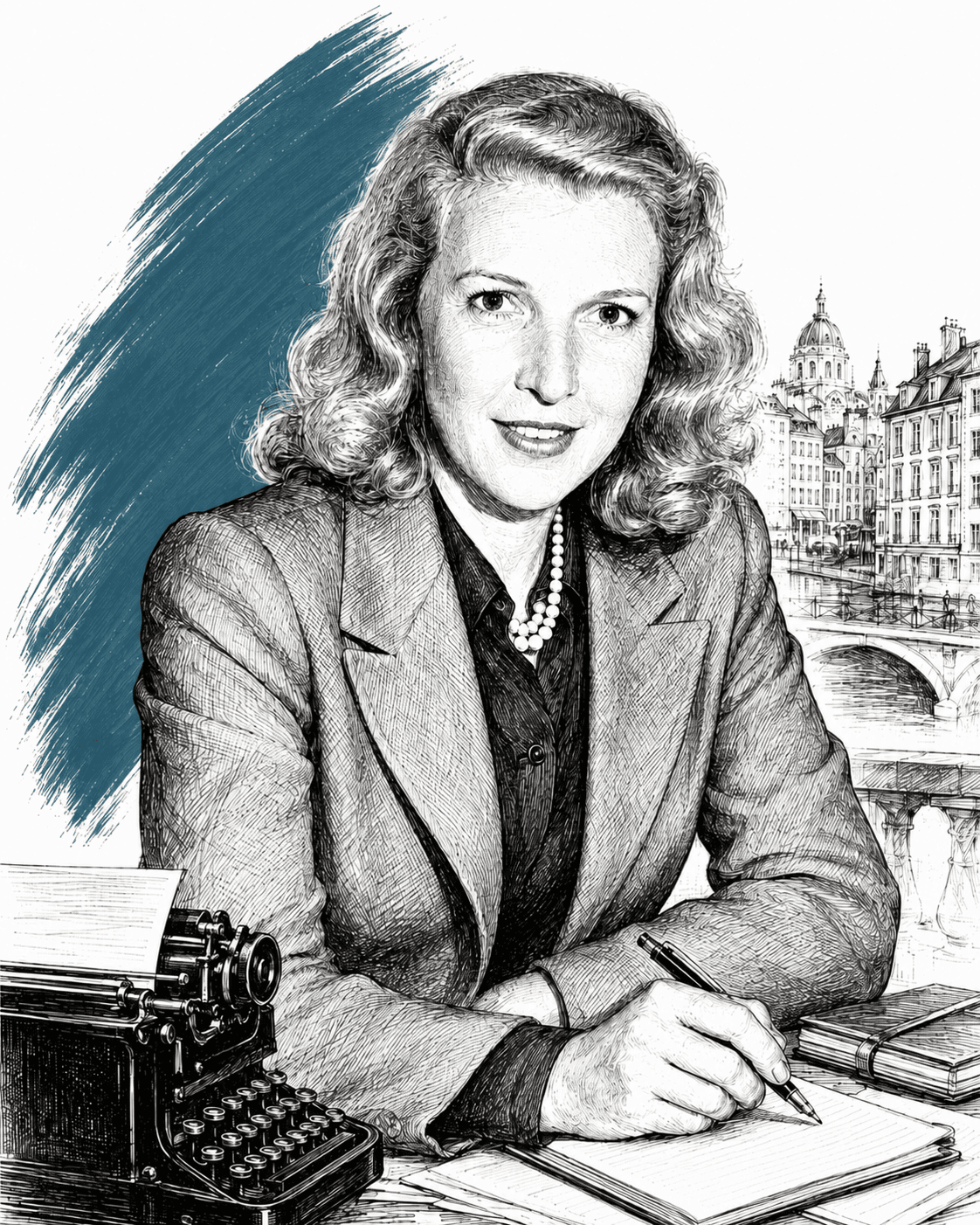
A pioneering American war correspondent and novelist, and briefly Ernest Hemingway's third wife.
Explore authors with a similar voice, perspective, and influence.
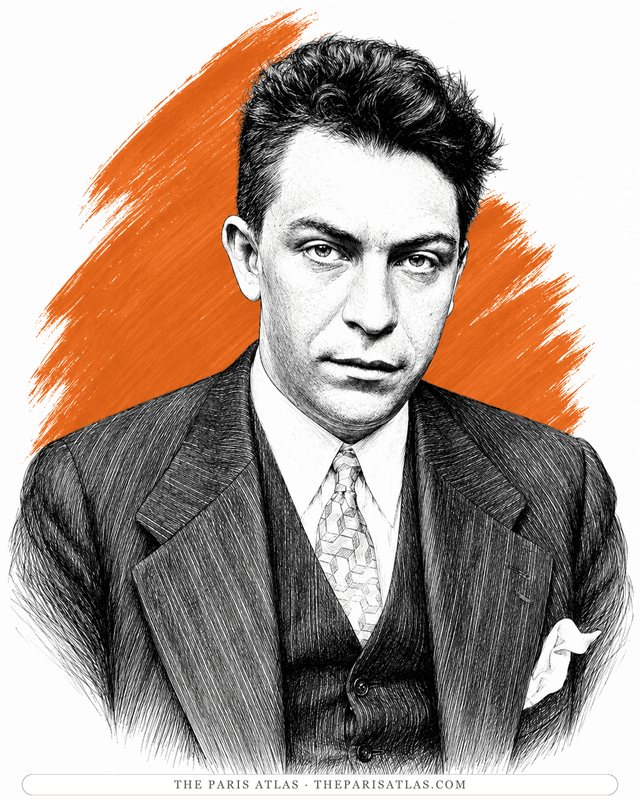
The other great journalist of the Spanish Civil War, reporting the same conflict with the same refusal to flatter the side he preferred.
View author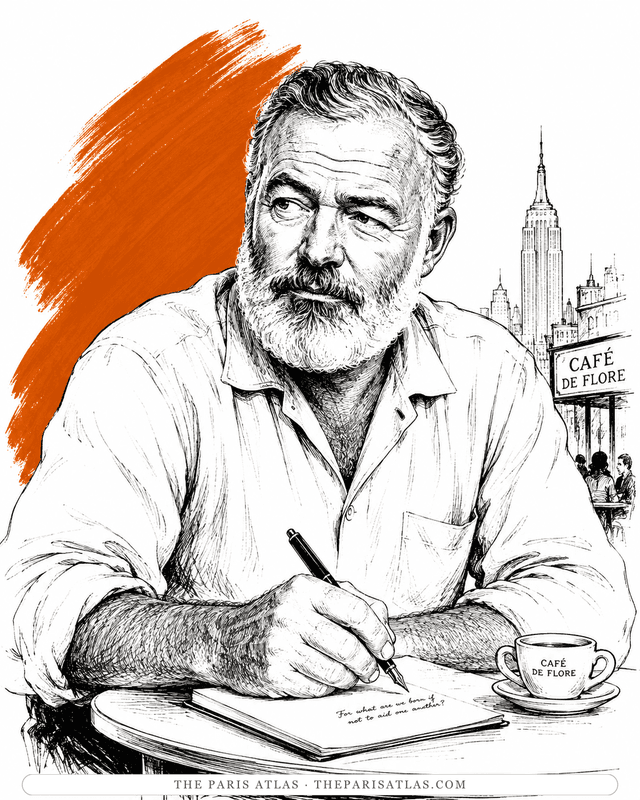
They covered Spain together and he dedicated a novel to her. Read them side by side for how differently the same war lands in fiction and in dispatch.
View author
The Brooklyn dropout who arrived in Paris broke at thirty-eight and wrote the exuberant, banned books that ended American censorship.
View authorThe sources below include the primary text, editions, scholarship, archival materials, and other records that informed this page. They document His Own Man, its publication, and its place in literary history.


Attributed contemporary critical response from a short authorized reprint excerpt; not a full novel or complete original-review collation.
Used to place His Own Man within Martha Gellhorn's published work and verify its bibliographic context.
Used for independent biographical, archival, or historical context surrounding Martha Gellhorn's career and the period in which His Own Man appeared.
Used to cross-check authorship, chronology, and the work's place in Martha Gellhorn's wider catalogue.
Used to verify Martha Gellhorn's bibliography and place His Own Man within the broader chronology of Martha Gellhorn's career.
Documents the dated edition or contemporary reception included in the timeline.
The primary text is the baseline reference for every book page. Additional references document publication history, interpretation, and historical context where that evidence is available.
 Explore more resources