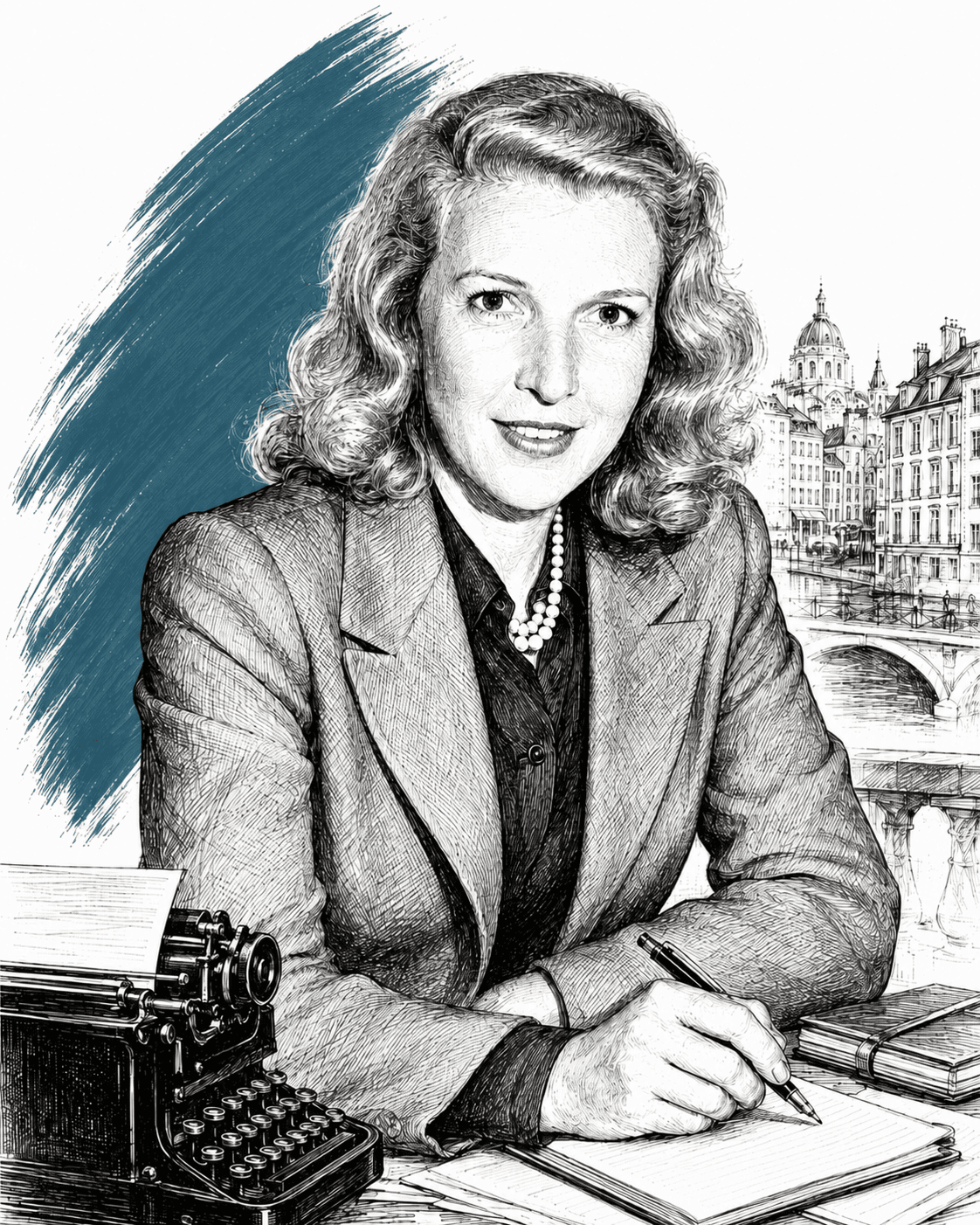

The Honeyed Peace
The next of the fiction, and the same interest in what people settle for.
Read our take
The richest man on a Caribbean island marries a young mixed-race woman to settle a score, and neither side of the island will have her.
Gellhorn's third novel, published while she was covering the war, is set on a French-held island in the Caribbean and turns on the marriage between the richest white man on the island and a young mixed-race woman. The war is a rumour offshore; the subject is the household, and the terms on which she is permitted to live in it. It is the book of hers that sits furthest from the reporting, and the one most concerned with a kind of confinement she never had to face herself.
The island is invented — Saint Boniface, a French possession in the Caribbean — and the household is the whole of the book. Marc Royer is the richest white man on it. Liana is a young mixed-race woman he marries largely to punish another woman who refused him, and the marriage installs her in a house where she is neither servant nor wife in any sense the island recognises. She has money, clothes and nothing to do, and no one on either side of the colour line will have her.
Pierre Vauclain arrives to teach at the school, displaced and shaken by the occupation of France. Marc, noticing a man who needs money and a wife who needs occupying, hires him to give Liana lessons in the afternoons. What the lessons become — reading, talk, swimming, picnics at the sea — is the only part of her life she chooses. The war is offshore throughout, a rumour on the radio, until it isn't.
Marc Royer marries Liana to settle a score with a white woman who turned him down, and brings her into his house on Saint Boniface. She is cut off from the community she came from and refused by the one she has married into. Marc is possessive, easily humiliated, and increasingly punitive as it becomes clear that owning her has not delivered what he wanted.
The afternoon lessons with Pierre Vauclain give her the first thing in the book that is hers — books, conversation, the sea — and the two of them fall in love. Pierre is a Frenchman shaken by the fall of his country, and the affair runs against his sense of what he ought to be doing with the war on.
Pierre decides to leave the island and join the war effort, and reassures himself that Marc will look after her in his absence. He is wrong about that. With Pierre gone and the marriage closing around her again, Liana kills herself. The novel does not present the death as a tragedy of love; it presents it as the arithmetic of a woman with no legal, social or economic way out of a house, and the war that carried Pierre off is the same war that made the rest of the book look small while it was happening.
Liana imagines marriage making her a hostess, receiving visitors at Marc's house. Instead, white society excludes the couple. H. L. Salmon's study contrasts that anticipated welcome with the unlit, unvisited household. Marc's attempts to alter her clothes, speech and name do not overcome the island's racial hierarchy; they isolate her further. Material comfort becomes an inadequate substitute for belonging. The house measures the distance between the position Liana expected to occupy and the life actually permitted to her.
Pierre's lessons offer recognition as well as knowledge: he uses Liana's own name and learns from her about the island's plants and animals. Yet this exchange does not guarantee independence. As Salmon observes, her growing distance from Marc brings a new attachment to Pierre. Her later destruction of the lesson notebooks gives that disappointment a material form. Learning changes her expectations without securing acknowledgment from others. The lessons open possibilities that the surrounding social relationships cannot sustain.
No dispatch, no war, no correspondent surrogate. It is the clearest look at what she could do when she invented everything.
Gellhorn spent her life leaving. The novel is about a woman who cannot, which is a strange and interesting thing for her to have written.
It came out in 1944, between Spain and Normandy, which tells you something about how hard she worked.
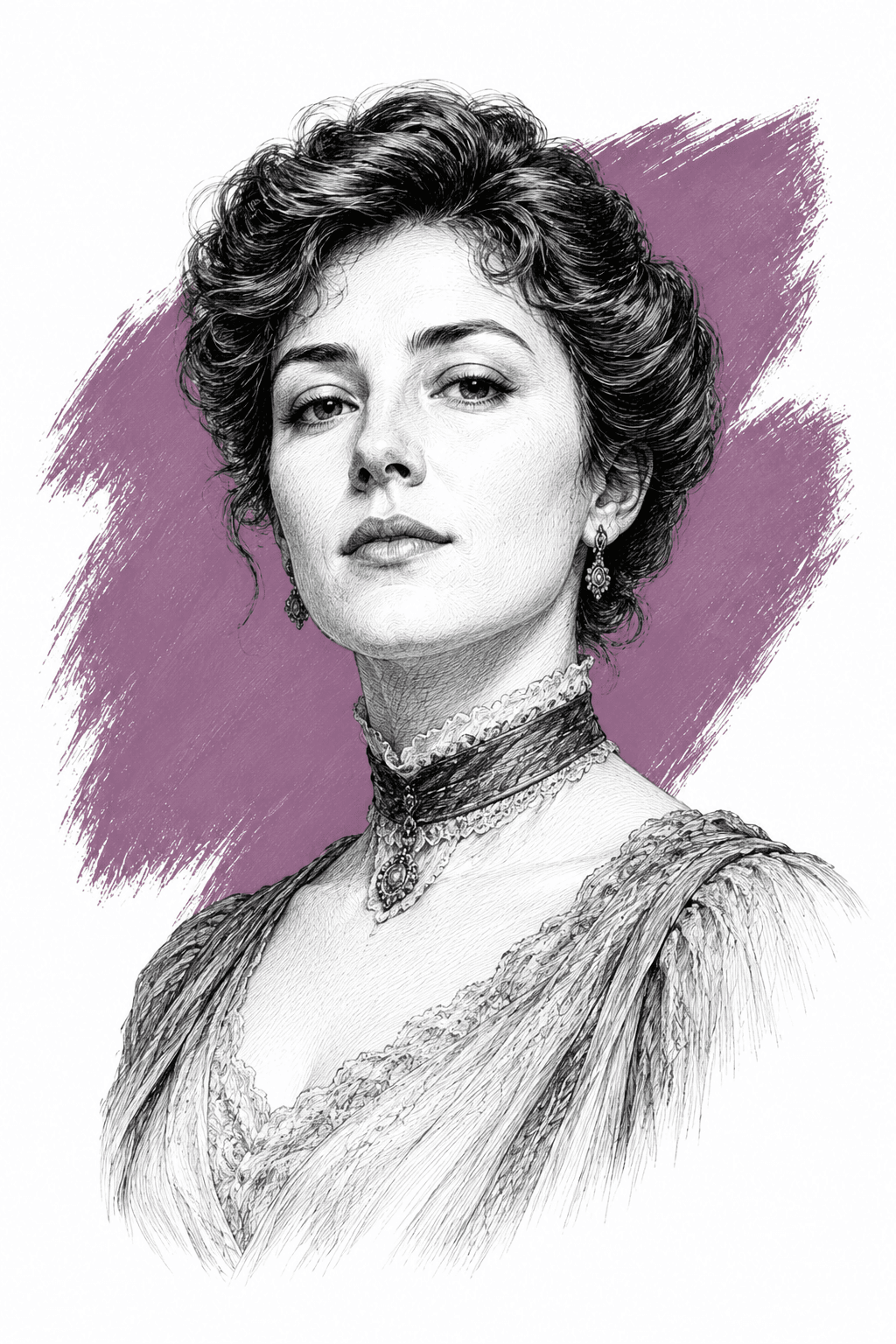
The young woman the novel is named after. She is sixteen when the richest white man on the island takes her into his house, and he marries her some years later.
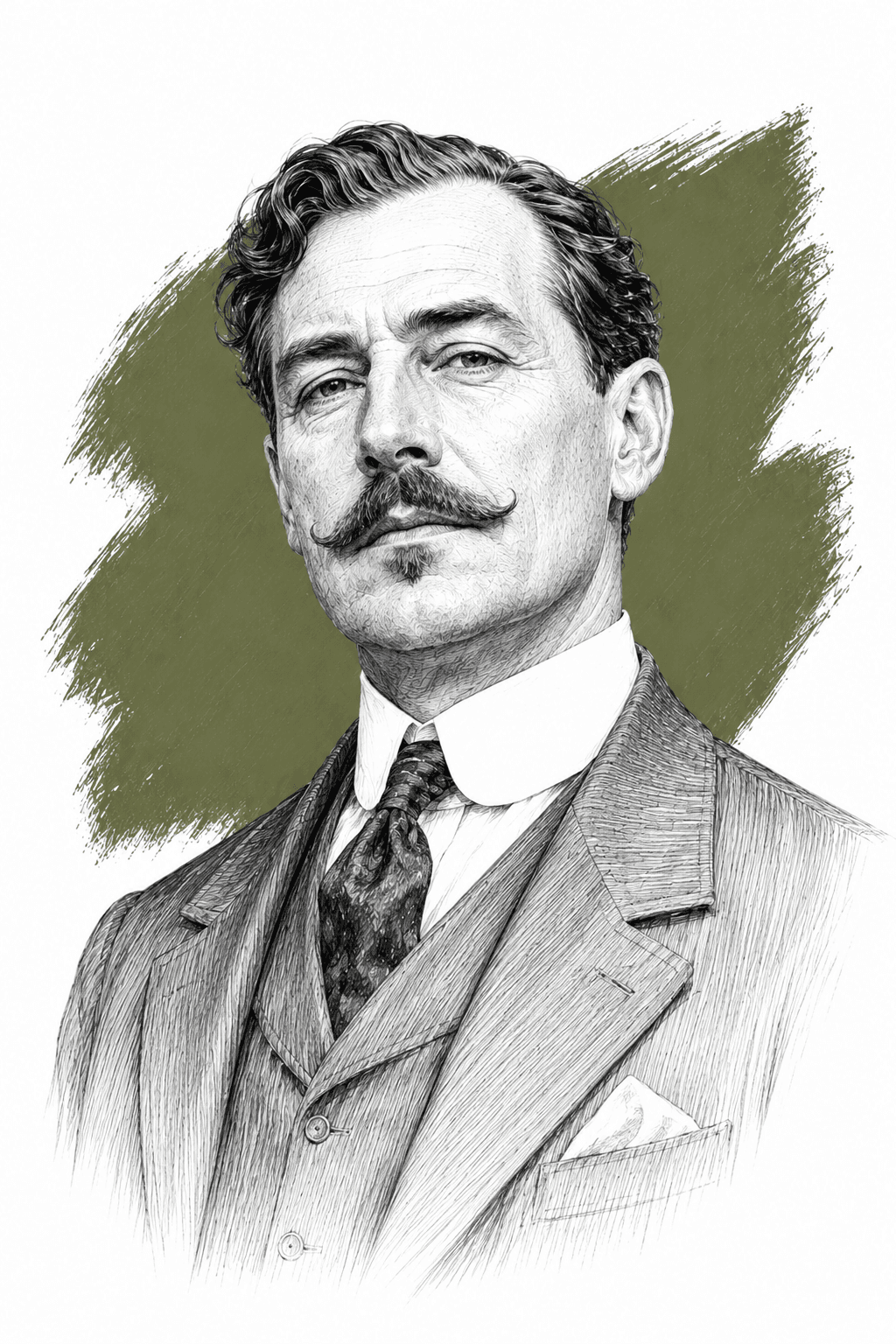
The richest white man on Saint Boniface, and the most disliked. He marries Liana partly to punish the woman who would not marry him.
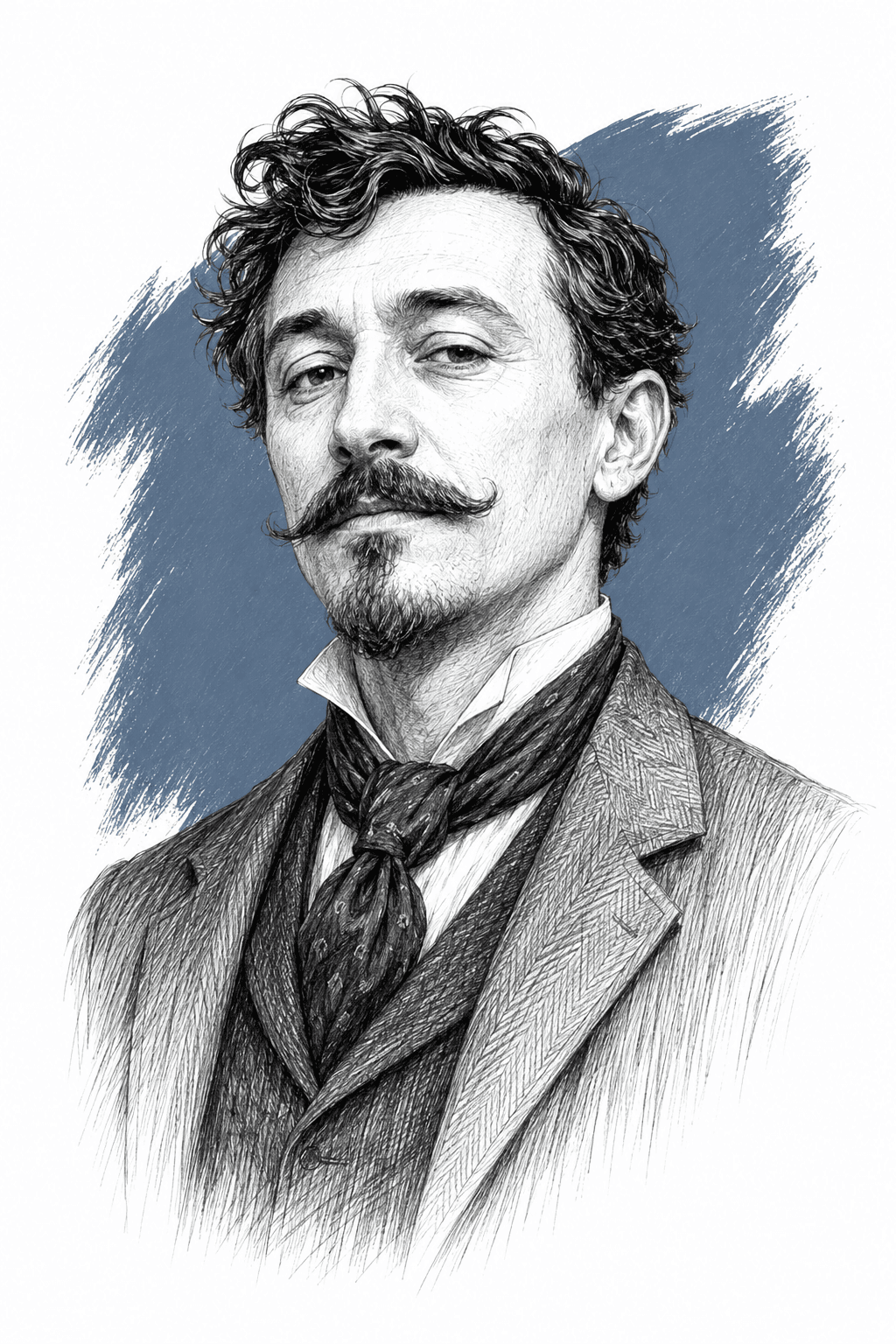
The schoolteacher, posted from occupied Paris to a French island with no part in the war. Marc pays him to give Liana lessons.
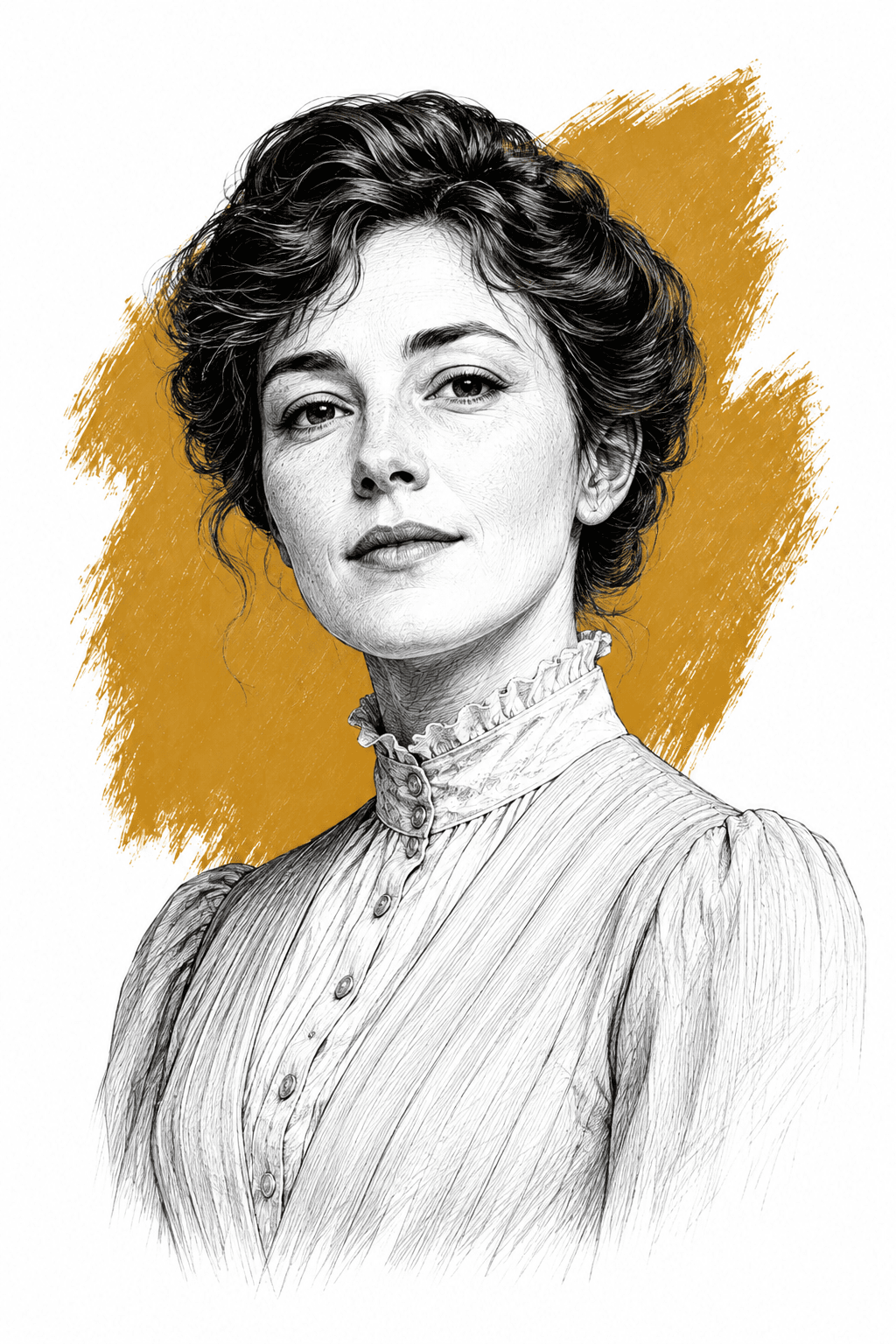
Marc's brother's widow, and the woman he wanted to marry. Her refusal is the reason he marries Liana.
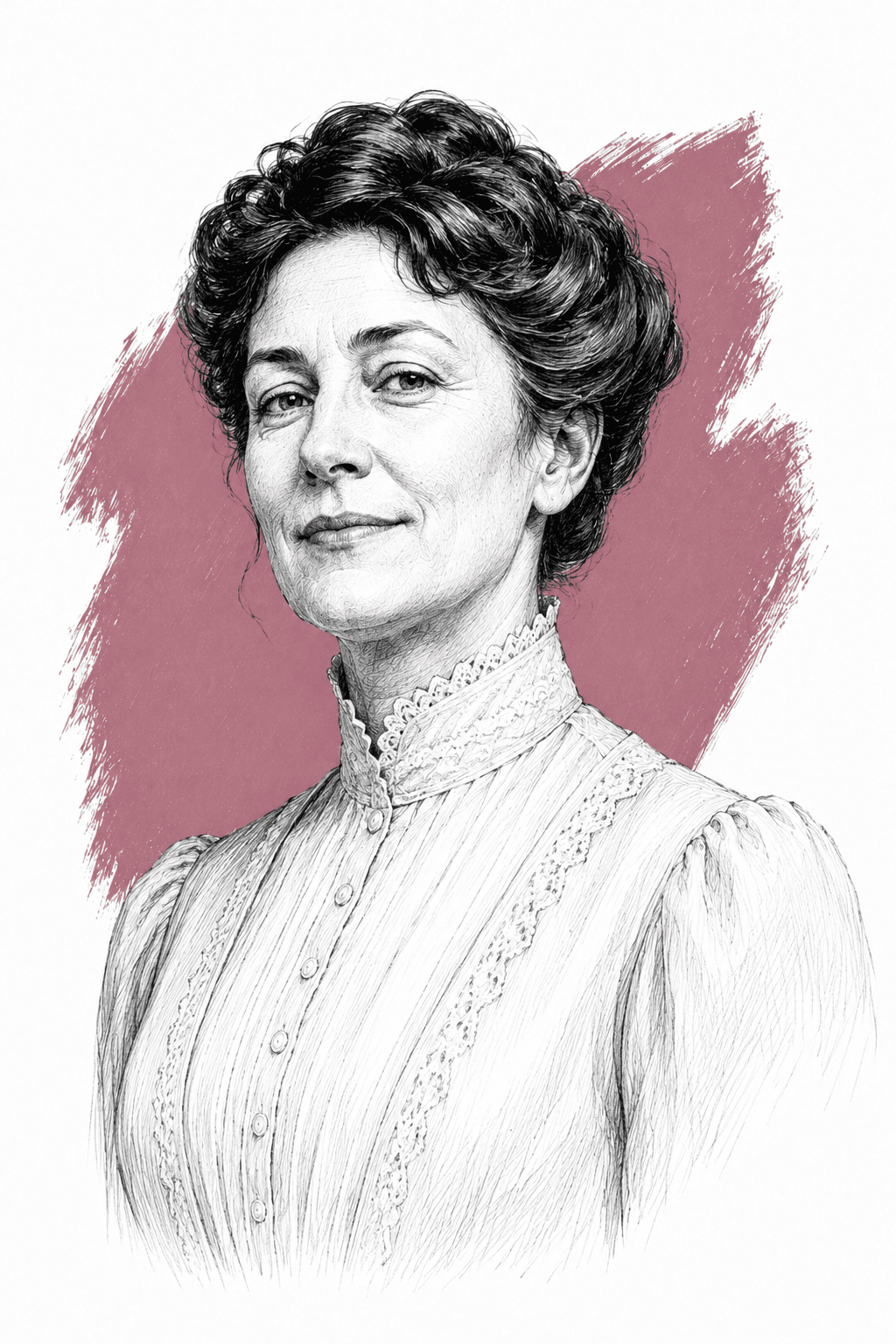
Liana's mother. She farms a hillside plot Marc Royer bought for her, and she settles the terms of her daughter's marriage.
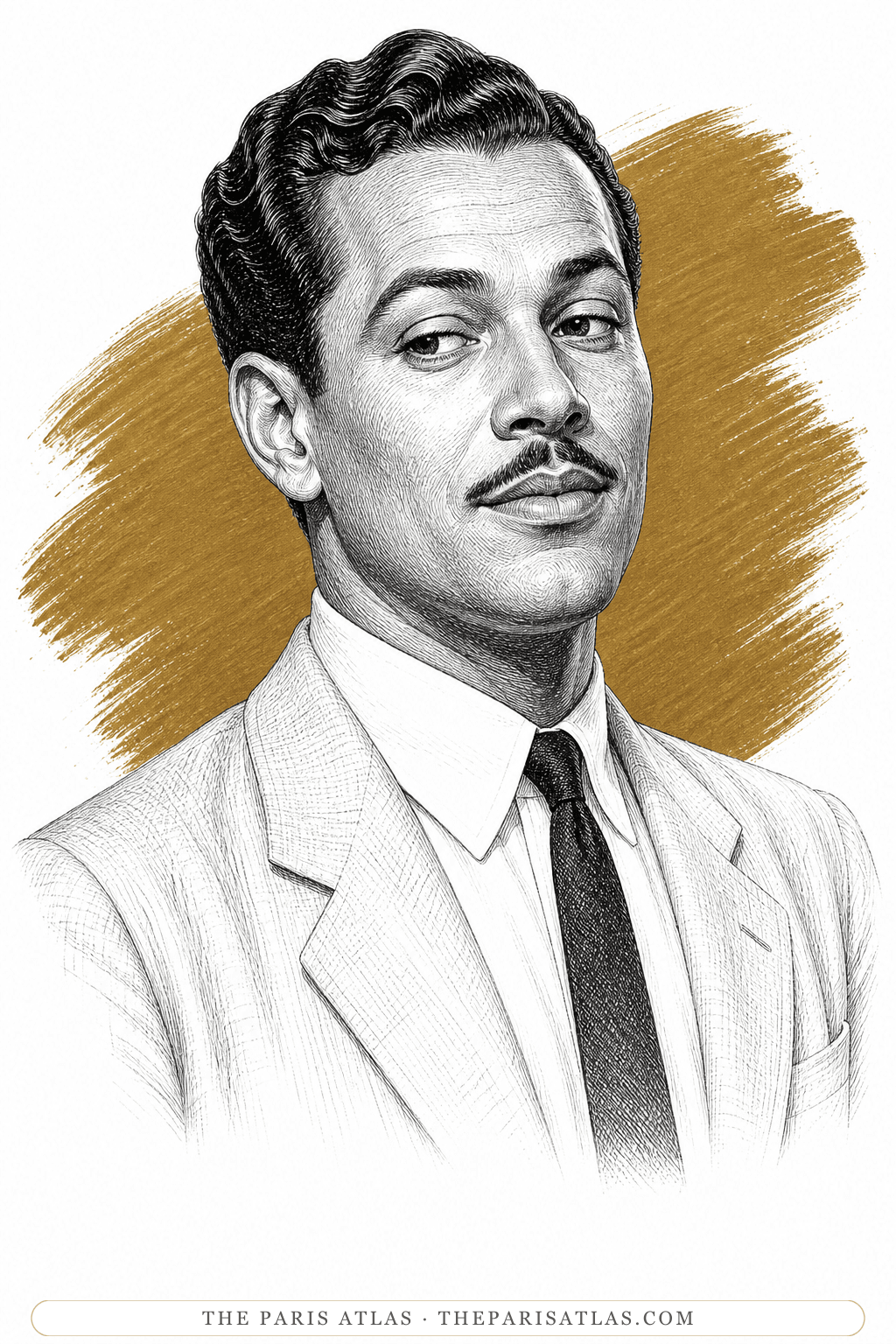
An incomer from Guadeloupe who married the Mayor's daughter. He is the man who tells the island about Liana and the schoolteacher.
1942
Reporting U-boat warfare across the Caribbean for Collier's, Gellhorn takes in the colonial island world that becomes the novel's Saint Boniface.
1944
Scribner's publishes Liana in the middle of the war, between Spain and Normandy; it climbs the New York Times list — the only bestseller of her career.
1987
Virago Modern Classics reissues it, carrying its colonial-marriage drama to a new generation.
The next of the fiction, and the same interest in what people settle for.
Read our take
Martha Gellhorn. It was her third novel, published in 1944 while she was covering the Second World War.
Set on an invented French-held Caribbean island, Saint Boniface, it turns on the marriage between the richest white man on the island and a young mixed-race woman, Liana. The war is only a rumour offshore; the subject is the household.
Race, marriage, and power within a single household, on a colonial island cut off from the war around it.
No. Saint Boniface is invented — a French Caribbean possession Gellhorn created for the novel.
During the Second World War, while Gellhorn was reporting it — which is why the war stays at the edges of the book.
Explore authors with a similar voice, perspective, and influence.
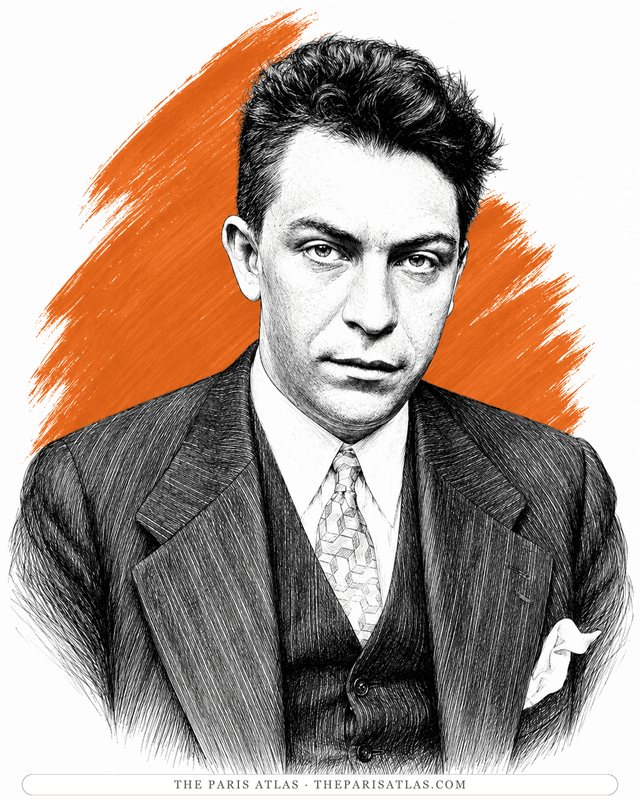
The other great journalist of the Spanish Civil War, reporting the same conflict with the same refusal to flatter the side he preferred.
View author
They covered Spain together and he dedicated a novel to her. Read them side by side for how differently the same war lands in fiction and in dispatch.
View author
The Brooklyn dropout who arrived in Paris broke at thirty-eight and wrote the exuberant, banned books that ended American censorship.
View authorThe sources below include the primary text, editions, scholarship, archival materials, and other records that informed this page. They document Liana, its publication, and its place in literary history.


The primary text represented by this page, used for descriptions of the work’s contents and for any quoted passages shown here.
Biographical evidence used to verify chronology, relationships, and historical context connected to Liana.
Used for independent biographical and career context surrounding Gellhorn’s wartime fiction.
The State Historical Society of Missouri profile was used to cross-check Gellhorn’s publication chronology.
The JFK Library collection page supplies archival context for Gellhorn’s life and wartime period.
Attributed critical readings, pp. 25–29; not an independently collated primary edition.
The primary text is the baseline reference for every book page. Additional references document publication history, interpretation, and historical context where that evidence is available.
 Explore more resources