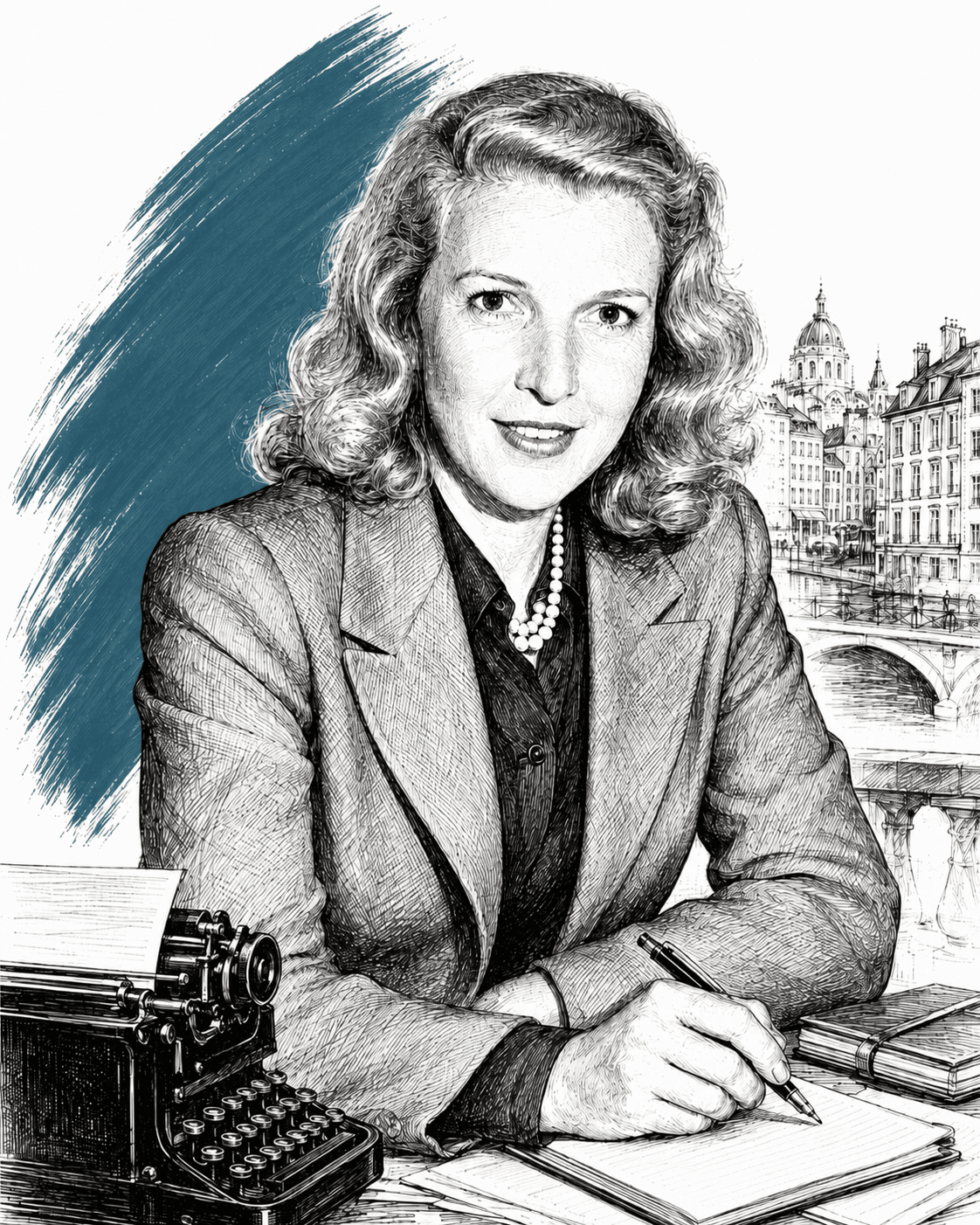

Two by Two
The next collection, and a tighter one — four long stories organised around marriage.
Read our take
Stories from the peace that followed the war, written by someone unconvinced by it.
A collection of stories published in 1953, most of them set in the Europe left behind once the fighting stopped. Gellhorn had spent the 1940s reporting the war and then its aftermath, and the title is doing sardonic work: the peace in these stories is a settlement people are living inside rather than a resolution. It is the first of the three collections that show her as a writer of social fiction rather than only a correspondent.
The title story is the one piece of the collection that is easy to reach: it ran in The Atlantic in 1948, and follows Anne Marsh, an American Red Cross woman in postwar Paris, among survivors and returnees whose lives the Occupation has permanently bent out of shape. A second story, About Shorty, is cited in the scholarship. The rest of the contents cannot be listed here — neither omnibus volume gathered this book, and no contents page for it is readily available.
What the collection is about is easier to establish than what is in it. The stories move through Paris, London, New York, Havana, Rome, Madrid and Israel, and their subject is the private aftermath of the war rather than the war: loss, displacement, memory, and social forms that no longer fit the people performing them. Most of the central figures are women, several of them in circumstances close to Gellhorn's own in those years. The title carries the argument. There is a peace, and nobody in these stories is convinced by it.
This reading concerns the collection’s title story. Lady Elizabeth’s encounter with the jeweller’s window measures the distance between victory and reward. Her aircraft-factory work has marked her hands, while the necklace remains beyond reach. The contrast invites a question about what peace restores: the visibility of luxury is not evidence that wartime effort has acquired lasting value. The glass can be read as a boundary between a public display of recovery and a private sense of being left behind.
Anne’s difficulty with Evangeline is not simply a failure to find comforting words. She condemns collaboration, yet wants to help a friend whose husband has been imprisoned for it. Compassion and judgment pull in different directions. Ellen Bonds reads this encounter as a challenge to Anne’s understanding of courage. In that light, the title’s sweetness becomes an accusation: the end of fighting has not supplied a language in which friendship, guilt and grief can be reconciled. Peace leaves Anne with obligations she cannot discharge by declaring the past finished.
The same attention she gave to refugees and the wounded, turned on drawing rooms and marriages.
Written in the early fifties about the late forties, by someone who had been there for both.
First of the three collections; Two by Two and Pretty Tales for Tired People follow the same line.
1948
The title story runs in The Atlantic, following an American Red Cross woman among the survivors of postwar Paris.
1953
Doubleday publishes the collection, the first of the three that show Gellhorn as a writer of social fiction rather than only a correspondent.
1978
Penguin's Harmondsworth printing is the book's last; it remains the hardest of the three collections to find.
The next collection, and a tighter one — four long stories organised around marriage.
Read our take
The reporting from the same years, for the contrast between what she filed and what she invented.
Read our takeMartha Gellhorn. The story collection was published in 1953.
Stories mostly set in the Europe left behind once the fighting stopped — people living inside an uneasy postwar settlement rather than a real peace.
Yes. The "peace" of these stories is a settlement people are living with, not a repose — the title is doing sardonic work.
The title story, "The Honeyed Peace," which ran in The Atlantic in 1948 and follows a woman named Anne Marsh.
It came out of the 1940s she spent reporting the war and then its aftermath — the fiction shadowing the journalism.
Explore authors with a similar voice, perspective, and influence.
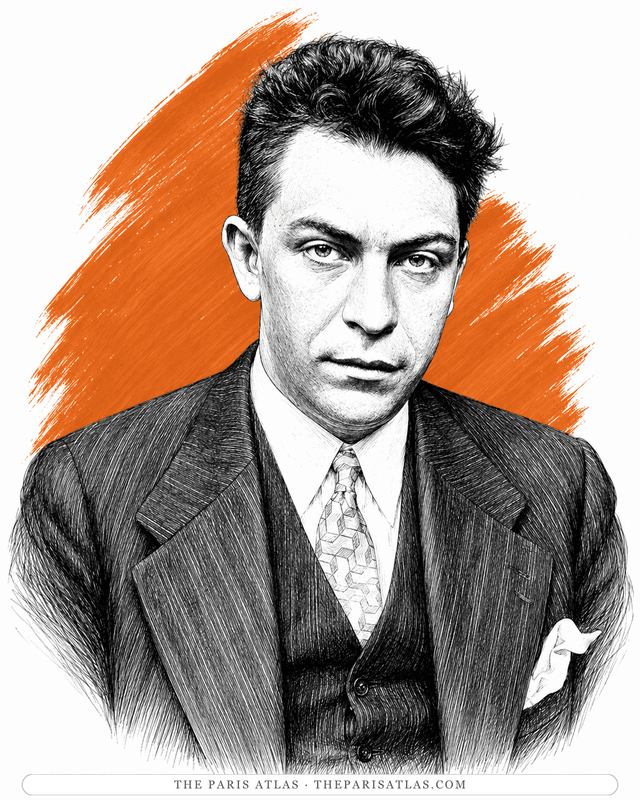
The other great journalist of the Spanish Civil War, reporting the same conflict with the same refusal to flatter the side he preferred.
View author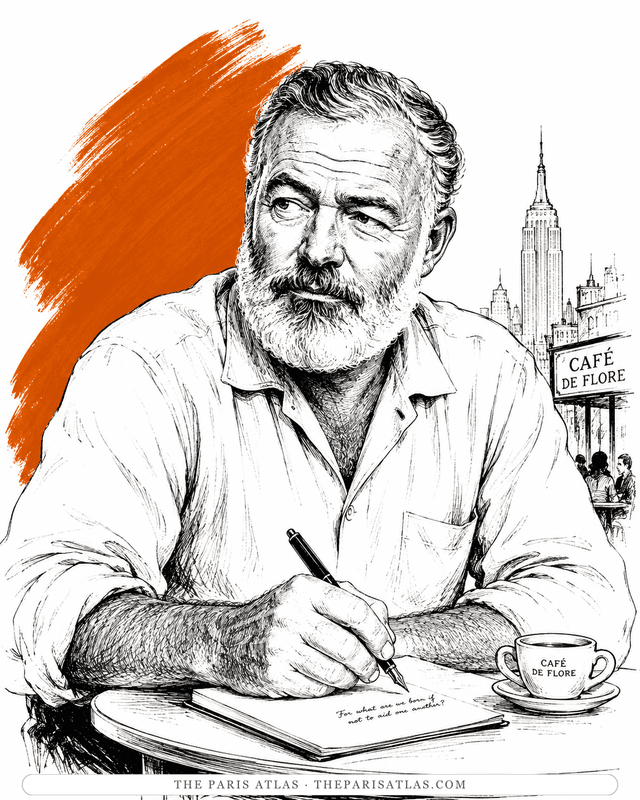
They covered Spain together and he dedicated a novel to her. Read them side by side for how differently the same war lands in fiction and in dispatch.
View author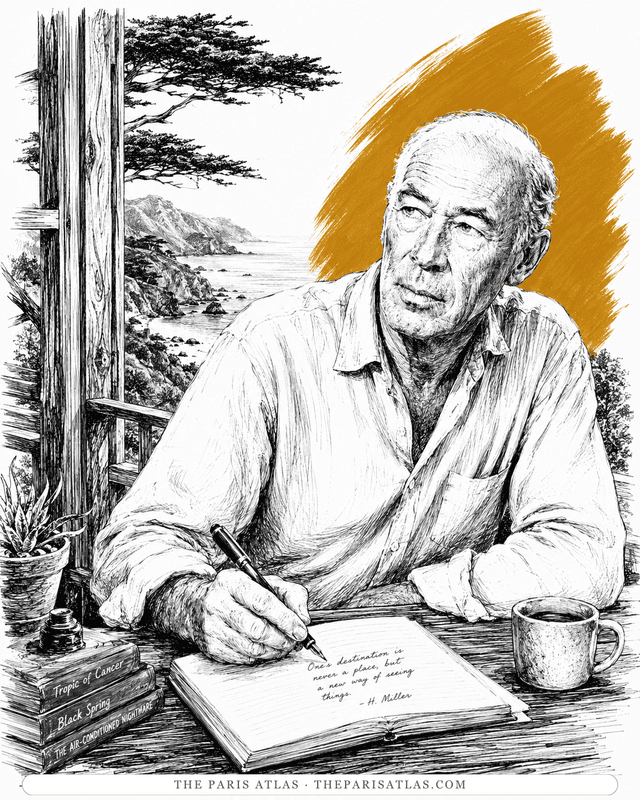
The Brooklyn dropout who arrived in Paris broke at thirty-eight and wrote the exuberant, banned books that ended American censorship.
View authorThe sources below include the primary text, editions, scholarship, archival materials, and other records that informed this page. They document The Honeyed Peace, its publication, and its place in literary history.

The primary text represented by this page, used for descriptions of the work’s contents and for any quoted passages shown here.

Published analysis and historical context used in preparing the The Honeyed Peace page.
Used to place The Honeyed Peace within Martha Gellhorn's published work and verify its bibliographic context.
Used for independent biographical, archival, or historical context surrounding Martha Gellhorn's career and the period in which The Honeyed Peace appeared.
Used to cross-check authorship, chronology, and the work's place in Martha Gellhorn's wider catalogue.
Used to verify Martha Gellhorn's bibliography and place The Honeyed Peace within the broader chronology of Martha Gellhorn's career.
The primary text is the baseline reference for every book page. Additional references document publication history, interpretation, and historical context where that evidence is available.
 Explore more resources