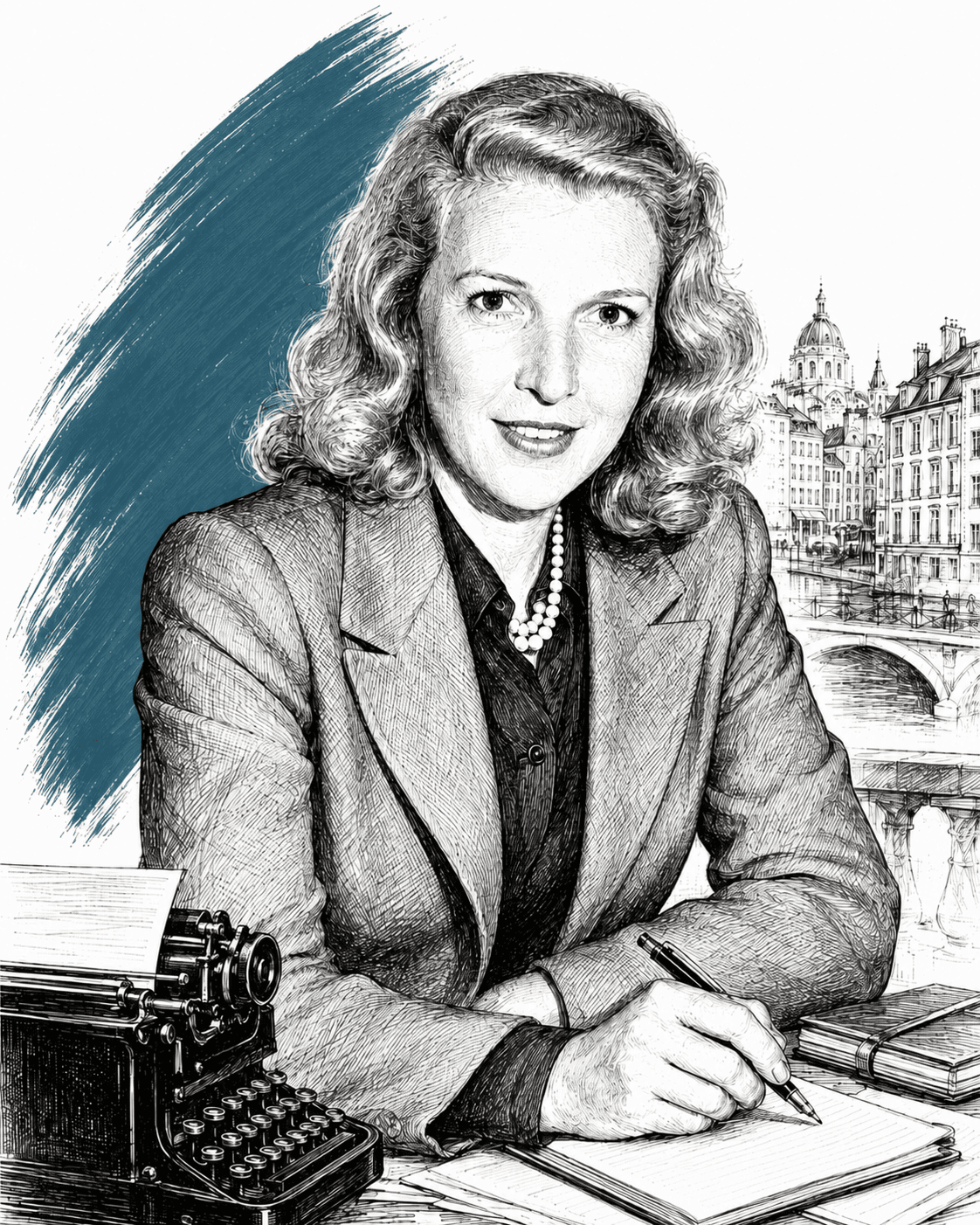

Two by Two
The nearest companion — four long stories on marriage, and gathered into the same omnibus.
Read our take
Three long stories about clever people who cannot see the thing standing in front of them. The title is a joke, and this was her last collection.
Gellhorn's 1965 collection gathers three long stories about people whose intelligence fails to protect them from what they want. The title is a joke at the reader's expense: these are not pretty tales, and the tiredness is the sort that comes from watching capable adults ruin themselves in slow motion. It is the last of her three story collections and the most astringent.
Three long stories: A Promising Career, The Clever One, and The Fall and Rise of Mrs Hapgood. Marriage and sexual politics are the subject of all three, handled with less patience than in Two by Two seven years earlier.
Gellhorn was fifty-six, between The Face of War and the Vietnam reporting. The register is the one she used for people she had decided not to protect: characters who are clever in company and cannot see the thing standing in front of them. She never said in so many words that the title was ironic, and the stories make it difficult to read any other way. All three were collected into The Short Novels of Martha Gellhorn in 1991, which is how most readers now reach them.
Terry Potter's review reads Claud Roylands's downfall in A Promising Career as an exposure of the community that once admired him. The interest is not simply that desire destroys a successful man's prospects. Potter emphasizes the contrast between his acquaintances' professed concern and their enjoyment of his humiliation, conveyed through dialogue rather than direct explanation. On this reading, social respectability is less a reliable judgment of character than a fragile agreement among spectators. The headmaster's loss of standing reveals how little protection their approval ever offered.
Potter describes Mrs Hapgood's response to marital abandonment as a rejection of her accustomed niceness. Read beside his account of Roylands, her reinvention reverses the assumption that losing an established place must mean losing a future. The habit of pleasing others becomes something she can reconsider rather than a fixed definition of herself. This contrast helps explain the collection's interest in sexual politics: social roles organize what its characters expect from intimacy, but those expectations can collapse into either humiliation or an opportunity to behave differently.
The war reporting is where the compassion lives. The stories are where the eye is coldest, and this collection is the coldest of the three.
1965, between The Face of War and the Vietnam reporting, by a writer with nothing left to prove.
Long stories with room to move, closer to short novels than to anything you would call a sketch.
1965
Simon & Schuster publishes the three long stories, with a UK edition from Michael Joseph the same year — Gellhorn fifty-six, between The Face of War and the Vietnam reporting.
1991
All three are gathered into The Short Novels of Martha Gellhorn, from Sinclair-Stevenson.
1994
The omnibus reaches America as The Novellas of Martha Gellhorn, from Vintage — how most readers now find the stories.

The nearest companion — four long stories on marriage, and gathered into the same omnibus.
Read our take
Martha Gellhorn. The collection was published in 1965.
Three long stories — A Promising Career, The Clever One, and The Fall and Rise of Mrs Hapgood — about people whose intelligence fails to protect them from what they want.
No — it is a joke at the reader's expense. These are not pretty tales, and the tiredness is the kind that comes from watching capable adults ruin their lives.
Marriage and sexual politics, among people who ought to know better.
A collection of three long stories — the novella length Gellhorn favored throughout her fiction.
Explore authors with a similar voice, perspective, and influence.
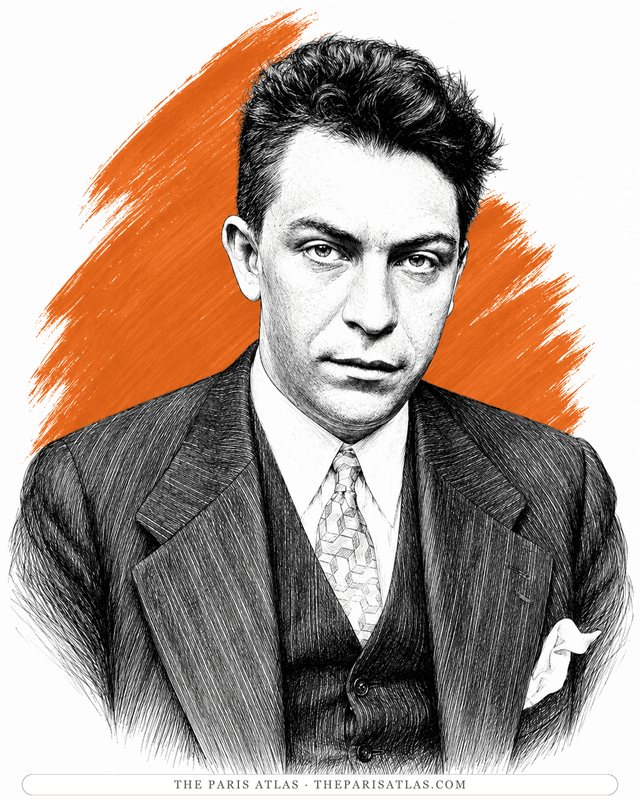
The other great journalist of the Spanish Civil War, reporting the same conflict with the same refusal to flatter the side he preferred.
View author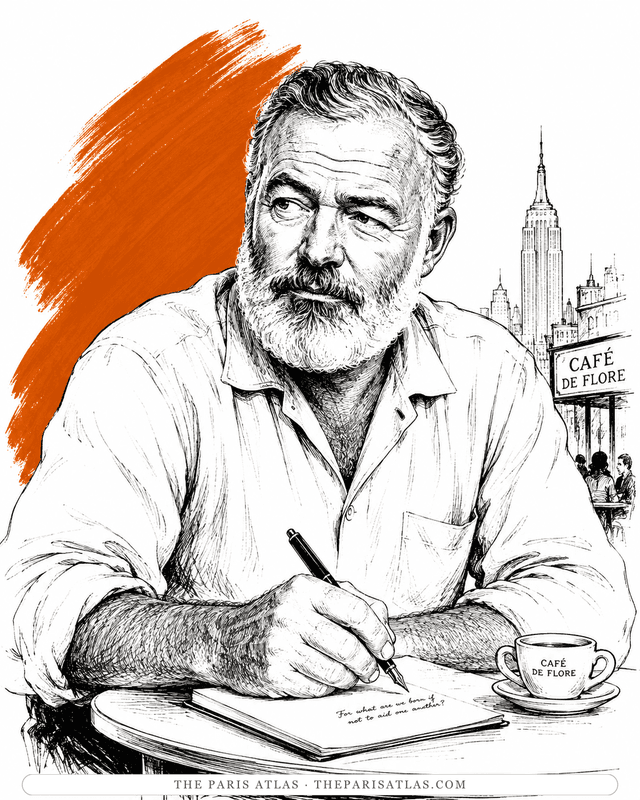
They covered Spain together and he dedicated a novel to her. Read them side by side for how differently the same war lands in fiction and in dispatch.
View author
The Brooklyn dropout who arrived in Paris broke at thirty-eight and wrote the exuberant, banned books that ended American censorship.
View authorThe sources below include the primary text, editions, scholarship, archival materials, and other records that informed this page. They document Pretty Tales for Tired People, its publication, and its place in literary history.


Used to verify Pretty Tales for Tired People's bibliographic context and its place within Martha Gellhorn's published work.
Used for independent archival, institutional, or historical context surrounding Martha Gellhorn and Pretty Tales for Tired People.
Used to cross-check chronology, publication history, and the circumstances in which Pretty Tales for Tired People appeared.
Used for an additional scholarly or biographical perspective on Pretty Tales for Tired People and Martha Gellhorn's wider career.
Work-specific critical review, explicitly attributed in the added analysis; not a primary-text or edition collation.
The primary text is the baseline reference for every book page. Additional references document publication history, interpretation, and historical context where that evidence is available.
 Explore more resources