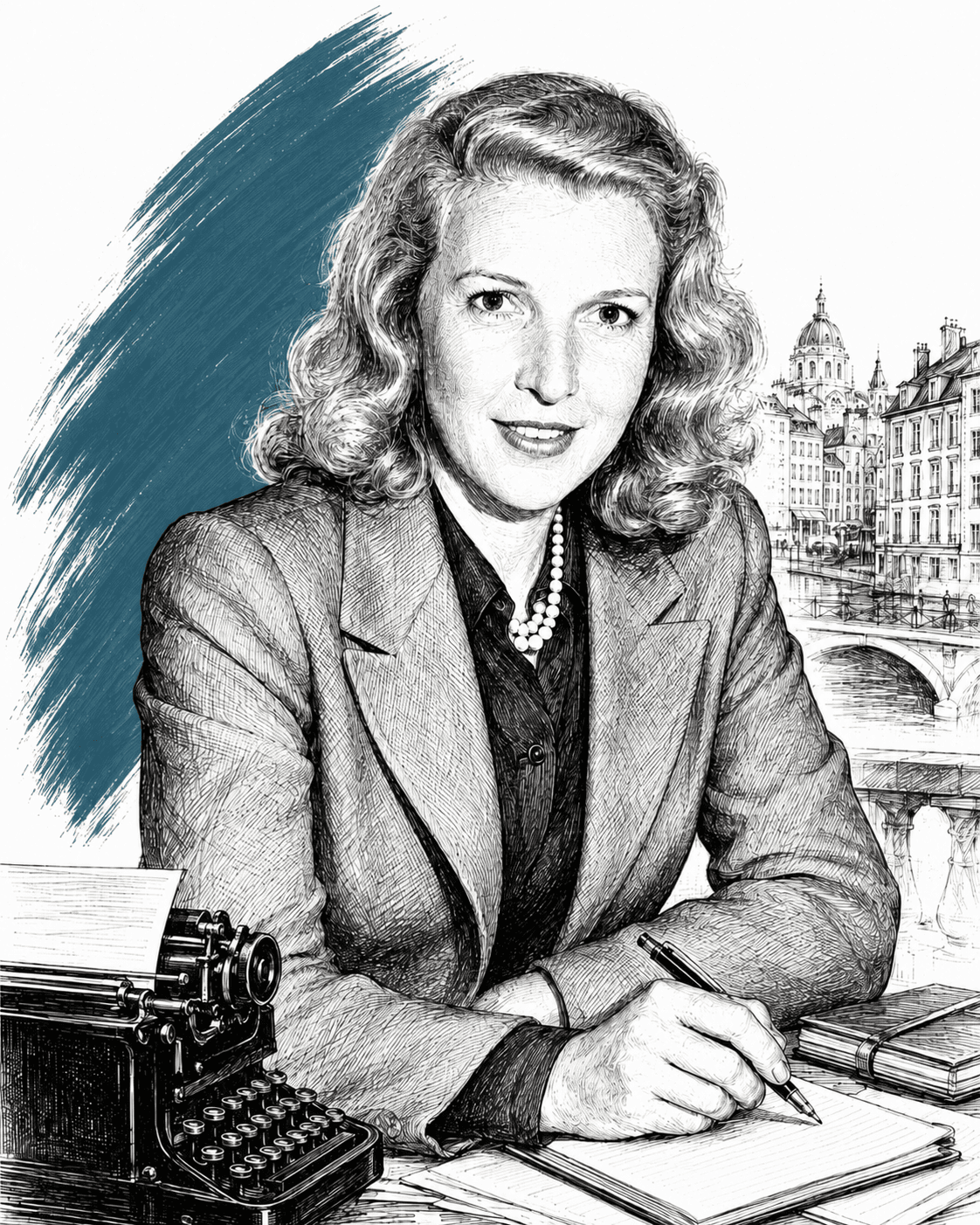


The Short Novels of Martha Gellhorn
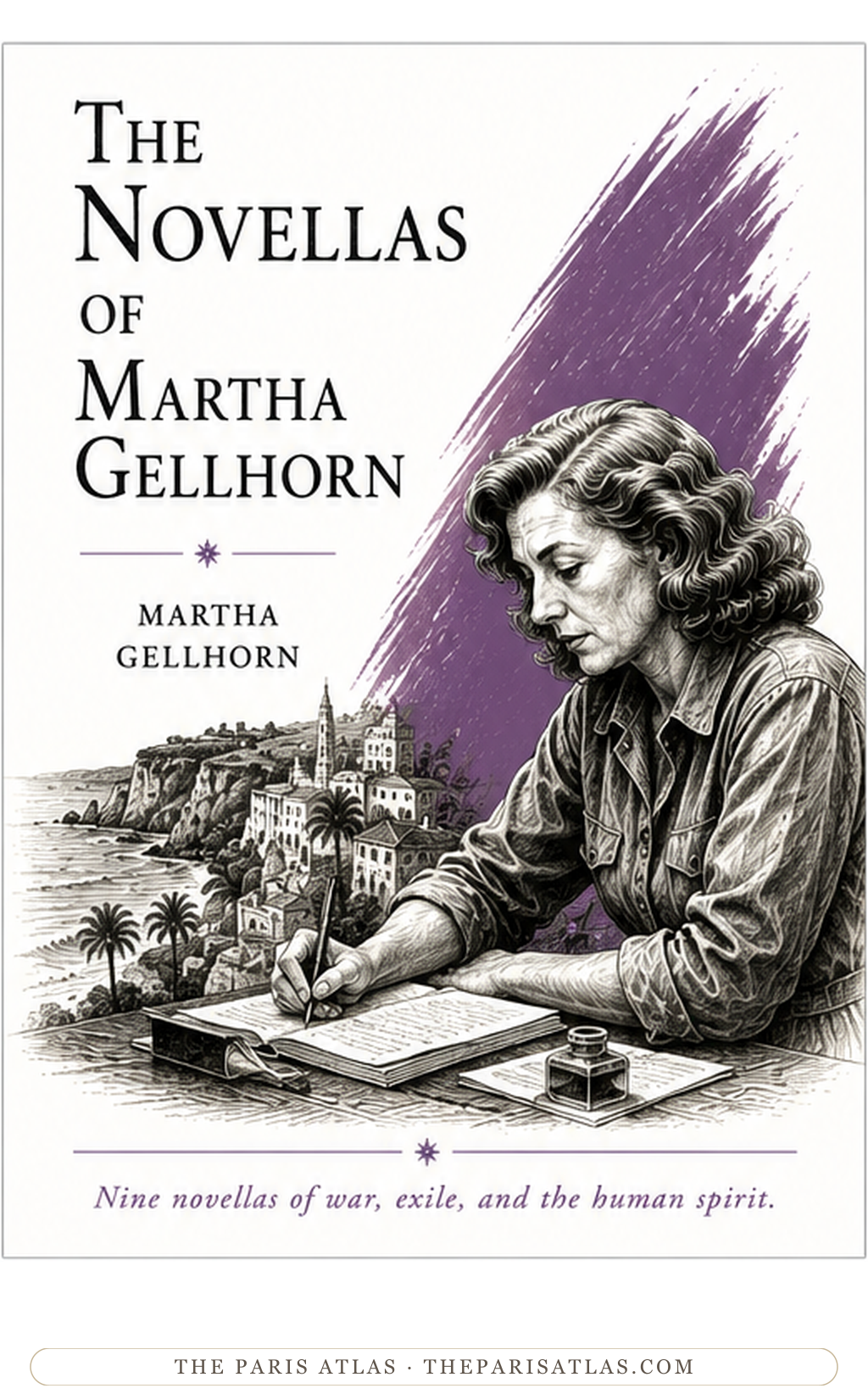
Fourteen novellas written between 1936 and 1978, gathered in one volume. For most of Gellhorn's fiction it is the only edition still in circulation.
- 1991
- 736
About Martha Gellhorn
The story, briefly
Spoiler-freeThe collected novellas, drawn from four earlier collections published between 1936 and 1978 and assembled by Sinclair-Stevenson in 1991. It runs to more than seven hundred pages and includes the three African novellas from The Weather in Africa alongside earlier work. This is the single volume in which the form she was best at can be read in sequence, and for most of her fiction it is the edition still in circulation.
The story, in more detail
Fourteen pieces drawn from four collections published between 1936 and 1978, running to more than seven hundred pages. The early work includes the Depression novellas — Mrs Maddison, Joe and Pete, Jim, Ruby — that made her name in The Trouble I've Seen. The middle of the book holds the marriage sequence titled after the vows, For Better For Worse, For Richer For Poorer, In Sickness and In Health, Till Death Us Do Part, and the sharper later stories: A Promising Career, The Clever One, The Fall and Rise of Mrs Hapgood. It closes with the three African novellas from The Weather in Africa.
Read in order, it is the clearest available account of what she actually did as a fiction writer, which is not what her reputation suggests. The subjects move from American poverty to European marriages to colonial Africa across fifty years, and the form stays constant: long enough to hold a whole life, short enough that nothing can be padded. Several of the source collections have been out of print for decades, so for most of this material this volume is the only way in.
Themes and analysis
Mrs Maddison’s best hat
In the opening, read here in Denise Geneix’s French translation as revised by the publisher, dressing becomes Mrs Maddison’s defense against being defined by need. The cracked mirror blurs her face but leaves the hat distinct: the object she can arrange seems more manageable than the person seeking relief. Her insistence that assistance is a right sits beside her uncertainty about that right. The effect is not a simple celebration of pride. Her effort to appear respectable also includes racial contempt, showing how a claim to dignity can coexist with a wish to stand above other people in hardship.
Return to the mountain hotel
In Anita Kamala Dalal’s reading of “On the Mountain,” the Jenkins parents’ work is directed toward an inheritance for their daughters. That emphasis makes the hotel more than a picturesque refuge: it represents effort meant to outlast the people who supplied it. Beside Mrs Maddison’s need for immediate relief, this concern with inheritance changes the timescale of security, from surviving the present to protecting a future generation. The comparison also invites a distinction between having somewhere to return and having a life settled for you. Material shelter is important without being a complete account of belonging.
Why we recommend it
The form she was best at
Her novels are uneven and her novellas are not. This is the volume that makes the case.
Still the edition in circulation
Several of the individual collections have been out of print for decades. This one is how most readers reach them.
A career readable in order
Forty years of work in sequence, which is a different thing from any single collection.
What this book explores
Timeline
1936–1978
The fourteen novellas first appear across four collections — from the Depression stories of The Trouble I've Seen to the African novellas of The Weather in Africa.
1991
Sinclair-Stevenson gathers them in London as The Short Novels of Martha Gellhorn, more than seven hundred pages — the form she was best at, readable in sequence at last.
1993
Knopf reissues the volume in the United States as The Novellas of Martha Gellhorn, with a Vintage paperback the next year.
Book editions
Hardcover
- Hardcover
- Sinclair-Stevenson
- 1991
- Hardcover
- Knopf
- 1993
Paperback
- Paperback
- Picador
- 1994
Reader reviews
Readers may also like


The Short Novels of Martha Gellhorn: frequently asked questions
What is The Short Novels of Martha Gellhorn?
A 1991 collection gathering her novellas from four earlier collections published between 1936 and 1978. It runs to more than seven hundred pages.
What does it include?
Fourteen pieces, including the three African novellas from The Weather in Africa alongside her earlier work.
Who was Martha Gellhorn?
A pioneering American war correspondent and novelist, and briefly Ernest Hemingway's third wife.
Is this the best single volume of her fiction?
It is the one volume that gathers the bulk of her novellas — the form many readers think she was strongest in.
When were the novellas written?
Across her career, from 1936 to 1978, drawn from four separate collections.
If you like Martha Gellhorn
Explore authors with a similar voice, perspective, and influence.

Manuel Chaves Nogales
The other great journalist of the Spanish Civil War, reporting the same conflict with the same refusal to flatter the side he preferred.
View author
Ernest Hemingway
They covered Spain together and he dedicated a novel to her. Read them side by side for how differently the same war lands in fiction and in dispatch.
View author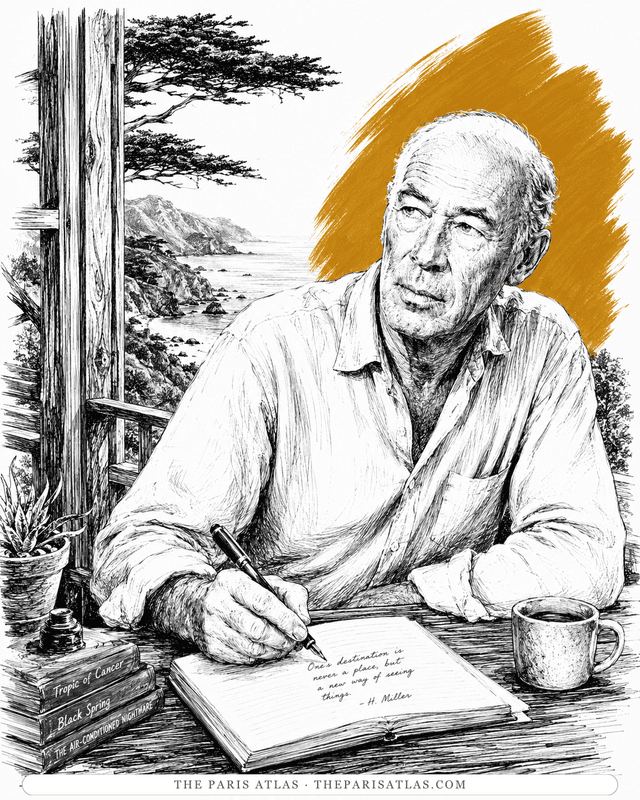
Henry Miller
The Brooklyn dropout who arrived in Paris broke at thirty-eight and wrote the exuberant, banned books that ended American censorship.
View author
References
References
The sources below include the primary text, editions, scholarship, archival materials, and other records that informed this page. They document The Short Novels of Martha Gellhorn, its publication, and its place in literary history.

1The Short Novels of Martha Gellhorn
NovelMartha Gellhorn, 1991Used forThe primary text represented by this page, used for descriptions of the work’s contents and for any quoted passages shown here.
2Martha Gellhorn: A Life
BiographyCaroline Moorehead, 2003Used forUsed to verify The Short Novels of Martha Gellhorn's bibliographic context and its place within Martha Gellhorn's published work.
3Martha Gellhorn — War Correspondent and Writer | Blue Plaques
WebsiteEnglish HeritageUsed forUsed for independent archival, institutional, or historical context surrounding Martha Gellhorn and The Short Novels of Martha Gellhorn.
4Ernest Hemingway Collection — Martha Gellhorn (Hemingway) | EH@JFK, John F. Kennedy Presidential Library
WebsiteJohn F. Kennedy Presidential Library and MuseumUsed forUsed to cross-check chronology, publication history, and the circumstances in which The Short Novels of Martha Gellhorn appeared.
5Martha Gellhorn | Historic Missourians
WebsiteThe State Historical Society of MissouriUsed forUsed for an additional scholarly or biographical perspective on The Short Novels of Martha Gellhorn and Martha Gellhorn's wider career.
6J’ai vu la misère — publisher’s excerpt of Mrs Maddison
WebsiteLes Éditions du Sonneur, 2017Used forThe opening in Denise Geneix’s French translation, revised by the publisher; not a collation with the English collected edition.

7In Search of Home: The Writings of Katherine Anne Porter, Martha Gellhorn, Elizabeth Bishop and Joan Didion
NonfictionUniversity College London, doctoral thesis, 1998Used forUsed for the explicitly attributed critical reading of the parents’ work, not as a substitute for a complete reading of the novella.
8The Weather in Africa — publisher's description
WebsiteEland BooksUsed forPublisher’s description supplies the premise of the sisters’ return to their parents’ hotel; it is not a primary-text excerpt.
9Martha Gellhorn and Ernest Hemingway: A Literary Relationship — MA thesis
WebsiteUniversity of North Texas, 2003Used forIdentifies the four reprinted collections and the British and American titles; not a page-by-page comparison of editions.
i
Why these sources are here
The primary text is the baseline reference for every book page. Additional references document publication history, interpretation, and historical context where that evidence is available.
 Explore more resources