

The Weather in Africa
Three novellas about Europeans who stayed in East Africa: two sisters at a hotel on Kilimanjaro, a man building a farm in Kenya, a woman out of options.
- 1978
About Martha Gellhorn
The story, briefly
Spoiler-freeThree linked novellas set in East Africa. In the Mountains follows two sisters at a hotel on the slopes of Kilimanjaro; In the Highlands takes a man released from a German prison camp after the war to Kenya, where he builds a dairy farm; By the Sea, the shortest, stays with a woman who has run out of room. The common subject is what happens to European outsiders who attach themselves to a landscape that does not need them. Published by Allen Lane in 1978, and generally held to be the strongest of her late fiction.
The story, in more detail
In the Mountains, the longest of the three, turns on two sisters at a hotel on the slopes of Kilimanjaro — one plain and capable, one beautiful and not — and on what the hotel and the mountain do to a family over years. In the Highlands follows a man who spent the war in a German prison camp and afterwards goes to Kenya alone and builds a dairy farm, on the theory that solitude and work will answer. By the Sea is the shortest and the hardest: a woman at the coast with nothing left to arrange.
The three are not connected by characters. What links them is a question about Europeans who attach themselves to East Africa and expect the attachment to be returned. Gellhorn had been going to Africa for decades by 1978 and the landscape in these novellas is not scenery — it is the thing the characters keep failing to become part of, and the reason each story ends where it does. All three were later collected in The Short Novels.
Themes and analysis
Ian’s highland farm
In “In the Highlands,” domestic conflict changes Ian's relationship with the farm itself. The German passage quoted in Gabriele Killert's review moves from Grace's racist refusal to share the farm office with African workers to Ian's layered embarrassment about his wife and his own response. That inward discomfort then becomes visible behavior: he stops pausing to admire the land and grows curt with the workers. The landscape has not altered, but his ability to take pleasure in it has. The passage makes the farm's peace dependent on human relations, not something that its beauty can guarantee.
Solitude by the sea
Carl Rollyson's account of “By the Sea” brings out a cruel reversal in the idea of travel as escape. Mrs Jamieson's holiday takes her away from familiar surroundings but exposes her to further suffering: Rollyson recounts the road accident involving a child and her identification with the child's mother. His account then follows the exploitation of her guilt at the hotel. The room offers withdrawal without security, and the journey cannot separate her sorrow from other people's suffering or conduct. Read through that sequence, the seaside setting becomes a failed promise of refuge, not merely a picturesque backdrop to sadness.
Why we recommend it
The strongest of the late fiction
If one book of her invented work is going to hold a reader, this is usually the one.
Landscape doing real work
Kilimanjaro, the highlands, the coast. The geography is not scenery; it is what the characters keep failing to become part of.
The novella suited her
Long enough for a life, short enough to stay hard. She returned to the form more than to the novel.
What this book explores
Timeline
1978
Allen Lane publishes the three East African novellas in London — generally held to be the strongest of Gellhorn's late fiction.
1991
All three are collected in The Short Novels of Martha Gellhorn.
2006
Eland reissues the three novellas as The Weather in Africa.
Book editions
Hardcover
- Hardcover
- Allen Lane
- 1978
Reader reviews
Readers may also like


The Weather in Africa: frequently asked questions
Who wrote The Weather in Africa?
Martha Gellhorn. The book was published in 1978.
What is The Weather in Africa about?
Three linked novellas set in East Africa — two sisters at a hotel on the slopes of Kilimanjaro; a man released from a wartime prison camp who builds a dairy farm in Kenya; and a shorter one about a woman by the sea.
What kind of book is it?
Fiction — three novellas, the form Gellhorn is often considered strongest in.
Where is it set?
In East Africa, a landscape Gellhorn knew from the years she spent living there.
Where else can I find these novellas?
They are collected alongside her earlier fiction in The Short Novels of Martha Gellhorn (1991).
If you like Martha Gellhorn
Explore authors with a similar voice, perspective, and influence.
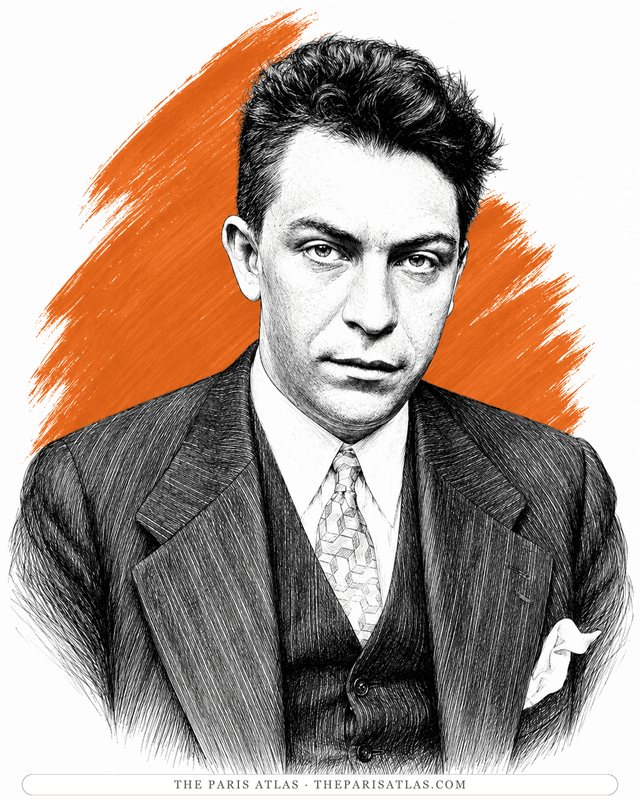
Manuel Chaves Nogales
The other great journalist of the Spanish Civil War, reporting the same conflict with the same refusal to flatter the side he preferred.
View author
Ernest Hemingway
They covered Spain together and he dedicated a novel to her. Read them side by side for how differently the same war lands in fiction and in dispatch.
View author
Henry Miller
The Brooklyn dropout who arrived in Paris broke at thirty-eight and wrote the exuberant, banned books that ended American censorship.
View author
References
References
The sources below include the primary text, editions, scholarship, archival materials, and other records that informed this page. They document The Weather in Africa, its publication, and its place in literary history.


1The Weather in Africa
NovelMartha Gellhorn, 1978Used forThe primary text represented by this page, used for descriptions of the work’s contents and for any quoted passages shown here.
2Martha Gellhorn: A Life
BiographyCaroline Moorehead, 2003Used forUsed to verify The Weather in Africa's bibliographic context and its place within Martha Gellhorn's published work.
3Martha Gellhorn — War Correspondent and Writer | Blue Plaques
WebsiteEnglish HeritageUsed forUsed for independent archival, institutional, or historical context surrounding Martha Gellhorn and The Weather in Africa.
4Ernest Hemingway Collection — Martha Gellhorn (Hemingway) | EH@JFK, John F. Kennedy Presidential Library
WebsiteJohn F. Kennedy Presidential Library and MuseumUsed forUsed to cross-check chronology, publication history, and the circumstances in which The Weather in Africa appeared.
5Martha Gellhorn | Historic Missourians
WebsiteThe State Historical Society of MissouriUsed forUsed for an additional scholarly or biographical perspective on The Weather in Africa and Martha Gellhorn's wider career.
6Browns Books — Eland edition metadata
WebsiteUsed forWeb source consulted for documented facts and historical context presented on the The Weather in Africa page.
7Ich liebte immer nur die Welt der Männer — review with a quoted Gellhorn passage
WebsiteDeutschlandfunk, 2008Used forThe quoted primary passage in German translation, specifically Ian and Grace on the farm. The new reading names this scope; no full novella or original-English comparison is claimed.
8The Novellas of Martha Gellhorn — critical entry
WebsiteEBSCO Research StartersUsed forSigned critical entry, Form and Content section on By the Sea. Used as an explicitly attributed critical account, not as a primary-text transcription.
9The Weather in Africa — publisher's description
WebsiteEland BooksUsed forPublisher's description confirms the three novella titles and their membership in this collection.
i
Why these sources are here
The primary text is the baseline reference for every book page. Additional references document publication history, interpretation, and historical context where that evidence is available.
 Explore more resources