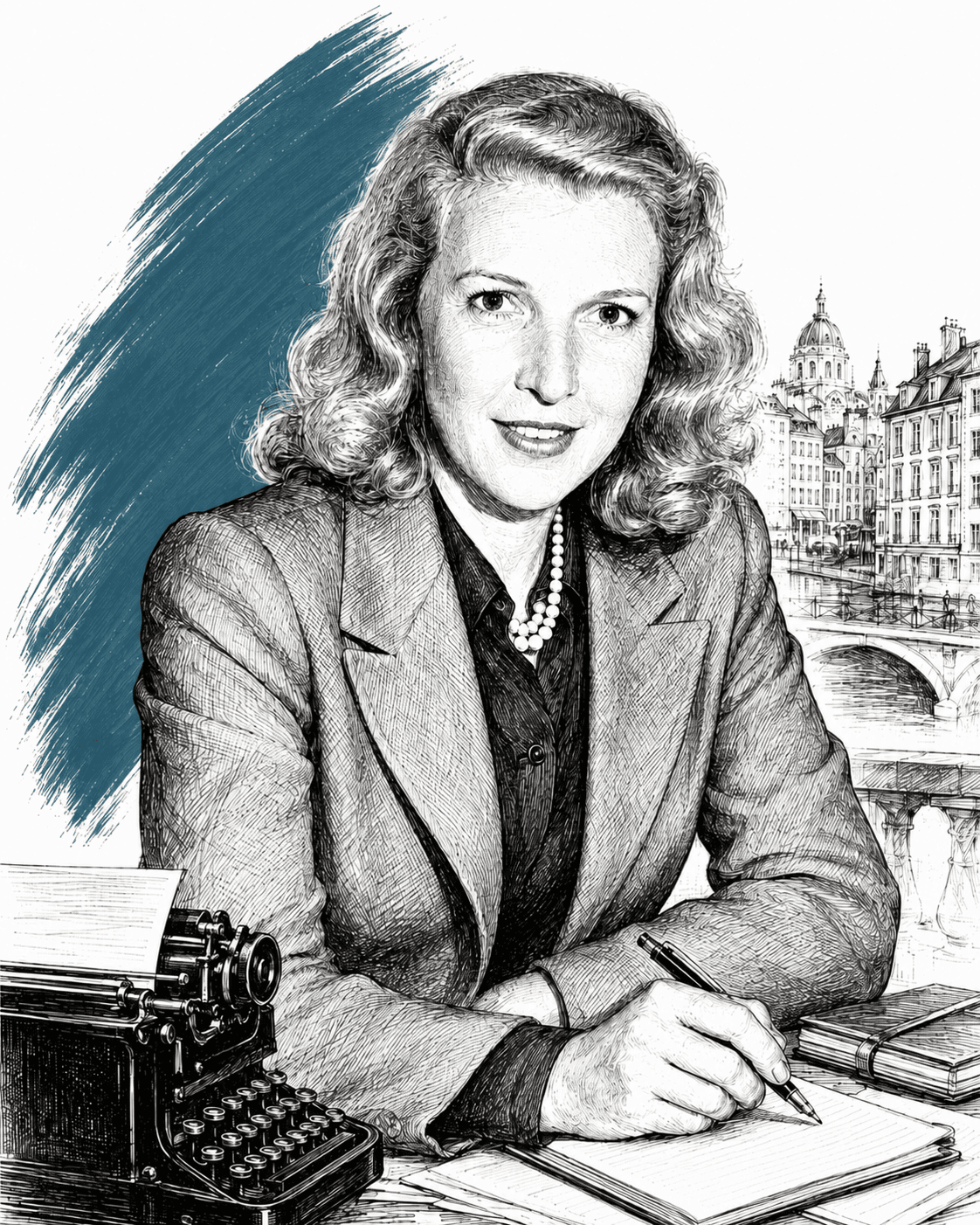

Pretty Tales for Tired People
The companion collection seven years later, and gathered into the same omnibus.
Read our take
Four long stories about marriage, each one titled from a promise made at the altar.
Published in 1958, this is the tightest of Gellhorn's story collections: four long stories about couples, organised by a device she takes from the marriage service, so that each borrowed vow is tested against a situation the ceremony never anticipated. The settings move between Europe and America and the tone is worldly rather than bitter. She is interested in what holds two people together after the reason for it has gone.
Four novellas titled in order from the marriage service: For Better for Worse, For Richer for Poorer, In Sickness and in Health, and Till Death Us Do Part. The cast is professional and mobile — politicians, journalists, war photographers — and the pressures are money, ambition, illness and work rather than romance.
For Richer for Poorer is the comedy of manners, built on Rose Answell, who has spent ten years pushing her husband up the political ladder. In Sickness and in Health is the grim one, a triangle around Annette, who has had heart disease for years. Till Death Us Do Part holds the only marriage in the book with real promise, between the war photographer Bara and Suzy, and the war destroys it. For Better for Worse opens the sequence; its couple cannot be identified here, because it is the one story of the four that the record has almost nothing to say about.
In the original magazine version, The Smell of Lilies, James’s careful fastening of Annette’s brooch looks tender, while his private thoughts expose exhaustion. The gap between gesture and thought makes the gift ambiguous: it sustains her happiness while concealing how far their lives have separated. Its expense also reaches beyond this room. Money spent reassuring Annette cannot support James’s life with Maggie. The brooch connects the two relationships he tries to keep apart, making generosity toward one woman inseparable from a cost to the other.
In that same magazine version, Maggie’s release of the fish is an immediate response to visible suffering. The brief holiday makes care look simple: she can undo the hurt she has just caused. Later, James cannot find an equally harmless way out of his divided life. His final decision to leave Maggie may be read as another attempt to release someone, but without the fish’s clear escape. Gellhorn ends with packing, not reunion, leaving the consequences of this protective gesture unresolved.
Four stories, one device, no padding. The structure does real work rather than decorating the contents page.
No dispatches, no correspondents. Marriage, money, illness and class, handled by someone who had reported harder things.
The omnibus editions keep all four stories in print, which is more than can be said for The Honeyed Peace.
1958
Simon & Schuster publishes the four marriage stories, with a UK edition from Longmans, Green the same year — written in Gellhorn's forties, after the Hemingway marriage.
1991
All four are gathered into The Short Novels of Martha Gellhorn, from Sinclair-Stevenson.
1994
The omnibus reaches America as The Novellas of Martha Gellhorn, from Vintage.

The companion collection seven years later, and gathered into the same omnibus.
Read our take
Martha Gellhorn. The collection was published in 1958.
Four long stories about couples, each titled from a line of the marriage service — For Better for Worse, For Richer for Poorer, In Sickness and in Health — and each testing that vow against a situation the ceremony never anticipated.
The vows of the marriage service, borrowed as titles and pressed against real marriages under strain.
Its settings move across Europe and beyond, following each couple to where its story lives.
The tightest of Gellhorn's story collections — four novellas on marriage.
Explore authors with a similar voice, perspective, and influence.
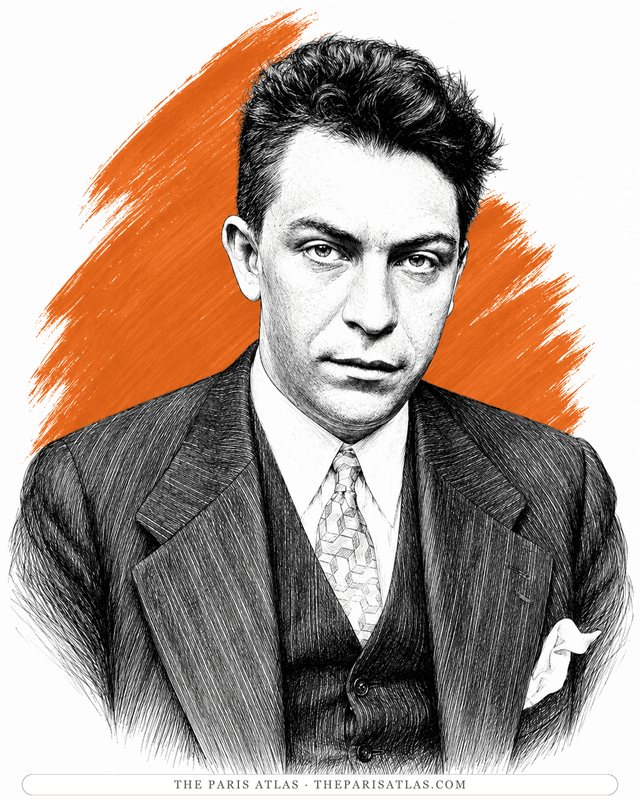
The other great journalist of the Spanish Civil War, reporting the same conflict with the same refusal to flatter the side he preferred.
View author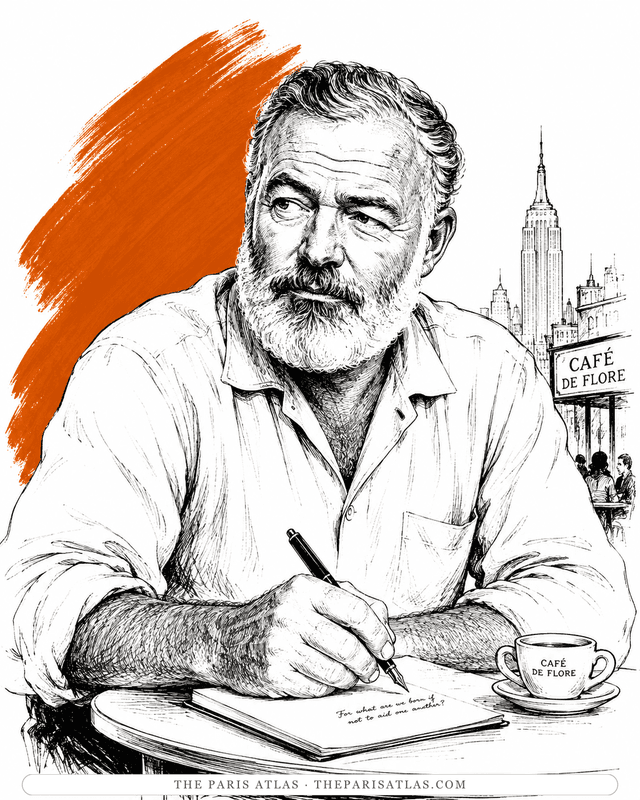
They covered Spain together and he dedicated a novel to her. Read them side by side for how differently the same war lands in fiction and in dispatch.
View author
The Brooklyn dropout who arrived in Paris broke at thirty-eight and wrote the exuberant, banned books that ended American censorship.
View authorThe sources below include the primary text, editions, scholarship, archival materials, and other records that informed this page. They document Two by Two, its publication, and its place in literary history.


Used to verify Two by Two's bibliographic context and its place within Martha Gellhorn's published work.
Used for independent archival, institutional, or historical context surrounding Martha Gellhorn and Two by Two.
Used to cross-check chronology, publication history, and the circumstances in which Two by Two appeared.
Used for an additional scholarly or biographical perspective on Two by Two and Martha Gellhorn's wider career.

Original magazine version, read on the publisher’s website; not collated against the collected text.
Second part of the complete magazine story; the comparison between scenes is an interpretation.
The primary text is the baseline reference for every book page. Additional references document publication history, interpretation, and historical context where that evidence is available.
 Explore more resources