

The Heart of Another
Her first collection: nine stories written months after Spain and the Winter War, published by Scribner's in 1941 and never reprinted.
- 1941
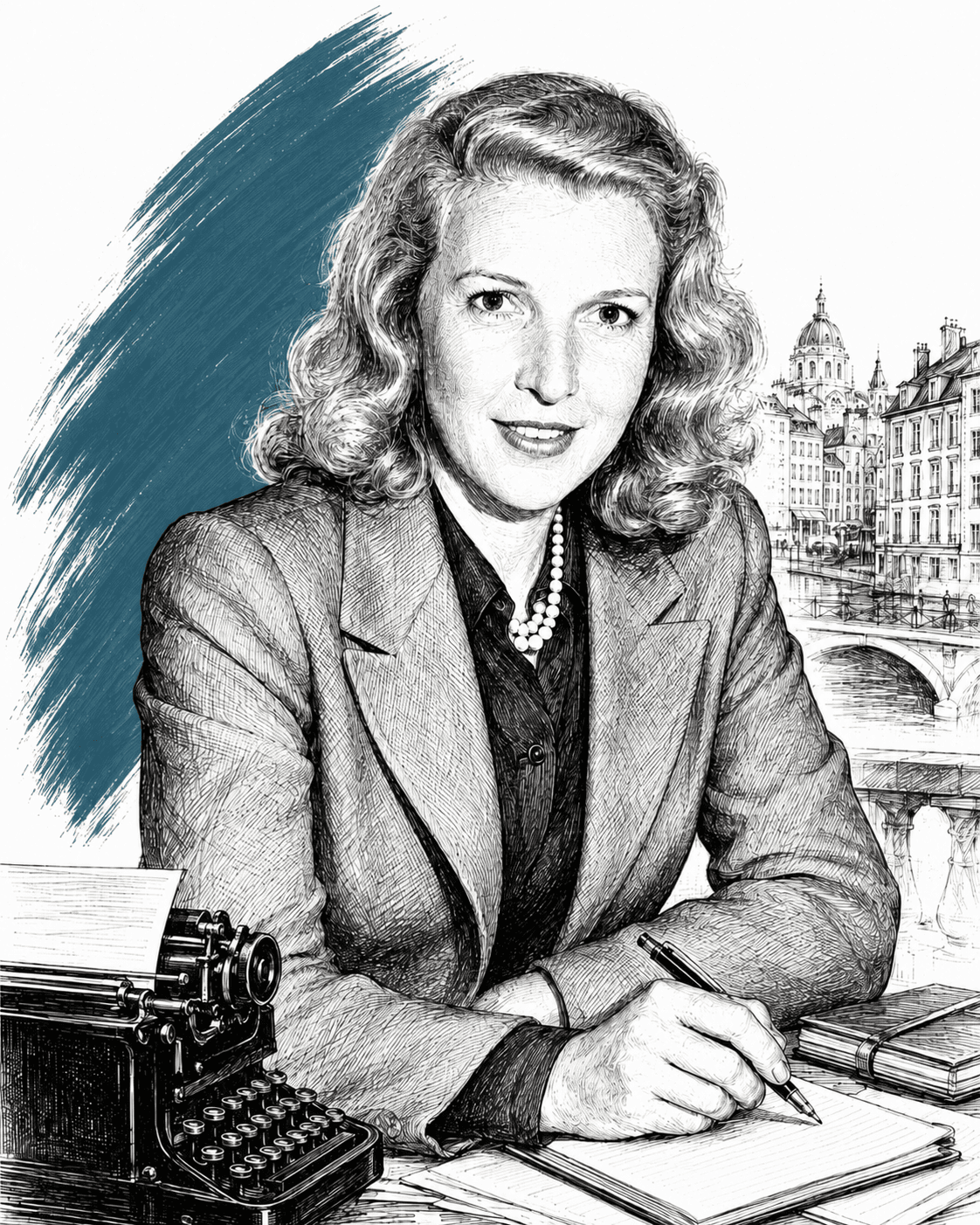
About Martha Gellhorn
The story, briefly
Spoiler-freeGellhorn's first collection of short fiction, written between 1936 and 1941 and published by Scribner's in 1941 under Maxwell Perkins. Several of the stories draw on the two wars she had just covered, the Spanish Civil War and the Russo-Finnish Winter War; others watch those conflicts from a distance, through people who are not in them. She spent most of 1940 on the book. It has not been reprinted since.
The story, in more detail
Four of the nine stories can be identified with confidence: Luigi's House, Zoo in Madrid, A Sense of Direction and Good Will to Men. The book has not been reprinted since 1941 and no contents page for it is readily available, so the remainder of the list is not recoverable here. Zoo in Madrid and A Sense of Direction are Spanish Civil War stories. Luigi's House opens the collection and is set in Corsica, though it belongs to the same war: an American woman tries to make a temporary home in a rented house for her wounded husband, and discovers after Luigi's suicide that the place will never be hers. Good Will to Men closes the book, and follows a former correspondent failing to get her German friend Max out of a French internment camp.
Reviewers at the time described a collection ranging across Spain, occupied France, Finland and the Mannerheim Line, an air base, Corsica and the Tyrol — the two wars she had just covered, and the places from which people watched them. The prose is sparer and more withholding than The Trouble I've Seen. Reviewers noticed that and mostly discussed it by comparing her to Hemingway, which was the standing hazard of publishing fiction at Scribner's while married to him. Maxwell Perkins, who edited both of them, thought she needed comparatively little editing.
Themes and analysis
A house that is not yet a home
In the ending quoted by Emily Robins Sharpe, the woman repeats that the house is Luigi’s, adding only a word that makes the recognition belated. What seemed a place for her future now carries a claim she cannot set aside. Sharpe’s account shows how care for a wounded husband can obscure another resident’s needs. Creating a refuge is therefore not automatically a generous act: the imagined home for two depends on whose attachment to the place is allowed to matter.
The limits of good intentions
In the passage from Good Will to Men that Sharpe quotes, Elizabeth can barely recall Max’s face or the purpose of her efforts, but she remembers her promise. Loyalty becomes something she must keep doing even when conviction wears thin. The repeated appeals also test the people she approaches: a shared political past offers no guarantee of help now. What she can give Max’s wife remains painfully smaller than the intended rescue. That distinction keeps friendship meaningful without turning endurance into a happy ending.
Why we recommend it
Written inside the years it describes
Spain and Finland were months behind her, not decades. The stories carry the temperature of that.
Her first book of stories
The form she kept returning to, and the one the later collections build on.
Out of print since 1941
Little read, rarely discussed, and one of the real gaps in her available work.
What this book explores
Timeline
1936–1941
Gellhorn writes the nine stories across her early career, several drawing on the Spanish Civil War and the Russo-Finnish Winter War she had just covered — spending most of 1940 on the book.
1941
Scribner's publishes it under Maxwell Perkins, her first collection of short fiction; no reprint has followed.
June 1941
Kirkus reviews the story collection, describing its portraits of lives disrupted by war.
Book editions
Hardcover
- Hardcover
- Charles Scribner's Sons
- 1941
Reader reviews
Readers may also like


The Heart of Another: frequently asked questions
Who wrote The Heart of Another?
Martha Gellhorn. It was her first collection of short fiction, published by Scribner's in 1941 under the editor Maxwell Perkins.
What is The Heart of Another about?
Nine stories written between 1936 and 1941, several drawing on the two wars she had just covered — the Spanish Civil War and the Russo-Finnish Winter War.
When were the stories written?
Between 1936 and 1941, across her early career as a reporter and novelist.
Who edited it?
Maxwell Perkins, Scribner's celebrated editor — the same house and editor behind Hemingway and Fitzgerald.
What kind of stories are they?
Short fiction — some set against the wars she reported, others watching those conflicts from a distance.
If you like Martha Gellhorn
Explore authors with a similar voice, perspective, and influence.
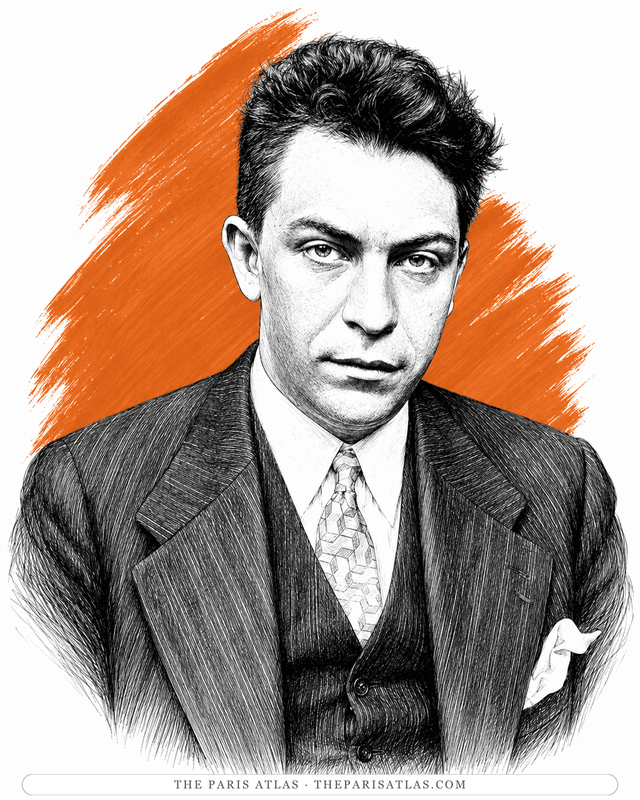
Manuel Chaves Nogales
The other great journalist of the Spanish Civil War, reporting the same conflict with the same refusal to flatter the side he preferred.
View author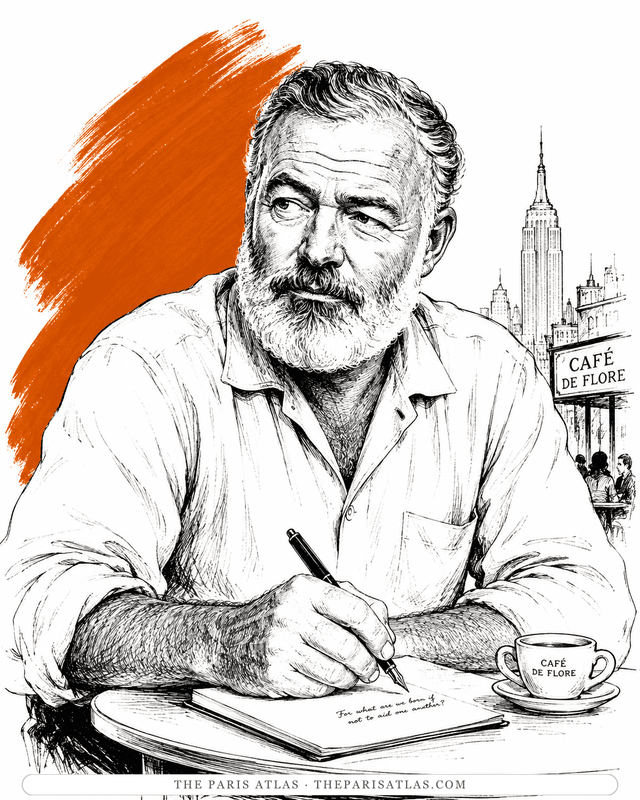
Ernest Hemingway
They covered Spain together and he dedicated a novel to her. Read them side by side for how differently the same war lands in fiction and in dispatch.
View author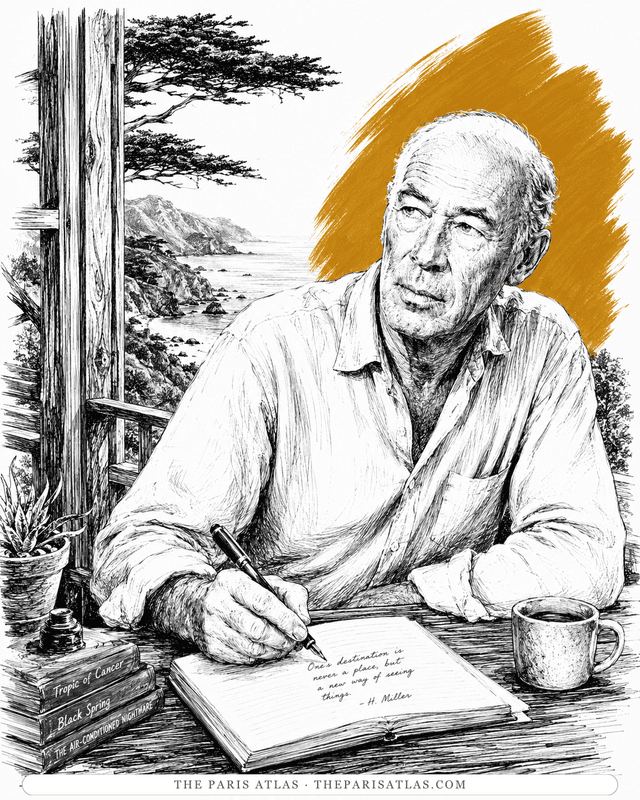
Henry Miller
The Brooklyn dropout who arrived in Paris broke at thirty-eight and wrote the exuberant, banned books that ended American censorship.
View author
References
References
The sources below include the primary text, editions, scholarship, archival materials, and other records that informed this page. They document The Heart of Another, its publication, and its place in literary history.
1The Heart of Another
NovelMartha Gellhorn, 1941Used forThe primary text represented by this page, used for descriptions of the work’s contents and for any quoted passages shown here.
2Martha Gellhorn: A Life
BiographyCaroline Moorehead, 2003Used forBiographical evidence used to verify chronology, relationships, and historical context connected to The Heart of Another.
3Max Perkins: Editor of Genius
BiographyE. P. Dutton, 1978Used forBiographical evidence used to verify chronology, relationships, and historical context connected to The Heart of Another.
4Ernest Hemingway Collection — Martha Gellhorn (Hemingway) | EH@JFK, John F. Kennedy Presidential Library
WebsiteJohn F. Kennedy Presidential Library and MuseumUsed forThe John F. Kennedy Library's Martha Gellhorn collection provides archival context for her reporting, correspondence and early fiction.
5Martha Gellhorn — War Correspondent and Writer | Blue Plaques
WebsiteEnglish HeritageUsed forEnglish Heritage's biographical profile supplies independent context for Gellhorn's career as a writer and war correspondent.
6the heart of another — edition and reception record
WebsiteKirkus ReviewsUsed forDocuments the dated edition or contemporary reception included in the timeline.
7Mosaic Fictions: Writing Identity in the Spanish Civil War
EssaysUniversity of Toronto Press, 2020Used forChapter 3 supplies the critical discussion and primary passages for the two illustrated-scene readings.
i
Why these sources are here
The primary text is the baseline reference for every book page. Additional references document publication history, interpretation, and historical context where that evidence is available.
 Explore more resources