
For Whom the Bell Tolls
The same war, reported and imagined — Hemingway dedicated the novel to her, and both came out of the Spain they covered together.
Read our take
Sixty years of war reporting in one book, written by someone who kept going back long after the story stopped being hers.
Gellhorn's collected war journalism, first published in 1959 and expanded three times as she added the wars she went on covering. It opens in Spain in 1937 and runs through Finland, China, the Italian campaign, Normandy, and the liberation of Dachau, then picks up again in Vietnam and Central America. The connecting essays she wrote between the sections are as good as the dispatches: an older correspondent explaining, without much patience, what the younger one had been doing.
The book is arranged by war rather than by date of writing, which is what gives it its shape: Spain, Finland, China, the Second World War in Europe, Java, Vietnam, the Middle East, Central America. Between them sit sections she called Interim, on the intervals when people were trying to arrange peace. The Spanish pieces are the famous ones — 'High Explosive for Everyone', 'The Besieged City', 'The Third Winter' — and they set the method for everything after: she does not report the strategy, she reports the queue for bread and what a shell does to a street that was there yesterday.
Each section carries an introduction written decades later, and those are the argument of the book. Gellhorn is explaining what she thought she was doing at twenty-eight and what she thinks of it now, and she is not gentle about either. The 1959 introduction was kept in later printings and a revised one added in 1986, so the American edition of 1988 carries both, thirty years apart, disagreeing in places. That is unusual in a collected-journalism volume and it is the reason to read this one rather than an anthology of the dispatches alone.
The welcome in “The Third Winter” does not seal the household off from Barcelona. Gellhorn interrupts the family conversation with longer passages on food queues, hospitals and factories, then returns to the room. Private speech and public observation test each other: a child's amusement at a quarrel becomes the occasion to show the hunger beneath it. Mrs. Hernandez's final assertion of faith is therefore not left as a simple reassuring conclusion. The reader has already seen how much suffering that confidence must endure.
The wounded men aboard the landing craft in “The First Hospital Ship” are described through their injuries before their nationality becomes clear. Hearing German abruptly changes the stretcher-bearer's sympathy into anger. Gellhorn records his response, then closes this extract with the patients' frightened silence while the crew celebrates shooting down enemy planes. That contrast refuses to make military success the only measure of the scene. What signals achievement to the crew leaves helpless men afraid: the report keeps both experiences within the reader's hearing.
If you read one Gellhorn, read this. It contains the Spanish Civil War reporting that made her, the Normandy dispatch she filed after stowing away on a hospital ship, and Dachau days after the liberation.
Written decades later, they are the book's spine — Gellhorn assessing her own reporting, and the uses war writing is and isn't put to.
Not by arguing. The dates simply run from 1937 to the 1980s, which is thirty-odd years after the marriage ended.
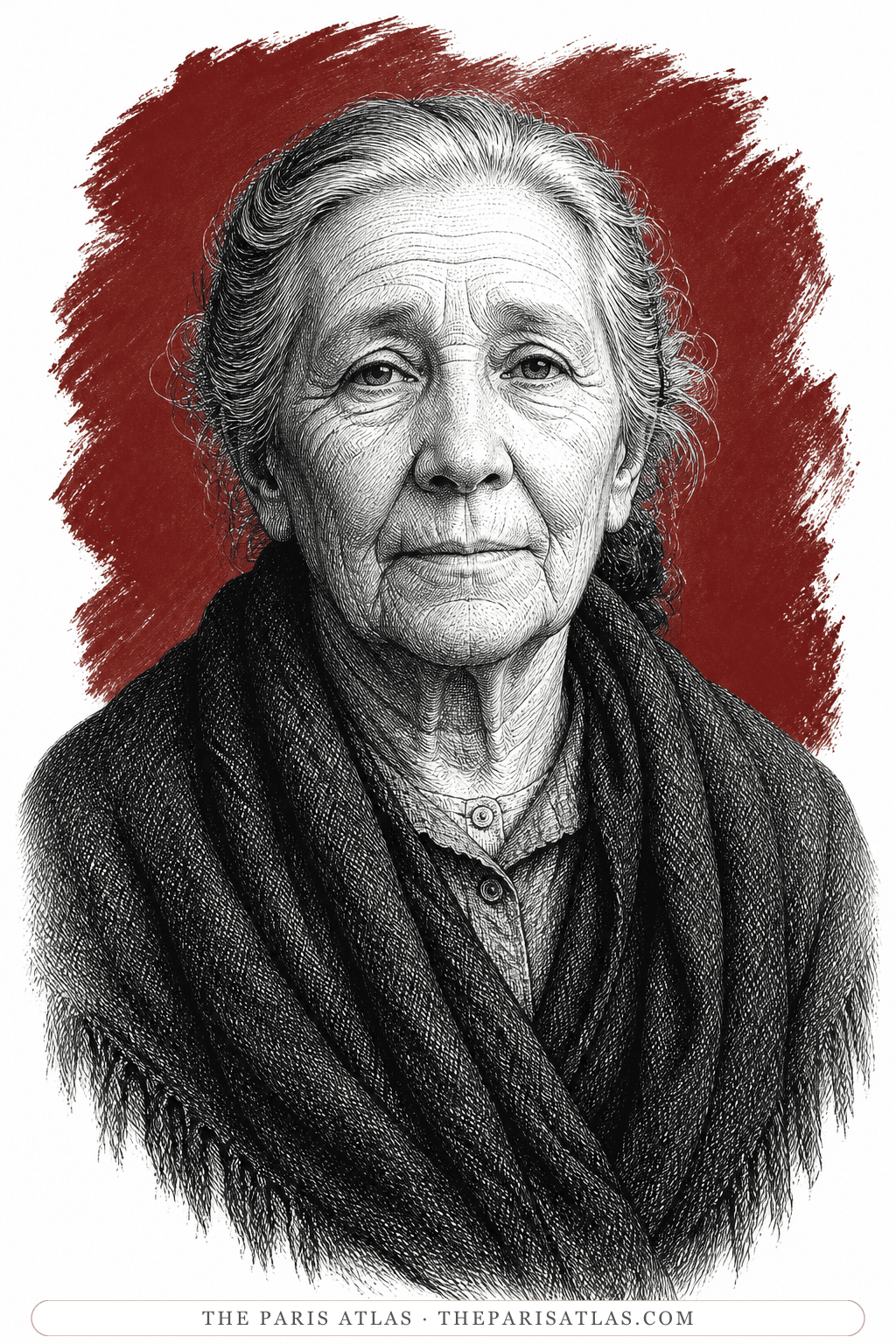
A grandmother in Barcelona feeding six people on boiled cabbage leaves, with two sons at the front and her city under daily air raids.
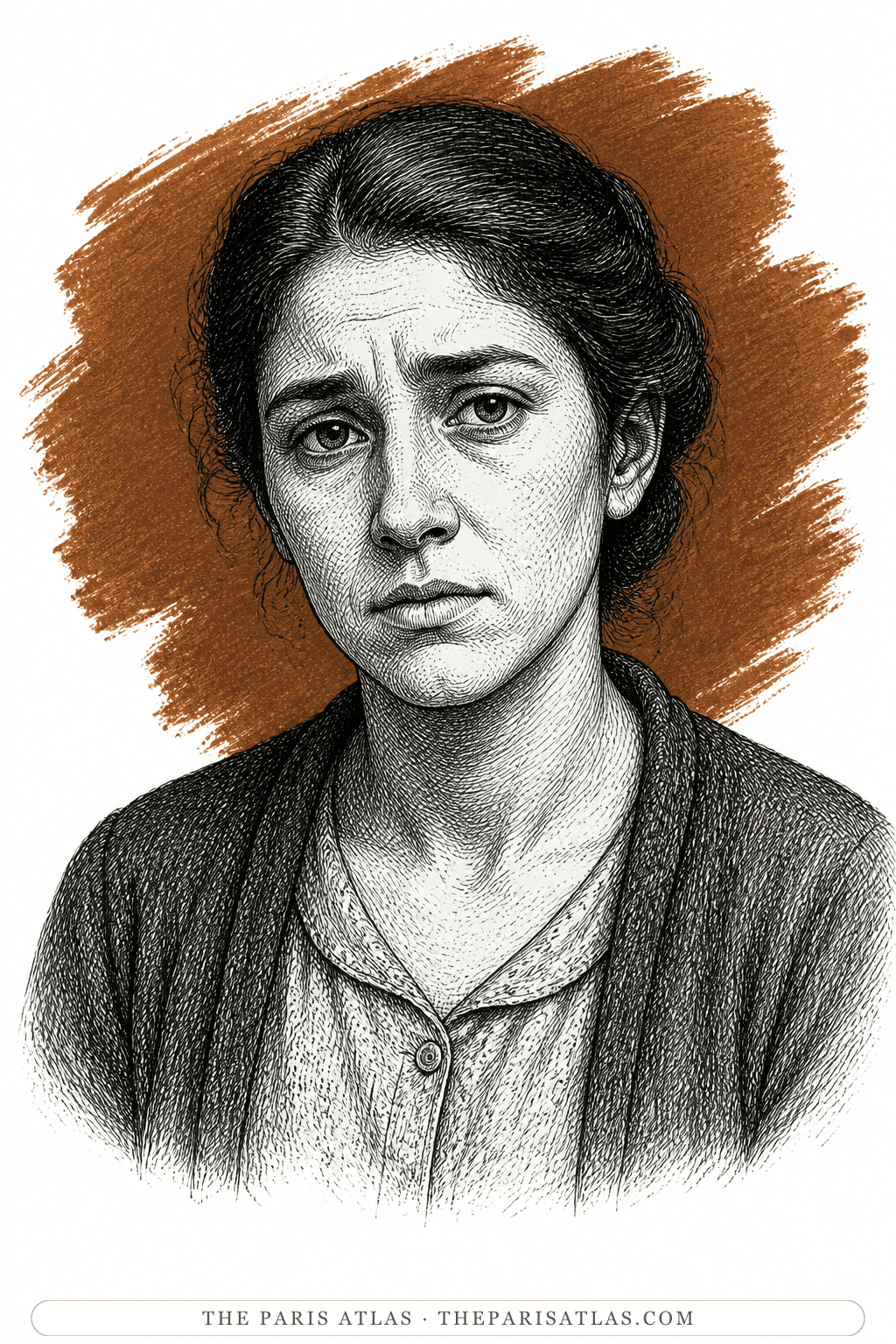
The young daughter-in-law in the same Barcelona flat, five months without seeing her husband, with a baby who is not getting enough to eat.
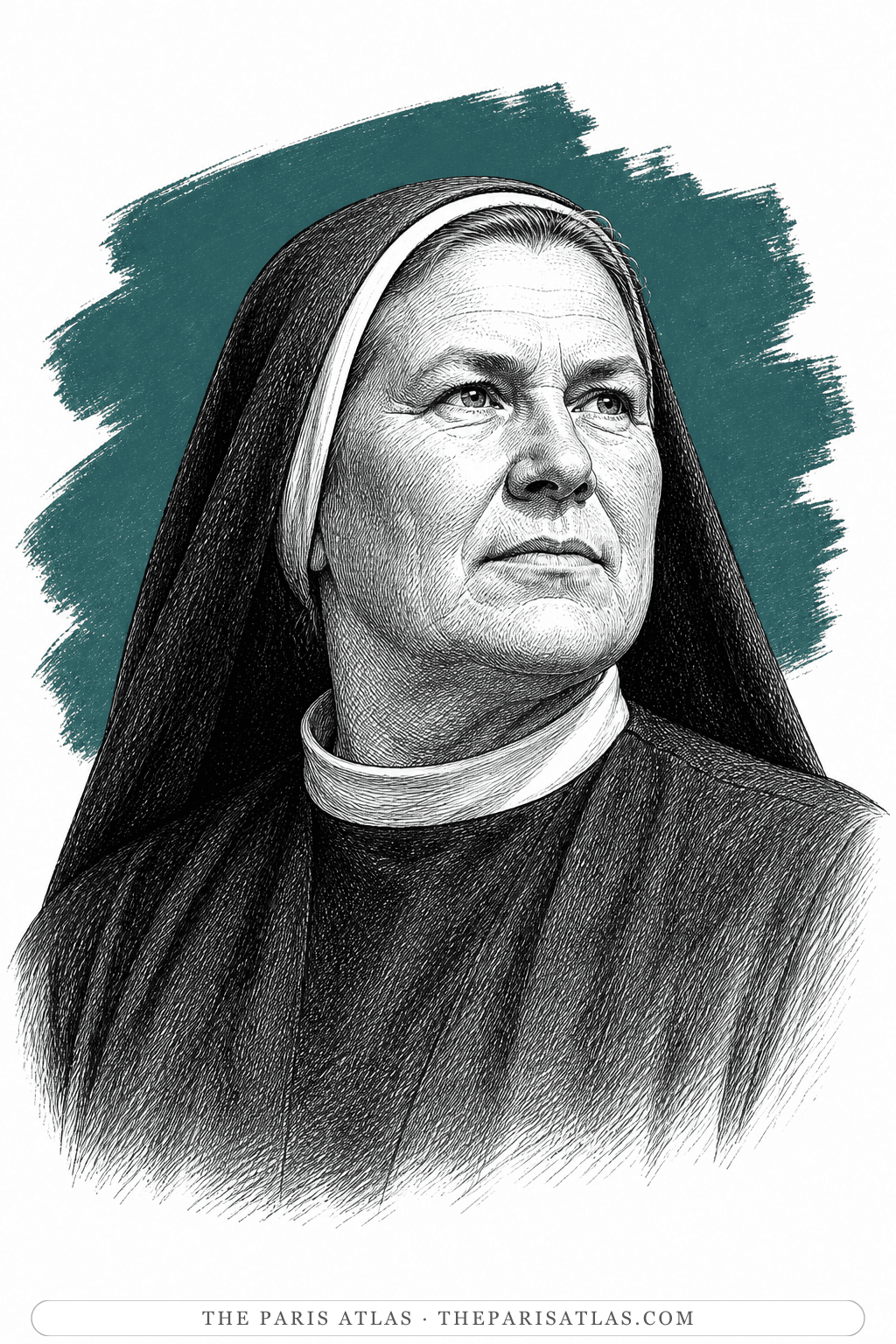
A French nun who had been in Vietnam twenty-seven years, running a compound of 1,500 beds in the Saigon suburbs for orphans, the sick and the destitute.
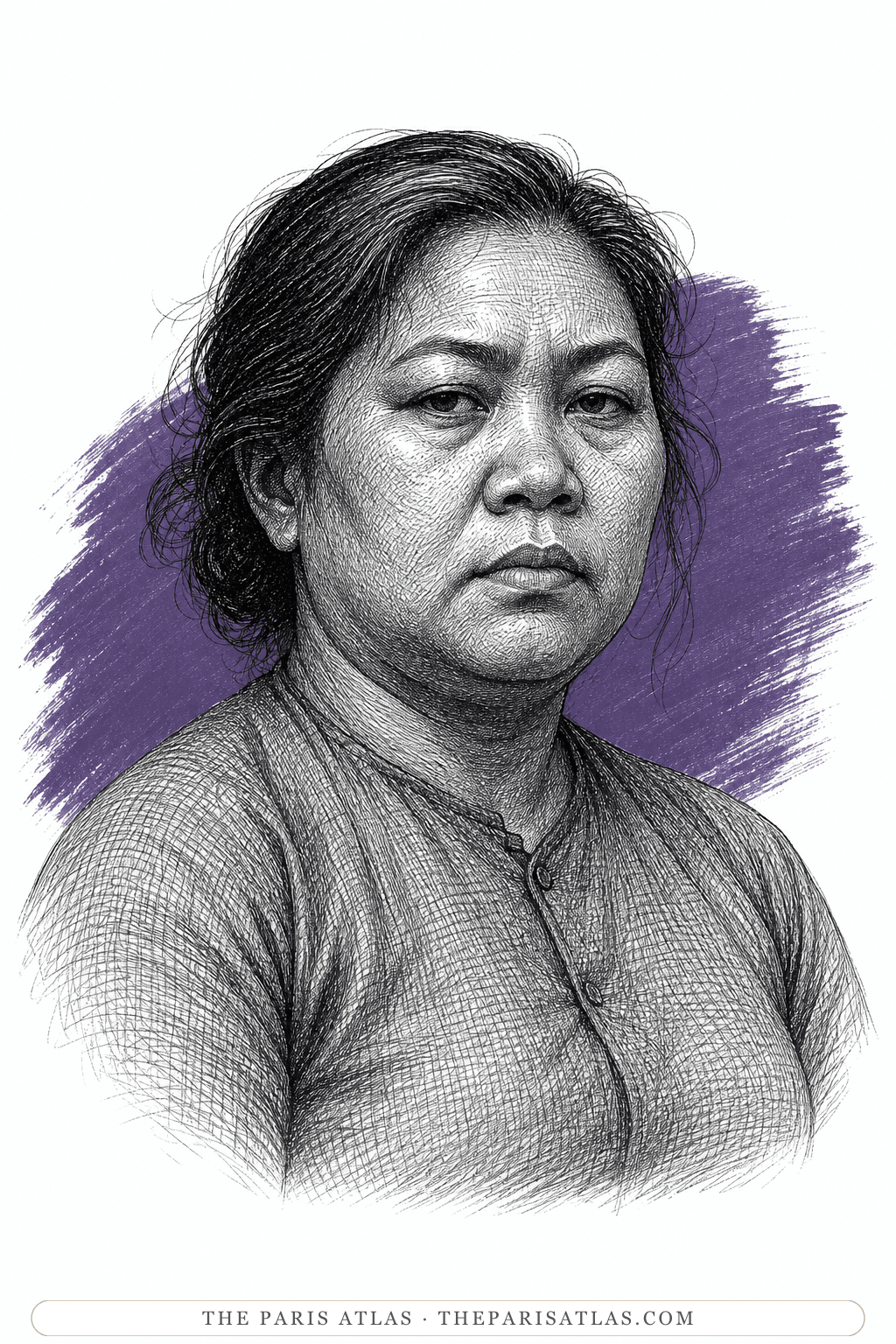
A Vietnamese midwife who nursed for the Vietcong for four years, quit after they refused her Party membership, and formally defected three days before Gellhorn met her.
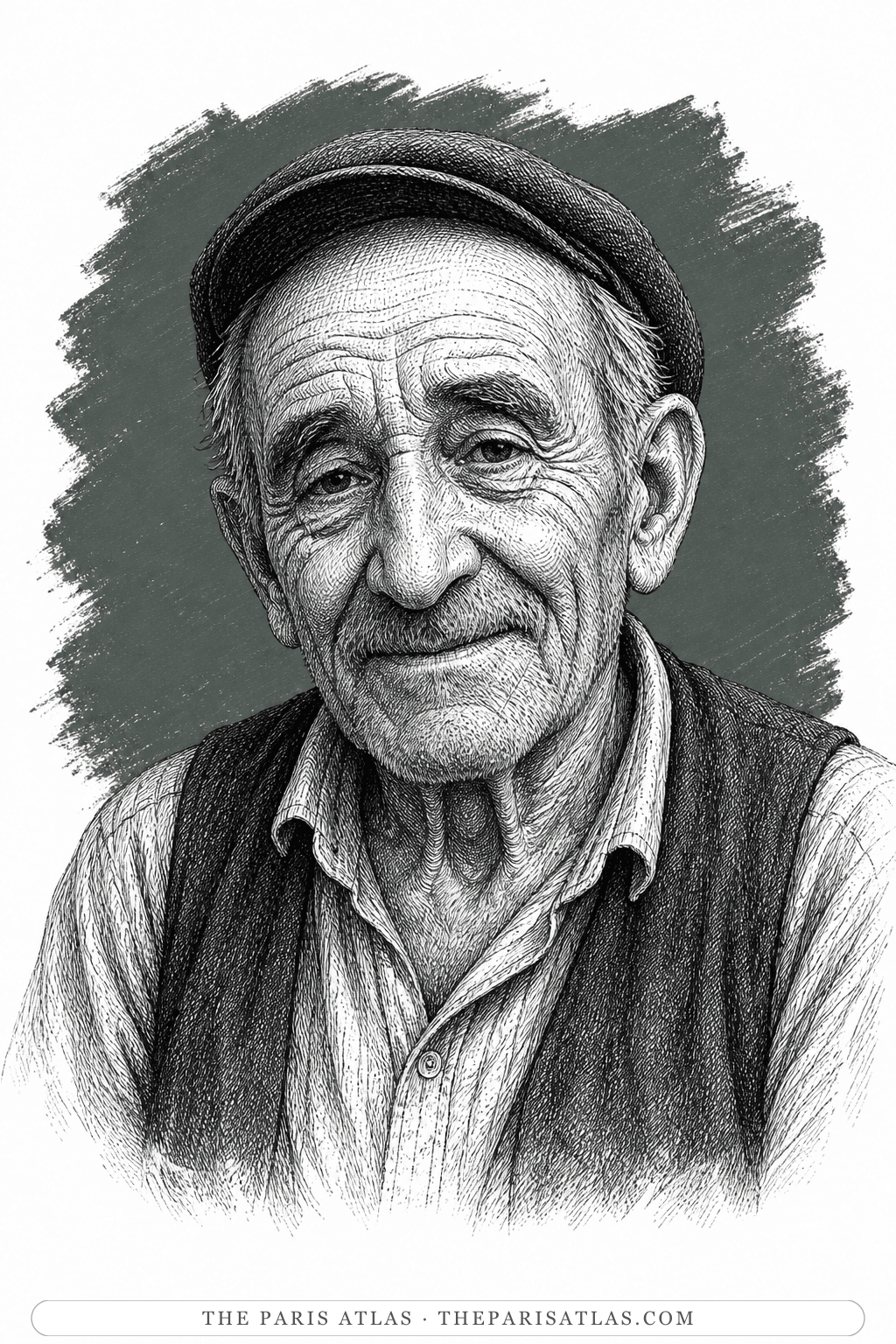
The carpenter Gellhorn came to see, who cannot get wood because all of it is going to dugouts, props for bombed houses, and coffins.
1937
Gellhorn's war reporting begins in Spain — 'High Explosive for Everyone,' 'The Besieged City' — fixed on the bread queue and the shelled street rather than on strategy.
1959
The dispatches are first collected as The Face of War, arranged by war rather than by date, with connecting essays written decades after the reporting.
1967, 1986, 1988
Gellhorn revises the book three times, adding the wars she had covered since the last version and cutting to make room. She calls the 1988 text the fourth and final version.
The same war, reported and imagined — Hemingway dedicated the novel to her, and both came out of the Spain they covered together.
Read our takeMartha Gellhorn, one of the great war correspondents of the twentieth century. It was first published in 1959 and expanded three times as she kept covering wars.
Her collected war journalism, arranged by war rather than by date — opening in Spain in 1937 and running through Finland, China, the Italian campaign, Normandy, and the liberation of Dachau, then later Vietnam and Central America.
The Spanish Civil War, the Second World War across several fronts, and later Vietnam and the conflicts of Central America — five decades of reporting.
She wrote from the ground, fixing on what war does to ordinary people rather than on generals and strategy — the view the book's title names.
Yes. She reported from the front lines across five decades, from the Spanish Civil War to the wars of her old age.
Explore authors with a similar voice, perspective, and influence.
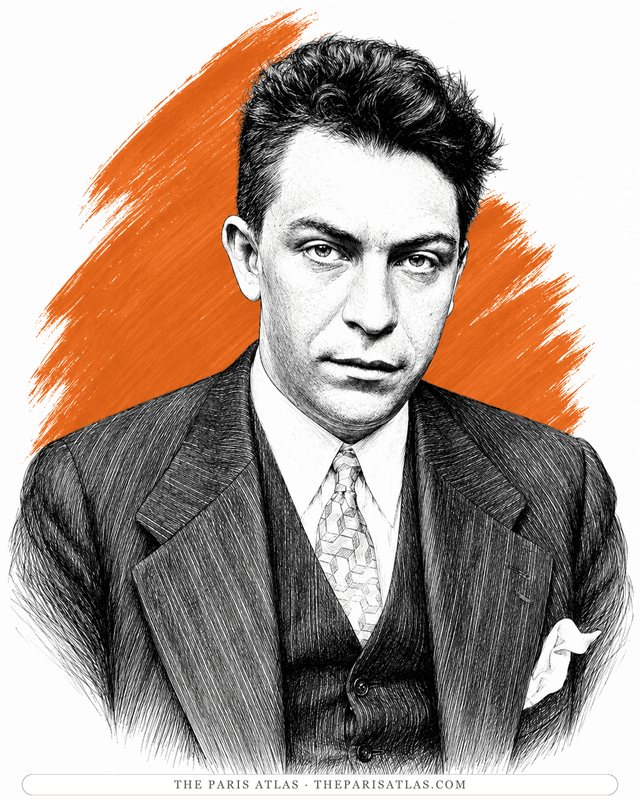
The other great journalist of the Spanish Civil War, reporting the same conflict with the same refusal to flatter the side he preferred.
View author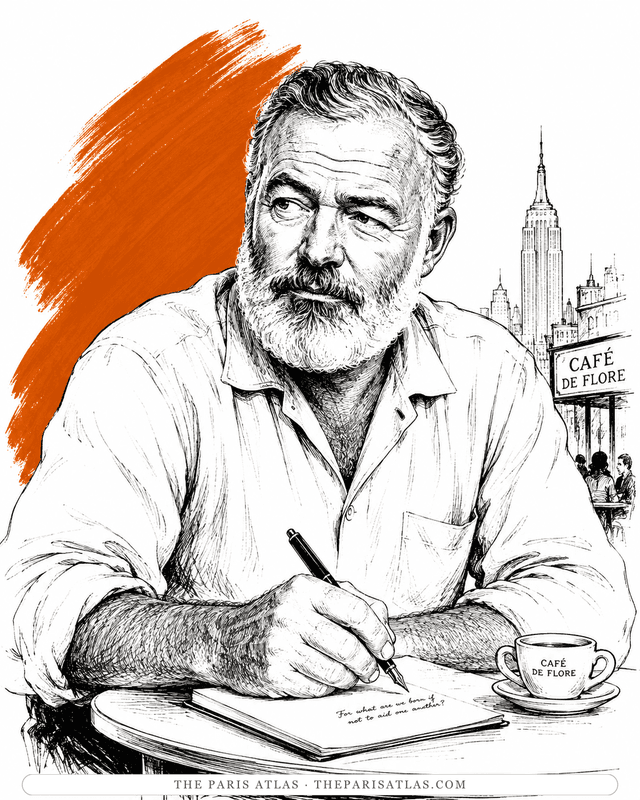
They covered Spain together and he dedicated a novel to her. Read them side by side for how differently the same war lands in fiction and in dispatch.
View author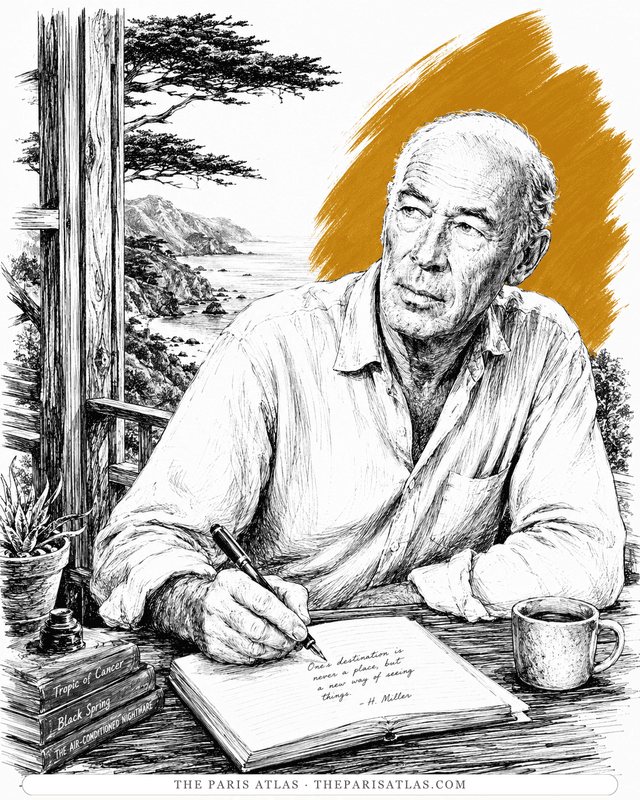
The Brooklyn dropout who arrived in Paris broke at thirty-eight and wrote the exuberant, banned books that ended American censorship.
View authorThe sources below include the primary text, editions, scholarship, archival materials, and other records that informed this page. They document The Face of War, its publication, and its place in literary history.

The primary text represented by this page, used for descriptions of the work’s contents and for any quoted passages shown here.

Published analysis and historical context used in preparing the The Face of War page.
Published analysis and historical context used in preparing the The Face of War page.
The 1959 bibliographic record verifies the collection's original publisher and publication year.
Used to place The Face of War within Martha Gellhorn's published work and verify its bibliographic context.
Used for independent biographical, archival, or historical context surrounding Martha Gellhorn's career and the period in which The Face of War appeared.
Used to cross-check authorship, chronology, and the work's place in Martha Gellhorn's wider catalogue.
Used to verify Martha Gellhorn's bibliography and place The Face of War within the broader chronology of Martha Gellhorn's career.
The primary text is the baseline reference for every book page. Additional references document publication history, interpretation, and historical context where that evidence is available.
 Explore more resources