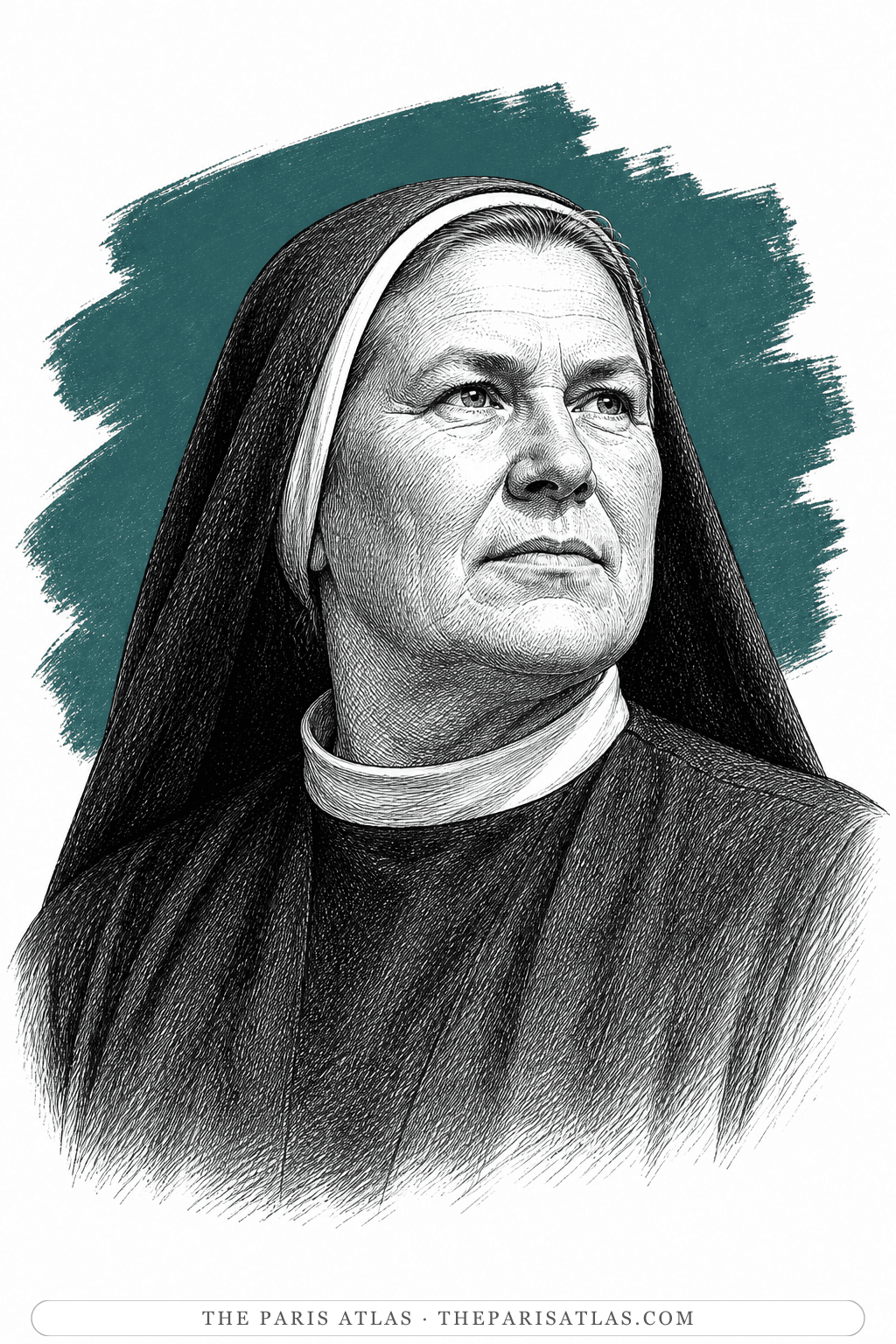
Soeur Jeanne
A French nun who had been in Vietnam twenty-seven years, running a compound of 1,500 beds in the Saigon suburbs for orphans, the sick and the destitute.
To keep 1,500 people fed, watered and off the street, and to make the people who could help her look at what she is looking at.
The book

At a glance
- 'Soeur Jeanne' — a French nun running an asile, or refuge, in the Saigon suburbs
- Twenty-seven years by 1966, on her own account, across three wars
- 1,500 beds and thirty-six nuns, in a suburb held to be unsafe after dark
- 'Orphans of All Ages', one of the 1966 reports from South Vietnam
Who they are in the book
Spoiler-freeSoeur Jeanne is French for Sister Jeanne. In 1966, when Martha Gellhorn came to Vietnam to report the war for The Guardian, Soeur Jeanne was in charge of an asile — a refuge — far out in the Saigon suburbs, in a district considered dangerous after dark. She had arrived in the country twenty-seven years earlier and had now watched three wars fought in it.
Thirty-six nuns worked with her. The compound held 1,500 bare wooden beds and took in whoever arrived: orphans of every age, the tubercular, children crippled by polio, the deaf, the blind, the children of lepers, women who had lost their reason, and old men the police wanted off the street. Gellhorn's report on the visit is called 'Orphans of All Ages'. Soeur Jeanne walks her through the buildings and does most of the talking.
How Soeur Jeanne Is Portrayed
- The portraitGellhorn describes her as a big, burly, fair-skinned French peasant with a strong face and quick blue eyes, and writes that she walks like a man and speaks her mind without fear.
- Twenty-seven yearsLong enough to compare three wars in the same country. She told Gellhorn that nobody had ever troubled the sisters — not the Japanese, and not Ho Chi Minh's soldiers when they were fighting the French, though the nuns were out in the provinces where that fighting was.
- The compoundLong single-storey stucco buildings around a square, with raked gravel paths, tended grass and a few trees. Gellhorn calls it clean and quiet, and a sorrowful corner of hell. In central Saigon the powerful sat behind barbed wire and sentries; her reading is that the nuns are powerless and so need no protection.
- The crecheA room half filled with cots of babies too weak to move or cry. Soeur Jeanne's explanation is that all the little ones come to her sick from hunger, and that the people are too poor.
- The inventoryShe lists what she has, in order: war orphans, war wounded, tubercular, crippled by polio, deaf and dumb, blind, children of lepers, children of refugees who cannot feed them. Then: “Men do not see the real misery of war. They do not wish to.”
- Who she keepsA woman and a small girl who had lost their reason stay with her rather than go to the government asylum, which she calls horrible. Old beggars the police would otherwise jail sleep under the eaves. Of them she says: “The old sleep. They will stay until they die.”
- The cisternThe thing she is proudest of. There had not been enough drinking water for 1,500 people, so she began building a rainwater cistern and ran out of money. She wrote the only letter she ever sent to the American aid mission and got no answer. Women from the embassies paid for the rest of it.
- What they ownShe points at the shelf built into each bed: a cooking pot, a tin plate, a bowl, a rolled mat, folded rags of clothing, a hat. “It is all they own in the world.”
If you like The Face of War


If you like Martha Gellhorn
Explore authors with a similar voice, perspective, and influence.
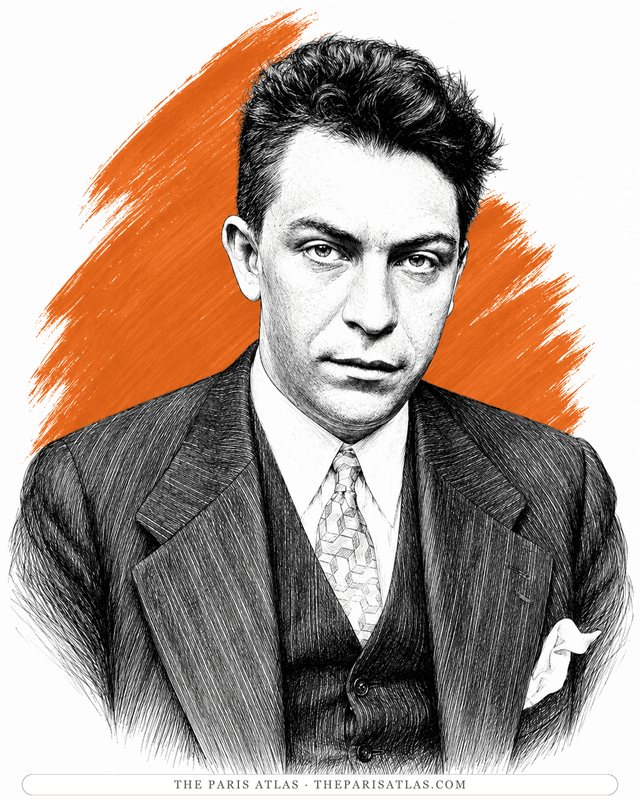
Manuel Chaves Nogales
The other great journalist of the Spanish Civil War, reporting the same conflict with the same refusal to flatter the side he preferred.
View author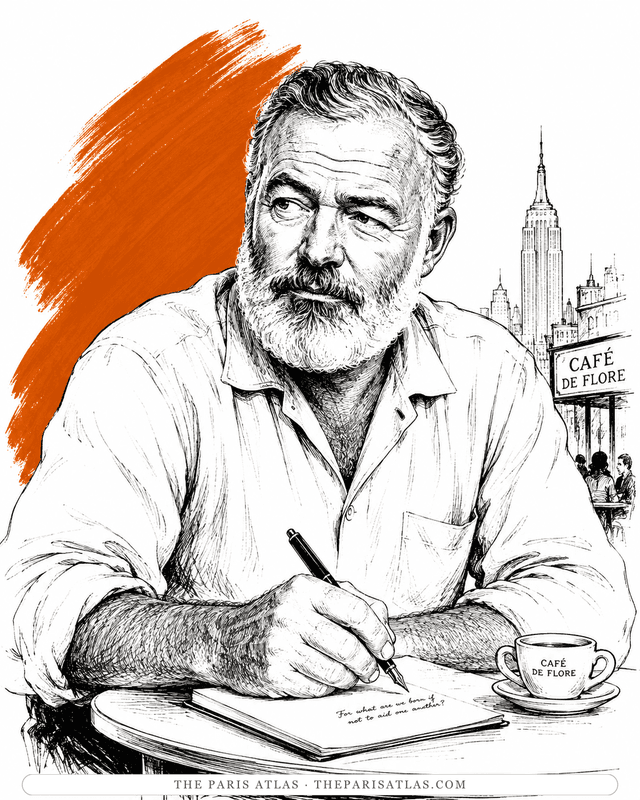
Ernest Hemingway
They covered Spain together and he dedicated a novel to her. Read them side by side for how differently the same war lands in fiction and in dispatch.
View author
Henry Miller
The Brooklyn dropout who arrived in Paris broke at thirty-eight and wrote the exuberant, banned books that ended American censorship.
View author