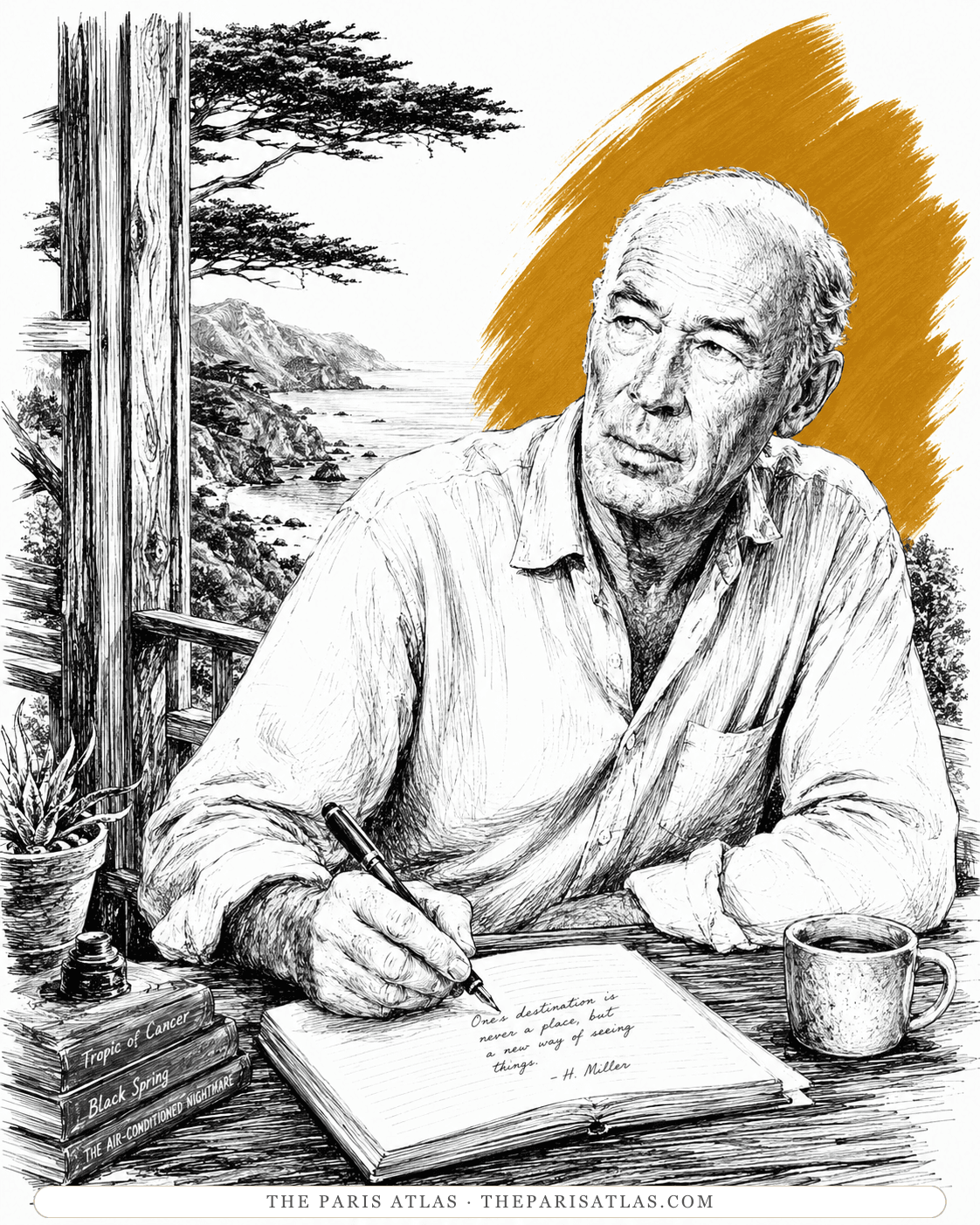

Discusses
Tropic of Cancer
Michael Hargraves's introduction identifies Michael Fraenkel, Miller's correspondent in the letters, as the model for Boris in the opening pages of Tropic of Cancer.

by Henry Miller, Michael Fraenkel
A thousand pages of argument by mail — Miller and Michael Fraenkel start with Shakespeare and end with everything, from the Villa Seurat to the war.
In 1935 Miller and the writer-publisher Michael Fraenkel agreed to write a book of letters on Hamlet. The correspondence ran to late 1938 and outgrew the premise immediately: death, God, art, money, and the coming war, argued at full volume. Fraenkel's Carrefour press published it in two volumes, 1939 and 1941 — the strangest object in the Miller shelf, and the best record of how the Villa Seurat actually talked.
Michael Fraenkel — writer, publisher of the Carrefour imprint, and the man whose death-haunted philosophy Miller alternately absorbed and mocked — had been part of Miller's Paris since the hungry first years; he appears in Tropic of Cancer's opening pages, thinly disguised, as Boris. Around 1935 the two agreed on a scheme: a correspondence about Hamlet, to run a thousand pages, conducted as letters and published as a book.
The premise was a door, not a subject. The two men wrote to each other from November 1935 to October 1938, and the letters range anywhere the argument leads: Shakespeare occasionally, but mostly death — Fraenkel's great theme — against Miller's insistence on life at any cost, with literature, religion, psychoanalysis, and the gathering European catastrophe pulled in as ammunition. It is Miller as pure intellect and pure combatant, a register the novels only sample.
Carrefour published Volume I in June 1939, at Santurce in Puerto Rico, printed in Belgium in 500 copies and left incomplete — some hundred pages of letters were held back. Volume II followed in June 1941, printed in Mexico, the war having scattered the press itself. The scarce originals were condensed three times: a French edition in 1956 that cut both writers by about a third, a 1962 combined edition printed by Daphne in London, and Michael Hargraves's selection Henry Miller's Hamlet Letters (Capra, 1988), which is the practical way to read it now.
Letters — the two-volume record of a single running argument. Fraenkel holds the position that modern man is spiritually dead and Hamlet the first autopsy; Miller counters with appetite, instinct, and scorn for systems, his letters swelling into essays on whatever the week provided. The correspondence advances the way arguments between friends actually do: by escalation, digression, and refusal to concede.
There is no story and no resolution. The letters simply stop in October 1938, a year before the war began, and neither man brought the argument to a close. Read it for Miller with his sleeves rolled up, thinking in public against a worthy opponent; the Hargraves selection trims it to the letters that earn the postage.
Miller's opening letter unsettles the ordinary timetable of correspondence. Dated November 2, it closes with the discovery that the calendar says November 7, although he insists he still inhabits the original café moment. The joke gives form to his distinction between clock time and experienced time. A letter can preserve and prolong an encounter rather than merely report when it happened. Against the schedules he lists, including telegraph time and bedtime, the wandering argument asks what makes a person feel alive, not simply how the hours have been counted.
The proposed thousand pages become more important than the agreed subject. Miller remembers the collaborators considering familiar works to rewrite, then treating an exact length as the condition that settles the project. The plan supplies a reason to begin without dictating where the exchange must go. His closing question sharpens the comedy: should he reread Shakespeare, or continue with the Hamlet he remembers? The book's freedom comes from that unresolved choice between examining a shared text and exposing what its inherited figure has become inside the writers.
Discusses
Michael Hargraves's introduction identifies Michael Fraenkel, Miller's correspondent in the letters, as the model for Boris in the opening pages of Tropic of Cancer.
This is how the circle actually argued — at length, by letter, for keeps. No other Miller book records the intellectual life of the Paris years so directly.
Fraenkel gives as good as he gets, and Miller pushed is Miller at his sharpest. The friction produces pages the solo books cannot.
Two men agree in advance to write a thousand pages about Hamlet and barely discuss the play. The gap between plan and result is the book's comedy and its honesty.
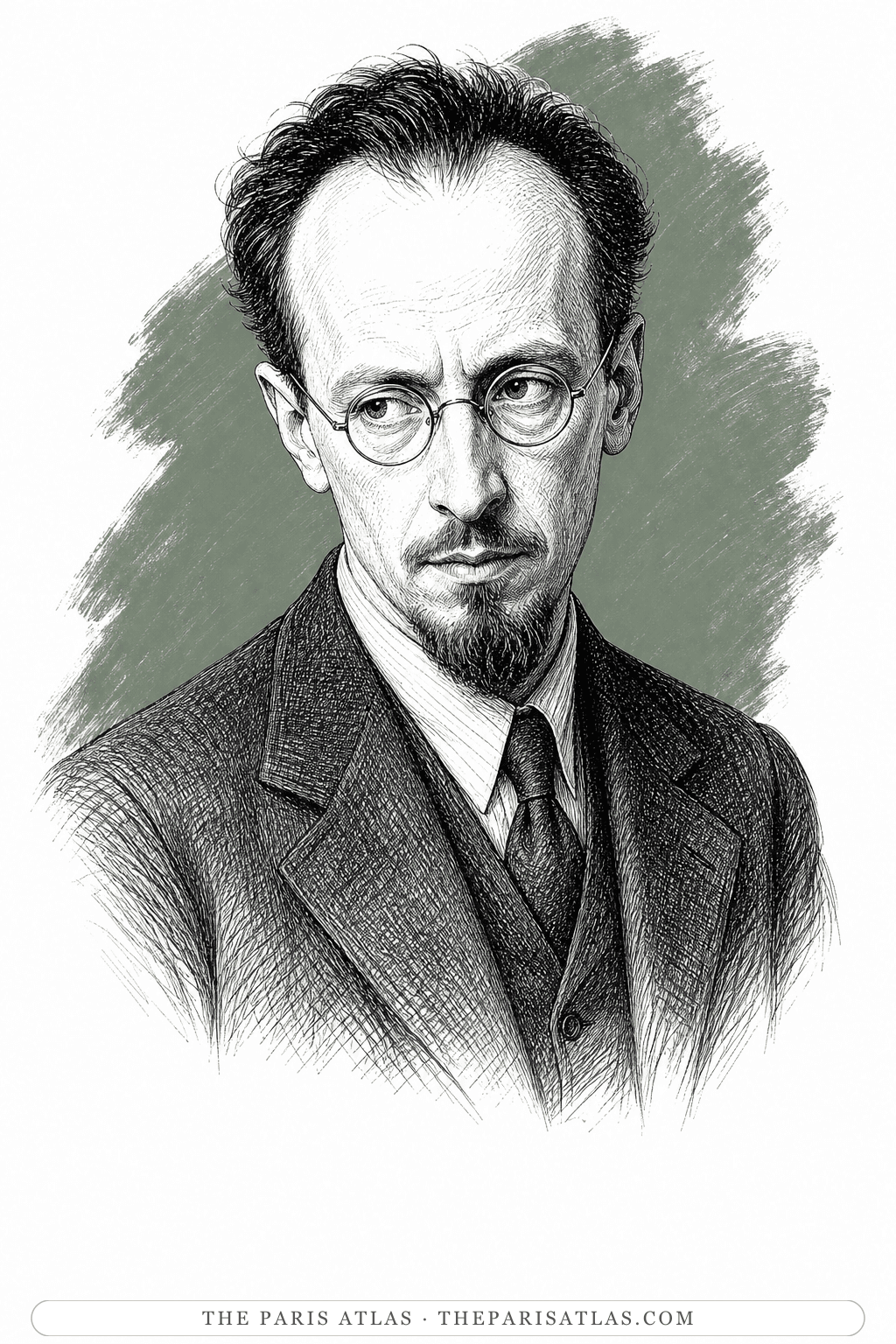
The other correspondent — writer, Carrefour publisher, and the original of Boris in Tropic of Cancer. His death-haunted philosophy is the position every Miller letter pushes against.
1935
Miller and Fraenkel begin the correspondence in November; it runs until October 1938.
1939
Carrefour publishes Volume I in June — 500 copies, printed in Belgium.
1941
Volume II appears in May, printed in Mexico.
1943
A Mexico reprinting restores pages cut from the first volume.
1962
A combined edition of the correspondence appears.
1988
Capra Press publishes Michael Hargraves's selection, Henry Miller's Hamlet Letters.

Fraenkel walks its opening pages as Boris — the friendship's fictional half.
Read our take
The Villa Seurat's other group portrait, in essays rather than letters.
Read our take
Miller the reader and arguer, a register the letters run at full pressure.
Read our take
The essay collection where the philosophy argued here settles into prose.
Read our takeBarely. Miller and Michael Fraenkel agreed to correspond about Hamlet, and the play serves as a launch point — the letters actually range across death, art, religion, money, and the coming war. The premise was an excuse for the argument.
A writer and publisher in Miller's Paris circle, owner of the Carrefour imprint that published these volumes — and the original of Boris in Tropic of Cancer's opening pages. His conviction that modern civilization was spiritually dead is the position Miller's letters push against.
By Fraenkel's own Carrefour press in two volumes of 500 copies each — Volume I in June 1939, published at Santurce in Puerto Rico and printed in Belgium, and Volume II in June 1941, printed in Mexico. A French edition followed in 1956 and a combined edition in 1962, and Capra Press published a selection, Henry Miller's Hamlet Letters, in 1988.
Henry Miller's Hamlet Letters (Capra Press, 1988), edited by Michael Hargraves — it selects twenty of Miller's twenty-two letters and is the only edition most readers will find. The originals are collector's books.
It is the intellectual companion to the Villa Seurat fiction: written alongside Tropic of Capricorn and Max and the White Phagocytes, and the fullest record of Miller arguing ideas rather than narrating a life.
Explore authors with a similar voice, perspective, and influence.

Miller's acknowledged master at making literature out of the gutter. Journey gave him permission; Cancer is what he did with it.
View author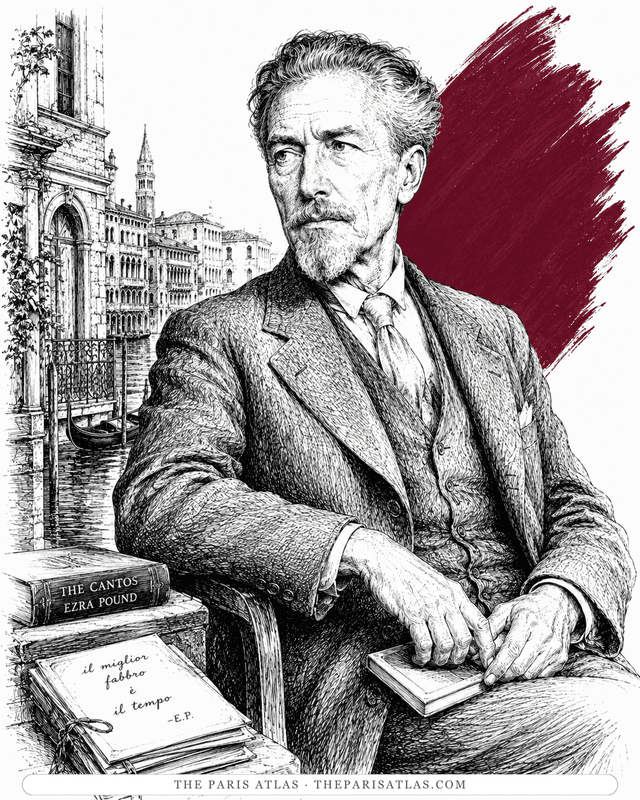
Pound read Cancer and sent Miller a famously backhanded postcard. Both believed literature's job was to wake the reader by any means necessary.
View author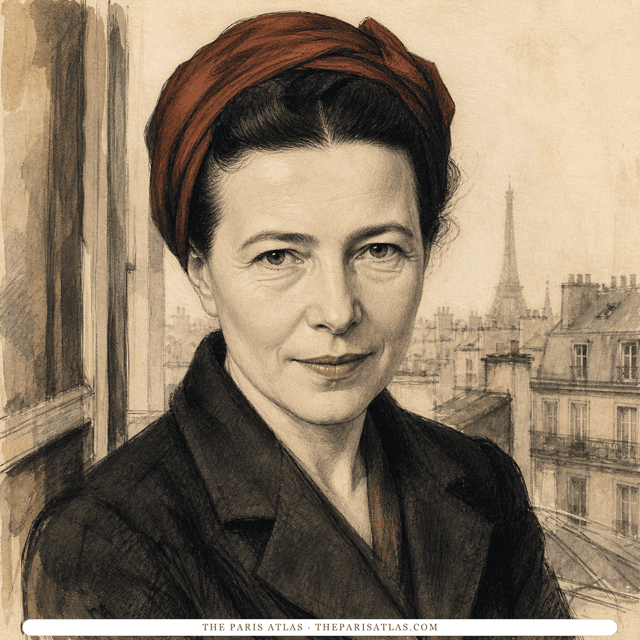
French writer and philosopher whose novels, memoirs, and social analysis examined freedom, gender, responsibility, aging, and the material conditions that shape a life.
View authorThe sources below include the primary text, editions, scholarship, archival materials, and other records that informed this page. They document Hamlet, its publication, and its place in literary history.


The primary text represented by this page, used for descriptions of the work’s contents and for any quoted passages shown here.
Complete opening letter read in the published Spanish excerpt from Quisiera dar un gran rodeo. Used for experienced time, the thousand-page premise and the final question about rereading Shakespeare; neither the English text nor the complete two-sided correspondence was collated.
First-person evidence and historical context used in preparing the Hamlet page.
Biographical evidence used to verify chronology, relationships, and historical context connected to Hamlet.
Ferguson's biography documents Miller's life and working relationships during the years covered by the correspondence.

This scholarly collection supplies critical context for Miller's collaborative and epistolary writing.
The primary text is the baseline reference for every book page. Additional references document publication history, interpretation, and historical context where that evidence is available.
 Explore more resources
